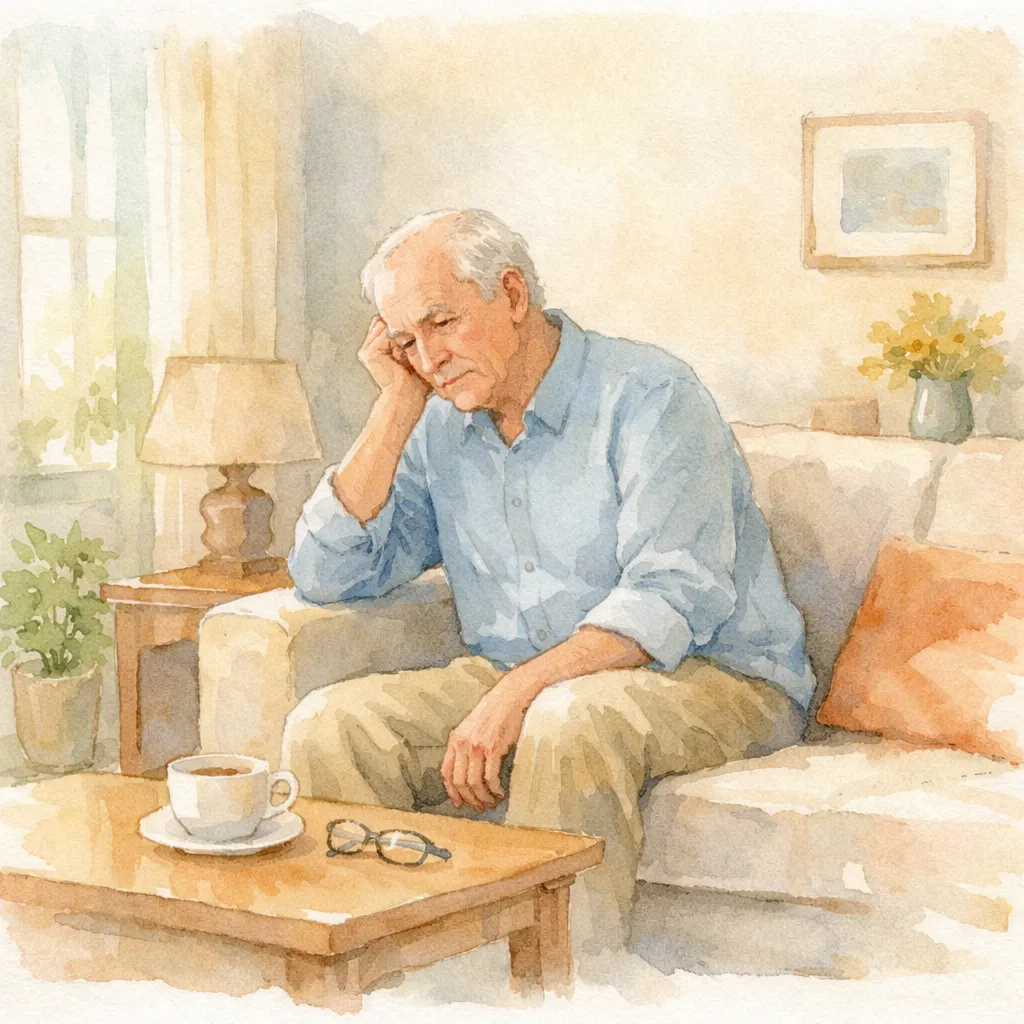
“I didn’t do much today… so why am I so tired?”
This is one of the most common—and least talked about—experiences after retirement.
Many people expect retirement to feel easier.
Less work
More rest
More freedom
But something unexpected happens.
You feel tired… even on quiet days.
This is not laziness.
And it’s not a personal failure.
It’s usually the result of subtle changes in how your body, mind, and daily life work after retirement.
1. The hidden energy shift after retirement
When you stop working, your energy system changes.
Before retirement:
- structured schedule
- clear purpose
- regular movement
After retirement:
- flexible time
- more decisions
- less automatic activity
This shift alone can lower your energy without you noticing.
2. Decision fatigue increases
Retirement removes structure—but adds decisions.
Every day, you decide:
- What should I do today?
- When should I go out?
- Should I rest or stay active?
These small decisions slowly drain mental energy.
Even if you didn’t “do much,” your brain did.
3. You move less than you think
During working years, movement is automatic.
Walking
Standing
Going out
After retirement, movement becomes optional.
And when it becomes optional, it often decreases.
Less movement = lower energy
Even if you feel “rested”
4. Emotional energy becomes more important
Energy is not just physical.
It’s also emotional.
After retirement, you may have:
- fewer conversations
- quieter days
- less stimulation
This can create a subtle feeling of low energy or heaviness.
5. Sleep patterns quietly change
Many retirees experience:
- lighter sleep
- waking earlier
- more naps
Even small sleep changes affect your energy more than you expect.
6. The “low-pressure paradox”
This is the surprising part.
Less pressure should feel better.
But sometimes it leads to:
- lower motivation
- slower mornings
- less mental engagement
Your brain still needs a certain level of activity to feel energized.
7. A simple way to restore energy
You don’t need a strict routine.
You need a gentle rhythm.
A simple daily structure:
- one small morning activity
- one movement (even 10 minutes)
- one connection (call, chat, interaction)
That’s enough.
Real-life examples
“I thought I was just getting older. But adding a short walk helped my energy a lot.” — John, 71
“Having one small plan in the morning made my whole day feel better.” — Linda, 68
Quick self-check
You may feel tired because of:
- lack of structure
- too many small decisions
- reduced movement
- low interaction
- irregular sleep
The key insight
Feeling tired in retirement is not about doing too much.
It’s often about not having enough balanced stimulation.
Conclusion
Retirement changes how energy works.
Instead of pushing harder,
create a gentle daily rhythm.
That’s what restores energy naturally.
Disclaimer
This content is for educational purposes only and does not consider your personal situation. Persistent fatigue may be related to medical conditions. Please consult a qualified healthcare professional if needed.