Category: Lifestyle

  • 2026 The Quiet Reason You Don’t Feel As Happy As You Expected

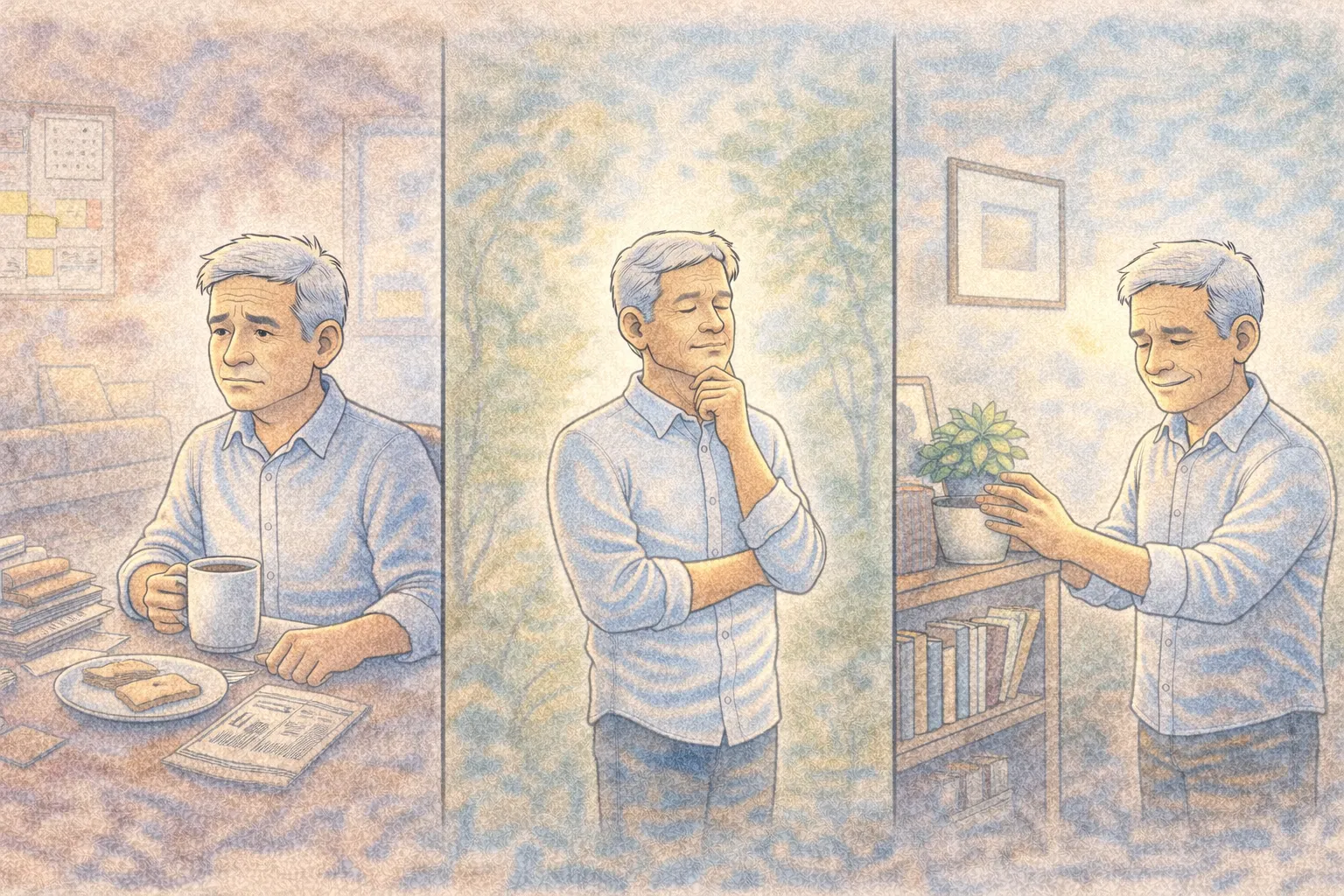
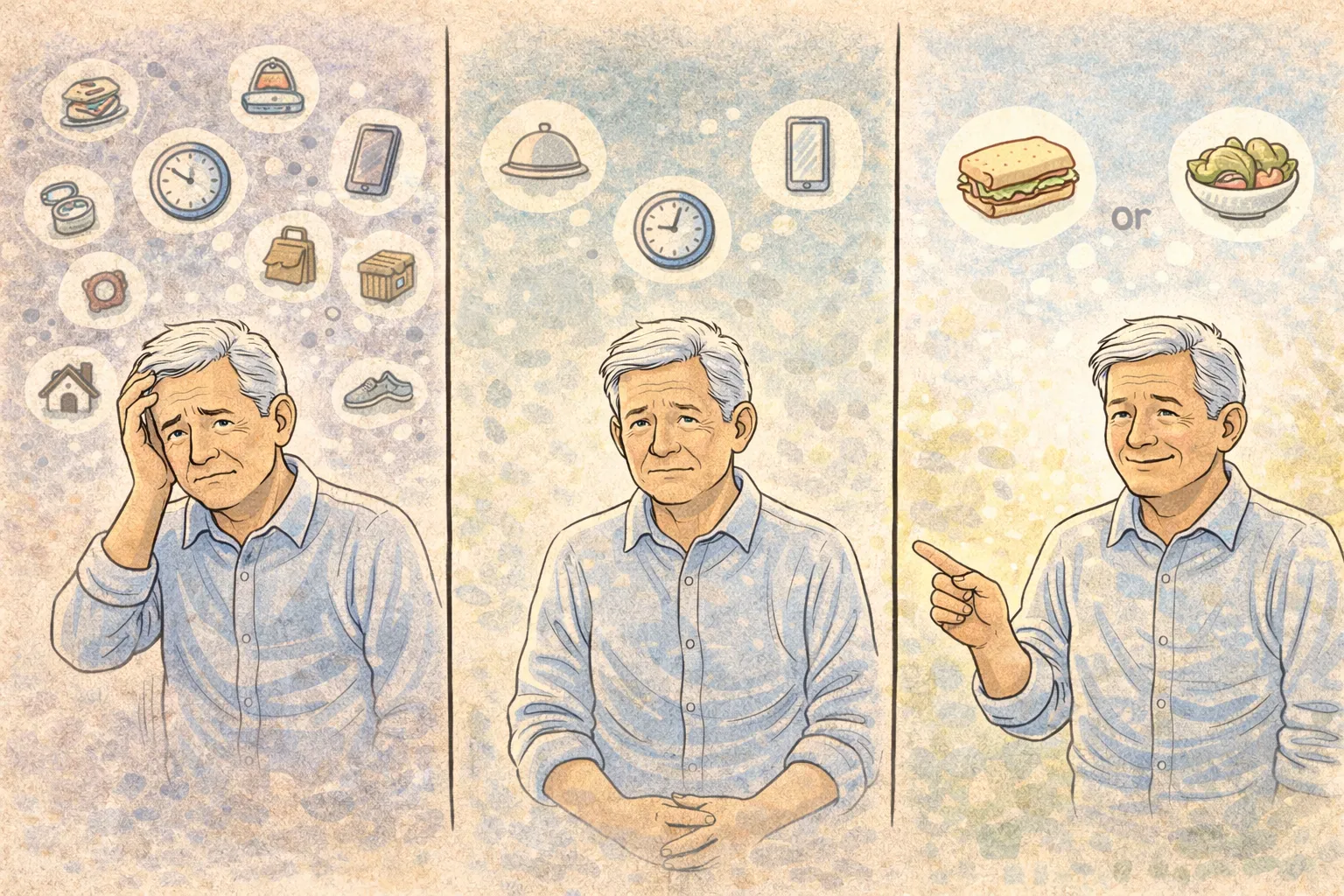
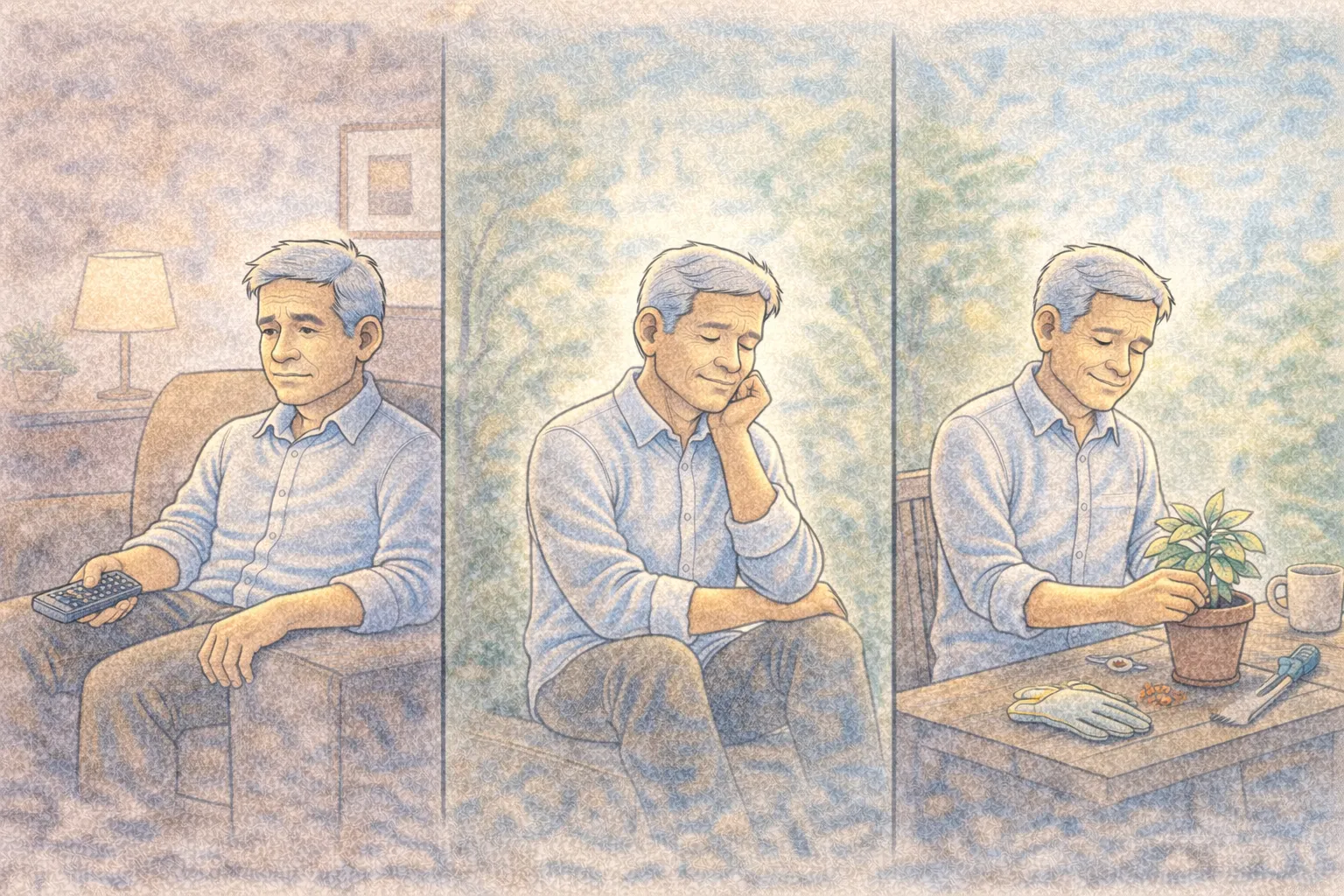
    Panoramic comic-style illustration showing a person feeling emotionally flat while resting and becoming happier through engaging in a small activity
    Happiness often returns when you shift from passive comfort to active engagement

    “I thought I’d feel happier by now.”

    This thought is more common than people admit.

    You’ve done what you were supposed to do.
    You’ve worked, built, managed, handled life.

    And now…

    👉 things are stable

    But happiness?

    It’s… not quite what you expected.


    1. The expectation gap

    Most people carry an unspoken belief:

    👉 “At some point, I’ll feel happier”

    After:

    • career progress
    • financial stability
    • fewer responsibilities

    But reality feels different.


    2. Nothing is wrong—and that’s the problem

    There’s no crisis.

    No major issue.

    No obvious stress.

    And yet:

    👉 happiness doesn’t feel strong

    This creates confusion.


    3. The hidden cause: passive living

    This is the quiet reason.

    👉 life becomes passive

    Not bad.

    Not negative.

    Just…

    👉 less intentional


    4. What passive living looks like

    • reacting instead of choosing
    • filling time instead of using it
    • staying comfortable instead of engaged

    It feels easy.

    But also…

    👉 less meaningful


    5. Why comfort doesn’t create happiness

    Comfort removes stress.

    But it doesn’t create:

    • excitement
    • engagement
    • satisfaction

    Happiness needs:

    👉 participation


    6. The “no contrast” problem

    Before, life had:

    • pressure
    • challenges
    • urgency

    Now:

    👉 everything is smoother

    But without contrast:

    👉 positive feelings feel weaker


    7. Why this happens more after 50

    Because life becomes:

    • more stable
    • more predictable
    • more comfortable

    Which sounds ideal…

    But reduces emotional intensity.


    8. The biggest misconception

    “I should feel happier because things are easier.”

    But happiness doesn’t come from ease.

    👉 it comes from engagement


    9. The simple shift that changes everything

    You don’t need more.

    You need:

    👉 more intentional moments


    10. What intentional living looks like

    • choosing how you spend your time
    • deciding what matters today
    • actively engaging in small actions

    Not big changes.

    Small ones.


    11. Real-life examples

    Paul, 57:

    “I had everything I needed, but nothing felt exciting.”

    He started choosing one intentional activity daily.

    His mood changed quickly.


    Emily, 62:

    “I wasn’t unhappy. I was just not engaged.”

    That insight made all the difference.


    12. Signs this applies to you

    • you feel okay, but not truly happy
    • your days feel repetitive
    • nothing feels particularly exciting
    • you feel slightly unfulfilled
    • life feels “fine”… but flat

    Quick checklist

    • did I choose something today?
    • did I engage with my day?
    • did I do something intentionally?

    If yes, happiness increases.


    The key insight

    You don’t feel less happy because something is missing.

    👉 You feel less happy because you’re less engaged.


    Conclusion

    After 50, life often becomes stable.

    But stability alone doesn’t create happiness.

    👉 engagement does

    You don’t need to change your life.

    You just need to:

    👉 participate in it more

    And when you do—

    Happiness doesn’t feel distant anymore.


    Disclaimer

    This content is for general educational purposes only and does not consider individual psychological conditions. If you experience persistent low mood or emotional distress, consult a qualified professional.

  • 2026 Why You Feel Slightly Off Even When Everything Is Fine

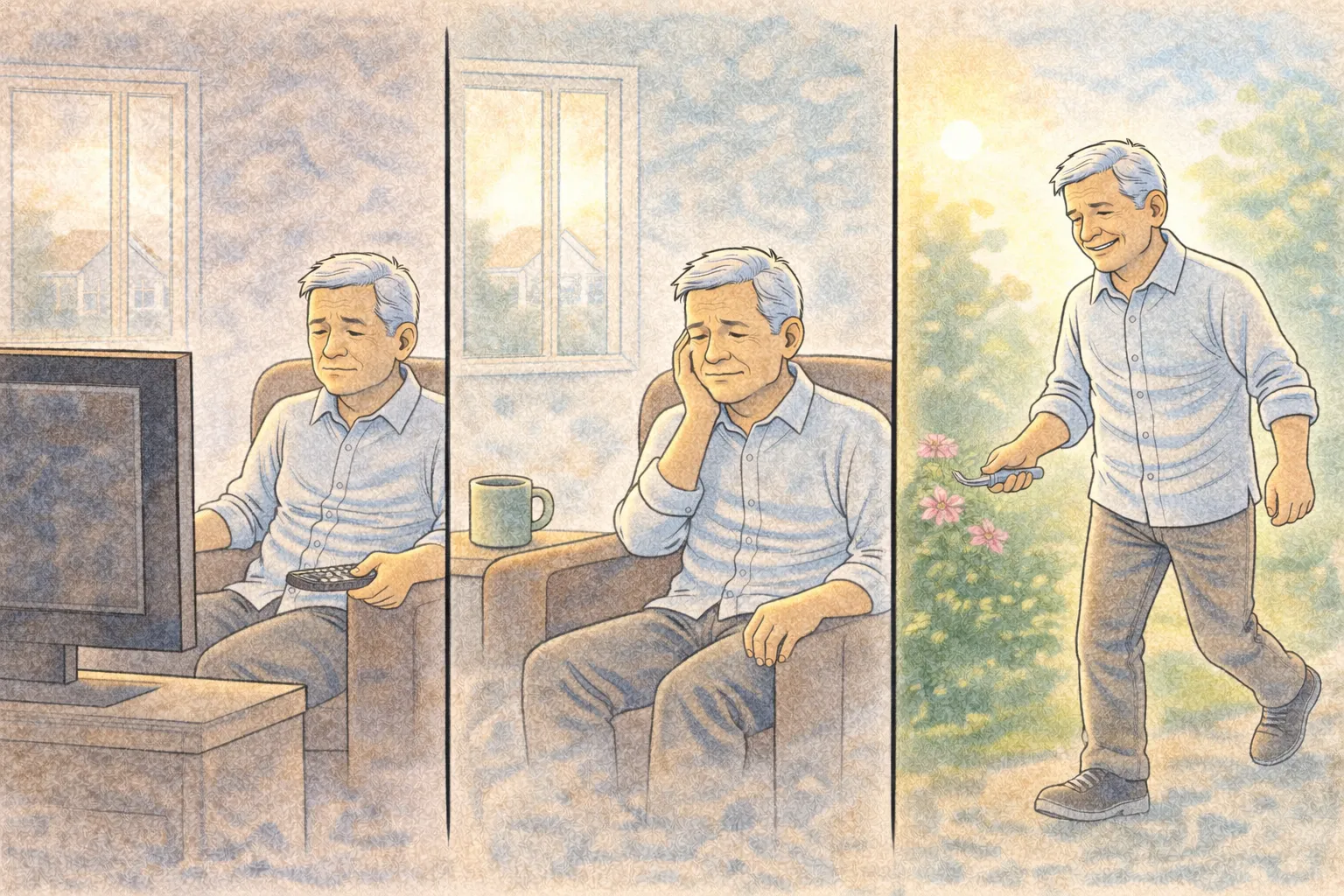
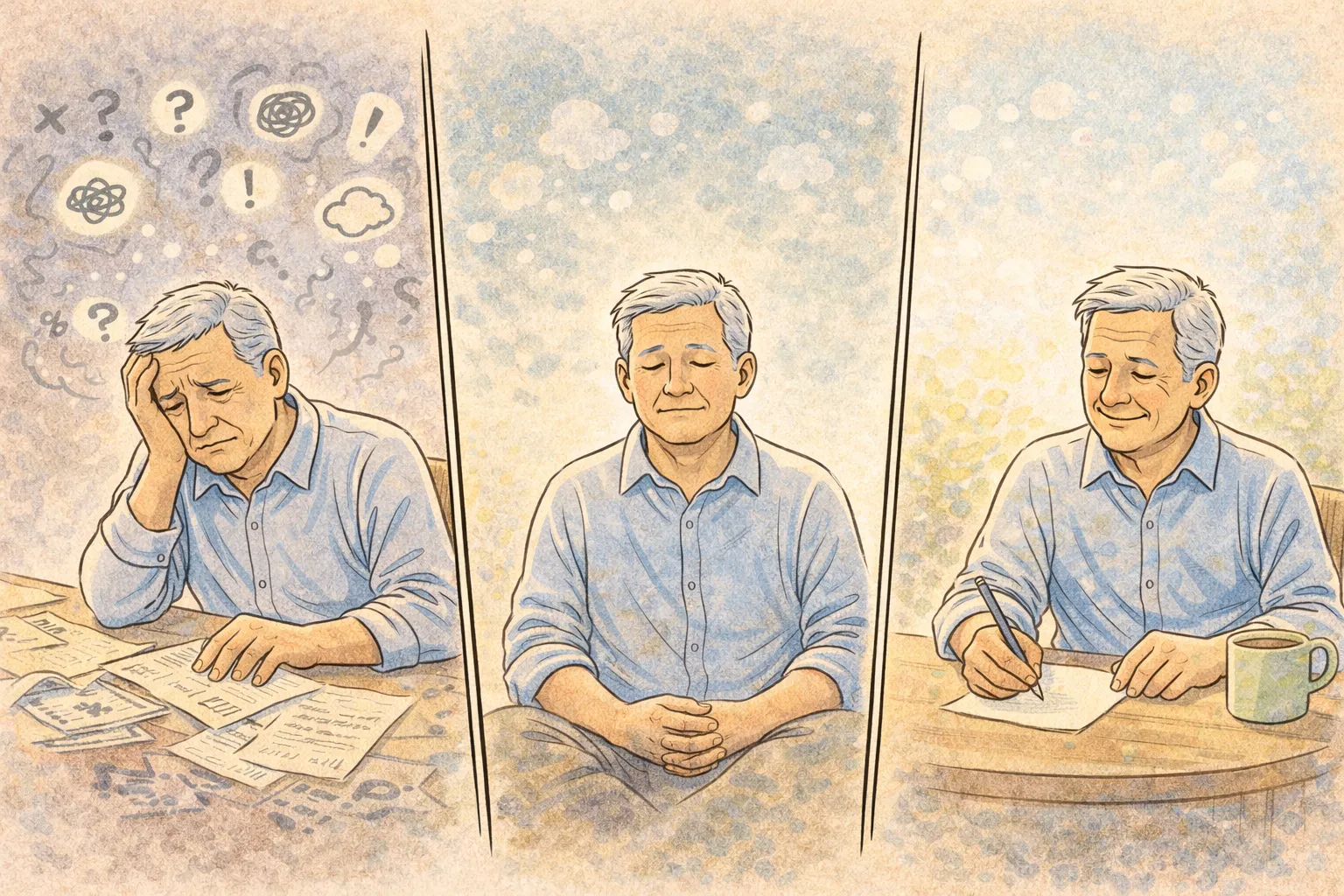
    Panoramic comic-style illustration showing a person feeling slightly off during a normal routine and then becoming calm through reflection and small changes
    Feeling slightly off is often a sign of inner misalignment, not a visible problem

    “Nothing is wrong… but something doesn’t feel right.”

    This feeling is more common than people think.

    Your life is stable.
    You’re managing things well.
    Nothing major is happening.

    And yet…

    👉 something feels slightly off


    1. This feeling is real

    First, let’s be clear:

    👉 You’re not imagining it

    This “off feeling” is:

    • subtle
    • hard to explain
    • easy to ignore

    But very real.


    2. It’s not about problems

    Many people assume:

    “I must be stressed.”

    But often:

    👉 there is no clear problem

    Instead, it’s:

    • internal
    • quiet
    • gradual

    3. The cause: misalignment

    This is the key idea.

    👉 Your life and your internal state are slightly out of sync

    Not dramatically.

    Just enough to feel:

    👉 uncomfortable


    4. What misalignment looks like

    You may notice:

    • doing things you don’t really care about
    • following routines that don’t fit anymore
    • staying busy but not fulfilled

    Everything works…

    But doesn’t feel right.


    5. Why this happens more after 50

    Because:

    👉 you’ve changed

    • your priorities shifted
    • your energy changed
    • your values evolved

    But your life structure may not have caught up.


    6. The “old pattern” problem

    You’re still living with:

    👉 old habits
    👉 old expectations
    👉 old routines

    That worked before…

    But don’t fit now.


    7. Why it’s hard to notice

    Because nothing is clearly broken.

    • no crisis
    • no big failure
    • no obvious issue

    Just a quiet feeling:

    👉 “this isn’t quite right”


    8. The biggest mistake: ignoring it

    Many people think:

    “It’s nothing.”

    So they:

    • push through
    • stay busy
    • distract themselves

    But the feeling stays.


    9. The simple shift that helps

    You don’t need a big change.

    You need awareness.

    👉 ask yourself:

    • “Does this still fit me?”
    • “Do I actually want this?”

    10. Small adjustments matter most

    Not big decisions.

    Small ones:

    • how you spend your time
    • who you spend it with
    • what you focus on

    These shape how you feel.


    11. Real-life examples

    Kevin, 58:

    “I realized my routine didn’t match who I am now.”

    He made small changes.

    The “off feeling” disappeared.


    Anna, 62:

    “Nothing was wrong. It just wasn’t right.”

    That insight changed everything.


    12. Signs you’re experiencing this

    • you feel slightly disconnected
    • things feel less satisfying
    • you can’t explain what’s wrong
    • your routine feels off
    • you feel “fine”… but not good

    Quick checklist

    • does my current life match who I am now?
    • am I doing things out of habit or choice?
    • does my day feel right to me?

    If not, small changes help.


    The key insight

    You don’t feel off because something is wrong.

    👉 You feel off because something changed.


    Conclusion

    This feeling is not a problem.

    It’s a signal.

    👉 a sign that you’re evolving

    And when you listen to it—

    • your life starts to align again
    • your days feel better
    • things make sense

    Disclaimer

    This content is for general educational purposes only and does not consider individual mental health conditions. If persistent discomfort or emotional distress occurs, consult a qualified professional.
  • 2026 Why Life Feels Different in Your 50s (And What No One Tells You)

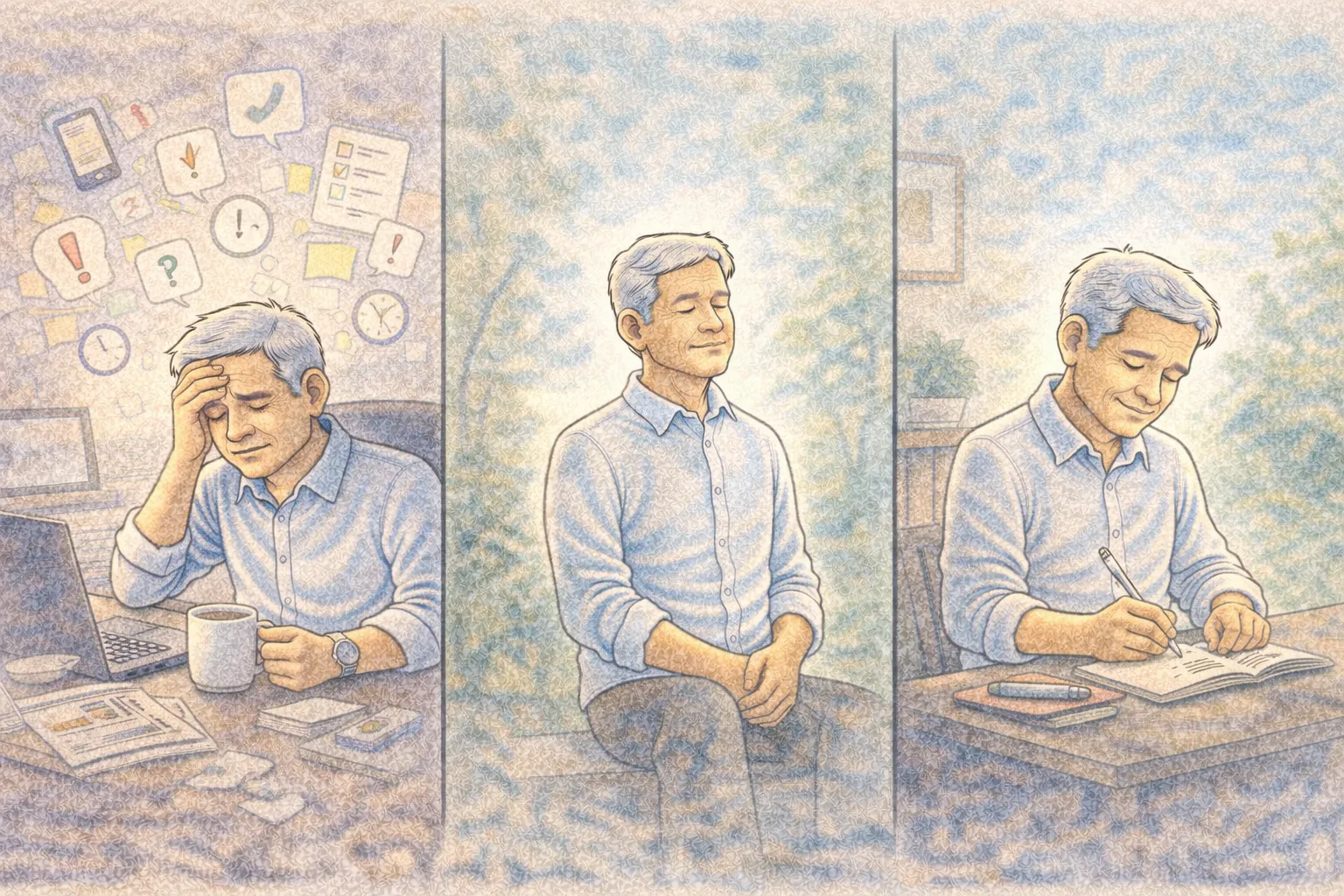
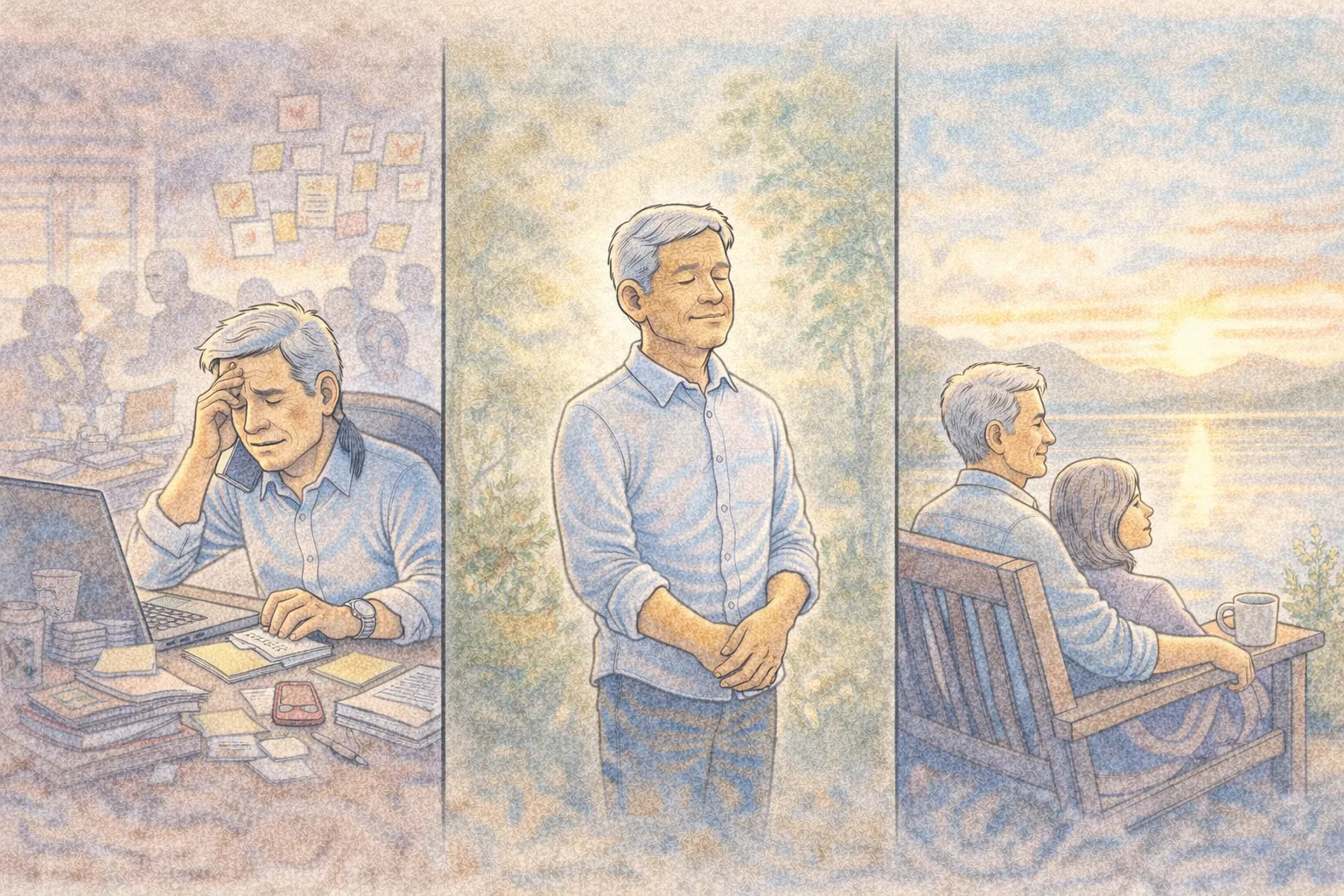
    Panoramic comic-style illustration showing a person in their 50s moving from a stressful busy life to calm reflection and peaceful moments
    Life in your 50s feels different as priorities shift from busyness to calm and meaningful moments

    “Something changed… but I can’t explain what.”

    This is one of the most common thoughts people have in their 50s.

    Nothing is dramatically wrong.

    But everything feels… slightly different.


    1. It’s not just you

    Many people expect:

    • physical changes
    • aging signs
    • lifestyle adjustments

    But what surprises them is:

    👉 the feeling of life itself changes


    2. The shift is subtle—but real

    It’s not one big change.

    It’s many small ones:

    • how you think
    • how you feel
    • how you react

    Individually small.

    Together, noticeable.


    3. You start valuing energy differently

    In your 30s and 40s:

    👉 time was the priority

    Now:

    👉 energy becomes the priority

    You begin to think:

    • “Is this worth my energy?”
    • “Do I actually want to do this?”

    4. You become more selective

    This is not negative.

    It’s clarity.

    You may notice:

    • less tolerance for unnecessary stress
    • less interest in superficial things
    • more focus on what truly matters

    5. Social energy changes

    You don’t necessarily want:

    👉 more people

    You want:

    👉 better interactions

    • smaller groups
    • deeper conversations
    • meaningful time

    6. Motivation works differently

    Before:

    👉 pressure created action

    Now:

    👉 meaning creates action

    If something doesn’t feel meaningful:

    👉 it feels harder to do


    7. You feel time differently

    This is a big one.

    • days can feel long
    • years feel fast

    And this creates a strange awareness:

    👉 time feels more valuable


    8. You think more about “how you live”

    Not just what you achieve.

    Questions start to shift:

    • “Am I enjoying my days?”
    • “Does this feel right?”
    • “Is this how I want to spend my time?”

    9. Why this can feel uncomfortable

    Because no one talks about it.

    You might feel:

    • slightly off
    • less driven
    • unsure why things feel different

    But this is not a problem.


    10. It’s actually an upgrade

    This stage brings:

    • clarity
    • awareness
    • better decision-making

    You’re no longer reacting.

    👉 You’re choosing.


    11. Real-life examples

    Daniel, 54:

    “I stopped chasing things that didn’t matter.”

    He felt lighter.


    Susan, 60:

    “I realized I don’t need more. I need better.”

    That changed everything.


    12. Signs you’re experiencing this shift

    • you question how you spend your time
    • you feel less interested in noise and busyness
    • you prefer calm over chaos
    • you value meaning over activity
    • you feel slightly different but can’t explain it

    Quick checklist

    • am I protecting my energy?
    • am I choosing what matters?
    • am I living intentionally?

    If yes, you’re on the right path.


    The key insight

    Life doesn’t get smaller after 50.

    👉 It gets clearer.


    Conclusion

    This stage of life is not about loss.

    It’s about:

    👉 refinement

    You begin to:

    • focus better
    • choose better
    • live better

    And once you understand this—

    👉 everything starts to make sense again.


    Disclaimer

    This content is for general educational purposes only and does not consider individual psychological or health conditions. If you experience ongoing emotional discomfort, consider consulting a qualified professional.

  • 2026 The Subtle Habit That Makes Retirement Feel Empty

    2026 The Subtle Habit That Makes Retirement Feel Empty (And How to Break It)“Nothing is wrong… but something feels missing.” Many retirees feel this at some point. Life is stable. Days are calm. There’s no major stress. And yet… Something feels empty. Not dramatically. Just quietly. 1. The hidden habit most people don’t notice It’s not something obvious. It’s not a big mistake. It’s a subtle habit: Living the day passively. 2. What passive living looks like It doesn’t look bad. In fact, it looks comfortable. watching TV scrolling sitting for long periods waiting for something to happen Nothing harmful. But also… Nothing engaging. 3. Why this creates emptiness Because meaning doesn’t come from comfort. It comes from engagement. Without engagement: time passes but nothing stays nothing feels memorable 4. The “waiting mode” problem Many retirees fall into this pattern: waiting for plans waiting for others waiting for motivation Days become: Reaction-based. Not intention-based. 5. Why it feels worse over time At first, passive days feel relaxing. But over time: days blend together memories become weaker satisfaction decreases 6. The brain needs participation Your brain is not designed to just receive. It needs to: choose act engage Without that, it feels… flat. 7. The key difference: passive vs active day Passive day: things happen to you you react Active day: you choose something you create movement 8. The simple shift that changes everything You don’t need big changes. You need one small shift: 👉 From waiting → choosing 9. The “1 intentional action” rule Each day, choose: One small intentional action. Not ten. Just one. 10. Examples of intentional actions go outside intentionally call someone intentionally start a small task intentionally change your environment intentionally The key is: You chose it. 11. Why this works Because it creates: ownership engagement memory And that removes the feeling of emptiness. 12. Real-life examples Carol, 71: “I wasn’t unhappy. I was just… not engaged.” She started choosing one action daily. Her words: “My days started to feel real again.” Brian, 74: “I stopped waiting for the day to happen.” That shift changed everything. 13. Signs this habit is affecting you your days feel repetitive you feel slightly disconnected you wait for things to happen you feel unfulfilled without knowing why your days are comfortable but forgettable Quick checklist did I choose something today? did I act intentionally? did I engage with my day? If yes, emptiness decreases. The key insight Emptiness doesn’t come from doing too little. It comes from not participating. Conclusion Retirement gives you freedom. But freedom needs direction. You don’t need more activity. You need more intention. One small choice per day— That’s enough to make life feel full again. Disclaimer This content is for general educational purposes only and does not consider individual psychological conditions. If persistent feelings of emptiness or disconnection occur, consult a qualified professional.
    Panoramic illustration showing a retiree feeling empty while passive and more engaged when taking intentional action

    “Nothing is wrong… but something feels missing.”

    Many retirees feel this at some point.

    Life is stable.
    Days are calm.
    There’s no major stress.

    And yet…

    Something feels empty.

    Not dramatically.

    Just quietly.


    1. The hidden habit most people don’t notice

    It’s not something obvious.

    It’s not a big mistake.

    It’s a subtle habit:

    Living the day passively.


    2. What passive living looks like

    It doesn’t look bad.

    In fact, it looks comfortable.

    • watching TV
    • scrolling
    • sitting for long periods
    • waiting for something to happen

    Nothing harmful.

    But also…

    Nothing engaging.


    3. Why this creates emptiness

    Because meaning doesn’t come from comfort.

    It comes from engagement.

    Without engagement:

    • time passes
    • but nothing stays
    • nothing feels memorable

    4. The “waiting mode” problem

    Many retirees fall into this pattern:

    • waiting for plans
    • waiting for others
    • waiting for motivation

    Days become:

    Reaction-based.

    Not intention-based.


    5. Why it feels worse over time

    At first, passive days feel relaxing.

    But over time:

    • days blend together
    • memories become weaker
    • satisfaction decreases

    6. The brain needs participation

    Your brain is not designed to just receive.

    It needs to:

    • choose
    • act
    • engage

    Without that, it feels… flat.


    7. The key difference: passive vs active day

    Passive day:

    • things happen to you
    • you react

    Active day:

    • you choose something
    • you create movement

    8. The simple shift that changes everything

    You don’t need big changes.

    You need one small shift:

    👉 From waiting → choosing


    9. The “1 intentional action” rule

    Each day, choose:

    One small intentional action.

    Not ten.

    Just one.


    10. Examples of intentional actions

    • go outside intentionally
    • call someone intentionally
    • start a small task intentionally
    • change your environment intentionally

    The key is:

    You chose it.


    11. Why this works

    Because it creates:

    • ownership
    • engagement
    • memory

    And that removes the feeling of emptiness.


    12. Real-life examples

    Carol, 71:

    “I wasn’t unhappy. I was just… not engaged.”

    She started choosing one action daily.

    Her words:

    “My days started to feel real again.”


    Brian, 74:

    “I stopped waiting for the day to happen.”

    That shift changed everything.


    13. Signs this habit is affecting you

    • your days feel repetitive
    • you feel slightly disconnected
    • you wait for things to happen
    • you feel unfulfilled without knowing why
    • your days are comfortable but forgettable

    Quick checklist

    • did I choose something today?
    • did I act intentionally?
    • did I engage with my day?

    If yes, emptiness decreases.


    The key insight

    Emptiness doesn’t come from doing too little.

    It comes from not participating.


    Conclusion

    Retirement gives you freedom.

    But freedom needs direction.

    You don’t need more activity.

    You need more intention.

    One small choice per day—

    That’s enough to make life feel full again.


    Disclaimer

    This content is for general educational purposes only and does not consider individual psychological conditions. If persistent feelings of emptiness or disconnection occur, consult a qualified professional.

  • 2026 Why Retirement Feels Slower Than You Expected (And How to Fix It)

    2026 Why Retirement Feels Slower Than You Expected
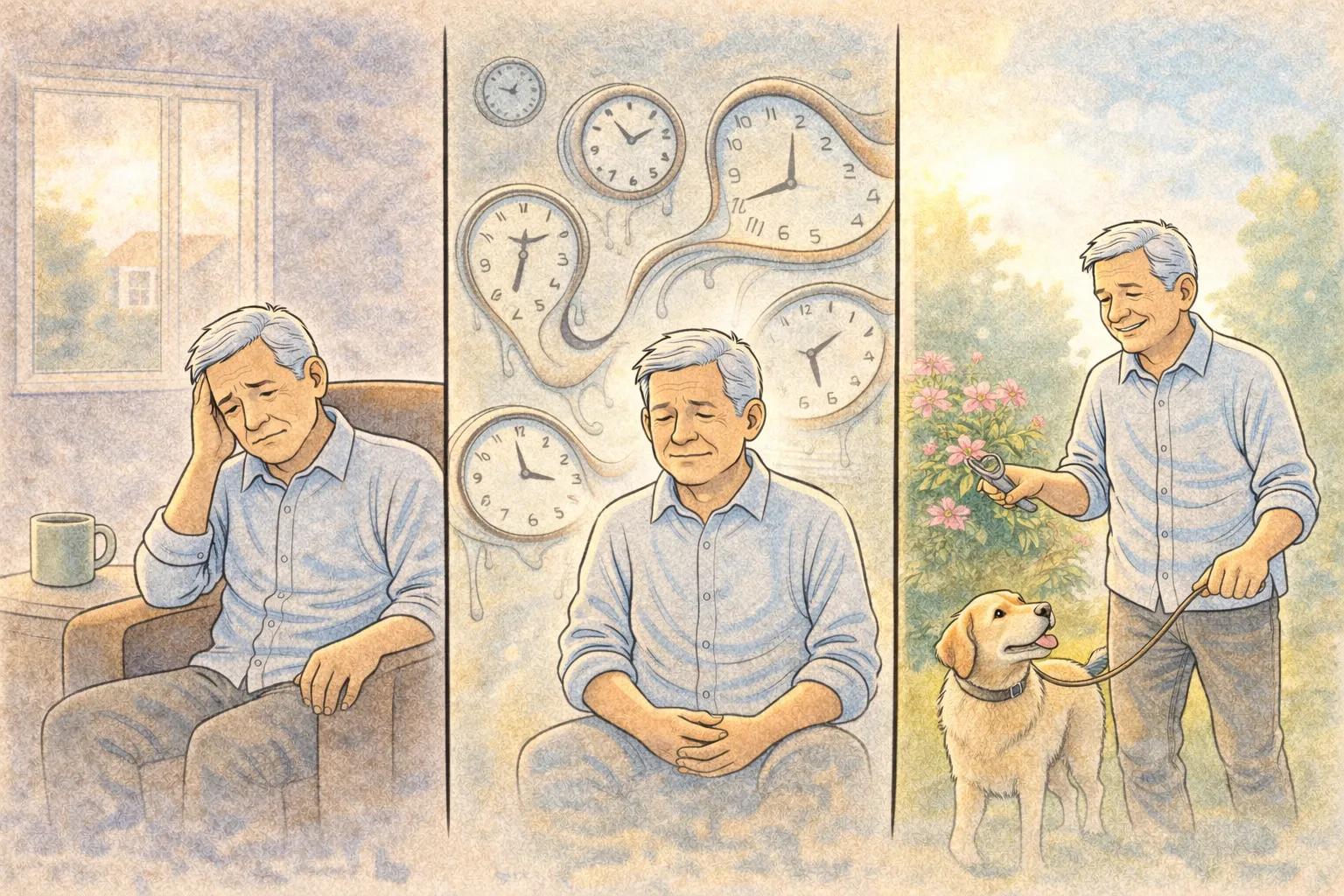
    Panoramic comic-style illustration showing a retiree experiencing slow repetitive time versus enjoying an active outdoor moment

    “I thought time would fly… but it doesn’t.”

    Many retirees are surprised by this.

    You finally have time.

    No pressure.
    No deadlines.
    No rush.

    And yet…

    Days feel longer.
    Weeks feel slower.
    Time feels different.


    1. Why time feels different after retirement

    Before retirement, your day was structured.

    • schedules
    • deadlines
    • responsibilities

    Time was divided.

    After retirement, that structure disappears.

    And when structure disappears…

    Time expands.


    2. The brain needs markers

    Your brain measures time using events.

    • meetings
    • conversations
    • movement
    • changes

    These are called “time markers.”

    Without them:

    • time feels blurry
    • days feel longer
    • nothing stands out

    3. The “same day” effect

    When days look similar:

    • your brain groups them together
    • your memory becomes flat
    • time feels slow

    It’s not that time changed.

    It’s that your experience did.


    4. Why busy people feel time moves faster

    It’s not about stress.

    It’s about variation.

    More variation = more memory markers
    More markers = richer experience

    That makes time feel fuller and faster.


    5. The hidden problem: low variation

    Many retirees fall into this pattern:

    • same environment
    • same routine
    • same pace

    Comfortable…

    But repetitive.


    6. Why slow time feels uncomfortable

    At first, slow time feels relaxing.

    But over time, it can feel:

    • dull
    • unclear
    • slightly empty

    Not bad.

    Just not satisfying.


    7. The solution is not “stay busy”

    This is important.

    You don’t need to fill your day.

    You need to add variation.


    8. The 3-variation rule

    Each day, include at least:

    1. a different place
    2. a different activity
    3. a different interaction

    Even small changes count.


    9. Simple examples

    • walk a different route
    • sit in a different room
    • call a different person
    • try a new small task

    Small variation → big difference


    10. Why this works

    Because it creates:

    • mental markers
    • stronger memory
    • more engagement

    And that changes how time feels.


    11. Real-life examples

    Susan, 70:

    “My days felt long and empty.”

    She started going outside daily.

    Her words:

    “Time started to feel normal again.”


    Robert, 73:

    “I didn’t need more to do. I needed something different.”

    That shift changed everything.


    12. Signs you’re experiencing this

    • days feel long
    • time feels slow
    • your routine feels repetitive
    • your memory of days feels unclear
    • you feel slightly bored

    Quick checklist

    • did I change my environment today?
    • did I do something slightly different?
    • did I interact with someone?

    If yes, time will feel better.


    The key insight

    Time doesn’t slow down.

    Experience does.


    Conclusion

    Retirement gives you time.

    But time alone is not enough.

    You need variation.

    That’s what makes time feel alive again.


    Disclaimer

    This content is for general educational purposes only and does not consider individual psychological or medical conditions. If persistent low mood or disconnection occurs, consult a qualified professional.
  • 2026 The 10-Minute Routine That Prevents a “Wasted Day” Feeling

    2026 The 10-Minute Routine That Prevents a Wasted Day Feeling
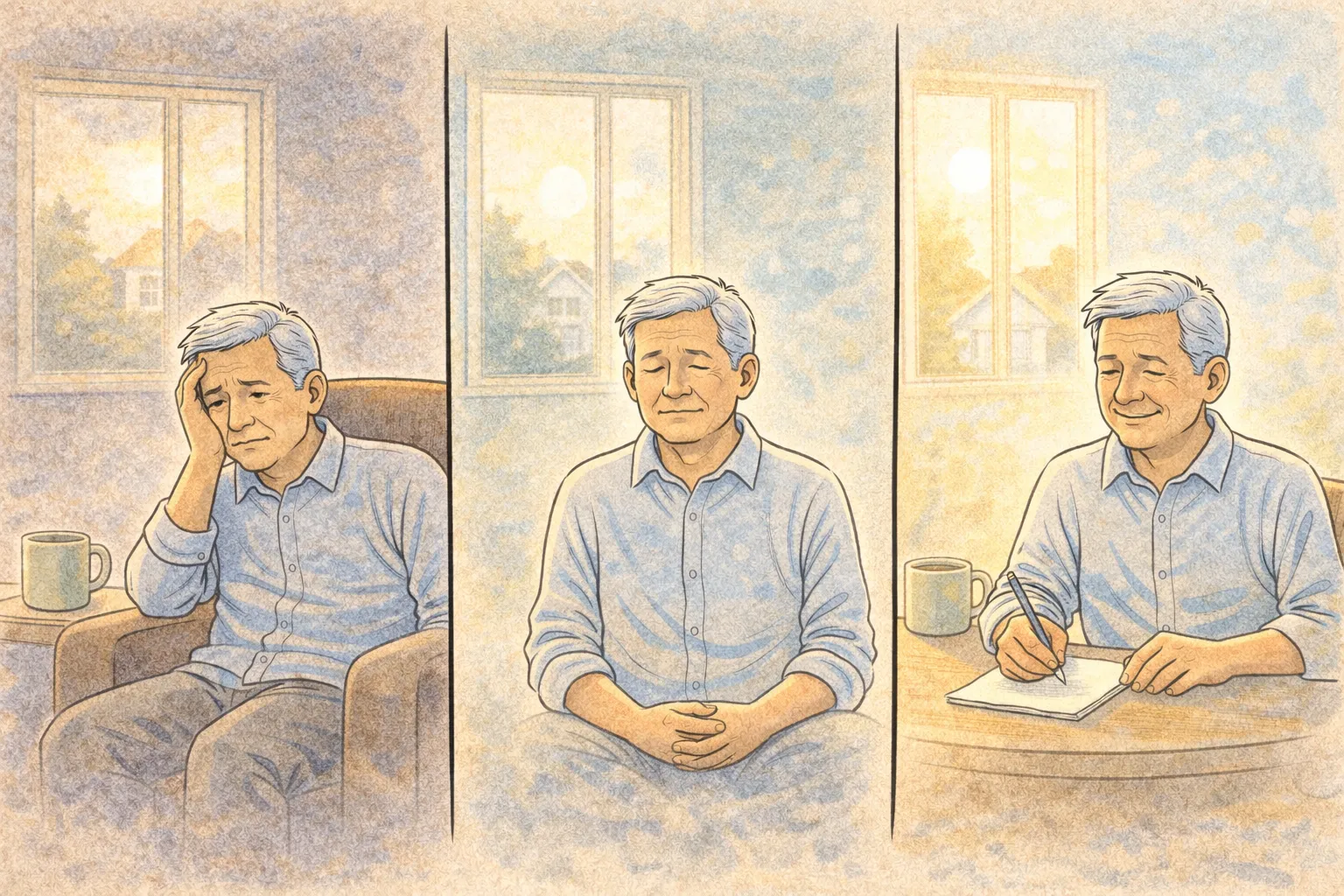
    Panoramic comic-style illustration showing a retiree going from low motivation to calm focus through a simple morning routine

    “I didn’t really do anything today…”

    This feeling shows up more often than expected in retirement.

    The day wasn’t bad.
    Nothing went wrong.
    You weren’t stressed.

    But at the end of the day…

    It feels like it didn’t count.

    That’s the “wasted day” feeling.

    And it has very little to do with how busy you were.


    1. Why this feeling happens

    A day feels “wasted” when it lacks:

    • direction
    • movement
    • completion

    Not productivity.

    Just a sense of progress.


    2. The real problem

    Most retirees don’t need more activity.

    They need a clear starting point.

    Without a starting point:

    • the day drifts
    • small tasks get delayed
    • nothing feels finished

    3. The simple solution: a 10-minute routine

    You don’t need a full plan.

    You need a short reset at the start of your day.

    Just 10 minutes.

    That’s enough to change how your entire day feels.


    4. What this routine does

    This routine gives you:

    • direction
    • clarity
    • momentum

    It turns a passive day into an intentional one.


    5. The 10-minute structure

    Minute 1–3 → Clear your head

    Sit quietly.
    Notice what’s on your mind.


    Minute 4–6 → Choose one thing

    Pick one small action for the day.

    Not five.
    Just one.


    Minute 7–10 → Start it lightly

    Take a small first step.

    That’s enough to break inertia.


    6. Why this works

    Because it solves three problems:

    • no direction → fixed
    • no starting point → fixed
    • no progress → fixed

    All in 10 minutes.


    7. The psychological effect

    Once you start one thing:

    • your brain relaxes
    • your energy increases
    • your day feels “in motion”

    Even if you don’t do much else.


    8. Real-life examples

    Karen, 71:

    “I stopped trying to plan everything.”

    She started her day with one simple action.

    Her words:

    “My days finally felt like they counted.”


    David, 74:

    “I just needed a starting point.”

    10 minutes changed that.


    9. Common mistakes

    Avoid turning this into:

    • a long morning routine
    • a strict schedule
    • a productivity system

    This is not about doing more.

    It’s about starting easier.


    10. When to use this routine

    Best times:

    • morning (most effective)
    • after a slow start
    • when you feel stuck
    • when the day feels unclear

    11. Signs you need this

    • your day feels unstructured
    • you delay starting anything
    • you feel low energy early
    • you end the day feeling unsatisfied

    12. What changes over time

    With this habit:

    • days feel more complete
    • mental clarity improves
    • motivation increases
    • small actions become easier

    Quick checklist

    • did I clear my mind?
    • did I choose one thing?
    • did I take a small step?

    That’s enough for a good day.


    The key insight

    A day doesn’t need to be full to feel meaningful.

    It just needs a beginning.


    Conclusion

    The “wasted day” feeling isn’t about doing too little.

    It’s about never starting.

    This 10-minute routine gives your day:

    • direction
    • movement
    • completion

    And that’s what makes a day feel good.


    Disclaimer

    This content is for general educational purposes only and does not consider individual psychological or medical conditions. If persistent low motivation or mood changes occur, consult a qualified professional.

  • 2026 Why Small Decisions Feel So Hard After Retirement (And How to Fix It)

    2026 Why Small Decisions Feel So Hard After Retirement
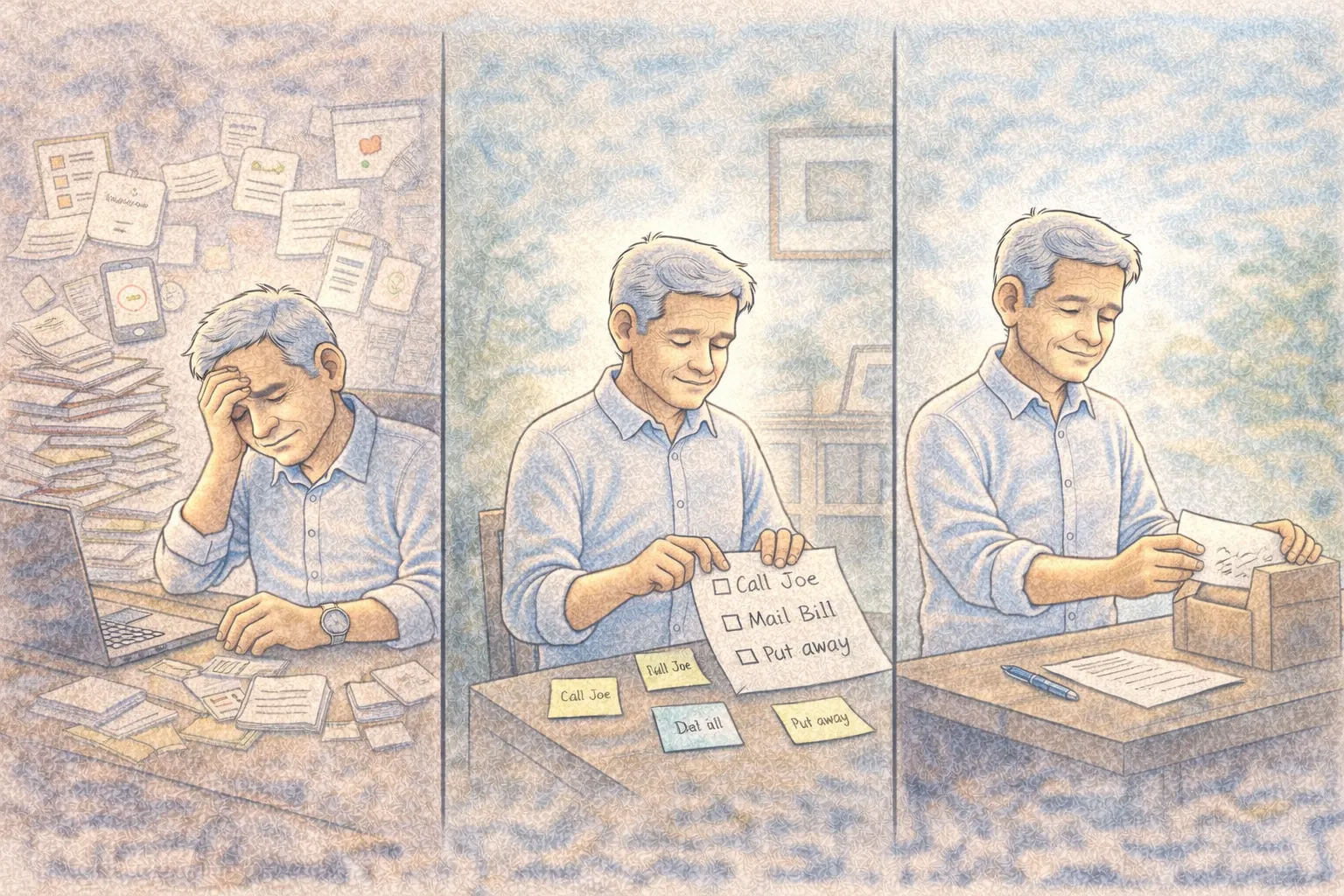
    Panoramic comic-style illustration showing a retiree overwhelmed by many choices and then feeling calm after simplifying decisions

    “Why is something this small so hard to decide?”

    It’s a question many retirees quietly ask themselves.

    What to eat.
    When to go out.
    Whether to call someone.
    What to do with the day.

    None of these are big decisions.

    And yet…

    They can feel surprisingly difficult.


    1. Why this happens after retirement

    Before retirement, many decisions were already made for you.

    • work schedule
    • meal timing
    • daily structure
    • priorities

    Your day had built-in direction.

    After retirement, that disappears.

    Now, everything becomes a choice.


    2. Too much freedom creates friction

    It sounds strange, but it’s true:

    More freedom → more decisions

    And more decisions → more mental effort

    When everything is optional:

    • nothing feels clear
    • everything feels delayed
    • small choices feel heavier

    3. The brain gets tired from deciding

    This is called decision fatigue.

    Even small decisions require energy.

    When you face many small choices:

    • your brain slows down
    • you hesitate more
    • you delay action

    This is why even simple things can feel exhausting.


    4. The “no urgency” problem

    After retirement, most decisions have no deadline.

    You can always say:

    “I’ll decide later.”

    But that creates a loop:

    • delay
    • rethink
    • delay again

    Without urgency, decisions lose momentum.


    5. Why small decisions feel bigger than they are

    Because they represent something deeper.

    When you decide:

    “What should I do today?”

    You are really deciding:

    “What does my life look like now?”

    That’s not a small question.


    6. The hidden mental load

    Every unmade decision stays in your mind.

    Even if you’re not actively thinking about it.

    This creates:

    • background stress
    • mental clutter
    • low-level tension

    7. The mistake most people make

    They try to:

    • think more
    • analyze more
    • find the perfect choice

    But that makes it worse.

    More thinking = more pressure


    8. The simple fix: reduce decisions

    You don’t need better decisions.

    You need fewer decisions.


    9. The 2-choice rule

    Instead of unlimited options:

    Limit yourself to two.

    Example:

    • walk or stay home
    • call or don’t call
    • cook or order

    Two choices = faster action


    10. The “default option” method

    Create simple defaults.

    • breakfast stays the same
    • morning routine stays the same
    • certain days follow a pattern

    This removes unnecessary decisions.


    11. The “decide once” strategy

    Some decisions don’t need to be repeated daily.

    Decide once, then reuse.

    Example:

    • fixed walk time
    • regular call day
    • weekly outing

    12. Real-life examples

    Nancy, 68:

    “I didn’t realize how tiring small choices were.”

    She simplified her mornings.

    Her days became easier immediately.


    Tom, 72:

    “I stopped overthinking everything.”

    He used the 2-choice rule.

    That alone reduced stress.


    13. Signs you have decision fatigue

    • you delay simple choices
    • you overthink small things
    • you feel mentally tired early
    • you keep changing your mind
    • you avoid deciding altogether

    Quick checklist

    • did I limit my choices today?
    • did I avoid overthinking?
    • did I use simple defaults?

    If yes, your day will feel easier.


    The key insight

    It’s not that decisions became harder.

    It’s that you have more of them.


    Conclusion

    Retirement gives you freedom.

    But freedom needs structure.

    When you reduce decisions:

    • your mind becomes clearer
    • your energy improves
    • your day feels easier

    Small changes make a big difference.


    Disclaimer

    This content is for general educational purposes only and does not consider individual psychological or medical conditions. If decision-making difficulty becomes persistent or distressing, consult a qualified professional.

  • 2026 The One Habit That Quietly Improves Every Day in Retirement

    2026 The One Habit That Quietly Improves Every Day in Retirement
    Panoramic comic-style illustration showing a retiree moving from mental clutter to calm clarity through a daily reset habit

    “It’s not a big change… but my days feel better.”

    That’s how many retirees describe this habit.

    It doesn’t require effort.

    It doesn’t take much time.

    And it doesn’t look impressive from the outside.

    But it quietly improves:

    • your mood
    • your clarity
    • your energy
    • your daily rhythm

    All from one simple action.


    1. The habit: a daily reset moment

    The habit is simple:

    Take a few minutes each day to pause, reset, and look at your day clearly.

    Not planning everything.

    Not overthinking.

    Just a short reset.


    2. Why this matters more after retirement

    During working years, structure resets your day automatically.

    • schedules
    • meetings
    • routines

    After retirement, that disappears.

    Without a reset point:

    • days drift
    • thoughts build up
    • energy becomes uneven

    3. What happens without it

    Without a reset moment:

    • small thoughts pile up
    • tasks stay unfinished
    • your mind stays busy
    • your day feels unclear

    Even if nothing is “wrong”

    Things don’t feel settled.


    4. What a reset actually does

    A short reset helps you:

    • clear mental clutter
    • reduce background stress
    • feel more in control
    • refocus your attention

    It’s like cleaning your mind.


    5. The 3-minute version

    You don’t need a routine.

    Start with this:

    • pause
    • sit quietly
    • ask: “What matters for the rest of today?”

    That’s it.


    6. The 5-minute version (better)

    If you want slightly more structure:

    • write one thought down
    • choose one small action
    • let go of everything else

    Simple.

    Clear.

    Effective.


    7. The best time to do it

    Any time works.

    But these are most effective:

    • morning (sets direction)
    • midday (resets energy)
    • evening (clears mind)

    Choose one.

    Keep it consistent.


    8. Why it works so well

    Because it does three things:

    1. reduces mental noise
    2. creates direction
    3. gives a sense of completion

    These three alone improve how a day feels.


    9. Real-life examples

    Anna, 70:

    “I started writing one sentence each morning.”

    That alone made her days feel clearer.


    Paul, 73:

    “I didn’t need a plan. I needed a pause.”

    That pause changed everything.


    10. Signs you need this habit

    • your thoughts feel scattered
    • your day feels unclear
    • you feel mentally busy
    • you delay simple tasks
    • you don’t feel settled

    If this feels familiar, this habit helps.


    11. What NOT to do

    Avoid turning this into:

    • a long routine
    • a strict system
    • a productivity tool

    This is not about doing more.

    It’s about thinking less.


    12. The long-term effect

    Over time, this habit creates:

    • calmer thinking
    • clearer days
    • better decisions
    • more stable mood

    Not instantly.

    But consistently.


    Quick checklist

    • did I pause today?
    • did I clear one thought?
    • did I choose one direction?

    That’s enough.


    The key insight

    You don’t need to control your whole day.

    You just need one moment of clarity.


    Conclusion

    Retirement doesn’t need complexity.

    It needs small, steady habits.

    This one habit—

    a simple daily reset—

    can quietly improve everything.


    Disclaimer

    This content is for general educational purposes only and does not consider individual psychological or medical conditions. If persistent stress or mental discomfort continues, consult a qualified professional.
  • 2026 Why Some Retirees Feel Poor Even With Enough Money

    2026 Why Some Retirees Feel Poor Even With Enough Money
    Older adult looking at a wallet with cash and monthly budget notes, appearing financially uneasy despite having money

    “I know I’m not broke… so why do I still feel financially uneasy?”

    This is more common than people think after retirement.

    On paper, things may look okay.

    • the bills are being paid
    • savings still exist
    • there is no immediate crisis
    • spending is not out of control

    And yet, emotionally, something feels tight.

    You hesitate before buying small things.
    You check balances more often than you want to.
    You feel uneasy spending money even when the spending is reasonable.

    This experience can be confusing.

    Because it is not always about actual poverty.

    Sometimes, it is about the psychology of retirement money.


    1. Income feels different when it stops being earned

    Before retirement, money often felt connected to effort.

    You worked.
    You got paid.
    You could recover from a mistake with future income.

    After retirement, money feels different.

    Now it can feel like:

    • a fixed pool
    • a limited runway
    • something that only goes down

    Even when your numbers are stable, your emotional experience of money changes.

    That shift alone can make people feel poorer than they actually are.


    2. Uncertainty feels expensive

    Retirement money is rarely stressful only because of the amount.

    It is stressful because of uncertainty.

    Questions begin to stack up:

    • What if prices keep rising?
    • What if I need more care later?
    • What if I live longer than expected?
    • What if one big expense throws everything off?

    These questions create a constant background tension.

    So even when today is financially manageable, tomorrow feels expensive.

    That emotional gap can feel like poverty, even when it is really uncertainty.


    3. Spending now can feel like stealing from your future self

    This is one of the biggest retirement money shifts.

    Before retirement:
    spending often felt normal if income continued coming in.

    After retirement:
    spending can feel like taking something away from the future.

    That is why even reasonable purchases can trigger guilt.

    You may think:

    • “Do I really need this?”
    • “What if I regret spending this later?”
    • “I should probably save that instead.”

    This mindset can become so strong that enjoyment disappears.


    4. Past money stress does not disappear just because retirement begins

    Many retirees carry old money emotions into a new stage of life.

    If you spent decades feeling:

    • cautious
    • under pressure
    • responsible for everyone
    • worried about bills
    • afraid of financial mistakes

    Those patterns do not vanish automatically at retirement.

    Sometimes the old stress remains, even when the current numbers are better.

    Your bank account may improve faster than your nervous system.


    5. Retirement removes the feeling of “margin”

    A lot of retirees do not feel poor.

    They feel like they have no margin.

    Margin means:
    room to absorb surprises.

    Without margin, even stable finances can feel fragile.

    A person may technically have enough money for monthly life,
    but still feel anxious because there is not much extra space for:

    • repairs
    • medical changes
    • family emergencies
    • travel
    • inflation
    • care needs later on

    That lack of breathing room is emotionally powerful.


    6. Comparison quietly makes everything worse

    Comparison changes retirement money feelings fast.

    You may compare yourself to:

    • friends who travel more
    • neighbors who renovate more
    • relatives who seem relaxed about spending
    • people online who make retirement look effortless

    This creates a distorted picture.

    You stop asking:
    “Am I safe enough for my actual life?”

    And start asking:
    “Why am I not as comfortable as them?”

    Comparison often creates false scarcity.


    7. The word “enough” becomes harder to define

    Before retirement, enough may have meant:

    • paying bills
    • saving regularly
    • avoiding debt

    After retirement, enough becomes more emotional.

    Now it may mean:

    • safety
    • predictability
    • longevity
    • freedom from fear

    That is a much harder target.

    And when the target keeps moving, it becomes easy to feel poor even while objectively stable.


    Real-life example

    Elaine, 70, had no debt, a paid-off home, and enough monthly income to cover her life comfortably.

    But she still felt anxious buying new shoes or replacing small household items.

    Her words were simple:

    “I don’t feel broke. I feel exposed.”

    That was the real issue.

    Not lack of money.

    Lack of emotional safety around money.

    Once she created a small monthly “allowed spending” amount for everyday life, her stress dropped.

    Nothing about her finances changed dramatically.

    But her relationship with money did.


    Another example

    Martin, 73, kept checking his accounts every few days.

    He was not overspending.

    He was not in danger.

    But he still felt uneasy.

    Eventually he realized he was not checking for information.

    He was checking for reassurance.

    That distinction mattered.

    Once he moved to a weekly money check instead of frequent balance checking, he felt steadier.


    8. Feeling poor is sometimes really fear of future dependence

    This is especially true for older adults living alone or thinking ahead.

    Money anxiety is often connected to questions like:

    • Will I need help later?
    • Will I become a burden?
    • Will I be able to choose my care?
    • Will I lose control?

    In this case, “I feel poor” may really mean:

    “I’m afraid I won’t have enough control later.”

    That fear deserves respect.

    But it should be named accurately.

    Because once you identify the real fear, you can respond more clearly.


    9. What actually helps

    The solution is not always “save more.”

    Sometimes the real need is:

    • more clarity
    • less over-checking
    • a realistic buffer
    • a simple spending structure
    • a better definition of enough

    Helpful questions:

    • What does “enough” mean for my real life?
    • Which expenses are actually stable?
    • Which fears are concrete, and which are vague?
    • What would make me feel more financially steady this month?

    These questions calm the nervous system more than constant account checking.


    10. A calmer way to think about retirement money

    Try separating money into three emotional categories:

    1. Safety money

    This covers essentials:
    housing, food, utilities, insurance, medication

    2. Stability money

    This covers realistic irregular costs:
    repairs, appointments, gifts, seasonal spending

    3. Life money

    This covers living:
    coffee out, hobbies, outings, comfort purchases, small joy

    Many retirees feel poor because “life money” disappears emotionally.

    Everything starts feeling like it must stay in safety mode.

    But a retirement life with no room for enjoyment often feels smaller than it needs to.


    11. Signs this is more emotional than mathematical

    You may be experiencing retirement money anxiety more than actual shortage if:

    • you feel guilty spending small amounts
    • you are financially stable but still feel constantly uneasy
    • you check balances often for reassurance
    • you postpone reasonable purchases repeatedly
    • you struggle to define what “enough” means
    • you feel safer saving than living

    That does not mean the feeling is imaginary.

    It means the solution may require emotional clarity, not only arithmetic.


    12. A better question than “Am I poor?”

    Instead of asking:

    “Am I poor?”

    Try asking:

    “Do I feel unclear, unsafe, or out of control?”

    That question is usually more accurate.

    And it leads to better next steps.

    Because those are not all the same problem.


    Quick checklist

    • I feel guilty spending even small amounts
    • I often fear future costs more than current ones
    • I check accounts for comfort, not just information
    • I rarely feel like I have enough margin
    • I struggle to enjoy money I can reasonably afford to use

    If this feels familiar, the problem may not be lack of money alone.

    It may be lack of emotional steadiness around money.


    The key insight

    Some retirees feel poor even with enough money
    because retirement changes what money means.

    It is no longer just income.

    It becomes safety, time, control, and future security.

    That is why the emotional experience can feel much tighter than the numbers suggest.


    Conclusion

    Feeling financially uneasy in retirement is not always a sign that you are doing something wrong.

    Sometimes it means:

    • you need more clarity
    • you need a calmer money rhythm
    • you need permission to define “enough” more realistically

    Money peace in retirement is not just about having more.

    It is about understanding what the money is carrying emotionally.

    Once you see that clearly, the fear often becomes easier to manage.


    Disclaimer

    This content is for general educational purposes only and does not provide financial, legal, tax, or investment advice. Individual financial situations vary. For personalized guidance, consult a qualified financial professional.

  • 2026 Why Feeling “Unproductive” After Retirement Is Completely Normal

    2026 Feeling Unproductive After Retirement Is Completely Normal
    Older adult relaxing comfortably in a chair at home, representing a calm and quiet retirement day without pressure

    “I didn’t really do anything today.”

    This thought shows up more often than people expect after retirement.

    The strange part is this:

    You may have had a calm day.
    Nothing stressful happened.
    You weren’t overwhelmed.

    And yet…

    You still feel slightly uncomfortable.

    Like something is missing.

    Like the day didn’t “count.”

    This feeling is very common.

    And more importantly—

    It’s completely normal.


    1. Why productivity used to define your day

    For decades, life followed a pattern:

    • tasks to complete
    • work to finish
    • responsibilities to manage
    • goals to reach

    At the end of the day, there was a clear question:

    “Did I get things done?”

    That question shaped how you felt.

    Productivity = satisfaction


    2. What changes after retirement

    Retirement removes that structure.

    There is no longer:

    • a daily output requirement
    • a performance expectation
    • a clear definition of “done”

    This creates a gap.

    Not in time—

    But in meaning.


    3. The “invisible day” feeling

    Many retirees experience this:

    The day passes quietly.

    But at the end, it feels like:

    • nothing important happened
    • nothing was completed
    • nothing stands out

    This creates the feeling of being unproductive.

    Even if the day was peaceful.


    4. Why this feeling is uncomfortable

    Your brain has been trained for years to measure value through output.

    So when output disappears, the brain reacts:

    • “Was today useful?”
    • “Did I waste time?”
    • “Should I have done more?”

    This is not a flaw.

    It’s conditioning.


    5. Rest is not the same as “nothing”

    This is the key misunderstanding.

    Rest is not empty.

    Rest is active recovery.

    But when you’re used to productivity, rest can feel like:

    • laziness
    • lack of purpose
    • wasted time

    That’s not true.

    It just feels unfamiliar.


    6. The hidden pressure retirees carry

    Even without a job, many retirees feel internal pressure:

    • “I should be doing something”
    • “I shouldn’t waste my time”
    • “I need to stay productive”

    This pressure is often invisible.

    But it shapes how your day feels.


    7. A healthier way to define a “good day”

    Instead of asking:

    “What did I finish today?”

    Try asking:

    “Did today feel steady?”

    or

    “Did I take care of myself today?”

    This is a different kind of success.


    8. The 3 ways a day can be valuable

    A good day in retirement can include:

    1. Maintenance
      (simple tasks, small routines)
    2. Enjoyment
      (rest, hobbies, calm moments)
    3. Connection
      (conversation, interaction)

    That’s enough.


    9. Real-life examples

    Susan, 68:

    “I used to feel guilty for relaxing. Now I see it as part of my day—not a failure.”


    Robert, 72:

    “I stopped measuring my days by output. I started noticing how I felt instead.”


    10. Signs you’re judging yourself too harshly

    • you feel guilty for resting
    • you compare today to your working years
    • you feel like you “should have done more”
    • you struggle to enjoy free time
    • you measure value only through tasks

    If this sounds familiar, you’re not doing retirement wrong.

    You’re just using old rules.


    11. What to do instead

    You don’t need to become more productive.

    You need a new definition of enough.

    Try:

    • one small task per day
    • one enjoyable moment
    • one form of connection

    That’s a full day.


    12. The mindset shift

    Old mindset:

    “I need to earn my rest.”

    New mindset:

    “Rest is part of a complete day.”

    This shift removes pressure.


    Quick checklist

    • did I move a little today?
    • did I have one calm moment?
    • did I connect with someone (even briefly)?
    • did I take care of myself?

    If yes, the day counts.


    The key insight

    Feeling unproductive after retirement is not a problem.

    It’s a transition.

    You’re moving from a life measured by output…

    To a life measured by experience.


    Conclusion

    Retirement is not about doing nothing.

    It’s about doing what matters—at a different pace.

    Some days will be quiet.

    Some days will feel slow.

    That doesn’t make them empty.

    It makes them human.


    Disclaimer

    This content is for general educational purposes only and does not address individual psychological or medical conditions. If feelings of low motivation or mood persist, consult a qualified professional.