Category: Lifestyle

  • 2026 Why Some Retirees Feel Poor Even With Enough Money

    2026 Why Some Retirees Feel Poor Even With Enough Money
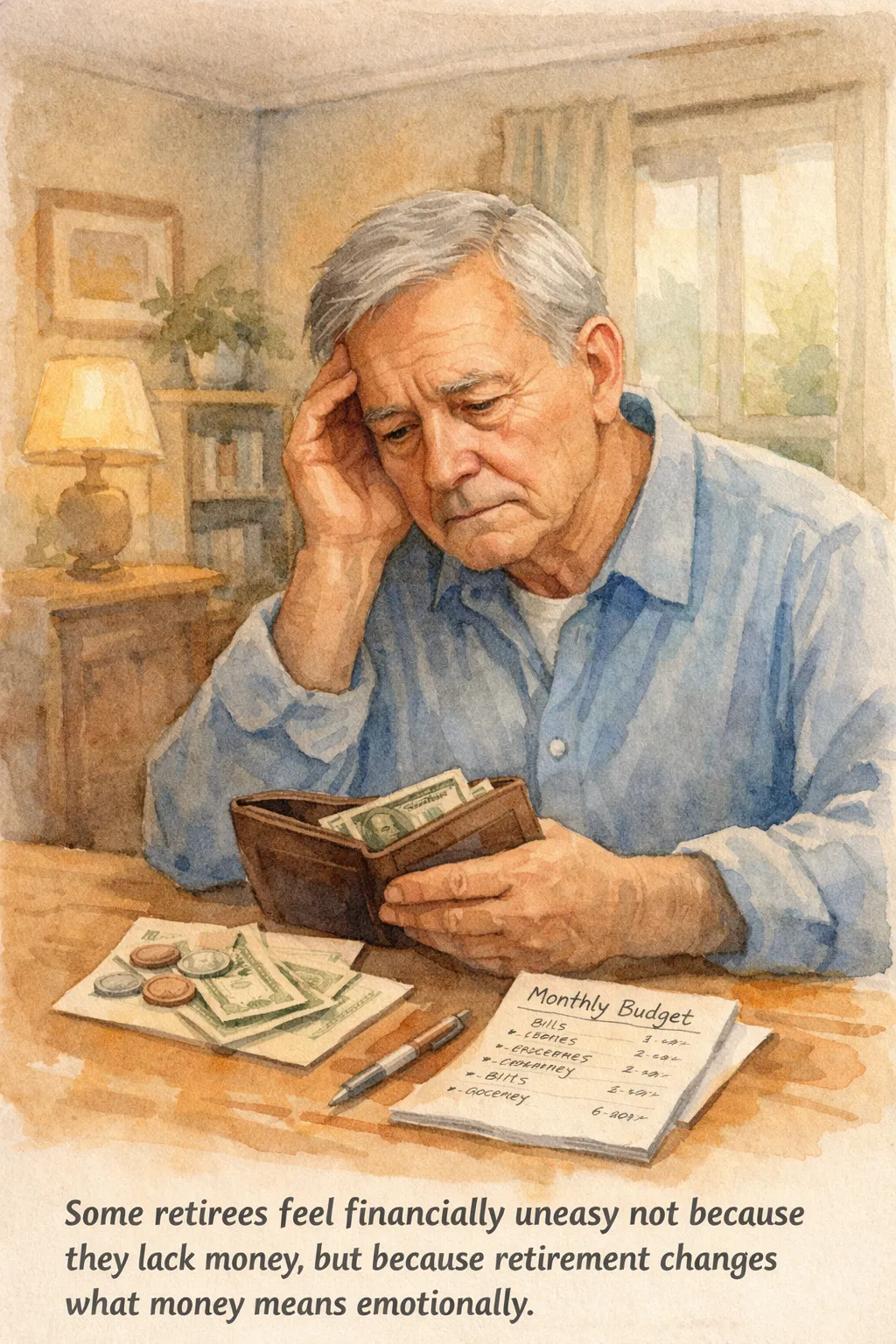
    Older adult looking at a wallet with cash and monthly budget notes, appearing financially uneasy despite having money

    “I know I’m not broke… so why do I still feel financially uneasy?”

    This is more common than people think after retirement.

    On paper, things may look okay.

    • the bills are being paid
    • savings still exist
    • there is no immediate crisis
    • spending is not out of control

    And yet, emotionally, something feels tight.

    You hesitate before buying small things.
    You check balances more often than you want to.
    You feel uneasy spending money even when the spending is reasonable.

    This experience can be confusing.

    Because it is not always about actual poverty.

    Sometimes, it is about the psychology of retirement money.


    1. Income feels different when it stops being earned

    Before retirement, money often felt connected to effort.

    You worked.
    You got paid.
    You could recover from a mistake with future income.

    After retirement, money feels different.

    Now it can feel like:

    • a fixed pool
    • a limited runway
    • something that only goes down

    Even when your numbers are stable, your emotional experience of money changes.

    That shift alone can make people feel poorer than they actually are.


    2. Uncertainty feels expensive

    Retirement money is rarely stressful only because of the amount.

    It is stressful because of uncertainty.

    Questions begin to stack up:

    • What if prices keep rising?
    • What if I need more care later?
    • What if I live longer than expected?
    • What if one big expense throws everything off?

    These questions create a constant background tension.

    So even when today is financially manageable, tomorrow feels expensive.

    That emotional gap can feel like poverty, even when it is really uncertainty.


    3. Spending now can feel like stealing from your future self

    This is one of the biggest retirement money shifts.

    Before retirement:
    spending often felt normal if income continued coming in.

    After retirement:
    spending can feel like taking something away from the future.

    That is why even reasonable purchases can trigger guilt.

    You may think:

    • “Do I really need this?”
    • “What if I regret spending this later?”
    • “I should probably save that instead.”

    This mindset can become so strong that enjoyment disappears.


    4. Past money stress does not disappear just because retirement begins

    Many retirees carry old money emotions into a new stage of life.

    If you spent decades feeling:

    • cautious
    • under pressure
    • responsible for everyone
    • worried about bills
    • afraid of financial mistakes

    Those patterns do not vanish automatically at retirement.

    Sometimes the old stress remains, even when the current numbers are better.

    Your bank account may improve faster than your nervous system.


    5. Retirement removes the feeling of “margin”

    A lot of retirees do not feel poor.

    They feel like they have no margin.

    Margin means:
    room to absorb surprises.

    Without margin, even stable finances can feel fragile.

    A person may technically have enough money for monthly life,
    but still feel anxious because there is not much extra space for:

    • repairs
    • medical changes
    • family emergencies
    • travel
    • inflation
    • care needs later on

    That lack of breathing room is emotionally powerful.


    6. Comparison quietly makes everything worse

    Comparison changes retirement money feelings fast.

    You may compare yourself to:

    • friends who travel more
    • neighbors who renovate more
    • relatives who seem relaxed about spending
    • people online who make retirement look effortless

    This creates a distorted picture.

    You stop asking:
    “Am I safe enough for my actual life?”

    And start asking:
    “Why am I not as comfortable as them?”

    Comparison often creates false scarcity.


    7. The word “enough” becomes harder to define

    Before retirement, enough may have meant:

    • paying bills
    • saving regularly
    • avoiding debt

    After retirement, enough becomes more emotional.

    Now it may mean:

    • safety
    • predictability
    • longevity
    • freedom from fear

    That is a much harder target.

    And when the target keeps moving, it becomes easy to feel poor even while objectively stable.


    Real-life example

    Elaine, 70, had no debt, a paid-off home, and enough monthly income to cover her life comfortably.

    But she still felt anxious buying new shoes or replacing small household items.

    Her words were simple:

    “I don’t feel broke. I feel exposed.”

    That was the real issue.

    Not lack of money.

    Lack of emotional safety around money.

    Once she created a small monthly “allowed spending” amount for everyday life, her stress dropped.

    Nothing about her finances changed dramatically.

    But her relationship with money did.


    Another example

    Martin, 73, kept checking his accounts every few days.

    He was not overspending.

    He was not in danger.

    But he still felt uneasy.

    Eventually he realized he was not checking for information.

    He was checking for reassurance.

    That distinction mattered.

    Once he moved to a weekly money check instead of frequent balance checking, he felt steadier.


    8. Feeling poor is sometimes really fear of future dependence

    This is especially true for older adults living alone or thinking ahead.

    Money anxiety is often connected to questions like:

    • Will I need help later?
    • Will I become a burden?
    • Will I be able to choose my care?
    • Will I lose control?

    In this case, “I feel poor” may really mean:

    “I’m afraid I won’t have enough control later.”

    That fear deserves respect.

    But it should be named accurately.

    Because once you identify the real fear, you can respond more clearly.


    9. What actually helps

    The solution is not always “save more.”

    Sometimes the real need is:

    • more clarity
    • less over-checking
    • a realistic buffer
    • a simple spending structure
    • a better definition of enough

    Helpful questions:

    • What does “enough” mean for my real life?
    • Which expenses are actually stable?
    • Which fears are concrete, and which are vague?
    • What would make me feel more financially steady this month?

    These questions calm the nervous system more than constant account checking.


    10. A calmer way to think about retirement money

    Try separating money into three emotional categories:

    1. Safety money

    This covers essentials:
    housing, food, utilities, insurance, medication

    2. Stability money

    This covers realistic irregular costs:
    repairs, appointments, gifts, seasonal spending

    3. Life money

    This covers living:
    coffee out, hobbies, outings, comfort purchases, small joy

    Many retirees feel poor because “life money” disappears emotionally.

    Everything starts feeling like it must stay in safety mode.

    But a retirement life with no room for enjoyment often feels smaller than it needs to.


    11. Signs this is more emotional than mathematical

    You may be experiencing retirement money anxiety more than actual shortage if:

    • you feel guilty spending small amounts
    • you are financially stable but still feel constantly uneasy
    • you check balances often for reassurance
    • you postpone reasonable purchases repeatedly
    • you struggle to define what “enough” means
    • you feel safer saving than living

    That does not mean the feeling is imaginary.

    It means the solution may require emotional clarity, not only arithmetic.


    12. A better question than “Am I poor?”

    Instead of asking:

    “Am I poor?”

    Try asking:

    “Do I feel unclear, unsafe, or out of control?”

    That question is usually more accurate.

    And it leads to better next steps.

    Because those are not all the same problem.


    Quick checklist

    • I feel guilty spending even small amounts
    • I often fear future costs more than current ones
    • I check accounts for comfort, not just information
    • I rarely feel like I have enough margin
    • I struggle to enjoy money I can reasonably afford to use

    If this feels familiar, the problem may not be lack of money alone.

    It may be lack of emotional steadiness around money.


    The key insight

    Some retirees feel poor even with enough money
    because retirement changes what money means.

    It is no longer just income.

    It becomes safety, time, control, and future security.

    That is why the emotional experience can feel much tighter than the numbers suggest.


    Conclusion

    Feeling financially uneasy in retirement is not always a sign that you are doing something wrong.

    Sometimes it means:

    • you need more clarity
    • you need a calmer money rhythm
    • you need permission to define “enough” more realistically

    Money peace in retirement is not just about having more.

    It is about understanding what the money is carrying emotionally.

    Once you see that clearly, the fear often becomes easier to manage.


    Disclaimer

    This content is for general educational purposes only and does not provide financial, legal, tax, or investment advice. Individual financial situations vary. For personalized guidance, consult a qualified financial professional.
  • 2026 Why Feeling “Unproductive” After Retirement Is Completely Normal

    2026 Feeling Unproductive After Retirement Is Completely Normal
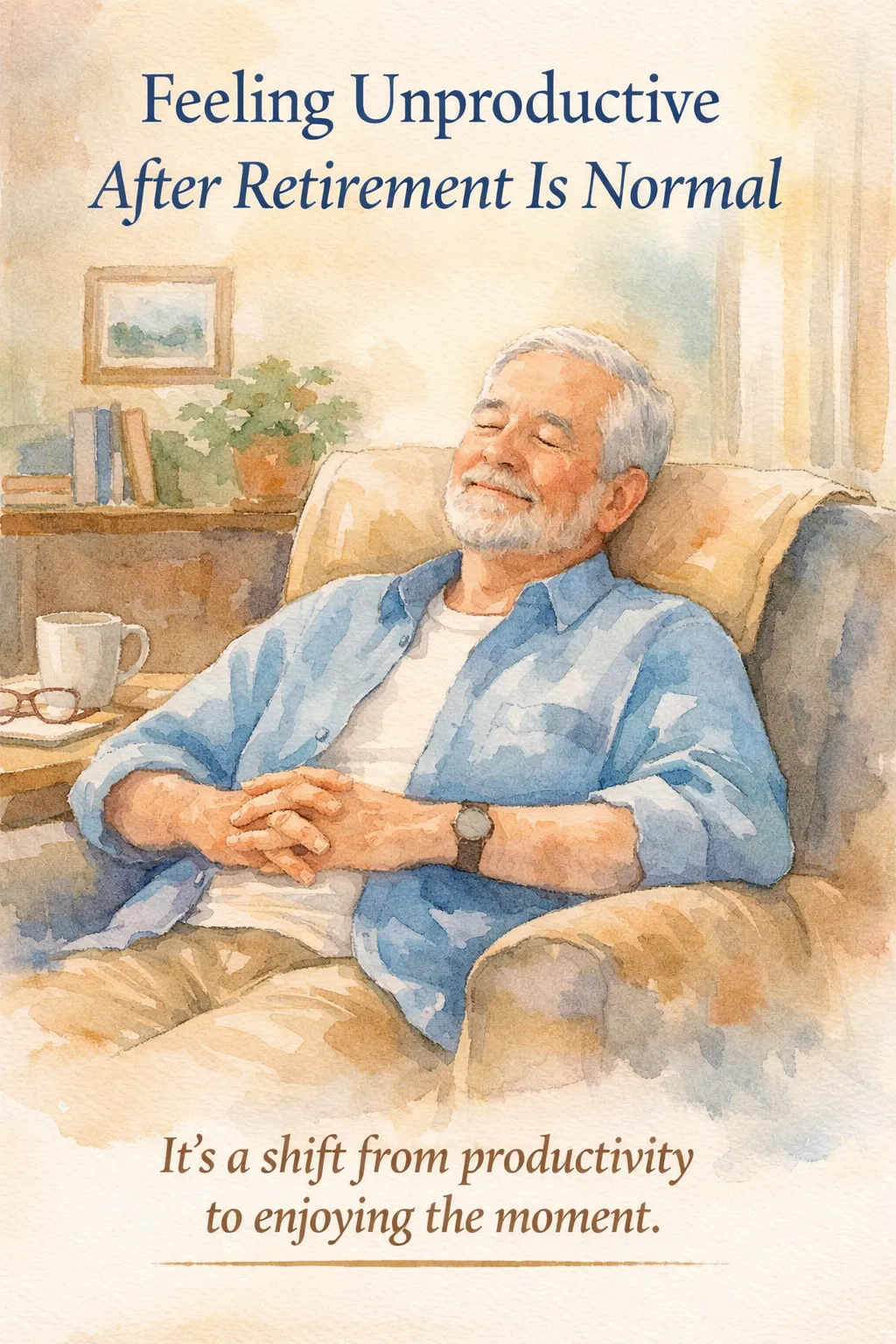
    Older adult relaxing comfortably in a chair at home, representing a calm and quiet retirement day without pressure

    “I didn’t really do anything today.”

    This thought shows up more often than people expect after retirement.

    The strange part is this:

    You may have had a calm day.
    Nothing stressful happened.
    You weren’t overwhelmed.

    And yet…

    You still feel slightly uncomfortable.

    Like something is missing.

    Like the day didn’t “count.”

    This feeling is very common.

    And more importantly—

    It’s completely normal.


    1. Why productivity used to define your day

    For decades, life followed a pattern:

    • tasks to complete
    • work to finish
    • responsibilities to manage
    • goals to reach

    At the end of the day, there was a clear question:

    “Did I get things done?”

    That question shaped how you felt.

    Productivity = satisfaction


    2. What changes after retirement

    Retirement removes that structure.

    There is no longer:

    • a daily output requirement
    • a performance expectation
    • a clear definition of “done”

    This creates a gap.

    Not in time—

    But in meaning.


    3. The “invisible day” feeling

    Many retirees experience this:

    The day passes quietly.

    But at the end, it feels like:

    • nothing important happened
    • nothing was completed
    • nothing stands out

    This creates the feeling of being unproductive.

    Even if the day was peaceful.


    4. Why this feeling is uncomfortable

    Your brain has been trained for years to measure value through output.

    So when output disappears, the brain reacts:

    • “Was today useful?”
    • “Did I waste time?”
    • “Should I have done more?”

    This is not a flaw.

    It’s conditioning.


    5. Rest is not the same as “nothing”

    This is the key misunderstanding.

    Rest is not empty.

    Rest is active recovery.

    But when you’re used to productivity, rest can feel like:

    • laziness
    • lack of purpose
    • wasted time

    That’s not true.

    It just feels unfamiliar.


    6. The hidden pressure retirees carry

    Even without a job, many retirees feel internal pressure:

    • “I should be doing something”
    • “I shouldn’t waste my time”
    • “I need to stay productive”

    This pressure is often invisible.

    But it shapes how your day feels.


    7. A healthier way to define a “good day”

    Instead of asking:

    “What did I finish today?”

    Try asking:

    “Did today feel steady?”

    or

    “Did I take care of myself today?”

    This is a different kind of success.


    8. The 3 ways a day can be valuable

    A good day in retirement can include:

    1. Maintenance
      (simple tasks, small routines)
    2. Enjoyment
      (rest, hobbies, calm moments)
    3. Connection
      (conversation, interaction)

    That’s enough.


    9. Real-life examples

    Susan, 68:

    “I used to feel guilty for relaxing. Now I see it as part of my day—not a failure.”


    Robert, 72:

    “I stopped measuring my days by output. I started noticing how I felt instead.”


    10. Signs you’re judging yourself too harshly

    • you feel guilty for resting
    • you compare today to your working years
    • you feel like you “should have done more”
    • you struggle to enjoy free time
    • you measure value only through tasks

    If this sounds familiar, you’re not doing retirement wrong.

    You’re just using old rules.


    11. What to do instead

    You don’t need to become more productive.

    You need a new definition of enough.

    Try:

    • one small task per day
    • one enjoyable moment
    • one form of connection

    That’s a full day.


    12. The mindset shift

    Old mindset:

    “I need to earn my rest.”

    New mindset:

    “Rest is part of a complete day.”

    This shift removes pressure.


    Quick checklist

    • did I move a little today?
    • did I have one calm moment?
    • did I connect with someone (even briefly)?
    • did I take care of myself?

    If yes, the day counts.


    The key insight

    Feeling unproductive after retirement is not a problem.

    It’s a transition.

    You’re moving from a life measured by output…

    To a life measured by experience.


    Conclusion

    Retirement is not about doing nothing.

    It’s about doing what matters—at a different pace.

    Some days will be quiet.

    Some days will feel slow.

    That doesn’t make them empty.

    It makes them human.


    Disclaimer

    This content is for general educational purposes only and does not address individual psychological or medical conditions. If feelings of low motivation or mood persist, consult a qualified professional.

  • 2026 The Hidden Cost of Being Too Available in Retirement

    2026 The Hidden Cost of Being Too Available in Retirement
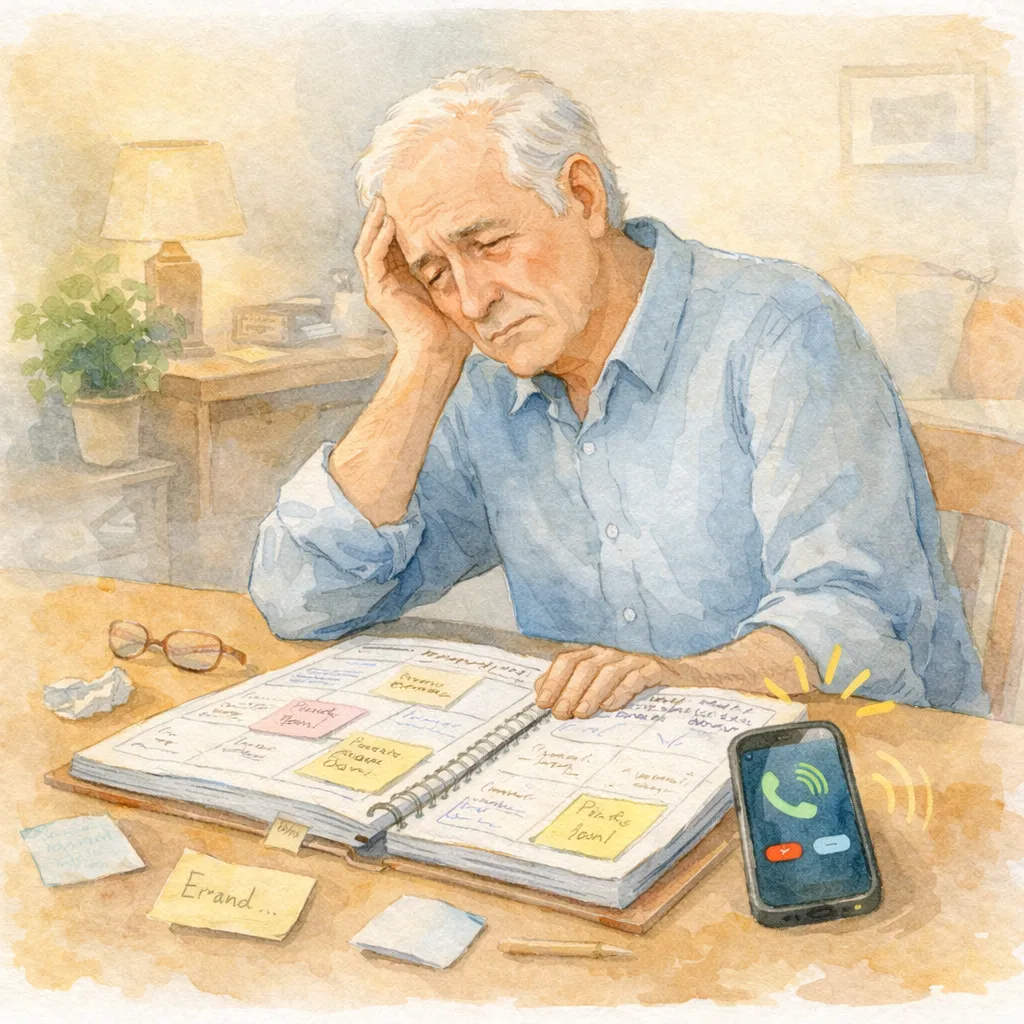
    Older adult looking at a crowded weekly planner and phone, appearing tired from too many requests during retirement

    Many retirees are kind, dependable, and easy to reach.

    That sounds like a strength.

    And often, it is.

    But after retirement, being “always available” can quietly become expensive.

    Not only financially.

    Emotionally.
    Mentally.
    Physically.
    Even socially.

    A lot of adults over 55 slowly become the person who is always expected to help.

    The flexible one.
    The ride-giver.
    The babysitter.
    The problem-solver.
    The person who says yes because saying no feels uncomfortable.

    At first, it feels generous.

    Later, it can feel heavy.

    This article looks at the hidden cost of being too available in retirement and how to protect your time, energy, and relationships without becoming cold or selfish.


    Why this happens after retirement

    Retirement changes how other people see your time.

    Once you stop working, many people quietly assume:

    • you have more free time
    • your schedule is open
    • your needs are smaller
    • helping is easy for you

    That assumption creates pressure.

    Even when nobody says it directly.

    You may hear things like:

    • “You’re retired, so I thought you’d be free.”
    • “Could you just do this one small thing?”
    • “You’re better at handling these things than I am.”

    One request is usually manageable.

    The problem is repetition.

    When availability becomes your identity, your life starts filling with other people’s priorities.


    The core rule

    Being available is generous.

    Being endlessly available is costly.

    Retirement works better when kindness has limits.


    1. The hidden emotional cost

    Too much availability creates quiet resentment.

    You may still love your family and friends.

    But inside, you may start to feel:

    • taken for granted
    • overused
    • mentally crowded
    • invisible except when needed

    That emotional drain is real.

    And many retirees feel guilty for even noticing it.

    They think:

    “I should be grateful to be needed.”

    But being needed is not the same as being respected.

    If your time is always assumed, not asked for carefully, the relationship begins to tilt out of balance.


    2. The hidden physical cost

    Being overly available often increases physical strain.

    This can look like:

    • too much driving
    • lifting things for others
    • helping with errands when already tired
    • skipping recovery days
    • adjusting your sleep around other people’s plans

    For adults over 55, even small repeated demands can add up fast.

    A favor that looks minor on paper may cost:

    • energy for the rest of the day
    • soreness the next morning
    • missed walking or exercise
    • reduced patience
    • worse sleep

    The problem is not one busy day.

    The problem is a pattern.


    3. The hidden money cost

    Many retirees underestimate how much “being helpful” costs.

    Common examples:

    • gas and parking for rides
    • paying for little things and not getting repaid
    • groceries bought during shared errands
    • eating out because someone else changed the schedule
    • gift-like spending that becomes expected

    Sometimes the cost is direct.

    Sometimes it is indirect.

    You may spend more simply because your week keeps getting reorganized around other people.

    Table: Common hidden costs of being too available

    Situation Hidden Cost
    Driving family members fuel, parking, time
    Last-minute babysitting energy, meal disruption
    Frequent errands for others your own tasks delayed
    Always hosting groceries, utilities, cleanup
    Emotional support without limits mental fatigue

    The money may not look dramatic in one week.

    But over a year, it adds up.


    4. The hidden schedule cost

    Retirement needs rhythm.

    Not a packed calendar.

    Not total emptiness.

    Rhythm.

    But if you are too available, your schedule becomes reactive.

    Instead of planning your week around:

    • energy
    • appointments
    • movement
    • meals
    • rest

    You start planning around interruptions.

    That creates a strange form of retirement stress.

    You are not overworked in the old career sense.

    But you are constantly adjusting.

    And constant adjusting is tiring.


    5. The hidden identity cost

    Many retirees become “the reliable one.”

    Again, that sounds positive.

    But over time, this role can become limiting.

    You stop asking:

    “What do I want my retirement to feel like?”

    And start responding mostly to:

    “What does everyone else need from me this week?”

    This is where retirement can quietly disappear.

    Not through one major mistake.

    But through hundreds of small yeses.


    Real-life example: Ellen, 69

    Ellen retired expecting more quiet mornings and less stress.

    Instead, she became the default helper for everyone.

    She drove her sister to appointments, picked up groceries for a neighbor, and watched her grandchildren several afternoons a week.

    Individually, each request sounded reasonable.

    Together, they made her feel constantly behind.

    Her words were simple:

    “I was busy all the time, but none of it felt like my life.”

    When she began limiting favors to two planned help blocks per week, her mood improved almost immediately.

    She still helped.

    But she stopped feeling swallowed by it.


    Real-life example: Daniel, 73

    Daniel prided himself on always saying yes.

    If anyone needed a ride, a call, a repair, or a favor, he handled it.

    After a few years, he started feeling unusually tired and irritable.

    He assumed aging was the reason.

    But the bigger issue was this: he had no protected time.

    Once he began saying, “I can help on Thursday, but not today,” his energy improved.

    Nothing dramatic changed.

    But his week felt more like his own again.


    6. Why saying no feels so hard

    For many older adults, saying no feels unnatural.

    Common reasons include:

    • wanting to stay useful
    • fear of seeming selfish
    • habit from years of caregiving
    • worry that relationships will weaken
    • discomfort with disappointing people

    But healthy boundaries do not weaken good relationships.

    They clarify them.

    The people who care about you can usually adjust.

    The people who only valued your availability may resist.

    That tells you something important.


    7. The difference between generosity and overextension

    A helpful question is this:

    Did I choose this help calmly, or did I agree from pressure?

    That difference matters.

    Generosity feels steady.

    Overextension feels tight.

    Generosity leaves room for recovery.

    Overextension leaves you depleted.

    Table: Generosity vs. overextension

    Generosity Overextension
    chosen freely agreed from guilt
    fits your energy ignores your limits
    occasional or planned constant or assumed
    leaves you steady leaves you drained

    This is one of the most useful retirement distinctions you can learn.


    8. Signs you may be too available

    You may be too available if:

    • people assume you will help before asking properly
    • your week keeps changing at the last minute
    • you feel irritated by “small” requests
    • your own routines keep getting delayed
    • you feel useful but not rested
    • you rarely have protected quiet time

    If several of these feel familiar, the issue is probably not selfishness.

    It is lack of limits.


    9. A calmer way to help

    You do not need to become unavailable.

    You need a system.

    A few simple rules can change everything.

    Try one or two of these:

    • Help on planned days only
    • Do not answer every request immediately
    • Replace instant yes with “Let me check”
    • Limit driving favors each week
    • Keep one or two recovery blocks protected
    • Separate emergencies from convenience requests

    This allows you to remain kind without becoming absorbent.


    10. Simple scripts that protect your time

    You do not need harsh language.

    Calm, clear language works better.

    Try:

    • “I can’t do that today, but I could help Thursday.”
    • “This week is full for me.”
    • “I’m keeping that day open to rest.”
    • “I’m not available for that, but I hope you can find another option.”
    • “I can help sometimes, but I can’t be the regular solution.”

    These are not rude.

    They are adult boundaries.


    11. What healthy availability looks like

    Healthy availability means:

    • people ask instead of assume
    • you have room to say no
    • you still protect your health
    • helping does not erase your own plans
    • generosity feels chosen, not extracted

    This is what sustainable retirement support looks like.

    You can be warm, dependable, and caring without becoming permanently on-call.


    Quick checklist: Are you too available?

    • I often say yes before thinking
    • My schedule gets changed by other people’s needs
    • I feel guilty protecting rest
    • I help more than I recover
    • I feel useful, but not peaceful
    • My retirement often feels reactive

    If this sounds familiar, you do not need to become harder.

    You need clearer edges.


    The bigger truth

    Retirement is not only about having more time.

    It is about finally having more say over your time.

    That is a major difference.

    And it is worth protecting.

    When your availability is unlimited, your retirement slowly fills with borrowed priorities.

    When your availability is intentional, your life feels calmer, kinder, and more stable.


    Conclusion

    The hidden cost of being too available in retirement is not just busyness.

    It is the gradual loss of your own rhythm.

    The fix is not isolation.

    It is structure.

    A few calm boundaries can protect:

    • your energy
    • your money
    • your mood
    • your relationships
    • your sense of ownership over your own life

    That is not selfish.

    That is wise retirement living.


    Disclaimer

    This content is for general educational purposes only and does not provide financial, legal, medical, or psychological advice. Individual family dynamics, health conditions, and financial situations vary. Consult qualified professionals when personal guidance is needed.

  • 2026 Why Retirees Feel Tired All the Time (Even Without Doing Much)

    2026 Why Retirees Feel Tired All the Time (Even Without Doing Much)
    Older adult sitting quietly at home feeling tired despite a calm day

    “I didn’t do much today… so why am I so tired?”

    This is one of the most common—and least talked about—experiences after retirement.

    Many people expect retirement to feel easier.

    Less work
    More rest
    More freedom

    But something unexpected happens.

    You feel tired… even on quiet days.

    This is not laziness.
    And it’s not a personal failure.

    It’s usually the result of subtle changes in how your body, mind, and daily life work after retirement.


    1. The hidden energy shift after retirement

    When you stop working, your energy system changes.

    Before retirement:

    • structured schedule
    • clear purpose
    • regular movement

    After retirement:

    • flexible time
    • more decisions
    • less automatic activity

    This shift alone can lower your energy without you noticing.


    2. Decision fatigue increases

    Retirement removes structure—but adds decisions.

    Every day, you decide:

    • What should I do today?
    • When should I go out?
    • Should I rest or stay active?

    These small decisions slowly drain mental energy.

    Even if you didn’t “do much,” your brain did.


    3. You move less than you think

    During working years, movement is automatic.

    Walking
    Standing
    Going out

    After retirement, movement becomes optional.

    And when it becomes optional, it often decreases.

    Less movement = lower energy
    Even if you feel “rested”


    4. Emotional energy becomes more important

    Energy is not just physical.

    It’s also emotional.

    After retirement, you may have:

    • fewer conversations
    • quieter days
    • less stimulation

    This can create a subtle feeling of low energy or heaviness.


    5. Sleep patterns quietly change

    Many retirees experience:

    • lighter sleep
    • waking earlier
    • more naps

    Even small sleep changes affect your energy more than you expect.


    6. The “low-pressure paradox”

    This is the surprising part.

    Less pressure should feel better.

    But sometimes it leads to:

    • lower motivation
    • slower mornings
    • less mental engagement

    Your brain still needs a certain level of activity to feel energized.


    7. A simple way to restore energy

    You don’t need a strict routine.

    You need a gentle rhythm.

    A simple daily structure:

    • one small morning activity
    • one movement (even 10 minutes)
    • one connection (call, chat, interaction)

    That’s enough.


    Real-life examples

    “I thought I was just getting older. But adding a short walk helped my energy a lot.” — John, 71

    “Having one small plan in the morning made my whole day feel better.” — Linda, 68


    Quick self-check

    You may feel tired because of:

    • lack of structure
    • too many small decisions
    • reduced movement
    • low interaction
    • irregular sleep

    The key insight

    Feeling tired in retirement is not about doing too much.

    It’s often about not having enough balanced stimulation.


    Conclusion

    Retirement changes how energy works.

    Instead of pushing harder,
    create a gentle daily rhythm.

    That’s what restores energy naturally.


    Disclaimer

    This content is for educational purposes only and does not consider your personal situation. Persistent fatigue may be related to medical conditions. Please consult a qualified healthcare professional if needed.

  • 2026 Calm Calendar Method: Green / Yellow / Red Days for Retirees Who Get Overbooked

    Older couple planning a weekly calendar using green, yellow, and red energy days to balance activities and avoid overbooking in retirement.
    Color-coding calendar days helps retirees balance activities, protect energy, and avoid overbooking during retirement.

    Cindy’s Column × Senior AI Money

    Many retirees expect life to become calmer after leaving work.

    But something unexpected often happens.

    Schedules slowly fill up again.

    Doctor appointments.
    Family visits.
    Volunteer work.
    Errands.
    Social invitations.
    Travel plans.

    Before long, the week begins to feel surprisingly busy again.

    And unlike work schedules, retirement schedules often lack structure.

    This is where a simple system can help.

    Not a complicated planner.
    Not a strict routine.

    Just a color-based calendar method that protects your energy.


    Why retirees get overbooked

    Many adults over 55 experience a new challenge:

    energy management.

    Your time may be flexible, but your daily energy still has limits.

    Common reasons retirees become overbooked:

    • too many appointments in one day

    • saying yes to every invitation

    • underestimating travel or recovery time

    • scheduling multiple errands together

    • not protecting rest days

    The result is often low energy, stress, and rushed days.


    The Calm Calendar Rule

    Protect your energy first. Schedule everything else second.

    This is the foundation of the Green / Yellow / Red system.


    The 3-Color Calendar System

    Instead of filling a calendar randomly, each day receives a color based on energy demand.

    Day Type Meaning Example
    Green Day Light activity Walk, reading, light errands
    Yellow Day Moderate activity One appointment, small outing
    Red Day High activity Travel, multiple appointments

    This system makes it easier to see overload before it happens.


    Part 1: Green Days (Recovery & Quiet Days)

    Green days are essential.

    They are not “empty days.”
    They are recovery days.

    Examples of Green Day activities:

    • reading

    • walking

    • gardening

    • hobbies

    • quiet home tasks

    • light social visits

    Green days restore energy.

    Many retirees function best with 3–4 green days per week.


    Part 2: Yellow Days (Balanced Activity)

    Yellow days include one moderate commitment.

    Examples:

    • a doctor appointment

    • meeting a friend for lunch

    • grocery shopping

    • volunteering

    • attending a class

    The key rule:

    Only one major task.

    Adding a second task can quickly turn a balanced day into a stressful one.


    Part 3: Red Days (High Energy Days)

    Red days are the busiest days.

    Examples include:

    • travel days

    • family events

    • multiple appointments

    • long outings

    • home repairs

    Red days are not bad.

    But they require recovery afterwards.


    Table: Example Weekly Calendar

    Day Color Plan
    Monday Green Walk + reading
    Tuesday Yellow Doctor appointment
    Wednesday Green Gardening
    Thursday Yellow Lunch with friend
    Friday Red Travel day
    Saturday Green Rest
    Sunday Green Family call

    Notice how red days are followed by green days.

    This prevents burnout.


    Part 4: Why visual calendars work better

    Color-coded calendars help the brain recognize patterns quickly.

    Instead of reading every appointment, you see:

    • too many red days

    • too few green days

    • crowded weeks

    Visual planning reduces decision fatigue.


    Part 5: Protecting your “energy budget”

    Just like money, energy works best with limits.

    Think of energy like a weekly budget.

    Example:

    Energy Level Maximum per week
    Red Days 1–2
    Yellow Days 2–3
    Green Days 3–4

    Everyone’s balance is different.

    The goal is predictable energy, not perfect productivity.


    Part 6: How to say no using the calendar

    A calm calendar makes it easier to decline invitations politely.

    Example responses:

    “I’d love to, but that’s already a red day for me.”

    “This week is a bit full. Could we do next week instead?”

    “My schedule is lighter on Wednesday.”

    You are not rejecting people.

    You are protecting your energy balance.


    Real-life examples

    Diane, 67

    “I used to schedule three things in a day. Now I try to keep one yellow activity per day.”


    Paul, 72

    “Travel days exhaust me, so I plan a green day after every trip.”


    Martha, 69

    “The color system helped me realize my weeks were packed with red days.”


    Printable Checklist: Calm Calendar System

    ✔ Mark green, yellow, red days each week
    ✔ Limit red days to 1–2 per week
    ✔ Schedule recovery days after busy days
    ✔ Avoid stacking appointments
    ✔ Protect quiet time
    ✔ Adjust the system to your energy level


    The goal of retirement scheduling

    Retirement is not about filling every day.

    It is about creating a rhythm that supports your energy.

    Sometimes the best schedule includes more green days than anything else.

    And that is not laziness.

    It is balance.


    Disclaimer

    This article is for general educational purposes only and does not provide medical, psychological, or professional advice. Individual health conditions, mobility levels, and lifestyle needs vary. Readers should consult appropriate professionals regarding personal health or scheduling needs.

  • 2026 Budget Travel for Seniors: Take a Great Trip Without Paying Peak Prices

    2026 Budget Travel for Seniors: Take a Great Trip Without Paying Peak Prices
    Older couple planning budget travel on a laptop, walking in a quiet European town in shoulder season, and relaxing at an off-season beach hotel.

    Cindy’s Column × Senior AI Money

    Travel after 55 can be one of the greatest joys of retirement.

    You finally have something many people lacked during their working years:

    time flexibility.

    And that one advantage can save you hundreds—or even thousands—of dollars on travel.

    The problem is that many seniors accidentally book trips the same way busy working families do:

    • peak-season flights

    • expensive weekend travel

    • crowded tourist schedules

    • last-minute bookings

    The result?

    Trips become more stressful and more expensive than necessary.

    This guide shows adults 55+ how to plan comfortable, affordable travel in 2026 without sacrificing the experience.

    Not by cutting corners.

    But by traveling smarter and calmer.


    Why travel costs explode for most people

    Most travel pricing follows predictable patterns.

    Prices increase when:

    • schools are on break

    • holidays approach

    • weekends fill up

    • last-minute bookings happen

    Travel companies expect working travelers to be limited by schedules.

    Retirees have a unique advantage.

    They can avoid the most expensive travel windows.


    The Senior Travel Advantage

    Flexibility is the biggest travel discount available.

    When you can move your trip by even a few days, prices often drop dramatically.


    Table: Typical Price Differences

    Travel Timing Average Cost Level
    Holiday travel Very high
    Summer weekends High
    Midweek summer Moderate
    Shoulder season Low
    Midweek shoulder season Lowest

    Shoulder season usually means spring or fall outside major holidays.


    Part 1: Choose the right travel season

    Many destinations have two good seasons.

    One is popular and crowded.
    The other is calmer and cheaper.

    Examples:

    Destination Peak Season Better Senior Travel Time
    Europe July–August April–June, September
    National Parks Summer May or September
    Beach destinations Holiday winter Late spring
    Cities Summer tourism Early fall

    You still enjoy great weather—but with fewer crowds and lower prices.


    Part 2: Fly midweek whenever possible

    Flights are typically cheaper on:

    • Tuesday

    • Wednesday

    • sometimes Saturday

    Flights are usually most expensive on:

    • Friday

    • Sunday

    The difference can easily be $100–$300 per ticket.

    Midweek flights are also:

    • quieter

    • less crowded

    • less delayed


    Part 3: Book early—but not too early

    A common mistake is booking too late or too far in advance.

    General planning window:

    Trip Type Best Booking Window
    Domestic flights 1–3 months
    International travel 3–6 months
    Hotels 1–3 months
    Tours 2–4 months

    Prices tend to rise again when availability becomes limited.


    Part 4: Pick slower travel itineraries

    Many travelers try to see too much.

    Especially after retirement, slow travel often creates better experiences.

    Instead of:

    ❌ 5 cities in 10 days

    Consider:

    ✅ 2 cities in 10 days

    Benefits:

    • less transportation stress

    • deeper local experiences

    • fewer hotel changes

    • more energy for exploring


    Part 5: Watch the hidden travel costs

    Sometimes the cheapest flight becomes the most expensive trip.

    Watch for:

    • baggage fees

    • resort fees

    • transportation costs

    • airport transfers

    • expensive tourist areas

    A slightly higher airfare to a central airport may save money overall.


    Part 6: Senior discounts still exist

    Many travel providers still offer senior rates, although they are sometimes hidden.

    Examples include:

    • museums

    • train systems

    • national parks

    • tours

    • cultural attractions

    Always ask:

    “Do you offer a senior discount?”


    Part 7: Plan comfortable travel days

    Comfort matters more than squeezing every dollar.

    Consider:

    • shorter travel days

    • fewer connections

    • earlier flights

    • hotels near transportation

    Saving $40 may not be worth a 10-hour airport day.


    Real-life examples

    Patricia, 68

    “I used to travel in July with my family. After retirement I started going in May. Prices were lower and everything was less crowded.”


    Alan, 72

    “I switched from weekend flights to Tuesday flights. My airfare dropped by almost $250.”


    Maria, 66

    “We stopped rushing through cities. Staying longer made the trip much more relaxing.”


    Printable checklist: Calm Senior Travel Planning

    ✔ Travel during shoulder seasons
    ✔ Choose midweek flights
    ✔ Book flights 1–6 months ahead
    ✔ Avoid packed itineraries
    ✔ Watch hidden travel fees
    ✔ Ask about senior discounts
    ✔ Prioritize comfort over speed


    The real goal of retirement travel

    Travel after 55 is not about seeing everything.

    It is about experiencing places with more time, more calm, and less pressure.

    Sometimes the best trips are simply:

    • slower

    • quieter

    • and a little less expensive.


    Disclaimer

    This article is for general educational purposes only and does not provide financial, legal, or travel booking advice. Travel prices, availability, and discount policies vary by provider and location. Readers should confirm details directly with airlines, hotels, or travel professionals before making travel decisions.

  • 2026 Pain-Friendly Morning Routine (55+): A Gentle Start That Reduces Stiffness

    2026 Pain-Friendly Morning Routine (55+): Gentle Steps to Reduce Stiffness
    Older adults performing a gentle 2026 morning routine in bed and beside a chair, including ankle movements, shoulder rolls, and supported standing to reduce stiffness

    Morning stiffness after 55 is common.

    It doesn’t mean you’re fragile.
    It doesn’t mean you’re declining.

    It means your body now prefers preparation.

    Many adults over 55 notice:

    • Tight hips when getting out of bed

    • Stiff fingers

    • Lower back resistance

    • Slow first steps

    • Joint discomfort in cold weather

    The mistake?

    Rushing.

    This 2026 guide offers a gentle, structured morning routine designed to:

    • Reduce stiffness

    • Protect joints

    • Improve balance

    • Preserve energy

    • Lower fall risk

    Not extreme stretching.
    Not pain-pushing exercise.

    Just calm preparation.


    Why Mornings Feel Harder After 55

    Overnight:

    • Joints stiffen

    • Circulation slows

    • Muscles shorten slightly

    • Connective tissue cools

    Sudden movement increases strain.

    A 10–15 minute gentle warm-up changes that.


    The 2026 Core Rule

    Warm first. Move second. Stand third.

    Never reverse the order.


    Step 1 — Stay in Bed (2 Minutes)

    Before sitting up:

    • Wiggle toes

    • Rotate ankles

    • Gently bend and straighten knees

    • Open and close hands

    • Slow neck turns

    Purpose:
    Increase circulation safely.


    Step 2 — Sit Before You Stand (3 Minutes)

    Sit at the edge of the bed.

    Add:

    • Shoulder rolls

    • Gentle spinal twist

    • Seated march (slow)

    • Deep breathing (5 slow breaths)

    Table 1: Why This Matters

    Action Benefit
    Ankle circles Reduces fall risk
    Shoulder rolls Improves posture
    Seated march Activates hips
    Breathing Regulates blood pressure

    Step 3 — Stand With Support (2 Minutes)

    Hold a stable surface.

    Do:

    • Heel raises

    • Mini knee bends

    • Gentle side leg lifts

    Keep range small.

    Pain-free movement only.


    Step 4 — Warmth Matters

    Cold muscles resist movement.

    Options:

    • Warm shower

    • Heating pad (10 min max)

    • Warm socks

    • Light sweater

    Heat improves tissue flexibility.


    Step 5 — Pain Scale Rule

    Use the 0–10 rule.

    Pain Level Meaning
    0–2 Safe discomfort
    3–4 Modify
    5+ Stop

    Never push through sharp pain.


    Step 6 — Joint-Safe Habits for the Rest of the Morning

    ☐ Wear supportive shoes indoors
    ☐ Avoid rushing stairs
    ☐ Use night lighting
    ☐ Hydrate early
    ☐ Avoid sudden bending
    ☐ Keep phone nearby

    Small adjustments prevent falls.


    Real Senior Examples

    Linda, 67
    Added 10-minute bed warm-up.
    Reports less knee stiffness.

    George, 74
    Stopped jumping out of bed.
    Dizziness reduced significantly.

    Maria, 71
    Added warm shower before chores.
    Reports improved mobility.


    What This Routine Is Not

    It is not:

    • Physical therapy

    • Arthritis treatment

    • Medical rehabilitation

    • Strength training

    It is a protective transition.


    When to Consult a Professional

    Seek medical evaluation if you experience:

    • Persistent joint swelling

    • Sharp or worsening pain

    • Frequent morning dizziness

    • Repeated falls

    • Sudden mobility change

    Early evaluation prevents complications.


    Printable Gentle Morning Checklist (55+)

    ☐ Wiggle & warm in bed
    ☐ Sit before standing
    ☐ Light supported movement
    ☐ Warm muscles
    ☐ Hydrate
    ☐ Move slowly first 20 minutes


    Emotional Benefit

    Many seniors report:

    “My day feels steadier.”

    The goal is not flexibility.

    It’s confidence.


    Financial Angle

    Fall-related injuries are one of the most expensive health events for adults over 65.

    Preventive habits protect:

    • Mobility

    • Independence

    • Medical costs

    Gentle routines are a long-term investment.


    Disclaimer

    This article is for general educational purposes only and does not provide medical advice. Individual health conditions, joint disorders, balance issues, and cardiovascular factors vary. Always consult a qualified healthcare professional before beginning any new movement routine, especially if you have chronic conditions, recent injuries, or a history of falls.

  • 2026 Loneliness in Retirement Plan: A Weekly Connection Routine That Feels Natural

    2026 Loneliness in Retirement Plan (55+): Weekly Connection Routine in Action
    A simple weekly rhythm—coffee with a friend, a short walk, and a community gathering—can gently reduce loneliness after retirement.

    Loneliness after retirement is rarely dramatic.

    It’s quiet.

    It shows up as:

    • Longer evenings

    • Fewer spontaneous calls

    • Too much television

    • Hesitation to reach out

    • Feeling “out of the loop”

    Most adults 55+ don’t say:

    “I’m lonely.”

    They say:

    “I don’t want to bother anyone.”

    This guide is not about forcing social life.

    It’s about building a steady weekly rhythm that feels natural — not exhausting.


    Why Loneliness Changes After 55

    Retirement removes:

    • Workplace structure

    • Daily casual interaction

    • Predictable social exposure

    Family often lives:

    • Farther away

    • Busier

    • On different schedules

    Connection must become intentional.

    Not constant.

    Intentional.


    The 2026 Core Rule

    Connection works best when it is scheduled lightly and repeated consistently.

    Not random bursts.

    Not pressure.

    Rhythm.


    Part 1 — The Weekly Connection Framework (3 Layers)

    Instead of “be more social,” use three layers:

    1️⃣ Light Touch
    2️⃣ Meaningful Contact
    3️⃣ Community Exposure

    Each week should include at least one of each.


    Layer 1 — Light Touch (Low Energy)

    Examples:

    • Text one friend

    • Comment in a group

    • Send a photo

    • Short check-in call (5 minutes)

    Table 1: Light Touch Examples

    Action Energy Required Impact
    Send text Low Keeps bond alive
    Share article Low Conversation starter
    Short call Low-medium Warmth boost

    Light touch prevents drift.


    Layer 2 — Meaningful Contact (Moderate Energy)

    Examples:

    • Coffee with one person

    • Long phone conversation

    • Walking partner

    • Shared hobby session

    Key rule:

    Keep it small.

    Two people max.

    Overcrowded gatherings drain energy.


    Layer 3 — Community Exposure (Low Commitment)

    This is often overlooked.

    Examples:

    • Library talk

    • Senior center class

    • Faith service

    • Volunteer hour

    • Walking group

    You do not need deep conversation.

    You need presence.

    Presence reduces isolation.


    The “2–1–1 Weekly Formula”

    Each week aim for:

    2 Light Touches
    1 Meaningful Contact
    1 Community Exposure

    That’s it.

    Not daily events.

    Not packed calendars.


    Table 2: Sustainable Social Rhythm

    Frequency Type Why It Works
    Twice weekly Light touch Prevents drift
    Once weekly Meaningful contact Emotional depth
    Once weekly Community Broad belonging

    When Seniors Avoid Reaching Out

    Common fears:

    • “They’re busy.”

    • “I don’t want to impose.”

    • “I haven’t talked in months.”

    Reality:

    Most people appreciate being remembered.

    Connection rarely burdens.


    Simple Scripts That Feel Natural

    Instead of:

    “Sorry to bother you…”

    Try:

    “Thinking of you this week — want to grab coffee?”

    Instead of:

    “I know you’re busy…”

    Try:

    “Free for a 10-minute call this week?”

    Short. Clear. Calm.


    Real Senior Examples

    Mark, 73
    Started one weekly coffee.
    Says loneliness reduced significantly.

    Janet, 69
    Joined a library group.
    Doesn’t talk much.
    Feels less isolated.

    Robert, 76
    Texts two friends every Sunday evening.
    Built a predictable rhythm.


    Energy-Protecting Social Rules

    ☐ Leave before you’re exhausted
    ☐ Avoid back-to-back events
    ☐ Choose quiet environments
    ☐ Sit near exits (comfort)
    ☐ Schedule recovery time

    Connection should restore.

    Not drain.


    Emotional Check-In

    If you notice:

    • Persistent sadness

    • Loss of interest

    • Sleep disruption

    • Appetite changes

    Consult a healthcare professional for evaluation of mood or depression.

    Loneliness is human.

    Depression requires support.


    Printable Weekly Connection Checklist (55+)

    ☐ 2 light touches
    ☐ 1 meaningful contact
    ☐ 1 community exposure
    ☐ No overbooking
    ☐ Recovery time scheduled


    Technology as a Bridge (Not a Replacement)

    Video calls help.

    But physical presence matters more.

    Use tech to maintain.

    Use in-person to nourish.


    The Long View

    Retirement social life is built slowly.

    Small consistency creates large stability.

    You do not need more people.

    You need steady contact.


    Disclaimer

    This article is for general educational purposes only and does not provide medical or mental health advice. Loneliness and mood changes vary by individual. If you experience persistent sadness, withdrawal, or depressive symptoms, consult qualified healthcare professionals for personalized evaluation and support.

  • 2026 Senior Travel Booking Guide: Choose the Right Pace, Seats, and Stops

    Older couple reviewing travel itinerary and boarding pass at an airport window in 2026, demonstrating calm senior travel planning and seat selection
    Choosing the right pace, seats, and connection times makes senior travel more comfortable and less exhausting.

    Travel after 60 is different.

    Not worse.
    Not smaller.
    Just different.

    The goal is no longer “see everything.”

    It is:

    • Move comfortably

    • Sleep well

    • Avoid exhaustion

    • Protect your energy

    • Return home feeling good

    The biggest travel mistake retirees make?

    Booking like they are 40.

    This 2026 guide helps adults 55+ choose the right pace, the right seats, and the right stops — before the trip begins.


    Why Travel Feels Harder After 55

    It’s rarely the destination.

    It’s:

    • Transit stress

    • Overpacked itineraries

    • Poor seat selection

    • Too many transfers

    • Inflexible booking choices

    Energy management becomes the deciding factor.


    The 2026 Core Rule

    Book for comfort first. Sightseeing comes second.

    Comfort decisions prevent regret.


    Part 1 — Choosing the Right Pace

    Most retirees overestimate daily capacity.

    The realistic rhythm:

    1 major activity per day
    1 light activity
    Built-in rest window

    Table 1: Travel Pace Comparison

    Travel Style Result
    3–4 stops daily Fatigue by day 2
    1 main + 1 light Sustainable
    No rest window Irritability
    Midday rest Better sleep

    The “60% Schedule Rule”

    Only schedule 60% of your day.

    Leave 40% open.

    That margin absorbs:

    • Delays

    • Weather changes

    • Mood shifts

    • Unexpected discoveries

    This is the difference between joy and stress.


    Part 2 — Choosing the Right Seat (Air, Train, Bus)

    Seat selection affects the entire trip.

    Air Travel

    Choose:

    • Aisle seat (easier mobility)

    • Front half of plane (quicker exit)

    • Near restroom but not directly beside

    Avoid:

    • Last row (limited recline)

    • Tight connection flights

    Train Travel

    Choose:

    • Forward-facing seats

    • Table seating for longer routes

    • Lower-level access if stairs are difficult

    Bus Travel

    Choose:

    • Mid-bus seats (less bounce)

    • Easy exit access

    Table 2: Seat Comfort Priorities (55+)

    Priority Why It Matters
    Aisle access Joint comfort
    Quick exit Less fatigue
    Legroom Circulation
    Low stairs Fall prevention

    Part 3 — Stops & Connections

    The biggest senior travel stressor?

    Tight connections.

    Ideal connection time:

    • Domestic flights: 90+ minutes

    • International: 2–3 hours

    • Train transfers: 30+ minutes

    Rushing increases fall risk.

    It also increases cortisol.


    Hotel Selection Strategy (Often Overlooked)

    Before booking:

    ☐ Elevator available
    ☐ Walk-in shower
    ☐ Quiet location
    ☐ Breakfast included
    ☐ Medical facilities nearby

    The shower matters more than the view.


    Real Senior Examples

    Thomas, 72
    Used to book early morning flights.
    Now chooses midday departures.
    Reports less exhaustion.

    Maria, 69
    Books aisle seats only.
    Says knee pain reduced significantly.

    Helen, 74
    Schedules only one museum per day.
    Stopped skipping dinner from fatigue.


    The Travel Energy Buffer Plan

    Before departure:

    • Sleep well 2 nights prior

    • Hydrate

    • Pack medications in carry-on

    • Wear supportive footwear

    Table 3: Travel Packing Essentials (55+)

    Item Why
    Carry-on meds Lost luggage backup
    Compression socks Circulation
    Refillable water bottle Hydration
    Lightweight layer Temperature control
    Printed itinerary Tech backup

    Money Protection While Booking

    Avoid:

    • Non-refundable bookings unless certain

    • Basic economy (seat restrictions)

    • Multiple unprotected connections

    Consider:

    • Travel insurance (age-specific review)

    • Flexible fares

    Costs more upfront.

    Saves stress later.


    When to Travel Slower

    Consider:

    • Chronic conditions

    • Sleep issues

    • Mobility changes

    • Recent illness

    Slower travel does not reduce joy.

    It increases sustainability.


    Printable Booking Checklist (55+)

    ☐ 60% daily schedule
    ☐ Aisle seat selected
    ☐ 90+ min connections
    ☐ Walk-in shower confirmed
    ☐ Elevator available
    ☐ Carry-on meds packed
    ☐ Flexible booking chosen
    ☐ Hydration plan


    The Emotional Side of Senior Travel

    Many retirees feel pressure to:

    “See it all while I can.”

    But meaningful travel is not measured in steps.

    It is measured in experience quality.

    Protect energy.

    Joy follows.


    Disclaimer

    This article is for general educational purposes only and does not constitute medical, financial, or travel insurance advice. Individual health conditions, mobility levels, and financial situations vary. Consult qualified professionals and review travel policies carefully before booking.