Category: Year 2026

  • Monthly Budget Checklist for Seniors on Fixed Income (2026)

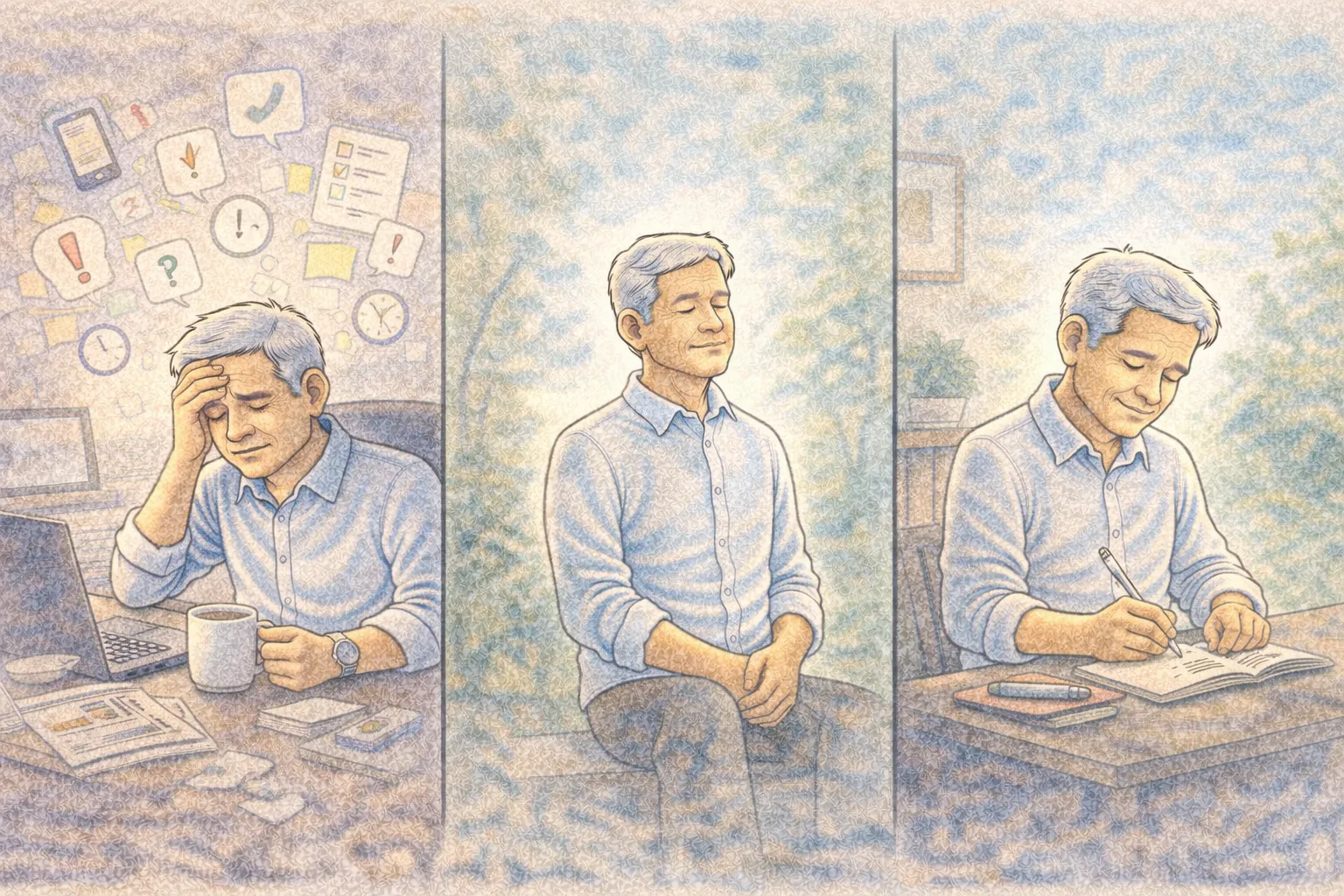
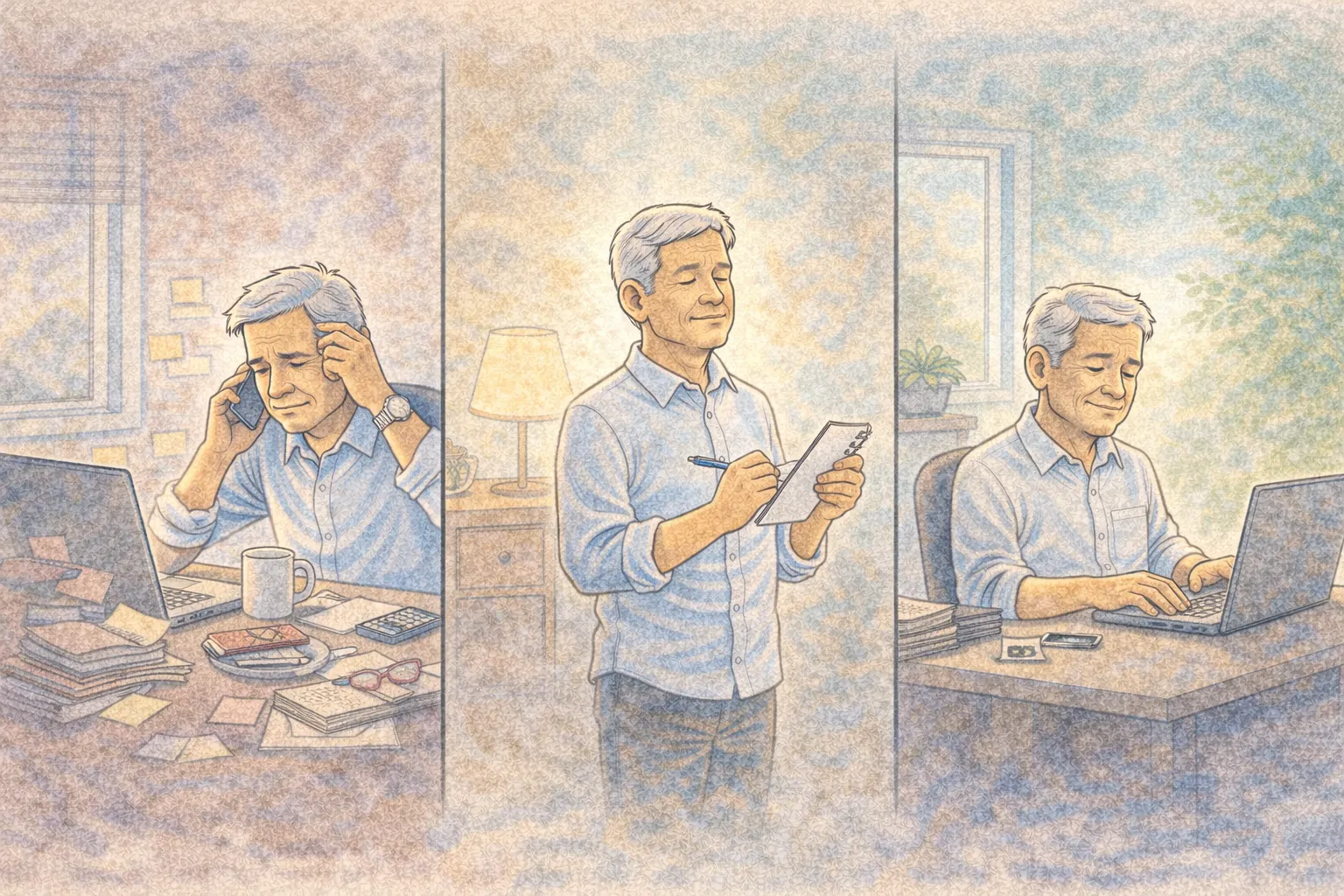
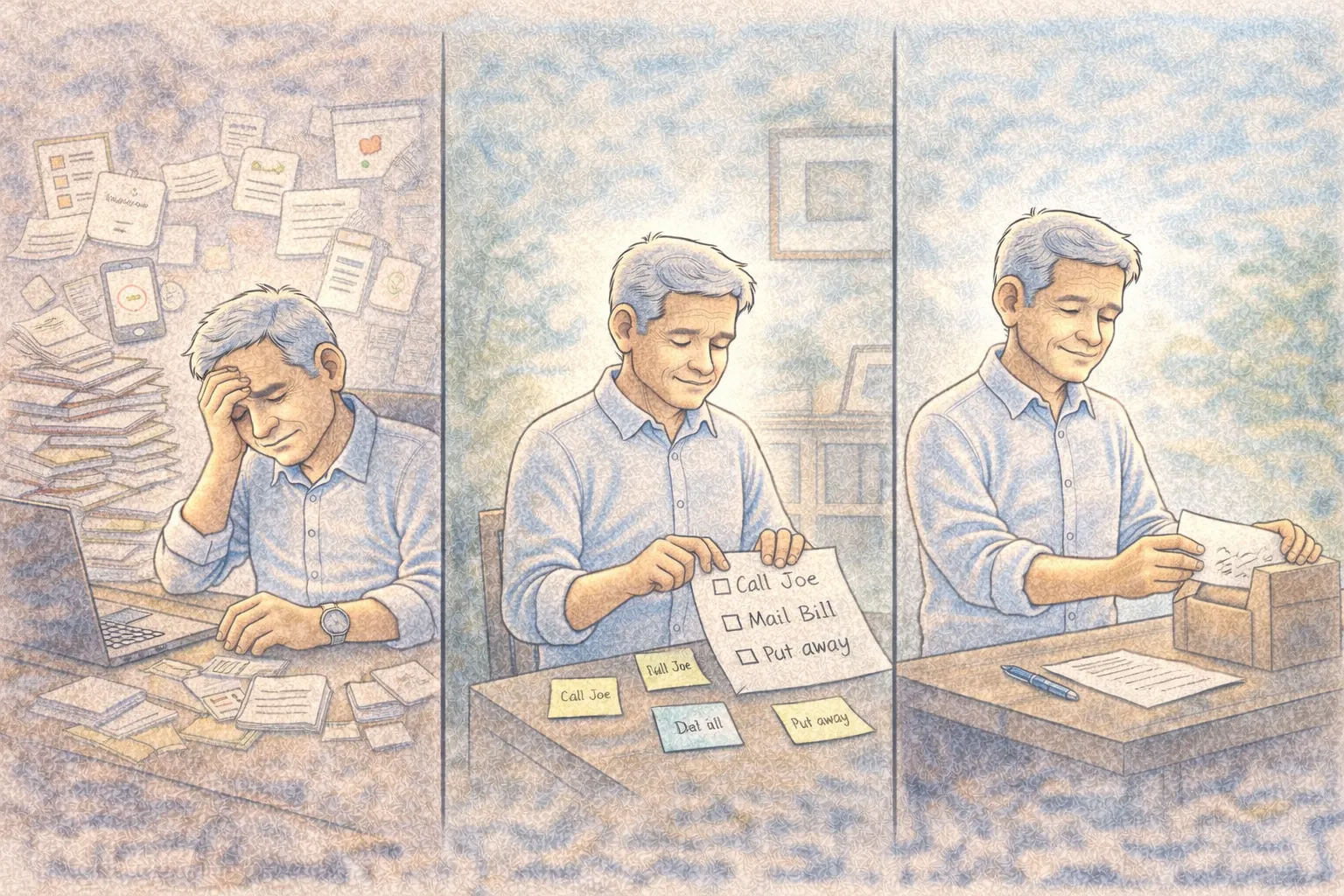
    Six-panel panoramic infographic for seniors on fixed income (2026) showing a monthly budget checklist: confirm income, protect essentials, plan health costs, include small joys, set a spending limit, and do a mid-month check-in.
    Monthly Budget Checklist for Seniors on Fixed Income (2026): six calm steps to manage money without stress.

    A calm, realistic way to manage money without stress or spreadsheets

    When your income is fixed, money isn’t about growth.
    It’s about stability.

    Many seniors don’t overspend — they simply feel uncertain.
    Bills feel unpredictable.
    Prices keep changing.
    And budgeting advice online often feels written for people still earning more each year.

    This guide is different.

    It’s a monthly budget checklist designed for seniors on fixed income — calm, practical, and focused on peace of mind rather than perfection.


    Who This Budget Checklist Is For

    • Seniors living on Social Security, pensions, or retirement income

    • Older adults who want clarity without complex apps or spreadsheets

    • Anyone who feels anxious about monthly bills or surprise expenses

    • Seniors who want to protect essentials and still enjoy small pleasures


    Why Monthly Budgets Matter More Than Annual Plans for Seniors

    Annual budgets are abstract.
    Monthly budgets are livable.

    For seniors on fixed income, monthly planning helps you:

    • see cash flow clearly

    • catch problems early

    • avoid end-of-month stress

    • adjust gently instead of panicking

    This checklist focuses on one month at a time — because that’s how real life works.


    How to Use This Monthly Budget Checklist

    • Print it or write it by hand

    • Review it once at the start of each month

    • Update it once mid-month if needed

    • Stop when it feels clear — not perfect

    This is a support tool, not a test.


    Step 1: Confirm Your Monthly Fixed Income

    Start with what is predictable.

    Write down:

    • Social Security (net amount)

    • Pension payments

    • Retirement account withdrawals

    • Any regular support income

    Checklist

    • I know my total monthly income after taxes

    • I’ve confirmed payment dates

    • I’m not counting irregular or “maybe” money

    Clarity here reduces anxiety everywhere else.


    Step 2: Protect Essential Expenses First

    Essentials come before optimization.

    These usually include:

    • housing (rent, mortgage, HOA)

    • utilities

    • food

    • medications & health insurance

    • transportation

    Checklist

    • Essentials are fully covered by fixed income

    • I know which bills are non-negotiable

    • I can see which expenses are flexible

    If essentials don’t fit, the solution is adjustment or support, not self-blame.


    Step 3: Plan for Health Costs Separately

    Health expenses are often uneven — not monthly.

    Create a small health buffer category for:

    • co-pays

    • medications

    • medical supplies

    • unexpected appointments

    Checklist

    • I set aside something monthly for health costs

    • I know my deductible or out-of-pocket limits

    • I track medical bills separately from daily spending

    Separating health costs prevents them from overwhelming your regular budget.


    Step 4: Include “Life Enjoyment” on Purpose

    A budget without joy is not sustainable.

    Even on fixed income, plan for:

    • coffee out

    • small gifts

    • hobbies

    • short outings

    Checklist

    • I included a small joy category

    • I don’t feel guilty spending it

    • I keep it predictable

    Planned enjoyment costs less — emotionally and financially — than impulse spending.


    Step 5: Set One Simple Monthly Spending Limit

    You don’t need dozens of categories.

    Many seniors do best with:

    • one weekly spending allowance, or

    • one monthly discretionary limit

    Checklist

    • I know my “safe spending” amount

    • I track it simply (notes, envelope, or bank app)

    • I stop when the limit is reached

    Boundaries create freedom.


    Step 6: Prepare for Irregular Expenses

    Some costs don’t happen monthly — but they are predictable.

    Examples:

    • annual insurance

    • property taxes

    • gifts

    • home maintenance

    Checklist

    • I listed irregular yearly expenses

    • I divide them by 12

    • I save a small amount monthly

    This turns surprises into plans.


    Step 7: Do a Mid-Month Check-In (5 Minutes)

    Halfway through the month, ask:

    • Am I on track?

    • Did anything unexpected happen?

    • Do I need to adjust gently?

    Checklist

    • I check my balance calmly

    • I adjust without panic

    • I don’t judge myself

    Budgets are living tools.


    Common Budgeting Mistakes Seniors Make

    • Trying to copy younger people’s budgets

    • Ignoring small leaks instead of adjusting calmly

    • Feeling shame about needing help or changes

    • Making budgets too strict to maintain

    A good budget should reduce stress, not create it.


    A Simple Monthly Budget Rhythm

    • Start of month: review income + essentials

    • Mid-month: 5-minute check-in

    • End of month: note what worked and what didn’t

    That’s enough.


    30-Second Summary

    • Monthly budgeting works best for seniors on fixed income

    • Protect essentials first, then plan for health and joy

    • Keep categories simple and predictable

    • Small adjustments beat strict rules

    • A calm budget supports independence and peace

    Money management in retirement is not about control.
    It’s about confidence.


    Editorial Disclaimer

    This article provides general educational information about budgeting for seniors. It is not personalized financial, tax, or investment advice. For guidance specific to your situation, consult a qualified financial professional.


    Read More Post at artanibranding.com 

    Facing Fears by Ho Chang


  • How to Build a Calm Morning Routine for Seniors in 2026

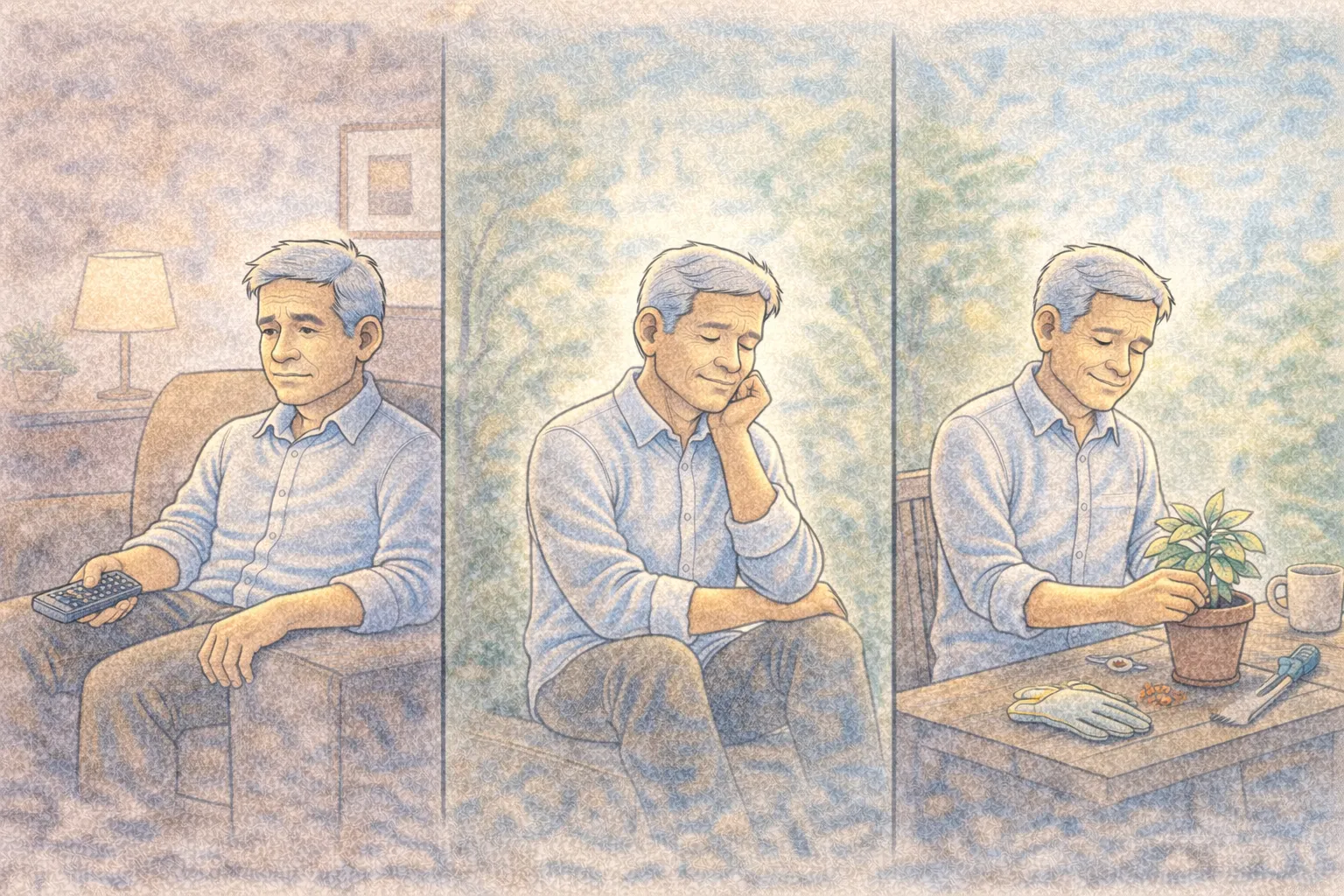
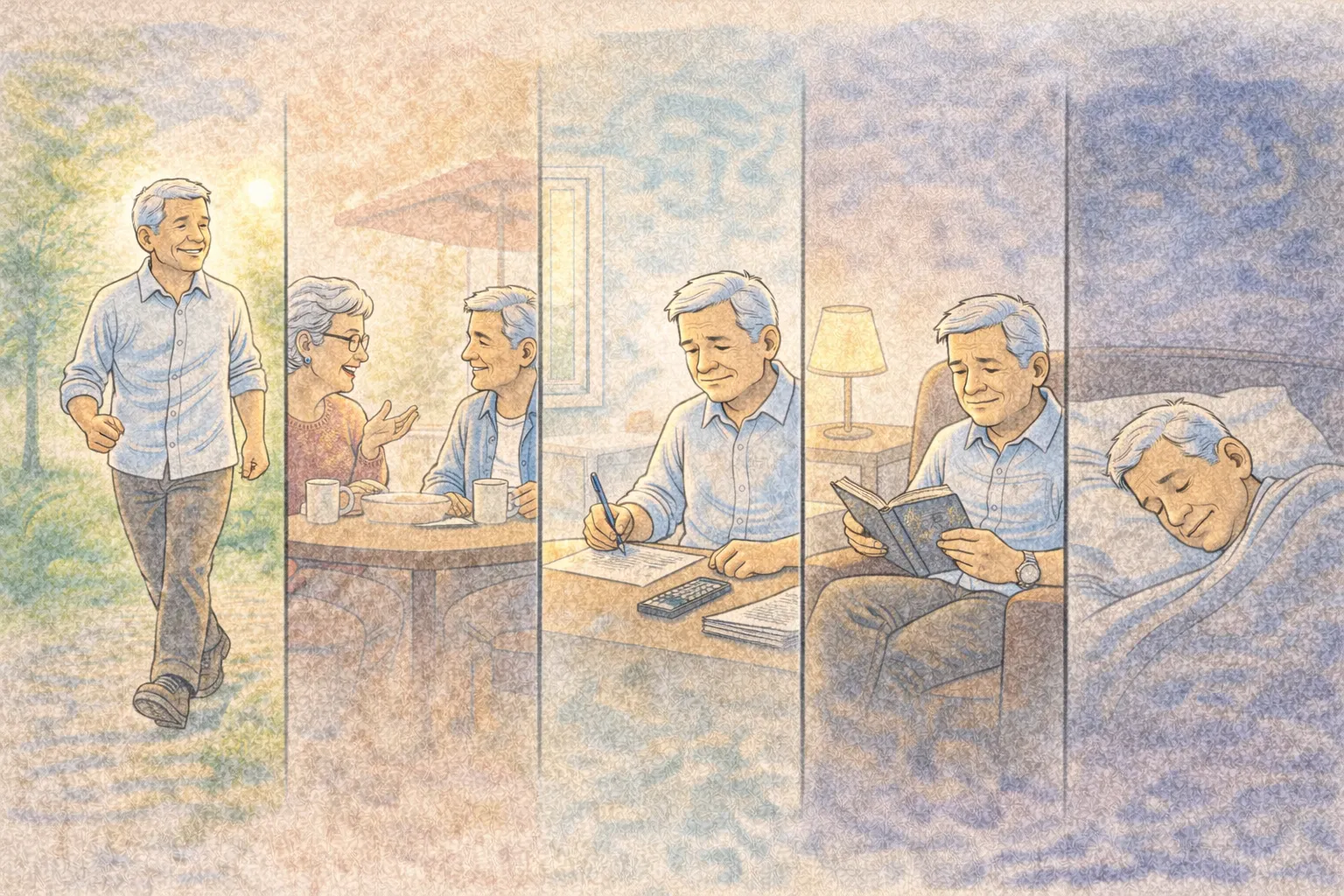
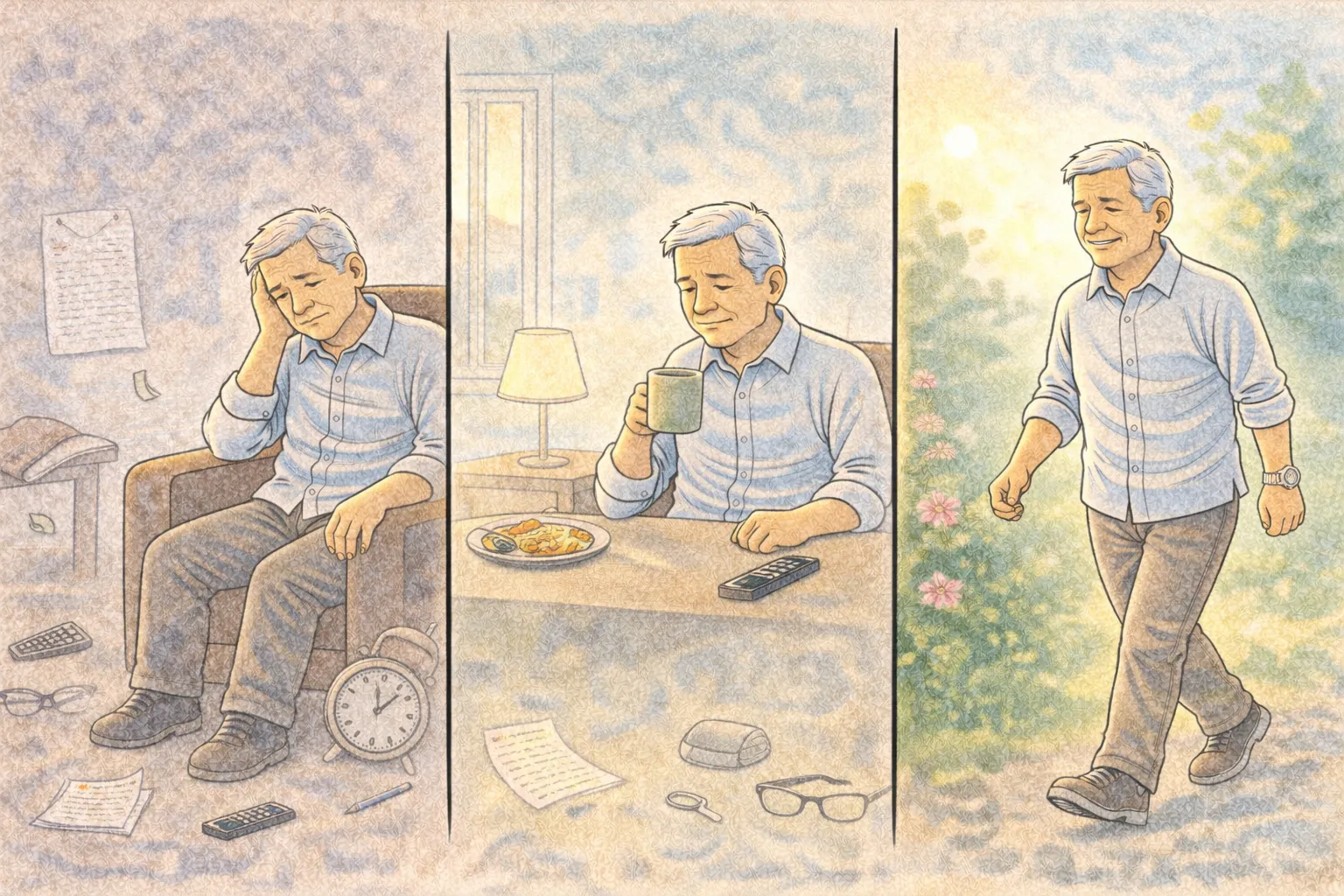
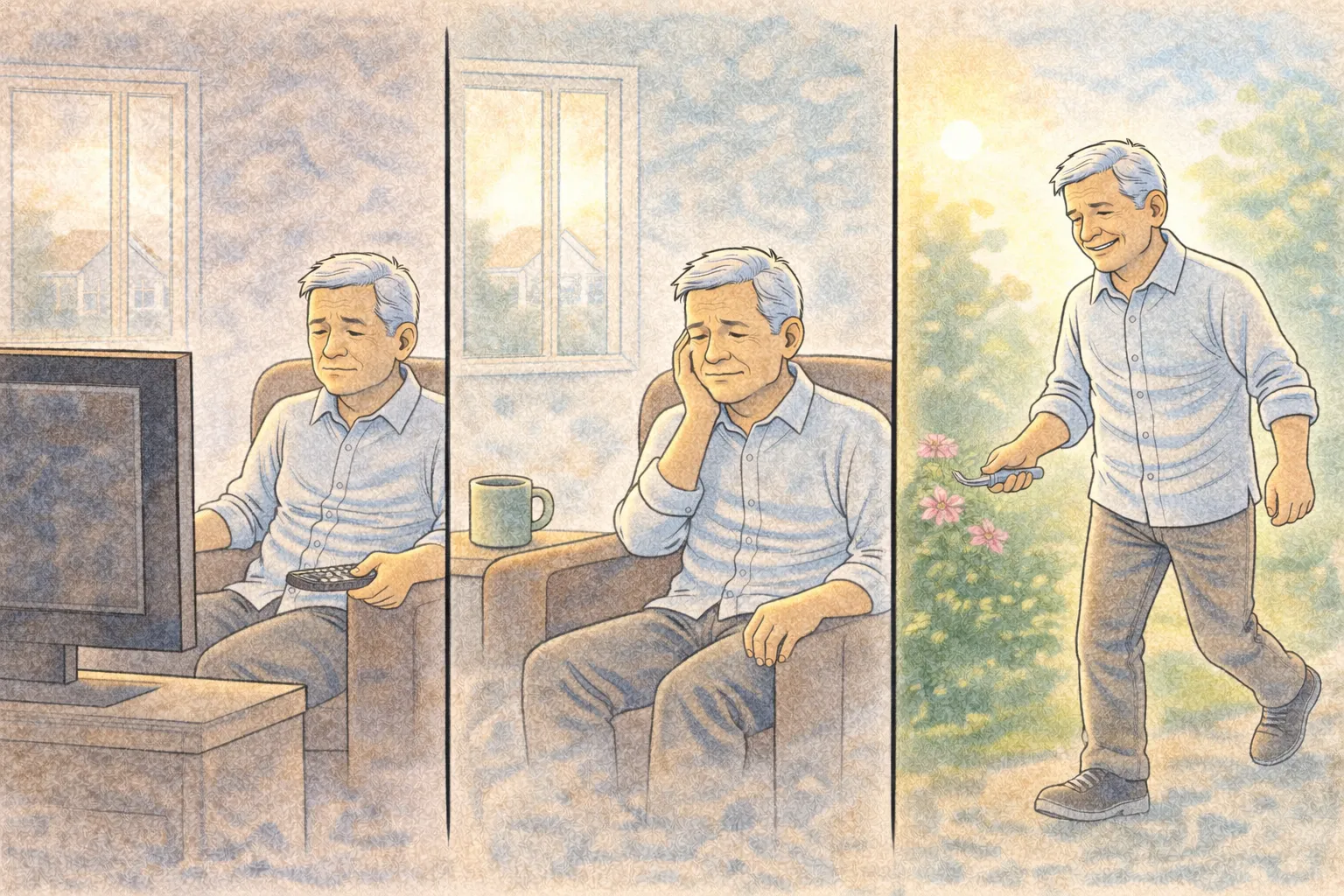
    Six-panel panoramic infographic titled “Calm Morning Routine for Seniors,” showing a wake-up window, brief ritual, gentle sensory cue, light movement, predictable breakfast, and a quiet start before activity.
    Calm Morning Routine for Seniors (2026): six gentle steps to start the day steady, not rushed.

    A gentle way to start the day with less pressure and more steadiness

    For many seniors, mornings are no longer automatic.

    Sleep may be lighter.
    Stiffness may linger.
    Energy may arrive slowly — or not at all.

    And yet, mornings matter more than ever.

    A calm morning routine doesn’t need to be impressive or productive.
    It needs to be kind, predictable, and supportive.

    This guide shows how seniors can build a morning routine in 2026 that works with their bodies — not against them.


    Who This Morning Routine Is For

    • Adults 55+ who wake up feeling rushed, tired, or disoriented

    • Seniors managing stiffness, pain, medications, or low energy

    • Older adults who want structure without pressure

    • Anyone who wants mornings to feel steadier and less anxious


    Why Mornings Are Harder as We Age

    Morning difficulty is not a failure of discipline.

    It’s often caused by:

    • lighter, fragmented sleep

    • slower circulation and joint stiffness

    • medications that affect energy or balance

    • anxiety about the day ahead

    Trying to “power through” usually makes mornings worse.

    What helps instead is predictability + gentleness.


    The Rule That Changes Everything: Slow First, Then Small

    Before we talk about routines, one rule matters most:

    Nothing demanding belongs in the first 30 minutes of your day.

    No decisions.
    No news.
    No problem-solving.

    The nervous system needs time to arrive.


    Step 1: Anchor the Same Wake-Up Window

    You don’t need an exact minute.

    Choose a 30–45 minute window and keep it consistent.

    For example:

    • Wake between 7:00–7:45 a.m.

    • Even after a poor night’s sleep

    This helps:

    • regulate appetite

    • stabilize mood

    • improve nighttime sleep over time

    Consistency matters more than duration.


    Step 2: Create a “First Five” Ritual

    Your first five minutes shape the whole morning.

    Keep it extremely simple:

    • turn on a light

    • sit up slowly

    • drink water

    • take morning medication if prescribed

    No phone.
    No thinking.

    Just arrival.


    Step 3: Build a Gentle Sensory Cue

    The body wakes before the mind.

    Helpful cues include:

    • warm tea or coffee

    • soft music

    • sunlight or a lamp

    • a familiar scent

    Use the same cue every day so your body learns: “This is morning.”


    Step 4: Add One Easy Physical Movement

    Movement in the morning should reduce stiffness — not create fatigue.

    Examples:

    • seated stretches

    • standing slowly at the counter

    • a short walk to the window or mailbox

    Stop before you feel tired.

    This is about circulation, not exercise.


    Step 5: Eat Something Predictable

    Morning meals don’t need to be big or perfect.

    They need to be regular.

    Even:

    • toast

    • yogurt

    • fruit

    • soup

    Predictable fuel helps stabilize blood sugar and mood.


    What Does Not Belong in a Senior Morning Routine

    • Checking news immediately

    • Scheduling appointments early in the day if avoidable

    • Heavy chores

    • Comparing your morning to others

    Your morning is not a performance.


    A Sample Calm Morning Routine (45–75 Minutes)

    This is a template, not a rule.

    • Wake within your window

    • First Five ritual

    • Warm drink + light

    • Gentle movement (5–10 minutes)

    • Simple breakfast

    • One quiet activity (reading, journaling, sitting by the window)

    That’s enough.


    If Mornings Feel Anxious or Heavy

    Morning anxiety is common in seniors.

    If you notice:

    • dread on waking

    • racing thoughts

    • nausea or tight chest

    • frequent early waking

    Please tell your doctor.

    Sleep quality, medications, and mood all affect mornings — and can be adjusted.


    30-Second Summary

    • Calm mornings begin with gentleness, not discipline

    • Consistent wake-up windows matter more than early rising

    • The first 30 minutes should be quiet and predictable

    • Small routines stabilize mood and energy

    • Your morning should support you — not test you

    A good morning doesn’t start the day fast.
    It starts the day safe.


    Editorial Disclaimer

    This article provides general lifestyle and wellness information for older adults. It is not medical advice. If you experience persistent morning anxiety, sleep problems, dizziness, pain, or medication concerns, please consult your healthcare provider.


    Read More Post at artanibranding.com 

    Facing Fears by Ho Chang


  • 2026 Low-Impact Strength for 55+: A Gentle 10-Minute Routine for Balance and Independence

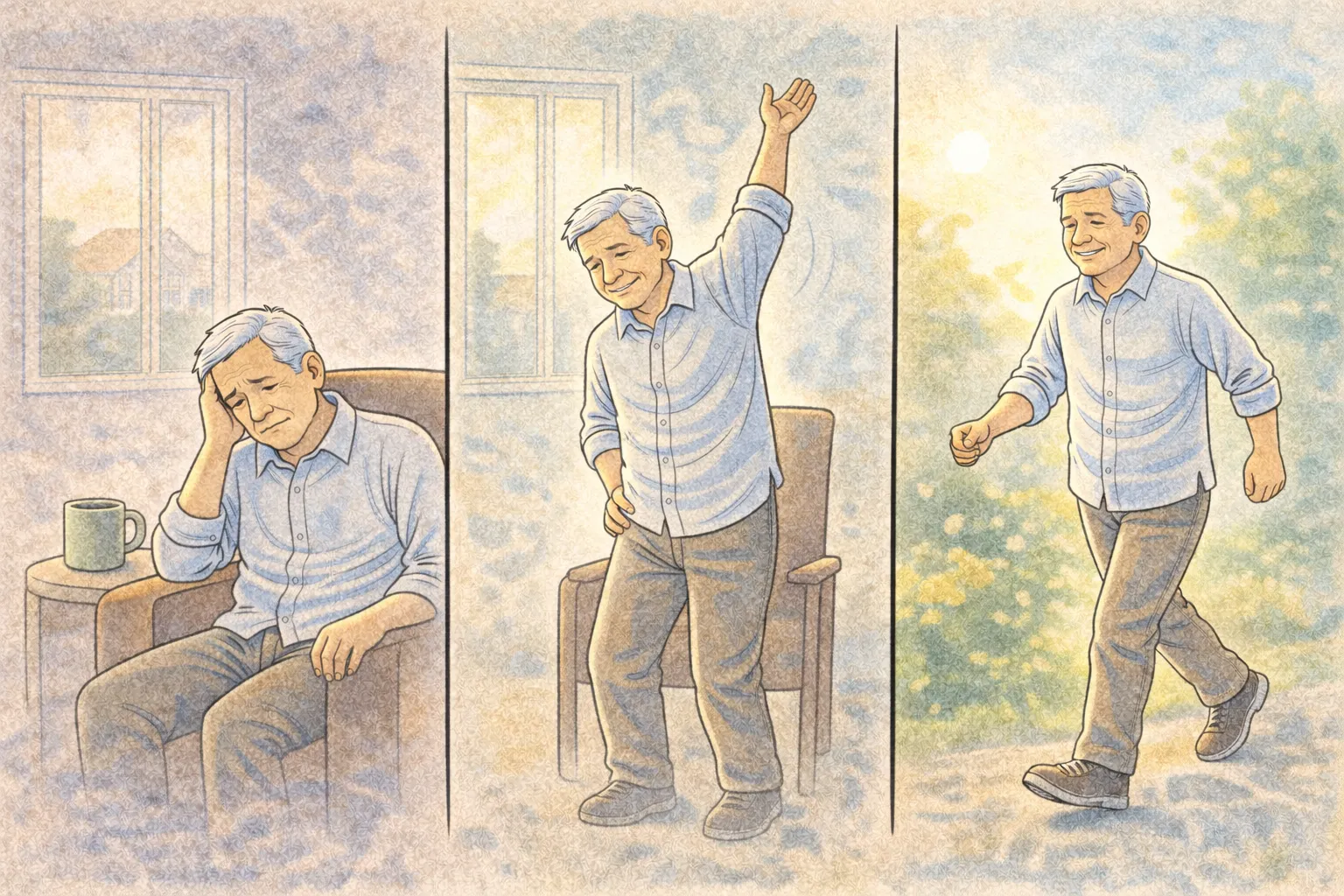
    Pastel cartoon panorama showing a 55+ adult doing gentle chair-supported strength moves for balance and independence in 2026.
    A 2026 10-minute low-impact strength routine for adults 55+: steadier balance, stronger legs, safer everyday movement.

    Cindy’s Column × Senior AI Money
    Practical, senior-friendly guides for a calmer, safer life.

    There’s a quiet truth many adults discover after 55: you can feel “fine” most days—until something small happens. A slippery sock on a smooth floor. A hurried turn in the kitchen. A curb you didn’t notice. A suitcase you lifted the way you always did.

    Strength training isn’t just about fitness. For older adults, it’s about keeping everyday life easier: standing up without using your hands, walking with steadier steps, carrying groceries without strain, and reducing the fear that one fall could change everything.

    The good news: you don’t need a gym, fancy equipment, or painful workouts.

    This guide gives you a 10-minute, low-impact strength routine designed for adults 55+—especially anyone who wants better balance, stronger legs, and more confidence moving through the day.

    It’s gentle by design:

    • no jumping

    • no floor exercises required

    • no “push through the pain” language

    • simple progress over time

    If you’re starting from zero, you can still do this. If you’ve been active for years, you can still benefit from the basics done consistently.


    Who this routine is for (and who should modify it)

    This routine is designed for:

    • adults 55+ who want steadier balance and stronger legs

    • retirees who feel stiffness, reduced stamina, or “wobbly” moments

    • anyone who wants a safe, repeatable habit that doesn’t require motivation

    You should modify or ask a clinician for guidance first if you:

    • have chest pain, dizziness, fainting, or unexplained shortness of breath

    • have a recent fall with injury

    • are recovering from surgery or have a new diagnosis

    • have severe osteoporosis, acute joint injury, or uncontrolled blood pressure

    • experience sharp pain (not normal muscle effort) during movements

    You can still build strength in these situations—but the safest version may need professional customization.


    The mindset that makes this work in 2026

    Most exercise plans fail because they ask for intensity.

    This plan is built on something more realistic: repeatability.

    Your goal is not to “get ripped.” Your goal is to:

    • feel safer moving around your home

    • protect your knees/hips/back with stronger support muscles

    • keep independence longer

    • reduce fatigue from everyday tasks

    In this stage of life, a small routine done often beats a perfect routine done rarely.


    What you need (keep it simple)

    Pick one:

    • a sturdy chair (no wheels)

    • a wall or countertop for light support

    • comfortable shoes or barefoot on a non-slip surface (avoid socks on smooth floors)

    Optional:

    • a light resistance band (not required)

    • 1–3 lb hand weights (not required; soup cans work)

    Safety setup (30 seconds):

    • clear the area (no rugs that slide)

    • good lighting

    • chair positioned so it won’t slip

    • water nearby


    How hard should this feel?

    Use the “talk test” and a simple effort scale.

    • You should be able to talk in full sentences.

    • Effort should feel like “moderate”: working, but not straining.

    • A helpful target is around 5–6 out of 10 effort.

    You should feel muscle effort—especially in legs and hips—but not sharp pain, pinching, or dizziness.


    The 10-minute 2026 Low-Impact Strength Routine (55+)

    Do this 3–5 days a week. If you can only do 2 days, that’s still a win.

    Minute 0–2: Gentle warm-up (2 minutes)

    1. March in place (or seated march): 45 seconds

    • Lift knees comfortably.

    • Keep shoulders relaxed.

    1. Shoulder rolls + ankle circles: 45 seconds

    • Roll shoulders back slowly.

    • Circle ankles gently (one foot at a time).

    1. “Tall posture” breath: 30 seconds

    • Stand tall (or sit tall).

    • Inhale slowly, exhale slowly.

    • Imagine your head floating upward.

    Why this matters: warm muscles move safer. Warm-ups reduce strain and make balance steadier right away.


    Minute 2–4: Sit-to-Stand (legs + independence) — 2 minutes

    This is one of the most practical strength moves for older adults.

    How:

    • Sit near the front edge of a sturdy chair.

    • Feet flat, hip-width apart.

    • Lean forward slightly (nose over toes).

    • Stand up using your legs.

    • Sit down slowly with control.

    Do:

    • 6–10 repetitions at a gentle pace

    Options:

    • Easier: use hands lightly on chair arms or thighs

    • Harder: cross arms over chest (only if safe)

    • Harder still: pause for 1 second at the top and squeeze glutes

    Form tips:

    • knees track over toes (not collapsing inward)

    • keep chest open (don’t round forward)

    • slow on the way down (that’s where strength builds)

    This strengthens legs and hips—the muscles that protect your balance.


    Minute 4–6: Supported Heel Raises (calves + steadier walking) — 2 minutes

    How:

    • Stand behind chair or near a counter.

    • Hold lightly for support.

    • Rise onto the balls of your feet.

    • Lower slowly.

    Do:

    • 10–15 repetitions

    Options:

    • Easier: smaller range of motion

    • Harder: slow 3-second lower

    • Harder still: one-foot heel raise (only if stable)

    Why it helps: calf strength supports stability when walking, stepping off curbs, and climbing stairs.


    Minute 6–8: Side Leg Lifts (hips + balance) — 2 minutes

    Hip strength is one of the biggest “secret weapons” for balance.

    How:

    • Stand tall, one hand on chair/counter.

    • Shift weight to one leg.

    • Lift the other leg out to the side (small lift is fine).

    • Keep toes facing forward (not turned out).

    • Lower slowly.

    Do:

    • 8–12 per side

    Form tips:

    • don’t lean your torso

    • keep hips level

    • move slowly and controlled

    Options:

    • Easier: lift lower, fewer reps

    • Harder: add a brief pause at the top

    • Harder still: add a light resistance band around ankles (optional)


    Minute 8–10: Wall Push-Ups + Posture Reset (upper body + safe reaching) — 2 minutes

    Upper body strength helps with pushing doors, getting up from chairs, carrying bags, and protecting shoulders.

    How:

    • Stand facing a wall.

    • Hands on wall at chest height.

    • Step feet back slightly.

    • Bend elbows, bring chest toward wall.

    • Push back to start.

    Do:

    • 8–15 repetitions

    Form tips:

    • body stays straight (no sagging hips)

    • keep neck long

    • elbows angle comfortably (not flared sharply)

    Finish with a 20-second posture reset:

    • stand tall

    • gently squeeze shoulder blades down/back

    • take two slow breaths


    If 10 minutes feels like too much (the “2-minute starter”)

    Some days, energy is low. That’s normal.

    On those days, do the “2-minute minimum”:

    • 5 sit-to-stands (or partial stands)

    • 10 heel raises
      Done.

    This keeps the habit alive. In 2026, consistency matters more than heroic effort.


    Common mistakes (and how to fix them)

    Mistake 1: Going too fast

    Fast reps reduce control and increase risk.

    Fix:

    • slow down the lowering phase

    • count “1–2–3” on the way down

    Mistake 2: Holding your breath

    Holding breath can spike pressure and increase strain.

    Fix:

    • exhale on effort (standing up, pushing away from wall)

    • inhale on the easier part (sitting down, returning to wall)

    Mistake 3: Using unstable chairs or slippery floors

    Safety issues undo the benefits.

    Fix:

    • use a sturdy chair

    • avoid socks on smooth floors

    • remove rugs that slide

    Mistake 4: Pain that’s not normal effort

    Pain isn’t proof you’re “working hard.” Pain is information.

    Fix:

    • reduce range of motion

    • reduce reps

    • use more support

    • stop and seek advice if pain is sharp, sudden, or worsening


    How to progress safely in 2026 (without injury)

    Progress should be small, predictable, and boring. Boring is good.

    Here are three safe progression options—choose one at a time:

    Progression A: Add 1–2 reps per move

    Example:

    • Sit-to-stand: 6 reps → 8 reps → 10 reps over several weeks

    Progression B: Slow down the lowering phase

    Example:

    • Heel raises: 10 reps with a 3-second lower

    Progression C: Add an extra day per week

    Example:

    • 3 days/week → 4 days/week

    Avoid progressing everything at once. One small progression every 1–2 weeks is plenty.


    A simple weekly plan (realistic)

    Week 1–2 (Foundation)

    • Do the routine 3 days/week

    • Keep reps modest

    • Focus on slow, controlled movement

    Week 3–4 (Confidence)

    • Add 1–2 reps to one movement

    • Or add a 4th day if you feel good

    Week 5–6 (Strength that sticks)

    • Keep schedule stable

    • Add slow lowering (control) to one movement

    • Consider very light resistance (optional)


    How this supports travel, hobbies, and everyday life

    Strength isn’t a separate “fitness thing.” It’s a life thing.

    This routine helps you:

    • get in/out of cars more easily

    • climb stairs with less strain

    • carry groceries with more confidence

    • stand longer while cooking

    • feel safer in hotel bathrooms and unfamiliar environments

    • keep hobbies like gardening, walking, and sightseeing more enjoyable

    A big part of senior travel stress is fatigue and fear of falling. Better strength and balance reduce both.


    “Balance bonus” (optional, 60 seconds)

    If you want a tiny balance drill (only if safe), add this after the routine:

    Supported single-leg stand

    • hold a chair

    • lift one foot slightly

    • aim for 10–20 seconds per side

    If you feel wobbly, keep toes on the floor and just lighten pressure. That still trains balance.


    When to stop and get help

    Stop and seek medical guidance if you experience:

    • chest pain, faintness, severe shortness of breath

    • new or worsening joint pain

    • numbness, weakness, or severe dizziness

    • a fall during exercise

    There’s no prize for pushing through warning signs. The win is staying safe and consistent.


    Quick checklist (printable-friendly)

    Before you start:

    • Clear floor space, remove slipping hazards

    • Use a sturdy chair, good lighting

    • Wear stable shoes or use non-slip surface

    During:

    • Move slowly, especially lowering phase

    • Breathe (don’t hold breath)

    • Use support as needed

    After:

    • Note how you feel (energy, pain, confidence)

    • Put next session on your calendar


    Frequently asked questions (short and practical)

    How many days a week should I do this in 2026?
    3–5 days/week is ideal. 2 days/week still helps. The best schedule is the one you’ll actually keep.

    What if my knees hurt during sit-to-stand?
    Try a higher chair or add a cushion, reduce range of motion, and use hands lightly. If pain persists, get individualized advice.

    Do I need weights?
    No. Bodyweight is enough to start. If you want, very light weights can be added later.

    Can I do this if I’m very deconditioned?
    Yes—start seated, use support, reduce reps, and do the 2-minute minimum on low-energy days.

    Is this safe with osteoporosis?
    Many people with osteoporosis benefit from safe strength and balance work, but individual guidance matters. Start gently and consult a clinician for tailored recommendations.


    A simple closing for 2026

    If you do this routine consistently, you’re not just “exercising.” You’re building a quieter kind of security—one that makes daily life easier and future plans feel less risky.

    Start with today. Ten minutes. Slow, steady movement.

    Then tomorrow, do it again—or do the 2-minute minimum. That still counts.

    In 2026, the goal isn’t intensity. The goal is a body that supports the life you want to keep living.


    Disclaimer (at the end, as requested)

    This article is for general educational purposes only and does not provide medical advice, diagnosis, or treatment. Exercise affects people differently, and individual conditions vary. If you have medical concerns, new symptoms, recent injuries, or questions about safety, consult a qualified healthcare professional before starting or changing an exercise routine. Stop immediately if you feel chest pain, severe dizziness, faintness, or sudden/worsening pain.


    Read More Post at artanibranding.com 

    Facing Fears by Ho Chang


  • 2026 Senior Meal Plan (7 Days): Cut Grocery Costs Without Feeling Deprived

    Pastel cartoon panorama showing a 7-day senior meal plan setup—grocery list, simple cooking, and leftovers for calmer 2026 grocery costs.
    A 2026 7-day senior meal plan that lowers grocery costs with simple repeat meals, planned leftovers, and low-energy backups.

    Cindy’s Column × Senior AI Money
    Practical, senior-friendly guides for a calmer, safer life.

    A lot of grocery advice feels unrealistic for adults 55+. It assumes you have unlimited energy, perfect joints, endless time, and a fridge full of “special ingredients.” Real life is different—especially if you’re managing fatigue, pain, caregiving, or simply wanting cooking to feel easier.

    This 7-day meal plan is built for real seniors in 2026:

    • Simple meals with familiar foods

    • Short prep steps (and fewer dishes)

    • Budget-minded without feeling like punishment

    • Flexible for one person, two people, or a household

    • Built-in leftovers so you cook less, not more

    • Easy substitutions if chewing, appetite, or digestion changes

    You’ll get:

    1. A money-saving strategy that doesn’t feel restrictive

    2. A 7-day plan with breakfast/lunch/dinner + snack options

    3. A grocery list and “batch prep” plan that saves time and money

    4. A few gentle nutrition guardrails (without diet culture)


    PART 1 — THE 2026 GROCERY PROBLEM (AND THE REAL SOLUTION)

    Rising grocery costs have made many older adults feel like they’re constantly making trade-offs: quality vs. budget, convenience vs. nutrition, or comfort vs. “doing it right.” The truth is you can lower costs without feeling deprived—but only if your plan is designed around the two biggest savings levers:

    1. Less food waste (buying what actually gets eaten)

    2. Fewer convenience purchases (without turning cooking into a second job)

    This plan does both by using a simple structure:

    • 3 flexible breakfasts you repeat

    • 2 easy lunches you rotate

    • 7 dinners that intentionally create leftovers

    • snacks that prevent “I’m starving” impulse buying

    The goal is not perfect nutrition. The goal is a week that feels steady, satisfying, and financially calmer.


    PART 2 — THE “NO-DEPRIVATION” BUDGET RULES (SENIOR-FRIENDLY)

    Use these 5 rules to cut costs without feeling like you’re losing joy.

    Rule 1: Pick ONE “comfort item” for the week

    This is how you avoid feeling deprived (and then overspending later).

    Examples:

    • good bread you love

    • fresh berries

    • quality coffee/tea

    • one dessert item

    • a nicer cheese

    One planned comfort item beats five impulse treats.

    Rule 2: Choose 2 proteins for the week (and repeat them)

    Protein is often the most expensive category. Repeating a couple options prevents half-used packages and waste.

    Budget-friendly protein examples:

    • eggs

    • canned tuna/salmon

    • chicken thighs

    • beans/lentils

    • Greek yogurt

    • tofu

    • ground turkey (when on sale)

    Rule 3: Build dinners around “base + add-on”

    Base options:

    • rice / pasta / potatoes

    • frozen vegetables

    • canned tomatoes

    • beans

    • eggs

    Add-on options:

    • chicken, tuna, tofu, or beans

    • simple sauce (jarred or homemade)

    • herbs/spices

    This is how you cook like a calm person, not like a contestant on a cooking show.

    Rule 4: Plan for leftovers on purpose

    Leftovers are not failure. Leftovers are savings.

    This plan uses “cook once, eat twice” dinners so you spend less time and less money.

    Rule 5: Keep a “low-energy backup meal” at home

    This prevents expensive takeout on tired days.

    Low-energy backup examples:

    • frozen soup + bread

    • eggs + toast

    • tuna salad + crackers

    • microwavable rice + frozen veg + rotisserie chicken

    • yogurt + fruit + nuts


    PART 3 — THE 7-DAY 2026 SENIOR MEAL PLAN (BREAKFAST/LUNCH/DINNER)

    Use this as written or mix-and-match. It’s designed to be flexible.

    TABLE 1: 7-DAY MEAL PLAN (SIMPLE + LEFTOVER-FRIENDLY)

    Day Breakfast (choose 1) Lunch (easy) Dinner (cook once, eat twice where possible) Snack options
    Day 1 Oatmeal + banana + peanut butter Tuna salad sandwich + carrots Sheet-pan chicken + potatoes + frozen veg Yogurt / apple + cheese
    Day 2 Eggs + toast + fruit Leftover chicken bowl Lentil/bean soup + bread (leftovers) Nuts / crackers + hummus
    Day 3 Yogurt parfait (yogurt + fruit + oats) Soup leftovers + side salad Pasta with tomato sauce + sautéed veg + optional turkey Cottage cheese / fruit
    Day 4 Oatmeal again Egg salad wrap + cucumber Stir-fry rice bowl: frozen veg + eggs/tofu/chicken Popcorn / banana
    Day 5 Eggs again Leftover stir-fry bowl Baked fish (or canned salmon patties) + rice + veg Peanut butter toast
    Day 6 Yogurt again “Snack plate” lunch (protein + fruit + veg) Chili (beans + tomatoes) + cornbread/tortilla (leftovers) Dark chocolate square / yogurt
    Day 7 Oatmeal or eggs Chili leftovers Breakfast-for-dinner: omelet + veg + toast Any leftover fruit

    This plan repeats breakfasts and lunches on purpose. Repetition lowers cost, stress, and waste.


    PART 4 — THE 30-MINUTE BATCH PREP (SO COOKING FEELS LIGHTER)

    You do not need a “meal prep Sunday.” You only need 30 minutes that makes the week easier.

    Batch Prep (choose what you can)

    1. Cook a pot of rice or pasta (enough for 2–3 meals)

    2. Wash and prep 2 vegetables (carrots/cucumber/peppers)

    3. Make one simple protein (baked chicken thighs OR hard-boiled eggs)

    4. Make one sauce (or choose one jarred sauce you like)

    5. Put 2 backup meals in sight (freezer soup, eggs, tuna)

    If you only do one thing: cook the rice or roast the chicken. It creates meals automatically.

    TABLE 2: “LOW-ENERGY” COOKING SHORTCUTS (SAVES MONEY)

    Situation Expensive default Cheaper, easier option
    Too tired to cook Delivery/takeout Eggs + toast + fruit
    Nothing planned Convenience meal kits Canned soup + bread + salad kit
    Craving comfort Restaurant pasta Pasta + jar sauce + frozen veg
    Need protein fast Deli meat Tuna, eggs, Greek yogurt
    Vegetables go bad Fresh-only shopping Frozen veg as your base

    PART 5 — THE GROCERY LIST (1 PERSON OR 2 PEOPLE)

    Adjust quantities based on appetite and household size. If you live alone, prioritize shelf-stable and freezer-friendly foods.

    Core groceries (budget friendly)

    PROTEIN

    • Eggs (1–2 dozen)

    • Chicken thighs or rotisserie chicken (1 package)

    • Canned tuna (2–4 cans)

    • Beans or lentils (2–4 cans OR dry lentils)

    • Greek yogurt (large tub)

    CARBS / BASES

    • Oats

    • Rice or pasta

    • Potatoes

    • Bread or tortillas (freeze extra)

    • Crackers (optional)

    VEGETABLES (mix fresh + frozen)

    • Frozen mixed vegetables (2 bags)

    • Frozen broccoli or stir-fry blend (1–2 bags)

    • Carrots

    • Onions (optional but great for flavor)

    • Salad kit or spinach (one bag)

    FRUIT

    • Bananas

    • Apples

    • Frozen berries (optional, lasts longer)

    PANTRY / FLAVOR

    • Olive oil or cooking oil

    • Peanut butter

    • Canned tomatoes (2 cans)

    • Chicken broth (carton or cubes)

    • Pasta sauce (jar) or tomato sauce

    • Salt-free seasoning blend (optional)

    • Cinnamon (for oatmeal)

    • Garlic powder / pepper (optional)

    COMFORT ITEM (pick one)

    • nice bread, berries, cheese, or coffee/tea

    TABLE 3: “BUY ONCE, USE ALL WEEK” INGREDIENTS

    Ingredient Used in Why it saves money
    Oats Breakfast + yogurt topping Cheap, filling, long shelf life
    Eggs Breakfast + lunch + dinner Versatile protein, quick cooking
    Frozen vegetables Stir-fry + sides + pasta No spoilage, easy portioning
    Canned tuna Lunch + snack plate Shelf stable, high protein
    Rice/pasta Bowls + sides + leftovers Makes leftovers feel like “new meals”
    Canned tomatoes Soup + chili + sauce Builds multiple dinners cheaply

    PART 6 — RECIPES (SHORT, SENIOR-FRIENDLY, FEW DISHES)

    Below are quick, repeatable methods—not complicated recipes.

    Dinner 1: Sheet-Pan Chicken + Potatoes + Veg

    • Heat oven to 400°F (or your comfortable setting)

    • On a sheet pan: chicken thighs + chopped potatoes + frozen veg (or fresh carrots/onion)

    • Oil + pepper + seasoning

    • Bake until chicken is fully cooked and potatoes are tender
      Why it works: one pan, leftovers for lunch bowls.

    Dinner 2: Lentil/Bean Soup (Big Savings Meal)

    • In a pot: onion (optional) + canned tomatoes + broth + lentils/beans + frozen veg

    • Simmer until warm and flavorful

    • Eat with bread
      Why it works: cheap, filling, freezes well.

    Dinner 3: Pasta + Tomato Sauce + Veg

    • Pasta + jar sauce + frozen spinach or mixed veg

    • Add tuna or ground turkey if desired
      Why it works: comfort meal without restaurant prices.

    Dinner 4: Stir-Fry Rice Bowl (Frozen Veg Wins)

    • Warm rice

    • In pan: frozen stir-fry veg + eggs (scramble in) or tofu/chicken

    • Add soy sauce alternative if needed (or simple seasoning)
      Why it works: flexible and quick.

    Dinner 5: Fish Night (or Salmon Patties)

    Option A: baked fish + rice + veg
    Option B (budget): canned salmon patties

    • Mix canned salmon + egg + breadcrumbs/oats + seasoning

    • Pan-cook lightly
      Why it works: affordable protein with leftovers.

    Dinner 6: Chili (Beans + Tomatoes = Budget Power)

    • Beans + canned tomatoes + seasoning + optional ground turkey

    • Serve with tortilla/cornbread
      Why it works: makes multiple meals, freezes well.

    Dinner 7: Breakfast-for-Dinner

    • Omelet or scrambled eggs + veg + toast
      Why it works: fast, comforting, cheaper than takeout.


    PART 7 — “NO-DEPRIVATION” SNACKS THAT PREVENT OVEREATING LATER

    Many people overspend on food when they get too hungry. A planned snack can be cheaper than a late-night impulse purchase.

    Snack ideas (mix and match):

    • yogurt + fruit

    • cheese + apple

    • peanut butter toast

    • nuts (small handful)

    • hummus + crackers

    • popcorn (simple)

    • hard-boiled egg

    If chewing is difficult:

    • yogurt, cottage cheese, soft fruit, soups, scrambled eggs

    If appetite is low:

    • smaller portions more often can be easier than big meals


    PART 8 — ADAPTATIONS FOR COMMON SENIOR NEEDS (GENTLE, NON-MEDICAL)

    This is not medical advice—just practical ideas many older adults find helpful. If you have specific conditions, ask a clinician or dietitian for tailored guidance.

    If you’re watching sodium

    • use frozen vegetables and “no salt added” canned items when possible

    • season with herbs, lemon, vinegar, garlic powder, pepper

    • choose lower-sodium broths if available

    If you’re managing blood sugar

    • pair carbs with protein (oatmeal + yogurt, toast + eggs, rice bowl + tofu/chicken)

    • keep snacks balanced (fruit + cheese or yogurt)

    If you have low energy or pain flares

    • rely on the backup meals

    • double a soup/chili recipe and freeze portions

    • keep pre-washed items (salad kits, frozen veg) so healthy choices are easy

    If you live alone

    • freeze half of bread and half of batch meals

    • choose foods that don’t spoil quickly (frozen veg, canned beans, oats)


    PART 9 — THE “HOW MUCH WILL THIS COST?” REALISTIC EXPECTATIONS

    Exact costs vary by location and store. But the structure of this plan typically reduces spending in three ways:

    1. fewer impulse trips

    2. fewer spoiled leftovers

    3. fewer expensive convenience purchases

    A practical way to measure success is not “how low can you go,” but:

    • “Did I waste less food this week?”

    • “Did I avoid takeout on my tired days?”

    • “Did I feel satisfied and steady?”

    If yes, your grocery budget is moving in the right direction.


    QUICK START: WHAT TO DO TODAY (10 MINUTES)

    1. Pick your 2 proteins for the week (example: eggs + chicken)

    2. Choose your comfort item

    3. Buy frozen vegetables and oats if you have none

    4. Put 2 backup meals where you can see them

    5. Cook one pot of rice or one soup (whichever feels easiest)

    That’s enough to start.


    QUICK VERIFICATION (SEO / YMYL / EEAT)

    SEO: Strong long-tail title includes “2026,” “Senior Meal Plan,” “7 Days,” “Cut Grocery Costs,” and “Without Feeling Deprived.” Includes tables, lists, and a practical plan (good dwell time).
    YMYL safety: No extreme diet claims, no medical promises, gentle adaptations only, and a clear end disclaimer.
    EEAT: Concrete steps, realistic constraints for 55+, emphasis on safety, waste reduction, and repeatable routines.


    IMAGE (READY WHEN YOU SAY “이미지 생성”)

    Style you requested: friendly cartoon, pastel tones, bold outlines, panorama, lightweight.

    IMAGE PROMPT (panorama 3-panel storyboard)
    A wide panoramic 3-panel storyboard illustration (21:9) in friendly pastel cartoon style with bold clean outlines. Panel 1: a smiling older adult (55+) holding a simple grocery list and a small basket with basic items (oats, eggs, frozen veggies icons), minimal background. Panel 2: the person cooking an easy one-pan meal with a pot and a sheet pan, simple steam lines, calm kitchen, no brand logos, no readable text. Panel 3: a cozy table with a balanced plate and a labeled leftovers container icon (no readable words), warm friendly vibe, simple shapes, minimal detail, designed as a lightweight blog header.

    ALT
    Pastel cartoon panorama showing a 7-day senior meal plan setup—grocery list, simple cooking, and leftovers for calmer 2026 grocery costs.

    Caption
    A 2026 7-day senior meal plan that lowers grocery costs with simple repeat meals, planned leftovers, and low-energy backups.

    Description
    A friendly pastel, bold-line panoramic storyboard illustrating budget-friendly senior meal planning: smart shopping, easy cooking, and leftover-ready dinners to reduce waste and spending.


    Disclaimer (at the end, as requested)

    This article is for general educational purposes only and does not provide medical or nutritional advice. Dietary needs vary by individual health conditions, medications, allergies, and personal circumstances. For personalized guidance, consult a qualified healthcare professional or registered dietitian—especially if you have diabetes, kidney disease, heart conditions, swallowing/chewing difficulties, or other medical concerns.


    Read More Post at artanibranding.com 

    Facing Fears by Ho Chang


  • 2026 Retirement Hobbies Guide: How to Choose 3 Interests That Add Joy Without Adding Clutter

    Pastel cartoon panorama showing three retirement hobbies in 2026—creative time, gentle movement, and friendly community connection without clutter.
    Choose three 2026 retirement hobbies that fit your energy, budget, and space—body, mind, and heart.

    Cindy’s Column × Senior AI Money
    Practical, senior-friendly guides for a calmer, safer life.

    Retirement is supposed to feel lighter. But many adults 55+ discover an unexpected problem: too much time can create pressure.

    You finally have freedom… and suddenly you feel you should be doing something meaningful, productive, healthy, social, creative, and enriching—preferably all at once. Add online ads and “new hobby” trends, and it’s easy to end up with a closet full of supplies you don’t use and a quiet feeling of, “Why can’t I stick with anything?”

    Here’s a calmer way to approach hobbies in 2026:

    • You don’t need ten hobbies.

    • You don’t need the “perfect” hobby.

    • You don’t need to buy your way into a new identity.

    You need three interests that fit your real life—your energy, body, budget, space, and personality.

    This guide will help you choose 3 hobbies that add joy without adding clutter, using a simple framework you can finish in one afternoon.


    Why “3 hobbies” is the sweet spot (especially after 55)

    Choosing “just one hobby” can feel like too much pressure. Choosing “all the hobbies” creates chaos.

    Three works because it covers your needs without overloading you. Think of it as a balanced hobby “plate”:

    1. A body hobby (keeps mobility and confidence)

    2. A mind hobby (keeps curiosity and focus)

    3. A heart hobby (keeps connection and meaning)

    Not every hobby fits neatly into one category, but the structure prevents a common retirement trap: picking hobbies that look good on paper but don’t fit your day-to-day life.


    The 2026 “No-Clutter Hobby Rule” (the one rule that saves most people)

    Before you start, adopt this rule:

    Rule: You don’t buy supplies until you do the “trial version” twice.

    That’s it. Two tries.

    • Try #1 tells you if you feel curious.

    • Try #2 tells you if you’ll actually repeat it.

    After two tries, you can decide if it deserves money and storage space.

    This rule keeps hobbies from becoming expensive clutter projects.


    Step 1: Pick your “energy truth” (the hobby must match your real body)

    Many older adults quit hobbies because the hobby demands a version of them that only exists on a “good day.”

    So begin with honesty. Circle one:

    • Green energy: I usually have steady energy most days.

    • Yellow energy: I’m up and down; pain/fatigue varies.

    • Red energy: I need gentle pacing; I tire easily.

    Your hobby plan should still work on Yellow and Red days. That’s how it becomes sustainable.

    Table 1: Matching hobbies to real energy levels

    Energy Level What works best What often backfires
    Green Classes, longer sessions, projects Too many commitments at once
    Yellow Short sessions, flexible schedules, “pause-friendly” hobbies Anything that requires perfect weekly attendance
    Red Seated hobbies, 5–15 minute sessions, “no-setup” hobbies Heavy equipment, long travel, high stamina demands

    If your energy changes week to week, choose hobbies that are modular: you can do a little and still feel satisfied.


    Step 2: Choose your 3-hobby “stack” (Body + Mind + Heart)

    Here are the three categories with examples that are common, affordable, and senior-friendly.

    Hobby #1: A BODY hobby (for steadier movement and confidence)

    This is not about becoming athletic. It’s about reducing stiffness, improving balance, and feeling more capable.

    Examples:

    • gentle walking routes (parks, indoor malls, waterfront paths)

    • chair yoga or stretching (home or class)

    • water aerobics / pool walking

    • light strength routine (10 minutes, a few days/week)

    • beginner tai chi (excellent for balance and calm)

    • gardening “in small doses” (pots, raised beds, balcony plants)

    Best feature: you can do it even if motivation is low, because it supports comfort.

    Hobby #2: A MIND hobby (for curiosity and focus)

    The mind loves a “gentle challenge.” It helps memory, mood, and that satisfying feeling of “I learned something.”

    Examples:

    • jigsaw puzzles, crosswords, logic puzzles

    • reading with a theme (travel memoir month, history month, mystery month)

    • learning a language casually (10 minutes/day)

    • beginner drawing, watercolor, or photography (phone camera counts)

    • music listening + “album of the week”

    • simple cooking as a project (one new recipe weekly)

    Best feature: it’s often low-cost and can be done seated.

    Hobby #3: A HEART hobby (for connection and meaning)

    This is the one most seniors underestimate. Many people have “activities” but still feel lonely. A heart hobby is connection-oriented.

    Examples:

    • book club (in-person or online)

    • volunteer “micro-shifts” (1–2 hours, not overwhelming)

    • weekly phone calls with a “friend circle”

    • community choir (low pressure)

    • walking group (social + body)

    • helping at a community garden or library

    • mentoring (career, life skills, tutoring)

    Best feature: it reduces isolation, which is one of the biggest quality-of-life factors in retirement.


    Step 3: Use the “space test” to prevent clutter

    Clutter doesn’t come from one big purchase. It comes from small hobby purchases that don’t get used.

    Use this test:

    The Space Test (2 questions)

    1. Where will this live when I’m not using it?

    2. Can I store it in one container (one drawer, one bin, one shelf)?

    If it can’t fit in one container, it may be a hobby you do outside the home (classes, community centers, rentals) rather than one you “own” at home.

    Table 2: Low-clutter vs high-clutter hobby choices

    Hobby Type Low-clutter version High-clutter version (risky)
    Art sketchbook + pencil set large canvases + lots of paints + storage racks
    Music playlists + simple instrument multiple instruments + amps + accessories
    Fitness chair routine + band bulky machines + unused gear
    Cooking one new recipe/week specialty gadgets for every trend
    Gardening pots/raised bed large tool sets + too many plants at once

    If you love a “high-clutter hobby,” you can still do it—just choose boundaries (one bin, one shelf, one monthly purchase).


    Step 4: The 2026 “Try It Twice” hobby experiment (one afternoon)

    This is the simplest system I know that prevents waste and increases success.

    Pick 6 “candidates”

    Write down 6 hobbies you’re curious about. Don’t overthink.

    Then score them quickly from 1–5 in these areas:

    • Enjoyment: Does it sound genuinely pleasant?

    • Ease: Can I do it without a complicated setup?

    • Body-fit: Does it fit my energy and mobility?

    • Budget-fit: Can I try it under $25?

    • Social-fit: Does it bring connection if I want that?

    Table 3: Hobby quick-score sheet (copy/paste)

    Hobby Enjoyment (1–5) Ease (1–5) Body-fit (1–5) Budget-fit (1–5) Social-fit (1–5) Total

    Pick the top 3 totals. Those become your trial hobbies.

    Now do each one twice (short sessions count). No shopping spree required.


    Step 5: Set your “minimum version” (so you never fall off completely)

    Most hobby plans fail because they require too much time.

    Instead, define the minimum version you can do on a low-energy day.

    Examples:

    • Walking hobby: 7 minutes around the block

    • Art hobby: 5 minutes sketching one object

    • Music hobby: listen to one song attentively

    • Language hobby: 10 words, then stop

    • Gardening hobby: water plants, done

    • Social hobby: one text or one short call

    Minimum versions keep hobbies alive during life’s messier weeks.


    The “Joy Budget” (so hobbies don’t quietly drain your money)

    Hobbies should add joy, not financial stress.

    A simple approach for 2026: give your hobbies a monthly “joy budget,” even if it’s small.

    Example ranges many retirees use:

    • $10–$25/month: library + walks + puzzles + simple supplies

    • $25–$60/month: occasional class fees, craft supplies, club membership

    • $60–$120/month: regular classes, pool membership, special outings

    The key is not the amount. The key is choosing it intentionally.

    A helpful rule:

    Spend money on repetition, not on fantasy.
    If you’ve done the hobby twice and want to keep going, it earns the budget.


    Real-life examples (with realistic numbers)

    Case 1: Diane, 66 — “I kept buying supplies, but I never started.”

    Diane loved the idea of being “an art person.” Over two years she spent roughly $340 on watercolor sets, paper, and online courses—then felt guilty every time she saw the supplies.

    In 2026 she tried the “try it twice” rule:

    • She did two 10-minute sketch sessions using a cheap notebook.

    • She discovered she enjoyed simple pencil sketching more than watercolor.

    • She kept one small art bin and set a $15/month joy budget for paper and pencils.

    Result: more consistency, less guilt, and no expanding pile of unused supplies.

    Case 2: Martin, 73 — “I needed connection, not more activities.”

    Martin filled his week with errands and TV but still felt lonely. He chose a heart hobby:

    • a weekly community lunch group ($8–$12 each week)

    • a short volunteer shift twice a month

    He said the biggest change wasn’t “being busy.” It was feeling known. His spending increased slightly, but his wellbeing improved enough that he called it “worth it.”

    Case 3: Sandra, 79 — “My energy is unpredictable.”

    Sandra has Yellow/Red energy days. She built a hobby stack that works even when she’s tired:

    • Body: 6-minute chair stretch routine

    • Mind: audiobook + simple puzzle book

    • Heart: one scheduled call every Sunday

    Cost: mostly free/library-based. Result: hobbies that still exist when she’s not having a “perfect week.”


    “What if I don’t know what I like anymore?”

    This is more common than people admit.

    After big life changes—retirement, caregiving, grief, relocation—your preferences can shift. You’re not broken. You’re updating.

    Try these gentle discovery prompts:

    • What did I enjoy before life got busy?

    • What do I do that makes time pass faster?

    • What do I watch or read repeatedly?

    • What do I do after a hard day that actually helps?

    Then test, not commit.


    The retirement hobby traps (and how to avoid them)

    Trap 1: Choosing hobbies to impress someone

    If the hobby is more about identity than enjoyment, it won’t last.

    Fix: choose hobbies that feel pleasant even if nobody sees them.

    Trap 2: Choosing hobbies that require perfect health

    If the hobby collapses the moment you have pain or fatigue, it’s fragile.

    Fix: build a minimum version and a backup hobby.

    Trap 3: Overbuying supplies

    Shopping feels like progress. It’s not the same thing.

    Fix: try it twice before buying.

    Trap 4: Overcommitting socially

    Too many obligations can create stress and resentment.

    Fix: choose one heart hobby and keep it light.


    A 2026 “Hobby Starter Menu” (easy trials you can do this week)

    Pick any 3 and try each twice:

    Body (choose one)

    • 10-minute walk (or indoor mall walk)

    • chair stretch routine (5–10 minutes)

    • beginner tai chi video (10 minutes)

    Mind (choose one)

    • library audiobook + 10 minutes listening

    • 20-piece puzzle session

    • 5-minute sketch of a mug/plant

    Heart (choose one)

    • call one person you like (10 minutes)

    • attend one community event (even if you leave early)

    • join a low-pressure group once (book club, walking group)

    You are not picking “the rest of your life.” You’re picking “this week’s experiments.”


    Quick checklist (printable-friendly)

    • Circle your energy level (Green/Yellow/Red)

    • Choose 3-hobby stack (Body + Mind + Heart)

    • Apply the Try-It-Twice rule before buying supplies

    • Choose a one-container storage limit for hobby items

    • Define the minimum version of each hobby

    • Set a small monthly joy budget

    • Re-evaluate after 2 weeks: keep what repeats, drop what doesn’t


    Read More Post at artanibranding.com 

    Facing Fears by Ho Chang


  • The 15-Minute Money Map for Adults 55+: Start 2026 Calmly Without a Spreadsheet

    “Older adults reviewing a simple 2026 money map with a calendar and notes in a calm home setting”
    “The 15-Minute Money Map for Adults 55+ (2026 Calm Start)”

    Hero image placement suggestion (above the title or directly below it):
    Use a wide panoramic hero image that visually signals “calm planning”: a warm table, a simple calendar, a one-page note, gentle morning light, and the feeling of a fresh start.

    Recommended image title: The 15-Minute Money Map (2026 Calm Start)
    ALT: Older adults reviewing a simple 2026 money map with a calendar and notes in a calm home setting
    Description: A panoramic hero image showing a calm, senior-friendly approach to monthly income, essentials, and flexible spending—without a spreadsheet.


    If money has felt heavier than it used to—more confusing, more emotional, more tied to uncertainty—there’s nothing unusual about that. Many adults 55+ aren’t struggling because they “don’t care” or “aren’t disciplined.” They’re struggling because modern life has become noisy: rising costs, medical paperwork, subscription traps, constant warnings about scams, and the mental load of remembering what’s due and when.

    A calm financial start to 2026 doesn’t require a new personality or a complicated app. It requires something far simpler:

    A clear picture you can understand in one glance.

    That’s what this guide gives you: a 15-minute Money Map—a one-page snapshot of your monthly life that helps you feel steady, make safer decisions, and reduce the constant background stress that money can create.

    You do not need to track every penny.
    You do not need to be “good with numbers.”
    You do not need to do this perfectly.

    You only need a page that answers three questions:

    1. What comes in each month?

    2. What must go out each month?

    3. What is quietly draining you without improving your life?

    When you can see those three things clearly, your next steps become obvious—and much less frightening.


    Why a “Money Map” works when budgets don’t

    Traditional budgets often fail for older adults for practical reasons, not personal ones:

    • They demand ongoing tracking, which is tiring.

    • They create guilt when real life interrupts the plan.

    • They can feel like homework—and nobody wants more homework after 55.

    A Money Map works because it’s designed for the real world. It focuses on the outcomes that matter most in this life stage:

    • Stability: fewer late fees, fewer surprise shortages

    • Simplicity: less time spent “figuring it out”

    • Safety: fewer mistakes, fewer scam risks, fewer financial blind spots

    • Peace: less dread when you open an account or a bill

    The goal isn’t to become a perfect budgeter. The goal is to feel calmer in your own life.


    What you need (keep it simple)

    Choose one:

    • One sheet of paper + pen

    • A notebook page

    • A basic notes app

    Optional (helpful, not required):

    • Last month’s bank statement or credit card summary

    • A list of your recurring bills (even if incomplete)

    Set a timer for 15 minutes. That’s the promise: small enough to do, even on a low-energy day.


    Step 1 (3 minutes): Monthly Income — write what reliably comes in

    On the top of your page, write:

    MONTHLY INCOME (typical month)

    • Social Security / pension(s): $____

    • Retirement withdrawals (401(k), IRA, etc.): $____

    • Work / side income: $____

    • Other: $____

    TOTAL INCOME: $____

    Tips that make this easier:

    • Use round numbers if that helps you start.

    • If your income changes month to month, write a “usual” month and note what shifts (for example: “withdrawal varies”).

    • If you share income with a spouse/partner, write the household total.

    This isn’t a performance review. It’s simply a picture.


    Step 2 (5 minutes): Essentials — list the “must-pay” monthly costs

    Next, write:

    ESSENTIALS (monthly)

    • Housing (rent/mortgage/HOA/property tax): $____

    • Utilities (electric/gas/water/internet/phone): $____

    • Groceries: $____

    • Transportation (gas/insurance/transit): $____

    • Insurance premiums (health/home/auto): $____

    • Medications & medical out-of-pocket: $____

    TOTAL ESSENTIALS: $____

    If you don’t know an exact number, write a range:

    • Groceries: $350–$450

    • Medications: $60–$120

    Accuracy improves later. Today is for clarity.


    Step 3 (2 minutes): Your Flexible Amount — the number that determines your stress

    Now subtract:

    TOTAL INCOME – TOTAL ESSENTIALS = FLEXIBLE AMOUNT

    This is the money that covers:

    • dining out / takeout

    • gifts

    • travel

    • subscriptions

    • clothing

    • entertainment

    • hobbies

    • home extras

    • helping family

    • “life happens”

    People often feel relief just seeing this number. Even when it’s tight, it becomes easier to plan once it has a name.

    A simple note that helps emotionally:

    • If your flexible amount is small, that does not mean you did something wrong. It means you’re living in the same economy everyone else is living in.


    Step 4 (3 minutes): Quiet Leaks — find what’s draining you without giving much back

    Quiet leaks aren’t always big purchases. They’re often small costs that repeat.

    Write:

    QUIET LEAKS (pick 1–3 to check this week)

    • Subscriptions I forgot or don’t use: _________

    • Delivery/takeout creep: _________

    • Impulse shopping (online/TV): _________

    • Fees (late fees, bank fees, interest): _________

    • Extra gifting or family help beyond comfort: _________

    Important: this is not about shame.
    It’s about stopping money from leaving your life without permission.

    One helpful mindset shift:

    • Cutting a quiet leak isn’t “depriving yourself.” It’s reclaiming money for what actually matters.


    Step 5 (2 minutes): Choose ONE rule that makes money feel safer in January

    Pick one “Money Comfort Rule” for the next 30 days. One. Not five.

    Here are options that fit real life:

    Rule A: The 24-Hour Pause

    Before a non-essential purchase over $50, wait 24 hours.

    Why it works:

    • It stops emotional spending.

    • It reduces regret.

    • It’s easy to follow.

    Rule B: The Subscription Filter

    If you don’t use a subscription weekly, pause/cancel it and see if you miss it.

    Why it works:

    • Many people pay for services they stopped enjoying months ago.

    Rule C: The Bills-First Buffer

    Keep a small buffer in checking (whatever is realistic—$100, $200, $500) to avoid overdraft stress.

    Why it works:

    • Overdraft fees and panic are expensive.

    Rule D: The Gift Boundary

    Set a monthly “gift/help” limit and stick to it.

    Why it works:

    • Many older adults overspend from love or pressure and pay for it later.

    Circle your rule. Write it on the bottom of the page.

    This is the part that reduces anxiety, because your brain can relax when it knows there’s a plan.


    A simple one-page layout (copy this)

    If you want a clean template, your page can look like this:

    MONEY MAP — JANUARY 2026

    INCOME (monthly): $____

    ESSENTIALS (monthly): $____

    FLEXIBLE AMOUNT: $____

    QUIET LEAKS TO CHECK (1–3):


    MY MONEY COMFORT RULE (30 days):


    MONTHLY MONEY CHECK DAY:
    _________ (example: first Monday)

    That’s it. That’s the system.


    What to do next (so this page actually changes your life)

    A Money Map helps most when it connects to a tiny routine.

    The 20-minute monthly money check

    Once a month, same day each month, do this:

    1. Look at your account balance(s).

    2. Confirm essentials are covered.

    3. Review one quiet leak category.

    4. Decide one small adjustment for the next month.

    5. Stop. You’re done.

    This routine is short enough to continue even when life is busy.

    “Consistency” for older adults shouldn’t mean “every day.” It should mean “simple enough to repeat.”


    The most common money stress points after 55 (and how to soften them)

    1) “I dread checking my accounts.”

    This is common. Dread grows in the dark.

    A gentle strategy:

    • Check once weekly, same time, same day, for 3 minutes.

    • Not to judge—just to notice.

    Even a short weekly check can reduce anxiety over time because your brain stops imagining worst-case scenarios.

    2) “Bills feel confusing and scattered.”

    Scattered bills create mental load.

    A calming fix:

    • Put everything into one place: one folder, one drawer, one email label.

    • Create one list: “Bills + Due Dates.”

    You don’t need a fancy system. You need a system you can find when you’re tired.

    3) “Subscriptions keep sneaking in.”

    Subscriptions are designed to be forgotten.

    A practical approach:

    • Choose one “subscription review day” every two months.

    • Cancel anything you wouldn’t buy again today.

    4) “Helping family is getting expensive.”

    Many older adults help from love, but love shouldn’t create fear.

    A boundary that protects everyone:

    • Decide your monthly “help amount” in advance.

    • When it’s used, it’s used.

    You can still be generous and still protect your future self.


    A quick “quiet leaks” checklist (fast wins)

    If you want easy wins in Week 1 of 2026, check these:

    • Streaming services you don’t use

    • Premium channels or add-ons

    • Forgotten app subscriptions

    • Delivery memberships

    • Duplicate insurance add-ons

    • Bank account fees you could avoid with a different account type

    • Auto-renewals you didn’t mean to keep

    Even saving $25–$75 a month can reduce stress. Those small savings add up to groceries, prescriptions, or one enjoyable outing.


    Scam safety: a calm rule that prevents costly mistakes

    In retirement years, scams are not just annoying—they can be devastating. The best protection is not fear. It’s a habit.

    Use one rule:

    PAUSE → VERIFY → TALK

    • PAUSE: never act under pressure

    • VERIFY: use a phone number you find yourself (not the number provided)

    • TALK: consult a trusted person before sending money in an unusual way

    Red flags that matter:

    • “Don’t tell your family.”

    • “It’s urgent.”

    • Gift cards, crypto, wire transfers requested.

    • Threats or intimidation.

    Even if a call “sounds official,” pressure is a warning sign.


    If your Money Map shows you’re too close to the edge

    If your flexible amount is tiny—or negative—do not panic. Panic leads to bad decisions. Instead, think in “tiers.”

    Tier 1: Stabilize (small changes first)

    • Reduce one leak by 10–20%

    • Cut one recurring fee

    • Simplify one bill situation (autopay only if safe and reviewed)

    Tier 2: Improve (bigger levers)

    • Review insurance or phone/internet plans

    • Shop prescription pricing options with professional guidance

    • Adjust discretionary spending categories with compassion (not punishment)

    Tier 3: Get support (when it’s worth it)

    If you’re dealing with debt, taxes, complex withdrawals, or benefits decisions, consider qualified help. A professional can sometimes save more than they cost by preventing mistakes.

    The key is to choose support that is transparent about fees and aligned with your goals.


    Make it stick: the “January gentle promise”

    Write one sentence at the bottom of your Money Map:

    “In January, I will protect my peace by _________.”

    Examples:

    • “…checking money once weekly for three minutes.”

    • “…pausing purchases over $50 for 24 hours.”

    • “…canceling one subscription I don’t use.”

    • “…keeping a small buffer so I don’t feel panicked.”

    This isn’t motivation. This is a promise you can keep.


    A final note that matters

    A calm financial life after 55 is not about never spending. It’s about spending with intention—so money supports your safety, your independence, and your joy.

    Your Money Map is a small page, but it does a big job:

    • It replaces fear with facts.

    • It replaces chaos with a simple system.

    • It helps you make better decisions without exhausting yourself.

    If you complete the Money Map today, you already did something meaningful for your future self.

    Next step suggestion (optional):
    Choose one quiet leak and take one action in under 10 minutes—cancel, pause, or set a reminder to review.

    Small actions build calm.


    Important Disclaimer (placed at the end, as requested)

    This article is for general educational purposes only and does not constitute financial, legal, tax, or medical advice. It does not take into account your personal circumstances, goals, or needs. Rules and implications vary by country, region, and individual situation. For guidance tailored to you, consult qualified professionals (such as a licensed financial advisor, CPA/tax professional, attorney, physician, or pharmacist). If you feel at risk of financial fraud or exploitation, contact local authorities or trusted consumer protection resources in your country.


    Read More Post at artanibranding.com 

    Facing Fears by Ho Chang


  • Subscription Cleanup for Seniors (55+): Cancel These Quiet Budget Leaks in 30 Minutes

    Panoramic collage showing a subscription review list, a phone subscription settings screen, and a calm home money-check setup for adults 55+.
    A 30-minute subscription cleanup: find recurring charges, cancel what you don’t use, and keep your monthly budget calmer in 2026.

    Cindy’s Column × Senior AI Money
    A calm, practical money-and-life guide for adults 55+.

    Some expenses don’t feel expensive—until you add them up.

    A forgotten streaming add-on here, a “free trial” that quietly turned paid there, a delivery membership you barely use, a news subscription that keeps renewing, a phone app you don’t remember downloading. None of it feels dramatic in the moment, but together they can pull real money out of your month—money you’d probably rather keep for groceries, prescriptions, comfort, travel, hobbies, or simply peace of mind.

    This guide is a senior-friendly, no-shame system to do one thing well: find and stop quiet subscription leaks in about 30 minutes.

    No spreadsheets required. No new apps required. And you don’t have to cancel everything. You’re simply going to stop paying for things that no longer earn a place in your life.


    Why subscription cleanups matter more after 55

    Subscriptions are designed to be invisible. That’s the point.

    In retirement or semi-retirement, your financial life often becomes more “fixed”: predictable income, fixed bills, less tolerance for surprise fees. Subscription creep is especially stressful because it creates the opposite: small, repeated surprises you don’t remember agreeing to.

    A subscription cleanup helps you:

    • Reduce monthly outflow (even $20–$200/month is common)

    • Lower “money fog” and anxiety

    • Prevent overdrafts and late fees

    • Make room for spending that actually improves your life

    • Reduce scam risk (many scam charges masquerade as “memberships”)

    And the biggest benefit isn’t just savings. It’s control.


    The 30-minute plan (simple and realistic)

    Set a timer. The goal is progress, not perfection.

    Minute 0–3: Choose your method (pick ONE)

    Option A: Paper method (low-tech, reliable)

    • Grab a pen and paper.

    • Write: “Subscriptions to Review.”

    • You’ll list items as you find them.

    Option B: Email method (fast if you use email receipts)

    • Search your email for: “receipt”, “invoice”, “subscription”, “renew”, “trial”, “membership”.

    • Write down anything repeating.

    Option C: Bank/credit statement method (best visibility)

    • Open your last 1–2 months of statements.

    • Look for repeating charges or similar vendor names each month.

    You only need one method today.


    Minute 3–10: Find your subscriptions quickly (where they hide)

    1) Streaming + TV add-ons

    These often appear as separate line items:

    • a base plan + “premium channel”

    • an add-on you activated during a free preview

    • a bundle that rose in price

    What to look for:

    • multiple entertainment charges

    • unfamiliar channel names

    • duplicate services (two music apps, two video services)

    2) Phone apps and “in-app subscriptions”

    Many people don’t realize phone apps can charge monthly.

    Check:

    • iPhone/iPad: Settings → Apple ID → Subscriptions

    • Android/Google: Play Store → Payments & subscriptions → Subscriptions

    If this feels confusing, ask a trusted person to sit with you. It usually takes 2 minutes once you’re in the right menu.

    3) Delivery and “convenience memberships”

    These are easy to forget because they “help” occasionally:

    • grocery delivery memberships

    • free shipping memberships

    • restaurant delivery memberships

    Ask one question:
    “Would I pay for this again today?”
    If the answer is no, it’s a candidate to cancel.

    4) News, magazines, audiobooks, “learning” platforms

    These renew quietly and often use pricing that feels small.

    If you haven’t used it in the last 30 days, it’s probably not serving you.

    5) Health, fitness, and “wellness” subscriptions

    Be careful here. Some are worth keeping because they support mobility and routine. But many are aspirational purchases that become guilt charges.

    A gentle rule:
    If it causes guilt more than it provides comfort, pause it.

    6) Security, backup, and “device protection” services

    Some are helpful. Some are redundant. Some are sold aggressively at checkout.

    Examples:

    • identity monitoring

    • cloud storage upgrades

    • antivirus bundles

    • extended warranties

    You don’t have to cancel these blindly. You just need to verify:

    • Do I understand what it does?

    • Do I use it?

    • Is it overlapping with something else I already have?


    Minute 10–18: Sort into three buckets (keep it simple)

    On paper, make three headings:

    KEEP (worth it)

    You use it regularly and it improves your life.

    PAUSE (test it)

    You’re not sure. Cancel now, and if you truly miss it, re-subscribe later.

    CANCEL (doesn’t earn its place)

    You don’t use it, don’t enjoy it, or don’t remember agreeing to it.

    This avoids the trap of trying to decide everything perfectly. You’re just sorting.


    Minute 18–25: Cancel the “easy wins” first

    Start with the CANCEL list. Pick one to three items. That’s enough for today.

    Common easy wins for seniors

    • Duplicate streaming/music services

    • Unused app subscriptions

    • A “premium” tier you never use

    • Delivery membership you used once

    • A “trial” that became paid months ago

    • An old magazine/news subscription

    If you’re nervous about canceling:

    • Take a screenshot of the subscription details first (price, renewal date).

    • Write down the login you used (if you know it).

    • Then cancel.

    A senior-friendly cancellation script (phone or chat)

    If you must contact support, use plain language:

    “Hello. I’d like to cancel my subscription effective immediately and ensure there are no future charges. Please confirm the cancellation in writing and tell me the date my access ends.”

    If they try to keep you with a discount:

    • If you truly want it, fine.

    • If you don’t, repeat: “No thank you. Please cancel.”


    Minute 25–30: Set one protection habit so this doesn’t happen again

    The goal isn’t to do this every week. It’s to prevent new leaks.

    Choose one habit:

    Habit A: The “Subscription Day” (every two months)

    Put a reminder in your calendar:

    • March 1, May 1, July 1, etc.
      Spend 10 minutes checking recurring charges.

    Habit B: The “One-In, One-Out” rule

    If you add a new subscription, you cancel or pause one old one.

    Habit C: The “Email label” method

    Create an email label/folder called:

    • “Receipts—Subscriptions”
      Move receipts there so you can find them later.

    Habit D: The “No free trial without a note” rule

    If you start a free trial:

    • immediately write the end date on your calendar

    • add a reminder 2 days before renewal

    This one rule alone prevents a huge amount of wasted money.


    A simple table you can use (copy into your notes)

    Subscription Monthly/Yearly Cost Used in last 30 days? Bucket (Keep/Pause/Cancel) Renewal Date

    You don’t need to fill every row today. Even listing 5 items is progress.


    What if you see charges you don’t recognize?

    This is important. Unknown charges can be:

    • a subscription you forgot

    • a company name that looks unfamiliar (but is actually something you use)

    • or a fraudulent charge

    Do this calmly, in order:

    1. Check if the charge repeats monthly (that hints subscription).

    2. Search your email for the amount or vendor name.

    3. If still unknown, contact your bank/card issuer using the number on the back of your card.

    4. Avoid calling numbers listed in suspicious emails or texts.

    A safety note:

    • If anyone pressures you to pay via gift cards, crypto, wire transfer, or asks you not to tell family—treat that as a serious red flag.


    Why older adults get hit hardest by subscription creep (and why it’s not your fault)

    Subscription systems are designed to exploit human attention:

    • confusing menus

    • tiny “renewal” language

    • auto-renew defaults

    • vendor names that don’t match the app name

    • discounts that expire into higher rates

    None of that is a personal failure. It’s design.

    Your 2026 advantage is that you can choose a different value:
    clarity over convenience when convenience becomes expensive.


    A realistic example (illustrative)

    A 72-year-old checks two statements and finds:

    • Streaming add-on: $7.99/month (forgotten)

    • Two music services: $10.99 + $9.99/month (didn’t realize both were active)

    • Unused phone app: $4.99/month

    • Delivery membership: $14.99/month (used once)

    • News subscription: $12.00/month (rarely read)

    Canceling three of those saves about $30–$40/month, or $360–$480/year.
    That’s not tiny. That’s a buffer. That’s medicine copays. That’s a weekend trip. That’s relief.


    The gentle mindset that makes this easier

    Some people avoid canceling because subscriptions feel like “future optimism”:

    • “Maybe I’ll use it next month.”

    • “Maybe I’ll start exercising again.”

    • “Maybe I’ll watch those shows.”

    A kinder thought:
    If something becomes useful later, you can re-subscribe later.
    Your money doesn’t need to keep paying for “maybe.”


    Quick checklist (printable-friendly)

    • Pick one method: paper, email search, or bank statement

    • Find repeating charges (last 1–2 months)

    • Sort into Keep / Pause / Cancel

    • Cancel 1–3 items today

    • Add one protection habit (calendar reminder, one-in/one-out, trial note rule)

    • If you see unknown charges, verify safely with your bank/card issuer


    Closing: what success looks like

    Success is not canceling everything.

    Success is:

    • seeing what you’re paying for

    • keeping what truly helps

    • stopping what doesn’t

    • and creating a small system that protects you going forward

    If you cancel even one forgotten subscription today, you’ve already improved 2026.


    Disclaimer (legal safety, at the end)

    This article is for general educational purposes only and does not constitute financial, legal, or medical advice. It does not consider your personal circumstances. For individualized guidance, consult qualified professionals. If you suspect fraud or unauthorized charges, contact your bank or card issuer using official contact information.


    Read More Post at artanibranding.com 

    Facing Fears by Ho Chang


  • January Wellness Checklist for Seniors (Body, Home & Mind)

    Six-panel panoramic wellness infographic for seniors showing January tasks: medication list, home safety, social connection, noticing winter feelings, and gentle movement.
    January Wellness Checklist for Seniors: a six-step visual guide to support your body, home, and mind.

    A calm, practical way to support your health at the start of 2026

    January is often treated like a fresh start — but for many seniors, it feels more like a recovery period.

    Your body may still be tired from the holidays.
    Your routines may feel uneven.
    Your mood might be quieter, heavier, or simply slower than you expected.

    That doesn’t mean something is wrong.

    It means January is doing what it often does best:
    asking you to pay attention.

    This January Wellness Checklist for Seniors is not about fixing yourself.
    It’s about supporting your body, home, and mind with small, realistic actions that make the rest of the year easier.


    Who This January Wellness Checklist Is For

    • Adults 55+ who want a healthier start without extreme changes

    • Seniors managing energy limits, medications, or chronic conditions

    • Older adults living alone who want structure and reassurance

    • Anyone who wants wellness to feel calm, not demanding


    How to Use This Checklist

    • You do not need to do everything.

    • Pick one or two items per week.

    • Each task is designed to take 5–20 minutes.

    • Stop when your body says stop.

    Wellness that respects your limits is real wellness.


    Part 1: Body Wellness (Gentle, Senior-Friendly)

    Your body is your first home.
    January is the right time to check in — quietly, honestly, without judgment.


    Body Wellness Checklist

    • Refresh your medication list
      Write down current medications, doses, and timing. Keep one copy in your wallet or bag.

    • Check refill timing
      Make sure you won’t run out during bad weather or holidays.

    • Schedule one health appointment
      Eye exam, hearing check, follow-up visit, or annual physical — just one.

    • Ask about winter vaccines
      Talk with your doctor or pharmacist about flu, COVID boosters, pneumonia, or RSV based on your age and health.

    • Notice hydration habits
      Cold weather reduces thirst. Aim to drink water regularly, even if you’re not thirsty.

    • Support joints and balance
      Gentle stretching, short walks, or chair exercises help prevent stiffness and falls.

    • Review sleep patterns
      Focus on consistent wake-up time rather than forcing early bedtime.

    • Check footwear
      Are your daily shoes supportive and non-slip? January is a good time to replace unsafe pairs.


    Body Wellness Reminder

    If you notice ongoing pain, dizziness, shortness of breath, low mood, or changes in appetite or sleep, talk to your doctor.
    January is not for “pushing through.” It’s for listening.


    Part 2: Home Wellness (Safety, Comfort & Ease)

    Your home should support you — not demand more effort than you can give.

    January is ideal for small safety resets, especially in winter.


    Home Wellness Checklist

    • Clear main walking paths
      Bed → bathroom → kitchen should be free of cords, rugs, boxes, or clutter.

    • Improve lighting
      Replace dim bulbs. Add night lights in hallways and bathrooms.

    • Test smoke & carbon monoxide detectors
      Replace batteries if needed.

    • Check heating safety
      Space heaters should be placed away from curtains and furniture and turned off before sleep.

    • Create a “warm corner”
      A chair, blanket, lamp, and small table for rest and comfort.

    • Prepare a small winter kit
      Flashlight, batteries, water, snack, emergency numbers, phone charger.

    • Review bathroom safety
      Non-slip mats, grab bars if needed, clear tub edges.

    • Simplify one surface
      Clear a counter, table, or nightstand so daily life feels calmer.


    Home Wellness Reminder

    You don’t need to renovate or reorganize everything.
    One safer, calmer area can change how your whole home feels.


    Part 3: Mind & Emotional Wellness (Often Overlooked)

    January can bring quiet — and with it, loneliness, reflection, or worry.

    Mental wellness is not about “staying positive.”
    It’s about staying connected and supported.


    Mind & Emotional Wellness Checklist

    • Choose one person to check in with regularly
      A weekly call or message can ground your week.

    • Limit news intake
      Try no news before breakfast or after dinner.

    • Create one daily calm ritual
      Tea, prayer, journaling, music, or sitting by the window.

    • Acknowledge post-holiday emotions
      Sadness, relief, emptiness, or gratitude — all are normal.

    • Write down 3 things you want less of this year
      Stress, clutter, rushing, noise — clarity matters.

    • Write down 3 things you want more of
      Rest, connection, simplicity, joy.

    • Notice mood changes
      If sadness, anxiety, or lack of interest lasts more than two weeks, tell your doctor.


    Mental Wellness Reminder

    You are not required to “feel excited” about a new year.
    Feeling steady is enough.


    A Simple Weekly Wellness Rhythm for January

    If you want structure without pressure:

    • Week 1: Body check-in (meds, sleep, hydration)

    • Week 2: Home safety & comfort

    • Week 3: Emotional & social reset

    • Week 4: Keep what works, release the rest

    Wellness grows better when it’s spread out.


    Common January Wellness Mistakes to Avoid

    • Trying to change diet, exercise, sleep, and mindset all at once

    • Ignoring pain or fatigue to “stay on track”

    • Comparing yourself to younger people or past versions of yourself

    • Treating wellness like a test you can fail

    Your body and mind are not projects. They are partners.


    30-Second Summary

    • January wellness for seniors is about support, not pressure

    • Focus on body, home, and mind — in that order

    • Small actions done consistently matter more than big plans

    • Safety and calm are forms of wellness

    • Listening to yourself is the healthiest habit of all


    Editorial Disclaimer

    This article provides general wellness and lifestyle information for older adults. It does not replace medical, mental health, or professional care advice. For questions about medications, chronic conditions, mental health, mobility, or safety, please consult your doctor or qualified health professional. If you experience sudden or severe symptoms, seek medical attention immediately.


    Read More Post at artanibranding.com 

    Facing Fears by Ho Chang

  • January Reset: 20 Simple Tasks to Start 2026 Calmly

    Older adult writing “January Reset 2026” at a cozy table on a calm winter morning with warm light and soft pastel colors.
    A gentle, warm beginning to 2026 — one small, calm moment at a time.

    A softer beginning for a year that doesn’t need to be perfect

    Some years end loudly.
    Others end quietly.
    But almost every January begins the same way: with pressure.

    Pressure to fix everything at once.
    Pressure to become someone new.
    Pressure to “catch up,” even when your body, heart, and life simply want a gentler start.

    This January Reset is not a makeover or a challenge.
    It’s a warm, senior-friendly guide to making the first month of 2026 feel lighter — through small, 5–15 minute actions that protect your energy, your peace, and your home.

    A reset doesn’t need to be big.
    It just needs to be kind.


    A Soft Opening: Before You Begin

    Before starting the 20 tasks, take a quiet moment and ask yourself:

    • What do I want less of in 2026?

    • What do I want more of?

    • How do I want my days to feel?

    • What did the last year teach me about my limits — and my strengths?

    This is your emotional compass for the next 30 days.
    Keep it simple. Keep it close.


    20 Simple January Reset Tasks (Calm, gentle, realistic)

    Each task takes 5–20 minutes and does not require bending, lifting, or rushing.
    Pick one per day — or one per week.
    Your pace is the point.


    1. Make a “January Table”

    Clear one small surface — a table, a tray, or a corner — to be your January reset station.
    Add: a pen, notepad, glasses, charger, and any small thing that calms you.


    2. Refresh Your Medications List

    Write or print a simple medication list.
    Include dosage, timing, and pharmacy info.
    (Energy saver for future appointments.)


    3. Replace One Night-Light Bulb

    Winter mornings and nights are dimmer.
    One fresh bulb can prevent falls.


    4. Clear the Pathway You Walk Most Often

    From bed → bathroom → kitchen.
    Remove hazards: cords, boxes, small rugs, or shoes.


    5. Organize Just One Drawer

    Preferably a high drawer → no bending.
    Remove obvious trash, expired items, or duplicates.


    6. Prepare a Mini Winter Kit

    Place in an easy spot:

    • water bottle

    • small snack

    • flashlight

    • list of emergency contacts

    • charger

    This alone can lower anxiety.


    7. Choose One Relationship to Nurture in January

    Call, text, or write to just one person.
    Connection is winter safety too.


    8. Make a “5 Things I Want to Keep” List

    Not objects — feelings, habits, or values you want in 2026.
    Short. Real. Yours.


    9. Schedule One Health Appointment

    Eye exam? Hearing check? Follow-up?
    Pick one. Just one.
    Your future self will love you for it.


    10. Declutter One Paper Stack

    Not the whole desk — just one stack.
    Recycle anything outdated.
    Keep only what supports your life today.


    11. Create a Warm Corner

    A blanket.
    A soft lamp.
    A chair or cushion.
    This becomes your “calm landing space” for hard days.


    12. Wash or Replace Your Main Water Bottle

    Hydration = better energy, balance, and mood.
    Small action, big return.


    13. Set a Gentle Spending Boundary for January

    Not a strict budget — a boundary.
    Example:

    • “Only one café drink per week.”

    • “No buying storage containers this month.”

    • “One treat, not five.”

    This keeps finances calm without guilt.


    14. Delete 20 Emails

    Promos, spam, anything old.
    Feels cleaner in minutes.


    15. Put One Kind Note on Your Fridge

    Examples:

    • “You’ve survived harder days.”

    • “Go slowly — you’re not late.”

    • “Your pace is valid.”

    This becomes your quiet cheerleader.


    16. Choose Your January “Rest Day”

    A weekly reset day: no errands, no guilt, no pressure.
    Only soft tasks — reading, stretching, warm drinks, family calls.


    17. Refresh Your Bag or Wallet

    Remove receipts, old papers, heavy or unnecessary items.
    Your shoulders and back will feel it immediately.


    18. Tend to One Forgotten Space

    The corner behind the door.
    The laundry basket top.
    The little table by the entrance.
    Bring it back to life.


    19. Lighten Your Visual Load

    Remove 2–3 decorations or objects that make a room feel “busy.”
    You’ll breathe easier with fewer visual demands.


    20. End the Month with a “Small Wins List”

    On January 31, write:

    • “Here are 5 small things I did that made life gentler.”
      Not achievements — moments that mattered.

    This closes the month with grace, not pressure.


    A Soft January Flow (Optional 1-Hour Reset)

    If you want a guided reset:

    • 10 minutes: clear your pathway

    • 10 minutes: refresh your medications list

    • 10 minutes: reset one drawer

    • 15 minutes: organize one paper stack

    • 15 minutes: choose your February priorities (max 3)

    Done.
    You’ve just reset your month with zero overwhelm.


    If January Feels Heavy

    Sometimes winter brings loneliness, low mood, or a sense of “I can’t keep up.”

    You are not failing — you are feeling.
    If heaviness lasts more than two weeks, please talk to your doctor.
    Winter depression is common and treatable, especially for older adults.

    You deserve lightness, connection, and support.


    30-Second Summary: January Reset 2026

    • One small action at a time is enough.

    • Choose tasks that reduce stress, not increase it.

    • Protect your path, your energy, and your heart.

    • January is not a race — it’s a landing.

    • A gentle year begins with a gentle month.


    Editorial Disclaimer

    This article offers general organization, emotional wellness, and lifestyle ideas for older adults. It is not medical, psychological, or emergency advice. For concerns about health, medications, mobility, depression, or safety, please speak with your doctor or care team. If you experience sudden weakness, chest pain, difficulty breathing, confusion, or thoughts of self-harm, seek emergency care immediately.


    Read More Post at artanibranding.com 

    Facing Fears by Ho Chang


  • 2026 Budget Planning for Seniors A calm, realistic money guide for older adults on fixed or changing income

    Wide panoramic infographic titled “2026 Budget Planning for Seniors,” showing simple steps, icons for income, bills, health costs, savings, and joy spending in a calm, senior-friendly layout.
    2026 Budget Planning for Seniors: a gentle, one-page roadmap to protect essentials, plan health costs, and still make room for small joys on a fixed income.

    If 2025 felt like “everything is getting more expensive,” you are not imagining it.

    Housing, groceries, insurance, and medical costs have all moved, and many older adults are feeling the pressure.
    That’s why 2026 Budget Planning for Seniors needs to be calmer, clearer, and kinder than the harsh budgeting rules you may have seen when you were younger.

    This guide is not here to scold you about coffee or tell you to stop being generous.
    It’s here to help you:

    • see your real 2026 income clearly,

    • protect your essentials first,

    • make space for joy on purpose,

    • and create one simple page you can actually follow all year.


    Who this 2026 budget planning guide is for

    • adults 55+ (especially 65+)

    • seniors living on Social Security, pensions, or mixed income

    • older adults in Florida, Arizona, California, or similar cost-of-living states

    • anyone who wants a 2026 budget that is simple enough to keep, not just dream about


    What you’ll get

    • a step-by-step process to build a realistic 2026 budget

    • a clear way to list income from Social Security, pensions, 401(k)/IRA withdrawals, and part-time work

    • a “must-have vs nice-to-have” checklist that respects how life really feels after 55

    • a simple health-care and medication planning section for 2026

    • a one-page 2026 senior budget worksheet you can copy and put on your fridge

    • gentle scripts to talk with family about money boundaries


    Important note (YMYL)

    This “2026 Budget Planning for Seniors” guide is general educational information, not personal financial, tax, legal, or retirement advice. Your situation is unique. Before making decisions about Social Security, 401(k) and IRA withdrawals, Medicare choices, investments, or taxes, please speak with a qualified financial planner, tax professional, or benefits counselor who can look at your full picture.


    1. Why 2026 budget planning is different after 55

    Budget advice written for 25-year-olds assumes:

    • your income will go up,

    • your body can work long hours if needed,

    • you can “catch up later” if you overspend.

    After 55–65, your reality is different:

    • Income may be fixed or limited: Social Security, pensions, and retirement accounts.

    • Health may be less predictable: more appointments, medications, and co-pays.

    • Energy is part of your budget: you can’t just “work more” to cover a surprise bill.

    • Long-term security matters more than short-term “keeping up” with others.

    That means your 2026 budget has to do three jobs at once:

    1. Protect your essentials.

    2. Make room for small joys.

    3. Avoid choices that threaten your future safety.

    You don’t need perfection. You need a map.


    2. Step 1: See your real 2026 income on one page

    Before you touch expenses, you need a clear picture of money coming in.

    On a blank page, write:

    “My 2026 Monthly Income”

    Underneath, list:

    • Social Security (after Medicare Part B, if it’s deducted)

    • Pension(s)

    • 401(k) or IRA withdrawals

    • Annuity income

    • Part-time work or self-employment

    • Rental income (if any)

    • Other regular income (alimony, support, side gigs)

    For each, write the monthly amount you expect in 2026.

    Example:

    • Social Security: $1,850

    • Pension: $600

    • 401(k)/IRA withdrawals: $400

    • Part-time work: $300

    Total expected monthly income: $3,150

    A few gentle reminders:

    • If you are taking money from a 401(k) or IRA, consider asking a financial planner what a sustainable withdrawal looks like for your age and savings.

    • If you are still deciding when to start Social Security, speak with a Social Security representative or planner before finalizing your 2026 budget.

    • If part-time work is uncertain, budget conservatively (assume a lower number) and treat extra income as a bonus, not a guarantee.

    Write your own total:

    “My expected monthly income for 2026 is about $________.”

    This number is the ceiling, not the starting point for spending.


    3. Step 2: Protect your essentials first (no guilt)

    Essentials are the things that keep you housed, safe, fed, and connected.

    Write a new heading:

    “My 2026 Essential Monthly Expenses”

    Categories to include:

    • Housing (rent or mortgage, condo/HOA fees)

    • Property tax (divide annual amount by 12)

    • Home insurance (and flood/hurricane/fire if separate)

    • Utilities (electricity, water, gas, trash)

    • Phone and internet

    • Groceries and basic household supplies

    • Transportation (fuel, public transit, rides, maintenance)

    • Health insurance premiums (Medicare, Medigap, Advantage, Part D, employer plans)

    • Out-of-pocket medications and co-pays (estimate monthly average)

    • Minimum debt payments (credit cards, personal loans)

    Go category by category and write a realistic monthly number next to each. Use recent bank or card statements if you can.

    Then add them up.

    Example (numbers just to illustrate):

    • Housing (rent): $1,200

    • Utilities (average): $220

    • Phone & internet: $120

    • Groceries & basics: $450

    • Transportation: $150

    • Health premiums & dental plan: $350

    • Medications & co-pays (average): $150

    • Minimum debt payments: $160

    Total essentials: $2,800

    Now compare:

    • Monthly income (from step 2 example): $3,150

    • Essential expenses: $2,800

    Money left after essentials: $3,150 – $2,800 = $350

    This leftover is precious. It has to cover:

    • “wants” (meals out, gifts, travel, hobbies),

    • savings and emergency buffer,

    • irregular costs (car repairs, home repairs, eyeglasses, dental work).

    If your essential expenses are higher than your income, that’s a red flag — not a failure, but a signal that you may need professional help to adjust housing, debt, or benefits. Don’t ignore it; this is exactly when talking to a credit counselor, benefits counselor, or planner is worth the time.


    4. Step 3: Give healthcare its own line in your 2026 budget

    For seniors in the U.S., health costs in 2026 can be one of the biggest budget surprises.

    Instead of hiding health costs inside “miscellaneous,” give them their own section:

    “My 2026 Health-Care & Medication Budget”

    Include:

    • Medicare Part B premium (if taken from Social Security)

    • Medicare Advantage or Medigap plan premium

    • Part D (drug plan) or drug coverage through other insurance

    • Dental and vision plans (if any)

    • Average monthly co-pays and prescriptions

    • A small monthly amount for over-the-counter items (pain relievers, supplements, supplies)

    Then, add a health buffer if you can:

    • Even $20–$50/month set aside for future medical bills can help with:

      • unexpected tests,

      • new prescriptions,

      • a specialist visit.

    If you had unexpected health costs in 2025, ask:

    • “If 2025 repeats in 2026, what would a safe monthly average look like?”

    Whatever number you decide, write:

    “In 2026, I plan to set aside about $_____ per month for health-care costs.”

    This makes future doctor visits less frightening because you’re planning for them, not pretending they won’t happen.


    5. Step 4: Plan your “joy spending” on purpose, not by accident

    After essentials and basic health costs, you will see what’s truly left for wants.

    Instead of feeling guilty every time you buy something nice, plan a small, named amount for each joy category.

    Common senior joy categories:

    • Gifts (birthdays, holidays, small surprises)

    • Eating out / coffee / bakery treats

    • Hobbies (gardening, crafts, books, streaming services)

    • Travel and visits (gas, small trips, tickets)

    • Grandchildren (small outings, simple help)

    Start with your leftover amount (from earlier example: $350).
    Then divide it by purpose.

    Example:

    • Gifts: $70

    • Eating out and treats: $60

    • Hobbies & streaming: $50

    • Travel & visits: $90

    • Grandchildren & giving: $40

    • Small extra savings: $40

    Total: $350

    You can adjust the numbers however you like, but the point is:

    • every dollar has a job,

    • joy is allowed,

    • but joy also has limits so that you don’t hurt your future self.

    Write your own version:

    “In 2026, I will aim to spend about $_____ per month on gifts, $_____ on eating out, $_____ on hobbies/streaming, and $_____ on travel or visits.”

    When those amounts are gone for the month, you’re done — not because you’re failing, but because you’re honoring your plan.


    6. Step 5: Build mini “sinking funds” for big, irregular costs

    Some of the most stressful bills for seniors are not monthly. They are:

    • car repairs,

    • home repairs (roof, AC, plumbing),

    • dental work,

    • new glasses or hearing aids,

    • insurance renewals.

    Instead of being surprised each time, use a simple idea called a “sinking fund.”

    Write a heading:

    “My 2026 Sinking Funds”

    Then list 3–5 areas:

    • Car maintenance & repairs

    • Home repairs & appliances

    • Dental & vision

    • Gifts & holidays

    • Travel fund

    Next to each, write:

    • an annual target (what you’d ideally like to have),

    • and a monthly mini-contribution.

    Example:

    • Car repairs: aim for $600/year → $50/month

    • Home repairs: aim for $600/year → $50/month

    • Dental & vision: aim for $360/year → $30/month

    • Gifts & holidays: aim for $600/year → $50/month

    Total sinking fund contributions: $180/month

    If your leftover money doesn’t allow all of these, prioritize:

    • Health & safety first (car, home, dental),

    • Then gifts & travel.

    Even small amounts help.
    $25/month for car repairs is $300 by the end of the year — enough to ease many emergencies.


    7. Step 6: Adjust for where you live (Florida, Arizona, California and beyond)

    Where you live changes your 2026 budget in real ways.

    If you are in Florida:

    • Watch: homeowner’s insurance, flood or hurricane coverage, HOA fees.

    • Utilities: air conditioning can push electric bills up, especially in summer.

    • Good news: no state income tax, which can help stretch your retirement income.

    If you are in Arizona:

    • Watch: summer cooling costs, medical care access in your area, potential travel to cooler places in very hot months.

    • Transportation: distances can be longer; budget for fuel or rides.

    If you are in California:

    • Watch: higher housing costs (rent or property tax), wildfire insurance in some areas.

    • Transportation: fuel, parking, and tolls may be higher.

    • Some cities have higher local taxes or fees.

    Regardless of state:

    • Write down the 3 biggest location-specific costs you face (for example, “hurricane insurance,” “HOA fee,” or “parking and tolls”).

    • Make sure they appear clearly in your 2026 budget instead of catching you off-guard.

    If you are thinking about moving (downsizing, relocating closer to family, or moving to a lower-cost area), treat 2026 as a research year, not a panic year:

    • Note what your 2026 housing and utility numbers really are.

    • Compare them to realistic numbers in places you’re considering.

    • Talk to a financial professional before making big moves.


    8. Step 7: Create your one-page 2026 senior budget

    Now we pull it all together into a simple page you can keep on your fridge or in a folder.

    You can copy this format by hand:

    2026 Budget Planning for Seniors – One-Page Worksheet

    Monthly income

    • Social Security: $_____

    • Pension(s): $_____

    • 401(k)/IRA withdrawals: $_____

    • Part-time work: $_____

    • Other: $_____

    Total monthly income: $_____

    Essentials

    • Housing (rent/mortgage/HOA): $_____

    • Property tax (monthly equivalent): $_____

    • Utilities (average): $_____

    • Phone & internet: $_____

    • Groceries & basics: $_____

    • Transportation: $_____

    • Health premiums (Medicare, Medigap, etc.): $_____

    • Medications & co-pays (average): $_____

    • Minimum debt payments: $_____

    Total essentials: $_____

    Health-care buffer

    • Extra monthly amount for medical surprises: $_____

    Joy & living money

    • Gifts: $_____

    • Eating out & treats: $_____

    • Hobbies & streaming: $_____

    • Travel & visits: $_____

    • Grandchildren & giving: $_____

    Total joy & living: $_____

    Sinking funds (irregular costs)

    • Car maintenance & repairs: $_____

    • Home repairs & appliances: $_____

    • Dental & vision: $_____

    • Holidays & big gifts: $_____

    Total sinking funds: $_____

    Summary

    • Total income: $_____

    • Essentials + health + joy + sinking funds: $_____

    If your total expenses are less than your income, you have some room to save or add to sinking funds.
    If they are more, you’ll need to adjust: reduce some “wants,” explore cheaper options, or seek help with debt or benefits.

    Tape this page where you can see it. It’s not a punishment sheet. It’s your 2026 safety and peace map.


    9. Scripts for talking with family about your 2026 budget

    Sometimes the hardest part of 2026 budget planning for seniors is not the math — it’s the conversations.

    Here are some gentle, ready-to-use lines:

    For adult children:

    • “I’ve done my 2026 budget, and I need to be careful. I’ll be giving smaller gifts this year, but my love isn’t smaller.”

    • “My priority is staying independent as long as I can. That means I have to say no to some expenses, even when I wish I could say yes.”

    For grandchildren:

    • “I won’t always be able to buy big things, but I can promise time, stories, and calls. That’s the part I want you to remember.”

    For friends or extended family:

    • “I’m on a simple, fixed budget now. I’ll join for things that fit, and I may say no to pricier plans. I hope you understand — I still want to see you.”

    For yourself (yes, this matters too):

    • “I am allowed to protect my future, even if other people don’t see the full picture.”


    10. 30-second summary of 2026 budget planning for seniors

    If you remember only a few lines from this guide, let them be these:

    • Write down your real 2026 income on one page before you plan anything.

    • Protect essentials and health costs first; joy comes next, not the other way around.

    • Plan small monthly amounts for big, irregular costs so they don’t become emergencies.

    • Adjust your 2026 budget for the real costs of where you live.

    • Use one simple page as your budget map — and talk openly with family about your limits.

    You don’t need a perfect budget.
    You need a kind, realistic one that keeps 2026 safer for you and your future self.


    Editorial disclaimer

    This “2026 Budget Planning for Seniors” article is for general education only. It does not provide personalized financial, investment, tax, legal, Social Security, Medicare, or retirement planning advice. Every person’s situation is different. Before making decisions about Social Security timing, pension options, 401(k)/IRA withdrawals, annuities, insurance, or debt, please consult qualified professionals such as a financial planner, tax preparer, attorney, or certified credit counselor.

    If you are struggling to pay essential bills, consider reaching out to local agencies on aging, nonprofit credit counseling services, or government benefits programs to explore additional support.