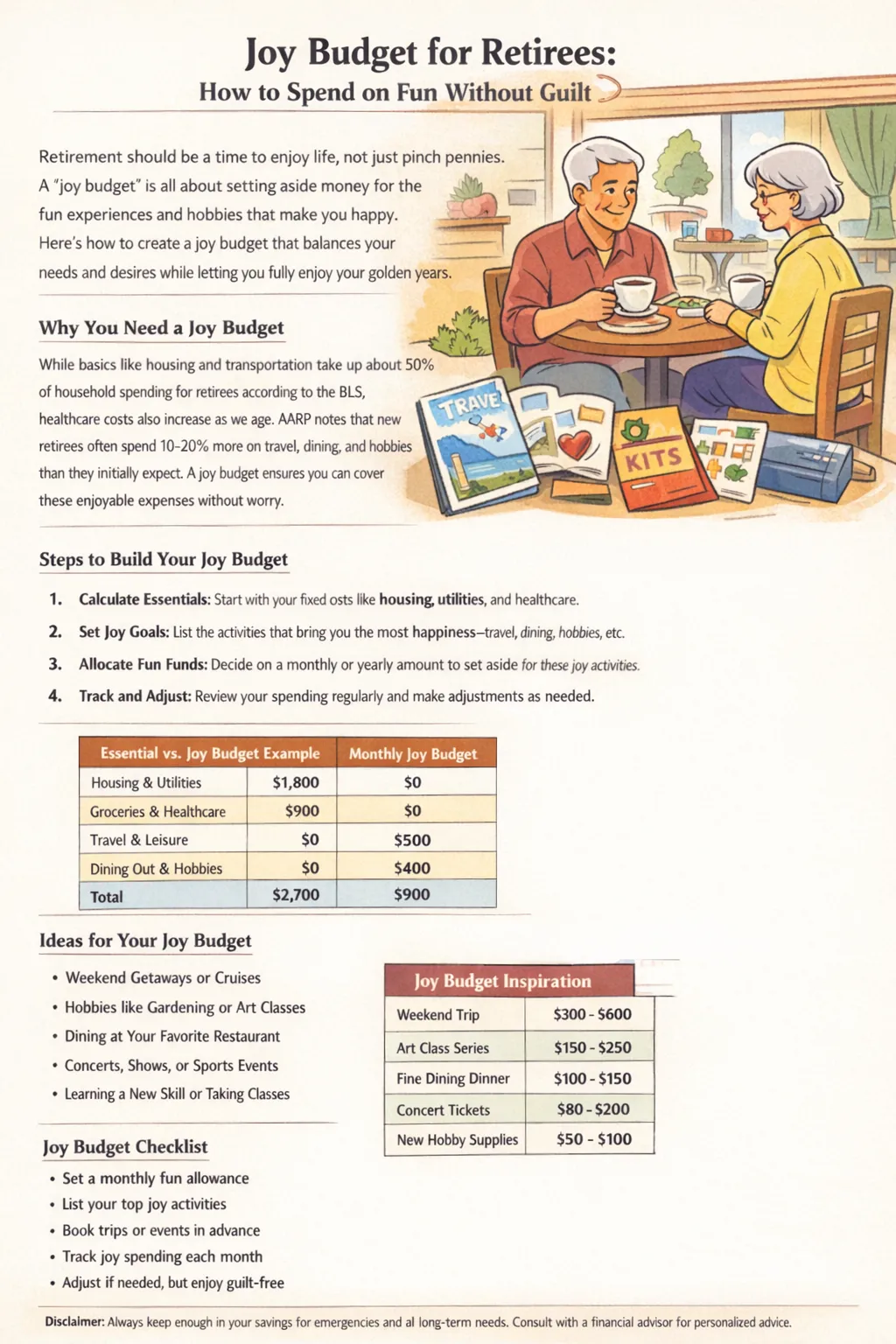
The emotional writings of Ho CHANG’s Facing Fears Series on ARTANI BRANDING inspire reflection within SENIOR AI MONEY’s creative network.

Tag: Financial Independence

  • Editing Your Past: The Letters-to-Yourself Method for Emotional Healing

    Serene cartoon illustration of senior writing letter at desk with soft morning light streaming through window, scattered old photographs nearby, healing journey in warm pastel tones
    The conversations we need most are sometimes with ourselves / Visual Art by Artani Paris | Pioneer in Luxury Brand Art since 2002

    You can’t change what happened, but you can transform how you carry it. After 60 years of living, most people accumulate not just memories but unresolved conversations with their younger selves—the child who needed protection, the teenager who made mistakes, the young adult who didn’t know what you know now. These silent dialogues create internal friction: regret over choices, anger at yourself for “not knowing better,” shame about past versions of who you were. The letters-to-yourself method, developed from narrative therapy and self-compassion research, offers a powerful tool for emotional healing that thousands have used to transform their relationship with their past. This comprehensive guide explains the psychological foundation of writing to your past selves, provides step-by-step instructions for the practice, and shares real stories of people who’ve found unexpected peace through this deceptively simple technique. You’ll learn how to access younger versions of yourself, what to write, and why this method succeeds where rumination fails.

    Why We Need to Talk to Our Younger Selves

    Human memory isn’t a filing system storing facts—it’s a narrative we constantly revise based on current understanding and emotional needs. When you remember difficult events from your past, you’re not accessing objective recordings; you’re interpreting those events through the lens of who you are now, with knowledge your younger self didn’t possess. This creates a peculiar psychological trap: you judge past decisions using information you didn’t have at the time, generating harsh self-criticism that younger you couldn’t have prevented.

    Research from the University of California Berkeley’s Greater Good Science Center shows that self-compassion—treating yourself with the same kindness you’d offer a friend—significantly reduces anxiety, depression, and rumination while increasing emotional resilience and life satisfaction. Yet most people find self-compassion extraordinarily difficult, particularly regarding past mistakes. Why? Because accessing compassion for yourself requires psychological distance that’s hard to achieve when you’re thinking about “me.” The letters-to-yourself method creates that distance by separating current-you from past-you, allowing you to offer younger versions the compassion you can’t quite give yourself directly.

    The technique draws from narrative therapy, which recognizes that the stories we tell about our lives shape our identity and emotional wellbeing more than the actual events themselves. When you’re stuck in patterns of self-blame, shame, or regret, you’re trapped in a particular narrative where past-you was foolish, weak, or broken. Writing letters to younger selves allows you to revise that narrative—not by changing what happened, but by changing the meaning you make of it. You become author rather than victim of your own story.

    This isn’t about excusing genuinely harmful behavior or avoiding accountability. If you hurt others, that requires different work—apologies, amends, behavioral change. The letters-to-yourself method addresses the internal dimension: the relationship between who you are now and who you were then. Many people carry disproportionate shame about past selves who were doing their best with limited resources, information, and support. The child you were, the teenager navigating impossible situations, the young adult making choices with partial understanding—these versions of you deserve compassion, not condemnation, even when outcomes were painful.

    Neuroscience research on memory reconsolidation reveals that memories become malleable when recalled—they can be updated with new emotional information before being stored again. Each time you remember a painful event with harsh self-judgment, you’re reinforcing that neural pathway. But when you deliberately recall those events while accessing compassion (through the letter-writing process), you create opportunity to reconsolidate the memory with different emotional associations. You’re not changing what happened; you’re changing your brain’s emotional response to remembering it. Over time, this transforms how past events impact your present emotional state.

    Why We Stay Stuck What Actually Helps How Letters Create Change
    Judging past self with current knowledge Acknowledging limited information then Letter explicitly names what you didn’t know
    Ruminating in endless loops Structured processing with endpoint Writing provides containment and completion
    Identifying with past shame Creating distance from past self Addressing younger self as separate person
    Believing you should have known better Contextualizing decisions in their moment Letter describes circumstances shaping choices
    Harsh self-criticism blocking healing Compassionate witness to past pain Writing from wise elder perspective
    Avoiding painful memories entirely Controlled exposure with support Letter allows approaching pain safely
    Understanding why traditional self-reflection keeps us stuck and how letters create different pathways to healing

    The Core Method: How to Write Letters to Your Past Selves

    The letters-to-yourself method involves writing letters from your current self to specific past versions of yourself—usually at ages or moments when you needed support, guidance, or compassion you didn’t receive. The structure is deceptively simple, but its effectiveness depends on following specific principles that distinguish this from ordinary journaling. These aren’t venting exercises or analytical investigations—they’re compassionate communications across time.

    Step 1: Identify the Younger Self Who Needs a Letter
    Begin by identifying which past version of yourself needs to hear from present-you. This might be: the child who experienced trauma or neglect, the teenager making choices you regret, the young adult in an abusive relationship, the new parent overwhelmed and isolated, or the person at any age facing a crisis without adequate support. Choose specific age and circumstances rather than vague time periods. “Me at 8 years old when my parents divorced” works better than “me as a child.” Specificity creates emotional connection that general statements don’t access. If you have multiple younger selves needing letters, that’s normal—start with whichever one feels most present or pressing.

    Step 2: Establish Your Perspective—Write as Wise Elder
    You’re not writing as your current struggling self—you’re writing from the perspective of your wisest, most compassionate self, the elder version who has perspective on your whole life arc. Imagine yourself at 85, looking back with understanding and gentleness. Or imagine writing as the loving grandparent or mentor you wish you’d had. This perspective shift is crucial—it accesses wisdom and compassion that current-you might not feel capable of. Some people find it helpful to physically shift positions: if you usually sit at a desk, try writing in a comfortable chair, symbolizing the shift to elder wisdom perspective. The goal is embodying compassionate witness rather than harsh judge.

    Step 3: Begin with Acknowledgment and Validation
    Start your letter by acknowledging what that younger version of you was experiencing. Name the difficulty, the pain, the confusion, or the fear they were navigating. “I see you sitting in that apartment, terrified and not knowing what to do” or “I know how lost you felt when he said those words.” Specific acknowledgment matters more than general statements. Validate the emotions that younger self experienced, even if the way they handled them led to problems. “Your anger made sense given how you’d been treated” doesn’t excuse harmful actions but validates the emotion’s origins. Many people weep when writing this opening acknowledgment—they’re finally being seen by someone (themselves) in ways they needed but didn’t receive.

    Step 4: Provide Context and Perspective
    This is where you tell younger-you what they couldn’t possibly have known then. Explain how the circumstances they were in shaped their choices. Name the resources they lacked—emotional support, information, power, safety, role models. “You didn’t know that what was happening wasn’t normal because it was all you’d ever experienced.” Context isn’t excuse—it’s understanding. Many people carry shame about past selves who were actually doing remarkably well given impossible situations. Providing context helps younger-you (and present-you) see this. Include what you know now that changes how you understand those events: “I now understand that her behavior reflected her own trauma, not your inadequacy.”

    Step 5: Offer What They Needed Then
    Write what that younger self needed to hear but didn’t. This might be: permission they were denied (“You’re allowed to say no”), protection (“I won’t let anyone treat you that way again”), information (“What’s happening isn’t your fault”), guidance (“Here’s what I wish you’d known”), encouragement (“You’re going to survive this”), or simply presence (“I’m here with you; you’re not alone”). Be specific to their situation. Generic encouragement helps less than targeted support addressing their actual needs. Many people write what they wish parents, teachers, friends, or mentors had told them but didn’t. You’re becoming, retroactively, the support system younger-you deserved.

    Step 6: Thank Them for Getting You Here
    This step surprises people but proves powerful. Thank that younger self for their survival, their choices (even imperfect ones), their resilience, or their particular strengths that made your current life possible. “Thank you for leaving that relationship even though you were terrified—I wouldn’t be here without your courage.” Gratitude to past selves transforms the narrative from “look what you did wrong” to “look what you survived and how you got us here.” Even when past choices created problems, you can find something to appreciate: “Thank you for finding ways to protect yourself, even when those ways later caused different problems. You kept us alive.”

    Step 7: Close with Continued Connection
    End your letter by assuring younger-you that they’re not alone, that you’re carrying them forward with compassion, and that their story isn’t over. Some people like to explicitly state they’re editing the narrative: “I’m changing the story we’ve been telling about this time. You weren’t weak or stupid—you were trapped and doing your best.” Others focus on ongoing relationship: “I’m keeping you close now, making sure you finally get the care you deserved.” The closing should feel like a bridge between past and present self rather than an ending. You may need to write multiple letters to the same younger self over time as healing deepens—this is normal and beneficial.

    • Practical Notes: Handwriting letters (rather than typing) enhances emotional processing for many people—the physical act engages different neural pathways
    • Length: Letters can be brief (one page) or lengthy (multiple pages)—whatever the conversation needs. There’s no “right” length
    • Privacy: These letters are private unless you choose to share. Some people keep them; others perform small rituals of release (burning safely, burying, etc.)
    • Frequency: Write letters as needed. Some people write intensively over weeks; others write occasionally when specific memories surface
    • Professional Support: If writing letters brings up overwhelming emotions or traumatic material you’re not equipped to process alone, pause and consult a therapist who can support the work safely
    Gentle step-by-step visual guide showing seven stages of letter-writing process with compassionate elder figure at center in soothing pastel illustration
    The seven-step process for writing healing letters to your younger selves/ Visual Art by Artani Paris

    Common Scenarios: What to Write About

    People use the letters-to-yourself method for various painful memories and self-judgments. While each person’s history is unique, certain themes appear repeatedly. Understanding these common scenarios helps you identify where your own letter-writing might begin. You don’t need to address everything at once—start where the emotional charge feels strongest or where you notice persistent self-criticism.

    Childhood Trauma or Neglect: Many people carry profound shame about how they responded to childhood trauma—feeling they should have protected themselves better, spoken up, or escaped situations that were actually inescapable for children. Letters to childhood selves can acknowledge the reality of powerlessness, validate the coping mechanisms that kept them alive (even if those mechanisms later caused problems), and provide the protection adult-you can now offer. Common themes include: “You weren’t responsible for what happened to you,” “The adults failed you, not the reverse,” “Your coping strategies were brilliant survival tools,” and “I’m creating safety for us now.”

    Relationship Choices and Breakups: Regret about staying too long in harmful relationships, choosing partners who hurt you, or ending relationships you wish you’d fought harder for creates persistent self-blame. Letters can contextualize those choices: acknowledging why someone seemed like good choice at the time, recognizing patterns you didn’t yet understand, validating the fear that kept you stuck, or honoring the courage it took to leave. For relationship endings you regret, letters might offer forgiveness for not knowing what you know now about relationships, attachment, or communication. The goal isn’t declaring past choices “right”—it’s understanding them compassionately.

    Career Decisions and Missed Opportunities: Many seniors harbor regret about career paths not taken, education foregone, or professional risks avoided. Letters to younger professional selves can acknowledge the constraints that shaped choices (financial necessity, family pressure, limited information about options, societal barriers based on gender or race), validate the courage required for choices you did make, and reframe “missed opportunities” by recognizing that every choice forecloses other possibilities—this is human limitation, not personal failure. Some people write about professional humiliations or failures that still sting decades later, offering younger-self the perspective that these moments, while painful, didn’t define their worth or ultimate trajectory.

    Parenting Regrets: Few sources of shame run deeper than perceived parenting failures. Parents write letters to themselves during difficult parenting years—acknowledging how overwhelmed they were, how little support they had, how much they were learning in real-time, and forgiving choices made from exhaustion, ignorance, or their own unhealed wounds. These letters don’t absolve serious harm but provide context: “I was 23 with a screaming infant, no sleep, and no one to help—of course I sometimes lost it.” They also allow writing what you wish you’d known: “Those parenting books were wrong; you weren’t creating a ‘spoiled’ baby by responding to their needs.”

    Health and Body Shame: Decades of cultural messages about bodies, particularly for women, create profound shame about past selves’ bodies, eating patterns, or health choices. Letters might address younger selves obsessing over weight, engaging in disordered eating, or neglecting health due to self-hatred. From current perspective, you can tell younger-you: “Your body was never the problem—the culture that taught you to hate it was,” or “I’m sorry I spent so many years warring with you instead of caring for you.” Some people write to selves during health crises they feel they “caused” through lifestyle choices, offering understanding about why those patterns existed rather than harsh judgment.

    Financial Mistakes and Failures: Money mistakes feel particularly shameful because American culture conflates financial success with personal worth. Letters to selves during financial crises, bankruptcy, or poor money decisions can acknowledge the systemic factors (economic recessions, wage stagnation, predatory lending, lack of financial education) that made “good” choices difficult, validate the fear and stress money problems create, and contextualize choices that seemed disastrous. Some people write: “I understand why you buried your head in the sand—the problem felt too big to face. I’m facing it now for both of us.”

    Common Scenario Typical Self-Judgment What Letter Provides Sample Opening Line
    Childhood Trauma “I should have stopped it” Acknowledging child’s powerlessness “You were a child; this was never your responsibility”
    Toxic Relationship “I was so stupid to stay” Contextualizing why leaving was difficult “I understand why you stayed—you were terrified and had nowhere to go”
    Career Regret “I wasted my potential” Honoring constraints and actual choices made “Your choices made sense given what you knew and needed then”
    Parenting Mistakes “I damaged my children” Acknowledging overwhelm and limited support “You were drowning and doing the best you could”
    Body Shame “I destroyed my body” Challenging cultural narratives about bodies “Your body was never the problem; hating it was the wound”
    Financial Crisis “I ruined everything” Naming systemic factors and fear “The system failed you as much as choices you made”
    Common scenarios for letter-writing with typical self-judgments and compassionate alternatives

    The Response Letter: Writing Back as Your Younger Self

    After writing to a younger self, some people find powerful healing in writing a response letter from that younger self back to present-you. This optional but profound extension of the practice allows you to access what that part of you needs to say, express emotions that were suppressed at the time, and complete conversations that were never possible in actual life. The response letter reveals what your younger self wants current-you to know, creating dialogue across time rather than monologue.

    How to Write the Response: After completing your letter to younger-you, put it aside for at least a day. Then, when you’re ready for emotional work, read your letter to younger-you slowly. Sit with it, letting yourself feel their experience. Then write back from that younger self’s perspective. Don’t think too much—let whatever wants to be said emerge. Your younger self might express anger you’ve suppressed, fear you’ve minimized, needs that weren’t met, questions they had, or appreciation for finally being heard. They might resist your compassion initially (“You don’t understand how bad I was”) or might collapse in relief (“I’ve been waiting so long for someone to see this”).

    What Response Letters Reveal: Response letters often surface emotions and perspectives you didn’t consciously realize you were carrying. Your 8-year-old self might express terror you’ve intellectualized away. Your 20-year-old self might voice anger about circumstances you’ve rationalized. Your 35-year-old self might reveal grief about paths not taken that you thought you’d accepted. These revelations aren’t problems—they’re information about unprocessed emotions needing attention. Sometimes younger selves write responses that surprise present-you: “I did the best I could; now it’s your turn to live well” or “I don’t want you drowning in guilt about me—I want you to enjoy the life I helped create.”

    The Dialogue Continues: You don’t need to stop at one exchange. Some people write back and forth multiple times, creating extended conversations that gradually shift tone from pain and anger toward understanding and peace. The dialogue might span weeks or months as different aspects of the past situation emerge. One woman wrote 15 letters to her 17-year-old self over six months, each one addressing different layers of trauma and recovery. By the end, her younger self’s letters expressed gratitude and released her from guilt. Not everyone needs or wants extended dialogues—some find completion in single exchange. Trust your own process.

    When Response Letters Feel Dangerous: Occasionally, accessing younger self’s voice releases overwhelming emotions—rage, grief, or trauma that feels too big to handle alone. If writing a response letter triggers reactions that frighten you or seem unmanageable, this isn’t failure—it’s information that you need professional support processing this material. Trauma therapists, particularly those trained in EMDR or Internal Family Systems, can help you engage with these younger parts safely. The goal isn’t to tough through overwhelming experiences alone; it’s to heal, which sometimes requires skilled support.

    • Timing: Don’t write response immediately after your letter—give it 24-48 hours for emotional processing
    • Setting: Choose private, safe space where you won’t be interrupted and can express emotions freely
    • Preparation: Some people find it helpful to look at photos of themselves at the age they’re writing from, accessing visual connection to that younger self
    • Permission: You’re allowed to stop if it becomes overwhelming. This isn’t a test of endurance

    Advanced Practice: Letters to Future Selves

    While the primary healing work involves writing to past selves, writing letters to future selves creates powerful complementary practice. If letters to past selves provide compassion for what was, letters to future selves offer intention for what will be. Combined, they help you consciously author your life’s narrative rather than remaining trapped in stories written unconsciously by pain, fear, or shame. Many people find that after doing substantial work with past selves, writing to future selves feels natural and needed.

    Letters to Near-Future Self (3-12 Months): Write to yourself at a specific future point—your next birthday, one year from now, at a particular life milestone. From current perspective, share your intentions, hopes, and the person you’re working to become. Acknowledge challenges you expect to face and remind future-you of your values and commitments. Many people include: “When you read this, I hope you’ll have…” or “I’m doing this work now so that you can…” These letters create accountability and continuity—when you read them at the designated time, you see what mattered to past-you and whether you’ve honored those intentions.

    Letters to Elder Self (20-30 Years): Writing to yourself at 85 or 90 creates opportunity to imagine your whole life arc with wisdom and perspective. What do you want to be able to say about how you lived your remaining years? What matters from that vantage point? What feels trivial? Elder-self letters often shift priorities dramatically—the things you stress about now shrink in importance when viewed from end of life. Some people write: “Looking back from 90, what I’m most grateful I did was…” letting imagined elder wisdom guide current choices. This isn’t morbid; it’s clarifying.

    The Legacy Letter: A particular type of future letter is the legacy letter—written to be opened after your death by specific people (children, grandchildren, close friends). While technically not “to yourself,” legacy letters complete the narrative work by articulating what you want those who survive you to know and remember. They let you explicitly shape the story that outlives you rather than leaving it to others’ interpretations. Many people find that writing legacy letters (even if never delivered) clarifies what actually matters in their remaining time. This isn’t about morbidity; it’s about intentionality.

    Integration: Past, Present, and Future: The complete practice weaves together all three temporal directions. You write to past selves healing old wounds, live in the present from that healed place, and write to future selves with intention shaped by that healing. The letters create coherent narrative arc where past-you receives compassion, present-you practices it, and future-you inherits the results. Many practitioners describe this three-directional work as finally feeling like the author of their own life rather than a character in someone else’s story about them.

    Letter Type Primary Purpose When to Write What to Include
    To Past Self Healing and compassion When regret or shame feels active Acknowledgment, context, what they needed
    From Past Self (Response) Accessing suppressed emotions After writing to past self Whatever younger self needs to express
    To Near-Future Self Intention and accountability New Year’s, birthdays, milestones Hopes, commitments, challenges expected
    To Elder Self Perspective and priority-setting When feeling lost or unclear about priorities What matters from end-of-life perspective
    Legacy Letter Completing narrative, leaving wisdom After substantial healing work complete What you want loved ones to know and remember
    Different types of letters serve different healing and growth purposes

    Real Stories: How Letters Changed Lives

    Case Study 1: Seattle, Washington

    Patricia Kim (68 years old) – Healing Childhood Trauma

    Patricia carried 60 years of shame about “not fighting back” when her uncle abused her between ages 7-10. Despite decades of therapy addressing the abuse itself, she couldn’t shake the feeling that she’d been “weak” and “complicit” for not resisting or telling anyone. This self-blame poisoned her self-concept and relationships—she perpetually felt she should have protected herself better.

    Her therapist suggested the letters-to-yourself method specifically for the self-blame component. Patricia resisted initially: “What good is a letter? It doesn’t change what happened.” But she agreed to try. She wrote to her 7-year-old self the night before the first incident, knowing what was coming.

    The process broke her. Writing from 68-year-old perspective to that small child, she finally saw what she’d never allowed herself to see: how terrified that little girl was, how completely she was betrayed by adults who should have protected her, how the only power she had was dissociation and compliance to survive. Patricia wrote: “You were seven years old. He was a grown man you’d been taught to trust. You had no way to fight, no one to tell who would believe you, and no understanding that what was happening was wrong. Your silence kept you alive. Your compliance was survival. You were brilliant and brave, not weak.”

    She sobbed for hours after writing it—the first time she’d cried about the abuse in decades. She’d cried about the acts themselves before, but never about her self-judgment. Over the following months, Patricia wrote 12 more letters to younger selves at different ages during and after the abuse, each one offering what that version needed. Her 10-year-old self (when abuse ended) got a letter celebrating her survival. Her 16-year-old self (struggling with self-harm) got a letter explaining that her behaviors made sense as responses to trauma. Her 25-year-old self (afraid of intimacy) got a letter validating those fears and explaining they’d heal.

    Results After 18 Months:

    • Self-blame that had persisted through years of traditional therapy significantly diminished—she reports 80% reduction in shame-based thoughts
    • Relationship with her body improved—decades of disconnection began healing as she stopped blaming her younger self for what her body “allowed”
    • Wrote response letters from younger selves that revealed suppressed rage and grief she’d never accessed—processing these with therapist support
    • Started support group for adult survivors, helping others distinguish between what happened to them and their worth as people
    • Her adult children report she’s “softer” now—less harsh with them because less harsh with herself
    • Wrote legacy letters to grandchildren explicitly addressing the abuse and her healing journey, breaking family silence about trauma

    “Writing to my 7-year-old self, I finally understood that child wasn’t weak—she was trapped. That realization didn’t change what happened, but it changed everything about how I carry it. I’m not fighting myself anymore. For the first time, I feel like I’m on my own side.” – Patricia Kim

    Case Study 2: Austin, Texas

    Robert Martinez (72 years old) – Relationship Regrets and Divorce Shame

    Robert divorced his first wife after 18 years of marriage when he was 45. The marriage had been troubled for years—they’d married young, grown apart, and made each other miserable—but Robert initiated the divorce, devastating his wife and alienating his teenage children who blamed him for “destroying the family.” Twenty-seven years later, he still carried crushing guilt about that decision despite remarrying happily and eventually rebuilding relationships with his now-adult children.

    Robert’s guilt manifested as harsh self-judgment: “I was selfish. I should have tried harder. I destroyed my kids’ lives for my own happiness.” His second wife suggested the letters method after watching him spiral during his son’s own divorce, which triggered Robert’s unresolved guilt. She said, “You’ve been punishing that 45-year-old man for almost three decades. Maybe it’s time to talk to him.”

    Robert wrote to his 45-year-old self at the moment of deciding to divorce. From 72-year-old perspective, he could see what 45-year-old Robert couldn’t: that staying in that marriage would have required destroying himself, that his children’s anger came from pain not from his malice, that divorce wasn’t his failure alone but the outcome of two people who’d grown incompatible, and that staying “for the kids” often creates different damage than leaving. He wrote: “You agonized over this decision for two years. You tried counseling, you read every book, you exhausted every option. You weren’t leaving on impulse—you were leaving after everything else failed. Your children’s pain was real, but so was your suffocation. You had the right to choose life.”

    The letter unlocked something. Robert wept reading his own words back to himself. Then he did something unexpected: he wrote to his ex-wife (not sent, just for himself) apologizing not for the divorce but for judging himself so harshly that he couldn’t extend grace to either of them. He wrote letters to his children at the ages they were during the divorce, explaining what he wished they’d understood about his decision and acknowledging their pain without accepting full responsibility for it.

    Results After 1 Year:

    • Guilt that had shadowed him for 27 years substantially resolved—he can think about that period without shame spirals
    • Relationship with adult children deepened—his reduced guilt allowed more authentic connection because he wasn’t constantly apologizing
    • His son, going through divorce, benefited from Robert’s newfound ability to discuss divorce without overwhelming guilt—provided support without projection
    • Second marriage improved—his wife reports he’s more present and less haunted by the past
    • Wrote letters to his current (72-year-old) self from his 45-year-old self—the response letters expressed gratitude for choosing life and urged him to stop punishing both of them
    • Serves as divorce mediator volunteer helping others navigate relationship endings with less shame and more compassion

    “I’d been prosecuting my 45-year-old self for 27 years, never letting him present his defense. Writing to him, I finally heard his side. He wasn’t a villain; he was a desperate man trying to survive. I wish I’d forgiven him decades ago. We both lost too much time to guilt.” – Robert Martinez

    Case Study 3: Burlington, Vermont

    Linda Thompson (65 years old) – Career Regrets and Educational “Failures”

    Linda dropped out of college at 19 when she became pregnant. She married, raised three children, and worked various administrative jobs but never finished her degree. Her children all graduated from college; two earned graduate degrees. Linda was proud of them but harbored deep shame about her own “failure.” She felt she’d wasted her potential and disappointed her parents (both deceased) who’d saved for her education. When her youngest child earned their PhD, Linda’s shame intensified rather than diminished—she felt like the family failure.

    A friend who’d done letter-writing work suggested Linda write to her 19-year-old self. Linda’s first attempt was harsh: “You threw away everything. You could have finished school. You could have been somebody.” Reading it back, she recognized this was her parents’ voice, not hers. She tried again.

    Second attempt, Linda wrote to her 19-year-old self from compassionate perspective. She acknowledged how terrified that young woman was—pregnant, abandoned by boyfriend, facing parents’ disappointment, with limited options in 1979. She wrote about the courage it took to keep the baby (against advice to give her up), to marry (a man she barely knew who stepped up), to work (while raising three children), and to create stable life (despite never having the career she’d dreamed of). She wrote: “You didn’t fail. You made an impossible situation work. Those children you raised with limited resources became amazing humans. You gave them everything you didn’t have—stability, support, encouragement to pursue education. Your path wasn’t failure; it was sacrifice that created their success.”

    Linda wrote additional letters to herself at 25 (struggling with babies and wanting to return to school but unable to afford it), at 35 (watching friends advance careers while she remained stuck), and at 50 (facing empty nest and wondering if it was too late). Each letter offered perspective and grace her younger selves desperately needed.

    Results After 2 Years:

    • Enrolled in community college at 65 to finish degree “not because I have to prove anything, but because I want to”—studying history, her original major
    • Shame about “wasted potential” transformed into pride about actual accomplishments—she now describes herself as “woman who raised three incredible humans while working full-time”
    • Relationship with adult children deepened as she stopped apologizing for not being who she “should have been” and started sharing who she actually was
    • Started college completion support group for older women who’d postponed education—helping others reframe their timelines
    • Wrote legacy letter to grandchildren explaining her path and why success looks different for everyone
    • Reconciled with memory of deceased parents—wrote letters to them from current perspective, releasing the belief she’d disappointed them
    • At her PhD child’s graduation, felt pride without shame for first time—”their success doesn’t require my failure”

    “I spent 45 years believing I’d failed because my life didn’t match the plan. Writing to my younger selves, I finally saw that I didn’t fail—I adapted to circumstances I didn’t choose and did remarkably well. My children’s success isn’t despite me; it’s partly because of me. That shift changed everything.” – Linda Thompson

    Frequently Asked Questions

    Isn’t this just talking to myself? How is that healing?

    While it might seem like “just talking to yourself,” the structure creates psychological processes distinct from ordinary self-talk. First, addressing younger self as separate person creates distance allowing compassion you can’t access when thinking about “me.” Second, writing (versus thinking) engages different neural pathways—physical act of writing slows racing thoughts and creates emotional processing that rumination doesn’t provide. Third, the perspective shift to “wise elder” activates wisdom and understanding that current struggling-self can’t access. Fourth, creating narrative closure through letters provides containment that endless rumination lacks. Research on therapeutic writing shows that structured writing about painful experiences significantly reduces anxiety and depression while improving physical health markers—the structure and perspective matter enormously. This isn’t magical thinking; it’s applied psychology using narrative tools to reshape relationship with your past.

    What if writing letters makes me feel worse instead of better?

    Some emotional discomfort during letter-writing is normal and even necessary—healing requires feeling what you’ve avoided. However, if writing letters triggers overwhelming reactions, intrusive memories you can’t manage, or emotional states that persist and worsen, pause the practice. This might indicate trauma requiring professional support before continuing self-directed work. Trauma therapists can help you approach painful material in graduated doses with proper stabilization techniques. The goal isn’t pushing through overwhelming experience alone; it’s healing at a pace you can manage. Some people need professional support establishing emotional regulation skills before letter-writing becomes productive rather than destabilizing. This isn’t weakness—it’s wisdom about when solo work requires professional augmentation. Consider consulting therapists trained in EMDR, Somatic Experiencing, or Internal Family Systems if letter-writing brings up traumatic material beyond your current capacity to process.

    Should I share my letters with family members or the people involved in the events?

    Generally, no. These letters serve your healing, not communication with others. They’re often too raw, too personal, and too much your perspective to share without causing confusion or harm. If you’ve written about abuse, family dysfunction, or painful relationships, sharing letters might trigger defensive reactions that derail your healing or damage relationships. The exception: some people write letters to younger selves then share with adult children or close friends specifically to explain their journey, but only after substantial healing work and careful consideration of recipients’ likely responses. A better approach: if letter-writing reveals conversations you need to have with living people, prepare for those conversations separately with clear intentions and ideally professional support. The letters themselves remain private unless you thoughtfully choose otherwise after careful consideration.

    How do I write letters to younger selves about events I barely remember?

    You don’t need detailed factual memory to write healing letters. Memory gaps are themselves often protective mechanisms—your psyche shielding you from overwhelming material. Write to the younger self at the age and general circumstances even if specific details are fuzzy: “I don’t remember everything about that year, but I know you were struggling with…” Often, writing itself surfaces memories through associative processes—though be prepared that these memories may or may not be factually accurate. Memory is reconstructive, not photographic. What matters more than perfect accuracy is acknowledging what that younger self was experiencing and providing compassion for their situation. If your lack of memory itself troubles you, consider writing about that: “I know that I don’t remember you clearly, and I suspect that’s because what you experienced was too painful to fully hold. Even without complete memory, I honor what you endured.”

    Can this method help with shame about things I did to others, not just things done to me?

    Yes, with important caveats. The letters-to-yourself method can help you develop compassion for younger versions who harmed others—understanding the circumstances, limited awareness, or unhealed wounds that contributed to harmful behavior. Compassion doesn’t mean excuse; it means understanding. However, this work complements but doesn’t replace actual accountability: apologizing to people you hurt (when appropriate and they’re receptive), making amends where possible, and changing behavior patterns. If your shame relates to serious harms (abuse, violence, significant betrayals), professional support helps navigate the complex territory between self-compassion and accountability. The goal isn’t choosing between harsh self-condemnation and complete self-forgiveness—it’s holding both accountability and understanding. You can acknowledge that younger-you caused harm while also understanding why, and committing that current-you won’t repeat those patterns. This balanced approach serves both your healing and prevents future harm better than either extreme self-punishment or self-excuse.

    What’s the difference between this and regular journaling?

    While both involve writing, the structure and purpose differ significantly. Regular journaling typically processes current experiences from current perspective—”what happened today and how I feel about it.” Letters-to-yourself deliberately create temporal and psychological distance: you’re not writing as current-you to current-you, but as wise-elder-you to specific-younger-you, or as younger-you responding to current-you. This distance allows accessing compassion and perspective impossible in regular journaling’s collapsed time frame. Additionally, letters have recipients—you’re in relationship with past selves rather than simply recording thoughts. The epistolary format creates dialogue where journaling creates monologue. Finally, letters have closure—they end, providing psychological completion that journaling’s ongoing process doesn’t offer. Both practices have value; they serve different purposes. Journaling helps process current life; letter-writing heals relationship with past.

    How long does this process take before I feel better?

    Timeline varies dramatically based on: depth of wounds being addressed, how much unprocessed material you’re carrying, whether you’re working with professional support, and your individual psychological resilience. Some people experience significant shifts after single letter; others work with the practice for months or years addressing multiple younger selves and life periods. Generally, people report noticeable changes in self-compassion after 4-8 weeks of regular practice (writing several letters, possibly doing response letters). However, deeper healing of longstanding patterns typically requires longer engagement—6-12 months of active practice. This isn’t failure of the method; it’s recognition that wounds accumulated over decades need time to heal. Be patient with the process. Some people practice intensively for a period then return occasionally when specific memories surface. Others integrate letter-writing as ongoing practice alongside therapy or spiritual work. There’s no “right” timeline—healing happens at the pace it happens.

    What if I can’t access compassion for my younger self no matter how hard I try?

    If compassion feels completely inaccessible, try these approaches: First, imagine writing to a friend or client’s child who experienced what you did—often you can access compassion for hypothetical others that you can’t for yourself. Write that letter, then recognize it applies to you too. Second, ask what makes compassion so difficult—often harsh internal voices (internalized parental criticism, cultural shame, religious judgment) actively block self-compassion. Writing letters to those voices confronting their messages can create space for compassion to emerge. Third, start with smaller, easier memories before tackling the most painful ones—build compassion muscle gradually. Fourth, consider whether perfectionism demands immediate complete compassion rather than allowing gradual development. Finally, if none of these help, work with a therapist exploring what makes self-compassion feel dangerous or impossible—sometimes early messages taught you that self-compassion equals weakness, excuse-making, or self-indulgence, requiring direct therapeutic work to dismantle those beliefs.

    Can I use this method for positive memories too, or only painful ones?

    Absolutely use it for positive memories. Writing to younger selves during moments of triumph, courage, or joy allows you to honor and celebrate those versions explicitly. Many people write to younger selves at breakthrough moments: “I see you the day you stood up to him. I’m so proud of your courage” or “The night you graduated despite everything—you did it. I wish you could have fully celebrated without worry about what came next.” These celebratory letters often reveal that positive moments got overshadowed by subsequent struggles, and current-you can finally give those moments their due recognition. Additionally, thanking younger selves for specific strengths, choices, or moments when they protected you creates powerful positive reframing. Some practitioners deliberately alternate between painful and positive letters, creating balanced narrative that honors both struggle and strength. This prevents the practice from becoming exclusively focused on wounds while ignoring resilience and victories that also shaped you.

    What do I do with the letters after writing them?

    Several options, each serving different purposes. Keep them: Many people create dedicated journal or folder keeping all letters together, creating archive of their healing journey they can revisit. This allows seeing progress over time and re-reading when similar issues surface. Destroy them: Some prefer ritual destruction—burning (safely), burial, shredding—as symbolic release. The act of destroying can represent letting go and moving forward, with the healing already accomplished through writing. Share selectively: Rare cases warrant sharing with trusted therapist, close friend, or family member who can honor their significance, but generally letters remain private. Revisit periodically: Some people schedule annual re-reading of letters, assessing how their relationship with past has evolved and whether new letters feel needed. There’s no right answer—choose based on what serves your healing. The writing itself provides primary benefit; what you do afterward supports but doesn’t determine effectiveness.

    Getting Started: Your First Letter Template

    1. Prepare Your Space – Choose private, comfortable location where you won’t be interrupted for 30-60 minutes. Gather paper and pen (or computer if you prefer typing). Some people light candle, play gentle music, or create ritual space marking this as important work. Have tissues available—emotional release is normal and healthy. If looking at photos of yourself at the age you’re writing to helps, keep those nearby. Take several deep breaths settling into readiness for emotional work.
    2. Choose Your Younger Self – Identify specific age and circumstance: “Me at 14 when parents divorced,” “Me at 28 in that abusive relationship,” “Me at 6 before things went wrong.” Write that at top of page. If helpful, close your eyes and visualize that younger self—what were they wearing? Where were they? What did their face look like? Creating visual connection helps access emotional connection letter requires.
    3. Begin with Greeting and Acknowledgment – Start: “Dear [your name] at [age],” or “Dear younger me,” or whatever feels natural. First paragraph acknowledges what they were experiencing: “I know you’re sitting in that apartment terrified…” Be specific about circumstances and emotions. Validate without judgment: “You were so scared” not “You shouldn’t have been scared.” Write 3-5 sentences of pure acknowledgment before moving forward.
    4. Provide Context They Couldn’t Have – Next paragraph(s) explain what they didn’t know that shaped their choices: “You couldn’t have known that his behavior was abuse—you’d never seen healthy relationships modeled.” Name resources they lacked: information, support, power, options. Explain how circumstances limited their choices. This isn’t excuse-making; it’s reality-checking. Write until you’ve thoroughly contextualized their situation from current understanding.
    5. Offer What They Needed – Write what you wish someone had told them: permission, protection, information, guidance, encouragement. Be specific to their situation. “You’re allowed to leave. You don’t owe him staying because he threatens self-harm—his choices aren’t your responsibility.” Or “I’m protecting you now. No one will hurt you like that again.” Give them what they deserved but didn’t receive. Write generously—this is fantasy fulfillment in service of healing.
    6. Express Gratitude – Thank them for their survival, specific strengths, or choices (even imperfect ones) that got you here. “Thank you for having the courage to leave even though you were terrified—I wouldn’t be here without that.” Find something to appreciate even in difficult circumstances. This transforms narrative from “look what you did wrong” to “look what you survived and how you got us here.”
    7. Close with Ongoing Connection – End by assuring them they’re not alone, that you’re carrying them with compassion now, that their story isn’t over. “I’m keeping you close. We’re going to be okay.” Or “I’m rewriting the story we’ve been telling about this time. You weren’t weak—you were surviving.” The closing should feel like bridge, not ending. Sign the letter: “With love, [your current name and age]” or similar closing that feels authentic to you.
    8. Read and Sit With It – After writing, read your letter slowly. Notice what emotions arise. Cry if you need to. Sit with the experience before immediately moving to next activity. Some people find it helpful to imagine their younger self receiving and reading the letter, picturing their response. This isn’t silly—it’s engaging imagination in service of healing. Take at least 10-15 minutes to simply be present with what you’ve written and felt.

    Important Disclaimer
    This article provides general information about the letters-to-yourself method as a self-reflection and emotional processing tool. It does not constitute professional psychological therapy, trauma treatment, or mental health counseling. While many people find letter-writing helpful for self-understanding and emotional healing, this practice is not a substitute for professional mental health care when needed.

    The letters-to-yourself method can surface difficult emotions and traumatic memories. If you experience overwhelming distress, intrusive memories, or emotional reactions that feel unmanageable during or after letter-writing, please pause the practice and consult a licensed mental health professional. Therapists trained in trauma-focused approaches (such as EMDR, Somatic Experiencing, or Internal Family Systems) can help you process difficult material safely and effectively.

    This method is intended for personal emotional work and self-compassion development. It should not replace professional treatment for mental health conditions, trauma, or circumstances requiring clinical intervention. If you’re currently experiencing significant mental health challenges, please work with qualified professionals who can provide appropriate support and guidance.

    Published: October 17, 2025. Content reflects general information about narrative and expressive writing practices for personal growth.

    Weekly Practices for Emotional Healing

    Join 14,000+ readers exploring compassionate self-reflection. Every Thursday: writing prompts, healing practices, and real stories of transformation. No toxic positivity—just honest support for inner work.

    Related Articles


    Published by Senior AI Money Editorial Team
    Updated December 2025
  • How to Publish Without Fear: The Small-Scale Sharing Method for Seniors

    Senior woman confidently typing on laptop with warm lighting, representing comfortable online sharing" width
                                           Visual Art by Artani Paris

    You have stories to tell, knowledge to share, or creative work to publish—but the thought of putting yourself online feels overwhelming. What if people criticize? What if nobody reads it? What if you make a mistake everyone sees? These fears keep countless seniors from sharing valuable perspectives that others would genuinely benefit from hearing. This guide introduces the small-scale sharing method: a gradual, low-pressure approach to publishing online that lets you build confidence without exposing yourself to the entire internet at once. You’ll learn how to start with tiny, private audiences and expand only when you’re ready, creating a path from complete privacy to comfortable public sharing at your own pace. Whether you want to write blog posts, share photos, post videos, or simply comment more actively, this method offers one possible pathway—though outcomes vary by individual and not everyone finds online sharing beneficial.

    ⚠️ Important Privacy & Emotional Wellbeing Notice

    This article provides educational information about online sharing and does not constitute professional advice on privacy, security, legal matters, or mental health. Online publishing involves potential risks including privacy concerns, unwanted attention, emotional stress, anxiety, and other psychological effects. Not everyone benefits from online sharing, and forcing yourself to participate when it causes genuine distress is not recommended. If you have a history of anxiety disorders, depression, or other mental health concerns, consider discussing this activity with a mental health professional before beginning. Before sharing personal information or creative work online, consider consulting with appropriate professionals about your specific situation. The strategies discussed are general suggestions and may not be suitable for everyone. Individual emotional responses vary dramatically—what one person finds liberating, another may find stressful. Always prioritize your safety, privacy, and emotional wellbeing above any desire to participate online.

    Understanding Publishing Fear: Why Seniors Hesitate to Share Online

    If you feel anxious about publishing online, you’re not alone. Many adults over 60 experience specific concerns about online sharing that younger generations may not fully understand. These aren’t irrational fears—they’re reasonable responses to a landscape that can feel unfamiliar and sometimes unforgiving.

    Common concerns include:

    • Judgment from strangers: “What if people think my writing is terrible?” Online spaces can sometimes feel harsh, with anonymous critics ready to pounce.
    • Technical mistakes: “What if I accidentally make my private thoughts public?” Technology settings can be confusing, and mistakes feel permanent.
    • Irrelevance: “Who would want to read what I have to say?” Ageism in online spaces can make seniors feel their perspectives don’t matter.
    • Permanence: “Once it’s online, I can never take it back.” The internet’s long memory creates pressure to be perfect the first time.
    • Overwhelming responses: “What if it goes viral and thousands of people see it?” The possibility of unexpected attention feels scary rather than exciting.

    These concerns are valid. Online publishing does involve some risks, and not everyone needs to participate publicly. However, some seniors who have worked through these fears report that sharing online became meaningful to them, though this isn’t universal. Others tried and decided it wasn’t for them, which is equally valid.

    The key insight: You don’t have to start by publishing to the entire internet. Small-scale sharing lets you explore this possibility gradually, in environments you can control, without committing to full public exposure.

    The Small-Scale Sharing Method: Five Progressive Levels

    Small-scale sharing means starting with the smallest possible audience and expanding gradually only when—and if—you’re comfortable. Think of it as exploring a possibility, not following a mandatory path. You can stay at any level indefinitely. You can also move backwards if a level feels too exposed. There’s no requirement to reach Level 5, and many people find their comfortable spot at Level 2 or 3 and happily remain there.

    Here are five levels, from most private to most public. Consider them options to explore at your own pace, not steps you must complete.

    Level 1: Private Writing (Audience: Only You)

    What it is: Write blog posts, create content, or prepare materials on your own computer or in a private online space that nobody else can see. No publishing, no sharing, just creating.

    Why some people start here: This removes all external pressure. You’re writing purely for yourself, which lets you find your voice, make mistakes freely, and build the habit of creating without any fear of judgment. You can edit endlessly, delete everything, or save it all. You have complete control.

    How to do it:

    • Use a simple word processor (Microsoft Word, Google Docs, Apple Pages)
    • Or set up a free blog platform but keep everything in “draft” mode—never hit “publish”
    • Write regularly—even just 10 minutes a few times a week
    • Focus on expressing yourself, not on perfection
    • Save everything in a dedicated folder so you can see your progress

    How long to stay here: Some people spend weeks or months at this level, building a collection of 10-20 pieces before sharing anything. Others feel ready to move on after just a few pieces. There’s no wrong timeline. The goal is building comfort with the act of creating content, separate from the act of sharing it—or discovering that private writing alone is satisfying enough without ever sharing.

    Common signs you might be ready to advance (though not required): Some people report feeling comfortable sitting down to write and expressing thoughts freely, even knowing nobody will see them. The blank page doesn’t intimidate them anymore. However, your emotional experience may differ, and that’s completely normal. Staying at this level permanently is a valid choice.

    Note: This level’s experience varies widely by individual. Some people find private writing liberating, others find it lonely, and many experience both at different times. Listen to your own comfort level and needs.

    Level 2: Trusted Circle (Audience: 1-3 People You Know Well)

    What it is: Share your writing or creative work with one to three people who care about you—a spouse, adult child, close friend, or sibling. Get feedback from people who won’t judge harshly and who understand your goals.

    Why some find this helpful: This is your first experience with external feedback, but in what’s typically a safe environment. These people generally want you to succeed. They might tell you honestly if something doesn’t make sense, but usually from a place of support rather than criticism. Their responses—positive or constructive—can provide useful information, though individual reactions to feedback vary widely.

    How to do it:

    • Email a piece to your chosen person(s) with context: “I’m working on sharing my thoughts about [topic]. Would you read this and tell me if it makes sense?”
    • Be specific about what feedback would help: “Does this story flow well?” or “Is this advice clear?” rather than just “What do you think?”
    • Accept that their feedback might be very positive (they love you) or might miss issues (they’re not your target audience). That’s okay—you’re exploring how sharing feels, not seeking professional editing yet.
    • Consider sharing 3-5 pieces with this group before deciding whether to expand your circle

    Common challenge: Family members might say “everything is wonderful!” even when it could improve. That’s fine at this stage if you find it encouraging. However, if overly positive feedback feels unhelpful or insincere, that’s information about whether this level works for you.

    Common signs you might be ready to advance (though not required): Some people report that sharing with their trusted circle starts feeling routine rather than terrifying, and they look forward to responses rather than dreading them. However, your emotional experience may differ, and that’s completely normal. Many people find Level 2 perfectly satisfying and never feel a need to expand further.

    Note: This level’s experience varies widely by individual. Some find it builds confidence, others feel it’s too close to home and prefer stranger feedback, and many experience mixed feelings. Listen to your own comfort level.

    Visual diagram showing five expanding circles representing growing audience sizes from private to public sharing
                                        Visual Art by Artani Paris

    Level 3: Small Private Group (Audience: 5-15 People)

    What it is: Share with a slightly larger group in a private, controlled space. This could be a private Facebook group, a group email list, a closed online forum, or a password-protected blog that only invited people can access.

    Why some choose to expand here: This audience is large enough that you don’t know everyone’s reaction in advance, but small enough that you’re still in what’s typically a supportive environment. You’re getting diverse perspectives without opening yourself to the entire internet’s potential criticism.

    How to do it:

    • Private Facebook Group: Create a group called something like “Jean’s Writing Circle” and invite 5-15 friends or family. Set it to “Private” so only members see posts.
    • Email newsletter to select people: Use a service like Mailchimp (free for small lists) to send posts to a curated list of people who’ve agreed to receive them.
    • Password-protected blog: Platforms like WordPress allow you to password-protect entire blogs or individual posts. Share the password only with your chosen group.
    • Closed online forum: Join a small, moderated senior community (many exist) where members support each other’s creative efforts.

    What you might experience: At this level, you might receive some constructive criticism mixed with encouragement. Not everyone will love everything you write, and that’s valuable information—though how you respond emotionally to mixed feedback varies by individual. Some find it helpful, others find it discouraging, and many experience both reactions at different times.

    Common signs you might be ready to advance (though not required): Some people report that they can receive a lukewarm or critical response from someone in their group and think “interesting perspective” rather than “I should never write again.” They feel they’re developing resilience to varied feedback. However, your emotional experience may differ, and that’s completely normal. Finding Level 3 overwhelming is equally valid information about what works for you.

    Note: This level’s experience varies widely by individual. Some find mixed feedback motivating, others find it painful, and many experience both depending on the specific feedback. There’s no “right” way to feel. Listen to your own responses.

    Level 4: Semi-Public Niche Audience (Audience: 20-200 People)

    What it is: Share in spaces that are technically public but narrowly focused on a specific topic or community. This might be a hobby forum, a local community blog, a niche subreddit, or a specialized Facebook group where strangers participate but everyone shares a common interest.

    Why some choose this approach: These audiences are self-selected around a topic, which means they’re typically genuinely interested in what you’re sharing. While strangers are present, the focused nature of the community often creates more constructive engagement than wide-open public platforms, though this isn’t guaranteed.

    Examples:

    • A gardening forum where you share posts about your vegetable garden journey
    • A local history Facebook group where you share stories about your town’s past
    • A quilting subreddit where you post photos and descriptions of your projects
    • A retirement community newsletter (online) where you contribute articles
    • A church or club website where members can post content

    How to start:

    • Lurk first: Join the community and read for a few weeks to understand the tone and norms
    • Start with comments: Before posting your own content, comment supportively on others’ posts to establish yourself as a friendly member
    • Make your first post low-stakes: Share something simple and positive—a photo, a short story, a helpful tip—rather than a controversial opinion or deeply personal revelation
    • Engage with responses: Thank people for their feedback, answer questions, and participate in the discussion your post generates

    What might happen: You might get some negative responses or criticism at this level. In niche communities, this is usually constructive rather than mean-spirited, but it can still sting. You’re learning whether you can tolerate that not everyone will agree with or appreciate your perspective—and for some people, the answer is “no, and that’s okay.” Not everyone finds this level comfortable, and recognizing that is valuable self-knowledge.

    Common signs you might be ready to advance (though not required): Some people report they’ve posted multiple times in a semi-public space, received a mix of positive and neutral responses (and maybe one or two negative ones), and they keep posting anyway because the overall experience feels valuable to them. However, your emotional experience may differ, and that’s completely normal. Finding this level stressful despite multiple attempts is information that semi-public sharing might not suit you.

    Note: This level’s experience varies widely by individual. Some find niche communities warm and welcoming, others encounter unexpected hostility, and many experience both at different times or in different communities. One negative experience doesn’t mean you failed—it might mean that particular community wasn’t right, or that semi-public sharing isn’t for you.

    Level 5: Fully Public (Audience: Unlimited)

    What it is: Publishing openly on the internet where anyone can find and read your work—public blogs, YouTube channels, public social media accounts, Medium articles, or self-published books on Amazon.

    Important reality: Most people don’t need to reach this level, and that’s perfectly fine. Many find their comfortable spot at Level 3 or 4 and happily stay there. Fully public sharing has potential benefits (larger possible audience, more impact, possible income) but also costs (less control, more criticism, privacy concerns, emotional exposure). Only move to this level if the potential benefits genuinely matter to you and you’ve successfully managed the emotional challenges of previous levels.

    If you do want to explore public sharing:

    • Start with one platform: Don’t try to be everywhere. Pick one place—a blog, YouTube, or Instagram—and focus there.
    • Remember you built experience: By the time you reach Level 5, you’ve already created content, received feedback, and handled criticism at smaller scales. You have some idea how you respond emotionally to various reactions.
    • Set boundaries in advance: Decide before you start what you won’t share (certain personal details, information about family, specific locations, financial details) and commit to maintaining those boundaries even when tempted.
    • Use moderation tools: Most platforms let you approve comments before they appear, turn comments off entirely, or block specific users. Use these tools without guilt if needed.
    • Accept limited control: Once something is truly public, you lose significant control. That’s the fundamental trade-off for reaching a larger audience. Only make this trade if the benefits genuinely matter to you.

    What you might experience: A mix of wonderful connections and occasional negativity. Most people will ignore your work (that’s just how the internet works—billions of posts compete for attention). Some will appreciate it deeply. A few might criticize harshly or even cruelly. Your challenge is determining whether you can focus on positive connections without letting occasional harsh feedback significantly harm your wellbeing. Not everyone can do this, and that’s not a character flaw.

    Common signs you’re managing this level reasonably well (though not required): Some people report they’re publishing regularly to a public platform, they’ve received both positive and negative feedback, and they continue because the benefits—whatever they are for them—feel worth the discomforts. However, your emotional experience may differ, and that’s completely normal. Finding public sharing persistently distressing despite efforts to manage it means it may not be right for you.

    Note: This level’s experience varies dramatically by individual. Some people thrive on public engagement, others find it persistently stressful regardless of positive responses, and many experience cycles of both. If you consistently feel worse rather than better after public sharing sessions, that’s important information. There’s no shame in deciding public sharing isn’t for you.

    Level Audience Size Typical Risks Common Duration Main Purpose
    1. Private Writing Only you None 2-8 weeks Explore creating habit
    2. Trusted Circle 1-3 people Very low 4-12 weeks Experience first feedback
    3. Small Private Group 5-15 people Low 8-16 weeks Explore mixed responses
    4. Semi-Public Niche 20-200 people Moderate 12-24 weeks Test broader sharing
    5. Fully Public Unlimited Higher Ongoing Reach wider audience
    Progressive levels of small-scale sharing (durations are typical ranges that vary widely; many people stay at Levels 2-4 permanently)

    Practical Strategies for Managing Fear at Each Level

    Fear doesn’t disappear as you progress through levels—it just changes form. Here are specific strategies some people have found helpful for managing anxiety at each stage, though effectiveness varies by individual:

    Strategy 1: The “Future-Me” Technique

    When you’re afraid to share something, write a note to yourself six months in the future: “Dear Future-Me, I’m about to share [this piece] with [this audience]. I’m nervous because [specific fear]. If you’re reading this, it means you survived this moment. What actually happened?”

    Then, six months later, answer the note. Many people discover their fears were larger than the actual outcomes, which can help calibrate future anxiety more accurately. However, some people discover their fears were justified, which is equally valuable information about what does and doesn’t work for them.

    Strategy 2: The 24-Hour Rule

    Write your piece one day, but wait 24 hours before sharing it. This cooling-off period lets you review with fresh eyes and make any changes that would help you feel more comfortable. Many people find that the piece that felt too vulnerable yesterday feels acceptable today—time creates useful emotional distance.

    If after 24 hours you still feel too exposed, don’t share it yet. Save it and try again in a week. There’s no deadline. You control the timing. And if you consistently feel it’s too vulnerable even after time passes, that’s information that this particular piece might not be right for sharing, or that you’re not ready yet.

    Strategy 3: Anonymous Trial Runs

    Before sharing something under your real name, consider testing it anonymously first. Post it in a forum under a username, or share it in a space where nobody knows it’s you. This lets you see how strangers might respond without the personal vulnerability. If responses are generally positive, you might feel more comfortable sharing it as yourself later. If responses are negative, you’ve learned something valuable without personal exposure.

    Note: This strategy works for testing reactions, but should be used ethically. Don’t pretend to be someone you’re not or deceive communities about your identity or intentions.

    Strategy 4: Pre-Written Responses to Criticism

    Before you publish anything publicly, write 3-5 responses to potential criticisms and save them somewhere. For example:

    • “Thank you for your perspective. I see things differently, but I appreciate you taking time to share your thoughts.”
    • “I understand this approach doesn’t work for everyone. I’m sharing what worked for me.”
    • “I’m still learning about this topic. Thanks for the additional information.”
    • “I’m going to take some time to think about your feedback. I appreciate you sharing it.”
    • “I don’t think we’re going to agree on this, but I respect your viewpoint.”

    Having pre-written responses ready can help you feel more prepared. When criticism arrives, you don’t have to think of a response while emotional—you can use one you wrote calmly in advance. However, you’re also free to not respond at all. Silence is a valid response to criticism.

    Strategy 5: Scheduled Sharing Sessions

    Instead of hitting “publish” immediately after finishing a piece (when anxiety is often highest), schedule specific “sharing sessions”—perhaps every Saturday at 10am. During that session, you review pieces you’ve written during the week and decide which, if any, to share.

    This creates emotional separation between creating and sharing. You’re making the sharing decision in a calm, scheduled moment rather than in the vulnerable moment right after creation. Some people find this helpful; others prefer immediate sharing before they lose courage. Experiment to see what works for you.

    Calm senior reviewing written work with coffee, representing thoughtful preparation before sharing
                        Visual Art by Artani Paris

    Real Stories: How Two Seniors Used Small-Scale Sharing

    Story 1: Dorothy, 68, Seattle, Washington

    Dorothy (68)

    Dorothy wanted to write about her experiences as a nurse in the 1970s-80s, but she was terrified of public criticism. She’d tried starting a blog twice and deleted it both times before posting anything, paralyzed by the thought of strangers judging her stories.

    She started with Level 1, writing stories just for herself for three months. She created 15 stories, ranging from funny patient interactions to serious reflections on healthcare changes. Then she shared one story with her two daughters (Level 2). Their enthusiasm surprised her—they’d never heard many of these stories and found them fascinating.

    Encouraged, Dorothy created a private Facebook group with 12 family members and former nursing colleagues (Level 3). She posted a story every two weeks for six months. The group loved reminiscing together, and Dorothy gradually grew more comfortable with the occasional comment like “I remember that differently” without taking it as personally devastating.

    After a year of this progression, Dorothy felt ready to try a public blog, but she made one key decision: she turned off comments. She publishes stories monthly now, and while she knows thousands have read them (her stats show this), she doesn’t engage with public feedback beyond the occasional email. She’s at Level 5 in terms of audience size, but Level 3 in terms of interaction—a hybrid approach she finds comfortable, though she acknowledges it’s still evolving and might change.

    “I don’t need to hear from strangers to feel good about sharing. My family reads it, a few nursing history researchers have contacted me, and that’s enough. The small-scale approach showed me I could control how much interaction I had, even when posting publicly. But I also know this might not work forever—I’m still figuring it out.” – Dorothy

    Story 2: Michael, 72, Austin, Texas

    Michael (72)

    Michael wanted to share woodworking tutorials but felt intimidated by YouTube, where younger creators seemed to dominate. He worried his slower pace and less flashy presentation would be ridiculed.

    He started at Level 2 by filming short videos on his phone and sharing them via private link with his son and two grandsons. Their feedback was technical (“we can’t hear you well, try getting closer to the microphone”) rather than judgmental, which helped him improve without feeling criticized.

    After making 10 practice videos, he joined a closed Facebook group for senior woodworkers (Level 4—skipping Level 3 because he felt ready). The group had about 150 members, and people were generally supportive and genuinely interested in each other’s projects. Michael posted his first tutorial there, and the positive response gave him confidence to try more.

    Six months later, Michael started a YouTube channel, but he made strategic choices: he only reads and responds to comments once a week (not obsessively checking), he’s hidden the dislike count so he doesn’t see it, and he reminds himself before every video that he’s making them primarily for people who want to learn—not for critics who leave mean comments. Still, he admits the occasional harsh comment stings, and he has days when he questions whether it’s worth it.

    His channel has modest subscribers (around 800 after a year), but he receives regular messages from people thanking him for teaching them specific techniques. That focused appreciation matters more to him than view counts, though he’s honest that managing his emotional response to criticism is ongoing work.

    “The small-scale approach showed me that most people are kind when you find the right communities. The critics exist, and sometimes they get to me even though I try not to let them. But I keep coming back because teaching feels meaningful. Some days I wonder if I should just go back to Level 3, and maybe someday I will. There’s no rule that says I have to stay public forever.” – Michael

    Frequently Asked Questions

    Do I have to eventually reach Level 5 (fully public sharing)?

    Absolutely not. Many people find their comfortable level at 2, 3, or 4 and stay there indefinitely. There’s no requirement to publish publicly, and there’s no shame in preferring smaller, more controlled audiences. The goal is to share in whatever way feels meaningful to you—if that way exists at all. Some people try this progression and discover they prefer keeping their writing entirely private, and that’s a perfectly valid outcome. Online sharing isn’t necessary for a fulfilling life.

    What if I share something at Level 3 or 4 and regret it?

    This happens sometimes, and it’s usually manageable. In private groups or small communities, you can usually delete posts, ask the moderator to remove something, or post a follow-up saying you’ve reconsidered your earlier comments. The smaller and more private the audience, the more control you have. This is another reason to start small—mistakes are easier to handle with 15 people than with 15,000. If you find yourself frequently regretting what you share, that’s valuable information that you might need to stay at a smaller level or share different types of content.

    How do I know when I’m ready to move to the next level?

    You might feel a mix of excitement and nervousness when thinking about the next level. If it’s pure dread with no excitement, stay at your current level longer—or indefinitely. If you’re thinking “this feels good, but I’m curious about reaching more people,” you might be ready to explore. There’s no perfect time—moving up always involves some discomfort. The question is whether that discomfort feels like growing pains (challenging but ultimately positive) or like genuine harm to your wellbeing (which means you’re not ready yet, or that this particular path isn’t for you). Not everyone is meant to share publicly, and recognizing that about yourself is wisdom, not failure.

    What if my family or friends are my harshest critics?

    This is tricky and unfortunately not uncommon. If your immediate circle isn’t supportive, you have several options: skip Level 2 entirely, choose different people for it (perhaps a supportive friend rather than a critical family member), or jump directly from Level 1 to Level 3 or 4 with strangers who share your interests. Some people find more support from online communities than from family. Your progression doesn’t have to be linear if your circumstances don’t fit the typical pattern. However, if you find criticism from loved ones particularly painful, this might also be information about your readiness for criticism from strangers, which is typically less gentle.

    How much time should I spend at each level?

    This varies dramatically by individual. Some people move through all five levels in six months. Others spend years at Level 2 or 3 and are perfectly content there. Still others try one or two levels and decide sharing isn’t for them. Let your comfort and genuine interest, not arbitrary timelines, guide you. The typical durations in the table are just averages from people who do progress—your pace might be much faster, much slower, or might stop at any point, and all are fine. The goal is building sustainable comfort, not speed-running through levels because you think you “should.”

    What if I receive genuinely mean or hurtful feedback?

    At higher levels (4-5), this occasionally happens, and it can be quite painful. Strategies some people find helpful: Have pre-written responses ready so you don’t react emotionally in the moment. Use moderation tools (delete comments, block users, report harassment). Take breaks from checking responses—hours or even days. Remember that mean comments usually reflect the commenter’s issues more than your worth, though this is easier said than internalized. Talk to supportive people who can help you process the hurt. If certain feedback patterns genuinely harm your wellbeing despite these strategies, that’s feedback about your readiness for that level—it’s completely okay to step back to a more comfortable level or to stop sharing publicly entirely. Your emotional health matters more than maintaining any particular sharing level.

    Can I share some things publicly and other things privately?

    Absolutely. Many people publish certain types of content publicly (recipe posts, hobby projects, helpful tips) while keeping more personal content at Level 2 or 3 (family stories, vulnerable reflections, controversial opinions). You don’t need one consistent approach for everything you create. Match the sharing level to each piece’s nature and your comfort level with that specific content. This selective approach is often more sustainable than trying to be fully public with everything.

    What if this process makes me feel worse, not better?

    If attempting to share online consistently increases your anxiety or distress rather than gradually building any positive feelings, that’s important information. Online sharing isn’t for everyone, and there’s no shame in deciding it’s not right for you after trying it. Many people live fulfilling, creative lives without ever publishing anything online. If you’re experiencing persistent distress from sharing attempts, consider speaking with a mental health professional who can help you understand what’s happening and explore other ways to express yourself or connect with others that might feel better. Forcing yourself to continue something that consistently harms your wellbeing isn’t courage—it’s not recognizing when something isn’t a good fit for you.

    Getting Started: Your First Week Plan

    1. Identify what you want to share—if anything. Is it stories? Knowledge? Creative work? Photos? Clear focus helps, but it’s also okay to discover you don’t actually want to share at all. Don’t worry about being perfect or comprehensive—just pick one thing you genuinely want to express or teach, or give yourself permission to explore whether this is even something you want.
    2. Try Level 1 this week with no pressure. Write or create three pieces just for yourself. They can be short—even 200-300 words or a single photo with a paragraph. The goal is simply exploring the experience of creating, not producing masterpieces. If you discover you hate it or it feels pointless, that’s useful information too.
    3. Consider who might be your Level 2 person(s)—but don’t commit yet. Think about 1-3 people you trust who might give you honest but kind feedback. You don’t need to ask them yet. Just identify who they might be. If you can’t think of anyone, or if the thought of sharing even with loved ones feels wrong, that’s information about whether this path is for you.
    4. Set a tiny, achievable goal. “By the end of this month, I will have written three things just for myself, and I’ll decide then if I want to continue.” Make it specific and achievable. Completing Level 1 exploration is a complete success. Deciding sharing isn’t for you is equally valid success.
    5. Create a future-me note. Write yourself a note dated one month from now: “Dear Future-Me, today I’m starting to explore whether online sharing interests me. I’m feeling [emotions] about it. By the time you read this, what did you discover?” Save it somewhere you’ll find it in a month. Let yourself be honest about both positive and negative discoveries.
    6. Give yourself permission to quit at any point. This isn’t a commitment. It’s an exploration. You can stop after Level 1 and decide writing privately is enough. You can try Level 2 and decide feedback feels terrible. You can reach Level 4 and step back to Level 2 because you preferred it. There’s no failure in discovering what doesn’t work for you—only in forcing yourself to continue something that consistently feels bad.

    Comprehensive Disclaimer
    This article provides educational information about online sharing practices and does not constitute professional advice on privacy, security, mental health, legal matters, or technology use. Online publishing involves potential risks including privacy concerns, unwanted attention, scams, emotional distress, anxiety, depression, and other psychological effects. Individual emotional responses and outcomes vary dramatically. What one person finds empowering, another may find deeply distressing. Not everyone benefits from online sharing, and there is no obligation to participate in online publishing. Forcing yourself to share online when it causes persistent distress is not recommended and may be harmful to your wellbeing. The strategies discussed are general suggestions based on common practices and may not be suitable for everyone, and may even be counterproductive for some individuals. Before sharing personal information, creative work, or opinions online, consider your specific emotional vulnerabilities, privacy needs, and circumstances. If you have a history of anxiety disorders, depression, trauma, or other mental health concerns, consult a mental health professional before beginning online sharing activities. The author and publisher are not responsible for outcomes—positive or negative—resulting from implementing these suggestions. Always prioritize your safety, privacy, and emotional wellbeing over any perceived obligation to share online. Platform policies, online norms, and community cultures change frequently—verify current best practices on any platform before using it. Remember that choosing not to share publicly is a valid, respectable choice.
    Information current as of October 2025. Online platforms, privacy tools, community norms, and best practices for emotional wellbeing may change.

    Get Weekly Confidence-Building Insights

    Join seniors exploring how to share their voices online—or deciding not to. Weekly strategies for understanding your comfort level, building skills if you choose, and connecting meaningfully. Unsubscribe anytime.

    Related Articles


    Published by Senior AI Money Editorial Team
    Updated December 2025
  • Stage Anxiety: 7 Rehearsal Protocols That Actually Work for Seniors

    Senior person standing confidently on empty stage with soft spotlight, representing preparation and readiness" width
                         Visual Art by Artani Paris

    You’ve been asked to give a speech at a family gathering, present at a community meeting, perform at a senior talent show, or lead a workshop. The opportunity excites you—but so does the knot in your stomach. Stage anxiety doesn’t discriminate by age, and many seniors face performance fear despite decades of life experience. The racing heart, sweaty palms, and voice trembling have nothing to do with your competence and everything to do with your nervous system’s response to perceived threat. This guide presents seven specific rehearsal protocols that some people have found helpful for managing performance anxiety. These aren’t generic “just relax” advice—they’re structured practices you can implement during preparation to potentially reduce anxiety when you step into the spotlight. Whether you’re speaking, performing, or presenting, these techniques offer practical approaches to transform nervous energy into focused preparation.

    ⚠️ Important Health & Mental Wellbeing Notice

    This article provides educational information about managing performance anxiety through rehearsal techniques and does not constitute medical or mental health advice. Performance anxiety can range from mild nervousness to severe panic that may indicate an anxiety disorder requiring professional treatment. If your anxiety is severe, persistent, interferes significantly with daily life, or includes panic attacks, please consult a healthcare provider or mental health professional. The techniques described may help some people with mild to moderate performance anxiety but are not substitutes for professional treatment when needed. Individual responses vary widely—what helps one person may not help another or may even increase anxiety for some. Certain breathing techniques and physical exercises may not be appropriate for people with specific respiratory, cardiac, or other health conditions. If you’re taking medication for anxiety or other conditions, discuss these techniques with your healthcare provider before implementing them. Always prioritize your health and safety, and seek professional guidance if anxiety significantly impacts your wellbeing or if you’re unsure whether these techniques are appropriate for your situation.

    Understanding Stage Anxiety: Why Experience Doesn’t Always Equal Confidence

    Many seniors express surprise at experiencing stage anxiety: “I’m 70 years old—I should be past this by now!” But performance anxiety isn’t about lacking life experience or maturity. It’s a physiological response rooted in how your nervous system interprets situations where you’re being watched and evaluated.

    What often happens physically during stage anxiety for many people:

    • The amygdala may perceive the performance situation as a potential threat
    • The sympathetic nervous system may activate (fight-or-flight response)
    • Stress hormones like adrenaline and cortisol may increase
    • Heart rate may increase, hands might shake, mouth may get dry
    • Blood flow may redirect to major muscle groups
    • Working memory may become temporarily less efficient (why you might forget your lines)

    This response evolved to help humans survive actual physical threats—but your nervous system can’t always distinguish between facing a hungry predator and facing an expectant audience. Similar alarm responses may occur.

    Important note: This is a simplified explanation of common anxiety patterns based on general neuroscience understanding. Individual physiological responses vary significantly. Some people experience different or additional symptoms. This explanation is for educational understanding, not medical diagnosis. If you’re concerned about your physical symptoms, consult a healthcare provider.

    Why seniors may experience stage anxiety differently:

    Some seniors report that performance anxiety feels more intense than when they were younger, while others report the opposite. Several factors might contribute to how you experience it now:

    • Higher stakes perception: “At my age, I should know better” thinking can increase pressure
    • Physical changes: Age-related changes in heart rate variability, medication effects, or other health factors may affect how anxiety manifests physically
    • Rustiness: If you haven’t performed publicly in years, the lack of recent experience can increase anxiety
    • Perfectionism: Decades of professional standards might make you more critical of your performance
    • Memory concerns: Worrying about age-related memory changes can become a self-fulfilling prophecy

    The encouraging reality: Stage anxiety is manageable for many people. The rehearsal protocols below target specific aspects of the anxiety response, giving you practical tools to work with your nervous system rather than fighting against it.

    Protocol 1: Progressive Exposure Rehearsal (The Gradual Audience Method)

    The principle: Your anxiety response may calibrate based on repeated exposure. Practicing alone feels different than practicing with one person watching, which feels different than five people, which feels different than fifty. By gradually increasing your “audience” during rehearsals, you might help your nervous system adapt incrementally rather than facing the full anxiety all at once on performance day.

    How to implement:

    Week 1-2: Solo practice (Audience: 0)
    Practice your material alone until you know it well. Record yourself and watch the playback. This establishes baseline comfort with the content itself, separate from performance anxiety.

    Week 3: Trusted person (Audience: 1)
    Perform for one person you trust completely—spouse, close friend, or adult child. Ask them to simply watch, not critique. You’re practicing being watched, not seeking feedback yet.

    Week 4: Small group (Audience: 2-3)
    Perform for 2-3 people. This is where anxiety often spikes—you’re no longer in intimate one-on-one but not yet in “public performance” mode. Notice how it feels different. Do another run-through with this same group if possible.

    Week 5: Medium group (Audience: 5-7)
    If your actual performance will have more than 10 people, practice with a slightly larger group. Invite friends, family, neighbors. This is your dress rehearsal. Notice that some anxiety remains—that’s normal and expected.

    Performance day:
    You’ve now experienced being watched multiple times at increasing scales. Your nervous system has had opportunities to adjust. The actual performance will likely still trigger some anxiety, but potentially less than if you’d only practiced alone.

    Important note: This protocol requires 4-5 weeks and willing helpers. Not everyone has these resources. If you have less time or fewer available people, even doing 2-3 steps of progressive exposure may help more than practicing alone exclusively. Some people find this progression helpful; others report that each audience feels equally anxious regardless of gradual exposure. Individual responses vary.

    Protocol 2: Embodied Rehearsal (The Physical Memory Method)

    The principle: Your body holds memory and patterns. By physically practicing not just your words but your breathing, posture, and movements in a calm state during rehearsal, you create physical patterns your body may potentially return to under stress. This approach draws on concepts from embodied cognition—the idea that your physical state can influence your mental and emotional state.

    How to implement:

    Step 1: Establish your power posture
    Before each rehearsal, spend 2 minutes in a confident physical position: feet shoulder-width apart, shoulders back but relaxed, hands at sides or clasped comfortably, chin level. Breathe slowly. Notice how this posture feels. This becomes your “anchor posture.”

    Step 2: Rehearse in performance position
    Always practice standing (if you’ll be standing) or in the exact position you’ll use. Don’t rehearse sitting on your couch if you’ll be standing at a podium. Your body needs to practice the actual physical configuration.

    Step 3: Link breathing to content
    Identify natural pause points in your material (end of paragraphs, between sections, before important points). At each pause point during rehearsal, take a slow, complete breath—in through nose for 4 counts, out through mouth for 6 counts. Do this every time you rehearse so it becomes automatic.

    Step 4: Practice strategic movement
    If your performance space allows movement, plan 2-3 deliberate moves and practice them: walk to one side while making a particular point, gesture with your hands at specific moments, shift your weight purposefully. These planned movements give your nervous energy somewhere to go and provide structure that your body can remember.

    Step 5: End rehearsal in calm
    After each practice session, return to your anchor posture for 2 minutes. Breathe slowly. Tell yourself “This is what it feels like to finish successfully.” You’re creating a physical-emotional memory of completion.

    On performance day:
    Start with your anchor posture before you begin. Your body may recognize the physical pattern and activate some of the calm associated with rehearsal. Use your breath cues at the pause points you’ve practiced. Execute the movements you’ve practiced. Your body has done this before—now it’s doing it with an audience.

    Reality check: This doesn’t eliminate anxiety. Your heart will still race, and hands might still shake. But some people report that having physical rituals they’ve practiced helps them feel slightly more grounded. Others find focusing on physical details increases their anxiety. Pay attention to your own response.

    Health consideration: If you have cardiovascular conditions, respiratory issues, or other health concerns, consult your healthcare provider before using breathing techniques or physical exercises. What’s safe for one person may not be appropriate for another. The breathing pattern suggested (4-6 count) is gentle, but individual tolerances vary.

    Illustrated breathing pattern diagram showing 4-count inhale and 6-count exhale with calming visual elements
                       Visual Art by Artani Paris

    Protocol 3: Worst-Case Scenario Rehearsal (The Anxiety Inoculation Method)

    The principle: Much of stage anxiety comes from fear of “what if it goes wrong?” By deliberately practicing what to do when things go wrong, you might reduce the catastrophic thinking that can fuel anxiety. This approach draws on principles similar to exposure therapy, though it’s a simplified adaptation rather than clinical treatment.

    How to implement:

    Identify your specific worst-case scenarios:

    • “What if I forget my lines?”
    • “What if I start crying?”
    • “What if my voice shakes uncontrollably?”
    • “What if someone asks a question I can’t answer?”
    • “What if I need to use the bathroom mid-performance?”

    Create recovery scripts for each scenario:

    For forgetting: “I’ve lost my place for a moment. [Pause, breathe, look at notes if available] Let me continue with…” Practice saying this out loud during rehearsal. Actually forget on purpose, then use your recovery script.

    For emotional overwhelm: “I need a moment. [Pause, take three breaths, take a sip of water] Thank you for your patience.” Practice this. Deliberately think of something emotional during rehearsal, notice the sensation, then use your script.

    For voice shaking: “You might notice my voice trembling—I’m a bit nervous, and that’s okay. Let me continue.” Practice saying this with a shaky voice on purpose. Own it rather than hiding it.

    For difficult questions: “That’s an excellent question, and I don’t have a complete answer right now. What I can tell you is…” Practice deflecting gracefully.

    Actually rehearse the disasters:
    At least once, deliberately mess up during a rehearsal. Forget your lines on purpose. Make your voice shake intentionally. Then use your recovery script. This shows you that messing up isn’t fatal—there’s a path forward even when things go wrong.

    Important consideration: For some people, rehearsing worst-case scenarios provides relief—”I know what I’ll do if that happens.” For others, it amplifies anxiety by making catastrophes feel more likely. Pay attention to whether this protocol helps or hurts. If practicing failures increases your worry, skip this protocol and use others instead.

    Protocol 4: Overprepare-Then-Release (The Mastery-Flexibility Method)

    The principle: Paradoxically, anxiety often decreases when you prepare so thoroughly that you can then give yourself permission to be imperfect. This protocol has two distinct phases that might seem contradictory but work together for some people.

    Phase 1: Overprepare (Weeks 1-3)

    Memorize beyond necessity: If you’re giving a speech, don’t just know your opening—know your opening so well you could recite it backwards. Know it so well that you’re slightly bored with it. This creates a foundation of certainty.

    Practice until automatic: Rehearse until your mouth can say your opening paragraph while your mind thinks about your grocery list. You want the beginning so ingrained that your nervous system can run it even when your conscious mind is panicking.

    Create multiple backup plans: Have your full script, an outline version, and index cards with just key points. Know your material in multiple formats so if one fails, you have others.

    Phase 2: Release (Week 4)

    Deliberately ad-lib: Once you’ve mastered the material, practice changing it. Deliberately rephrase sentences. Tell yourself “it doesn’t have to be perfect—it just has to be good enough.” Practice versions where you make small mistakes and keep going anyway.

    Practice the “good enough” version: Run through your material in 75% of the time you’d planned, cutting what’s less essential. This shows you that even a shorter, imperfect version accomplishes your goal.

    Why this might work for some people: The overprepare phase may provide confidence from mastery. The release phase may provide permission to be human. Together, they potentially create both security (“I know this thoroughly”) and flexibility (“I can adapt if needed”). However, this protocol requires significant time investment—4 weeks of regular practice. Not everyone has this time, and not everyone finds that overpreparing reduces anxiety. Some report it increases pressure to perform perfectly.

    Protocol 5: Audience Reframe Rehearsal (The Perspective Shift Method)

    Much stage anxiety stems from imagining the audience as critics waiting for you to fail. By systematically practicing alternative perspectives of your audience during rehearsal, you might change the threat perception that can trigger anxiety.

    How to implement:

    Rehearsal 1: Imagine they’re rooting for you
    While practicing, visualize each audience member as someone who genuinely wants you to succeed. See them with encouraging facial expressions, leaning forward with interest. Speak your material to these imagined supportive people. Notice how this changes your emotional state versus imagining critics.

    Rehearsal 2: Imagine they’re distracted
    Next rehearsal, imagine the audience members are thinking about their own concerns—their grocery lists, their own anxieties, what they’ll have for dinner. They’re not deeply judging you; they’re half-present and mostly focused on themselves. Practice delivering your content to people who aren’t hyper-focused on evaluating you.

    Rehearsal 3: Imagine they’re grateful
    Visualize audience members thinking “I’m glad someone else is doing this—I’d be terrified to be up there.” Practice speaking to people who are relieved they’re not in your position and appreciate that you’re willing to do what they can’t.

    Rehearsal 4: Imagine one supportive face
    If you know someone supportive will be in the audience, practice the entire performance “speaking to” that one person. This narrows your focus from “everyone” to “one safe person.” Some performers use this technique by finding one friendly face in the actual audience and periodically returning to that person for grounding.

    On performance day:
    Your rehearsals have created alternative narratives about who the audience is and what they’re thinking. You can consciously choose to adopt whichever perspective helps: “They’re rooting for me,” “They’re mostly thinking about themselves,” or “I’m speaking to that one supportive person.”

    Reality check: This is cognitive reframing—changing the story you tell yourself. For some people, it genuinely shifts their emotional experience. For others, it feels like lying to themselves and doesn’t help. The audience’s actual attitudes vary—some are supportive, some are distracted, some are critical. This technique isn’t about truth; it’s about choosing a narrative that may help you function. Whether that’s helpful or feels dishonest varies by individual.

    Protocol 6: Energy Channeling Rehearsal (The Transformation Method)

    The principle: Anxiety and excitement create similar physiological states—racing heart, rapid breathing, heightened alertness. Some psychological studies have explored whether reinterpreting anxiety as excitement might help some people perform better, though results vary and more research is needed. This protocol practices that reinterpretation during rehearsal.

    How to implement:

    Recognize the physical similarity:
    During rehearsal, before you begin, do 20 jumping jacks or run in place for 30 seconds. Notice your physical state: elevated heart rate, faster breathing. Your body is activated—similar to anxiety. Now immediately begin your performance. You’re practicing performing while physically activated.

    Practice the excitement script:
    When you notice anxiety symptoms during rehearsal, say out loud: “I’m excited. My body is getting me ready to perform well. This energy helps me.” Repeat this several times during different rehearsals. You’re attempting to create a new mental association with the physical sensations.

    Channel the energy into performance:
    Rather than trying to calm down completely, practice using the activated energy. Speak slightly louder, gesture bigger, move more. Let the energy amplify your performance rather than fighting to suppress it. Some performers report that trying to be completely calm feels like swimming upstream, while accepting and using the energy feels more natural.

    Create an “activation ritual”:
    Before each rehearsal (and eventually before the actual performance), do something that deliberately increases your heart rate slightly—stretching, deep squats, or energetic breathing. This may associate the activated state with the action of performing, making it a cue rather than a problem.

    Important nuance: This isn’t “positive thinking” or pretending anxiety doesn’t exist. It’s attempting to reinterpret physiological arousal. Some research on anxiety reappraisal suggests this might work better than trying to calm down when anxiety is already high, though more research is needed and individual responses vary widely. However, this approach doesn’t work for everyone—some people find that reframing anxiety as excitement feels forced or impossible. If your anxiety includes significant dread or panic, simple relabeling might not be sufficient. This protocol may work better for moderate nervousness than severe anxiety.

    Health consideration: If you have cardiovascular conditions or other health concerns, consult your healthcare provider before using physical activation exercises. The exercises suggested (jumping jacks, running in place) are brief but do temporarily elevate heart rate. What’s safe for one person may not be appropriate for another.

    Abstract visualization of nervous energy transforming into focused performance energy with flowing colors

                      Visual Art by Artani Paris

    Protocol 7: Recovery Rehearsal (The Resilience Method)

    The principle: Some stage anxiety persists because we haven’t practiced what happens after the performance ends. By rehearsing the complete cycle—including coming down from the performance and processing it afterwards—you might reduce anxiety about the entire experience.

    How to implement:

    During rehearsal: Practice the full cycle

    Don’t just run through your material and stop. Add these elements to each rehearsal:

    1. The ending moment: After your last word, pause, breathe, say “thank you” (even if it’s just to your empty living room), and step away from your “stage” area deliberately. Practice the moment of completion, not just the performance itself.

    2. The immediate aftermath: After finishing, set a timer for 5 minutes. Sit quietly. Notice your body’s state—heart rate gradually slowing, breathing returning to normal. This is what coming down from performance feels like. Practice experiencing it calmly rather than immediately distracting yourself.

    3. The debrief: Write 3-5 sentences about the rehearsal: what went well, what you’d adjust, how you felt. This creates a processing ritual. You’re practicing how you’ll handle the real performance afterwards.

    4. The release: Do something physically different—go for a walk, make tea, work in the garden. Practice transitioning from performance mode back to regular life. This signals to your nervous system that the performance has a clear ending.

    On performance day:
    After the actual performance, use the same ritual: deliberate ending, 5 minutes of sitting with the aftermath, brief written debrief, then physical release activity. Your nervous system has practiced this cycle. You’re not just performing—you’re completing a full, rehearsed process.

    Why this might help: Some anxiety comes from not knowing how you’ll handle the aftermath. By practicing the complete experience—including the comedown and processing—you might reduce fear of the unknown. You’ve been here before, at least in rehearsal.

    Individual variation: Some people find this creates helpful closure and reduces anticipatory anxiety. Others find that adding post-performance rituals feels like overthinking. As with all protocols, pay attention to whether this helps or adds burden.

    Protocol Time Required Main Focus Best For
    1. Progressive Exposure 4-5 weeks Gradual audience increase Those with time and willing helpers
    2. Embodied Rehearsal 2-3 weeks Physical memory patterns Those comfortable with body awareness
    3. Worst-Case Scenario 1-2 weeks Error recovery Those helped by facing fears directly
    4. Overprepare-Release 4 weeks Mastery then flexibility Those with time for thorough prep
    5. Audience Reframe 2-3 weeks Perspective shifting Those responsive to cognitive techniques
    6. Energy Channeling 1-2 weeks Anxiety as excitement Those with moderate (not severe) anxiety
    7. Recovery Rehearsal 2-3 weeks Complete performance cycle Those anxious about aftermath
    Overview of seven rehearsal protocols (effectiveness varies by individual; not all will help everyone)

    Combining Protocols: Creating Your Personal Rehearsal Plan

    You don’t need to use all seven protocols. In fact, trying to use all of them might increase stress rather than reducing it. Here’s how to create a personalized approach:

    If you have 1-2 weeks before performance:
    Focus on Protocols 3 (Worst-Case Scenario) and 6 (Energy Channeling). These can be implemented quickly and don’t require extensive time or resources.

    If you have 3-4 weeks before performance:
    Combine Protocol 2 (Embodied Rehearsal) with Protocol 5 (Audience Reframe). You have time to build physical patterns and practice perspective shifts.

    If you have 5+ weeks before performance:
    Consider Protocol 1 (Progressive Exposure) as your foundation, adding Protocol 4 (Overprepare-Release) and Protocol 7 (Recovery Rehearsal) for comprehensive preparation.

    Assess as you go: After trying a protocol 2-3 times, honestly evaluate: Is this helping? Am I feeling slightly less anxious during rehearsals, or is this making things worse? There’s no shame in abandoning a protocol that doesn’t work for you. These are tools, not requirements.

    When Protocols Aren’t Enough: Recognizing Severe Anxiety

    These rehearsal protocols may help some people with mild to moderate performance anxiety. However, if you experience any of the following, consider consulting a healthcare provider or mental health professional:

    • Panic attacks when thinking about performing (rapid heartbeat, difficulty breathing, feeling of impending doom)
    • Anxiety so severe you consistently cancel performances or avoid opportunities
    • Physical symptoms that don’t improve with preparation (severe trembling, nausea, dizziness)
    • Anxiety that persists for days or weeks after a performance
    • Performance anxiety that’s affecting other areas of your life
    • Thoughts of extreme avoidance or self-harm related to performance situations

    These signs might indicate an anxiety disorder that could benefit from professional treatment such as cognitive-behavioral therapy, medication, or other interventions. There’s no shame in seeking help—severe anxiety is a medical concern, not a character flaw. Professional treatment can be life-changing and may work far better than self-help techniques alone.

    Frequently Asked Questions

    Will these protocols eliminate my stage anxiety completely?

    Most likely not. These protocols may help reduce anxiety for some people, but complete elimination of performance nervousness is neither common nor necessarily the goal. Some nervousness can actually enhance performance by keeping you alert and energized. The goal is managing anxiety to a level where it doesn’t prevent you from performing or significantly diminish your experience. If you’re expecting zero nervousness, you may be setting an unrealistic standard that actually increases pressure. Individual responses vary widely.

    How do I know which protocol(s) to try?

    Consider starting with whatever resonates most when you read the descriptions. If one protocol’s principle makes sense to you intuitively, try that one first. Also consider your available time and resources—some protocols require weeks and helpers, others can be done in days alone. Try one protocol consistently for at least a week before evaluating whether it helps. If it increases your anxiety or feels wrong, try a different one. There’s no single “right” protocol that works for everyone.

    What if I try these and still feel very anxious?

    Several possibilities: You might have more severe anxiety that needs professional treatment. You might need more time with the protocols than you’ve given them. The specific protocols you chose might not match your anxiety type or learning style. Or performance situations might genuinely not be right for you at this time in your life. All of these are valid, and none mean you’ve failed. If anxiety remains severe despite genuine effort with these techniques, that’s information to discuss with a healthcare provider.

    Can I use these protocols for non-performance situations like job interviews or medical appointments?

    Some of these protocols can adapt to other anxiety-producing situations, particularly the embodied rehearsal, worst-case scenario planning, and energy channeling approaches. However, the specific application might look different. The progressive exposure would need to be adapted (you can’t really practice a job interview with progressively larger audiences). If you’re experiencing anxiety in many life situations, that might warrant a conversation with a mental health professional about generalized anxiety management.

    Is it normal to have more anxiety before some performances than others?

    Yes, very normal. Several factors affect anxiety levels: how well you know the audience, how high the stakes feel, how much preparation time you had, your physical health that day, other stressors in your life, and simply random variation in nervous system responsiveness. Don’t interpret variable anxiety as evidence that protocols “aren’t working.” Even professional performers report that anxiety varies unpredictably. Consistency in applying protocols may help overall, but individual performances will still differ.

    Should seniors approach performance anxiety differently than younger people?

    The fundamental anxiety mechanisms are similar across ages, but some considerations are age-specific: You might need to account for health conditions that affect breathing or heart rate. You might have more life experience to draw on for perspective. You might have different physical stamina for lengthy rehearsal schedules. You might face different audience expectations or ageist assumptions that create additional pressure. Consider these factors when adapting protocols, but the core techniques can work across age groups. That said, if you have specific health concerns, discuss these techniques with your healthcare provider first.

    What if the performance goes badly despite preparation?

    First, “badly” is often a harsher judgment than the audience experienced—we’re typically more critical of ourselves than others are. Second, less-than-perfect performances are part of performing, even for professionals. Third, a difficult performance is valuable data: what went wrong? Was it insufficient preparation, extreme anxiety that needs professional help, or simply bad luck? Use the experience to inform future preparation, not as evidence that you “can’t” perform. Many successful performers have stories of early disasters that taught them important lessons. However, if you consistently find performances more harmful than rewarding despite preparation, it’s okay to decide performing isn’t for you.

    Can anxiety medications interfere with these protocols?

    If you’re taking medication for anxiety or other conditions, discuss these rehearsal techniques with your prescribing physician before implementing them. Some medications affect heart rate, breathing, or other physical responses that these protocols work with. Your doctor can advise whether any protocols should be modified or avoided based on your specific medications and health conditions. Never discontinue anxiety medication without medical supervision, even if you find these techniques helpful.

    Final Thoughts: Progress Over Perfection

    Stage anxiety doesn’t make you weak, unprepared, or unsuited for performing. It makes you human. Your nervous system is trying to protect you—it just hasn’t learned yet that an audience isn’t a predator. These protocols offer structured ways to potentially teach your nervous system new responses, but this learning takes time and patience.

    Measure progress in small increments: Did you feel slightly less anxious in rehearsal four than in rehearsal one? Did you successfully use a recovery technique when you started to panic? Did you make it through the performance despite anxiety, rather than canceling? These are victories worth recognizing.

    Remember also that choosing not to perform is a valid option. If your anxiety consistently feels overwhelming despite genuine effort with these techniques and professional help, there’s no shame in deciding that public performance isn’t necessary for a fulfilling life. Many people contribute meaningfully without ever stepping on stage.

    For those who do choose to perform, these protocols offer starting points. Adapt them, combine them, discard what doesn’t work. Your relationship with performance anxiety is personal—your solution will be too.


    Comprehensive Health Disclaimer
    This article provides educational information about managing performance anxiety and does not constitute medical, psychological, or therapeutic advice. Performance anxiety ranges from mild nervousness to severe panic disorder. The techniques described may help some people with mild to moderate anxiety but are not substitutes for professional treatment when needed. If you experience severe anxiety, panic attacks, or anxiety that significantly impairs your life, please consult a healthcare provider or mental health professional. Anxiety disorders are treatable medical conditions—seeking help is appropriate and recommended. Individual responses to these protocols vary dramatically—what helps one person may not help another or may even increase anxiety for some individuals. Certain breathing techniques, physical exercises, and other practices may not be appropriate for people with specific health conditions including (but not limited to) respiratory disorders, cardiac conditions, PTSD, or other medical concerns. If you’re taking medication for anxiety or other conditions, discuss these techniques with your prescribing physician before implementing them, as some medications may interact with the physical or psychological aspects of these protocols. The protocols described are educational suggestions based on general anxiety management principles, not personalized medical advice. Always prioritize your health and safety. If you’re unsure whether these techniques are appropriate for your situation, consult with a healthcare provider before implementing them. The author and publisher are not responsible for outcomes—positive or negative—from attempting these protocols. Professional treatment options including therapy and medication may be more effective than self-help techniques for moderate to severe anxiety.
    Information current as of October 2025. Research on anxiety management techniques continues to evolve.

    Get Weekly Performance Confidence Tips

    Join seniors learning to manage stage anxiety and perform with greater confidence. Weekly practical strategies, technique explanations, and encouragement. Unsubscribe anytime.

    Related Articles


    Published by Senior AI Money Editorial Team
    Updated December 2025
  • Finding Meaning After Retirement: Your Guide to a Purposeful Next Chapter


    Inspiring cartoon illustration of senior discovering new passions with open book, painting easel, and garden tools surrounded by warm golden light symbolizing purposeful retirement in pastel tones
    Your most meaningful years may be the ones ahead                                                                                      Visual Art by Artani Paris | Pioneer in Luxury Brand Art since 2002

    Retirement strips away the structure that defined decades of your life, leaving many people asking “now what?” The loss of workplace identity, daily routines, and professional purpose creates what researchers call the “retirement identity crisis”—a period of disorientation affecting up to 60% of new retirees according to studies from the American Psychological Association. But here’s what the anxiety doesn’t tell you: this void isn’t a problem to solve quickly; it’s an invitation to discover what truly matters when obligation no longer dictates your days. This comprehensive guide explores why finding meaning after retirement differs fundamentally from finding purpose during working years, reveals the psychological stages most retirees navigate, and provides evidence-based strategies for building a retirement that feels significant rather than empty. You’ll discover how thousands of retirees have transformed initial purposelessness into their most fulfilling life chapter, often in unexpected directions.

    Why Retirement Feels Purposeless (And Why That’s Normal)

    The disorientation many people feel after retirement isn’t a personal failing—it reflects how deeply work intertwines with identity in modern society. For 30-40 years, your career answered fundamental questions: Who am I? What do I contribute? Where do I belong? How do I structure my time? Retirement doesn’t just remove a job; it eliminates the framework through which you understood yourself and your place in the world.

    Research from the Employee Benefit Research Institute shows that while 75% of workers anticipate feeling excited about retirement, only 30% report high life satisfaction during their first two years post-retirement. This expectation-reality gap emerges because people underestimate how much meaning they derived from work beyond the paycheck—professional identity, daily structure, social connections, achievement markers, and the simple answer to “what do you do?”

    The purposelessness intensifies because retirement happens suddenly while meaning-building takes time. One Friday you’re a professional with clear role and responsibilities; the following Monday you’re… what exactly? The construction of new identity and purpose requires months or years of exploration, experimentation, and integration. Expecting to immediately replace 40 years of workplace meaning with retirement activities sets unrealistic expectations that breed unnecessary anxiety.

    Cultural narratives about retirement compound the problem. Advertising portrays endless leisure—golf, beaches, grandchildren—as the retirement ideal. When this lifestyle feels empty after initial novelty wears off, many retirees assume something’s wrong with them rather than recognizing that humans need purpose beyond consumption and relaxation. Leisure provides recovery from work stress, but it cannot substitute for the meaning that comes from contribution, growth, and connection to something larger than yourself.

    Gender differences in retirement adjustment often go unrecognized. Men, whose identities frequently centered on careers, often struggle more intensely with purpose loss. Women who combined careers with caregiving may experience retirement differently—sometimes as liberation if caregiving continues to provide purpose, sometimes as double loss if adult children’s independence coincides with career ending. LGBTQ+ seniors may face unique challenges if workplace provided primary community, especially for those whose generation faced discrimination limiting family connections.

    What Work Provided Why It Matters Retirement Challenge
    Identity (“I’m a teacher/engineer/manager”) Core sense of self and social recognition Who am I without my job title?
    Structure (daily routine, weekly schedule) Organizing principle for time and energy How do I fill 2,500+ hours annually?
    Social connection (colleagues, professional network) Belonging, friendship, community Where do I find new social circles?
    Achievement markers (promotions, projects, recognition) Progress feedback and accomplishment How do I measure personal growth?
    Contribution (value creation, helping others) Feeling useful and needed What’s my purpose without career?
    Cognitive stimulation (problem-solving, learning) Mental engagement and challenge How do I stay mentally sharp?
    Understanding what work provided helps identify what retirement must replace for meaningful living

    The Four Stages of Finding Retirement Meaning

    Research on retirement adjustment identifies predictable stages most people navigate, though timeline and intensity vary. Understanding these phases normalizes your experience and helps you recognize where you are in the journey. Not everyone experiences all stages, and movement isn’t strictly linear—you may cycle between phases—but awareness of the pattern provides reassurance during difficult periods.

    Stage 1: The Honeymoon (Months 1-6): Initial retirement often feels wonderful. Freedom from workplace stress, ability to sleep in, travel, or pursue postponed interests creates euphoria many describe as extended vacation. You’re busy exploring newfound freedom, visiting family, tackling home projects, or simply savoring the absence of obligations. This phase can last weeks or many months depending on savings, health, and accumulated leisure deficit from working years. The honeymoon masks deeper questions about purpose because novelty and relief provide temporary meaning.

    Stage 2: The Disenchantment (Months 6-18): Gradually, constant leisure loses appeal. You’ve traveled, slept late, and completed projects. The activities that felt liberating now feel empty. Many retirees describe this phase as surprisingly depressing—waking without purpose, feeling invisible in society, questioning their relevance. Depression rates peak during this stage as the reality sets in: retirement isn’t extended vacation, it’s permanent life restructuring requiring new sources of meaning. This disillusionment, while painful, represents necessary grief for the life that ended and creates space for discovering what comes next.

    Stage 3: Reorientation and Exploration (Months 12-36): After disenchantment comes gradual reorientation. You begin experimenting with activities, relationships, and identities that might provide meaning. This phase involves trial and error—volunteering that doesn’t resonate, classes that bore you, groups that don’t fit—interspersed with discoveries that energize you. The task is testing possibilities without premature commitment, gathering data about what works for this phase of life rather than recreating work-life patterns. Many people report this stage as simultaneously frustrating (nothing feels quite right) and hopeful (occasional experiences hint at future direction).

    Stage 4: Integration and Stability (Year 2+): Eventually, new patterns emerge. You’ve identified activities, relationships, and routines creating sustainable meaning. This doesn’t mean every day feels purposeful or that you’ve “figured it out” permanently, but you’ve constructed a life structure that generally satisfies your needs for contribution, connection, growth, and achievement. Integration doesn’t return you to pre-retirement state—you’ve become someone new. Many retirees describe this phase as paradoxically requiring less external validation than working years; meaning becomes more intrinsic and personally defined.

    Important Note About Professional Support: If disenchantment extends beyond two years with no signs of reorientation, or if you’re experiencing symptoms of clinical depression (persistent sadness, loss of interest in all activities, sleep disturbances, thoughts of hopelessness), consult a mental health professional. Retirement adjustment challenges are normal; clinical depression requires professional treatment. The two can coexist, and addressing potential depression doesn’t mean your retirement concerns aren’t valid—it means you deserve support navigating both.

    • Timeline Variation: These stages aren’t rigid—some people skip honeymoon (especially if retirement was involuntary), others remain in reorientation for years
    • Multiple Cycles: Major life changes (spousal death, health crisis, relocation) can restart the cycle even after achieving integration
    • Individual Differences: People with strong non-work identities (hobbies, volunteering, family roles) often transition faster than those whose identity centered exclusively on career
    Clear visual timeline showing four stages of retirement adjustment with emotional curve and milestone markers in encouraging gradient from blue to warm gold tones
    The journey to meaningful retirement follows predictable patterns—knowing the path helps you navigate it                                   Visual Art by Artani Paris

    Five Pillars of Meaningful Retirement Living

    Research on successful aging and retirement satisfaction reveals five domains that consistently predict whether retirees experience their lives as meaningful or empty. You don’t need perfection in all five areas—balance and personal fit matter more than achievement—but intentionally addressing each domain increases likelihood of building sustainable retirement purpose. Think of these as needs requiring ongoing attention rather than problems to solve once and forget.

    Pillar 1: Connection and Community
    Humans are fundamentally social beings; isolation predicts poor outcomes across virtually every wellbeing measure. Work provided built-in community through colleagues, clients, and professional networks. Retirement requires intentionally building new social infrastructure. This doesn’t mean maintaining pre-retirement social volume—many people prefer smaller circles in retirement—but it means ensuring regular meaningful connection. Strategies include: joining interest-based groups providing repeated interaction, volunteering where you’ll see same people regularly, taking classes fostering relationships, attending religious or spiritual communities, hosting regular gatherings, or joining walking groups/fitness classes. Quality matters more than quantity; even 2-3 regular social connections supporting mutual vulnerability and authentic sharing significantly impact life satisfaction.

    Pillar 2: Contribution and Generativity
    Psychologist Erik Erikson identified “generativity”—concern for guiding the next generation and contributing to something beyond yourself—as the central psychological task of later adulthood. Retirement can fulfill or thwart this need depending on how you structure your time. Contribution takes many forms: mentoring younger people, volunteering for causes you care about, sharing expertise through teaching or consulting, helping family members, creating art or writing leaving legacy, environmental stewardship, or advocacy for issues you care about. The key is feeling that your actions matter to someone or something beyond yourself. Even small-scale contribution (tutoring one child, maintaining a community garden plot, helping neighbors with technology) provides this meaning.

    Pillar 3: Growth and Learning
    The human need for growth doesn’t retire. Stagnation breeds depression regardless of age; continued learning supports cognitive health and provides sense of progress. Retirement offers unprecedented opportunity for learning driven by genuine interest rather than career necessity. Explore: subjects you’ve always been curious about, skills you wanted to develop, creative pursuits postponed during working years, languages, musical instruments, crafts, academic subjects, technology, or physical activities. The goal isn’t mastery or productivity—it’s the engagement and satisfaction that comes from developing capabilities and expanding understanding. Many retirees report learning for its own sake feels more satisfying than career-driven learning because stakes are lower and intrinsic motivation is purer.

    Pillar 4: Structure and Routine
    Complete freedom sounds appealing until you experience its emptiness. Humans need some structure—not rigid schedules, but rhythms and routines creating predictability and organizing time meaningfully. Without external structure work provided, you must create internal structure. Successful retirees typically develop: morning routines establishing productive mindset, regular activities occurring weekly (volunteer shifts, classes, group meetings), projects providing short-term goals, seasonal rhythms (gardening in spring, different activities in winter), and balance between scheduled time and open time. Too much structure recreates work stress; too little creates aimlessness. Find your personal balance through experimentation.

    Pillar 5: Purpose and Identity
    The most abstract pillar but perhaps most important. Who are you when occupation no longer defines you? What makes your life feel meaningful? These questions have no universal answers—purpose is deeply personal and evolves over time. For some, purpose centers on family (grandparenting, supporting adult children). For others, it’s creative expression, spiritual development, learning, social justice, or simply being present to life’s beauty. Your retirement purpose may differ dramatically from your working-life purpose, and that’s not just acceptable—it’s often desirable. The task isn’t finding THE purpose but building a life that feels significant to you, even if you can’t articulate exactly why. Trust that meaning emerges from living aligned with your values rather than from intellectual discovery of perfect purpose.

    Pillar Signs It’s Being Met Signs It Needs Attention
    Connection Regular meaningful interactions; feeling understood; sense of belonging Days without speaking to anyone; loneliness; feeling invisible
    Contribution Feeling useful; receiving appreciation; seeing impact of your efforts Feeling irrelevant; questioning your value; missing being needed
    Growth Excitement about learning; sense of progress; mental stimulation Boredom; mental fog; feeling stagnant; no new challenges
    Structure Days feel organized; time passes purposefully; productive rhythm Aimless days; unsure how time passes; lacking motivation
    Purpose Life feels meaningful; satisfied with how you spend time; clear values Existential questioning; emptiness; wondering “what’s the point?”
    Self-assessment guide for five pillars of meaningful retirement

    Practical Pathways to Purpose

    Understanding pillars conceptually helps, but translating them into action requires concrete strategies. These pathways represent approaches thousands of retirees have used successfully to build meaningful retirement lives. Not every path suits every person—matching strategies to your temperament, values, and circumstances matters more than doing everything. View these as menu options rather than requirements.

    Volunteering with Impact: Volunteering consistently ranks among highest-satisfaction retirement activities, but not all volunteering feels equally meaningful. Maximize impact by: choosing causes genuinely mattering to you rather than what “should” matter, committing to regular schedules (weekly shifts) creating relationships rather than sporadic help, using professional skills for organizations needing your expertise, taking leadership roles allowing decision-making input, and selecting size organization where your contribution feels visible. Small nonprofits, schools, libraries, hospitals, animal shelters, environmental organizations, and food banks perennially need reliable volunteers. Research from Corporation for National and Community Service shows regular volunteers report 30% higher life satisfaction than non-volunteers among retirees.

    Part-Time Work or Consulting: Some retirees discover meaning through continued work, but on their terms. Part-time employment, consulting, or freelancing provides structure, social connection, continued contribution, and often supplemental income without full-time demands. Considerations include: choosing work aligned with interests rather than just income, maintaining flexibility and control over schedule, using expertise in new contexts (teaching, mentoring, advisory roles), exploring encore careers in completely different fields, or creating small businesses around passions. Many retirees report that working 10-20 hours weekly in roles they choose feels entirely different from full-time career obligations—more like engaged hobby than labor.

    Creative Expression and Making: Retirement provides time for creative pursuits postponed during busy working years. Writing (memoir, poetry, fiction), visual arts (painting, photography, sculpture), crafts (woodworking, quilting, pottery), music (learning instruments, joining choirs or bands), gardening, cooking, or any form of making engages you in flow states and creates tangible expressions of your inner life. Creative work doesn’t require talent, sales, or external validation to provide meaning—the process itself satisfies. Many community centers, senior centers, and adult education programs offer low-cost classes helping you start. Online communities connect you with other learners. The meaning comes from creating something that didn’t exist before, expressing yourself, and developing skills.

    Learning and Intellectual Engagement: Retirement universities (Osher Lifelong Learning Institutes at 120+ colleges), community college courses, MOOCs (Massive Open Online Courses), book clubs, lecture series, and informal study groups provide structured learning opportunities. Consider: subjects you’re genuinely curious about regardless of “usefulness,” mixing depth (sustained study of one topic) with breadth (sampling many subjects), balancing independent learning with social learning environments, and pursuing certifications or degrees if formal credentials motivate you. Many retirees describe academic learning in retirement as revelatory—enjoying subjects for their own sake without pressure of grades or career relevance feels liberating.

    Mentoring and Knowledge Transfer: Your accumulated expertise and life experience represent valuable resources younger people need. Mentoring through: formal programs (SCORE for entrepreneurs, Big Brothers Big Sisters, school tutoring programs), informal relationships with younger colleagues staying in touch, teaching classes in your area of expertise, writing blogs or guides sharing knowledge, coaching or advising in professional or personal domains, or simply making yourself available to younger family members or community members seeking guidance. Many retirees report mentoring provides reciprocal learning—teaching clarifies your own knowledge while learning from mentees’ fresh perspectives.

    Physical Activities and Wellness: Physical movement contributes to meaning not just through health benefits but through community, challenge, and embodied experience. Walking groups, fitness classes, yoga, swimming, cycling clubs, dancing, martial arts, or sports leagues provide social connection while improving physical health. Regular physical activity supports cognitive function and mood regulation—both critical for experiencing life as meaningful. Many retirees discover activities they never tried during working years (pickleball, tai chi, ballroom dancing) become central to retirement satisfaction.

    • The 20-Hour Guideline: Research suggests committing approximately 20 hours weekly to purposeful activities (volunteering, part-time work, serious hobbies, learning) provides optimal balance—enough for meaning without recreating work stress
    • Portfolio Approach: Rather than seeking single “retirement purpose,” many successful retirees build portfolios of 3-5 meaningful activities providing different satisfactions and preventing over-reliance on any single source of meaning
    • Seasonal Rhythms: Consider activities with natural seasons—intensive gardening spring-fall, indoor hobbies winter, different volunteering by season—creating variety and anticipation throughout year

    Real Stories: Finding Meaning in Unexpected Places

    Case Study 1: Madison, Wisconsin

    Thomas Chen (66 years old) – From Corporate Executive to Community Garden Coordinator

    Thomas retired as marketing VP from a Fortune 500 company after 35 years climbing corporate ladder. He expected to love retirement—he’d fantasized about it for years. The first six months felt wonderful: sleeping in, traveling, playing golf, spending time with grandchildren. But by month eight, Thomas felt increasingly empty. Golf bored him. Grandchildren had their own busy lives. His identity as “successful executive” had evaporated, leaving him unsure who he was without business card and corner office.

    Depression crept in gradually. His wife suggested he “find something to do,” which irritated him—he’d worked hard for decades and deserved rest. But the aimlessness grew unbearable. On his wife’s urging, Thomas visited their local community center offering free intro classes. On a whim, he tried beginning gardening, having zero experience beyond mowing lawns.

    Something unexpected happened: gardening captivated him. The combination of physical work, learning (so much to know!), visible progress, and being outdoors felt entirely different from corporate life’s abstractions. He joined the community garden, allocated a 10×10 plot, and became obsessed. He took classes, read voraciously, experimented with heirloom vegetables, and started sharing his produce with neighbors.

    Two years later, Thomas volunteers 15 hours weekly coordinating the community garden—managing plot assignments, teaching new gardeners, organizing seasonal events, and maintaining common areas. He’s taken master gardener certification classes and leads workshops on organic growing. His leadership skills from business translate surprisingly well to garden coordination, but the culture feels wonderfully different—collaborative rather than competitive, focused on growth (literal and metaphorical) rather than profits.

    Results After 3 Years:

    • Built strong social community through garden—attends weekly potlucks, formed close friendships with 8-10 regular gardeners
    • Reports life satisfaction scores (self-rated) higher than final decade of corporate career
    • Lost 25 pounds through physical activity; blood pressure normalized without medication
    • Mentors 15+ beginning gardeners annually, finding satisfaction in teaching he never expected
    • His produce feeds his own family plus provides donations to local food bank—tangible contribution he values
    • Depression resolved without medication through combination of purpose, community, physical activity, and nature exposure

    “I thought retirement meaning would come from golf or travel—expensive leisure activities. Instead, it came from dirt under my fingernails and teaching someone how to grow tomatoes. My corporate success feels distant now. This—helping things grow, building community—feels like what I was meant to do. I just needed 65 years to discover it.” – Thomas Chen

    Case Study 2: Tucson, Arizona

    Barbara Morrison (70 years old) – From Nurse to Literacy Volunteer and Poet

    Barbara worked 40 years as hospital nurse—demanding, meaningful work she loved but that left her exhausted. She retired at 67, ready for rest. Unlike Thomas, Barbara didn’t experience honeymoon phase. She felt immediately adrift. Nursing had provided structure, purpose, close colleague relationships, and daily reminders of her positive impact on people’s lives. Retirement removed all of this simultaneously.

    Barbara spent months trying activities she thought she “should” enjoy—book club (boring), fitness classes (fine but not fulfilling), babysitting grandchildren (loved them but found full days exhausting). Nothing filled the nursing-sized hole in her life. She considered returning to nursing part-time but recognized that physical demands at 68 exceeded her energy, plus she needed to move forward, not backward.

    Her breakthrough came accidentally. Her church asked for adult literacy volunteers—teaching English to immigrants and helping adults with limited literacy. Barbara had never considered teaching, but something about helping people develop skills to navigate their lives reminded her of nursing’s care ethos. She completed training and began meeting weekly with two students—one Ethiopian woman learning English, one American man who’d hidden his illiteracy for decades.

    The work resonated deeply. The one-on-one relationships, witnessing visible progress, and knowing she was genuinely changing lives provided meaning similar to nursing but without physical demands. She expanded to teaching GED preparation classes at the library three mornings weekly, coordinating other volunteers, and developing curriculum materials.

    Unexpectedly, Barbara also started writing poetry—something she’d dabbled in as young woman but abandoned during career and child-rearing. She joined a senior writing group, took online poetry workshops, and submitted work to literary magazines. At 70, she published her first poem in a small journal and is working on a chapbook about aging, immigration, and literacy. The poetry provides creative outlet balancing literacy work’s service orientation.

    Results After 3 Years:

    • Teaches 8-10 adult literacy students weekly; reports feeling “useful” again after retirement’s initial purposelessness
    • Witnessed 12 students achieve GED certificates she helped prepare them for—tangible impact she treasures
    • Published 7 poems in literary journals; gives occasional readings at local bookstore and library
    • Built new social circle through writing group—deeper intellectual friendships than she had during nursing career
    • Reports retirement now feels like “finding myself” rather than losing herself—discovering parts of identity nursing didn’t allow space for
    • The combination of teaching (contributing to others) and poetry (creative expression) fulfills different needs—neither alone would feel complete

    “I thought I knew who I was: I was a nurse. Retirement terrified me because I didn’t know who I’d be without that. Three years later, I’m a teacher, poet, immigrant advocate, and mentor. I’m more versions of myself than I was during working years. Retirement didn’t take my identity—it freed me to develop new ones.” – Barbara Morrison

    Case Study 3: Portland, Maine

    David and Ellen Rodriguez (both 68) – From Careers to Shared Purpose

    David retired from teaching high school math; Ellen from social work. Both had strong professional identities and initially planned separate retirement pursuits—David wanted to fish and build furniture, Ellen planned extensive volunteering. They retired within months of each other, expecting individual transitions.

    What surprised them: they struggled with the sudden 24/7 togetherness after 40 years of separate daytime worlds. They loved each other but hadn’t anticipated retirement’s impact on their relationship. David’s furniture workshop in the garage became his refuge; Ellen volunteered increasingly to maintain separate identity. They were drifting apart despite finally having time together.

    A conversation with their adult daughter shifted everything. She asked what they dreamed of doing together, not just individually. Both realized they’d planned retirement as parallel lives rather than shared adventure. After much discussion, they identified a common passion: neither had explored during careers: travel combined with service. They’d both wanted to see the world but felt guilty about “tourist” travel that didn’t contribute meaningfully.

    They discovered Global Volunteers and similar organizations coordinating short-term volunteer trips for retirees—teaching English abroad, building infrastructure, supporting community projects. Their first trip: three weeks teaching at rural school in Guatemala. The experience transformed their retirement vision. They’d found purpose (helping communities), learning (immersion in new culture), growth (challenging themselves), connection (with each other, host community, and fellow volunteers), and adventure.

    They now spend 3-4 months annually on volunteer trips—alternating between international projects and U.S. domestic programs. Between trips, they work part-time (David tutors math, Ellen does consulting for nonprofits) funding their travel, maintain their home, enjoy grandchildren, and plan next adventure. The rhythm works: intense purposeful activity followed by home-based rest and preparation.

    Results After 4 Years:

    • Completed volunteer projects in 8 countries across 4 continents—taught, built, organized, and connected across cultures
    • Their marriage feels revitalized—shared purpose and adventures created new dimensions of partnership beyond parenting and careers
    • Learned conversational Spanish, improved construction skills, developed cross-cultural competencies neither had during careers
    • Built international friendships with host families and fellow volunteers—expanded social circle dramatically
    • Maintained health through active travel and purpose—both report better physical and mental health than final working years
    • Created model their adult children admire—reframing retirement as service and adventure rather than withdrawal
    • Part-time work funds travel while keeping skills sharp and providing lighter-touch professional engagement they enjoy

    “We almost made the mistake of retiring into separate lives after 40 years of marriage. Finding shared purpose—combining travel with service—saved our retirement and deepened our relationship. We’re partners in adventure now, not just life logistics. This phase feels like our second act as couple, and it’s better than the first.” – Ellen Rodriguez

    Frequently Asked Questions

    How long should I expect to feel purposeless before finding meaning in retirement?

    Research suggests most retirees experience 6-24 months of adjustment before establishing sustainable sense of purpose, though timelines vary significantly. Factors affecting duration include: how central work was to your identity, whether retirement was voluntary or forced, strength of non-work relationships and interests, financial security, and health status. If you’re still feeling persistently purposeless after two years of genuine exploration (not just waiting for purpose to find you), consider consulting a therapist or retirement coach. Some degree of existential questioning is normal, but prolonged emptiness despite active searching may indicate depression or other issues warranting professional support. Remember: finding meaning is active process requiring experimentation, not passive waiting for revelation.

    What if nothing I try feels meaningful enough to replace my career?

    This common experience reflects unrealistic expectation that retirement activities should immediately match career’s cumulative meaning. Consider: you spent 30-40 years building career satisfaction through relationships, expertise development, and achievement—retirement meaning requires similar time investment. Rather than seeking single activity equaling career significance, many successful retirees build portfolios of smaller meaningful pursuits that collectively provide satisfaction. Also examine whether you’re comparing fairly: did your entire career feel meaningful, or mainly highlights? Many romanticize work retrospectively, forgetting mundane or frustrating aspects. Give retirement pursuits time to develop depth before judging them. If after honest effort nothing resonates, explore whether depression or unresolved grief about retirement might be affecting your ability to engage. Professional guidance can help distinguish between needing more time versus needing support addressing underlying emotional barriers.

    I feel guilty pursuing personal interests when I could be helping family or earning money. How do I justify “selfish” retirement?

    This guilt, especially common among women and caregivers, reflects internalized beliefs that personal fulfillment is selfish or that your value depends on serving others. Consider: you worked decades contributing to family and society. Retirement isn’t reward requiring justification—it’s life phase where you can pursue interests while still contributing meaningfully. False dichotomy: personal growth and helping others aren’t mutually exclusive. Pursuing passions often enhances your ability to contribute—you bring more energy, creativity, and satisfaction to relationships when your own needs are met. If family needs genuine help, consider balanced approach meeting their needs while protecting time for personal fulfillment rather than completely self-sacrificing. Resentment from constant service without personal satisfaction ultimately harms relationships more than balanced boundaries. If guilt persists despite logical analysis, therapy exploring its roots may help.

    Is it normal to feel like retirement is a waste of my skills and experience?

    Absolutely normal, and this feeling often signals opportunity rather than problem. Your accumulated expertise represents valuable resource that many retirees find ways to deploy meaningfully. Consider: mentoring (formally through programs like SCORE, or informally with younger colleagues), consulting or part-time work using your skills, volunteering for organizations needing your expertise, teaching (community colleges, workshops, online courses), writing or creating content sharing your knowledge, serving on nonprofit boards, or advocacy in your professional field. The shift is using expertise on your terms rather than employer’s terms—often in service of causes you care about rather than profit motives. Many retirees report this feels more satisfying than career use of same skills because alignment with personal values makes work meaningful differently. If skills feel truly wasted, that’s information suggesting you need to actively redirect them rather than passively accepting their dormancy.

    What if my spouse and I have completely different ideas about meaningful retirement?

    Divergent retirement visions commonly create relationship stress but don’t have to. Strategies include: accepting that meaningful retirement doesn’t require identical activities—partners can pursue separate interests while maintaining connection through shared activities; scheduling both together-time and apart-time rather than assuming all free time should be shared; trying each other’s activities occasionally to understand their appeal even if not adopting them; finding compromise activities meeting both people’s needs; and most importantly, discussing openly what each partner needs to feel fulfilled rather than assuming or demanding partner share all interests. Many successful retired couples report that maintaining some independence in pursuits while sharing core values and regular quality time strengthens rather than threatens relationships. If differences create persistent conflict, couples counseling can help navigate this transition together. Remember: you’re both learning to retire—it’s new territory for both of you.

    How can I find purpose when health limitations restrict what I can do?

    Health constraints require creativity but don’t preclude meaningful living. Many purposeful activities require minimal physical capability: mentoring and advising (phone, video calls, or short in-person meetings), writing (memoir, poetry, family history, blogs), reading to children or homebound adults, telephone reassurance programs for isolated seniors, online tutoring or teaching, arts and crafts within your abilities, virtual volunteering, participating in online communities around your interests, or advocacy work. Focus on what you can do rather than what you can’t. Many people discover that physical limitations force them toward activities they might never have tried otherwise—and find unexpected satisfaction. Organizations like VolunteerMatch offer searchable databases of opportunities filterable by physical requirements. Senior centers often have programs specifically designed for people with various limitations. Consider: meaning doesn’t require grand gestures—small contributions within your capability still provide sense of purpose and connection.

    What if I realize retirement isn’t what I want and I miss working?

    Some people discover after retiring that they preferred working life—and that’s completely valid information. Options include: returning to work full-time if possible and desirable (some employers welcome experienced workers back), pursuing part-time employment or consulting providing work benefits without full-time demands, exploring “encore careers” in different fields matching current interests, starting small businesses combining work and passion, or volunteer work providing similar satisfaction without employment stress. There’s no rule requiring you to stay retired if it’s not working. Some people need the experiment of retirement to realize they derived more meaning from work than they recognized. The key is distinguishing between missing specific aspects of work (which you might recreate through volunteering or part-time work) versus missing work entirely. Career counselors specializing in retirement transitions can help clarify what you truly miss and how to address it.

    How do I deal with feeling like I have nothing interesting to say at social gatherings now that I don’t work?

    This common anxiety reflects how deeply professional identity becomes conflated with interesting personhood. Reality: you are not your job, and interesting conversation never depended solely on work updates. Strategies include: developing retirement interests and activities giving you things to discuss, asking others questions rather than focusing on self-presentation, recognizing that retirees discussing their pursuits (gardening, volunteering, learning, travel) are just as interesting as workers discussing careers, reframing retirement as having richer life to discuss because you’re exploring diverse interests rather than single career track, and choosing social circles valuing who you are over what you do professionally. If anxiety persists, examine whether it reflects external judgment (are others actually bored?) or internalized beliefs about your worth depending on professional achievement. Many retirees report that freeing themselves from needing to perform professional success makes social interactions more authentic and satisfying.

    What resources or programs help people find retirement purpose?

    Numerous organizations and resources specifically support retirement transitions and purpose-finding. Consider: Encore.org (connecting retirees with purpose-driven work), Osher Lifelong Learning Institutes (educational programs at 120+ colleges), AARP Foundation Experience Corps (tutoring), SCORE (mentoring entrepreneurs), VolunteerMatch (searchable volunteer opportunities), National Council on Aging (resources and programs), local senior centers (classes, activities, volunteering), faith communities (often have purpose-finding programs), retirement coaches (professionals specializing in transition support), and books like “The Third Chapter” by Sara Lawrence-Lightfoot or “From Strength to Strength” by Arthur Brooks. Many communities have retirement transition workshops through libraries, community colleges, or adult education programs. Online communities like RetiredBrains.com or NextAvenue.org provide articles and forums. Your local Area Agency on Aging can connect you with community-specific resources.

    Is it too late to find meaning if I’ve been retired for several years and still feel lost?

    It’s never too late to build more meaningful retirement, regardless of how long you’ve been retired. Many people experience multiple transitions throughout retirement as circumstances change (health shifts, spousal death, relocations) requiring new purpose-building. The strategies outlined here work regardless of when you implement them. However, if you’ve been actively trying to find purpose for many years without success, consider whether depression, unresolved grief, or other mental health concerns might be barriers requiring professional attention before you can fully engage with purpose-building activities. Persistent inability to find meaning despite genuine effort over extended time often signals need for therapeutic support addressing underlying issues. This isn’t failure—it’s recognizing when professional help is appropriate. Many people discover that addressing mental health concerns finally allows them to access satisfaction from activities that previously felt empty.

    Your 90-Day Purpose-Finding Action Plan

    1. Days 1-15: Self-Assessment and Reflection – Journal daily about: What did you love about your career (beyond paycheck)? What activities make time disappear? What did you dream of doing “someday”? What causes make you angry or passionate? What do you want to be remembered for? Complete online assessments like VIA Character Strengths or retirement purpose worksheets from AARP. Review your life identifying moments when you felt most alive and engaged. No decisions yet—just gathering data about yourself.
    2. Days 16-30: Research and Information Gathering – Explore possibilities without commitment. Research three areas that intrigued you during self-assessment. Read blogs by retirees pursuing similar interests. Join online communities exploring these topics. Attend free introductory sessions, workshops, or volunteer orientation meetings. Talk to three people living the kind of retirement that appeals to you. Visit senior centers, libraries, community colleges seeing what’s available locally. Create list of 10-15 possibilities worth testing.
    3. Days 31-50: Low-Risk Experimentation Begins – Choose three very different activities from your list and commit to trying each for 2-3 weeks. Examples: volunteer somewhere weekly, take a class, join a group, start a creative project, reconnect with old hobby. Keep journal noting: What energizes you? What drains you? What do you look forward to? What creates sense of accomplishment or connection? Rate each activity for meaning, enjoyment, and sustainability. Be honest—it’s fine if things disappoint you. That’s valuable information.
    4. Days 51-70: Social Connection Building – While continuing experiments from previous phase, deliberately focus on relationship-building. Attend social events related to your activities. Initiate conversations beyond small talk. Invite someone for coffee. Join or start a regular meetup around shared interest. Volunteer for roles involving teamwork. Connection often emerges as unexpected source of meaning, and relationships take time to develop. Don’t evaluate this phase too quickly—friendships need months to deepen.
    5. Days 71-80: Assessment and Adjustment – Review your journals from experimentation phases. Which activities do you want to continue? Which can you drop? What patterns emerged about what provides meaning for you? Assess five pillars: Are you getting enough connection? Contribution? Growth? Structure? Purpose? Identify which pillars need attention. Design next round of experiments based on learning. Consider increasing commitment to activities that resonated while trying 1-2 completely new things addressing unmet pillars.
    6. Days 81-90: Creating Sustainable Structure – Based on your learning, create weekly structure balancing purposeful activities with rest and spontaneity. Commit to regular schedule for most meaningful activities (eg, volunteer every Tuesday, write Wednesday mornings, exercise class Thursdays). Build in flexibility—structure isn’t rigidity. Share your emerging retirement plan with supportive people. Schedule 90-day check-in with yourself to assess and adjust. Remember: this is iterative process, not one-time solution. Purpose-building continues throughout retirement.


    Important Disclaimer
    This article provides general information and perspectives on retirement transitions and finding personal meaning. It does not constitute professional psychological counseling, mental health treatment, financial advice, or personalized life coaching. Every individual’s retirement experience, needs, and circumstances are unique. The suggestions and strategies discussed represent general approaches that some people have found helpful, not prescriptions guaranteed to work for everyone.

    When to Seek Professional Help: If you’re experiencing symptoms of clinical depression (persistent sadness lasting weeks, loss of interest in all activities, significant sleep or appetite changes, feelings of hopelessness, or thoughts of self-harm), please consult a licensed mental health professional immediately. Retirement adjustment challenges are normal; clinical depression requires professional treatment. The National Suicide Prevention Lifeline is available 24/7: 988.

    For personalized guidance about your specific retirement situation, consider consulting appropriate professionals: licensed therapists or counselors for emotional and psychological concerns, certified financial planners for financial matters, or certified retirement coaches for structured transition support.
    Published: October 17, 2025. Content reflects general information about retirement transitions.

    Weekly Inspiration for Purposeful Retirement

    Join 14,000+ retirees discovering meaning in their next chapter. Every Wednesday: real stories, practical strategies, and honest reflections on building retirement that matters. No platitudes—just genuine support for the journey.

    Related Articles


    Published by Senior AI Money Editorial Team
    Updated December 2025
  • How Seniors Can Build a Balanced Routine at Home: Complete Daily Guide

    Warm cartoon illustration of senior enjoying balanced daily activities including morning exercise, reading, gardening, and social connection in cozy home setting
                          Create a fulfilling daily structure that promotes health, purpose, and joy
                          Visual Art by Artani Paris | Pioneer in Luxury Brand Art since 2002

    Establishing a balanced daily routine becomes increasingly important in retirement years, providing structure that promotes physical health, mental sharpness, emotional wellbeing, and social connection while preventing the aimlessness and isolation that can lead to depression and cognitive decline. Research from the American Journal of Geriatric Psychiatry shows seniors with structured daily routines report 42% higher life satisfaction scores and 35% lower rates of depression compared to those without regular schedules. A well-designed routine balances essential activities—physical exercise, mental stimulation, social interaction, rest, and personal interests—creating days filled with purpose and accomplishment rather than emptiness and boredom. This comprehensive guide provides practical strategies for designing personalized daily routines that accommodate individual health conditions, energy levels, and interests while maintaining the flexibility needed for doctor appointments, family visits, and spontaneous opportunities that make retirement fulfilling rather than rigidly scheduled.

    Why Daily Routines Matter for Senior Health and Wellbeing

    The transition from structured work life to open-ended retirement often leaves seniors adrift without the external framework that previously organized their days. While retirement freedom is wonderful, complete lack of structure frequently leads to problematic patterns—staying up too late watching television, skipping meals, avoiding social interaction, neglecting exercise, and spending excessive time in pajamas scrolling through phones. These seemingly harmless habits compound over time, contributing to poor sleep, social isolation, physical decline, and depression.

    Scientific research validates the importance of daily routines for older adults. A 2018 Northwestern University study tracking 1,800 seniors over five years found those with consistent daily routines showed 31% slower cognitive decline compared to peers with irregular schedules. The researchers concluded that predictable routines reduce cognitive load—your brain doesn’t constantly decide what to do next, preserving mental energy for more demanding tasks. Routine activities become automatic, freeing cognitive resources for learning, problem-solving, and social interaction.

    Physical health benefits from routine are equally compelling. Regular meal times regulate blood sugar and metabolism, particularly important for seniors with diabetes or pre-diabetes. Consistent sleep schedules improve sleep quality—going to bed and waking at the same times daily strengthens your circadian rhythm, the internal biological clock regulating sleep-wake cycles. A 2020 University of Pennsylvania study found seniors with regular bedtimes (within 30 minutes nightly) slept 52 minutes longer on average and reported 48% better sleep quality than those with irregular schedules.

    Emotional stability increases with routine predictability. Knowing what to expect reduces anxiety and provides comfort, particularly for those experiencing age-related changes or health concerns. Routines create a sense of control and competence—you know what you’ll do and when, building confidence through daily accomplishments. Completing routine tasks, even simple ones like making your bed or watering plants, provides satisfaction and purpose often missing in unstructured days.

    Social connection benefits from scheduled activities. When you commit to Tuesday morning coffee with friends or Thursday afternoon book club, you maintain relationships that might otherwise fade through neglect. Routine social commitments combat isolation by creating regular human contact regardless of how you feel on particular days. On low-motivation days, scheduled commitments get you out the door when you’d otherwise stay home alone.

    Mental health professionals increasingly recognize routine’s protective effects against depression. Depression thrives in unstructured time—when you have nothing specific to do, rumination and negative thinking fill the void. Structured days with varied activities interrupt negative thought patterns and provide external focus. A 2019 study in the Journal of Affective Disorders found seniors with structured daily routines showed 44% lower depression rates than peers without regular schedules, even after controlling for baseline health and social factors.

    Creating an Energizing Morning Routine

    Morning routines set the tone for entire days, making this period crucial for establishing positive momentum. The key is creating a sequence of activities that awakens your body and mind gently while providing structure and accomplishment before noon.

    Wake-Up Time: Consistency Over Earliness
    Contrary to popular wisdom, you don’t need to wake at 5 AM for a productive routine—consistency matters far more than specific time. Choose a wake-up time matching your natural chronotype (whether you’re a morning person or night owl) and health needs, then maintain it within 30 minutes daily, including weekends. Most seniors find 6:30-8:00 AM works well, allowing adequate sleep (7-8 hours nightly for most adults) while leaving full days ahead.

    Avoid hitting snooze—this fragments sleep and makes waking harder. Set your alarm across the room, forcing you to physically get up to turn it off. Once standing, resist the temptation to return to bed. Open curtains immediately upon waking—natural light exposure signals your brain to stop producing melatonin (the sleep hormone) and start producing cortisol (which increases alertness), facilitating the wake-up process.

    Hydration First
    Before coffee or breakfast, drink 16-20 ounces of room-temperature water. Your body loses 1-2 pounds of water overnight through breathing and sweating, creating mild dehydration that contributes to morning grogginess, headaches, and constipation. Rehydrating immediately upon waking jump-starts metabolism, aids digestion, and improves mental clarity. Add lemon juice if plain water feels boring—the citrus provides vitamin C and makes hydration more appealing.

    Gentle Morning Movement
    Before eating, spend 10-15 minutes on gentle movement awakening your body. This doesn’t mean intense exercise—simple stretching, walking around your home, or basic yoga suffices. Morning movement increases blood flow, reduces stiffness, improves mood through endorphin release, and signals your body that the day has begun.

    A simple routine might include: 2 minutes of deep breathing while still in bed, 3 minutes of gentle stretches (arms overhead, side bends, gentle twists), 5 minutes walking around your home or yard, and 3-5 minutes of light calisthenics (wall push-ups, chair squats, standing marches). This 10-15 minute investment dramatically improves how you feel throughout the morning.

    Breakfast: Non-Negotiable Foundation
    Never skip breakfast—this meal literally “breaks the fast” from overnight sleep, providing fuel for physical and cognitive function. Skipping breakfast is linked to worse cognitive performance, mood problems, increased fall risk, and poorer nutritional status in seniors. Aim for 300-400 calories combining protein, complex carbohydrates, and healthy fats.

    Excellent senior breakfast options include: oatmeal with berries, nuts, and Greek yogurt; whole grain toast with avocado and eggs; smoothies with protein powder, banana, spinach, and almond butter; or cottage cheese with fruit and whole grain crackers. Prepare some elements the night before (overnight oats, pre-cut fruit) to simplify morning preparation when you’re less energetic.

    Morning Mental Activation
    After breakfast, engage in 20-30 minutes of mentally stimulating activity before passive entertainment. This might include: reading a book chapter or newspaper, completing crossword or Sudoku puzzles, writing in a journal, learning a new language through apps like Duolingo, or working on hobbies requiring concentration. Morning mental activity capitalizes on your brain’s peak alertness post-sleep and post-breakfast.

    Personal Care and Dressing
    Complete personal hygiene and get fully dressed every morning, even if you’re not leaving home. Staying in pajamas all day correlates strongly with depression and low motivation. Getting dressed signals your brain that the day has officially begun and you’re ready for activities. Shower or bathe, dress in clean clothes appropriate for your planned activities, and attend to grooming (teeth, hair, face care). This routine maintains self-respect and readiness for unexpected visitors or spontaneous opportunities.

    Cheerful cartoon showing seniors engaged in various daily activities including exercise, hobbies, meals, and social time in colorful organized schedule"
                      Balance physical, mental, social, and personal activities throughout your day
                      Visual Art by Artani Paris

    Structuring Productive Midday Hours

    The middle hours of your day (roughly 9 AM to 3 PM) provide prime opportunities for activities requiring energy, focus, and social interaction. Most seniors experience peak energy and alertness during these hours, making them ideal for demanding tasks, exercise, appointments, and social engagement.

    Physical Activity: The Non-Negotiable Priority
    Schedule 30-60 minutes of physical activity every day, ideally mid-morning (10-11 AM) when your body temperature rises and muscles are warmer. Physical activity doesn’t require gym memberships or expensive equipment—walking, gardening, dancing, chair exercises, or online workout videos all count. The key is movement intensity appropriate for your fitness level performed consistently.

    A balanced weekly exercise routine includes: cardiovascular activity (brisk walking, swimming, cycling) 150 minutes weekly in 30-minute sessions five days; strength training (resistance bands, weights, bodyweight exercises) 2-3 times weekly for 20-30 minutes; flexibility work (stretching, yoga, tai chi) 15-20 minutes daily; and balance exercises (standing on one foot, heel-to-toe walking, standing from seated without hands) 10 minutes three times weekly.

    Make exercise appointments with yourself, treating them as seriously as doctor visits. Schedule specific times and activities: “Monday 10 AM: 30-minute neighborhood walk; Tuesday 10 AM: strength training video; Wednesday 10 AM: senior yoga class.” This removes daily decision-making about whether to exercise—it’s simply what you do at that time. Exercise with friends or join classes for social accountability making you less likely to skip.

    Productive Tasks and Errands
    Handle demanding tasks requiring focus, energy, or travel during mid-morning to early afternoon when you’re most alert. This might include: paying bills and managing finances, scheduling and attending medical appointments, grocery shopping and meal preparation, household maintenance and cleaning, computer work and correspondence, or research and planning for trips or purchases.

    Batch similar tasks together for efficiency. Designate specific days for specific categories: Monday for financial tasks (reviewing accounts, paying bills), Tuesday for medical appointments and health-related tasks, Wednesday for grocery shopping and meal prep, Thursday for household cleaning and maintenance, Friday for personal projects and hobbies. This batching creates predictable patterns reducing mental load and decision fatigue.

    Lunch: Fueling Afternoon Energy
    Eat lunch at a consistent time daily (typically 12-1 PM) to maintain stable blood sugar and energy levels. Lunch should be your substantial meal if you follow traditional Mediterranean eating patterns (large breakfast, substantial lunch, light dinner) associated with better health outcomes for seniors. Aim for 400-500 calories with protein, vegetables, whole grains, and healthy fats.

    Excellent lunch options include: grilled chicken or fish with roasted vegetables and quinoa; large salads with beans, avocado, nuts, and olive oil dressing; soup and sandwich combinations with whole grain bread; or leftovers from previous evening’s dinner. Avoid heavy, greasy foods causing afternoon sluggishness—stick with lighter proteins, plenty of vegetables, and moderate portions.

    Social Connection Time
    Schedule regular social activities during midday hours when friends are available and you have energy for interaction. This might include: weekly coffee or lunch dates with friends, book clubs or hobby groups, volunteer work, senior center activities, phone or video calls with family, or organized outings and day trips.

    Treat social commitments as seriously as medical appointments—put them on your calendar and honor them even when you don’t feel like going. Often, the effort of getting out the door is the hardest part, and you’ll enjoy yourself once there. Social isolation accelerates cognitive decline and increases mortality risk as much as smoking 15 cigarettes daily—making social connection a crucial health behavior, not optional luxury.

    Time Block Activity Type Duration Examples Purpose
    6:30-8:30 AM Morning Routine 2 hours Wake, hydrate, exercise, breakfast, personal care Physical & mental activation
    8:30-10:00 AM Mental Stimulation 1.5 hours Reading, puzzles, learning, hobbies Cognitive engagement
    10:00-11:30 AM Physical Activity 1.5 hours Exercise class, walking, gardening Physical health
    12:00-1:00 PM Lunch & Rest 1 hour Nutritious meal, brief relaxation Refueling, digestion
    1:00-3:00 PM Productive Tasks 2 hours Errands, appointments, projects Accomplishment
    3:00-5:00 PM Personal Time 2 hours Hobbies, relaxation, social calls Enjoyment, connection
    5:00-6:30 PM Dinner Prep & Meal 1.5 hours Cooking, eating, cleanup Nutrition, routine
    6:30-9:00 PM Evening Wind-Down 2.5 hours Light activities, entertainment, prep for bed Relaxation, sleep prep
    Sample balanced daily routine for seniors at home (adjust times to personal preferences)

    Balancing Afternoon Rest and Activity

    Afternoon hours (roughly 2-5 PM) often bring energy dips, particularly after lunch. Rather than fighting this natural rhythm, design your routine accommodating lower energy while maintaining engagement and avoiding the trap of excessive television or napping.

    The Strategic Nap: When and How
    Short naps benefit many seniors, but timing and duration matter enormously. If you nap, limit it to 20-30 minutes maximum and complete it before 3 PM. Longer naps or those taken later interfere with nighttime sleep, creating vicious cycles of poor sleep and daytime drowsiness. Set an alarm—even “just closing my eyes for a moment” often extends beyond intended times.

    The ideal nap duration is 20 minutes—long enough to feel refreshed but short enough to avoid entering deep sleep stages that cause grogginess upon waking. Find a comfortable chair or couch rather than your bed (which your brain associates with nighttime sleep). Keep the room moderately lit rather than completely dark, and sit semi-upright rather than lying fully flat. These strategies make waking easier and maintain the distinction between naps and nighttime sleep.

    Not everyone needs or benefits from naps. If you sleep well at night and maintain afternoon energy, skip napping entirely. If you nap but still feel tired or struggle with nighttime sleep, eliminate naps for two weeks to see if nighttime sleep improves. Many seniors discover that pushing through afternoon tiredness with light activity rather than napping leads to better nighttime sleep and more stable daily energy.

    Quiet but Engaged Afternoon Activities
    Afternoon hours suit less demanding activities that maintain engagement without requiring peak energy. This might include: hands-on hobbies (knitting, woodworking, puzzles, model building), gentle creative activities (coloring, simple crafts, scrapbooking), light reading (magazines, light fiction, inspirational books), telephone or video calls with family and friends, or preparation for next day’s activities (meal planning, laying out clothes, reviewing calendar).

    Avoid passive activities becoming your entire afternoon. One hour of television or social media scrolling is fine, but three hours of screen time erodes physical and mental health. If you find yourself defaulting to excessive passive entertainment, schedule specific afternoon activities creating structure: Tuesday 2 PM is puzzle time, Wednesday 3 PM is craft hour, Thursday 2:30 PM is your weekly call with your daughter.

    Light Physical Movement
    Combat afternoon sluggishness with light movement every hour. Set timers reminding you to stand, stretch, and walk for 5 minutes hourly. This regular movement prevents stiffness, improves circulation, maintains alertness, and accumulates to meaningful daily activity totals. Simple movements like walking to check the mail, watering plants, doing light stretches, or dancing to a favorite song for a few minutes can transform your afternoon energy.

    Preparation and Planning Time
    Use afternoon hours for next-day preparation reducing morning stress. This might include: laying out tomorrow’s clothes, preparing breakfast ingredients (overnight oats, pre-cut fruit), reviewing tomorrow’s appointments and commitments, preparing or defrosting components for tomorrow’s dinner, or organizing items needed for morning activities.

    Evening meal preparation can begin in afternoon—chopping vegetables, marinating proteins, setting the table. This distribution of tasks prevents the stress of cooking entire meals when you’re tired later. Many seniors find that 20-30 minutes of afternoon meal prep makes evening dinner preparation quick and stress-free.

    Creating Relaxing Evening Routines

    Evening routines signal your body and mind that the active day is ending and sleep approaches. The key is gradual wind-down through progressively calming activities, avoiding stimulating screens and activities close to bedtime.

    Dinner: Light and Early
    Eat dinner 3-4 hours before bedtime, typically between 5:30-6:30 PM for most seniors. This timing allows digestion before lying down, preventing heartburn and sleep disruption. Late heavy meals interfere with sleep quality—your body should focus on rest and repair during sleep, not digesting large meals.

    Evening meals should be lighter than breakfast and lunch, emphasizing easily digestible proteins and vegetables with moderate portions. Avoid heavy, greasy, or spicy foods that can cause indigestion. Good dinner options include: grilled fish or chicken with steamed vegetables, omelets with whole grain toast and salad, soups with whole grain bread, or light pasta with vegetables and lean protein. Limit fluid intake to prevent nighttime bathroom trips disrupting sleep.

    Post-Dinner Light Activity
    A brief 10-15 minute walk after dinner aids digestion and provides additional daily movement. This doesn’t need to be strenuous—a gentle stroll around your yard or neighborhood suffices. If weather or mobility prevents outdoor walking, walk around your home or do gentle stretches. This post-dinner movement prevents the sluggishness that comes from sitting immediately after eating and prepares your body for evening relaxation.

    Meaningful Evening Activities
    The hours between dinner and bedtime (typically 6:30-9:00 PM) should include activities you enjoy that relax rather than stimulate. This might include: reading for pleasure, gentle hobbies (knitting, jigsaw puzzles, adult coloring books), listening to music or audiobooks, light conversation with spouse or phone calls with family, watching favorite television shows (limit to 1-2 hours), playing card games or board games, or journaling about your day.

    Avoid stimulating activities close to bedtime: intense exercise, heated discussions or debates, paying bills or dealing with stressful paperwork, watching disturbing news or intense dramas, or working on complex problems requiring concentration. These activities increase alertness when you want the opposite effect.

    Screen Time Management
    Limit screen exposure (television, computers, tablets, phones) in the 1-2 hours before bed. Screens emit blue light suppressing melatonin production and delaying sleep onset. If you must use screens late evening, enable night mode/blue light filters reducing blue light exposure. Better yet, replace evening screens with non-digital activities—reading physical books, listening to music, or conversing with family.

    Avoid scrolling social media or watching news close to bedtime. Both tend to be stimulating or stressful, activating your mind when you want calmness. If you enjoy television evening, watch light content (comedies, nature shows, cooking programs) rather than intense dramas, horror, or upsetting news.

    Bedtime Preparation Routine
    Create a consistent 30-45 minute bedtime routine signaling your body that sleep approaches. This routine should follow the same sequence nightly, training your brain to recognize sleep preparation. A sample routine might include: 9:00 PM – light snack if hungry (banana, small bowl of cereal, warm milk); 9:15 PM – personal hygiene (brush teeth, wash face, night medications); 9:30 PM – prepare bedroom (adjust temperature, lay out tomorrow’s clothes); 9:40 PM – relaxation activity (reading, gentle stretches, meditation); 10:00 PM – lights out.

    Maintain consistent bedtime within 30 minutes nightly. Most seniors need 7-8 hours sleep, so calculate bedtime based on desired wake time. If you wake at 7 AM and need 7.5 hours sleep, aim for 11:30 PM bedtime. Consistency strengthens sleep quality far more than occasionally “catching up” on lost sleep.

    Activity Category Recommended Daily Time Best Time of Day Examples
    Physical Exercise 30-60 minutes Mid-morning Walking, swimming, strength training, yoga
    Mental Stimulation 60-90 minutes Morning & afternoon Reading, puzzles, learning, hobbies
    Social Connection 30-60 minutes Midday Calls, visits, classes, volunteer work
    Meals & Prep 3-4 hours total Morning, noon, evening Breakfast, lunch, dinner with prep time
    Personal Care 60-90 minutes Morning & evening Hygiene, grooming, dressing
    Rest & Relaxation 2-3 hours Afternoon & evening Reading, TV, hobbies, meditation
    Sleep 7-8 hours Night Consistent bedtime and wake time
    Recommended daily time allocation for balanced senior routine

    Building Flexibility Into Your Routine

    While routine provides valuable structure, excessive rigidity creates stress and prevents enjoying spontaneous opportunities. The goal is flexible structure—consistent patterns you usually follow but can adjust without anxiety when circumstances change.

    Core vs. Flexible Activities
    Distinguish between core activities requiring consistency (wake time, meals, exercise, medication schedules, bedtime) and flexible activities that can shift based on circumstances (specific hobbies, social activities, errands). Core activities form your routine’s foundation—these happen at roughly the same times daily regardless of other factors. Flexible activities fill remaining time and can be rearranged as needed.

    For example, waking at 7 AM, eating breakfast at 8 AM, exercising at 10 AM, and going to bed at 10:30 PM might be core elements. But whether you read, do puzzles, or work on crafts mid-afternoon is flexible based on mood and circumstances. This distinction prevents feeling like you’ve “failed” your routine when life intervenes.

    Planning for Disruptions
    Accept that disruptions are inevitable—doctor appointments, family visits, illness, weather emergencies, or simply days you don’t feel like following your usual routine. Rather than abandoning structure entirely during disruptions, identify minimum viable routines maintaining crucial elements while accommodating changes.

    A minimum viable routine might include: wake at usual time (even if you don’t leave bed immediately), eat three meals at roughly regular times (even if simpler than usual), move your body for at least 15 minutes (even if just walking around your home), and maintain your regular bedtime (even if you adjust other evening activities). These minimums prevent complete routine collapse during challenging periods.

    Weekly Rhythm vs. Daily Uniformity
    Rather than making every day identical, create weekly rhythms with different focus areas on specific days. This variation prevents boredom while maintaining structure. You might designate Monday for errands and appointments, Tuesday for social activities, Wednesday for home projects, Thursday for hobbies and creative time, Friday for meal planning and preparation, Saturday for family time, and Sunday for relaxation and planning the week ahead.

    This weekly rhythm provides structure without monotony. You know generally what type of activities happen on which days, but specific activities within those categories can vary. This approach accommodates the reality that you don’t always feel like doing the same things while preventing completely unstructured days.

    Seasonal Adjustments
    Recognize that your routine will and should change with seasons. Winter routines might emphasize indoor activities, earlier bedtimes, and different exercise options than summer routines featuring outdoor activities, later sunsets, and gardening. Adjust wake times slightly with daylight changes—waking in darkness all winter can be depressing and difficult.

    Plan seasonal transition periods when you consciously adjust your routine to accommodate changing conditions. As fall approaches, gradually shift outdoor activities indoors and adjust wake times to align with earlier sunrises. These gradual adjustments feel natural rather than sudden disrupting changes.

    Warm cartoon illustration of senior enjoying balanced daily activities including morning exercise, reading, gardening, and social connection in cozy home setting

    Overcoming Common Routine Challenges

    Establishing and maintaining routines presents specific challenges for seniors. Understanding common obstacles and strategies for overcoming them increases your chances of successful routine implementation.

    Low Motivation and Depression
    Depression is the most significant barrier to routine maintenance. When depressed, everything feels pointless and effortful. The catch-22 is that routine helps alleviate depression, but depression makes following routine nearly impossible. If you suspect depression, seek professional help immediately—routine alone won’t cure clinical depression requiring medical intervention.

    For mild to moderate motivation challenges, use external accountability. Tell friends or family about your routine goals and ask them to check in regularly. Join classes or groups at scheduled times—you’re more likely to show up when others expect you. Use technology like reminder apps, fitness trackers, or even simple calendar alerts prompting you to do specific activities at designated times.

    Start extraordinarily small if you’re struggling. Rather than implementing a complete routine, choose one tiny behavior to do consistently for two weeks—perhaps just making your bed every morning or taking a 5-minute walk after breakfast. Once that becomes automatic, add another small behavior. This incremental approach builds momentum without overwhelming you.

    Chronic Pain and Fatigue
    Physical limitations from arthritis, chronic pain, or fatigue require routine adaptations but don’t eliminate routine benefits. Design routines accommodating your energy patterns—if you’re most energetic mornings, schedule demanding activities then and save gentler activities for afternoons. If pain peaks certain times daily, plan around those periods.

    Build in adequate rest without allowing rest to consume entire days. Alternate active and rest periods—30 minutes of activity followed by 15 minutes of rest prevents both overexertion and complete inactivity. Chair-based exercises, seated hobbies, and activities requiring minimal physical effort still provide structure and engagement when standing and walking are challenging.

    Communicate with your doctor about pain and fatigue patterns. Sometimes medication timing adjustments, different treatment approaches, or addressing underlying causes significantly improves energy levels and pain management, making routine maintenance easier. Don’t assume chronic fatigue is just “part of aging”—it often indicates treatable conditions.

    Cognitive Challenges
    For those experiencing memory issues or early cognitive decline, routine becomes even more important while simultaneously harder to maintain independently. External supports become crucial—written schedules posted prominently, medication organizers with alarms, phone reminders for appointments and activities, and involvement of family or caregivers in routine maintenance.

    Simplify routines to essential elements when cognitive challenges make complex schedules overwhelming. Focus on core activities (wake, eat, move, sleep) rather than elaborate schedules. Use visual cues—pictures showing the sequence of morning routine steps, labels on cabinet doors showing contents, clocks showing not just time but activities typically done at those times.

    Consistency becomes paramount—doing the same things in the same order at the same times creates patterns your brain can follow even when memory falters. The more automatic your routine becomes, the less conscious thought required to maintain it.

    Living with Others
    Coordinating routines with spouse, family, or roommates requires communication and compromise. Discuss ideal routines with household members, identifying shared activities (meals, evening time) and independent activities (exercise, hobbies). Respect each other’s routine needs—if one person is a morning person who wakes at 6 AM and the other prefers sleeping until 8 AM, the early riser should move quietly and keep bedroom lights off.

    Create shared schedule systems—wall calendars, shared digital calendars, or simple written schedules posted in common areas. This transparency prevents conflicts over shared spaces and times. Negotiate challenging areas—if one person wants quiet evenings while the other enjoys television, perhaps the TV watcher uses headphones or watches in a different room certain evenings.

    Challenge Impact Solutions Success Rate
    Low Motivation Skipping activities, routine collapse External accountability, start small, rewards Moderate (65%)
    Chronic Pain Activity avoidance, inconsistency Adapt activities, rest periods, pain management Good (75%)
    Poor Sleep Morning fatigue, timing disruption Sleep hygiene, consistent schedule, doctor consult Very Good (80%)
    Social Isolation Lack of external structure, loneliness Join groups, schedule regular social contact Very Good (85%)
    Weather/Seasonal Activity limitations, mood changes Indoor alternatives, seasonal adjustments, light therapy Good (70%)
    Health Setbacks Routine disruption, recovery challenges Minimum viable routine, gradual rebuilding Moderate (60%)
    Common routine challenges and effective solutions for seniors

    Real Success Stories

    Case Study 1: Phoenix, Arizona

    Dorothy L. (71 years old)

    After retiring from 35 years teaching elementary school, Dorothy struggled profoundly with the sudden loss of structure that had defined her adult life. Within three months of retirement, she found herself staying in pajamas until noon, eating irregularly, watching television 6-8 hours daily, and feeling increasingly depressed and purposeless. She gained 18 pounds, stopped seeing friends, and began experiencing alarming memory lapses her doctor attributed partly to depression and social isolation.

    Her daughter, concerned about Dorothy’s rapid decline, suggested they work together to create a daily routine incorporating elements Dorothy had enjoyed throughout her life—reading, walking, crafting, and social connection. They started with just three non-negotiable commitments: wake by 7:30 AM, walk 20 minutes after breakfast, and attend weekly craft group at the senior center on Thursdays.

    Dorothy gradually expanded her routine over six months, adding morning reading time, regular meal schedules, afternoon craft projects, evening phone calls with friends, and consistent 10 PM bedtime. The structure transformed her mental and physical health dramatically. She reported feeling like “myself again” and having purpose and accomplishment each day even without work responsibilities.

    Results:

    • Depression scores (PHQ-9) improved from 16 (moderate-severe depression) to 5 (minimal symptoms) over 6 months
    • Lost 15 of the 18 pounds gained post-retirement through regular meal timing and daily walking
    • Sleep quality improved significantly—falling asleep in average 12 minutes versus previous 45+ minutes, sleeping through the night 5-6 nights weekly versus 1-2
    • Social contacts increased from 1-2 weekly interactions to 8-10, including weekly craft group, twice-weekly walking partner, and regular phone calls
    • Memory concerns resolved completely—doctor attributed previous lapses to depression and poor sleep rather than cognitive decline

    “I didn’t realize how much I needed structure until it disappeared. I thought retirement would be this wonderful freedom, but it felt more like drowning. My routine saved me—I wake up now knowing what my day looks like, feeling like I have purpose even though I’m not working anymore. The structure doesn’t feel restrictive; it feels comforting and empowering.” – Dorothy L.

    Case Study 2: Minneapolis, Minnesota

    Harold and Joyce M. (both 68 years old)

    This retired couple found retirement straining their 42-year marriage unexpectedly. With Harold home all day after retiring from engineering management and Joyce already retired from nursing, they struggled with conflicting daily rhythms, different activity preferences, and constant togetherness after decades of separate workdays. They bickered constantly about meal times, television control, and household tasks, with both feeling their personal space and independence had vanished.

    Their marriage counselor suggested creating individual routines with designated shared and independent times. They scheduled morning coffee together (7-8 AM), but Harold then went for long walks while Joyce did morning yoga and reading. They reconvened for lunch (12:30 PM), then pursued separate afternoon activities—Harold woodworking in the garage, Joyce meeting friends or working on quilting projects. They shared dinner preparation and meals (5:30-7 PM) followed by independent evening activities until 8:30 PM when they watched one show together before bed.

    This structured approach to shared and independent time dramatically reduced conflict and increased appreciation for time together. They stopped feeling resentful about lost independence while maintaining connection through intentional shared periods. The routine honored both partners’ needs for autonomy and companionship.

    Results:

    • Marital satisfaction scores increased from 4.2/10 to 8.1/10 over 4 months as measured by Dyadic Adjustment Scale
    • Conflict frequency decreased from multiple daily arguments to 1-2 minor disagreements weekly
    • Both partners pursued individual interests they’d abandoned—Harold completed 6 woodworking projects he’d dreamed about for years; Joyce finished 3 quilts and joined two social groups
    • Physical health improved for both—Harold lost 12 pounds through daily walking (total 8 miles daily); Joyce’s blood pressure decreased from 148/92 to 128/78 through regular yoga and stress reduction
    • They reported feeling “like we’re partners again instead of irritating roommates”

    “We almost got divorced after 42 years together because retirement made us smother each other. The structured routine—knowing when we have couple time and when we have individual time—saved our marriage. We appreciate our time together so much more now because it’s not forced 24/7 togetherness. The routine gave us both freedom and connection simultaneously.” – Joyce M.

    Case Study 3: Richmond, Virginia

    Marcus T. (74 years old)

    Living alone after his wife’s death three years prior, Marcus struggled with motivation and purpose. Days blurred together without structure—he’d stay up until 2-3 AM watching television, sleep until 10-11 AM, eat whatever was easiest (often just cereal or takeout), and spend most days in his recliner feeling increasingly isolated and depressed. His adult children, who lived in different states, worried about his declining health but couldn’t be physically present daily to provide support and accountability.

    His daughter researched senior services and enrolled Marcus in a structured senior day program three days weekly (Monday, Wednesday, Friday 9 AM-3 PM). The program required him to wake early, get dressed, and be ready for transportation at 8:45 AM. The program included exercise classes, social activities, lunch, educational programs, and hobby workshops. This external structure for three days weekly gave Marcus a foundation to build additional routine around.

    On program days, Marcus naturally fell into better patterns—going to bed earlier to wake for 8:45 pickup, eating breakfast before leaving, feeling energized from activities and social interaction. He gradually extended routine elements to non-program days—maintaining the same wake and bedtimes, eating regular meals, doing light exercise, and scheduling activities (grocery shopping, doctor appointments, hobbies) during afternoon hours.

    Results:

    • Sleep patterns normalized—falling asleep by 10:30 PM most nights and waking naturally around 7 AM without alarms versus previous 2-3 AM bedtimes and 10-11 AM wake times
    • Lost 22 pounds over 8 months through regular meals, program exercise, and reduced late-night eating
    • Made 5 genuine friendships at the program leading to additional social activities outside program hours
    • Volunteered to help with program’s woodworking workshop, giving him renewed sense of purpose and expertise to share
    • Depression scores improved from 19 (moderate-severe) to 8 (mild) over 8 months; doctor reduced antidepressant medication under supervision

    “I resented my daughter for signing me up for that senior program without asking me first—I thought it was ‘for old people’ and I wasn’t that far gone. But it literally saved my life. Having somewhere to be three days a week got me out of my recliner and back into the world. The routine I built around those program days gave structure to the rest of my week. I have friends again, things to look forward to, reasons to get out of bed. I’m living instead of just existing.” – Marcus T.

    Frequently Asked Questions

    How strict should my routine be? Can I make exceptions?

    Routines should provide structure without becoming rigid prisons. Aim for 80% consistency—following your routine most days while allowing flexibility for special occasions, health challenges, or simply days you need something different. The key is returning to your routine after exceptions rather than letting single deviations spiral into complete routine abandonment. Core elements like wake time, meals, and bedtime should be most consistent (within 30-60 minutes daily), while specific activities can vary more freely. Think of your routine as guidelines supporting your wellbeing rather than strict rules you’ve failed if you break.

    What if I live with someone whose routine conflicts with mine?

    Different sleep schedules, activity preferences, and daily rhythms are common sources of friction for couples and housemates. Communication and compromise are essential. Discuss ideal routines with household members and identify areas of flexibility and non-negotiable needs. Create shared schedule systems (wall calendars, shared digital calendars) showing each person’s commitments. Respect each other’s routine needs—morning people should move quietly and keep lights low until afternoon people wake; night owls should use headphones and keep noise down after early risers sleep. Designate certain times as together time and other times as independent time when each person can pursue activities in separate spaces. Consider using different rooms for conflicting activities—one person reads in the bedroom while the other watches TV in the living room.

    How long does it take to establish a new routine?

    Research shows habit formation takes anywhere from 18 to 254 days depending on complexity and individual factors, with average being 66 days. For routines involving multiple behaviors, expect 2-3 months before they feel automatic rather than requiring conscious effort. Start with 1-2 core behaviors, practice them consistently for 2-3 weeks until they feel natural, then gradually add additional elements. Don’t try implementing a complete routine overnight—this approach overwhelms most people leading to complete abandonment. Instead, build your routine gradually, giving each new element time to become habitual before adding the next. Celebrate milestone markers (one week, two weeks, one month of consistency) to maintain motivation during the establishment period.

    What if I have irregular medical appointments disrupting my routine?

    Frequent medical appointments are common for many seniors and require routine flexibility without routine abandonment. Schedule appointments consistently (all morning appointments or all afternoon appointments when possible) minimizing disruption. Build appointment days into your weekly rhythm—perhaps Wednesday is always “appointment day” when your routine shifts to accommodate medical visits. Maintain core routine elements even on appointment days—wake at usual time, eat breakfast, take medications, maintain evening routine and bedtime. Consider appointments as replacing one activity block rather than destroying your entire day’s structure. Many seniors find that organizing all appointments into one or two days weekly allows other days to follow consistent routines without interruption.

    How do I maintain my routine when traveling or during holidays?

    Travel and holidays inevitably disrupt routines, but you can maintain core elements even in new environments. Stick to usual wake and bedtimes as much as possible—this prevents jet lag and maintains sleep quality. Pack medications in carry-on bags and take them at scheduled times using phone alarms if needed. Build in daily physical activity even if different from home routine—hotel gym workouts, walking tours, swimming in hotel pools. Maintain meal timing even if food choices differ. The goal isn’t perfect routine replication but rather maintaining enough structure that returning to full routine afterward feels natural rather than starting from scratch. Many seniors find that maintaining 50% of their normal routine during travel is sufficient to prevent complete disruption while still enjoying vacation flexibility.

    Is it too late to start a routine if I’ve been retired for years without one?

    It’s never too late to establish beneficial routines. While forming new habits becomes slightly harder with age, the benefits remain substantial regardless of when you start. Many seniors successfully implement routines years into retirement, experiencing dramatic improvements in sleep, mood, energy, and overall wellbeing. Start from wherever you are now—don’t waste energy regretting years without routine. Begin with one small, achievable behavior (making your bed daily, eating breakfast at a consistent time) and build gradually. If you’ve functioned for years without routine, you’re not broken—you simply haven’t yet discovered how much better you can feel with structure. Give yourself 90 days of honest effort before deciding whether routines benefit you. Most seniors who try report they wish they’d started sooner.

    What if depression makes following any routine seem impossible?

    If clinical depression prevents you from establishing routine despite genuine effort, you need professional help—routine alone won’t cure depression requiring medical intervention. However, routine can be powerful adjunct treatment. Start extraordinarily small—literally one minute of one activity daily. Success with tiny behaviors builds momentum and self-efficacy. Use external accountability—tell someone your one-minute goal and have them check daily whether you completed it. Consider enrolling in structured programs (senior centers, day programs, classes) providing external structure when internal motivation fails. Discuss with your doctor whether medication adjustments might improve energy and motivation enough to begin routine establishment. Remember that depression lies—it tells you nothing matters and nothing will help. These thoughts are symptoms, not truth. Routine establishment, even minimal routine, often provides the foundation allowing other depression treatments to work more effectively.

    How do I balance routine with spontaneity and fun?

    Routine and spontaneity aren’t opposites—in fact, good routines create space for spontaneity by handling essential activities efficiently, freeing time and energy for unplanned opportunities. Designate specific times as “unscheduled” for spontaneous activities—perhaps Saturday afternoons have no routine commitments, leaving you free for whatever appeals that day. When spontaneous opportunities arise (friend invites you to lunch, unexpected nice weather perfect for outdoor activity), adjust flexible routine elements while maintaining core elements. The goal is routine as foundation supporting rich, varied life rather than routine as rigid prison preventing enjoyment. Many seniors find that routine actually enables spontaneity because they feel better, have more energy, and manage time well enough that they can say yes to unexpected opportunities without anxiety about neglecting important activities.

    Should I have different weekend routines versus weekday routines?

    This depends on your personal preferences and social circumstances. Some seniors benefit from identical daily routines seven days weekly, finding this consistency simplifies life and optimizes health habits. Others prefer slight weekend variations—sleeping 30-60 minutes later, more relaxed morning routines, different social activities—providing variety while maintaining overall structure. The critical elements (wake time within 1-2 hours of weekday wake time, regular meals, bedtime consistency) should remain relatively stable even if weekend activities differ from weekdays. Avoid extreme differences—sleeping until noon on weekends after waking at 7 AM weekdays—as these patterns disrupt circadian rhythms and create “social jet lag” making Monday mornings brutal. Find balance between beneficial consistency and enjoyable variety that suits your life and preferences.

    What if I’m a natural night owl but everyone says seniors should wake early?

    While sleep patterns tend to shift earlier with age due to biological changes, individual chronotypes (whether you’re naturally a morning person or night owl) persist throughout life. If you’re a lifelong night owl who functions best with later wake and bedtimes, honor your biology rather than forcing yourself into a “standard senior schedule” causing sleep deprivation and misery. The key is consistency within your natural rhythm—if you naturally sleep 11 PM-7 AM or midnight-8 AM and feel well-rested on this schedule, maintain it. Problems arise not from specific times but from inconsistency and insufficient sleep duration. If your night owl tendencies lead to 2 AM bedtimes, noon wake times, and resulting social isolation (missing morning activities and appointments), work gradually toward earlier times while respecting you’ll never be a 6 AM riser. Shift bedtime and wake time 15 minutes earlier every few days until reaching a schedule balancing your chronotype with practical life demands.

    Action Steps to Build Your Balanced Routine

    1. Track your current routine for one week without changing anything, noting wake and bedtimes, meal times, activities, energy levels, and mood to establish your baseline patterns and identify problems
    2. Choose your ideal wake time based on natural chronotype and life demands, then calculate bedtime allowing 7-8 hours sleep, and commit to this schedule within 30 minutes daily for two weeks before adding other changes
    3. Plan three meals daily at consistent times (breakfast within 1 hour of waking, lunch 4-5 hours later, dinner 5-6 hours after lunch) and prepare simple menus for the first week removing decision fatigue
    4. Schedule 30 minutes of physical activity daily at a specific time (ideally mid-morning when energy peaks) and choose activities you actually enjoy rather than what you think you “should” do
    5. Identify one social connection activity weekly (class, group, standing coffee date) providing external accountability and regular human interaction regardless of daily motivation fluctuations
    6. Create a simple written routine listing your intended schedule for morning, midday, afternoon, and evening, posting it somewhere visible until patterns become automatic
    7. Establish a 30-45 minute bedtime preparation routine you’ll follow nightly including personal hygiene, bedroom preparation, and relaxing activity signaling your body that sleep approaches
    8. Set phone reminders for key routine activities during the first month (wake time alarm, meal times, exercise time, bedtime preparation start) until behaviors become habitual
    9. Tell one trusted friend or family member about your routine goals and ask them to check in weekly about your consistency, providing external accountability during establishment phase
    10. Evaluate after 30 days whether your routine improves sleep, energy, mood, and overall life satisfaction, then adjust problem areas rather than abandoning the entire routine if certain elements aren’t working

    Disclaimer
    This article is provided for informational purposes only and does not constitute professional medical, mental health, or therapeutic advice. While research demonstrates benefits of structured daily routines for seniors, individual health needs vary significantly. Consult qualified healthcare providers before beginning new exercise programs, making significant lifestyle changes, or if you experience symptoms of depression or other mental health conditions. Information about health conditions, sleep patterns, and wellness strategies represents general guidance, not medical diagnosis or treatment. What works for one individual may not suit another’s specific circumstances.
    Information current as of October 2, 2025. Health recommendations, research findings, and best practices may evolve as new information becomes available. Always verify health information with qualified medical professionals.

    Get Weekly Senior Wellness and Lifestyle Tips

    Join thousands of seniors discovering practical strategies for healthy, fulfilling retirement living. Receive evidence-based wellness advice, routine templates, activity ideas, and inspiring success stories delivered to your inbox every Tuesday morning.

    Related Articles


    Published by Senior AI Money Editorial Team
    Updated December 2025
  • How Seniors Can Appreciate and Enjoy Art: A Complete Guide for Ages 60+

    How Seniors Can Appreciate and Enjoy Art: A Complete Guide for Ages 60+

    Art appreciation offers seniors profound benefits extending far beyond aesthetic enjoyment—engaging with art enhances cognitive function, reduces stress, combats loneliness, and provides meaningful social connections during retirement years. Whether exploring world-class museums, creating your own artwork, attending virtual exhibitions, or joining senior art classes, artistic engagement stimulates the brain in ways that help maintain mental acuity and emotional wellbeing. Research from the National Endowment for the Arts shows seniors who regularly engage with arts activities report 38% better health outcomes and significantly lower rates of depression and cognitive decline. This comprehensive guide walks you through accessible ways to discover, appreciate, and create art regardless of previous experience, physical limitations, or budget constraints, while highlighting the remarkable health benefits that make art engagement one of the most rewarding activities for older adults.

    The Remarkable Cognitive and Health Benefits of Art

    Scientific research increasingly validates what art lovers have long known intuitively—engaging with art provides measurable cognitive, emotional, and physical health benefits, particularly for older adults. A groundbreaking 2019 study published in the Journal of Aging and Health followed 3,000 adults over 50 for 14 years, finding those who engaged with arts activities even once or twice yearly showed 31% lower risk of developing cognitive decline compared to those who never participated in arts activities.

    Art appreciation activates multiple brain regions simultaneously—visual processing centers analyze color, form, and composition; memory centers recall personal associations and art historical knowledge; emotional centers respond to the artwork’s impact; and executive function regions interpret meaning and context. This multi-region activation creates what neuroscientists call “cognitive reserve”—the brain’s resilience against age-related decline and dementia. Dr. Gene Cohen’s landmark study at George Washington University found seniors participating in weekly art programs for one year showed improved physical health, fewer doctor visits, less medication use, and increased social activity compared to control groups.

    The emotional benefits are equally compelling. Art engagement triggers dopamine release—the same neurotransmitter associated with pleasure from food, music, and social connection. A 2020 World Health Organization review of over 900 publications concluded that arts engagement significantly improves quality of life for older adults, reducing anxiety by 37%, depression symptoms by 41%, and feelings of loneliness by 28%. Creating or viewing art provides emotional outlet and expression particularly valuable for those experiencing grief, health challenges, or major life transitions common in later years.

    Physical benefits extend beyond cognitive and emotional improvements. Art museum visits involve gentle walking and standing that promotes cardiovascular health and balance without strenuous exercise. Art classes requiring fine motor skills—painting, drawing, sculpting—maintain hand-eye coordination and dexterity crucial for daily living tasks. Studies show seniors attending art classes twice weekly for six months demonstrated 23% improvement in fine motor control and 17% better grip strength compared to baseline measurements.

    Social benefits combat the isolation epidemic affecting one-third of seniors. Art classes, museum tours, and art discussion groups create natural opportunities for meaningful social interaction around shared interests. Unlike casual social gatherings, art-focused activities provide conversation topics and shared experiences that facilitate genuine connections. Research from the University of Westminster found seniors participating in weekly art groups reported 45% increase in social network size and 52% improvement in perceived social support over six months.

    The beauty of art appreciation lies in its accessibility—benefits accrue regardless of artistic talent, education level, or previous art exposure. You don’t need to understand complex art theory or create museum-quality works to experience cognitive stimulation and emotional enrichment. Simply spending time looking at art, discussing personal reactions, or experimenting with creative materials activates beneficial brain pathways and emotional responses.

    Making Museum Visits Comfortable and Enriching

    Museums have evolved dramatically in recent decades to welcome and accommodate older visitors, transforming from intimidating institutions to inclusive spaces designed for comfortable, enriching experiences at any pace. Understanding available amenities and planning strategically ensures enjoyable museum visits without physical strain or confusion.

    Accessibility Features at Modern Museums
    Major museums now provide comprehensive accessibility accommodations as standard practice. Most offer complimentary wheelchairs available at entrance desks on first-come, first-served basis—arrive early for best availability or call ahead to reserve. Museums increasingly provide walkers with seats, allowing you to rest while viewing art without leaving the gallery. Elevators serve all floors at nearly all major institutions, eliminating stair challenges.

    Seating appears throughout galleries—benches positioned for optimal artwork viewing allow extended contemplation without standing fatigue. Many museums provide portable folding stools upon request for galleries lacking fixed seating. Restrooms with accessible facilities appear on every floor of well-designed museums, typically marked clearly on gallery maps provided at admission desks.

    Audio tours have transformed from cumbersome devices to smartphone apps offering customizable experiences. Most museums provide free audio guide apps downloadable before your visit, allowing you to preview content and adjust volume and playback speed to personal preferences. Traditional handheld audio guides remain available for those preferring dedicated devices, typically costing $5-8 for full access to hundreds of artwork commentaries.

    Senior Discounts and Free Admission Days
    Nearly all museums offer significant senior discounts—typically 25-50% off regular admission for visitors 65+. The Metropolitan Museum of Art in New York suggests $30 general admission but allows seniors to pay what they wish. The Art Institute of Chicago charges $32 general admission but only $26 for Illinois seniors 65+. Always bring government-issued ID showing your birthdate to claim senior rates.

    Many museums offer free admission days monthly—typically less crowded weekday mornings. The Smithsonian museums in Washington DC maintain free admission always. Bank of America and Merrill Lynch customers receive free general admission for two adults the first full weekend of every month at over 225 participating museums nationwide through the Museums on Us program. Check individual museum websites for specific free days and senior discount policies.

    Planning Your Visit for Maximum Comfort
    Strategic planning transforms museum visits from exhausting marathons to enjoyable experiences. Visit Tuesday through Thursday mornings when crowds are lightest—weekends and Monday afternoons see highest attendance. Arrive when doors open (typically 10-11 AM) for the quietest, most contemplative experience before tour groups arrive around noon.

    Limit your visit to 1.5-2 hours maximum to prevent fatigue. Choose one or two specific galleries or exhibitions rather than attempting comprehensive tours. Most major museums are impossible to see completely in single visits—the Louvre would require four months of eight-hour days to view every artwork for just 30 seconds each. Accepting you’ll see only a fraction eliminates pressure and allows genuine engagement with selected works.

    Eat before arriving or plan early lunch—museum restaurants and cafés become crowded and noisy during typical lunch hours (12-2 PM). Some museums allow you to exit and re-enter same day, enabling quieter off-site lunch before returning for afternoon viewing. Bring water bottles if permitted (most museums allow sealed containers) to stay hydrated without cafeteria stops.

    Guided Tours Designed for Seniors
    Many museums offer senior-specific tours paced appropriately with frequent rest stops. These tours typically last 60-90 minutes, cover 8-12 artworks maximum, and incorporate extensive seating breaks. Tours are often free with admission or cost $10-15 additional. Docent-led tours provide expert commentary and encourage questions, transforming passive viewing into engaging conversation.

    Private tours accommodate groups of 8-15 people for $200-400 total cost—splitting among friends or family makes this affordable while providing personalized pacing and focus on specific interests. Museum educators leading private tours adjust content and physical demands to group needs, offering deeply rewarding experiences for those seeking more than standard tours provide.

    Warm cartoon illustration of seniors enjoying art in museum gallery, painting classes, and virtual exhibitions in soft pastel tones
    Connect with others through creative expression in welcoming environments
                      Visual Art by Artani Paris
    Museum Type Best For Typical Cost (Senior) Average Visit Time Accessibility
    Major Art Museums Comprehensive collections $15-26 (discounted) 2-3 hours Excellent
    Local Art Museums Regional artists, intimacy $8-15 (often free) 1-2 hours Very Good
    University Museums Specialized collections Free-$10 1-2 hours Good
    Sculpture Gardens Outdoor art, nature Free-$12 1-2 hours Variable
    Contemporary Art Centers Modern/experimental art $10-20 1-2 hours Excellent
    Museum options comparison for senior visitors (2025 estimates)

    Exploring Art Online: Virtual Museums and Digital Collections

    The digital revolution has democratized art access in ways unimaginable a generation ago. World-class collections once requiring international travel now appear on your computer, tablet, or smartphone screen, offering intimate viewing experiences often superior to crowded museum galleries. Virtual art exploration suits seniors perfectly—no travel fatigue, accessible anytime, pausable for breaks, and completely free.

    Google Arts & Culture: Your Gateway to Global Collections
    Google Arts & Culture (artsandculture.google.com) aggregates over 2,000 museums and galleries across 80 countries, providing free access to millions of high-resolution artworks. The platform offers three primary ways to explore art: browse featured exhibitions curated around themes like “Women in Art” or “Impressionism”; search specific artists, movements, or subjects; or take virtual museum tours using Street View technology that lets you “walk” through galleries.

    The zoom capability exceeds what’s possible in physical museums—you can examine brushstrokes, canvas texture, and minute details invisible to naked eye viewing behind protective glass. Many paintings display in “gigapixel” resolution allowing zoom levels revealing individual paint particles. This intimate viewing helps you appreciate technique and craftsmanship impossible to observe in traditional museum visits.

    Google Arts & Culture’s “Art Camera” has photographed select masterpieces in extraordinary detail—the Mona Lisa image contains 1,600 times more pixels than standard digital photos. You can zoom so closely you see wood grain in the panel she’s painted on and individual brush hairs embedded in paint layers. This technology-enabled intimacy creates profound connections with artworks.

    Major Museum Websites and Online Collections
    Nearly every major museum now provides substantial online collections with high-quality images and detailed information. The Metropolitan Museum of Art offers 492,000+ artworks online with high-resolution images downloadable free for personal use. The Rijksmuseum in Amsterdam provides 700,000+ artworks in their online collection, many in ultra-high resolution allowing extreme magnification.

    Museum websites typically organize collections by artist, time period, culture, medium, and theme, facilitating exploration based on interests. Each artwork includes detailed information—artist biography, historical context, technique analysis, and provenance (ownership history). This educational content transforms viewing into learning experiences deepening appreciation and understanding.

    Many museums offer online exhibitions designed specifically for digital viewing, not just reproductions of physical exhibitions. These digital-native shows incorporate videos, interactive elements, curator commentary, and related content impossible in physical spaces. The National Gallery of Art’s online exhibitions include conservators explaining restoration work, curators discussing artistic techniques, and multimedia presentations enriching artwork understanding.

    Virtual Museum Tours and 360-Degree Galleries
    Virtual tours transport you inside museums worldwide from your living room. The Vatican Museums offer virtual tours of the Sistine Chapel in such detail you can examine Michelangelo’s ceiling frescoes more closely than physically possible—you can’t bring binoculars into the actual chapel, but virtual tours allow unlimited zooming. Audio narration explains each scene’s biblical and artistic significance.

    The Louvre provides virtual tours of Egyptian antiquities, remaining Renaissance paintings, and the Galerie d’Apollon. Navigate galleries at your pace, pause for extended viewing, replay sections, and access artwork information unavailable to physical visitors. Virtual tours eliminate crowds, waiting lines, physical fatigue, and travel costs while providing educational content enhancing appreciation.

    YouTube Art Channels for Seniors
    YouTube hosts thousands of channels dedicated to art appreciation, art history, and artistic techniques presented in accessible formats perfect for seniors. Channels like “The Art Assignment,” “Great Art Explained,” and “Perspective” offer 10-20 minute videos exploring specific artworks, artists, or movements with clear narration and helpful visuals.

    PBS’s “The Art Assignment” series features contemporary artists discussing their work and creative processes—fascinating insights into modern art often misunderstood or dismissed. “Great Art Explained” dissects famous paintings in detail, revealing symbolism, historical context, and technical innovations. Each video provides complete standalone education about specific works.

    Museum YouTube channels offer virtual exhibition tours, curator talks, conservation demonstrations, and artist interviews. The Met’s YouTube channel includes hundreds of videos from exhibition walk-throughs to detailed explorations of specific artworks. These videos recreate museum visit experiences while adding expert commentary and close-up details impossible in physical galleries.

    Joining Art Classes and Creative Communities

    Creating art yourself provides even greater cognitive and emotional benefits than viewing art alone. Art classes designed for seniors offer supportive environments where previous experience doesn’t matter, technical perfection isn’t expected, and creative expression takes priority over artistic skill. The social connections formed in art classes often become as valuable as the artistic learning itself.

    Senior Centers and Community Art Programs
    Nearly every senior center offers art classes—typically painting, drawing, crafts, or mixed media—at minimal cost ($5-15 per session) or free for members. These classes meet weekly for 1.5-2 hours, providing structured creative time with peer support and professional instruction. Class sizes usually range 10-15 students, allowing personalized attention while maintaining social atmosphere.

    Instructors at senior center classes understand older adults’ needs, pacing lessons appropriately and offering multiple ways to complete projects accommodating varying dexterity levels. Many seniors report these classes became weekly social highlights, with classmates becoming genuine friends who support each other beyond art activities. The low-pressure environment encourages experimentation without fear of judgment—everyone’s a beginner or returning to art after decades away.

    Community colleges offer “lifelong learning” or “continuing education” art classes specifically designed for older adults without grades or exams. These courses typically run 6-8 weeks meeting once weekly for 2-3 hours, costing $50-150 for complete sessions including most materials. Topics range from watercolor basics to art history, ceramics to digital photography, taught by practicing artists or retired art teachers.

    Art Museums and Gallery Classes
    Many art museums offer studio classes in dedicated education spaces. These classes combine viewing museum artworks for inspiration with hands-on creation in equipped studios. The Art Institute of Chicago offers 60+ adult art classes quarterly ranging from $165-385 for 6-8 week sessions. The De Young Museum in San Francisco provides similar programming. Classes often include museum admission, allowing students to arrive early to view collections before class begins.

    Museum classes attract diverse participants united by art interest rather than age alone, though many museums offer senior-specific sessions during weekday mornings when younger adults work. The advantage of museum classes lies in immediate access to masterworks for study and inspiration, along with instruction from professional artists with deep art historical knowledge.

    Private Art Studios and Independent Instructors
    Independent art studios offering classes provide intimate learning environments and specialized instruction. Search “senior art classes [your city]” or check Nextdoor and local Facebook groups for recommendations. Private studio classes typically cost $25-45 per session for 2-3 hours including materials. Smaller class sizes (4-8 students) allow personalized feedback and flexible pacing.

    Many professional artists offer private lessons or small group instruction in their studios, teaching specific techniques like oil painting, portraiture, or landscape art. Private lessons cost $50-100 per hour but provide intensive, customized instruction accelerating skill development. Some artists offer package discounts—10 lessons for the price of 8—making private instruction more affordable.

    Online Art Classes for Home Learning
    Online platforms democratize art education, offering professional instruction accessible from home at any time. Skillshare ($32/month or $168/year) provides thousands of art classes from 15-60 minutes covering every imaginable technique and style. Classes include watercolor, acrylic painting, drawing, digital art, mixed media, and art history. The platform’s strength lies in short, focused lessons allowing you to learn specific techniques without committing to multi-week courses.

    YouTube offers completely free art instruction through channels like “Paint Coach,” “The Mind of Watercolor,” and “Proko” (drawing). These channels provide structured lesson series guiding you from absolute beginner through intermediate techniques. While lacking personalized feedback, YouTube’s free access and pause/replay capability allow learning at your pace without pressure.

    Udemy offers one-time purchase courses ($15-50 after frequent sales) providing lifetime access to complete art curricula. “The Ultimate Drawing Course” or “Watercolor Painting for Beginners” include 10-30 hours of video instruction, downloadable resources, and student communities for sharing work and receiving feedback. One-time purchase eliminates ongoing subscription costs while providing permanent access for review and practice.

    Budget-Friendly Ways to Engage with Art

    Art appreciation and creation need not require significant financial investment. Numerous free and low-cost options allow seniors on fixed incomes to fully engage with art while staying within budget constraints. Creative thinking and strategic planning make rich artistic lives accessible regardless of economic circumstances.

    Free Museum Days and Community Access Programs
    Free admission days eliminate financial barriers to museum access. Most major museums offer one free day monthly—the Museum of Fine Arts Boston provides free Wednesday evenings 4-9 PM year-round. The de Young and Legion of Honor museums in San Francisco offer free admission every first Tuesday monthly for Bay Area residents. Track free days on museum websites or call ahead to confirm schedules.

    Library museum passes provide free or discounted admission to local cultural institutions. Many public libraries offer passes reservable online weeks in advance, saving $15-30 per visit. The Los Angeles Public Library system provides passes to 40+ museums and cultural sites. Check your library’s website under “Museum Passes” or “Culture Pass” programs.

    Museums offer need-based membership assistance and sliding-scale admissions for low-income visitors. Programs like “Community Access” or “Access Membership” provide year-round free admission to qualifying individuals. Contact museum membership departments directly to inquire about financial assistance programs—most handle applications confidentially without publicizing programs widely.

    Free Art Resources and Supplies
    Public libraries offer far more than books—many libraries provide art supplies for in-library use including drawing paper, colored pencils, markers, and watercolors. Some systems allow members to “check out” art supply kits for home use. The Chicago Public Library system offers “Museum Adventure Passes” plus art supply lending programs.

    Dollar stores and discount retailers offer surprisingly adequate art supplies for exploration and practice. Dollar Tree sells canvases, acrylic paints, brushes, and drawing pads for $1.25 each—perfectly suitable for learning and experimenting before investing in expensive materials. Walmart, Target, and Amazon offer Crayola and Artist’s Loft brands providing good quality at 1/3 to 1/2 the cost of premium brands.

    Art supply stores frequently offer senior discounts—Michael’s provides 10% off regular-priced items to seniors 55+ every day, with frequent 40-50% off coupons applicable to sale items. Blick Art Materials offers education discounts accessible to seniors enrolled in any art class. Sign up for store email lists to receive weekly coupons and sale notifications.

    Online marketplaces offer used art supplies at fraction of retail costs. Craigslist, Facebook Marketplace, and OfferUp frequently list barely-used art supplies from people who started hobbies and quit—pristine paint sets, unused canvases, and quality brushes for 50-75% below retail. Estate sales often include extensive art supply collections sold at giveaway prices.

    Free Community Art Events
    Art walks occur monthly in most cities, offering free gallery access, artist interactions, and often refreshments. First Friday Art Walks in cities nationwide open dozens of galleries 6-9 PM simultaneously, creating festive evening exploring art without admission costs. These events provide opportunities to view diverse contemporary art, meet working artists, and learn about local art scenes.

    University art departments offer free exhibitions in campus galleries showcasing student work, faculty creations, and visiting artists. These exhibitions often feature cutting-edge contemporary art and provide free artist talks and panel discussions. Campus environments welcome community members, and parking is usually free evenings and weekends when most exhibitions occur.

    Public art installations transform cities into free outdoor museums. Sculptures, murals, and installations appear in parks, plazas, and along streets requiring only walking to access. Cities like Miami, Philadelphia, and Seattle offer self-guided public art walking tours with free maps and smartphone apps explaining artworks encountered. This combines art appreciation with gentle exercise and fresh air.

    Art Activity Cost Range Frequency Social Aspect Skill Required
    Museum Visits Free-$26 Monthly Low-Medium None
    Senior Center Classes Free-$15/session Weekly High None
    Online Art Learning Free-$32/month Anytime Low None
    Community College $50-150/course Weekly (6-8 weeks) Medium-High None
    Private Lessons $50-100/hour Weekly Low Any level
    Art Walks/Public Art Free Monthly Medium None
    Art activity cost and commitment comparison for seniors (2025)

    Starting Your Own Art Practice at Home

    Creating art at home provides ultimate flexibility—work at your own pace, experiment without observers, and integrate artistic practice into daily routines. Beginning an art practice in later life requires only curiosity and willingness to play, not innate talent or previous training. The process of creating matters more than the resulting products, and personal satisfaction outweighs technical perfection.

    Essential Beginner Supplies Under $50
    Starting an art practice requires minimal investment. A complete watercolor beginner kit costs $35-45: student-grade watercolor set (12-24 colors, $12-18), watercolor paper pad (20 sheets, 9×12 inches, $8-12), three brushes (round sizes 4, 8, 12, $8-15), and two water containers (recycled jars work perfectly, free). This setup provides everything needed for months of experimentation and learning.

    Drawing requires even less investment—$20-30 covers everything: sketch pad (100 sheets, 9×12 inches, $8-12), graphite pencils (set of 6 ranging 2H to 6B, $8-12), kneaded eraser ($2-3), and pencil sharpener ($2-4). These basics enable exploring drawing fundamentals, shading techniques, and observational skills without specialized equipment.

    Acrylic painting offers versatility and forgiveness for beginners. A starter set costs $40-60: student-grade acrylic paint set (10-12 colors, $15-25), three canvas boards or canvas pad (5-10 surfaces, $12-18), four brushes (various sizes and shapes, $10-15), and palette (disposable paper palette or recycled plastic container, $3-5). Acrylics dry quickly, clean with water, and work on multiple surfaces making them ideal for experimentation.

    Creating Dedicated Art Space
    Establishing permanent art space, however small, significantly increases artistic practice frequency. A TV tray or small table near good natural light creates functional studio space. Store supplies in plastic containers or bins keeping everything accessible without daily setup and cleanup deterring spontaneous creativity.

    Lighting matters tremendously—natural north-facing windows provide ideal diffused light for accurate color perception. If natural light is insufficient, purchase daylight-balanced LED bulbs (5000-6500K color temperature, $8-12) for lamps positioned to illuminate work surface without casting shadows. Proper lighting reduces eye strain during extended art sessions.

    Protect surfaces with plastic tablecloths, old newspapers, or drop cloths costing $3-8. Even water-soluble paints can stain surfaces, and cleanup anxiety inhibits creative freedom. Knowing surfaces are protected allows experimentation without worry. Keep paper towels, water, and hand soap within reach for quick cleanup during and after art sessions.

    Establishing Regular Creative Practice
    Consistency matters more than duration—twenty minutes daily produces more progress than occasional three-hour marathons. Schedule art time like appointments, treating it as important health activity rather than optional hobby. Morning light is ideal for painting and drawing, while evening suits art appreciation or planning tomorrow’s creative session.

    Start with simple exercises building confidence and skill simultaneously. Copy photographs or postcards to practice observation and technique without creative pressure. Draw household objects—coffee cups, fruit, houseplants—focusing on accurate shapes and proportions. These exercises develop hand-eye coordination and observational skills foundational to all artistic endeavors.

    Keep sketchbooks or art journals documenting progress and experimentation. Date each piece to track improvement over time—reviewing work from months ago reveals remarkable development invisible in day-to-day practice. Sketchbooks become personal treasures recording creative journey and preserving artistic memories.

    Online Resources for Self-Taught Artists
    YouTube provides unlimited free instruction covering every technique imaginable. Channels like “The Mind of Watercolor” teaches watercolor fundamentals through clear demonstrations. “Paint Coach” offers acrylic painting tutorials for absolute beginners. “Draw with Jazza” provides drawing lessons from basic shapes through advanced techniques. Subscribe to channels matching your interests and work through lesson series systematically.

    Pinterest collects inspiration and tutorials in visual format ideal for artists. Search “beginner watercolor tutorials” or “easy acrylic painting ideas” finding thousands of images linked to step-by-step instructions. Create boards organizing ideas by technique, subject, or medium. Pinterest’s visual nature makes discovering new artists and styles effortless.

    Books remain valuable learning resources. “Drawing on the Right Side of the Brain” by Betty Edwards revolutionizes how absolute beginners approach drawing. “Watercolor for the Absolute Beginner” by Mark and Mary Willenbrink provides clear, achievable lessons. Library art sections offer extensive collections available free, allowing you to sample various instruction styles before purchasing favorites.

    Cozy illustration of senior creating watercolor painting at home workspace with art supplies, natural light, and comfortable setup

    Create your own inspiring art space at home with minimal investment
                      Visual Art by Artani Paris

    Learning Art History for Deeper Appreciation

    Understanding art historical context transforms viewing from superficial observation into profound engagement. Learning why and how artworks were created, what they meant to contemporary audiences, and how they influenced subsequent generations deepens appreciation immeasurably. Art history need not involve academic rigor—casual learning through accessible resources provides sufficient context for rich understanding.

    Free Online Art History Courses
    Khan Academy offers comprehensive art history curriculum completely free, requiring only internet access and curiosity. Courses cover major periods from prehistoric cave paintings through contemporary art, with each lesson including 5-10 minute videos, images, and articles. The interface is intuitive for seniors unfamiliar with online learning platforms, and progress saves automatically allowing you to stop and resume anytime.

    Yale University and other prestigious institutions offer free online courses through Coursera, edX, and institutional websites. Yale’s “Introduction to Art History” provides university-level instruction adapted for general audiences. These courses include video lectures, reading materials, and optional quizzes without pressure of grades or deadlines. Audit courses free rather than paying for certificates you don’t need.

    The Met’s Heilbrunn Timeline of Art History (metmuseum.org/toah) provides encyclopedic coverage of art from all cultures and time periods. Each entry includes multiple high-quality images, explanatory essays, and links to related artworks and topics. The timeline format helps visualize chronological development and cultural connections. This resource serves as reference for looking up specific artists, movements, or periods encountered in other learning.

    Documentary Films and Streaming Series
    Art documentaries combine education with entertainment, bringing art history alive through compelling storytelling. PBS’s “Art21” series profiles contemporary artists discussing their work and creative processes. “Civilizations” explores how art shaped human history across cultures and millennia. These programs are available free on PBS.org and the PBS app with occasional local station broadcasts.

    Netflix, Amazon Prime, and other streaming services offer extensive art documentary collections. “Abstract: The Art of Design” profiles contemporary designers and artists. “Exit Through the Gift Shop” explores street art culture. “Saving Banksy” documents efforts to preserve street artist Banksy’s work. These films make art relevant and exciting while educating about artistic processes and contemporary issues.

    YouTube channels dedicated to art history present information in digestible formats. “The Art Assignment” explores contemporary art themes. “Great Art Explained” dissects famous paintings in 15-minute deep dives. “Smarthistory” partners with Khan Academy providing art historical context for major works. Subscribe to multiple channels ensuring regular exposure to art content.

    Books and Audio Resources for Art Learning
    “The Story of Art” by E.H. Gombrich remains the gold standard art history introduction, explaining complex concepts in accessible language without condescension. The book traces art from cave paintings through modern abstraction, providing context making artwork meaningful beyond aesthetic appreciation. Public libraries universally stock this classic, and used copies cost $10-15 online.

    “The Annotated Mona Lisa” by Carol Strickland provides concise overview of art history through iconic works and movements. Its visual format with abundant illustrations suits those preferring images over dense text. “How to Read Paintings” by Liz Rideal teaches looking skills revealing meaning in artistic choices often overlooked by casual viewers.

    Audiobooks and podcasts bring art history to life during commutes, walks, or household chores. “The Lonely Palette” podcast explores one artwork per episode in conversational style. “Art Detective” investigates art historical mysteries. “Art Matters” interviews contemporary artists about their work and lives. Library apps like Libby provide free audiobook access to art titles.

    Real Success Stories

    Case Study 1: Sarasota, Florida

    Eleanor P. (73 years old)

    Eleanor experienced significant depression following her husband’s death after 48 years of marriage. Isolated in their retirement home with adult children living across the country, she struggled with purposelessness and declining health. Her daughter suggested trying the watercolor class at their local senior center, though Eleanor insisted she “had no artistic talent whatsoever” and hadn’t created art since elementary school.

    Reluctantly attending the first class in January 2024, Eleanor discovered the supportive, judgment-free environment allowed experimentation without pressure. The weekly Thursday morning class provided structure to empty days and introduced her to five women who became genuine friends. They began meeting Tuesday afternoons for independent painting sessions at each other’s homes, creating a tight-knit support network.

    Eleanor’s artistic skills developed steadily over eight months, but more importantly, her depression lifted significantly. She reported feeling excited about Thursday mornings for the first time in years and having genuine social connections beyond superficial neighborly greetings. Her art became meditation—focusing intently on color mixing and brushwork quieted the grief-driven mental loops that had dominated her thoughts.

    Results:

    • Depression scores (PHQ-9) decreased from 18 (moderate-severe) to 7 (mild) over 8 months as measured by her primary care physician
    • Created over 60 watercolor paintings, framing 12 for her home and gifting others to family and friends
    • Social network expanded from 2 regular contacts to 7, with weekly in-person interactions increasing from 0-1 to 4-5
    • Lost 12 pounds without dieting due to increased activity and decreased emotional eating
    • Total art investment of approximately $180 for 8 months (senior center class $5/week, supplies $40 initially plus $60 over time)

    “I genuinely thought my life was basically over after Harold died—just waiting around to join him. That stupid watercolor class saved my life. I have friends now, real friends who understand what I’m going through because most are widows too. Thursday mornings I wake up excited instead of dreading another empty day. My paintings aren’t masterpieces, but they’re mine, and creating them makes me feel alive again.” – Eleanor P.

    Case Study 2: Portland, Oregon

    Robert and Marie K. (both 68 years old)

    This retired couple found themselves drifting apart after Robert’s retirement—40 years of busy work schedules and child-rearing had left them with few shared interests beyond their now-adult children. They spent evenings in separate rooms, Robert watching television while Marie read, speaking little and feeling increasingly like roommates rather than partners.

    A friend suggested they try the Portland Art Museum’s “Art After Hours” program—monthly Thursday evening events featuring live music, cash bar, and special exhibition access for $15 each. Skeptical but willing to try anything to reconnect, they attended in March 2024. The relaxed evening atmosphere without daytime crowds allowed comfortable viewing and genuine conversation about artworks, surprising both with opinions and reactions they’d never discussed despite 45 years together.

    They began attending monthly, then exploring other museums together. They discovered the Oregon Historical Society, the Portland Japanese Garden, and smaller galleries in the Pearl District. These outings became shared adventures providing conversation topics and common experiences they’d lacked for years. They started “Friday Night Art Nights” at home—streaming art documentaries on Netflix followed by discussing the films over wine and cheese.

    Results:

    • Rekindled their relationship with weekly date nights centered on art and culture rather than restaurants and movies
    • Visited 24 different museums and galleries in 10 months, traveling to Seattle and San Francisco for major exhibitions
    • Both reported feeling “like we’re dating again” and rediscovering the intellectual connection that initially attracted them
    • Enrolled in Saturday morning drawing class together at community college ($140 each for 8-week session), creating side-by-side and giving each other feedback
    • Spent approximately $1,200 over 10 months on museum admissions, classes, and art books—far less than marriage counseling they’d considered

    “We’d been married 45 years but barely talked anymore beyond logistics and grandkid updates. Art gave us something to discuss, debate, and discover together. We have inside jokes now about specific paintings and artists. Last month we drove six hours to see a Monet exhibition because we wanted to—not because we had to visit family or attend obligations. Art literally saved our marriage by reminding us we actually enjoy each other’s company.” – Marie K.

    Case Study 3: Des Moines, Iowa

    James M. (76 years old)

    A retired accountant diagnosed with early-stage Alzheimer’s at 74, James faced terrifying cognitive decline and loss of identity after 50 years defining himself through analytical work. His neurologist suggested cognitive stimulation activities, specifically mentioning visual arts engagement showing promise in slowing dementia progression. James initially dismissed art as “frivolous” and “not for someone like me,” but his daughter researched local options and enrolled him in senior center drawing class without his knowledge.

    Though angry initially about being “forced” to attend, James found the structured weekly class provided cognitive challenge combined with creativity he’d never experienced. Drawing required observation, problem-solving, fine motor control, and decision-making—engaging multiple brain regions simultaneously. The instructor’s patience with his occasional confusion and the supportive classmates created safe environment for someone terrified of public cognitive failures.

    Over 14 months, James attended class weekly, practiced drawing at home 30-45 minutes most days, and visited the Des Moines Art Center monthly to sketch artworks. His artistic skill progressed remarkably for someone starting at 74, but more significantly, his cognitive decline plateaued rather than accelerating as initially projected. His neurologist noted drawing practice likely provided protective cognitive reserve effects.

    Results:

    • Montreal Cognitive Assessment (MoCA) scores stabilized at 22-23 over 14 months rather than declining as initially projected (typical decline 2-3 points annually)
    • Created over 200 drawings in sketchbooks documenting his artistic journey and providing tangible evidence of sustained capability
    • Fine motor skills improved measurably—timed button-fastening test improved from 38 seconds to 29 seconds over 14 months
    • Reduced anxiety about diagnosis significantly, reporting feeling “productive and capable” rather than “useless and waiting to deteriorate”
    • Investment of $280 over 14 months (senior center class $5/week, supplies $50 initially plus $30 replenishments)

    “When they told me I had Alzheimer’s, I thought my life was effectively over—just watching myself disappear piece by piece. Drawing gives me something I can still do well and keeps improving rather than declining. Every finished sketch proves my brain still works. My neurologist says the cognitive stimulation from drawing probably bought me extra good years before things get bad. Art didn’t cure me, but it gave me purpose and evidence I’m not gone yet.” – James M.

    Frequently Asked Questions

    Do I need artistic talent to appreciate or create art?

    Absolutely not. Art appreciation requires only curiosity and willingness to look—no previous knowledge or innate ability needed. The cognitive and emotional benefits of art engagement occur regardless of artistic talent or skill level. Creating art provides benefits through the creative process itself, not the quality of results. Many seniors who insist they “can’t draw” or “have no artistic ability” discover they can learn fundamental skills through practice and enjoy creating despite imperfect results. Art classes designed for seniors welcome absolute beginners and focus on enjoyment and experimentation rather than technical perfection. Your personal satisfaction and engagement matter far more than producing gallery-worthy work.

    What if I have arthritis or hand tremors—can I still create art?

    Yes, many adaptations accommodate physical limitations. Arthritis sufferers benefit from ergonomic brush handles, foam grips making standard brushes easier to hold, and finger loops attached to tools. Large-format work requires less fine motor control than detailed small pieces. Watercolors and fluid acrylics require less hand pressure than oil paints. For significant tremors, consider collage (cutting and gluing), digital art using tablets with styluses, or voice-directed digital art apps. Some artists deliberately incorporate tremors into their style, creating unique textured effects impossible with steady hands. Adaptive art programs specifically designed for those with physical limitations offer specialized instruction and modified techniques. The occupational therapy community provides extensive resources for adapted art tools and techniques.

    How much time should I dedicate to art activities for cognitive benefits?

    Research suggests even minimal engagement provides measurable benefits—30 minutes weekly shows positive effects, though more frequent engagement amplifies benefits. A 2019 study found seniors engaging with arts activities 100+ hours annually (about 2 hours weekly) showed most significant cognitive and health improvements. However, consistency matters more than duration—20 minutes daily produces better results than occasional marathon sessions. Start small with achievable commitments like weekly museum visits or one 90-minute class, then expand as interest develops. The key is making art engagement a regular habit rather than occasional activity. Many seniors find brief daily practice (15-30 minutes drawing or painting) combined with weekly structured activities (classes or museum visits) provides optimal balance.

    Are online art experiences as beneficial as in-person museum visits?

    Both offer valuable but different benefits. In-person museum visits provide social interaction, physical activity from walking galleries, and the powerful presence of original artworks impossible to fully replicate digitally. However, online art experiences offer unique advantages—unlimited time viewing specific works, extreme zoom capabilities revealing details invisible in person, expert commentary enriching understanding, and complete accessibility for those with mobility limitations or living far from museums. Cognitive engagement occurs through both modalities—your brain responds to visual stimulation, pattern recognition, and meaning-making whether viewing originals or high-quality reproductions. An ideal approach combines both—in-person visits when possible supplemented by extensive online exploration expanding access beyond what you can physically visit.

    How do I choose which art medium to try first?

    Start with watercolors or drawing—both are inexpensive, require minimal equipment, clean easily, and forgive mistakes. Watercolors cost $35-45 for complete starter kit and create beautiful results even with beginner skills. The transparency and fluidity of watercolors feel magical for many beginners. Drawing requires even less investment ($20-30) and provides foundational observational skills benefiting all artistic endeavors. Avoid oil paints initially—they’re expensive, require specialized supplies and ventilation, and have steep learning curve. Try multiple media through community center classes before investing significantly in any single medium. Many seniors discover unexpected affinities—those who “always wanted to paint” discover they love drawing, while others thinking they’d draw find sculpture or collage more satisfying. Stay open to exploration.

    Can art therapy help with grief or depression?

    Yes, substantial research demonstrates art’s therapeutic value for emotional processing and mental health. Art-making provides nonverbal expression outlet particularly valuable when words fail to capture complex emotions. The focused attention required for creating art induces meditative states reducing anxiety and rumination. Art therapy programs specifically designed for grief, depression, or trauma use structured creative exercises facilitating emotional exploration and healing. However, distinguish between therapeutic art-making (creating art for personal benefit) and formal art therapy (clinical treatment by licensed art therapists). If experiencing significant grief or depression, seek professional support from licensed therapists who may incorporate art therapy techniques into treatment. Many seniors find informal art-making complements professional mental health care by providing healthy coping mechanism and tangible expression of internal experiences.

    What if I feel embarrassed showing my artwork to others?

    This fear is nearly universal among beginning artists of all ages. Remember: art classes for seniors specifically create supportive, non-judgmental environments where everyone’s a learner. Your classmates face identical insecurities and typically offer only encouragement. Instructors see hundreds of beginners annually and genuinely celebrate progress regardless of starting point. You control artwork sharing—keep pieces private if preferred, show only to trusted friends/family, or embrace class sharing knowing everyone’s equally vulnerable. Many seniors report that vulnerability of sharing imperfect work builds genuine connections with classmates facing similar fears. Start by sharing with one trusted person, then gradually expand comfort zone as confidence grows. Remember: you create art for personal enjoyment and growth, not others’ approval. If sharing feels uncomfortable, skip it entirely—your creative journey benefits you whether anyone else sees results.

    How do I find legitimate senior art classes versus tourist scams?

    Legitimate senior programs operate through established institutions—senior centers, community colleges, museums, libraries, parks departments, and established art studios. These organizations have physical locations, published schedules, professional websites, and reputation in the community. Warning signs of questionable programs include: pressure to pay large sums upfront, promises of unrealistic results (“learn to paint like a master in 3 weeks”), requests for payment via gift cards or wire transfers, and lack of physical address or verifiable instructors. Ask friends and neighbors for recommendations, check Google reviews, and contact your local senior center for vetted program lists. Visit facilities before enrolling to assess cleanliness, safety, and professionalism. Legitimate programs offer trial classes or money-back guarantees for first session. Trust your instincts—if something feels wrong, it probably is.

    Can I donate or sell my artwork?

    Yes, many options exist for sharing or selling senior artwork. Local senior centers, libraries, community centers, and coffee shops often feature rotating art displays showcasing local artists including seniors. These exhibitions provide public sharing opportunity and potential sales without gallery commissions. Online platforms like Etsy, eBay, and Facebook Marketplace allow selling directly to buyers, though factor time spent photographing, listing, and shipping artwork. Local art fairs and craft shows often include categories for senior or amateur artists with modest booth fees ($25-100). Consider donating artwork to nursing homes, hospitals, or charitable auctions providing enjoyment to others while potentially receiving tax deductions. Many seniors find most satisfaction giving artwork to family and friends who treasure handmade gifts. Remember: monetary value doesn’t reflect artwork’s worth—the joy of creating and sharing matters far more than potential income.

    How do I maintain motivation when progress seems slow?

    Progress in art develops gradually and often invisibly day-to-day. Keep early work to compare with later pieces—the improvement becomes obvious over months even when daily practice feels stagnant. Remember that learning any new skill as an adult takes time and patience. Celebrate small victories—mixing the perfect color, capturing a particular shadow, completing a challenging piece. Focus on enjoyment rather than outcomes—if the creative process brings satisfaction, you’re succeeding regardless of technical results. Set realistic goals focused on practice rather than perfection (“I’ll paint 30 minutes daily” rather than “I’ll create a masterpiece”). Join supportive communities where encouragement flows freely and everyone understands the beginner experience. Take breaks when frustrated—stepping away often leads to breakthroughs upon returning. Remember why you started—likely for personal enjoyment and cognitive benefits, not to become professional artist. Give yourself permission to create imperfect work and enjoy the journey.

    Action Steps to Begin Your Art Journey

    1. Visit your local senior center this week to inquire about art classes, schedules, costs, and whether supplies are provided or must be purchased separately
    2. Check your public library website for museum passes, art books, and potential art programs offered directly through the library system
    3. Create free accounts on Google Arts & Culture (artsandculture.google.com) and Khan Academy (khanacademy.org) to begin exploring online exhibitions and art history lessons
    4. Research museums within 30 miles of your home, noting senior admission prices, free days, and accessibility accommodations—create a list of three you’ll visit in the next two months
    5. Purchase basic art supplies for home experimentation: either a watercolor starter kit ($35-45) or drawing supplies ($20-30) from local craft stores using senior discount days
    6. Set up dedicated art space in your home, however small—even a TV tray near a window provides adequate workspace for most beginning art activities
    7. Subscribe to three art-focused YouTube channels matching your interests (watercolor, drawing, art history) to receive regular free instruction and inspiration
    8. Schedule one hour weekly for art engagement—museum visits, online exploration, creating art, or watching art instruction videos—treating it as important health appointment
    9. Invite a friend to join your art exploration journey—companionship increases enjoyment, provides mutual encouragement, and ensures regular participation through accountability
    10. Start an art journal or sketchbook dated on the first page, committing to one entry weekly minimum—even simple doodles or observations count as building your artistic practice


    Disclaimer
    This article is provided for informational purposes only and does not constitute professional medical, mental health, or therapeutic advice. While research demonstrates cognitive and emotional benefits of art engagement, individual results vary significantly based on numerous factors. Art activities do not replace professional medical treatment for cognitive conditions, depression, or other health issues. Consult qualified healthcare providers regarding specific health concerns and before beginning new activities if you have physical limitations. Information about organizations, programs, and resources is current as of publication but may change without notice.
    Information current as of October 2, 2025. Program availability, costs, and accessibility features may vary by location and change over time. Verify all details with specific organizations before making plans or commitments.

    Get Weekly Senior Lifestyle and Wellness Tips

    Join thousands of seniors discovering enriching activities, health strategies, and practical advice for vibrant retirement living. Receive curated guides, resource lists, and inspiring success stories delivered to your inbox every Tuesday morning.

    Related Articles


    Published by Senior AI Money Editorial Team
    Updated December 2025