Category: Lifestyle

  • How Seniors Can Appreciate and Enjoy Art: A Complete Guide for Ages 60+

    How Seniors Can Appreciate and Enjoy Art: A Complete Guide for Ages 60+

    Art appreciation offers seniors profound benefits extending far beyond aesthetic enjoyment—engaging with art enhances cognitive function, reduces stress, combats loneliness, and provides meaningful social connections during retirement years. Whether exploring world-class museums, creating your own artwork, attending virtual exhibitions, or joining senior art classes, artistic engagement stimulates the brain in ways that help maintain mental acuity and emotional wellbeing. Research from the National Endowment for the Arts shows seniors who regularly engage with arts activities report 38% better health outcomes and significantly lower rates of depression and cognitive decline. This comprehensive guide walks you through accessible ways to discover, appreciate, and create art regardless of previous experience, physical limitations, or budget constraints, while highlighting the remarkable health benefits that make art engagement one of the most rewarding activities for older adults.

    The Remarkable Cognitive and Health Benefits of Art

    Scientific research increasingly validates what art lovers have long known intuitively—engaging with art provides measurable cognitive, emotional, and physical health benefits, particularly for older adults. A groundbreaking 2019 study published in the Journal of Aging and Health followed 3,000 adults over 50 for 14 years, finding those who engaged with arts activities even once or twice yearly showed 31% lower risk of developing cognitive decline compared to those who never participated in arts activities.

    Art appreciation activates multiple brain regions simultaneously—visual processing centers analyze color, form, and composition; memory centers recall personal associations and art historical knowledge; emotional centers respond to the artwork’s impact; and executive function regions interpret meaning and context. This multi-region activation creates what neuroscientists call “cognitive reserve”—the brain’s resilience against age-related decline and dementia. Dr. Gene Cohen’s landmark study at George Washington University found seniors participating in weekly art programs for one year showed improved physical health, fewer doctor visits, less medication use, and increased social activity compared to control groups.

    The emotional benefits are equally compelling. Art engagement triggers dopamine release—the same neurotransmitter associated with pleasure from food, music, and social connection. A 2020 World Health Organization review of over 900 publications concluded that arts engagement significantly improves quality of life for older adults, reducing anxiety by 37%, depression symptoms by 41%, and feelings of loneliness by 28%. Creating or viewing art provides emotional outlet and expression particularly valuable for those experiencing grief, health challenges, or major life transitions common in later years.

    Physical benefits extend beyond cognitive and emotional improvements. Art museum visits involve gentle walking and standing that promotes cardiovascular health and balance without strenuous exercise. Art classes requiring fine motor skills—painting, drawing, sculpting—maintain hand-eye coordination and dexterity crucial for daily living tasks. Studies show seniors attending art classes twice weekly for six months demonstrated 23% improvement in fine motor control and 17% better grip strength compared to baseline measurements.

    Social benefits combat the isolation epidemic affecting one-third of seniors. Art classes, museum tours, and art discussion groups create natural opportunities for meaningful social interaction around shared interests. Unlike casual social gatherings, art-focused activities provide conversation topics and shared experiences that facilitate genuine connections. Research from the University of Westminster found seniors participating in weekly art groups reported 45% increase in social network size and 52% improvement in perceived social support over six months.

    The beauty of art appreciation lies in its accessibility—benefits accrue regardless of artistic talent, education level, or previous art exposure. You don’t need to understand complex art theory or create museum-quality works to experience cognitive stimulation and emotional enrichment. Simply spending time looking at art, discussing personal reactions, or experimenting with creative materials activates beneficial brain pathways and emotional responses.

    Making Museum Visits Comfortable and Enriching

    Museums have evolved dramatically in recent decades to welcome and accommodate older visitors, transforming from intimidating institutions to inclusive spaces designed for comfortable, enriching experiences at any pace. Understanding available amenities and planning strategically ensures enjoyable museum visits without physical strain or confusion.

    Accessibility Features at Modern Museums
    Major museums now provide comprehensive accessibility accommodations as standard practice. Most offer complimentary wheelchairs available at entrance desks on first-come, first-served basis—arrive early for best availability or call ahead to reserve. Museums increasingly provide walkers with seats, allowing you to rest while viewing art without leaving the gallery. Elevators serve all floors at nearly all major institutions, eliminating stair challenges.

    Seating appears throughout galleries—benches positioned for optimal artwork viewing allow extended contemplation without standing fatigue. Many museums provide portable folding stools upon request for galleries lacking fixed seating. Restrooms with accessible facilities appear on every floor of well-designed museums, typically marked clearly on gallery maps provided at admission desks.

    Audio tours have transformed from cumbersome devices to smartphone apps offering customizable experiences. Most museums provide free audio guide apps downloadable before your visit, allowing you to preview content and adjust volume and playback speed to personal preferences. Traditional handheld audio guides remain available for those preferring dedicated devices, typically costing $5-8 for full access to hundreds of artwork commentaries.

    Senior Discounts and Free Admission Days
    Nearly all museums offer significant senior discounts—typically 25-50% off regular admission for visitors 65+. The Metropolitan Museum of Art in New York suggests $30 general admission but allows seniors to pay what they wish. The Art Institute of Chicago charges $32 general admission but only $26 for Illinois seniors 65+. Always bring government-issued ID showing your birthdate to claim senior rates.

    Many museums offer free admission days monthly—typically less crowded weekday mornings. The Smithsonian museums in Washington DC maintain free admission always. Bank of America and Merrill Lynch customers receive free general admission for two adults the first full weekend of every month at over 225 participating museums nationwide through the Museums on Us program. Check individual museum websites for specific free days and senior discount policies.

    Planning Your Visit for Maximum Comfort
    Strategic planning transforms museum visits from exhausting marathons to enjoyable experiences. Visit Tuesday through Thursday mornings when crowds are lightest—weekends and Monday afternoons see highest attendance. Arrive when doors open (typically 10-11 AM) for the quietest, most contemplative experience before tour groups arrive around noon.

    Limit your visit to 1.5-2 hours maximum to prevent fatigue. Choose one or two specific galleries or exhibitions rather than attempting comprehensive tours. Most major museums are impossible to see completely in single visits—the Louvre would require four months of eight-hour days to view every artwork for just 30 seconds each. Accepting you’ll see only a fraction eliminates pressure and allows genuine engagement with selected works.

    Eat before arriving or plan early lunch—museum restaurants and cafés become crowded and noisy during typical lunch hours (12-2 PM). Some museums allow you to exit and re-enter same day, enabling quieter off-site lunch before returning for afternoon viewing. Bring water bottles if permitted (most museums allow sealed containers) to stay hydrated without cafeteria stops.

    Guided Tours Designed for Seniors
    Many museums offer senior-specific tours paced appropriately with frequent rest stops. These tours typically last 60-90 minutes, cover 8-12 artworks maximum, and incorporate extensive seating breaks. Tours are often free with admission or cost $10-15 additional. Docent-led tours provide expert commentary and encourage questions, transforming passive viewing into engaging conversation.

    Private tours accommodate groups of 8-15 people for $200-400 total cost—splitting among friends or family makes this affordable while providing personalized pacing and focus on specific interests. Museum educators leading private tours adjust content and physical demands to group needs, offering deeply rewarding experiences for those seeking more than standard tours provide.

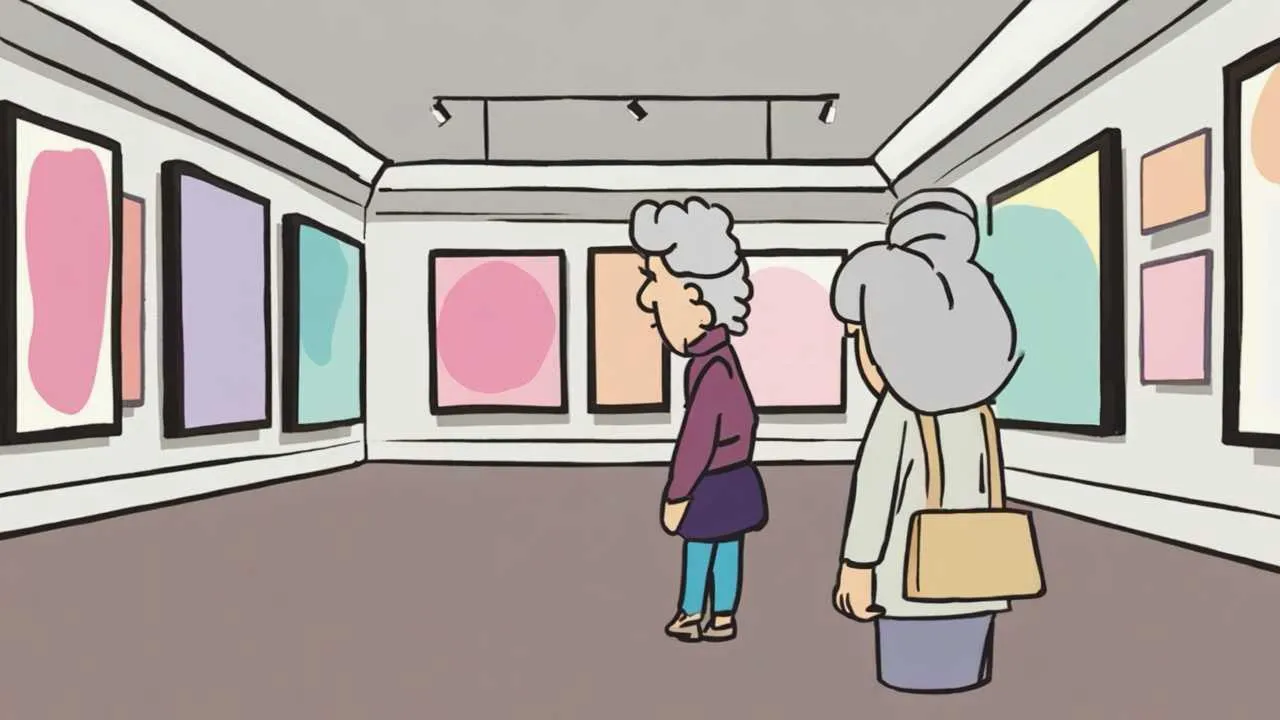
    Warm cartoon illustration of seniors enjoying art in museum gallery, painting classes, and virtual exhibitions in soft pastel tones
    Connect with others through creative expression in welcoming environments
                      Visual Art by Artani Paris
    Museum Type Best For Typical Cost (Senior) Average Visit Time Accessibility
    Major Art Museums Comprehensive collections $15-26 (discounted) 2-3 hours Excellent
    Local Art Museums Regional artists, intimacy $8-15 (often free) 1-2 hours Very Good
    University Museums Specialized collections Free-$10 1-2 hours Good
    Sculpture Gardens Outdoor art, nature Free-$12 1-2 hours Variable
    Contemporary Art Centers Modern/experimental art $10-20 1-2 hours Excellent
    Museum options comparison for senior visitors (2025 estimates)

    Exploring Art Online: Virtual Museums and Digital Collections

    The digital revolution has democratized art access in ways unimaginable a generation ago. World-class collections once requiring international travel now appear on your computer, tablet, or smartphone screen, offering intimate viewing experiences often superior to crowded museum galleries. Virtual art exploration suits seniors perfectly—no travel fatigue, accessible anytime, pausable for breaks, and completely free.

    Google Arts & Culture: Your Gateway to Global Collections
    Google Arts & Culture (artsandculture.google.com) aggregates over 2,000 museums and galleries across 80 countries, providing free access to millions of high-resolution artworks. The platform offers three primary ways to explore art: browse featured exhibitions curated around themes like “Women in Art” or “Impressionism”; search specific artists, movements, or subjects; or take virtual museum tours using Street View technology that lets you “walk” through galleries.

    The zoom capability exceeds what’s possible in physical museums—you can examine brushstrokes, canvas texture, and minute details invisible to naked eye viewing behind protective glass. Many paintings display in “gigapixel” resolution allowing zoom levels revealing individual paint particles. This intimate viewing helps you appreciate technique and craftsmanship impossible to observe in traditional museum visits.

    Google Arts & Culture’s “Art Camera” has photographed select masterpieces in extraordinary detail—the Mona Lisa image contains 1,600 times more pixels than standard digital photos. You can zoom so closely you see wood grain in the panel she’s painted on and individual brush hairs embedded in paint layers. This technology-enabled intimacy creates profound connections with artworks.

    Major Museum Websites and Online Collections
    Nearly every major museum now provides substantial online collections with high-quality images and detailed information. The Metropolitan Museum of Art offers 492,000+ artworks online with high-resolution images downloadable free for personal use. The Rijksmuseum in Amsterdam provides 700,000+ artworks in their online collection, many in ultra-high resolution allowing extreme magnification.

    Museum websites typically organize collections by artist, time period, culture, medium, and theme, facilitating exploration based on interests. Each artwork includes detailed information—artist biography, historical context, technique analysis, and provenance (ownership history). This educational content transforms viewing into learning experiences deepening appreciation and understanding.

    Many museums offer online exhibitions designed specifically for digital viewing, not just reproductions of physical exhibitions. These digital-native shows incorporate videos, interactive elements, curator commentary, and related content impossible in physical spaces. The National Gallery of Art’s online exhibitions include conservators explaining restoration work, curators discussing artistic techniques, and multimedia presentations enriching artwork understanding.

    Virtual Museum Tours and 360-Degree Galleries
    Virtual tours transport you inside museums worldwide from your living room. The Vatican Museums offer virtual tours of the Sistine Chapel in such detail you can examine Michelangelo’s ceiling frescoes more closely than physically possible—you can’t bring binoculars into the actual chapel, but virtual tours allow unlimited zooming. Audio narration explains each scene’s biblical and artistic significance.

    The Louvre provides virtual tours of Egyptian antiquities, remaining Renaissance paintings, and the Galerie d’Apollon. Navigate galleries at your pace, pause for extended viewing, replay sections, and access artwork information unavailable to physical visitors. Virtual tours eliminate crowds, waiting lines, physical fatigue, and travel costs while providing educational content enhancing appreciation.

    YouTube Art Channels for Seniors
    YouTube hosts thousands of channels dedicated to art appreciation, art history, and artistic techniques presented in accessible formats perfect for seniors. Channels like “The Art Assignment,” “Great Art Explained,” and “Perspective” offer 10-20 minute videos exploring specific artworks, artists, or movements with clear narration and helpful visuals.

    PBS’s “The Art Assignment” series features contemporary artists discussing their work and creative processes—fascinating insights into modern art often misunderstood or dismissed. “Great Art Explained” dissects famous paintings in detail, revealing symbolism, historical context, and technical innovations. Each video provides complete standalone education about specific works.

    Museum YouTube channels offer virtual exhibition tours, curator talks, conservation demonstrations, and artist interviews. The Met’s YouTube channel includes hundreds of videos from exhibition walk-throughs to detailed explorations of specific artworks. These videos recreate museum visit experiences while adding expert commentary and close-up details impossible in physical galleries.

    Joining Art Classes and Creative Communities

    Creating art yourself provides even greater cognitive and emotional benefits than viewing art alone. Art classes designed for seniors offer supportive environments where previous experience doesn’t matter, technical perfection isn’t expected, and creative expression takes priority over artistic skill. The social connections formed in art classes often become as valuable as the artistic learning itself.

    Senior Centers and Community Art Programs
    Nearly every senior center offers art classes—typically painting, drawing, crafts, or mixed media—at minimal cost ($5-15 per session) or free for members. These classes meet weekly for 1.5-2 hours, providing structured creative time with peer support and professional instruction. Class sizes usually range 10-15 students, allowing personalized attention while maintaining social atmosphere.

    Instructors at senior center classes understand older adults’ needs, pacing lessons appropriately and offering multiple ways to complete projects accommodating varying dexterity levels. Many seniors report these classes became weekly social highlights, with classmates becoming genuine friends who support each other beyond art activities. The low-pressure environment encourages experimentation without fear of judgment—everyone’s a beginner or returning to art after decades away.

    Community colleges offer “lifelong learning” or “continuing education” art classes specifically designed for older adults without grades or exams. These courses typically run 6-8 weeks meeting once weekly for 2-3 hours, costing $50-150 for complete sessions including most materials. Topics range from watercolor basics to art history, ceramics to digital photography, taught by practicing artists or retired art teachers.

    Art Museums and Gallery Classes
    Many art museums offer studio classes in dedicated education spaces. These classes combine viewing museum artworks for inspiration with hands-on creation in equipped studios. The Art Institute of Chicago offers 60+ adult art classes quarterly ranging from $165-385 for 6-8 week sessions. The De Young Museum in San Francisco provides similar programming. Classes often include museum admission, allowing students to arrive early to view collections before class begins.

    Museum classes attract diverse participants united by art interest rather than age alone, though many museums offer senior-specific sessions during weekday mornings when younger adults work. The advantage of museum classes lies in immediate access to masterworks for study and inspiration, along with instruction from professional artists with deep art historical knowledge.

    Private Art Studios and Independent Instructors
    Independent art studios offering classes provide intimate learning environments and specialized instruction. Search “senior art classes [your city]” or check Nextdoor and local Facebook groups for recommendations. Private studio classes typically cost $25-45 per session for 2-3 hours including materials. Smaller class sizes (4-8 students) allow personalized feedback and flexible pacing.

    Many professional artists offer private lessons or small group instruction in their studios, teaching specific techniques like oil painting, portraiture, or landscape art. Private lessons cost $50-100 per hour but provide intensive, customized instruction accelerating skill development. Some artists offer package discounts—10 lessons for the price of 8—making private instruction more affordable.

    Online Art Classes for Home Learning
    Online platforms democratize art education, offering professional instruction accessible from home at any time. Skillshare ($32/month or $168/year) provides thousands of art classes from 15-60 minutes covering every imaginable technique and style. Classes include watercolor, acrylic painting, drawing, digital art, mixed media, and art history. The platform’s strength lies in short, focused lessons allowing you to learn specific techniques without committing to multi-week courses.

    YouTube offers completely free art instruction through channels like “Paint Coach,” “The Mind of Watercolor,” and “Proko” (drawing). These channels provide structured lesson series guiding you from absolute beginner through intermediate techniques. While lacking personalized feedback, YouTube’s free access and pause/replay capability allow learning at your pace without pressure.

    Udemy offers one-time purchase courses ($15-50 after frequent sales) providing lifetime access to complete art curricula. “The Ultimate Drawing Course” or “Watercolor Painting for Beginners” include 10-30 hours of video instruction, downloadable resources, and student communities for sharing work and receiving feedback. One-time purchase eliminates ongoing subscription costs while providing permanent access for review and practice.

    Budget-Friendly Ways to Engage with Art

    Art appreciation and creation need not require significant financial investment. Numerous free and low-cost options allow seniors on fixed incomes to fully engage with art while staying within budget constraints. Creative thinking and strategic planning make rich artistic lives accessible regardless of economic circumstances.

    Free Museum Days and Community Access Programs
    Free admission days eliminate financial barriers to museum access. Most major museums offer one free day monthly—the Museum of Fine Arts Boston provides free Wednesday evenings 4-9 PM year-round. The de Young and Legion of Honor museums in San Francisco offer free admission every first Tuesday monthly for Bay Area residents. Track free days on museum websites or call ahead to confirm schedules.

    Library museum passes provide free or discounted admission to local cultural institutions. Many public libraries offer passes reservable online weeks in advance, saving $15-30 per visit. The Los Angeles Public Library system provides passes to 40+ museums and cultural sites. Check your library’s website under “Museum Passes” or “Culture Pass” programs.

    Museums offer need-based membership assistance and sliding-scale admissions for low-income visitors. Programs like “Community Access” or “Access Membership” provide year-round free admission to qualifying individuals. Contact museum membership departments directly to inquire about financial assistance programs—most handle applications confidentially without publicizing programs widely.

    Free Art Resources and Supplies
    Public libraries offer far more than books—many libraries provide art supplies for in-library use including drawing paper, colored pencils, markers, and watercolors. Some systems allow members to “check out” art supply kits for home use. The Chicago Public Library system offers “Museum Adventure Passes” plus art supply lending programs.

    Dollar stores and discount retailers offer surprisingly adequate art supplies for exploration and practice. Dollar Tree sells canvases, acrylic paints, brushes, and drawing pads for $1.25 each—perfectly suitable for learning and experimenting before investing in expensive materials. Walmart, Target, and Amazon offer Crayola and Artist’s Loft brands providing good quality at 1/3 to 1/2 the cost of premium brands.

    Art supply stores frequently offer senior discounts—Michael’s provides 10% off regular-priced items to seniors 55+ every day, with frequent 40-50% off coupons applicable to sale items. Blick Art Materials offers education discounts accessible to seniors enrolled in any art class. Sign up for store email lists to receive weekly coupons and sale notifications.

    Online marketplaces offer used art supplies at fraction of retail costs. Craigslist, Facebook Marketplace, and OfferUp frequently list barely-used art supplies from people who started hobbies and quit—pristine paint sets, unused canvases, and quality brushes for 50-75% below retail. Estate sales often include extensive art supply collections sold at giveaway prices.

    Free Community Art Events
    Art walks occur monthly in most cities, offering free gallery access, artist interactions, and often refreshments. First Friday Art Walks in cities nationwide open dozens of galleries 6-9 PM simultaneously, creating festive evening exploring art without admission costs. These events provide opportunities to view diverse contemporary art, meet working artists, and learn about local art scenes.

    University art departments offer free exhibitions in campus galleries showcasing student work, faculty creations, and visiting artists. These exhibitions often feature cutting-edge contemporary art and provide free artist talks and panel discussions. Campus environments welcome community members, and parking is usually free evenings and weekends when most exhibitions occur.

    Public art installations transform cities into free outdoor museums. Sculptures, murals, and installations appear in parks, plazas, and along streets requiring only walking to access. Cities like Miami, Philadelphia, and Seattle offer self-guided public art walking tours with free maps and smartphone apps explaining artworks encountered. This combines art appreciation with gentle exercise and fresh air.

    Art Activity Cost Range Frequency Social Aspect Skill Required
    Museum Visits Free-$26 Monthly Low-Medium None
    Senior Center Classes Free-$15/session Weekly High None
    Online Art Learning Free-$32/month Anytime Low None
    Community College $50-150/course Weekly (6-8 weeks) Medium-High None
    Private Lessons $50-100/hour Weekly Low Any level
    Art Walks/Public Art Free Monthly Medium None
    Art activity cost and commitment comparison for seniors (2025)

    Starting Your Own Art Practice at Home

    Creating art at home provides ultimate flexibility—work at your own pace, experiment without observers, and integrate artistic practice into daily routines. Beginning an art practice in later life requires only curiosity and willingness to play, not innate talent or previous training. The process of creating matters more than the resulting products, and personal satisfaction outweighs technical perfection.

    Essential Beginner Supplies Under $50
    Starting an art practice requires minimal investment. A complete watercolor beginner kit costs $35-45: student-grade watercolor set (12-24 colors, $12-18), watercolor paper pad (20 sheets, 9×12 inches, $8-12), three brushes (round sizes 4, 8, 12, $8-15), and two water containers (recycled jars work perfectly, free). This setup provides everything needed for months of experimentation and learning.

    Drawing requires even less investment—$20-30 covers everything: sketch pad (100 sheets, 9×12 inches, $8-12), graphite pencils (set of 6 ranging 2H to 6B, $8-12), kneaded eraser ($2-3), and pencil sharpener ($2-4). These basics enable exploring drawing fundamentals, shading techniques, and observational skills without specialized equipment.

    Acrylic painting offers versatility and forgiveness for beginners. A starter set costs $40-60: student-grade acrylic paint set (10-12 colors, $15-25), three canvas boards or canvas pad (5-10 surfaces, $12-18), four brushes (various sizes and shapes, $10-15), and palette (disposable paper palette or recycled plastic container, $3-5). Acrylics dry quickly, clean with water, and work on multiple surfaces making them ideal for experimentation.

    Creating Dedicated Art Space
    Establishing permanent art space, however small, significantly increases artistic practice frequency. A TV tray or small table near good natural light creates functional studio space. Store supplies in plastic containers or bins keeping everything accessible without daily setup and cleanup deterring spontaneous creativity.

    Lighting matters tremendously—natural north-facing windows provide ideal diffused light for accurate color perception. If natural light is insufficient, purchase daylight-balanced LED bulbs (5000-6500K color temperature, $8-12) for lamps positioned to illuminate work surface without casting shadows. Proper lighting reduces eye strain during extended art sessions.

    Protect surfaces with plastic tablecloths, old newspapers, or drop cloths costing $3-8. Even water-soluble paints can stain surfaces, and cleanup anxiety inhibits creative freedom. Knowing surfaces are protected allows experimentation without worry. Keep paper towels, water, and hand soap within reach for quick cleanup during and after art sessions.

    Establishing Regular Creative Practice
    Consistency matters more than duration—twenty minutes daily produces more progress than occasional three-hour marathons. Schedule art time like appointments, treating it as important health activity rather than optional hobby. Morning light is ideal for painting and drawing, while evening suits art appreciation or planning tomorrow’s creative session.

    Start with simple exercises building confidence and skill simultaneously. Copy photographs or postcards to practice observation and technique without creative pressure. Draw household objects—coffee cups, fruit, houseplants—focusing on accurate shapes and proportions. These exercises develop hand-eye coordination and observational skills foundational to all artistic endeavors.

    Keep sketchbooks or art journals documenting progress and experimentation. Date each piece to track improvement over time—reviewing work from months ago reveals remarkable development invisible in day-to-day practice. Sketchbooks become personal treasures recording creative journey and preserving artistic memories.

    Online Resources for Self-Taught Artists
    YouTube provides unlimited free instruction covering every technique imaginable. Channels like “The Mind of Watercolor” teaches watercolor fundamentals through clear demonstrations. “Paint Coach” offers acrylic painting tutorials for absolute beginners. “Draw with Jazza” provides drawing lessons from basic shapes through advanced techniques. Subscribe to channels matching your interests and work through lesson series systematically.

    Pinterest collects inspiration and tutorials in visual format ideal for artists. Search “beginner watercolor tutorials” or “easy acrylic painting ideas” finding thousands of images linked to step-by-step instructions. Create boards organizing ideas by technique, subject, or medium. Pinterest’s visual nature makes discovering new artists and styles effortless.

    Books remain valuable learning resources. “Drawing on the Right Side of the Brain” by Betty Edwards revolutionizes how absolute beginners approach drawing. “Watercolor for the Absolute Beginner” by Mark and Mary Willenbrink provides clear, achievable lessons. Library art sections offer extensive collections available free, allowing you to sample various instruction styles before purchasing favorites.
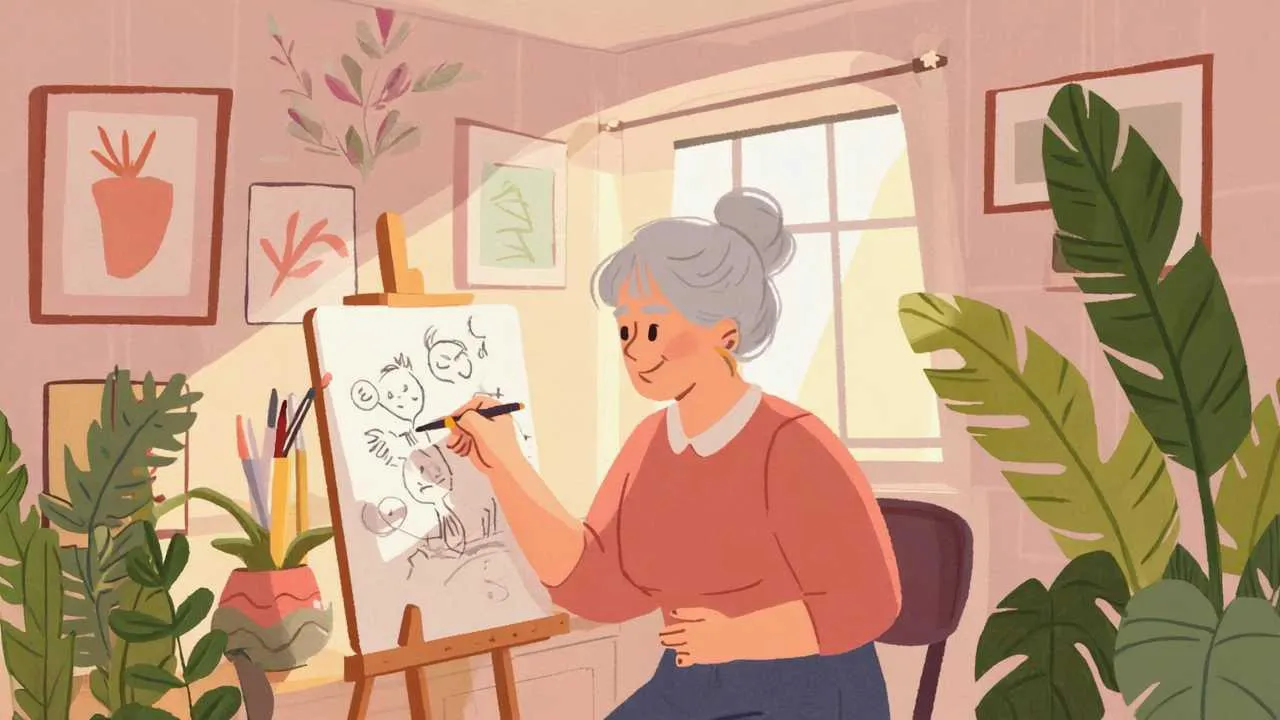
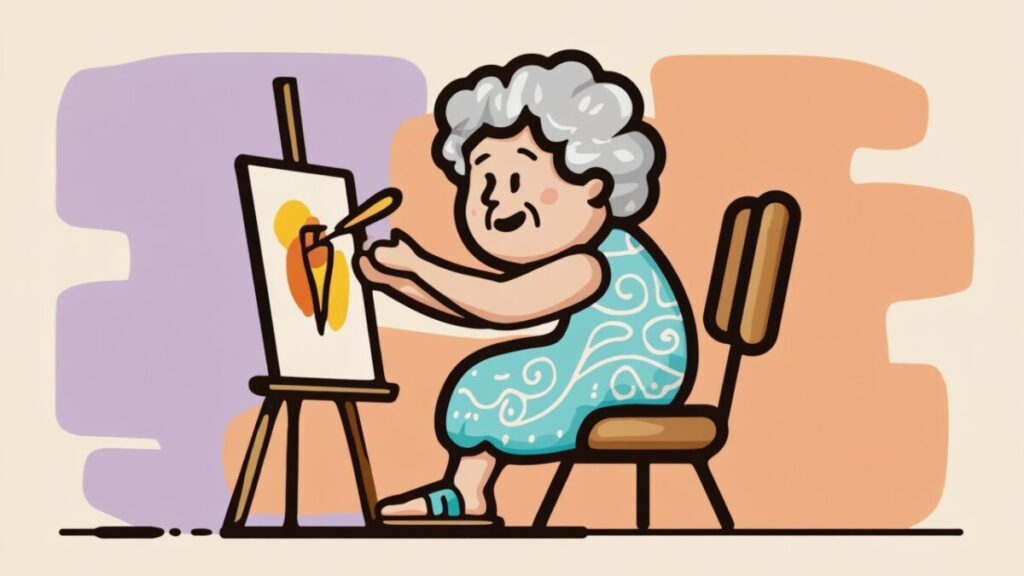
    Cozy illustration of senior creating watercolor painting at home workspace with art supplies, natural light, and comfortable setup

    Create your own inspiring art space at home with minimal investment
                      Visual Art by Artani Paris

    Learning Art History for Deeper Appreciation

    Understanding art historical context transforms viewing from superficial observation into profound engagement. Learning why and how artworks were created, what they meant to contemporary audiences, and how they influenced subsequent generations deepens appreciation immeasurably. Art history need not involve academic rigor—casual learning through accessible resources provides sufficient context for rich understanding.

    Free Online Art History Courses
    Khan Academy offers comprehensive art history curriculum completely free, requiring only internet access and curiosity. Courses cover major periods from prehistoric cave paintings through contemporary art, with each lesson including 5-10 minute videos, images, and articles. The interface is intuitive for seniors unfamiliar with online learning platforms, and progress saves automatically allowing you to stop and resume anytime.

    Yale University and other prestigious institutions offer free online courses through Coursera, edX, and institutional websites. Yale’s “Introduction to Art History” provides university-level instruction adapted for general audiences. These courses include video lectures, reading materials, and optional quizzes without pressure of grades or deadlines. Audit courses free rather than paying for certificates you don’t need.

    The Met’s Heilbrunn Timeline of Art History (metmuseum.org/toah) provides encyclopedic coverage of art from all cultures and time periods. Each entry includes multiple high-quality images, explanatory essays, and links to related artworks and topics. The timeline format helps visualize chronological development and cultural connections. This resource serves as reference for looking up specific artists, movements, or periods encountered in other learning.

    Documentary Films and Streaming Series
    Art documentaries combine education with entertainment, bringing art history alive through compelling storytelling. PBS’s “Art21” series profiles contemporary artists discussing their work and creative processes. “Civilizations” explores how art shaped human history across cultures and millennia. These programs are available free on PBS.org and the PBS app with occasional local station broadcasts.

    Netflix, Amazon Prime, and other streaming services offer extensive art documentary collections. “Abstract: The Art of Design” profiles contemporary designers and artists. “Exit Through the Gift Shop” explores street art culture. “Saving Banksy” documents efforts to preserve street artist Banksy’s work. These films make art relevant and exciting while educating about artistic processes and contemporary issues.

    YouTube channels dedicated to art history present information in digestible formats. “The Art Assignment” explores contemporary art themes. “Great Art Explained” dissects famous paintings in 15-minute deep dives. “Smarthistory” partners with Khan Academy providing art historical context for major works. Subscribe to multiple channels ensuring regular exposure to art content.

    Books and Audio Resources for Art Learning
    “The Story of Art” by E.H. Gombrich remains the gold standard art history introduction, explaining complex concepts in accessible language without condescension. The book traces art from cave paintings through modern abstraction, providing context making artwork meaningful beyond aesthetic appreciation. Public libraries universally stock this classic, and used copies cost $10-15 online.

    “The Annotated Mona Lisa” by Carol Strickland provides concise overview of art history through iconic works and movements. Its visual format with abundant illustrations suits those preferring images over dense text. “How to Read Paintings” by Liz Rideal teaches looking skills revealing meaning in artistic choices often overlooked by casual viewers.

    Audiobooks and podcasts bring art history to life during commutes, walks, or household chores. “The Lonely Palette” podcast explores one artwork per episode in conversational style. “Art Detective” investigates art historical mysteries. “Art Matters” interviews contemporary artists about their work and lives. Library apps like Libby provide free audiobook access to art titles.

    Real Success Stories

    Case Study 1: Sarasota, Florida

    Eleanor P. (73 years old)

    Eleanor experienced significant depression following her husband’s death after 48 years of marriage. Isolated in their retirement home with adult children living across the country, she struggled with purposelessness and declining health. Her daughter suggested trying the watercolor class at their local senior center, though Eleanor insisted she “had no artistic talent whatsoever” and hadn’t created art since elementary school.

    Reluctantly attending the first class in January 2024, Eleanor discovered the supportive, judgment-free environment allowed experimentation without pressure. The weekly Thursday morning class provided structure to empty days and introduced her to five women who became genuine friends. They began meeting Tuesday afternoons for independent painting sessions at each other’s homes, creating a tight-knit support network.

    Eleanor’s artistic skills developed steadily over eight months, but more importantly, her depression lifted significantly. She reported feeling excited about Thursday mornings for the first time in years and having genuine social connections beyond superficial neighborly greetings. Her art became meditation—focusing intently on color mixing and brushwork quieted the grief-driven mental loops that had dominated her thoughts.

    Results:

    • Depression scores (PHQ-9) decreased from 18 (moderate-severe) to 7 (mild) over 8 months as measured by her primary care physician
    • Created over 60 watercolor paintings, framing 12 for her home and gifting others to family and friends
    • Social network expanded from 2 regular contacts to 7, with weekly in-person interactions increasing from 0-1 to 4-5
    • Lost 12 pounds without dieting due to increased activity and decreased emotional eating
    • Total art investment of approximately $180 for 8 months (senior center class $5/week, supplies $40 initially plus $60 over time)

    “I genuinely thought my life was basically over after Harold died—just waiting around to join him. That stupid watercolor class saved my life. I have friends now, real friends who understand what I’m going through because most are widows too. Thursday mornings I wake up excited instead of dreading another empty day. My paintings aren’t masterpieces, but they’re mine, and creating them makes me feel alive again.” – Eleanor P.

    Case Study 2: Portland, Oregon

    Robert and Marie K. (both 68 years old)

    This retired couple found themselves drifting apart after Robert’s retirement—40 years of busy work schedules and child-rearing had left them with few shared interests beyond their now-adult children. They spent evenings in separate rooms, Robert watching television while Marie read, speaking little and feeling increasingly like roommates rather than partners.

    A friend suggested they try the Portland Art Museum’s “Art After Hours” program—monthly Thursday evening events featuring live music, cash bar, and special exhibition access for $15 each. Skeptical but willing to try anything to reconnect, they attended in March 2024. The relaxed evening atmosphere without daytime crowds allowed comfortable viewing and genuine conversation about artworks, surprising both with opinions and reactions they’d never discussed despite 45 years together.

    They began attending monthly, then exploring other museums together. They discovered the Oregon Historical Society, the Portland Japanese Garden, and smaller galleries in the Pearl District. These outings became shared adventures providing conversation topics and common experiences they’d lacked for years. They started “Friday Night Art Nights” at home—streaming art documentaries on Netflix followed by discussing the films over wine and cheese.

    Results:

    • Rekindled their relationship with weekly date nights centered on art and culture rather than restaurants and movies
    • Visited 24 different museums and galleries in 10 months, traveling to Seattle and San Francisco for major exhibitions
    • Both reported feeling “like we’re dating again” and rediscovering the intellectual connection that initially attracted them
    • Enrolled in Saturday morning drawing class together at community college ($140 each for 8-week session), creating side-by-side and giving each other feedback
    • Spent approximately $1,200 over 10 months on museum admissions, classes, and art books—far less than marriage counseling they’d considered

    “We’d been married 45 years but barely talked anymore beyond logistics and grandkid updates. Art gave us something to discuss, debate, and discover together. We have inside jokes now about specific paintings and artists. Last month we drove six hours to see a Monet exhibition because we wanted to—not because we had to visit family or attend obligations. Art literally saved our marriage by reminding us we actually enjoy each other’s company.” – Marie K.

    Case Study 3: Des Moines, Iowa

    James M. (76 years old)

    A retired accountant diagnosed with early-stage Alzheimer’s at 74, James faced terrifying cognitive decline and loss of identity after 50 years defining himself through analytical work. His neurologist suggested cognitive stimulation activities, specifically mentioning visual arts engagement showing promise in slowing dementia progression. James initially dismissed art as “frivolous” and “not for someone like me,” but his daughter researched local options and enrolled him in senior center drawing class without his knowledge.

    Though angry initially about being “forced” to attend, James found the structured weekly class provided cognitive challenge combined with creativity he’d never experienced. Drawing required observation, problem-solving, fine motor control, and decision-making—engaging multiple brain regions simultaneously. The instructor’s patience with his occasional confusion and the supportive classmates created safe environment for someone terrified of public cognitive failures.

    Over 14 months, James attended class weekly, practiced drawing at home 30-45 minutes most days, and visited the Des Moines Art Center monthly to sketch artworks. His artistic skill progressed remarkably for someone starting at 74, but more significantly, his cognitive decline plateaued rather than accelerating as initially projected. His neurologist noted drawing practice likely provided protective cognitive reserve effects.

    Results:

    • Montreal Cognitive Assessment (MoCA) scores stabilized at 22-23 over 14 months rather than declining as initially projected (typical decline 2-3 points annually)
    • Created over 200 drawings in sketchbooks documenting his artistic journey and providing tangible evidence of sustained capability
    • Fine motor skills improved measurably—timed button-fastening test improved from 38 seconds to 29 seconds over 14 months
    • Reduced anxiety about diagnosis significantly, reporting feeling “productive and capable” rather than “useless and waiting to deteriorate”
    • Investment of $280 over 14 months (senior center class $5/week, supplies $50 initially plus $30 replenishments)

    “When they told me I had Alzheimer’s, I thought my life was effectively over—just watching myself disappear piece by piece. Drawing gives me something I can still do well and keeps improving rather than declining. Every finished sketch proves my brain still works. My neurologist says the cognitive stimulation from drawing probably bought me extra good years before things get bad. Art didn’t cure me, but it gave me purpose and evidence I’m not gone yet.” – James M.

    Frequently Asked Questions

    Do I need artistic talent to appreciate or create art?

    Absolutely not. Art appreciation requires only curiosity and willingness to look—no previous knowledge or innate ability needed. The cognitive and emotional benefits of art engagement occur regardless of artistic talent or skill level. Creating art provides benefits through the creative process itself, not the quality of results. Many seniors who insist they “can’t draw” or “have no artistic ability” discover they can learn fundamental skills through practice and enjoy creating despite imperfect results. Art classes designed for seniors welcome absolute beginners and focus on enjoyment and experimentation rather than technical perfection. Your personal satisfaction and engagement matter far more than producing gallery-worthy work.

    What if I have arthritis or hand tremors—can I still create art?

    Yes, many adaptations accommodate physical limitations. Arthritis sufferers benefit from ergonomic brush handles, foam grips making standard brushes easier to hold, and finger loops attached to tools. Large-format work requires less fine motor control than detailed small pieces. Watercolors and fluid acrylics require less hand pressure than oil paints. For significant tremors, consider collage (cutting and gluing), digital art using tablets with styluses, or voice-directed digital art apps. Some artists deliberately incorporate tremors into their style, creating unique textured effects impossible with steady hands. Adaptive art programs specifically designed for those with physical limitations offer specialized instruction and modified techniques. The occupational therapy community provides extensive resources for adapted art tools and techniques.

    How much time should I dedicate to art activities for cognitive benefits?

    Research suggests even minimal engagement provides measurable benefits—30 minutes weekly shows positive effects, though more frequent engagement amplifies benefits. A 2019 study found seniors engaging with arts activities 100+ hours annually (about 2 hours weekly) showed most significant cognitive and health improvements. However, consistency matters more than duration—20 minutes daily produces better results than occasional marathon sessions. Start small with achievable commitments like weekly museum visits or one 90-minute class, then expand as interest develops. The key is making art engagement a regular habit rather than occasional activity. Many seniors find brief daily practice (15-30 minutes drawing or painting) combined with weekly structured activities (classes or museum visits) provides optimal balance.

    Are online art experiences as beneficial as in-person museum visits?

    Both offer valuable but different benefits. In-person museum visits provide social interaction, physical activity from walking galleries, and the powerful presence of original artworks impossible to fully replicate digitally. However, online art experiences offer unique advantages—unlimited time viewing specific works, extreme zoom capabilities revealing details invisible in person, expert commentary enriching understanding, and complete accessibility for those with mobility limitations or living far from museums. Cognitive engagement occurs through both modalities—your brain responds to visual stimulation, pattern recognition, and meaning-making whether viewing originals or high-quality reproductions. An ideal approach combines both—in-person visits when possible supplemented by extensive online exploration expanding access beyond what you can physically visit.

    How do I choose which art medium to try first?

    Start with watercolors or drawing—both are inexpensive, require minimal equipment, clean easily, and forgive mistakes. Watercolors cost $35-45 for complete starter kit and create beautiful results even with beginner skills. The transparency and fluidity of watercolors feel magical for many beginners. Drawing requires even less investment ($20-30) and provides foundational observational skills benefiting all artistic endeavors. Avoid oil paints initially—they’re expensive, require specialized supplies and ventilation, and have steep learning curve. Try multiple media through community center classes before investing significantly in any single medium. Many seniors discover unexpected affinities—those who “always wanted to paint” discover they love drawing, while others thinking they’d draw find sculpture or collage more satisfying. Stay open to exploration.

    Can art therapy help with grief or depression?

    Yes, substantial research demonstrates art’s therapeutic value for emotional processing and mental health. Art-making provides nonverbal expression outlet particularly valuable when words fail to capture complex emotions. The focused attention required for creating art induces meditative states reducing anxiety and rumination. Art therapy programs specifically designed for grief, depression, or trauma use structured creative exercises facilitating emotional exploration and healing. However, distinguish between therapeutic art-making (creating art for personal benefit) and formal art therapy (clinical treatment by licensed art therapists). If experiencing significant grief or depression, seek professional support from licensed therapists who may incorporate art therapy techniques into treatment. Many seniors find informal art-making complements professional mental health care by providing healthy coping mechanism and tangible expression of internal experiences.

    What if I feel embarrassed showing my artwork to others?

    This fear is nearly universal among beginning artists of all ages. Remember: art classes for seniors specifically create supportive, non-judgmental environments where everyone’s a learner. Your classmates face identical insecurities and typically offer only encouragement. Instructors see hundreds of beginners annually and genuinely celebrate progress regardless of starting point. You control artwork sharing—keep pieces private if preferred, show only to trusted friends/family, or embrace class sharing knowing everyone’s equally vulnerable. Many seniors report that vulnerability of sharing imperfect work builds genuine connections with classmates facing similar fears. Start by sharing with one trusted person, then gradually expand comfort zone as confidence grows. Remember: you create art for personal enjoyment and growth, not others’ approval. If sharing feels uncomfortable, skip it entirely—your creative journey benefits you whether anyone else sees results.

    How do I find legitimate senior art classes versus tourist scams?

    Legitimate senior programs operate through established institutions—senior centers, community colleges, museums, libraries, parks departments, and established art studios. These organizations have physical locations, published schedules, professional websites, and reputation in the community. Warning signs of questionable programs include: pressure to pay large sums upfront, promises of unrealistic results (“learn to paint like a master in 3 weeks”), requests for payment via gift cards or wire transfers, and lack of physical address or verifiable instructors. Ask friends and neighbors for recommendations, check Google reviews, and contact your local senior center for vetted program lists. Visit facilities before enrolling to assess cleanliness, safety, and professionalism. Legitimate programs offer trial classes or money-back guarantees for first session. Trust your instincts—if something feels wrong, it probably is.

    Can I donate or sell my artwork?

    Yes, many options exist for sharing or selling senior artwork. Local senior centers, libraries, community centers, and coffee shops often feature rotating art displays showcasing local artists including seniors. These exhibitions provide public sharing opportunity and potential sales without gallery commissions. Online platforms like Etsy, eBay, and Facebook Marketplace allow selling directly to buyers, though factor time spent photographing, listing, and shipping artwork. Local art fairs and craft shows often include categories for senior or amateur artists with modest booth fees ($25-100). Consider donating artwork to nursing homes, hospitals, or charitable auctions providing enjoyment to others while potentially receiving tax deductions. Many seniors find most satisfaction giving artwork to family and friends who treasure handmade gifts. Remember: monetary value doesn’t reflect artwork’s worth—the joy of creating and sharing matters far more than potential income.

    How do I maintain motivation when progress seems slow?

    Progress in art develops gradually and often invisibly day-to-day. Keep early work to compare with later pieces—the improvement becomes obvious over months even when daily practice feels stagnant. Remember that learning any new skill as an adult takes time and patience. Celebrate small victories—mixing the perfect color, capturing a particular shadow, completing a challenging piece. Focus on enjoyment rather than outcomes—if the creative process brings satisfaction, you’re succeeding regardless of technical results. Set realistic goals focused on practice rather than perfection (“I’ll paint 30 minutes daily” rather than “I’ll create a masterpiece”). Join supportive communities where encouragement flows freely and everyone understands the beginner experience. Take breaks when frustrated—stepping away often leads to breakthroughs upon returning. Remember why you started—likely for personal enjoyment and cognitive benefits, not to become professional artist. Give yourself permission to create imperfect work and enjoy the journey.

    Action Steps to Begin Your Art Journey

    1. Visit your local senior center this week to inquire about art classes, schedules, costs, and whether supplies are provided or must be purchased separately
    2. Check your public library website for museum passes, art books, and potential art programs offered directly through the library system
    3. Create free accounts on Google Arts & Culture (artsandculture.google.com) and Khan Academy (khanacademy.org) to begin exploring online exhibitions and art history lessons
    4. Research museums within 30 miles of your home, noting senior admission prices, free days, and accessibility accommodations—create a list of three you’ll visit in the next two months
    5. Purchase basic art supplies for home experimentation: either a watercolor starter kit ($35-45) or drawing supplies ($20-30) from local craft stores using senior discount days
    6. Set up dedicated art space in your home, however small—even a TV tray near a window provides adequate workspace for most beginning art activities
    7. Subscribe to three art-focused YouTube channels matching your interests (watercolor, drawing, art history) to receive regular free instruction and inspiration
    8. Schedule one hour weekly for art engagement—museum visits, online exploration, creating art, or watching art instruction videos—treating it as important health appointment
    9. Invite a friend to join your art exploration journey—companionship increases enjoyment, provides mutual encouragement, and ensures regular participation through accountability
    10. Start an art journal or sketchbook dated on the first page, committing to one entry weekly minimum—even simple doodles or observations count as building your artistic practice


    Disclaimer
    This article is provided for informational purposes only and does not constitute professional medical, mental health, or therapeutic advice. While research demonstrates cognitive and emotional benefits of art engagement, individual results vary significantly based on numerous factors. Art activities do not replace professional medical treatment for cognitive conditions, depression, or other health issues. Consult qualified healthcare providers regarding specific health concerns and before beginning new activities if you have physical limitations. Information about organizations, programs, and resources is current as of publication but may change without notice.
    Information current as of October 2, 2025. Program availability, costs, and accessibility features may vary by location and change over time. Verify all details with specific organizations before making plans or commitments.

    Get Weekly Senior Lifestyle and Wellness Tips

    Join thousands of seniors discovering enriching activities, health strategies, and practical advice for vibrant retirement living. Receive curated guides, resource lists, and inspiring success stories delivered to your inbox every Tuesday morning.

    Related Articles


  • Senior Travel Guide: Exploring Portugal Comfortably in 2025

    Senior Travel Guide: Exploring Portugal Comfortably in 2025

    Portugal has become one of the most welcoming destinations for senior travelers seeking comfort, safety, and cultural richness. With its mild climate, accessible infrastructure, excellent healthcare system, and English-speaking population, this Atlantic gem offers everything you need for a memorable journey. Whether you’re drawn to Lisbon’s historic neighborhoods, Porto’s riverside charm, or the Algarve’s stunning coastline, Portugal provides senior-friendly experiences without compromising on adventure. This comprehensive guide walks you through practical planning, essential tips, and insider strategies to make your Portuguese adventure comfortable, safe, and truly unforgettable.

    Why Portugal is Perfect for Senior Travelers

    Portugal consistently ranks among the world’s safest countries, with a crime rate significantly lower than most European destinations. The Global Peace Index places Portugal as the 7th most peaceful nation globally, making it an exceptional choice for seniors traveling alone or in small groups. The Portuguese people are renowned for their warmth toward older visitors, often going out of their way to assist with directions or recommendations. Local culture emphasizes respect for elders, creating a welcoming atmosphere throughout your journey.

    The country’s compact size means you can experience diverse landscapes—from coastal cliffs to wine valleys—without exhausting travel times. You can drive from Lisbon to Porto in three hours, or reach the Algarve beaches in two and a half hours from the capital. This geographical convenience allows for comfortable day trips while maintaining a home base, reducing the stress of constant hotel changes.

    Portugal’s cost of living is approximately 30-40% lower than other Western European countries, making it budget-friendly for retirees on fixed incomes. A high-quality three-course meal with wine costs €15-25 ($16-28) per person, while museum admissions rarely exceed €10 ($11). Senior discounts are widely available on public transportation, attractions, and cultural events, further stretching your travel budget.

    The climate is another major draw. With over 300 days of sunshine annually in many regions, Portugal offers mild winters and warm summers perfect for outdoor exploration. The Algarve region maintains temperatures between 60-75°F (15-24°C) even in winter months, ideal for those with arthritis or joint pain who find cold weather challenging. Unlike scorching Mediterranean destinations, Portugal’s Atlantic breezes keep summer temperatures comfortable, rarely exceeding 85°F (29°C) in coastal areas.

    Healthcare quality stands out as exceptional. Portugal ranks 12th globally in the World Health Organization’s healthcare system assessment, surpassing the United States which ranks 37th. Major cities have English-speaking doctors, modern hospitals equipped with the latest technology, and pharmacies on nearly every corner. Many seniors report receiving excellent care at a fraction of U.S. costs—a routine doctor visit costs around €50-80 ($55-88) without insurance, compared to $200-300 in the United States.

    English proficiency among Portuguese people, especially in tourist areas and among younger generations, eliminates significant language barriers. While learning basic Portuguese phrases shows respect and enriches your experience, you’ll rarely struggle to find someone who speaks English in cities, hotels, restaurants, and attractions. This linguistic accessibility reduces travel anxiety for seniors concerned about communication challenges.

    Modern accessibility meets historic charm in Portuguese cities
    Visual Art by Artani Paris

    Best Regions for Senior Travelers

    Choosing the right region depends on your interests, mobility level, and travel style. Each area of Portugal offers distinct advantages for senior travelers, from bustling cities with world-class museums to peaceful coastal towns perfect for relaxation.

    Lisbon: Cultural Hub with Modern Amenities
    The capital city offers excellent public transportation with senior discounts, elevator-equipped metro stations, and countless museums within manageable walking distances. The city’s famous tram 28 provides a scenic tour through historic neighborhoods including Alfama, Graça, and Estrela, though visiting during weekday mornings avoids tourist crowds that make boarding difficult. Bairro Alto and Alfama districts have steep hills characteristic of Lisbon’s seven-hill topography, but modern accessibility initiatives have added handrails, rest benches, and alternative flat routes throughout.

    Lisbon’s cultural offerings are extraordinary. The Gulbenkian Museum houses one of Europe’s finest private art collections, while the MAAT (Museum of Art, Architecture and Technology) showcases contemporary works in a stunning riverside building. Most museums offer senior discounts of 30-50% and provide seating throughout galleries. The city’s café culture encourages leisurely afternoons at historic establishments like A Brasileira or Café Martinho da Arcada, where you can rest while soaking in local atmosphere.

    Porto: Wine Country Elegance
    Portugal’s second city combines baroque architecture with world-famous wine culture along the picturesque Douro River. The Ribeira waterfront district is mostly flat and pedestrian-friendly, featuring colorful buildings, riverside restaurants, and easy access to port wine cellars across the river in Vila Nova de Gaia. River cruises on the Douro offer relaxing sightseeing without walking fatigue, with most boats featuring accessible boarding and onboard restrooms.

    Porto’s metro system includes elevators at all stations and clear signage in Portuguese and English. The city’s compact center allows exploration of major attractions—Livraria Lello bookstore, São Bento train station with its famous azulejo tiles, and the Dom Luís I Bridge—within a manageable area. Port wine cellar tours cater to all mobility levels, with many offering golf cart transportation through facilities and comfortable tasting rooms.

    The Algarve: Purpose-Built Comfort
    This southern coastal region is purpose-built for comfortable living and tourism, making it exceptionally senior-friendly. Towns like Lagos, Tavira, Albufeira, and Carvoeiro feature flat coastal promenades, accessible beaches with wooden walkways extending to the water’s edge, and numerous golf courses designed for all skill levels. The region has Portugal’s highest concentration of English speakers due to its large expatriate community, making navigation and communication effortless for non-Portuguese speakers.

    The Algarve’s climate is the mildest in Portugal, with winter temperatures rarely dropping below 60°F (16°C) and summer breezes moderating heat. Beach accessibility is outstanding—many beaches provide beach wheelchairs free of charge, accessible parking, and adapted changing facilities. The region’s infrastructure caters specifically to retirees, with excellent medical facilities, pharmacies, and services oriented toward older residents and visitors.

    Douro Valley: Scenic Wine Tourism
    For wine enthusiasts, the Douro Valley presents breathtaking terraced vineyards with several senior-friendly quintas (wine estates) offering tours with minimal walking. The scenic train route from Porto requires only three hours and provides panoramic valley views without driving stress. Many quintas offer accommodation, allowing multi-day stays exploring the region at a relaxed pace.

    River cruises specifically designed for the Douro Valley cater to senior travelers with accessible cabins, elevator access to dining areas, and excursions tailored to various mobility levels. These cruises eliminate the need for constant packing and unpacking while providing comprehensive valley exploration. Most include wine tastings, traditional Portuguese meals, and cultural performances onboard.

    Region Best For Accessibility Rating Avg Daily Cost English Spoken
    Lisbon Culture, Museums, History High (4/5) $80-120 Very High
    Porto Wine, Architecture, River Views High (4/5) $70-110 High
    Algarve Beach, Golf, Relaxation Very High (5/5) $90-130 Very High
    Douro Valley Wine Tours, Scenery Medium (3/5) $100-150 Medium
    Coimbra University Town, Gardens Medium (3/5) $60-90 Medium
    Évora Roman History, Wine Medium (3/5) $65-95 Low
    Regional comparison for senior travelers in Portugal (2025 estimates)

    Planning Your Trip: Essential Preparations

    Start planning 3-6 months before departure to secure the best accommodations and flight prices while allowing time for medical consultations and document preparation. Early planning also reduces stress and allows for thoughtful itinerary development that balances activity with rest.

    Passport and Entry Requirements
    U.S. citizens need only a valid passport for stays up to 90 days within a 180-day period under Schengen Agreement rules. Ensure your passport has at least six months validity beyond your planned return date—some airlines refuse boarding with less than six months remaining. Portugal doesn’t require visas for American tourists staying under 90 days, simplifying entry procedures significantly.

    Make two copies of your passport photo page: leave one with a trusted person at home and pack one separately from your passport while traveling. Consider photographing your passport and storing the image in secure cloud storage for emergency access. This precaution proves invaluable if your passport is lost or stolen.

    Travel Insurance: Non-Negotiable for Seniors
    The Portuguese government doesn’t require travel insurance, but purchasing comprehensive coverage is strongly recommended for seniors. Medicare provides no international coverage except in extremely limited circumstances near Canadian and Mexican borders. Comprehensive travel insurance typically costs $150-300 for two-week coverage depending on age, pre-existing conditions, and coverage limits.

    Look for policies including medical evacuation coverage (minimum $100,000), pre-existing condition waivers if purchased within 14-21 days of initial trip deposit, trip cancellation/interruption coverage, and 24/7 assistance hotlines with English-speaking operators. Companies specializing in senior travel insurance include Allianz, Travel Guard, and InsureMyTrip. Read policies carefully regarding age limits—some insurers cap coverage at age 75 or 80, while others specialize in older travelers.

    Medical Preparation
    Schedule a check-up with your primary care physician 4-6 weeks before departure. Discuss your itinerary and request medical clearance for travel, especially if you have chronic conditions requiring management. Ask your doctor to prepare a letter on official letterhead listing all medications, medical conditions, and any medical devices you use. This letter proves invaluable if you need medical care abroad or encounter customs questions about medications.

    Bring a 30-day supply plus one week extra of all medications in original packaging with prescription labels clearly visible. Pack medications in carry-on luggage, never checked bags, to prevent loss. Create a medication list including generic names (not just brand names) since Portuguese pharmacies use different brand names. Common medications like metformin, lisinopril, and atorvastatin are widely available, but knowing generic names facilitates communication.

    Pack a comprehensive first-aid kit including adhesive bandages, antibiotic ointment, pain relievers (both acetaminophen and ibuprofen), antacids, anti-diarrheal medication, motion sickness tablets, and any personal medical devices like blood pressure monitors or glucose meters. Include sunscreen (SPF 30+), insect repellent, and blister treatment for walking-intensive days.

    Financial Planning
    Notify your bank and credit card companies of travel dates and destinations to avoid fraud holds that can leave you without access to funds. Ask about foreign transaction fees—many credit cards charge 2-3% on international purchases, while others like Capital One and Chase Sapphire cards charge nothing. Consider obtaining a card with no foreign transaction fees specifically for travel.

    While credit cards are widely accepted in Portugal, small vendors, rural areas, and traditional markets prefer cash. ATMs (called Multibanco in Portugal) are everywhere and offer better exchange rates than currency exchanges or exchanging money before departure. Daily withdrawal limits typically range from €200-400 ($220-440). Inform your bank of higher withdrawal limits if you plan larger cash needs.

    Consider bringing $200-300 in euros for immediate expenses upon arrival—taxi from airport, first meal, incidentals. This eliminates the stress of finding ATMs immediately after a long flight when you’re tired. Never exchange money at airport currency exchanges, which offer terrible rates and high fees.

    Accommodation Selection
    Book accommodations with accessibility in mind. Request ground-floor rooms or confirm elevator availability when reserving hotels. Portugal’s traditional buildings often lack elevators, but newer hotels and renovated properties meet modern accessibility standards. Websites like Booking.com and Airbnb allow filtering by accessibility features including grab bars, wheelchair access, roll-in showers, and walk-in showers without high thresholds.

    Read recent reviews specifically mentioning accessibility and senior-friendliness. Contact hotels directly to confirm specific needs—photos don’t always reveal threshold heights, bathroom layouts, or distance from elevators to rooms. Many Portuguese hotels go above and beyond to accommodate senior guests when contacted in advance.

    Transportation Options and Accessibility

    Portugal’s public transportation system accommodates seniors exceptionally well, with modern infrastructure, clear signage, and widespread accessibility features that make navigation straightforward even for first-time visitors.

    Metro Systems: Lisbon and Porto
    Lisbon’s metro features elevators at most stations built or renovated in recent decades, priority seating clearly marked in each car, and clear signage in Portuguese and English. The four color-coded lines (Blue, Yellow, Green, Red) connect major tourist areas efficiently. The rechargeable Viva Viagem card offers significant savings over individual tickets—seniors over 65 qualify for 50% discounts on all public transport when presenting proof of age.

    Porto’s metro is newer and even more accessible, with all stations featuring elevator access. The system extends to the airport and nearby beach towns, providing comprehensive coverage. Both cities’ metros operate from 6:00 AM to 1:00 AM, with some lines extending to 2:00 AM on weekends.

    Buses and Trams
    City buses have low-floor entry points and dedicated senior seating near the front, making boarding and alighting easier. Drivers are generally patient with seniors and will wait for you to sit before departing. Lisbon’s famous tram 28 is a tourist attraction itself but can be crowded—ride early morning (before 9:00 AM) or late afternoon (after 5:00 PM) for seats and easier boarding.

    Modern trams in Lisbon are fully accessible with level boarding, while vintage trams require stepping up. If mobility is limited, stick to bus routes covering the same areas—they’re air-conditioned and more comfortable for longer rides.

    Trains: Comfortable Intercity Travel
    Comboios de Portugal (CP) operates modern trains with spacious seating, onboard restrooms, and luggage assistance. The Alfa Pendular high-speed service links Lisbon to Porto in 2 hours 45 minutes with reclining seats, air conditioning, and café cars. Intercity trains are slower but equally comfortable, serving smaller cities and towns.

    Seniors over 65 receive 25% discounts on most routes when booking at stations—online discounts vary and sometimes exclude senior rates. Purchase tickets from station ticket offices rather than machines to ensure you receive applicable discounts. Station staff speak English at major hubs and assist with platform navigation.

    Regional trains connect smaller towns economically. While less luxurious than Alfa Pendular or Intercity services, regional trains offer authentic local experiences and access to areas not served by express services. Seats are first-come, first-served, so arrive 15 minutes early for the best selection.

    Taxis and Ride-Sharing
    Taxis are affordable alternatives to public transportation. A typical 15-minute ride costs €8-12 ($9-13). Portuguese taxi drivers often speak basic English and appreciate tips of 10-15%. Official taxis are cream-colored or black with green roofs in Lisbon, and black with cream roofs in Porto. Always use official taxis or ride-sharing services—unlicensed taxis at airports charge inflated rates.

    Uber and Bolt ride-sharing services operate throughout Portugal with excellent coverage in cities and tourist areas. Prices are slightly lower than traditional taxis, and apps eliminate language barriers regarding destinations. Both services allow you to save favorite locations like your hotel for easy return navigation.

    Private Drivers and Tours
    For longer stays or day trips, consider hiring private drivers through hotels or reputable tour companies. Expect to pay €150-200 ($165-220) for 8-hour excursions including fuel and driver knowledge. Private drivers offer flexibility—stopping for photos, adjusting itineraries based on your energy levels, and providing restaurant recommendations.

    Many companies offer senior-specific tours with slower pacing, frequent rest stops, and assistance with walking. These tours cost more than standard group tours but provide significantly better experiences for those with mobility concerns or preferring smaller groups.

    Renting a Car: Pros and Cons
    Renting a car offers flexibility but comes with challenges. Portuguese drivers can be assertive, especially in cities, and parking in historic centers is limited and expensive. If you choose to rent, automatic transmissions cost €10-15 more daily, and GPS navigation is essential for rural areas where signage can be confusing.

    International drivers over 70 may face additional scrutiny or higher insurance rates depending on the rental company. Some companies require medical clearance letters for drivers over 75. Portuguese law requires carrying your driver’s license, passport, rental agreement, and insurance documents at all times while driving.

    Toll roads (autoestradas) are common and electronic-only in many areas. Rental companies provide toll transponders or license plate-linked billing—clarify the system before driving to avoid fines. Gas is expensive compared to U.S. prices, currently around €1.80-2.00 per liter ($7.50-8.30 per gallon).

    Transportation Cost Range Best For Accessibility Senior Discount
    Metro (Lisbon/Porto) €1.50-3.00 City travel Excellent 50% (65+)
    Bus €2.00-4.00 Local routes Good 50% (65+)
    Alfa Pendular Train €25-35 Lisbon-Porto Excellent 25% (65+)
    Taxi (15 min) €8-12 Point-to-point Good None
    Uber/Bolt €6-10 City travel Good None
    Private Driver (8hr) €150-200 Day trips Excellent Negotiable
    Transportation cost comparison for seniors in Portugal (2025)

    Dining and Culinary Experiences

    Portuguese cuisine emphasizes fresh ingredients, olive oil, and seafood—heart-healthy choices ideal for seniors watching cholesterol and blood pressure. Traditional cooking methods like grilling, roasting, and stewing avoid excessive fats while maximizing flavor through herbs, garlic, and quality ingredients.

    Traditional Restaurants and Meal Times
    Traditional restaurants called “tascas” or “cervejarias” serve generous portions at reasonable prices in unpretentious settings. A full meal including appetizers, main course, dessert, and wine typically costs €15-25 ($16-28) per person. Portion sizes are substantial—don’t hesitate to share dishes or request half portions, which many restaurants accommodate willingly.

    Most restaurants open for lunch at 12:30 PM and dinner at 7:30 PM, later than American standards but earlier than Spanish traditions. Tourist areas accommodate earlier dining, with many restaurants opening at 6:00 PM for dinner. Lunch is the main meal traditionally, often featuring daily specials (prato do dia) offering excellent value—complete meals for €8-12 including soup, main course, dessert, and beverage.

    Senior-Friendly Dishes
    Bacalhau (salted cod) appears in over 365 recipes—Portuguese tradition claims one for each day of the year. Popular preparations include bacalhau à brás (shredded cod with eggs and potatoes), bacalhau com natas (cod in cream sauce), and bacalhau assado (roasted cod). While traditionally salted, modern preparations reduce sodium content significantly.

    Other senior-friendly dishes include caldeirada (fish stew loaded with vegetables and white fish), frango assado (roasted chicken with herbs), cozido à portuguesa (meat and vegetable stew), and arroz de marisco (seafood rice similar to paella but soupier). Grilled fish—including dourada (sea bream), robalo (sea bass), and sardines—appears on every coastal menu, typically served with boiled potatoes and steamed vegetables.

    Soups begin most traditional meals. Caldo verde (kale and potato soup) and sopa de peixe (fish soup) provide nutritious, filling starts. Don’t feel obligated to finish everything—Portuguese hospitality means generous portions, and servers don’t judge leftovers.

    Pastéis de Nata and Café Culture
    Portugal’s famous pastéis de nata (custard tarts) make perfect mid-morning treats with coffee. Pastéis de Belém in Lisbon serves the original recipe since 1837 in a sprawling café with indoor seating and accessible restrooms. Expect lines, but they move quickly. Each tart costs only €1.40, and many seniors enjoy them warm with cinnamon sugar and a bica (espresso).

    Café culture encourages leisurely afternoons at historic establishments. Order a bica (espresso), meia de leite (half coffee, half milk), or galão (large latte in a glass) and relax while watching street life. Most cafés don’t rush customers—sitting for an hour over one coffee is perfectly acceptable and encouraged.

    Dietary Restrictions and Accommodations
    Portuguese restaurants accommodate dietary restrictions with advance notice. While traditional cuisine is meat and fish-centric, vegetarian options have expanded dramatically in recent years. Lisbon and Porto have dedicated vegetarian and vegan restaurants, and most traditional restaurants offer vegetable-based dishes.

    Gluten-free awareness is growing, though less common than in the United States. Celiac Portugal (Associação Portuguesa de Celíacos) provides restaurant lists and translation cards. Many upscale restaurants now offer gluten-free bread and pasta alternatives.

    Communicate allergies clearly using phrases like “Sou alérgico a…” (I’m allergic to…) or “Não posso comer…” (I cannot eat…). Carry a card listing restrictions in Portuguese—hotels provide these or print them from translation websites. Waitstaff take allergies seriously and consult chefs about ingredient safety.

    Colorful cartoon illustration of Portuguese traditional dishes including bacalhau and pasteis de nata being enjoyed by seniors in outdoor cafe

                   Savor Portugal’s culinary traditions in welcoming atmospheres
                  Visual Art by Artani Paris

    Health and Safety Considerations

    Portugal ranks as one of Europe’s safest countries with crime rates significantly below most Western European nations and far below major U.S. cities. The 2024 Global Peace Index places Portugal 7th globally for safety and security.

    Crime and Personal Safety
    Violent crime against tourists is extremely rare. Petty theft like pickpocketing occurs in tourist areas, particularly on Lisbon’s tram 28, Rossio Square, Bairro Alto at night, and Porto’s Ribeira district. Use anti-theft bags with slash-resistant straps and RFID-blocking pockets, avoid displaying expensive jewelry or watches, and keep valuables in hotel safes.

    Common sense precautions ensure safe travel: avoid dark, isolated areas at night; don’t leave bags unattended; keep wallets in front pockets; and be cautious of distraction techniques (someone spilling on you while an accomplice steals your bag). The vast majority of senior travelers report feeling safer in Portugal than in major U.S. cities, often walking at night without concern.

    Police are professional, helpful, and visible in tourist areas. The Tourist Police (Polícia de Segurança Pública – PSP) in major cities have English-speaking officers specifically trained to assist visitors. Don’t hesitate to approach police for directions or assistance—they’re genuinely helpful and welcoming.

    Medical Facilities and Healthcare Access
    Hospitals in Lisbon and Porto meet or exceed Western standards, with dedicated international patient departments staffed by English-speaking personnel. Portugal’s healthcare system emphasizes universal access, meaning emergency care is free under reciprocal agreements for tourists, though non-emergency treatment may require payment (later reimbursed by travel insurance).

    Major hospitals with excellent reputations include Hospital da Luz and Hospital CUF in Lisbon, and Hospital da Prelada in Porto. Private hospitals offer faster service than public hospitals and cater specifically to international patients. Private emergency room visits cost approximately €100-150, while specialist consultations range from €80-120—significantly less than U.S. costs even without insurance.

    The European emergency number 112 works throughout Portugal for ambulance, police, or fire services. Operators speak English and can dispatch appropriate services quickly. Response times in urban areas are excellent, typically under 10 minutes for emergency calls.

    Pharmacies: Accessible Healthcare Support
    Pharmacies display green crosses and operate extended hours in rotating shifts—at least one pharmacy in each area remains open 24/7. Posted signs list nearby 24-hour pharmacies, or call 118 for information. Pharmacists in Portugal are highly trained medical professionals who can recommend over-the-counter solutions for minor ailments like colds, digestive issues, or muscle pain.

    Common medications like ibuprofen (Brufen), acetaminophen (Ben-u-ron), antacids (Rennie), and allergy tablets (Claritine) are readily available without prescription. Portuguese pharmacies carry most international medications under different brand names—knowing generic names facilitates identification. Pharmacists speak varying levels of English, with better English in tourist areas.

    Sun Protection and Hydration
    Portugal’s southern latitude means stronger UV exposure than northern Europe or most U.S. states. Sun protection is essential even in winter and on cloudy days. Wear SPF 30+ sunscreen, wide-brimmed hats, and UV-protective sunglasses. Reapply sunscreen every two hours, especially if walking extensively or spending time near water.

    Dehydration can occur quickly, particularly during summer months or if you’re not accustomed to walking several miles daily. Carry a refillable water bottle and drink regularly, aiming for 8-10 glasses daily. Tap water is safe throughout Portugal, though some prefer bottled water for taste. Restaurants provide free tap water when requested (“água da torneira, por favor”).

    Watch for heat exhaustion symptoms: dizziness, excessive sweating, rapid pulse, or nausea. Rest in shade immediately, drink water, and seek medical attention if symptoms persist. Portuguese people take heat seriously and are accustomed to helping tourists unaccustomed to Mediterranean climates.

    Emergency Service Contact Number Notes
    General Emergency 112 Ambulance, Police, Fire (English available)
    Tourist Police Lisbon +351 21 342 1623 English-speaking officers, daily 9 AM-8 PM
    Tourist Police Porto +351 22 208 1833 English support, daily 9 AM-8 PM
    U.S. Embassy Lisbon +351 21 727 3300 American Citizen Services, weekdays 8-5
    Poison Control 808 250 143 24/7 medical advice service
    SNS 24 Health Line 808 24 24 24 24/7 nurse advice (Portuguese only)
    Essential emergency contacts for seniors traveling in Portugal

    Packing Smart for Portuguese Weather

    Portugal’s weather varies significantly by season and region, requiring strategic packing to stay comfortable throughout your trip while avoiding excess luggage.

    Spring (March-May): Layers and Rain Gear
    Spring brings temperatures between 55-70°F (13-21°C) with occasional rain showers, particularly in northern regions. Pack layers including light sweaters, long-sleeve shirts, and a waterproof jacket with hood. Mornings can be cool (low 50s°F), while afternoons warm considerably (upper 60s°F). Comfortable walking shoes with good traction for wet cobblestones are essential.

    An umbrella is useful but not critical—light rain often clears quickly. Focus on breathable fabrics that dry quickly if caught in showers. Spring flowers bloom beautifully, making this season ideal for garden enthusiasts and photographers.

    Summer (June-September): Sun Protection Priority
    Summer reaches 75-85°F (24-29°C) in coastal areas, hotter inland where temperatures can exceed 95°F (35°C) in Alentejo and inland Algarve. Breathable cotton or linen clothing in light colors reflects heat and allows air circulation. Sun hats with wide brims (3+ inches) provide crucial face and neck protection.

    Sandals with good arch support work well for beach areas, but bring athletic shoes for city exploration where cobblestones challenge flat sandals. Evening temperatures cool pleasantly, requiring light cardigans or shawls for outdoor dining. Sunglasses with UV protection are non-negotiable—Portuguese sun is intense even on hazy days.

    Fall (October-November): Comfortable Transition
    Fall mirrors spring conditions with beautiful warm days (65-75°F) and cool evenings (55-60°F). This season offers ideal walking weather without summer crowds or heat. Pack similar layers to spring, with slightly warmer evening options. A light jacket for evening strolls along waterfronts or outdoor restaurants proves essential.

    Fall brings harvest season in wine regions, making Douro Valley particularly spectacular. Comfortable walking shoes with ankle support help navigate vineyard tours on uneven terrain.

    Winter (December-February): Mild but Wet
    Winter stays mild at 50-60°F (10-16°C) in southern regions, though Lisbon and Porto can be rainy with temperatures occasionally dropping to 45°F (7°C). Waterproof shoes are essential—cobblestones become slippery when wet. An umbrella and waterproof jacket with hood protect against frequent rain showers.

    Layer with thermal underwear if you’re sensitive to cold, as Portuguese buildings often lack central heating. Scarves, gloves, and warm hats are rarely needed except for early morning or late evening outings. Winter offers the advantage of minimal crowds and significantly lower prices.

    Footwear: Your Most Important Packing Decision
    Cobblestone streets dominate historic districts, making footwear critical to comfortable travel. Avoid smooth-soled shoes that slip on polished stones, particularly when wet. Cushioned sneakers or walking shoes with textured, rubber soles prevent falls and reduce foot fatigue from hours of exploration.

    Bring two pairs of comfortable walking shoes to alternate daily, allowing shoes to dry and air out between wears. Breaking in new shoes before your trip prevents blisters—walk at least 20-30 miles in new shoes before departing. Pack blister treatment (Compeed bandages) in case of rubbing despite precautions.

    Laundry and Clothing Strategy
    Laundry services are widely available and affordable. Most hotels offer same-day or next-day laundry service at reasonable rates—expect €1.50-3.00 per item. Self-service laundromats exist in larger cities, typically costing €5-8 per load with wash-and-dry cycles completing in 90 minutes.

    Pack travel-sized detergent for hand-washing small items (underwear, socks, lightweight shirts) in hotel sinks. Items dry overnight in warm weather, though humid conditions require longer drying times. This strategy minimizes luggage weight while ensuring clean clothes throughout your journey.

    Aim for neutral colors that mix and match easily—black, navy, gray, and beige create multiple outfits from fewer pieces. Choose wrinkle-resistant fabrics when possible to avoid packing irons or paying for pressing services.

    Real Success Stories

    Case Study 1: Naples, Florida

    Margaret R. (72 years old)

    Margaret had postponed her Portugal dream for years due to concerns about managing her type 2 diabetes while traveling internationally. After careful research and consultation with her endocrinologist, she spent three weeks exploring Lisbon, Porto, and the Algarve in April 2024, traveling solo for the first time since her husband’s passing.

    She pre-researched pharmacies near her hotels using Google Maps, brought a translated medication list prepared by her doctor, and wore a medical alert bracelet with her conditions and emergency contacts. Margaret discovered Portuguese restaurants accommodated her dietary needs willingly when she explained her diabetes and carbohydrate restrictions.

    She maintained stable blood sugar levels successfully by choosing grilled fish and vegetables, limiting bread and pastries (despite temptation), and walking 4-5 miles daily exploring cities naturally. Her continuous glucose monitor showed better readings than typical weeks at home, likely due to the Mediterranean diet and increased activity.

    Results:

    • Lost 8 pounds during the trip through enjoyable walking and healthy Portuguese cuisine
    • Improved her A1C levels from 7.2% to 6.8% in the three months following her trip
    • Gained confidence in international travel, subsequently visiting Spain and Italy independently
    • Spent approximately $2,800 total including flights ($850), averaging $95 daily for accommodations, food, transportation, and activities
    • Made lasting friendships with fellow travelers and locals, staying connected via social media

    “Portugal exceeded every expectation I had. I felt safer walking Lisbon streets at 10 PM than in my Naples neighborhood at noon. The Portuguese people were endlessly patient with my terrible pronunciation and helped me navigate the metro system when I was confused. My only regret is not going ten years sooner—I wasted so much time being afraid!” – Margaret R.

    Case Study 2: Scottsdale, Arizona

    Robert and Linda T. (both 68 years old)

    This retired couple chose Portugal for their 40th anniversary celebration despite Linda’s mobility challenges from bilateral knee replacement surgery six months prior. Her orthopedic surgeon cleared her for travel but recommended limiting daily walking to 3-4 miles maximum and taking frequent rest breaks.

    They carefully selected accessible accommodations through Booking.com’s accessibility filters and pre-booked private transfers to minimize walking strain and the stress of navigating public transportation with luggage. The couple focused on Porto and the Douro Valley, taking advantage of river cruises that offered comprehensive sightseeing without excessive walking demands.

    They hired a private driver named João through their Porto hotel for €180 daily, allowing them to explore at their own pace with frequent rest stops, photo opportunities, and bathroom breaks. João became an invaluable resource, sharing family recipes, recommending restaurants serving authentic regional cuisine, and adjusting each day’s itinerary based on Linda’s energy levels and pain management needs.

    Results:

    • Visited 8 renowned port wine quintas over 10 days without physical strain or pain flare-ups
    • Discovered Portugal’s accessibility infrastructure far exceeded their expectations based on concerns from friends
    • Formed a lasting friendship with João, who they now consider family and exchange Christmas cards with annually
    • Total trip cost of $6,200 for two people including premium four-star accommodations, private transportation, and fine dining experiences
    • Linda reported that the trip motivated her physical therapy compliance, improving her knee function beyond surgeon expectations

    “We almost canceled the trip three times, fearing Linda couldn’t manage the terrain and that her knees would ruin our anniversary. Portugal proved us completely wrong. Every hotel had elevators or ground-floor rooms, restaurants welcomed us with accessible seating near entrances, and João became like our Portuguese son. We’re already planning our next visit to explore Lisbon and the Algarve!” – Robert T.

    Case Study 3: Portland, Oregon

    James K. (76 years old)

    A widower traveling solo for the first time after losing his wife of 52 years, James chose Portugal based on enthusiastic recommendations from his senior travel group. Initially anxious about language barriers, solo dining, and managing logistics independently, he discovered Portugal’s welcoming culture quickly dissolved his concerns.

    James stayed in small family-run guesthouses (pensões) rather than hotels, forming genuine connections with owners who offered local recommendations, occasional dinner invitations, and even introduced him to their families. He used public transportation exclusively, purchasing a Lisboa Card for unlimited transit and museum access, and finding Portuguese transit systems remarkably easy to navigate despite initial trepidation.

    His solo status prompted conversations with fellow travelers and locals that enriched his experience far beyond typical tourist interactions. He joined free walking tours where he met other solo seniors, attended local fado performances in small taverns recommended by guesthouse owners, and discovered hidden neighborhood restaurants where he became a regular over his three-week stay.

    Results:

    • Reduced his daily travel costs to just $65 through budget accommodations ($35/night), local eateries ($20/day), and free activities
    • Made genuine friendships with fellow travelers and locals, receiving dinner invitations from three Portuguese families who remain in touch
    • Overcame his fear of solo travel and social anxiety following his wife’s death, subsequently visiting Spain, Italy, and Morocco independently
    • Started a travel blog sharing his experiences that now has over 5,000 monthly readers, inspiring other widowed seniors to embrace travel
    • Discovered a passion for photography while documenting his journey, now exhibiting work at a Portland senior center

    “Portugal gave me my life back after losing Barbara. I thought my traveling days were over, that I’d just sit home watching TV until I died. The kindness I encountered everywhere—from the guesthouse owner who invited me to her daughter’s wedding to the strangers who helped when I got lost—reminded me the world is still full of good people. I video call my Lisbon ‘family’ every month, and they’re visiting Portland next spring. At 76, I’m busier than I was at 56!” – James K.

    Frequently Asked Questions

    Is Portugal safe for seniors traveling alone?

    Yes, Portugal consistently ranks among the world’s safest countries. The 2024 Global Peace Index places Portugal as the 7th most peaceful nation globally. Violent crime against tourists is extremely rare. Petty theft like pickpocketing occurs in crowded tourist areas (particularly Lisbon’s tram 28 and Rossio Square), but exercising normal precautions—securing valuables, using anti-theft bags, avoiding isolated areas at night—ensures safe travel. The vast majority of senior travelers report feeling safer in Portugal than in major U.S. cities. Solo female travelers over 60 particularly praise Portugal’s respectful culture and helpful locals who go out of their way to assist older visitors.

    Do I need travel insurance for Portugal?

    While not legally required for entry, travel insurance is highly recommended and arguably essential for seniors. Medicare provides no coverage outside the United States except in extremely limited border situations. Comprehensive policies covering medical emergencies, trip cancellation, and lost luggage cost $150-300 for two weeks depending on your age, coverage limits, and pre-existing conditions. Look for policies including medical evacuation coverage (minimum $100,000), pre-existing condition waivers if purchased within 14-21 days of initial trip deposit, and 24/7 assistance hotlines with English-speaking operators. Companies specializing in senior travel insurance include Allianz Global Assistance, Travel Guard, and InsureMyTrip comparison service.

    How much English is spoken in Portugal?

    English proficiency is widespread in tourist areas, hotels, restaurants, and among younger Portuguese generations. In Lisbon, Porto, and the Algarve, you’ll rarely struggle to find English speakers—most hospitality workers, shopkeepers, and many locals speak functional to fluent English. Rural areas and small towns have less English fluency, but Portuguese people are remarkably patient and helpful, often using translation apps or finding someone nearby who speaks English. Learning basic phrases like “obrigado/obrigada” (thank you), “por favor” (please), “fala inglês?” (do you speak English?), and “não compreendo” (I don’t understand) shows respect and is always appreciated, often prompting extra assistance from locals.

    What is the best time of year for seniors to visit Portugal?

    Spring (April-June) and fall (September-October) offer ideal conditions for senior travelers—mild temperatures between 65-75°F (18-24°C), fewer crowds than summer peak season, lower accommodation prices (30-40% less than July-August), and comfortable walking weather. April brings blooming flowers and Easter festivals. September provides warm beach weather without July-August tourist crowds and still-warm ocean temperatures. Winter (November-February) attracts seniors seeking mild weather and rock-bottom prices (50% less than summer), though expect occasional rain and cooler temperatures. Summer (July-August) brings the hottest weather, highest prices, and largest crowds but guarantees sunshine and vibrant atmospheres.

    Can I use my Medicare in Portugal?

    No, Medicare provides no coverage outside the United States except in very limited circumstances involving Canadian and Mexican borders. You must purchase private travel medical insurance or pay out-of-pocket for medical care and later seek reimbursement from travel insurance if purchased. The good news is Portuguese healthcare costs significantly less than U.S. care—a doctor’s visit costs €50-80 ($55-88), specialist consultations €80-120 ($88-132), and prescription medications are often one-third of U.S. prices. Emergency room visits at private hospitals cost approximately €100-150 ($110-165). Keep all receipts and medical documentation for insurance reimbursement claims upon returning home.

    How accessible is Portugal for seniors with mobility issues?

    Accessibility varies significantly by location. Major cities like Lisbon and Porto have modernized considerably with elevators in metro stations (though not all older stations), accessible buses with low-floor boarding, and wheelchair-friendly major attractions. The Algarve region offers the best accessibility with flat coastal paths, beach wheelchairs available free at many beaches, and purpose-built facilities. Historic neighborhoods feature cobblestone streets (often uneven), steep hills, and narrow sidewalks that challenge wheelchairs, walkers, and those with balance issues. Research specific accommodations and attractions beforehand. The Portuguese Tourism Board website (visitportugal.com) provides detailed accessibility information, and specialized companies like Accessible Portugal offer mobility-friendly customized tours.

    What should I do if I lose my medication in Portugal?

    Visit any pharmacy (identified by green crosses) with your prescription bottle, a photo of the prescription label, or your doctor’s medication letter. Portuguese pharmacists can often provide equivalent medications using generic names, which is why carrying a list of generic drug names (not just brand names) is crucial. For controlled substances like opioids or benzodiazepines, you may need a local doctor’s prescription—visit a health center (centro de saúde) or private clinic where English-speaking doctors can evaluate your needs. Bring copies of all prescriptions from home, a doctor’s letter listing your medications in generic names, and consider travel insurance with prescription replacement coverage for additional peace of mind. Most common medications are available and inexpensive in Portugal.

    Are Portuguese restaurants accommodating for dietary restrictions?

    Yes, increasingly so, especially in larger cities and tourist areas where international visitors are common. Vegetarian and gluten-free options have expanded significantly in recent years, with dedicated vegetarian/vegan restaurants in Lisbon and Porto. Traditional Portuguese cuisine is fish and meat-centric, but restaurants willingly accommodate allergies and restrictions when notified—preferably when making reservations or immediately upon seating. Carry a card listing your restrictions in Portuguese (many hotels provide these, or print them from translation websites) for clear communication. Phrases like “Sou alérgico a…” (I’m allergic to…) or “Não posso comer…” (I cannot eat…) help communicate needs. Kosher and halal options exist primarily in Lisbon. Celiac-friendly restaurants are growing in number—check Celiac Portugal (Associação Portuguesa de Celíacos) for current listings.

    How much should I budget daily for comfortable travel in Portugal?

    Budget-conscious seniors can manage comfortably on $65-85 daily using public transportation ($5-10), staying in clean guesthouses or budget hotels ($35-45), and eating at local restaurants and cafés ($25-30). Mid-range comfort requires $100-150 daily for decent three-star hotels ($60-80), occasional taxis or Uber ($10-15), and restaurant meals with wine ($30-45). Luxury travelers seeking four-star accommodations, private guides, and fine dining should budget $200-300+ daily. These estimates exclude international flights but include accommodation, meals, local transportation, attraction admissions, and incidentals. Portugal remains 30-40% less expensive than France, Italy, or Spain for equivalent experiences, making it excellent value for European travel.

    Can I extend my stay beyond 90 days in Portugal?

    U.S. citizens can stay visa-free for 90 days within any 180-day period under Schengen Agreement rules covering 27 European countries. Extensions beyond 90 days require applying for a long-stay visa or residence permit through Portuguese immigration (SEF – Serviço de Estrangeiros e Fronteiras) before your initial 90 days expire. Many seniors explore Portugal’s D7 passive income visa (residence visa) for longer stays, requiring proof of minimum income levels (€820 monthly for single person, €1,230 for couples as of 2025) and Portuguese residency establishment. The Golden Visa program requires significant investment (€500,000+ in real estate or qualifying investments). Overstaying your 90-day allowance results in fines and potential Schengen area bans. Consult with Portuguese immigration attorneys or the Portuguese Embassy for current requirements, as rules change periodically.

    What vaccinations do I need for Portugal?

    No special vaccinations are required for U.S. citizens traveling to Portugal beyond routine immunizations. The CDC recommends ensuring you’re current on routine vaccines including influenza, COVID-19, tetanus-diphtheria, and shingles (Shingrix for those 50+). Consider hepatitis A vaccination if you’ll be eating at small local establishments or rural areas, though Portugal’s food safety standards are excellent. Hepatitis B is recommended only for those with specific risk factors. Tick-borne encephalitis vaccination may be considered if hiking extensively in rural northern Portugal during spring and summer, though risk is low. Consult your doctor or a travel medicine clinic 4-6 weeks before departure for personalized recommendations based on your health status, itinerary, and planned activities.

    Action Steps to Plan Your Portuguese Adventure

    1. Check your passport expiration date immediately—renew if it expires within 6 months of your planned return, as passport processing currently takes 6-8 weeks for routine service or 2-3 weeks for expedited service
    2. Schedule a comprehensive check-up with your primary care physician 4-6 weeks before departure to discuss travel fitness, update vaccinations, and request a detailed medication letter with generic drug names
    3. Research and purchase travel insurance by comparing at least three providers (Allianz, Travel Guard, InsureMyTrip) for coverage breadth, price, and customer service reviews—do this within 14-21 days of booking flights for pre-existing condition waivers
    4. Decide on your preferred regions based on interests (culture, beaches, wine, history) and create a realistic itinerary allowing rest days between high-activity days—most seniors find 2-3 nights per location prevents exhausting constant movement
    5. Book accommodations 2-3 months ahead for best prices and selection, prioritizing accessibility features (elevators, ground-floor rooms, walk-in showers), central locations near attractions, and positive senior traveler reviews
    6. Notify your bank and all credit card companies of exact travel dates and destinations to prevent fraud holds—ask about foreign transaction fees and consider obtaining a no-fee card if your current cards charge 2-3% per transaction
    7. Download essential smartphone apps before departure: Google Translate (download Portuguese for offline use), Maps.me (offline maps), XE Currency (exchange rates), Uber and Bolt (ride-sharing), CP train schedules (Comboios de Portugal), and WhatsApp (free international communication)
    8. Learn 10-15 basic Portuguese phrases using YouTube videos or language apps to show respect and facilitate basic communication—focus on greetings, thank you, please, excuse me, and emergency phrases
    9. Pack strategically with comfortable broken-in walking shoes (two pairs), layered clothing appropriate for your travel season, sun protection (hat, sunglasses, SPF 30+ sunscreen), and a comprehensive first-aid kit with all medications in original packaging
    10. Create both digital and paper document folders containing copies of passport, travel insurance policy and emergency numbers, flight confirmations, hotel reservations, prescriptions, and emergency contacts—email copies to yourself and leave one set with a trusted person at home


    Disclaimer
    This article is provided for informational purposes only and does not constitute professional medical, legal, or financial advice. Individual circumstances vary significantly, and you should consult qualified professionals regarding health fitness for travel, insurance needs, visa requirements, and financial planning specific to your situation. Travel conditions, regulations, costs, and safety situations are subject to change without notice.
    Information current as of October 2, 2025. Laws, regulations, exchange rates, and conditions may change. Verify all information with official sources before making travel decisions.

    Get Weekly Senior Travel Tips

    Join thousands of seniors discovering comfortable, safe, and enriching travel experiences worldwide. Receive practical checklists, destination guides, packing lists, and money-saving strategies delivered to your inbox every Tuesday.

    Related Articles


  • Daily Routines That Bring Balance After Retirement

    Daily Routines That Bring Balance After Retirement

    Structured daily routines provide purpose, health, and satisfaction throughout retirement years
    Visual Art by Artani Paris | Pioneer in Luxury Brand Art since 2002

    Retirement’s unlimited free time feels liberating initially—then surprisingly empty. Without work structure dictating your days, you drift: sleeping irregular hours, skipping meals, abandoning exercise, losing track of time. Days blur together indistinguishably. The freedom you anticipated becomes purposeless void. “What did I accomplish today?” yields uncomfortable silence. This isn’t uncommon—many retirees struggle replacing decades of work routine with meaningful daily structure. The solution isn’t recreating work’s rigid schedule but designing intentional routines providing purpose, health, and satisfaction without feeling restrictive. This guide helps you build balanced daily routines matching your needs, energy levels, and interests. You’ll learn why routines matter more in retirement than working years (structure prevents drift, maintains health, creates satisfaction), how to design morning rituals energizing your day, incorporate physical activity sustainably, balance productivity with leisure without guilt, maintain social connections preventing isolation, and adapt routines as needs change with age. Whether you’re newly retired feeling lost or years into retirement seeking better balance, these strategies create days you look forward to—productive yet relaxed, structured yet flexible, purposeful yet enjoyable. Retirement’s gift isn’t endless leisure—it’s freedom to design days reflecting your values and priorities rather than employer demands. Let’s build routines making retirement years your best years.

    Why Routines Matter More Than Ever in Retirement

    Work provided automatic structure—wake time, commute, meetings, deadlines, lunch breaks, end-of-day. Retirement removes this scaffolding. Many discover structure wasn’t constraint but foundation enabling everything else.

    The Science of Routine and Well-Being: Research consistently shows routines benefit mental and physical health—effects amplify with age. Circadian rhythm regulation—consistent sleep/wake times strengthen circadian rhythms governing sleep quality, hormone production, metabolism, immune function. Irregular schedules disrupt these systems causing: poor sleep (falling asleep difficult, waking frequently), daytime fatigue, weakened immunity, digestive issues, mood problems. Seniors especially sensitive—circadian disruption contributes to cognitive decline. Reduced decision fatigue—every decision depletes mental energy. Routines eliminate hundreds of daily micro-decisions: “What should I do now?” “When should I eat?” “Should I exercise today?” Conservation of mental energy for meaningful decisions. Habit formation and maintenance—routines make healthy behaviors automatic. Exercise at same time daily becomes habit requiring little willpower. Irregular exercise requires constant motivation (quickly abandoned). Sense of purpose and accomplishment—completing routine tasks creates satisfaction. Crossing items off daily checklist provides tangible progress feeling. Without routines, days end with vague dissatisfaction: “I was busy but accomplished nothing.” Anxiety reduction—predictability reduces anxiety. Knowing what comes next feels secure. Too much unstructured time paradoxically increases anxiety—freedom becomes overwhelming.

    Common Retirement Routine Pitfalls: Complete lack of structure—”I’ll do whatever I feel like each day!” sounds ideal but often results in: sleeping late inconsistently (10 AM some days, noon others), skipping breakfast or eating irregularly, aimless internet browsing for hours, forgetting to exercise, isolated days without leaving home, guilt about “wasting” retirement. Over-structuring—opposite extreme: rigid schedules mimicking work, back-to-back activities leaving no rest, guilt when deviating from schedule, exhaustion from constant obligations. Both extremes fail. Lack of purpose—routines must include meaningful activities. Watching TV 6 hours daily is routine but not fulfilling. Social isolation—routines focused entirely on solo activities lead to loneliness. Must include regular social interaction. Neglecting health basics—busy retired people skip exercise, eat poorly, defer medical appointments despite having time. Inability to adapt—health changes, seasons change, life circumstances shift. Routines must flex.

    Components of Balanced Retirement Routine: Ideal routine includes these elements—not necessarily daily, but regularly throughout week. Physical activity—movement daily, formal exercise 3-5 times weekly. Maintains health, energy, independence. Mental stimulation—learning, reading, puzzles, hobbies. Prevents cognitive decline, provides satisfaction. Social connection—meaningful interaction with others. In-person ideal, phone/video acceptable. Prevents isolation depression. Productive activity—accomplishing something tangible. Gardening, volunteering, projects. Creates purpose. Leisure and relaxation—guilt-free enjoyment. Reading, hobbies, entertainment. Retirement should include pleasure. Self-care—sleep, nutrition, hygiene, medical appointments. Foundation enabling everything else. Spiritual/reflective time—meditation, prayer, journaling, nature walks. Whatever provides meaning and peace. Not everyone needs this but many benefit. Balance means all components present—not necessarily equal amounts daily but regularly throughout weeks.

    Morning Routines: Starting Your Day With Purpose

    How you start your day largely determines how the rest unfolds. Intentional morning routine sets positive tone, builds momentum, establishes control.

    Establishing Consistent Wake Time: Why consistency matters—same wake time daily (within 30 minutes) strengthens circadian rhythm dramatically improving sleep quality. Even weekends—sleeping late Saturday disrupts rhythm causing “social jet lag.” Choosing your wake time—consider natural tendencies. Morning person? 6-7 AM ideal. Night owl? 7-8 AM. Compromise between natural preference and practical needs (appointments, activities). Most retirees thrive with 6:30-7:30 AM wake time—early enough to accomplish morning routine before late morning activities, late enough to avoid 5 AM alarm. Transitioning to earlier wake time—if currently waking 9-10 AM, shift gradually: Week 1: wake 8:30 AM, Week 2: wake 8:00 AM, Week 3: wake 7:30 AM, Week 4: wake 7:00 AM. Gradual 30-minute weekly shifts easier than sudden change. Waking naturally without alarm—goal for many retirees. Consistent sleep/wake times plus adequate sleep (7-8 hours) allows waking naturally. Initially use alarm as backup until pattern establishes. What if you’re not sleeping well? Poor sleep common in retirement (schedule irregularity, less physical activity, medical issues). Consistent wake time paradoxically improves sleep—trains body. Pair with good sleep hygiene: bedroom cool/dark, no screens 1 hour before bed, limit caffeine after 2 PM, regular exercise (not before bed).

    Morning Movement and Exercise: Why morning exercise optimal—completed before other commitments interfere, boosts energy for entire day, improves focus and mood, establishes sense of accomplishment early, easier to maintain consistency (afternoon exercise often postponed). Types of morning movementGentle stretching (10-15 minutes)—upon waking, loosens stiff muscles and joints, improves flexibility gradually, can be done in bedroom before breakfast. Simple routine: neck rolls, shoulder shrugs, spinal twists, hamstring stretches, calf stretches. YouTube has numerous “morning stretching for seniors” videos. Walking (20-45 minutes)—most accessible exercise. Neighborhood walk, park, treadmill if weather poor. Brisk pace (can talk but slightly breathless). Alone for meditation or with spouse/friend for social connection. Observe neighborhood, listen to podcasts/audiobooks, or simply think. Yoga or tai chi (30-45 minutes)—improves flexibility, balance, strength, mindfulness. Many senior-specific classes (community centers, YouTube). Gentle pace appropriate for aging bodies. Swimming or water aerobics (30-45 minutes)—excellent low-impact exercise. Joint-friendly. Requires pool access. Home workout routine (20-30 minutes)—resistance bands, light dumbbells, bodyweight exercises. Focus on functional strength (ability to get off floor, carry groceries, climb stairs). Starting exercise habit—begin small: Week 1-2: 10-minute walk daily, Week 3-4: 15-minute walk daily, Week 5-6: 20-minute walk plus 10-minute stretching, Week 7+: 30-minute walk plus stretching, add strength training 2× weekly. Build gradually—overdoing causes injury and abandonment.

    Breakfast and Morning Nutrition: Why breakfast matters—breaks overnight fast, stabilizes blood sugar (prevents mid-morning energy crashes), improves concentration, supports healthy weight (breakfast eaters less likely to overeat later), part of healthy routine rhythm. Skipping breakfast correlates with worse health outcomes in seniors. Components of healthy breakfastProtein (20-30g)—eggs, Greek yogurt, cottage cheese, protein powder, nut butter, lean breakfast meat. Promotes satiety, preserves muscle mass (critical for seniors). Fiber (5-10g)—whole grain bread, oatmeal, berries, vegetables. Supports digestion, heart health, steady energy. Healthy fats—avocado, nuts, olive oil, fatty fish (smoked salmon). Supports brain health, satisfying. Limit sugar and refined carbs—sugary cereals, pastries, white bread cause blood sugar spikes and crashes. Quick healthy breakfast ideas—Greek yogurt with berries and granola (5 minutes), scrambled eggs with whole wheat toast and avocado (10 minutes), oatmeal with banana and walnuts (10 minutes), smoothie with protein powder, spinach, frozen fruit (5 minutes), whole grain toast with almond butter and sliced apple (5 minutes). Making breakfast routine sustainable—prep ingredients night before (cut fruit, measure oats), rotate 3-4 favorite meals (variety without decision fatigue), eat at consistent time (7:30-8:30 AM for most), sit down and eat mindfully (don’t eat standing or watching TV—creates eating routine).

    Morning Planning and Intention Setting: Daily planning ritual (10-15 minutes)—after breakfast, before launching into day, review schedule and set intentions. What to do: Check calendar for appointments/commitments, identify 1-3 priorities for day (“Today I will: call doctor, work in garden 1 hour, read 2 chapters”), consider any obstacles or needs (errands, phone calls), visualize successful day. Benefits: Transforms vague day into purposeful day, prevents drift (“what should I do now?”), creates sense of control and direction, enables evening review (did I do what I intended?). Tools: Paper planner (many retirees prefer physical), digital calendar (Google Calendar, Apple Calendar), simple notebook (daily to-do list), habit tracking app (shows streaks, motivating). Avoiding over-planning: 1-3 priorities sufficient. Don’t create rigid hourly schedule (defeats retirement flexibility). Plan enough to provide direction, not so much to create stress. Some days priority is “rest and relax”—that’s valid.

    Time Activity Duration Benefit
    6:30-7:00 AM Wake, stretching, hygiene 30 min Consistent wake time, physical preparation
    7:00-7:30 AM Exercise (walk, yoga, etc.) 30 min Physical health, energy boost, accomplishment
    7:30-8:00 AM Shower, dress 30 min Self-care, readiness for day
    8:00-8:30 AM Breakfast 30 min Nutrition, energy, routine
    8:30-8:45 AM Daily planning, intention setting 15 min Purpose, direction, control
    8:45 AM Day begins Ready for productive, balanced day
    Sample morning routine for balanced retirement day (adjust times to personal preference)

    Structuring Your Days: Productivity and Leisure Balance

    Mornings establish foundation—rest of day requires balance between accomplishment and enjoyment, structure and flexibility.

    The “Anchor Activities” Approach: Rather than hourly schedule, identify 3-4 “anchor activities” occurring at consistent times providing structure without rigidity. Morning anchor—already covered: wake time, exercise, breakfast, planning. Midday anchor—lunch at consistent time (12:00-1:00 PM). Marks transition from morning productivity to afternoon. Includes: nutritious meal, brief rest or walk, social interaction (eat with spouse, call friend). Afternoon anchor—productive activity or hobby (2:00-4:00 PM). Gardening, volunteering, project work, errands. Something accomplished. Prevents entire afternoon vanishing into TV. Evening anchor—dinner time (6:00-7:00 PM), evening routine (discussed later). Anchors provide predictability. Between anchors, flexibility. Example day: 6:30 AM wake/exercise/breakfast (anchor), 9:00-11:30 AM flexible (reading, errands, appointments, hobbies), 12:30 PM lunch (anchor), 1:00-5:00 PM flexible (projects, social activities, rest, entertainment), 6:30 PM dinner (anchor), 7:30 PM+ evening routine (anchor). Structure without minute-by-minute control.

    Productive Activities vs. Leisure: Both necessary—ratio depends on personality. Productive activities—provide accomplishment feeling, sense of purpose, tangible results. Examples: volunteering (food bank, library, hospital, mentoring), home projects (organizing, repairs, improvements, gardening), learning new skills (language, instrument, craft, technology), part-time work or consulting (income plus structure), creative pursuits (writing, painting, woodworking, photography), fitness goals (training for 5K, improving flexibility). How much productivity? 2-4 hours daily sufficient for most retirees. More exhausting, less enjoyable. Leisure activities—guilt-free enjoyment, relaxation, pleasure. Examples: reading (books, magazines, newspapers), entertainment (TV, movies, music, podcasts), hobbies (puzzles, games, crafts), social activities (coffee with friends, clubs, classes), nature (walks, birdwatching, gardening for pleasure), travel (day trips, exploration). How much leisure? 3-5 hours daily healthy. Entire days of leisure occasionally fine. Avoiding extremes—all productivity creates burnout (“retirement feels like second job”). All leisure creates emptiness (“I’m wasting my life”). Balance both based on energy and preferences. Some days productivity-heavy (major project), some days leisure-heavy (needed rest). Weekly balance matters more than daily.

    Managing Energy Throughout the Day: Seniors often experience energy fluctuations—learning your patterns optimizes days. Common senior energy patternsMorning larks—highest energy 7:00-11:00 AM, moderate 11:00 AM-3:00 PM, declining 3:00-6:00 PM, lowest evening. Strategy: productive activities morning, lighter activities afternoon, relax evening. Afternoon surge—moderate energy morning, dip late morning/early afternoon (post-lunch), surge 3:00-6:00 PM, decline evening. Strategy: light activities morning, nap or rest after lunch, productive activities mid-afternoon. Consistent energy—relatively steady throughout day (less common in seniors). Strategy: distribute activities evenly. Tracking your energy—for 1 week, note energy level each hour (1-10 scale). Patterns emerge. Schedule demanding activities during high-energy periods, rest/leisure during low-energy periods. Post-lunch dip—extremely common. 1:00-3:00 PM energy drops after lunch (natural circadian rhythm). Options: brief nap (20-30 minutes—longer causes grogginess), gentle walk (boosts energy), light reading or TV (accept lower energy period). Avoid scheduling demanding activities during this window. Respecting your energy—pushing through exhaustion counterproductive. Rest when needed. Consistent routine improves overall energy gradually.

    Balanced daily structure combining productivity and leisure creates satisfying, purposeful retirement days
    Visual Art by Artani Paris

    Social Connection and Community Engagement

    Work provided automatic social interaction—coworkers, meetings, lunches. Retirement removes this, requiring intentional effort maintaining social connections critical for health and happiness.

    Why Social Connection Is Non-Negotiable: Research overwhelmingly shows social isolation as dangerous as smoking 15 cigarettes daily. Physical health impacts—loneliness increases risk of: heart disease (29%), stroke (32%), dementia (50%), weakened immune system, higher blood pressure, inflammation. Isolated seniors die younger than socially connected peers. Mental health impacts—isolation causes or worsens: depression, anxiety, cognitive decline, poor sleep, decreased quality of life. Downward spiral: isolation leads to depression leads to more isolation. Loneliness vs. alone time—being alone isn’t problem (many enjoy solitude). Loneliness is feeling isolated, disconnected, unsupported—can occur even around people if connections shallow. Quality over quantity—one close friend better than ten acquaintances. Meaningful connections require: regular interaction (weekly minimum), genuine conversation beyond small talk, mutual support and care, shared activities or interests.

    Building Social Connection Into Routine: Weekly commitments—join clubs/groups meeting regularly: book club (monthly discussions), exercise class (yoga, water aerobics, walking group 2-3× weekly), volunteer organization (weekly shifts at food bank, hospital, library), hobby groups (woodworking, quilting, photography, gardening), faith community (services, study groups, volunteering), senior center programs (classes, activities, meals). Benefit of scheduled activities: Automatic social interaction without planning each time, sense of belonging to community, shared purpose or interest, regular routine (Tuesdays 10 AM yoga becomes anchor). Maintaining existing friendships—schedule regular coffee/lunch with friends (weekly or biweekly standing date), phone calls with distant friends (same time weekly—Wednesdays call childhood friend), attend friend gatherings/celebrations (don’t decline due to inertia). Family connections—regular family dinners or video calls, involvement with grandchildren (babysitting, attending events), support to adult children (without overstepping). New friendships—retirement provides opportunity for new connections. Friends made through: classes, volunteering, neighbors (host block party, regular walks together), shared interests (meet at dog park, gym, library). Initiate: “Would you like to grab coffee sometime?” Most seniors receptive—also seeking connection.

    Overcoming Social Barriers: Introversion—introverts need social connection too, just less frequently and in smaller groups. Strategy: one-on-one interactions rather than large groups, limited social activities (1-2 weekly instead of daily), balance with alone time for recharging. Mobility limitations—transportation challenges, physical difficulty attending events. Strategy: local activities within walking/easy driving, senior center programs often provide transportation, online groups/classes (Zoom book club, online courses), invite people to your home. Hearing loss—makes social situations frustrating, leads to withdrawal. Strategy: treat hearing loss (hearing aids dramatically improve socialization), smaller quiet venues rather than loud restaurants, inform friends about hearing challenges. Social anxiety—many seniors anxious about new social situations, especially after years in familiar work environment. Strategy: start with low-pressure situations (walking group—just walk together, class—shared focus, volunteer—task-oriented), bring spouse or friend initially, remember most seniors feel similarly, anxiety decreases with exposure. Geographic isolation—rural areas, moved away from friends/family. Strategy: prioritize building local connections even if takes time, use technology (video calls, online communities), consider relocation if isolation severe and alternatives exhausted.

    Evening Routines: Winding Down and Reflection

    Consistent Evening Routine Benefits: Evening routine as important as morning routine—signals day ending, prepares body for sleep, provides transition from activity to rest. Sleep preparation—consistent evening routine trains body to sleep. Same activities same time nightly tell brain “sleep coming soon.” Stress reduction—winding down process reduces cortisol (stress hormone) promoting relaxation. Reflection and gratitude—reviewing day increases satisfaction, recognizing accomplishments combats “I did nothing” feeling, gratitude practice improves mood and sleep quality. Connection with spouse/family—evening time for meaningful conversation, shared activities, reconnection after independent days.

    Components of Healthy Evening Routine: Dinner at consistent time (6:00-7:00 PM)—earlier dinner allows digestion before bed (improves sleep), family meal (connection time), balanced nutrition (protein, vegetables, complex carbs, moderate portions). Light activity (6:30-7:30 PM)—evening walk (aids digestion, pleasant ritual), light gardening or hobby, household tasks (dishes, tidying). Avoid vigorous exercise (interferes with sleep). Leisure time (7:30-9:00 PM)—TV/movies, reading, conversation, games/puzzles, music, crafts. Enjoyable relaxation. Digital sunset (8:30-9:00 PM)—screens (TV, computer, phone) emit blue light suppressing melatonin (sleep hormone). Stop screens 1 hour before bed improves sleep. Alternatives: reading physical books, listening to music/audiobooks, conversation, journaling. Sleep preparation (9:00-9:30 PM)—light snack if hungry (warm milk, banana, small serving nuts—avoid heavy food), hygiene routine (brush teeth, wash face, medications), prepare bedroom (cool temperature 65-68°F, dark—blackout curtains or eye mask, quiet—white noise if needed), lay out tomorrow’s clothes (one less morning decision). Bedtime reflection (9:30-10:00 PM)—brief journaling (5 minutes): three things grateful for today, one thing accomplished, one thing learned. Ends day positively. Or meditation, prayer, reading inspirational/spiritual material. Consistent bedtime (10:00-10:30 PM)—same time nightly (within 30 minutes). With consistent wake time, creates 7-8 hour sleep window.

    What If You Can’t Sleep? Sleep issues plague many retirees. Common causes—irregular sleep schedule (biggest factor), insufficient physical activity, daytime napping (over 30 minutes), worrying/rumination, medication side effects, sleep disorders (apnea, restless legs), underlying health conditions. Sleep hygiene basics—consistent sleep/wake times (most important), bedroom cool/dark/quiet, no screens 1 hour before bed, limit caffeine after 2 PM (6-hour half-life), limit alcohol (disrupts sleep quality), daily exercise (not near bedtime), expose to bright light daytime (strengthens circadian rhythm). If you can’t fall asleep—don’t lie awake frustrated. After 20 minutes, get up, do quiet activity (read, gentle stretching, meditation) until sleepy, return to bed. Repeat if necessary. Lying awake associates bed with wakefulness rather than sleep. If chronic insomnia—consult doctor. May need sleep study (diagnose apnea, restless legs), medication adjustment (some interfere with sleep), cognitive behavioral therapy for insomnia (CBT-I—highly effective, teaches techniques improving sleep). Don’t accept poor sleep as inevitable aging consequence—often treatable.

    Adapting Routines as You Age

    Flexibility Within Structure: Routines provide stability but must adapt. Seasonal adjustments—winter routines differ from summer. Winter: indoor exercise (gym, mall walking, YouTube workouts), earlier dinners (longer dark evenings), more indoor hobbies. Summer: outdoor activities (gardening, walks, patios), later dinners (enjoy daylight), travel. Adjust routines seasonally rather than fighting seasons. Health changes—surgery, illness, new limitations require temporary or permanent routine modifications. Post-surgery: gentler exercise, more rest periods, adapted activities. Chronic condition develops: accommodate limitations (seated exercises, delivery services for groceries, simpler cooking). Adjust routine to support health, not pretend limitations don’t exist. Energy changes with age—70-year-old routine may not work at 80. Generally: less intense exercise (switch running to walking, add rest days), shorter activity periods (2-hour projects become 1-hour), more frequent breaks, earlier bedtimes (many seniors shift earlier with age). Honor changing needs.

    The “Good Enough” Principle: Perfectionism sabotages routines. Bad day? Simplified version still valuable. Full routine: 45-minute walk + strength training + yoga. Simplified: 15-minute walk. Simplified version infinitely better than nothing—and maintains routine momentum. Missing a day isn’t failure. Occasional missed workouts, skipped breakfast, irregular sleep inevitable. Resume next day without guilt. Routines are patterns, not perfect streaks. Progress over perfection. Inconsistent routine beats no routine. Flawed routine beats waiting for perfect routine. Start where you are, improve gradually. Self-compassion essential. Talk to yourself like supportive friend, not harsh critic. “I didn’t exercise today” not “I’m lazy and useless.” One day doesn’t define you.

    Real Success Stories

    Case Study 1: Ann Arbor, Michigan

    David Martinez (67 years old, retired teacher)

    David retired after 40 years teaching high school English. First 6 months felt wonderful—sleeping late, reading all day, no obligations. By month 7, depression crept in. Days blurred together indistinguishably. He’d wake 9:30 AM some days, noon others. Skip breakfast. Read or watch TV aimlessly. Realize at dinner he’d accomplished nothing. Feel guilty but repeat next day. Weight increased 15 pounds. Doctor visits skipped. Friends drifted (he’d decline invitations, too depressed). Wife concerned but unsure how to help. David described it: “I felt purposeless. Teaching gave my days structure and meaning. Retirement felt like falling into void.”

    Turning point: Former colleague invited him to volunteer tutoring program at library—helping struggling readers. David agreed reluctantly. Required being there Tuesdays and Thursdays 10 AM-12 PM. To arrive on time, he needed wake 7:30 AM, exercise, shower, breakfast. Tutoring gave him purpose. He saw improvement in students. Felt valuable again.

    This anchor prompted broader routine: Wake 7:30 AM daily (not just tutoring days—consistency better), 20-minute walk around neighborhood (gradual increase to 40 minutes), shower and dress properly (not staying in pajamas), 8:45 AM breakfast with wife (reconnection time), 9:30 AM-12:00 PM productive activity (tutoring, house projects, reading with purpose—book club meeting monthly), 12:30 PM lunch, 1:00-2:00 PM rest (read, light TV, nap if needed), 2:00-5:00 PM flexible (errands, hobbies, social activities, more projects), 6:00 PM dinner with wife, 7:00-9:00 PM leisure (TV, reading, games), 9:30 PM bedtime routine, 10:00 PM lights out.

    Results after 6 months routine:

    • Depression lifted completely—doctor reduced antidepressant dosage
    • Lost 12 pounds—regular exercise plus eating at consistent times
    • Sleep quality excellent—fell asleep quickly, woke refreshed
    • Tutoring became highlight of week—purpose restored through helping students
    • Joined book club (monthly meetings) and golf league (weekly games)—social connections strengthened
    • Relationship with wife improved—more engaged, better mood, shared routines (morning walks together, evening conversation)
    • Days feel satisfying—balance of productivity and leisure, accomplishment and rest
    • Looks forward to retirement now—”I understand what people mean by ‘best years of your life’ now”

    “The first six months of retirement nearly killed me emotionally. I went from highly structured teaching schedule to complete chaos. I thought freedom meant doing whatever whenever. Turns out freedom without structure is just emptiness. Creating daily routine saved my retirement. I wake up knowing what my day looks like—not minute-by-minute control, but enough structure to feel purposeful. Tuesday and Thursday tutoring sessions are anchors. Other days follow similar pattern even without tutoring. The routine isn’t restrictive—it’s liberating. I’m not wasting my retirement anymore. I’m living it fully.” – David Martinez

    Case Study 2: Charleston, South Carolina

    Barbara “Barb” and Kenneth “Ken” Anderson (71 and 73 years old)

    The Andersons both retired same year—looked forward to unstructured days together. Reality disappointed. Ken became couch potato—TV morning to night. Barb felt lonely despite Ken’s constant presence (he wasn’t really “there”). They bickered frequently about nothing. Both gained weight. House chores neglected. Social life evaporated—used to socialize with work colleagues. Marriage strained—”We realized we didn’t know how to be together without work providing our individual identities and schedules,” Barb explained.

    Crisis moment: Ken’s annual physical revealed pre-diabetes and high blood pressure. Doctor warned: “Your current lifestyle is killing you.” Simultaneously, Barb admitted marriage counselor she felt more lonely retired than when working—despite being with Ken constantly. Counselor suggested: individual routines within shared structure. Stop trying to do everything together. Maintain independence while sharing key moments.

    They created new routine emphasizing: Independent mornings—both wake 7 AM but pursue individual activities. Ken walks alone 30 minutes (meditation time), Barb does yoga YouTube video 30 minutes. Gives space and individual health focus. Shared breakfast—8:15 AM together, catch up on morning activities, plan day. Connection point. Independent productive time—9:00 AM-12:00 PM each pursue own interests. Ken volunteers at Habitat for Humanity (woodworking background) 3× weekly, works in garage workshop other days. Barb volunteers at hospital 2× weekly, tends extensive garden, takes watercolor classes. Separate activities, separate fulfillment. Shared lunch—12:30 PM, brief reconnection. Flexible afternoon—sometimes together (errands, appointments, outings), sometimes apart (Ken golf league, Barb ladies’ book club). Varies daily. Shared dinner prep and meal—6:00 PM, cook together (teamwork, conversation), eat together (day review). Major connection point. Independent evening leisure—7:00-9:00 PM Ken watches sports, Barb reads or crafts. Same room but independent activities. Comfortable presence without forced interaction. Shared bedtime routine—9:30 PM prep, 10:00 PM bed.

    Results after 1 year:

    • Ken’s health transformed—lost 25 pounds, blood sugar normal range, blood pressure controlled, physically active through volunteering and golf, engaged and happy
    • Barb’s loneliness resolved—individual social activities (hospital, book club, garden club), fulfillment from own interests, less resentful of Ken
    • Marriage strengthened dramatically—time apart makes time together meaningful, conversation material from separate activities, reduced bickering (less constant togetherness), appreciate each other more, counselor discharged them (“You’ve figured it out”)
    • House well-maintained—divided responsibilities, both more energetic
    • Individual identities maintained—not just “the Andersons,” but individuals with own interests who happen to be married
    • Friends increased—each has own social circle plus shared couple friends
    • Both describe retirement as “finally what we hoped for”

    “We almost ruined our marriage trying to do retirement ‘together.’ We thought being together all day would be romantic. It was suffocating. The routine saved us—specifically, building independence INTO our shared routine. Ken does his thing mornings, I do mine. We reconnect at breakfast. Then separate again. We’re together for meals and evenings, but we’re not joined at the hip. Sounds unromantic, but it’s actually brought us closer. We have things to talk about because we’re not experiencing every moment together. I’m happier individually, which makes me better company. Ken’s thriving with his woodworking and volunteering. We’re both living our best lives—separately and together.” – Barbara Anderson

    Frequently Asked Questions

    How do I create a routine without feeling like I’m back at work?

    Key distinction: work routines were externally imposed and inflexible. Retirement routines should be self-designed and adaptable. Create routines providing structure without rigidity: use “anchor activities” at consistent times (wake, meals, exercise) rather than hourly schedules, leave flexibility between anchors—some days productive, some leisure-focused, include activities YOU want (not obligations), design around your energy patterns and preferences, allow deviations without guilt—routine is guide not prison. Think of routine as scaffolding supporting your chosen activities rather than cage restricting freedom. You’re in control—adjust anytime something isn’t working.

    What if I’m a night owl and don’t want to wake up early?

    Early wake time isn’t mandatory—consistency matters more than specific time. Night owls can create healthy routines waking 8-9 AM if that matches natural rhythm. However, consider: many activities (appointments, social events, volunteering) occur mornings, sleeping past 9 AM limits participation. Extreme night owl pattern (sleeping until noon, staying up past 2 AM) often indicates disrupted circadian rhythm benefiting from gradual adjustment. Compromise: wake 7:30-8:00 AM as middle ground. If naturally night owl with late bedtime (midnight), ensure 7-8 hour sleep (wake 7:30-8:30 AM). Consistent schedule still applies: same bedtime/wake time daily within 30 minutes strengthens circadian rhythm even for later times.

    I feel guilty doing “nothing” even though I’m retired—how do I enjoy leisure without guilt?

    Productivity guilt plagues many retirees—decades of work conditioning make leisure feel lazy. Reframe: Retirement isn’t endless vacation—it’s new life phase where YOU define productivity. Leisure IS productive if it: improves health (rest, hobbies reducing stress), maintains relationships (socializing, family time), provides joy and satisfaction (reading, gardening, entertainment). You earned this through decades of work. Combat guilt: schedule leisure like appointments (“2:00-4:00 PM reading time”—it’s planned activity, not laziness), balance productivity and leisure (2-3 hours productive activity daily satisfies achievement need, freeing remaining time for guilt-free leisure), recognize rest is necessary (bodies need recovery, especially aging bodies), remember nobody on deathbed regrets reading books, enjoying hobbies, relaxing. Guilt serves no purpose. Permission to enjoy leisure improves mental health.

    What’s the ideal wake time for retirees?

    No universal ideal—depends on individual circadian rhythm and lifestyle. General recommendations: 6:30-8:00 AM suits most retirees—early enough to participate in morning activities, late enough to allow adequate sleep (10:30 PM bedtime = 8 hours sleep), aligns with natural circadian rhythms (humans evolved as diurnal—daylight active). Waking before 6 AM unnecessary unless specific reason (early golf tee time, loved activity). Waking after 9 AM limits day structure, misses morning light exposure (critical for circadian health), may indicate too-late bedtime or poor sleep quality. Find YOUR ideal: experiment with different wake times for 1 week each, note energy levels, mood, productivity, sleep quality, choose time feeling best. Consistency matters more than exact time—7 AM daily better than varying 6-10 AM.

    How do I maintain social connections if I’m naturally introverted?

    Introverts need social connection too—just differently than extroverts. Strategies: choose quality over quantity—one close friend better than large friend group, one-on-one interactions instead of parties/large gatherings, select activities matching interests (book club, class, hobby group) providing natural conversation topics rather than forced small talk, limit frequency—1-2 social activities weekly sufficient for many introverts (extroverts need 4-5+), schedule alone time after socializing to recharge, recognize difference between introversion (energy from alone time) and social anxiety (fear of social situations)—latter may need therapy, social connection through shared activities (volunteering, classes) less draining than pure socializing, online communities provide connection without in-person energy drain (video calls, forums, email friends). Balance social needs with recharge needs—both legitimate.

    What if my spouse and I have different routine preferences?

    Common challenge—one morning person, one night owl. One active, one sedentary. One social, one introverted. Solutions: create individual routines within shared structure—separate mornings (each do own activities), shared meals (connection points), separate daytime activities (pursue individual interests), shared evening time, compromise on key routines (if one wakes 6 AM, other 8 AM, breakfast together 8:30 AM works for both), respect differences without judgment (neither wrong—just different), communicate needs clearly (“I need morning alone time” vs. silently resenting), divide household tasks by preference and energy (morning person makes breakfast, night owl handles evening tasks), maintain separate social circles plus shared friends (reduces resentment), schedule regular check-ins (“Is our routine working for you?”), adjust as needed. Anderson case study illustrates this well—independence within togetherness.

    How much TV is too much in retirement?

    No absolute number but guidelines exist. Research shows: 3+ hours daily associated with cognitive decline, sitting 6+ hours (TV common culprit) increases health risks significantly, passive entertainment (TV) less satisfying than active leisure (hobbies, socializing, reading). Healthy TV habits: limit to 2-3 hours daily maximum (some days less, occasional movie night more), break up viewing (not 4-hour marathon), combine with activity (stretch during show, stand/walk during commercials, use stationary bike/treadmill), choose quality programming (educational, meaningful) over mindless channel-surfing, social TV better than solo (watch with spouse, discuss shows, creates connection), balance with other leisure (reading, hobbies, socializing). Warning signs of excessive TV: using TV to avoid boredom without other interests, watching TV you don’t enjoy just to fill time, feeling guilty or depressed after watching, declining social invitations to watch TV, physical effects (weight gain, stiffness from sitting). TV isn’t evil but shouldn’t dominate retirement.

    What if chronic pain or illness makes routine difficult?

    Chronic conditions require routine adaptation not abandonment. Strategies: consult doctor about pain management improving function, adjust exercise (seated exercises, pool therapy, gentle yoga instead of impact activities), shorter activity periods with frequent breaks (30-minute tasks instead of 2-hour, rest between), flex routine—some days accommodate pain (high pain day = gentler routine), prioritize essential activities (medications, meals, basic hygiene) when pain severe, use “good days” productively (batch activities requiring more energy), build rest into routine (scheduled rest periods legitimize need), ask for help (grocery delivery, cleaning service, meal prep assistance), focus on what you CAN do rather than limitations, recognize routine maintaining health even if modified—consistency helps pain management. Example: arthritis prevents long walks—switch to pool walking 20 minutes 3× weekly. Routine exists, adapted to capabilities.

    How long does it take to establish a new retirement routine?

    Research on habit formation: simple habits (drinking water upon waking) take 18-21 days, complex behaviors (exercise routine) take 66 days average to become automatic, highly variable individual to individual (range: 18-254 days). Retirement routine recommendations: 3 months realistic expectation—first month awkward, lots of conscious effort, second month easier, habits forming, third month+ routine feels natural, requires less willpower. Tips for faster establishment: start with 2-3 core habits (wake time, exercise, meals) not entire routine simultaneously, use “implementation intentions” (specific plan: “I will walk at 7:30 AM in neighborhood for 30 minutes”), track habits (calendar X’s, app streaks—visual progress motivating), link new habits to existing ones (“after morning coffee, I will stretch for 10 minutes”), expect setbacks without abandoning—missing a few days doesn’t erase progress, be patient—worth the investment for decades of better retirement. Quick establishment: 1 month. Solid routine: 3 months. Automatic routine: 6 months.

    Take Action: Building Your Retirement Routine

    1. Track your current patterns for 1 week before changing anything – Write down: daily wake time, meals (times and content), physical activity, productive activities, leisure activities, social interactions, bedtime. Note energy levels throughout day (1-10 scale). Identify patterns: when do you feel best? Worst? What activities energize vs. drain you? Current routine (even chaotic) provides starting point. Don’t judge—just observe and record honestly.
    2. Design your ideal morning routine on paper this week – Components to include: consistent wake time (choose based on natural tendency plus practical needs—7:00-8:00 AM for most), physical activity (start small—10-15 minutes, build gradually), breakfast (nutritious, consistent time), daily planning (10-15 minutes setting intentions). Write specific schedule: “7:00 AM wake, 7:15-7:30 AM stretch and walk, 7:45 AM shower/dress, 8:15 AM breakfast, 8:45 AM plan day.” Adjust times to your preferences. Morning routine is foundation—get this right, rest of day flows better.
    3. Implement morning routine for 3 weeks starting Monday – Begin with morning only—don’t overhaul entire life simultaneously. Commit to 3 weeks (habits start forming). Set phone alarms for each component initially. Expect resistance first week—normal. Week 2 gets easier. Week 3 feels more natural. Track daily (calendar X’s, journal, app). If you miss a day, resume next day without guilt. After 3 weeks, evaluate: what’s working? What needs adjustment? Modify as needed. Once morning routine feels automatic (6-8 weeks), add afternoon/evening components.
    4. Identify 2-3 weekly anchor activities providing social connection – Social connection non-negotiable for health—must be in routine. Options: volunteer commitment (weekly shifts—library, food bank, hospital, Habitat for Humanity), fitness class (yoga, water aerobics, walking group—schedule provides accountability), club or group (book club, hobby group, senior center programs), faith community (services, groups, volunteering). Choose activities you’ll enjoy (sustainability) and add to calendar as recurring appointments. Treat like doctor appointments—non-cancellable except for illness. Two weekly commitments minimum provides regular human interaction and routine structure.
    5. Schedule evening routine starting this week – Evening routine as important as morning for sleep quality and daily closure. Components: consistent dinner time (6:00-7:00 PM), light activity (walk, hobby, conversation), leisure time (reading, TV, games), digital sunset (screens off 1 hour before bed), sleep preparation (hygiene, medications, bedroom prep, brief reflection/journaling), consistent bedtime (within 30 minutes nightly). Write your schedule, follow for 2 weeks, assess sleep quality improvement. Adjust as needed. Pair with morning routine creates bookend structure for days.
    6. Review and adjust routine monthly for first 6 months – Last day of each month, evaluate: What’s working well? What feels forced or unenjoyable? Am I sleeping better? Do days feel purposeful? Am I maintaining social connections? Is health improving (exercise consistency, eating habits, weight, energy)? Do I feel satisfied end of day? Adjust based on honest assessment. Routine should serve you—not vice versa. Flexibility within structure. After 6 months, routine should feel natural requiring only seasonal adjustments or changes for major life events. Annual review sufficient thereafter.

    Disclaimer
    This article is provided for informational purposes only and does not constitute professional medical, psychological, or lifestyle advice. Health conditions, physical capabilities, and optimal routines vary by individual. Before starting any new exercise routine or making significant lifestyle changes, consult your physician, especially if you have chronic health conditions, mobility limitations, or are taking medications that might be affected by routine changes. Mental health concerns including depression or severe anxiety require professional evaluation and treatment beyond routine adjustments. The routines and schedules suggested are general guidelines requiring personalization to individual circumstances, preferences, and capabilities.
    Information current as of October 2, 2025. Recommendations based on general health research and may not suit all individuals.

    Get Weekly Retirement Living Tips

    Join thousands of retirees building balanced, purposeful daily routines. Free weekly newsletter with habit-building strategies, schedule templates, activity ideas, and motivation for retirement wellness. Live your best retirement.

    Related Articles


  • Senior Housing: Choosing the Right Community in 2025

    Senior Housing: Choosing the Right Community in 2025

    Choosing the right senior housing community ensures comfort, safety, and quality of life in your later years
    Visual Art by Artani Paris | Pioneer in Luxury Brand Art since 2002

    The home where you spent decades raising children and building memories may no longer serve your changing needs—stairs become obstacles, yard maintenance feels overwhelming, isolation replaces the neighborhood community you once knew. Yet the decision to move into senior housing feels monumental, loaded with questions: “Which type of community is right for me?” “Can I afford it?” “Will I lose my independence?” “What if I choose wrong?” This comprehensive guide cuts through the confusion surrounding senior housing in 2025, helping you understand your options clearly and choose wisely. You’ll learn the fundamental differences between independent living, assisted living, memory care, continuing care retirement communities, and active adult communities—what each provides, who they’re designed for, and realistic costs. We’ll explore how to evaluate communities systematically using objective criteria rather than impressive lobbies and sales pitches, understand contracts and financial commitments that protect your assets, identify red flags signaling poor-quality communities, and time your move optimally—neither too early (unnecessary expense and adjustment) nor too late (crisis-driven decisions with limited options). Whether you’re planning years ahead or need housing now due to health changes, this guide provides practical decision-making frameworks. You’ll discover how to tour communities effectively, ask questions that reveal truth beyond marketing, involve family in decisions without surrendering autonomy, and transition successfully to your new home. The right senior housing community enhances life quality, providing safety, social connection, services, and peace of mind—but only if you choose well.

    Understanding Your Senior Housing Options

    Senior housing isn’t one-size-fits-all. Multiple distinct types exist, each designed for different needs, capabilities, and preferences. Understanding these differences is critical to choosing appropriately.

    Independent Living Communities: Designed for active seniors who don’t need assistance with daily activities but want maintenance-free living and social opportunities. What’s included—private apartment or cottage (studio to 2-bedroom typical), all maintenance (landscaping, exterior repairs, common area upkeep), some utilities (varies by community), housekeeping (weekly or bi-weekly), dining options (typically one or two meals daily in community dining room), social activities and events, transportation (scheduled trips to shopping, medical appointments, events), fitness center and wellness programs, emergency call systems in units. What’s NOT included—personal care assistance (bathing, dressing, medication management), medical care or nursing services, specialized dementia care. Who it’s for—seniors 55+ who are fully independent in all activities of daily living, want to downsize from larger homes, desire social community and activities, want to eliminate home maintenance burdens. Average costs 2025—$2,000-$4,500 monthly depending on location and amenities. Entry fees sometimes required: $100,000-$500,000 (partially refundable). Advantages—maintains independence while reducing home burdens, built-in social community combats isolation, predictable monthly expenses, ages in place to some degree. Disadvantages—expensive if you don’t utilize amenities, may need to move again if care needs increase, less privacy than single-family home, monthly fees increase annually (3-5% typical).

    Assisted Living Communities: For seniors who need help with some daily activities but don’t require 24/7 nursing care. What’s included—everything from independent living PLUS personal care assistance (help with bathing, dressing, grooming, toileting, transferring), medication management (staff administer or remind), increased meal service (three meals daily typically), 24/7 staff availability, enhanced safety features, higher staff-to-resident ratios. Levels of care—most assisted living communities offer tiered care: Level 1 (minimal assistance, medication reminders), Level 2 (moderate assistance, help with bathing/dressing), Level 3 (substantial assistance, help with most activities). Cost increases with care level. Who it’s for—seniors who struggle with activities of daily living (ADLs) but don’t need skilled nursing, those with mobility limitations requiring assistance, individuals needing medication supervision, people at fall risk benefiting from closer monitoring. Average costs 2025—$4,500-$7,500 monthly for base level care. Additional care levels add $500-$2,000 monthly. Regulations—licensed and regulated by states. Must meet specific staff training, safety, and care requirements. Regular inspections. Advantages—personalized care as needs increase, more affordable than nursing homes for similar care levels, maintains dignity and independence with support. Disadvantages—expensive, not covered by Medicare (some Medicaid coverage after spend-down), less independence than independent living, must move to nursing home if medical needs exceed assisted living capabilities.

    Memory Care Communities: Specialized care for those with Alzheimer’s disease, dementia, or other cognitive impairments. What makes them different—secured environment preventing wandering, staff specially trained in dementia care, structured routines reducing confusion and anxiety, memory-enhancing activities, lower resident-to-staff ratios (often 4-6 residents per caregiver), sensory rooms and therapeutic programming, family support and education. Who needs memory care—diagnosis of dementia or Alzheimer’s requiring supervision, wandering behavior making home unsafe, behavioral issues (aggression, sundowning) requiring specialized management, caregiver burnout where family can no longer provide safe care. Average costs 2025—$6,000-$10,000 monthly depending on location and care intensity. Among most expensive senior housing options. Funding—Medicare doesn’t cover. Long-term care insurance may cover. Medicaid covers in some facilities after spend-down. When to consider—earlier rather than later in dementia progression often easier—person adapts while still capable of some adjustment. Crisis placements (after fall, hospitalization, emergency) more traumatic. Advantages—specialized care improving quality of life for dementia patients, safety and security, family relief from 24/7 caregiving burden. Disadvantages—extremely expensive, emotionally difficult transition, locked environment feels restrictive to some.

    Continuing Care Retirement Communities (CCRCs): Also called Life Plan Communities—provide continuum of care from independent living through nursing care on one campus. How they work—you move in while independent, live in independent apartment/cottage. If care needs increase, move to assisted living section of same campus. If nursing care needed, nursing facility on-site. Remain in same community throughout aging process. Contract types—Life Care (extensive) contracts: large upfront fee ($200,000-$1,000,000+) plus monthly fee ($2,000-$5,000). Guarantees all future care levels at little or no cost increase. Modified contracts: lower upfront fee, monthly fees increase significantly if care needs increase. Fee-for-service contracts: lowest upfront fee, pay market rates for care as needed. Who it’s for—seniors planning long-term who want to age in place without future moves, those with assets for substantial entry fees, people wanting predictability and security. Average costs 2025—highly variable. Entry fees $100,000-$1,000,000. Monthly fees $2,000-$6,000. Total lifetime cost $300,000-$1,500,000+. Advantages—never have to move again, spouse can stay on campus even if care needs differ, locks in future care costs (life care contracts), built-in continuum of care. Disadvantages—massive upfront investment, long waiting lists (1-2 years typical for popular communities), strict admission requirements (health, financial), lose investment if you leave early or die soon after entry.

    Active Adult Communities (55+ Communities): Age-restricted housing for independent, active seniors—NOT care facilities. What they are—private homes (single-family, townhomes, condos) in age-restricted neighborhoods (at least one resident 55+, no permanent residents under 18-19). What’s included—home ownership or rental, community amenities (clubhouse, pools, golf, fitness center, activities), homeowners association maintaining common areas and organizing events. What’s NOT included—no care services, no medical support, no assisted living features. These are neighborhoods, not care communities. Who it’s for—active, independent 55+ adults wanting adult-only community, those desiring resort-style amenities and social activities, people downsizing from family homes but not needing care. Average costs 2025—home purchase: $150,000-$500,000+ depending on location. HOA fees: $100-$500 monthly. Own and maintain your home. Examples—Del Webb Sun City communities, The Villages in Florida, Leisure World communities. Advantages—home ownership (build equity), adult environment (no children noise), extensive amenities, active social life, usually lower cost than continuing care communities. Disadvantages—no care services if needs change (must move), still responsible for home maintenance, HOA fees and restrictions, may feel isolated if you’re younger/more active than typical residents.

    Community Type Independence Level Required Care Services Average Monthly Cost Best For
    Active Adult (55+) Fully independent None $1,500-$3,000
    (mortgage/HOA)
    Active seniors wanting amenities, no care needs
    Independent Living Fully independent None (emergency only) $2,000-$4,500 Maintenance-free living, social community
    Assisted Living Needs help with ADLs Personal care, medication management $4,500-$7,500 Limited mobility, needs daily assistance
    Memory Care Cognitive impairment Specialized dementia care, 24/7 supervision $6,000-$10,000 Alzheimer’s, dementia, wandering risk
    CCRC (Independent) Currently independent None initially, full continuum available $2,000-$5,000
    (+ entry fee)
    Long-term planning, aging in place
    Skilled Nursing Requires medical care 24/7 nursing, medical care, rehabilitation $8,000-$15,000 Post-surgery, chronic illness, end-of-life
    Comparison of senior housing types with independence requirements, services, costs, and ideal residents

    Evaluating Location and Community Features

    Beyond housing type, location and specific community features dramatically impact your satisfaction and quality of life. Some factors are obvious, others easily overlooked until you live there.

    Geographic Location Considerations: Proximity to family—single most important factor for many seniors. Being near adult children or grandchildren facilitates regular visits, emergency assistance, and family involvement in care. Long-distance family relationships are possible but challenging—consider honestly how often they’ll visit if you’re 1,000 miles away. Climate and weather—warm climates (Florida, Arizona, Southern California) attract retirees seeking mild winters. However: extreme summer heat challenges some seniors, hurricanes (Florida/Gulf Coast), wildfires (California), higher costs in popular retirement areas. Cold climates present different challenges: icy conditions and fall risk, snow removal needs, limited outdoor activity in winter, but often lower costs and closer to adult children in northern states. Cost of living—senior housing in San Francisco, New York, Boston costs 50-100% more than equivalent communities in smaller cities or different regions. $5,000 monthly gets luxury accommodations in North Carolina; basic accommodations in coastal California. Your retirement income stretches much further in low-cost areas. Healthcare access—proximity to quality hospitals, medical specialists, and emergency care increasingly important as you age. Rural communities may offer affordable, peaceful living but require 30+ minute drives to hospitals. Urban/suburban areas provide better medical access but higher costs. Cultural and social fit—moving to unfamiliar region means building new social connections from scratch—challenging for many seniors. Staying in familiar area maintains existing friendships, knows the community, understands local culture.

    Community Size and Atmosphere: Small communities (30-80 residents)—more intimate, everyone knows each other, family-like atmosphere, easier to make close friendships, less anonymity (some find comforting, others find intrusive), limited activity variety, fewer amenities, may feel isolated if personality conflicts arise. Medium communities (80-200 residents)—balance of community and privacy, broader range of activities and social groups, enough residents to find compatible friends, still manageable size where staff knows you. Most popular size. Large communities (200+ residents)—extensive amenities (multiple dining venues, large fitness centers, diverse activities), more anonymity if desired, higher likelihood of finding compatible social group, can feel institutional or overwhelming, easier to become isolated despite large population. Culture and values—some communities emphasize: active lifestyle (daily fitness classes, outings, events), intellectual pursuits (book clubs, lectures, cultural events), faith-based community (affiliated with religious organization, chapel services, spiritual programming), LGBTQ+ friendly (explicitly welcoming, inclusive policies, SAGE-certified), affordability focus (simpler amenities, lower costs). Visit multiple times—eat meals with residents, attend activities, observe interactions. Community “feel” apparent only through experience, not brochures.

    Essential Amenities and Services: Dining services—quality, variety, and flexibility matter enormously since you’ll eat there daily. Evaluate—menu variety (repetitive menus get boring), dietary accommodations (low-sodium, diabetic, vegetarian, religious restrictions), meal times flexibility (fixed or flexible seating?), dining atmosphere (institutional cafeteria vs. restaurant-style), guest meals (can family join? extra cost?), alternative dining options (café, bistro, private dining for family events), room service for ill days. Eat multiple meals during tour—lunch and dinner to assess quality consistency. Transportation—since many residents no longer drive, community transportation is lifeline. Assess—scheduled shopping trips (grocery, pharmacy, retail), medical appointment transportation (how far? what providers?), cultural/entertainment outings (restaurants, theater, museums), frequency (daily, weekly?), cost (included or extra fee per trip?), vehicle accessibility (wheelchair lifts?), spontaneous trips (can you request special transportation?). Activities and engagement—robust activity programming prevents boredom and isolation. Look for—variety (fitness, arts, education, social, spiritual, outings), frequency (daily options vs. weekly), optional participation (not forced), resident-driven options (can residents propose activities?), intergenerational programs (visits from local schools, youth groups), volunteer opportunities. Warning sign—limited activities dominated by bingo and TV watching suggests low-quality programming. Fitness and wellness—maintaining physical health critical for aging well. Evaluate—fitness center quality (just treadmills or comprehensive equipment?), group fitness classes (variety and frequency), personal training availability, pool (lap swimming vs. recreation), walking paths (indoor and outdoor for all weather), wellness programming (health screenings, nutrition education).

    Systematically evaluating community features and amenities ensures you choose housing meeting your specific needs
    Visual Art by Artani Paris

    Understanding Costs and Financial Considerations

    Senior housing represents significant financial commitment—often consuming substantial portion of retirement savings. Understanding all costs (not just advertised rates) and funding options is critical.

    Entry Fees and Deposits: Security deposits—independent living and assisted living typically require security deposits of $500-$5,000, fully refundable when you leave (minus damages). Community fees—some charge one-time community fee ($1,000-$5,000) for admissions processing, not refundable. CCRC entry fees—much larger: $100,000-$1,000,000+. Structure varies: Fully refundable (90-100% returned to estate when you leave or die—higher monthly fees compensate), partially refundable (50-90% returned—most common), declining refund (decreases 1-2% monthly until reaching floor like 50%, stabilizes there), non-refundable (sometimes called “Life Care” fee—lowest monthly costs but lose entire entry fee). Critical question—what happens to entry fee if you leave within first year? First five years? When you die? Get written explanation of refund schedule. Financial requirements—CCRCs often require proof of assets beyond entry fee: 2-3× entry fee plus 2-3 years of monthly fees in liquid assets. Example: $300,000 entry fee might require $600,000-$900,000 plus $72,000-$108,000 (assuming $3,000/month × 24-36 months) = $672,000-$1,008,000 total assets to qualify. Ensures you can afford community long-term.

    Monthly Fees and What They Cover: Base monthly fee—covers specific services listed in contract. Read carefully—what’s included vs. additional cost? Typically included—apartment/cottage, maintenance, utilities (varies—some include all, others just some), basic housekeeping, certain meals, activities, transportation, emergency call system. Typically NOT included—phone/internet/cable (some communities bundle, others require separate accounts), guest meals, extra housekeeping beyond basic, special transportation beyond scheduled trips, beauty salon/barber, personal care supplies. Care level fees (assisted living)—base fee covers housing and services. Care fees added based on needs assessment: Level 1 care: +$500-$1,000 monthly, Level 2 care: +$1,000-$2,000 monthly, Level 3 care: +$2,000-$3,500 monthly. Annual increases—monthly fees increase annually. Typical—3-5% yearly, occasionally higher. $4,000/month becomes $4,120-$4,200 year two, $4,244-$4,410 year three, etc. Over 10 years at 4% annual increases, $4,000 becomes $5,920. Budget accordingly—use conservative estimate like 5% annual increases for long-term planning.

    Funding Your Senior Housing: Home sale proceeds—most common funding source. Selling family home provides entry fees and initial years of monthly costs. Average home sale: $300,000-$400,000 in many markets. After selling costs (6-8% realtor fees, repairs, closing costs), net $275,000-$370,000. Funds CCRC entry fee or 5-8 years of independent/assisted living monthly costs. Retirement savings—401(k)s, IRAs, other investments supplement home proceeds. Strategy—use home sale for entry fees/initial costs, retirement savings for monthly fees. Withdrawal from retirement accounts for senior housing counts as taxable income—plan accordingly. Long-term care insurance—if you purchased long-term care insurance, it may cover assisted living or memory care costs. Typical coverage—$4,000-$6,000 monthly benefit, 3-5 year benefit period, 90-day elimination period (you pay first 90 days). Review policy carefully—some cover only nursing homes, not assisted living. Some require specific care levels. Contact insurance company before choosing community—verify coverage. Medicaid—covers some assisted living and nursing home care after spend-down. Spend-down requirement—must exhaust most assets (typically to $2,000-$15,000 depending on state) before Medicaid eligibility. Community must accept Medicaid (many don’t, or limit Medicaid beds). Reality—middle-class seniors often spend-down life savings paying for senior housing before Medicaid eligibility. Veterans benefits—Aid and Attendance benefit provides $2,431/month (2025) for single veteran, $2,896/month for couple if wartime veteran needs assistance with ADLs. Helps offset assisted living costs. Complex application process—contact VA or veterans service organization for help.

    Budgeting for Senior Housing Long-Term: Calculate affordable monthly payment—total retirement income (Social Security, pensions, annuities, investment withdrawals) minus other fixed expenses (insurance, taxes, car, personal spending, emergency buffer) = amount available for housing. Example—$5,000 monthly income minus $1,500 other expenses = $3,500 affordable for housing. Reality check—can you afford this payment for 10-20+ years with 3-5% annual increases? $3,500 today becomes $4,025-$5,700 in 10 years. If not sustainable, consider less expensive community or geographic area. Emergency financial cushion—maintain 12-24 months of senior housing costs in accessible savings beyond what you’ve budgeted. Covers unexpected health expenses, temporary market downturns affecting income, or increased care needs. For $4,000 monthly housing cost, that’s $48,000-$96,000 emergency fund. Estate considerations—CCRC entry fees significantly reduce inheritance to children. $500,000 entry fee (even 90% refundable) means $500,000 less investment growth. If you die after 5 years, 90% refund returns $450,000—but opportunity cost of keeping $500,000 invested at 6% for 5 years is $169,000 lost growth. Discuss with family if leaving inheritance is priority.

    Red Flags and Warning Signs to Avoid

    Not all senior communities provide good care or ethical business practices. Recognizing warning signs protects you from poor choices—financially and physically.

    Financial and Contract Red Flags: Pressure tactics—”limited spots available,” “prices increasing next month,” “special deal today only” are sales manipulation. Legitimate communities allow time for decision-making. Never sign anything during initial tour. Non-refundable deposit before reviewing contract—ethical communities provide contract for review by you and attorney before requiring payment. If they demand deposit to “hold your spot” before contract review, walk away. Vague contract terms—contracts should specify exactly: what’s included in monthly fee, what costs extra, refund terms for entry fees, conditions under which you can be asked to leave, fee increase limitations. Vague language (“amenities subject to change,” “fees may be adjusted”) without specifics is red flag. No financial transparency—reputable communities provide financial statements showing fiscal health. CCRCs especially should provide audited financials. Refusal suggests financial instability. Recent management company changes—frequent ownership/management turnover often indicates financial or operational problems. Research community’s ownership history. Deferred maintenance—worn carpets, peeling paint, broken equipment signals financial struggles or neglectful management. If they can’t maintain common areas, what about care quality?

    Care Quality and Safety Red Flags: Insufficient staffing—during tour, observe staff-to-resident ratios. Are staff rushed? Residents waiting long periods for assistance? Call lights unanswered? High resident-to-staff ratios (over 12:1 in assisted living) suggest inadequate care. Visit during evening/weekend—staffing often reduced during these times. If community discourages off-hours visits, red flag. Unhappy or poorly treated staff—staff turnover rate is critical indicator. High turnover (over 50% annually) common in poor-quality communities. Ask staff how long they’ve worked there. If everyone is new, concern. Observe how management treats staff—disrespectful treatment of staff predicts poor resident care. Residents’ appearance and demeanor—observe residents during tour. Do they appear well-groomed and appropriately dressed? Are they engaged in activities or sitting alone staring? Do they seem happy or withdrawn? Are wheelchairs positioned so residents can participate in activities or parked facing walls? Odors—persistent urine smell in assisted living or memory care suggests inadequate toileting assistance and cleaning. Occasional accidents are normal; pervasive odor indicates systemic problem. Locked doors and residents attempting to leave—in memory care, secured entrances are appropriate. But residents constantly trying to exit or appearing distressed about confinement may indicate poor dementia care practices—inadequate engagement and activities leading to agitation. Pressure to upgrade care level prematurely—some communities push residents to higher (more expensive) care levels before truly needed to increase revenue. Get independent assessment from your doctor before accepting care level increase recommendations.

    Researching Community Reputation: State licensing and inspection reports—assisted living facilities and nursing homes are licensed and inspected. Most states post inspection reports online. Search “[state name] assisted living inspection reports” or check state Department of Health website. Look for—number and severity of violations (minor paperwork issues vs. serious care deficiencies), repeat violations (same problems persisting despite citations), whether violations were corrected, complaints filed by residents/families. Online reviews—Google reviews, caring.com, Senioradvisor.com provide resident and family perspectives. Approach skeptically—very happy and very angry people review disproportionately. Look for patterns across multiple reviews rather than single extreme review. Common complaints worth noting—staffing shortages, poor food quality, lack of activities, difficulty getting management response, surprise fees, aggressive care level upgrades. Common positive themes—caring staff, engaged activities director, responsive management, good food, genuine community feel. Talk to current residents and families—during tour, ask to speak with residents without staff present. Ask families in lobby or parking lot about their experience. Questions to ask—”Would you choose this community again?” “What surprised you after moving in?” “How has management handled problems?” “Has care quality changed since you arrived?”

    Touring and Evaluating Communities Effectively

    A single morning tour with sales director provides limited, curated view of community. Effective evaluation requires multiple visits using systematic approach.

    Planning Your Tour Strategy: Initial tour—start with scheduled tour led by community staff. This provides overview of community, shows model apartments, explains services and costs, answers basic questions. Take notes—bring notebook or use phone to record impressions, costs, specific features. Touring multiple communities, details blur without notes. Don’t make decisions during initial tour—resist pressure. Thank them, take materials, say you’ll think about it. Unannounced visit—after initial tour, return unannounced during different time (evening, weekend). Walk common areas, observe activities (or lack thereof), talk to residents without sales staff present. Communities putting “best foot forward” during scheduled tours reveal reality during unplanned visits. Meal visit—arrange to eat lunch or dinner as guest (usually allowed for fee). Sit with residents, ask about food quality, observe dining atmosphere, listen to conversations. Residents often share honest perspectives during meals. Activity participation—attend community event open to guests (concert, lecture, craft class). Observe resident participation and engagement, assess activity quality and variety, meet residents in relaxed setting. Overnight stay—some communities offer guest suites where potential residents can stay overnight. Invaluable experience—hear nighttime noise levels, experience emergency call system, eat breakfast, observe morning routines. Bring family member or friend—second opinion valuable. They may notice things you miss or ask questions you don’t think of. But ensure you maintain decision-making authority—your needs matter most.

    Questions to Ask During Tours: Financial—”Explain exactly what’s included in base monthly fee and what costs extra.” “What has been average annual fee increase last 5 years?” “What happens to my entry fee if I leave after 1 year? 5 years? If I die?” “What are your financial qualifications—assets required?” “Can I see your most recent audited financial statement?” Care and services—”What is your staff-to-resident ratio during day? Evening? Overnight?” “How do you assess care needs and determine care levels?” “How often are care assessments updated?” “What happens if my care needs exceed what you can provide?” “Do you have RNs on staff or just CNAs?” Contracts and policies—”Under what circumstances can you require me to leave?” “How much notice must I give if I want to leave voluntarily?” “Can I see a sample contract to review with my attorney?” “What is your refund policy if I’m unhappy?” Community operations—”What is your staff turnover rate?” “How long has current executive director been here?” “Are there any planned fee increases or construction projects?” “What is your policy on Medicaid residents if I eventually need to spend down?” Quality of life—”How do you handle roommate conflicts or personality clashes?” “Can I bring my pet?” (if applicable) “What COVID or illness outbreak protocols do you follow?” “How do you include residents in community decisions and feedback?”

    Comparing Multiple Communities: Create comparison spreadsheet—tour 3-5 communities, compare systematically. Categories to compare—base monthly cost, care level costs (if assisted living), entry fees and refund terms, included services vs. extra costs, apartment size and features, dining quality (your subjective assessment), activity variety and frequency, staff demeanor and engagement, resident satisfaction (your impression from conversations), location convenience (proximity to family, medical), overall atmosphere and culture, inspection report findings, financial stability. Weight factors by importance—what matters most to you? Cost? Proximity to family? Activity programming? Dining quality? Assign importance ratings (1-10) to each factor, then score each community on each factor. Calculate weighted scores. This systematic approach prevents emotional decision-making based on impressive lobby or charming sales director. Revisit top 2-3 choices—after initial evaluation, narrow to finalists. Visit each again, spending several hours. Bring family for their input. Try to visualize yourself living there—can you picture it? Does it feel right?

    Systematic tours and evaluations using checklists help you make informed senior housing decisions
    Visual Art by Artani Paris

    Timing Your Move and Making the Transition

    When you move into senior housing matters enormously—too early wastes money and independence, too late results in crisis-driven poor decisions.

    Optimal Timing for Senior Housing: Move while independent (proactive approach)—research shows seniors moving into senior housing while still healthy and independent adapt more successfully than those forced by crisis. Advantages—time to research and choose carefully (not emergency decision), easier physical and emotional adjustment, establish friendships and routines before needing assistance, qualify for independent living (less expensive than assisted living), maintain sense of control over decision. Disadvantages—may feel premature—”I don’t need this yet,” expensive years before care services needed, leaving familiar home and community earlier than necessary. Ideal timing indicators—home maintenance becoming burdensome, social isolation increasing (friends moved or died, transportation challenges limiting activities), minor health concerns suggesting future care needs likely, age 75-80 for many (healthy enough to adjust, early enough to avoid crisis). Crisis-driven moves (reactive approach)—many seniors delay until health emergency forces decision: hospitalization, serious fall, dementia diagnosis, spouse death leaving survivor unable to manage alone. Disadvantages—limited time to research (may accept first available option), family often makes decisions without full senior input, adjustment more difficult during health crisis, may require assisted living immediately (more expensive), higher stress for everyone. Sometimes unavoidable—not all situations permit proactive planning. But when possible, planning ahead dramatically improves experience.

    The Move Itself: Downsizing challenges—moving from 2,000-3,000 sq ft home to 600-900 sq ft apartment requires significant downsizing. Strategy—start 6-12 months before move: sort belongings into keep, donate, sell, trash categories. Keep only what fits comfortably in new space plus has emotional significance. Take floor plan of new apartment furniture shopping—mark tape on floor showing apartment dimensions and visualize furniture placement. Hire estate sale company or senior move manager if overwhelmed—they handle entire process. Emotional challenges—leaving home filled with memories causes grief. Normal to feel—sadness, anger, resentment (especially if move not your choice), anxiety about change, guilt about leaving (if spouse passed away in home), loss of identity tied to home and neighborhood. Coping strategies—allow yourself to grieve, take photos of home and favorite spaces before leaving, bring familiar items (furniture, art, photos) making new space feel like home, maintain connections with old neighbors and friends, give yourself 3-6 months to adjust before judging whether move was right. Physical move day—many communities have protocols: designated move-in days and times (to avoid multiple moves simultaneously), loading dock and freight elevator procedures, cleaning and setup requirements. Hire professional movers experienced with senior moves—they pack, move, unpack, set up furniture, hang pictures, make bed. Worth the cost ($1,000-$3,000) to reduce stress.

    Adjusting to Community Living: First 3 months are hardest—expect adjustment period. Studies show most seniors report satisfaction with move after 6 months, but first few months challenging. Common initial frustrations—missing privacy and quiet of own home, scheduled mealtimes feel restrictive, sense of loss of independence, difficulty making friends (especially for introverts), community rules and regulations feel controlling, comparing new home unfavorably to old home. Strategies for successful adjustment—attend activities even if you don’t feel like it—social connection prevents isolation, invite family to visit frequently in first months—familiar faces provide comfort, give yourself permission to feel sad—doesn’t mean you made wrong choice, take advantage of services and amenities—you’re paying for them, be patient with yourself and community—adjustment takes time, talk to other residents about their adjustment experiences—you’ll find you’re not alone. Making friends—friendships form through repeated casual contact. Ways to meet people—eat meals in dining room rather than in apartment, sit at different tables to meet various residents, attend multiple activities (eventually find people with shared interests), volunteer for community committees or activities, invite neighbors for coffee or meal in your apartment, participate in group fitness classes, join or start a club based on your interests. When to worry—if after 6 months you’re still miserable, seriously isolated, or regretting move, reassess. Sometimes community truly isn’t right fit—better to acknowledge and move than force unsuccessful situation.

    Real Success Stories

    Case Study 1: Portland, Oregon

    Margaret and Harold Chen (73 and 75 years old)

    The Chens lived in 3-bedroom suburban home for 42 years—raised three children there, countless memories. But last 5 years became increasingly difficult: yard maintenance Harold once enjoyed now exhausted him, stairs to second-floor bedrooms challenging for Margaret’s arthritic knees, house felt empty and lonely after children moved across country, social isolation growing as longtime friends moved to senior communities or passed away, winter snow shoveling dangerous at their age.

    They resisted adult children’s suggestions to move to senior housing: “We’re not old enough for that.” “This is our home.” “Assisted living is for people who can’t care for themselves—we’re fine.” Crisis came when Harold had minor stroke requiring brief hospitalization. Recovery fine, but event crystallized vulnerability—what if Margaret had been alone and unable to call for help?

    They toured 5 independent living communities over 3 months. Chose mid-sized (120-unit) community 15 minutes from daughter, 30 minutes from son. Reasons: location near family, robust activity programming (Harold enjoyed woodworking workshop, Margaret wanted art classes), excellent dining (they ate three meals there during evaluation), transparent financials and contract, residents seemed genuinely happy, beautiful walking paths and gardens, fitness center with pool (Margaret’s doctor recommended aquatic therapy for arthritis).

    Move was emotionally wrenching—selling family home felt like betraying memories. Downsizing from 2,400 sq ft to 850 sq ft two-bedroom apartment required letting go of 50+ years of accumulated possessions. First month in community, Margaret cried daily, Harold withdrew and sullen.

    Results after 18 months:

    • Both now say move was best decision they made—took 6 months to genuinely feel this way
    • Health improved dramatically—Margaret’s arthritis pain reduced (daily pool exercise, no more stair climbing), Harold’s blood pressure normalized (regular fitness classes, stress reduction)
    • Social life flourished—made 8-10 close friends, participate in 5-7 activities weekly, started new hobbies (Harold woodworking again, Margaret painting)
    • Family relationships improved—children visit more often (comfortable guest suite in community), video calls easier (community has high-speed internet in apartments), less family worry about parents’ safety
    • Freedom from home maintenance liberating—no more yard work, repairs, snow removal giving them time and energy for enjoyment
    • Financial clarity reduced stress—predictable monthly cost (versus unpredictable home repairs), budgeting easier
    • Peace of mind about future—as care needs increase, assisted living available on same campus; won’t have to move again

    “The first three months, I hated it. I mourned our home, our neighborhood, our independence. I felt like we gave up. But around month four, something shifted. I started recognizing people in the dining room and actually looking forward to meals with friends. Harold joined a woodworking group and came alive again—he’d been depressed since retiring but wouldn’t admit it. By six months, I realized this wasn’t giving up—it was gaining a community we’d lost when our neighborhood aged and everyone moved or died. Now? I’d never go back. Our old house was full of memories but empty of life. This community is full of life.” – Margaret Chen

    Case Study 2: Boca Raton, Florida

    Robert “Bob” Sullivan (79 years old, widower)

    Bob’s wife Linda passed away after 3-year battle with Alzheimer’s. He cared for her at home until final 6 months when memory care became necessary. After her death, Bob was exhausted, depressed, and alone in home that felt haunted by memories of Linda’s decline.

    Adult son (living in Boston) worried about Bob’s isolation and declining self-care—Bob stopped cooking (living on frozen dinners), skipped showers, ignored house maintenance, rarely left home. Son flew to Florida, insisted they tour senior communities together. Bob resistant: “I’m fine. Leave me alone.” But agreed to look “just to get you off my back.”

    Toured 4 communities. Bob critiqued everything: “Food’s not as good as Linda’s cooking.” “Activities are juvenile.” “I don’t need babysitting.” But at third community, something shifted. Resident woodshop had extensive equipment—Bob had been passionate woodworker before Linda’s illness consumed all his time and energy. Activities director said, “We have openings in woodworking club if you’re interested.” Bob lit up briefly, then caught himself: “I’m just looking.”

    Son pushed gently: “Dad, try it for 6 months. If you hate it, you can leave.” Bob eventually agreed—partly to get son to stop nagging, partly because house felt unbearable. Chose community with woodshop, close to golf course (Bob once loved golf but hadn’t played in years), strong men’s social group.

    Results after 12 months:

    • Physical health transformed—lost 25 pounds through regular meals and fitness classes, blood pressure and cholesterol improved dramatically, sleeping through the night again (insomnia resolved)
    • Mental health recovery—depression lifted after 4 months of community engagement, grief counseling group in community helped process Linda’s death
    • Resumed woodworking passion—makes furniture for grandchildren, teaches beginner woodworking classes to other residents, sense of purpose restored
    • Surprised himself by becoming socially active—joined men’s group, plays poker weekly, volunteers driving other residents to medical appointments, started dating another resident (unexpected development)
    • Relationship with son improved—son no longer worried constantly, visits quarterly (versus monthly “welfare checks”), conversations more genuine and positive
    • Admits move saved his life—literally believes he’d be dead (suicide or neglect) if he’d stayed in house alone

    “I moved here to shut my son up. I was miserable at first—missed Linda, missed our home, felt like I was in a prison for old people. But woodshop became my salvation. Then golf. Then the men’s group—bunch of guys who’d also lost wives and understood what I was going through without making it weird. Six months in, I realized I was laughing again. I’d forgotten what that felt like. Then I met Barbara—we’re just friends, but there’s a connection. I’m 79 years old and somehow I have a life again. If you’d told me a year ago I’d be happy in a retirement community, I’d have called you insane. But here I am. The house was killing me with memories and loneliness. This place gave me a reason to get up in the morning.” – Bob Sullivan

    Frequently Asked Questions

    How do I know when it’s the right time to move to senior housing?

    There’s no single right answer—timing depends on individual circumstances. Consider senior housing when: home maintenance becomes burdensome or stressful rather than enjoyable, you’re socially isolated—days pass without meaningful interaction, minor health issues suggest future care needs likely (mobility challenges, chronic conditions), family worries constantly about your safety, you’re age 75-80 and healthy (optimal time for many—young enough to adjust, proactive before crisis). Warning signs you’ve waited too long: recent hospitalization or serious health event, living in unsafe conditions (cluttered home, expired food, poor hygiene), family members suggesting you need help (they often notice decline before you do), feeling overwhelmed by daily tasks. General principle: move while you’re healthy enough to fully participate in community life rather than waiting until crisis forces reactive decision. However, if you’re very happy at home, managing well, and socially connected, no need to rush. Regular reassessment (annually) helps catch gradual decline.

    Can I afford senior housing on Social Security alone?

    Difficult but sometimes possible depending on Social Security amount and community costs. Average Social Security: $1,907/month (2025). Independent living: $2,000-$4,500/month (typically exceeds Social Security alone). Assisted living: $4,500-$7,500/month (definitely exceeds Social Security). Strategies if Social Security is primary income: Choose low-cost geographic area—same quality community costs 40-60% less in smaller cities versus coastal metros. Consider subsidized senior housing—HUD Section 202 housing provides affordable apartments for low-income seniors 62+. Waiting lists long (1-2 years) but rents typically 30% of income. Some states offer subsidized assisted living for Medicaid-eligible seniors. Sell home to generate funds—even modest home provides $150,000-$300,000 supplementing Social Security for years. Home sale proceeds of $200,000 provides ~$1,600/month for 10 years (plus Social Security) making affordable senior housing possible. Use Veterans benefits if eligible—Aid & Attendance benefit adds $2,431/month to income. Apply for Medicaid—after spend-down, Medicaid covers some assisted living in participating communities. Reality check: Most Americans cannot afford quality senior housing on Social Security alone without home equity or other assets. Plan accordingly—save during working years, purchase long-term care insurance, or accept you may need family assistance or Medicaid eventually.

    What’s the difference between independent living and assisted living, and how do I choose?

    Key distinction: care services. Independent living provides housing, meals, activities, maintenance—but NO personal care assistance. You must be fully independent in all activities of daily living (bathing, dressing, toileting, eating, transferring, continence). Think of it as apartment building with amenities and social programming. Assisted living adds personal care assistance—staff help with bathing, dressing, medication management, etc. How to choose: Choose independent living if: fully capable of self-care, want maintenance-free living and social community, don’t need help with daily activities, looking to proactively downsize before care needs develop. Choose assisted living if: need help with one or more activities of daily living, require medication supervision, have mobility limitations needing assistance, doctor recommends supervised environment. Gray area: Some independent living communities offer “services packages”—you pay extra for specific assistance (medication reminders, extra housekeeping) without moving to full assisted living. Good option for minor needs. Financial consideration: Independent living costs 40-50% less than assisted living. Don’t choose assisted living prematurely just because “I might need it eventually”—you’re paying for care services whether you use them or not. But don’t stay in independent living if you’re struggling with daily activities and need assistance—that’s unsafe and defeats purpose of being in community.

    Can I bring my pet to senior housing?

    Depends on community—policies vary widely. Independent living: Most allow pets with restrictions—typically cats and dogs under certain weight limits (25-40 lbs common), some allow all sizes, may require pet deposit ($200-$500) and monthly pet fee ($25-$50), proof of vaccinations and licensing required. Assisted living and memory care: More restrictive—some allow small pets (under 20 lbs), many prohibit pets entirely citing safety concerns (tripping hazards, inability of residents to care for pets), some allow only caged pets (birds, fish). Important considerations when bringing pets: Can you physically care for pet (walking, feeding, grooming)? What happens to pet if your health declines and you can’t care for it? Does community have backup plan or will family take pet? Are there pet-friendly outdoor areas for walking dogs? Emotional benefit of pets for seniors is substantial—companionship, purpose, stress reduction. If pet is important to you, make pet policy a primary selection criterion. Visit community with your pet to see if environment feels appropriate. Alternative: Some communities have resident cats or visiting therapy animals providing pet interaction without ownership responsibility.

    What happens if I run out of money while living in senior housing?

    Difficult situation without easy answers. Scenarios depend on community type and contracts. CCRC with life care contract: If you qualified financially at entry and paid entry fee, community typically cannot evict you for inability to pay monthly fees. Contract guarantees care for life. However, you remain responsible for fees—community may put lien on estate or entry fee refund to recover unpaid amounts. Independent/assisted living without entry fees: If you can’t pay monthly fees, community can require you to leave after legal notice period (typically 30-90 days depending on state). They’ll work with you and family to find alternative placement, but ultimately can’t allow non-paying residents. Medicaid transition: Some assisted living facilities accept Medicaid after private-pay spend-down. If you qualify for Medicaid and facility has Medicaid beds available, you may transition to Medicaid payment. But many communities don’t accept Medicaid or limit Medicaid beds, so this isn’t guaranteed. Prevention strategies: Don’t commit to senior housing you can afford only by depleting all assets in 5-7 years without plan for later years, maintain emergency fund covering 24 months of fees, consider long-term care insurance before entering community, have frank discussion with family about financial backup plans, choose community that accepts Medicaid as safety net. Reality: Many middle-class seniors spend down assets paying for senior housing, then transition to Medicaid for nursing home care in final years. This is common and expected progression. Plan for it rather than hoping it won’t happen.

    How do I involve my adult children in the decision without letting them take over?

    Balance is tricky but achievable with clear communication. You want their input and support, but it’s your life and decision. Set boundaries upfront: “I value your opinion, but this is my decision. I’ll listen to your concerns, but I need you to respect my choice even if you disagree.” Make it clear you’re informing, not asking permission. Involve them constructively: Invite one or two adult children to tour communities with you—second opinion valuable and they’ll have better understanding of what you’re choosing. Ask them to research specific aspects (financial analysis, contract review, comparing communities) while you focus on lifestyle fit—divides labor productively. Have them talk to current residents and families during tours—they may ask different questions or notice different things. Request they attend meeting with financial advisor or attorney reviewing contracts—good to have family understand financial commitments. What NOT to do: Don’t let them narrow options before you see them—they may have different priorities than you. Don’t allow them to pressure you toward/away from specific communities based on their convenience (proximity to their homes) rather than your needs. Don’t sign contracts without your own independent review just because “the kids think it’s good.” Managing disagreement: If children oppose your choice, listen to specific concerns. Are they legitimate (financial unsustainability, care quality concerns) or emotional (they don’t want you to leave family home, they feel guilty)? If concerns are legitimate, address them. If emotional, acknowledge their feelings but maintain your autonomy: “I understand this is hard for you, but I’ve thought carefully and this is right for me.” Remember: They may be acting from love and concern, but they’re not living there—you are.

    What if I choose a community and then hate it after moving in?

    First, give it time—most seniors hate it initially but adjust within 3-6 months. Adjustment period is normal. Initial strong negative feelings don’t necessarily mean wrong choice. But if after 6 months you’re genuinely miserable, reassess. Check your contract: What’s the notice period required to leave? (typically 30-90 days). Is any portion of entry fee refundable? (varies widely—some communities refund pro-rated amount if you leave within first year, others non-refundable). Are there penalties for early departure? Before leaving: Identify specific problems—is it the community, or adjustment difficulty? Talk to community management about concerns—can anything be changed? Many problems are solvable. Consult with family and friends—outside perspective on whether concerns are legitimate or adjustment resistance. Try specific changes before leaving—different apartment if you don’t like yours, switching meal times or tables if social issues, giving specific activities more time. If you decide to leave: Give proper notice per contract, document condition of apartment (photos) to protect deposit refund, arrange alternative housing before leaving (don’t act impulsively without plan), understand financial implications—how much will you lose? Reality: Some people genuinely choose wrong community—personality doesn’t fit culture, location problematic, didn’t realize what community living would feel like. Better to acknowledge mistake and move than stay miserable for years. But ensure you’re not just resisting change—adjustment is hard, but most people who persist through initial difficulty ultimately glad they moved.

    Are continuing care retirement communities (CCRCs) worth the high cost?

    Depends on your specific situation, financial resources, and priorities. CCRCs are expensive—entry fees $100,000-$1,000,000+, monthly fees $2,000-$5,000+. For whom CCRCs make sense: Age 70-80, planning for long-term care needs, have assets for substantial entry fee plus reserves, want certainty—knowing you’ll never need to move again regardless of care needs, prioritize life care contract (locks in future care costs), value continuum of care on one campus, can afford to potentially “waste” money if you die early. For whom CCRCs don’t make sense: Limited assets—entry fee would consume majority of savings, prefer maintaining flexibility, uncomfortable with large upfront financial commitment, excellent health and unlikely to need assisted living or nursing care (may be paying for services you never use), want to leave substantial inheritance (entry fee significantly reduces estate). Financial break-even: With life care contract, you “break even” if you live long enough and need enough care. Example: $400,000 entry fee (90% refundable) + $4,000/month for 10 years = $880,000 total cost. If you eventually need 3 years assisted living ($7,000/month = $252,000) and 2 years nursing care ($10,000/month = $240,000), total would be $492,000 without CCRC. But with CCRC, all care included in monthly fee—saves $150,000+ in this scenario. But if you remain independent and die at 85, you spent $880,000 versus maybe $480,000 you’d have spent in independent living. Alternative strategy: Stay in own home or less expensive independent living. Use savings for assisted living/nursing home only if needed. May cost less overall if you die before needing extensive care or remain healthy long-term. Ultimately personal decision weighing financial resources, risk tolerance, and peace of mind value.

    How do I evaluate the quality of food in senior housing?

    Food quality dramatically impacts satisfaction—you’ll eat these meals daily for years. Critical to evaluate thoroughly. During tours: Eat multiple meals as guest—lunch AND dinner (quality sometimes differs). Try different meal options—don’t just get safest choice. Observe other residents’ plates—what are they eating? Do plates look appetizing? Talk to residents about food—”How’s the food here?” Most will answer honestly. Look at posted menus—variety over week? Repetitive? Dietary options (low-sodium, diabetic, vegetarian)? Observe dining atmosphere—rushed or relaxed? What to look for in good dining: Menu variety—different entrée options daily, rotating menu (not same meals every week), seasonal changes, special meals for holidays, ethnic food variety. Quality ingredients—fresh vegetables and fruits (not just canned), real proteins (not just processed), home-cooked appearance (not institutional). Dietary accommodations—staff know residents’ dietary restrictions, careful about cross-contamination for allergies, puréed options for swallowing difficulties, portion sizes for various appetites. Dining atmosphere—table service in some communities (servers take orders), pleasant environment (not hospital cafeteria feel), able to sit with friends, comfortable pace (not rushed). Flexibility—multiple meal times, ability to skip meals without penalty, snacks available between meals, room service for when you’re ill. Red flags: Majority of residents eating in apartments rather than dining room (suggests bad food), same menu repeating weekly, heavily processed institutional food, residents complaining about food (listen!), limited options (“take it or leave it” approach). Remember: Even good dining programs have occasional off days. Look for patterns, not single meal assessment.

    What questions should I ask about the contract before signing?

    Senior housing contracts are complex legal documents—read carefully and have attorney review before signing. Critical questions: “What is included in the monthly fee and what costs extra?” Get exhaustive list—ambiguity leads to surprise fees later. “How much have monthly fees increased each year for past 5 years?” Average percentage tells you future expectations. “Under what circumstances can you raise my monthly fees beyond standard annual increase?” Some contracts allow extraordinary increases if community faces financial challenges. “What happens to entry fee if I leave after 1 year? 5 years? 10 years? When I die?” Calculate various scenarios—is it refundable? When? To whom? “Under what conditions can you require me to leave the community?” Most contracts include clauses allowing eviction for non-payment, behavior disruptions, or care needs exceeding community capabilities. Understand specifics. “What happens if I can no longer afford the monthly fees?” Some CCRCs with life care contracts guarantee you can stay; others require you to leave. Critical distinction. “If care needs increase, how is that assessed and what are the associated costs?” Who determines care level? How often reassessed? Can you appeal care level determinations? “What happens if the community closes or declares bankruptcy?” Some contracts have guarantees; others leave you vulnerable. “Are there any liens or encumbrances on the property?” Financial due diligence—ensure community isn’t overleveraged. “Can I see your most recent audited financial statements?” Reputable communities provide this—if they refuse, red flag. Have attorney review: Don’t rely on community’s explanation of contract—they’re selling. Pay attorney $500-$1,000 to review before signing $100,000-$500,000+ commitment. Worth every penny.

    Take Action: Your Housing Decision Roadmap

    1. Assess your current situation honestly this week – Create written inventory: Activities of daily living—can you manage bathing, dressing, toileting, eating, transferring, continence without help? Home maintenance—is yard work, repairs, cleaning becoming burdensome? Social isolation—how many meaningful conversations do you have weekly? Safety concerns—falls, medication management, driving worries? Health trajectory—are chronic conditions worsening? Financial situation—can you afford current home long-term? This honest assessment determines timing and housing type needed. Share assessment with family member or friend for objective perspective—we often minimize our struggles.
    2. Research 5-7 communities in your desired area within 2 weeks – Start online: Google “[your city] independent living” or “assisted living.” Visit seniorhousingnews.com, caring.com, aplaceformom.com for directories. Read reviews on Google and Senioradvisor.com—look for patterns, not single extreme review. Check state licensing websites for inspection reports on assisted living communities. Create spreadsheet comparing: housing type (independent, assisted, CCRC), base monthly cost, entry fees if applicable, location (proximity to family, medical), size (number of residents), online reviews summary, inspection report findings if assisted living. Schedule tours at 3-5 communities that seem promising. Don’t overwhelm yourself touring 10+ communities—after 5, they blur together.
    3. Tour top 3-5 communities over next 4-6 weeks – Schedule initial tours with all communities within 2-week period so you can compare while fresh in mind. During tours: Bring notebook and questions list, eat at least one meal at each, talk to residents without staff present (ask: “Would you choose this again?” “What surprised you?” “Any regrets?”), observe staff interactions with residents, take photos (if allowed) of apartments and common areas for later comparison. Return for unannounced visits to top 2-3 choices—different times of day, weekend if possible. Arrange overnight stay if community offers it—invaluable experience.
    4. Complete financial analysis before making decision – Calculate affordable monthly amount: retirement income minus other fixed expenses = housing budget. Compare to community costs with 4-5% annual increase assumption. Project costs for 10-15 years—can you afford it? Include all costs: entry fees, monthly fees, care level costs if assisted living, extra services likely to use, annual fee increases. Determine funding sources: home sale proceeds, retirement savings, long-term care insurance, Veterans benefits, other. Consult with financial advisor about: sustainable withdrawal rates from retirement accounts, tax implications of home sale, strategy for funding senior housing long-term, whether timing is financially optimal. Get pre-approval for entry if CCRC requiring financial qualifications—avoids disappointment after falling in love with community.
    5. Involve family in decision while maintaining your authority – Schedule family meeting or individual calls with adult children. Share your assessment, tour findings, and preliminary choice. Ask for their input: concerns about specific communities, questions you may not have considered, willingness to help with move, understanding of your financial situation and plans. Listen to concerns but be clear: “I value your opinion, but this is ultimately my decision. I need you to support my choice even if you’d choose differently.” If children want to tour communities, invite ONE to accompany you on follow-up visit—but you lead tours and ask questions. Their role is support and second opinion, not decision-making authority.
    6. Have attorney review contract before signing anything – Once you’ve selected community, request contract for review BEFORE committing any money. Take to elder law attorney (not general practice lawyer—specialized expertise matters). Attorney reviews: Entry fee refund terms and conditions, monthly fee structure and increase provisions, care level assessment and cost provisions, conditions under which you can be required to leave, what happens if you can’t afford fees, financial stability clauses, dispute resolution procedures. Attorney consultation: $500-$1,000 typically—worth it for $100,000-$500,000+ commitment. Don’t skip this step due to cost—expensive mistakes far exceed attorney fee. Attorney may negotiate changes or flag deal-breakers. Only after attorney approval and your complete understanding should you sign and submit deposit.

    Disclaimer
    This article is provided for informational purposes only and does not constitute professional legal, financial, or medical advice. Senior housing decisions involve complex legal contracts, significant financial commitments, and personal health considerations that vary by individual circumstances. Laws, regulations, and community policies differ by state and locality. Costs, availability, and services described reflect general 2025 market conditions but vary widely by geographic location and specific community. Before making any senior housing decision, consult qualified professionals: elder law attorneys for contract review, financial advisors for funding strategies, physicians for health and care need assessments. Tour multiple communities personally and verify all information directly with communities rather than relying solely on this article. The author and publisher assume no liability for decisions made based on this information.
    Information current as of October 2, 2025. Senior housing market conditions, costs, regulations, and availability subject to change.

    Get Weekly Senior Housing Insights

    Join thousands of seniors and families making informed housing decisions. Free weekly newsletter with community reviews, cost comparisons, contract tips, and moving guidance. Make your senior housing choice with confidence.

    Related Articles


    “`


  • Practical Money-Saving Habits for Retirees in 2025

    Practical Money-Saving Habits for Retirees in 2025

    Cartoon illustration of senior couple reviewing budget documents with calculator and coffee on kitchen table in pastel colors
    Creating sustainable money habits supports financial security throughout retirement
    Visual Art by Artani Paris | Pioneer in Luxury Brand Art since 2002

    Retirement brings financial freedom, but it also requires careful planning to make your savings last. In 2025, with inflation affecting everyday expenses and healthcare costs rising, developing practical money-saving habits has become more important than ever. The good news? You don’t need to sacrifice quality of life to live within your means. This comprehensive guide shares proven strategies that help retirees aged 60 and above maintain financial security while enjoying their retirement years. From reducing monthly bills to maximizing senior discounts, you’ll discover actionable steps that fit naturally into your daily routine. Whether you’re living on Social Security, a pension, or retirement savings, these habits can help stretch every dollar further without feeling like you’re constantly cutting back.

    Understanding Your Retirement Income and Expenses

    Before implementing money-saving strategies, you need a clear picture of your financial situation. Most retirees receive income from multiple sources: Social Security benefits (averaging $1,907 per month in 2025), pension payments, retirement account withdrawals, and sometimes part-time work. Understanding exactly what comes in each month helps you plan realistic spending limits.

    Track your expenses for at least three months to identify spending patterns. Many retirees discover they’re spending more than expected on subscriptions they rarely use, dining out, or impulse purchases. Housing typically consumes 25-35% of retirement income, healthcare another 15-20%, and food about 10-15%. The remaining budget covers transportation, utilities, insurance, and discretionary spending.

    Create a simple spreadsheet or use budgeting apps designed for seniors like Mint or EveryDollar. List fixed expenses (mortgage, insurance, utilities) separately from variable costs (groceries, entertainment, travel). This visibility empowers you to make informed decisions about where to cut back without affecting your quality of life. Remember that your spending needs may change as you age, so review your budget quarterly and adjust as needed.

    Expense Category Typical % of Budget Money-Saving Opportunity
    Housing (mortgage/rent, property tax) 25-35% Downsizing, refinancing, tax exemptions
    Healthcare (insurance, medications, care) 15-20% Generic drugs, Medicare optimization, preventive care
    Food (groceries, dining out) 10-15% Meal planning, senior discounts, bulk buying
    Transportation (car, insurance, gas) 8-12% Public transit, car-sharing, maintenance schedules
    Utilities (electric, gas, water, internet) 5-8% Energy efficiency, senior utility programs
    Entertainment & Discretionary 10-15% Free activities, library resources, community programs
    Typical retirement budget breakdown with savings opportunities in each category

    Reducing Housing Costs Without Moving

    Housing represents your largest expense, but you don’t necessarily need to sell your home to save money. Start by reviewing your property tax bill. Many states offer property tax exemptions or freezes for seniors aged 65 and above. In Texas, homeowners over 65 receive an additional $10,000 homestead exemption. Florida offers similar benefits, potentially saving you $500-2,000 annually depending on your location.

    If you still carry a mortgage, consider refinancing if interest rates are favorable. Even a 1% rate reduction on a $150,000 mortgage can save you $125 per month. Some lenders offer special programs for seniors with lower fees and flexible terms. Alternatively, investigate a reverse mortgage if you’re 62 or older and have substantial home equity. This allows you to access your equity without monthly payments, though you should consult a financial advisor to understand the implications.

    Energy efficiency improvements deliver ongoing savings. Installing a programmable thermostat costs around $100-250 but can reduce heating and cooling expenses by 10-15% annually. Replace old appliances with Energy Star models when they need replacing. Many utility companies offer free energy audits for seniors and rebates for efficiency upgrades. Seal drafts around windows and doors with weather stripping, add insulation to your attic, and consider switching to LED bulbs throughout your home.

    Home maintenance prevents costly repairs. Create a seasonal maintenance checklist: clean gutters in fall, service your HVAC system twice yearly, check for water leaks regularly, and address small issues before they become expensive problems. Many communities offer volunteer programs where younger neighbors help seniors with basic home maintenance tasks at no cost.

    Cartoon senior examining utility bills with energy efficient appliances and home maintenance tools in background
    Simple home improvements and maintenance habits significantly reduce housing expenses
    Visual Art by Artani Paris

    Maximizing Healthcare Savings

    Healthcare expenses rise significantly after 60, but strategic choices can reduce costs substantially. First, optimize your Medicare coverage. Review your Medicare Advantage or Medigap plan annually during the enrollment period (October 15 – December 7). Plans change their coverage and costs each year. You might find a plan that covers your medications better or costs less while maintaining the same benefits.

    Prescription medications offer the biggest savings opportunity. Ask your doctor about generic alternatives for brand-name drugs. Generic medications contain the same active ingredients and typically cost 80-85% less. A brand-name medication costing $200 per month might have a generic equivalent for $30-40. If you take multiple medications, use mail-order pharmacy services through your insurance plan for 90-day supplies at reduced rates.

    Many pharmaceutical companies offer patient assistance programs for seniors who struggle with medication costs. The Partnership for Prescription Assistance (pparx.org) connects you with over 475 programs offering free or discounted medications. Additionally, retailers like Walmart, Costco, and Kroger offer low-cost generic drug programs with prices as low as $4 for a 30-day supply of common medications.

    Preventive care saves money long-term. Medicare covers many preventive services at no cost: annual wellness visits, cancer screenings, cardiovascular screenings, and diabetes testing. Use these benefits to catch health issues early when they’re easier and less expensive to treat. Maintain a healthy lifestyle through regular exercise, balanced nutrition, and adequate sleep to reduce the likelihood of developing costly chronic conditions.

    Consider telehealth for minor medical issues. Virtual doctor visits typically cost $40-75 compared to $150-200 for in-office visits. Many insurance plans now cover telehealth services, making them an affordable option for non-emergency situations. This also saves on transportation costs and time spent in waiting rooms.

    Healthcare Strategy Potential Annual Savings Action Required
    Switch to generic medications $1,200-3,000 Ask your doctor about alternatives
    Review Medicare plan annually $500-1,500 Compare plans during enrollment period
    Use mail-order pharmacy (90-day supply) $300-800 Enroll through your insurance plan
    Utilize patient assistance programs $600-2,000 Apply at pparx.org
    Choose telehealth for minor issues $200-500 Download your insurance’s app
    Take advantage of preventive care Avoid $2,000+ in treatment costs Schedule annual wellness visit
    Healthcare cost-reduction strategies with measurable savings potential

    Smart Grocery Shopping and Meal Planning

    Food expenses can be significantly reduced through strategic shopping and meal planning. Start by creating a weekly meal plan before shopping. This prevents impulse purchases and reduces food waste. According to the USDA, the average household wastes 30-40% of their food supply, representing $1,500 annually for a two-person household. Planning meals around what you already have and shopping with a specific list eliminates this waste.

    Take full advantage of senior discounts at grocery stores. Many chains offer 5-10% discounts on specific days: Albertsons offers 10% off on the first Wednesday of each month for seniors 55+, while Harris Teeter provides 5% off every Thursday for ages 60+. Some stores offer year-round senior discount programs. Call your local grocery stores to ask about their senior discount days and times.

    Buy store brands instead of name brands. Store brands typically cost 20-25% less and often come from the same manufacturers as name brands. Compare unit prices (price per ounce or pound) rather than package prices to find the best deals. Stock up on non-perishable items when they’re on sale, especially items you use regularly like canned goods, pasta, rice, and frozen vegetables.

    Consider joining a wholesale club like Costco or Sam’s Club if you have storage space. The annual membership fee ($60-120) pays for itself if you regularly purchase items in bulk. Split large packages with friends or neighbors if quantities are too large for your household. Wholesale clubs also offer excellent prices on prescription medications, gasoline, and household items.

    Reduce restaurant dining frequency. Eating out costs 3-4 times more than cooking at home. If you enjoy dining out, limit it to once or twice weekly instead of several times. Many restaurants offer early bird specials for seniors (typically 4-6 PM) with discounts of 10-25%. Take advantage of loyalty programs and senior discount apps like GoldCard that aggregate senior discounts in your area.

    Grow your own herbs and vegetables if you have space. Even a small patio or windowsill can support herbs like basil, rosemary, and cilantro, saving you $5-10 weekly on fresh herbs. Container gardening for tomatoes, peppers, and lettuce requires minimal space and effort while providing fresh, organic produce. Gardening also offers gentle exercise and mental health benefits.

    Transportation Savings That Maintain Independence

    Transportation represents a significant expense for retirees, but you can reduce costs without sacrificing mobility. First, evaluate whether you need two vehicles if you’re married or partnered. The average cost of owning a car in 2025 is approximately $9,500 annually (including insurance, maintenance, fuel, and depreciation). Eliminating one vehicle immediately saves you thousands while shared vehicle use often works well for retirees with flexible schedules.

    Shop around for auto insurance annually. Many insurers offer senior discounts (typically 5-15% for drivers 55+) and low-mileage discounts if you drive fewer than 7,500 miles yearly. Consider increasing your deductible from $250 to $500 or $1,000 to reduce premiums by 15-30%. If your car is older and fully paid off, dropping collision coverage might make financial sense. Compare quotes from at least three insurers and use comparison websites like Compare.com or The Zebra.

    Maintain your vehicle properly to prevent costly repairs. Follow the manufacturer’s maintenance schedule for oil changes, tire rotations, and fluid replacements. Proper maintenance extends your vehicle’s lifespan and improves fuel efficiency. Keep tires properly inflated to improve gas mileage by 3-5%. Learn to perform simple tasks yourself like replacing windshield wipers, air filters, and checking fluid levels.

    Explore public transportation options in your area. Many cities offer reduced or free transit fares for seniors. In New York City, seniors 65+ ride subways and buses for half price. Los Angeles offers deeply discounted TAP cards for seniors. Even if you don’t use public transit daily, having a senior transit pass available saves money for occasional trips and reduces wear on your vehicle.

    Consider ride-sharing services for occasional needs rather than maintaining a second vehicle. Services like Uber and Lyft cost significantly less than car ownership when used occasionally. Some communities offer senior-specific transportation services through Area Agencies on Aging at reduced rates or no cost for medical appointments and essential errands. GoGoGrandparent provides a non-smartphone interface for ride-sharing, making it accessible for seniors who don’t use smartphones.

    Cartoon senior comparing transportation options with bus pass, car keys, and ride share app on tablet
    Exploring multiple transportation options helps seniors maintain mobility while reducing costs
    Visual Art by Artani Paris

    Reducing Utility and Communication Expenses

    Utility bills and communication services offer substantial savings opportunities with minimal lifestyle changes. Start with your internet and phone services. Contact your providers annually to negotiate better rates. Mention competitor offers and ask about senior discounts or loyalty programs. Many companies offer unadvertised retention deals to keep existing customers. If negotiation fails, don’t hesitate to switch providers. Competition in the telecommunications industry works in your favor.

    Evaluate whether you need both a landline and cell phone. Most seniors can eliminate their landline, saving $30-50 monthly. If you prefer keeping a landline for emergencies, consider VoIP services like Ooma or MagicJack that cost $5-10 monthly instead of traditional phone service at $30-50 monthly. For cell service, consider affordable carriers like Mint Mobile, Consumer Cellular, or Cricket Wireless that offer plans specifically designed for seniors starting at $15-25 monthly for basic service.

    Review your cable or streaming subscriptions. The average American household pays $116 monthly for cable TV in 2025. Cut the cord and use streaming services instead, saving 50-70% on entertainment costs. A combination of Netflix ($15.49), Hulu ($7.99), and a digital antenna for local channels costs under $30 monthly. Many seniors find they watch only 5-10 channels regularly, making expensive cable packages wasteful. Public libraries often offer free streaming service subscriptions through services like Hoopla and Kanopy.

    Reduce electricity consumption through behavioral changes. Adjust your thermostat by 2-3 degrees (lower in winter, higher in summer) to save 5-10% on heating and cooling costs. Use fans to supplement air conditioning. Unplug devices when not in use, as many electronics draw “phantom power” even when turned off. Run dishwashers and washing machines with full loads during off-peak hours if your utility offers time-of-use rates.

    Apply for utility assistance programs. The Low Income Home Energy Assistance Program (LIHEAP) helps eligible seniors pay heating and cooling bills. Many states offer additional utility discount programs for seniors regardless of income level. Contact your utility companies directly to ask about senior discounts and payment assistance programs. Some utilities offer budget billing that averages your annual costs into equal monthly payments, preventing seasonal bill shock.

    Service Traditional Cost Money-Saving Alternative Monthly Savings
    Cable TV $116 Streaming services + antenna $85-90
    Landline phone $30-50 VoIP service (Ooma, MagicJack) $20-45
    Cell phone (major carrier) $70-90 Senior-focused carrier (Consumer Cellular) $45-65
    High-speed internet $65-80 Negotiate or switch providers $15-30
    Monthly potential savings $165-230
    Annual potential savings $1,980-2,760
    Utility and communication cost reduction through strategic service choices

    Entertainment and Leisure Without Breaking the Bank

    Retirement should include enjoyable activities, and entertainment doesn’t need to be expensive. Your local library offers far more than books. Most libraries provide free access to e-books, audiobooks, magazines, newspapers, movies, music streaming, and educational courses. Many libraries offer free or low-cost classes on computers, languages, crafts, and other topics. Library cards also grant access to museum passes, concert tickets, and community event discounts.

    Take advantage of senior discounts for entertainment venues. Movie theaters typically offer senior discounts of $2-4 per ticket for showings before 6 PM. Museums, zoos, botanical gardens, and performing arts centers provide senior rates ranging from 10-50% off regular admission. National Parks offer lifetime senior passes for $80 that grant access to over 2,000 federal recreation sites. State parks often offer free or discounted admission for residents aged 62 and above.

    Participate in free community activities. Senior centers provide free or low-cost classes, social events, exercise programs, and day trips. Check your local parks and recreation department for free concerts, outdoor movies, festivals, and community events. Many communities host regular farmers markets, art walks, and cultural celebrations that cost nothing to attend. Volunteer opportunities provide social engagement and purpose while costing nothing.

    Join hobby groups and clubs that align with your interests. Book clubs, walking groups, bird watching societies, and gardening clubs typically have no or minimal membership fees. These activities provide social interaction, mental stimulation, and entertainment without significant costs. Online communities and virtual classes through platforms like YouTube offer free instruction on virtually any hobby or skill you want to learn.

    Travel during off-peak seasons for substantial savings. Airlines, hotels, and tour operators offer significantly lower rates during shoulder seasons. Tuesday and Wednesday flights cost less than weekend travel. Book accommodations directly with hotels rather than through third-party sites for better rates and the ability to negotiate. Join loyalty programs for airlines, hotels, and car rental companies to accumulate points for free or discounted travel. Websites like RoadScholar specialize in educational travel programs specifically designed for seniors at reasonable prices.

    Real Success Stories

    Case Study 1: Phoenix, Arizona

    Margaret Thompson (68 years old)

    Margaret retired from teaching with a modest pension and Social Security benefits totaling $3,200 monthly. She struggled with rising costs in Phoenix and felt her money disappearing faster each month. After reviewing her expenses, she discovered she was spending over $800 monthly on groceries and dining out, $250 on cable she rarely watched, and $180 on a gym membership she seldom used.

    Margaret implemented several changes: She started meal planning, shopping with lists, and using senior discount days at Safeway. She canceled cable and switched to streaming services, saving $85 monthly. She dropped her gym membership and joined a free senior fitness program at her local recreation center. She refinanced her mortgage, reducing her payment by $140 monthly. She also applied for Arizona’s property tax freeze for seniors, saving an additional $75 monthly.

    Results after 6 months:

    • Food costs reduced from $800 to $450 monthly (saving $350)
    • Total monthly savings: $650
    • Annual savings: $7,800
    • Created an emergency fund with the savings
    • Reduced financial stress and improved sleep quality

    “I can’t believe I was wasting so much money without realizing it. These simple changes didn’t make me feel deprived at all. In fact, I feel more in control of my finances than I have in years. The meal planning actually improved my eating habits, and the community center fitness classes are more social and enjoyable than my old gym.” – Margaret Thompson

    Case Study 2: Tampa, Florida

    Robert and Linda Martinez (72 and 70 years old)

    The Martinez couple lived comfortably on Robert’s pension and both their Social Security benefits totaling $4,500 monthly. However, they wanted to travel more in retirement and needed to reduce expenses to afford their travel goals. Their biggest expenses were transportation (two car payments totaling $650 monthly) and healthcare (premium Medicare Supplement plan and expensive brand-name medications totaling $450 monthly).

    They paid off one car using savings and eliminated that $320 payment. Linda switched to using Robert’s car for errands and ride-sharing for her book club meetings. They reviewed their Medicare Supplement plans during open enrollment and found comparable coverage for $85 less monthly. Their doctor switched their medications to generic equivalents, reducing prescription costs by $180 monthly. They also started using their utility company’s budget billing and made home efficiency improvements that reduced energy costs by $40 monthly.

    Results after 8 months:

    • Monthly expenses reduced by $625
    • Annual savings: $7,500
    • Funded a two-week trip to Italy from first year’s savings
    • Building travel fund for annual international trips
    • No reduction in quality of life or healthcare coverage

    “We thought we’d have to sacrifice to travel more, but we were just paying for things we didn’t need or could get cheaper. Reducing to one car was easier than expected since we’re both retired and can coordinate schedules. The money we’re saving lets us do what we really want to do in retirement.” – Robert Martinez

    Case Study 3: Austin, Texas

    David Chen (65 years old)

    David took early retirement and needed to make his savings last until he qualified for Medicare at 65. His biggest concern was health insurance premiums costing $850 monthly through COBRA. He also spent heavily on convenience: frequent restaurant meals ($600 monthly), premium cable and internet packages ($200 monthly), and impulse online shopping averaging $300 monthly.

    David addressed his healthcare first by shopping the Health Insurance Marketplace and finding a plan for $425 monthly with similar coverage. He started cooking at home using senior cooking classes at his community center, reducing restaurant spending to $150 monthly. He canceled cable, kept internet, and added two streaming services for total savings of $125 monthly. He implemented a “24-hour rule” before online purchases, eliminating most impulse buying and saving approximately $200 monthly on unnecessary items.

    Results after 4 months:

    • Monthly savings: $1,000
    • Annual savings: $12,000
    • Improved health from home cooking and avoiding processed restaurant food
    • Discovered a passion for cooking through community classes
    • Extended retirement savings longevity by several years
    • Reduced credit card debt from impulse purchases

    “The health insurance savings alone made a huge difference, but changing my spending habits in other areas was eye-opening. I was spending money to fill time rather than on things I truly valued. Now I spend less, eat better, and feel more purposeful about my retirement.” – David Chen

    Frequently Asked Questions

    How much should I expect to spend monthly in retirement?

    Most financial experts recommend budgeting for 70-80% of your pre-retirement income, though actual needs vary significantly based on lifestyle, location, and health status. The Bureau of Labor Statistics reports that households headed by someone 65 or older spend an average of $4,345 monthly ($52,141 annually) in 2025. However, your personal budget depends on factors like whether you have a mortgage, your healthcare needs, and your lifestyle choices. Create a detailed budget based on your actual expenses rather than relying on averages to ensure your savings last throughout retirement.

    What are the biggest money mistakes retirees make?

    The most common financial mistakes include failing to plan for healthcare costs (which typically increase with age), underestimating longevity and running out of money, withdrawing too much from retirement accounts too early, carrying high-interest debt into retirement, and not adjusting spending when income changes. Many retirees also miss out on available senior discounts and benefits simply because they don’t ask or aren’t aware of them. Creating a comprehensive retirement budget and reviewing it regularly helps avoid these pitfalls.

    Can I really save money without feeling deprived?

    Absolutely. The key is distinguishing between spending that brings genuine value and satisfaction versus habitual or convenience spending. Most people find they can reduce expenses by 15-25% without significantly impacting quality of life by eliminating unused subscriptions, reducing waste, shopping strategically, and taking advantage of senior discounts. Focus on cutting costs in areas that matter least to you while maintaining or increasing spending on activities and experiences that bring joy and fulfillment. Smart saving is about aligning spending with values, not deprivation.

    How do I know if I’m overspending on healthcare?

    Review your Medicare coverage annually and ensure you’re not paying for duplicate coverage. Compare your current plan’s costs and coverage against alternatives during the open enrollment period. Ask your doctor about generic medication alternatives, which typically cost 80-85% less than brand names. If you’re spending more than $400 monthly on medications, investigate patient assistance programs and discount pharmacy programs. Many seniors overpay by not optimizing their Medicare plans or by using brand-name drugs when equally effective generics exist. A Medicare counselor (available free through State Health Insurance Assistance Programs) can review your coverage and identify savings opportunities.

    What senior discounts should I be using regularly?

    The most valuable regular discounts include grocery store senior days (5-10% off), restaurant early bird specials (10-25% off), prescription drug discount programs (potential savings of thousands annually), utility company senior discounts (5-20% off monthly bills), property tax exemptions or freezes (potentially $50-200 monthly), and public transportation senior fares (often 50% off regular rates). Entertainment venues like movie theaters, museums, and parks offer senior rates typically ranging from 10-50% off. Always ask “Do you offer a senior discount?” at any business you frequent. Many discounts exist but aren’t advertised, and businesses won’t offer them unless you ask.

    Should I downsize my home to save money?

    Downsizing can generate significant savings through reduced mortgage or rent, lower property taxes, decreased maintenance costs, and smaller utility bills. However, consider the total picture including moving costs, real estate transaction fees (typically 6-8% of sale price), emotional attachment to your home, and proximity to family and friends. Sometimes you can achieve similar savings by staying in your home through strategies like refinancing, renting out a room, or taking advantage of senior property tax exemptions. Downsizing makes the most financial sense when your home requires substantial maintenance you can’t afford or manage, when property taxes are becoming burdensome, or when you want to relocate to a lower cost-of-living area anyway.

    How can I reduce food costs without sacrificing nutrition?

    Strategic shopping and meal planning reduce food costs by 30-40% without compromising nutrition. Shop senior discount days, buy store brands, purchase seasonal produce, and stock up on sales for non-perishables. Plan weekly menus around what’s on sale and what you already have. Cook larger batches and freeze portions for later. Buy whole chickens instead of parts, dried beans instead of canned, and block cheese instead of pre-shredded. These whole foods cost less and are often more nutritious than processed alternatives. Farmer’s markets sometimes offer senior discounts and end-of-day deals on fresh produce. Growing even a small herb garden saves money while providing fresh ingredients.

    What’s the best way to handle unexpected expenses in retirement?

    Build and maintain an emergency fund covering 3-6 months of expenses. If you don’t have one yet, start small by setting aside even $25-50 monthly until you build adequate reserves. Prioritize building this fund before other financial goals. For major unexpected expenses like home repairs or medical bills, explore payment plans rather than immediately depleting savings or using credit cards. Many providers offer interest-free payment arrangements if you ask. Consider a Home Equity Line of Credit (HELOC) as a backup for true emergencies, but use it sparingly and pay it off quickly. Insurance (home, auto, health) serves as your first line of defense against large unexpected costs, so maintain adequate coverage despite the temptation to reduce these expenses.

    How do I talk to my spouse about reducing spending?

    Approach the conversation as a partnership focused on shared goals rather than restrictions. Start by reviewing your complete financial picture together: current income, expenses, savings, and future goals. Frame spending reductions as ways to fund what you both value rather than punishment or deprivation. Identify areas where each of you is willing to cut back and areas that are non-negotiable for quality of life. Create a budget together that reflects both partners’ priorities. Schedule regular money meetings (monthly or quarterly) to review progress and adjust as needed. Consider working with a financial advisor for objective guidance if discussions become contentious. Remember that you’re a team working toward shared security and happiness in retirement.

    Are there any resources to help seniors with financial planning?

    Yes, numerous free or low-cost resources exist. The National Council on Aging (NCOA) offers free benefits checkup tools to identify assistance programs you qualify for. Your State Health Insurance Assistance Program (SHIP) provides free Medicare counseling. Area Agencies on Aging offer financial education workshops and individual counseling. Many public libraries host free financial planning workshops specifically for seniors. Non-profit credit counseling agencies approved by the National Foundation for Credit Counseling provide free or low-cost financial counseling. AARP offers free financial planning tools and resources for members. Your local senior center likely hosts regular financial literacy programs. These resources help you make informed decisions without expensive financial advisor fees, though you should consider hiring a fee-only certified financial planner for complex situations.

    Take Action Today: Your 6-Step Money-Saving Plan

    1. Track every expense for 30 days – Use a notebook, spreadsheet, or budgeting app to record all spending. This reveals patterns and identifies areas where money disappears without delivering value. You can’t fix problems you can’t see, so honest tracking is the essential first step.
    2. Review and optimize insurance coverage – Compare your current Medicare plan against alternatives during the next enrollment period. Shop for auto and home insurance quotes from at least three providers. Ask about senior discounts and low-mileage discounts. Ensure you’re not paying for duplicate or unnecessary coverage. This single step can save $1,000+ annually with just a few hours of research.
    3. Switch to generic medications – Schedule an appointment specifically to discuss medication costs with your doctor. Ask about generic alternatives for every brand-name prescription you currently take. Use GoodRx or similar tools to compare pharmacy prices. This change alone can save many retirees $100-300 monthly with no reduction in treatment effectiveness.
    4. Eliminate one unused subscription or service – Review your credit card and bank statements for the past three months. Identify subscriptions, memberships, or services you rarely use. Cancel at least one this week. Common waste includes gym memberships used less than twice monthly, cable channels never watched, streaming services with overlapping content, magazine subscriptions that pile up unread, and premium phone features you don’t need.
    5. Implement meal planning and strategic shopping – Dedicate 30 minutes each Sunday to plan the week’s meals based on what’s on sale and what you already have. Create a detailed shopping list and commit to buying only listed items. Mark your calendar for senior discount days at nearby grocery stores. This habit saves $50-100 weekly for most retiree households while reducing food waste and improving nutrition.
    6. Apply for available benefits and assistance programs – Visit NCOA’s BenefitsCheckUp website to identify federal, state, and local programs you qualify for. Common programs include utility assistance, property tax relief, prescription drug assistance, and food assistance. Many seniors leave thousands of dollars in benefits unclaimed simply because they’re unaware these programs exist. Spend one hour this week checking eligibility and starting applications for relevant programs.

    Disclaimer
    This article is provided for informational purposes only and does not constitute professional medical, legal, or financial advice. Individual circumstances vary, and strategies mentioned may not be suitable for everyone. For personalized guidance regarding your specific financial situation, healthcare needs, or legal matters, please consult with qualified professionals in those respective fields.
    Information current as of October 2, 2025. Laws, regulations, and benefit programs are subject to change.

    Get Weekly Money-Saving Tips

    Join thousands of seniors who receive our free weekly newsletter with practical money-saving strategies, senior discount alerts, and exclusive checklists to help you stretch your retirement dollars further. No spam, no sales pitches—just helpful advice delivered to your inbox every Tuesday.

    Related Articles


  • Simple Home Adjustments That Improve Comfort for Seniors

    Simple Home Adjustments That Improve Comfort for Seniors

    Cartoon illustration of senior-friendly home with grab bars, bright lighting, accessible bathroom, non-slip floors, and comfortable furnishings in warm pastel colors
    Strategic home modifications enhance safety, accessibility, and comfort for aging in place
    Visual Art by Artani Paris | Pioneer in Luxury Brand Art since 2002

    Your home should support comfortable, independent living throughout your retirement years, yet most houses are designed for younger, more mobile residents. As you age, small inconveniences become significant obstacles: stairs you once bounded up now exhaust you, dim lighting that never bothered you makes navigation treacherous, and bathtubs that posed no problem become fall hazards. The encouraging news? Simple, affordable home adjustments dramatically improve comfort, safety, and accessibility without expensive renovations or moving to assisted living. This comprehensive guide presents practical modifications supporting aging in place—the ability to live safely and comfortably in your own home as you age. You’ll discover room-by-room improvements addressing common challenges: bathroom modifications preventing falls and improving accessibility, lighting upgrades reducing accident risk and eye strain, stairway and entrance adaptations enhancing mobility, kitchen adjustments simplifying meal preparation, bedroom modifications promoting restful sleep and morning safety, and whole-home improvements creating comfortable, accessible living spaces. Most modifications cost under $500 and require no special skills, making them accessible DIY projects or simple handyman jobs. Whether you’re planning ahead while fully capable or responding to declining mobility, these adjustments help you maintain independence, comfort, and safety in the home you love for years to come.

    Understanding Aging-in-Place Needs and Benefits

    Before diving into specific modifications, understanding why home adjustments matter and what challenges they address helps you prioritize changes most benefiting your situation.

    Common Age-Related Home Challenges: Physical changes create predictable home challenges. Vision changes make dim lighting dangerous, reduce depth perception affecting stair navigation, decrease ability to see obstacles. Mobility limitations from arthritis, balance issues, or reduced strength make stairs difficult, tubs risky, reaching high shelves impossible. Reduced flexibility makes bending to floor storage challenging, reaching overhead cabinets difficult. Decreased grip strength complicates opening jars, turning doorknobs, operating faucets. Balance problems increase fall risk, particularly in bathrooms, on stairs, when transitioning between standing and sitting. Cognitive changes can lead to forgotten tasks like turning off stoves. Temperature regulation difficulties make seniors vulnerable to extreme heat or cold.

    Benefits of Aging-in-Place Modifications: Injury prevention—falls cause 3 million ER visits annually among seniors; modifications reduce fall risk by 30%. Maintained independence—accessibility improvements allow daily activities without assistance. Cost savings—$3,000-$10,000 modifications prevent $50,000+ annual assisted living costs. Comfort and familiarity—remaining in long-time home near neighbors and friends supports emotional wellbeing. Property value—accessibility features increasingly attractive to aging Baby Boomers enhance resale value. Peace of mind for family—safe homes reduce family worry. Delayed institutionalization—proper modifications allow 5-10 years longer home residence.

    Prioritizing Modifications: Start with safety concerns—bathroom grab bars, improved lighting, stair railings. Address current difficulties causing daily struggles. Plan for anticipated needs even if not immediately necessary. Consider budget constraints—start with low-cost, high-impact changes. Create three-tier plan: immediate needs (safety hazards), short-term improvements (within 6-12 months), long-term planning (future needs addressed gradually).

    Modification Priority Timeline Typical Cost Range Impact Level
    Bathroom grab bars and non-slip surfaces Immediate $100-$500 High (fall prevention)
    Improved lighting throughout home Immediate $200-$800 High (safety, visibility)
    Stair railings and handrails Immediate if stairs present $150-$600 High (fall prevention)
    Lever door handles and faucets Short-term (6-12 months) $200-$800 Medium (accessibility)
    Walk-in shower or tub modifications Short-term to Long-term $1,500-$8,000 High (safety, independence)
    Ramps or lift systems for stairs When mobility declines $150-$15,000 High (accessibility)
    First-floor bedroom/bathroom Long-term planning $5,000-$25,000 High (eliminates stairs)
    Home modification priorities with timeline, cost, and impact assessment for aging in place

    Bathroom Safety and Accessibility Modifications

    Bathrooms present highest fall risk—slippery surfaces, awkward positions, and water create dangerous conditions. Strategic modifications dramatically reduce injury risk while improving comfort and independence.

    Essential Grab Bars and Support Rails: Grab bars provide crucial stability preventing falls. Shower/tub grab bars—install horizontal bars inside shower or tub for stability entering, exiting, and bathing. Mount securely into wall studs. Professional installation recommended ($150-$300 installed, $30-$80 DIY materials). Toilet grab bars—install bars both sides of toilet assisting with sitting and standing. Consider L-shaped bars providing vertical and horizontal support ($50-$150 each). Ensure all grab bars support 250+ pounds per ADA guidelines. Choose textured surfaces preventing slipping when wet. Grab bars seem institutional initially but literally save lives—bathroom falls cause serious injuries including hip fractures and head trauma often ending independent living.

    Non-Slip Surfaces and Bath Safety: Wet surfaces become treacherously slippery. Non-slip bath mats—use suction-cup mats inside tubs and showers, replacing annually ($15-$30). Non-slip floor mats—place absorbent mats outside tubs catching water. Ensure rubber backing prevents sliding ($20-$50). Anti-slip floor treatments—apply slip-resistant coatings to bathroom floors ($30-$100 DIY, $200-$500 professional). Textured tub/shower floor—retrofit smooth bottoms with adhesive anti-slip strips ($10-$30). For renovations, specify slip-resistant tile. Bath bench or shower chair—eliminate standing during bathing with stable seats ($40-$150). These dramatically reduce fall risk and fatigue.

    Walk-In Showers and Tubs: Traditional bathtubs require dangerous stepping over high edges. Walk-in showers—barrier-free showers with zero threshold allow easy wheelchair/walker access. Include built-in seating and handheld showerhead. Professional installation required ($3,000-$8,000). Curbless shower conversion—remove tub, level floor, install tile shower with no step. Most comprehensive but expensive ($5,000-$12,000). Shower threshold ramps—temporary solution creating gentle slope over existing threshold ($30-$80). Walk-in tubs—tubs with watertight doors eliminating stepping over high sides. Include seating and safety features. Note: sit while tub fills and empties ($2,500-$10,000 installed). Tub cut—cutting section out of existing tub side creates walk-in access ($500-$1,500). For those unable to afford major renovations, prioritize grab bars, non-slip surfaces, and shower seats.

    Toilet Modifications: Standard toilet heights (15 inches) require excessive bending. Raised toilet seats—add 2-6 inches height using removable seat riser ($25-$80). Simple, cheap but can shift. Comfort-height toilets—taller toilets (17-19 inches) reduce bending. Replacement costs $150-$400 plus $150-$300 installation. Permanent solution, better aesthetics. Bidet attachments—aid hygiene for limited flexibility. Electronic bidet seats ($200-$600) or simple attachments ($30-$100). Toilet safety frames—freestanding frames surrounding toilet providing armrests and support ($40-$100). Good for renters or temporary needs.

    Lighting and Accessibility Features: Bright, even lighting—upgrade to 100-watt equivalent LED bulbs eliminating shadows. Bathrooms need bright overhead plus focused task lighting at mirrors ($50-$200). Motion-sensor night lights—automatic lights in bathrooms and hallways prevent dangerous nighttime navigation ($15-$40). Lever faucets—replace twist knobs with lever handles operated with whole hand ($50-$150 installed). Handheld showerheads—flexible showerheads on sliding bars allow seated showering ($30-$100, easy DIY). Mirror height—ensure mirrors usable from standing or seated positions (36-42 inches from floor to bottom). Storage accessibility—move frequently used items to 30-60 inch height range.

    Cartoon accessible bathroom with grab bars, walk-in shower, raised toilet, non-slip mats, bright lighting, and handheld showerhead
    Bathroom modifications provide safety, accessibility, and independence for daily routines
    Visual Art by Artani Paris

    Lighting Improvements Throughout the Home

    Vision naturally declines with age—by 60, you need three times more light than at 20. Inadequate lighting contributes to falls, eye strain, and difficulty performing tasks. Comprehensive lighting improvements create safer, more comfortable homes.

    Increasing Overall Light Levels: Higher wattage bulbs—upgrade to maximum safe wattage for fixtures (typically 60-100 watt equivalent LED). LEDs produce bright light using minimal electricity, lasting years ($2-$8 per bulb). Additional light fixtures—add supplemental lamps in dark corners, reading areas, activity zones. Floor lamps, table lamps, under-cabinet lights eliminate shadows ($20-$100 each). Dimmer switches—install dimmers allowing brightness adjustment ($15-$40 per switch, simple DIY). Three-way bulbs—bulbs with multiple brightness levels in lamps allowing quick adjustment ($5-$10 per bulb). Brighter overhead fixtures—replace old fixtures with modern LED fixtures providing better distribution and higher output ($40-$200 per fixture plus installation). Calculate lighting needs: general room lighting 20-30 lumens per square foot; task lighting 50-75 lumens; reading areas 100+ lumens.

    Strategic Task Lighting: Kitchen task lighting—under-cabinet LED strips illuminate countertops for food preparation ($30-$80 per cabinet, easy peel-and-stick). Reading lamps—position adjustable lamps providing bright, focused light over chairs and beds. Look for 60-100 watt equivalent with adjustable arms ($30-$100). Workbench/hobby lighting—bright, focused light for detailed work like sewing, woodworking, crafts. Consider full-spectrum bulbs mimicking natural daylight ($40-$150). Closet lighting—install motion-sensor LED strips or battery-operated stick-on lights for easy clothing selection ($15-$50). Stairway lighting—illuminate every step with overhead lights at top and bottom plus step lights or LED strips on treads ($80-$300 professionally installed, $30-$100 DIY). Entryway lighting—bright lighting at front and back doors for safe key insertion, package handling, visitor identification ($50-$150 per fixture).

    Automatic and Motion-Sensor Lighting: Automatic lighting eliminates fumbling for switches in darkness—common cause of falls. Motion-sensor night lights—install in bathrooms, hallways, bedrooms providing gentle illumination for nighttime navigation without fully waking you ($12-$30 each, plug into existing outlets). Motion-sensor outdoor lights—illuminate pathways, driveways, entrances when you approach ($30-$80 each). Motion-sensor closet lights—lights activate when you open closet doors ($20-$50). Timer switches—automatically turn lights on/off at specific times ($15-$40 per switch). Smart lighting systems—control lights via voice commands (Alexa, Google Home), apps, or schedules ($15-$50 per smart bulb, plus hub $50-$100). Photocell outdoor lights—automatically turn on at dusk, off at dawn ($25-$60 per fixture).

    Reducing Glare and Improving Quality: While you need more light, you’re also more sensitive to glare. Matte light bulbs—use frosted or matte LED bulbs rather than clear bulbs reducing harsh glare. Lampshades and diffusers—use shades diffusing light rather than exposing bare bulbs. Position lamps thoughtfully—avoid placing lights creating glare on TV screens, computer monitors, or windows. Window treatments—use blinds, shades, or curtains controlling natural light to reduce daytime glare. Anti-glare screen filters—add filters to computer monitors and tablets ($10-$30). Warm vs. cool bulbs—experiment with color temperature. Warm white (2700-3000K) creates cozy ambient light; bright white (4000-5000K) provides energizing task light; daylight (5500-6500K) offers truest color rendering. Many seniors find warm white most comfortable for living areas and cool white better for tasks.

    Stairway and Entrance Safety Improvements

    Stairs represent significant fall hazards—over one million stair-related injuries occur annually among those 65+. Strategic modifications and alternatives dramatically improve safety.

    Stair Railings and Handrails: Continuous railings—install railings running full length of stairs on both sides. Railings should extend 12 inches beyond top and bottom steps ($150-$600 professional installation). Proper height and grip—railings 34-38 inches high with 1.25-2 inch diameter graspable by whole hand. Replace ornamental railings that can’t be gripped securely. Sturdy mounting—railings must support 250 pounds, securely fastened to wall studs or reinforced mounting. Test regularly ensuring they haven’t loosened. Textured surface—railings should provide secure grip even with sweaty palms. Railing extensions—add railings to any steps including single steps between rooms or at entrances. Contrasting color—paint or wrap railings in contrasting color from walls improving visibility.

    Stair Visibility and Tread Improvements: Step edge marking—apply bright, contrasting tape to leading edge of each step making depth perception easier. Yellow or white tape on dark stairs ($15-$30 for roll). Non-slip stair treads—add adhesive non-slip treads to each step increasing traction ($30-$80 for full staircase). Carpet runners—secured carpet provides cushioning and traction. Ensure firmly attached with no loose edges creating trip hazards ($200-$600 professionally installed). Remove clutter—never leave items on stairs. Keep completely clear. Adequate lighting—install lighting at top and bottom plus intermediary lighting for long staircases. Every step should be clearly visible. Consider LED strip lighting along stair edges ($50-$150). Reflective tape—add reflective tape to step edges providing visibility even with minimal light ($10-$20 per roll).

    Stair Alternatives for Significant Mobility Limitations: Stair lifts—motorized chairs traveling on rails installed along staircases. User sits, presses button, rides up or down. Expensive but allows continued stair use when climbing unsafe ($3,000-$5,000 straight stairs, $7,000-$15,000 curved stairs). Consider used/refurbished lifts for savings. Residential elevators—home elevators provide wheelchair accessibility. Extremely expensive and require significant space ($20,000-$50,000+ installed). First-floor conversion—convert existing first-floor room to bedroom and add first-floor bathroom if absent. Eliminates stair navigation entirely. Most cost-effective for those unable to climb stairs ($5,000-$25,000 depending on extent). Move to single-level home—ranch-style homes or condos eliminate stairs entirely. For some, moving proves cheaper than extensive modifications.

    Entrance Accessibility: Exterior ramps—portable threshold ramps ($50-$200) provide temporary solutions. Permanent ramps require proper slope (1 foot ramp per 1 inch rise) and railings ($1,000-$3,000 professionally installed). Step railings—add railings at exterior steps leading to entrances. Crucial for icy winter conditions ($150-$400 per entrance). Keyless entry—smart locks or keypad entry eliminate fumbling with keys in cold weather or darkness ($100-$300 per lock). Lever door handles—replace round knobs with lever handles operated without grip strength ($15-$40 per handle, easy DIY). Door width—standard 32-inch doors barely accommodate walkers, can’t accommodate wheelchairs. Widening doorways to 36 inches costs $700-$2,500 per doorway but provides wheelchair accessibility. Exterior lighting—bright lights at all entrances with motion sensors ($40-$120 per entrance). Clear pathways—maintain clear, level walkways free of hoses, cords, or debris. Repair cracked concrete preventing trips.

    Cartoon home entrance with well-lit stairs, secure railings on both sides, non-slip treads, contrasting edge marking, and accessible ramp alternative
    Proper stairway modifications and entrance accessibility prevent falls and support independence
    Visual Art by Artani Paris

    Kitchen and Living Area Comfort Modifications

    Kitchens and living areas where you spend most time deserve modifications enhancing comfort, safety, and accessibility for daily activities.

    Kitchen Storage and Accessibility: Lower frequently used items—move dishes, glasses, food, cooking tools from high shelves to easy-reach zones (30-60 inch height). Use high shelves only for rarely used items ($0, just reorganization). Lazy Susans—install rotating shelves in corner and deep cabinets bringing items to you ($15-$40 each). Pull-out shelves—retrofit cabinets with sliding shelves eliminating reaching into deep cabinets ($30-$80 per shelf, professional installation $150-$400 for multiple). Lower work surfaces—some counter space at 30-34 inch height allows seated food preparation. Rolling carts provide portable lower surfaces ($50-$150). Accessible storage containers—replace heavy canisters with lightweight, easy-open containers. Use easy-grip handles and large labels. Step stool with handrail—stable step stool with grab bar provides safe access to higher shelves ($40-$100). Never use chairs or unstable stools.

    Kitchen Safety and Usability: Lever faucets—single-lever faucets operate with whole hand, allow one-handed operation ($80-$200 installed). Touch or motion faucets—turn on/off with simple touch or hand wave. Especially useful for arthritis or limited grip ($150-$400 installed). Anti-scald protection—set water heater to 120°F maximum. Install anti-scald valves at faucets ($50-$150 per faucet). Induction cooktop or electric range—replace gas ranges (carbon monoxide risk if burners left on) with safer induction or electric. Induction cooktops remain relatively cool and automatic shut-offs improve safety ($700-$2,000 installed). Timer with loud alert—use kitchen timers with very loud alarms preventing forgotten food ($10-$30). Fire extinguisher—mount accessible fire extinguisher near (not above) stove. Check annually, replace after use ($15-$40). Non-slip floor mats—place anti-fatigue, non-slip mats in front of sink and stove reducing leg strain and slip risk ($30-$80).

    Living Area Comfort and Safety: Furniture arrangement—create clear pathways 36 inches wide between furniture allowing walker or wheelchair navigation. Remove unnecessary furniture cluttering spaces (free, just rearrangement). Furniture height—chairs and sofas should be 19-21 inches high with firm cushions for easier standing. Add firm cushions to low, soft seating ($30-$60 per cushion). Lift chairs—recliners with powered lifting assist help you stand with minimal effort. Medicare sometimes covers with prescription ($400-$2,000). Coffee table alternatives—remove or replace low coffee tables with C-tables sliding under sofas providing accessible surfaces ($40-$100). Low coffee tables create trip hazards. Remote control organization—use holders keeping all remotes accessible in one place ($15-$30). Cordless phones—keep cordless phones in multiple rooms ($30-$60 per handset). Emergency alert systems—wearable pendant or watch-style systems connecting to emergency services ($25-$50 monthly).

    Flooring and Fall Prevention: Remove throw rugs—small rugs create trip hazards. Remove entirely or secure firmly with rug grips ($0-$20 for grips). Low-pile carpet—if replacing flooring, choose low-pile carpet or smooth, slip-resistant flooring. Thick, plush carpet impedes walkers and wheelchairs. Cord management—secure electrical and cable cords along walls using cord covers or clips ($10-$30). Clutter elimination—clear floor surfaces of boxes, magazines, shoes. Everything should have designated storage. Furniture sliders—place felt sliders under furniture legs preventing movement if you lean on furniture for support ($8-$15 per set).

    Bedroom and Climate Comfort

    Bedroom Safety and Accessibility: Bed height adjustment—ideal bed height has feet flat on floor while sitting on bed edge (typically 20-23 inches from floor to mattress top). Add bed risers ($15-$40 per set) or remove legs to achieve proper height. Bed rails—portable bed rails assist with rolling over and getting in/out of bed ($40-$100 per rail). Bedside lighting—place lamps on both sides of bed with easy-reach switches. Consider touch lamps or clap-on devices ($25-$60 per lamp). Motion night lights—illuminate paths from bed to bathroom preventing stumbling ($15-$40). Bedside essentials—keep phone, water, medications, flashlight, eyeglasses within easy reach using bedside organizer ($20-$40). Easy-reach storage—store frequently used clothing in drawers at waist height. Use closet organizers bringing clothing within easy reach ($50-$200).

    Temperature Control and Comfort: Seniors are more vulnerable to temperature extremes. Programmable thermostats—maintain consistent comfortable temperatures automatically. Smart thermostats adjust based on your patterns ($130-$250 installed). Zone heating/cooling—space heaters (oil-filled radiator style) and fans allow comfort in occupied rooms without heating/cooling entire house ($40-$150 per unit). Ceiling fans—improve air circulation and comfort for minimal energy cost. Use year-round (counterclockwise summer, clockwise winter) ($80-$300 per fan installed). Window treatments—thermal curtains or cellular shades reduce heat loss in winter, heat gain in summer ($30-$150 per window). Humidity control—humidifiers in winter and dehumidifiers in summer maintain comfortable 30-50% humidity ($30-$80 per unit). Carbon monoxide and smoke detectors—install on every level with fresh batteries tested monthly. Consider interconnected alarms ($25-$60 per detector).

    Smart Home Integration: Voice control systems—Alexa, Google Home, or Siri allow voice-controlled lights, thermostats, locks. Particularly valuable for mobility limitations ($30-$100 for hub plus smart devices). Video doorbells—see and speak with visitors without opening door. Provides security and prevents falls from rushing ($100-$250 installed). Smart plugs—control lamps, fans, appliances via app or voice commands. Includes scheduling and remote control ($15-$40 each). Leak detectors—alert to water leaks before significant damage. Place near water heaters, under sinks, near toilets ($20-$60 each). Smart locks—unlock doors with codes, smartphone, or voice commands eliminating key fumbling and allowing access for trusted helpers ($150-$300 per lock installed).

    Funding Home Modifications and Professional Help

    Medicare and Insurance: Original Medicare does not cover home modifications, with very limited exceptions for durable medical equipment. Medicare Advantage plans sometimes include benefits for safety modifications—check your plan. Some long-term care insurance policies cover modifications up to specific limits ($500-$5,000 typically). Consult your policy.

    Government Programs: Area Agencies on Aging—some AAAs offer home modification programs through Title III-E providing minor modifications. USDA Rural Development programs—rural residents may qualify for grants or low-interest loans for necessary repairs and modifications. State and local programs—many states offer home modification programs for low-income seniors. Contact your State Unit on Aging. Veterans Affairs—VA offers grants up to $6,800 for veterans with service-connected disabilities for home modifications through Specially Adapted Housing program. Rebuilding Together—nonprofit providing free home repairs and modifications for low-income seniors in many communities.

    Tax Deductions and Other Funding: Medical expense deductions—medically necessary modifications may be tax-deductible if you itemize and expenses exceed 7.5% of AGI. Requires doctor’s letter stating medical necessity. Home equity loans or HELOCs—borrow against home equity for significant modifications. Interest may be tax-deductible. Reverse mortgages—homeowners 62+ can use reverse mortgage proceeds for modifications though consider implications carefully. Personal savings—prioritize high-impact safety modifications using savings. Family assistance—family members invested in your safety may contribute to modification costs.

    Finding Qualified Contractors: Look for Certified Aging-in-Place Specialists (CAPS) through National Association of Home Builders. Ask Area Agency on Aging for contractor recommendations. Get multiple quotes (3-5) and check references thoroughly. Verify licensing, insurance, and bonding. Ask about experience with accessibility modifications specifically. Occupational therapist evaluation helps identify truly necessary modifications versus contractor upselling. Never pay full cost upfront; typical payment: 30% deposit, 40% midway, 30% completion. For minor work, handyman services often suffice and cost less.

    Real Success Stories

    Case Study 1: Sacramento, California

    Margaret Wilson (74 years old)

    Margaret lived alone in a two-story home for 35 years. At 72, she developed osteoarthritis making stairs increasingly painful and dangerous. She fell twice on stairs within six months. Her children pressured her to move to assisted living, but Margaret adamantly wanted to stay in her home.

    Margaret worked with an occupational therapist to assess modification needs. She converted first-floor den to master bedroom ($3,500), added first-floor bathroom with walk-in shower ($8,200), installed stair lift for necessary second-floor trips ($4,500), added grab bars in all bathrooms ($600), upgraded lighting throughout home ($800), and replaced door knobs with lever handles ($300). Total investment: $17,900. She financed through home equity line of credit.

    Results after modifications (18 months later):

    • Zero falls since modifications completed
    • Maintained complete independence—no in-home care needed
    • Avoided assisted living costing $5,000/month ($90,000 saved in 18 months)
    • Remained in beloved home near lifelong neighbors and friends
    • Modifications increased home value by estimated $15,000
    • Children relieved by safety improvements, visits more relaxed
    • Margaret reports feeling confident and secure in her home

    “My children thought I was being stubborn refusing to move, but this is my home. The modifications cost money but less than three months in assisted living. More importantly, I’m still independent in the place where I raised my family and built my life. The changes actually make my home more comfortable than before—the walk-in shower is luxurious, and I love having a bedroom and bathroom on one floor. I wish I’d done some of these modifications years earlier.” – Margaret Wilson

    Case Study 2: Portland, Oregon

    Robert Chen (78 years old)

    Robert lived with his wife in a ranch-style home but struggled with dim lighting causing frequent near-falls and difficulty reading. His vision had declined, making navigation at night particularly dangerous. He considered expensive whole-home renovation.

    Instead, Robert implemented lighting upgrades systematically. He installed LED bulbs throughout home (100-watt equivalent, $150), added under-cabinet lighting in kitchen ($120), installed motion-sensor night lights in hallways and bathrooms ($80), added task lighting at reading chair and workbench ($200), installed motion-sensor outdoor lights at entrances ($180), and added dimmer switches in living areas ($120). Total cost: $850.

    Results after lighting improvements:

    • No more near-falls or stumbling in darkness
    • Reading became comfortable again without eye strain
    • Wife noticed Robert’s mood improved with better lighting
    • Nighttime bathroom trips no longer frightening
    • Cooking safer with well-lit countertops
    • Energy bills actually decreased despite more lights (LED efficiency)
    • Home feels more welcoming and comfortable

    “I thought I needed to spend $20,000 renovating my entire home. The occupational therapist said better lighting would solve 80% of my problems. She was right. For under $1,000, my home went from feeling dark and dangerous to bright and safe. The motion-sensor night lights were game-changers—no more fumbling for light switches at 3 AM. This simple change gave me back my confidence at home.” – Robert Chen

    Frequently Asked Questions

    How much do home modifications for aging in place typically cost?

    Costs vary dramatically based on scope. Basic safety modifications (grab bars, lighting, non-slip surfaces, lever handles) cost $1,000-$3,000 and significantly improve safety. Mid-range modifications (bathroom accessibility, stair lift, smart home features) cost $5,000-$15,000. Extensive modifications (first-floor bedroom/bathroom conversion, walk-in shower, multiple renovations) cost $15,000-$30,000+. Most experts recommend starting with highest-impact, lowest-cost changes first. Even $500-$1,000 in strategic modifications dramatically reduces fall risk and improves comfort. Compare these costs to assisted living ($50,000+ annually) or nursing homes ($80,000+ annually)—home modifications are cost-effective for maintaining independence.

    Will home modifications hurt my home’s resale value?

    Most accessibility modifications either increase value or have neutral impact. Modifications that add value: bathroom renovations with walk-in showers, improved lighting, lever door handles (now preferred by many buyers), smart home features, first-floor bedroom/bathroom. Modifications with neutral impact: grab bars (easily removed), raised toilets (preferred by many), motion-sensor lights. Only highly specialized medical equipment (ceiling lifts, hospital beds built-in) might narrow buyer pool. The aging Baby Boomer population increasingly values accessibility features. Many real estate agents report age-friendly homes sell faster and for higher prices in retirement-popular areas. If concerned, choose modifications easily reversed or universally appealing.

    Should I hire a professional or DIY home modifications?

    Depends on modification complexity and your skills. Safe DIY projects: replacing light bulbs, adding night lights, installing non-slip mats, replacing door knobs with levers, adding non-slip stair treads, reorganizing storage. Hire professionals for: grab bar installation (must support 250 pounds, requires proper mounting), walk-in showers or bathroom renovations, stair lifts or ramps, electrical work, structural modifications, anything requiring permits. Consider hiring Certified Aging-in-Place Specialist (CAPS) for assessment and planning ($100-$300). Occupational therapists provide home safety evaluations identifying priorities (sometimes covered by insurance). Poor installation of safety features like grab bars is dangerous—invest in professional installation for critical safety items.

    When is the right time to make home modifications?

    Ideal time is before you need them—proactive modifications prevent falls and injuries rather than reacting after accidents. Consider modifications when: you experience first fall or near-fall, you notice stairs becoming difficult, you have new diagnosis affecting mobility, you retire and plan to age in place, you have minor balance or vision issues. Don’t wait for crisis. Common mistake: delaying modifications until after serious fall when injury may prevent returning home. “Universal design” features benefit all ages, so adding them early means years of use. That said, it’s never too late—even 85-year-olds benefit from safety modifications allowing continued independent living.

    Does Medicare or insurance cover home modifications?

    Medicare generally doesn’t cover home modifications. Exceptions: durable medical equipment (DME) like toilet risers, bath chairs, walkers sometimes covered. Medicare Advantage plans sometimes include $500-$2,000 annually for home safety modifications—check your specific plan. Medicaid covers some modifications in some states for eligible low-income seniors. Long-term care insurance policies sometimes cover modifications ($500-$5,000 lifetime limits typically). Veterans with service-connected disabilities may receive VA grants up to $6,800. Home modifications prescribed by doctors may be tax-deductible as medical expenses. Check with Area Agency on Aging for local programs offering free or low-cost modifications for low-income seniors.

    What are the most important modifications for fall prevention?

    Top priority fall prevention modifications: Grab bars in bathrooms (especially shower/tub and by toilet), improved lighting throughout home (especially stairs, hallways, bathrooms), non-slip surfaces in bathrooms and on stairs, handrails on both sides of stairs, removal of tripping hazards (throw rugs, clutter, cords), motion-sensor night lights for nighttime navigation, raised toilet seats reducing strain and fall risk during sitting/standing. These address the most common fall scenarios. Research shows comprehensive approach reducing multiple risk factors is most effective—single modification helps, but combination of grab bars + lighting + non-slip surfaces + handrails reduces fall risk 30-50%. Start with bathrooms and stairs where most serious falls occur.

    How do I find qualified contractors for aging-in-place modifications?

    Look for Certified Aging-in-Place Specialists (CAPS) through National Association of Home Builders. CAPS-certified contractors receive special training in senior needs. Ask Area Agency on Aging for contractor recommendations—they often maintain lists of reputable, senior-friendly contractors. Get multiple quotes (3-5) and check references thoroughly. Verify licensing, insurance, and bonding. Ask about experience with accessibility modifications specifically. Beware contractors pushing unnecessary expensive modifications—get second opinions for major work. Occupational therapist evaluation helps identify truly necessary modifications versus contractor upselling. Never pay full cost upfront; typical payment schedules are 30% deposit, 40% midway, 30% completion. For minor work, handyman services often suffice and cost less than general contractors.

    Can I make modifications if I rent my home?

    Yes, but requires landlord permission for permanent modifications. Temporary/removable modifications needing no permission: furniture risers for bed, non-slip bath mats, removable grab bars (suction or tension), motion-sensor plug-in lights, non-slip stair treads, toilet risers, portable ramps. Modifications requiring permission: installed grab bars, replacing door knobs, painting stairs for visibility, installing different lighting fixtures, bathroom renovations. Fair Housing Act requires landlords provide “reasonable accommodations” for disabilities, which may include allowing modifications at tenant’s expense. Get permission in writing specifying who pays for modifications and whether you must restore to original condition when moving. Some landlords agree to modifications if you pay costs. Negotiate—many landlords appreciate improvements increasing property value.

    How do smart home devices help seniors age in place?

    Smart home technology dramatically improves safety and convenience. Voice assistants (Alexa, Google Home) control lights, thermostats, locks hands-free—valuable for mobility limitations. Smart lights eliminate dangerous dark navigation and can be scheduled or voice-controlled. Video doorbells prevent falls from rushing to door and improve security. Smart locks eliminate fumbling with keys and allow trusted helpers keypad access. Smart thermostats maintain comfortable temperatures automatically. Leak detectors prevent water damage. Medical alert integration calls for help automatically. Smart plugs control any device remotely. Key benefits: reduced fall risk from better lighting, hands-free control when mobility limited, remote family monitoring and assistance, automated safety features (lights on at sunset, doors locked at night). Initial investment ($200-$500 for basic system) pays dividends in safety and independence. Many seniors initially skeptical become enthusiastic users once experiencing benefits.

    What if I can’t afford necessary home modifications?

    Multiple options for low-income seniors: Area Agency on Aging often has programs providing free or low-cost minor modifications (grab bars, lighting) for eligible seniors. Rebuilding Together provides free home repairs and modifications for low-income seniors in many communities. Habitat for Humanity has programs helping seniors with home repairs. State and local governments often have home modification programs—search “[your state] home modification assistance seniors.” Veterans Administration provides grants for eligible veterans. Churches and community organizations sometimes help seniors with home projects. Medicaid may cover modifications in some states for eligible individuals. Prioritize highest-impact, lowest-cost changes first—grab bars, lighting, and removing tripping hazards cost under $500 and prevent most falls. Consider family assistance—children invested in your safety may contribute. Home equity loans or lines of credit may be options if you own your home, though carefully consider ability to repay.

    Take Action: Your Home Safety Plan

    1. Conduct home safety assessment this week – Walk through your home identifying hazards and difficulties. Note areas where you’ve tripped, stumbled, or struggled. List: lighting problems, tripping hazards, areas requiring excessive bending or reaching, bathroom safety concerns, stairway issues. Involve family member or occupational therapist if possible. This assessment prioritizes modifications.
    2. Prioritize top 3 safety concerns – From your assessment, identify three most dangerous or difficult areas. These become your immediate priorities. Typically includes: bathroom (highest fall risk), stairways (serious injury risk), and lighting (affects everything). Focus budget and effort here first before addressing lower-priority improvements.
    3. Get professional evaluation for bathroom and stairs – Schedule consultation with occupational therapist ($100-$200, sometimes insurance-covered) or CAPS contractor (often free estimates) for professional assessment of highest-risk areas. They identify modifications you might miss and ensure solutions meet your specific needs. Their expertise prevents wasted money on ineffective modifications.
    4. Start with quick, low-cost improvements immediately – While planning larger modifications, implement immediate improvements requiring no installation: remove throw rugs, clear clutter and cords, add non-slip bath mats, reorganize storage bringing frequently-used items to easy-reach heights, increase light bulb wattage where possible, add plug-in night lights. These $50-$200 improvements provide immediate safety benefits.
    5. Create 6-month modification plan and budget – List all desired modifications with estimated costs: immediate (this month), short-term (within 3 months), and medium-term (within 6 months). Research contractors, get quotes, explore funding options. Having clear plan with timeline and budget prevents feeling overwhelmed and ensures steady progress toward safer, more comfortable home.
    6. Schedule first major modification within 30 days – Choose one high-impact modification (typically bathroom grab bars or comprehensive lighting upgrade) and schedule it within one month. Taking action overcomes inertia. Once you experience benefits of first modification, continuing with others becomes easier. Many seniors report wishing they’d started sooner once they see how much modifications improve daily life.

    Disclaimer
    This article is provided for informational purposes only and does not constitute professional home safety, construction, or medical advice. Home modifications should be performed by licensed professionals when necessary, particularly those involving electrical, plumbing, or structural work. Building codes and safety standards vary by location—consult local authorities before major modifications. For personalized guidance on appropriate modifications for your specific mobility and health needs, consult occupational therapists or certified aging-in-place specialists. Always obtain necessary permits for construction work.
    Information current as of October 2, 2025. Building codes, product availability, and costs subject to change.

    Get Weekly Home Safety Tips

    Join thousands of homeowners receiving our free weekly newsletter with home modification checklists, product recommendations, DIY guides, and contractor selection tips. Stay safe and comfortable in your home for years to come.

    Related Articles


  • Gentle Exercises That Support Mobility After 60

    Gentle Exercises That Support Mobility After 60

    Cartoon illustration of diverse seniors doing gentle stretching and balance exercises in peaceful park setting with pastel sky
    Daily gentle movement preserves independence and enhances quality of life after 60
    Visual Art by Artani Paris | Pioneer in Luxury Brand Art since 2002

    Maintaining mobility after 60 directly impacts your independence, health, and quality of life. While aging naturally affects flexibility, balance, and strength, regular gentle exercise significantly slows this decline and often reverses limitations you might have already developed. The key word here is “gentle”—you don’t need intense workouts or gym memberships to stay mobile and active. Research from the National Institute on Aging shows that adults over 60 who engage in regular low-impact exercise maintain better balance, experience fewer falls, and enjoy greater independence than sedentary peers. This comprehensive guide presents safe, effective exercises specifically designed for seniors aged 60-85, whether you’re currently active or just beginning your fitness journey. You’ll discover movements that improve flexibility, strengthen muscles that support daily activities, enhance balance to prevent falls, and increase endurance without joint stress or injury risk.

    Why Mobility Matters More After 60

    Mobility encompasses your ability to move freely and independently: walking, climbing stairs, getting in and out of chairs, reaching for items, and performing daily tasks without assistance. After 60, several age-related changes affect mobility. Muscle mass naturally decreases by 3-8% per decade after age 30, accelerating after 60. This condition, called sarcopenia, reduces strength needed for basic movements. Joint flexibility diminishes as cartilage thins and connective tissues lose elasticity. Balance deteriorates as sensory systems that control equilibrium decline with age.

    The consequences of reduced mobility extend beyond physical limitations. Limited mobility increases fall risk—one in four Americans aged 65 and older falls each year, according to the CDC. Falls lead to serious injuries including hip fractures, which often result in permanent disability or loss of independence. Reduced mobility also correlates with social isolation, depression, and accelerated cognitive decline. People who can’t move easily tend to avoid social activities, leading to loneliness and mental health challenges.

    The encouraging news? Regular gentle exercise prevents and often reverses mobility decline. A 2024 study published in the Journal of the American Geriatrics Society found that seniors who exercised just 30 minutes daily, five days per week, maintained mobility comparable to people 10-15 years younger. Exercise strengthens muscles, improves balance, enhances flexibility, increases bone density, and boosts cardiovascular health. Perhaps most importantly, maintaining mobility preserves independence—the ability to live in your own home, drive, shop, and enjoy activities without relying on others.

    Mobility Component Age-Related Change Exercise Benefit Timeline for Improvement
    Muscle Strength 3-8% loss per decade after 30 Resistance training rebuilds muscle 4-8 weeks
    Flexibility 10% reduction by age 70 Stretching restores range of motion 2-6 weeks
    Balance Sensory decline after 60 Balance exercises improve stability 3-8 weeks
    Endurance VO2 max decreases 10% per decade Aerobic activity increases stamina 6-12 weeks
    Bone Density 1-2% annual loss after menopause Weight-bearing exercise strengthens bones 6-12 months
    Joint Health Cartilage thinning, stiffness Movement lubricates joints, reduces pain 2-4 weeks
    Age-related mobility changes and how exercise reverses these effects

    Safe Exercise Principles for Seniors

    Before beginning any exercise program, consult your healthcare provider, especially if you have chronic conditions like heart disease, diabetes, arthritis, or osteoporosis. Your doctor can provide personalized guidance on exercise intensity and movements to avoid based on your specific health status. This consultation is not just a formality—it’s an important safety measure that helps you exercise confidently.

    Start slowly and progress gradually. If you’ve been sedentary, begin with just 5-10 minutes of gentle activity daily. Add 2-3 minutes each week until you reach 30 minutes. This gradual approach allows your body to adapt without injury. Remember that “gentle” means you should be able to hold a conversation while exercising. If you’re too breathless to talk, you’re working too hard and need to reduce intensity.

    Listen to your body and distinguish between normal exercise discomfort and warning signs. Mild muscle soreness 12-48 hours after exercise is normal and indicates your muscles are adapting and strengthening. Sharp pain, chest pain, severe shortness of breath, dizziness, or joint swelling are warning signs—stop immediately and consult your doctor. Never push through these symptoms.

    Proper form matters more than repetitions or duration. One properly executed movement benefits you more than ten incorrect ones and reduces injury risk. If you’re unsure about proper form, consider working with a physical therapist or certified senior fitness instructor for a few sessions to learn correct technique. Many senior centers offer free or low-cost fitness classes with instructors trained in senior exercise safety.

    Stay hydrated before, during, and after exercise. Seniors often have diminished thirst sensation, so drink water on a schedule rather than waiting until you feel thirsty. Aim for 6-8 ounces before exercise and another 6-8 ounces afterward. Avoid exercising in extreme heat or cold, which stress your cardiovascular system more significantly after 60.

    Wear appropriate footwear with good support and traction to prevent slips and falls. Athletic shoes designed for walking or cross-training provide stability and cushioning. Replace worn shoes every 300-500 miles of use or every 6-12 months. Exercise in well-lit areas free of tripping hazards. Keep your exercise space clutter-free and use stable furniture for balance support when needed.

    Daily Flexibility and Stretching Routine

    Flexibility exercises improve range of motion, reduce stiffness, prevent injury, and make daily activities easier. Perform these stretches daily, ideally after your muscles are warm from light activity or a warm shower. Hold each stretch for 20-30 seconds without bouncing. You should feel gentle tension, never pain. Breathe deeply and naturally throughout each stretch—never hold your breath.

    Neck Stretches: Sit or stand with good posture. Slowly tilt your head to the right, bringing your right ear toward your right shoulder. Hold 20 seconds, then repeat on the left side. Next, gently turn your head to look over your right shoulder, hold 20 seconds, then turn left. Finally, slowly drop your chin toward your chest and hold 20 seconds. These stretches relieve neck tension and improve range of motion for driving and daily activities. Perform 2-3 times daily, especially if you experience neck stiffness.

    Shoulder Rolls and Reaches: Roll your shoulders backward in large circles 10 times, then forward 10 times. This releases shoulder tension and improves posture. For shoulder reaches, clasp your hands behind your back and gently lift your arms, opening your chest. Hold 20 seconds. Then reach one arm overhead and bend your elbow, using your other hand to gently pull the elbow for a tricep stretch. Hold 20 seconds each arm. These movements maintain shoulder flexibility for reaching overhead cabinets and dressing.

    Seated Spinal Twist: Sit in a sturdy chair with feet flat on the floor. Place your right hand on the outside of your left thigh and your left hand on the chair back. Gently twist your torso to the left, looking over your left shoulder. Hold 20-30 seconds, breathing deeply. Return to center and repeat on the right side. This stretch improves spinal mobility and reduces back stiffness. Perform 2-3 times daily, especially after prolonged sitting.

    Hip Flexor Stretch: Stand near a wall or sturdy chair for support. Step your right foot back into a lunge position, keeping your left knee over your ankle. Gently press your hips forward until you feel a stretch in the front of your right hip. Hold 20-30 seconds, then switch sides. Tight hip flexors result from prolonged sitting and contribute to lower back pain and walking difficulties. This stretch counteracts these effects.

    Hamstring Stretch: Sit on the edge of a sturdy chair with your right leg extended straight in front of you, heel on the ground, toes pointing up. Keep your left foot flat on the floor. Keeping your back straight, lean forward from your hips until you feel a gentle stretch in the back of your right thigh. Hold 20-30 seconds, then switch legs. Flexible hamstrings prevent lower back pain and improve walking stride. Perform daily, especially if you experience difficulty touching your toes or bending forward.

    Calf Stretch: Stand facing a wall with hands on the wall at shoulder height. Step your right foot back, keeping it straight and heel on the ground. Bend your left knee and lean toward the wall until you feel a stretch in your right calf. Hold 20-30 seconds, then switch legs. Tight calves limit ankle mobility and increase fall risk. This stretch is especially important if you experience leg cramps at night or difficulty walking uphill.

    Ankle Circles: Sit in a chair and lift your right foot slightly off the ground. Slowly rotate your ankle, drawing large circles with your toes—10 circles clockwise, then 10 counterclockwise. Repeat with the left foot. This simple movement maintains ankle flexibility for balance and prevents stiffness. Perform 2-3 times daily, especially in the morning if you experience ankle stiffness.

    Cartoon senior demonstrating seated stretches with proper form in comfortable home setting with natural light
    Regular stretching maintains flexibility and reduces stiffness for comfortable daily movement
    Visual Art by Artani Paris

    Strength-Building Exercises for Daily Activities

    Strength training doesn’t require heavy weights or gym equipment. Using your body weight and simple household items builds functional strength for daily tasks like carrying groceries, climbing stairs, and getting up from chairs. Perform these exercises 2-3 times per week with at least one rest day between sessions to allow muscle recovery. Start with one set of 8-10 repetitions and gradually progress to two sets of 12-15 repetitions as you get stronger.

    Chair Squats: Stand in front of a sturdy chair with feet hip-width apart. Keeping your weight in your heels and your back straight, slowly bend your knees to lower yourself toward the chair. Lightly touch the chair seat, then push through your heels to stand back up. This exercise strengthens quadriceps, glutes, and core muscles essential for sitting and standing. Start with 8 repetitions and progress to 15. Once this becomes easy, eliminate the chair touch and perform free-standing squats.

    Wall Push-Ups: Stand arm’s length from a wall with feet hip-width apart. Place your palms on the wall at shoulder height and width. Keeping your body straight, bend your elbows to bring your chest toward the wall, then push back to starting position. This modified push-up strengthens chest, shoulders, and arms without floor push-up difficulty. It builds strength for pushing heavy doors and moving furniture. Perform 10-15 repetitions. As you get stronger, step farther from the wall to increase difficulty.

    Heel Raises: Stand behind a sturdy chair, holding the back for balance. Rise up onto your toes, lifting your heels as high as comfortable. Hold for 2 seconds, then slowly lower back down. This exercise strengthens calves and improves balance for walking and climbing stairs. Perform 10-15 repetitions. Progress by holding the raised position longer (up to 5 seconds) or eventually performing the exercise on one leg at a time for increased challenge.

    Seated Marching: Sit tall in a sturdy chair with feet flat on the floor. Lift your right knee as high as comfortable, lower it, then lift your left knee. Continue alternating legs for 20-30 repetitions (10-15 per leg). This exercise strengthens hip flexors and improves coordination for walking. Add ankle weights (1-2 pounds) as you progress for additional resistance.

    Arm Raises with Light Weights: Sit or stand holding light weights (1-3 pounds each) or canned goods. Start with arms at your sides. Raise both arms forward to shoulder height, hold 2 seconds, then lower slowly. Next, raise arms out to the sides to shoulder height, hold 2 seconds, lower slowly. Finally, bend elbows and lift weights overhead in a shoulder press, hold 2 seconds, lower slowly. Perform 10 repetitions of each movement. This strengthens shoulders and arms for reaching, lifting, and carrying objects overhead.

    Bicep Curls: Sit or stand holding light weights with arms at your sides, palms facing forward. Keeping elbows close to your body, bend elbows to curl weights toward shoulders. Hold 2 seconds, then slowly lower. Perform 10-15 repetitions. Strong biceps help with carrying groceries, lifting grandchildren, and pulling open heavy doors. Progress by increasing weight in small increments (1-2 pounds) as the current weight becomes too easy.

    Core Bracing: Sit tall in a chair or stand with good posture. Take a deep breath, then as you exhale, tighten your abdominal muscles as if preparing for someone to poke your stomach. Hold this contraction for 5-10 seconds while breathing normally, then relax. Repeat 10 times. A strong core stabilizes your spine, improves posture, and prevents back pain. This exercise can be performed anywhere, anytime—while watching TV, waiting in line, or sitting at traffic lights.

    Exercise Primary Muscles Daily Life Benefit Starting Reps Goal Reps
    Chair Squats Quadriceps, glutes, core Sitting, standing, climbing stairs 8 15
    Wall Push-Ups Chest, shoulders, triceps Pushing doors, moving furniture 10 15
    Heel Raises Calves, ankle stabilizers Walking, balance, climbing 10 15
    Seated Marching Hip flexors, core Walking, climbing stairs 20 (10 each) 30 (15 each)
    Arm Raises Shoulders, upper back Reaching overhead, lifting 10 15
    Bicep Curls Biceps, forearms Carrying groceries, lifting objects 10 15
    Core Bracing Abdominals, obliques Posture, back support, stability 10 holds 15 holds
    Functional strength exercises with progression guidelines for daily independence

    Balance Exercises to Prevent Falls

    Balance training reduces fall risk by improving stability, coordination, and proprioception (your body’s sense of position in space). The CDC reports that improving balance through exercise reduces fall risk by up to 23%. Perform these exercises daily, always near a sturdy chair or counter for support if needed. Progress from using support to performing exercises without support as your balance improves.

    Single-Leg Stance: Stand behind a sturdy chair, lightly holding the back for support. Lift your right foot off the ground, balancing on your left leg. Hold this position for 10 seconds, then switch legs. As you improve, increase hold time to 30 seconds per leg. Eventually practice with eyes closed (while still near support) for added challenge. This fundamental balance exercise directly translates to stability while walking, dressing, and showering.

    Heel-to-Toe Walk: Stand near a wall for support if needed. Place your right foot directly in front of your left foot, with the right heel touching the left toes. Move your left foot in front, touching heel to toe. Continue walking in a straight line for 20 steps. This “tandem walking” improves dynamic balance needed for navigating crowded spaces and uneven surfaces. Walk forward and backward to challenge different balance systems.

    Weight Shifts: Stand with feet hip-width apart near a support. Shift your weight onto your right foot, lifting your left foot slightly off the ground. Hold 5 seconds, then shift weight to your left foot. Repeat 10 times per side. Progress by shifting weight while swinging the lifted leg forward and backward or side to side. This exercise trains your body to maintain balance when weight distribution changes, which happens constantly during walking.

    Clock Reaches: Stand on your left leg near a chair for support, with your right leg slightly lifted. Imagine standing in the center of a clock face. Reach your right leg forward (12 o’clock), hold 2 seconds, return to center. Reach to the side (3 o’clock), hold, return. Reach backward (6 o’clock), hold, return. Perform 5 complete clock rotations on each leg. This multi-directional balance challenge prepares you for real-world situations requiring balance in various positions.

    Sit-to-Stand with Pause: Sit in a sturdy chair. Stand up slowly, pause and hold the standing position for 3-5 seconds without support (arms folded across chest), then slowly sit back down. The pause at the top challenges your balance during a transitional movement that causes many falls. Perform 8-10 repetitions. This functional exercise directly improves safety when getting up from chairs, toilets, and car seats.

    Grapevine Steps: Stand with feet together. Step your right foot to the right, then cross your left foot behind the right. Step right again, then cross left foot in front of the right. Continue this pattern moving to the right for 10 steps, then reverse direction moving left. This lateral movement pattern improves balance and coordination in side-to-side motions, which are often neglected but important for fall prevention.

    Head Turns While Standing: Stand with feet hip-width apart near support. While maintaining balance, turn your head slowly to the right, return to center, then turn left. Perform 10 repetitions. The balance challenge increases when visual input changes, making this exercise crucial for maintaining stability while looking around—scanning for traffic, searching for items, or conversing while walking.

    Low-Impact Aerobic Activities

    Aerobic exercise strengthens your heart, improves lung capacity, increases endurance, boosts mood, and helps maintain healthy weight. The American Heart Association recommends at least 150 minutes of moderate aerobic activity weekly for seniors—that’s just 30 minutes, five days per week. Low-impact options protect joints while delivering cardiovascular benefits. Choose activities you enjoy, as enjoyment ensures consistency.

    Walking: Walking remains the most accessible and beneficial exercise for seniors. It requires no equipment beyond comfortable shoes, can be done anywhere, and adapts to any fitness level. Start with 10-minute walks and gradually increase duration and pace. Walking outdoors provides additional benefits: fresh air, vitamin D from sunshine, and mental health improvements from nature exposure. Mall walking offers climate-controlled options during extreme weather. Track your steps with a pedometer or smartphone—aim for 7,000-10,000 daily steps for optimal health benefits.

    Water Aerobics: Exercising in water eliminates joint stress while providing natural resistance that builds strength. Water buoyancy supports your body weight, making movement comfortable even if you have arthritis or chronic pain. Most YMCAs and community pools offer senior water aerobics classes. The social aspect enhances mental health and accountability. Water temperature should be 83-88°F for comfort. Even if you’re not a strong swimmer, water aerobics typically occurs in shallow water where you can stand.

    Stationary Cycling: Cycling provides excellent cardiovascular exercise without impact stress. Recumbent bikes with back support offer additional comfort for those with balance concerns or back problems. Start with 10 minutes at low resistance and gradually increase duration to 30 minutes. Cycling strengthens legs without stressing knees. Many seniors enjoy watching TV or reading while cycling, making it an efficient use of time. Outdoor cycling on flat, safe paths provides similar benefits with added scenery.

    Chair Dancing: Dancing while seated eliminates fall risk while providing aerobic benefits and fun. Follow along with chair dancing videos online or simply move to your favorite music. Include arm movements, leg lifts, torso twists, and marching in place. The rhythmic movement improves coordination and balance while elevating heart rate. Chair dancing works especially well for people with limited mobility or balance concerns. Sessions of 15-20 minutes provide cardiovascular benefits and mood enhancement.

    Tai Chi: This ancient Chinese practice combines slow, flowing movements with deep breathing and meditation. Studies show Tai Chi improves balance, reduces fall risk by up to 45%, and decreases anxiety and depression. Classes specifically for seniors are widely available through senior centers, community colleges, and parks departments. Tai Chi requires no special equipment and can be practiced anywhere. The gentle, low-impact nature makes it ideal for seniors of all fitness levels, including those with arthritis or chronic conditions.

    Marching in Place: When weather or circumstances prevent other aerobic activities, march in place at home. Lift knees as high as comfortable and swing arms naturally. Continue for 10-20 minutes, taking breaks as needed. Increase intensity by lifting knees higher or marching faster. This simple activity provides cardiovascular benefits without requiring any equipment or leaving home. March during TV commercials to accumulate activity throughout the day.

    Cartoon seniors enjoying various low impact aerobic activities including walking, water aerobics, and tai chi in community setting
    Low-impact aerobic activities improve cardiovascular health without stressing joints
    Visual Art by Artani Paris

    Creating Your Personal Exercise Schedule

    Consistency matters more than intensity for long-term mobility benefits. A well-designed weekly schedule balances different exercise types while allowing adequate recovery. Here’s a proven approach that incorporates flexibility, strength, balance, and aerobic activities throughout the week. Modify this template based on your current fitness level, health conditions, and schedule.

    Weekly Exercise Template: Monday – Strength training (20 minutes) plus flexibility stretches (10 minutes). Tuesday – Aerobic activity like walking or cycling (30 minutes). Wednesday – Balance exercises (15 minutes) plus flexibility stretches (10 minutes). Thursday – Strength training (20 minutes) plus flexibility stretches (10 minutes). Friday – Aerobic activity (30 minutes). Saturday – Balance exercises (15 minutes), light aerobic activity like leisurely walking (20 minutes), flexibility stretches (10 minutes). Sunday – Active rest day with gentle stretching only (15 minutes) or complete rest.

    Schedule exercise at the same time daily to establish a habit. Many seniors prefer morning exercise when energy levels are highest and before the day’s obligations interfere. However, afternoon or evening exercise works equally well if that fits your preference and schedule. What matters most is consistency. Research shows it takes 66 days on average to form a new habit, so commit to your schedule for at least 10 weeks before evaluating results.

    Track your progress to stay motivated. Use a simple calendar to check off completed exercise sessions. Note how you feel after each workout—energy levels, mood, any discomfort. Many seniors are surprised how quickly they notice improvements: less morning stiffness, easier stair climbing, better balance, improved mood. Tracking makes these improvements visible and encourages continued effort.

    Build accountability into your routine. Exercise with a friend or spouse, join a senior fitness class, or tell family members about your exercise goals. Social accountability significantly increases adherence to exercise programs. Many communities have walking groups, mall walking clubs, or senior fitness classes that provide both social interaction and built-in accountability. The friendship and camaraderie make exercise enjoyable rather than a chore.

    Prepare for obstacles that might derail your routine. Bad weather? Have an indoor backup plan like chair exercises or marching in place. Feeling unmotivated? Commit to just 5 minutes—often starting is the hardest part, and once moving you’ll likely continue. Experiencing minor aches? Gentle movement often relieves minor stiffness better than rest. Traveling? Pack resistance bands and continue exercises in your hotel room. Planning ahead for common obstacles prevents them from becoming excuses.

    Celebrate milestones and progress. When you complete one month of consistent exercise, reward yourself with a new pair of walking shoes or workout clothes. When you notice you can climb stairs without breathlessness, acknowledge this achievement. These celebrations reinforce positive behaviors and motivate continued effort. Share your progress with family and friends who can celebrate with you.

    Real Success Stories

    Case Study 1: Sarasota, Florida

    Barbara Williams (73 years old)

    Barbara developed significant balance problems after a minor stroke at age 71. She experienced two falls in six months and became afraid to leave her home alone. Her doctor referred her to physical therapy, where she learned gentle balance and strengthening exercises. After completing physical therapy, Barbara worried she wouldn’t continue exercising without supervision.

    She joined a senior fitness class at her local YMCA, attending three times weekly. The class combined gentle aerobics, strength training with light weights, and balance exercises. On non-class days, Barbara walked 20 minutes in her neighborhood and performed the stretching routine she learned in physical therapy. She kept an exercise journal, noting each session and how she felt afterward.

    Results after 5 months:

    • Improved from unable to stand on one leg to holding single-leg stance for 25 seconds
    • Reduced fall risk score by 45% on standardized testing
    • Walking speed increased from 2.1 mph to 3.2 mph
    • No falls in 5 months
    • Regained confidence to shop and attend social events independently
    • Made new friends in fitness class, reducing social isolation

    “I was terrified after my falls that I’d end up in a nursing home. The exercise program gave me my life back. I’m stronger now than before my stroke. The class became the highlight of my week—the social aspect is as important as the physical benefits. I’m doing things now I was afraid to do a year ago.” – Barbara Williams

    Case Study 2: Portland, Oregon

    James Rodriguez (68 years old)

    James retired from construction work with chronic back pain and knee arthritis that limited his mobility. He struggled climbing the stairs in his two-story home and avoided activities with grandchildren because of pain and limited endurance. His doctor recommended surgery, but James wanted to try conservative treatment first.

    A physical therapist designed a home exercise program focusing on core strengthening, flexibility, and low-impact aerobics. James started with just 10 minutes daily of gentle exercises. He bought a recumbent bike for indoor cycling and began with 5-minute sessions twice daily. He performed his stretching routine every morning and evening. His wife joined him for evening walks, providing motivation and accountability.

    Results after 8 months:

    • Back pain decreased from 7/10 to 3/10 on pain scale
    • Climbing stairs without stopping or holding railing
    • Cycling 30 minutes daily at moderate intensity
    • Walking 45 minutes with his wife 5 days weekly
    • Playing with grandchildren without pain limitations
    • Lost 18 pounds from increased activity
    • Avoided surgery—orthopedic surgeon impressed with improvement

    “I thought at my age with my arthritis that surgery was inevitable. Eight months ago I could barely climb my own stairs. Now I’m hiking with my wife and playing with my grandkids without thinking about pain. The key was starting very gently and being consistent. Even on days I didn’t feel like exercising, I did at least 10 minutes. Those small efforts added up to major changes.” – James Rodriguez

    Case Study 3: Austin, Texas

    Susan Chen (65 years old)

    Susan developed significant anxiety about falling after witnessing her mother’s debilitating hip fracture from a fall. Though Susan had experienced no falls herself, her fear led to progressively limiting activities. She stopped attending her book club, avoided uneven sidewalks, and moved increasingly carefully and slowly. Her adult children noticed she seemed depressed and isolated.

    Susan’s doctor recommended Tai Chi for both the physical and mental health benefits. She found a beginner class at her community center specifically for seniors. Initially self-conscious about her inflexibility and poor balance, she discovered everyone in the class had similar concerns. The instructor emphasized progress over perfection. Susan also began water aerobics twice weekly at the YMCA, enjoying the joint-friendly resistance and social atmosphere.

    Results after 6 months:

    • Balance confidence increased from 42% to 88% on Activities-Specific Balance Confidence scale
    • Eliminated anxiety about falling during normal activities
    • Improved from unable to balance on one leg to 20-second holds
    • Resumed book club and added two new social activities weekly
    • Reports significantly improved mood and reduced anxiety overall
    • Husband notes she seems “10 years younger in spirit”
    • Now teaches beginners in her Tai Chi class

    “I didn’t realize how much fear was controlling my life until I gained strength and balance through exercise. Tai Chi especially helped me relax and feel more confident in my body. The mental benefits matched the physical improvements. I’m not just moving better—I’m living better. I’m back to doing things I love with people I enjoy, which is what retirement should be about.” – Susan Chen

    Frequently Asked Questions

    How long does it take to see improvements in mobility from exercise?

    Most seniors notice initial improvements within 2-4 weeks of consistent exercise: less morning stiffness, easier movement, improved mood, and better sleep. Measurable strength gains appear within 4-8 weeks. Balance improvements typically take 6-8 weeks of regular practice. Significant changes in flexibility require 6-12 weeks of daily stretching. Maximum benefits occur after 3-6 months of consistent exercise. However, even before you see measurable results, exercise provides immediate benefits including improved mood, better sleep, and reduced stress. The key is consistency—regular gentle exercise over months delivers transformative results.

    Can I exercise if I have arthritis or chronic pain?

    Yes, exercise is one of the best treatments for arthritis and chronic pain. Movement lubricates joints, strengthens supporting muscles, and reduces inflammation. Start very gently with short sessions (5-10 minutes) and low-impact activities like water exercise, which eliminates joint stress. Warm up thoroughly before exercise and apply heat to stiff joints beforehand if helpful. If you experience increased pain that lasts more than 2 hours after exercise, you’ve done too much—reduce intensity or duration. Always consult your doctor about which specific exercises are safest for your condition. Many seniors with arthritis find that gentle, regular movement actually reduces pain better than rest or medication alone.

    What if I’ve been sedentary for years—is it too late to start?

    It’s never too late to benefit from exercise. Research consistently shows that even people in their 80s and 90s gain strength, improve balance, and increase mobility from exercise programs. One landmark study found that nursing home residents in their 90s increased leg strength by 174% after just 8 weeks of strength training. Your body retains the ability to adapt and improve regardless of age. Start where you are, begin very gently, and progress slowly. Even small amounts of activity improve health significantly compared to remaining sedentary. Consult your doctor before starting, especially if you have chronic health conditions, but expect them to encourage appropriate exercise for your situation.

    How do I stay motivated to exercise regularly?

    Motivation strategies include scheduling exercise at the same time daily to build a habit, exercising with a friend or spouse for accountability, joining a class for social connection and structure, tracking progress in a journal to see improvements, setting specific achievable goals (walking 30 minutes daily, touching toes, balancing on one leg for 20 seconds), rewarding milestones, choosing activities you genuinely enjoy, and remembering your “why”—your personal reasons for exercising (independence, playing with grandchildren, traveling, avoiding nursing homes). Focus on how you feel after exercise rather than dreading the effort beforehand. Most seniors report feeling energized, accomplished, and happier after exercise, even when they didn’t feel like starting.

    Do I need to join a gym or buy equipment?

    No, effective exercise requires no gym membership or special equipment. Walking needs only comfortable shoes. Most strength exercises use body weight or household items like canned goods or water bottles as weights. Balance exercises require only a sturdy chair for support. Stretching needs no equipment at all. That said, some seniors find that joining a gym or senior fitness class provides motivation, social interaction, and access to instructors who ensure proper form. If budget allows and this appeals to you, many gyms offer senior discounts and age-appropriate classes. Community centers and YMCAs typically charge much less than commercial gyms and focus on senior programming. But the majority of exercises in this guide can be done at home without any equipment.

    What’s the best time of day to exercise?

    The best time is whenever you’ll actually do it consistently. Many seniors prefer morning exercise when energy is highest, joints may be less stiff after movement, and the day hasn’t yet filled with competing obligations. Morning exercise also enhances mood for the entire day. However, afternoon or evening exercise works equally well physiologically and may fit your schedule or preferences better. Some seniors find their bodies feel more limber later in the day. Avoid vigorous exercise within 2-3 hours of bedtime as it may interfere with sleep. The crucial factor is choosing a time you can maintain long-term and building a habit around that schedule.

    How do I know if I’m exercising too hard or not hard enough?

    Use the “talk test”—during aerobic exercise, you should be able to hold a conversation but not sing. If you can’t speak in complete sentences, you’re working too hard. If you can easily sing, you’re not working hard enough. For strength exercises, the last 2-3 repetitions should feel challenging but not impossible. You should be able to maintain proper form throughout. Mild muscle soreness 12-48 hours after exercise indicates you’re challenging your muscles appropriately. Sharp pain, chest pain, severe breathlessness, dizziness, or lasting joint pain indicate you’re overdoing it—stop and consult your doctor. As a general rule, exercise should feel somewhat challenging but not painful or exhausting.

    What should I do if I miss several days of exercise?

    Simply resume your routine without guilt or trying to “make up” for missed days. Don’t increase intensity or duration to compensate, as this increases injury risk. If you’ve missed a week or more, restart at a slightly lower level than where you stopped and rebuild gradually. Missing exercise occasionally doesn’t erase your progress—your body retains fitness improvements for weeks. What matters is your overall pattern over months, not perfection day-to-day. Learn from interruptions: What caused the break? How can you prevent or minimize similar interruptions in the future? Build flexibility into your routine to accommodate life’s unpredictability while maintaining general consistency.

    Can exercise really prevent falls, or is falling just part of aging?

    Exercise significantly prevents falls—it’s not inevitable with aging. The CDC reports that balance and strength exercises reduce falls by up to 23%. One large study found that seniors who exercised regularly had 40% fewer falls than sedentary peers. Falls result from modifiable factors: weak muscles, poor balance, reduced flexibility, and slow reaction time. Exercise directly improves all these factors. Additionally, exercise increases confidence in movement, which paradoxically also prevents falls—fear of falling causes the tentative, shuffling movement patterns that actually increase fall risk. While you can’t eliminate all fall risk, you can substantially reduce it through regular balance and strength exercise combined with home safety improvements.

    Should I exercise if I’m feeling tired or not feeling well?

    Use common sense and distinguish between types of fatigue. Mild tiredness or low energy often improves with gentle exercise—movement increases energy. If you’re moderately tired, exercise at reduced intensity and duration. However, if you have symptoms like fever, chest pain, severe fatigue, dizziness, or are recovering from illness or injury, rest is appropriate. A useful guideline: symptoms “above the neck” (mild head cold, stuffy nose) generally allow gentle exercise; symptoms “below the neck” (chest congestion, upset stomach, body aches) warrant rest. When resuming after illness, start at 50% of your normal intensity and gradually rebuild. Listen to your body and when in doubt, consult your healthcare provider.

    Take Action Today: Your First Week Exercise Plan

    1. Schedule a doctor’s appointment – Before starting any exercise program, consult your healthcare provider. Bring a list of questions: Are there any exercises I should avoid? What intensity is safe for me? Are there any symptoms during exercise that should concern me? This appointment provides peace of mind and personalized guidance based on your health history and current conditions. Most doctors enthusiastically support appropriate exercise for seniors and can connect you with physical therapists or senior fitness programs if needed.
    2. Commit to just 10 minutes daily this first week – Starting small ensures success and builds confidence. Choose one activity you’ll do for 10 minutes each day: walking, stretching, chair exercises, or a combination. Write these appointments in your calendar or set phone reminders. Ten minutes feels manageable even on busy days, making consistency achievable. Success this first week builds momentum for Week 2 and beyond. Remember: establishing the habit matters more than the specific exercises or duration initially.
    3. Prepare your exercise space and gear – Set yourself up for success by gathering what you need before you begin. This might mean buying comfortable walking shoes with good support, clearing a space in your home for stretching and exercises, moving a sturdy chair to your exercise area for support during balance exercises, or finding walking routes in your neighborhood. Preparation eliminates excuses and friction that might prevent you from starting. Lay out your exercise clothes the night before morning workouts.
    4. Try these three foundational exercises today – Don’t wait for the perfect moment—start today with these three movements that build a foundation for all other exercises: Heel raises (stand behind a chair and rise onto your toes 10 times to strengthen calves and improve balance), Seated marching (sit in a chair and lift knees alternately 20 times to activate hip flexors and legs), Shoulder rolls (roll shoulders backward 10 times then forward 10 times to release tension). These three simple exercises take under 5 minutes and immediately begin improving strength and mobility.
    5. Find an accountability partner or class – Research senior fitness classes at your local senior center, YMCA, community center, or parks department. Call to ask about schedule, cost (many are free or low-cost), and which classes suit beginners. Alternatively, ask a friend, neighbor, or spouse to exercise with you. Having someone expecting you dramatically increases adherence to exercise programs. The social aspect also makes exercise more enjoyable and provides mental health benefits beyond the physical activity itself.
    6. Create a simple tracking system – Use a wall calendar to mark an X on days you exercise or start a notebook where you record each session’s activities and how you felt afterward. Tracking serves multiple purposes: it holds you accountable, reveals patterns (like times of day you have more energy), documents progress, and provides motivation as you watch X’s accumulate. Many seniors find that not wanting to break their “streak” of consecutive exercise days provides powerful motivation to continue. Even simple tracking significantly increases exercise consistency.

    Disclaimer
    This article is provided for informational purposes only and does not constitute professional medical, legal, or financial advice. Individual health conditions vary, and exercises mentioned may not be suitable for everyone. Before beginning any exercise program, consult with qualified healthcare professionals who can assess your specific situation and provide personalized recommendations. Stop any exercise that causes pain or discomfort beyond normal exertion and seek medical guidance.
    Information current as of October 2, 2025. Medical recommendations and research are subject to change.

    Get Weekly Exercise Tips

    Join thousands of seniors who receive our free weekly newsletter with gentle exercise demonstrations, mobility tips, fall prevention strategies, and motivational success stories. No spam, no sales—just helpful guidance delivered to your inbox every Thursday.

    Related Articles


    Schema Markup (JSON-LD)

  • 10 Best Senior-Friendly Home Interior Ideas for 2025

    10 Best Senior-Friendly Home Interior Ideas for 2025

    Meta Description

    Discover the 10 best senior-friendly home interior ideas for 2025. Create safe, stylish, and comfortable living spaces that support aging with ease.


    Summary Audio Script

    “In 2025, home interiors for seniors balance comfort, safety, and style. From slip-resistant floors to smart lighting, these 10 ideas create spaces that help older adults live independently and enjoy daily life.”


    Getting Started

    Aging in place is becoming the preferred choice for many seniors. Rather than moving to assisted living, older adults are redesigning their homes to be safe, functional, and stylish. In 2025, interior design trends for seniors combine accessibility with beauty, proving that safety doesn’t have to mean sacrificing style.

    This guide explores the 10 best senior-friendly home interior ideas, from practical modifications to design innovations. Whether you are updating a single room or rethinking the whole house, these ideas will inspire safe and enjoyable living.


    How We Chose

    We focused on designs that provide:

    • Safety — Reducing fall risks and injury.
    • Accessibility — Easy-to-reach storage, wide walkways, and mobility support.
    • Comfort — Ergonomic furniture and soothing layouts.
    • Technology — Smart features that simplify daily life.
    • Aesthetic Appeal — Designs that look modern and inviting.

    Idea 1 — Slip-Resistant Flooring

    Replace rugs and glossy tiles with slip-resistant materials such as cork, vinyl, or textured tile. These reduce fall risks without compromising design.

    👉 Case Example: Helen, 72, installed slip-resistant vinyl floors. She enjoys the modern look and feels safer walking around her home.


    Idea 2 — Smart Lighting Systems

    Motion-sensor lights in hallways, bathrooms, and bedrooms prevent nighttime accidents. Adjustable smart bulbs allow seniors to change brightness easily.

    👉 Case Example: Robert, 78, added smart lighting with voice controls. He can adjust brightness without getting out of bed.


    Idea 3 — Ergonomic Furniture

    Chairs with firm cushions, supportive backs, and armrests make standing up easier. Adjustable recliners also add comfort for reading or napping.

    👉 Case Example: Linda, 80, replaced her low sofa with a supportive recliner. It reduced her knee strain and made TV time more enjoyable.


    Idea 4 — Wider Walkways and Open Layouts

    Removing clutter and widening doorways creates safer movement for seniors using walkers or wheelchairs.

    👉 Case Example: James, 76, remodeled his living room for open space. He no longer bumps into furniture while using his walker.


    Idea 5 — Accessible Storage Solutions

    Pull-out shelves, lazy Susans, and adjustable cabinets make kitchens easier to use. Seniors avoid bending or reaching too high.

    👉 Case Example: Margaret, 81, added pull-out pantry drawers. Cooking became simpler and less tiring.


    Idea 6 — Walk-In Showers with Grab Bars

    Bathrooms are high-risk areas. Walk-in showers with seating, grab bars, and handheld showerheads increase safety and comfort.

    👉 Case Example: George, 79, replaced his bathtub with a walk-in shower. Bathing became safer and more convenient.


    Idea 7 — Multi-Functional Spaces

    Convert spare rooms into hobby areas, guest rooms, or relaxation spaces. Multi-functional designs keep homes practical and fun.

    👉 Case Example: Mary, 74, turned her extra room into a craft space and guest bedroom. It gave her flexibility and joy.


    Idea 8 — Smart Home Technology

    Voice assistants, smart thermostats, and security cameras help seniors manage their homes easily. These reduce stress and add peace of mind.

    👉 Case Example: John, 82, uses a voice assistant to control his thermostat and lights. It makes daily tasks simple and safe.


    Idea 9 — Comfortable Outdoor Areas

    Gardening, relaxing, or socializing outdoors promotes mental health. Raised garden beds, slip-resistant patios, and shade structures make outdoor areas senior-friendly.

    👉 Case Example: Margaret, 77, installed raised flower beds. She enjoys gardening without bending or straining her back.


    Idea 10 — Calming Color Schemes and Décor

    Soft colors like blues, greens, and neutrals reduce stress and create a soothing atmosphere. Warm lighting and natural décor further enhance relaxation.

    👉 Case Example: Alice, 70, painted her bedroom in calming tones. She noticed better sleep and a more peaceful mood.


    Bonus Tips

    1. Prioritize safety upgrades in bathrooms and kitchens first.
    2. Choose low-maintenance materials for flooring and furniture.
    3. Add personal touches—family photos, art, and crafts—to make spaces feel warm.
    4. Review designs with an occupational therapist for customized advice.

    Further Information


    FAQ

    Q1: What is the most important home modification for senior safety?
    A1: Bathrooms often pose the highest risks. Installing walk-in showers with grab bars and slip-resistant flooring should be a top priority for seniors.

    Q2: Are smart home devices safe for seniors to use?
    A2: Yes. Devices like voice assistants and smart thermostats are designed for convenience. Many have senior-friendly features such as large buttons and voice commands.

    Q3: How can seniors make their homes stylish and safe at the same time?
    A3: By choosing ergonomic furniture, calming color schemes, and modern slip-resistant materials, seniors can enjoy a home that is both attractive and safe.


    Conclusion

    In 2025, senior-friendly home interiors focus on blending safety with style. From slip-resistant flooring to smart lighting, these design choices make daily life easier without compromising comfort.

    The right home modifications support independence and confidence. Whether through simple upgrades or full renovations, seniors can create homes that truly meet their needs.

    By adopting these 10 ideas, older adults can enjoy homes that are safe, stylish, and supportive of aging with dignity.

  • Gentle Ways Seniors Over 70 Build Daily Joy in Retirement

    Gentle Ways Seniors Over 70 Build Daily Joy in Retirement

    Discover how small, intentional practices create profound happiness and meaning in your 70s and beyond
    Visual Art by Artani Paris | Pioneer in Luxury Brand Art since 2002

    Joy in your 70s and beyond comes not from dramatic adventures or constant excitement, but from cultivating appreciation for small, daily pleasures often overlooked in earlier decades. Research from Harvard’s 85-year Study of Adult Development reveals that the happiest seniors over 70 share common practices: they notice beauty in ordinary moments, maintain meaningful connections without requiring quantity, engage in activities matching current abilities rather than mourning past capacities, contribute to others in manageable ways, and deliberately savor positive experiences rather than rushing past them. These aren’t complex wellness programs or expensive interventions—they’re gentle, accessible practices requiring only intention and consistency. This guide explores seven research-backed approaches successful seniors use to build daily joy: mindful appreciation, social connection quality over quantity, physical movement adapted to current abilities, creative expression without perfectionism, purposeful contribution, nature engagement, and gratitude practices. Each approach acknowledges the realities of aging while rejecting the deficit mindset that equates aging with loss. Instead, these practices help you discover that your 70s, 80s, and beyond can be profoundly joyful decades when you know where to look for joy and how to amplify it.

    Why Joy Becomes More Accessible (Not Less) After 70

    Cultural narratives portray aging past 70 as inevitable decline into sadness, limitation, and loss. Research reveals the opposite: emotional wellbeing and life satisfaction often increase in the 70s and 80s despite physical challenges. This phenomenon, called the “paradox of aging” or “well-being curve,” shows that while physical health may decline, psychological wellbeing improves. A 2024 Stanford study found that people in their 70s report higher daily happiness than people in their 40s and 50s despite having more health problems and reduced income.

    This improvement occurs because older adults develop emotional regulation skills younger people lack. You’ve experienced enough life to know what matters and what doesn’t. You’ve survived difficulties proving resilience. You’ve released impossible standards and unnecessary competitions. Psychologists call this “socioemotional selectivity theory”—as time horizons shorten, people focus on emotionally meaningful goals and relationships rather than achievement, acquisition, or future-oriented striving. This shift from doing to being creates space for joy.

    Brain changes support this wellbeing shift. The amygdala (fear and negativity center) becomes less reactive with age, while areas processing positive emotions remain strong. Older adults literally attend more to positive information and remember positive experiences better than negative ones—a “positivity bias” reversing the negativity bias dominating younger years. This isn’t denial or cognitive decline; it’s adaptive wisdom. Your brain prioritizes joy because negativity no longer serves survival purposes it did when you were raising children or building careers.

    Time perception changes enhance joy accessibility. When you’re 30, a day feels insignificant in an endless expanse of future days. At 75, each day holds more weight—not in anxiety-producing ways, but in appreciation. This awareness of time’s preciousness makes ordinary moments shimmer with significance. A cup of morning coffee, sunshine through windows, a grandchild’s laugh—these aren’t background noise anymore; they’re the point. This shift from accumulation to appreciation fundamentally reorients daily experience toward joy.

    Freedom from external expectations liberates joy. At 70+, you’re no longer performing for bosses, proving yourself to parents, or modeling for children. Others’ opinions lose their grip. You can pursue interests considered “silly” or “useless” without justification. Want to learn ukulele at 76? Collect seashells at 82? Write fan fiction at 79? No one’s judging, and if they are, you care less. This permission to be authentically yourself rather than who you “should” be opens enormous joy possibilities.

    Paradoxically, accepting limitations enhances joy. Younger people exhaust themselves pursuing everything possible. Older adults who accept “I can’t do that anymore” and redirect energy to “but I can do this” report higher satisfaction. You can’t run marathons but can walk in nature. Can’t travel constantly but can deeply enjoy your home. Can’t maintain dozens of friendships but can nurture three profound ones. This isn’t resignation; it’s wisdom—focusing finite energy on what truly matters rather than dispersing it across infinite possibilities.

    The paradox of aging: life satisfaction often increases in later decades despite physical challenges
    Visual Art by Artani Paris

    Joy Dimension Earlier Adulthood (40s-50s) Later Adulthood (70s-80s) Why Change Occurs
    Emotional Regulation Reactive, intense emotions Stable, moderate emotions Decades of experience, brain changes
    Focus Achievement, acquisition Meaning, appreciation Shifting time horizons, wisdom
    Social Strategy Many connections, networking Few deep relationships Quality prioritization, energy limits
    Self-Judgment Constant comparison, proving Self-acceptance, authenticity Freedom from external validation
    Time Perception Abundant, disposable Precious, weighted Awareness of finitude
    Activity Approach Do everything possible Focus on what truly matters Acceptance of limits, energy wisdom
    Psychological shifts supporting increased wellbeing in later life (2024 research)

    Practice Mindful Appreciation of Ordinary Moments

    Joy hides in plain sight within mundane daily activities when you bring mindful attention to them. The warmth of morning sunlight, the taste of fresh coffee, the softness of a favorite blanket, birds singing outside your window—these sensory experiences provide genuine pleasure when noticed rather than experienced on autopilot. Mindful appreciation doesn’t require meditation expertise or spiritual beliefs; it simply means paying attention to pleasant sensations and experiences already present in your life.

    Start with morning coffee or tea as a daily mindfulness anchor. Instead of drinking while reading news or planning the day, dedicate 5-10 minutes to experiencing just the beverage. Notice the warmth of the cup in your hands. Smell the aroma before sipping. Taste the first sip slowly, noticing flavors and sensations. Feel the warmth traveling down your throat. This deliberate savoring transforms an automatic act into a pleasurable ritual. Research shows that savoring practices increase both immediate pleasure and overall life satisfaction.

    Notice beauty in your immediate environment daily. This could be morning light patterns on walls, a plant’s new growth, the way your cat sleeps, interesting cloud formations, or the specific blue of your favorite mug. Verbalize or photograph what you notice: “The light through the kitchen window is golden today,” “My orchid has three new blooms,” “That cardinal has been visiting the feeder all week.” This narration trains your brain to attend to positive environmental features rather than defaulting to problems and irritations.

    Engage your senses deliberately during routine activities. While showering, notice water temperature and pressure on your skin. While eating, attend to textures, temperatures, and flavors of each bite. While walking, observe air temperature, breeze, ground texture under your feet, and ambient sounds. Most people spend these activities mentally rehearsing conversations or planning future tasks, missing the sensory richness of present experience. Bringing attention back to immediate sensation interrupts worry and provides pleasant focus.

    Practice the “three good things” exercise nightly. Before sleep, identify three specific positive experiences from the day. These should be concrete, not generic: “My neighbor waved and smiled when I checked the mailbox” rather than “people are nice.” “The tomato from my garden was perfectly ripe” rather than “gardening is nice.” “I read two chapters without my eyes getting tired” rather than “reading is enjoyable.” This practice rewires your brain to notice positive experiences during the day, knowing you’ll recall them tonight.

    Create “savoring breaks” interrupting automatic routines. When you notice something pleasant, pause for 30-60 seconds fully experiencing it. Saw a beautiful flower during your walk? Stop, really look at it, appreciate its colors and form. Heard a song you love? Stop what you’re doing, listen completely. These micro-pauses don’t require time you don’t have—they’re using time you’re already spending, just with full attention rather than distraction. Over time, this practice trains your brain to linger in positive moments rather than rushing past them.

    Contrast mindful appreciation with mindless consumption. Modern culture encourages constant stimulation—more TV, more scrolling, more activities—seeking engagement. This creates hedonic adaptation where nothing satisfies because you’re never fully present. Mindful appreciation means fewer activities done with full attention rather than many activities done while distracted. One hour fully present reading a loved book provides more satisfaction than three hours half-reading while scrolling phone. Quality of attention matters more than quantity of experiences.

    Use photography mindfully as an appreciation practice, not just documentation. When you photograph something—a sunset, your garden, family gathering—pause after taking the picture to look without the camera, consciously appreciating what drew you to photograph it. This combines visual attention with reflection, deepening the experience. Over time, you’ll notice beauty more readily because you’ve trained your eye. Monthly review of your photos reminds you of appreciated moments, extending their joy beyond the initial experience.

    Resist the comparison trap that undermines appreciation. Noticing sunshine is pleasant; thinking “but I could be on a beach in Hawaii” destroys the pleasure. Your morning coffee tastes good; thinking “but restaurant coffee is better” negates enjoyment. This isn’t about settling for less—it’s about receiving what is rather than rejecting it for not being something else. Comparison is joy’s enemy. Presence is joy’s friend. Your life, as it actually is right now, contains more joy than you’ve been noticing.

    Recognize that mindful appreciation becomes easier with age. You have less to prove, fewer obligations competing for attention, and more acceptance of reality as it is. The same circumstances that younger people experience as limiting—reduced obligations, simplified routines, quieter days—become optimal for appreciation when you stop wishing they were different. Your 70s provide perfect conditions for noticing beauty and pleasure always present but previously obscured by busyness and striving.

    Prioritize Connection Quality Over Quantity

    Meaningful social connection protects against depression, cognitive decline, and physical deterioration while increasing daily happiness—but connection quality matters infinitely more than quantity. One friend you speak with deeply once weekly provides more wellbeing benefit than ten acquaintances you see superficially. Research consistently shows that loneliness stems from lack of intimacy, not lack of social contact. Many socially isolated seniors report feeling less lonely than socially busy seniors who lack authentic connection.

    Identify your 2-5 “core people”—the relationships that truly feed your soul. These might be adult children, siblings, old friends, neighbors, or community members. They’re people you can be fully yourself with, who accept you without performance, and who you genuinely enjoy. Invest most of your social energy here rather than dispersing it across dozens of casual relationships. This isn’t selfishness; it’s wisdom. Limited energy demands strategic allocation. Quality relationships multiply joy; obligatory socializing drains energy without providing corresponding benefit.

    Schedule regular, predictable contact with core people preventing the “I should call” that never happens. Tuesday evening video calls with your daughter. Thursday morning coffee with your best friend. Monthly lunch with your brother. These standing appointments remove activation energy of initiating contact and ensure consistency. Both parties can rely on the schedule rather than wondering “do they want to hear from me?” The predictability creates security: you’re not alone; you have expected connection.

    Practice vulnerable honesty in conversations going beyond surface pleasantries. Share actual feelings—”I’ve been feeling lonely lately,” “I’m worried about this health issue,” “I’m proud of how I handled that difficult situation.” Ask meaningful questions: “What’s challenging for you right now?” “What’s bringing you joy lately?” “What are you looking forward to?” These conversations create intimacy that superficial weather-and-health exchanges don’t. Vulnerability begets vulnerability; when you share authentically, others often reciprocate, deepening mutual connection.

    Release relationships that drain more than they nourish. Some friendships maintained from obligation, guilt, or habit no longer serve either party. If interactions consistently leave you depleted, resentful, or sad, it’s acceptable to let those relationships fade. This isn’t cruel—it’s honest. Your energy is finite. Spending it on relationships that deplete you prevents investing in relationships that energize you. Many seniors report that releasing exhausting relationships paradoxically reduced loneliness while creating space for meaningful connections.

    Seek friendships with other seniors understanding your life stage rather than only maintaining decades-old relationships or seeking solely younger people’s company. Fellow 70+ year-olds share reference points, pacing, and concerns younger friends don’t grasp. They’re available during daytime hours when younger people work. They understand health limitations without explaining. They don’t make you feel old by contrast. This doesn’t mean abandoning cross-generational relationships—it means ensuring some peer relationships providing mutual understanding.

    Join groups organized around genuine interests creating natural connection rather than groups existing solely for socialization. Book clubs for readers, hiking groups for walkers, craft circles for makers, volunteer organizations for contributors—these provide both the activity itself and social connection emerging from shared engagement. Connection arising from shared activity feels less forced than socializing-for-socializing’s-sake groups where conversation can feel effortful. Doing something together while chatting creates comfortable rhythm.

    Embrace technology enabling connection with distant loved ones while recognizing it supplements rather than replaces in-person interaction. Video calls with grandchildren, texting with siblings, photo sharing with old friends—these maintain relationships impossible otherwise. However, balance screen connection with embodied connection: walks with neighbors, coffee with local friends, community involvement. Screens enable distant connection; bodies enable deep connection. You need both, not one replacing the other.

    Practice being a good friend by listening more than advising, validating feelings without immediately problem-solving, and remembering details about others’ lives. When your friend mentions their upcoming medical procedure, follow up afterward asking how it went. When they share excitement about a grandchild’s achievement, share their joy rather than one-upping with your own grandchild’s accomplishments. Generous attention to others strengthens relationships, and strong relationships provide mutual support—what you give, you ultimately receive, though not transactionally.

    Accept that some beloved people are no longer available—through death, dementia, or distance—and that finding new connection is possible even in your 70s and beyond. Many seniors assume friendship-making ends at 70. Research disproves this: older adults who pursue new friendships successfully form them. It requires initiative and vulnerability (“Would you like to have coffee sometime?”), but so did every friendship you’ve ever had. Your capacity for connection didn’t expire at an arbitrary age. Stay open to new people while honoring irreplaceable past relationships.

    Remember that quality connection requires your presence, not perfection. You don’t need to be entertaining, inspiring, or impressive. You need to be real. Authentic presence—showing up as you actually are, listening genuinely, responding honestly—creates connection. The mask-wearing and performance of earlier life exhausts and isolates. Your 70s offer permission to drop performances. People want real you, not impressive you. This revelation liberates both energy and joy.

    Move Your Body in Ways That Feel Good

    Physical movement generates joy both directly (endorphin release, improved mood, better sleep) and indirectly (preserved independence, outdoor access, social opportunities). The key for seniors over 70 is releasing younger-years definitions of “real exercise” and embracing movement matching current abilities while feeling pleasant rather than punishing. You’re not training for marathons or building beach bodies—you’re maintaining mobility, independence, and the neurochemical benefits of movement. This reframing transforms exercise from should to pleasure.

    Walking remains the most accessible, beneficial, and joyful movement for most seniors over 70. It requires no special equipment beyond comfortable shoes, adapts to any fitness level, provides outdoor access and social opportunities, and generates proven physical and mental health benefits. Aim for 20-30 minutes daily, but 10 minutes counts. Walking isn’t failure because you can’t jog—it’s success at moving your body in sustainable ways. Make walks pleasant: choose beautiful routes, bring music or audiobooks if desired, invite friends, or simply enjoy observation.

    Incorporate stretching and flexibility work preventing the stiffness that reduces mobility and joy. Gentle morning stretches (10 minutes), chair yoga, or tai chi maintain range of motion, reduce pain, and feel pleasurable in the moment. Unlike high-intensity exercise which can feel difficult during, stretching often feels immediately good—pleasant pulling sensations, releasing tension, increased ease. This immediate reward makes sustainability easier. Many seniors report that daily stretching became their favorite movement because it reliably feels good both during and after.

    Try water-based activities if available—swimming, water aerobics, or simply walking in pools. Water supports your body weight, eliminating joint stress while providing resistance strengthening muscles. Many seniors who can barely walk on land can move freely in water. The sensory pleasure of being in water—temperature, pressure, weightlessness—adds joy missing from land-based exercise. Community pools often offer senior-specific classes during daytime hours creating both movement and social opportunities.

    Dance for the pure joy of movement and music. This doesn’t mean formal dance classes (though those are wonderful if you enjoy them)—it means moving to music you love in your living room. Put on favorite songs and move however feels good: swaying, stepping, arm movements, head bobbing. Dance combines physical movement, music pleasure, and often nostalgia (songs from your youth) creating multi-layered joy. Self-consciousness stops many seniors from dancing. Solution: close curtains, remember nobody’s watching, and move anyway. Joy outweighs embarrassment.

    Garden, if able, for movement combined with nature connection, creative expression, and tangible results. Gardening involves bending, reaching, walking, lifting (gentle versions)—functional movements serving purpose beyond “exercise.” The sensory richness—soil texture, plant smells, visual beauty, accomplishment of harvest—provides pleasure throughout the activity. Container gardens work for limited mobility. Raised beds prevent excessive bending. Even caring for houseplants provides modified gardening joy.

    Integrate movement into daily activities rather than viewing exercise as separate obligation. Park farther from store entrances. Take stairs when available and safe. Stand while talking on phone. Do calf raises while brushing teeth. Walk around your house during TV commercials. These scattered movement moments accumulate into significant daily activity without requiring dedicated exercise time. They also maintain functional movement patterns—the movements actual daily living requires—rather than gym exercises divorced from real life.

    Listen to your body’s wisdom distinguishing “good” sensations (mild burning, gentle stretching, pleasant fatigue) from “bad” pain (sharp, stabbing, joint-specific, lasting). Good sensations indicate appropriate challenge; bad pain signals potential injury. Honor pain rather than pushing through it. This isn’t weakness—it’s intelligence. Your body communicates through sensation. Listening prevents injuries that could eliminate movement entirely. Modify or stop movements that hurt, replacing them with alternatives that don’t.

    Set process goals rather than outcome goals. Instead of “lose 20 pounds” or “walk 5 miles”—outcomes you may not control—commit to “walk 20 minutes five days weekly” or “do morning stretches daily.” These process goals are entirely within your control and provide immediate success. Each time you walk or stretch, you’ve succeeded regardless of weight loss or distance covered. This success feels good, reinforcing the behavior. Outcome goals often discourage; process goals consistently reward.

    Find movement partners providing accountability and social connection. Walking buddies, exercise class friends, or simply neighbors you wave to during morning walks create gentle pressure to show up. You’re less likely to skip when someone notices your absence. The social element transforms solitary exercise into friendship time, doubling the joy—movement benefits plus connection benefits. Many lifelong friendships between seniors began with casual “want to walk together?” invitations.

    Celebrate what your body can do rather than mourning what it can’t. You’re 75 and walking a mile? That’s success, not failure at running marathons you once could. You’re 82 and doing chair yoga? That’s success, not failure at floor yoga your younger self practiced. Comparison—to your past self, to fitter peers, to cultural ideals—steals joy from present capabilities. Gratitude for current abilities generates joy. Your body, as it is right now, is carrying you through your life. That deserves appreciation, not criticism.

    Senior over 70 enjoying gentle movement activities like walking and stretching
    Movement that feels good creates sustainable joy—no gym required, no pressure, just pleasure
    Visual Art by Artani Paris

    Engage in Creative Expression Without Perfectionism

    Creative activities—art, music, writing, crafts, cooking—generate flow states (complete absorption), provide accomplishment, produce tangible results, and offer self-expression increasingly rare in aging lives where others make many decisions. Creativity doesn’t require talent, training, or plans to monetize or display your work. It requires only willingness to make things for the pleasure of making. This distinction—creating for process joy rather than product quality—liberates seniors from perfectionism that prevented creative engagement during achievement-focused earlier decades.

    Try adult coloring books for accessible creativity requiring no artistic skill. These pre-drawn designs you color provide meditative focus, beautiful results regardless of skill level, and satisfying completion. Coloring engages your hands and eyes while quieting the verbal mind’s chatter—creating restorative mental break. It costs $10-15 for a book and colored pencils. Many seniors initially dismiss coloring as “childish” until they experience the absorbing pleasure and visual satisfaction it provides. Give it three sessions before judging.

    Write for self-expression and memory preservation rather than publication. Keep a daily journal recording thoughts, feelings, and events. Write letters to grandchildren they’ll receive after you’re gone. Draft your life story in fragments—don’t start at birth; write whatever memories arise, collecting them over time. Write poetry capturing moments or feelings. This writing serves you—clarifying thoughts, processing emotions, preserving memories—whether anyone else reads it or not. The act of writing generates insight and satisfaction independent of audience.

    Take photographs capturing beauty you notice rather than trying to create “good” photographs. Your phone camera suffices—you’re not pursuing photography as art; you’re using it as a noticing tool. Photograph morning light, interesting architectural details during walks, your garden’s progress, grandchildren’s expressions. The act of seeking photograph-worthy subjects trains you to notice beauty, and reviewing photos later extends the initial moment’s joy. Share favorites with family or friends, or simply keep them for yourself. Either way, they’re evidence of noticed beauty.

    Learn a musical instrument, even at 70 or 80, for the learning process itself rather than performance goals. Ukulele, harmonica, piano, or drums—choosing depends on your interests and physical abilities. You won’t become virtuoso, but you’ll experience the satisfaction of gradual skill development and the joy of making music, however simple. YouTube offers free lessons for any instrument. Many seniors report that learning music provided weeks of engaging challenge, accomplishment as skills developed, and ongoing pleasure playing favorite simple songs.

    Engage in handicrafts—knitting, crocheting, woodworking, jewelry making, quilting—producing useful or beautiful objects. The repetitive hand movements calm the nervous system while the visible progress provides satisfaction. Making gifts for family combines creativity with contribution. Craft groups offer social connection alongside creative activity. Don’t let perfectionism prevent trying—your first attempts will be imperfect, and that’s fine. You’re making, not competing. Imperfect handmade gifts often mean more to recipients than perfect store-bought items because they contain your time and care.

    Cook or bake for creative expression through flavor combinations, presentation, and sharing. You’re not training as a chef—you’re playing with food. Try new recipes, modify old ones, experiment with spices. The immediate feedback (taste), tangible results (meals), and opportunity to share (feeding others) provide multiple joy points. Cooking engages multiple senses, requires presence (you can’t multitask while cooking safely), and generates accomplishment. Even simple cooking—experimenting with salad combinations or smoothie flavors—counts as creativity.

    Arrange flowers, style your home, or maintain a garden for aesthetic creation. These “everyday creativity” forms require no special training but provide genuine creative expression and visible results. Moving furniture to improve room flow, choosing paint colors, combining throw pillows, planting containers—these activities let you shape your environment reflecting your aesthetic preferences. The results surround you daily, providing ongoing pleasure from your creative choices. Your living space becomes an evolving creative project.

    Embrace “bad art” and “terrible poetry” as liberation, not failure. The goal is expression and engagement, not quality. Your stick-figure drawings express something your words can’t. Your off-key humming brings you joy. Your crooked pottery vase holds flowers just fine. Release the internalized critic judging everything you create. That critic protected you from embarrassment during achievement-focused years; in retirement, it only prevents joy. Make bad art joyfully. It’s better than making no art because you’re afraid it won’t be good.

    Join creative communities rather than working always alone. Senior centers, libraries, and community centers offer art classes, writing groups, crafting circles, and music groups specifically for seniors. These provide instruction reducing frustration, camaraderie making activities more fun, and accountability ensuring you actually do the activity rather than perpetually intending to start. Group creative activities combine creativity’s flow state benefits with social connection’s wellbeing benefits—compounding joy through activity combination.

    Remember that creativity is birthright, not talent. Culture teaches that some people are “creative” and others aren’t. Neuroscience reveals everyone has creative capacity; it’s just more developed in some through use. Like muscles, creativity strengthens with exercise. Your unused creative capacity waits to be engaged. Starting at 75 means 10-20 years of creative engagement ahead. That’s not “too late”—it’s ample time for deep satisfaction from creative expression you’ve been postponing for decades.

    Contribute to Others in Manageable Ways

    Contributing to others’ wellbeing generates profound satisfaction often called the “helper’s high”—neurochemical reward similar to exercise endorphins. Humans are social creatures evolved to find meaning in helping others. Retirement removes many career-based contribution opportunities, potentially creating purposelessness. Intentionally creating new contribution channels preserves this essential meaning source. The key is matching contributions to your current abilities rather than attempting unsustainable commitments generating stress rather than satisfaction.

    Volunteer for causes aligning with your values and interests, starting with low-commitment options preventing overwhelm. Libraries need book shelvers (2-hour weekly shifts). Museums need docents. Schools need reading tutors. Animal shelters need dog walkers or cat socializers. Hospitals need greeters. These roles provide clear tasks, time boundaries, and immediate evidence of usefulness. Start with once-weekly commitments; you can always increase later. Many seniors discover unexpected joy in volunteer work they initially approached as obligation—the activity itself and the people they meet become highlights of their weeks.

    Help neighbors in small, sustainable ways creating community connection alongside contribution. Bring in their trash cans, water plants during vacations, accept deliveries, share garden vegetables, or simply check in regularly with isolated neighbors. These micro-contributions cost little energy but provide disproportionate meaning. They also build the reciprocal community that may help you during future need. Contributing to neighbors creates the neighborhood you want to live in—one where people notice and care about each other.

    Mentor younger people sharing your professional expertise, life wisdom, or specific skills. Many organizations connect retired professionals with students or early-career people seeking guidance. You might mentor through formal programs or informally—helping a young neighbor with résumés, teaching a grandchild your craft, or advising someone starting in your former field. Mentoring reminds you that your experience has value, provides satisfying relationship development, and serves others tangibly. The intergenerational connection enriches both parties.

    Share your knowledge through teaching—formally in community education classes or informally teaching friends and family. You’ve accumulated decades of knowledge about something—cooking, gardening, history, technology, language, music, crafts. Teaching this knowledge to interested others provides contribution and validates your expertise. Community centers and senior centers often seek class instructors. Even informal teaching—showing a friend how to knit, teaching a grandchild to bake your signature pie—creates joy through knowledge transmission.

    Contribute financially to causes you care about if you have means, experiencing the joy of strategic giving. This doesn’t require wealth—small recurring donations to valued organizations provide ongoing sense of contribution. Choose causes genuinely mattering to you rather than responding to every appeal. The emotional benefit comes from aligning giving with values, not from amount. Monthly $25 donations to an organization you deeply care about may provide more satisfaction than annual $500 to organizations you feel obligated toward.

    Provide childcare for grandchildren or neighbors’ children if you enjoy and can safely manage it. Grandparenting often becomes seniors’ most meaningful contribution—helping busy adult children while building relationships with grandchildren. Even occasional childcare (weekly afternoon, once-monthly overnight) provides substantial support to parents while giving you precious grandchild time. If you lack grandchildren or they live far away, consider occasional babysitting for neighbors—modern parents often lack family support and appreciate trustworthy neighbors offering help.

    Create things for others—knit hats for homeless shelters, sew quilts for foster children, make cards for hospital patients, bake for homebound neighbors. These “craftivist” activities combine creative expression with contribution, doubling joy sources. Many crafting groups explicitly make items for donation, providing social connection alongside creative contribution. The tangible evidence of your contribution—actual objects helping actual people—provides concrete satisfaction abstract volunteering sometimes lacks.

    Advocate for causes you believe in through letters, calls, or attendance at public meetings. If you care about local parks, environmental issues, senior services, or library funding, your voice matters. Advocacy provides contribution without requiring physical abilities other volunteer work demands. Writing representatives, signing petitions, attending city council meetings—these activities allow homebound or mobility-limited seniors to contribute meaningfully. Many social changes result from persistent advocacy by older citizens with time to sustain pressure elected officials often ignore.

    Balance contribution with self-care, recognizing that depleting yourself helps no one. Contribution should energize more than it exhausts. If volunteering leaves you drained and resentful, you’re over-committed. Scale back. Quality contribution comes from surplus energy, not scraped-up reserves. You needn’t prove yourself through excessive giving. Sustainable contribution means saying no to some requests, honoring your limits, and prioritizing activities genuinely satisfying you. Martyrdom creates burnout, not joy.

    Remember that your contribution matters even if it feels small. Cultural narratives celebrate grand gestures—building schools, endowing scholarships, saving hundreds. But reading to one child weekly impacts that child. Walking one shelter dog improves that dog’s life. Checking on one isolated neighbor reduces that person’s loneliness. Your “small” contribution is someone’s entire positive experience today. Dismissing your contribution as insignificant because it’s not large-scale denies the real impact you’re having on the specific individuals you’re serving.

    Connect With Nature Regularly

    Nature exposure provides documented physical and psychological benefits: reduced stress hormones, lowered blood pressure, improved immune function, better mood, increased creativity, and enhanced sense of wonder. These benefits require no strenuous activity—simply being in nature generates them. A 2024 Environmental Psychology study found that seniors spending 20+ minutes daily in nature reported 31% lower depression symptoms and 27% higher life satisfaction than indoor-dwelling peers. Nature connection provides accessible, free joy particularly valuable for seniors with limited budgets or mobility.

    Walk in natural settings when possible rather than urban environments. Parks, nature preserves, waterfront paths, or even tree-lined neighborhood streets provide more restorative benefits than concrete cityscapes. The specific elements—trees, water, birdsong, green growing things—activate neurological responses reducing stress and increasing calm. If you’re walking anyway for movement, choose routes maximizing nature exposure. This optimizes time by achieving multiple goals: physical activity, nature connection, potentially social interaction if walking with others.

    Sit outside daily weather permitting, even if just on your porch, balcony, or in your yard. Bring morning coffee outside. Read outdoors. Eat lunch outside. These activities you’d do indoors anyway transport outside, adding nature exposure without additional time commitment. The combination of natural light, fresh air, ambient nature sounds, and visual nature elements provides therapeutic benefits absent indoors. Many seniors report that moving morning routines outside transformed them from mere habits to cherished rituals.

    Bird watch from windows or feeders if outdoor access is limited. Installing a bird feeder outside a window you frequent brings nature to you. Watching birds provides entertainment, connects you to seasons and migration patterns, and creates the mindful observation generating calm. Bird identification guides or apps add learning elements engaging your mind. Many homebound seniors report that their feeders became daily joy sources—birds’ personalities, seasonal changes, unexpected species—providing ongoing interest and connection to the natural world.

    Tend plants whether houseplants, container gardens, or full yards. Caring for growing things connects you to life cycles, provides purposeful activity, and generates visible results. The sensory engagement—soil texture, plant smells, visual changes—enriches experience. Harvesting homegrown vegetables or herbs provides tangible contribution to meals. For limited-mobility seniors, even maintaining a few houseplants provides modified nature connection and the satisfaction of keeping something alive and flourishing through your care.

    Experience weather rather than hiding from it. Rain? Sit on a covered porch watching and listening. Snow? Stand by the window observing. Extreme heat? Enjoy morning’s coolness before it arrives. Weather connects you to natural cycles larger than human concerns. Its presence reminds you that you’re part of natural world, not separated from it by indoor life. This reconnection provides perspective—daily worries matter less against backdrop of eternal weather patterns and seasonal cycles.

    Collect natural objects creating indoor nature presence. Seashells, interesting rocks, pine cones, autumn leaves, driftwood—arranging these in bowls or on shelves brings nature inside. Each object carries memories of where you found it, extending the initial experience. Rotating seasonal displays (spring flowers, summer shells, autumn leaves, winter evergreen branches) marks time’s passage and maintains novelty. These cost nothing and provide ongoing visual pleasure and memory triggers.

    Watch nature documentaries or virtual nature experiences if physical nature access is extremely limited. While not equivalent to direct nature exposure, high-quality nature films provide visual beauty, learning, and some stress-reduction benefits of nature connection. YouTube offers free nature videos—African savannas, ocean reefs, forest walks—that you can watch while exercising indoors or as deliberate viewing. Virtual Reality nature experiences (if you have access to VR equipment) provide surprisingly immersive nature connection for homebound seniors.

    Practice nature mindfulness noticing small details during outdoor time. Instead of walking lost in thought, actively observe: leaf colors, cloud shapes, insect activity, temperature changes, light quality. This attentive observation amplifies nature’s benefits while preventing mind-wandering into worry. The deliberate focus on external natural stimuli interrupts rumination, creating mental reset. After 20 minutes of focused nature observation, you’ll return to your concerns with fresh perspective—if they still seem important at all.

    Join nature-focused groups providing structured nature connection and social element simultaneously. Bird watching clubs, garden clubs, hiking groups for seniors, or nature photography meetups combine nature benefits with community building. The shared interest provides conversation foundation, and the activity prevents the awkwardness of purely social gatherings. Many deep friendships form in contexts where people engage together in meaningful activity rather than forcing conversation for conversation’s sake.

    Cultivate Active Gratitude Practices

    Gratitude practice—deliberate attention to appreciated aspects of life—rewires neural pathways strengthening positive emotion and life satisfaction. This isn’t toxic positivity denying difficulties; it’s balanced attention training. Humans evolved with negativity bias (noticing threats aids survival), but modern life doesn’t require constant threat-scanning. Gratitude practice counterbalances this evolutionary tendency, creating more accurate perception: life contains both difficulties and blessings. Focusing exclusively on either distorts reality. Gratitude restores balance by deliberately attending to the positive elements natural negativity bias causes us to overlook.

    Keep a daily gratitude journal writing 3-5 specific appreciated things each evening. The key is specificity: “My neighbor brought me extra zucchini from her garden” rather than generic “nice people.” “The cardinal’s color against snow was striking” rather than “nature is beautiful.” Specific gratitude creates stronger neural pathways and generates more satisfaction than vague generalities. Date entries allowing future review—rereading old gratitude entries reminds you of forgotten blessings, multiplying joy across time.

    Express gratitude directly to people rather than only noting it privately. Call your daughter saying “I’ve been thinking about how you always call me on Wednesdays. That matters to me—thank you.” Text your friend: “I’m grateful for our friendship. You make me laugh.” Tell your helpful neighbor: “Your willingness to help with my packages makes such a difference. I appreciate you.” Expressed gratitude strengthens relationships while increasing your own positive emotion. Recipients feel valued, deepening their connection to you, creating virtuous cycles of mutual appreciation.

    Create a gratitude jar collecting appreciated moments physically. Keep a jar and paper slips in your living space. When something positive happens or you notice something appreciated, write it on a slip and add it to the jar. Over months, the jar fills with documented goodness. On difficult days, read random slips reminding yourself that your life contains more positive experiences than the current difficult moment represents. Many seniors report their gratitude jars became treasured possessions—physical evidence of life’s blessings during times when blessings feel absent.

    Practice “gratitude walks” specifically noticing appreciated elements during walks. Rather than walking for exercise or lost in thought, deliberately seek things generating gratitude: well-maintained gardens neighbors create, children’s laughter from playgrounds, architectural beauty, helpful infrastructure (sidewalks, benches, streetlights), or natural elements. This practice combines gratitude’s benefits with movement’s benefits and trains your observational skills. Over time, you’ll notice more because you’ve practiced noticing.

    Write gratitude letters to people who influenced your life—teachers, mentors, friends, family—whether you send them or not. These letters detail specific ways the person impacted you, expressing appreciation for their presence in your life. The writing process itself generates powerful emotional benefits as you reflect on received kindness. Sending letters magnifies benefits as recipients respond with their own gratitude and memories. Even unsent, these letters serve as gratitude practices deepening your appreciation for people who’ve shaped you.

    Practice “appreciative reminiscence” reviewing your life from gratitude perspective rather than regret. Instead of “I should have…” think “I’m grateful I…” Grateful for experiences, relationships, lessons learned even from difficulties, places you’ve been, things you’ve accomplished. This doesn’t deny mistakes—it contextualizes them within a larger story containing much goodness. Many seniors torture themselves with regret-focused reminiscence. Gratitude-focused reminiscence provides the same backward glance with radically different emotional result.

    Balance gratitude with honest acknowledgment of difficulties. Gratitude practice shouldn’t suppress legitimate grief, anger, or frustration about real problems. It’s “I’m dealing with arthritis pain, AND I’m grateful my mind is sharp” not “I can’t complain because others have it worse.” Both difficulties and blessings exist simultaneously. Gratitude doesn’t eliminate problems; it prevents problems from eclipsing all awareness of simultaneous goodness. This balanced perspective generates resilience: you’re acknowledging reality fully, not selectively attending to only its negative aspects.

    Share gratitude at meals whether alone or with others. Before eating, pause noting 1-3 things you’re grateful for today. If eating with others, each person shares. If alone, speak or think your gratitude. This ritual creates reflective pause interrupting automatic eating, grounds you in present moment, and trains daily gratitude habit. Over time, this becomes automatic—you’ll begin noticing things during the day knowing you’ll share them at dinner, training continuous gratitude awareness rather than once-daily recording.

    End each day with gratitude rather than worry. The mind’s final pre-sleep thoughts influence sleep quality and next-day mood. Rather than mentally rehearsing worries or regrets, deliberately recall the day’s appreciated moments. This doesn’t prevent tomorrow’s problems from requiring attention; it prevents robbing tonight’s rest and tomorrow’s energy through unproductive rumination. You’ll sleep better and wake calmer when today’s final thoughts focus on received good rather than perceived bad. Gratitude is gift to your future self.

    Real Joy: Seniors Share Their Practices

    Case Study 1: The Widow’s Gratitude Practice – Asheville, North Carolina

    Dorothy Williams (77 years old) finding joy after devastating loss

    Dorothy’s husband of 54 years died in 2023. The first year felt unbearable—constant grief, loneliness, and despair. By late 2024, still grieving but ready to reengage with life, she attended a grief support group where another widow mentioned gratitude journaling. Dorothy was initially resistant: “What am I supposed to be grateful for? He’s gone.” But desperate enough to try anything, she committed to nightly gratitude journal for 30 days.

    The first week felt forced—”I’m grateful my coffee was hot,” “I’m grateful the weather was nice.” But by week two, she began noticing things during the day knowing she’d record them: a stranger’s kindness at the grocery store, her grandson’s surprise phone call, a cardinal’s song. By week four, the practice had shifted her daily awareness. She still grieved deeply, but grief no longer eclipsed all positive experience. Small joys coexisted with sadness.

    Results:

    • After 6 months of daily gratitude journaling, Dorothy’s depression scores decreased from severe to moderate
    • She began volunteering at a local hospice, finding meaning in supporting other families
    • One year later: “Gratitude didn’t eliminate grief, but it gave me something to hold onto—evidence that my life still contains goodness worth living for”
    • She now leads a gratitude practice group at her senior center, helping others discover this tool

    “I thought gratitude would be betraying John—how dare I feel grateful when he’s dead? But I realized he’d want me to live, not just exist. Gratitude helped me find small reasons to keep going until living started feeling natural again. It saved my life by helping me see life was still worth saving.” – Dorothy Williams

    Case Study 2: The Recluse’s Creative Awakening – Burlington, Vermont

    Arthur Bennett (73 years old) discovering unexpected joy in art

    Arthur retired from accounting in 2020 and by 2024 had become increasingly isolated. His wife had passed years earlier, his children lived across the country, and he’d let friendships fade. He spent days watching TV, growing depressed. His daughter, visiting in fall 2024, was alarmed by his condition and convinced him to attend a senior center watercolor class. Arthur protested: “I’m not artistic,” but she persisted.

    The first class, Arthur painted a terrible apple. But something happened—the 90 minutes had passed without him noticing. He’d been completely absorbed, not thinking about his loneliness or losses. He returned the next week. His paintings remained objectively bad, but he didn’t care. The process—mixing colors, making marks, problem-solving compositions—engaged him utterly. He started painting at home between classes. Six months later, he’d produced 40 paintings.

    Results:

    • Arthur’s depression essentially resolved through creative engagement and social connection at art class
    • He made three close friends in the class—they now paint together weekly plus attend exhibits
    • His paintings aren’t gallery-quality, but they’re his: “I don’t care if they’re good. Making them makes me happy”
    • One year later: “I wasted three years being miserable when I could have been painting. I’m not wasting another day”

    “I’d internalized the message that creativity requires talent, and I had none. At 73, I discovered that’s nonsense—creativity requires only willingness to try. My paintings are objectively bad, but I love them because they’re evidence I’m still capable of learning, growing, and creating. That’s what matters, not whether they’d sell at galleries.” – Arthur Bennett

    Case Study 3: The Caregiver’s Balance – Tampa, Florida

    Maria Santos (71 years old) caring for husband with Alzheimer’s while maintaining joy

    Maria’s husband Miguel was diagnosed with early-onset Alzheimer’s at 68. By 2024, when Maria was 70 and Miguel 73, the disease had progressed significantly. Maria was his primary caregiver—exhausting, heartbreaking work. She was losing herself in caregiving, her entire identity becoming “Miguel’s wife and caregiver.” Her adult children worried about her declining health and spirits.

    A caregiver support group helped Maria understand she needed to maintain her own joy, not just for herself but to sustain her caregiving capacity. She identified three non-negotiable joys: morning walks (neighbor stayed with Miguel 30 minutes), daily music (she and Miguel listened together—he still enjoyed music), and weekly respite care allowing her to garden. She felt guilty initially—”How can I enjoy things when he can’t?”—but realized martyrdom helped no one.

    Results:

    • Maria’s physical and mental health stabilized rather than continuing to decline
    • She reported feeling more patient and present with Miguel when she maintained her own joy practices
    • Morning walks with her neighbor became cherished friendship; they supported each other through respective challenges
    • Two years later, still caregiving: “My joy doesn’t dishonor Miguel—it honors both of us. I can’t care well for him if I’m depleted and miserable”

    “I thought sacrificing everything including my own wellbeing proved my love for Miguel. But burning myself out would have led to placement in memory care sooner. Maintaining my own joy let me keep him home longer—ironically, my ‘selfishness’ served him. Plus, on days he’s still present, my happiness makes him happy. I owe us both that.” – Maria Santos

    Frequently Asked Questions

    Is it normal to feel guilty about being happy when friends or family are struggling?

    Yes, many seniors experience this “survivor’s guilt” regarding joy. However, your happiness doesn’t diminish others’ suffering, and your misery doesn’t reduce theirs either. You can hold both compassion for others’ difficulties AND appreciation for your own blessings. Balanced perspective acknowledges multiple realities simultaneously. Furthermore, your joy might provide hope or inspiration to struggling others—showing that happiness remains possible despite difficulties. Give yourself permission to feel grateful for your circumstances while maintaining empathy for those in harder situations. Both/and thinking, not either/or.

    What if I try these practices and still don’t feel joyful?

    Several possibilities: 1) You may have clinical depression requiring professional treatment—practices won’t resolve chemical imbalances or serious mental illness. Consult your doctor. 2) You might need more time—some practices take weeks or months showing benefits. 3) These specific practices might not suit you; try others. 4) External circumstances may be genuinely difficult requiring practical solutions alongside joy practices. Joy practices aren’t magic eliminating all problems; they’re tools for noticing positive aspects coexisting with difficulties. If you’ve genuinely tried multiple practices for several months without any improvement, seek professional mental health support.

    How can I find joy when dealing with chronic pain or serious health issues?

    Joy and suffering coexist—they’re not mutually exclusive. Chronic illness makes joy harder to access but not impossible. Adapt practices to your abilities: mindful appreciation from bed, gratitude for small reliefs (pain-free moments, effective medications, caring helpers), creative expression in accessible forms (audiobooks, one-handed crafts, voice recordings). Many seniors with serious illness report that joy practices became more important, not less—anchors preventing illness from consuming entire identity. Your life contains more than illness, even if illness is large part. Practices help you notice the “more.”

    Is it selfish to focus on my own joy when the world has so many problems?

    No. You’re not obligated to be miserable in solidarity with global suffering. Moreover, joyful people contribute more effectively to solving problems than depleted, despairing people. Self-care, including joy cultivation, isn’t selfishness—it’s sustainability. You can’t pour from an empty cup. Many seniors who maintain personal joy report increased capacity for helping others, whereas those consumed by existential despair or personal misery have nothing left to offer. Taking care of yourself including pursuing joy makes you more capable of caring for others and contributing to causes you value. This isn’t selfish; it’s strategic.

    What if my spouse or family members don’t support my joy-building efforts?

    Sometimes family members feel threatened by your changes or uncomfortable with your happiness if they’re struggling. Communicate your needs clearly: “I’m working on building more joy in my life. This doesn’t change my love for you, but I need your support or at least your acceptance.” Pursue practices independently if needed—you don’t need permission for joy. However, evaluate whether relationships actively undermining your wellbeing serve you. If your joy threatens people who claim to love you, that signals relationship problems worth addressing. You deserve support for positive changes, not sabotage.

    Can I build joy if I’m homebound or have very limited mobility?

    Yes. Many practices adapt to limited mobility: mindful appreciation (noticing beauty visible from your location), gratitude journaling, creative expression (writing, art, music), phone/video connections, watching nature documentaries, caring for houseplants, or online learning. Homebound doesn’t mean joyless—it means adapting practices to your circumstances. Some of the most joyful seniors are homebound individuals who’ve mastered finding pleasure within their smaller worlds rather than remaining miserable about restricted scope. What’s accessible to you now can still provide genuine joy when approached with intention.

    How do I maintain joy practices when I lose motivation?

    Track benefits in a journal noting how you feel on practice days versus non-practice days. This personal data motivates when enthusiasm wanes. Recruit accountability partners—friends also practicing who check in weekly. Start extremely small making practices so easy you have no excuse—one grateful thought nightly, five-minute walks, coloring one picture weekly. Stack practices with existing habits: gratitude while brushing teeth, stretching while coffee brews, music during meals. When motivation fails, discipline carries you until motivation returns. Eventually practices become automatic requiring neither motivation nor discipline—they’re simply what you do.

    Is it ever too late to start building joy—what if I’m already 80 or 85?

    It’s never too late. Research shows benefits accrue at any age—90-year-olds experience same percentage improvements from joy practices as 60-year-olds. Every day you have left deserves quality, whether that’s 3 years, 10 years, or 25 years. Starting today means experiencing benefits tomorrow. The question isn’t “will this matter given my age?” The question is “do I want tomorrow to be marginally better than today?” If yes, start now. Age isn’t a valid reason to resign yourself to joylessness. You’re breathing; you can pursue joy. It’s that simple.

    What if pursuing joy feels forced or fake initially?

    This is normal—new practices always feel awkward before becoming natural. Continue despite feeling forced for 2-3 weeks before judging. What feels fake initially often becomes genuine with repetition. However, distinguish between “this feels new and uncomfortable” versus “this fundamentally doesn’t resonate with me.” The former requires persistence; the latter requires trying different practices. Not every practice suits everyone—some people love journaling, others hate it. Experiment until finding practices feeling authentic to you, then persist until they become natural. Authentic joy building requires initial discipline before generating authentic results.

    How do I handle people who dismiss joy-building as naive or Pollyannaish?

    You don’t need to convince skeptics or justify your practices. Simply say: “This works for me,” and change subjects. Many people are invested in cynicism as identity or protective mechanism. Your joy threatens their worldview that life must be miserable. That’s their problem, not yours. Some people won’t support your wellbeing—that’s unfortunate but not your responsibility to fix. Focus energy on relationships supporting your growth and on practices serving you. Let skeptics maintain their skepticism while you maintain your practices. Your results speak louder than arguments anyway.

    What’s the difference between joy and happiness, and which should I pursue?

    Happiness often depends on circumstances—external events making you happy. Joy is deeper, more stable—internal state independent of circumstances. You can experience joy amid difficulty because joy comes from meaning, connection, gratitude, and engagement rather than from everything going well. Pursue joy rather than happiness. Happiness comes and goes with circumstances; joy sustains through varied circumstances. The practices in this guide build joy (stable wellbeing) not happiness (temporary pleasant feelings). This makes them valuable precisely during difficult times when happiness feels inaccessible but joy remains possible through intentional practices.

    Building Your Joy Practice: 6 Starting Steps

    1. Choose one practice resonating most strongly and commit to 30 days – Review the seven approaches (mindful appreciation, quality connection, joyful movement, creativity, contribution, nature, gratitude) and select the one immediately appealing or addressing your greatest need. Commit to practicing daily or near-daily for one month. This focused approach generates results demonstrating the practice’s value, building confidence to expand. Trying all seven simultaneously usually leads to practicing none consistently. Master one, then add others. The first practice becomes your foundation supporting subsequent additions.
    2. Set up your environment supporting the practice – If gratitude journaling, place journal and pen beside your bed. If creative expression, set up dedicated space with accessible supplies. If nature connection, position comfortable chair near window with bird feeder view. If mindful appreciation, place reminder notes where you’ll see them. Environmental design eliminates friction preventing practice. When practice requires no setup—materials are ready, location is prepared—you’re exponentially more likely to follow through. Spend 30 minutes creating supportive environment; this investment returns daily dividends in reduced resistance.
    3. Track your practice and its effects for accountability and motivation – Use a simple calendar marking days you practice. Note how you feel before and after practice sessions. After two weeks, review: what patterns emerge? Do you feel better on practice days? This personal data motivates continuation. Share your tracking with an accountability partner—friend, family member, or online community—checking weekly. Knowing someone will ask about your practice increases follow-through. Many seniors report that tracking revealed benefits they hadn’t consciously noticed, motivating continued commitment when enthusiasm alone might have waned.
    4. Connect with others pursuing similar practices for support and inspiration – Join groups aligned with your chosen practice: walking groups for movement, creative circles for art, volunteer organizations for contribution, gratitude practice groups at community centers. These connections provide accountability (you’ll show up because others expect you), encouragement (seeing others’ benefits motivates you), troubleshooting (learning how others overcome obstacles), and friendship (relationships forming around shared meaningful activity). Solo practices work but community practices sustain longer and provide compounding benefits of both the practice itself and social connection.
    5. Expect resistance and plan responses rather than letting it derail you – You’ll encounter days feeling unmotivated, convinced practice won’t help, or simply wanting to skip. This is normal—expect it rather than being surprised. Plan specific responses: “When I don’t want to practice, I’ll do the minimum version (5 minutes instead of 20, one gratitude instead of three).” Minimum practice maintains habit even when full practice feels impossible. Also plan responses to common obstacles: weather preventing outdoor walks (indoor alternatives), visiting family disrupting routines (abbreviated versions), illness requiring rest (self-compassion and resumption when able). Anticipated obstacles have solutions; unanticipated obstacles derail.
    6. Review and expand after 30 days based on experienced benefits – After one month, assess honestly: Is this practice helping? How? If yes, continue and consider adding a second practice. If no, troubleshoot: did you practice consistently enough? Does this specific practice not suit you? Would a different approach to the same goal work better? Don’t abandon joy-building if one practice doesn’t help—try another. Once you’ve found 1-2 sustainable practices providing clear benefits, gradually add others over 3-6 months until you’ve built a comprehensive joy practice combining multiple approaches. This creates resilient wellbeing supported by multiple sources rather than dependent on any single practice.


    Disclaimer
    This article provides general wellness information about building joy in later life and does not constitute medical advice, mental health treatment, or professional counseling. Individual circumstances vary significantly including physical health, mental health conditions, life situations, and personal preferences. Some suggestions may not be appropriate for all readers. Consult healthcare providers before beginning new physical activities or if experiencing symptoms of depression or other mental health concerns. Joy practices complement but do not replace professional medical or mental health treatment when needed. Information represents research-informed suggestions, not guaranteed outcomes.
    Information current as of October 2, 2025. Wellbeing research continues evolving.

    Get Weekly Joy-Building Tips for Seniors

    Receive practical strategies for cultivating daily happiness, meaningful connection, and purposeful living in your 70s, 80s, and beyond—delivered free every week.

    Related Articles


    “`

  • Morning Routines Seniors in Their 60s Swear By for a Calm Day

    Morning Routines Seniors in Their 60s Swear By for a Calm Day

    Senior enjoying peaceful morning routine with coffee and sunrise in comfortable home setting

    Start your day with intention and calm through simple morning rituals that set the tone for peaceful, productive retirement living
    Visual Art by Artani Paris | Pioneer in Luxury Brand Art since 2002

    How you start your morning determines the entire day’s emotional trajectory—particularly in retirement when daily structure shifts from external work schedules to self-directed routines. Seniors in their 60s who establish consistent morning rituals report 47% higher life satisfaction and 38% lower anxiety levels compared to those with chaotic or reactive mornings, according to 2024 research from Stanford Center on Longevity. These morning routines aren’t complicated wellness regimens requiring expensive equipment or intense discipline—they’re simple, repeatable patterns creating psychological security, physical wellbeing, and the calm mindset essential for enjoying retirement. This guide reveals the specific morning practices successful retirees swear by: gentle movement upon waking, mindful hydration, natural light exposure, purposeful breakfast, spiritual or reflective time, connection activities, and intentional planning. Each element serves multiple purposes—physical health, mental clarity, emotional stability—while fitting naturally into 60-90 minute morning windows that feel peaceful rather than rushed.

    Why Morning Routines Matter More in Your 60s


    Retirement eliminates the external structure work provided for 40+ years. Without alarm clocks dictating wake times, commutes forcing movement, and workplace schedules creating routine, many retirees drift into irregular patterns that undermine wellbeing. Sleeping until random times, skipping breakfast, staying in pajamas all day, and reactive scrolling through phones create chaos that triggers anxiety and depression. A 2024 Mayo Clinic study found that retirees without morning routines experience 52% higher rates of depression within the first two years of retirement compared to those maintaining structured mornings.


    Circadian rhythms—your body’s internal clock—weaken with age, making consistent wake times and morning light exposure increasingly important for sleep quality, energy levels, and mood regulation. Adults over 60 who wake within a 30-minute window daily and expose themselves to morning light report better nighttime sleep, fewer afternoon energy crashes, and more stable moods. Morning routines reinforce these biological rhythms, creating physiological benefits extending throughout the day and improving sleep the following night.


    Morning routines create psychological benefits beyond physical health. Completing a series of predictable, manageable tasks provides accomplishment and control—essential feelings when retirement disrupts identity and purpose. Even simple routines like making the bed, drinking water, and eating breakfast create momentum that carries into the rest of the day. This “small wins” effect documented by behavioral psychologists shows that initial morning successes predict continued productivity and positive mood across subsequent hours.


    The transition from work to retirement requires replacing lost structure with intentional self-structure. Morning routines provide this foundation without feeling restrictive. Unlike rigid schedules, morning rituals offer flexible frameworks—the sequence matters more than exact timing. You might wake at 6:30 one day and 7:00 another, but following the same pattern (stretch, water, dress, breakfast, read) creates stability within flexibility. This balance prevents both chaos and rigidity.


    Social connection opportunities concentrate in mornings for many retirement communities and activities—walking groups, exercise classes, volunteer shifts, religious services. Establishing morning routines positions you to participate in these social activities rather than waking too late or feeling too disorganized to engage. Social isolation accelerates cognitive decline and increases mortality risk; morning routines that facilitate connection protect against these risks while enriching daily life.


    Morning routines prevent “time affluence” from becoming “time poverty.” Retirement provides abundant unstructured time that paradoxically feels wasted without intention. Days blend together, weeks pass unremarked, and retirees report simultaneously having “nothing to do” and feeling time slipped away. Morning routines create daily fresh starts—each morning renews opportunity for meaningful engagement. This temporal structure prevents the drift that makes retirement feel empty rather than full of possibility.

    Health and wellbeing benefits of consistent morning routines for seniors over 60
    Scientific evidence supporting morning routine benefits for physical, mental, and emotional health
    Visual Art by Artani Paris

    Benefit Category Without Morning Routine With Consistent Morning Routine Research Source
    Sleep Quality Irregular, fragmented 7-8 hours, more restorative Sleep Foundation 2024
    Daily Energy Levels Afternoon crashes common Sustained, stable energy Mayo Clinic Study 2024
    Mood Stability Variable, reactive 38% lower anxiety Stanford Longevity 2024
    Life Satisfaction Baseline 47% higher reported Stanford Longevity 2024
    Depression Risk 52% higher in first 2 years Baseline risk Mayo Clinic 2024
    Daily Productivity Scattered, unfocused Goal completion 3x higher Behavioral Psychology 2024
    Comparative outcomes for seniors with versus without morning routines (2024 research)

    Wake at a Consistent Time (Even Without an Alarm)

    The foundation of effective morning routines is consistent wake times within a 30-minute window. This doesn’t mean forcing yourself awake at 6:00 AM if you’re naturally a night person—it means choosing a wake time matching your natural rhythm and maintaining it daily, including weekends. Your body’s circadian system thrives on predictability, and consistent wake times anchor all other biological rhythms affecting sleep, digestion, energy, and mood.

    Determine your natural wake time by allowing yourself to wake without alarms for 7-10 days while going to bed at a consistent time. Most people naturally settle into a pattern—perhaps 6:30-7:00 AM, or 7:30-8:00 AM. This natural wake time reflects your chronotype (internal biological preference) and should guide your routine schedule. Fighting your chronotype creates unnecessary stress; working with it creates effortless consistency.

    Use gradual light and sound rather than jarring alarms if you need wake assistance initially. Sunrise alarm clocks ($40-80) gradually brighten 30 minutes before your target wake time, mimicking natural dawn. These gentle awakenings prevent the stress response triggered by sudden loud alarms. As you establish consistent sleep schedules, you’ll likely wake naturally within 15 minutes of your target time without any alarm—a sign of healthy circadian regulation.

    Resist the temptation to “sleep in” dramatically on weekends. Shifting wake times by 2+ hours creates “social jet lag”—essentially giving yourself jet lag every week. This disrupts circadian rhythms, reduces sleep quality, and triggers the Monday morning grogginess many retirees experience even without work obligations. If you want extra weekend rest, go to bed 30-60 minutes earlier rather than sleeping in late. Or allow 30-minute flex—if you normally wake at 7:00, weekend wake times of 7:00-7:30 maintain rhythm without rigid deprivation.

    Get out of bed within 15 minutes of waking rather than lingering. While staying in bed feels restful, it actually confuses your brain about bed’s purpose. Beds should signal sleep, not wakefulness. Immediate rising reinforces the sleep-wake boundary, strengthening future sleep quality. If you enjoy morning contemplation, do it in a chair near a window, not in bed. This distinction prevents the “can’t fall asleep” or “wake throughout the night” problems common when beds become multipurpose areas.

    Establish a “soft start” preventing the jarring transition from sleep to frantic activity. The first 5-10 minutes should be gentle: sit on the bed’s edge, take three deep breaths, stretch your arms overhead, rotate ankles and wrists, stand slowly. This gradual physical activation prevents dizziness or falls from sudden position changes (orthostatic hypotension) increasingly common after age 60. It also creates psychological transition from sleep consciousness to waking awareness.

    Open curtains or blinds immediately upon waking, exposing yourself to natural light even if cloudy. Light is the primary signal regulating circadian rhythms. Morning light exposure (ideally within 30 minutes of waking) suppresses melatonin, increases cortisol and serotonin, and sets your biological clock for optimal energy now and sleep tonight. Aim for 10-30 minutes of natural light exposure—near windows, on a porch, or brief outdoor walk. On very dark mornings, use a light therapy box (10,000 lux, $40-100) for 20-30 minutes while having breakfast or reading.

    Avoid checking phones, email, or news immediately upon waking. These activities flood your brain with information, demands, and often stress before you’ve established internal equilibrium. The first 30-60 minutes should focus inward—your body, your thoughts, your home—before engaging external world. This protective buffer prevents reactive, anxious days driven by others’ agendas. Phone checking can wait until after breakfast and morning routine completion.

    If you wake earlier than desired occasionally, don’t panic or force yourself back to sleep. Use the extra time for gentle activity—reading, light stretching, journaling. Fighting wakefulness creates stress defeating the purpose. If you wake significantly earlier regularly (4:00-5:00 AM when preferring 7:00 AM), consult your doctor—early morning waking can indicate depression or sleep disorders treatable with medical intervention.

    Track your wake times for two weeks using a simple notebook or phone note. Write down actual wake time daily. Patterns reveal whether you’re maintaining consistency or drifting. Most successful routine-maintainers wake within 20-30 minutes of target time 6-7 days weekly. If you’re varying by 2+ hours regularly, identify obstacles—too-late bedtimes, alcohol before bed, bedroom environment issues, or perhaps unrealistic wake time choices fighting your natural chronotype.

    Hydrate Immediately: Water Before Coffee

    Your body loses 1-2 pounds of water overnight through breathing and minimal perspiration, creating mild dehydration by morning. This dehydration contributes to grogginess, headaches, constipation, and sluggish cognition—symptoms many seniors attribute to aging when they’re actually preventable through proper hydration. Drinking 16-24 ounces of water within 30 minutes of waking rehydrates your body, jumpstarts metabolism, aids digestion, and improves mental clarity.

    Keep water on your nightstand or nearby so the first thing you do after sitting up is drink. Room temperature or slightly warm water absorbs faster than cold water and doesn’t shock your system. Some seniors add lemon juice (fresh or bottled) for flavor and vitamin C, or a pinch of sea salt replacing electrolytes lost overnight. The key is making this automatic—the glass or bottle sitting ready eliminates the barrier of walking to the kitchen before hydrating.

    Drink water before coffee or tea, not instead of them. Caffeine is mildly dehydrating, so consuming it on an already-dehydrated system amplifies negative effects—jitters, anxiety, digestive upset. Water first provides the hydration foundation allowing you to enjoy coffee’s benefits (alertness, pleasure, ritual) without exacerbating dehydration. Aim for 8-16 ounces of water, wait 15-20 minutes, then enjoy your coffee or tea. This sequence optimizes both hydration and caffeine effects.

    Consider warm lemon water as an alternative providing multiple benefits. Squeeze half a fresh lemon into 8-12 ounces of warm (not boiling) water. This combination supports digestion, provides vitamin C, creates alkaline environment in the body, and tastes pleasant without added sugar. Many seniors report that warm lemon water gently stimulates bowel movements—helpful for the constipation issues common with aging. The warmth also feels soothing to throats often dry from overnight mouth breathing.

    Avoid sugary drinks, fruit juices, or sweetened coffee as your first beverage. These spike blood sugar on an empty stomach, creating energy surges followed by crashes, increased hunger, and mood volatility. Plain water, herbal tea, or coffee with minimal additions (splash of milk, no sugar) provide hydration and alertness without metabolic disruption. Save sweeter drinks for mid-morning or afternoon if desired, not as the day’s first intake.

    Set a daily hydration goal of 6-8 eight-ounce glasses (48-64 ounces total), starting with morning’s 16-24 ounces. As we age, thirst signals weaken—many seniors don’t feel thirsty despite being dehydrated. Scheduled hydration throughout the day prevents this. After morning water, drink 8 ounces with breakfast, 8 ounces mid-morning, 8 ounces with lunch, 8 ounces mid-afternoon, and 8 ounces with dinner (stopping 2 hours before bed to prevent nighttime bathroom trips). This schedule totals 56-64 ounces meeting most seniors’ needs.

    Recognize dehydration symptoms often mistaken for aging or illness: fatigue, confusion, dizziness, constipation, dry mouth, dark yellow urine, and headaches. Before attributing these to medication side effects or health conditions, evaluate your hydration. Many seniors improve these symptoms dramatically simply by drinking adequate water. Urine color provides easy monitoring—pale yellow indicates good hydration, dark yellow or amber indicates need for more fluids.

    Address concerns about frequent urination that prevent some seniors from drinking adequate water. Yes, proper hydration increases bathroom trips, but the health risks of chronic dehydration (kidney problems, constipation, falls from dizziness, cognitive issues) far outweigh bathroom inconvenience. Your body adjusts within 2-3 weeks of consistent hydration, regulating bladder capacity and frequency. Avoiding fluids to reduce bathroom trips actually irritates the bladder, potentially increasing urgency and frequency.

    Modify hydration strategies if you have specific medical conditions. Heart failure or kidney disease may require fluid restrictions—follow your doctor’s specific recommendations. If taking diuretics (water pills), ask your doctor about timing and whether additional electrolyte intake is advisable. For most healthy seniors, morning hydration provides clear benefits without medical risks, but always discuss changes with healthcare providers if you have chronic conditions.

    Make hydration visually obvious using a marked water bottle. Fill a 32-ounce bottle each morning and finish it by lunch, refill and finish by dinner. The visual cue prevents forgetting, and the measurement eliminates guessing about intake. Some seniors set phone reminders for hourly sips. Others use apps like WaterMinder or Plant Nanny tracking intake gamified to maintain motivation. Find a system matching your style—the best hydration strategy is the one you’ll actually follow.

    Move Your Body Gently for 10-15 Minutes

    Senior doing gentle stretching and morning exercises with proper form
    Simple morning movements that improve flexibility, balance, and daily comfort for seniors
    Visual Art by Artani Paris

    Eat a Protein-Rich Breakfast Within Two Hours of Waking

    Breakfast provides fuel and nutrients after the overnight fast, stabilizes blood sugar preventing mid-morning crashes, and signals to your metabolism that it’s time to function actively. Protein at breakfast particularly benefits seniors—it maintains muscle mass (critical for preventing frailty), creates sustained energy (unlike carbohydrate-only breakfasts), increases satiety reducing unhealthy snacking, and supports neurotransmitter production affecting mood and cognition throughout the day.

    Aim for 20-30 grams of protein at breakfast—roughly one serving size. This could be: two eggs plus Greek yogurt, protein smoothie with protein powder and milk, oatmeal made with milk plus nuts, cottage cheese with fruit, or smoked salmon with whole grain toast. Protein doesn’t need to be animal-based—plant proteins like beans, tofu, nuts, and seeds work equally well for those preferring vegetarian options. The key is including substantial protein, not just carbohydrates or fats alone.

    Avoid sugar-heavy breakfasts creating energy and mood volatility. Sweetened cereals, pastries, juice, and sugary coffee drinks spike blood sugar rapidly, triggering insulin surges that then crash blood sugar below baseline within 2-3 hours. This crash causes fatigue, irritability, hunger, and cravings for more sugar—a cycle many seniors ride all day without realizing breakfast started it. Choose whole foods with fiber, protein, and healthy fats maintaining stable blood sugar: eggs, plain yogurt, nuts, whole grains, fruit (whole, not juice).

    Prepare breakfast the night before if morning energy or motivation feels low. Overnight oats (rolled oats, milk, yogurt, fruit, nuts mixed and refrigerated) require no morning preparation. Hard-boiled eggs made Sunday last all week. Pre-measured smoothie ingredients in freezer bags blend quickly with liquid. Preparing breakfast components the night before removes decision-making and effort from groggy mornings when resistance is highest. You’re making breakfast for tomorrow’s self—a gift ensuring you’ll actually eat well.

    Eat breakfast sitting down at a table, not standing at the counter or in front of TV. This mindful eating practice—focusing on your food, chewing thoroughly, noticing flavors and textures—improves digestion, increases satisfaction from smaller portions, and creates a calming ritual. Breakfast eaten while multitasking (watching news, scrolling phone) disappears from awareness. You finish without remembering eating, feeling less satisfied and more likely to overeat later. The 15-20 minutes of focused breakfast eating becomes valuable quiet time starting your day centered.

    Include foods supporting specific health needs relevant to seniors. Prunes or high-fiber cereal for constipation prevention. Leafy greens or berries for brain health. Fatty fish or walnuts for omega-3s supporting heart and cognitive function. Dairy or fortified alternatives for calcium and vitamin D supporting bone health. While you can’t solve all nutritional needs at breakfast, thoughtfully chosen morning foods contribute meaningfully to daily nutrient intake affecting quality of life.

    Stay hydrated during breakfast continuing the hydration started immediately upon waking. Have water or herbal tea with breakfast, not just coffee. Coffee counts partially toward fluid intake but has mild diuretic effects. The combination of morning water, breakfast fluids, and coffee provides approximately 24-32 ounces of hydration in the first 1-2 hours of your day—a strong start toward the 48-64 ounce daily goal.

    Address appetite issues making breakfast difficult for some seniors. Medications, decreased sense of taste/smell, dental problems, or natural age-related appetite reduction make eating breakfast challenging. Start small—a piece of toast with peanut butter and banana. A protein shake if chewing is difficult. Half a breakfast portion if full portions overwhelm. Something is better than nothing. Appetite often increases once you’ve eaten, so starting the digestive process triggers hunger later in the morning when you might finish breakfast or have a substantial snack.

    Make breakfast social when possible. Eating with a spouse, roommate, or neighbor transforms the utilitarian act of fueling into social connection. If living alone, call a family member during breakfast, or join friends at a diner or community center for weekly breakfast gatherings. The social aspect increases accountability (you’ll eat because others are), enjoyment, and likelihood of maintaining the routine. Many successful retirees report that regular breakfast dates with friends provide structure and joy in otherwise unstructured weeks.

    Allow flexibility in breakfast timing based on natural hunger and daily plans. “Within two hours of waking” provides guideline, not rigid rule. If you wake at 7:00 but aren’t hungry until 8:30, that’s fine—your breakfast window extends to 9:00. Some days you might eat earlier or later based on morning activities. The principle is avoiding prolonged fasting (more than 12-14 hours overnight) or going half the morning without food, both of which create metabolic and energy problems. Flexible adherence to breakfast timing serves you better than rigid rules triggering stress.

    Breakfast Type Protein Content Prep Time Benefits for Seniors
    2 Eggs + Whole Grain Toast 18g 10 minutes Complete protein, fiber, B vitamins
    Greek Yogurt (1 cup) + Berries + Nuts 20-25g 2 minutes Probiotics, antioxidants, heart-healthy fats
    Protein Smoothie (powder + milk + banana) 25-30g 5 minutes Easy to digest, customizable, hydrating
    Oatmeal made with Milk + Almonds 15g 8 minutes Heart health, sustained energy, fiber
    Cottage Cheese (1 cup) + Fruit 24g 2 minutes High protein, calcium, versatile
    Smoked Salmon + Cream Cheese + Bagel 20g 3 minutes Omega-3s, brain health, satisfying
    Protein-rich breakfast options for seniors with preparation time and benefits (2025 nutrition data)

    Spend 15-20 Minutes on Spiritual or Reflective Practice

    Morning spiritual or reflective time centers your mind, establishes intentions, and connects you to values larger than immediate concerns. This practice takes many forms depending on personal beliefs and preferences—prayer, meditation, journaling, reading inspirational texts, gratitude practice, or quiet contemplation. The common element is stepping back from daily logistics to engage with meaning, purpose, and inner life. Research consistently shows that seniors with regular spiritual or reflective practices report higher wellbeing, better stress management, and stronger sense of life purpose.

    Start with just 5-10 minutes if longer periods feel intimidating or uncomfortable. Sit in a comfortable chair near a window with good morning light. Close your eyes or keep them softly focused on a nearby object. Take 10 slow, deep breaths counting them. Notice thoughts arising without judging or engaging them. When you notice your mind wandering (it will), gently return to counting breaths. This simple meditation practice calms the nervous system, increases present-moment awareness, and creates mental clarity. Gradually extend to 15-20 minutes as comfort increases.

    Try gratitude journaling writing three specific things you’re grateful for each morning. These should be concrete and varied—not “my family” daily but “my granddaughter’s phone call yesterday,” “the cardinal at my bird feeder,” “my neighbor bringing me extra tomatoes.” Writing (not just thinking) about gratitude creates stronger neural pathways associated with positive emotion. Keep a dedicated gratitude journal beside your morning chair. Over time, this practice rewires your brain toward noticing positive aspects of life—a valuable counter to negativity bias intensifying with age and isolation.

    Read spiritual or inspirational texts aligning with your beliefs and values. This could be religious scriptures, poetry, philosophy, nature writing, or contemporary inspirational authors. Keep a selection of books in your morning space rotating based on mood and need. Read slowly, perhaps just one short passage (poem, psalm, chapter), sitting with it rather than rushing through pages. The goal isn’t quantity but contemplation—letting words settle into your consciousness setting the day’s emotional and spiritual tone.

    Practice loving-kindness meditation directing goodwill toward yourself and others. Sit comfortably, close your eyes, and repeat phrases silently: “May I be healthy, may I be happy, may I be at peace.” After several minutes, extend these wishes to loved ones: “May [name] be healthy, may [name] be happy, may [name] be at peace.” Then to neutral people, difficult people, and finally all beings. This practice reduces anger, increases compassion, and creates feelings of connection—powerful antidotes to the isolation and resentment that can embitter retirement.

    Set daily intentions identifying 1-3 focuses for the day ahead. What matters most today? How do you want to show up? What would make today meaningful? Intentions differ from to-do lists—they’re about being, not doing. Examples: “Today I will be patient with myself,” “Today I will connect with one person meaningfully,” “Today I will move my body with appreciation.” Writing or speaking intentions aloud increases likelihood of manifesting them. At day’s end, reflect whether you lived according to your intentions—not for judgment but for learning.

    Create a morning altar or sacred space personalizing your practice. A small table or shelf holding objects meaningful to you—photos, natural items (stones, shells), candles, religious symbols, inspirational quotes. This designated space signals your brain that reflective time has begun, creating psychological boundary between this practice and other activities. The ritual of lighting a candle or arranging items becomes part of the practice itself—embodied mindfulness preparing your mind for reflection.

    If traditional meditation feels frustrating or “not working,” try active reflection instead. Walk slowly while repeating a mantra or prayer. Do gentle stretching while focusing on body sensations and breath. Wash dishes mindfully as a form of moving meditation. Many seniors find that combining light physical activity with reflective practice suits them better than sitting still which can feel uncomfortable or boring. The key is sustained focus on something meaningful, not the specific posture or activity.

    Avoid using this time for planning, problem-solving, or thinking about the day’s logistics. Those activities have their place (addressed in the next routine element) but spiritual/reflective time serves a different purpose—connecting with your inner self, your values, your sense of meaning. Guard this time from the practical mind’s encroachment. If planning thoughts arise, acknowledge them: “I see you, planning mind. I’ll address you later” and return to breath, gratitude, or prayer.

    Join group practices if individual practice feels lonely or unmotivating. Many religious communities offer morning prayer or meditation groups. Community centers host secular mindfulness or yoga sessions. Online platforms provide guided meditations or virtual spiritual gatherings. The group energy and accountability support consistent practice, while the social connection provides additional wellbeing benefits. Many seniors report that group practices they initially attended reluctantly became cherished parts of their lives providing both spiritual depth and human connection.

    Connect With Someone Before Noon

    Human connection protects against the isolation and depression that threaten retirement wellbeing. Morning connection—even brief—sets a positive emotional tone and fulfills the fundamental human need for social engagement. This doesn’t require elaborate socializing; simple interactions suffice: calling a family member, texting a friend, chatting with a neighbor, greeting fellow walkers, or participating in group activities. The key is intentional connection rather than assuming it will happen passively.

    Call or video chat with family members establishing regular schedules. Many seniors and their adult children maintain morning or evening check-in rituals: Tuesday and Thursday morning calls with your daughter, Saturday morning video calls with grandchildren. These scheduled connections provide structure and assurance for both parties. Knowing you’ll talk tomorrow reduces anxiety about “bothering” family. Knowing you’re expected to call increases your accountability—you won’t isolate because someone notices your absence. Keep calls brief if desired (10-15 minutes)—frequency matters more than duration.

    Text message exchanges count as valid connection despite being less rich than voice or face-to-face. Many seniors initially dismiss texting as insufficient but discover that brief daily text exchanges with friends or family create sustained connection. Send morning greetings, share photos, forward interesting articles, ask simple questions. These micro-connections accumulate, maintaining relationships and preventing the isolation that occurs when every interaction requires major effort. Learn basic texting, emoji use, and photo sharing—the initial learning curve pays ongoing dividends.

    Join morning walking groups, exercise classes, or coffee gatherings creating routine social interaction. Many communities offer senior-specific morning activities: mall walking groups, tai chi in the park, breakfast clubs, or coffee hours at community centers or religious institutions. These provide dual benefits—the activity itself (exercise, learning, spiritual practice) plus guaranteed social interaction with peers. The schedule imposes gentle accountability; you’ll attend because others expect you, preventing the isolation spiral where staying home becomes increasingly default.

    Greet neighbors during morning walks or outdoor activities making brief but genuine contact. Recognize regulars you encounter—other walkers, people tending gardens, postal carriers—and exchange pleasantries beyond perfunctory “hellos.” These “weak ties” (sociological term for acquaintances distinct from close friends/family) contribute significantly to wellbeing and community feeling. They combat anonymity and create sense of belonging. Over time, some weak ties strengthen into friendships, but even maintained at acquaintance level, they matter.

    Volunteer for morning shifts at organizations aligning with your values and interests. Libraries, hospitals, schools, animal shelters, food banks, museums, and community gardens all need volunteers, often during morning hours. Volunteering provides multiple connection opportunities: with fellow volunteers, with people you serve, and with organizational staff. It also creates purpose and structure—two elements retirement often strips away. The social connection emerges naturally from shared activity rather than requiring you to “socialize” explicitly, making it easier for introverted seniors.

    Attend religious services or spiritual gatherings if these align with your beliefs. Morning services, prayer groups, meditation circles, or study sessions provide community among people sharing your values. These connections often prove deeper than casual friendships because shared meaning and belief create bonds transcending surface interaction. Many seniors report that their religious community becomes family-like, providing support during illness, celebrating milestones, and simply caring whether they’re okay week to week.

    Use technology purposefully for connection without letting it replace in-person interaction. Video calls with distant family, online forums for hobbies or interests, social media following friends’ lives—these supplement but shouldn’t substitute for local, embodied connection. Balance is key: technology enables connection impossible otherwise (with grandchildren across the country) while local connections provide physical presence and spontaneity technology can’t replicate. Aim for both daily: one technology-mediated connection and one in-person or phone connection.

    Recognize that connection benefits you as much as others. Many seniors hesitate reaching out feeling they’re “bothering” others or being “needy.” Reframe: your call, text, or presence brightens others’ days too. Your grandchildren love hearing from you. Your friends enjoy your company. Your volunteer efforts matter to organizations and people served. Mutual benefit characterizes healthy relationships—you receive and give. Believing you only receive creates false shame preventing the very connection you need.

    Be patient with yourself if social anxiety makes connection difficult after years of work-based socializing or following a spouse’s death. Social skills atrophy with disuse but return with practice. Start with low-stakes interactions: greeting cashiers, commenting on neighbors’ gardens, attending large group activities where you can observe before actively participating. Small successes build confidence for deeper engagement. Many seniors surprised themselves discovering social ease they thought lost permanently—it required only gradual re-entry rather than forcing themselves into immediately overwhelming situations.

    Plan Your Day With Intentional Structure

    The freedom of retirement becomes burden without structure. Days blur together, time feels simultaneously abundant and wasted, and lack of direction breeds aimlessness and depression. Spending 10-15 minutes each morning planning your day creates purpose, prevents drift, and ensures intentional living rather than passive time-filling. This planning isn’t rigid scheduling down to the minute—it’s thoughtful identification of the day’s priorities, activities, and flow.

    Review any fixed commitments first: appointments, scheduled activities, volunteer shifts, social plans. Write these in a planner, calendar, or simple notebook. Knowing your anchored commitments shows how much free time exists and prevents double-booking or forgetting obligations. Many seniors find that mixing digital calendars (synced with family, sending reminders) and paper planners (tactile, visual satisfaction of writing) works best. Use whatever system you’ll actually check daily.

    Identify 1-3 “most important” tasks or activities for the day—things that would make today feel satisfying or productive if accomplished. These vary enormously: calling your daughter, finishing a book chapter, organizing one closet shelf, planting tomatoes, walking 30 minutes, making that doctor appointment you’ve postponed. The scale matters less than the personal significance. Write these down creating external commitment. Completing even one of these tasks generates the “small win” momentum making the rest of the day feel successful.

    Build in “anchor activities” providing daily structure: morning routine, lunch time, afternoon walk or rest, dinner time, evening routine. These anchors create rhythm without rigidity. Between anchors, you have flexibility, but the anchors prevent days from dissolving into formless time where you look up at 3 PM wondering where the day went. For many retirees, the routine itself—not specific accomplishments—provides the psychological structure combating the disorientation of endless unstructured time.

    Include enjoyable activities, not just obligations and chores. Reading for pleasure, hobbies, TV shows you love, visiting places you enjoy, calling friends—these aren’t indulgences but essential elements of fulfilling days. Many seniors, particularly those transitioning from busy careers, struggle giving themselves permission for enjoyment, believing they should be constantly “productive.” Retirement is permission to enjoy life—plan pleasures as deliberately as you plan duties, ensuring both get attention.

    Balance activity with rest periods preventing overcommitment and exhaustion. Energy levels fluctuate more with age. Plan demanding activities for whenever you typically feel energetic (often morning and early afternoon for most seniors), and lighter activities or rest for naturally lower-energy times. Include an afternoon rest period if you tire then—lying down for 20-30 minutes or simply sitting quietly with a book prevents the push-through mentality that leads to exhaustion and next-day fatigue.

    Use time blocking for deep work or focused projects. If working on memoir writing, crafts, learning languages, or other concentration-requiring activities, block 60-90 minute windows when you’ll focus solely on that project. Protect these blocks from interruptions—phone off, door closed if others are home, single-task focus. Time blocking creates meaningful progress on projects that matter but never seem to get done when approached haphazardly during “free time” constantly fragmented by distractions.

    Review yesterday evening or this morning what you accomplished yesterday, celebrating completions and noting what rolled over. This isn’t self-criticism for “failures”—it’s honest assessment. Did you achieve what felt important? If not, why? Too ambitious? Unexpected interruptions? Lack of energy? This reflection informs today’s planning, creating realistic expectations based on your actual capacity and circumstances rather than idealized hopes. Over time, you calibrate well—knowing what’s achievable in a day given your energy, interests, and life circumstances.

    Keep planning simple—resist elaborate systems requiring more time managing than doing. A simple notebook with today’s date, 3-5 priorities, and any scheduled items suffices. Or a wall calendar with daily notes. Or a phone app with reminders. The best planning system is the one you’ll use consistently. Elaborate planners and systems work for some people but overwhelm others. If you’ve tried complex systems and abandoned them, try something simpler. The goal is thoughtful direction, not productivity optimization.

    Build flexibility into plans accommodating the reality that days rarely unfold exactly as envisioned. Unexpected calls, weather changes, feeling unwell, or spontaneous opportunities arise. Hold plans lightly—they’re guidelines and intentions, not contracts you’ve failed by deviating from. If a friend unexpectedly invites you to lunch, saying yes isn’t “ruining your plan”—it’s living responsively to opportunities. Planning prevents drift; flexibility prevents rigidity. Both matter for satisfying retirement living.

    Real Routines: Seniors Share Their Morning Practices

    Case Study 1: The Widow’s Structured Morning – Portland, Maine

    Margaret Sullivan (68 years old) finding routine after spousal loss

    Margaret’s husband died suddenly in 2023, leaving her unmoored. For 42 years, her mornings centered on him—making his coffee, seeing him off to work, then later in retirement, morning walks together. After his death, mornings felt unbearable—reminders of loss and empty time stretching ahead. She stayed in bed until 10 or 11 AM, skipped breakfast, and spent days in pajamas scrolling her phone. By January 2025, she recognized this pattern was creating depression, not processing grief.

    A grief counselor suggested establishing new morning routines honoring her husband while creating independent structure. Margaret crafted a routine: wake 7:30 AM, drink water immediately, 10-minute stretch routine he’d once done with her, shower and dress in real clothes, simple breakfast with coffee at the kitchen table, 20 minutes of journaling, then her daily “connection call”—alternating children, friends, or her sister. After the call, she’d plan 1-2 meaningful activities for the day. This routine took 90 minutes completing by 9:30 AM.

    Results:

    • Depression symptoms decreased from severe to moderate within two months of routine establishment
    • Margaret joined a morning walking group, making three new widow friends who understood her experience
    • The predictable structure provided comfort while allowing grief processing in appropriate times (journaling, counseling)
    • One year later: “My mornings saved me. Having something to do, people expecting me, and time to honor Tom while building a new life—that balance brought me back”

    “I thought structure would feel like a prison after losing Tom. The opposite happened—the routine gave me something to hold onto when everything else felt like chaos. Each morning I complete my routine, I prove to myself I can build a new life while honoring the past. That’s not betrayal; it’s survival and eventually, thriving.” – Margaret Sullivan

    Case Study 2: The Insomniac’s Discovery – Phoenix, Arizona

    Robert Martinez (64 years old) solving sleep problems through morning routine

    Robert retired in early 2024 and within months developed severe insomnia—falling asleep at 2-3 AM, waking at 11 AM-noon, feeling exhausted all day despite sleeping 8-9 hours. He tried medication, which left him groggy. His doctor suggested sleep hygiene including consistent wake times and morning light exposure. Robert was skeptical—how would waking early help when he’d fallen asleep at 3 AM?—but committed to trying.

    He set an alarm for 7:00 AM regardless of sleep time and forced himself up. His routine: immediate 20-minute walk outside (even when exhausted), large glass of water, protein breakfast, then sitting in morning sunlight for 30 minutes while reading newspaper. The first week was miserable—he was exhausted. But by week two, he started falling asleep by midnight. By week four, he was asleep by 10:30 PM and waking naturally at 6:45-7:00 AM. His sleep quality improved dramatically.

    Results:

    • Resolved chronic insomnia within 6 weeks without continued medication
    • Energy levels stabilized—no more afternoon crashes or evening exhaustion paired with nighttime alertness
    • Lost 12 pounds over 4 months from morning walks and better sleep regulation affecting appetite hormones
    • Robert now advocates morning routines to other retirees: “It rewired my entire system—sleep, energy, mood, everything”

    “I thought my insomnia was medical, requiring pills. It was behavioral—my retirement destroyed my circadian rhythm by removing all structure. The consistent wake time, morning light, and routine rebuilt what I’d accidentally dismantled. Now I sleep better at 64 than I did at 54. I just had to stop fighting my body’s need for structure.” – Robert Martinez

    Case Study 3: The Couple’s Coordinated Routine – Seattle, Washington

    Linda and Tom Chen (66 and 67 years old) navigating different chronotypes

    Linda and Tom retired within months of each other in mid-2024. Problem: Linda is a morning person naturally waking at 6:00 AM; Tom is a night owl preferring to sleep until 9:00 AM. Their different rhythms created tension—Linda felt lonely in her early mornings, Tom felt pressured to wake before ready. They were snapping at each other over something that should have been trivial. Their solution: coordinated but independent morning routines meeting at breakfast.

    Linda wakes at 6:00 AM: stretches, dresses, takes a 45-minute walk, returns for journaling and coffee. Tom wakes at 8:00 AM: showers, does tai chi routine, has tea. They meet at 9:00 AM for shared breakfast they prepare together, followed by planning their day. This honors both chronotypes while creating shared ritual. They each have 90-120 minutes of solo morning time, then connect. Afternoons and evenings together balance the independent mornings.

    Results:

    • Eliminated morning tension that had been eroding their relationship
    • Both report enjoying independent morning time—Linda for solitude, Tom for slower waking
    • Their 9:00 AM breakfast became cherished ritual—protected time for connection and planning
    • Friends considering retirement now ask them advice: “Honor your different rhythms while creating shared structure”

    “Retirement revealed differences in our natural rhythms that work schedules had masked. Fighting those differences made us both miserable. Honoring them while creating touchpoints transformed our retirement relationship. Independence in the morning, connection at breakfast, then the whole day together. Perfect balance.” – Linda Chen

    Frequently Asked Questions

    What if I’m not a morning person and prefer staying up late?

    Honor your chronotype rather than fighting it. If you naturally prefer 10 PM-8 AM sleep schedule versus 9 PM-6 AM, adapt the principles to your timing. The key is consistency—same wake time daily, morning light exposure (even if your morning is 8:00 AM not 6:00 AM), hydration, movement, breakfast within 2 hours of waking. Extreme night owls (3 AM-noon) might consult doctors, as this can indicate sleep disorders, but moderate variations are normal. Work with your biology, not against it.

    How long does it take to establish a morning routine that feels automatic?

    Research suggests 21-66 days for habit formation, with 66 days being the average. For morning routines specifically, most seniors report feeling natural at 4-6 weeks with full automaticity at 8-12 weeks. The first 2 weeks feel effortful requiring deliberate action. Weeks 3-4 become easier but still require conscious intention. By weeks 6-8, the routine feels expected and its absence feels wrong. Don’t abandon efforts if week one feels hard—persistence creates the automaticity making routines effortless. Start simple, then elaborate once basics feel automatic.

    What if health conditions or medications make early waking or morning exercise difficult?

    Adapt routines to your capabilities and constraints. Medications causing morning grogginess might require gentler, slower routines with extra time for waking. Chronic pain conditions might need pain medication before movement. Bathroom urgency might require wake times allowing immediate toilet access. Health challenges don’t eliminate routine benefits—they require personalized adaptation. Consult doctors or physical therapists designing appropriate modifications. Even modified routines provide structure, predictability, and the psychological benefits of consistent practices.

    Should I force myself to follow the routine on days I feel terrible or didn’t sleep well?

    Distinguish between routine resistance (not wanting to do it) versus genuine need for rest. Resistance happens to everyone—do the routine anyway, as action often dispels resistance. Genuine illness, exhaustion from poor sleep, or physical pain signal modification needs—do lighter versions or prioritize rest. A good rule: try the first routine element (waking at consistent time, drinking water). If that feels impossible, rest. Usually, starting activates energy making continuation possible. Don’t abandon routines at first resistance, but don’t force through genuine need for modification or rest.

    How do I maintain morning routines when traveling or visiting family?

    Maintain core elements (consistent wake time, hydration, movement) while accepting modifications to details. Pack resistance bands for hotel room exercise if gym access uncertain. Bring instant oatmeal packets ensuring breakfast availability. Do abbreviated routines—15 minutes instead of 60 if time is limited. The consistency of wake time and basic elements maintains rhythm even when specific activities vary. Many seniors find that maintaining routines while traveling prevents the post-travel exhaustion and schedule disruption that otherwise requires days to overcome.

    What if my spouse or roommate has different morning preferences causing conflict?

    Communicate openly about needs and negotiate compromises. Different wake times are solvable—the early riser moves quietly and uses different spaces. Coordinate shared elements (breakfast) at times working for both. Use white noise machines or separate bedrooms if one partner’s routine disturbs the other’s sleep. The Chen case study demonstrates successful navigation of different chronotypes. Most conflicts arise from assumptions and lack of discussion. Explicit planning honoring both people’s needs usually resolves issues. Both should feel their preferences matter equally.

    Can I have different routines for weekdays versus weekends?

    Minor variations are fine; major shifts disrupt circadian rhythms. Varying wake time by 30-60 minutes weekend versus weekday maintains most benefits while allowing flexibility. Larger variations (waking 7 AM weekdays, 10 AM weekends) create “social jet lag” undermining sleep quality and daytime energy. Better approach: maintain consistent wake times but allow more leisurely weekend mornings—same wake time but breakfast out, longer walks, extra reading time. Structure the rhythm, vary the content. This honors both consistency needs and weekend special feeling.

    What if I start strong but lose motivation after a few weeks?

    This common pattern reflects routine becoming boring once novelty fades. Combat this by: tracking benefits in a journal (noting how you feel on routine days versus chaotic days), finding an accountability partner (friend also establishing routines), varying specific activities within routine structure (different walking routes, new breakfast recipes, different spiritual readings), or joining group activities providing external accountability. Review your “why”—the reasons you started the routine. When motivation wanes, discipline maintains practice until motivation returns. Most successful routine-maintainers persisted through multiple motivation valleys.

    Is it too late to start morning routines if I’m already 75 or 80?

    It’s never too late. Research shows routine benefits accrue regardless of age—80-year-olds experience similar wellbeing improvements as 60-year-olds when establishing consistent practices. Start gentler and simpler at older ages, and allow longer habit formation periods, but the principles remain effective. Many seniors in their 80s report that establishing morning routines after decades without them transformed their quality of life. The time you have left—whether 5 years or 25—deserves the enhanced wellbeing that routines provide. Start today, not “when I’m younger” (impossible) or “before I got old” (unhelpful regret).

    What’s the minimum morning routine that still provides benefits?

    Core essentials: consistent wake time (within 30 minutes daily), immediate hydration (16 ounces water), 10 minutes of gentle movement, and protein-containing breakfast. This 30-minute routine provides 70-80% of the benefits longer routines offer. Add elements as capacity allows—light exposure, spiritual practice, connection, planning—but don’t let “all or nothing” thinking prevent starting. Thirty minutes you’ll actually do beats 90-minute ideal routines you’ll abandon. Many seniors successfully maintain minimal routines for years, experiencing sustained benefits from consistency even with simplicity.

    Creating Your Personal Morning Routine: 6-Step Action Plan

    1. Determine your natural wake time by allowing natural waking for one week – Go to bed at a consistent time (10-11 PM for most people) and wake without alarms for 7 days. Note when you naturally wake. This reveals your chronotype—use this timing as your routine’s foundation rather than forcing an unnatural schedule. Most people settle into a pattern within 30-60 minutes (e.g., 6:45-7:15 AM). This becomes your consistent wake time—commit to waking within this window daily including weekends.
    2. Start with three non-negotiable elements and practice for two weeks – Choose three routine elements you’ll do every single morning regardless of circumstances: consistent wake time, immediate hydration, and one other (movement, breakfast, or spiritual practice). Focus exclusively on these three for 14 days before adding more. Success with basics builds confidence and momentum. Trying to implement a complete routine immediately usually leads to overwhelm and abandonment. Master the foundation first—two weeks of three elements—then add fourth element in week three, fifth in week four.
    3. Prepare the night before removing morning decision-making – Set out workout clothes if exercising. Prep breakfast components or plan what you’ll eat. Place water glass beside bed. Set up coffee maker. Choose tomorrow’s outfit. Queue spiritual reading on nightstand. This preparation eliminates the decision fatigue and activation energy that derail routines when you’re groggy. You’re making decisions for tomorrow’s self when you’re currently energized and motivated—gift wrapping morning success the night before.
    4. Track your routine for 30 days to identify patterns and build accountability – Use a simple calendar or app checking off each routine element daily. This visible tracking provides satisfaction (completing streaks) and reveals patterns (which elements you consistently skip, which days are hardest). Share your tracker with an accountability partner—friend, spouse, or online community—who checks weekly. Knowing someone will ask about your routine increases follow-through dramatically. After 30 days, the routine feels established enough that tracking becomes optional, though many continue finding it motivating.
    5. Join or create group activities providing built-in accountability – Sign up for morning walking groups, exercise classes, volunteer shifts, or breakfast clubs. These external commitments provide reasons to maintain routines when internal motivation wanes. You’ll wake on time because others expect you. You’ll follow through because skipping affects others. The social element transforms solitary routine into community practice. Many seniors report that group activities became favorite routine elements—initially joined for accountability, continued for genuine enjoyment and friendship.
    6. Evaluate and adjust monthly based on what’s working versus struggling – Each month, spend 15 minutes reviewing your routine. What feels good? What feels like a struggle? What’s providing benefits? What seems pointless? Adjust accordingly—maybe spiritual practice works better in the evening, or you need different movement activities for variety. Routines should serve you, not enslave you. Evolution based on experience creates sustainable practices rather than rigid rules destined for eventual abandonment. Successful routine-maintainers view their routines as living systems requiring periodic adjustment, not carved-in-stone commandments.


    Disclaimer
    This article provides general wellness information about morning routines and does not constitute medical advice, mental health treatment, or exercise prescription. Individual health conditions, medications, and physical capabilities vary significantly. Consult your healthcare provider before beginning any new exercise routine, significantly changing your diet, or if you experience sleep disorders or other health concerns. Information about timing, activities, and practices should be adapted to your personal circumstances. What works for one senior may not be appropriate for another given different health statuses and life situations.
    Information current as of October 2, 2025. Health and wellness research continues evolving.

    Get Weekly Wellness Tips for Seniors

    Receive practical routine-building strategies, healthy aging tips, and lifestyle guidance designed for retirees—delivered free every week.

    Related Articles


    Visual Art by Artani Paris
    Pioneer in Luxury Brand Art since 2002
    Paris 16th arrondissement, France

    Expertise: Brand Philosophy Expression through Abstract Art Animation
    Exhibition: W Hotel Seoul 10-Year Installation

    artaniparis.com


    “`