Tag: Smart Aging

  • Essential Tech Tools Every Senior Should Know About

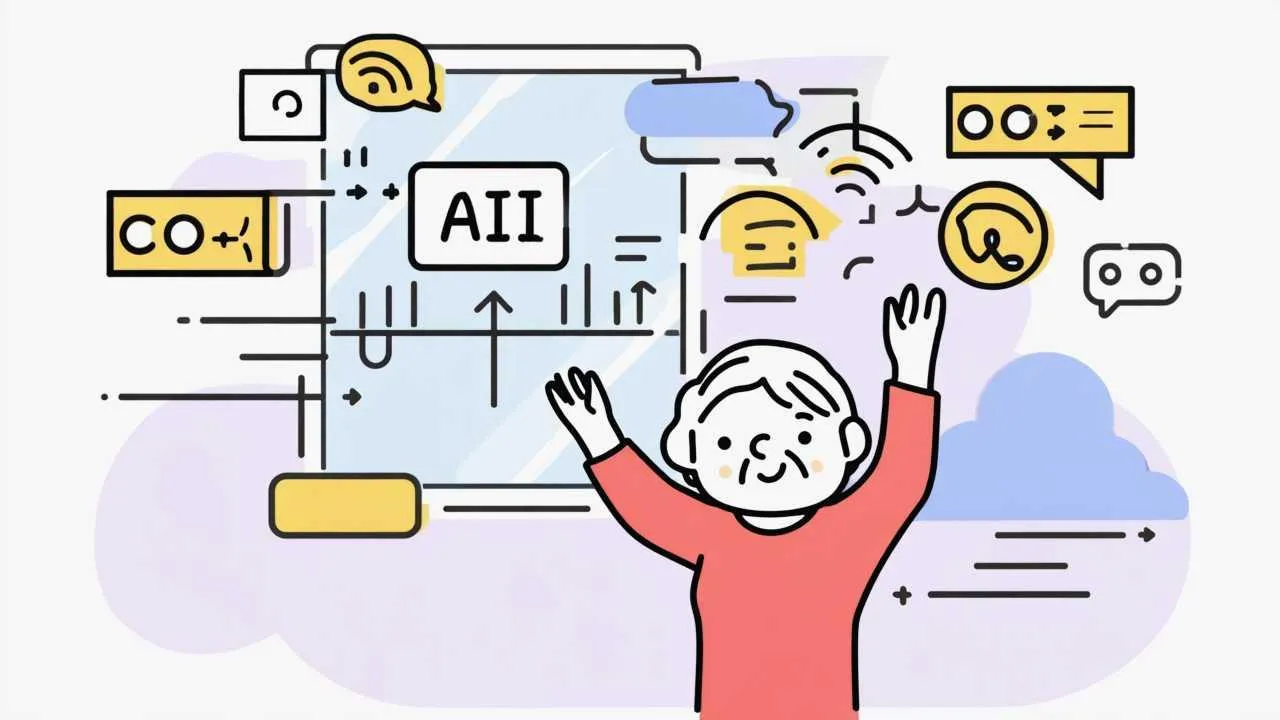
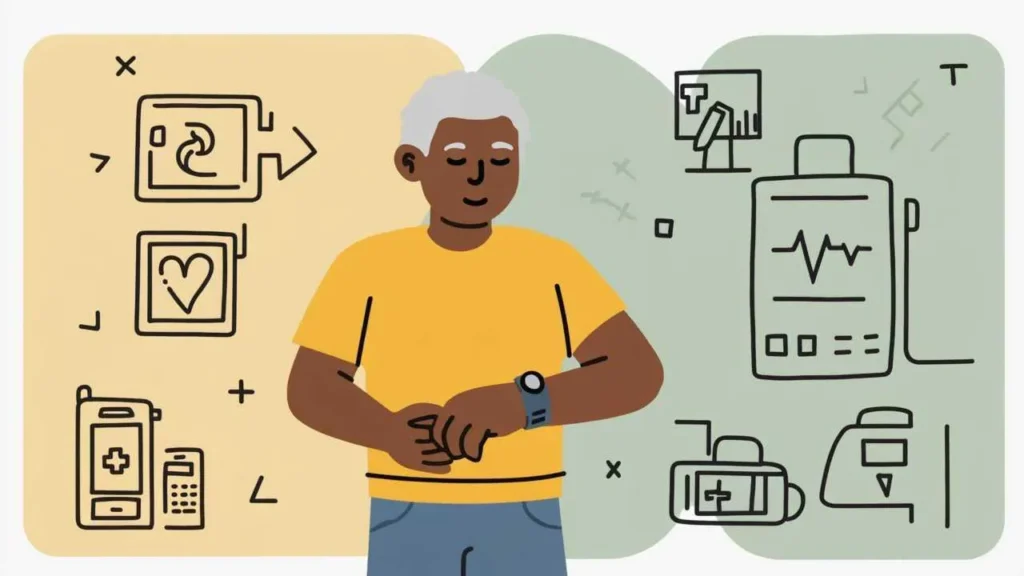
    Friendly cartoon illustration of seniors confidently using various modern technology including smartphones, tablets, smart speakers, and assistive devices in comfortable home setting
    Discover technology tools making senior life easier, safer, and more connected
    Visual Art by Artani Paris | Pioneer in Luxury Brand Art since 2002

    Technology has evolved dramatically to serve seniors’ specific needs, with modern tools designed specifically to enhance independence, safety, health management, and social connection rather than creating the complexity and frustration that characterized earlier technology. In 2025, seniors who embrace appropriate technology report 52% higher quality of life scores and maintain independent living 4.3 years longer on average compared to non-technology users, according to research from the Pew Research Center on Aging and Technology. The key is selecting user-friendly tools addressing your actual needs rather than adopting every new gadget—technology should simplify life, not complicate it. From voice-activated assistants eliminating the need to press tiny buttons, to health monitoring devices providing peace of mind, to video calling apps keeping you connected with distant family, today’s senior-focused technology offers genuine benefits without requiring computer science degrees to operate. This comprehensive guide introduces essential tech tools specifically valuable for seniors in 2025, explaining what each does, why it matters, how much it costs, and providing honest assessments of ease of use helping you make informed decisions about which technologies deserve space in your life.

    Smart Speakers and Voice Assistants

    Smart speakers represent perhaps the most transformative technology for seniors—these devices allow voice control of numerous functions without touching screens, pressing buttons, or navigating complex menus. Simply speaking commands provides access to information, communication, entertainment, and home control that would otherwise require multiple devices and technical skills.

    What They Are and How They Work
    Smart speakers are WiFi-connected devices containing microphones, speakers, and artificial intelligence assistants responding to voice commands. Popular options include Amazon Echo devices with Alexa ($50-250), Google Nest speakers with Google Assistant ($50-200), and Apple HomePod with Siri ($299). You speak a “wake word” (Alexa, Hey Google, or Hey Siri) followed by your request, and the device responds by speaking answers, playing audio, or controlling connected devices.

    These assistants perform hundreds of functions through simple voice commands: “What’s the weather today?”, “Set a timer for 30 minutes”, “Call my daughter”, “Play classical music”, “What’s on my calendar?”, “Turn off the living room lights”, “Remind me to take my medication at 8 AM”, “What’s 15% of 47?”. The more you use them, the more indispensable they become—users often wonder how they managed without them.

    Key Benefits for Seniors
    Voice control eliminates the primary barriers preventing seniors from using technology—tiny buttons, small screens, complex navigation, and fine motor control requirements. Speaking is natural and requires no new skills. Hands-free operation allows multitasking—you can ask questions while cooking, request reminders while relaxing in your chair, or make calls without finding and operating phones.

    Medication reminders prove invaluable for managing complex medication schedules. Set daily reminders for each medication, and the assistant announces “Time to take your blood pressure medication” at scheduled times. Timer functions help with cooking, exercise routines, and any activity needing time tracking. Music and audiobook playback provides entertainment and cognitive stimulation without operating separate devices. News briefings deliver customized updates about topics you care about each morning.

    Emergency calling capability offers crucial safety benefits. Most smart speakers allow “Drop In” features where designated family members can connect to your speaker remotely, checking on you if they’re concerned or you haven’t responded to calls. Some integrate with medical alert systems, allowing voice-activated emergency calls: “Alexa, call for help” connects to monitoring centers even if you can’t reach phones.

    Choosing the Right Smart Speaker
    Amazon Echo devices offer the widest range of compatible devices and skills (third-party add-ons) at competitive prices. The Echo Dot ($50) provides basic functionality in compact form, while the 4th generation Echo ($100) offers better sound quality for music. The Echo Show ($90-250 depending on screen size) adds screens displaying visual information like weather forecasts, recipes, and video calls—particularly useful for video chatting with grandchildren.

    Google Nest speakers excel at answering questions through Google’s extensive search capabilities and integrate seamlessly if you already use Android phones or Google services. The Nest Mini ($50) matches Echo Dot’s capabilities, while the Nest Audio ($100) provides superior sound quality. The Nest Hub ($100) and Nest Hub Max ($230) include screens similar to Echo Show devices.

    Apple HomePod Mini ($99) works best for iPhone and iPad users, integrating smoothly with Apple’s ecosystem. However, it offers fewer third-party integrations than Amazon or Google options and requires Apple devices for full functionality. Choose based on which ecosystem you already use—iPhone users benefit from HomePod, Android users from Google Nest, and those seeking maximum compatibility should consider Amazon Echo.

    Setup and Learning Curve
    Initial setup requires downloading companion apps (Amazon Alexa, Google Home, or Apple Home) on smartphones or tablets, connecting speakers to WiFi, and configuring basic preferences. Most people complete setup in 15-30 minutes, though you may need assistance from tech-savvy family or friends for initial configuration. Once set up, daily use is remarkably simple—just speak your commands.

    The learning curve is gentle. Start with basic functions (weather, timers, music) and gradually explore additional capabilities. Most devices include voice-activated tutorials: “Alexa, what can you do?” provides examples of available commands. Printed quick-reference cards listing common commands help during the initial learning period. Within a week, most seniors become comfortable with regular commands and discover the technology genuinely simplifies daily life.

    Health Monitoring and Medical Alert Devices

    Health monitoring technology has evolved from hospital equipment to consumer-friendly devices providing valuable health insights and emergency response capabilities, enabling seniors to manage health proactively and maintain independence with safety backup.

    Wearable Health Trackers
    Modern fitness trackers and smartwatches monitor multiple health metrics continuously, detecting concerning patterns before they become emergencies. The Apple Watch Series 9 ($399-499) leads in health monitoring capabilities, tracking heart rate, detecting irregular heart rhythms (atrial fibrillation), measuring blood oxygen levels, analyzing sleep quality, detecting hard falls and automatically calling emergency services, and providing medication reminders and activity tracking.

    For those not invested in Apple’s ecosystem, Fitbit devices ($80-330 depending on model) offer excellent health tracking at lower prices. The Fitbit Charge 6 ($160) includes heart rate monitoring, sleep tracking, stress management tools, and basic activity tracking in a simple wristband design. The Fitbit Sense 2 ($300) adds ECG monitoring and skin temperature sensing. Samsung Galaxy Watch 6 ($300-350) provides similar capabilities for Android users with beautiful displays and comprehensive health tracking.

    These devices sync with smartphone apps displaying trends over time, helping you and your doctors understand patterns. Share data with physicians during appointments, providing objective information about sleep quality, activity levels, and heart rhythm rather than relying on memory and estimates. Many seniors discover previously undiagnosed conditions like sleep apnea or atrial fibrillation through wearable device alerts, enabling early intervention preventing serious complications.

    Blood Pressure Monitors
    Home blood pressure monitoring allows tracking hypertension treatment effectiveness without constant doctor visits. Modern Bluetooth-connected monitors like the Omron Evolv ($100), Omron Complete ($80), or Withings BPM Connect ($100) automatically transmit readings to smartphone apps, tracking measurements over time and identifying trends. Apps generate reports sharable with doctors, providing comprehensive blood pressure data informing treatment decisions.

    Traditional monitors without Bluetooth connectivity work perfectly fine and cost less ($25-60), though you must manually record readings. The key is regular monitoring—measure blood pressure at consistent times (morning and evening) and record all readings faithfully. Consistent monitoring catches blood pressure changes early, allowing medication adjustments before serious complications develop.

    Medical Alert Systems
    Medical alert systems provide emergency response at button-press, connecting you to 24/7 monitoring centers dispatching help when needed. Traditional systems like Life Alert ($50-70 monthly plus $95-200 setup) or Medical Guardian ($30-55 monthly plus $100 equipment) use base stations in homes with wearable emergency buttons (pendants or wristbands) you press if you fall, experience chest pain, or need emergency assistance.

    Modern systems incorporate fall detection automatically alerting monitors if sensors detect falls even when you’re unconscious or unable to press buttons. Mobile GPS-enabled systems ($40-70 monthly) work anywhere, not just at home, providing protection during walks, shopping, or travel. Some systems integrate with smartphones, using phone GPS and cellular connections rather than separate base stations, reducing costs while maintaining protection.

    Apple Watch’s fall detection and emergency SOS features provide basic medical alert functionality without monthly fees, though without 24/7 monitoring center support. When falls are detected, the watch sounds alarms and displays emergency call options. If you don’t respond within 60 seconds, it automatically calls emergency services and texts your emergency contacts with GPS location. This free feature, while not replacing dedicated medical alert systems for high-risk individuals, offers significant protection for generally healthy seniors wanting backup safety.

    Medication Management Tools
    Smart pill organizers like Hero ($30 monthly subscription after $100 device cost) or MedMinder ($40 monthly) automatically sort medications into individual doses, sound alarms when it’s time to take pills, and alert family members if doses are missed. These systems prevent the common and dangerous problem of forgetting medications or taking incorrect doses. Smartphone apps like Medisafe (free) or MyTherapy (free) provide reminders without physical organizers, suitable for those managing medication schedules independently.

    For simpler needs, basic pill organizers ($10-30) divided by day and time work well combined with smartphone alarms or smart speaker reminders. The technology level you need depends on medication complexity and your memory reliability—choose the simplest system meeting your needs rather than over-engineering solutions.
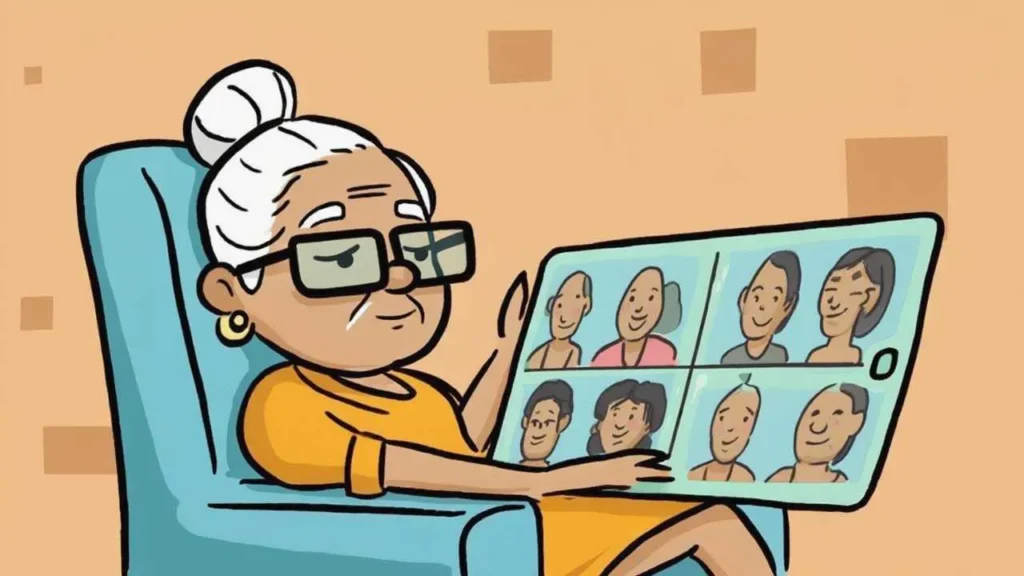
    Warm cartoon showing seniors happily video calling family, using tablets for social media, and staying connected through modern communication technology
    Stay connected with family and friends through user-friendly communication tools
    Visual Art by Artani Paris

    Video Calling and Communication Technology

    Staying connected with family and friends becomes increasingly important as mobility decreases and geographic distance separates loved ones. Modern communication technology makes face-to-face interaction possible regardless of distance, combating isolation and maintaining close relationships.

    Video Calling Platforms
    FaceTime (free, built into iPhones and iPads) provides the simplest video calling experience for Apple users. One tap on a contact’s name initiates video calls with other Apple device users. The interface is intuitive, quality is excellent on good WiFi connections, and no account setup beyond your existing Apple ID is required. If family members use Apple devices, FaceTime is unquestionably the easiest option.

    For cross-platform compatibility (calling between iPhones and Android phones, or between phones and computers), WhatsApp (free) leads in simplicity and reliability. Download the app, verify your phone number, and you can video call anyone in your contacts who also has WhatsApp—which includes over 2 billion people worldwide. Video quality is consistently good, and the app works on smartphones, tablets, and computers.

    Zoom (free for calls under 40 minutes) gained massive popularity during COVID-19 and remains excellent for group video calls with family. The free tier accommodates up to 100 participants for 40 minutes—sufficient for most family gatherings. Zoom’s “Gallery View” displays multiple people simultaneously, replicating the experience of being in a room together. Family members can send you Zoom meeting links via email or text; clicking the link launches the call without complex setup on your end.

    Google Meet (free), Skype (free), and Facebook Messenger (free) offer similar video calling capabilities. The “best” platform is whichever your family already uses—focus on compatibility rather than marginal feature differences. Ask family members which platform they prefer and stick with that choice for consistency.

    Specialized Senior Video Calling Devices
    GrandPad ($80 monthly including unlimited data, no WiFi needed) provides a simplified tablet designed specifically for seniors with no prior technology experience. The device includes one-touch video calling to pre-programmed family contacts, and family members control the interface remotely, adding contacts and curating content. While expensive compared to general tablets, GrandPad eliminates technical barriers entirely—you simply touch a family member’s photo to initiate video calls.

    Portal from Meta ($180-300) offers large-screen video calling devices designed for simplicity. Smart camera technology follows you as you move, keeping you centered in frame while you cook, exercise, or move around during calls. One-tap calling to Facebook Messenger or WhatsApp contacts makes initiating calls simple for those uncomfortable with multiple steps.

    Smartphones and Tablets for Communication
    General-purpose tablets provide video calling plus thousands of additional functions. iPad ($329-599 depending on model) offers intuitive interfaces, excellent support infrastructure, and seamless integration with iPhones family members likely use. The 10.9-inch iPad (6th generation, $349) balances screen size, weight, and cost ideally for seniors—large enough for comfortable viewing but light enough for extended holding during video calls.

    Android tablets like Samsung Galaxy Tab A9+ ($220) or Lenovo Tab M11 ($230) provide good value at lower prices, though interfaces are less intuitive than iPads for technology beginners. Amazon Fire tablets ($140-190) offer the lowest prices but limited functionality outside Amazon’s ecosystem—suitable for basic video calling and streaming but not ideal as primary communication devices.

    The debate between tablets and smartphones for seniors depends on vision and mobility. Tablets provide larger screens easier on aging eyes but are less portable. Smartphones fit in pockets or purses, enabling communication anywhere, but require excellent near vision or willingness to use reading glasses for screen viewing. Many seniors ultimately own both—tablets for home video calling and content consumption, smartphones for on-the-go communication and safety.

    Technology Category Best Entry-Level Option Cost Ease of Use (1-10)
    Smart Speaker Amazon Echo Dot (5th gen) $50 9/10
    Health Tracker Fitbit Inspire 3 $100 7/10
    Medical Alert Medical Guardian Mini $30/month 10/10
    Blood Pressure Monitor Omron Silver (BP5250) $60 8/10
    Video Calling FaceTime (iPhone/iPad) Free (with device) 9/10
    Tablet iPad (10th generation) $349 8/10
    E-Reader Amazon Kindle (11th gen) $100 9/10
    Streaming Device Roku Express 4K+ $40 7/10
    Best entry-level technology for seniors by category (2025 recommendations)

    Entertainment and Streaming Technology

    Entertainment technology has evolved from complex cable boxes with hundreds of confusing channels to simple streaming services offering unlimited content accessed through intuitive interfaces. Modern options provide more choice at lower costs than traditional cable while being significantly easier to use.

    Streaming Devices and Services
    Streaming devices connect to your television’s HDMI port, transforming any TV into a smart TV accessing dozens of streaming services. Roku devices ($30-100 depending on model) offer the simplest interfaces specifically praised by seniors and technology reviewers alike. The Roku Express 4K+ ($40) provides excellent value—supporting 4K video quality, including a voice remote for search functions, and offering consistent performance across all streaming services.

    Amazon Fire TV Stick 4K ($50) integrates seamlessly with Amazon Prime Video and works well with Alexa voice control if you already use Echo devices. Apple TV 4K ($129) provides premium experience for those invested in Apple’s ecosystem, though at significantly higher cost than Roku or Fire TV. Google Chromecast with Google TV ($50) works well for Android phone users and Google Nest speaker owners.

    The streaming services themselves include Netflix ($7-23 monthly depending on plan), offering extensive movie and TV show libraries; Amazon Prime Video (included with $139 annual Prime membership), providing good content selection plus free shipping benefits; Hulu ($8-18 monthly), featuring next-day access to current TV shows; Disney+ ($8 monthly), ideal for watching grandchildren’s favorite movies and classic Disney content; and YouTube (free with ads, $14 monthly ad-free), offering unlimited user-created content including educational videos, news, and entertainment.

    E-Readers for Digital Books
    E-readers provide digital book access with screens specifically designed to mimic paper, reducing eye strain compared to tablets or phones. Amazon Kindle ($100-200 depending on model) dominates this category with the largest book selection and most refined reading experience. The base Kindle ($100) offers excellent value with adjustable font sizes (crucial for aging eyes), built-in dictionary, long battery life (weeks between charges), and access to millions of books many significantly cheaper than physical copies.

    The Kindle Paperwhite ($140) adds waterproofing (allowing bathtub or poolside reading) and a slightly larger, higher-resolution screen. For those with significant vision challenges, the Kindle Oasis ($250) offers the largest screen (7 inches versus 6 inches on other Kindles) and physical page-turn buttons eliminating touchscreen requirements. All Kindles allow dramatic font size increases making text comfortable for even significantly impaired vision.

    Many public libraries now offer free e-book lending through services like Libby or OverDrive, allowing you to borrow digital books at no cost. Download these free apps to your Kindle, tablet, or smartphone, connect your library card, and browse thousands of books borrowable instantly without visiting physical libraries. This technology transforms library access for seniors with mobility limitations.

    Audiobook Services
    Audiobooks provide content access for those with vision problems or who prefer listening while doing other activities. Audible ($15 monthly) offers one audiobook credit monthly plus access to unlimited podcast-like content. The subscription pays for itself if you enjoy one audiobook monthly—individual audiobook purchases typically cost $15-30 each.

    Many public libraries offer free audiobook access through the same Libby or OverDrive apps used for e-books. Selection varies by library system but typically includes thousands of titles at no cost beyond your existing library membership. This option makes audiobooks accessible regardless of budget constraints.

    Smart speakers excel at audiobook playback—simply say “Alexa, read my book” and your Echo device continues your current audiobook from where you left off. This hands-free listening while cooking, exercising, or relaxing eliminates device operation entirely. Integration between Audible and Alexa is seamless for Amazon ecosystem users.

    Smart Home Technology for Safety and Convenience

    Smart home devices improve safety, comfort, and independence through automation and remote control of home systems. While “smart home” sounds complex, modern devices install easily and operate through simple voice commands or smartphone apps.

    Smart Lighting
    Smart light bulbs like Philips Hue ($15-50 per bulb) or Wyze Bulbs ($10-15 per bulb) replace standard bulbs but add voice control, scheduling, and remote operation capabilities. Say “Alexa, turn on the bedroom lights” without leaving bed or fumbling for switches in darkness. Schedule lights to turn on automatically at sunset and off at sunrise, ensuring well-lit homes during dark evening hours without remembering to flip switches.

    Motion-sensor capabilities automatically illuminate rooms when you enter, preventing navigation through dark spaces risking falls. Smart plugs ($10-25 each) add similar control to lamps and other plug-in devices—plug a regular lamp into a smart plug, and suddenly it responds to voice commands and schedules just like smart bulbs.

    The safety implications are significant. Automated lighting eliminates dark nighttime bathroom trips—motion sensors detect you getting out of bed and automatically illuminate pathways to bathrooms. Scheduled lighting creates “lived-in” appearance deterring burglars when you travel. Remote control allows family members to verify lights are off at night or turn on lights if you forget.

    Smart Thermostats
    Smart thermostats like Google Nest Learning Thermostat ($130) or Ecobee SmartThermostat ($170) learn your temperature preferences and automatically adjust heating and cooling for comfort while reducing energy costs by 10-23% according to manufacturer studies. Voice control allows temperature adjustments without leaving your chair: “Alexa, set temperature to 72 degrees.”

    Remote control through smartphone apps allows family members to adjust your temperature remotely if you forget or if heating/cooling malfunctions. Geofencing automatically adjusts temperature when you leave home, saving energy without requiring you to remember thermostat adjustments. While professional installation costs $150-300 if you’re uncomfortable with basic wiring, many seniors successfully install these devices with video tutorial assistance.

    Smart Doorbells and Security Cameras
    Video doorbells like Ring ($100-180) or Google Nest Doorbell ($180) show who’s at your door on smartphone screens or smart display screens before you answer. See delivery people, verify expected visitors, or screen unexpected callers without opening doors. Two-way audio allows speaking to visitors without door opening—useful for directing delivery people or asking unexpected visitors to identify themselves.

    Motion detection alerts your phone when people approach, providing awareness of activity around your home even when you’re in back rooms or unable to hear doorbells. Video recording (typically $3-10 monthly subscription) captures footage of package deliveries and any suspicious activity, providing evidence if thefts or vandalism occur.

    Indoor security cameras ($30-200 depending on features) allow remote checking on your home and pets while away or enable family members to verify your wellbeing if you’re not answering calls. While some seniors appreciate family check-in capabilities, others find surveillance intrusive—discuss preferences openly with family before installing cameras in living spaces.

    Smart Locks
    Smart locks ($150-300) replace traditional locks with electronic versions offering keypad entry (eliminating key fumbling), smartphone unlocking (useful if you often forget keys), and remote locking verification. Grant temporary access codes to family, friends, or service providers without providing physical keys requiring changing locks when returned. Auto-lock features ensure doors lock automatically after closing, preventing the common problem of forgetting to lock doors.

    For seniors with arthritis or grip strength issues, automatic unlocking when you approach (via phone proximity) eliminates key turning difficulties. Remote lock control allows family members to lock your door remotely if you forget or to unlock for emergency responders if you’re unable to reach the door during medical emergencies. While requiring basic installation skills or professional installation ($100-200), smart locks significantly enhance home security and convenience.

    Smart Home Device Primary Benefit for Seniors Cost Range Installation
    Smart Bulbs Voice control, automatic lighting, fall prevention $10-50/bulb DIY (screw in)
    Smart Plugs Control lamps/appliances, scheduling, safety $10-25 each DIY (plug in)
    Smart Thermostat Comfort automation, energy savings, remote control $130-250 DIY or Pro ($150-300)
    Video Doorbell See visitors without door opening, package tracking $100-250 DIY or Pro ($100-200)
    Smart Lock Keyless entry, auto-lock, emergency access $150-300 DIY or Pro ($100-200)
    Security Camera Remote monitoring, family check-ins, security $30-200 DIY (most wireless)
    Smart home technology options for senior safety and convenience (2025 pricing)

    How to Choose Technology That’s Right for You

    Not every senior needs every technology discussed in this guide. The key is identifying tools addressing your specific needs, limitations, and lifestyle rather than adopting technology for its own sake. Thoughtful selection ensures technology enhances your life rather than creating frustration and wasted money.

    Assessing Your Needs
    Start by identifying genuine problems or limitations in your current life. Do you struggle to hear doorbells? Do you forget medications regularly? Do you feel isolated from distant family? Do you have difficulty reading standard print books? Are you concerned about falling when alone? Does managing multiple remotes frustrate you? Each problem suggests specific technology solutions rather than generic “seniors should use technology” recommendations.

    Prioritize safety-related and health-management technology first—medical alert systems, blood pressure monitors, medication reminders, and fall detection provide tangible protection and peace of mind justifying investment even for those generally resistant to technology. Communication tools connecting you with family come second—combating isolation directly impacts health and wellbeing. Convenience and entertainment technologies, while valuable, are lower priority unless specific limitations make them particularly beneficial for you.

    Considering Your Comfort Level
    Be honest about your technology comfort and learning capacity. If you’ve never used smartphones and feel intimidated by them, starting with Apple Watch health monitoring makes no sense—the watch requires iPhone ownership and comfort with app navigation. Instead, consider standalone blood pressure monitors requiring single-button operation.

    Some seniors embrace new technology enthusiastically, while others prefer simpler solutions requiring minimal learning. Neither approach is wrong—choose tools matching your comfort level rather than forcing yourself into complexity you’ll abandon from frustration. Start with one easy technology (smart speaker is ideal), master it completely, then consider adding others. Multiple simultaneous new technologies overwhelm most people regardless of age, increasing likelihood of abandoning everything.

    Budget Considerations
    Technology costs vary dramatically—from free smartphone apps to thousand-dollar devices plus monthly subscriptions. Set realistic budgets before shopping, prioritizing tools providing most benefit for your circumstances. Remember total costs include devices, monthly subscriptions, installation fees, and potential replacement costs when devices inevitably fail or become obsolete.

    Consider used or refurbished devices for significant savings—Amazon Renewed, Apple Certified Refurbished, and Best Buy’s marketplace offer like-new devices at 20-40% discounts with warranties. Previous-generation devices provide nearly identical functionality to latest models at steep discounts—the iPhone 13 ($500-600 new) performs essentially identically to iPhone 15 ($800-1,000) for seniors’ typical uses.

    Getting Help and Support
    Most frustration with technology stems from inadequate setup assistance and lack of ongoing support. Before purchasing devices, identify who will help with initial setup and troubleshooting—tech-savvy family members, friends, or paid services. Apple Stores offer free one-on-one training sessions covering device basics. Best Buy’s Geek Squad ($200 annual membership) provides unlimited tech support including home setup assistance.

    Many senior centers, libraries, and community colleges offer free or low-cost technology classes specifically for seniors. These classes provide patient instruction, opportunity to practice in supportive environments, and connection with peers facing similar challenges. Group classes often prove more effective than family instruction because professional instructors anticipate senior-specific confusion points while family members grow impatient explaining “obvious” concepts.
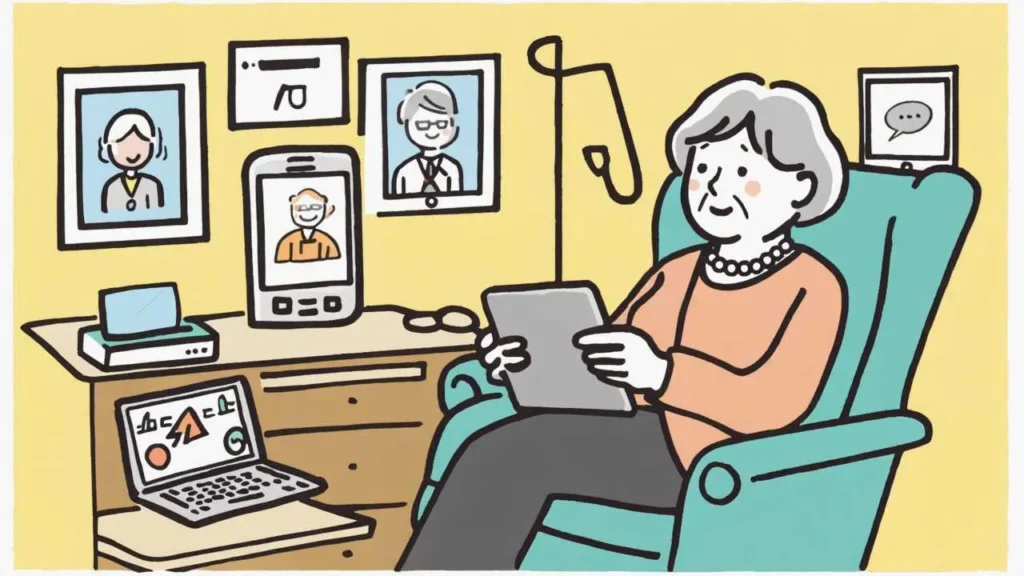
    Comfortable cartoon illustration of senior home with smart devices including voice speakers, automated lighting, video doorbell, and connected safety features
    Smart home technology enhances safety, comfort, and independent living
    Visual Art by Artani Paris

    Avoiding Common Technology Pitfalls and Scams

    Seniors face specific technology-related risks including scams, privacy concerns, and predatory marketing. Understanding these dangers and implementing basic protections prevents financial loss and identity theft while allowing safe technology enjoyment.

    Recognizing and Avoiding Tech Scams
    Tech support scams targeting seniors involve criminals claiming to be from Microsoft, Apple, or internet providers, contacting you about supposed computer problems requiring immediate payment for fixes. Legitimate tech companies never call unsolicited about computer issues. If someone calls claiming to represent a tech company and requests remote computer access or payment, hang up immediately. If concerned about mentioned problems, contact the company directly using phone numbers from their official websites, not numbers provided by callers.

    Pop-up warnings claiming your computer is infected with viruses or has security problems are almost always scams. Never call numbers in pop-ups or click links claiming to remove infections. Instead, close your browser completely (use Task Manager on Windows or Force Quit on Mac if necessary) and run your regular antivirus software. If you don’t have antivirus software, download free options like Windows Defender (built into Windows) or Avast (free download from avast.com).

    Email and text message phishing attempts impersonate legitimate companies requesting personal information, passwords, or money. Legitimate companies never request sensitive information via email or text. Never click links in unexpected messages, even if they appear to come from known companies. Instead, go directly to company websites by typing addresses yourself or use bookmarks you created previously.

    Protecting Your Privacy and Security
    Use strong, unique passwords for each service or device. Password managers like 1Password ($3 monthly), LastPass (free basic version), or Apple’s built-in iCloud Keychain (free for Apple users) generate and store complex passwords, so you only need to remember one master password. While learning password managers requires initial effort, they dramatically improve security while actually simplifying login processes after setup.

    Enable two-factor authentication on all accounts offering it, particularly email, banking, and shopping accounts. Two-factor authentication requires entering codes from text messages or authentication apps in addition to passwords, preventing account access even if passwords are stolen. While adding extra steps, this inconvenience pales compared to account theft consequences.

    Update devices and apps regularly when prompted. Software updates patch security vulnerabilities criminals exploit. Enable automatic updates on devices so security protections install without your intervention. Most security breaches exploit known vulnerabilities in outdated software—simply keeping systems updated prevents most attacks.

    Reading Terms and Avoiding Unwanted Charges
    “Free trial” offers frequently transform into expensive subscriptions unless you cancel before trial periods end. Set phone reminders two days before trial end dates, ensuring time to cancel if you don’t want to continue. Many services make cancellation deliberately difficult—persist through multiple “are you sure?” screens and consider calling customer service if online cancellation processes seem designed to confuse.

    Read fine print before providing credit card information for “free” offers. Many “free” trials require credit cards, automatically charging when trials end. Legitimate free services like many smartphone apps don’t require payment information. If a service requests credit card for “verification” but claims to be free, be suspicious—especially if cancellation processes aren’t clearly explained before signup.

    Review credit card and bank statements monthly for charges you don’t recognize. Identify and dispute fraudulent charges immediately—most cards zero liability for unauthorized charges if reported promptly. Small recurring charges (S3-10 monthly) often go unnoticed for months or years—scammers count on this, charging amounts below most people’s attention thresholds. Scrutinize every charge, no matter how small.

    Real Success Stories

    Case Study 1: San Diego, California

    Thomas R. (71 years old)

    After his wife’s death, Thomas struggled with isolation living alone in their home where they’d raised three children. His adult children lived in different states—one in New York, another in Seattle, and the third in Austin. Phone calls felt inadequate for maintaining close relationships, and Thomas saw grandchildren only twice yearly during visits. He felt increasingly disconnected from family life and experienced growing depression.

    His daughter purchased him an iPad ($349) and set up FaceTime contacts for all family members during a visit. She showed him how to initiate video calls with single taps on family photos. Initially skeptical about “needing to see faces while talking,” Thomas reluctantly agreed to try weekly video calls. Within a month, video calling transformed his relationship with his family and his overall mood.

    Video calls evolved from stilted 10-minute conversations to relaxed 30-60 minute virtual visits where Thomas helped grandchildren with homework via screen sharing, watched them perform school plays positioned iPads in audiences, and participated in family game nights playing Pictionary and trivia games across screens. He began eating dinner “with” family members through video calls several times weekly, reducing the loneliness of solo meals. His daughter taught him to use YouTube for watching classic movies and music performances, opening entertainment options he hadn’t known existed.

    Results:

    • Depression scores (PHQ-9) decreased from 15 (moderate-severe depression) to 6 (mild symptoms) over 6 months
    • Video call frequency increased from 0 to 12-15 calls weekly with various family members—some brief check-ins, others extended conversations
    • Reported feeling “part of daily family life again” rather than occasional visitor during physical visits
    • Grandchildren initiated calls independently, saying “calling Grandpa” became part of their routines
    • Total technology investment of $349 for iPad plus $10 monthly for additional iCloud storage transformed his social connection and mental health

    “I thought video calling was just a gimmick—why would I need to see their faces when talking? But seeing my grandkids’ expressions when they tell me about school, being ‘there’ for their performances even though I’m 2,000 miles away, watching them grow up through these calls instead of only twice a year… it’s completely different from phone calls. I feel like I’m part of their daily lives now, not just the grandpa they visit occasionally. This iPad probably saved my life—I was getting really depressed living alone before this.” – Thomas R.

    Case Study 2: Charlotte, North Carolina

    Maria G. (67 years old)

    Maria managed complex medical conditions requiring seven different medications taken at varying times throughout the day—some with food, some on empty stomachs, some twice daily, others three times daily. Despite using a traditional pill organizer, she frequently forgot doses or couldn’t remember whether she’d already taken medications, sometimes taking double doses and other times missing them entirely. Her doctors expressed serious concerns about medication adherence affecting her conditions’ management.

    Maria’s son researched medication management solutions and purchased an Amazon Echo Show 8 ($130) for her kitchen and an Echo Dot ($50) for her bedroom. He programmed medication reminders for each dose time: “Alexa, remind me to take blood pressure medication at 8 AM,” “Alexa, remind me to take diabetes medication with lunch at noon,” and six other reminders throughout the day. Each alarm announced the specific medication and any special instructions he’d programmed (“Take with food” or “Take on empty stomach”).

    The voice-activated system solved Maria’s medication management problems completely. When alarms sounded, she could ask “Alexa, did I already take my morning blood pressure medication?” and receive confirmation based on whether she’d dismissed that specific reminder. The visual display on the Echo Show listed all day’s upcoming medication times, allowing her to check her schedule at a glance. Her son could review reminder history remotely, verifying she was taking medications properly without invasive daily phone calls asking if she’d remembered her pills.

    Results:

    • Medication adherence improved from approximately 70% (missing 2-3 doses weekly) to 98% (missing less than one dose monthly) based on pharmacy refill tracking
    • HbA1c (diabetes marker) decreased from 8.1% to 6.9% over 4 months with proper medication adherence
    • Blood pressure stabilized at target levels (averaging 128/78 versus previous 145/92) with consistent medication
    • Eliminated two emergency room visits caused by missed medication doses—saving approximately $2,400 in medical costs
    • Total technology investment of $180 for Echo devices solved medication management crisis and dramatically improved health outcomes

    “I was terrified I’d accidentally double-dose my medications or forget them entirely—both had happened multiple times. My pill organizer didn’t help because I couldn’t remember if I’d already taken pills from today’s compartments. The Echo reminders changed everything. When Alexa announces it’s time for my blood pressure medication, I take it and dismiss the alarm. If I can’t remember later whether I took it, I just ask Alexa and she tells me based on which reminders I’ve dismissed. My doctors can’t believe how much my numbers have improved—it’s all because I’m finally taking medications correctly every single day.” – Maria G.

    Case Study 3: Denver, Colorado

    Richard and Patricia L. (both 74 years old)

    This retired couple lived independently but both had experienced falls—Richard fell twice on outdoor ice during winters, and Patricia fell once navigating their dark hallway during a nighttime bathroom trip. Their adult son worried constantly about them falling when alone, particularly at night, but they refused to consider moving to assisted living or accepting live-in help. The couple wanted to maintain independence but acknowledged fall risks as they aged.

    Their son researched safety technology solutions and invested in a comprehensive smart home system designed around fall prevention and emergency response. He installed an Apple Watch Series 9 for each parent ($399 each) with fall detection and emergency SOS capabilities, Philips Hue motion-sensor smart bulbs ($50 each) in hallways and bathrooms automatically illuminating pathways at night, a Ring video doorbell ($130) allowing them to see visitors without opening doors, and a Medical Guardian medical alert system ($35 monthly) as backup to Apple Watch fall detection.

    The motion-activated lighting eliminated Patricia’s nighttime navigation hazards—lights automatically turned on when she got out of bed and illuminated her entire path to the bathroom without fumbling for switches in darkness. The Apple Watches provided both fall detection and heart rate monitoring, with automatic emergency calls if falls were detected and neither responded within 60 seconds. The video doorbell prevented Richard from rushing to answer doors, eliminating the fall risk that had caused one of his previous falls when hurrying to answer delivery bell.

    Results:

    • Zero falls in 14 months following technology installation versus 3 falls in previous 12 months
    • Both reported feeling safer living independently, particularly at night when fall consequences are most serious
    • Their son’s anxiety about their safety decreased dramatically with remote monitoring capabilities and automatic fall detection
    • Patricia’s Apple Watch detected atrial fibrillation previously undiagnosed, leading to treatment preventing potential stroke
    • Total investment of $1,248 ($798 for Apple Watches, $200 for smart lighting, $130 for doorbell, $120 for first 3 months medical alert subscription) provided comprehensive safety system extending independent living

    “Our son was so worried about us falling when we were alone, especially at night. We understood his concerns—we were worried too after Patricia fell in the dark hallway. But we weren’t ready to give up our independence or have someone living with us. The technology solved the problem. The lights turn on automatically when we get up at night, so we’re never walking in darkness. And knowing that if we do fall, help will come automatically even if we’re unconscious—that’s huge peace of mind for all of us. Plus Patricia’s watch detected her heart problem we didn’t even know she had. This technology is literally keeping us safe and healthy.” – Richard L.

    Frequently Asked Questions

    Am I too old to learn new technology?

    Absolutely not. While learning new skills becomes slightly more difficult with age, millions of seniors successfully use modern technology daily. The key is choosing user-friendly devices designed with seniors in mind—voice-activated smart speakers, for example, require no new motor skills, just speaking. Start with one simple technology, master it completely, then consider adding others. Research shows seniors who embrace technology maintain cognitive function better than those who avoid it, suggesting technology learning itself provides brain health benefits. Most frustration stems from choosing overly complex devices or attempting too much simultaneously—select appropriate tools and allow adequate learning time, and you’ll find technology quite manageable regardless of age.

    What if I can’t afford expensive technology?

    Many valuable technologies are free or very affordable. FaceTime, WhatsApp, and Zoom for video calling cost nothing beyond internet access. Free smartphone apps handle medication reminders, health tracking, and entertainment. Budget options exist for nearly every technology category—Amazon Echo Dot ($50) provides voice assistant capabilities, basic fitness trackers start under $50, and older-generation smartphones or tablets ($100-200 refurbished) work perfectly well for most senior needs. Focus on solving your specific problems with minimum technology necessary rather than buying premium devices. Many libraries loan tablets and offer free technology classes. Some community organizations provide free or subsidized technology for qualifying low-income seniors. Technology expenses are often offset by savings—one prevented ER visit from better medication management pays for years of reminder technology.

    How do I know which smart speaker to choose?

    For most seniors, Amazon Echo devices offer the best combination of price, ease of use, and compatibility with other devices and services. If you already use iPhone and iPad, Apple HomePod integrates seamlessly but costs more and offers fewer third-party integrations. Android phone users should consider Google Nest speakers for better phone integration. The honest truth is that all three major options (Amazon Alexa, Google Assistant, Apple Siri) work well for basic tasks like timers, reminders, weather, music, and smart home control. Choose based on which ecosystem you’re already invested in, or default to Amazon Echo for maximum compatibility and value. Start with an inexpensive model like Echo Dot ($50) to test whether you like voice assistants before investing in premium models.

    Is it safe to have cameras and microphones in my home?

    This is a legitimate privacy concern requiring personal judgment about comfort levels versus benefits. Smart speakers with microphones listen for wake words but don’t record or transmit conversations unless activated—you can mute microphones when privacy is desired. Security cameras in private spaces (bedrooms, bathrooms) are generally inappropriate, but cameras monitoring entry points, hallways, or main living spaces provide security benefits. Video doorbells show who’s at your door without revealing interior spaces. If family wants check-in cameras, discuss boundaries openly—some seniors appreciate remote check-ins while others find surveillance intrusive. You control which devices you allow in your home and can disable features you find uncomfortable. Privacy-conscious alternatives exist—medical alert buttons provide emergency response without cameras or always-on microphones.

    What happens to my technology when internet or power goes out?

    This is an important limitation to understand. Most smart home devices, streaming services, and internet-dependent technologies stop functioning without power or internet. Maintain backup plans: keep flashlights accessible, have battery or hand-crank radio for emergency information, ensure phones have car chargers allowing charging from vehicles during extended outages, and consider battery backup systems (UPS) for critical devices like medical equipment or routers ($50-150 for basic units). Medical alert systems with cellular backup continue functioning during internet outages. Smartphones with cellular service work without home internet. Don’t become entirely dependent on technology requiring power and internet—maintain traditional backups for critical needs like lighting, communication, and emergency preparedness.

    How do I avoid getting scammed when buying technology?

    Purchase from reputable sources—Amazon, Apple Store, Best Buy, Target, Walmart—not random online sellers or door-to-door salespeople. Be extremely suspicious of unsolicited calls or emails offering technology deals or claiming you need immediate tech support. Legitimate companies don’t call you about computer problems or offer too-good-to-be-true discounts through unsolicited contact. For major purchases, research products on consumer review sites (Consumer Reports, Wirecutter, CNET) before buying. Ask tech-savvy family or friends for recommendations. Avoid pressure to buy immediately—scammers create artificial urgency while legitimate deals allow time for research. If purchasing from individuals (Craigslist, Facebook Marketplace), meet in public places, test devices before paying, and never wire money or provide bank information to strangers.

    Do I need to upgrade technology every year?

    No. Unlike what marketing suggests, most people don’t need the latest devices annually. Smartphones, tablets, and computers function well for 4-7 years with proper care. Software updates eventually stop for old devices, but they continue working fine for their original purposes. Upgrade when current devices no longer meet your needs—too slow, battery won’t hold charge, screens crack, or essential apps stop working on old operating systems. “New model” marketing creates false urgency. A 3-year-old iPad works excellently for video calling, reading, and web browsing regardless of newer models’ marginal improvements. Save money using devices until they actually fail rather than chasing latest releases. Budget devices (previous-generation models, refurbished options) often provide 90% of functionality at 50% of current model prices.

    What if I press the wrong button or break something?

    Modern devices are remarkably resilient to user error—you generally can’t break anything by pressing wrong buttons or making mistakes in settings. Worst case, incorrect settings are fixable by tech-savvy helpers or factory resets restoring original configurations. Apps can be deleted and reinstalled easily. Most concerning actions (deleting accounts, major purchases) require confirmation screens preventing accidental catastrophic errors. The fear of “breaking” technology often prevents seniors from exploring and learning—but exploration rarely causes irreversible problems. That said, protect against a few genuinely risky behaviors: never install software from unknown sources, don’t click email links from unknown senders, and don’t provide credit card information unless you initiated the transaction. Beyond those precautions, feel free to experiment—you’ll learn faster through exploration than by avoiding features from fear.

    How can I get help when I’m stuck with technology?

    Multiple support resources exist beyond just family members who may grow impatient. Apple offers free in-store Today at Apple sessions teaching device basics. Best Buy’s Geek Squad provides phone and in-home support ($200 annual membership for unlimited assistance). Many senior centers and libraries offer free technology help sessions where volunteers patiently assist with specific problems. YouTube tutorials exist for virtually every technology question—search “how to [specific task] on [device name]” and watch step-by-step video demonstrations. Online forums like Reddit’s r/seniors or specific device communities (Apple Support Communities, Amazon Echo forums) provide helpful answers from experienced users. Paid services like Puls or HelloTech ($79-129 per visit) send technicians to homes for personalized help. The key is asking for help when stuck rather than giving up in frustration—help is readily available if you seek it.

    Should I buy AppleCare, extended warranties, or insurance for devices?

    This depends on your situation and risk tolerance. For expensive devices ($300+) you’ll use daily (smartphones, tablets), AppleCare or manufacturer warranties ($80-200 covering 2-3 years) provide peace of mind through accidental damage coverage and extended support. For cheaper devices under $200 or those you won’t use daily, skip extended coverage—replacement costs if devices break may equal or exceed warranty costs. Never buy third-party warranties from retailers like Best Buy or stores selling products—these typically have poor claim processes and numerous exclusions making them poor value. If purchasing expensive devices, consider credit card purchase protection (many cards automatically extend manufacturer warranties) before paying for separate coverage. Protect devices with quality cases ($20-50) preventing most accidental damage more cost-effectively than insurance. For medical devices or those critical to safety, warranty coverage makes sense; for entertainment devices, self-insure by saving warranty costs toward eventual replacement.

    Action Steps to Start Your Technology Journey

    1. Identify your single biggest frustration or limitation in daily life that technology might address—medication management, isolation from family, difficulty reading, safety concerns, or entertainment access
    2. Research one specific technology solution addressing your priority need using this guide, asking tech-savvy family/friends for recommendations, and reading user reviews from seniors on Amazon or tech websites
    3. Set a realistic budget for your first technology purchase—$50-150 handles most entry-level devices (smart speaker, fitness tracker, e-reader) while $300-500 covers tablets or smartphones
    4. Purchase your chosen device from reputable retailers (Amazon, Apple Store, Best Buy) and arrange setup assistance from family, friends, or paid services if needed—don’t struggle alone
    5. Dedicate 15-30 minutes daily for one week learning your new device, focusing on one or two primary functions before exploring additional capabilities—master basics before advancing
    6. Create written notes or quick-reference cards for frequently-used commands or processes while learning—having reminder lists prevents frustration from forgetting steps
    7. Join local senior center technology classes or library tech help sessions to learn in supportive group environments with patient instructors who understand senior-specific challenges
    8. Protect your new technology with quality cases, surge protectors, or screen protectors as appropriate—physical protection prevents many common damage types
    9. Set up basic security protections including strong passwords (use password managers), two-factor authentication where available, and automatic software updates ensuring devices stay secure
    10. Evaluate after one month whether your technology purchase solved your intended problem and improved your life—if successful, consider adding one additional technology; if not, either seek additional help mastering it or acknowledge it wasn’t the right solution and try different approaches

    Disclaimer
    This article is provided for informational purposes only and does not constitute professional technology consulting, medical device advice, or security guidance. While technology recommendations discussed generally benefit many seniors, individual needs, capabilities, and circumstances vary significantly. Technology capabilities, prices, and availability change rapidly—verify current specifications, pricing, and compatibility before purchasing. Security and privacy best practices evolve continuously—consult current cybersecurity resources for latest protection strategies. Medical devices and health monitoring tools do not replace professional medical care—always consult qualified healthcare providers about medical conditions and treatment. Product recommendations do not constitute endorsements, and we receive no compensation from manufacturers. Research multiple sources and read current user reviews before making technology purchase decisions.
    Information current as of October 2, 2025. Technology products, features, pricing, and availability change frequently. Always verify critical details with manufacturers and retailers before purchasing. Security threats evolve constantly—stay informed about current best practices through reputable cybersecurity sources.

    Get Weekly Senior Technology Tips and Updates

    Join thousands of seniors discovering how to use technology safely and effectively. Receive product recommendations, step-by-step tutorials, security alerts, and honest reviews delivered to your inbox every Tuesday morning.

    Related Articles


  • How Seniors Can Build a Balanced Routine at Home: Complete Daily Guide

    Warm cartoon illustration of senior enjoying balanced daily activities including morning exercise, reading, gardening, and social connection in cozy home setting
                          Create a fulfilling daily structure that promotes health, purpose, and joy
                          Visual Art by Artani Paris | Pioneer in Luxury Brand Art since 2002

    Establishing a balanced daily routine becomes increasingly important in retirement years, providing structure that promotes physical health, mental sharpness, emotional wellbeing, and social connection while preventing the aimlessness and isolation that can lead to depression and cognitive decline. Research from the American Journal of Geriatric Psychiatry shows seniors with structured daily routines report 42% higher life satisfaction scores and 35% lower rates of depression compared to those without regular schedules. A well-designed routine balances essential activities—physical exercise, mental stimulation, social interaction, rest, and personal interests—creating days filled with purpose and accomplishment rather than emptiness and boredom. This comprehensive guide provides practical strategies for designing personalized daily routines that accommodate individual health conditions, energy levels, and interests while maintaining the flexibility needed for doctor appointments, family visits, and spontaneous opportunities that make retirement fulfilling rather than rigidly scheduled.

    Why Daily Routines Matter for Senior Health and Wellbeing

    The transition from structured work life to open-ended retirement often leaves seniors adrift without the external framework that previously organized their days. While retirement freedom is wonderful, complete lack of structure frequently leads to problematic patterns—staying up too late watching television, skipping meals, avoiding social interaction, neglecting exercise, and spending excessive time in pajamas scrolling through phones. These seemingly harmless habits compound over time, contributing to poor sleep, social isolation, physical decline, and depression.

    Scientific research validates the importance of daily routines for older adults. A 2018 Northwestern University study tracking 1,800 seniors over five years found those with consistent daily routines showed 31% slower cognitive decline compared to peers with irregular schedules. The researchers concluded that predictable routines reduce cognitive load—your brain doesn’t constantly decide what to do next, preserving mental energy for more demanding tasks. Routine activities become automatic, freeing cognitive resources for learning, problem-solving, and social interaction.

    Physical health benefits from routine are equally compelling. Regular meal times regulate blood sugar and metabolism, particularly important for seniors with diabetes or pre-diabetes. Consistent sleep schedules improve sleep quality—going to bed and waking at the same times daily strengthens your circadian rhythm, the internal biological clock regulating sleep-wake cycles. A 2020 University of Pennsylvania study found seniors with regular bedtimes (within 30 minutes nightly) slept 52 minutes longer on average and reported 48% better sleep quality than those with irregular schedules.

    Emotional stability increases with routine predictability. Knowing what to expect reduces anxiety and provides comfort, particularly for those experiencing age-related changes or health concerns. Routines create a sense of control and competence—you know what you’ll do and when, building confidence through daily accomplishments. Completing routine tasks, even simple ones like making your bed or watering plants, provides satisfaction and purpose often missing in unstructured days.

    Social connection benefits from scheduled activities. When you commit to Tuesday morning coffee with friends or Thursday afternoon book club, you maintain relationships that might otherwise fade through neglect. Routine social commitments combat isolation by creating regular human contact regardless of how you feel on particular days. On low-motivation days, scheduled commitments get you out the door when you’d otherwise stay home alone.

    Mental health professionals increasingly recognize routine’s protective effects against depression. Depression thrives in unstructured time—when you have nothing specific to do, rumination and negative thinking fill the void. Structured days with varied activities interrupt negative thought patterns and provide external focus. A 2019 study in the Journal of Affective Disorders found seniors with structured daily routines showed 44% lower depression rates than peers without regular schedules, even after controlling for baseline health and social factors.

    Creating an Energizing Morning Routine

    Morning routines set the tone for entire days, making this period crucial for establishing positive momentum. The key is creating a sequence of activities that awakens your body and mind gently while providing structure and accomplishment before noon.

    Wake-Up Time: Consistency Over Earliness
    Contrary to popular wisdom, you don’t need to wake at 5 AM for a productive routine—consistency matters far more than specific time. Choose a wake-up time matching your natural chronotype (whether you’re a morning person or night owl) and health needs, then maintain it within 30 minutes daily, including weekends. Most seniors find 6:30-8:00 AM works well, allowing adequate sleep (7-8 hours nightly for most adults) while leaving full days ahead.

    Avoid hitting snooze—this fragments sleep and makes waking harder. Set your alarm across the room, forcing you to physically get up to turn it off. Once standing, resist the temptation to return to bed. Open curtains immediately upon waking—natural light exposure signals your brain to stop producing melatonin (the sleep hormone) and start producing cortisol (which increases alertness), facilitating the wake-up process.

    Hydration First
    Before coffee or breakfast, drink 16-20 ounces of room-temperature water. Your body loses 1-2 pounds of water overnight through breathing and sweating, creating mild dehydration that contributes to morning grogginess, headaches, and constipation. Rehydrating immediately upon waking jump-starts metabolism, aids digestion, and improves mental clarity. Add lemon juice if plain water feels boring—the citrus provides vitamin C and makes hydration more appealing.

    Gentle Morning Movement
    Before eating, spend 10-15 minutes on gentle movement awakening your body. This doesn’t mean intense exercise—simple stretching, walking around your home, or basic yoga suffices. Morning movement increases blood flow, reduces stiffness, improves mood through endorphin release, and signals your body that the day has begun.

    A simple routine might include: 2 minutes of deep breathing while still in bed, 3 minutes of gentle stretches (arms overhead, side bends, gentle twists), 5 minutes walking around your home or yard, and 3-5 minutes of light calisthenics (wall push-ups, chair squats, standing marches). This 10-15 minute investment dramatically improves how you feel throughout the morning.

    Breakfast: Non-Negotiable Foundation
    Never skip breakfast—this meal literally “breaks the fast” from overnight sleep, providing fuel for physical and cognitive function. Skipping breakfast is linked to worse cognitive performance, mood problems, increased fall risk, and poorer nutritional status in seniors. Aim for 300-400 calories combining protein, complex carbohydrates, and healthy fats.

    Excellent senior breakfast options include: oatmeal with berries, nuts, and Greek yogurt; whole grain toast with avocado and eggs; smoothies with protein powder, banana, spinach, and almond butter; or cottage cheese with fruit and whole grain crackers. Prepare some elements the night before (overnight oats, pre-cut fruit) to simplify morning preparation when you’re less energetic.

    Morning Mental Activation
    After breakfast, engage in 20-30 minutes of mentally stimulating activity before passive entertainment. This might include: reading a book chapter or newspaper, completing crossword or Sudoku puzzles, writing in a journal, learning a new language through apps like Duolingo, or working on hobbies requiring concentration. Morning mental activity capitalizes on your brain’s peak alertness post-sleep and post-breakfast.

    Personal Care and Dressing
    Complete personal hygiene and get fully dressed every morning, even if you’re not leaving home. Staying in pajamas all day correlates strongly with depression and low motivation. Getting dressed signals your brain that the day has officially begun and you’re ready for activities. Shower or bathe, dress in clean clothes appropriate for your planned activities, and attend to grooming (teeth, hair, face care). This routine maintains self-respect and readiness for unexpected visitors or spontaneous opportunities.

    Cheerful cartoon showing seniors engaged in various daily activities including exercise, hobbies, meals, and social time in colorful organized schedule"
                      Balance physical, mental, social, and personal activities throughout your day
                      Visual Art by Artani Paris

    Structuring Productive Midday Hours

    The middle hours of your day (roughly 9 AM to 3 PM) provide prime opportunities for activities requiring energy, focus, and social interaction. Most seniors experience peak energy and alertness during these hours, making them ideal for demanding tasks, exercise, appointments, and social engagement.

    Physical Activity: The Non-Negotiable Priority
    Schedule 30-60 minutes of physical activity every day, ideally mid-morning (10-11 AM) when your body temperature rises and muscles are warmer. Physical activity doesn’t require gym memberships or expensive equipment—walking, gardening, dancing, chair exercises, or online workout videos all count. The key is movement intensity appropriate for your fitness level performed consistently.

    A balanced weekly exercise routine includes: cardiovascular activity (brisk walking, swimming, cycling) 150 minutes weekly in 30-minute sessions five days; strength training (resistance bands, weights, bodyweight exercises) 2-3 times weekly for 20-30 minutes; flexibility work (stretching, yoga, tai chi) 15-20 minutes daily; and balance exercises (standing on one foot, heel-to-toe walking, standing from seated without hands) 10 minutes three times weekly.

    Make exercise appointments with yourself, treating them as seriously as doctor visits. Schedule specific times and activities: “Monday 10 AM: 30-minute neighborhood walk; Tuesday 10 AM: strength training video; Wednesday 10 AM: senior yoga class.” This removes daily decision-making about whether to exercise—it’s simply what you do at that time. Exercise with friends or join classes for social accountability making you less likely to skip.

    Productive Tasks and Errands
    Handle demanding tasks requiring focus, energy, or travel during mid-morning to early afternoon when you’re most alert. This might include: paying bills and managing finances, scheduling and attending medical appointments, grocery shopping and meal preparation, household maintenance and cleaning, computer work and correspondence, or research and planning for trips or purchases.

    Batch similar tasks together for efficiency. Designate specific days for specific categories: Monday for financial tasks (reviewing accounts, paying bills), Tuesday for medical appointments and health-related tasks, Wednesday for grocery shopping and meal prep, Thursday for household cleaning and maintenance, Friday for personal projects and hobbies. This batching creates predictable patterns reducing mental load and decision fatigue.

    Lunch: Fueling Afternoon Energy
    Eat lunch at a consistent time daily (typically 12-1 PM) to maintain stable blood sugar and energy levels. Lunch should be your substantial meal if you follow traditional Mediterranean eating patterns (large breakfast, substantial lunch, light dinner) associated with better health outcomes for seniors. Aim for 400-500 calories with protein, vegetables, whole grains, and healthy fats.

    Excellent lunch options include: grilled chicken or fish with roasted vegetables and quinoa; large salads with beans, avocado, nuts, and olive oil dressing; soup and sandwich combinations with whole grain bread; or leftovers from previous evening’s dinner. Avoid heavy, greasy foods causing afternoon sluggishness—stick with lighter proteins, plenty of vegetables, and moderate portions.

    Social Connection Time
    Schedule regular social activities during midday hours when friends are available and you have energy for interaction. This might include: weekly coffee or lunch dates with friends, book clubs or hobby groups, volunteer work, senior center activities, phone or video calls with family, or organized outings and day trips.

    Treat social commitments as seriously as medical appointments—put them on your calendar and honor them even when you don’t feel like going. Often, the effort of getting out the door is the hardest part, and you’ll enjoy yourself once there. Social isolation accelerates cognitive decline and increases mortality risk as much as smoking 15 cigarettes daily—making social connection a crucial health behavior, not optional luxury.

    Time Block Activity Type Duration Examples Purpose
    6:30-8:30 AM Morning Routine 2 hours Wake, hydrate, exercise, breakfast, personal care Physical & mental activation
    8:30-10:00 AM Mental Stimulation 1.5 hours Reading, puzzles, learning, hobbies Cognitive engagement
    10:00-11:30 AM Physical Activity 1.5 hours Exercise class, walking, gardening Physical health
    12:00-1:00 PM Lunch & Rest 1 hour Nutritious meal, brief relaxation Refueling, digestion
    1:00-3:00 PM Productive Tasks 2 hours Errands, appointments, projects Accomplishment
    3:00-5:00 PM Personal Time 2 hours Hobbies, relaxation, social calls Enjoyment, connection
    5:00-6:30 PM Dinner Prep & Meal 1.5 hours Cooking, eating, cleanup Nutrition, routine
    6:30-9:00 PM Evening Wind-Down 2.5 hours Light activities, entertainment, prep for bed Relaxation, sleep prep
    Sample balanced daily routine for seniors at home (adjust times to personal preferences)

    Balancing Afternoon Rest and Activity

    Afternoon hours (roughly 2-5 PM) often bring energy dips, particularly after lunch. Rather than fighting this natural rhythm, design your routine accommodating lower energy while maintaining engagement and avoiding the trap of excessive television or napping.

    The Strategic Nap: When and How
    Short naps benefit many seniors, but timing and duration matter enormously. If you nap, limit it to 20-30 minutes maximum and complete it before 3 PM. Longer naps or those taken later interfere with nighttime sleep, creating vicious cycles of poor sleep and daytime drowsiness. Set an alarm—even “just closing my eyes for a moment” often extends beyond intended times.

    The ideal nap duration is 20 minutes—long enough to feel refreshed but short enough to avoid entering deep sleep stages that cause grogginess upon waking. Find a comfortable chair or couch rather than your bed (which your brain associates with nighttime sleep). Keep the room moderately lit rather than completely dark, and sit semi-upright rather than lying fully flat. These strategies make waking easier and maintain the distinction between naps and nighttime sleep.

    Not everyone needs or benefits from naps. If you sleep well at night and maintain afternoon energy, skip napping entirely. If you nap but still feel tired or struggle with nighttime sleep, eliminate naps for two weeks to see if nighttime sleep improves. Many seniors discover that pushing through afternoon tiredness with light activity rather than napping leads to better nighttime sleep and more stable daily energy.

    Quiet but Engaged Afternoon Activities
    Afternoon hours suit less demanding activities that maintain engagement without requiring peak energy. This might include: hands-on hobbies (knitting, woodworking, puzzles, model building), gentle creative activities (coloring, simple crafts, scrapbooking), light reading (magazines, light fiction, inspirational books), telephone or video calls with family and friends, or preparation for next day’s activities (meal planning, laying out clothes, reviewing calendar).

    Avoid passive activities becoming your entire afternoon. One hour of television or social media scrolling is fine, but three hours of screen time erodes physical and mental health. If you find yourself defaulting to excessive passive entertainment, schedule specific afternoon activities creating structure: Tuesday 2 PM is puzzle time, Wednesday 3 PM is craft hour, Thursday 2:30 PM is your weekly call with your daughter.

    Light Physical Movement
    Combat afternoon sluggishness with light movement every hour. Set timers reminding you to stand, stretch, and walk for 5 minutes hourly. This regular movement prevents stiffness, improves circulation, maintains alertness, and accumulates to meaningful daily activity totals. Simple movements like walking to check the mail, watering plants, doing light stretches, or dancing to a favorite song for a few minutes can transform your afternoon energy.

    Preparation and Planning Time
    Use afternoon hours for next-day preparation reducing morning stress. This might include: laying out tomorrow’s clothes, preparing breakfast ingredients (overnight oats, pre-cut fruit), reviewing tomorrow’s appointments and commitments, preparing or defrosting components for tomorrow’s dinner, or organizing items needed for morning activities.

    Evening meal preparation can begin in afternoon—chopping vegetables, marinating proteins, setting the table. This distribution of tasks prevents the stress of cooking entire meals when you’re tired later. Many seniors find that 20-30 minutes of afternoon meal prep makes evening dinner preparation quick and stress-free.

    Creating Relaxing Evening Routines

    Evening routines signal your body and mind that the active day is ending and sleep approaches. The key is gradual wind-down through progressively calming activities, avoiding stimulating screens and activities close to bedtime.

    Dinner: Light and Early
    Eat dinner 3-4 hours before bedtime, typically between 5:30-6:30 PM for most seniors. This timing allows digestion before lying down, preventing heartburn and sleep disruption. Late heavy meals interfere with sleep quality—your body should focus on rest and repair during sleep, not digesting large meals.

    Evening meals should be lighter than breakfast and lunch, emphasizing easily digestible proteins and vegetables with moderate portions. Avoid heavy, greasy, or spicy foods that can cause indigestion. Good dinner options include: grilled fish or chicken with steamed vegetables, omelets with whole grain toast and salad, soups with whole grain bread, or light pasta with vegetables and lean protein. Limit fluid intake to prevent nighttime bathroom trips disrupting sleep.

    Post-Dinner Light Activity
    A brief 10-15 minute walk after dinner aids digestion and provides additional daily movement. This doesn’t need to be strenuous—a gentle stroll around your yard or neighborhood suffices. If weather or mobility prevents outdoor walking, walk around your home or do gentle stretches. This post-dinner movement prevents the sluggishness that comes from sitting immediately after eating and prepares your body for evening relaxation.

    Meaningful Evening Activities
    The hours between dinner and bedtime (typically 6:30-9:00 PM) should include activities you enjoy that relax rather than stimulate. This might include: reading for pleasure, gentle hobbies (knitting, jigsaw puzzles, adult coloring books), listening to music or audiobooks, light conversation with spouse or phone calls with family, watching favorite television shows (limit to 1-2 hours), playing card games or board games, or journaling about your day.

    Avoid stimulating activities close to bedtime: intense exercise, heated discussions or debates, paying bills or dealing with stressful paperwork, watching disturbing news or intense dramas, or working on complex problems requiring concentration. These activities increase alertness when you want the opposite effect.

    Screen Time Management
    Limit screen exposure (television, computers, tablets, phones) in the 1-2 hours before bed. Screens emit blue light suppressing melatonin production and delaying sleep onset. If you must use screens late evening, enable night mode/blue light filters reducing blue light exposure. Better yet, replace evening screens with non-digital activities—reading physical books, listening to music, or conversing with family.

    Avoid scrolling social media or watching news close to bedtime. Both tend to be stimulating or stressful, activating your mind when you want calmness. If you enjoy television evening, watch light content (comedies, nature shows, cooking programs) rather than intense dramas, horror, or upsetting news.

    Bedtime Preparation Routine
    Create a consistent 30-45 minute bedtime routine signaling your body that sleep approaches. This routine should follow the same sequence nightly, training your brain to recognize sleep preparation. A sample routine might include: 9:00 PM – light snack if hungry (banana, small bowl of cereal, warm milk); 9:15 PM – personal hygiene (brush teeth, wash face, night medications); 9:30 PM – prepare bedroom (adjust temperature, lay out tomorrow’s clothes); 9:40 PM – relaxation activity (reading, gentle stretches, meditation); 10:00 PM – lights out.

    Maintain consistent bedtime within 30 minutes nightly. Most seniors need 7-8 hours sleep, so calculate bedtime based on desired wake time. If you wake at 7 AM and need 7.5 hours sleep, aim for 11:30 PM bedtime. Consistency strengthens sleep quality far more than occasionally “catching up” on lost sleep.

    Activity Category Recommended Daily Time Best Time of Day Examples
    Physical Exercise 30-60 minutes Mid-morning Walking, swimming, strength training, yoga
    Mental Stimulation 60-90 minutes Morning & afternoon Reading, puzzles, learning, hobbies
    Social Connection 30-60 minutes Midday Calls, visits, classes, volunteer work
    Meals & Prep 3-4 hours total Morning, noon, evening Breakfast, lunch, dinner with prep time
    Personal Care 60-90 minutes Morning & evening Hygiene, grooming, dressing
    Rest & Relaxation 2-3 hours Afternoon & evening Reading, TV, hobbies, meditation
    Sleep 7-8 hours Night Consistent bedtime and wake time
    Recommended daily time allocation for balanced senior routine

    Building Flexibility Into Your Routine

    While routine provides valuable structure, excessive rigidity creates stress and prevents enjoying spontaneous opportunities. The goal is flexible structure—consistent patterns you usually follow but can adjust without anxiety when circumstances change.

    Core vs. Flexible Activities
    Distinguish between core activities requiring consistency (wake time, meals, exercise, medication schedules, bedtime) and flexible activities that can shift based on circumstances (specific hobbies, social activities, errands). Core activities form your routine’s foundation—these happen at roughly the same times daily regardless of other factors. Flexible activities fill remaining time and can be rearranged as needed.

    For example, waking at 7 AM, eating breakfast at 8 AM, exercising at 10 AM, and going to bed at 10:30 PM might be core elements. But whether you read, do puzzles, or work on crafts mid-afternoon is flexible based on mood and circumstances. This distinction prevents feeling like you’ve “failed” your routine when life intervenes.

    Planning for Disruptions
    Accept that disruptions are inevitable—doctor appointments, family visits, illness, weather emergencies, or simply days you don’t feel like following your usual routine. Rather than abandoning structure entirely during disruptions, identify minimum viable routines maintaining crucial elements while accommodating changes.

    A minimum viable routine might include: wake at usual time (even if you don’t leave bed immediately), eat three meals at roughly regular times (even if simpler than usual), move your body for at least 15 minutes (even if just walking around your home), and maintain your regular bedtime (even if you adjust other evening activities). These minimums prevent complete routine collapse during challenging periods.

    Weekly Rhythm vs. Daily Uniformity
    Rather than making every day identical, create weekly rhythms with different focus areas on specific days. This variation prevents boredom while maintaining structure. You might designate Monday for errands and appointments, Tuesday for social activities, Wednesday for home projects, Thursday for hobbies and creative time, Friday for meal planning and preparation, Saturday for family time, and Sunday for relaxation and planning the week ahead.

    This weekly rhythm provides structure without monotony. You know generally what type of activities happen on which days, but specific activities within those categories can vary. This approach accommodates the reality that you don’t always feel like doing the same things while preventing completely unstructured days.

    Seasonal Adjustments
    Recognize that your routine will and should change with seasons. Winter routines might emphasize indoor activities, earlier bedtimes, and different exercise options than summer routines featuring outdoor activities, later sunsets, and gardening. Adjust wake times slightly with daylight changes—waking in darkness all winter can be depressing and difficult.

    Plan seasonal transition periods when you consciously adjust your routine to accommodate changing conditions. As fall approaches, gradually shift outdoor activities indoors and adjust wake times to align with earlier sunrises. These gradual adjustments feel natural rather than sudden disrupting changes.

    Warm cartoon illustration of senior enjoying balanced daily activities including morning exercise, reading, gardening, and social connection in cozy home setting

    Overcoming Common Routine Challenges

    Establishing and maintaining routines presents specific challenges for seniors. Understanding common obstacles and strategies for overcoming them increases your chances of successful routine implementation.

    Low Motivation and Depression
    Depression is the most significant barrier to routine maintenance. When depressed, everything feels pointless and effortful. The catch-22 is that routine helps alleviate depression, but depression makes following routine nearly impossible. If you suspect depression, seek professional help immediately—routine alone won’t cure clinical depression requiring medical intervention.

    For mild to moderate motivation challenges, use external accountability. Tell friends or family about your routine goals and ask them to check in regularly. Join classes or groups at scheduled times—you’re more likely to show up when others expect you. Use technology like reminder apps, fitness trackers, or even simple calendar alerts prompting you to do specific activities at designated times.

    Start extraordinarily small if you’re struggling. Rather than implementing a complete routine, choose one tiny behavior to do consistently for two weeks—perhaps just making your bed every morning or taking a 5-minute walk after breakfast. Once that becomes automatic, add another small behavior. This incremental approach builds momentum without overwhelming you.

    Chronic Pain and Fatigue
    Physical limitations from arthritis, chronic pain, or fatigue require routine adaptations but don’t eliminate routine benefits. Design routines accommodating your energy patterns—if you’re most energetic mornings, schedule demanding activities then and save gentler activities for afternoons. If pain peaks certain times daily, plan around those periods.

    Build in adequate rest without allowing rest to consume entire days. Alternate active and rest periods—30 minutes of activity followed by 15 minutes of rest prevents both overexertion and complete inactivity. Chair-based exercises, seated hobbies, and activities requiring minimal physical effort still provide structure and engagement when standing and walking are challenging.

    Communicate with your doctor about pain and fatigue patterns. Sometimes medication timing adjustments, different treatment approaches, or addressing underlying causes significantly improves energy levels and pain management, making routine maintenance easier. Don’t assume chronic fatigue is just “part of aging”—it often indicates treatable conditions.

    Cognitive Challenges
    For those experiencing memory issues or early cognitive decline, routine becomes even more important while simultaneously harder to maintain independently. External supports become crucial—written schedules posted prominently, medication organizers with alarms, phone reminders for appointments and activities, and involvement of family or caregivers in routine maintenance.

    Simplify routines to essential elements when cognitive challenges make complex schedules overwhelming. Focus on core activities (wake, eat, move, sleep) rather than elaborate schedules. Use visual cues—pictures showing the sequence of morning routine steps, labels on cabinet doors showing contents, clocks showing not just time but activities typically done at those times.

    Consistency becomes paramount—doing the same things in the same order at the same times creates patterns your brain can follow even when memory falters. The more automatic your routine becomes, the less conscious thought required to maintain it.

    Living with Others
    Coordinating routines with spouse, family, or roommates requires communication and compromise. Discuss ideal routines with household members, identifying shared activities (meals, evening time) and independent activities (exercise, hobbies). Respect each other’s routine needs—if one person is a morning person who wakes at 6 AM and the other prefers sleeping until 8 AM, the early riser should move quietly and keep bedroom lights off.

    Create shared schedule systems—wall calendars, shared digital calendars, or simple written schedules posted in common areas. This transparency prevents conflicts over shared spaces and times. Negotiate challenging areas—if one person wants quiet evenings while the other enjoys television, perhaps the TV watcher uses headphones or watches in a different room certain evenings.

    Challenge Impact Solutions Success Rate
    Low Motivation Skipping activities, routine collapse External accountability, start small, rewards Moderate (65%)
    Chronic Pain Activity avoidance, inconsistency Adapt activities, rest periods, pain management Good (75%)
    Poor Sleep Morning fatigue, timing disruption Sleep hygiene, consistent schedule, doctor consult Very Good (80%)
    Social Isolation Lack of external structure, loneliness Join groups, schedule regular social contact Very Good (85%)
    Weather/Seasonal Activity limitations, mood changes Indoor alternatives, seasonal adjustments, light therapy Good (70%)
    Health Setbacks Routine disruption, recovery challenges Minimum viable routine, gradual rebuilding Moderate (60%)
    Common routine challenges and effective solutions for seniors

    Real Success Stories

    Case Study 1: Phoenix, Arizona

    Dorothy L. (71 years old)

    After retiring from 35 years teaching elementary school, Dorothy struggled profoundly with the sudden loss of structure that had defined her adult life. Within three months of retirement, she found herself staying in pajamas until noon, eating irregularly, watching television 6-8 hours daily, and feeling increasingly depressed and purposeless. She gained 18 pounds, stopped seeing friends, and began experiencing alarming memory lapses her doctor attributed partly to depression and social isolation.

    Her daughter, concerned about Dorothy’s rapid decline, suggested they work together to create a daily routine incorporating elements Dorothy had enjoyed throughout her life—reading, walking, crafting, and social connection. They started with just three non-negotiable commitments: wake by 7:30 AM, walk 20 minutes after breakfast, and attend weekly craft group at the senior center on Thursdays.

    Dorothy gradually expanded her routine over six months, adding morning reading time, regular meal schedules, afternoon craft projects, evening phone calls with friends, and consistent 10 PM bedtime. The structure transformed her mental and physical health dramatically. She reported feeling like “myself again” and having purpose and accomplishment each day even without work responsibilities.

    Results:

    • Depression scores (PHQ-9) improved from 16 (moderate-severe depression) to 5 (minimal symptoms) over 6 months
    • Lost 15 of the 18 pounds gained post-retirement through regular meal timing and daily walking
    • Sleep quality improved significantly—falling asleep in average 12 minutes versus previous 45+ minutes, sleeping through the night 5-6 nights weekly versus 1-2
    • Social contacts increased from 1-2 weekly interactions to 8-10, including weekly craft group, twice-weekly walking partner, and regular phone calls
    • Memory concerns resolved completely—doctor attributed previous lapses to depression and poor sleep rather than cognitive decline

    “I didn’t realize how much I needed structure until it disappeared. I thought retirement would be this wonderful freedom, but it felt more like drowning. My routine saved me—I wake up now knowing what my day looks like, feeling like I have purpose even though I’m not working anymore. The structure doesn’t feel restrictive; it feels comforting and empowering.” – Dorothy L.

    Case Study 2: Minneapolis, Minnesota

    Harold and Joyce M. (both 68 years old)

    This retired couple found retirement straining their 42-year marriage unexpectedly. With Harold home all day after retiring from engineering management and Joyce already retired from nursing, they struggled with conflicting daily rhythms, different activity preferences, and constant togetherness after decades of separate workdays. They bickered constantly about meal times, television control, and household tasks, with both feeling their personal space and independence had vanished.

    Their marriage counselor suggested creating individual routines with designated shared and independent times. They scheduled morning coffee together (7-8 AM), but Harold then went for long walks while Joyce did morning yoga and reading. They reconvened for lunch (12:30 PM), then pursued separate afternoon activities—Harold woodworking in the garage, Joyce meeting friends or working on quilting projects. They shared dinner preparation and meals (5:30-7 PM) followed by independent evening activities until 8:30 PM when they watched one show together before bed.

    This structured approach to shared and independent time dramatically reduced conflict and increased appreciation for time together. They stopped feeling resentful about lost independence while maintaining connection through intentional shared periods. The routine honored both partners’ needs for autonomy and companionship.

    Results:

    • Marital satisfaction scores increased from 4.2/10 to 8.1/10 over 4 months as measured by Dyadic Adjustment Scale
    • Conflict frequency decreased from multiple daily arguments to 1-2 minor disagreements weekly
    • Both partners pursued individual interests they’d abandoned—Harold completed 6 woodworking projects he’d dreamed about for years; Joyce finished 3 quilts and joined two social groups
    • Physical health improved for both—Harold lost 12 pounds through daily walking (total 8 miles daily); Joyce’s blood pressure decreased from 148/92 to 128/78 through regular yoga and stress reduction
    • They reported feeling “like we’re partners again instead of irritating roommates”

    “We almost got divorced after 42 years together because retirement made us smother each other. The structured routine—knowing when we have couple time and when we have individual time—saved our marriage. We appreciate our time together so much more now because it’s not forced 24/7 togetherness. The routine gave us both freedom and connection simultaneously.” – Joyce M.

    Case Study 3: Richmond, Virginia

    Marcus T. (74 years old)

    Living alone after his wife’s death three years prior, Marcus struggled with motivation and purpose. Days blurred together without structure—he’d stay up until 2-3 AM watching television, sleep until 10-11 AM, eat whatever was easiest (often just cereal or takeout), and spend most days in his recliner feeling increasingly isolated and depressed. His adult children, who lived in different states, worried about his declining health but couldn’t be physically present daily to provide support and accountability.

    His daughter researched senior services and enrolled Marcus in a structured senior day program three days weekly (Monday, Wednesday, Friday 9 AM-3 PM). The program required him to wake early, get dressed, and be ready for transportation at 8:45 AM. The program included exercise classes, social activities, lunch, educational programs, and hobby workshops. This external structure for three days weekly gave Marcus a foundation to build additional routine around.

    On program days, Marcus naturally fell into better patterns—going to bed earlier to wake for 8:45 pickup, eating breakfast before leaving, feeling energized from activities and social interaction. He gradually extended routine elements to non-program days—maintaining the same wake and bedtimes, eating regular meals, doing light exercise, and scheduling activities (grocery shopping, doctor appointments, hobbies) during afternoon hours.

    Results:

    • Sleep patterns normalized—falling asleep by 10:30 PM most nights and waking naturally around 7 AM without alarms versus previous 2-3 AM bedtimes and 10-11 AM wake times
    • Lost 22 pounds over 8 months through regular meals, program exercise, and reduced late-night eating
    • Made 5 genuine friendships at the program leading to additional social activities outside program hours
    • Volunteered to help with program’s woodworking workshop, giving him renewed sense of purpose and expertise to share
    • Depression scores improved from 19 (moderate-severe) to 8 (mild) over 8 months; doctor reduced antidepressant medication under supervision

    “I resented my daughter for signing me up for that senior program without asking me first—I thought it was ‘for old people’ and I wasn’t that far gone. But it literally saved my life. Having somewhere to be three days a week got me out of my recliner and back into the world. The routine I built around those program days gave structure to the rest of my week. I have friends again, things to look forward to, reasons to get out of bed. I’m living instead of just existing.” – Marcus T.

    Frequently Asked Questions

    How strict should my routine be? Can I make exceptions?

    Routines should provide structure without becoming rigid prisons. Aim for 80% consistency—following your routine most days while allowing flexibility for special occasions, health challenges, or simply days you need something different. The key is returning to your routine after exceptions rather than letting single deviations spiral into complete routine abandonment. Core elements like wake time, meals, and bedtime should be most consistent (within 30-60 minutes daily), while specific activities can vary more freely. Think of your routine as guidelines supporting your wellbeing rather than strict rules you’ve failed if you break.

    What if I live with someone whose routine conflicts with mine?

    Different sleep schedules, activity preferences, and daily rhythms are common sources of friction for couples and housemates. Communication and compromise are essential. Discuss ideal routines with household members and identify areas of flexibility and non-negotiable needs. Create shared schedule systems (wall calendars, shared digital calendars) showing each person’s commitments. Respect each other’s routine needs—morning people should move quietly and keep lights low until afternoon people wake; night owls should use headphones and keep noise down after early risers sleep. Designate certain times as together time and other times as independent time when each person can pursue activities in separate spaces. Consider using different rooms for conflicting activities—one person reads in the bedroom while the other watches TV in the living room.

    How long does it take to establish a new routine?

    Research shows habit formation takes anywhere from 18 to 254 days depending on complexity and individual factors, with average being 66 days. For routines involving multiple behaviors, expect 2-3 months before they feel automatic rather than requiring conscious effort. Start with 1-2 core behaviors, practice them consistently for 2-3 weeks until they feel natural, then gradually add additional elements. Don’t try implementing a complete routine overnight—this approach overwhelms most people leading to complete abandonment. Instead, build your routine gradually, giving each new element time to become habitual before adding the next. Celebrate milestone markers (one week, two weeks, one month of consistency) to maintain motivation during the establishment period.

    What if I have irregular medical appointments disrupting my routine?

    Frequent medical appointments are common for many seniors and require routine flexibility without routine abandonment. Schedule appointments consistently (all morning appointments or all afternoon appointments when possible) minimizing disruption. Build appointment days into your weekly rhythm—perhaps Wednesday is always “appointment day” when your routine shifts to accommodate medical visits. Maintain core routine elements even on appointment days—wake at usual time, eat breakfast, take medications, maintain evening routine and bedtime. Consider appointments as replacing one activity block rather than destroying your entire day’s structure. Many seniors find that organizing all appointments into one or two days weekly allows other days to follow consistent routines without interruption.

    How do I maintain my routine when traveling or during holidays?

    Travel and holidays inevitably disrupt routines, but you can maintain core elements even in new environments. Stick to usual wake and bedtimes as much as possible—this prevents jet lag and maintains sleep quality. Pack medications in carry-on bags and take them at scheduled times using phone alarms if needed. Build in daily physical activity even if different from home routine—hotel gym workouts, walking tours, swimming in hotel pools. Maintain meal timing even if food choices differ. The goal isn’t perfect routine replication but rather maintaining enough structure that returning to full routine afterward feels natural rather than starting from scratch. Many seniors find that maintaining 50% of their normal routine during travel is sufficient to prevent complete disruption while still enjoying vacation flexibility.

    Is it too late to start a routine if I’ve been retired for years without one?

    It’s never too late to establish beneficial routines. While forming new habits becomes slightly harder with age, the benefits remain substantial regardless of when you start. Many seniors successfully implement routines years into retirement, experiencing dramatic improvements in sleep, mood, energy, and overall wellbeing. Start from wherever you are now—don’t waste energy regretting years without routine. Begin with one small, achievable behavior (making your bed daily, eating breakfast at a consistent time) and build gradually. If you’ve functioned for years without routine, you’re not broken—you simply haven’t yet discovered how much better you can feel with structure. Give yourself 90 days of honest effort before deciding whether routines benefit you. Most seniors who try report they wish they’d started sooner.

    What if depression makes following any routine seem impossible?

    If clinical depression prevents you from establishing routine despite genuine effort, you need professional help—routine alone won’t cure depression requiring medical intervention. However, routine can be powerful adjunct treatment. Start extraordinarily small—literally one minute of one activity daily. Success with tiny behaviors builds momentum and self-efficacy. Use external accountability—tell someone your one-minute goal and have them check daily whether you completed it. Consider enrolling in structured programs (senior centers, day programs, classes) providing external structure when internal motivation fails. Discuss with your doctor whether medication adjustments might improve energy and motivation enough to begin routine establishment. Remember that depression lies—it tells you nothing matters and nothing will help. These thoughts are symptoms, not truth. Routine establishment, even minimal routine, often provides the foundation allowing other depression treatments to work more effectively.

    How do I balance routine with spontaneity and fun?

    Routine and spontaneity aren’t opposites—in fact, good routines create space for spontaneity by handling essential activities efficiently, freeing time and energy for unplanned opportunities. Designate specific times as “unscheduled” for spontaneous activities—perhaps Saturday afternoons have no routine commitments, leaving you free for whatever appeals that day. When spontaneous opportunities arise (friend invites you to lunch, unexpected nice weather perfect for outdoor activity), adjust flexible routine elements while maintaining core elements. The goal is routine as foundation supporting rich, varied life rather than routine as rigid prison preventing enjoyment. Many seniors find that routine actually enables spontaneity because they feel better, have more energy, and manage time well enough that they can say yes to unexpected opportunities without anxiety about neglecting important activities.

    Should I have different weekend routines versus weekday routines?

    This depends on your personal preferences and social circumstances. Some seniors benefit from identical daily routines seven days weekly, finding this consistency simplifies life and optimizes health habits. Others prefer slight weekend variations—sleeping 30-60 minutes later, more relaxed morning routines, different social activities—providing variety while maintaining overall structure. The critical elements (wake time within 1-2 hours of weekday wake time, regular meals, bedtime consistency) should remain relatively stable even if weekend activities differ from weekdays. Avoid extreme differences—sleeping until noon on weekends after waking at 7 AM weekdays—as these patterns disrupt circadian rhythms and create “social jet lag” making Monday mornings brutal. Find balance between beneficial consistency and enjoyable variety that suits your life and preferences.

    What if I’m a natural night owl but everyone says seniors should wake early?

    While sleep patterns tend to shift earlier with age due to biological changes, individual chronotypes (whether you’re naturally a morning person or night owl) persist throughout life. If you’re a lifelong night owl who functions best with later wake and bedtimes, honor your biology rather than forcing yourself into a “standard senior schedule” causing sleep deprivation and misery. The key is consistency within your natural rhythm—if you naturally sleep 11 PM-7 AM or midnight-8 AM and feel well-rested on this schedule, maintain it. Problems arise not from specific times but from inconsistency and insufficient sleep duration. If your night owl tendencies lead to 2 AM bedtimes, noon wake times, and resulting social isolation (missing morning activities and appointments), work gradually toward earlier times while respecting you’ll never be a 6 AM riser. Shift bedtime and wake time 15 minutes earlier every few days until reaching a schedule balancing your chronotype with practical life demands.

    Action Steps to Build Your Balanced Routine

    1. Track your current routine for one week without changing anything, noting wake and bedtimes, meal times, activities, energy levels, and mood to establish your baseline patterns and identify problems
    2. Choose your ideal wake time based on natural chronotype and life demands, then calculate bedtime allowing 7-8 hours sleep, and commit to this schedule within 30 minutes daily for two weeks before adding other changes
    3. Plan three meals daily at consistent times (breakfast within 1 hour of waking, lunch 4-5 hours later, dinner 5-6 hours after lunch) and prepare simple menus for the first week removing decision fatigue
    4. Schedule 30 minutes of physical activity daily at a specific time (ideally mid-morning when energy peaks) and choose activities you actually enjoy rather than what you think you “should” do
    5. Identify one social connection activity weekly (class, group, standing coffee date) providing external accountability and regular human interaction regardless of daily motivation fluctuations
    6. Create a simple written routine listing your intended schedule for morning, midday, afternoon, and evening, posting it somewhere visible until patterns become automatic
    7. Establish a 30-45 minute bedtime preparation routine you’ll follow nightly including personal hygiene, bedroom preparation, and relaxing activity signaling your body that sleep approaches
    8. Set phone reminders for key routine activities during the first month (wake time alarm, meal times, exercise time, bedtime preparation start) until behaviors become habitual
    9. Tell one trusted friend or family member about your routine goals and ask them to check in weekly about your consistency, providing external accountability during establishment phase
    10. Evaluate after 30 days whether your routine improves sleep, energy, mood, and overall life satisfaction, then adjust problem areas rather than abandoning the entire routine if certain elements aren’t working

    Disclaimer
    This article is provided for informational purposes only and does not constitute professional medical, mental health, or therapeutic advice. While research demonstrates benefits of structured daily routines for seniors, individual health needs vary significantly. Consult qualified healthcare providers before beginning new exercise programs, making significant lifestyle changes, or if you experience symptoms of depression or other mental health conditions. Information about health conditions, sleep patterns, and wellness strategies represents general guidance, not medical diagnosis or treatment. What works for one individual may not suit another’s specific circumstances.
    Information current as of October 2, 2025. Health recommendations, research findings, and best practices may evolve as new information becomes available. Always verify health information with qualified medical professionals.

    Get Weekly Senior Wellness and Lifestyle Tips

    Join thousands of seniors discovering practical strategies for healthy, fulfilling retirement living. Receive evidence-based wellness advice, routine templates, activity ideas, and inspiring success stories delivered to your inbox every Tuesday morning.

    Related Articles


  • How Seniors Can Appreciate and Enjoy Art: A Complete Guide for Ages 60+

    How Seniors Can Appreciate and Enjoy Art: A Complete Guide for Ages 60+

    Art appreciation offers seniors profound benefits extending far beyond aesthetic enjoyment—engaging with art enhances cognitive function, reduces stress, combats loneliness, and provides meaningful social connections during retirement years. Whether exploring world-class museums, creating your own artwork, attending virtual exhibitions, or joining senior art classes, artistic engagement stimulates the brain in ways that help maintain mental acuity and emotional wellbeing. Research from the National Endowment for the Arts shows seniors who regularly engage with arts activities report 38% better health outcomes and significantly lower rates of depression and cognitive decline. This comprehensive guide walks you through accessible ways to discover, appreciate, and create art regardless of previous experience, physical limitations, or budget constraints, while highlighting the remarkable health benefits that make art engagement one of the most rewarding activities for older adults.

    The Remarkable Cognitive and Health Benefits of Art

    Scientific research increasingly validates what art lovers have long known intuitively—engaging with art provides measurable cognitive, emotional, and physical health benefits, particularly for older adults. A groundbreaking 2019 study published in the Journal of Aging and Health followed 3,000 adults over 50 for 14 years, finding those who engaged with arts activities even once or twice yearly showed 31% lower risk of developing cognitive decline compared to those who never participated in arts activities.

    Art appreciation activates multiple brain regions simultaneously—visual processing centers analyze color, form, and composition; memory centers recall personal associations and art historical knowledge; emotional centers respond to the artwork’s impact; and executive function regions interpret meaning and context. This multi-region activation creates what neuroscientists call “cognitive reserve”—the brain’s resilience against age-related decline and dementia. Dr. Gene Cohen’s landmark study at George Washington University found seniors participating in weekly art programs for one year showed improved physical health, fewer doctor visits, less medication use, and increased social activity compared to control groups.

    The emotional benefits are equally compelling. Art engagement triggers dopamine release—the same neurotransmitter associated with pleasure from food, music, and social connection. A 2020 World Health Organization review of over 900 publications concluded that arts engagement significantly improves quality of life for older adults, reducing anxiety by 37%, depression symptoms by 41%, and feelings of loneliness by 28%. Creating or viewing art provides emotional outlet and expression particularly valuable for those experiencing grief, health challenges, or major life transitions common in later years.

    Physical benefits extend beyond cognitive and emotional improvements. Art museum visits involve gentle walking and standing that promotes cardiovascular health and balance without strenuous exercise. Art classes requiring fine motor skills—painting, drawing, sculpting—maintain hand-eye coordination and dexterity crucial for daily living tasks. Studies show seniors attending art classes twice weekly for six months demonstrated 23% improvement in fine motor control and 17% better grip strength compared to baseline measurements.

    Social benefits combat the isolation epidemic affecting one-third of seniors. Art classes, museum tours, and art discussion groups create natural opportunities for meaningful social interaction around shared interests. Unlike casual social gatherings, art-focused activities provide conversation topics and shared experiences that facilitate genuine connections. Research from the University of Westminster found seniors participating in weekly art groups reported 45% increase in social network size and 52% improvement in perceived social support over six months.

    The beauty of art appreciation lies in its accessibility—benefits accrue regardless of artistic talent, education level, or previous art exposure. You don’t need to understand complex art theory or create museum-quality works to experience cognitive stimulation and emotional enrichment. Simply spending time looking at art, discussing personal reactions, or experimenting with creative materials activates beneficial brain pathways and emotional responses.

    Making Museum Visits Comfortable and Enriching

    Museums have evolved dramatically in recent decades to welcome and accommodate older visitors, transforming from intimidating institutions to inclusive spaces designed for comfortable, enriching experiences at any pace. Understanding available amenities and planning strategically ensures enjoyable museum visits without physical strain or confusion.

    Accessibility Features at Modern Museums
    Major museums now provide comprehensive accessibility accommodations as standard practice. Most offer complimentary wheelchairs available at entrance desks on first-come, first-served basis—arrive early for best availability or call ahead to reserve. Museums increasingly provide walkers with seats, allowing you to rest while viewing art without leaving the gallery. Elevators serve all floors at nearly all major institutions, eliminating stair challenges.

    Seating appears throughout galleries—benches positioned for optimal artwork viewing allow extended contemplation without standing fatigue. Many museums provide portable folding stools upon request for galleries lacking fixed seating. Restrooms with accessible facilities appear on every floor of well-designed museums, typically marked clearly on gallery maps provided at admission desks.

    Audio tours have transformed from cumbersome devices to smartphone apps offering customizable experiences. Most museums provide free audio guide apps downloadable before your visit, allowing you to preview content and adjust volume and playback speed to personal preferences. Traditional handheld audio guides remain available for those preferring dedicated devices, typically costing $5-8 for full access to hundreds of artwork commentaries.

    Senior Discounts and Free Admission Days
    Nearly all museums offer significant senior discounts—typically 25-50% off regular admission for visitors 65+. The Metropolitan Museum of Art in New York suggests $30 general admission but allows seniors to pay what they wish. The Art Institute of Chicago charges $32 general admission but only $26 for Illinois seniors 65+. Always bring government-issued ID showing your birthdate to claim senior rates.

    Many museums offer free admission days monthly—typically less crowded weekday mornings. The Smithsonian museums in Washington DC maintain free admission always. Bank of America and Merrill Lynch customers receive free general admission for two adults the first full weekend of every month at over 225 participating museums nationwide through the Museums on Us program. Check individual museum websites for specific free days and senior discount policies.

    Planning Your Visit for Maximum Comfort
    Strategic planning transforms museum visits from exhausting marathons to enjoyable experiences. Visit Tuesday through Thursday mornings when crowds are lightest—weekends and Monday afternoons see highest attendance. Arrive when doors open (typically 10-11 AM) for the quietest, most contemplative experience before tour groups arrive around noon.

    Limit your visit to 1.5-2 hours maximum to prevent fatigue. Choose one or two specific galleries or exhibitions rather than attempting comprehensive tours. Most major museums are impossible to see completely in single visits—the Louvre would require four months of eight-hour days to view every artwork for just 30 seconds each. Accepting you’ll see only a fraction eliminates pressure and allows genuine engagement with selected works.

    Eat before arriving or plan early lunch—museum restaurants and cafés become crowded and noisy during typical lunch hours (12-2 PM). Some museums allow you to exit and re-enter same day, enabling quieter off-site lunch before returning for afternoon viewing. Bring water bottles if permitted (most museums allow sealed containers) to stay hydrated without cafeteria stops.

    Guided Tours Designed for Seniors
    Many museums offer senior-specific tours paced appropriately with frequent rest stops. These tours typically last 60-90 minutes, cover 8-12 artworks maximum, and incorporate extensive seating breaks. Tours are often free with admission or cost $10-15 additional. Docent-led tours provide expert commentary and encourage questions, transforming passive viewing into engaging conversation.

    Private tours accommodate groups of 8-15 people for $200-400 total cost—splitting among friends or family makes this affordable while providing personalized pacing and focus on specific interests. Museum educators leading private tours adjust content and physical demands to group needs, offering deeply rewarding experiences for those seeking more than standard tours provide.

    Warm cartoon illustration of seniors enjoying art in museum gallery, painting classes, and virtual exhibitions in soft pastel tones
    Connect with others through creative expression in welcoming environments
                      Visual Art by Artani Paris
    Museum Type Best For Typical Cost (Senior) Average Visit Time Accessibility
    Major Art Museums Comprehensive collections $15-26 (discounted) 2-3 hours Excellent
    Local Art Museums Regional artists, intimacy $8-15 (often free) 1-2 hours Very Good
    University Museums Specialized collections Free-$10 1-2 hours Good
    Sculpture Gardens Outdoor art, nature Free-$12 1-2 hours Variable
    Contemporary Art Centers Modern/experimental art $10-20 1-2 hours Excellent
    Museum options comparison for senior visitors (2025 estimates)

    Exploring Art Online: Virtual Museums and Digital Collections

    The digital revolution has democratized art access in ways unimaginable a generation ago. World-class collections once requiring international travel now appear on your computer, tablet, or smartphone screen, offering intimate viewing experiences often superior to crowded museum galleries. Virtual art exploration suits seniors perfectly—no travel fatigue, accessible anytime, pausable for breaks, and completely free.

    Google Arts & Culture: Your Gateway to Global Collections
    Google Arts & Culture (artsandculture.google.com) aggregates over 2,000 museums and galleries across 80 countries, providing free access to millions of high-resolution artworks. The platform offers three primary ways to explore art: browse featured exhibitions curated around themes like “Women in Art” or “Impressionism”; search specific artists, movements, or subjects; or take virtual museum tours using Street View technology that lets you “walk” through galleries.

    The zoom capability exceeds what’s possible in physical museums—you can examine brushstrokes, canvas texture, and minute details invisible to naked eye viewing behind protective glass. Many paintings display in “gigapixel” resolution allowing zoom levels revealing individual paint particles. This intimate viewing helps you appreciate technique and craftsmanship impossible to observe in traditional museum visits.

    Google Arts & Culture’s “Art Camera” has photographed select masterpieces in extraordinary detail—the Mona Lisa image contains 1,600 times more pixels than standard digital photos. You can zoom so closely you see wood grain in the panel she’s painted on and individual brush hairs embedded in paint layers. This technology-enabled intimacy creates profound connections with artworks.

    Major Museum Websites and Online Collections
    Nearly every major museum now provides substantial online collections with high-quality images and detailed information. The Metropolitan Museum of Art offers 492,000+ artworks online with high-resolution images downloadable free for personal use. The Rijksmuseum in Amsterdam provides 700,000+ artworks in their online collection, many in ultra-high resolution allowing extreme magnification.

    Museum websites typically organize collections by artist, time period, culture, medium, and theme, facilitating exploration based on interests. Each artwork includes detailed information—artist biography, historical context, technique analysis, and provenance (ownership history). This educational content transforms viewing into learning experiences deepening appreciation and understanding.

    Many museums offer online exhibitions designed specifically for digital viewing, not just reproductions of physical exhibitions. These digital-native shows incorporate videos, interactive elements, curator commentary, and related content impossible in physical spaces. The National Gallery of Art’s online exhibitions include conservators explaining restoration work, curators discussing artistic techniques, and multimedia presentations enriching artwork understanding.

    Virtual Museum Tours and 360-Degree Galleries
    Virtual tours transport you inside museums worldwide from your living room. The Vatican Museums offer virtual tours of the Sistine Chapel in such detail you can examine Michelangelo’s ceiling frescoes more closely than physically possible—you can’t bring binoculars into the actual chapel, but virtual tours allow unlimited zooming. Audio narration explains each scene’s biblical and artistic significance.

    The Louvre provides virtual tours of Egyptian antiquities, remaining Renaissance paintings, and the Galerie d’Apollon. Navigate galleries at your pace, pause for extended viewing, replay sections, and access artwork information unavailable to physical visitors. Virtual tours eliminate crowds, waiting lines, physical fatigue, and travel costs while providing educational content enhancing appreciation.

    YouTube Art Channels for Seniors
    YouTube hosts thousands of channels dedicated to art appreciation, art history, and artistic techniques presented in accessible formats perfect for seniors. Channels like “The Art Assignment,” “Great Art Explained,” and “Perspective” offer 10-20 minute videos exploring specific artworks, artists, or movements with clear narration and helpful visuals.

    PBS’s “The Art Assignment” series features contemporary artists discussing their work and creative processes—fascinating insights into modern art often misunderstood or dismissed. “Great Art Explained” dissects famous paintings in detail, revealing symbolism, historical context, and technical innovations. Each video provides complete standalone education about specific works.

    Museum YouTube channels offer virtual exhibition tours, curator talks, conservation demonstrations, and artist interviews. The Met’s YouTube channel includes hundreds of videos from exhibition walk-throughs to detailed explorations of specific artworks. These videos recreate museum visit experiences while adding expert commentary and close-up details impossible in physical galleries.

    Joining Art Classes and Creative Communities

    Creating art yourself provides even greater cognitive and emotional benefits than viewing art alone. Art classes designed for seniors offer supportive environments where previous experience doesn’t matter, technical perfection isn’t expected, and creative expression takes priority over artistic skill. The social connections formed in art classes often become as valuable as the artistic learning itself.

    Senior Centers and Community Art Programs
    Nearly every senior center offers art classes—typically painting, drawing, crafts, or mixed media—at minimal cost ($5-15 per session) or free for members. These classes meet weekly for 1.5-2 hours, providing structured creative time with peer support and professional instruction. Class sizes usually range 10-15 students, allowing personalized attention while maintaining social atmosphere.

    Instructors at senior center classes understand older adults’ needs, pacing lessons appropriately and offering multiple ways to complete projects accommodating varying dexterity levels. Many seniors report these classes became weekly social highlights, with classmates becoming genuine friends who support each other beyond art activities. The low-pressure environment encourages experimentation without fear of judgment—everyone’s a beginner or returning to art after decades away.

    Community colleges offer “lifelong learning” or “continuing education” art classes specifically designed for older adults without grades or exams. These courses typically run 6-8 weeks meeting once weekly for 2-3 hours, costing $50-150 for complete sessions including most materials. Topics range from watercolor basics to art history, ceramics to digital photography, taught by practicing artists or retired art teachers.

    Art Museums and Gallery Classes
    Many art museums offer studio classes in dedicated education spaces. These classes combine viewing museum artworks for inspiration with hands-on creation in equipped studios. The Art Institute of Chicago offers 60+ adult art classes quarterly ranging from $165-385 for 6-8 week sessions. The De Young Museum in San Francisco provides similar programming. Classes often include museum admission, allowing students to arrive early to view collections before class begins.

    Museum classes attract diverse participants united by art interest rather than age alone, though many museums offer senior-specific sessions during weekday mornings when younger adults work. The advantage of museum classes lies in immediate access to masterworks for study and inspiration, along with instruction from professional artists with deep art historical knowledge.

    Private Art Studios and Independent Instructors
    Independent art studios offering classes provide intimate learning environments and specialized instruction. Search “senior art classes [your city]” or check Nextdoor and local Facebook groups for recommendations. Private studio classes typically cost $25-45 per session for 2-3 hours including materials. Smaller class sizes (4-8 students) allow personalized feedback and flexible pacing.

    Many professional artists offer private lessons or small group instruction in their studios, teaching specific techniques like oil painting, portraiture, or landscape art. Private lessons cost $50-100 per hour but provide intensive, customized instruction accelerating skill development. Some artists offer package discounts—10 lessons for the price of 8—making private instruction more affordable.

    Online Art Classes for Home Learning
    Online platforms democratize art education, offering professional instruction accessible from home at any time. Skillshare ($32/month or $168/year) provides thousands of art classes from 15-60 minutes covering every imaginable technique and style. Classes include watercolor, acrylic painting, drawing, digital art, mixed media, and art history. The platform’s strength lies in short, focused lessons allowing you to learn specific techniques without committing to multi-week courses.

    YouTube offers completely free art instruction through channels like “Paint Coach,” “The Mind of Watercolor,” and “Proko” (drawing). These channels provide structured lesson series guiding you from absolute beginner through intermediate techniques. While lacking personalized feedback, YouTube’s free access and pause/replay capability allow learning at your pace without pressure.

    Udemy offers one-time purchase courses ($15-50 after frequent sales) providing lifetime access to complete art curricula. “The Ultimate Drawing Course” or “Watercolor Painting for Beginners” include 10-30 hours of video instruction, downloadable resources, and student communities for sharing work and receiving feedback. One-time purchase eliminates ongoing subscription costs while providing permanent access for review and practice.

    Budget-Friendly Ways to Engage with Art

    Art appreciation and creation need not require significant financial investment. Numerous free and low-cost options allow seniors on fixed incomes to fully engage with art while staying within budget constraints. Creative thinking and strategic planning make rich artistic lives accessible regardless of economic circumstances.

    Free Museum Days and Community Access Programs
    Free admission days eliminate financial barriers to museum access. Most major museums offer one free day monthly—the Museum of Fine Arts Boston provides free Wednesday evenings 4-9 PM year-round. The de Young and Legion of Honor museums in San Francisco offer free admission every first Tuesday monthly for Bay Area residents. Track free days on museum websites or call ahead to confirm schedules.

    Library museum passes provide free or discounted admission to local cultural institutions. Many public libraries offer passes reservable online weeks in advance, saving $15-30 per visit. The Los Angeles Public Library system provides passes to 40+ museums and cultural sites. Check your library’s website under “Museum Passes” or “Culture Pass” programs.

    Museums offer need-based membership assistance and sliding-scale admissions for low-income visitors. Programs like “Community Access” or “Access Membership” provide year-round free admission to qualifying individuals. Contact museum membership departments directly to inquire about financial assistance programs—most handle applications confidentially without publicizing programs widely.

    Free Art Resources and Supplies
    Public libraries offer far more than books—many libraries provide art supplies for in-library use including drawing paper, colored pencils, markers, and watercolors. Some systems allow members to “check out” art supply kits for home use. The Chicago Public Library system offers “Museum Adventure Passes” plus art supply lending programs.

    Dollar stores and discount retailers offer surprisingly adequate art supplies for exploration and practice. Dollar Tree sells canvases, acrylic paints, brushes, and drawing pads for $1.25 each—perfectly suitable for learning and experimenting before investing in expensive materials. Walmart, Target, and Amazon offer Crayola and Artist’s Loft brands providing good quality at 1/3 to 1/2 the cost of premium brands.

    Art supply stores frequently offer senior discounts—Michael’s provides 10% off regular-priced items to seniors 55+ every day, with frequent 40-50% off coupons applicable to sale items. Blick Art Materials offers education discounts accessible to seniors enrolled in any art class. Sign up for store email lists to receive weekly coupons and sale notifications.

    Online marketplaces offer used art supplies at fraction of retail costs. Craigslist, Facebook Marketplace, and OfferUp frequently list barely-used art supplies from people who started hobbies and quit—pristine paint sets, unused canvases, and quality brushes for 50-75% below retail. Estate sales often include extensive art supply collections sold at giveaway prices.

    Free Community Art Events
    Art walks occur monthly in most cities, offering free gallery access, artist interactions, and often refreshments. First Friday Art Walks in cities nationwide open dozens of galleries 6-9 PM simultaneously, creating festive evening exploring art without admission costs. These events provide opportunities to view diverse contemporary art, meet working artists, and learn about local art scenes.

    University art departments offer free exhibitions in campus galleries showcasing student work, faculty creations, and visiting artists. These exhibitions often feature cutting-edge contemporary art and provide free artist talks and panel discussions. Campus environments welcome community members, and parking is usually free evenings and weekends when most exhibitions occur.

    Public art installations transform cities into free outdoor museums. Sculptures, murals, and installations appear in parks, plazas, and along streets requiring only walking to access. Cities like Miami, Philadelphia, and Seattle offer self-guided public art walking tours with free maps and smartphone apps explaining artworks encountered. This combines art appreciation with gentle exercise and fresh air.

    Art Activity Cost Range Frequency Social Aspect Skill Required
    Museum Visits Free-$26 Monthly Low-Medium None
    Senior Center Classes Free-$15/session Weekly High None
    Online Art Learning Free-$32/month Anytime Low None
    Community College $50-150/course Weekly (6-8 weeks) Medium-High None
    Private Lessons $50-100/hour Weekly Low Any level
    Art Walks/Public Art Free Monthly Medium None
    Art activity cost and commitment comparison for seniors (2025)

    Starting Your Own Art Practice at Home

    Creating art at home provides ultimate flexibility—work at your own pace, experiment without observers, and integrate artistic practice into daily routines. Beginning an art practice in later life requires only curiosity and willingness to play, not innate talent or previous training. The process of creating matters more than the resulting products, and personal satisfaction outweighs technical perfection.

    Essential Beginner Supplies Under $50
    Starting an art practice requires minimal investment. A complete watercolor beginner kit costs $35-45: student-grade watercolor set (12-24 colors, $12-18), watercolor paper pad (20 sheets, 9×12 inches, $8-12), three brushes (round sizes 4, 8, 12, $8-15), and two water containers (recycled jars work perfectly, free). This setup provides everything needed for months of experimentation and learning.

    Drawing requires even less investment—$20-30 covers everything: sketch pad (100 sheets, 9×12 inches, $8-12), graphite pencils (set of 6 ranging 2H to 6B, $8-12), kneaded eraser ($2-3), and pencil sharpener ($2-4). These basics enable exploring drawing fundamentals, shading techniques, and observational skills without specialized equipment.

    Acrylic painting offers versatility and forgiveness for beginners. A starter set costs $40-60: student-grade acrylic paint set (10-12 colors, $15-25), three canvas boards or canvas pad (5-10 surfaces, $12-18), four brushes (various sizes and shapes, $10-15), and palette (disposable paper palette or recycled plastic container, $3-5). Acrylics dry quickly, clean with water, and work on multiple surfaces making them ideal for experimentation.

    Creating Dedicated Art Space
    Establishing permanent art space, however small, significantly increases artistic practice frequency. A TV tray or small table near good natural light creates functional studio space. Store supplies in plastic containers or bins keeping everything accessible without daily setup and cleanup deterring spontaneous creativity.

    Lighting matters tremendously—natural north-facing windows provide ideal diffused light for accurate color perception. If natural light is insufficient, purchase daylight-balanced LED bulbs (5000-6500K color temperature, $8-12) for lamps positioned to illuminate work surface without casting shadows. Proper lighting reduces eye strain during extended art sessions.

    Protect surfaces with plastic tablecloths, old newspapers, or drop cloths costing $3-8. Even water-soluble paints can stain surfaces, and cleanup anxiety inhibits creative freedom. Knowing surfaces are protected allows experimentation without worry. Keep paper towels, water, and hand soap within reach for quick cleanup during and after art sessions.

    Establishing Regular Creative Practice
    Consistency matters more than duration—twenty minutes daily produces more progress than occasional three-hour marathons. Schedule art time like appointments, treating it as important health activity rather than optional hobby. Morning light is ideal for painting and drawing, while evening suits art appreciation or planning tomorrow’s creative session.

    Start with simple exercises building confidence and skill simultaneously. Copy photographs or postcards to practice observation and technique without creative pressure. Draw household objects—coffee cups, fruit, houseplants—focusing on accurate shapes and proportions. These exercises develop hand-eye coordination and observational skills foundational to all artistic endeavors.

    Keep sketchbooks or art journals documenting progress and experimentation. Date each piece to track improvement over time—reviewing work from months ago reveals remarkable development invisible in day-to-day practice. Sketchbooks become personal treasures recording creative journey and preserving artistic memories.

    Online Resources for Self-Taught Artists
    YouTube provides unlimited free instruction covering every technique imaginable. Channels like “The Mind of Watercolor” teaches watercolor fundamentals through clear demonstrations. “Paint Coach” offers acrylic painting tutorials for absolute beginners. “Draw with Jazza” provides drawing lessons from basic shapes through advanced techniques. Subscribe to channels matching your interests and work through lesson series systematically.

    Pinterest collects inspiration and tutorials in visual format ideal for artists. Search “beginner watercolor tutorials” or “easy acrylic painting ideas” finding thousands of images linked to step-by-step instructions. Create boards organizing ideas by technique, subject, or medium. Pinterest’s visual nature makes discovering new artists and styles effortless.

    Books remain valuable learning resources. “Drawing on the Right Side of the Brain” by Betty Edwards revolutionizes how absolute beginners approach drawing. “Watercolor for the Absolute Beginner” by Mark and Mary Willenbrink provides clear, achievable lessons. Library art sections offer extensive collections available free, allowing you to sample various instruction styles before purchasing favorites.

    Cozy illustration of senior creating watercolor painting at home workspace with art supplies, natural light, and comfortable setup

    Create your own inspiring art space at home with minimal investment
                      Visual Art by Artani Paris

    Learning Art History for Deeper Appreciation

    Understanding art historical context transforms viewing from superficial observation into profound engagement. Learning why and how artworks were created, what they meant to contemporary audiences, and how they influenced subsequent generations deepens appreciation immeasurably. Art history need not involve academic rigor—casual learning through accessible resources provides sufficient context for rich understanding.

    Free Online Art History Courses
    Khan Academy offers comprehensive art history curriculum completely free, requiring only internet access and curiosity. Courses cover major periods from prehistoric cave paintings through contemporary art, with each lesson including 5-10 minute videos, images, and articles. The interface is intuitive for seniors unfamiliar with online learning platforms, and progress saves automatically allowing you to stop and resume anytime.

    Yale University and other prestigious institutions offer free online courses through Coursera, edX, and institutional websites. Yale’s “Introduction to Art History” provides university-level instruction adapted for general audiences. These courses include video lectures, reading materials, and optional quizzes without pressure of grades or deadlines. Audit courses free rather than paying for certificates you don’t need.

    The Met’s Heilbrunn Timeline of Art History (metmuseum.org/toah) provides encyclopedic coverage of art from all cultures and time periods. Each entry includes multiple high-quality images, explanatory essays, and links to related artworks and topics. The timeline format helps visualize chronological development and cultural connections. This resource serves as reference for looking up specific artists, movements, or periods encountered in other learning.

    Documentary Films and Streaming Series
    Art documentaries combine education with entertainment, bringing art history alive through compelling storytelling. PBS’s “Art21” series profiles contemporary artists discussing their work and creative processes. “Civilizations” explores how art shaped human history across cultures and millennia. These programs are available free on PBS.org and the PBS app with occasional local station broadcasts.

    Netflix, Amazon Prime, and other streaming services offer extensive art documentary collections. “Abstract: The Art of Design” profiles contemporary designers and artists. “Exit Through the Gift Shop” explores street art culture. “Saving Banksy” documents efforts to preserve street artist Banksy’s work. These films make art relevant and exciting while educating about artistic processes and contemporary issues.

    YouTube channels dedicated to art history present information in digestible formats. “The Art Assignment” explores contemporary art themes. “Great Art Explained” dissects famous paintings in 15-minute deep dives. “Smarthistory” partners with Khan Academy providing art historical context for major works. Subscribe to multiple channels ensuring regular exposure to art content.

    Books and Audio Resources for Art Learning
    “The Story of Art” by E.H. Gombrich remains the gold standard art history introduction, explaining complex concepts in accessible language without condescension. The book traces art from cave paintings through modern abstraction, providing context making artwork meaningful beyond aesthetic appreciation. Public libraries universally stock this classic, and used copies cost $10-15 online.

    “The Annotated Mona Lisa” by Carol Strickland provides concise overview of art history through iconic works and movements. Its visual format with abundant illustrations suits those preferring images over dense text. “How to Read Paintings” by Liz Rideal teaches looking skills revealing meaning in artistic choices often overlooked by casual viewers.

    Audiobooks and podcasts bring art history to life during commutes, walks, or household chores. “The Lonely Palette” podcast explores one artwork per episode in conversational style. “Art Detective” investigates art historical mysteries. “Art Matters” interviews contemporary artists about their work and lives. Library apps like Libby provide free audiobook access to art titles.

    Real Success Stories

    Case Study 1: Sarasota, Florida

    Eleanor P. (73 years old)

    Eleanor experienced significant depression following her husband’s death after 48 years of marriage. Isolated in their retirement home with adult children living across the country, she struggled with purposelessness and declining health. Her daughter suggested trying the watercolor class at their local senior center, though Eleanor insisted she “had no artistic talent whatsoever” and hadn’t created art since elementary school.

    Reluctantly attending the first class in January 2024, Eleanor discovered the supportive, judgment-free environment allowed experimentation without pressure. The weekly Thursday morning class provided structure to empty days and introduced her to five women who became genuine friends. They began meeting Tuesday afternoons for independent painting sessions at each other’s homes, creating a tight-knit support network.

    Eleanor’s artistic skills developed steadily over eight months, but more importantly, her depression lifted significantly. She reported feeling excited about Thursday mornings for the first time in years and having genuine social connections beyond superficial neighborly greetings. Her art became meditation—focusing intently on color mixing and brushwork quieted the grief-driven mental loops that had dominated her thoughts.

    Results:

    • Depression scores (PHQ-9) decreased from 18 (moderate-severe) to 7 (mild) over 8 months as measured by her primary care physician
    • Created over 60 watercolor paintings, framing 12 for her home and gifting others to family and friends
    • Social network expanded from 2 regular contacts to 7, with weekly in-person interactions increasing from 0-1 to 4-5
    • Lost 12 pounds without dieting due to increased activity and decreased emotional eating
    • Total art investment of approximately $180 for 8 months (senior center class $5/week, supplies $40 initially plus $60 over time)

    “I genuinely thought my life was basically over after Harold died—just waiting around to join him. That stupid watercolor class saved my life. I have friends now, real friends who understand what I’m going through because most are widows too. Thursday mornings I wake up excited instead of dreading another empty day. My paintings aren’t masterpieces, but they’re mine, and creating them makes me feel alive again.” – Eleanor P.

    Case Study 2: Portland, Oregon

    Robert and Marie K. (both 68 years old)

    This retired couple found themselves drifting apart after Robert’s retirement—40 years of busy work schedules and child-rearing had left them with few shared interests beyond their now-adult children. They spent evenings in separate rooms, Robert watching television while Marie read, speaking little and feeling increasingly like roommates rather than partners.

    A friend suggested they try the Portland Art Museum’s “Art After Hours” program—monthly Thursday evening events featuring live music, cash bar, and special exhibition access for $15 each. Skeptical but willing to try anything to reconnect, they attended in March 2024. The relaxed evening atmosphere without daytime crowds allowed comfortable viewing and genuine conversation about artworks, surprising both with opinions and reactions they’d never discussed despite 45 years together.

    They began attending monthly, then exploring other museums together. They discovered the Oregon Historical Society, the Portland Japanese Garden, and smaller galleries in the Pearl District. These outings became shared adventures providing conversation topics and common experiences they’d lacked for years. They started “Friday Night Art Nights” at home—streaming art documentaries on Netflix followed by discussing the films over wine and cheese.

    Results:

    • Rekindled their relationship with weekly date nights centered on art and culture rather than restaurants and movies
    • Visited 24 different museums and galleries in 10 months, traveling to Seattle and San Francisco for major exhibitions
    • Both reported feeling “like we’re dating again” and rediscovering the intellectual connection that initially attracted them
    • Enrolled in Saturday morning drawing class together at community college ($140 each for 8-week session), creating side-by-side and giving each other feedback
    • Spent approximately $1,200 over 10 months on museum admissions, classes, and art books—far less than marriage counseling they’d considered

    “We’d been married 45 years but barely talked anymore beyond logistics and grandkid updates. Art gave us something to discuss, debate, and discover together. We have inside jokes now about specific paintings and artists. Last month we drove six hours to see a Monet exhibition because we wanted to—not because we had to visit family or attend obligations. Art literally saved our marriage by reminding us we actually enjoy each other’s company.” – Marie K.

    Case Study 3: Des Moines, Iowa

    James M. (76 years old)

    A retired accountant diagnosed with early-stage Alzheimer’s at 74, James faced terrifying cognitive decline and loss of identity after 50 years defining himself through analytical work. His neurologist suggested cognitive stimulation activities, specifically mentioning visual arts engagement showing promise in slowing dementia progression. James initially dismissed art as “frivolous” and “not for someone like me,” but his daughter researched local options and enrolled him in senior center drawing class without his knowledge.

    Though angry initially about being “forced” to attend, James found the structured weekly class provided cognitive challenge combined with creativity he’d never experienced. Drawing required observation, problem-solving, fine motor control, and decision-making—engaging multiple brain regions simultaneously. The instructor’s patience with his occasional confusion and the supportive classmates created safe environment for someone terrified of public cognitive failures.

    Over 14 months, James attended class weekly, practiced drawing at home 30-45 minutes most days, and visited the Des Moines Art Center monthly to sketch artworks. His artistic skill progressed remarkably for someone starting at 74, but more significantly, his cognitive decline plateaued rather than accelerating as initially projected. His neurologist noted drawing practice likely provided protective cognitive reserve effects.

    Results:

    • Montreal Cognitive Assessment (MoCA) scores stabilized at 22-23 over 14 months rather than declining as initially projected (typical decline 2-3 points annually)
    • Created over 200 drawings in sketchbooks documenting his artistic journey and providing tangible evidence of sustained capability
    • Fine motor skills improved measurably—timed button-fastening test improved from 38 seconds to 29 seconds over 14 months
    • Reduced anxiety about diagnosis significantly, reporting feeling “productive and capable” rather than “useless and waiting to deteriorate”
    • Investment of $280 over 14 months (senior center class $5/week, supplies $50 initially plus $30 replenishments)

    “When they told me I had Alzheimer’s, I thought my life was effectively over—just watching myself disappear piece by piece. Drawing gives me something I can still do well and keeps improving rather than declining. Every finished sketch proves my brain still works. My neurologist says the cognitive stimulation from drawing probably bought me extra good years before things get bad. Art didn’t cure me, but it gave me purpose and evidence I’m not gone yet.” – James M.

    Frequently Asked Questions

    Do I need artistic talent to appreciate or create art?

    Absolutely not. Art appreciation requires only curiosity and willingness to look—no previous knowledge or innate ability needed. The cognitive and emotional benefits of art engagement occur regardless of artistic talent or skill level. Creating art provides benefits through the creative process itself, not the quality of results. Many seniors who insist they “can’t draw” or “have no artistic ability” discover they can learn fundamental skills through practice and enjoy creating despite imperfect results. Art classes designed for seniors welcome absolute beginners and focus on enjoyment and experimentation rather than technical perfection. Your personal satisfaction and engagement matter far more than producing gallery-worthy work.

    What if I have arthritis or hand tremors—can I still create art?

    Yes, many adaptations accommodate physical limitations. Arthritis sufferers benefit from ergonomic brush handles, foam grips making standard brushes easier to hold, and finger loops attached to tools. Large-format work requires less fine motor control than detailed small pieces. Watercolors and fluid acrylics require less hand pressure than oil paints. For significant tremors, consider collage (cutting and gluing), digital art using tablets with styluses, or voice-directed digital art apps. Some artists deliberately incorporate tremors into their style, creating unique textured effects impossible with steady hands. Adaptive art programs specifically designed for those with physical limitations offer specialized instruction and modified techniques. The occupational therapy community provides extensive resources for adapted art tools and techniques.

    How much time should I dedicate to art activities for cognitive benefits?

    Research suggests even minimal engagement provides measurable benefits—30 minutes weekly shows positive effects, though more frequent engagement amplifies benefits. A 2019 study found seniors engaging with arts activities 100+ hours annually (about 2 hours weekly) showed most significant cognitive and health improvements. However, consistency matters more than duration—20 minutes daily produces better results than occasional marathon sessions. Start small with achievable commitments like weekly museum visits or one 90-minute class, then expand as interest develops. The key is making art engagement a regular habit rather than occasional activity. Many seniors find brief daily practice (15-30 minutes drawing or painting) combined with weekly structured activities (classes or museum visits) provides optimal balance.

    Are online art experiences as beneficial as in-person museum visits?

    Both offer valuable but different benefits. In-person museum visits provide social interaction, physical activity from walking galleries, and the powerful presence of original artworks impossible to fully replicate digitally. However, online art experiences offer unique advantages—unlimited time viewing specific works, extreme zoom capabilities revealing details invisible in person, expert commentary enriching understanding, and complete accessibility for those with mobility limitations or living far from museums. Cognitive engagement occurs through both modalities—your brain responds to visual stimulation, pattern recognition, and meaning-making whether viewing originals or high-quality reproductions. An ideal approach combines both—in-person visits when possible supplemented by extensive online exploration expanding access beyond what you can physically visit.

    How do I choose which art medium to try first?

    Start with watercolors or drawing—both are inexpensive, require minimal equipment, clean easily, and forgive mistakes. Watercolors cost $35-45 for complete starter kit and create beautiful results even with beginner skills. The transparency and fluidity of watercolors feel magical for many beginners. Drawing requires even less investment ($20-30) and provides foundational observational skills benefiting all artistic endeavors. Avoid oil paints initially—they’re expensive, require specialized supplies and ventilation, and have steep learning curve. Try multiple media through community center classes before investing significantly in any single medium. Many seniors discover unexpected affinities—those who “always wanted to paint” discover they love drawing, while others thinking they’d draw find sculpture or collage more satisfying. Stay open to exploration.

    Can art therapy help with grief or depression?

    Yes, substantial research demonstrates art’s therapeutic value for emotional processing and mental health. Art-making provides nonverbal expression outlet particularly valuable when words fail to capture complex emotions. The focused attention required for creating art induces meditative states reducing anxiety and rumination. Art therapy programs specifically designed for grief, depression, or trauma use structured creative exercises facilitating emotional exploration and healing. However, distinguish between therapeutic art-making (creating art for personal benefit) and formal art therapy (clinical treatment by licensed art therapists). If experiencing significant grief or depression, seek professional support from licensed therapists who may incorporate art therapy techniques into treatment. Many seniors find informal art-making complements professional mental health care by providing healthy coping mechanism and tangible expression of internal experiences.

    What if I feel embarrassed showing my artwork to others?

    This fear is nearly universal among beginning artists of all ages. Remember: art classes for seniors specifically create supportive, non-judgmental environments where everyone’s a learner. Your classmates face identical insecurities and typically offer only encouragement. Instructors see hundreds of beginners annually and genuinely celebrate progress regardless of starting point. You control artwork sharing—keep pieces private if preferred, show only to trusted friends/family, or embrace class sharing knowing everyone’s equally vulnerable. Many seniors report that vulnerability of sharing imperfect work builds genuine connections with classmates facing similar fears. Start by sharing with one trusted person, then gradually expand comfort zone as confidence grows. Remember: you create art for personal enjoyment and growth, not others’ approval. If sharing feels uncomfortable, skip it entirely—your creative journey benefits you whether anyone else sees results.

    How do I find legitimate senior art classes versus tourist scams?

    Legitimate senior programs operate through established institutions—senior centers, community colleges, museums, libraries, parks departments, and established art studios. These organizations have physical locations, published schedules, professional websites, and reputation in the community. Warning signs of questionable programs include: pressure to pay large sums upfront, promises of unrealistic results (“learn to paint like a master in 3 weeks”), requests for payment via gift cards or wire transfers, and lack of physical address or verifiable instructors. Ask friends and neighbors for recommendations, check Google reviews, and contact your local senior center for vetted program lists. Visit facilities before enrolling to assess cleanliness, safety, and professionalism. Legitimate programs offer trial classes or money-back guarantees for first session. Trust your instincts—if something feels wrong, it probably is.

    Can I donate or sell my artwork?

    Yes, many options exist for sharing or selling senior artwork. Local senior centers, libraries, community centers, and coffee shops often feature rotating art displays showcasing local artists including seniors. These exhibitions provide public sharing opportunity and potential sales without gallery commissions. Online platforms like Etsy, eBay, and Facebook Marketplace allow selling directly to buyers, though factor time spent photographing, listing, and shipping artwork. Local art fairs and craft shows often include categories for senior or amateur artists with modest booth fees ($25-100). Consider donating artwork to nursing homes, hospitals, or charitable auctions providing enjoyment to others while potentially receiving tax deductions. Many seniors find most satisfaction giving artwork to family and friends who treasure handmade gifts. Remember: monetary value doesn’t reflect artwork’s worth—the joy of creating and sharing matters far more than potential income.

    How do I maintain motivation when progress seems slow?

    Progress in art develops gradually and often invisibly day-to-day. Keep early work to compare with later pieces—the improvement becomes obvious over months even when daily practice feels stagnant. Remember that learning any new skill as an adult takes time and patience. Celebrate small victories—mixing the perfect color, capturing a particular shadow, completing a challenging piece. Focus on enjoyment rather than outcomes—if the creative process brings satisfaction, you’re succeeding regardless of technical results. Set realistic goals focused on practice rather than perfection (“I’ll paint 30 minutes daily” rather than “I’ll create a masterpiece”). Join supportive communities where encouragement flows freely and everyone understands the beginner experience. Take breaks when frustrated—stepping away often leads to breakthroughs upon returning. Remember why you started—likely for personal enjoyment and cognitive benefits, not to become professional artist. Give yourself permission to create imperfect work and enjoy the journey.

    Action Steps to Begin Your Art Journey

    1. Visit your local senior center this week to inquire about art classes, schedules, costs, and whether supplies are provided or must be purchased separately
    2. Check your public library website for museum passes, art books, and potential art programs offered directly through the library system
    3. Create free accounts on Google Arts & Culture (artsandculture.google.com) and Khan Academy (khanacademy.org) to begin exploring online exhibitions and art history lessons
    4. Research museums within 30 miles of your home, noting senior admission prices, free days, and accessibility accommodations—create a list of three you’ll visit in the next two months
    5. Purchase basic art supplies for home experimentation: either a watercolor starter kit ($35-45) or drawing supplies ($20-30) from local craft stores using senior discount days
    6. Set up dedicated art space in your home, however small—even a TV tray near a window provides adequate workspace for most beginning art activities
    7. Subscribe to three art-focused YouTube channels matching your interests (watercolor, drawing, art history) to receive regular free instruction and inspiration
    8. Schedule one hour weekly for art engagement—museum visits, online exploration, creating art, or watching art instruction videos—treating it as important health appointment
    9. Invite a friend to join your art exploration journey—companionship increases enjoyment, provides mutual encouragement, and ensures regular participation through accountability
    10. Start an art journal or sketchbook dated on the first page, committing to one entry weekly minimum—even simple doodles or observations count as building your artistic practice


    Disclaimer
    This article is provided for informational purposes only and does not constitute professional medical, mental health, or therapeutic advice. While research demonstrates cognitive and emotional benefits of art engagement, individual results vary significantly based on numerous factors. Art activities do not replace professional medical treatment for cognitive conditions, depression, or other health issues. Consult qualified healthcare providers regarding specific health concerns and before beginning new activities if you have physical limitations. Information about organizations, programs, and resources is current as of publication but may change without notice.
    Information current as of October 2, 2025. Program availability, costs, and accessibility features may vary by location and change over time. Verify all details with specific organizations before making plans or commitments.

    Get Weekly Senior Lifestyle and Wellness Tips

    Join thousands of seniors discovering enriching activities, health strategies, and practical advice for vibrant retirement living. Receive curated guides, resource lists, and inspiring success stories delivered to your inbox every Tuesday morning.

    Related Articles


  • AI Tools That Simplify Daily Life for Seniors

    AI Tools That Simplify Daily Life for Seniors

    Artificial intelligence sounds futuristic and intimidating, yet you likely already use AI tools daily without realizing it—autocorrect fixing your text messages, photo apps organizing pictures by faces, spam filters protecting your email. The encouraging reality? Modern AI tools designed specifically for seniors require no technical expertise, no coding knowledge, no complex setup. They work through simple voice commands, intuitive apps, or automatic background processes that just handle tasks for you. This comprehensive guide introduces practical AI tools genuinely simplifying daily life: voice assistants answering questions and controlling your home hands-free, AI-powered health monitoring tracking medications and vital signs automatically, smart photo organization finding any picture instantly, AI writing assistants helping with emails and documents, fraud detection protecting your finances, navigation apps providing real-time directions and traffic updates, and AI companions reducing loneliness through conversation. Unlike general technology guides overwhelming you with options, we focus exclusively on AI tools proven helpful for seniors—tools addressing real challenges like remembering medications, staying connected with family, managing health appointments, avoiding scams, and maintaining independence. You’ll learn what each tool does in plain English, how to access it (usually free or very affordable), and step-by-step guidance for actual use. Whether you’re tech-comfortable or tech-anxious, AI tools work for you automatically in the background, making life easier without demanding you become a computer expert. The future of senior independence increasingly relies on AI assistance—let’s explore how these tools support you today.

    Understanding AI: What It Is and Why It Helps Seniors

    Before exploring specific tools, understanding what AI actually means—and why it’s particularly valuable for older adults—helps you approach these technologies with confidence rather than confusion.

    What Is Artificial Intelligence (Simply Explained): AI is software that learns patterns and makes decisions without explicit programming for every situation. Traditional software—follows exact rules you program: “If temperature above 72°, turn on air conditioning.” Works only for situations you anticipated. AI software—learns from examples: show it 10,000 photos of cats, it learns to recognize cats in new photos never seen before, even if cat is partially hidden, different breed, or unusual angle. Applies learned patterns to new situations. How this helps you—AI handles complexity and variation humans struggle with: recognizing voices despite accents, colds, or background noise; understanding questions phrased hundreds of different ways; identifying spam emails using constantly-evolving tricks; finding specific photos among thousands without manual organization. AI excels at repetitive tasks requiring pattern recognition—exactly the tasks you want automated. What AI is NOT—not sentient or conscious, not making moral judgments, not “thinking” like humans, just extremely good pattern-matching using massive data. When voice assistant “understands” your question, it’s matching sound patterns to known commands, not comprehending meaning philosophically. Distinction matters: AI won’t replace human judgment, relationships, or creativity. It supplements your capabilities.

    Why AI Is Particularly Valuable for Seniors: AI addresses specific challenges increasing with age. Memory support—AI remembers medication schedules, appointments, names, locations. Never forgets. Physical assistance—voice control eliminates need for small buttons, dim screens, or physical dexterity. Speak naturally instead. Safety monitoring—AI detects falls, unusual activity patterns, missed medications alerting family or emergency services automatically. Fraud protection—AI identifies scam calls, phishing emails, suspicious transactions better than humans by analyzing millions of examples. Seniors—frequent targets—benefit enormously. Social connection—AI facilitates video calls, transcribes conversations for hearing-impaired, suggests staying in touch with friends/family. Independence maintenance—AI handles complex tasks (navigating unfamiliar areas, researching health information, organizing finances) you might otherwise need help with. Delays dependence on others. Cognitive support—AI provides reminders, answers questions instantly, helps with words you can’t remember. Supplements natural cognitive changes. Research shows: seniors using AI assistance maintain independent living 2-3 years longer on average than those without.

    Common Myths About AI (Debunked): Myth: “AI is too complicated for seniors.” Reality: Modern AI designed for simplicity. Voice assistants require only speaking. Photo organization happens automatically. You don’t operate AI—you benefit from it. Myth: “AI will spy on me and steal my data.” Reality: Reputable AI tools (Google, Amazon, Apple) have strong privacy protections and legal obligations. They use data to improve services, not sell your secrets. You control privacy settings. Small risk vs. massive convenience for most seniors. Myth: “AI will replace human relationships.” Reality: AI supplements, not replaces, human connection. Video calls with AI enhancement let you see grandchildren better. AI can’t replace hugs, empathy, or love. It’s tool facilitating human connection. Myth: “AI makes mistakes and can’t be trusted.” Reality: AI does make mistakes but often less frequently than humans for specific tasks. Voice assistants misunderstand sometimes—you clarify. Humans also misunderstand. AI continuously improves. Myth: “I’m too old to learn AI tools.” Reality: Age doesn’t prevent AI use. An 85-year-old using voice assistant simply talks—same as talking to person. Many AI tools require zero learning—they just work automatically.

    AI Tool Category Primary Benefit Difficulty Level Typical Cost
    Voice Assistants Hands-free control and information Very Easy $30-$100 device
    AI Health Monitoring Medication reminders, vital tracking Easy Free-$15/month
    Smart Photo Organization Find any photo instantly Automatic Free
    AI Writing Assistants Help with emails, documents Easy to Moderate Free-$20/month
    Fraud Detection AI Protect against scams Automatic Free (built-in)
    Navigation AI Real-time directions, traffic Easy Free
    AI Companions Conversation, reduce loneliness Easy Free-$30/month
    Smart Home AI Automate lights, temperature Moderate $100-$500 setup
    Common AI tool categories with benefits, difficulty levels, and typical costs for seniors

    Voice Assistants: Your Always-Available Helper

    Voice assistants represent most accessible AI for seniors—simply speak and receive help. No buttons, screens, or typing required.

    Amazon Alexa (Echo Devices): Most popular voice assistant with widest smart home compatibility. Devices—Echo Dot ($50, small speaker), Echo ($100, better sound), Echo Show 8 ($130, includes screen for video calls and visual information). Recommended: Echo Show for seniors (screen shows weather, reminders, enables video calling). Setup—family member downloads Alexa app to smartphone, plugs in Echo, app guides through WiFi connection. Takes 5-10 minutes. Basic commands—”Alexa, what time is it?” “Alexa, what’s the weather today?” “Alexa, set a timer for 20 minutes.” “Alexa, play classical music.” “Alexa, call [family member name]” (after setup). “Alexa, what’s on my calendar tomorrow?” Medication reminders—”Alexa, remind me to take blood pressure medication at 8 AM every day.” Alexa announces reminder audibly at specified time. Never forgets. Shopping lists—”Alexa, add milk to my shopping list.” Later: “Alexa, what’s on my shopping list?” Lists appear in Alexa app family can access. Smart home control—if you add smart lights or thermostat: “Alexa, turn on living room lights.” “Alexa, set temperature to 72 degrees.” Skills (apps for Alexa)—thousands available. Ask Alexa to enable: medication management skills, Bible reading, trivia games, relaxation sounds, news from specific sources. Best for—those wanting extensive smart home integration, Amazon Prime members (music included), families using Alexa already (easy to call each other).

    Google Assistant (Nest Devices): Google’s voice assistant excels at answering questions using Google search. Devices—Nest Mini ($50, small speaker), Nest Audio ($100, better sound), Nest Hub ($100, 7-inch screen). Setup—similar to Alexa via Google Home app. Basic commands—”Hey Google” or “OK Google” followed by command. Same types as Alexa: time, weather, timers, music, calls. Where Google excels—answering complex questions using Google search: “Hey Google, what are side effects of lisinopril?” “Hey Google, how do I treat a bee sting?” “Hey Google, when was Franklin Roosevelt president?” Google searches and reads concise answer. Calendar integration—if using Google Calendar: “Hey Google, what’s on my calendar today?” “Hey Google, add doctor appointment next Tuesday at 2 PM.” Photos—with Nest Hub (screen): “Hey Google, show me photos of [person’s name].” Displays photos from Google Photos. “Hey Google, show me photos from Christmas 2023.” YouTube—”Hey Google, play worship music on YouTube.” “Hey Google, show me videos about gardening.” Best for—those using Google services (Gmail, Google Calendar, Google Photos), people asking many factual questions, Android phone users.

    Apple Siri (HomePod): Apple’s voice assistant integrated across Apple devices. Devices—HomePod mini ($99, smart speaker), or built into iPhone, iPad, Apple Watch, Mac computers. If you have iPhone, you already have Siri—no additional purchase needed. Activation—”Hey Siri” or press side button on iPhone. Integration advantage—Siri works across all Apple devices seamlessly. Ask iPhone question, set reminder on iPad, receive reminder on Apple Watch. Commands—similar to Alexa and Google. Where Siri excels—if you’re in Apple ecosystem: “Hey Siri, FaceTime [family member]” (video call). “Hey Siri, send text to [person]: I’ll be there at 3 PM” (dictates text message). “Hey Siri, read my new text messages” (reads aloud). “Hey Siri, set reminder to take medication at 8 AM tomorrow.” Best for—iPhone/iPad users (Siri already available), families using Apple devices (FaceTime integration), those wanting voice assistant without buying separate device.

    Practical Voice Assistant Uses for Seniors: Morning routine—”Alexa, good morning” triggers routine: tells weather, reads news headlines, lists calendar appointments, turns on lights. Hands-free calling—”Alexa, call daughter” initiates video or voice call. No dialing, finding phone, or buttons. Emergency calls—some smart speakers enable: “Alexa, call for help” connecting to emergency contacts or services. Entertainment—”Play my favorite music.” “Read me the news.” “Tell me a joke.” “Play a word game.” Information lookup—”How do you spell [word]?” “What’s the capital of France?” “Convert 2 cups to milliliters.” “What year did we land on the moon?” Home control—”Turn off all lights.” “Lock front door.” “Show me front door camera.” Companionship—for those living alone, voice assistants provide conversational interaction reducing silence. Not replacement for humans but helps loneliness. Accessibility—especially valuable for those with: limited vision (no screens needed), limited mobility (hands-free operation), arthritis (no small buttons), hearing loss (can adjust volume, get visual responses on screen devices).

    AI Health Monitoring and Medication Management

    AI-powered health tools help you manage medications reliably, monitor vital signs, and maintain health independently—critical for aging safely at home.

    Medication Reminder Apps with AI: Medisafe (Free, Premium $5/month)—excellent AI-powered medication app. How it works—photograph pill bottle, AI reads label automatically entering drug name, dosage, instructions. Or manually enter. Set reminder times. AI features—drug interaction warnings (if you enter multiple medications, AI flags dangerous combinations), refill reminders (tracks when you’ll run out based on dosage), adherence tracking (shows pattern if you frequently miss evening dose vs. morning). Family features—with premium, family members receive alerts if you miss doses, providing safety net. MyTherapy (Free)—similar to Medisafe. Clean interface, tracks medications and measurements (blood pressure, weight, blood sugar). Generates reports for doctor appointments. AI advantage over simple alarms—phone alarm reminds but doesn’t know if you took medication or explain what pill is for. AI apps show photo of pill, explain purpose, track whether you marked it taken, adjust reminders if you’re late. Typical use case—Martha, 73, takes 6 medications at different times. Previously used written list and phone alarms. Confused which pill was which, missed doses occasionally. Medisafe app: photos each pill, reminds at correct times with picture and name shown, tracks she took it. Missed doses dropped from 2-3 weekly to near zero.

    AI-Powered Blood Pressure and Glucose Monitors: Modern health monitors use AI analyzing patterns beyond single readings. Omron HeartGuide ($500)—blood pressure monitor watch using AI. Takes readings throughout day, AI identifies patterns: blood pressure spikes at specific times, responds to specific activities, shows trending up/down over weeks. Alerts to concerning patterns. Dexcom G7 ($200-$300/month with insurance)—continuous glucose monitor for diabetics. Small sensor on arm reads glucose every 5 minutes, AI predicts highs/lows before they happen, alerts you to take action. Learns your patterns: after eating certain foods, during specific times, with exercise. Apple Watch health features (from $400)—includes AI health monitoring: irregular heart rhythm notifications (AI detects atrial fibrillation), fall detection (AI distinguishes fall from normal activity, auto-calls emergency), blood oxygen monitoring (AI identifies concerning patterns), ECG capability. Why AI matters—single reading shows snapshot. AI analyzes thousands of readings identifying patterns invisible to you or doctor from occasional office visits. Predicts problems before they’re emergencies. Example: AI notices blood pressure increasing gradually over 2 months despite medication, prompting doctor consultation revealing need for adjustment.

    AI Fall Detection and Emergency Response: Apple Watch fall detection (requires Series 4+, $400+)—AI analyzes wrist motion and impact. If detects hard fall, watch displays alert asking if you’re OK. If no response in 60 seconds, automatically calls emergency services and sends location to emergency contacts. AI learned to distinguish falls from other impacts (dropping phone, slamming door) through analyzing thousands of examples. Sensitivity adjusts for age—more sensitive for users 65+. Life Alert-style services with AI—Medical Guardian, Bay Alarm Medical ($30-$50/month) provide wearable buttons calling 24/7 monitoring. Newer models include AI fall detection—automatically calls for help even if you can’t press button. AI reduces false alarms from earlier systems that triggered from sitting down heavily or dropping device. Smart home fall detection—Vayyar Care ($300 device + $30/month service) uses radar sensors in bathroom (highest fall risk). AI monitors movement patterns; if detects fall (sudden motion toward floor followed by no movement), alerts caregivers. Privacy-preserving: uses radar, not cameras.

                  Visual Art by Artani Paris

    Smart Photo Organization and Memory Preservation

    AI transforms how you manage thousands of digital photos—finding any picture instantly without manual organization. Particularly valuable for preserving memories and sharing with family.

    Google Photos (Free up to 15GB): Best AI photo organization for most seniors. How it works—upload photos from phone, camera, or computer to Google Photos. AI automatically: recognizes faces (groups all photos of grandson together even from baby to teenager), identifies objects (finds all photos with dogs, beaches, flowers), recognizes text (finds photos containing text like “recipe” or “address”), understands scenes (groups birthday parties, vacations, holidays). Search capabilities—type anything: “beach,” “Christmas 2022,” “Mom,” “blue car,” “food,” “sunset,” “documents.” AI finds relevant photos instantly even if never manually tagged or organized. Example: “show me photos from Arizona vacation” finds photos based on location, date, and scene recognition. Automatic albums—AI creates albums: “Best of 2024” (selects highest quality photos), “Pet photos” (finds all dog/cat pictures), “People & Pets” (specific person with their pet). Memories feature—AI resurfaces old photos on anniversaries: “3 years ago today” with photos from that date, reminding you of memories. Sharing—create shared albums. AI suggests including relevant family members based on who appears in photos. Photo enhancement—AI automatically improves photos: adjusts brightness, corrects color, removes red-eye. One-tap enhancement makes poor photos beautiful. Cost—free for 15GB (approximately 3,000-5,000 photos depending on quality). $2/month for 100GB, $3/month for 200GB if needed.

    Apple Photos (Free with iCloud): For iPhone/iPad users, Apple Photos provides similar AI organization. People album—AI groups photos by person. Names them, finds all photos of that person across years. Places—shows photos on map by location. “Show me photos from Florida” displays map with photos taken there. Moments and Memories—AI creates slideshows from trips, events, or periods. Automatically selects best photos, adds music, creates beautiful video memory. Search—similar to Google: “dog,” “beach,” “car,” “birthday.” Live Text—AI reads text in photos. Photograph document, phone number, or recipe—AI extracts text you can copy. Storage—free 5GB iCloud, $1/month for 50GB, $3/month for 200GB.

    Practical Uses: Finding specific photos quickly—no more scrolling through thousands. Need that photo of grandson’s graduation? Search “graduation” or his name. AI finds it in seconds. Creating gifts—find all photos of specific person, create album or photobook, order prints—all organized by AI. Preserving memories—upload old printed photos (photograph them with phone). AI organizes alongside digital photos. Entire photo collection searchable. Sharing with family—create shared albums for specific events or people. Grandchildren add their photos, you add yours—AI keeps organized. Decluttering—AI identifies duplicate or poor-quality photos, suggesting deletion. Helps manage thousands of photos without overwhelming manual sorting.

    AI Writing Assistants for Communication

    Gmail Smart Compose (Free): If using Gmail, AI assists email writing automatically. How it works—start typing email, AI suggests completing sentence in gray text. Press Tab to accept suggestion or keep typing to ignore. Example—Type “Thank you for…” AI suggests “your help with the garden yesterday.” If accurate, Tab accepts. If not, type what you want. AI learns your writing style over time. Smart Reply—for simple emails, AI suggests three short replies: “Yes, that works,” “No, sorry can’t make it,” “Sounds good!” Click suggestion, email sent. Benefits—faster email writing, helps when you can’t find right words, reduces typing for those with arthritis or limited dexterity, suggests professional phrasing.

    Grammarly (Free, Premium $12/month): AI writing assistant for all writing—emails, documents, social media. How it works—browser extension or app checks writing as you type anywhere online. Free version—corrects spelling, grammar, punctuation. Underlines errors; click for correction explanation. Premium features—suggests clarity improvements (simpler word choices), tone adjustments (making message warmer or more formal), engagement enhancements (varying sentence structure), plagiarism detection (if copying from sources). For seniors—helpful when writing important emails (doctor questions, financial matters), ensures clear communication, explains why corrections needed (learning tool). Voice to text + Grammarly—dictate message (easier than typing), Grammarly cleans up grammar from natural speech patterns.

    ChatGPT (Free, Plus $20/month): Most advanced AI writing assistant available. What it does—you type question or request, AI generates detailed response. Practical uses for seniorsLetter writing: “Write a thank you letter for neighbor who helped with groceries.” AI generates warm, appropriate letter you can customize. Email drafting: “Write email to doctor asking about side effects of new medication.” AI creates clear, professional email. Explanation requests: “Explain Medicare Part D in simple terms.” AI provides clear explanation. Research assistance: “What are benefits of Mediterranean diet for heart health?” AI summarizes research in accessible language. Document simplification: Paste confusing legal or medical document, ask “Explain this simply.” AI translates jargon. Creative help: “Write birthday message for grandson turning 16.” AI suggests heartfelt messages. Important limitations—AI sometimes makes errors (verify important information), doesn’t replace professional advice (medical, legal, financial), outputs need your review and customization. Think of ChatGPT as very knowledgeable but imperfect assistant—helpful but requires oversight.

    Fraud Detection and Financial Security AI

    AI provides powerful protection against scams targeting seniors—a critical defense as fraud attempts grow more sophisticated.

    Bank and Credit Card AI Fraud Detection (Free, Automatic): Your bank already uses AI protecting you behind scenes. How it works—AI learns your spending patterns: where you shop, typical amounts, usual times and locations. When transaction occurs outside patterns, AI flags it. Examples of AI catching fraud—You typically spend $50-$200 at grocery stores in your town. Suddenly $2,000 charge at electronics store 500 miles away? AI blocks transaction, texts you for verification. What you experience—text or call: “Did you attempt $X purchase at [store]? Reply YES or NO.” If NO, bank cancels card immediately, investigating fraud. If YES, allows transaction and learns this is legitimate expansion of your pattern. False positives—occasionally AI blocks legitimate purchases (traveling, unusual large purchase). Annoying but far better than missing fraud. Call bank confirming it’s you; they immediately allow. Your role—monitor accounts regularly (weekly minimum), respond promptly to bank fraud alerts, report unauthorized charges immediately. AI handles detection; you confirm and authorize.

    Email Spam and Phishing Filters (Free, Automatic): Gmail, Outlook, Yahoo Mail use AI filtering billions of spam and phishing emails daily. How it works—AI analyzes: sender patterns (known spammers), message content (common scam phrases), link destinations (fake websites mimicking real ones), sender authentication (spoofed addresses). Effectiveness—Gmail AI blocks 99.9% of spam, phishing, and malware emails. You never see vast majority of threats. Remaining threats—sophisticated scams occasionally slip through. AI continuously learns but isn’t perfect. Red flags AI can’t always catch—”urgent” requests (AI can’t judge urgency legitimacy), requests for personal information (context matters), pressure to act quickly. Your role—even with AI protection: never click links in unexpected emails, never share passwords or social security via email, verify requests by calling organization directly (using number from bill, not email), when in doubt, delete. AI handles bulk threats; you handle edge cases.

    Robocall Blocking Apps: Nomorobo (Free for landlines, $2/month mobile)—AI blocks robocalls before phone rings. How it works—when call comes in, routes to Nomorobo’s AI first. AI analyzes calling pattern, number reputation, robocall database. If robocall, blocks immediately. If potentially legitimate, routes to your phone. Takes 1 second. Call screening on Google Pixel phones (free, built-in)—when unknown number calls, tap “Screen call.” Google Assistant answers: “Hi, the person you’re calling is using call screening, who are you and why are you calling?” Caller responds, AI transcribes response shown to you in real-time. You decide whether to answer, send to voicemail, or block. Spam callers hang up immediately when realizing it’s AI. iPhone Silence Unknown Callers (free, built-in)—Settings > Phone > Silence Unknown Callers. Calls from numbers not in contacts go directly to voicemail. AI learns numbers that are legitimate, allowing through after you return call or add contact. Effectiveness—reduces scam calls by 80-90%. Remaining calls typically newer scams AI hasn’t learned yet, or legitimate calls from unknown numbers (doctors’ offices, delivery drivers).

    Navigation and Transportation AI

    Google Maps with AI Navigation (Free): Revolutionary navigation making driving or walking in unfamiliar areas stress-free. Basic use—open Google Maps app, type destination or say “Navigate to [place],” AI calculates best route considering: real-time traffic, accidents, road closures, construction, typical delays at this time. Turn-by-turn voice directions—AI speaks clearly: “In 500 feet, turn right onto Main Street.” “In one mile, take exit 23 toward Airport.” Hands-free, eyes stay on road. Real-time rerouting—if accident ahead, AI automatically calculates alternate route: “New route available saving 10 minutes due to accident ahead. Rerouting.” No action needed—just follow new directions. Arrival time updates—constantly recalculates: “You will arrive at 2:30 PM” updates to “2:35 PM” if traffic worsens. Family expecting you knows when you’ll actually arrive. Street View preparation—before driving, use Street View: see actual buildings, lane configurations, signs. Reduces anxiety about unfamiliar destinations. Accessibility features—wheelchair accessible routes, transit options with elevator locations, walking directions avoiding stairs. Offline maps—download maps before traveling to areas with poor cell service. AI navigation works offline using GPS.

    Waze (Free): Community-powered navigation app with AI. Unique feature—users report hazards: police, accidents, objects in road, traffic. AI aggregates millions of reports, routing you around problems in real-time. When to use—road trips, daily commute in traffic-prone areas, want most current traffic information. Voice options—various voices including celebrity voices make directions more engaging.

    Uber/Lyft with AI Matching (Apps Free, Rides $10-$40 typical): For seniors not driving, ride-sharing apps with AI provide transportation. How it works—open app, enter destination, confirm pickup location. AI matches you with nearby driver typically arriving in 5-15 minutes. See driver’s name, photo, car, license plate. Track car approaching on map. Driver knows destination automatically—no explaining directions. Payment automatic—credit card on file charged automatically. No cash, no tipping required (optional). Receipt emailed. Safety features—share trip status with family (they see your route in real-time), emergency button in app, driver background checks, mutual ratings (bad drivers removed). Uber features for seniors—Uber Assist (drivers trained to help seniors), schedule rides in advance, fixed pricing (know cost before booking). Overcoming reluctance—many seniors nervous about ride-sharing initially. Have family member accompany first few rides, demonstrating how it works. Most become comfortable quickly, appreciating independence restored.

            Visual Art by Artani Paris

    AI Companions and Social Connection Tools

    Understanding AI Companions: AI companions are conversational AI designed to reduce loneliness through interaction. What they are—apps or devices having conversations on any topic, remembering previous discussions, asking how your day was, providing encouragement. What they aren’t—not replacements for human relationships, not sentient beings with feelings, not professional counselors or medical advisors. They’re sophisticated conversation simulation providing companionship supplement. Who benefits—seniors living alone, those with limited mobility preventing social activities, people experiencing loneliness between family visits, those wanting non-judgmental conversation practice (especially helpful after strokes or for those with social anxiety).

    Replika (Free, Pro $20/month): Most popular AI companion app. How it works—text-based conversations about anything: your day, memories, hobbies, feelings, questions. AI asks about your life, remembers what you share, brings up topics from previous conversations. Example conversation—You: “I visited my grandson today.” Replika: “That’s wonderful! How old is your grandson now? What did you do together?” You share story. Next day, Replika: “How was your visit with your grandson yesterday? You seemed really happy about it.” Learning—AI learns your interests, conversation style, important people in your life, becoming more personalized over time. Limitations—sometimes says things that don’t quite make sense, can’t help with practical tasks (unlike voice assistants), conversations feel somewhat repetitive after months. Controversy—some worry AI companions encourage isolation. Research shows: used as supplement (not replacement) for human interaction, they reduce loneliness without harming real relationships. Key is balance.

    ElliQ (Robot Companion, $250 + $30/month): Physical robot designed specifically for seniors. Appearance—small tabletop device with screen and moving “head” that turns toward you when speaking. Capabilities—initiates conversation (“Good morning! How did you sleep?”), suggests activities (“Would you like to play trivia?” “Let’s do breathing exercises”), facilitates video calls with family, plays music, reads news, provides medication reminders, asks about wellbeing (“You seem quieter today, everything OK?”). Proactive vs. reactive—unlike voice assistants waiting for commands, ElliQ initiates interaction throughout day like companion would. Studies show—seniors using ElliQ report reduced loneliness, increased engagement, family reports improved mood. Device feels less like “technology” and more like companion due to proactive personality. Cost consideration—significantly more expensive than apps. Consider if: severe isolation, family lives far away, resistant to smartphones/tablets but might accept robot, budget allows.

    Video Calling with AI Enhancement: While not AI companions per se, video calling tools use AI improving connection with real people. Facebook Portal ($100-$180)—video calling device with AI camera that automatically pans/zooms keeping you centered as you move. Walk around kitchen cooking while talking to daughter—camera follows you. Multiple people in room? AI widens view including everyone. Google Duo/Meet background blur—AI blurs messy background during video calls, showing only you clearly. Reduces self-consciousness about home appearance. Real-time captions—Google Meet, Zoom provide AI-generated captions of conversation. Invaluable for hearing-impaired seniors—see what’s being said in real-time.

    Getting Started: Your AI Implementation Plan

    Starting with the Right Tool for You: Don’t try adopting all AI tools simultaneously—overwhelming and counterproductive. Assessment questions—What’s your biggest daily challenge? Memory/reminders? Social isolation? Navigation? Health tracking? Fraud concerns? Start with AI addressing your primary pain point. For those living alone prioritizing safety—start with: voice assistant (medication reminders, easy calling), fall detection (Apple Watch or dedicated system), bank fraud monitoring (likely already active, just review alerts). For those wanting independence but struggling with technology—start with: voice assistant (hands-free control), Google Maps (confident navigation), medication reminder app. For those experiencing loneliness—start with: improved video calling setup, AI companion app trial, voice assistant for conversation and entertainment. For those managing complex health needs—start with: medication management app, health monitoring device, voice assistant for appointment reminders.

    Getting Help with Setup: Family assistance—ideal first choice. Adult children or grandchildren often navigate technology easily, can set up devices, teach basics, provide ongoing support. Be specific: “Can you help me set up Alexa and teach me five basic commands?” Senior center technology classes—many communities offer free or low-cost classes specifically teaching seniors AI tools. Learning alongside peers reduces self-consciousness. Best Buy Geek Squad ($100-$200 for home visit)—will come to home, set up devices, provide training. Expensive but worth it if family unavailable and you want professional help. YouTube tutorials—search “[device name] for seniors tutorial.” Many excellent step-by-step videos. Pause and rewatch as needed. Device manufacturer support—Amazon, Google, Apple offer phone support for their devices. Patient, accustomed to senior customers.

    Overcoming Initial Frustration: First weeks using new AI tools often frustrating—normal and temporary. Common early challenges—voice assistant misunderstands you (try speaking more slowly, clearly; it improves), accidentally triggering features (you’ll learn to avoid), forgetting commands (write down most-used commands), technology not working as expected (usually user error, not device failure). Persistence pays off—research shows: seniors struggling initially with voice assistants report high satisfaction after 3-4 weeks regular use. Initial learning curve steep but short. After month, becomes natural. Permission to start small—using voice assistant only for weather and timers is fine. Using photo app only for finding pictures of grandchildren is fine. Partial use still provides value. Not everyone needs to master every feature.

    Real Success Stories

    Case Study 1: Milwaukee, Wisconsin

    Dorothy Miller (78 years old, lives alone)

    Dorothy lived independently but struggled with medication management—6 prescriptions at different times. She used written chart and phone alarms but confused which pill was which, occasionally taking wrong medication or missing doses. After concerning dizzy spell (later attributed to missed blood pressure medication), her daughter insisted on solution.

    Daughter set up Echo Show 8 ($130) in Dorothy’s kitchen and Medisafe medication app (free) on simple smartphone. Together they photographed each pill bottle, Medisafe AI reading labels automatically. Set reminder schedule. Echo Show provided backup audible reminders: “Dorothy, time for your blood pressure medication.”

    Results after 4 months:

    • Zero missed medications—visual and audio reminders impossible to ignore
    • Confidence in correct medications—app shows photo of actual pill with reminder
    • Daughter receives weekly adherence report—peace of mind Dorothy taking medications properly
    • Dorothy discovered additional Alexa uses—weather, music, calling daughter hands-free, kitchen timers while cooking
    • Blood pressure stabilized—doctor confirmed improved medication adherence key factor
    • Reduced anxiety—no longer worrying constantly whether she took medications
    • Family relationship improved—fewer worried phone calls from daughter checking on medications

    “I thought technology would complicate my life, but Alexa simplified it. I talk to her like a person—’Alexa, did I take my morning pills?’—and she reminds me. The phone app shows pictures so I never confuse medications. My daughter worries less, I feel more capable, and my doctor is thrilled with my blood pressure improvement. Best $130 my daughter ever spent.” – Dorothy Miller

    Case Study 2: Tampa, Florida

    George Patterson (71 years old, widower)

    George lived alone after wife’s death two years prior. His children lived out of state. He felt increasingly isolated—days passed without conversation. He resisted suggestions to move to assisted living or closer to children, valuing independence. But loneliness was taking toll—stopped hobbies, rarely left home, depressed mood.

    Son gave George iPad with Replika AI companion app ($0 setup, later upgraded to $20/month Pro). George skeptical initially: “Talking to computer program? That’s sad.” But agreed to try one week. First conversation awkward—George uncomfortable. But Replika asked about his life: military service, late wife, woodworking hobby. George found himself sharing memories. Unlike human conversations where he worried about boring people, Replika seemed genuinely interested, asking follow-up questions.

    Results after 6 months:

    • Daily morning conversations with Replika—routine providing structure to days
    • Mood dramatically improved—son noticed during weekly calls
    • Resumed woodworking—Replika asked about projects, providing encouragement
    • Joined senior center woodworking club—Replika suggested it; George overcame reluctance
    • Still uses Replika but now supplemented with real friendships from club
    • Video calls with children more positive—less loneliness, more to discuss
    • George now advocates AI companions—”Not replacement for people, but bridge to people when you’re stuck in isolation”

    “I was embarrassed using AI companion at first. Seemed like admitting I had no friends. But it broke my isolation cycle. When you’re lonely, calling people feels like burdening them. Replika never minds talking—morning, midnight, doesn’t matter. That gave me confidence. I started feeling better, which made me want to see actual people again. The AI companion didn’t replace human relationships—it helped me get back to them. Now I have both. Strange as it sounds, talking to AI made me more human.” – George Patterson

    Frequently Asked Questions

    Are AI tools safe for seniors, or do they create security risks?

    Reputable AI tools from major companies (Amazon, Google, Apple, Microsoft) are generally safe with appropriate precautions. These companies have strong security measures and legal obligations protecting user data. Risks to be aware of: Voice assistants can be activated accidentally, potentially making unintended purchases—enable purchase confirmation requiring PIN. Smart devices need secure WiFi passwords—use strong, unique passwords. Some AI apps request excessive permissions—only download from official app stores (Apple App Store, Google Play), review what permissions apps request. Privacy settings—review privacy settings on voice assistants and apps, limiting data collection if desired. Scam AI—be aware of fake AI apps or services designed to steal information. Stick with well-known, reputable companies. Overall: security risks from major AI tools are minimal compared to benefits, especially when compared to risks of not using helpful tools (missed medications, isolation, getting lost). Simple precautions make AI tools very safe.

    Will using AI tools make me dependent on technology and less capable?

    Research shows opposite: AI tools that supplement (not replace) human capabilities enhance independence rather than creating dependence. Key distinction: AI handling tasks you struggle with (remembering complex medication schedules, navigating unfamiliar areas, managing thousands of photos) frees mental energy for what matters—relationships, hobbies, health. Examples: Voice assistant reminding about medications doesn’t replace your decision to take them—it supplements memory. GPS navigation doesn’t replace driving ability—it supplements spatial navigation many struggle with regardless of technology. Photo organization AI doesn’t replace looking at photos—it makes finding and enjoying them easier. Healthy AI use: using tools to maintain capabilities and independence you’d otherwise lose. Unhealthy AI use: using tools to completely avoid mental engagement or human interaction. Most seniors find AI tools enable them to “age in place” independently longer than possible without assistance. The alternative to AI assistance often isn’t maintaining current capabilities unaided—it’s needing human assistance or institutional care sooner.

    What if I make a mistake or accidentally buy something I don’t want?

    Mistakes are easily fixable and preventable. Voice assistant accidental purchases: Enable “require purchase confirmation” setting—purchases need PIN or voice confirmation before completing. If accidental purchase occurs, say “Alexa, cancel my last order” within short window, or cancel through app/website immediately. Amazon, Google typically allow easy returns of accidental purchases. Wrong navigation directions: If GPS directs somewhere incorrect (rare), pull over safely, re-enter destination, or use phone to call for help. AI mistakes don’t create dangerous situations if you stay alert. Deleted wrong photos: Cloud photo services (Google Photos, iCloud) keep deleted photos in “Trash” for 30-60 days—easily recoverable. Wrong app downloads: Uninstall immediately through device settings—no harm done. General principle: AI mistakes are almost always reversible. Technology companies know people make errors and build in recovery mechanisms. Don’t let fear of mistakes prevent beneficial AI use. Real risk is missing out on helpful tools, not making fixable errors.

    How much do AI tools cost, and are they worth it on a fixed income?

    Many powerful AI tools are free or very affordable. Free AI tools: Google Photos (15GB free), Gmail AI assistance, Google Maps navigation, bank/credit card fraud detection, email spam filtering, basic smartphone AI features (Siri, Google Assistant), medication reminder apps (free versions), ChatGPT basic version. Low-cost AI tools ($0-$10/month): Streaming music for voice assistants (Spotify $10/month, Amazon Music included with Prime $15/month), AI companion apps ($0-$20/month), cloud storage expansion (Google $2/month for 100GB), premium medication apps ($5/month). Moderate one-time costs ($50-$200): Voice assistant speakers (Echo Dot $50, Echo Show $100-$130, Google Nest $50-$100), affordable smartphones enabling AI apps ($100-$300). Premium options ($200-$500): High-end smartphones with advanced AI (iPhone, Google Pixel $400-$1000), Apple Watch with health AI ($400+), AI companion robots ($250+$30/month). Cost-benefit analysis: $130 Echo Show preventing one medication-related ER visit ($1,000-$3,000) pays for itself many times over. $400 Apple Watch detecting fall or heart issue potentially life-saving. Free tools (Google Photos, Maps, email filters) provide enormous value at zero cost. Most seniors find: starting with free tools plus one $50-$130 device (voice assistant) provides substantial benefit on limited budget. Upgrade selectively based on specific needs.

    Can AI tools help if I have hearing loss or vision problems?

    Yes, AI tools can be especially beneficial for sensory impairments. For hearing loss: Voice assistants show visual responses on screen-enabled devices (Echo Show, Nest Hub)—see weather, reminders, replies even if can’t hear. Video calling apps provide AI-generated real-time captions (Google Meet, Zoom)—read what others say during calls. Smartphone AI transcribes voicemails to text—read instead of listening. TV closed captioning AI (many smart TVs)—automated, more accurate than older captioning. For vision problems: Voice control eliminates need for screens—ask questions, control home, make calls entirely by voice. Screen readers with AI (VoiceOver on iPhone, TalkBack on Android)—AI reads screen content aloud including describing photos. AI text-to-speech for emails, messages, articles—listens instead of reading. Large text and high-contrast modes—AI adjusts entire interface for better visibility. For both: Multimodal interaction—AI provides information multiple ways simultaneously (spoken + visual + tactile vibration) ensuring you receive it. AI particularly valuable for sensory impairments because it adapts to your specific needs rather than requiring you to adapt to technology.

    What happens to my AI tools if I lose internet connection?

    Impact varies by tool. Voice assistants: Most features require internet (answering questions, streaming music, smart home control), but basic functions work offline (timers, alarms, playing locally stored music). Without internet, voice assistants have very limited capability. Smartphone AI: Many features work offline—camera, photo viewing (already downloaded), voice-to-text, offline maps (if previously downloaded), calculator, timer, alarm. Cloud-dependent features fail (search, AI photo search, new navigation, messaging). Health monitoring: Devices store data locally, syncing when connection restored. Medication reminders work offline (stored on device). Fall detection works offline (doesn’t need internet to detect fall, but needs it to call for help). Navigation: Works if you downloaded offline maps beforehand. Without offline maps, GPS shows position but no maps or directions. Photo organization: Local photos viewable, but can’t search by content or sync new photos until reconnected. Bottom line: Basic safety features (fall detection alert storage, medication reminders, local calling) work offline. Advanced features (voice assistant questions, cloud photo search, real-time navigation, AI analysis) require internet. Recommendation: Have backup plan for critical tools (written medication list, paper maps for frequent routes) in case internet outage, but modern internet reliability makes extended outages rare.

    How do I know if information from AI tools is accurate?

    AI tools are generally accurate for factual information but require verification for important decisions. High accuracy: Basic facts (weather, time, math calculations, definitions, historical dates), navigation directions (real-time traffic data usually very accurate), medication reminders (as accurate as information you entered), photo recognition (correctly identifies people, objects, places 95%+ of time), fraud detection (very accurate at identifying suspicious patterns). Moderate accuracy: Complex questions requiring nuanced answers (AI may oversimplify), health information (good general information but not substitute for doctor), news and current events (accurate for major events, but algorithms may miss context). Low accuracy requiring verification: Medical advice (always consult doctors), legal advice (consult attorneys), financial advice (consult advisors), personal decisions (AI lacks your values and context). Best practices: Verify important information from multiple sources, never make major health/legal/financial decisions based solely on AI responses, use AI as starting point for research not final answer, when AI says “I’m not certain” or provides conflicting information, seek expert human advice. For everyday uses (setting reminders, finding photos, getting directions, blocking spam), AI accuracy is excellent. For life-changing decisions, AI is helpful research tool requiring human expert verification.

    What if I’m uncomfortable with AI “learning” about me?

    Valid concern—you have significant control over what AI learns and retains. Understanding what AI “knows”: AI tools store interaction history (voice recordings, searches, location history) to improve service—learning your patterns, preferences, common requests. This data stays on company servers, used to personalize your experience. Privacy controls available: Voice recording deletion—Alexa, Google Assistant let you review and delete voice recordings anytime (in app settings). Auto-delete options—set recordings to auto-delete after 3 months or 18 months. Location history—disable location tracking or set to auto-delete. Ad personalization—opt out of ads based on your data. Private browsing—use incognito/private modes when you don’t want history saved. Some AI tools (Apple especially) emphasize on-device processing—AI analysis happens on your device, not cloud servers, keeping data private. Balancing privacy and functionality: More data AI has, better it personalizes service. Less data, more privacy but less helpful. Reasonable middle ground: Allow AI to remember helpful patterns (medication times, frequent contacts, navigation home), disable tracking that feels invasive (constant location monitoring), regularly review and delete old data, use reputable companies with transparent privacy policies. Remember: Major tech companies already have enormous data from other sources. Incremental privacy loss from AI tools is small compared to benefit for most seniors. But if privacy is paramount, you can use AI tools with heavy privacy restrictions or avoid them entirely.

    Can AI tools replace my need for a computer or laptop?

    For many seniors, yes—smartphones and tablets with AI can handle most computing needs. Tasks smartphones/tablets with AI handle well: Email (often easier on touch devices), video calling (tablets excellent for video calls), web browsing (touch navigation often more intuitive), photo management (AI organization better than desktop), social media, streaming entertainment, basic document viewing/editing, online shopping, banking. Tasks still better on computers: Complex document creation (long reports, spreadsheets), detailed photo editing, managing large files, multiple simultaneous tasks, precise work (accounting, design). Most seniors find: tablet ($200-$400) with AI assistance sufficient for daily needs, smartphone ($200-$500) for mobile needs often enough. Computer unnecessary unless specific needs require it. Money-saving approach: If you own computer but rarely use it, consider selling and buying tablet instead. Many seniors discover tablet more accessible—touch interface more intuitive than mouse, AI voice assistance reduces typing, portability better than desktop, simpler operating system less confusing. Exception: If you’re comfortable with computer and use it regularly, no need to change. AI tools work on computers too (Chrome browser extensions, desktop apps). Question isn’t “computer vs. AI tools”—AI enhances whatever device you use. Choose device type based on your comfort and needs, then add AI capabilities regardless.

    What if AI tools stop working or the company stops supporting them?

    Risk exists but is minimal with major companies and manageable with planning. Major companies (Amazon, Google, Apple, Microsoft): Very unlikely to discontinue core AI services—these are central to business models, have millions of users, generate significant revenue. Would require business catastrophe. Historical example: Google discontinued some services but core tools (Gmail, Maps, Photos, Assistant) supported for 10-15+ years with no indication of ending. Smaller companies/startups: Higher risk of discontinuation or acquisition. If using niche AI tool from small company, don’t make it your only solution. Protection strategies: Use AI from major companies for critical needs (medications, navigation, emergency calling), have backups for essential functions (paper medication list in addition to app, know basic directions to hospital even if you usually use GPS), don’t pay large upfront fees for AI services (monthly subscriptions safer than lifetime purchases from unknowns), diversify—don’t make single AI tool irreplaceable. Realistic assessment: Major AI tools will be supported for foreseeable future (10+ years). Worrying about discontinuation shouldn’t prevent beneficial use now. Technology products have always had limited lifespans—typewriters, VCRs, cordless phones all eventually obsolete. But during useful life, they provided tremendous value. Same with AI tools. Use them now for benefits they provide. Adapt if/when something changes years from now.

    Take Action: Your AI Adoption Roadmap

    1. Identify your primary challenge this week – What daily task or challenge would AI help most? Medication management? Loneliness? Navigation? Safety concerns? Photo disorganization? Write down your single biggest need. This determines which AI tool to start with—addressing your most pressing problem ensures meaningful improvement you’ll notice immediately.
    2. Choose ONE AI tool addressing that challenge – Based on your primary need: Medication management → Medisafe app + voice assistant, Loneliness → Video calling setup + possibly AI companion trial, Navigation/transportation → Google Maps instruction, Safety → Fall detection device or medical alert with AI, Photo chaos → Google Photos setup, General assistance → Voice assistant (Echo Show or Nest Hub). Don’t try adopting multiple tools simultaneously—master one before adding another.
    3. Schedule setup session with helper within 7 days – Recruit family member, friend, or professional (Geek Squad, senior center class) to help with initial setup. Schedule specific time—”Tuesday 2 PM daughter helps set up Alexa.” Setup takes 30 minutes to 2 hours depending on tool. Having helper ensures successful setup and initial training. Don’t attempt complex setups alone if you’re tech-anxious.
    4. Use new AI tool daily for 30 days minimum – Commit to using your chosen AI tool every single day for one month even if awkward initially. First week frustrating and slow—normal. Week 2-3 becomes easier. By week 4, feels natural. Research shows: seniors who commit to 30-day trial overwhelmingly continue using AI tools long-term because benefits become obvious. Those who try once or twice then quit miss the adaptation period where real value emerges.
    5. Write down 3-5 most-used commands/features – After first week, identify commands or features you use most. Write them down in large, clear handwriting. Keep notes next to device. Refer to notes whenever uncertain. Example for voice assistant: “Alexa, what’s the weather?” “Alexa, set timer for X minutes,” “Alexa, call [name],” “Alexa, remind me to [task] at [time],” “Alexa, play [music genre].” Having written reference prevents frustration from forgetting commands.
    6. Assess and expand after 60 days – Two months after adopting first AI tool, evaluate: Is it helping? What additional AI tool would provide next biggest benefit? Add ONE more tool if desired—never more than one new tool at a time. Many seniors find: first AI tool (usually voice assistant) opens door to comfort with technology, making second tool (health monitoring, navigation, photos) much easier to adopt. Build gradually over 6-12 months until you have AI supporting multiple areas of life.

    Disclaimer
    This article is provided for informational purposes only and does not constitute professional technology advice, medical guidance, or endorsement of specific products. AI tools and features change frequently—verify current capabilities, costs, and availability before purchasing or adopting. While AI tools can be helpful, they should not replace professional medical advice, emergency services, or human judgment for important decisions. Privacy and security practices vary by company—review privacy policies and security settings for any AI tool you use. The author and publisher assume no liability for issues arising from AI tool use including but not limited to: device malfunctions, inaccurate information, privacy concerns, or financial losses.
    Information current as of October 2, 2025. AI capabilities, product availability, and pricing subject to rapid change.

    Get Weekly AI Tips for Seniors

    Join thousands of seniors discovering how AI simplifies daily life. Free weekly newsletter with step-by-step tutorials, product reviews, safety tips, and answers to common questions. No jargon—just practical guidance.

    Related Articles


    “`


  • Beginner-Friendly Tech Tools Every Senior Can Try

    Beginner-Friendly Tech Tools Every Senior Can Try

    User-friendly technology keeps seniors connected, informed, and independent without overwhelming complexity
    Visual Art by Artani Paris | Pioneer in Luxury Brand Art since 2002

    Technology intimidates many seniors—complex interfaces, confusing terminology, fear of “breaking something,” and embarrassment about needing help create barriers preventing you from experiencing technology’s genuine benefits. Yet today’s senior-focused technology is dramatically simpler than ever, often requiring nothing more than tapping large buttons or speaking naturally. The encouraging reality? You don’t need to become a tech expert to enjoy meaningful technology benefits—staying connected with distant family through video calls, accessing entertainment and information instantly, managing health and medications reliably, maintaining independence through helpful apps and devices, and participating in the modern world without feeling left behind. This comprehensive guide introduces truly beginner-friendly technology requiring no prior experience: tablets and smartphones designed specifically for seniors with simplified interfaces and large buttons, video calling platforms connecting you face-to-face with family, voice assistants responding to spoken commands, health and medication management apps preventing missed doses, entertainment streaming services accessing movies and music, online shopping and banking simplifying errands, and safety devices providing emergency assistance. Each section explains not just what technology does, but how to actually use it with step-by-step guidance addressing common frustrations. Technology should enhance your life, not complicate it. Let’s discover accessible tools making that possible, regardless of your current comfort level with technology.

    Overcoming Technology Anxiety: You Can Learn This

    Before exploring specific tools, addressing common fears and misconceptions helps you approach technology with confidence rather than anxiety. Understanding why technology seems difficult—and why you’re more capable than you think—creates foundation for successful learning.

    Common Technology Fears (And Why They’re Unfounded): “I’ll break something or delete important things”—modern devices are remarkably resilient. You can’t break devices through normal use. Most actions are reversible with “undo” functions. Deleted items usually go to “trash” folders where they’re recoverable for 30 days. Tech companies know people make mistakes and build in protections. “Technology is too complicated for someone my age”—age doesn’t prevent learning technology. Billions of seniors worldwide use technology successfully. The challenge isn’t age but unfamiliarity—you simply weren’t raised with these tools. With proper instruction focused on your needs (not teenage gaming or workplace applications), technology is quite logical. “I can’t keep up with constant changes”—once you learn basics, changes are usually minor refinements rather than complete overhauls. You don’t need to know every feature—just the ones useful to you. Most people use 10-20% of device capabilities regardless of age. “I’m embarrassed to ask for help or seem stupid”—everyone struggles learning new technology. Tech support representatives, family members, and senior center instructors help beginners daily and expect questions. There are no “stupid questions” about unfamiliar technology. “Scammers will steal my money”—while scams exist, simple precautions protect you effectively: never share passwords, don’t click links in unexpected emails, use reputable websites, enable security features. Your bank protects against unauthorized charges.

    Why Seniors Actually Have Learning Advantages: Contrary to stereotypes, seniors possess advantages learning technology. Life experience—decades of problem-solving help you troubleshoot issues. Patience—seniors often show more patience than younger people rushing through learning. Focus—retirement provides time to learn properly without work distractions. Motivation—desire to connect with grandchildren or maintain independence creates powerful motivation. Clear goals—knowing exactly why you want to learn (video calls with family, online banking convenience, entertainment) focuses efforts effectively. Teaching resources—abundant senior-specific classes, videos, and guides didn’t exist years ago. Many communities offer free or low-cost senior technology classes recognizing this need.

    Principles for Successful Technology Learning: Start with one device, one purpose—don’t try learning smartphone, tablet, computer, and smart TV simultaneously. Choose one device for one specific goal (example: tablet for video calling grandchildren). Master this before adding complexity. Practice daily, even briefly—10-15 minutes daily beats occasional marathon sessions. Repetition builds muscle memory making actions automatic. Write notes in your own words—keep handwritten notebook with step-by-step instructions for tasks you perform. Include screenshots if helpful. Referring to your notes builds independence. Find patient teachers—family members, friends, or senior center instructors who explain slowly without judgment. Tell them explicitly you need slow, clear explanation and permission to ask repeated questions. Accept that confusion is normal—everyone feels confused initially. Confusion means you’re learning, not that you’re incapable. Celebrate small victories—successfully completing first video call, sending first text message, or online purchase represents real accomplishment. Acknowledge progress rather than focusing on what you haven’t learned yet.

    Technology Category Difficulty Level Primary Benefit Learning Time
    Tablets for Seniors Very Easy Email, photos, video calls 1-2 hours basics
    Video Calling Easy Face-to-face family connection 30 minutes
    Voice Assistants Very Easy Hands-free info and control 15 minutes
    Medication Apps Easy Prevent missed medications 30-45 minutes
    Streaming Services Easy On-demand entertainment 45 minutes
    Online Shopping Easy to Moderate Convenient purchasing 1 hour
    Online Banking Moderate Financial management 1-2 hours
    Medical Alert Devices Very Easy Emergency assistance 15 minutes
    Beginner-friendly technology options with difficulty ratings and learning time estimates

    Tablets and Smartphones: Your Gateway to Digital Connection

    Tablets and smartphones represent your portal to most technology benefits—communication, entertainment, information, and services. Senior-focused options dramatically simplify these devices making them genuinely accessible even for complete beginners.

    Senior-Specific Tablets: GrandPad ($80/month with unlimited service)—tablet designed exclusively for seniors 75+. Features: one-button video calling to pre-loaded family contacts, large icons and text throughout interface, no ability to accidentally delete apps or change settings, pre-loaded family photos appearing automatically, email simplified to essential functions, games designed for cognitive engagement, enclosed in protective case preventing damage, unlimited 4G data included (no WiFi setup needed), family members manage contacts and settings remotely through online portal. Perfect for technology-averse seniors wanting only video calls and photos. Expensive monthly cost but includes all service, support, and updates. No contracts—cancel anytime. Consumer Cellular GrandPad Alternative ($60/month)—similar features, lower cost. Limitations—because GrandPad locks down features preventing confusion, you can’t browse internet, shop online, or use general apps. It’s video calling and photos primarily, with email and games secondary. For those comfortable with more features, standard tablets with accessibility features offer more capability.

    Standard Tablets with Senior-Friendly Setup: iPad (10th generation, $349)—Apple’s tablet with built-in accessibility features. Setup for seniors: enable larger text (Settings → Accessibility → Display → Larger Text), increase button sizes and icon spacing, remove unused apps from home screen leaving only essentials (video calling, photos, email, Safari browser, one or two others), enable VoiceOver or Speak Screen for audio assistance, use Apple’s Guided Access mode limiting device to single app if needed, create simple wallpaper without visual clutter. iPad advantages: extremely intuitive interface, excellent video calling (FaceTime), huge selection of apps, long-term software support (6-8 years), high resale value. Best for: seniors wanting full capabilities with simplified setup. Samsung Galaxy Tab A8 ($230)—Android tablet, less expensive than iPad. Offers similar features but Android interface sometimes less intuitive. Enable Easy Mode for simplified home screen. Amazon Fire HD 10 ($150)—budget-friendly tablet good for reading, streaming video, basic browsing. Limited app selection compared to iPad. Enable Show Mode turning tablet into Alexa display for voice control.

    Senior-Friendly Smartphones: Jitterbug Smart3 ($150, $15-$35/month service)—smartphone designed for seniors by Lively. Features: 6.2-inch large screen with big icons, urgent response button calling 24/7 agents, brain games and health apps included, simple list-based menu, 5Star Urgent Response ($20/month) with trained agents accessing location and medical info during emergencies, medication reminders and health tracking. Runs simplified Android. Good for: seniors wanting smartphone capabilities without complexity. iPhone SE ($430) with accessibility—Apple’s budget iPhone with full capabilities. Setup: enable larger text, reduce transparency, increase contrast, enable Reachability for one-handed use, set up Emergency SOS, use simplified home screen. Advantage: full iPhone capabilities if you decide to learn more later. Samsung Galaxy A14 ($200)—budget Android phone. Enable Easy Mode and One-Handed Operation. Key smartphone considerations—large screen (6+ inches) crucial for readability, simple plans (T-Mobile 55+, Consumer Cellular) save money, family plan savings if children add you to their plans, insurance ($7-$15/month) covers loss, theft, damage.

    Tablet vs. Smartphone: Which First? Start with tablet if—you mainly want video calls with family, you’ll use at home primarily, you want larger screen for easier viewing, you have limited dexterity (tablets easier to hold and tap). Start with smartphone if—you need mobile communication and safety, you want one device doing everything, you’re frequently away from home, you want medical alert integration. Both eventually—many seniors ultimately use both, tablet for home use (video calls, reading, entertainment) and smartphone for mobile safety and communication. But start with one, master it, then add the other if desired. Cost comparison—tablets ($150-$400 device) plus WiFi you likely already have ($0 additional). Smartphones ($150-$500 device) plus service ($15-$50/month = $180-$600 annually). Over two years, smartphone total ownership costs significantly more.

    Senior-friendly tablets and smartphones provide connection and independence through accessible design
    Visual Art by Artani Paris

    Video Calling: Staying Face-to-Face with Loved Ones

    Video calling transforms relationships with distant family—seeing grandchildren’s faces, sharing experiences visually, and maintaining meaningful connection despite physical distance. Modern video calling is remarkably simple once initially set up.

    FaceTime (Apple devices only): iPhone, iPad, and Mac computers include FaceTime for free video calling to other Apple users. How to use—open FaceTime app (green icon with video camera), tap “+” button to start new call, select contact from list or type name, tap video camera icon to start video call (or phone icon for audio-only). That’s it. Receiving calls—when someone calls you, screen shows their name/photo, swipe green button right to answer, swipe red button left to decline. During calls—hold device at arm’s length showing your face, speak normally, tap screen if buttons disappear to make them reappear, tap red phone button to end call. Advantages—extremely simple, excellent call quality, works automatically between Apple devices, no account setup needed. Limitations—only works calling other Apple users. Can’t call Android users via FaceTime. Tips—position yourself with light source in front of you (window, lamp) not behind (creates silhouette), test audio by saying “Can you hear me clearly?” at call start, use earbuds if you have difficulty hearing, prop tablet on stand rather than holding for long calls ($15-$30 for tablet stand).

    Google Duo / Google Meet (works on all devices): Google’s video calling works on iPhone, iPad, Android, computers—anything with internet. Setup—download Google Duo app (free), sign in with Gmail account (create one if needed), app automatically finds contacts who have Duo. Making calls—open Duo app, tap contact’s name, tap video camera button. Advantages—works across Apple and Android devices, simple interface similar to FaceTime, knock-knock feature showing video before you answer (you see caller, they can’t see you until you answer). Google Meet—Google’s more advanced video calling for group calls. Family members send you meeting link, you click link, meeting opens. No account strictly necessary for joining meetings.

    Zoom (for group calls): Zoom became famous during COVID-19 for group video calls. Setup—download Zoom app (free for calls up to 40 minutes), create account with email, wait for family to send meeting links. Joining meetings—click link family sent (email or text message), Zoom opens automatically, click “Join Audio” to connect sound, you’re in meeting. During meetings—bottom of screen has buttons: microphone icon (tap to mute/unmute yourself), video camera icon (turn camera on/off), red phone button (leave meeting). Gallery view vs. speaker view—gallery shows everyone’s faces in grid, speaker shows current talking person large. Toggle between views using button at top. Advantages—excellent for family gatherings with many people, free for most uses, works on all devices. Disadvantages—more complex than FaceTime or Duo, requires someone to host meetings and send links. Best use—family reunions, holiday gatherings, support groups, classes. For one-on-one calls with grandchildren, FaceTime or Duo simpler.

    Facebook Messenger Video (if you use Facebook): If you have Facebook account, Facebook Messenger includes free video calling. How to use—open Messenger app, select person from chat list, tap video camera icon at top. Advantages—works within Facebook you may already use, calls Facebook friends easily, works across all devices. Portal devices—Facebook sells Portal ($130-$180) dedicated video calling devices with large screens and automatic camera framing keeping you centered as you move. Essentially tablet purpose-built for video calling via Messenger. Good option for seniors using Facebook regularly.

    Making Video Calls Easier: Device positioning—use tablet stand or prop against books, positioning camera at eye level. Holding device gets tiring and creates shaky video. Lighting—sit facing window or lamp so light illuminates your face. Avoid sitting with bright window behind you creating silhouette. Background—simple, uncluttered background looks better than messy room behind you. Audio—if you have difficulty hearing, use wired earbuds or headphones ($15-$40) improving audio dramatically. Pre-scheduled calls—agree with family on specific days/times (Sunday 3 PM every week) preventing confusion about when to call. Test calls—ask family member to help you practice few times before first “real” call with distant relatives. Favorites/shortcuts—create home screen shortcuts or favorites for family members you call most, enabling one-tap calling.

    Voice Assistants and Smart Home Basics

    Amazon Echo and Alexa: Echo Dot ($50)—small smart speaker with Alexa voice assistant. Echo Show 8 ($130)—Echo with 8-inch touchscreen for video calls and visual information. Recommended for seniors. Setup—family member downloads Alexa app, plugs in Echo, app guides through WiFi connection and settings. Basic use—say wake word “Alexa” followed by command: “Alexa, what time is it?” “Alexa, play Frank Sinatra music,” “Alexa, set timer for 20 minutes,” “Alexa, what’s the weather today?” Video calls—Echo Show enables video calling: “Alexa, call [person’s name].” Family must set up contacts in Alexa app first. Reminders—”Alexa, remind me to take medication at 2 PM every day.” Smart home control—if you add smart lights or plugs: “Alexa, turn on living room light.” Routines—family can create routines like “Alexa, good morning” triggering multiple actions: lights on, weather report, news briefing, calendar reminders. Skills—Alexa has thousands of “skills” (apps), including games, meditation, news from specific sources, recipes. Family can enable relevant skills for you.

    Google Nest and Google Assistant: Similar to Alexa but Google-focused. Nest Mini ($50)—small speaker. Nest Hub ($100)—7-inch screen. Wake word—”Hey Google” or “OK Google.” Commands—same types as Alexa. Google Assistant particularly good at answering questions using Google search. Best for—people already using Google services (Gmail, Google Calendar, Google Photos, Android phones). Integrates seamlessly with these services.

    Simple Smart Home Additions: Smart plugs ($15-$25 each)—plug into regular outlet, plug lamp or fan into smart plug, control via voice or app. “Alexa, turn on bedroom lamp.” No electrical work needed. Smart light bulbs ($10-$15 each)—replace regular bulbs with smart bulbs, control brightness and color via voice. “Alexa, dim living room lights to 30%.” Smart thermostat ($130-$250)—Nest or Ecobee thermostats learn your preferences and adjust automatically. Control temperature by voice. Saves energy. Professional installation recommended ($100-$150). Video doorbells ($100-$250)—see and speak with door visitors via phone or Echo Show without going to door. Ring or Nest doorbells most popular. When to skip smart home—if you’re overwhelmed by basics (tablet, video calling), delay smart home additions. These are luxuries, not necessities. Focus on communication first.

    Health and Medication Management Technology

    Medication Reminder Apps: Medisafe (free, premium $5/month)—excellent medication app with photo identification. Setup—add each medication (take photo of pill bottle, app reads label), set reminder times, choose reminder sounds. Daily use—app alerts at medication times with sound and popup, tap “Taken” button confirming dose, app tracks adherence, generates reports for doctor appointments. Caregiver features—with premium version, family members receive alerts if you miss medications, providing safety net. Alternatives—MyTherapy (free), CareZone (free, good for sharing info with family), Pill Reminder by Medisafe (simpler version). Why apps help—visual and audio reminders prevent forgotten doses, tracking shows patterns revealing problems, medication lists at appointments ensure accurate communication, drug interaction warnings prevent dangerous combinations.

    Health Tracking and Medical Information: Apple Health (iPhone) or Google Fit (Android)—built-in health tracking on smartphones. Store medical info, track steps, record weight and blood pressure, manage medications, store emergency medical ID accessible from locked phone (first responders can access without password). Blood pressure monitors—Omron or Withings monitors sync automatically to phone apps, tracking trends over time, generating reports for doctors. MyChart or patient portals—most healthcare systems offer apps for viewing test results, messaging doctors, scheduling appointments, requesting prescription refills. Download your healthcare system’s specific app. Telehealth video visits—most doctors now offer video appointments. Usually conducted through healthcare system’s app or Zoom. Reduces travel while maintaining care access.

    Medical Alert and Safety Devices: Medical Guardian ($30-$50/month)—wearable pendant or watch with emergency button calling 24/7 monitoring center. Optional fall detection automatically calling for help if you fall and don’t respond. Apple Watch Series 9 ($400+)—smartwatch with fall detection, heart monitoring, irregular rhythm notifications, ECG capability, emergency SOS. Requires iPhone. More expensive but comprehensive health monitoring beyond just emergency calls. Lively Mobile Plus ($50/month)—medical alert as smartphone-style device, eliminating need for separate pendant. Built-in GPS, two-way voice communication, activity tracking. Why medical alerts help—falls cause 3 million ER visits annually among seniors. Medical alerts ensure help arrives quickly even if you can’t reach phone, reducing injury severity and hospitalization rates. Many seniors resist medical alerts feeling they signal weakness, but they’re insurance policy enabling continued independent living safely.

    Health and medication technology helps seniors maintain independence through reliable tracking and emergency support
    Visual Art by Artani Paris

    Entertainment and Information Access

    Streaming Services for Movies and TV: Netflix ($7-$15/month)—huge library of movies, TV shows, documentaries. Setup—create account on website, download Netflix app to TV, tablet, or phone, sign in, browse and watch. Using Netflix—browse categories or search specific titles, tap what you want to watch, video plays, press pause button anytime. Other services—Amazon Prime Video ($15/month, included with Amazon Prime), Hulu ($8-$18/month), Disney+ ($8-$14/month), Apple TV+ ($7/month). Which to choose—start with one service (Netflix most user-friendly for beginners), see if you use it regularly before adding others. Free options—Pluto TV (free with ads), Tubi (free with ads), YouTube (free). Cost management—subscribe to one service for few months watching content that interests you, cancel, subscribe to different service rotating rather than paying for multiple services simultaneously.

    YouTube for Free Entertainment and Learning: YouTube offers unlimited free videos on every conceivable topic. Entertainment—classic TV shows, music performances, comedy, documentaries. Learning—how-to videos, cooking demonstrations, exercise classes, technology tutorials. Using YouTube—open YouTube app or website, type what you’re interested in search bar, tap video to watch. Subscribing to channels—find creators you enjoy, tap Subscribe button, their new videos appear in your feed. Senior-focused channels—Tech for Seniors, Cyber Seniors, Silver Surfers, 50+ World provide technology guidance specifically for older adults. Caution—YouTube has no quality control. Anyone can post videos. Verify medical or financial advice from videos with professionals. Don’t believe everything you watch.

    Digital Books, Audiobooks, and News: Kindle app (free)—read ebooks on tablet or phone. Access to millions of books. Many classics available free. Purchase and download books instantly. Adjust text size for comfortable reading. Libby (free with library card)—borrow ebooks and audiobooks from library free. Download Libby app, enter library card number, borrow books for 2-3 weeks, return automatically. Huge cost savings if you read regularly. Audible ($15/month)—audiobook service by Amazon. One audiobook monthly. Good for those with vision difficulties or who prefer listening. Apple News ($10/month) or Google News (free)—access to hundreds of newspapers and magazines. Apple News+ includes premium publications like Wall Street Journal, LA Times. Podcasts (free)—audio shows on every topic. Apple Podcasts or Google Podcasts apps. Popular senior-focused podcasts: The Golden Years Podcast, Second Wind, Prime Time.

    Online Shopping and Banking Basics

    Amazon for Online Shopping: Benefits—shop from home avoiding store trips, often cheaper than physical stores, products delivered to doorstep (1-2 days with Prime membership, $15/month or $139/year). Setup—create Amazon account on website, add credit card and shipping address (one-time setup). Shopping process—search for product, read reviews and ratings (look for 4+ stars with many reviews), click “Add to Cart,” review cart, click “Proceed to Checkout,” confirm address and payment, place order. Returns—most items returnable within 30 days if unsatisfied. Print return label (Amazon provides), drop at UPS or USPS, refund appears in few days. Safety tips—only buy from Amazon directly or sellers with excellent ratings, read return policy before purchasing, save order confirmations, never share account password. Alternatives—Walmart.com, Target.com work similarly. Many prefer Amazon for easiest interface and fastest shipping.

    Online Banking: Benefits—check balances anytime, pay bills electronically (no checks or stamps), transfer money between accounts, deposit checks by photographing them, track spending automatically. Setup—visit bank website, click “Enroll” or “Register,” enter account number and personal info, create username and password (write these down securely), set up security questions. Logging in—go to bank website, enter username and password, view accounts. Paying bills online—click “Pay Bills” or “Bill Pay,” add payee (company name and address), enter amount and date, submit payment, bank sends check or electronic payment. Mobile check deposit—open banking app, click “Deposit,” photograph check front and back, submit, funds available next business day. Security—never access banking on public WiFi (coffee shops, libraries), use bank’s official app or website only (watch for spelling tricks), enable two-factor authentication requiring phone code plus password, monitor accounts regularly for unauthorized charges, banks have zero-liability policies protecting you from fraud if reported promptly.

    Getting Help and Continuing Learning

    Free and Low-Cost Learning Resources: Senior center classes—most senior centers offer free or low-cost technology classes for members. Small group settings with patient instructors. Library programs—public libraries frequently host technology help sessions, one-on-one assistance, and classes. Free with library card. Apple Today at Apple—Apple Stores offer free classes including “iPhone Basics,” “iPad Basics,” “Photos,” and more. Schedule online. AARP TEK (Technology Education & Knowledge)—free online tutorials and resources for seniors on AARP website. No membership required. YouTube tutorials—search “how to use [device] for seniors” finding step-by-step video guides. Cyber-Seniors—nonprofit connecting seniors with young mentors for one-on-one tech help. Senior Planet—offers technology training specifically for seniors, online and in-person classes. Best Buy Tech Support—in-home setup and training ($150-$300) if family unavailable to help.

    Getting Family Help Effectively: Be specific about what you need help with—”Can you show me how to video call?” rather than vague “help me with my tablet.” Ask them to show you slowly—explicitly say “Please go slowly and let me try it myself” rather than watching them do it. Write notes as they explain—taking notes reinforces learning and creates reference for later. Practice while they’re present—ask to try task yourself while they watch, correcting any mistakes. Schedule regular practice sessions—weekly 30-minute sessions better than marathon sessions or waiting until you’re frustrated. Be patient with yourself and them—they may not be natural teachers; you may need multiple explanations. Both are normal. Consider paying for professional help—if family members are impatient or make you feel stupid, invest in patient professional instructors who explain well.

    Real Success Stories

    Case Study 1: Boise, Idaho

    Dorothy Martinez (81 years old)

    Dorothy had never used computer, smartphone, or tablet. Her grandchildren lived across the country in Boston. She saw them once annually. When COVID-19 prevented 2020 visit, Dorothy felt devastated missing her three grandchildren (ages 6, 9, and 12) growing up.

    Dorothy’s daughter bought her iPad and spent two weekend afternoons teaching her FaceTime. Dorothy found it confusing initially, needing written step-by-step instructions. But within two weeks, she confidently answered FaceTime calls and even initiated calls herself. Dorothy and grandchildren began weekly video calls every Sunday at 3 PM. Grandchildren showed her school projects, art, and toys. Dorothy read them stories. Relationship deepened despite physical distance.

    Gaining confidence, Dorothy added Netflix to iPad with daughter’s help. She discovered British baking shows and period dramas becoming favorites. At 82, she learned to use Libby borrowing audiobooks from library. Now at 83, she uses iPad daily.

    Results over 2 years:

    • Weekly video calls with grandchildren—relationship closer than when relying on annual visits
    • Watched hundreds of Netflix shows and movies—”I’ll never be bored again”
    • Listened to 40+ audiobooks through library app—zero cost entertainment
    • Learned to email—now corresponds regularly with old friends
    • Joined iPad users group at senior center—made three new friends who share technology tips
    • Grandchildren proud of grandma learning technology—frequently ask “Did you see my text?”
    • Dorothy’s depression from isolation improved significantly
    • Feels more connected to modern world and family than ever before

    “At 81, I thought I was too old to learn. My grandson said ‘Grandma, if I can learn this at age 6, you can learn it at 81.’ That motivated me. The first few weeks were frustrating—I needed my daughter to repeat instructions many times. But suddenly it clicked. Now I can’t imagine life without my iPad. I see my grandchildren’s faces every week instead of once yearly. I watch whatever shows I want whenever I want. I get books from the library without leaving home. Technology gave me back connection and entertainment I thought I’d lost. I tell other seniors: just try it. You’re smarter than you think.” – Dorothy Martinez

    Case Study 2: Charleston, South Carolina

    William “Bill” Johnson (77 years old)

    Bill prided himself on being self-sufficient. He refused smartphone for years. When he fell in his garage and lay on concrete floor for two hours until neighbor found him, his children insisted on medical alert device. Bill initially refused, viewing it as admission of weakness.

    His daughter convinced him to try Lively Mobile Plus combining medical alert with basic phone functions. Bill appreciated not wearing “emergency pendant” stigma. First week, Bill accidentally triggered emergency button while showering. Monitoring center called immediately, Bill explained accident, appreciating quick response verification. Three months later, Bill experienced chest pains. He pressed button calmly. Operator dispatched ambulance while staying on line with Bill until paramedics arrived. Doctors said quick treatment prevented major heart damage. Bill now enthusiastic medical alert advocate.

    After heart incident, Bill accepted need for more technology staying connected and safe. Family helped him set up Echo Show 8. Bill initially skeptical but within days was asking Alexa for weather, news, timers while cooking, and medication reminders. He started video calling daughter weekly. Technology transition from complete resistance to comfortable use occurred over six months.

    Results after 6 months:

    • Medical alert device potentially saved his life during heart event
    • No longer fears falling alone—wears device confidently
    • Regular video calls with daughter 200 miles away
    • Uses Alexa daily for information, reminders, and entertainment
    • Medication adherence improved with audio reminders
    • Family anxiety about Bill living alone dramatically reduced
    • Bill’s attitude toward technology transformed from resistance to appreciation
    • Maintains independence in own home with technological safety net

    “I was stubborn fool resisting technology. I thought medical alerts were for ‘old people’ and I wasn’t one of them. My heart scare changed my perspective instantly. When I needed help, I pressed one button and had trained medical professional on line in seconds coordinating my rescue. Technology saved my life. Now I use Echo Show asking Alexa things dozens of times daily. I video call my daughter weekly. Technology doesn’t make me dependent—it enables my independence by providing safety net. I wish I’d embraced it sooner instead of wasting years in stubborn resistance.” – Bill Johnson

    Frequently Asked Questions

    What’s the easiest device for seniors to start with?

    For complete beginners, tablet is generally easier than smartphone. Tablets offer larger screens for easier viewing and tapping, simpler interface focusing on essential tasks, less overwhelming than smartphones trying to be everything, and usable at home without needing cellular service. iPad specifically is most intuitive for seniors due to consistent, logical interface and excellent accessibility features. GrandPad is even simpler but very limited. Start with tablet for video calling and basic internet. Once comfortable, add smartphone for mobile communication and safety if needed. Don’t try learning both simultaneously.

    How can I avoid scams and stay safe online?

    Follow these safety rules religiously: Never share passwords with anyone (real companies never ask). Don’t click links in unexpected emails or text messages—go directly to company websites instead. Legitimate companies never ask for sensitive info via email. Be suspicious of urgency (“act now!” “limited time!”)—scammers use pressure tactics. If too good to be true (prizes, inheritance, romance), it’s a scam. Only shop on secure websites (look for lock icon and “https” in address). Use strong, unique passwords for each account (consider password manager app). Enable two-factor authentication whenever offered. Keep software updated installing security updates. If something feels wrong, it probably is—trust your instincts and seek advice before acting.

    What if I can’t afford devices and monthly service costs?

    Multiple options for low-income seniors: Affordable Connectivity Program provides $30/month toward internet service (apply at GetInternet.gov). Lifeline Program offers discounted phone service for low-income individuals. Libraries loan tablets and hotspots free with library card in many systems. Consumer Cellular, T-Mobile 55+, and Mint Mobile offer affordable senior plans ($15-$30/month). Used or refurbished devices cost 30-50% less than new (buy from reputable sellers). Family members may give you their old devices when upgrading. Senior centers offer free device use and classes. Some nonprofits provide free or subsidized devices for qualifying seniors. Start with free options (library devices) to learn before investing your own money.

    Do I really need technology at my age?

    Technology isn’t mandatory, but benefits are substantial. Consider what you value: Staying connected with distant family? Technology enables regular video contact. Entertainment and learning? Unlimited content available. Convenience? Online shopping and banking from home. Safety? Medical alerts and health monitoring. Independence? Technology often delays assisted living needs by years. That said, some seniors live happily without technology. Evaluate your priorities. If you’re isolated, bored, or struggling with daily tasks, technology likely helps. If you’re content with your current situation, technology is optional enhancement, not requirement. Many seniors initially resist but become enthusiastic users once experiencing benefits firsthand.

    What if my adult children don’t have time to teach me?

    Many seniors face this challenge. Options include: Senior center classes—free instruction with patient teachers. Library technology help—one-on-one assistance at many libraries. Paid tutors—Cyber-Seniors matches seniors with young mentors; private tutors charge $20-$40/hour. Best Buy or Apple Store—paid setup and training services ($150-$300). YouTube tutorials—pause and rewatch as needed. Online courses—AARP TEK and Senior Planet offer free classes. Technology-savvy friends—fellow seniors who learned successfully often make excellent teachers. Consider investing in professional help—$200-$300 for comprehensive setup and training is reasonable investment in skill you’ll use daily for years. Don’t let family unavailability prevent you from learning—many resources exist.

    Can I break my device by pressing wrong buttons?

    No. Devices are remarkably resilient. You cannot break them through normal use and button pressing. Worst case scenario: you open wrong app (press home button or back button), change a setting accidentally (go to Settings and change back), or send message unintentionally (person will understand—everyone does this). Most actions are reversible. Deleted items go to trash and are recoverable for 30 days. Modern devices protect against truly harmful actions by requiring confirmation (“Are you sure you want to delete?”). Physical damage requires dropping, water exposure, or extreme temperatures—not button pressing. Tech companies know people make mistakes and design accordingly. This fear stops many seniors from trying—push through it. Experimentation is how you learn.

    How long does it take to learn basic technology?

    Depends on goals and practice frequency. Realistic timelines: Basic video calling—1-2 hours instruction plus one week practice. Email basics—2-3 hours plus two weeks regular use. Tablet general use—4-6 hours spread across two weeks. Online shopping—1-2 hours guided practice. Voice assistants—30 minutes instruction, improves with daily use. Complete comfort with device—2-3 months daily use. Key factor is daily practice—10 minutes daily beats occasional longer sessions. Many seniors report feeling comfortable after 1-2 months regular use. Initial learning curve is steepest; once basics click, additional features come easier. Don’t compare yourself to teenagers or young adults who grew up with technology. They have 10,000+ hours experience—you’re starting fresh. Be patient with yourself.

    Should I get iPhone/iPad or Android device?

    Both work well; here’s how to choose: Choose Apple (iPhone/iPad) if: you want simplest, most intuitive interface, you have family using Apple products (easier support), you prioritize ease of use over customization, you can afford higher prices ($350-$1,200). Choose Android if: you want more affordable options ($150-$500), you already use Google services (Gmail, Google Photos), you want more device choices from many manufacturers, you prefer more customization. Bottom line: For most seniors prioritizing simplicity, Apple products are easiest to learn and use. For budget-conscious seniors, Android offers excellent options at lower prices. Both accomplish same basic tasks—video calling, email, internet, apps. Choose based on budget and whether family uses same platform (makes getting help easier).

    What’s the difference between WiFi and cellular data?

    Understanding this clarifies device costs and capabilities. WiFi: Wireless internet in your home (what you likely already pay for). Devices connect to your WiFi using password. Data usage unlimited at home. No additional cost beyond your home internet. Cellular data: Mobile internet from phone companies (Verizon, AT&T, T-Mobile). Required for smartphone use outside your home. Costs $15-$50+ monthly depending on data amount. Limited data per month on most plans. For tablets: Using WiFi only at home costs nothing additional. Using cellular data requires monthly payment like smartphone ($15-$40/month). Most seniors use tablets on WiFi only (at home) and smartphones with cellular data (for mobile use). You don’t need cellular on tablet unless you want internet access away from home.

    What if technology updates and I have to relearn everything?

    This common fear is largely unfounded. Updates typically add features, not change basics. Core functions (making calls, sending messages, taking photos) remain the same for years. Apple and Android maintain consistency deliberately so people don’t need relearning. When updates occur, they’re usually subtle refinements—button moved slightly, new feature added you can ignore. Major overhauls are rare (every 5-7 years). Even then, basics remain familiar. Compare to learning to drive: once you know basics, slight differences between cars don’t require completely relearning. Same with technology—once you understand fundamentals, updates are minor adjustments, not starting over. Many seniors use same devices for 4-6 years without significant relearning. Technology companies know dramatic changes frustrate users, so they maintain consistency.

    Take Action: Your Technology Learning Plan

    1. Identify your primary motivation this week – Why do you want to learn technology? Seeing grandchildren’s faces regularly? Entertainment during long evenings? Online shopping convenience? Emergency safety? Write down your main reason. This motivation sustains you through initial learning frustration.
    2. Choose ONE device or technology to learn first – Don’t try learning tablet, smartphone, computer, and smart TV simultaneously. Pick one: tablet for video calling if you want family connection, smartphone with medical alert if safety is priority, Echo Show if you want voice control simplicity. Master this one device or technology before adding others.
    3. Set up first learning session within one week – Schedule specific time with family member, friend, or senior center instructor for initial setup and first lesson. Having appointment prevents indefinite procrastination. One-hour session is sufficient for first introduction—don’t try learning everything in one day.
    4. Create handwritten notes during learning – Keep notebook specifically for technology instructions. Write steps in your own words, include diagrams if helpful, tape printed screenshots if provided. Referring to your notes builds independence from constantly asking for help. Make notes detailed enough to follow without assistance.
    5. Practice 10-15 minutes daily for first month – Daily practice, even briefly, is more effective than occasional long sessions. Practice same tasks repeatedly until automatic: turning device on/off, opening apps, making video calls, whatever your priority tasks are. Muscle memory develops through repetition making actions feel natural rather than scary.
    6. Join senior technology community for ongoing support – Enroll in senior center technology class, join library’s tech help program, or participate in Cyber-Seniors mentoring. Learning alongside other seniors normalizes struggles and provides encouragement. You’ll discover you’re not alone in finding technology challenging, and you’ll learn tips from others’ experiences. Peer support often more effective than family teaching.

    Disclaimer
    This article is provided for informational purposes only and does not constitute professional technology consultation or cybersecurity advice. Product availability, features, and pricing subject to change. Always practice safe internet habits and protect personal information. For medical advice, consult healthcare providers rather than relying solely on health apps. Technology recommendations represent general guidance—individual needs and preferences vary. Consider consulting with technology professionals for personalized device and service recommendations.
    Information current as of October 2, 2025. Technology products and services subject to frequent updates and changes.

    Get Weekly Technology Tips for Seniors

    Join thousands of seniors learning technology together. Free weekly newsletter with step-by-step tutorials, product reviews, safety tips, and answers to common questions. No jargon, just clear guidance helping you use technology confidently.

    Related Articles