Tag: Senior AI Money

  • 2026 Senior Travel Booking Guide: Choose the Right Pace, Seats, and Stops

    Older couple reviewing travel itinerary and boarding pass at an airport window in 2026, demonstrating calm senior travel planning and seat selection
    Choosing the right pace, seats, and connection times makes senior travel more comfortable and less exhausting.

    Travel after 60 is different.

    Not worse.
    Not smaller.
    Just different.

    The goal is no longer “see everything.”

    It is:

    • Move comfortably

    • Sleep well

    • Avoid exhaustion

    • Protect your energy

    • Return home feeling good

    The biggest travel mistake retirees make?

    Booking like they are 40.

    This 2026 guide helps adults 55+ choose the right pace, the right seats, and the right stops — before the trip begins.


    Why Travel Feels Harder After 55

    It’s rarely the destination.

    It’s:

    • Transit stress

    • Overpacked itineraries

    • Poor seat selection

    • Too many transfers

    • Inflexible booking choices

    Energy management becomes the deciding factor.


    The 2026 Core Rule

    Book for comfort first. Sightseeing comes second.

    Comfort decisions prevent regret.


    Part 1 — Choosing the Right Pace

    Most retirees overestimate daily capacity.

    The realistic rhythm:

    1 major activity per day
    1 light activity
    Built-in rest window

    Table 1: Travel Pace Comparison

    Travel Style Result
    3–4 stops daily Fatigue by day 2
    1 main + 1 light Sustainable
    No rest window Irritability
    Midday rest Better sleep

    The “60% Schedule Rule”

    Only schedule 60% of your day.

    Leave 40% open.

    That margin absorbs:

    • Delays

    • Weather changes

    • Mood shifts

    • Unexpected discoveries

    This is the difference between joy and stress.


    Part 2 — Choosing the Right Seat (Air, Train, Bus)

    Seat selection affects the entire trip.

    Air Travel

    Choose:

    • Aisle seat (easier mobility)

    • Front half of plane (quicker exit)

    • Near restroom but not directly beside

    Avoid:

    • Last row (limited recline)

    • Tight connection flights

    Train Travel

    Choose:

    • Forward-facing seats

    • Table seating for longer routes

    • Lower-level access if stairs are difficult

    Bus Travel

    Choose:

    • Mid-bus seats (less bounce)

    • Easy exit access

    Table 2: Seat Comfort Priorities (55+)

    Priority Why It Matters
    Aisle access Joint comfort
    Quick exit Less fatigue
    Legroom Circulation
    Low stairs Fall prevention

    Part 3 — Stops & Connections

    The biggest senior travel stressor?

    Tight connections.

    Ideal connection time:

    • Domestic flights: 90+ minutes

    • International: 2–3 hours

    • Train transfers: 30+ minutes

    Rushing increases fall risk.

    It also increases cortisol.


    Hotel Selection Strategy (Often Overlooked)

    Before booking:

    ☐ Elevator available
    ☐ Walk-in shower
    ☐ Quiet location
    ☐ Breakfast included
    ☐ Medical facilities nearby

    The shower matters more than the view.


    Real Senior Examples

    Thomas, 72
    Used to book early morning flights.
    Now chooses midday departures.
    Reports less exhaustion.

    Maria, 69
    Books aisle seats only.
    Says knee pain reduced significantly.

    Helen, 74
    Schedules only one museum per day.
    Stopped skipping dinner from fatigue.


    The Travel Energy Buffer Plan

    Before departure:

    • Sleep well 2 nights prior

    • Hydrate

    • Pack medications in carry-on

    • Wear supportive footwear

    Table 3: Travel Packing Essentials (55+)

    Item Why
    Carry-on meds Lost luggage backup
    Compression socks Circulation
    Refillable water bottle Hydration
    Lightweight layer Temperature control
    Printed itinerary Tech backup

    Money Protection While Booking

    Avoid:

    • Non-refundable bookings unless certain

    • Basic economy (seat restrictions)

    • Multiple unprotected connections

    Consider:

    • Travel insurance (age-specific review)

    • Flexible fares

    Costs more upfront.

    Saves stress later.


    When to Travel Slower

    Consider:

    • Chronic conditions

    • Sleep issues

    • Mobility changes

    • Recent illness

    Slower travel does not reduce joy.

    It increases sustainability.


    Printable Booking Checklist (55+)

    ☐ 60% daily schedule
    ☐ Aisle seat selected
    ☐ 90+ min connections
    ☐ Walk-in shower confirmed
    ☐ Elevator available
    ☐ Carry-on meds packed
    ☐ Flexible booking chosen
    ☐ Hydration plan


    The Emotional Side of Senior Travel

    Many retirees feel pressure to:

    “See it all while I can.”

    But meaningful travel is not measured in steps.

    It is measured in experience quality.

    Protect energy.

    Joy follows.


    Disclaimer

    This article is for general educational purposes only and does not constitute medical, financial, or travel insurance advice. Individual health conditions, mobility levels, and financial situations vary. Consult qualified professionals and review travel policies carefully before booking.

  • 2026 Spring Home Safety for Seniors: The Quick Check That Prevents Falls

    Older adult adjusting a non-slip entry mat in a bright spring home entryway as part of a 2026 home safety check to prevent falls
    A simple spring safety check—like securing entry mats and clearing walkways—can significantly reduce fall risk for seniors.

    Spring feels like relief.

    More light.
    Warmer air.
    Windows open again.

    But spring also quietly increases fall risk.

    • Wet entryways

    • Seasonal clutter

    • Garden tools

    • Shoe changes

    • Fatigue from “doing more”

    For adults 55+, small home adjustments prevent large consequences.

    This guide is not about fear.

    It is about friction reduction.


    Why Fall Risk Changes in Spring

    After winter:

    • Rugs shift

    • Footwear changes

    • Outdoor steps get used more

    • Cleaning increases

    • Energy fluctuates

    Small environmental changes create instability.

    The solution is not major renovation.

    It is a 30-minute spring safety check.


    The 2026 Core Rule

    Clear pathways first. Everything else is secondary.

    Most falls happen during normal movement.

    Not dramatic accidents.


    The 6-Zone Spring Safety Reset


    Zone 1 — Entryway

    Spring hazards:

    • Wet shoes

    • Umbrellas

    • Pollen rugs

    • Packages

    Quick Check:

    ☐ Secure non-slip mat
    ☐ Remove loose shoes
    ☐ Improve lighting
    ☐ Install shoe bench if needed


    Zone 2 — Living Room

    Common risks:

    • Decorative rugs

    • Cords

    • Low coffee tables

    • Pet toys

    Table 1: Living Room Risk Check

    Risk Why It Matters Quick Fix
    Loose rug Slides under step Add rug grip
    Lamp cords Catch toes Tape to wall
    Low tables Reduced depth perception Shift outward
    Clutter Visual confusion Clear pathways

    Zone 3 — Bathroom (Highest Risk Area)

    Most falls happen here.

    Spring factors:

    • Increased cleaning (wet floors)

    • Slippery tile

    • Steam

    Checklist:

    ☐ Non-slip mat inside shower
    ☐ Non-slip mat outside shower
    ☐ Grab bar installed
    ☐ Night light active
    ☐ Towel rack reachable


    Zone 4 — Bedroom

    Spring sunlight changes wake patterns.

    Common issues:

    • Getting up too fast

    • Nighttime bathroom trips

    • Loose slippers

    Quick Reset:

    ☐ Stable bedside lamp
    ☐ Clear path to bathroom
    ☐ Non-slip footwear
    ☐ Phone within reach


    Zone 5 — Kitchen

    Risk factors:

    • Standing too long

    • Reaching high shelves

    • Wet floors

    Table 2: Kitchen Stability Guide

    Issue Safer Adjustment
    High cabinets Move daily items to mid-level
    Long standing Use stool with back
    Wet floor Clean immediately
    Loose mats Remove entirely

    Zone 6 — Outdoor Steps & Garden

    Spring temptation: “I’ll just do it quickly.”

    Risk increases when:

    • Carrying tools

    • Wearing loose shoes

    • Climbing without support

    Checklist:

    ☐ Handrail secure
    ☐ Path clear of moss
    ☐ Shoes supportive
    ☐ Tools carried in small loads


    The 30-Minute Total Safety Sweep

    Zone Minutes
    Entry 5
    Living Room 5
    Bathroom 7
    Bedroom 5
    Kitchen 5
    Outdoor 3

    Total: 30 minutes.

    Preventative, not dramatic.


    Real Senior Examples

    David, 72
    Removed one rug.
    Stopped “minor stumbles.”

    Angela, 69
    Installed $20 shower mat.
    Feels safer immediately.

    Michael, 75
    Moved kitchen items lower.
    Eliminated ladder use.


    Spring Footwear Matters

    Switching from boots to lighter shoes changes balance.

    Choose:

    • Closed-back shoes

    • Non-slip sole

    • Supportive arch

    • Proper fit

    Avoid:

    • Backless slippers

    • Smooth soles

    • Worn-out sneakers


    Printable Spring Safety Checklist (55+)

    ☐ Clear all walking paths
    ☐ Remove loose rugs
    ☐ Secure bathroom mats
    ☐ Install grab bar if needed
    ☐ Improve lighting
    ☐ Move items to mid-level shelves
    ☐ Wear non-slip footwear
    ☐ Check outdoor railings
    ☐ Keep phone accessible


    The Emotional Side of Fall Prevention

    Many seniors avoid changes because:

    “I’ve always had this rug.”

    “I don’t want my home to look medical.”

    Safety does not remove dignity.

    It preserves independence.


    When to Consider Professional Input

    If you experience:

    • Frequent near-falls

    • Balance changes

    • Dizziness

    • Medication shifts

    Consult a healthcare professional for individualized guidance.


    Disclaimer

    This article is for general educational purposes only and does not provide medical, safety, or clinical advice. Individual mobility levels, medical conditions, and living environments vary. Consult qualified healthcare professionals or occupational therapists for personalized fall prevention recommendations.


    Read More Post at artanibranding.com 

    Facing Fears by Ho Chang

  • 2026 Grocery Prices After Retirement: Cut Costs Without Cutting Joy

    Senior-friendly kitchen scene with a simple grocery list, fresh vegetables, and calm meal planning for retirees managing grocery prices in 2026
    A calm, intentional grocery plan helps retirees cut costs without cutting joy. Fresh food, simple lists, and predictable habits reduce stress.

    After retirement, grocery shopping feels different.

    You notice prices more.
    You shop more often.
    You hesitate more.

    And yet food is not just fuel.

    It is comfort.
    Routine.
    Pleasure.
    Health.

    The goal in 2026 is not extreme frugality.

    It is stability without deprivation.

    This guide is for adults 55+ who want to:

    • Lower grocery bills

    • Avoid impulse spending

    • Reduce food waste

    • Protect nutrition

    • Keep meals enjoyable

    Without feeling restricted.


    Why Grocery Costs Feel Heavier After 60

    After retirement:

    • Income becomes fixed

    • Inflation feels personal

    • Medical expenses increase

    • Waste feels irresponsible

    Food spending becomes emotional.

    But reacting emotionally often increases cost.


    The 2026 Core Rule

    Reduce waste first. Reduce spending second.

    Most grocery overspending comes from:

    • Buying too much

    • Forgetting what you have

    • Shopping without a meal plan

    • Emotional purchases

    Not from buying “nice food.”


    The 5-Step Calm Grocery System (55+)


    Step 1 — The 5-Minute Fridge Reset

    Before shopping:

    • Check produce drawer

    • Check leftovers

    • Check freezer

    • Check expiration dates

    Do NOT:

    • Judge yourself

    • Panic about waste

    Just observe.


    Step 2 — The 3-Category List

    Instead of writing random items:

    Divide your list into:

    1. Essentials (must-have)

    2. Flexible meals (easy swaps)

    3. Joy items (intentional treats)

    Table 1: Balanced Grocery Framework

    Category Example Purpose
    Essentials Eggs, yogurt, oats Nutrition stability
    Flexible Chicken OR beans Budget flexibility
    Joy Dark chocolate, good cheese Emotional satisfaction

    This prevents binge spending.


    Step 3 — The “One Extra” Rule

    Instead of bulk shopping:

    Buy one extra of only:

    • Shelf-stable staple

    • Frequently used item

    Avoid:

    • Perishable bulk

    • Large novelty packs

    This reduces spoilage.


    Step 4 — The 72-Hour Produce Rule

    Fresh produce plan:

    • Buy for 3–4 days only

    • Replenish midweek if needed

    Waste drops dramatically.


    Step 5 — The Receipt Review (2 Minutes)

    After shopping:

    Look at receipt calmly.

    Ask:

    • Was anything impulse?

    • Did I forget something?

    • What surprised me?

    No guilt.

    Just awareness.


    Table 2: Where Seniors Commonly Overspend

    Pattern Why It Happens Fix
    Overbuying produce Optimism bias 72-hour rule
    Bulk meat purchases “Good deal” thinking Freeze same day
    Snack drift Emotional fatigue Pre-choose joy item
    Duplicate pantry items Poor visibility Pantry reset monthly
    Shopping hungry Blood sugar drop Eat before store

    Real Senior Examples

    Arthur, 70
    Reduced waste by half using 3-category list.
    Savings: ~$85/month.

    Maria, 73
    Stopped bulk produce buying.
    Savings: ~$60/month.

    Evelyn, 68
    Keeps 2 “joy items.”
    No longer binge-spends on snacks.


    Monthly Grocery Reset Checklist (Printable)

    ☐ Clear fridge weekly
    ☐ Write 3-category list
    ☐ Buy produce for 3 days
    ☐ Choose 2 joy items
    ☐ Avoid shopping hungry
    ☐ Freeze meat same day
    ☐ Review receipt calmly
    ☐ Do pantry visibility check monthly


    Nutrition Matters After 55

    Cutting costs must not reduce:

    • Protein intake

    • Fiber

    • Hydration

    • Micronutrients

    Affordable protein sources:

    • Eggs

    • Greek yogurt

    • Lentils

    • Canned fish

    • Tofu

    • Beans

    Affordable fiber:

    • Oats

    • Brown rice

    • Frozen vegetables

    Table 3: Budget-Friendly Nutrient Pairings

    Meal Cost-Conscious Option
    Breakfast Oats + yogurt + fruit
    Lunch Lentil soup + bread
    Dinner Eggs + roasted vegetables
    Snack Apple + peanut butter

    Nutrition does not require luxury.


    The Psychological Shift

    The goal is not “cheap.”

    The goal is predictable.

    Predictability reduces anxiety.

    When grocery spending becomes stable:

    • Money stress drops

    • Waste decreases

    • Meals feel intentional


    When Grocery Costs Signal Bigger Issues

    If food costs feel overwhelming, consider:

    • Reviewing total monthly food spending

    • Checking benefit eligibility (local programs vary)

    • Exploring senior discounts

    • Adjusting meal frequency patterns

    Food stress often reflects broader budget tension.


    Disclaimer

    This article is for general educational purposes only and does not constitute financial, medical, or dietary advice. Nutritional needs vary by individual health condition. Consult a qualified healthcare provider or registered dietitian for personalized dietary guidance. Financial situations vary; consult licensed professionals for individualized financial planning.


    Read More Post at artanibranding.com 

    Facing Fears by Ho Chang

  • 2026 Declutter Without Downsizing (55+): Create Space and Calm Without Moving or Letting Go of Everything

    2026 Declutter Without Downsizing (55+) – Calm Senior Living Room
    A gentle example of how reducing visible clutter—not square footage—can create a safer, lighter home after 55.

    Cindy’s Column × Senior AI Money
    Less space stress. No moving truck required.


    After 55, many people feel a quiet pressure:

    • “Should we move?”

    • “Is this house too much?”

    • “What if I fall?”

    • “What if the stairs become a problem?”

    • “What if this is too much to manage later?”

    But here is something calm and important:

    You do not have to downsize to feel lighter.

    In 2026, rising costs, emotional attachment, and community ties mean many seniors prefer to stay where they are. The real goal is not smaller square footage.

    The real goal is lower stress.

    This guide is for adults 55+ who:

    • Want less overwhelm at home

    • Feel tired of clutter but don’t want extreme minimalism

    • Want safer, calmer spaces

    • Don’t want to move just to feel organized

    • Want practical steps that respect real life

    This is not a radical decluttering plan.

    It’s a steady system that protects energy.


    Why This Matters More After 55

    Clutter at 35 feels inconvenient.

    Clutter at 65 feels heavy.

    Because after 55:

    • Energy fluctuates

    • Bending and lifting feel harder

    • Visual noise increases stress

    • Cleaning takes longer

    • Falls become a real concern

    • Maintenance becomes mentally draining

    Decluttering isn’t about aesthetics.

    It’s about safety, clarity, and ease.


    The 2026 Rule: Reduce Friction, Not Memories

    You are not reducing your life.

    You are reducing daily friction.

    Keep what supports:

    • Comfort

    • Meaning

    • Practical use

    Remove what adds:

    • Extra cleaning

    • Trip hazards

    • Visual chaos

    • Decision fatigue

    That’s the difference.


    Part 1: The 4-Zone Calm Method

    Instead of “declutter everything,” use zones.

    Zone 1 – Safety First (Non-Negotiable)

    Focus on:

    • Walkways

    • Stairs

    • Bathroom

    • Bedroom path at night

    Remove:

    • Loose rugs

    • Extra side tables

    • Wires crossing walkways

    • Decorative items near floor level

    Table 1: Safety Priority Items

    Area What to Remove Why It Matters
    Hallways Narrow furniture Prevent falls
    Bedroom Clutter near bed Night safety
    Bathroom Floor baskets Slip risk
    Living room Low décor Trip hazard

    If nothing else changes, change this zone.


    Zone 2 – Daily Use Spaces

    Kitchen counters
    Coffee table
    Bathroom vanity
    Entry table

    Ask:

    “Do I use this every week?”

    If no → store or remove.

    Surface space reduces mental noise.


    Zone 3 – Storage Compression

    Instead of getting rid of everything:

    • Combine duplicates

    • Reduce to “one backup”

    • Store by category

    • Label clearly (large print if needed)

    Example:

    You don’t need 12 serving bowls.
    Keep 4. Donate the rest.

    You don’t need 8 sheet sets.
    Keep 2–3 per bed.

    This isn’t loss.
    It’s editing.


    Zone 4 – Sentimental but Heavy Items

    This is where most people freeze.

    Instead of forcing decisions:

    Create 3 Memory Containers:

    1. Photos & papers

    2. Personal keepsakes

    3. Family inheritance items

    If it doesn’t fit, photograph it and release the object.

    Memories are portable.
    Furniture is not.


    Part 2: The 30-Day Gentle Reset Plan

    You do not need a weekend purge.

    You need rhythm.

    Week 1 – Safety sweep
    Week 2 – Surfaces
    Week 3 – Storage areas
    Week 4 – Emotional items

    20–40 minutes per session.
    Stop before exhaustion.

    Consistency beats intensity.


    Table 2: What to Keep vs. What to Reconsider

    Category Keep If Reconsider If
    Furniture Used weekly Blocks light or movement
    Decor Brings calm Feels dusty or stressful
    Clothes Worn this season Not worn in 2+ years
    Kitchen tools Used monthly Duplicate
    Books Re-read favorites Unopened for years

    Real Senior Examples

    Elaine, 72
    Did not move.
    Removed 30% of visible clutter.
    Installed night lighting.
    Now says: “My house feels easier.”

    Thomas, 68
    Cleared basement pathways.
    Donated unused hobby equipment.
    Reduced cleaning time by half.

    Marisol, 75
    Reduced kitchen items by 40%.
    Cooking feels manageable again.

    No one moved.

    All felt lighter.


    Part 3: When Staying Is Smarter Than Downsizing

    Downsizing sounds logical, but consider:

    • Moving costs

    • Realtor fees

    • Renovations

    • Emotional stress

    • New environment adjustment

    • Loss of community

    Sometimes:

    Decluttering + minor modifications
    = same stress reduction
    without major life disruption.

    Add:

    • Grab bars

    • Brighter lighting

    • Fewer rugs

    • Lighter furniture

    Often that’s enough.


    The Energy Test

    Walk through your home slowly.

    Notice:

    Where do you feel tight?
    Where do you feel calm?
    Where do you avoid going?

    Decluttering is emotional mapping.

    Follow the tension.


    Printable Checklist: 2026 Calm Home Reset (55+)

    ☐ Clear walkways
    ☐ Remove loose rugs
    ☐ Reduce visible surface items by 30%
    ☐ Keep only weekly-use items on counters
    ☐ Limit duplicates to one backup
    ☐ Create 3 memory containers
    ☐ Install night lighting
    ☐ Remove low trip hazards
    ☐ Lighten one room this month


    The Emotional Side of Staying

    You may feel:

    • “I should move.”

    • “Everyone downsizes.”

    • “Am I being stubborn?”

    Staying is not stubborn.
    Staying is strategic if your home supports you.

    The goal is:

    Calm living.
    Lower maintenance.
    Safer movement.
    Less overwhelm.

    Square footage is secondary.


    When Downsizing Is Necessary

    Consider moving if:

    • Multiple staircases are unavoidable

    • Major repairs exceed your budget

    • Isolation affects mental health

    • Maintenance exceeds your energy

    Decluttering is step one.
    Decision comes later.

    Not under pressure.


    Prepared does not mean smaller.

    Prepared means lighter.


    Disclaimer

    This article is for general educational purposes only and does not provide medical, financial, or legal advice. Individual mobility, safety, and housing decisions vary. Always consult qualified professionals regarding structural modifications, safety planning, and financial decisions related to housing.


    Read More Post at artanibranding.com 

    Facing Fears by Ho Chang

  • 2026 End-of-Month Money Check for Seniors (55+): 20 Calm Minutes to Feel Steadier Next Month

    2026 End-of-Month Money Check for Seniors – 20 Minute Calm Reset
    Older woman reviewing monthly finances at a sunlit table with calendar, notebook, and tea in a calm home setting

    Cindy’s Column × Senior AI Money

    “You don’t need a new budget. You need a quiet reset.”

    At the end of the month, many adults 55+ feel one of two things:

    • Mild anxiety

    • Or quiet avoidance

    You may think:

    • “Did I overspend?”

    • “Why does it feel tighter this month?”

    • “I don’t even want to look.”

    This guide is not about spreadsheets.

    It’s about a 20-minute steady review that protects your peace.


    WHY END-OF-MONTH CHECKS MATTER MORE AFTER 60

    After retirement:

    • Income is usually fixed

    • Expenses fluctuate

    • Inflation feels personal

    • Surprises feel bigger

    A short monthly check prevents:

    • late fees

    • creeping subscriptions

    • emotional spending

    • silent stress

    Small review. Large stability.


    THE 2026 RULE

    Review gently. Adjust lightly. Repeat monthly.

    No punishment.
    No shame.

    Just clarity.


    PART 1: THE 20-MINUTE STRUCTURE

    Set a timer.

    Tea nearby.
    No multitasking.

    Minute 1–5: Income confirmation
    Minute 6–10: Essentials review
    Minute 11–15: Flexible spending glance
    Minute 16–20: One small adjustment

    That’s it.


    STEP 1: CONFIRM INCOME (5 MINUTES)

    Check:

    • Pension deposited?

    • Social security received?

    • Investment withdrawal correct?

    If yes → move on.
    If no → write it down calmly.

    No deep dive yet.


    STEP 2: ESSENTIALS REVIEW (5 MINUTES)

    Look at:

    • Housing

    • Utilities

    • Insurance

    • Groceries

    • Transportation

    Ask:

    “Did anything spike unusually?”

    If one bill was higher:

    • Was it seasonal?

    • One-time?

    • Or new recurring?

    Clarity reduces panic.


    TABLE 1: Essential Expense Snapshot

    Category Normal This Month Notes
    Housing $ $
    Utilities $ $
    Groceries $ $
    Insurance $ $
    Transport $ $

    You don’t need perfect math.
    Just direction.


    STEP 3: FLEXIBLE SPENDING GLANCE (5 MINUTES)

    This includes:

    • Dining out

    • Gifts

    • Hobbies

    • Online shopping

    • Small “treat” purchases

    Ask one question:

    “Did I spend in line with my values?”

    Not:

    “Did I spend perfectly?”


    TABLE 2: Flexible Spending Awareness

    Area Felt Good? Felt Stressful?
    Dining
    Gifts
    Hobbies
    Online buys

    This builds awareness without guilt.


    STEP 4: ONE SMALL ADJUSTMENT (5 MINUTES)

    Pick ONE:

    • Cancel one subscription

    • Reduce dining next month by 10%

    • Delay one purchase

    • Increase grocery planning

    • Move $25 into savings

    Never overhaul everything.

    Small adjustments stick.


    PART 2: WHAT TO AVOID

    Do not:

    • Compare to younger earners

    • Recalculate your entire retirement plan monthly

    • Panic sell investments

    • Blame yourself

    Monthly checks are maintenance — not diagnosis.


    REAL-LIFE EXAMPLES

    Linda, 67

    Noticed grocery spending creeping up.

    Adjustment:
    Meal planning twice per week.

    Result:
    Saved $120 next month without stress.


    Arthur, 74

    Forgot about two subscriptions.

    Adjustment:
    Cancelled both.

    Result:
    $42 monthly savings.


    Helen, 70

    Felt anxious reviewing numbers.

    Adjustment:
    Limited review to 20 minutes only.

    Result:
    “I feel steadier now.”


    PRINTABLE CHECKLIST: 20-Minute Reset

    Income confirmed
    [ ] Deposits received

    Essentials reviewed
    [ ] Housing stable
    [ ] Utilities reasonable
    [ ] Groceries steady

    Flexible spending
    [ ] No guilt spiral
    [ ] One awareness note

    Adjustment
    [ ] One small change chosen

    Calendar
    [ ] Next month’s review scheduled


    WHY THIS PROTECTS YOUR FUTURE

    Monthly review protects:

    • emergency fund

    • retirement timeline

    • stress levels

    • sleep quality

    Financial calm is health protection.


    IF MONEY ANXIETY SPIKES

    Pause.

    Take 3 slow breaths.

    Remind yourself:

    “I am reviewing, not reacting.”

    That sentence changes everything.


    DISCLAIMER

    This article is for general educational purposes only and does not provide financial, investment, or tax advice. Individual retirement accounts, income sources, and expenses vary. Consult a qualified financial professional for personalized guidance.


    Read More Post at artanibranding.com 

    Facing Fears by Ho Chang

  • 2026 Home Exercise Progress for Seniors (55+): Build Consistency Without Injury or Burnout

    2026 Home Exercise Progress for Seniors (55+): Build Consistency Without Injury or BurnoutCindy’s Column × Senior AI Money “Progress after 55 isn’t about pushing harder. It’s about repeating safely.” Many adults 55+ start the year with good intentions: “I should exercise more.” “I need to build strength.” “I don’t want to lose mobility.” And then one of three things happens: You overdo it and feel sore for days. You get discouraged and stop. You try something trendy that doesn’t fit your body. This guide is not about intensity. It’s about sustainable progress at home — without equipment, without pressure, and without injury. WHY PROGRESS FEELS DIFFERENT AFTER 60 After 60, the body responds differently: Recovery takes longer Joints need more care Balance requires attention Sleep affects energy more But here’s the truth: Muscle still grows. Balance still improves. Strength still increases. The difference is pacing. THE 2026 RULE Consistency beats intensity. Three safe sessions per week Beat one “hero workout” every time. PART 1: WHAT “PROGRESS” REALLY MEANS AFTER 55 Progress does not mean: Sweating heavily Lifting heavy weights Feeling exhausted Progress means: Standing from a chair more easily Carrying groceries without strain Climbing stairs steadily Feeling stable in the shower Getting up from the floor with confidence Functional strength is the goal. PART 2: THE 3-PILLAR SYSTEM Every safe home program should include: Strength Balance Mobility Miss one, and injury risk increases. Pillar 1: Strength (2–3x per week) Simple exercises: Sit-to-stand from chair Wall push-ups Heel raises Light resistance band rows Step-ups on low step Start with: 8–10 repetitions 1–2 sets Stop before pain. Pillar 2: Balance (daily micro-practice) Examples: Stand on one foot near counter Heel-to-toe walking Slow side steps Turning in a small circle safely Balance improves with short, frequent practice. Even 2 minutes daily helps. Pillar 3: Mobility (gentle daily) Focus areas: Ankles Hips Shoulders Upper back Simple movements: Shoulder rolls Ankle circles Seated spinal twists Gentle hip openers Mobility reduces stiffness and protects joints. TABLE 1: Weekly Structure Example Day Focus Time Monday Strength + Mobility 15–20 min Tuesday Balance + Light Walk 10–15 min Wednesday Rest or Stretch 5–10 min Thursday Strength + Mobility 15–20 min Friday Balance Practice 10 min Weekend Optional Light Activity Flexible Short. Repeatable. Calm. PART 3: HOW TO TRACK PROGRESS SAFELY Avoid scale-based tracking. Track function instead. Examples: Chair stand feels easier Less knee discomfort More steady walking outdoors Faster recovery after activity Table 2: Functional Progress Indicators Area What to Notice Leg strength Easier stairs Core stability Less wobble Grip strength Opening jars easier Endurance Less breathless on short walks Functional gains are real gains. PART 4: INJURY PREVENTION RULES Never exercise through sharp pain. Avoid: Sudden twisting Deep knee bends if painful Jerky movements Rapid floor transitions without support Warm up 3–5 minutes first: March in place Arm circles Gentle torso turns Cool down slowly. REAL-LIFE EXAMPLES Example 1: Harold, 73 Before: Did random YouTube workouts. Felt sore and stopped. After: Followed 3-day strength structure. Result: “Two months later, stairs feel easier.” Example 2: Maria, 69 Before: Avoided exercise after mild knee pain. After: Focused on balance + mobility daily. Result: “I feel steadier in the kitchen.” Example 3: Denise, 76 Before: Walked daily but no strength work. After: Added sit-to-stand twice weekly. Result: “Standing up feels effortless.” PRINTABLE: Weekly Exercise Consistency Checklist Strength (2–3x weekly) [ ] Sit-to-stand [ ] Wall push-ups [ ] Heel raises Balance (daily) [ ] One-foot stand [ ] Slow side steps Mobility (daily) [ ] Shoulder mobility [ ] Hip mobility [ ] Ankle mobility Recovery [ ] One full rest day [ ] Slept 7+ hours Small repetition builds confidence. WHY THIS MATTERS FINANCIALLY TOO Physical strength protects: medical costs fall risk mobility independence long-term care expenses Falls are expensive. Prevention is quiet savings. WHAT NOT TO DO IN 2026 Sign up for high-intensity programs too quickly Compare yourself to younger adults Exercise only when motivated Quit after one sore week Routine > motivation. A SIMPLE START PLAN (THIS WEEK) Pick: 2 strength days 2 balance days Daily mobility Write it on your calendar. Keep it boring. Boring builds strength. DISCLAIMER This article is for general educational purposes only and does not provide medical advice. Exercise programs should be adapted to individual health conditions, mobility levels, and physician recommendations. Consult a qualified healthcare professional before beginning a new exercise routine.
    Older adults doing gentle home strength exercises near a sofa in a calm living room setting

    Cindy’s Column × Senior AI Money

    “Progress after 55 isn’t about pushing harder. It’s about repeating safely.”

    Many adults 55+ start the year with good intentions:

    • “I should exercise more.”

    • “I need to build strength.”

    • “I don’t want to lose mobility.”

    And then one of three things happens:

    1. You overdo it and feel sore for days.

    2. You get discouraged and stop.

    3. You try something trendy that doesn’t fit your body.

    This guide is not about intensity.

    It’s about sustainable progress at home — without equipment, without pressure, and without injury.


    WHY PROGRESS FEELS DIFFERENT AFTER 60

    After 60, the body responds differently:

    • Recovery takes longer

    • Joints need more care

    • Balance requires attention

    • Sleep affects energy more

    But here’s the truth:

    Muscle still grows. Balance still improves. Strength still increases.

    The difference is pacing.


    THE 2026 RULE

    Consistency beats intensity.

    Three safe sessions per week
    Beat one “hero workout” every time.


    PART 1: WHAT “PROGRESS” REALLY MEANS AFTER 55

    Progress does not mean:

    • Sweating heavily

    • Lifting heavy weights

    • Feeling exhausted

    Progress means:

    • Standing from a chair more easily

    • Carrying groceries without strain

    • Climbing stairs steadily

    • Feeling stable in the shower

    • Getting up from the floor with confidence

    Functional strength is the goal.


    PART 2: THE 3-PILLAR SYSTEM

    Every safe home program should include:

    1. Strength

    2. Balance

    3. Mobility

    Miss one, and injury risk increases.


    Pillar 1: Strength (2–3x per week)

    Simple exercises:

    • Sit-to-stand from chair

    • Wall push-ups

    • Heel raises

    • Light resistance band rows

    • Step-ups on low step

    Start with:

    8–10 repetitions
    1–2 sets

    Stop before pain.


    Pillar 2: Balance (daily micro-practice)

    Examples:

    • Stand on one foot near counter

    • Heel-to-toe walking

    • Slow side steps

    • Turning in a small circle safely

    Balance improves with short, frequent practice.

    Even 2 minutes daily helps.


    Pillar 3: Mobility (gentle daily)

    Focus areas:

    • Ankles

    • Hips

    • Shoulders

    • Upper back

    Simple movements:

    • Shoulder rolls

    • Ankle circles

    • Seated spinal twists

    • Gentle hip openers

    Mobility reduces stiffness and protects joints.


    TABLE 1: Weekly Structure Example

    Day Focus Time
    Monday Strength + Mobility 15–20 min
    Tuesday Balance + Light Walk 10–15 min
    Wednesday Rest or Stretch 5–10 min
    Thursday Strength + Mobility 15–20 min
    Friday Balance Practice 10 min
    Weekend Optional Light Activity Flexible

    Short. Repeatable. Calm.


    PART 3: HOW TO TRACK PROGRESS SAFELY

    Avoid scale-based tracking.

    Track function instead.

    Examples:

    • Chair stand feels easier

    • Less knee discomfort

    • More steady walking outdoors

    • Faster recovery after activity

    Table 2: Functional Progress Indicators

    Area What to Notice
    Leg strength Easier stairs
    Core stability Less wobble
    Grip strength Opening jars easier
    Endurance Less breathless on short walks

    Functional gains are real gains.


    PART 4: INJURY PREVENTION RULES

    Never exercise through sharp pain.

    Avoid:

    • Sudden twisting

    • Deep knee bends if painful

    • Jerky movements

    • Rapid floor transitions without support

    Warm up 3–5 minutes first:

    • March in place

    • Arm circles

    • Gentle torso turns

    Cool down slowly.


    REAL-LIFE EXAMPLES

    Example 1: Harold, 73

    Before:
    Did random YouTube workouts.
    Felt sore and stopped.

    After:
    Followed 3-day strength structure.

    Result:
    “Two months later, stairs feel easier.”


    Example 2: Maria, 69

    Before:
    Avoided exercise after mild knee pain.

    After:
    Focused on balance + mobility daily.

    Result:
    “I feel steadier in the kitchen.”


    Example 3: Denise, 76

    Before:
    Walked daily but no strength work.

    After:
    Added sit-to-stand twice weekly.

    Result:
    “Standing up feels effortless.”


    PRINTABLE: Weekly Exercise Consistency Checklist

    Strength (2–3x weekly)
    [ ] Sit-to-stand
    [ ] Wall push-ups
    [ ] Heel raises

    Balance (daily)
    [ ] One-foot stand
    [ ] Slow side steps

    Mobility (daily)
    [ ] Shoulder mobility
    [ ] Hip mobility
    [ ] Ankle mobility

    Recovery
    [ ] One full rest day
    [ ] Slept 7+ hours

    Small repetition builds confidence.


    WHY THIS MATTERS FINANCIALLY TOO

    Physical strength protects:

    • medical costs

    • fall risk

    • mobility independence

    • long-term care expenses

    Falls are expensive.

    Prevention is quiet savings.


    WHAT NOT TO DO IN 2026

    • Sign up for high-intensity programs too quickly

    • Compare yourself to younger adults

    • Exercise only when motivated

    • Quit after one sore week

    Routine > motivation.


    A SIMPLE START PLAN (THIS WEEK)

    Pick:

    2 strength days
    2 balance days
    Daily mobility

    Write it on your calendar.

    Keep it boring.
    Boring builds strength.


    DISCLAIMER

    This article is for general educational purposes only and does not provide medical advice. Exercise programs should be adapted to individual health conditions, mobility levels, and physician recommendations. Consult a qualified healthcare professional before beginning a new exercise routine.


    Read More Post at artanibranding.com 

    Facing Fears by Ho Chang

  • 2026 March Setup for Seniors: 30 Minutes to Feel Ready (Without Overhauling Your Life)

    2026 March Setup for Seniors: 30 Minutes to Feel Ready (Without Overhauling Your Life)
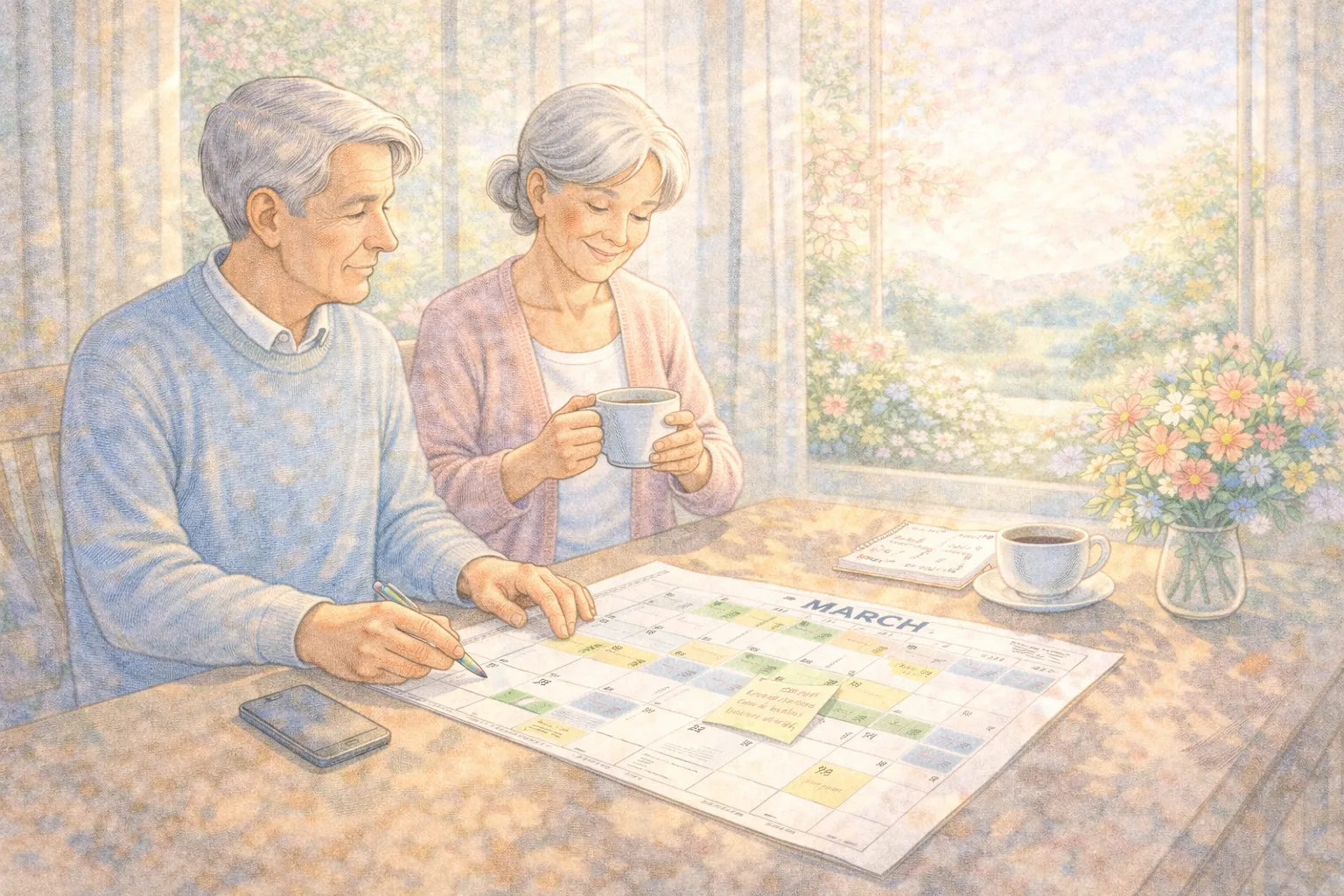
    Older adult reviewing a March calendar with tea and sunlight in a calm spring home setting

    Cindy’s Column × Senior AI Money

    “March doesn’t need a reinvention. It needs a reset.”

    By the time March arrives, many adults 55+ feel one of two things:

    1. “The year is already moving too fast.”

    2. “I haven’t really started yet.”

    January was about intention.
    February was about adjustment.

    March is about stability.

    Not big goals.
    Not dramatic change.

    Just quiet readiness.

    This guide is for seniors who want:

    • a 30-minute monthly reset

    • better clarity around money and energy

    • less background stress

    • one calm direction for the month

    You don’t need a new planner.
    You need a short ritual.


    WHY MARCH MATTERS AFTER 55

    March is a transition month.

    • Weather begins shifting.

    • Energy patterns change.

    • Social calendars pick up.

    • Appointments increase.

    • Travel planning begins.

    Without intention, March becomes:

    • half-finished projects

    • cluttered calendars

    • reactive spending

    • scattered attention

    With a simple setup, March becomes:

    • manageable

    • steady

    • lighter


    THE 2026 MARCH RULE

    One Core Rule: Adjust, don’t restart.

    You are not beginning from zero.

    You are simply adjusting:

    • what’s working

    • what’s draining

    • what needs small correction

    Small shifts create calm momentum.


    PART 1: THE 10-MINUTE MONEY RESET

    Money anxiety increases when we avoid looking.

    Set a timer for 10 minutes.

    Look at only three things:

    1. Current bank balance

    2. Upcoming automatic payments

    3. One category that drifted last month

    That’s it.

    Do not:

    • analyze investments deeply

    • compare to others

    • redesign your entire budget

    Table 1: Quick Monthly Money Check

    Step Focus Keep It Simple
    1 Balance Just note it
    2 Bills Confirm coverage
    3 Drift Adjust one category only

    This reduces “background money tension.”


    PART 2: THE CALENDAR BREATH CHECK

    Open your March calendar.

    Ask:

    • Do I have more than 2 major commitments per week?

    • Are there back-to-back travel or appointments?

    • Do I see at least one fully light week?

    If not:

    • Move one thing.

    • Cancel one thing.

    • Reschedule one thing.

    Small edits prevent burnout.


    PART 3: ENERGY INVENTORY (5 MINUTES)

    Write down:

    What gave me energy in February?
    What drained me?

    Examples:

    Energizing:

    • Short walks

    • One friend lunch

    • Early mornings

    Draining:

    • Late-night TV

    • Too many errands in one day

    • News overload

    Now choose:

    One energizer to repeat.
    One drainer to reduce.

    That’s the entire adjustment.


    PART 4: HOME RESET (5–7 MINUTES)

    You do not need spring cleaning.

    You need:

    One visible win.

    Choose:

    • Clear kitchen counter

    • Organize one drawer

    • Reset bedside table

    • Remove one bag of clutter

    Visible order lowers mental noise.


    PART 5: CONNECTION PLAN (5 MINUTES)

    Loneliness creeps quietly in late winter.

    Schedule:

    • One coffee

    • One phone call

    • One small outing

    Put it on the calendar now.

    Predictable connection protects mood.


    PART 6: THE MARCH COMMITMENT STATEMENT

    Write one sentence:

    “In March, I will focus on ______.”

    Examples:

    • “Steady energy.”

    • “Spending intentionally.”

    • “Walking consistently.”

    • “Less rushing.”

    One focus creates alignment.


    REAL-LIFE EXAMPLES

    Example 1: Thomas, 71

    Before:
    Ignored his calendar until mid-month.
    Felt overwhelmed.

    After:
    Did 30-minute March setup.
    Moved two appointments.
    Scheduled one lunch.

    Result:
    “I felt ahead instead of behind.”


    Example 2: Linda, 68

    Before:
    Overspent in February dining out.

    March Reset:
    Adjusted dining budget by 10%.
    Planned two at-home dinners with friends.

    Result:
    More connection, less regret.


    Example 3: Carol, 76

    Before:
    Late-night scrolling.
    Poor sleep.

    March focus:
    “No screens after 9.”

    Result:
    Energy improved within one week.


    PRINTABLE: 30-MINUTE MARCH RESET CHECKLIST

    Money (10 min)
    [ ] Checked balance
    [ ] Confirmed upcoming bills
    [ ] Adjusted one spending category

    Calendar (5 min)
    [ ] Limited to 2 major commitments per week
    [ ] Ensured one light week

    Energy (5 min)
    [ ] Listed one energizer
    [ ] Listed one drainer
    [ ] Chose one adjustment

    Home (5–7 min)
    [ ] Completed one visible reset

    Connection (5 min)
    [ ] Scheduled one meaningful interaction

    Focus
    [ ] Wrote one March intention sentence

    If you do nothing else this month, do this.


    WHY THIS WORKS

    It’s small.

    Small systems are repeatable.

    Repeatable systems reduce anxiety.

    Anxiety reduction protects:

    • sleep

    • decision-making

    • patience

    • financial clarity

    March doesn’t need motivation.

    It needs steadiness.


    WHAT NOT TO DO

    • Redesign your life in one weekend

    • Compare your year to someone else’s

    • Add new habits before stabilizing current ones

    • Shame yourself for January or February

    Adjustment beats ambition.


    DISCLAIMER

    This article is for general educational purposes only and does not provide financial, medical, or legal advice. Individual circumstances, health conditions, and financial situations vary. Consult qualified professionals before making significant financial or health-related decisions.


    Read More Post at artanibranding.com 

    Facing Fears by Ho Chang

    https://senioraimoney.com/wp-content/uploads/2026/02/2026-March-Setup-for-Seniors-%E2%80%93-30-Minute-Calm-Reset.webp

  • 2026 Hobbies for Brain Health: The “Hands + Heart + Head” Rule (A Realistic Version for Adults 55+)

    2026 Hobbies for Brain Health: The “Hands + Heart + Head” Rule (A Realistic Version for Adults 55+)Cindy’s Column × Senior AI Money “Brain health isn’t about doing more. It’s about doing the right mix.” After 55, many people start hearing the same advice: “Keep your brain active.” “Do puzzles.” “Learn a new language.” “Stay mentally sharp.” And yet, the reality feels different. You may think: “I don’t want another ‘self-improvement project.’” “I’m tired of hobbies that feel like homework.” “I start things… and then I lose interest.” This 2026 guide is not about becoming a genius. It’s about building a sustainable brain-friendly hobby mix that: supports memory improves mood protects social connection feels realistic doesn’t drain energy Let’s make this simple. WHY BRAIN HEALTH FEELS DIFFERENT AFTER 60 Brain health isn’t just memory. It includes: focus emotional regulation sleep quality resilience problem-solving social awareness After 60: Sleep changes. Stress recovery slows. Social circles shift. Physical energy fluctuates. The brain thrives not from intensity—but from variety + repetition + meaning. That’s where the rule comes in. THE 2026 RULE: HANDS + HEART + HEAD One brain-healthy week includes all three: • Hands → physical or tactile engagement • Heart → emotional or social connection • Head → cognitive stimulation If one is missing, the system feels incomplete. You don’t need daily intensity. You need balanced input. PART 1: HANDS (MOVE OR MAKE SOMETHING) Hands activities stimulate: motor coordination circulation sensory processing brain-body integration Examples: light gardening knitting or sewing simple home repairs watercolor painting baking from a new recipe light strength training walking in a new area Table 1: Hands Activity Intensity Levels Energy Level Suggested Activities Low Energy Stretching, folding laundry mindfully, watering plants Moderate Gardening, cooking, light strength exercises Higher Longer walks, beginner dance class, DIY projects Key principle: It doesn’t need to be impressive. It needs to be consistent. PART 2: HEART (EMOTIONAL CONNECTION) Loneliness impacts brain health as much as inactivity. Heart activities include: meeting a friend for tea calling someone regularly volunteering attending small group events church or community groups hobby clubs It’s not about large crowds. It’s about: Predictable, warm contact. Table 2: Heart Frequency Guide Comfort Level Suggested Rhythm Introverted 1 meaningful connection per week Balanced 2–3 small interactions weekly Highly social Multiple touchpoints but with rest days Quality matters more than quantity. PART 3: HEAD (GENTLE COGNITIVE STIMULATION) This is where people overdo it. Brain stimulation doesn’t mean: 4-hour puzzle marathons overwhelming online courses constant news consumption It means: reading 10–20 minutes daily learning one small new skill per season language apps 5 minutes at a time strategy games in moderation memory games occasionally Avoid mental overload. Your brain improves through moderate challenge + recovery. THE MISTAKE MOST PEOPLE MAKE They focus only on Head. Puzzles. News. Courses. But without Hands and Heart: mood declines stress rises sleep worsens Brain health is a 3-part system. Remove one leg of a stool—it wobbles. REAL-LIFE EXAMPLES Example 1: Susan, 72 Before: Crossword puzzles daily, rarely left home. After: Added weekly walking group + watercolor class. Result: “I feel more alive, not just occupied.” Example 2: George, 67 Before: Heavy news consumption and online debates. After: Reduced news to 20 minutes/day. Started woodworking twice a week. Result: “My sleep improved more than I expected.” Example 3: Anita, 75 Before: Volunteered constantly, little rest. After: Reduced to once weekly. Added short reading routine at night. Result: “Balanced feels better than busy.” PRINTABLE: 2026 Brain Health Weekly Tracker Hands: [ ] Physical or tactile activity 3x this week [ ] At least 20 minutes each session Heart: [ ] One meaningful connection [ ] One spontaneous conversation Head: [ ] Reading or learning 4x this week [ ] Limited overstimulating media Balance: [ ] At least one full rest day [ ] Sleep prioritized If all three are present, you’re doing enough. WHY THIS MATTERS FINANCIALLY TOO Brain health protects: decision-making scam resistance emotional spending retirement planning clarity Cognitive fatigue increases: impulsive purchases financial anxiety poor judgment Balanced hobbies protect your money indirectly. WHAT TO AVOID IN 2026 Signing up for 5 classes at once Overbooking social calendars Obsessive news consumption Feeling guilty for resting Treating hobbies like performance Calm consistency beats intense bursts. A SIMPLE START PLAN (THIS WEEK) Choose: 1 Hands activity 1 Heart connection 1 Head challenge Put them on your calendar. That’s it. No reinvention required. DISCLAIMER This article is for general educational purposes only and does not provide medical advice. Brain health, cognitive changes, and neurological conditions vary by individual. Consult a qualified healthcare professional if you have concerns about memory, cognitive decline, or neurological symptoms.
    Older adults engaging in gardening, conversation, and reading in a calm spring setting representing hands, heart, and head brain health balance

    Cindy’s Column × Senior AI Money

    “Brain health isn’t about doing more. It’s about doing the right mix.”

    After 55, many people start hearing the same advice:

    • “Keep your brain active.”

    • “Do puzzles.”

    • “Learn a new language.”

    • “Stay mentally sharp.”

    And yet, the reality feels different.

    You may think:

    • “I don’t want another ‘self-improvement project.’”

    • “I’m tired of hobbies that feel like homework.”

    • “I start things… and then I lose interest.”

    This 2026 guide is not about becoming a genius.
    It’s about building a sustainable brain-friendly hobby mix that:

    • supports memory

    • improves mood

    • protects social connection

    • feels realistic

    • doesn’t drain energy

    Let’s make this simple.


    WHY BRAIN HEALTH FEELS DIFFERENT AFTER 60

    Brain health isn’t just memory.

    It includes:

    • focus

    • emotional regulation

    • sleep quality

    • resilience

    • problem-solving

    • social awareness

    After 60:

    • Sleep changes.

    • Stress recovery slows.

    • Social circles shift.

    • Physical energy fluctuates.

    The brain thrives not from intensity—but from variety + repetition + meaning.

    That’s where the rule comes in.


    THE 2026 RULE: HANDS + HEART + HEAD

    One brain-healthy week includes all three:

    • Hands → physical or tactile engagement
    • Heart → emotional or social connection
    • Head → cognitive stimulation

    If one is missing, the system feels incomplete.

    You don’t need daily intensity.
    You need balanced input.


    PART 1: HANDS (MOVE OR MAKE SOMETHING)

    Hands activities stimulate:

    • motor coordination

    • circulation

    • sensory processing

    • brain-body integration

    Examples:

    • light gardening

    • knitting or sewing

    • simple home repairs

    • watercolor painting

    • baking from a new recipe

    • light strength training

    • walking in a new area

    Table 1: Hands Activity Intensity Levels

    Energy Level Suggested Activities
    Low Energy Stretching, folding laundry mindfully, watering plants
    Moderate Gardening, cooking, light strength exercises
    Higher Longer walks, beginner dance class, DIY projects

    Key principle:
    It doesn’t need to be impressive.
    It needs to be consistent.


    PART 2: HEART (EMOTIONAL CONNECTION)

    Loneliness impacts brain health as much as inactivity.

    Heart activities include:

    • meeting a friend for tea

    • calling someone regularly

    • volunteering

    • attending small group events

    • church or community groups

    • hobby clubs

    It’s not about large crowds.

    It’s about:

    Predictable, warm contact.

    Table 2: Heart Frequency Guide

    Comfort Level Suggested Rhythm
    Introverted 1 meaningful connection per week
    Balanced 2–3 small interactions weekly
    Highly social Multiple touchpoints but with rest days

    Quality matters more than quantity.


    PART 3: HEAD (GENTLE COGNITIVE STIMULATION)

    This is where people overdo it.

    Brain stimulation doesn’t mean:

    • 4-hour puzzle marathons

    • overwhelming online courses

    • constant news consumption

    It means:

    • reading 10–20 minutes daily

    • learning one small new skill per season

    • language apps 5 minutes at a time

    • strategy games in moderation

    • memory games occasionally

    Avoid mental overload.

    Your brain improves through moderate challenge + recovery.


    THE MISTAKE MOST PEOPLE MAKE

    They focus only on Head.

    Puzzles. News. Courses.

    But without Hands and Heart:

    • mood declines

    • stress rises

    • sleep worsens

    Brain health is a 3-part system.

    Remove one leg of a stool—it wobbles.


    REAL-LIFE EXAMPLES

    Example 1: Susan, 72

    Before:
    Crossword puzzles daily, rarely left home.

    After:
    Added weekly walking group + watercolor class.

    Result:
    “I feel more alive, not just occupied.”


    Example 2: George, 67

    Before:
    Heavy news consumption and online debates.

    After:
    Reduced news to 20 minutes/day.
    Started woodworking twice a week.

    Result:
    “My sleep improved more than I expected.”


    Example 3: Anita, 75

    Before:
    Volunteered constantly, little rest.

    After:
    Reduced to once weekly.
    Added short reading routine at night.

    Result:
    “Balanced feels better than busy.”


    PRINTABLE: 2026 Brain Health Weekly Tracker

    Hands:
    [ ] Physical or tactile activity 3x this week
    [ ] At least 20 minutes each session

    Heart:
    [ ] One meaningful connection
    [ ] One spontaneous conversation

    Head:
    [ ] Reading or learning 4x this week
    [ ] Limited overstimulating media

    Balance:
    [ ] At least one full rest day
    [ ] Sleep prioritized

    If all three are present, you’re doing enough.


    WHY THIS MATTERS FINANCIALLY TOO

    Brain health protects:

    • decision-making

    • scam resistance

    • emotional spending

    • retirement planning clarity

    Cognitive fatigue increases:

    • impulsive purchases

    • financial anxiety

    • poor judgment

    Balanced hobbies protect your money indirectly.


    WHAT TO AVOID IN 2026

    • Signing up for 5 classes at once

    • Overbooking social calendars

    • Obsessive news consumption

    • Feeling guilty for resting

    • Treating hobbies like performance

    Calm consistency beats intense bursts.


    A SIMPLE START PLAN (THIS WEEK)

    Choose:

    1 Hands activity
    1 Heart connection
    1 Head challenge

    Put them on your calendar.

    That’s it.

    No reinvention required.


    DISCLAIMER

    This article is for general educational purposes only and does not provide medical advice. Brain health, cognitive changes, and neurological conditions vary by individual. Consult a qualified healthcare professional if you have concerns about memory, cognitive decline, or neurological symptoms.


    Read More Post at artanibranding.com 

    Facing Fears by Ho Chang