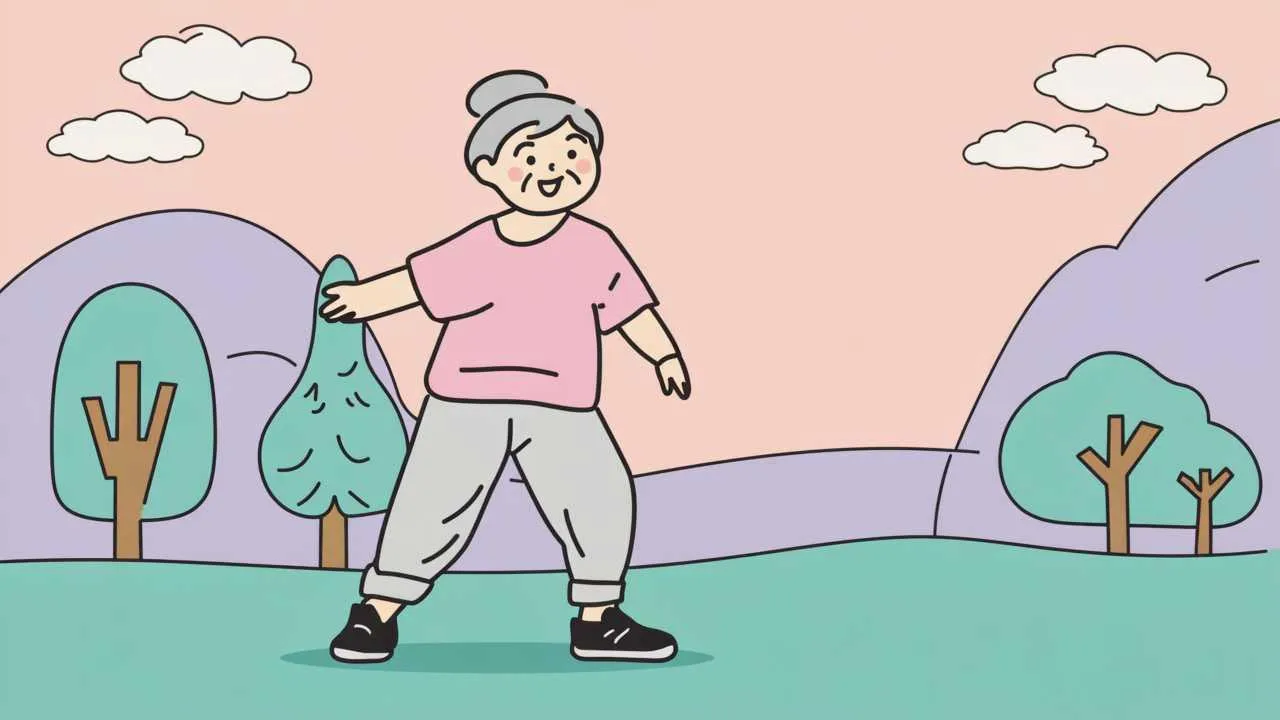
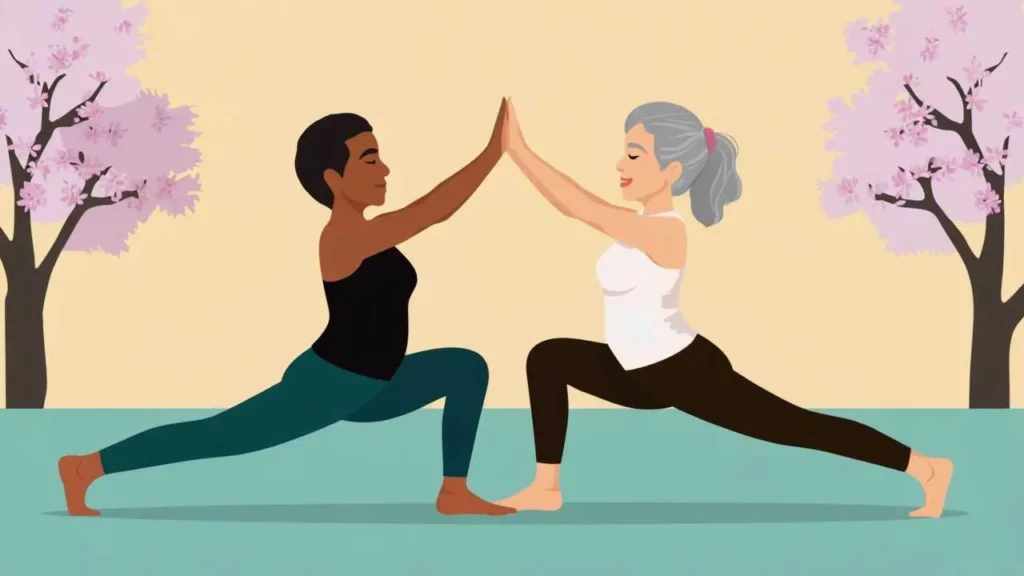
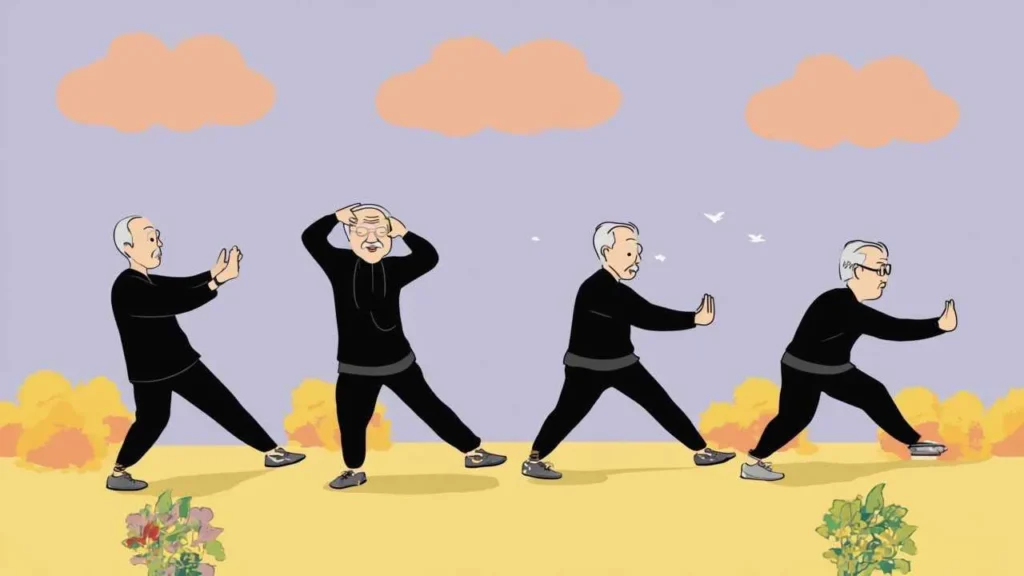
A 2026 10-minute low-impact strength routine for adults 55+: steadier balance, stronger legs, safer everyday movement.
Cindy’s Column × Senior AI Money Practical, senior-friendly guides for a calmer, safer life.
There’s a quiet truth many adults discover after 55: you can feel “fine” most days—until something small happens. A slippery sock on a smooth floor. A hurried turn in the kitchen. A curb you didn’t notice. A suitcase you lifted the way you always did.
Strength training isn’t just about fitness. For older adults, it’s about keeping everyday life easier: standing up without using your hands, walking with steadier steps, carrying groceries without strain, and reducing the fear that one fall could change everything.
The good news: you don’t need a gym, fancy equipment, or painful workouts.
This guide gives you a 10-minute, low-impact strength routine designed for adults 55+—especially anyone who wants better balance, stronger legs, and more confidence moving through the day.
It’s gentle by design:
no jumping
no floor exercises required
no “push through the pain” language
simple progress over time
If you’re starting from zero, you can still do this. If you’ve been active for years, you can still benefit from the basics done consistently.
Who this routine is for (and who should modify it)
This routine is designed for:
adults 55+ who want steadier balance and stronger legs
retirees who feel stiffness, reduced stamina, or “wobbly” moments
anyone who wants a safe, repeatable habit that doesn’t require motivation
You should modify or ask a clinician for guidance first if you:
have chest pain, dizziness, fainting, or unexplained shortness of breath
have a recent fall with injury
are recovering from surgery or have a new diagnosis
have severe osteoporosis, acute joint injury, or uncontrolled blood pressure
experience sharp pain (not normal muscle effort) during movements
You can still build strength in these situations—but the safest version may need professional customization.
The mindset that makes this work in 2026
Most exercise plans fail because they ask for intensity.
This plan is built on something more realistic: repeatability.
Your goal is not to “get ripped.” Your goal is to:
feel safer moving around your home
protect your knees/hips/back with stronger support muscles
keep independence longer
reduce fatigue from everyday tasks
In this stage of life, a small routine done often beats a perfect routine done rarely.
What you need (keep it simple)
Pick one:
a sturdy chair (no wheels)
a wall or countertop for light support
comfortable shoes or barefoot on a non-slip surface (avoid socks on smooth floors)
Optional:
a light resistance band (not required)
1–3 lb hand weights (not required; soup cans work)
Safety setup (30 seconds):
clear the area (no rugs that slide)
good lighting
chair positioned so it won’t slip
water nearby
How hard should this feel?
Use the “talk test” and a simple effort scale.
You should be able to talk in full sentences.
Effort should feel like “moderate”: working, but not straining.
A helpful target is around 5–6 out of 10 effort.
You should feel muscle effort—especially in legs and hips—but not sharp pain, pinching, or dizziness.
The 10-minute 2026 Low-Impact Strength Routine (55+)
Do this 3–5 days a week. If you can only do 2 days, that’s still a win.
Minute 0–2: Gentle warm-up (2 minutes)
March in place (or seated march): 45 seconds
Lift knees comfortably.
Keep shoulders relaxed.
Shoulder rolls + ankle circles: 45 seconds
Roll shoulders back slowly.
Circle ankles gently (one foot at a time).
“Tall posture” breath: 30 seconds
Stand tall (or sit tall).
Inhale slowly, exhale slowly.
Imagine your head floating upward.
Why this matters: warm muscles move safer. Warm-ups reduce strain and make balance steadier right away.
Upper body strength helps with pushing doors, getting up from chairs, carrying bags, and protecting shoulders.
How:
Stand facing a wall.
Hands on wall at chest height.
Step feet back slightly.
Bend elbows, bring chest toward wall.
Push back to start.
Do:
8–15 repetitions
Form tips:
body stays straight (no sagging hips)
keep neck long
elbows angle comfortably (not flared sharply)
Finish with a 20-second posture reset:
stand tall
gently squeeze shoulder blades down/back
take two slow breaths
If 10 minutes feels like too much (the “2-minute starter”)
Some days, energy is low. That’s normal.
On those days, do the “2-minute minimum”:
5 sit-to-stands (or partial stands)
10 heel raises
Done.
This keeps the habit alive. In 2026, consistency matters more than heroic effort.
Common mistakes (and how to fix them)
Mistake 1: Going too fast
Fast reps reduce control and increase risk.
Fix:
slow down the lowering phase
count “1–2–3” on the way down
Mistake 2: Holding your breath
Holding breath can spike pressure and increase strain.
Fix:
exhale on effort (standing up, pushing away from wall)
inhale on the easier part (sitting down, returning to wall)
Mistake 3: Using unstable chairs or slippery floors
Safety issues undo the benefits.
Fix:
use a sturdy chair
avoid socks on smooth floors
remove rugs that slide
Mistake 4: Pain that’s not normal effort
Pain isn’t proof you’re “working hard.” Pain is information.
Fix:
reduce range of motion
reduce reps
use more support
stop and seek advice if pain is sharp, sudden, or worsening
How to progress safely in 2026 (without injury)
Progress should be small, predictable, and boring. Boring is good.
Here are three safe progression options—choose one at a time:
Progression A: Add 1–2 reps per move
Example:
Sit-to-stand: 6 reps → 8 reps → 10 reps over several weeks
Progression B: Slow down the lowering phase
Example:
Heel raises: 10 reps with a 3-second lower
Progression C: Add an extra day per week
Example:
3 days/week → 4 days/week
Avoid progressing everything at once. One small progression every 1–2 weeks is plenty.
A simple weekly plan (realistic)
Week 1–2 (Foundation)
Do the routine 3 days/week
Keep reps modest
Focus on slow, controlled movement
Week 3–4 (Confidence)
Add 1–2 reps to one movement
Or add a 4th day if you feel good
Week 5–6 (Strength that sticks)
Keep schedule stable
Add slow lowering (control) to one movement
Consider very light resistance (optional)
How this supports travel, hobbies, and everyday life
Strength isn’t a separate “fitness thing.” It’s a life thing.
This routine helps you:
get in/out of cars more easily
climb stairs with less strain
carry groceries with more confidence
stand longer while cooking
feel safer in hotel bathrooms and unfamiliar environments
keep hobbies like gardening, walking, and sightseeing more enjoyable
A big part of senior travel stress is fatigue and fear of falling. Better strength and balance reduce both.
“Balance bonus” (optional, 60 seconds)
If you want a tiny balance drill (only if safe), add this after the routine:
Supported single-leg stand
hold a chair
lift one foot slightly
aim for 10–20 seconds per side
If you feel wobbly, keep toes on the floor and just lighten pressure. That still trains balance.
When to stop and get help
Stop and seek medical guidance if you experience:
chest pain, faintness, severe shortness of breath
new or worsening joint pain
numbness, weakness, or severe dizziness
a fall during exercise
There’s no prize for pushing through warning signs. The win is staying safe and consistent.
Quick checklist (printable-friendly)
Before you start:
Clear floor space, remove slipping hazards
Use a sturdy chair, good lighting
Wear stable shoes or use non-slip surface
During:
Move slowly, especially lowering phase
Breathe (don’t hold breath)
Use support as needed
After:
Note how you feel (energy, pain, confidence)
Put next session on your calendar
Frequently asked questions (short and practical)
How many days a week should I do this in 2026? 3–5 days/week is ideal. 2 days/week still helps. The best schedule is the one you’ll actually keep.
What if my knees hurt during sit-to-stand? Try a higher chair or add a cushion, reduce range of motion, and use hands lightly. If pain persists, get individualized advice.
Do I need weights? No. Bodyweight is enough to start. If you want, very light weights can be added later.
Can I do this if I’m very deconditioned? Yes—start seated, use support, reduce reps, and do the 2-minute minimum on low-energy days.
Is this safe with osteoporosis? Many people with osteoporosis benefit from safe strength and balance work, but individual guidance matters. Start gently and consult a clinician for tailored recommendations.
A simple closing for 2026
If you do this routine consistently, you’re not just “exercising.” You’re building a quieter kind of security—one that makes daily life easier and future plans feel less risky.
Start with today. Ten minutes. Slow, steady movement.
Then tomorrow, do it again—or do the 2-minute minimum. That still counts.
In 2026, the goal isn’t intensity. The goal is a body that supports the life you want to keep living.
Disclaimer (at the end, as requested)
This article is for general educational purposes only and does not provide medical advice, diagnosis, or treatment. Exercise affects people differently, and individual conditions vary. If you have medical concerns, new symptoms, recent injuries, or questions about safety, consult a qualified healthcare professional before starting or changing an exercise routine. Stop immediately if you feel chest pain, severe dizziness, faintness, or sudden/worsening pain.
A 2026 7-day senior meal plan that lowers grocery costs with simple repeat meals, planned leftovers, and low-energy backups.
Cindy’s Column × Senior AI Money Practical, senior-friendly guides for a calmer, safer life.
A lot of grocery advice feels unrealistic for adults 55+. It assumes you have unlimited energy, perfect joints, endless time, and a fridge full of “special ingredients.” Real life is different—especially if you’re managing fatigue, pain, caregiving, or simply wanting cooking to feel easier.
This 7-day meal plan is built for real seniors in 2026:
Simple meals with familiar foods
Short prep steps (and fewer dishes)
Budget-minded without feeling like punishment
Flexible for one person, two people, or a household
Built-in leftovers so you cook less, not more
Easy substitutions if chewing, appetite, or digestion changes
You’ll get:
A money-saving strategy that doesn’t feel restrictive
A 7-day plan with breakfast/lunch/dinner + snack options
A grocery list and “batch prep” plan that saves time and money
A few gentle nutrition guardrails (without diet culture)
PART 1 — THE 2026 GROCERY PROBLEM (AND THE REAL SOLUTION)
Rising grocery costs have made many older adults feel like they’re constantly making trade-offs: quality vs. budget, convenience vs. nutrition, or comfort vs. “doing it right.” The truth is you can lower costs without feeling deprived—but only if your plan is designed around the two biggest savings levers:
Less food waste (buying what actually gets eaten)
Fewer convenience purchases (without turning cooking into a second job)
This plan does both by using a simple structure:
3 flexible breakfasts you repeat
2 easy lunches you rotate
7 dinners that intentionally create leftovers
snacks that prevent “I’m starving” impulse buying
The goal is not perfect nutrition. The goal is a week that feels steady, satisfying, and financially calmer.
PART 2 — THE “NO-DEPRIVATION” BUDGET RULES (SENIOR-FRIENDLY)
Use these 5 rules to cut costs without feeling like you’re losing joy.
Rule 1: Pick ONE “comfort item” for the week
This is how you avoid feeling deprived (and then overspending later).
Examples:
good bread you love
fresh berries
quality coffee/tea
one dessert item
a nicer cheese
One planned comfort item beats five impulse treats.
Rule 2: Choose 2 proteins for the week (and repeat them)
Protein is often the most expensive category. Repeating a couple options prevents half-used packages and waste.
Budget-friendly protein examples:
eggs
canned tuna/salmon
chicken thighs
beans/lentils
Greek yogurt
tofu
ground turkey (when on sale)
Rule 3: Build dinners around “base + add-on”
Base options:
rice / pasta / potatoes
frozen vegetables
canned tomatoes
beans
eggs
Add-on options:
chicken, tuna, tofu, or beans
simple sauce (jarred or homemade)
herbs/spices
This is how you cook like a calm person, not like a contestant on a cooking show.
Rule 4: Plan for leftovers on purpose
Leftovers are not failure. Leftovers are savings.
This plan uses “cook once, eat twice” dinners so you spend less time and less money.
smaller portions more often can be easier than big meals
PART 8 — ADAPTATIONS FOR COMMON SENIOR NEEDS (GENTLE, NON-MEDICAL)
This is not medical advice—just practical ideas many older adults find helpful. If you have specific conditions, ask a clinician or dietitian for tailored guidance.
If you’re watching sodium
use frozen vegetables and “no salt added” canned items when possible
season with herbs, lemon, vinegar, garlic powder, pepper
choose lower-sodium broths if available
If you’re managing blood sugar
pair carbs with protein (oatmeal + yogurt, toast + eggs, rice bowl + tofu/chicken)
keep snacks balanced (fruit + cheese or yogurt)
If you have low energy or pain flares
rely on the backup meals
double a soup/chili recipe and freeze portions
keep pre-washed items (salad kits, frozen veg) so healthy choices are easy
PART 9 — THE “HOW MUCH WILL THIS COST?” REALISTIC EXPECTATIONS
Exact costs vary by location and store. But the structure of this plan typically reduces spending in three ways:
fewer impulse trips
fewer spoiled leftovers
fewer expensive convenience purchases
A practical way to measure success is not “how low can you go,” but:
“Did I waste less food this week?”
“Did I avoid takeout on my tired days?”
“Did I feel satisfied and steady?”
If yes, your grocery budget is moving in the right direction.
QUICK START: WHAT TO DO TODAY (10 MINUTES)
Pick your 2 proteins for the week (example: eggs + chicken)
Choose your comfort item
Buy frozen vegetables and oats if you have none
Put 2 backup meals where you can see them
Cook one pot of rice or one soup (whichever feels easiest)
That’s enough to start.
QUICK VERIFICATION (SEO / YMYL / EEAT)
SEO: Strong long-tail title includes “2026,” “Senior Meal Plan,” “7 Days,” “Cut Grocery Costs,” and “Without Feeling Deprived.” Includes tables, lists, and a practical plan (good dwell time). YMYL safety: No extreme diet claims, no medical promises, gentle adaptations only, and a clear end disclaimer. EEAT: Concrete steps, realistic constraints for 55+, emphasis on safety, waste reduction, and repeatable routines.
IMAGE PROMPT (panorama 3-panel storyboard)
A wide panoramic 3-panel storyboard illustration (21:9) in friendly pastel cartoon style with bold clean outlines. Panel 1: a smiling older adult (55+) holding a simple grocery list and a small basket with basic items (oats, eggs, frozen veggies icons), minimal background. Panel 2: the person cooking an easy one-pan meal with a pot and a sheet pan, simple steam lines, calm kitchen, no brand logos, no readable text. Panel 3: a cozy table with a balanced plate and a labeled leftovers container icon (no readable words), warm friendly vibe, simple shapes, minimal detail, designed as a lightweight blog header.
ALT Pastel cartoon panorama showing a 7-day senior meal plan setup—grocery list, simple cooking, and leftovers for calmer 2026 grocery costs.
Caption A 2026 7-day senior meal plan that lowers grocery costs with simple repeat meals, planned leftovers, and low-energy backups.
Description A friendly pastel, bold-line panoramic storyboard illustrating budget-friendly senior meal planning: smart shopping, easy cooking, and leftover-ready dinners to reduce waste and spending.
Disclaimer (at the end, as requested)
This article is for general educational purposes only and does not provide medical or nutritional advice. Dietary needs vary by individual health conditions, medications, allergies, and personal circumstances. For personalized guidance, consult a qualified healthcare professional or registered dietitian—especially if you have diabetes, kidney disease, heart conditions, swallowing/chewing difficulties, or other medical concerns.
Choose three 2026 retirement hobbies that fit your energy, budget, and space—body, mind, and heart.
Cindy’s Column × Senior AI Money Practical, senior-friendly guides for a calmer, safer life.
Retirement is supposed to feel lighter. But many adults 55+ discover an unexpected problem: too much time can create pressure.
You finally have freedom… and suddenly you feel you should be doing something meaningful, productive, healthy, social, creative, and enriching—preferably all at once. Add online ads and “new hobby” trends, and it’s easy to end up with a closet full of supplies you don’t use and a quiet feeling of, “Why can’t I stick with anything?”
Here’s a calmer way to approach hobbies in 2026:
You don’t need ten hobbies.
You don’t need the “perfect” hobby.
You don’t need to buy your way into a new identity.
You need three interests that fit your real life—your energy, body, budget, space, and personality.
This guide will help you choose 3 hobbies that add joy without adding clutter, using a simple framework you can finish in one afternoon.
Why “3 hobbies” is the sweet spot (especially after 55)
Choosing “just one hobby” can feel like too much pressure. Choosing “all the hobbies” creates chaos.
Three works because it covers your needs without overloading you. Think of it as a balanced hobby “plate”:
A body hobby (keeps mobility and confidence)
A mind hobby (keeps curiosity and focus)
A heart hobby (keeps connection and meaning)
Not every hobby fits neatly into one category, but the structure prevents a common retirement trap: picking hobbies that look good on paper but don’t fit your day-to-day life.
The 2026 “No-Clutter Hobby Rule” (the one rule that saves most people)
Before you start, adopt this rule:
Rule: You don’t buy supplies until you do the “trial version” twice.
That’s it. Two tries.
Try #1 tells you if you feel curious.
Try #2 tells you if you’ll actually repeat it.
After two tries, you can decide if it deserves money and storage space.
This rule keeps hobbies from becoming expensive clutter projects.
Step 1: Pick your “energy truth” (the hobby must match your real body)
Many older adults quit hobbies because the hobby demands a version of them that only exists on a “good day.”
So begin with honesty. Circle one:
Green energy: I usually have steady energy most days.
Yellow energy: I’m up and down; pain/fatigue varies.
Red energy: I need gentle pacing; I tire easily.
Your hobby plan should still work on Yellow and Red days. That’s how it becomes sustainable.
Table 1: Matching hobbies to real energy levels
Energy Level
What works best
What often backfires
Green
Classes, longer sessions, projects
Too many commitments at once
Yellow
Short sessions, flexible schedules, “pause-friendly” hobbies
$25–$60/month: occasional class fees, craft supplies, club membership
$60–$120/month: regular classes, pool membership, special outings
The key is not the amount. The key is choosing it intentionally.
A helpful rule:
Spend money on repetition, not on fantasy. If you’ve done the hobby twice and want to keep going, it earns the budget.
Real-life examples (with realistic numbers)
Case 1: Diane, 66 — “I kept buying supplies, but I never started.”
Diane loved the idea of being “an art person.” Over two years she spent roughly $340 on watercolor sets, paper, and online courses—then felt guilty every time she saw the supplies.
In 2026 she tried the “try it twice” rule:
She did two 10-minute sketch sessions using a cheap notebook.
She discovered she enjoyed simple pencil sketching more than watercolor.
She kept one small art bin and set a $15/month joy budget for paper and pencils.
Result: more consistency, less guilt, and no expanding pile of unused supplies.
Case 2: Martin, 73 — “I needed connection, not more activities.”
Martin filled his week with errands and TV but still felt lonely. He chose a heart hobby:
a weekly community lunch group ($8–$12 each week)
a short volunteer shift twice a month
He said the biggest change wasn’t “being busy.” It was feeling known. His spending increased slightly, but his wellbeing improved enough that he called it “worth it.”
Case 3: Sandra, 79 — “My energy is unpredictable.”
Sandra has Yellow/Red energy days. She built a hobby stack that works even when she’s tired:
Body: 6-minute chair stretch routine
Mind: audiobook + simple puzzle book
Heart: one scheduled call every Sunday
Cost: mostly free/library-based. Result: hobbies that still exist when she’s not having a “perfect week.”
“What if I don’t know what I like anymore?”
This is more common than people admit.
After big life changes—retirement, caregiving, grief, relocation—your preferences can shift. You’re not broken. You’re updating.
Try these gentle discovery prompts:
What did I enjoy before life got busy?
What do I do that makes time pass faster?
What do I watch or read repeatedly?
What do I do after a hard day that actually helps?
Then test, not commit.
The retirement hobby traps (and how to avoid them)
Trap 1: Choosing hobbies to impress someone
If the hobby is more about identity than enjoyment, it won’t last.
Fix: choose hobbies that feel pleasant even if nobody sees them.
Trap 2: Choosing hobbies that require perfect health
If the hobby collapses the moment you have pain or fatigue, it’s fragile.
Fix: build a minimum version and a backup hobby.
Trap 3: Overbuying supplies
Shopping feels like progress. It’s not the same thing.
Fix: try it twice before buying.
Trap 4: Overcommitting socially
Too many obligations can create stress and resentment.
Fix: choose one heart hobby and keep it light.
A 2026 “Hobby Starter Menu” (easy trials you can do this week)
Pick any 3 and try each twice:
Body (choose one)
10-minute walk (or indoor mall walk)
chair stretch routine (5–10 minutes)
beginner tai chi video (10 minutes)
Mind (choose one)
library audiobook + 10 minutes listening
20-piece puzzle session
5-minute sketch of a mug/plant
Heart (choose one)
call one person you like (10 minutes)
attend one community event (even if you leave early)
join a low-pressure group once (book club, walking group)
You are not picking “the rest of your life.” You’re picking “this week’s experiments.”
Quick checklist (printable-friendly)
Circle your energy level (Green/Yellow/Red)
Choose 3-hobby stack (Body + Mind + Heart)
Apply the Try-It-Twice rule before buying supplies
Choose a one-container storage limit for hobby items
Define the minimum version of each hobby
Set a small monthly joy budget
Re-evaluate after 2 weeks: keep what repeats, drop what doesn’t
Winter Safety Tips for Seniors: six gentle cartoon panels that show how to stay warm, steady, and supported all season long.
Winter looks different depending on where you live.
In Florida, it might mean cooler nights, heavy rain, and visiting family from colder states. In Arizona or California, it might mean strange swings — chilly mornings, warm afternoons, and occasional storms. In colder areas, it often means ice, snow, and shorter, darker days.
Wherever you are, winter safety tips for seniors are about the same three goals:
prevent falls,
protect your health and warmth,
and stay connected enough that you are not facing emergencies alone.
This guide is written in plain language for older adults and the people who love them.
Who these winter safety tips are for
adults 55+ living alone, with a partner, or with family
older adults in milder climates (Florida, Arizona, California) and colder states
caregivers and adult children who want a clear checklist
anyone who wants safety, but without fear or drama
What you’ll get
a gentle explanation of why winter safety matters more after 55
home safety tips: heating, power outages, lighting, and clutter
fall-prevention tips for sidewalks, steps, and parking lots
safer winter driving and travel ideas for seniors
guidance for flu, COVID, RSV season (from a practical, non-scary angle)
emotional safety ideas for lonely or anxious winter days
tear-out style winter safety checklists you can put on your fridge
Important note (YMYL & medical)
This article offers general educational winter safety tips for seniors. It is not medical, emergency, or legal advice. For questions about your specific medications, fall risk, driving, heart or lung conditions, vaccines, or emergency plans, please speak with your doctor, pharmacist, or local health-care team. In any urgent situation or if you have warning signs like chest pain, trouble breathing, sudden weakness, or confusion, call your local emergency number right away.
1. Why winter safety matters more after 55
Winter doesn’t just lower the temperature — it changes how your body and home behave.
After 55–65, you may notice:
you feel cold more easily than you used to
your balance is not the same, especially in low light
your reaction time is slower on stairs, curbs, and ice
illnesses like flu, COVID, and pneumonia hit harder and take longer to recover from
driving at night or in bad weather feels more stressful
On top of that, winter brings:
darker mornings and evenings
wet or slippery surfaces (even in “warm” states when it rains)
more time indoors with cords, rugs, and clutter
heavier clothes and shoes that can change how you walk
The goal of winter safety tips for seniors is not to make you afraid of the season. It’s to make small adjustments so winter is:
safer for your body
lighter for your nerves
and easier on your family and caregivers
2. Before winter starts: a gentle 10-point prep plan
You don’t have to do this all in one day. Think of it as a “before winter fully arrives” checklist.
Home & equipment
Check your heating system (or space heaters) with a professional if possible.
Test smoke alarms and carbon monoxide detectors; replace batteries.
Make sure you have at least one flashlight and extra batteries that work.
Create a small “power outage basket” with a flashlight, battery light, and a list of important phone numbers.
Health & medications
Make a list of all your medications and keep it somewhere easy to find.
Ask your doctor or pharmacist if you are due for any winter season vaccines (such as flu, COVID boosters, pneumonia, or RSV, depending on your situation and local guidance).
Refill key medications before storms or holidays when pharmacies may close.
Support & communication
Choose at least one “winter buddy” — a neighbor, friend, or family member who checks on you, especially during storms or health warnings.
Make sure your phone charger is near your bed and favorite chair.
Write your main doctor’s number, pharmacy number, and a local urgent-care or nurse line on a card by the phone.
This quiet preparation helps you feel less alone when weather, power, or health suddenly change.
3. Home winter safety: warmth, light, and less clutter
A safe winter home for seniors is not about being perfect. It’s about reducing the chances of falls, fires, and scares.
3.1 Heating: warm enough, not risky
If you use space heaters:
keep them at least 3 feet away from curtains, bedding, and furniture
plug them directly into the wall (not into crowded power strips)
turn them off when you leave the room or go to sleep
Never use ovens or stovetops to heat your home — that can cause fires or carbon monoxide buildup.
Dress in layers indoors:
a light shirt, sweater or fleece, and a vest can help you feel warmer without blasting the heat too high
warm socks or slipper socks with grips help your feet and balance
3.2 Lighting: seeing where your feet go
Many winter falls happen not on ice, but inside dark houses.
Simple lighting tips:
Use night lights in hallways, bedrooms, and bathrooms.
Keep a small lamp near your bed that you can turn on without getting up.
If you wake up at night to use the bathroom, turn on the light — it’s worth the extra electricity.
3.3 Clutter & cords: clear paths
Winter safety tips for seniors always include clear walkways.
Make sure the path from bed → bathroom → kitchen is free of:
loose rugs
cords
boxes, shoes, or bags
Tape cords along the wall instead of across walkways.
Move small tables or stools that you might bump into in dim light.
It can help to walk your home with a family member or friend and say: “Show me anything you see that I could trip on in the dark.”
4. Fall prevention outdoors: shoes, steps, and surfaces
Even if you live in Florida, Arizona, or California, you may still encounter:
wet sidewalks and ramps
slick tile at building entrances
cold mornings that stiffen joints and slow reaction time
4.1 Footwear matters
Choose shoes or boots with:
non-slip soles
low, wide heels
good support around the ankle
Avoid:
smooth, slippery soles
worn-out treads
backless slippers outside
If you use a cane or walker, make sure the tips/rubber ends are in good condition. Worn tips can slide.
4.2 Walking surfaces
When going outside:
Walk slower than usual, especially when first stepping outside from a warm building.
Test the ground with your foot or cane before fully committing weight.
Use handrails on stairs and ramps, even if you think you don’t need them.
In snowy or icy areas:
Ask someone to sand/salt steps and paths if possible.
Consider using ice grips or cleats over shoes — but only if someone has shown you how to use them safely.
If conditions look dangerous, you are allowed to cancel or delay plans. Your safety is more important than an appointment.
4.3 Parking lots and driveways
Many winter falls happen getting in and out of cars.
Ask the driver to pull as close as safely possible to the entrance.
Hold onto the car door frame or a trusted person’s arm when stepping out.
Look down before you step — even a thin layer of water or ice can be slippery.
If you feel rushed, stop and say: “I need a moment to get my balance. I’ll move more safely if we go slower.”
5. Winter driving & travel safety for older adults
Not every older adult should drive in winter conditions. For some, the safest winter safety tip is:
“Do not drive in ice, snow, or heavy rain. Ask for rides or use services when possible.”
If you do drive:
Before you go
Check the weather and visibility, not just the clock.
Prefer daytime driving when roads and lighting are better.
Tell someone where you are going and when you expect to arrive.
Keep your phone charged and bring a car charger.
In the car
Keep a small kit:
water
snack
simple blanket or wrap
flashlight
basic medications you might need
Keep fuel at least half-full in colder regions or rural areas.
For Florida, Arizona, California
You might think “winter driving” doesn’t apply, but:
Heavy rain in Florida can flood roads quickly — avoid driving through standing water.
Fog and desert storms in Arizona can suddenly reduce visibility.
Rain after long dry periods in California can make roads slick with oil.
If the weather looks unsafe, you can say:
“I’m not comfortable driving in this weather. Can we reschedule or do a video call instead?”
Your health and car are worth more than any one appointment.
6. Illness season: flu, COVID, RSV, and colds
Winter is also “virus season.” For seniors, infections can lead to hospital stays or long recovery times.
This section is not medical advice; it’s a reminder of questions to ask your doctor and habits you control.
6.1 Talk with your doctor about vaccines
Ask your doctor or clinic:
“Which vaccines do you recommend for me this winter?”
“Am I due for a flu shot?”
“Should I get a COVID booster, pneumonia shot, or RSV vaccine based on my age and health?”
They know your history and medications; they can give personalized guidance.
6.2 Everyday habits that help
Wash hands regularly with soap and water, especially after being out in public.
Keep hand sanitizer in your bag or near the door for quick use.
Avoid touching your face or rubbing your eyes with unwashed hands.
If you’re sick, stay home and rest — you are not being rude; you are protecting others.
If others are sick, suggest rescheduling or visit by phone/video.
6.3 When to seek urgent care
Again, this is general. Your doctor may give more specific instructions.
Seek immediate help (emergency services) if you notice:
trouble breathing or feeling like you can’t get enough air
chest pain or pressure
sudden confusion, trouble speaking, or weakness on one side
lips or face turning gray or blue
high fever that will not come down and makes you feel very unwell
You deserve prompt care, not “waiting it out” alone.
7. Emotional & social winter safety
Winter safety tips for seniors are not just about ice and illness. They are also about loneliness, anxiety, and mood.
Shorter days and more time indoors can make you feel:
isolated,
down or depressed,
anxious about the future,
or like you’re “bothering” people if you reach out.
A few gentle ideas:
Make a “connection list” of 3–5 people you can call or text. Keep it by the phone.
Plan 1–2 regular check-ins per week — a phone call, video chat, or neighbor visit.
If you belong to a faith community, club, or senior center, ask about phone trees or virtual groups during bad weather.
Keep one small, pleasant thing each day: a favorite show, music, puzzle, or book.
If you feel sad most of the day, lose interest in things you used to enjoy, or feel hopeless, tell your doctor. Winter depression is common and treatable; it is not a personal failure.
If you ever feel like you might harm yourself, treat that as an emergency and contact your local emergency number or crisis line right away.
Pathways clear between bed, bathroom, and kitchen.
Cords taped along walls, not across floors.
Night lights in hallways and bathroom.
Space heaters placed safely and turned off before sleep.
Smoke and carbon monoxide detectors tested and batteries checked.
Health & medications
Medication list up to date and easy to find.
Enough refills on key medicines for at least 1–2 weeks.
Doctor or pharmacist asked about winter vaccines (flu, COVID, pneumonia, RSV if appropriate).
Water bottle nearby; staying hydrated even when it’s cold.
Travel & driving
Avoid driving in ice, snow, or heavy rain when possible.
Prefer daytime trips; tell someone your plan.
Small car kit ready (blanket, water, snack, simple meds, flashlight, phone charger).
Shoes with good grip for walking to and from the car.
Falls
Shoes or boots with non-slip soles.
Cane or walker tips in good condition.
Use handrails on steps and ramps.
Willing to cancel or delay plans if walkways are unsafe.
Power & storms
Flashlight and batteries in a known, easy place.
Small battery light or lantern ready.
Paper list of emergency contacts and doctors.
2–3 days of simple food and water in the house.
Emotional
Names of 3–5 people I can call written near the phone.
At least one small enjoyable activity planned most days.
Willing to tell my doctor if I feel very low, anxious, or hopeless.
9. 30-second summary: Winter Safety Tips for Seniors
If this guide feels long, here is the short version:
Light your paths, clear your floors, and keep your home warm but safe.
Walk and drive more slowly; avoid bad weather when you can.
Wear shoes with good grip and use handrails, canes, or walkers proudly.
Plan for winter illnesses by talking with your doctor and keeping medications ready.
Prepare small emergency kits for power outages and trips.
Stay connected so you’re not facing winter alone — safety is also emotional.
You deserve a winter that is gentler on your body and quieter for your mind.
Editorial disclaimer
These winter safety tips for seniors are for general educational purposes only. They do not replace medical, nursing, emergency, or professional caregiving advice. Every person’s health, home, and local weather risk is different. For specific guidance about falls, driving, heart or lung conditions, infections, winter travel, or emergency plans, please talk with your doctor, pharmacist, or local health and emergency services.
If you experience warning signs like chest pain, severe shortness of breath, sudden weakness, confusion, or signs of stroke or heart attack, seek emergency medical help immediately. You do not have to wait until morning, and you do not have to face the decision alone.
Daily gentle movement preserves independence and enhances quality of life after 60 Visual Art by Artani Paris | Pioneer in Luxury Brand Art since 2002
Maintaining mobility after 60 directly impacts your independence, health, and quality of life. While aging naturally affects flexibility, balance, and strength, regular gentle exercise significantly slows this decline and often reverses limitations you might have already developed. The key word here is “gentle”—you don’t need intense workouts or gym memberships to stay mobile and active. Research from the National Institute on Aging shows that adults over 60 who engage in regular low-impact exercise maintain better balance, experience fewer falls, and enjoy greater independence than sedentary peers. This comprehensive guide presents safe, effective exercises specifically designed for seniors aged 60-85, whether you’re currently active or just beginning your fitness journey. You’ll discover movements that improve flexibility, strengthen muscles that support daily activities, enhance balance to prevent falls, and increase endurance without joint stress or injury risk.
Why Mobility Matters More After 60
Mobility encompasses your ability to move freely and independently: walking, climbing stairs, getting in and out of chairs, reaching for items, and performing daily tasks without assistance. After 60, several age-related changes affect mobility. Muscle mass naturally decreases by 3-8% per decade after age 30, accelerating after 60. This condition, called sarcopenia, reduces strength needed for basic movements. Joint flexibility diminishes as cartilage thins and connective tissues lose elasticity. Balance deteriorates as sensory systems that control equilibrium decline with age.
The consequences of reduced mobility extend beyond physical limitations. Limited mobility increases fall risk—one in four Americans aged 65 and older falls each year, according to the CDC. Falls lead to serious injuries including hip fractures, which often result in permanent disability or loss of independence. Reduced mobility also correlates with social isolation, depression, and accelerated cognitive decline. People who can’t move easily tend to avoid social activities, leading to loneliness and mental health challenges.
The encouraging news? Regular gentle exercise prevents and often reverses mobility decline. A 2024 study published in the Journal of the American Geriatrics Society found that seniors who exercised just 30 minutes daily, five days per week, maintained mobility comparable to people 10-15 years younger. Exercise strengthens muscles, improves balance, enhances flexibility, increases bone density, and boosts cardiovascular health. Perhaps most importantly, maintaining mobility preserves independence—the ability to live in your own home, drive, shop, and enjoy activities without relying on others.
Mobility Component
Age-Related Change
Exercise Benefit
Timeline for Improvement
Muscle Strength
3-8% loss per decade after 30
Resistance training rebuilds muscle
4-8 weeks
Flexibility
10% reduction by age 70
Stretching restores range of motion
2-6 weeks
Balance
Sensory decline after 60
Balance exercises improve stability
3-8 weeks
Endurance
VO2 max decreases 10% per decade
Aerobic activity increases stamina
6-12 weeks
Bone Density
1-2% annual loss after menopause
Weight-bearing exercise strengthens bones
6-12 months
Joint Health
Cartilage thinning, stiffness
Movement lubricates joints, reduces pain
2-4 weeks
Age-related mobility changes and how exercise reverses these effects
Safe Exercise Principles for Seniors
Before beginning any exercise program, consult your healthcare provider, especially if you have chronic conditions like heart disease, diabetes, arthritis, or osteoporosis. Your doctor can provide personalized guidance on exercise intensity and movements to avoid based on your specific health status. This consultation is not just a formality—it’s an important safety measure that helps you exercise confidently.
Start slowly and progress gradually. If you’ve been sedentary, begin with just 5-10 minutes of gentle activity daily. Add 2-3 minutes each week until you reach 30 minutes. This gradual approach allows your body to adapt without injury. Remember that “gentle” means you should be able to hold a conversation while exercising. If you’re too breathless to talk, you’re working too hard and need to reduce intensity.
Listen to your body and distinguish between normal exercise discomfort and warning signs. Mild muscle soreness 12-48 hours after exercise is normal and indicates your muscles are adapting and strengthening. Sharp pain, chest pain, severe shortness of breath, dizziness, or joint swelling are warning signs—stop immediately and consult your doctor. Never push through these symptoms.
Proper form matters more than repetitions or duration. One properly executed movement benefits you more than ten incorrect ones and reduces injury risk. If you’re unsure about proper form, consider working with a physical therapist or certified senior fitness instructor for a few sessions to learn correct technique. Many senior centers offer free or low-cost fitness classes with instructors trained in senior exercise safety.
Stay hydrated before, during, and after exercise. Seniors often have diminished thirst sensation, so drink water on a schedule rather than waiting until you feel thirsty. Aim for 6-8 ounces before exercise and another 6-8 ounces afterward. Avoid exercising in extreme heat or cold, which stress your cardiovascular system more significantly after 60.
Wear appropriate footwear with good support and traction to prevent slips and falls. Athletic shoes designed for walking or cross-training provide stability and cushioning. Replace worn shoes every 300-500 miles of use or every 6-12 months. Exercise in well-lit areas free of tripping hazards. Keep your exercise space clutter-free and use stable furniture for balance support when needed.
Daily Flexibility and Stretching Routine
Flexibility exercises improve range of motion, reduce stiffness, prevent injury, and make daily activities easier. Perform these stretches daily, ideally after your muscles are warm from light activity or a warm shower. Hold each stretch for 20-30 seconds without bouncing. You should feel gentle tension, never pain. Breathe deeply and naturally throughout each stretch—never hold your breath.
Neck Stretches: Sit or stand with good posture. Slowly tilt your head to the right, bringing your right ear toward your right shoulder. Hold 20 seconds, then repeat on the left side. Next, gently turn your head to look over your right shoulder, hold 20 seconds, then turn left. Finally, slowly drop your chin toward your chest and hold 20 seconds. These stretches relieve neck tension and improve range of motion for driving and daily activities. Perform 2-3 times daily, especially if you experience neck stiffness.
Shoulder Rolls and Reaches: Roll your shoulders backward in large circles 10 times, then forward 10 times. This releases shoulder tension and improves posture. For shoulder reaches, clasp your hands behind your back and gently lift your arms, opening your chest. Hold 20 seconds. Then reach one arm overhead and bend your elbow, using your other hand to gently pull the elbow for a tricep stretch. Hold 20 seconds each arm. These movements maintain shoulder flexibility for reaching overhead cabinets and dressing.
Seated Spinal Twist: Sit in a sturdy chair with feet flat on the floor. Place your right hand on the outside of your left thigh and your left hand on the chair back. Gently twist your torso to the left, looking over your left shoulder. Hold 20-30 seconds, breathing deeply. Return to center and repeat on the right side. This stretch improves spinal mobility and reduces back stiffness. Perform 2-3 times daily, especially after prolonged sitting.
Hip Flexor Stretch: Stand near a wall or sturdy chair for support. Step your right foot back into a lunge position, keeping your left knee over your ankle. Gently press your hips forward until you feel a stretch in the front of your right hip. Hold 20-30 seconds, then switch sides. Tight hip flexors result from prolonged sitting and contribute to lower back pain and walking difficulties. This stretch counteracts these effects.
Hamstring Stretch: Sit on the edge of a sturdy chair with your right leg extended straight in front of you, heel on the ground, toes pointing up. Keep your left foot flat on the floor. Keeping your back straight, lean forward from your hips until you feel a gentle stretch in the back of your right thigh. Hold 20-30 seconds, then switch legs. Flexible hamstrings prevent lower back pain and improve walking stride. Perform daily, especially if you experience difficulty touching your toes or bending forward.
Calf Stretch: Stand facing a wall with hands on the wall at shoulder height. Step your right foot back, keeping it straight and heel on the ground. Bend your left knee and lean toward the wall until you feel a stretch in your right calf. Hold 20-30 seconds, then switch legs. Tight calves limit ankle mobility and increase fall risk. This stretch is especially important if you experience leg cramps at night or difficulty walking uphill.
Ankle Circles: Sit in a chair and lift your right foot slightly off the ground. Slowly rotate your ankle, drawing large circles with your toes—10 circles clockwise, then 10 counterclockwise. Repeat with the left foot. This simple movement maintains ankle flexibility for balance and prevents stiffness. Perform 2-3 times daily, especially in the morning if you experience ankle stiffness.
Regular stretching maintains flexibility and reduces stiffness for comfortable daily movement Visual Art by Artani Paris
Strength-Building Exercises for Daily Activities
Strength training doesn’t require heavy weights or gym equipment. Using your body weight and simple household items builds functional strength for daily tasks like carrying groceries, climbing stairs, and getting up from chairs. Perform these exercises 2-3 times per week with at least one rest day between sessions to allow muscle recovery. Start with one set of 8-10 repetitions and gradually progress to two sets of 12-15 repetitions as you get stronger.
Chair Squats: Stand in front of a sturdy chair with feet hip-width apart. Keeping your weight in your heels and your back straight, slowly bend your knees to lower yourself toward the chair. Lightly touch the chair seat, then push through your heels to stand back up. This exercise strengthens quadriceps, glutes, and core muscles essential for sitting and standing. Start with 8 repetitions and progress to 15. Once this becomes easy, eliminate the chair touch and perform free-standing squats.
Wall Push-Ups: Stand arm’s length from a wall with feet hip-width apart. Place your palms on the wall at shoulder height and width. Keeping your body straight, bend your elbows to bring your chest toward the wall, then push back to starting position. This modified push-up strengthens chest, shoulders, and arms without floor push-up difficulty. It builds strength for pushing heavy doors and moving furniture. Perform 10-15 repetitions. As you get stronger, step farther from the wall to increase difficulty.
Heel Raises: Stand behind a sturdy chair, holding the back for balance. Rise up onto your toes, lifting your heels as high as comfortable. Hold for 2 seconds, then slowly lower back down. This exercise strengthens calves and improves balance for walking and climbing stairs. Perform 10-15 repetitions. Progress by holding the raised position longer (up to 5 seconds) or eventually performing the exercise on one leg at a time for increased challenge.
Seated Marching: Sit tall in a sturdy chair with feet flat on the floor. Lift your right knee as high as comfortable, lower it, then lift your left knee. Continue alternating legs for 20-30 repetitions (10-15 per leg). This exercise strengthens hip flexors and improves coordination for walking. Add ankle weights (1-2 pounds) as you progress for additional resistance.
Arm Raises with Light Weights: Sit or stand holding light weights (1-3 pounds each) or canned goods. Start with arms at your sides. Raise both arms forward to shoulder height, hold 2 seconds, then lower slowly. Next, raise arms out to the sides to shoulder height, hold 2 seconds, lower slowly. Finally, bend elbows and lift weights overhead in a shoulder press, hold 2 seconds, lower slowly. Perform 10 repetitions of each movement. This strengthens shoulders and arms for reaching, lifting, and carrying objects overhead.
Bicep Curls: Sit or stand holding light weights with arms at your sides, palms facing forward. Keeping elbows close to your body, bend elbows to curl weights toward shoulders. Hold 2 seconds, then slowly lower. Perform 10-15 repetitions. Strong biceps help with carrying groceries, lifting grandchildren, and pulling open heavy doors. Progress by increasing weight in small increments (1-2 pounds) as the current weight becomes too easy.
Core Bracing: Sit tall in a chair or stand with good posture. Take a deep breath, then as you exhale, tighten your abdominal muscles as if preparing for someone to poke your stomach. Hold this contraction for 5-10 seconds while breathing normally, then relax. Repeat 10 times. A strong core stabilizes your spine, improves posture, and prevents back pain. This exercise can be performed anywhere, anytime—while watching TV, waiting in line, or sitting at traffic lights.
Exercise
Primary Muscles
Daily Life Benefit
Starting Reps
Goal Reps
Chair Squats
Quadriceps, glutes, core
Sitting, standing, climbing stairs
8
15
Wall Push-Ups
Chest, shoulders, triceps
Pushing doors, moving furniture
10
15
Heel Raises
Calves, ankle stabilizers
Walking, balance, climbing
10
15
Seated Marching
Hip flexors, core
Walking, climbing stairs
20 (10 each)
30 (15 each)
Arm Raises
Shoulders, upper back
Reaching overhead, lifting
10
15
Bicep Curls
Biceps, forearms
Carrying groceries, lifting objects
10
15
Core Bracing
Abdominals, obliques
Posture, back support, stability
10 holds
15 holds
Functional strength exercises with progression guidelines for daily independence
Balance Exercises to Prevent Falls
Balance training reduces fall risk by improving stability, coordination, and proprioception (your body’s sense of position in space). The CDC reports that improving balance through exercise reduces fall risk by up to 23%. Perform these exercises daily, always near a sturdy chair or counter for support if needed. Progress from using support to performing exercises without support as your balance improves.
Single-Leg Stance: Stand behind a sturdy chair, lightly holding the back for support. Lift your right foot off the ground, balancing on your left leg. Hold this position for 10 seconds, then switch legs. As you improve, increase hold time to 30 seconds per leg. Eventually practice with eyes closed (while still near support) for added challenge. This fundamental balance exercise directly translates to stability while walking, dressing, and showering.
Heel-to-Toe Walk: Stand near a wall for support if needed. Place your right foot directly in front of your left foot, with the right heel touching the left toes. Move your left foot in front, touching heel to toe. Continue walking in a straight line for 20 steps. This “tandem walking” improves dynamic balance needed for navigating crowded spaces and uneven surfaces. Walk forward and backward to challenge different balance systems.
Weight Shifts: Stand with feet hip-width apart near a support. Shift your weight onto your right foot, lifting your left foot slightly off the ground. Hold 5 seconds, then shift weight to your left foot. Repeat 10 times per side. Progress by shifting weight while swinging the lifted leg forward and backward or side to side. This exercise trains your body to maintain balance when weight distribution changes, which happens constantly during walking.
Clock Reaches: Stand on your left leg near a chair for support, with your right leg slightly lifted. Imagine standing in the center of a clock face. Reach your right leg forward (12 o’clock), hold 2 seconds, return to center. Reach to the side (3 o’clock), hold, return. Reach backward (6 o’clock), hold, return. Perform 5 complete clock rotations on each leg. This multi-directional balance challenge prepares you for real-world situations requiring balance in various positions.
Sit-to-Stand with Pause: Sit in a sturdy chair. Stand up slowly, pause and hold the standing position for 3-5 seconds without support (arms folded across chest), then slowly sit back down. The pause at the top challenges your balance during a transitional movement that causes many falls. Perform 8-10 repetitions. This functional exercise directly improves safety when getting up from chairs, toilets, and car seats.
Grapevine Steps: Stand with feet together. Step your right foot to the right, then cross your left foot behind the right. Step right again, then cross left foot in front of the right. Continue this pattern moving to the right for 10 steps, then reverse direction moving left. This lateral movement pattern improves balance and coordination in side-to-side motions, which are often neglected but important for fall prevention.
Head Turns While Standing: Stand with feet hip-width apart near support. While maintaining balance, turn your head slowly to the right, return to center, then turn left. Perform 10 repetitions. The balance challenge increases when visual input changes, making this exercise crucial for maintaining stability while looking around—scanning for traffic, searching for items, or conversing while walking.
Low-Impact Aerobic Activities
Aerobic exercise strengthens your heart, improves lung capacity, increases endurance, boosts mood, and helps maintain healthy weight. The American Heart Association recommends at least 150 minutes of moderate aerobic activity weekly for seniors—that’s just 30 minutes, five days per week. Low-impact options protect joints while delivering cardiovascular benefits. Choose activities you enjoy, as enjoyment ensures consistency.
Walking: Walking remains the most accessible and beneficial exercise for seniors. It requires no equipment beyond comfortable shoes, can be done anywhere, and adapts to any fitness level. Start with 10-minute walks and gradually increase duration and pace. Walking outdoors provides additional benefits: fresh air, vitamin D from sunshine, and mental health improvements from nature exposure. Mall walking offers climate-controlled options during extreme weather. Track your steps with a pedometer or smartphone—aim for 7,000-10,000 daily steps for optimal health benefits.
Water Aerobics: Exercising in water eliminates joint stress while providing natural resistance that builds strength. Water buoyancy supports your body weight, making movement comfortable even if you have arthritis or chronic pain. Most YMCAs and community pools offer senior water aerobics classes. The social aspect enhances mental health and accountability. Water temperature should be 83-88°F for comfort. Even if you’re not a strong swimmer, water aerobics typically occurs in shallow water where you can stand.
Stationary Cycling: Cycling provides excellent cardiovascular exercise without impact stress. Recumbent bikes with back support offer additional comfort for those with balance concerns or back problems. Start with 10 minutes at low resistance and gradually increase duration to 30 minutes. Cycling strengthens legs without stressing knees. Many seniors enjoy watching TV or reading while cycling, making it an efficient use of time. Outdoor cycling on flat, safe paths provides similar benefits with added scenery.
Chair Dancing: Dancing while seated eliminates fall risk while providing aerobic benefits and fun. Follow along with chair dancing videos online or simply move to your favorite music. Include arm movements, leg lifts, torso twists, and marching in place. The rhythmic movement improves coordination and balance while elevating heart rate. Chair dancing works especially well for people with limited mobility or balance concerns. Sessions of 15-20 minutes provide cardiovascular benefits and mood enhancement.
Tai Chi: This ancient Chinese practice combines slow, flowing movements with deep breathing and meditation. Studies show Tai Chi improves balance, reduces fall risk by up to 45%, and decreases anxiety and depression. Classes specifically for seniors are widely available through senior centers, community colleges, and parks departments. Tai Chi requires no special equipment and can be practiced anywhere. The gentle, low-impact nature makes it ideal for seniors of all fitness levels, including those with arthritis or chronic conditions.
Marching in Place: When weather or circumstances prevent other aerobic activities, march in place at home. Lift knees as high as comfortable and swing arms naturally. Continue for 10-20 minutes, taking breaks as needed. Increase intensity by lifting knees higher or marching faster. This simple activity provides cardiovascular benefits without requiring any equipment or leaving home. March during TV commercials to accumulate activity throughout the day.
Low-impact aerobic activities improve cardiovascular health without stressing joints Visual Art by Artani Paris
Creating Your Personal Exercise Schedule
Consistency matters more than intensity for long-term mobility benefits. A well-designed weekly schedule balances different exercise types while allowing adequate recovery. Here’s a proven approach that incorporates flexibility, strength, balance, and aerobic activities throughout the week. Modify this template based on your current fitness level, health conditions, and schedule.
Weekly Exercise Template: Monday – Strength training (20 minutes) plus flexibility stretches (10 minutes). Tuesday – Aerobic activity like walking or cycling (30 minutes). Wednesday – Balance exercises (15 minutes) plus flexibility stretches (10 minutes). Thursday – Strength training (20 minutes) plus flexibility stretches (10 minutes). Friday – Aerobic activity (30 minutes). Saturday – Balance exercises (15 minutes), light aerobic activity like leisurely walking (20 minutes), flexibility stretches (10 minutes). Sunday – Active rest day with gentle stretching only (15 minutes) or complete rest.
Schedule exercise at the same time daily to establish a habit. Many seniors prefer morning exercise when energy levels are highest and before the day’s obligations interfere. However, afternoon or evening exercise works equally well if that fits your preference and schedule. What matters most is consistency. Research shows it takes 66 days on average to form a new habit, so commit to your schedule for at least 10 weeks before evaluating results.
Track your progress to stay motivated. Use a simple calendar to check off completed exercise sessions. Note how you feel after each workout—energy levels, mood, any discomfort. Many seniors are surprised how quickly they notice improvements: less morning stiffness, easier stair climbing, better balance, improved mood. Tracking makes these improvements visible and encourages continued effort.
Build accountability into your routine. Exercise with a friend or spouse, join a senior fitness class, or tell family members about your exercise goals. Social accountability significantly increases adherence to exercise programs. Many communities have walking groups, mall walking clubs, or senior fitness classes that provide both social interaction and built-in accountability. The friendship and camaraderie make exercise enjoyable rather than a chore.
Prepare for obstacles that might derail your routine. Bad weather? Have an indoor backup plan like chair exercises or marching in place. Feeling unmotivated? Commit to just 5 minutes—often starting is the hardest part, and once moving you’ll likely continue. Experiencing minor aches? Gentle movement often relieves minor stiffness better than rest. Traveling? Pack resistance bands and continue exercises in your hotel room. Planning ahead for common obstacles prevents them from becoming excuses.
Celebrate milestones and progress. When you complete one month of consistent exercise, reward yourself with a new pair of walking shoes or workout clothes. When you notice you can climb stairs without breathlessness, acknowledge this achievement. These celebrations reinforce positive behaviors and motivate continued effort. Share your progress with family and friends who can celebrate with you.
Real Success Stories
Case Study 1: Sarasota, Florida
Barbara Williams (73 years old)
Barbara developed significant balance problems after a minor stroke at age 71. She experienced two falls in six months and became afraid to leave her home alone. Her doctor referred her to physical therapy, where she learned gentle balance and strengthening exercises. After completing physical therapy, Barbara worried she wouldn’t continue exercising without supervision.
She joined a senior fitness class at her local YMCA, attending three times weekly. The class combined gentle aerobics, strength training with light weights, and balance exercises. On non-class days, Barbara walked 20 minutes in her neighborhood and performed the stretching routine she learned in physical therapy. She kept an exercise journal, noting each session and how she felt afterward.
Results after 5 months:
Improved from unable to stand on one leg to holding single-leg stance for 25 seconds
Reduced fall risk score by 45% on standardized testing
Walking speed increased from 2.1 mph to 3.2 mph
No falls in 5 months
Regained confidence to shop and attend social events independently
Made new friends in fitness class, reducing social isolation
“I was terrified after my falls that I’d end up in a nursing home. The exercise program gave me my life back. I’m stronger now than before my stroke. The class became the highlight of my week—the social aspect is as important as the physical benefits. I’m doing things now I was afraid to do a year ago.” – Barbara Williams
Case Study 2: Portland, Oregon
James Rodriguez (68 years old)
James retired from construction work with chronic back pain and knee arthritis that limited his mobility. He struggled climbing the stairs in his two-story home and avoided activities with grandchildren because of pain and limited endurance. His doctor recommended surgery, but James wanted to try conservative treatment first.
A physical therapist designed a home exercise program focusing on core strengthening, flexibility, and low-impact aerobics. James started with just 10 minutes daily of gentle exercises. He bought a recumbent bike for indoor cycling and began with 5-minute sessions twice daily. He performed his stretching routine every morning and evening. His wife joined him for evening walks, providing motivation and accountability.
Results after 8 months:
Back pain decreased from 7/10 to 3/10 on pain scale
Climbing stairs without stopping or holding railing
Cycling 30 minutes daily at moderate intensity
Walking 45 minutes with his wife 5 days weekly
Playing with grandchildren without pain limitations
Lost 18 pounds from increased activity
Avoided surgery—orthopedic surgeon impressed with improvement
“I thought at my age with my arthritis that surgery was inevitable. Eight months ago I could barely climb my own stairs. Now I’m hiking with my wife and playing with my grandkids without thinking about pain. The key was starting very gently and being consistent. Even on days I didn’t feel like exercising, I did at least 10 minutes. Those small efforts added up to major changes.” – James Rodriguez
Case Study 3: Austin, Texas
Susan Chen (65 years old)
Susan developed significant anxiety about falling after witnessing her mother’s debilitating hip fracture from a fall. Though Susan had experienced no falls herself, her fear led to progressively limiting activities. She stopped attending her book club, avoided uneven sidewalks, and moved increasingly carefully and slowly. Her adult children noticed she seemed depressed and isolated.
Susan’s doctor recommended Tai Chi for both the physical and mental health benefits. She found a beginner class at her community center specifically for seniors. Initially self-conscious about her inflexibility and poor balance, she discovered everyone in the class had similar concerns. The instructor emphasized progress over perfection. Susan also began water aerobics twice weekly at the YMCA, enjoying the joint-friendly resistance and social atmosphere.
Results after 6 months:
Balance confidence increased from 42% to 88% on Activities-Specific Balance Confidence scale
Eliminated anxiety about falling during normal activities
Improved from unable to balance on one leg to 20-second holds
Resumed book club and added two new social activities weekly
Reports significantly improved mood and reduced anxiety overall
Husband notes she seems “10 years younger in spirit”
Now teaches beginners in her Tai Chi class
“I didn’t realize how much fear was controlling my life until I gained strength and balance through exercise. Tai Chi especially helped me relax and feel more confident in my body. The mental benefits matched the physical improvements. I’m not just moving better—I’m living better. I’m back to doing things I love with people I enjoy, which is what retirement should be about.” – Susan Chen
Frequently Asked Questions
How long does it take to see improvements in mobility from exercise?
Most seniors notice initial improvements within 2-4 weeks of consistent exercise: less morning stiffness, easier movement, improved mood, and better sleep. Measurable strength gains appear within 4-8 weeks. Balance improvements typically take 6-8 weeks of regular practice. Significant changes in flexibility require 6-12 weeks of daily stretching. Maximum benefits occur after 3-6 months of consistent exercise. However, even before you see measurable results, exercise provides immediate benefits including improved mood, better sleep, and reduced stress. The key is consistency—regular gentle exercise over months delivers transformative results.
Can I exercise if I have arthritis or chronic pain?
Yes, exercise is one of the best treatments for arthritis and chronic pain. Movement lubricates joints, strengthens supporting muscles, and reduces inflammation. Start very gently with short sessions (5-10 minutes) and low-impact activities like water exercise, which eliminates joint stress. Warm up thoroughly before exercise and apply heat to stiff joints beforehand if helpful. If you experience increased pain that lasts more than 2 hours after exercise, you’ve done too much—reduce intensity or duration. Always consult your doctor about which specific exercises are safest for your condition. Many seniors with arthritis find that gentle, regular movement actually reduces pain better than rest or medication alone.
What if I’ve been sedentary for years—is it too late to start?
It’s never too late to benefit from exercise. Research consistently shows that even people in their 80s and 90s gain strength, improve balance, and increase mobility from exercise programs. One landmark study found that nursing home residents in their 90s increased leg strength by 174% after just 8 weeks of strength training. Your body retains the ability to adapt and improve regardless of age. Start where you are, begin very gently, and progress slowly. Even small amounts of activity improve health significantly compared to remaining sedentary. Consult your doctor before starting, especially if you have chronic health conditions, but expect them to encourage appropriate exercise for your situation.
How do I stay motivated to exercise regularly?
Motivation strategies include scheduling exercise at the same time daily to build a habit, exercising with a friend or spouse for accountability, joining a class for social connection and structure, tracking progress in a journal to see improvements, setting specific achievable goals (walking 30 minutes daily, touching toes, balancing on one leg for 20 seconds), rewarding milestones, choosing activities you genuinely enjoy, and remembering your “why”—your personal reasons for exercising (independence, playing with grandchildren, traveling, avoiding nursing homes). Focus on how you feel after exercise rather than dreading the effort beforehand. Most seniors report feeling energized, accomplished, and happier after exercise, even when they didn’t feel like starting.
Do I need to join a gym or buy equipment?
No, effective exercise requires no gym membership or special equipment. Walking needs only comfortable shoes. Most strength exercises use body weight or household items like canned goods or water bottles as weights. Balance exercises require only a sturdy chair for support. Stretching needs no equipment at all. That said, some seniors find that joining a gym or senior fitness class provides motivation, social interaction, and access to instructors who ensure proper form. If budget allows and this appeals to you, many gyms offer senior discounts and age-appropriate classes. Community centers and YMCAs typically charge much less than commercial gyms and focus on senior programming. But the majority of exercises in this guide can be done at home without any equipment.
What’s the best time of day to exercise?
The best time is whenever you’ll actually do it consistently. Many seniors prefer morning exercise when energy is highest, joints may be less stiff after movement, and the day hasn’t yet filled with competing obligations. Morning exercise also enhances mood for the entire day. However, afternoon or evening exercise works equally well physiologically and may fit your schedule or preferences better. Some seniors find their bodies feel more limber later in the day. Avoid vigorous exercise within 2-3 hours of bedtime as it may interfere with sleep. The crucial factor is choosing a time you can maintain long-term and building a habit around that schedule.
How do I know if I’m exercising too hard or not hard enough?
Use the “talk test”—during aerobic exercise, you should be able to hold a conversation but not sing. If you can’t speak in complete sentences, you’re working too hard. If you can easily sing, you’re not working hard enough. For strength exercises, the last 2-3 repetitions should feel challenging but not impossible. You should be able to maintain proper form throughout. Mild muscle soreness 12-48 hours after exercise indicates you’re challenging your muscles appropriately. Sharp pain, chest pain, severe breathlessness, dizziness, or lasting joint pain indicate you’re overdoing it—stop and consult your doctor. As a general rule, exercise should feel somewhat challenging but not painful or exhausting.
What should I do if I miss several days of exercise?
Simply resume your routine without guilt or trying to “make up” for missed days. Don’t increase intensity or duration to compensate, as this increases injury risk. If you’ve missed a week or more, restart at a slightly lower level than where you stopped and rebuild gradually. Missing exercise occasionally doesn’t erase your progress—your body retains fitness improvements for weeks. What matters is your overall pattern over months, not perfection day-to-day. Learn from interruptions: What caused the break? How can you prevent or minimize similar interruptions in the future? Build flexibility into your routine to accommodate life’s unpredictability while maintaining general consistency.
Can exercise really prevent falls, or is falling just part of aging?
Exercise significantly prevents falls—it’s not inevitable with aging. The CDC reports that balance and strength exercises reduce falls by up to 23%. One large study found that seniors who exercised regularly had 40% fewer falls than sedentary peers. Falls result from modifiable factors: weak muscles, poor balance, reduced flexibility, and slow reaction time. Exercise directly improves all these factors. Additionally, exercise increases confidence in movement, which paradoxically also prevents falls—fear of falling causes the tentative, shuffling movement patterns that actually increase fall risk. While you can’t eliminate all fall risk, you can substantially reduce it through regular balance and strength exercise combined with home safety improvements.
Should I exercise if I’m feeling tired or not feeling well?
Use common sense and distinguish between types of fatigue. Mild tiredness or low energy often improves with gentle exercise—movement increases energy. If you’re moderately tired, exercise at reduced intensity and duration. However, if you have symptoms like fever, chest pain, severe fatigue, dizziness, or are recovering from illness or injury, rest is appropriate. A useful guideline: symptoms “above the neck” (mild head cold, stuffy nose) generally allow gentle exercise; symptoms “below the neck” (chest congestion, upset stomach, body aches) warrant rest. When resuming after illness, start at 50% of your normal intensity and gradually rebuild. Listen to your body and when in doubt, consult your healthcare provider.
Take Action Today: Your First Week Exercise Plan
Schedule a doctor’s appointment – Before starting any exercise program, consult your healthcare provider. Bring a list of questions: Are there any exercises I should avoid? What intensity is safe for me? Are there any symptoms during exercise that should concern me? This appointment provides peace of mind and personalized guidance based on your health history and current conditions. Most doctors enthusiastically support appropriate exercise for seniors and can connect you with physical therapists or senior fitness programs if needed.
Commit to just 10 minutes daily this first week – Starting small ensures success and builds confidence. Choose one activity you’ll do for 10 minutes each day: walking, stretching, chair exercises, or a combination. Write these appointments in your calendar or set phone reminders. Ten minutes feels manageable even on busy days, making consistency achievable. Success this first week builds momentum for Week 2 and beyond. Remember: establishing the habit matters more than the specific exercises or duration initially.
Prepare your exercise space and gear – Set yourself up for success by gathering what you need before you begin. This might mean buying comfortable walking shoes with good support, clearing a space in your home for stretching and exercises, moving a sturdy chair to your exercise area for support during balance exercises, or finding walking routes in your neighborhood. Preparation eliminates excuses and friction that might prevent you from starting. Lay out your exercise clothes the night before morning workouts.
Try these three foundational exercises today – Don’t wait for the perfect moment—start today with these three movements that build a foundation for all other exercises: Heel raises (stand behind a chair and rise onto your toes 10 times to strengthen calves and improve balance), Seated marching (sit in a chair and lift knees alternately 20 times to activate hip flexors and legs), Shoulder rolls (roll shoulders backward 10 times then forward 10 times to release tension). These three simple exercises take under 5 minutes and immediately begin improving strength and mobility.
Find an accountability partner or class – Research senior fitness classes at your local senior center, YMCA, community center, or parks department. Call to ask about schedule, cost (many are free or low-cost), and which classes suit beginners. Alternatively, ask a friend, neighbor, or spouse to exercise with you. Having someone expecting you dramatically increases adherence to exercise programs. The social aspect also makes exercise more enjoyable and provides mental health benefits beyond the physical activity itself.
Create a simple tracking system – Use a wall calendar to mark an X on days you exercise or start a notebook where you record each session’s activities and how you felt afterward. Tracking serves multiple purposes: it holds you accountable, reveals patterns (like times of day you have more energy), documents progress, and provides motivation as you watch X’s accumulate. Many seniors find that not wanting to break their “streak” of consecutive exercise days provides powerful motivation to continue. Even simple tracking significantly increases exercise consistency.
Disclaimer This article is provided for informational purposes only and does not constitute professional medical, legal, or financial advice. Individual health conditions vary, and exercises mentioned may not be suitable for everyone. Before beginning any exercise program, consult with qualified healthcare professionals who can assess your specific situation and provide personalized recommendations. Stop any exercise that causes pain or discomfort beyond normal exertion and seek medical guidance. Information current as of October 2, 2025. Medical recommendations and research are subject to change.
Get Weekly Exercise Tips
Join thousands of seniors who receive our free weekly newsletter with gentle exercise demonstrations, mobility tips, fall prevention strategies, and motivational success stories. No spam, no sales—just helpful guidance delivered to your inbox every Thursday.
Discover practical tips for senior sleep health in 2025. Learn how older adults can improve restful nights with safe, senior-friendly strategies.
Summary Audio Script
Many seniors find sleep more challenging as the years go by—whether it’s waking up too often, trouble falling asleep, or not feeling fully rested in the morning. In this guide, we’ll explore gentle, science-backed ways to improve sleep health in 2025. You’ll find practical lifestyle changes, accessible tools, and comforting nighttime routines that support peaceful rest. Let’s walk through these steps together so your nights can become calmer, and your days more energized.
Getting Started
Sleep is one of the most vital pillars of good health, especially for older adults. As we age, our sleep patterns naturally shift—sometimes making it harder to stay asleep, fall asleep quickly, or wake up feeling refreshed. While a poor night’s rest every now and then may not be a problem, ongoing sleep troubles can affect memory, mood, and even physical health.
The good news is that restful nights are within reach. In this article, we’ll discuss what makes senior sleep unique, how modern tools and lifestyle changes in 2025 can help, and practical steps you can try starting tonight. From calming bedtime routines to sleep-friendly technology, you’ll find ideas designed to fit comfortably into senior lifestyles.
How We Chose
When exploring sleep solutions for seniors, we considered five important criteria:
Ease of Use Seniors benefit from straightforward, easy-to-follow approaches. Whether it’s a sleep app or a nighttime routine, the method should not require steep learning curves.
Accessibility Good solutions should be inclusive, allowing seniors with limited mobility, vision, or hearing to participate without frustration.
Price Affordability matters. While some sleep aids may cost more, many effective strategies come at little to no expense. Our list highlights both free and budget-friendly choices.
Privacy & Security For tech-based tools like sleep apps and smart devices, data protection is critical. Seniors should feel safe knowing their information isn’t misused.
Availability All recommendations should be widely available in 2025, whether online or at local stores, making them easy to try right away.
Seniors who prefer guided relaxation through audio stories, meditations, and calming music. This app helps wind down the mind, making it easier to drift off peacefully.
Pros
Offers soothing bedtime stories tailored for adults.
Includes sleep meditations that are simple to follow.
Accessible on smartphones and tablets.
Cons
Requires a subscription for full access.
Seniors without smartphones may find it less useful.
Quick Start
Download the Calm app from the App Store or Google Play.
Create a free account.
Choose a bedtime story or guided meditation and play it before bed.
Case Example
Helen, age 72, found herself tossing and turning every night. After using Calm’s “Sleep Stories” for two weeks, she noticed her mind calmed down faster, helping her fall asleep within 20 minutes.
2. Weighted Blanket Therapy
Best for
Seniors who experience nighttime anxiety or restlessness. Weighted blankets provide gentle pressure, which can create a calming, secure sensation.
Pros
Can improve relaxation and sleep quality.
Available in different weights to suit comfort levels.
Non-medication approach.
Cons
May feel too heavy for some seniors with joint pain.
High-quality blankets can be costly.
Quick Start
Choose a blanket weighing about 8–10% of your body weight.
Spread it evenly across your bed before sleep.
Use consistently to notice long-term benefits.
Case Example
George, 78, who often woke up at night feeling restless, reported deeper sleep and fewer awakenings after switching to a 12-pound weighted blanket.
3. Smart Sleep Trackers (Wearable Devices)
Best for
Seniors curious about monitoring their sleep cycles to identify patterns and make lifestyle changes.
Pros
Tracks deep, light, and REM sleep stages.
Helps identify habits affecting rest.
Data can be shared with healthcare providers.
Cons
Requires wearing a device on the wrist, which some find uncomfortable.
Tech setup may be confusing for less tech-savvy seniors.
Quick Start
Purchase a user-friendly tracker such as Fitbit Inspire or Oura Ring.
Set it up with the companion app (with help if needed).
Review your sleep data weekly and adjust habits accordingly.
Case Example
Linda, age 70, noticed she wasn’t getting enough deep sleep. With her doctor’s advice, she adjusted her evening caffeine intake and saw better sleep scores within weeks.
4. Herbal Sleep Teas
Best for
Seniors preferring natural, non-medication sleep aids. Chamomile, lavender, and valerian root are gentle herbs that may support relaxation.
Pros
Easy to prepare and enjoy as part of a bedtime ritual.
Widely available in supermarkets.
Safe for many seniors when used moderately.
Cons
May interact with some medications—check with a doctor.
Results vary between individuals.
Quick Start
Boil water and steep a herbal tea bag for 5–7 minutes.
Sip slowly 30–45 minutes before bed.
Combine with a calming bedtime activity like reading.
Case Example
Evelyn, 74, replaced her evening coffee with chamomile tea. Within a week, she noticed it was easier to relax before bedtime.
5. Gentle Evening Exercise (Tai Chi & Stretching)
Best for
Seniors looking for non-invasive methods to improve sleep naturally. Gentle movement supports relaxation and reduces stiffness.
Pros
Promotes relaxation and flexibility.
No equipment required.
Can be done at home or in group classes.
Cons
Requires consistency to notice results.
Some movements may need modifications for limited mobility.
Quick Start
Choose a simple 10–15 minute evening routine.
Focus on slow movements and deep breathing.
End with a few minutes of quiet sitting or meditation.
Case Example
Robert, 76, began a nightly stretching and breathing routine. Over time, his sleep interruptions decreased, and he woke feeling less stiff.
Bonus Tips for Seniors to Sleep Better in 2025
Create a Consistent Schedule – Go to bed and wake up at the same times daily.
Limit Screen Time Before Bed – Blue light can make it harder to sleep. Try reading or listening to music instead.
Adjust Bedroom Environment – Keep the room cool, quiet, and dark. Consider blackout curtains or white noise machines.
Review Medications with Your Doctor – Some prescriptions may affect sleep patterns.
Stay Daylight-Active – Gentle daytime walks can strengthen your natural sleep-wake cycle.
FAQ
Q1: Why do seniors often wake up earlier than younger adults? As we age, circadian rhythms shift, making earlier wake-ups more common. Seniors may also sleep more lightly, leading to easier awakenings.
Q2: Can naps improve senior sleep health? Yes, but naps should be short (20–30 minutes) and not too close to bedtime, otherwise they may interfere with nighttime sleep.
Q3: Is melatonin safe for seniors? Low-dose melatonin may help in some cases, but seniors should consult a healthcare provider before use to avoid interactions with medications.
Q4: How much sleep should seniors aim for in 2025? According to the National Institute on Aging, most older adults benefit from 7–9 hours of sleep per night, though quality matters as much as quantity.
Learn healthy morning routines for seniors over 60. Start the day with energy, balance, and positivity.
Summary Audio Script
“In 2025, seniors over 60 are embracing healthy morning routines to improve energy, balance, and mood. From gentle stretches to mindful meals, these practices set the tone for a positive and productive day.”
Getting Started
Mornings play a powerful role in shaping the rest of the day, especially for older adults. For seniors over 60, the first few hours after waking are an opportunity to energize the body, calm the mind, and establish a positive rhythm. A consistent morning routine doesn’t just boost mood—it supports long-term health, reduces stress, and promotes independence.
In 2025, healthy morning routines are becoming more practical, combining simple wellness practices with modern tools. Whether through stretching, hydration, or mindful reflection, seniors can start their days with intention and ease. This guide explores healthy morning routines tailored for seniors over 60, offering accessible, affordable, and enjoyable ideas.
How We Chose
Safety — Practices that support balance, joint health, and energy without strain.
Accessibility — Tips adaptable to different fitness levels and health needs.
Affordability — Simple habits that require little to no cost.
Wellness — Routines that promote physical, emotional, and mental health.
Sustainability — Practices that are easy to maintain daily.
Tip 1 — Gentle Stretching or Movement
Morning stretches or light yoga loosen joints, improve circulation, and prepare the body for the day. 👉 Case Example:Helen, 72, spends ten minutes each morning doing chair yoga, reducing stiffness and boosting flexibility.
Tip 2 — Hydrate First Thing
Starting the day with water helps rehydrate after sleep and supports digestion. Herbal teas are another gentle option. 👉 Case Example:Robert, 74, begins each morning with a glass of warm water and lemon, improving his digestion and energy.
Tip 3 — Enjoy a Balanced Breakfast
Nutritious meals with protein, fiber, and healthy fats provide steady energy. Options like oatmeal, eggs, or smoothies are senior-friendly. 👉 Case Example:Mary, 80, switched from sugary cereal to oatmeal with berries, noticing better focus and energy.
Tip 4 — Practice Mindfulness or Gratitude
A few minutes of quiet reflection, prayer, or journaling can set a calm, positive tone for the day. 👉 Case Example:James, 78, writes three things he’s grateful for each morning, improving his outlook on life.
Tip 5 — Light Outdoor Activity
Walking in the morning sun provides exercise and vitamin D, supporting bone health and mood. 👉 Case Example:Alice, 70, takes a 15-minute walk around her garden, boosting her energy and happiness.
Tip 6 — Plan the Day Simply
Reviewing daily tasks reduces stress and gives seniors a sense of control. Writing to-do lists helps avoid overwhelm. 👉 Case Example:George, 76, reviews his calendar over tea, feeling more organized and confident.
Tip 7 — Stay Connected Early
Sending a quick message or call to family or friends adds joy and strengthens social ties. 👉 Case Example:Linda, 73, video calls her sister every morning, brightening her day before it begins.
Bonus Tips
Keep curtains open to let in natural light for a cheerful start.
Play calming or uplifting music while preparing breakfast.
Avoid rushing—allow extra time to enjoy each step of your routine.
Q1: What is the most important part of a senior’s morning routine? A1: Hydration and gentle movement are essential. They wake up the body, improve circulation, and prepare seniors for a more active and balanced day.
Q2: How can seniors over 60 make mornings less stressful? A2: Planning the day simply, practicing mindfulness, and allowing extra time for routines help reduce stress and promote calm. Avoiding rushing sets a positive tone.
Q3: Are supplements helpful in the morning routine? A3: Some seniors may benefit from supplements like vitamin D or calcium, but these should only be added under a doctor’s guidance and as part of a balanced breakfast.
Conclusion
For seniors over 60, mornings are a golden opportunity to set the stage for health and happiness. Simple habits like stretching, hydration, a balanced breakfast, and mindfulness create a strong foundation for daily wellness.
These routines are not about perfection—they’re about consistency and balance. By adopting manageable morning practices, seniors can start each day with energy, clarity, and positivity. The result is a healthier lifestyle that supports independence, longevity, and joy in daily living.
Discover stress-free living tips for seniors in 2025. Easy routines to support calm, balance, and overall wellness.
Summary Audio Script
“In 2025, seniors are embracing stress-free living with simple routines that promote calm, balance, and wellness. From mindful breathing to light exercise and social connections, this guide explores easy ways to create a healthier and more relaxed lifestyle.”
Getting Started
Aging can bring new challenges, but it also provides an opportunity to focus on balance and well-being. In 2025, seniors are increasingly turning to practical lifestyle habits that reduce stress and support overall health. Stress-free living doesn’t require expensive programs or complicated routines. Instead, small daily practices—like gentle movement, mindful breathing, and healthy social connections—help create lasting calm.
This guide highlights the best strategies for stress-free living in 2025. Each tip is easy to follow, affordable, and designed to support both physical and emotional wellness. Whether you’re seeking to reduce anxiety, improve sleep, or simply add joy to daily life, these approaches can help seniors live more peacefully.
How We Chose
Simplicity — Habits that are easy to integrate into daily routines.
Affordability — Stress-free living tips that require little to no cost.
Wellness Focus — Practices that improve both mental and physical health.
Accessibility — Ideas that can be adapted to different mobility levels.
Sustainability — Approaches designed to be enjoyable and long-lasting.
Tip 1 — Mindful Breathing Exercises
Simple breathing routines lower anxiety and improve focus. Just a few minutes daily can make a difference. 👉 Case Example:Helen, 74, practices deep breathing before bed, helping her fall asleep faster.
Tip 2 — Gentle Movement & Stretching
Yoga, tai chi, or light stretching improve mobility while reducing stress. Many free online videos are tailored for seniors. 👉 Case Example:Robert, 78, does chair yoga every morning, easing joint stiffness and boosting mood.
Tip 3 — Balanced Nutrition
Eating whole foods, staying hydrated, and limiting processed meals support energy and calmness. 👉 Case Example:Mary, 80, enjoys herbal teas and lighter meals in the evening, improving her digestion and sleep.
Tip 4 — Social Connection
Regular phone calls, group activities, or video chats prevent loneliness and provide emotional comfort. 👉 Case Example:James, 76, joined a community book club, reducing feelings of isolation.
Tip 5 — Creating a Relaxing Home Space
Decluttering, using soft lighting, and adding calming colors create a peaceful environment. 👉 Case Example:Alice, 72, added plants and warm lighting to her living room, making it her favorite space to relax.
Tip 6 — Limiting Screen Time Before Bed
Reducing TV or phone use at night helps seniors relax and enjoy deeper sleep. 👉 Case Example:George, 79, replaced evening TV with reading, noticing better rest and less stress.
Bonus Tips
Listen to calming music or nature sounds to relax.
Keep a gratitude journal to focus on positive moments.
Spend time outdoors for fresh air and natural light.
Q1: What is the easiest stress-relief practice for seniors? A1: Mindful breathing is one of the simplest and most effective. Just a few deep breaths daily can reduce anxiety, calm the mind, and improve sleep.
Q2: How can seniors maintain social connections in 2025? A2: Technology makes staying connected easier. Seniors can join online groups, video chat with family, or participate in local clubs and community programs.
Q3: Are stress-free lifestyle changes expensive? A3: No. Most stress-relief practices, like breathing, walking, or decluttering, cost little to nothing. Affordable tools like calming music or indoor plants also enhance wellness.
Conclusion
Stress-free living in 2025 is about creating balance through simple, enjoyable routines. Seniors don’t need expensive programs to find calm. With practices like mindful breathing, gentle exercise, social connection, and relaxing home environments, older adults can reduce stress while improving overall wellness.
By making small, consistent changes, seniors can experience more peace, better health, and greater happiness each day. Stress-free living is not only possible but practical—and it starts with simple habits anyone can adopt.
Discover the top wearable health gadgets for seniors in 2025. Track activity, sleep, and wellness with ease.
Summary Audio Script
“In 2025, wearable health gadgets give seniors powerful yet simple tools to manage wellness. From fitness trackers to smartwatches, these devices track activity, monitor sleep, and provide health alerts—helping older adults live independently and with confidence.”
Getting Started
Staying healthy and independent is a top priority for many older adults. Wearable health gadgets provide an easy way to track wellness, manage chronic conditions, and maintain peace of mind for both seniors and their families. With advances in design and affordability, 2025 wearables are more senior-friendly than ever, featuring larger screens, longer battery life, and simplified interfaces.
This guide highlights the top wearable health gadgets for older adults in 2025. From smartwatches to sleep trackers, these devices offer practical benefits that fit seamlessly into daily routines. Whether you’re looking to stay active, monitor vital signs, or get reminders for medication, today’s wearables deliver both safety and independence in one small package.
How We Chose
Ease of Use — Large displays, simple apps, and voice commands.
Accessibility — Senior-friendly features such as hearing aid compatibility.
Safety — Health monitoring, fall detection, and emergency alerts.
Practical Value — Tools that genuinely improve wellness and independence.
Gadget 1 — Smartwatches with Health Monitoring
Smartwatches track heart rate, steps, and sleep while offering fall detection and SOS alerts. 👉 Case Example:Mary, 74, uses her smartwatch to send an emergency alert to her son after a fall.
Gadget 2 — Fitness Trackers
Lightweight trackers monitor steps, calories, and activity goals with long battery life. 👉 Case Example:Robert, 70, wears a fitness tracker to keep motivated during daily walks.
Gadget 3 — Medical Alert Wearables
Discreet pendants and wristbands connect seniors to emergency services at the push of a button. 👉 Case Example:Helen, 77, uses a medical alert band that immediately calls help during emergencies.
Gadget 4 — Sleep Tracking Devices
Wearables track sleep cycles, breathing patterns, and rest quality—helping seniors improve sleep hygiene. 👉 Case Example:George, 79, used a sleep tracker to adjust his bedtime routine and now feels more refreshed.
Gadget 5 — Blood Pressure & Heart Monitors
Smart cuffs and wearable patches send real-time data to apps or doctors for better health management. 👉 Case Example:Linda, 73, checks her blood pressure daily with a Bluetooth cuff, sharing results with her physician.
Gadget 6 — Hearing Aid Integrations
Modern hearing aids sync with wearables for seamless control of volume and phone calls. 👉 Case Example:James, 78, adjusts his hearing aid directly from his smartwatch.
Gadget 7 — Smart Glasses
Wearables with magnification, voice assistants, and even fall detection built in, designed for vision support. 👉 Case Example:Alice, 75, wears smart glasses that help her read menus and receive text notifications.
Bonus Tips
Start with one wearable to build comfort before adding more.
Choose devices with long battery life to reduce charging worries.
Involve family in setup and monitoring for extra peace of mind.
Consumer Technology Association – Digital health and wearable trends 🔗 https://www.cta.tech/
FAQ
Q1: What is the best wearable health gadget for seniors in 2025? A1: Smartwatches with health monitoring are the most versatile, offering step tracking, sleep analysis, fall detection, and emergency SOS features all in one device.
Q2: Are wearable health gadgets difficult for seniors to use? A2: No. Many models are designed with simple interfaces, large displays, and voice control. Family members can also help set up apps to make them even easier.
Q3: How do wearables improve senior safety? A3: Wearables provide real-time health data, fall detection, and emergency alerts, giving seniors confidence while reassuring family members about their safety.
Conclusion
Wearable health gadgets are transforming senior wellness in 2025. From activity tracking to medical monitoring, these devices help older adults live with greater independence, safety, and confidence.
They’re not just about numbers—they’re about peace of mind. With one device on the wrist or around the neck, seniors can track their health, prevent emergencies, and stay connected to loved ones. Adopting wearable technology is a simple yet powerful step toward healthier, more secure aging.
Discover the best nutrition tips for seniors in 2025. Safe, balanced, and simple advice to support healthy aging.
Summary Audio Script
“In 2025, good nutrition remains the foundation of healthy aging. With balanced meals, hydration, and simple dietary adjustments, seniors can boost energy, strengthen immunity, and support independence. These tips are practical, affordable, and designed for everyday living.”
Getting Started
As we age, our nutritional needs change. Seniors often require fewer calories but more of certain nutrients to maintain strength, immunity, and overall well-being. Eating well can help prevent chronic diseases, reduce fatigue, and support independence.
The good news is that maintaining a healthy diet doesn’t need to be complicated or expensive. In 2025, nutrition advice for seniors emphasizes balance, variety, and simplicity. This guide shares the best nutrition tips to help older adults make smart food choices that are both enjoyable and supportive of long-term health. Whether you’re planning meals for yourself or helping a loved one, these recommendations can make healthy eating easy and sustainable.
How We Chose
Safety — Foods that reduce health risks and avoid harmful interactions with medications.
Accessibility — Simple meal ideas with ingredients easy to find at local stores.
Affordability — Budget-friendly nutrition strategies for everyday living.
Balance — Advice focused on essential nutrients like protein, calcium, and fiber.
Sustainability — Tips designed to be realistic and enjoyable for long-term use.
Tip 1 — Prioritize Lean Protein
Seniors need protein to maintain muscle strength and energy. Affordable sources include beans, eggs, fish, and lean poultry. 👉 Case Example:Helen, 72, added boiled eggs and beans to her lunch routine, improving her energy levels.
Tip 2 — Eat More Fiber
Fiber supports digestion and lowers cholesterol. Whole grains, oats, fruits, and vegetables are easy, affordable options. 👉 Case Example:Robert, 75, switched to oatmeal for breakfast, reducing constipation issues.
Tip 3 — Stay Hydrated
Dehydration is common among seniors. Water, herbal teas, and water-rich foods like cucumbers and oranges keep hydration simple. 👉 Case Example:Mary, 80, now keeps a water bottle nearby and feels less tired during the day.
Tip 4 — Boost Calcium and Vitamin D
Bone health requires adequate calcium and vitamin D. Milk, fortified cereals, and safe sunlight exposure help prevent osteoporosis. 👉 Case Example:James, 78, added yogurt and fortified milk to his meals, strengthening his bone health.
Tip 5 — Choose Healthy Fats
Replace fried foods with sources like olive oil, nuts, and avocados to support heart health. 👉 Case Example:Linda, 70, swapped butter for olive oil in cooking, lowering her cholesterol.
Tip 6 — Limit Added Sugar
Reducing sugary drinks and desserts prevents diabetes and weight gain. Fresh fruits make a sweet yet healthy alternative. 👉 Case Example:George, 79, replaced soda with sparkling water and noticed improved blood sugar control.
Tip 7 — Include Antioxidant-Rich Foods
Berries, leafy greens, and colorful vegetables reduce inflammation and support brain health. 👉 Case Example:Alice, 74, added blueberries to her morning cereal, boosting memory and focus.
Bonus Tips
Eat smaller, more frequent meals if appetite is low.
Keep healthy snacks like nuts or fruit within easy reach.
Involve family in meal prep to make cooking enjoyable and social.
Q1: What nutrients are most important for seniors in 2025? A1: Seniors need more protein, calcium, vitamin D, and fiber. These nutrients help maintain muscle strength, bone health, and digestion while reducing the risk of chronic illness.
Q2: How can seniors eat healthy on a budget? A2: Affordable foods like beans, oats, frozen vegetables, and eggs provide excellent nutrition without high costs. Planning meals ahead and buying in bulk can also save money.
Q3: Are supplements necessary for older adults? A3: Not always. Many nutrients can be obtained from a balanced diet, but supplements may be helpful if a doctor identifies deficiencies in vitamin D, calcium, or B12.
Conclusion
In 2025, the best nutrition tips for seniors focus on simplicity, balance, and affordability. By choosing lean protein, high-fiber foods, and staying hydrated, seniors can maintain strength, improve digestion, and boost overall health.
Good nutrition not only prevents illness but also supports independence and vitality in daily life. Small, consistent choices—like swapping soda for water or butter for olive oil—can create lasting benefits. By following these tips, seniors can enjoy meals that are both nourishing and enjoyable, supporting healthy aging with confidence.