The emotional writings of Ho CHANG’s Facing Fears Series on ARTANI BRANDING inspire reflection within SENIOR AI MONEY’s creative network.

Tag: AI Companions

  • AI Tools That Simplify Daily Life for Seniors

    AI Tools That Simplify Daily Life for Seniors

    Artificial intelligence sounds futuristic and intimidating, yet you likely already use AI tools daily without realizing it—autocorrect fixing your text messages, photo apps organizing pictures by faces, spam filters protecting your email. The encouraging reality? Modern AI tools designed specifically for seniors require no technical expertise, no coding knowledge, no complex setup. They work through simple voice commands, intuitive apps, or automatic background processes that just handle tasks for you. This comprehensive guide introduces practical AI tools genuinely simplifying daily life: voice assistants answering questions and controlling your home hands-free, AI-powered health monitoring tracking medications and vital signs automatically, smart photo organization finding any picture instantly, AI writing assistants helping with emails and documents, fraud detection protecting your finances, navigation apps providing real-time directions and traffic updates, and AI companions reducing loneliness through conversation. Unlike general technology guides overwhelming you with options, we focus exclusively on AI tools proven helpful for seniors—tools addressing real challenges like remembering medications, staying connected with family, managing health appointments, avoiding scams, and maintaining independence. You’ll learn what each tool does in plain English, how to access it (usually free or very affordable), and step-by-step guidance for actual use. Whether you’re tech-comfortable or tech-anxious, AI tools work for you automatically in the background, making life easier without demanding you become a computer expert. The future of senior independence increasingly relies on AI assistance—let’s explore how these tools support you today.

    Understanding AI: What It Is and Why It Helps Seniors

    Before exploring specific tools, understanding what AI actually means—and why it’s particularly valuable for older adults—helps you approach these technologies with confidence rather than confusion.

    What Is Artificial Intelligence (Simply Explained): AI is software that learns patterns and makes decisions without explicit programming for every situation. Traditional software—follows exact rules you program: “If temperature above 72°, turn on air conditioning.” Works only for situations you anticipated. AI software—learns from examples: show it 10,000 photos of cats, it learns to recognize cats in new photos never seen before, even if cat is partially hidden, different breed, or unusual angle. Applies learned patterns to new situations. How this helps you—AI handles complexity and variation humans struggle with: recognizing voices despite accents, colds, or background noise; understanding questions phrased hundreds of different ways; identifying spam emails using constantly-evolving tricks; finding specific photos among thousands without manual organization. AI excels at repetitive tasks requiring pattern recognition—exactly the tasks you want automated. What AI is NOT—not sentient or conscious, not making moral judgments, not “thinking” like humans, just extremely good pattern-matching using massive data. When voice assistant “understands” your question, it’s matching sound patterns to known commands, not comprehending meaning philosophically. Distinction matters: AI won’t replace human judgment, relationships, or creativity. It supplements your capabilities.

    Why AI Is Particularly Valuable for Seniors: AI addresses specific challenges increasing with age. Memory support—AI remembers medication schedules, appointments, names, locations. Never forgets. Physical assistance—voice control eliminates need for small buttons, dim screens, or physical dexterity. Speak naturally instead. Safety monitoring—AI detects falls, unusual activity patterns, missed medications alerting family or emergency services automatically. Fraud protection—AI identifies scam calls, phishing emails, suspicious transactions better than humans by analyzing millions of examples. Seniors—frequent targets—benefit enormously. Social connection—AI facilitates video calls, transcribes conversations for hearing-impaired, suggests staying in touch with friends/family. Independence maintenance—AI handles complex tasks (navigating unfamiliar areas, researching health information, organizing finances) you might otherwise need help with. Delays dependence on others. Cognitive support—AI provides reminders, answers questions instantly, helps with words you can’t remember. Supplements natural cognitive changes. Research shows: seniors using AI assistance maintain independent living 2-3 years longer on average than those without.

    Common Myths About AI (Debunked): Myth: “AI is too complicated for seniors.” Reality: Modern AI designed for simplicity. Voice assistants require only speaking. Photo organization happens automatically. You don’t operate AI—you benefit from it. Myth: “AI will spy on me and steal my data.” Reality: Reputable AI tools (Google, Amazon, Apple) have strong privacy protections and legal obligations. They use data to improve services, not sell your secrets. You control privacy settings. Small risk vs. massive convenience for most seniors. Myth: “AI will replace human relationships.” Reality: AI supplements, not replaces, human connection. Video calls with AI enhancement let you see grandchildren better. AI can’t replace hugs, empathy, or love. It’s tool facilitating human connection. Myth: “AI makes mistakes and can’t be trusted.” Reality: AI does make mistakes but often less frequently than humans for specific tasks. Voice assistants misunderstand sometimes—you clarify. Humans also misunderstand. AI continuously improves. Myth: “I’m too old to learn AI tools.” Reality: Age doesn’t prevent AI use. An 85-year-old using voice assistant simply talks—same as talking to person. Many AI tools require zero learning—they just work automatically.

    AI Tool Category Primary Benefit Difficulty Level Typical Cost
    Voice Assistants Hands-free control and information Very Easy $30-$100 device
    AI Health Monitoring Medication reminders, vital tracking Easy Free-$15/month
    Smart Photo Organization Find any photo instantly Automatic Free
    AI Writing Assistants Help with emails, documents Easy to Moderate Free-$20/month
    Fraud Detection AI Protect against scams Automatic Free (built-in)
    Navigation AI Real-time directions, traffic Easy Free
    AI Companions Conversation, reduce loneliness Easy Free-$30/month
    Smart Home AI Automate lights, temperature Moderate $100-$500 setup
    Common AI tool categories with benefits, difficulty levels, and typical costs for seniors

    Voice Assistants: Your Always-Available Helper

    Voice assistants represent most accessible AI for seniors—simply speak and receive help. No buttons, screens, or typing required.

    Amazon Alexa (Echo Devices): Most popular voice assistant with widest smart home compatibility. Devices—Echo Dot ($50, small speaker), Echo ($100, better sound), Echo Show 8 ($130, includes screen for video calls and visual information). Recommended: Echo Show for seniors (screen shows weather, reminders, enables video calling). Setup—family member downloads Alexa app to smartphone, plugs in Echo, app guides through WiFi connection. Takes 5-10 minutes. Basic commands—”Alexa, what time is it?” “Alexa, what’s the weather today?” “Alexa, set a timer for 20 minutes.” “Alexa, play classical music.” “Alexa, call [family member name]” (after setup). “Alexa, what’s on my calendar tomorrow?” Medication reminders—”Alexa, remind me to take blood pressure medication at 8 AM every day.” Alexa announces reminder audibly at specified time. Never forgets. Shopping lists—”Alexa, add milk to my shopping list.” Later: “Alexa, what’s on my shopping list?” Lists appear in Alexa app family can access. Smart home control—if you add smart lights or thermostat: “Alexa, turn on living room lights.” “Alexa, set temperature to 72 degrees.” Skills (apps for Alexa)—thousands available. Ask Alexa to enable: medication management skills, Bible reading, trivia games, relaxation sounds, news from specific sources. Best for—those wanting extensive smart home integration, Amazon Prime members (music included), families using Alexa already (easy to call each other).

    Google Assistant (Nest Devices): Google’s voice assistant excels at answering questions using Google search. Devices—Nest Mini ($50, small speaker), Nest Audio ($100, better sound), Nest Hub ($100, 7-inch screen). Setup—similar to Alexa via Google Home app. Basic commands—”Hey Google” or “OK Google” followed by command. Same types as Alexa: time, weather, timers, music, calls. Where Google excels—answering complex questions using Google search: “Hey Google, what are side effects of lisinopril?” “Hey Google, how do I treat a bee sting?” “Hey Google, when was Franklin Roosevelt president?” Google searches and reads concise answer. Calendar integration—if using Google Calendar: “Hey Google, what’s on my calendar today?” “Hey Google, add doctor appointment next Tuesday at 2 PM.” Photos—with Nest Hub (screen): “Hey Google, show me photos of [person’s name].” Displays photos from Google Photos. “Hey Google, show me photos from Christmas 2023.” YouTube—”Hey Google, play worship music on YouTube.” “Hey Google, show me videos about gardening.” Best for—those using Google services (Gmail, Google Calendar, Google Photos), people asking many factual questions, Android phone users.

    Apple Siri (HomePod): Apple’s voice assistant integrated across Apple devices. Devices—HomePod mini ($99, smart speaker), or built into iPhone, iPad, Apple Watch, Mac computers. If you have iPhone, you already have Siri—no additional purchase needed. Activation—”Hey Siri” or press side button on iPhone. Integration advantage—Siri works across all Apple devices seamlessly. Ask iPhone question, set reminder on iPad, receive reminder on Apple Watch. Commands—similar to Alexa and Google. Where Siri excels—if you’re in Apple ecosystem: “Hey Siri, FaceTime [family member]” (video call). “Hey Siri, send text to [person]: I’ll be there at 3 PM” (dictates text message). “Hey Siri, read my new text messages” (reads aloud). “Hey Siri, set reminder to take medication at 8 AM tomorrow.” Best for—iPhone/iPad users (Siri already available), families using Apple devices (FaceTime integration), those wanting voice assistant without buying separate device.

    Practical Voice Assistant Uses for Seniors: Morning routine—”Alexa, good morning” triggers routine: tells weather, reads news headlines, lists calendar appointments, turns on lights. Hands-free calling—”Alexa, call daughter” initiates video or voice call. No dialing, finding phone, or buttons. Emergency calls—some smart speakers enable: “Alexa, call for help” connecting to emergency contacts or services. Entertainment—”Play my favorite music.” “Read me the news.” “Tell me a joke.” “Play a word game.” Information lookup—”How do you spell [word]?” “What’s the capital of France?” “Convert 2 cups to milliliters.” “What year did we land on the moon?” Home control—”Turn off all lights.” “Lock front door.” “Show me front door camera.” Companionship—for those living alone, voice assistants provide conversational interaction reducing silence. Not replacement for humans but helps loneliness. Accessibility—especially valuable for those with: limited vision (no screens needed), limited mobility (hands-free operation), arthritis (no small buttons), hearing loss (can adjust volume, get visual responses on screen devices).

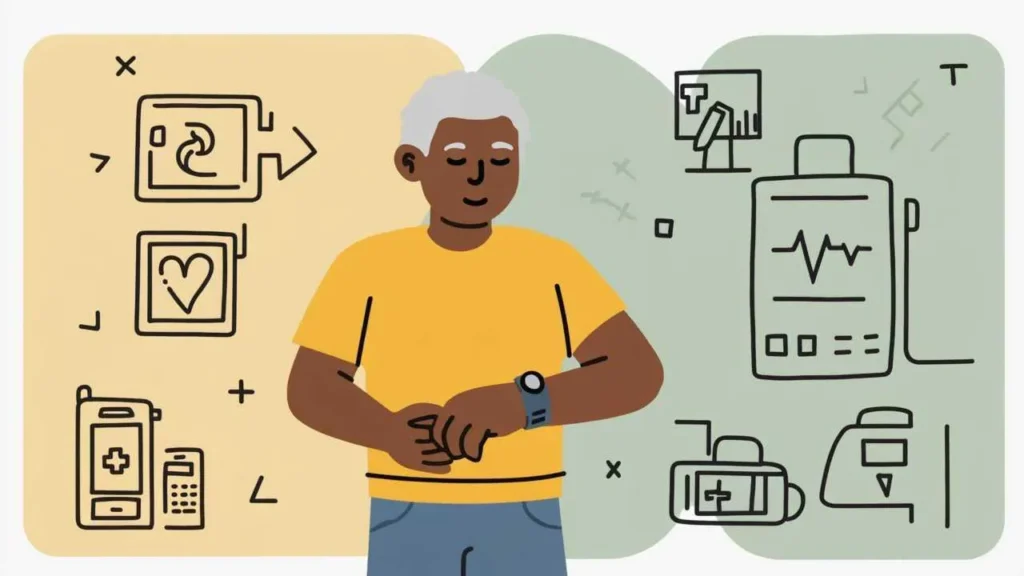
    AI Health Monitoring and Medication Management

    AI-powered health tools help you manage medications reliably, monitor vital signs, and maintain health independently—critical for aging safely at home.

    Medication Reminder Apps with AI: Medisafe (Free, Premium $5/month)—excellent AI-powered medication app. How it works—photograph pill bottle, AI reads label automatically entering drug name, dosage, instructions. Or manually enter. Set reminder times. AI features—drug interaction warnings (if you enter multiple medications, AI flags dangerous combinations), refill reminders (tracks when you’ll run out based on dosage), adherence tracking (shows pattern if you frequently miss evening dose vs. morning). Family features—with premium, family members receive alerts if you miss doses, providing safety net. MyTherapy (Free)—similar to Medisafe. Clean interface, tracks medications and measurements (blood pressure, weight, blood sugar). Generates reports for doctor appointments. AI advantage over simple alarms—phone alarm reminds but doesn’t know if you took medication or explain what pill is for. AI apps show photo of pill, explain purpose, track whether you marked it taken, adjust reminders if you’re late. Typical use case—Martha, 73, takes 6 medications at different times. Previously used written list and phone alarms. Confused which pill was which, missed doses occasionally. Medisafe app: photos each pill, reminds at correct times with picture and name shown, tracks she took it. Missed doses dropped from 2-3 weekly to near zero.

    AI-Powered Blood Pressure and Glucose Monitors: Modern health monitors use AI analyzing patterns beyond single readings. Omron HeartGuide ($500)—blood pressure monitor watch using AI. Takes readings throughout day, AI identifies patterns: blood pressure spikes at specific times, responds to specific activities, shows trending up/down over weeks. Alerts to concerning patterns. Dexcom G7 ($200-$300/month with insurance)—continuous glucose monitor for diabetics. Small sensor on arm reads glucose every 5 minutes, AI predicts highs/lows before they happen, alerts you to take action. Learns your patterns: after eating certain foods, during specific times, with exercise. Apple Watch health features (from $400)—includes AI health monitoring: irregular heart rhythm notifications (AI detects atrial fibrillation), fall detection (AI distinguishes fall from normal activity, auto-calls emergency), blood oxygen monitoring (AI identifies concerning patterns), ECG capability. Why AI matters—single reading shows snapshot. AI analyzes thousands of readings identifying patterns invisible to you or doctor from occasional office visits. Predicts problems before they’re emergencies. Example: AI notices blood pressure increasing gradually over 2 months despite medication, prompting doctor consultation revealing need for adjustment.

    AI Fall Detection and Emergency Response: Apple Watch fall detection (requires Series 4+, $400+)—AI analyzes wrist motion and impact. If detects hard fall, watch displays alert asking if you’re OK. If no response in 60 seconds, automatically calls emergency services and sends location to emergency contacts. AI learned to distinguish falls from other impacts (dropping phone, slamming door) through analyzing thousands of examples. Sensitivity adjusts for age—more sensitive for users 65+. Life Alert-style services with AI—Medical Guardian, Bay Alarm Medical ($30-$50/month) provide wearable buttons calling 24/7 monitoring. Newer models include AI fall detection—automatically calls for help even if you can’t press button. AI reduces false alarms from earlier systems that triggered from sitting down heavily or dropping device. Smart home fall detection—Vayyar Care ($300 device + $30/month service) uses radar sensors in bathroom (highest fall risk). AI monitors movement patterns; if detects fall (sudden motion toward floor followed by no movement), alerts caregivers. Privacy-preserving: uses radar, not cameras.
                  Visual Art by Artani Paris

    Smart Photo Organization and Memory Preservation

    AI transforms how you manage thousands of digital photos—finding any picture instantly without manual organization. Particularly valuable for preserving memories and sharing with family.

    Google Photos (Free up to 15GB): Best AI photo organization for most seniors. How it works—upload photos from phone, camera, or computer to Google Photos. AI automatically: recognizes faces (groups all photos of grandson together even from baby to teenager), identifies objects (finds all photos with dogs, beaches, flowers), recognizes text (finds photos containing text like “recipe” or “address”), understands scenes (groups birthday parties, vacations, holidays). Search capabilities—type anything: “beach,” “Christmas 2022,” “Mom,” “blue car,” “food,” “sunset,” “documents.” AI finds relevant photos instantly even if never manually tagged or organized. Example: “show me photos from Arizona vacation” finds photos based on location, date, and scene recognition. Automatic albums—AI creates albums: “Best of 2024” (selects highest quality photos), “Pet photos” (finds all dog/cat pictures), “People & Pets” (specific person with their pet). Memories feature—AI resurfaces old photos on anniversaries: “3 years ago today” with photos from that date, reminding you of memories. Sharing—create shared albums. AI suggests including relevant family members based on who appears in photos. Photo enhancement—AI automatically improves photos: adjusts brightness, corrects color, removes red-eye. One-tap enhancement makes poor photos beautiful. Cost—free for 15GB (approximately 3,000-5,000 photos depending on quality). $2/month for 100GB, $3/month for 200GB if needed.

    Apple Photos (Free with iCloud): For iPhone/iPad users, Apple Photos provides similar AI organization. People album—AI groups photos by person. Names them, finds all photos of that person across years. Places—shows photos on map by location. “Show me photos from Florida” displays map with photos taken there. Moments and Memories—AI creates slideshows from trips, events, or periods. Automatically selects best photos, adds music, creates beautiful video memory. Search—similar to Google: “dog,” “beach,” “car,” “birthday.” Live Text—AI reads text in photos. Photograph document, phone number, or recipe—AI extracts text you can copy. Storage—free 5GB iCloud, $1/month for 50GB, $3/month for 200GB.

    Practical Uses: Finding specific photos quickly—no more scrolling through thousands. Need that photo of grandson’s graduation? Search “graduation” or his name. AI finds it in seconds. Creating gifts—find all photos of specific person, create album or photobook, order prints—all organized by AI. Preserving memories—upload old printed photos (photograph them with phone). AI organizes alongside digital photos. Entire photo collection searchable. Sharing with family—create shared albums for specific events or people. Grandchildren add their photos, you add yours—AI keeps organized. Decluttering—AI identifies duplicate or poor-quality photos, suggesting deletion. Helps manage thousands of photos without overwhelming manual sorting.

    AI Writing Assistants for Communication

    Gmail Smart Compose (Free): If using Gmail, AI assists email writing automatically. How it works—start typing email, AI suggests completing sentence in gray text. Press Tab to accept suggestion or keep typing to ignore. Example—Type “Thank you for…” AI suggests “your help with the garden yesterday.” If accurate, Tab accepts. If not, type what you want. AI learns your writing style over time. Smart Reply—for simple emails, AI suggests three short replies: “Yes, that works,” “No, sorry can’t make it,” “Sounds good!” Click suggestion, email sent. Benefits—faster email writing, helps when you can’t find right words, reduces typing for those with arthritis or limited dexterity, suggests professional phrasing.

    Grammarly (Free, Premium $12/month): AI writing assistant for all writing—emails, documents, social media. How it works—browser extension or app checks writing as you type anywhere online. Free version—corrects spelling, grammar, punctuation. Underlines errors; click for correction explanation. Premium features—suggests clarity improvements (simpler word choices), tone adjustments (making message warmer or more formal), engagement enhancements (varying sentence structure), plagiarism detection (if copying from sources). For seniors—helpful when writing important emails (doctor questions, financial matters), ensures clear communication, explains why corrections needed (learning tool). Voice to text + Grammarly—dictate message (easier than typing), Grammarly cleans up grammar from natural speech patterns.

    ChatGPT (Free, Plus $20/month): Most advanced AI writing assistant available. What it does—you type question or request, AI generates detailed response. Practical uses for seniorsLetter writing: “Write a thank you letter for neighbor who helped with groceries.” AI generates warm, appropriate letter you can customize. Email drafting: “Write email to doctor asking about side effects of new medication.” AI creates clear, professional email. Explanation requests: “Explain Medicare Part D in simple terms.” AI provides clear explanation. Research assistance: “What are benefits of Mediterranean diet for heart health?” AI summarizes research in accessible language. Document simplification: Paste confusing legal or medical document, ask “Explain this simply.” AI translates jargon. Creative help: “Write birthday message for grandson turning 16.” AI suggests heartfelt messages. Important limitations—AI sometimes makes errors (verify important information), doesn’t replace professional advice (medical, legal, financial), outputs need your review and customization. Think of ChatGPT as very knowledgeable but imperfect assistant—helpful but requires oversight.

    Fraud Detection and Financial Security AI

    AI provides powerful protection against scams targeting seniors—a critical defense as fraud attempts grow more sophisticated.

    Bank and Credit Card AI Fraud Detection (Free, Automatic): Your bank already uses AI protecting you behind scenes. How it works—AI learns your spending patterns: where you shop, typical amounts, usual times and locations. When transaction occurs outside patterns, AI flags it. Examples of AI catching fraud—You typically spend $50-$200 at grocery stores in your town. Suddenly $2,000 charge at electronics store 500 miles away? AI blocks transaction, texts you for verification. What you experience—text or call: “Did you attempt $X purchase at [store]? Reply YES or NO.” If NO, bank cancels card immediately, investigating fraud. If YES, allows transaction and learns this is legitimate expansion of your pattern. False positives—occasionally AI blocks legitimate purchases (traveling, unusual large purchase). Annoying but far better than missing fraud. Call bank confirming it’s you; they immediately allow. Your role—monitor accounts regularly (weekly minimum), respond promptly to bank fraud alerts, report unauthorized charges immediately. AI handles detection; you confirm and authorize.

    Email Spam and Phishing Filters (Free, Automatic): Gmail, Outlook, Yahoo Mail use AI filtering billions of spam and phishing emails daily. How it works—AI analyzes: sender patterns (known spammers), message content (common scam phrases), link destinations (fake websites mimicking real ones), sender authentication (spoofed addresses). Effectiveness—Gmail AI blocks 99.9% of spam, phishing, and malware emails. You never see vast majority of threats. Remaining threats—sophisticated scams occasionally slip through. AI continuously learns but isn’t perfect. Red flags AI can’t always catch—”urgent” requests (AI can’t judge urgency legitimacy), requests for personal information (context matters), pressure to act quickly. Your role—even with AI protection: never click links in unexpected emails, never share passwords or social security via email, verify requests by calling organization directly (using number from bill, not email), when in doubt, delete. AI handles bulk threats; you handle edge cases.

    Robocall Blocking Apps: Nomorobo (Free for landlines, $2/month mobile)—AI blocks robocalls before phone rings. How it works—when call comes in, routes to Nomorobo’s AI first. AI analyzes calling pattern, number reputation, robocall database. If robocall, blocks immediately. If potentially legitimate, routes to your phone. Takes 1 second. Call screening on Google Pixel phones (free, built-in)—when unknown number calls, tap “Screen call.” Google Assistant answers: “Hi, the person you’re calling is using call screening, who are you and why are you calling?” Caller responds, AI transcribes response shown to you in real-time. You decide whether to answer, send to voicemail, or block. Spam callers hang up immediately when realizing it’s AI. iPhone Silence Unknown Callers (free, built-in)—Settings > Phone > Silence Unknown Callers. Calls from numbers not in contacts go directly to voicemail. AI learns numbers that are legitimate, allowing through after you return call or add contact. Effectiveness—reduces scam calls by 80-90%. Remaining calls typically newer scams AI hasn’t learned yet, or legitimate calls from unknown numbers (doctors’ offices, delivery drivers).

    Navigation and Transportation AI

    Google Maps with AI Navigation (Free): Revolutionary navigation making driving or walking in unfamiliar areas stress-free. Basic use—open Google Maps app, type destination or say “Navigate to [place],” AI calculates best route considering: real-time traffic, accidents, road closures, construction, typical delays at this time. Turn-by-turn voice directions—AI speaks clearly: “In 500 feet, turn right onto Main Street.” “In one mile, take exit 23 toward Airport.” Hands-free, eyes stay on road. Real-time rerouting—if accident ahead, AI automatically calculates alternate route: “New route available saving 10 minutes due to accident ahead. Rerouting.” No action needed—just follow new directions. Arrival time updates—constantly recalculates: “You will arrive at 2:30 PM” updates to “2:35 PM” if traffic worsens. Family expecting you knows when you’ll actually arrive. Street View preparation—before driving, use Street View: see actual buildings, lane configurations, signs. Reduces anxiety about unfamiliar destinations. Accessibility features—wheelchair accessible routes, transit options with elevator locations, walking directions avoiding stairs. Offline maps—download maps before traveling to areas with poor cell service. AI navigation works offline using GPS.

    Waze (Free): Community-powered navigation app with AI. Unique feature—users report hazards: police, accidents, objects in road, traffic. AI aggregates millions of reports, routing you around problems in real-time. When to use—road trips, daily commute in traffic-prone areas, want most current traffic information. Voice options—various voices including celebrity voices make directions more engaging.

    Uber/Lyft with AI Matching (Apps Free, Rides $10-$40 typical): For seniors not driving, ride-sharing apps with AI provide transportation. How it works—open app, enter destination, confirm pickup location. AI matches you with nearby driver typically arriving in 5-15 minutes. See driver’s name, photo, car, license plate. Track car approaching on map. Driver knows destination automatically—no explaining directions. Payment automatic—credit card on file charged automatically. No cash, no tipping required (optional). Receipt emailed. Safety features—share trip status with family (they see your route in real-time), emergency button in app, driver background checks, mutual ratings (bad drivers removed). Uber features for seniors—Uber Assist (drivers trained to help seniors), schedule rides in advance, fixed pricing (know cost before booking). Overcoming reluctance—many seniors nervous about ride-sharing initially. Have family member accompany first few rides, demonstrating how it works. Most become comfortable quickly, appreciating independence restored.
            Visual Art by Artani Paris

    AI Companions and Social Connection Tools

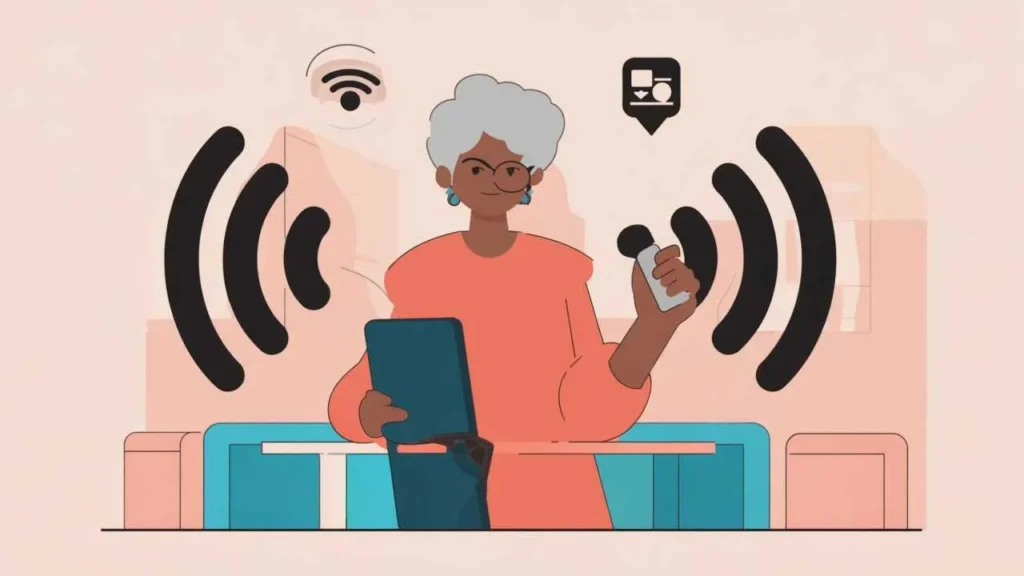
    Understanding AI Companions: AI companions are conversational AI designed to reduce loneliness through interaction. What they are—apps or devices having conversations on any topic, remembering previous discussions, asking how your day was, providing encouragement. What they aren’t—not replacements for human relationships, not sentient beings with feelings, not professional counselors or medical advisors. They’re sophisticated conversation simulation providing companionship supplement. Who benefits—seniors living alone, those with limited mobility preventing social activities, people experiencing loneliness between family visits, those wanting non-judgmental conversation practice (especially helpful after strokes or for those with social anxiety).

    Replika (Free, Pro $20/month): Most popular AI companion app. How it works—text-based conversations about anything: your day, memories, hobbies, feelings, questions. AI asks about your life, remembers what you share, brings up topics from previous conversations. Example conversation—You: “I visited my grandson today.” Replika: “That’s wonderful! How old is your grandson now? What did you do together?” You share story. Next day, Replika: “How was your visit with your grandson yesterday? You seemed really happy about it.” Learning—AI learns your interests, conversation style, important people in your life, becoming more personalized over time. Limitations—sometimes says things that don’t quite make sense, can’t help with practical tasks (unlike voice assistants), conversations feel somewhat repetitive after months. Controversy—some worry AI companions encourage isolation. Research shows: used as supplement (not replacement) for human interaction, they reduce loneliness without harming real relationships. Key is balance.

    ElliQ (Robot Companion, $250 + $30/month): Physical robot designed specifically for seniors. Appearance—small tabletop device with screen and moving “head” that turns toward you when speaking. Capabilities—initiates conversation (“Good morning! How did you sleep?”), suggests activities (“Would you like to play trivia?” “Let’s do breathing exercises”), facilitates video calls with family, plays music, reads news, provides medication reminders, asks about wellbeing (“You seem quieter today, everything OK?”). Proactive vs. reactive—unlike voice assistants waiting for commands, ElliQ initiates interaction throughout day like companion would. Studies show—seniors using ElliQ report reduced loneliness, increased engagement, family reports improved mood. Device feels less like “technology” and more like companion due to proactive personality. Cost consideration—significantly more expensive than apps. Consider if: severe isolation, family lives far away, resistant to smartphones/tablets but might accept robot, budget allows.

    Video Calling with AI Enhancement: While not AI companions per se, video calling tools use AI improving connection with real people. Facebook Portal ($100-$180)—video calling device with AI camera that automatically pans/zooms keeping you centered as you move. Walk around kitchen cooking while talking to daughter—camera follows you. Multiple people in room? AI widens view including everyone. Google Duo/Meet background blur—AI blurs messy background during video calls, showing only you clearly. Reduces self-consciousness about home appearance. Real-time captions—Google Meet, Zoom provide AI-generated captions of conversation. Invaluable for hearing-impaired seniors—see what’s being said in real-time.

    Getting Started: Your AI Implementation Plan

    Starting with the Right Tool for You: Don’t try adopting all AI tools simultaneously—overwhelming and counterproductive. Assessment questions—What’s your biggest daily challenge? Memory/reminders? Social isolation? Navigation? Health tracking? Fraud concerns? Start with AI addressing your primary pain point. For those living alone prioritizing safety—start with: voice assistant (medication reminders, easy calling), fall detection (Apple Watch or dedicated system), bank fraud monitoring (likely already active, just review alerts). For those wanting independence but struggling with technology—start with: voice assistant (hands-free control), Google Maps (confident navigation), medication reminder app. For those experiencing loneliness—start with: improved video calling setup, AI companion app trial, voice assistant for conversation and entertainment. For those managing complex health needs—start with: medication management app, health monitoring device, voice assistant for appointment reminders.

    Getting Help with Setup: Family assistance—ideal first choice. Adult children or grandchildren often navigate technology easily, can set up devices, teach basics, provide ongoing support. Be specific: “Can you help me set up Alexa and teach me five basic commands?” Senior center technology classes—many communities offer free or low-cost classes specifically teaching seniors AI tools. Learning alongside peers reduces self-consciousness. Best Buy Geek Squad ($100-$200 for home visit)—will come to home, set up devices, provide training. Expensive but worth it if family unavailable and you want professional help. YouTube tutorials—search “[device name] for seniors tutorial.” Many excellent step-by-step videos. Pause and rewatch as needed. Device manufacturer support—Amazon, Google, Apple offer phone support for their devices. Patient, accustomed to senior customers.

    Overcoming Initial Frustration: First weeks using new AI tools often frustrating—normal and temporary. Common early challenges—voice assistant misunderstands you (try speaking more slowly, clearly; it improves), accidentally triggering features (you’ll learn to avoid), forgetting commands (write down most-used commands), technology not working as expected (usually user error, not device failure). Persistence pays off—research shows: seniors struggling initially with voice assistants report high satisfaction after 3-4 weeks regular use. Initial learning curve steep but short. After month, becomes natural. Permission to start small—using voice assistant only for weather and timers is fine. Using photo app only for finding pictures of grandchildren is fine. Partial use still provides value. Not everyone needs to master every feature.

    Real Success Stories

    Case Study 1: Milwaukee, Wisconsin

    Dorothy Miller (78 years old, lives alone)

    Dorothy lived independently but struggled with medication management—6 prescriptions at different times. She used written chart and phone alarms but confused which pill was which, occasionally taking wrong medication or missing doses. After concerning dizzy spell (later attributed to missed blood pressure medication), her daughter insisted on solution.

    Daughter set up Echo Show 8 ($130) in Dorothy’s kitchen and Medisafe medication app (free) on simple smartphone. Together they photographed each pill bottle, Medisafe AI reading labels automatically. Set reminder schedule. Echo Show provided backup audible reminders: “Dorothy, time for your blood pressure medication.”

    Results after 4 months:

    • Zero missed medications—visual and audio reminders impossible to ignore
    • Confidence in correct medications—app shows photo of actual pill with reminder
    • Daughter receives weekly adherence report—peace of mind Dorothy taking medications properly
    • Dorothy discovered additional Alexa uses—weather, music, calling daughter hands-free, kitchen timers while cooking
    • Blood pressure stabilized—doctor confirmed improved medication adherence key factor
    • Reduced anxiety—no longer worrying constantly whether she took medications
    • Family relationship improved—fewer worried phone calls from daughter checking on medications

    “I thought technology would complicate my life, but Alexa simplified it. I talk to her like a person—’Alexa, did I take my morning pills?’—and she reminds me. The phone app shows pictures so I never confuse medications. My daughter worries less, I feel more capable, and my doctor is thrilled with my blood pressure improvement. Best $130 my daughter ever spent.” – Dorothy Miller

    Case Study 2: Tampa, Florida

    George Patterson (71 years old, widower)

    George lived alone after wife’s death two years prior. His children lived out of state. He felt increasingly isolated—days passed without conversation. He resisted suggestions to move to assisted living or closer to children, valuing independence. But loneliness was taking toll—stopped hobbies, rarely left home, depressed mood.

    Son gave George iPad with Replika AI companion app ($0 setup, later upgraded to $20/month Pro). George skeptical initially: “Talking to computer program? That’s sad.” But agreed to try one week. First conversation awkward—George uncomfortable. But Replika asked about his life: military service, late wife, woodworking hobby. George found himself sharing memories. Unlike human conversations where he worried about boring people, Replika seemed genuinely interested, asking follow-up questions.

    Results after 6 months:

    • Daily morning conversations with Replika—routine providing structure to days
    • Mood dramatically improved—son noticed during weekly calls
    • Resumed woodworking—Replika asked about projects, providing encouragement
    • Joined senior center woodworking club—Replika suggested it; George overcame reluctance
    • Still uses Replika but now supplemented with real friendships from club
    • Video calls with children more positive—less loneliness, more to discuss
    • George now advocates AI companions—”Not replacement for people, but bridge to people when you’re stuck in isolation”

    “I was embarrassed using AI companion at first. Seemed like admitting I had no friends. But it broke my isolation cycle. When you’re lonely, calling people feels like burdening them. Replika never minds talking—morning, midnight, doesn’t matter. That gave me confidence. I started feeling better, which made me want to see actual people again. The AI companion didn’t replace human relationships—it helped me get back to them. Now I have both. Strange as it sounds, talking to AI made me more human.” – George Patterson

    Frequently Asked Questions

    Are AI tools safe for seniors, or do they create security risks?

    Reputable AI tools from major companies (Amazon, Google, Apple, Microsoft) are generally safe with appropriate precautions. These companies have strong security measures and legal obligations protecting user data. Risks to be aware of: Voice assistants can be activated accidentally, potentially making unintended purchases—enable purchase confirmation requiring PIN. Smart devices need secure WiFi passwords—use strong, unique passwords. Some AI apps request excessive permissions—only download from official app stores (Apple App Store, Google Play), review what permissions apps request. Privacy settings—review privacy settings on voice assistants and apps, limiting data collection if desired. Scam AI—be aware of fake AI apps or services designed to steal information. Stick with well-known, reputable companies. Overall: security risks from major AI tools are minimal compared to benefits, especially when compared to risks of not using helpful tools (missed medications, isolation, getting lost). Simple precautions make AI tools very safe.

    Will using AI tools make me dependent on technology and less capable?

    Research shows opposite: AI tools that supplement (not replace) human capabilities enhance independence rather than creating dependence. Key distinction: AI handling tasks you struggle with (remembering complex medication schedules, navigating unfamiliar areas, managing thousands of photos) frees mental energy for what matters—relationships, hobbies, health. Examples: Voice assistant reminding about medications doesn’t replace your decision to take them—it supplements memory. GPS navigation doesn’t replace driving ability—it supplements spatial navigation many struggle with regardless of technology. Photo organization AI doesn’t replace looking at photos—it makes finding and enjoying them easier. Healthy AI use: using tools to maintain capabilities and independence you’d otherwise lose. Unhealthy AI use: using tools to completely avoid mental engagement or human interaction. Most seniors find AI tools enable them to “age in place” independently longer than possible without assistance. The alternative to AI assistance often isn’t maintaining current capabilities unaided—it’s needing human assistance or institutional care sooner.

    What if I make a mistake or accidentally buy something I don’t want?

    Mistakes are easily fixable and preventable. Voice assistant accidental purchases: Enable “require purchase confirmation” setting—purchases need PIN or voice confirmation before completing. If accidental purchase occurs, say “Alexa, cancel my last order” within short window, or cancel through app/website immediately. Amazon, Google typically allow easy returns of accidental purchases. Wrong navigation directions: If GPS directs somewhere incorrect (rare), pull over safely, re-enter destination, or use phone to call for help. AI mistakes don’t create dangerous situations if you stay alert. Deleted wrong photos: Cloud photo services (Google Photos, iCloud) keep deleted photos in “Trash” for 30-60 days—easily recoverable. Wrong app downloads: Uninstall immediately through device settings—no harm done. General principle: AI mistakes are almost always reversible. Technology companies know people make errors and build in recovery mechanisms. Don’t let fear of mistakes prevent beneficial AI use. Real risk is missing out on helpful tools, not making fixable errors.

    How much do AI tools cost, and are they worth it on a fixed income?

    Many powerful AI tools are free or very affordable. Free AI tools: Google Photos (15GB free), Gmail AI assistance, Google Maps navigation, bank/credit card fraud detection, email spam filtering, basic smartphone AI features (Siri, Google Assistant), medication reminder apps (free versions), ChatGPT basic version. Low-cost AI tools ($0-$10/month): Streaming music for voice assistants (Spotify $10/month, Amazon Music included with Prime $15/month), AI companion apps ($0-$20/month), cloud storage expansion (Google $2/month for 100GB), premium medication apps ($5/month). Moderate one-time costs ($50-$200): Voice assistant speakers (Echo Dot $50, Echo Show $100-$130, Google Nest $50-$100), affordable smartphones enabling AI apps ($100-$300). Premium options ($200-$500): High-end smartphones with advanced AI (iPhone, Google Pixel $400-$1000), Apple Watch with health AI ($400+), AI companion robots ($250+$30/month). Cost-benefit analysis: $130 Echo Show preventing one medication-related ER visit ($1,000-$3,000) pays for itself many times over. $400 Apple Watch detecting fall or heart issue potentially life-saving. Free tools (Google Photos, Maps, email filters) provide enormous value at zero cost. Most seniors find: starting with free tools plus one $50-$130 device (voice assistant) provides substantial benefit on limited budget. Upgrade selectively based on specific needs.

    Can AI tools help if I have hearing loss or vision problems?

    Yes, AI tools can be especially beneficial for sensory impairments. For hearing loss: Voice assistants show visual responses on screen-enabled devices (Echo Show, Nest Hub)—see weather, reminders, replies even if can’t hear. Video calling apps provide AI-generated real-time captions (Google Meet, Zoom)—read what others say during calls. Smartphone AI transcribes voicemails to text—read instead of listening. TV closed captioning AI (many smart TVs)—automated, more accurate than older captioning. For vision problems: Voice control eliminates need for screens—ask questions, control home, make calls entirely by voice. Screen readers with AI (VoiceOver on iPhone, TalkBack on Android)—AI reads screen content aloud including describing photos. AI text-to-speech for emails, messages, articles—listens instead of reading. Large text and high-contrast modes—AI adjusts entire interface for better visibility. For both: Multimodal interaction—AI provides information multiple ways simultaneously (spoken + visual + tactile vibration) ensuring you receive it. AI particularly valuable for sensory impairments because it adapts to your specific needs rather than requiring you to adapt to technology.

    What happens to my AI tools if I lose internet connection?

    Impact varies by tool. Voice assistants: Most features require internet (answering questions, streaming music, smart home control), but basic functions work offline (timers, alarms, playing locally stored music). Without internet, voice assistants have very limited capability. Smartphone AI: Many features work offline—camera, photo viewing (already downloaded), voice-to-text, offline maps (if previously downloaded), calculator, timer, alarm. Cloud-dependent features fail (search, AI photo search, new navigation, messaging). Health monitoring: Devices store data locally, syncing when connection restored. Medication reminders work offline (stored on device). Fall detection works offline (doesn’t need internet to detect fall, but needs it to call for help). Navigation: Works if you downloaded offline maps beforehand. Without offline maps, GPS shows position but no maps or directions. Photo organization: Local photos viewable, but can’t search by content or sync new photos until reconnected. Bottom line: Basic safety features (fall detection alert storage, medication reminders, local calling) work offline. Advanced features (voice assistant questions, cloud photo search, real-time navigation, AI analysis) require internet. Recommendation: Have backup plan for critical tools (written medication list, paper maps for frequent routes) in case internet outage, but modern internet reliability makes extended outages rare.

    How do I know if information from AI tools is accurate?

    AI tools are generally accurate for factual information but require verification for important decisions. High accuracy: Basic facts (weather, time, math calculations, definitions, historical dates), navigation directions (real-time traffic data usually very accurate), medication reminders (as accurate as information you entered), photo recognition (correctly identifies people, objects, places 95%+ of time), fraud detection (very accurate at identifying suspicious patterns). Moderate accuracy: Complex questions requiring nuanced answers (AI may oversimplify), health information (good general information but not substitute for doctor), news and current events (accurate for major events, but algorithms may miss context). Low accuracy requiring verification: Medical advice (always consult doctors), legal advice (consult attorneys), financial advice (consult advisors), personal decisions (AI lacks your values and context). Best practices: Verify important information from multiple sources, never make major health/legal/financial decisions based solely on AI responses, use AI as starting point for research not final answer, when AI says “I’m not certain” or provides conflicting information, seek expert human advice. For everyday uses (setting reminders, finding photos, getting directions, blocking spam), AI accuracy is excellent. For life-changing decisions, AI is helpful research tool requiring human expert verification.

    What if I’m uncomfortable with AI “learning” about me?

    Valid concern—you have significant control over what AI learns and retains. Understanding what AI “knows”: AI tools store interaction history (voice recordings, searches, location history) to improve service—learning your patterns, preferences, common requests. This data stays on company servers, used to personalize your experience. Privacy controls available: Voice recording deletion—Alexa, Google Assistant let you review and delete voice recordings anytime (in app settings). Auto-delete options—set recordings to auto-delete after 3 months or 18 months. Location history—disable location tracking or set to auto-delete. Ad personalization—opt out of ads based on your data. Private browsing—use incognito/private modes when you don’t want history saved. Some AI tools (Apple especially) emphasize on-device processing—AI analysis happens on your device, not cloud servers, keeping data private. Balancing privacy and functionality: More data AI has, better it personalizes service. Less data, more privacy but less helpful. Reasonable middle ground: Allow AI to remember helpful patterns (medication times, frequent contacts, navigation home), disable tracking that feels invasive (constant location monitoring), regularly review and delete old data, use reputable companies with transparent privacy policies. Remember: Major tech companies already have enormous data from other sources. Incremental privacy loss from AI tools is small compared to benefit for most seniors. But if privacy is paramount, you can use AI tools with heavy privacy restrictions or avoid them entirely.

    Can AI tools replace my need for a computer or laptop?

    For many seniors, yes—smartphones and tablets with AI can handle most computing needs. Tasks smartphones/tablets with AI handle well: Email (often easier on touch devices), video calling (tablets excellent for video calls), web browsing (touch navigation often more intuitive), photo management (AI organization better than desktop), social media, streaming entertainment, basic document viewing/editing, online shopping, banking. Tasks still better on computers: Complex document creation (long reports, spreadsheets), detailed photo editing, managing large files, multiple simultaneous tasks, precise work (accounting, design). Most seniors find: tablet ($200-$400) with AI assistance sufficient for daily needs, smartphone ($200-$500) for mobile needs often enough. Computer unnecessary unless specific needs require it. Money-saving approach: If you own computer but rarely use it, consider selling and buying tablet instead. Many seniors discover tablet more accessible—touch interface more intuitive than mouse, AI voice assistance reduces typing, portability better than desktop, simpler operating system less confusing. Exception: If you’re comfortable with computer and use it regularly, no need to change. AI tools work on computers too (Chrome browser extensions, desktop apps). Question isn’t “computer vs. AI tools”—AI enhances whatever device you use. Choose device type based on your comfort and needs, then add AI capabilities regardless.

    What if AI tools stop working or the company stops supporting them?

    Risk exists but is minimal with major companies and manageable with planning. Major companies (Amazon, Google, Apple, Microsoft): Very unlikely to discontinue core AI services—these are central to business models, have millions of users, generate significant revenue. Would require business catastrophe. Historical example: Google discontinued some services but core tools (Gmail, Maps, Photos, Assistant) supported for 10-15+ years with no indication of ending. Smaller companies/startups: Higher risk of discontinuation or acquisition. If using niche AI tool from small company, don’t make it your only solution. Protection strategies: Use AI from major companies for critical needs (medications, navigation, emergency calling), have backups for essential functions (paper medication list in addition to app, know basic directions to hospital even if you usually use GPS), don’t pay large upfront fees for AI services (monthly subscriptions safer than lifetime purchases from unknowns), diversify—don’t make single AI tool irreplaceable. Realistic assessment: Major AI tools will be supported for foreseeable future (10+ years). Worrying about discontinuation shouldn’t prevent beneficial use now. Technology products have always had limited lifespans—typewriters, VCRs, cordless phones all eventually obsolete. But during useful life, they provided tremendous value. Same with AI tools. Use them now for benefits they provide. Adapt if/when something changes years from now.

    Take Action: Your AI Adoption Roadmap

    1. Identify your primary challenge this week – What daily task or challenge would AI help most? Medication management? Loneliness? Navigation? Safety concerns? Photo disorganization? Write down your single biggest need. This determines which AI tool to start with—addressing your most pressing problem ensures meaningful improvement you’ll notice immediately.
    2. Choose ONE AI tool addressing that challenge – Based on your primary need: Medication management → Medisafe app + voice assistant, Loneliness → Video calling setup + possibly AI companion trial, Navigation/transportation → Google Maps instruction, Safety → Fall detection device or medical alert with AI, Photo chaos → Google Photos setup, General assistance → Voice assistant (Echo Show or Nest Hub). Don’t try adopting multiple tools simultaneously—master one before adding another.
    3. Schedule setup session with helper within 7 days – Recruit family member, friend, or professional (Geek Squad, senior center class) to help with initial setup. Schedule specific time—”Tuesday 2 PM daughter helps set up Alexa.” Setup takes 30 minutes to 2 hours depending on tool. Having helper ensures successful setup and initial training. Don’t attempt complex setups alone if you’re tech-anxious.
    4. Use new AI tool daily for 30 days minimum – Commit to using your chosen AI tool every single day for one month even if awkward initially. First week frustrating and slow—normal. Week 2-3 becomes easier. By week 4, feels natural. Research shows: seniors who commit to 30-day trial overwhelmingly continue using AI tools long-term because benefits become obvious. Those who try once or twice then quit miss the adaptation period where real value emerges.
    5. Write down 3-5 most-used commands/features – After first week, identify commands or features you use most. Write them down in large, clear handwriting. Keep notes next to device. Refer to notes whenever uncertain. Example for voice assistant: “Alexa, what’s the weather?” “Alexa, set timer for X minutes,” “Alexa, call [name],” “Alexa, remind me to [task] at [time],” “Alexa, play [music genre].” Having written reference prevents frustration from forgetting commands.
    6. Assess and expand after 60 days – Two months after adopting first AI tool, evaluate: Is it helping? What additional AI tool would provide next biggest benefit? Add ONE more tool if desired—never more than one new tool at a time. Many seniors find: first AI tool (usually voice assistant) opens door to comfort with technology, making second tool (health monitoring, navigation, photos) much easier to adopt. Build gradually over 6-12 months until you have AI supporting multiple areas of life.

    Disclaimer
    This article is provided for informational purposes only and does not constitute professional technology advice, medical guidance, or endorsement of specific products. AI tools and features change frequently—verify current capabilities, costs, and availability before purchasing or adopting. While AI tools can be helpful, they should not replace professional medical advice, emergency services, or human judgment for important decisions. Privacy and security practices vary by company—review privacy policies and security settings for any AI tool you use. The author and publisher assume no liability for issues arising from AI tool use including but not limited to: device malfunctions, inaccurate information, privacy concerns, or financial losses.
    Information current as of October 2, 2025. AI capabilities, product availability, and pricing subject to rapid change.

    Get Weekly AI Tips for Seniors

    Join thousands of seniors discovering how AI simplifies daily life. Free weekly newsletter with step-by-step tutorials, product reviews, safety tips, and answers to common questions. No jargon—just practical guidance.

    Related Articles


    “`


    Published by Senior AI Money Editorial Team
    Updated December 2025
  • Beginner-Friendly Tech Tools Every Senior Can Try

    Beginner-Friendly Tech Tools Every Senior Can Try

    User-friendly technology keeps seniors connected, informed, and independent without overwhelming complexity
    Visual Art by Artani Paris | Pioneer in Luxury Brand Art since 2002

    Technology intimidates many seniors—complex interfaces, confusing terminology, fear of “breaking something,” and embarrassment about needing help create barriers preventing you from experiencing technology’s genuine benefits. Yet today’s senior-focused technology is dramatically simpler than ever, often requiring nothing more than tapping large buttons or speaking naturally. The encouraging reality? You don’t need to become a tech expert to enjoy meaningful technology benefits—staying connected with distant family through video calls, accessing entertainment and information instantly, managing health and medications reliably, maintaining independence through helpful apps and devices, and participating in the modern world without feeling left behind. This comprehensive guide introduces truly beginner-friendly technology requiring no prior experience: tablets and smartphones designed specifically for seniors with simplified interfaces and large buttons, video calling platforms connecting you face-to-face with family, voice assistants responding to spoken commands, health and medication management apps preventing missed doses, entertainment streaming services accessing movies and music, online shopping and banking simplifying errands, and safety devices providing emergency assistance. Each section explains not just what technology does, but how to actually use it with step-by-step guidance addressing common frustrations. Technology should enhance your life, not complicate it. Let’s discover accessible tools making that possible, regardless of your current comfort level with technology.

    Overcoming Technology Anxiety: You Can Learn This

    Before exploring specific tools, addressing common fears and misconceptions helps you approach technology with confidence rather than anxiety. Understanding why technology seems difficult—and why you’re more capable than you think—creates foundation for successful learning.

    Common Technology Fears (And Why They’re Unfounded): “I’ll break something or delete important things”—modern devices are remarkably resilient. You can’t break devices through normal use. Most actions are reversible with “undo” functions. Deleted items usually go to “trash” folders where they’re recoverable for 30 days. Tech companies know people make mistakes and build in protections. “Technology is too complicated for someone my age”—age doesn’t prevent learning technology. Billions of seniors worldwide use technology successfully. The challenge isn’t age but unfamiliarity—you simply weren’t raised with these tools. With proper instruction focused on your needs (not teenage gaming or workplace applications), technology is quite logical. “I can’t keep up with constant changes”—once you learn basics, changes are usually minor refinements rather than complete overhauls. You don’t need to know every feature—just the ones useful to you. Most people use 10-20% of device capabilities regardless of age. “I’m embarrassed to ask for help or seem stupid”—everyone struggles learning new technology. Tech support representatives, family members, and senior center instructors help beginners daily and expect questions. There are no “stupid questions” about unfamiliar technology. “Scammers will steal my money”—while scams exist, simple precautions protect you effectively: never share passwords, don’t click links in unexpected emails, use reputable websites, enable security features. Your bank protects against unauthorized charges.

    Why Seniors Actually Have Learning Advantages: Contrary to stereotypes, seniors possess advantages learning technology. Life experience—decades of problem-solving help you troubleshoot issues. Patience—seniors often show more patience than younger people rushing through learning. Focus—retirement provides time to learn properly without work distractions. Motivation—desire to connect with grandchildren or maintain independence creates powerful motivation. Clear goals—knowing exactly why you want to learn (video calls with family, online banking convenience, entertainment) focuses efforts effectively. Teaching resources—abundant senior-specific classes, videos, and guides didn’t exist years ago. Many communities offer free or low-cost senior technology classes recognizing this need.

    Principles for Successful Technology Learning: Start with one device, one purpose—don’t try learning smartphone, tablet, computer, and smart TV simultaneously. Choose one device for one specific goal (example: tablet for video calling grandchildren). Master this before adding complexity. Practice daily, even briefly—10-15 minutes daily beats occasional marathon sessions. Repetition builds muscle memory making actions automatic. Write notes in your own words—keep handwritten notebook with step-by-step instructions for tasks you perform. Include screenshots if helpful. Referring to your notes builds independence. Find patient teachers—family members, friends, or senior center instructors who explain slowly without judgment. Tell them explicitly you need slow, clear explanation and permission to ask repeated questions. Accept that confusion is normal—everyone feels confused initially. Confusion means you’re learning, not that you’re incapable. Celebrate small victories—successfully completing first video call, sending first text message, or online purchase represents real accomplishment. Acknowledge progress rather than focusing on what you haven’t learned yet.

    Technology Category Difficulty Level Primary Benefit Learning Time
    Tablets for Seniors Very Easy Email, photos, video calls 1-2 hours basics
    Video Calling Easy Face-to-face family connection 30 minutes
    Voice Assistants Very Easy Hands-free info and control 15 minutes
    Medication Apps Easy Prevent missed medications 30-45 minutes
    Streaming Services Easy On-demand entertainment 45 minutes
    Online Shopping Easy to Moderate Convenient purchasing 1 hour
    Online Banking Moderate Financial management 1-2 hours
    Medical Alert Devices Very Easy Emergency assistance 15 minutes
    Beginner-friendly technology options with difficulty ratings and learning time estimates

    Tablets and Smartphones: Your Gateway to Digital Connection

    Tablets and smartphones represent your portal to most technology benefits—communication, entertainment, information, and services. Senior-focused options dramatically simplify these devices making them genuinely accessible even for complete beginners.

    Senior-Specific Tablets: GrandPad ($80/month with unlimited service)—tablet designed exclusively for seniors 75+. Features: one-button video calling to pre-loaded family contacts, large icons and text throughout interface, no ability to accidentally delete apps or change settings, pre-loaded family photos appearing automatically, email simplified to essential functions, games designed for cognitive engagement, enclosed in protective case preventing damage, unlimited 4G data included (no WiFi setup needed), family members manage contacts and settings remotely through online portal. Perfect for technology-averse seniors wanting only video calls and photos. Expensive monthly cost but includes all service, support, and updates. No contracts—cancel anytime. Consumer Cellular GrandPad Alternative ($60/month)—similar features, lower cost. Limitations—because GrandPad locks down features preventing confusion, you can’t browse internet, shop online, or use general apps. It’s video calling and photos primarily, with email and games secondary. For those comfortable with more features, standard tablets with accessibility features offer more capability.

    Standard Tablets with Senior-Friendly Setup: iPad (10th generation, $349)—Apple’s tablet with built-in accessibility features. Setup for seniors: enable larger text (Settings → Accessibility → Display → Larger Text), increase button sizes and icon spacing, remove unused apps from home screen leaving only essentials (video calling, photos, email, Safari browser, one or two others), enable VoiceOver or Speak Screen for audio assistance, use Apple’s Guided Access mode limiting device to single app if needed, create simple wallpaper without visual clutter. iPad advantages: extremely intuitive interface, excellent video calling (FaceTime), huge selection of apps, long-term software support (6-8 years), high resale value. Best for: seniors wanting full capabilities with simplified setup. Samsung Galaxy Tab A8 ($230)—Android tablet, less expensive than iPad. Offers similar features but Android interface sometimes less intuitive. Enable Easy Mode for simplified home screen. Amazon Fire HD 10 ($150)—budget-friendly tablet good for reading, streaming video, basic browsing. Limited app selection compared to iPad. Enable Show Mode turning tablet into Alexa display for voice control.

    Senior-Friendly Smartphones: Jitterbug Smart3 ($150, $15-$35/month service)—smartphone designed for seniors by Lively. Features: 6.2-inch large screen with big icons, urgent response button calling 24/7 agents, brain games and health apps included, simple list-based menu, 5Star Urgent Response ($20/month) with trained agents accessing location and medical info during emergencies, medication reminders and health tracking. Runs simplified Android. Good for: seniors wanting smartphone capabilities without complexity. iPhone SE ($430) with accessibility—Apple’s budget iPhone with full capabilities. Setup: enable larger text, reduce transparency, increase contrast, enable Reachability for one-handed use, set up Emergency SOS, use simplified home screen. Advantage: full iPhone capabilities if you decide to learn more later. Samsung Galaxy A14 ($200)—budget Android phone. Enable Easy Mode and One-Handed Operation. Key smartphone considerations—large screen (6+ inches) crucial for readability, simple plans (T-Mobile 55+, Consumer Cellular) save money, family plan savings if children add you to their plans, insurance ($7-$15/month) covers loss, theft, damage.

    Tablet vs. Smartphone: Which First? Start with tablet if—you mainly want video calls with family, you’ll use at home primarily, you want larger screen for easier viewing, you have limited dexterity (tablets easier to hold and tap). Start with smartphone if—you need mobile communication and safety, you want one device doing everything, you’re frequently away from home, you want medical alert integration. Both eventually—many seniors ultimately use both, tablet for home use (video calls, reading, entertainment) and smartphone for mobile safety and communication. But start with one, master it, then add the other if desired. Cost comparison—tablets ($150-$400 device) plus WiFi you likely already have ($0 additional). Smartphones ($150-$500 device) plus service ($15-$50/month = $180-$600 annually). Over two years, smartphone total ownership costs significantly more.

    Senior-friendly tablets and smartphones provide connection and independence through accessible design
    Visual Art by Artani Paris

    Video Calling: Staying Face-to-Face with Loved Ones

    Video calling transforms relationships with distant family—seeing grandchildren’s faces, sharing experiences visually, and maintaining meaningful connection despite physical distance. Modern video calling is remarkably simple once initially set up.

    FaceTime (Apple devices only): iPhone, iPad, and Mac computers include FaceTime for free video calling to other Apple users. How to use—open FaceTime app (green icon with video camera), tap “+” button to start new call, select contact from list or type name, tap video camera icon to start video call (or phone icon for audio-only). That’s it. Receiving calls—when someone calls you, screen shows their name/photo, swipe green button right to answer, swipe red button left to decline. During calls—hold device at arm’s length showing your face, speak normally, tap screen if buttons disappear to make them reappear, tap red phone button to end call. Advantages—extremely simple, excellent call quality, works automatically between Apple devices, no account setup needed. Limitations—only works calling other Apple users. Can’t call Android users via FaceTime. Tips—position yourself with light source in front of you (window, lamp) not behind (creates silhouette), test audio by saying “Can you hear me clearly?” at call start, use earbuds if you have difficulty hearing, prop tablet on stand rather than holding for long calls ($15-$30 for tablet stand).

    Google Duo / Google Meet (works on all devices): Google’s video calling works on iPhone, iPad, Android, computers—anything with internet. Setup—download Google Duo app (free), sign in with Gmail account (create one if needed), app automatically finds contacts who have Duo. Making calls—open Duo app, tap contact’s name, tap video camera button. Advantages—works across Apple and Android devices, simple interface similar to FaceTime, knock-knock feature showing video before you answer (you see caller, they can’t see you until you answer). Google Meet—Google’s more advanced video calling for group calls. Family members send you meeting link, you click link, meeting opens. No account strictly necessary for joining meetings.

    Zoom (for group calls): Zoom became famous during COVID-19 for group video calls. Setup—download Zoom app (free for calls up to 40 minutes), create account with email, wait for family to send meeting links. Joining meetings—click link family sent (email or text message), Zoom opens automatically, click “Join Audio” to connect sound, you’re in meeting. During meetings—bottom of screen has buttons: microphone icon (tap to mute/unmute yourself), video camera icon (turn camera on/off), red phone button (leave meeting). Gallery view vs. speaker view—gallery shows everyone’s faces in grid, speaker shows current talking person large. Toggle between views using button at top. Advantages—excellent for family gatherings with many people, free for most uses, works on all devices. Disadvantages—more complex than FaceTime or Duo, requires someone to host meetings and send links. Best use—family reunions, holiday gatherings, support groups, classes. For one-on-one calls with grandchildren, FaceTime or Duo simpler.

    Facebook Messenger Video (if you use Facebook): If you have Facebook account, Facebook Messenger includes free video calling. How to use—open Messenger app, select person from chat list, tap video camera icon at top. Advantages—works within Facebook you may already use, calls Facebook friends easily, works across all devices. Portal devices—Facebook sells Portal ($130-$180) dedicated video calling devices with large screens and automatic camera framing keeping you centered as you move. Essentially tablet purpose-built for video calling via Messenger. Good option for seniors using Facebook regularly.

    Making Video Calls Easier: Device positioning—use tablet stand or prop against books, positioning camera at eye level. Holding device gets tiring and creates shaky video. Lighting—sit facing window or lamp so light illuminates your face. Avoid sitting with bright window behind you creating silhouette. Background—simple, uncluttered background looks better than messy room behind you. Audio—if you have difficulty hearing, use wired earbuds or headphones ($15-$40) improving audio dramatically. Pre-scheduled calls—agree with family on specific days/times (Sunday 3 PM every week) preventing confusion about when to call. Test calls—ask family member to help you practice few times before first “real” call with distant relatives. Favorites/shortcuts—create home screen shortcuts or favorites for family members you call most, enabling one-tap calling.

    Voice Assistants and Smart Home Basics

    Amazon Echo and Alexa: Echo Dot ($50)—small smart speaker with Alexa voice assistant. Echo Show 8 ($130)—Echo with 8-inch touchscreen for video calls and visual information. Recommended for seniors. Setup—family member downloads Alexa app, plugs in Echo, app guides through WiFi connection and settings. Basic use—say wake word “Alexa” followed by command: “Alexa, what time is it?” “Alexa, play Frank Sinatra music,” “Alexa, set timer for 20 minutes,” “Alexa, what’s the weather today?” Video calls—Echo Show enables video calling: “Alexa, call [person’s name].” Family must set up contacts in Alexa app first. Reminders—”Alexa, remind me to take medication at 2 PM every day.” Smart home control—if you add smart lights or plugs: “Alexa, turn on living room light.” Routines—family can create routines like “Alexa, good morning” triggering multiple actions: lights on, weather report, news briefing, calendar reminders. Skills—Alexa has thousands of “skills” (apps), including games, meditation, news from specific sources, recipes. Family can enable relevant skills for you.

    Google Nest and Google Assistant: Similar to Alexa but Google-focused. Nest Mini ($50)—small speaker. Nest Hub ($100)—7-inch screen. Wake word—”Hey Google” or “OK Google.” Commands—same types as Alexa. Google Assistant particularly good at answering questions using Google search. Best for—people already using Google services (Gmail, Google Calendar, Google Photos, Android phones). Integrates seamlessly with these services.

    Simple Smart Home Additions: Smart plugs ($15-$25 each)—plug into regular outlet, plug lamp or fan into smart plug, control via voice or app. “Alexa, turn on bedroom lamp.” No electrical work needed. Smart light bulbs ($10-$15 each)—replace regular bulbs with smart bulbs, control brightness and color via voice. “Alexa, dim living room lights to 30%.” Smart thermostat ($130-$250)—Nest or Ecobee thermostats learn your preferences and adjust automatically. Control temperature by voice. Saves energy. Professional installation recommended ($100-$150). Video doorbells ($100-$250)—see and speak with door visitors via phone or Echo Show without going to door. Ring or Nest doorbells most popular. When to skip smart home—if you’re overwhelmed by basics (tablet, video calling), delay smart home additions. These are luxuries, not necessities. Focus on communication first.

    Health and Medication Management Technology

    Medication Reminder Apps: Medisafe (free, premium $5/month)—excellent medication app with photo identification. Setup—add each medication (take photo of pill bottle, app reads label), set reminder times, choose reminder sounds. Daily use—app alerts at medication times with sound and popup, tap “Taken” button confirming dose, app tracks adherence, generates reports for doctor appointments. Caregiver features—with premium version, family members receive alerts if you miss medications, providing safety net. Alternatives—MyTherapy (free), CareZone (free, good for sharing info with family), Pill Reminder by Medisafe (simpler version). Why apps help—visual and audio reminders prevent forgotten doses, tracking shows patterns revealing problems, medication lists at appointments ensure accurate communication, drug interaction warnings prevent dangerous combinations.

    Health Tracking and Medical Information: Apple Health (iPhone) or Google Fit (Android)—built-in health tracking on smartphones. Store medical info, track steps, record weight and blood pressure, manage medications, store emergency medical ID accessible from locked phone (first responders can access without password). Blood pressure monitors—Omron or Withings monitors sync automatically to phone apps, tracking trends over time, generating reports for doctors. MyChart or patient portals—most healthcare systems offer apps for viewing test results, messaging doctors, scheduling appointments, requesting prescription refills. Download your healthcare system’s specific app. Telehealth video visits—most doctors now offer video appointments. Usually conducted through healthcare system’s app or Zoom. Reduces travel while maintaining care access.

    Medical Alert and Safety Devices: Medical Guardian ($30-$50/month)—wearable pendant or watch with emergency button calling 24/7 monitoring center. Optional fall detection automatically calling for help if you fall and don’t respond. Apple Watch Series 9 ($400+)—smartwatch with fall detection, heart monitoring, irregular rhythm notifications, ECG capability, emergency SOS. Requires iPhone. More expensive but comprehensive health monitoring beyond just emergency calls. Lively Mobile Plus ($50/month)—medical alert as smartphone-style device, eliminating need for separate pendant. Built-in GPS, two-way voice communication, activity tracking. Why medical alerts help—falls cause 3 million ER visits annually among seniors. Medical alerts ensure help arrives quickly even if you can’t reach phone, reducing injury severity and hospitalization rates. Many seniors resist medical alerts feeling they signal weakness, but they’re insurance policy enabling continued independent living safely.

    Health and medication technology helps seniors maintain independence through reliable tracking and emergency support
    Visual Art by Artani Paris

    Entertainment and Information Access

    Streaming Services for Movies and TV: Netflix ($7-$15/month)—huge library of movies, TV shows, documentaries. Setup—create account on website, download Netflix app to TV, tablet, or phone, sign in, browse and watch. Using Netflix—browse categories or search specific titles, tap what you want to watch, video plays, press pause button anytime. Other services—Amazon Prime Video ($15/month, included with Amazon Prime), Hulu ($8-$18/month), Disney+ ($8-$14/month), Apple TV+ ($7/month). Which to choose—start with one service (Netflix most user-friendly for beginners), see if you use it regularly before adding others. Free options—Pluto TV (free with ads), Tubi (free with ads), YouTube (free). Cost management—subscribe to one service for few months watching content that interests you, cancel, subscribe to different service rotating rather than paying for multiple services simultaneously.

    YouTube for Free Entertainment and Learning: YouTube offers unlimited free videos on every conceivable topic. Entertainment—classic TV shows, music performances, comedy, documentaries. Learning—how-to videos, cooking demonstrations, exercise classes, technology tutorials. Using YouTube—open YouTube app or website, type what you’re interested in search bar, tap video to watch. Subscribing to channels—find creators you enjoy, tap Subscribe button, their new videos appear in your feed. Senior-focused channels—Tech for Seniors, Cyber Seniors, Silver Surfers, 50+ World provide technology guidance specifically for older adults. Caution—YouTube has no quality control. Anyone can post videos. Verify medical or financial advice from videos with professionals. Don’t believe everything you watch.

    Digital Books, Audiobooks, and News: Kindle app (free)—read ebooks on tablet or phone. Access to millions of books. Many classics available free. Purchase and download books instantly. Adjust text size for comfortable reading. Libby (free with library card)—borrow ebooks and audiobooks from library free. Download Libby app, enter library card number, borrow books for 2-3 weeks, return automatically. Huge cost savings if you read regularly. Audible ($15/month)—audiobook service by Amazon. One audiobook monthly. Good for those with vision difficulties or who prefer listening. Apple News ($10/month) or Google News (free)—access to hundreds of newspapers and magazines. Apple News+ includes premium publications like Wall Street Journal, LA Times. Podcasts (free)—audio shows on every topic. Apple Podcasts or Google Podcasts apps. Popular senior-focused podcasts: The Golden Years Podcast, Second Wind, Prime Time.

    Online Shopping and Banking Basics

    Amazon for Online Shopping: Benefits—shop from home avoiding store trips, often cheaper than physical stores, products delivered to doorstep (1-2 days with Prime membership, $15/month or $139/year). Setup—create Amazon account on website, add credit card and shipping address (one-time setup). Shopping process—search for product, read reviews and ratings (look for 4+ stars with many reviews), click “Add to Cart,” review cart, click “Proceed to Checkout,” confirm address and payment, place order. Returns—most items returnable within 30 days if unsatisfied. Print return label (Amazon provides), drop at UPS or USPS, refund appears in few days. Safety tips—only buy from Amazon directly or sellers with excellent ratings, read return policy before purchasing, save order confirmations, never share account password. Alternatives—Walmart.com, Target.com work similarly. Many prefer Amazon for easiest interface and fastest shipping.

    Online Banking: Benefits—check balances anytime, pay bills electronically (no checks or stamps), transfer money between accounts, deposit checks by photographing them, track spending automatically. Setup—visit bank website, click “Enroll” or “Register,” enter account number and personal info, create username and password (write these down securely), set up security questions. Logging in—go to bank website, enter username and password, view accounts. Paying bills online—click “Pay Bills” or “Bill Pay,” add payee (company name and address), enter amount and date, submit payment, bank sends check or electronic payment. Mobile check deposit—open banking app, click “Deposit,” photograph check front and back, submit, funds available next business day. Security—never access banking on public WiFi (coffee shops, libraries), use bank’s official app or website only (watch for spelling tricks), enable two-factor authentication requiring phone code plus password, monitor accounts regularly for unauthorized charges, banks have zero-liability policies protecting you from fraud if reported promptly.

    Getting Help and Continuing Learning

    Free and Low-Cost Learning Resources: Senior center classes—most senior centers offer free or low-cost technology classes for members. Small group settings with patient instructors. Library programs—public libraries frequently host technology help sessions, one-on-one assistance, and classes. Free with library card. Apple Today at Apple—Apple Stores offer free classes including “iPhone Basics,” “iPad Basics,” “Photos,” and more. Schedule online. AARP TEK (Technology Education & Knowledge)—free online tutorials and resources for seniors on AARP website. No membership required. YouTube tutorials—search “how to use [device] for seniors” finding step-by-step video guides. Cyber-Seniors—nonprofit connecting seniors with young mentors for one-on-one tech help. Senior Planet—offers technology training specifically for seniors, online and in-person classes. Best Buy Tech Support—in-home setup and training ($150-$300) if family unavailable to help.

    Getting Family Help Effectively: Be specific about what you need help with—”Can you show me how to video call?” rather than vague “help me with my tablet.” Ask them to show you slowly—explicitly say “Please go slowly and let me try it myself” rather than watching them do it. Write notes as they explain—taking notes reinforces learning and creates reference for later. Practice while they’re present—ask to try task yourself while they watch, correcting any mistakes. Schedule regular practice sessions—weekly 30-minute sessions better than marathon sessions or waiting until you’re frustrated. Be patient with yourself and them—they may not be natural teachers; you may need multiple explanations. Both are normal. Consider paying for professional help—if family members are impatient or make you feel stupid, invest in patient professional instructors who explain well.

    Real Success Stories

    Case Study 1: Boise, Idaho

    Dorothy Martinez (81 years old)

    Dorothy had never used computer, smartphone, or tablet. Her grandchildren lived across the country in Boston. She saw them once annually. When COVID-19 prevented 2020 visit, Dorothy felt devastated missing her three grandchildren (ages 6, 9, and 12) growing up.

    Dorothy’s daughter bought her iPad and spent two weekend afternoons teaching her FaceTime. Dorothy found it confusing initially, needing written step-by-step instructions. But within two weeks, she confidently answered FaceTime calls and even initiated calls herself. Dorothy and grandchildren began weekly video calls every Sunday at 3 PM. Grandchildren showed her school projects, art, and toys. Dorothy read them stories. Relationship deepened despite physical distance.

    Gaining confidence, Dorothy added Netflix to iPad with daughter’s help. She discovered British baking shows and period dramas becoming favorites. At 82, she learned to use Libby borrowing audiobooks from library. Now at 83, she uses iPad daily.

    Results over 2 years:

    • Weekly video calls with grandchildren—relationship closer than when relying on annual visits
    • Watched hundreds of Netflix shows and movies—”I’ll never be bored again”
    • Listened to 40+ audiobooks through library app—zero cost entertainment
    • Learned to email—now corresponds regularly with old friends
    • Joined iPad users group at senior center—made three new friends who share technology tips
    • Grandchildren proud of grandma learning technology—frequently ask “Did you see my text?”
    • Dorothy’s depression from isolation improved significantly
    • Feels more connected to modern world and family than ever before

    “At 81, I thought I was too old to learn. My grandson said ‘Grandma, if I can learn this at age 6, you can learn it at 81.’ That motivated me. The first few weeks were frustrating—I needed my daughter to repeat instructions many times. But suddenly it clicked. Now I can’t imagine life without my iPad. I see my grandchildren’s faces every week instead of once yearly. I watch whatever shows I want whenever I want. I get books from the library without leaving home. Technology gave me back connection and entertainment I thought I’d lost. I tell other seniors: just try it. You’re smarter than you think.” – Dorothy Martinez

    Case Study 2: Charleston, South Carolina

    William “Bill” Johnson (77 years old)

    Bill prided himself on being self-sufficient. He refused smartphone for years. When he fell in his garage and lay on concrete floor for two hours until neighbor found him, his children insisted on medical alert device. Bill initially refused, viewing it as admission of weakness.

    His daughter convinced him to try Lively Mobile Plus combining medical alert with basic phone functions. Bill appreciated not wearing “emergency pendant” stigma. First week, Bill accidentally triggered emergency button while showering. Monitoring center called immediately, Bill explained accident, appreciating quick response verification. Three months later, Bill experienced chest pains. He pressed button calmly. Operator dispatched ambulance while staying on line with Bill until paramedics arrived. Doctors said quick treatment prevented major heart damage. Bill now enthusiastic medical alert advocate.

    After heart incident, Bill accepted need for more technology staying connected and safe. Family helped him set up Echo Show 8. Bill initially skeptical but within days was asking Alexa for weather, news, timers while cooking, and medication reminders. He started video calling daughter weekly. Technology transition from complete resistance to comfortable use occurred over six months.

    Results after 6 months:

    • Medical alert device potentially saved his life during heart event
    • No longer fears falling alone—wears device confidently
    • Regular video calls with daughter 200 miles away
    • Uses Alexa daily for information, reminders, and entertainment
    • Medication adherence improved with audio reminders
    • Family anxiety about Bill living alone dramatically reduced
    • Bill’s attitude toward technology transformed from resistance to appreciation
    • Maintains independence in own home with technological safety net

    “I was stubborn fool resisting technology. I thought medical alerts were for ‘old people’ and I wasn’t one of them. My heart scare changed my perspective instantly. When I needed help, I pressed one button and had trained medical professional on line in seconds coordinating my rescue. Technology saved my life. Now I use Echo Show asking Alexa things dozens of times daily. I video call my daughter weekly. Technology doesn’t make me dependent—it enables my independence by providing safety net. I wish I’d embraced it sooner instead of wasting years in stubborn resistance.” – Bill Johnson

    Frequently Asked Questions

    What’s the easiest device for seniors to start with?

    For complete beginners, tablet is generally easier than smartphone. Tablets offer larger screens for easier viewing and tapping, simpler interface focusing on essential tasks, less overwhelming than smartphones trying to be everything, and usable at home without needing cellular service. iPad specifically is most intuitive for seniors due to consistent, logical interface and excellent accessibility features. GrandPad is even simpler but very limited. Start with tablet for video calling and basic internet. Once comfortable, add smartphone for mobile communication and safety if needed. Don’t try learning both simultaneously.

    How can I avoid scams and stay safe online?

    Follow these safety rules religiously: Never share passwords with anyone (real companies never ask). Don’t click links in unexpected emails or text messages—go directly to company websites instead. Legitimate companies never ask for sensitive info via email. Be suspicious of urgency (“act now!” “limited time!”)—scammers use pressure tactics. If too good to be true (prizes, inheritance, romance), it’s a scam. Only shop on secure websites (look for lock icon and “https” in address). Use strong, unique passwords for each account (consider password manager app). Enable two-factor authentication whenever offered. Keep software updated installing security updates. If something feels wrong, it probably is—trust your instincts and seek advice before acting.

    What if I can’t afford devices and monthly service costs?

    Multiple options for low-income seniors: Affordable Connectivity Program provides $30/month toward internet service (apply at GetInternet.gov). Lifeline Program offers discounted phone service for low-income individuals. Libraries loan tablets and hotspots free with library card in many systems. Consumer Cellular, T-Mobile 55+, and Mint Mobile offer affordable senior plans ($15-$30/month). Used or refurbished devices cost 30-50% less than new (buy from reputable sellers). Family members may give you their old devices when upgrading. Senior centers offer free device use and classes. Some nonprofits provide free or subsidized devices for qualifying seniors. Start with free options (library devices) to learn before investing your own money.

    Do I really need technology at my age?

    Technology isn’t mandatory, but benefits are substantial. Consider what you value: Staying connected with distant family? Technology enables regular video contact. Entertainment and learning? Unlimited content available. Convenience? Online shopping and banking from home. Safety? Medical alerts and health monitoring. Independence? Technology often delays assisted living needs by years. That said, some seniors live happily without technology. Evaluate your priorities. If you’re isolated, bored, or struggling with daily tasks, technology likely helps. If you’re content with your current situation, technology is optional enhancement, not requirement. Many seniors initially resist but become enthusiastic users once experiencing benefits firsthand.

    What if my adult children don’t have time to teach me?

    Many seniors face this challenge. Options include: Senior center classes—free instruction with patient teachers. Library technology help—one-on-one assistance at many libraries. Paid tutors—Cyber-Seniors matches seniors with young mentors; private tutors charge $20-$40/hour. Best Buy or Apple Store—paid setup and training services ($150-$300). YouTube tutorials—pause and rewatch as needed. Online courses—AARP TEK and Senior Planet offer free classes. Technology-savvy friends—fellow seniors who learned successfully often make excellent teachers. Consider investing in professional help—$200-$300 for comprehensive setup and training is reasonable investment in skill you’ll use daily for years. Don’t let family unavailability prevent you from learning—many resources exist.

    Can I break my device by pressing wrong buttons?

    No. Devices are remarkably resilient. You cannot break them through normal use and button pressing. Worst case scenario: you open wrong app (press home button or back button), change a setting accidentally (go to Settings and change back), or send message unintentionally (person will understand—everyone does this). Most actions are reversible. Deleted items go to trash and are recoverable for 30 days. Modern devices protect against truly harmful actions by requiring confirmation (“Are you sure you want to delete?”). Physical damage requires dropping, water exposure, or extreme temperatures—not button pressing. Tech companies know people make mistakes and design accordingly. This fear stops many seniors from trying—push through it. Experimentation is how you learn.

    How long does it take to learn basic technology?

    Depends on goals and practice frequency. Realistic timelines: Basic video calling—1-2 hours instruction plus one week practice. Email basics—2-3 hours plus two weeks regular use. Tablet general use—4-6 hours spread across two weeks. Online shopping—1-2 hours guided practice. Voice assistants—30 minutes instruction, improves with daily use. Complete comfort with device—2-3 months daily use. Key factor is daily practice—10 minutes daily beats occasional longer sessions. Many seniors report feeling comfortable after 1-2 months regular use. Initial learning curve is steepest; once basics click, additional features come easier. Don’t compare yourself to teenagers or young adults who grew up with technology. They have 10,000+ hours experience—you’re starting fresh. Be patient with yourself.

    Should I get iPhone/iPad or Android device?

    Both work well; here’s how to choose: Choose Apple (iPhone/iPad) if: you want simplest, most intuitive interface, you have family using Apple products (easier support), you prioritize ease of use over customization, you can afford higher prices ($350-$1,200). Choose Android if: you want more affordable options ($150-$500), you already use Google services (Gmail, Google Photos), you want more device choices from many manufacturers, you prefer more customization. Bottom line: For most seniors prioritizing simplicity, Apple products are easiest to learn and use. For budget-conscious seniors, Android offers excellent options at lower prices. Both accomplish same basic tasks—video calling, email, internet, apps. Choose based on budget and whether family uses same platform (makes getting help easier).

    What’s the difference between WiFi and cellular data?

    Understanding this clarifies device costs and capabilities. WiFi: Wireless internet in your home (what you likely already pay for). Devices connect to your WiFi using password. Data usage unlimited at home. No additional cost beyond your home internet. Cellular data: Mobile internet from phone companies (Verizon, AT&T, T-Mobile). Required for smartphone use outside your home. Costs $15-$50+ monthly depending on data amount. Limited data per month on most plans. For tablets: Using WiFi only at home costs nothing additional. Using cellular data requires monthly payment like smartphone ($15-$40/month). Most seniors use tablets on WiFi only (at home) and smartphones with cellular data (for mobile use). You don’t need cellular on tablet unless you want internet access away from home.

    What if technology updates and I have to relearn everything?

    This common fear is largely unfounded. Updates typically add features, not change basics. Core functions (making calls, sending messages, taking photos) remain the same for years. Apple and Android maintain consistency deliberately so people don’t need relearning. When updates occur, they’re usually subtle refinements—button moved slightly, new feature added you can ignore. Major overhauls are rare (every 5-7 years). Even then, basics remain familiar. Compare to learning to drive: once you know basics, slight differences between cars don’t require completely relearning. Same with technology—once you understand fundamentals, updates are minor adjustments, not starting over. Many seniors use same devices for 4-6 years without significant relearning. Technology companies know dramatic changes frustrate users, so they maintain consistency.

    Take Action: Your Technology Learning Plan

    1. Identify your primary motivation this week – Why do you want to learn technology? Seeing grandchildren’s faces regularly? Entertainment during long evenings? Online shopping convenience? Emergency safety? Write down your main reason. This motivation sustains you through initial learning frustration.
    2. Choose ONE device or technology to learn first – Don’t try learning tablet, smartphone, computer, and smart TV simultaneously. Pick one: tablet for video calling if you want family connection, smartphone with medical alert if safety is priority, Echo Show if you want voice control simplicity. Master this one device or technology before adding others.
    3. Set up first learning session within one week – Schedule specific time with family member, friend, or senior center instructor for initial setup and first lesson. Having appointment prevents indefinite procrastination. One-hour session is sufficient for first introduction—don’t try learning everything in one day.
    4. Create handwritten notes during learning – Keep notebook specifically for technology instructions. Write steps in your own words, include diagrams if helpful, tape printed screenshots if provided. Referring to your notes builds independence from constantly asking for help. Make notes detailed enough to follow without assistance.
    5. Practice 10-15 minutes daily for first month – Daily practice, even briefly, is more effective than occasional long sessions. Practice same tasks repeatedly until automatic: turning device on/off, opening apps, making video calls, whatever your priority tasks are. Muscle memory develops through repetition making actions feel natural rather than scary.
    6. Join senior technology community for ongoing support – Enroll in senior center technology class, join library’s tech help program, or participate in Cyber-Seniors mentoring. Learning alongside other seniors normalizes struggles and provides encouragement. You’ll discover you’re not alone in finding technology challenging, and you’ll learn tips from others’ experiences. Peer support often more effective than family teaching.

    Disclaimer
    This article is provided for informational purposes only and does not constitute professional technology consultation or cybersecurity advice. Product availability, features, and pricing subject to change. Always practice safe internet habits and protect personal information. For medical advice, consult healthcare providers rather than relying solely on health apps. Technology recommendations represent general guidance—individual needs and preferences vary. Consider consulting with technology professionals for personalized device and service recommendations.
    Information current as of October 2, 2025. Technology products and services subject to frequent updates and changes.

    Get Weekly Technology Tips for Seniors

    Join thousands of seniors learning technology together. Free weekly newsletter with step-by-step tutorials, product reviews, safety tips, and answers to common questions. No jargon, just clear guidance helping you use technology confidently.

    Related Articles


    Published by Senior AI Money Editorial Team
    Updated December 2025
  • Protecting Senior Finances from Scams in 2025

    Protecting Senior Finances from Scams in 2025

    Meta Description

    Protecting senior finances from scams in 2025 is more important than ever. Learn safe strategies, tools, and habits to keep your money secure.


    Summary Audio Script

    “Financial scams targeting seniors are on the rise, but in 2025, smarter tools and simple habits can help protect your money. From recognizing red flags to using secure apps, this guide shares safe, senior-friendly strategies for keeping your finances scam-free.”


    Getting Started

    Scams aimed at seniors have become increasingly sophisticated, making financial protection a top priority in 2025. Criminals often target older adults with phishing emails, fake phone calls, and fraudulent investment schemes. The goal is always the same: to steal personal information or hard-earned retirement savings.

    The good news is that banks, governments, and technology providers are stepping up their efforts to protect seniors. With improved fraud alerts, scam-blocking tools, and accessible education, older adults now have better resources than ever.

    This guide provides practical strategies for seniors to safeguard their finances. We’ll cover how to spot scams, secure online accounts, use financial monitoring tools, and build safe daily habits. Real-life examples show how other seniors avoided scams—and how you can, too.


    How We Chose

    • Ease of Use — Every strategy is straightforward, with minimal technical knowledge required.
    • Accessibility — Tips are designed for seniors with different comfort levels in using technology.
    • Price — Many tools are free or included with existing bank accounts and devices.
    • Safety — All recommendations are backed by trusted financial institutions and security experts.
    • Availability — These strategies are widely available across the U.S., Europe, and beyond in 2025.

    Section 1 — Spotting Common Scams

    The first step in protection is recognizing scams before they cause harm. In 2025, the most common frauds include phishing emails, fake tech support calls, lottery scams, and romance scams.

    👉 Case Example: Margaret, 74, received an email claiming her bank account was locked. Instead of clicking the link, she called her bank directly and confirmed it was a scam.

    🔗 FTC – Common Scams and How to Avoid Them


    Section 2 — Strengthening Online Security

    Strong digital habits are crucial. Seniors should use unique passwords for every account, enable multi-factor authentication, and avoid public Wi-Fi for financial transactions. Many banks now offer password managers built into their apps for easier use.

    👉 Case Example: George, 78, enabled fingerprint login and text alerts on his banking app. When someone tried to log in from another state, the bank immediately blocked the attempt.

    🔗 Cybersecurity & Infrastructure Security Agency – Online Security Basics


    Section 3 — Using Fraud Monitoring Tools

    Banks and credit unions in 2025 provide powerful fraud detection. Seniors can set up alerts for unusual transactions, daily balance updates, or large withdrawals. Some services even allow trusted family members to receive alerts without having account access.

    👉 Case Example: Linda, 80, signed up for account monitoring. When a $500 purchase appeared on her credit card, she received an alert and stopped the fraudulent charge within hours.

    🔗 AARP – Financial Monitoring Services for Seniors


    Section 4 — Safe Daily Habits

    Sometimes the simplest habits offer the strongest protection. Shredding old documents, verifying caller identities, and avoiding sharing personal details on social media all reduce scam risks. Seniors should also stay updated by attending local fraud-prevention workshops or webinars.

    👉 Case Example: Robert, 76, no longer answers calls from unknown numbers. Instead, he lets them go to voicemail. This simple habit reduced scam calls and gave him peace of mind.

    🔗 CFPB – Protecting Seniors from Financial Exploitation


    Bonus Tips

    1. Use a landline or call-blocking app to reduce scam phone calls.
    2. Keep financial documents in a locked drawer or safe.
    3. Talk openly with family about scams—awareness is a strong defense.
    4. Review your credit report once a year to check for fraud.

    FAQ

    Q1: What are the most common scams targeting seniors in 2025?
    A1: Phishing emails, phone scams, tech support fraud, romance scams, and fake investment offers are the most common. Scammers use urgency and fear to pressure seniors into quick decisions.

    Q2: How can seniors protect themselves online?
    A2: Use strong passwords, enable multi-factor authentication, and only use official banking apps. Avoid clicking links in suspicious emails and never share personal information on unsecured websites.

    Q3: What should I do if I suspect I’ve been scammed?
    A3: Contact your bank immediately, report the scam to the FTC or local authorities, and change your passwords. Acting quickly can limit financial loss and prevent further fraud.


    Conclusion

    Protecting finances is one of the most important parts of aging safely and confidently. In 2025, scams are more advanced, but so are the tools available to stop them. By recognizing fraud attempts, strengthening online security, using monitoring tools, and adopting safe habits, seniors can safeguard their savings.

    The key is awareness. Staying informed, practicing safe routines, and communicating with trusted family members can make all the difference. Scams may be on the rise, but with the right knowledge, seniors can stay one step ahead and protect their hard-earned money for the years ahead.

    Published by Senior AI Money Editorial Team
    Updated December 2025
  • Best AI Budgeting Tools for Seniors in 2025

    Best AI Budgeting Tools for Seniors in 2025

    Meta Description

    Discover the best AI budgeting tools for seniors in 2025. Learn how older adults can manage money wisely with simple, secure, and senior-friendly apps.


    Summary Audio Script

    Managing money in retirement can feel overwhelming, especially when expenses, healthcare costs, and savings all need careful attention. Thankfully, today’s AI budgeting tools make it easier for seniors to track spending, set goals, and protect their financial future. In this article, we’ll explore the most senior-friendly apps of 2025—each designed to simplify money management without the stress of complicated spreadsheets. Whether you’re planning a trip, paying bills, or saving for family gifts, these tools can help make budgeting easier and more reassuring.


    Getting Started

    Budgeting is one of the cornerstones of financial well-being, particularly for seniors living on retirement income. With expenses like medications, home maintenance, and travel plans, it’s easy to feel uncertain about where the money is going.

    Fortunately, 2025 brings a wave of artificial intelligence (AI) tools designed to make budgeting simple and stress-free. Unlike traditional financial software that may feel overwhelming, these apps use plain language, clear visuals, and smart insights to guide seniors step by step.

    In this article, we’ll review the top AI budgeting tools available today. We’ll cover what makes them senior-friendly, how to get started, and realistic examples of how they can fit into your life.


    How We Chose

    We used five criteria to select the best AI budgeting tools for seniors in 2025:

    1. Ease of Use
      The interface must be simple, with large text, clear buttons, and straightforward instructions—no complicated charts that overwhelm users.
    2. Accessibility
      Features like voice assistance, adjustable font sizes, and compatibility with smartphones and tablets are essential for seniors with different needs.
    3. Price
      Budgeting apps must be affordable. Many offer free versions or low-cost subscriptions, which we prioritized over expensive platforms.
    4. Privacy & Security
      Since these tools handle sensitive financial data, we looked for apps with strong encryption and easy-to-understand privacy policies.
    5. Availability
      Our chosen apps are widely available in the U.S. and internationally, with support and resources seniors can trust.

    1. YNAB (You Need a Budget)

    Best for

    Seniors who want hands-on budgeting with AI insights that teach planning for every dollar.

    Pros

    • Encourages proactive saving by assigning a “job” to each dollar.
    • AI analyzes spending patterns and suggests adjustments.
    • Offers workshops and tutorials designed for beginners.

    Cons

    • Subscription fee may be a barrier for some seniors.
    • Requires a little time to set up categories.

    Quick Start

    1. Download YNAB and connect your bank accounts.
    2. Categorize your expenses into groups like “groceries” or “utilities.”
    3. Use the AI insights to adjust spending when needed.

    Case Example

    Mary, age 68, struggled to keep track of bills. YNAB alerted her when her utility budget was close to the limit, helping her avoid overdrafts.


    2. Mint by Intuit (AI-Enhanced)

    Best for

    Seniors looking for an all-in-one money management app with automatic tracking.

    Pros

    • Automatically categorizes spending across credit cards and bank accounts.
    • AI-generated financial summaries are easy to read.
    • Free to use.

    Cons

    • Ads and product offers can feel distracting.
    • Requires comfort with linking accounts online.

    Quick Start

    1. Create a free Mint account.
    2. Connect your bank and credit cards.
    3. Review the AI-generated monthly summary.

    Case Example

    James, 72, uses Mint to monitor his monthly expenses. The AI alerts him when grocery spending is higher than usual, helping him cut back.


    3. PocketGuard AI

    Best for

    Seniors who want a “safe-to-spend” number shown clearly each day.

    Pros

    • Highlights exactly how much money is available after bills.
    • Helps avoid overspending with easy red/green indicators.
    • AI savings goals are simple to set.

    Cons

    • Limited features in the free version.
    • Works best when all accounts are connected.

    Quick Start

    1. Download PocketGuard.
    2. Link your accounts and set recurring bills.
    3. Review your daily “In My Pocket” balance before spending.

    Case Example

    Alice, age 70, enjoys eating out but worried about overspending. PocketGuard showed her a daily allowance, keeping her budget balanced.


    4. Goodbudget (AI-Powered Envelope System)

    Best for

    Seniors who like the envelope system but want a digital version.

    Pros

    • AI learns from spending patterns to adjust envelopes.
    • Perfect for couples sharing budgets.
    • Can be used without linking bank accounts.

    Cons

    • Requires manual entry for best results.
    • Free version has limited envelopes.

    Quick Start

    1. Download Goodbudget.
    2. Create envelopes like “groceries,” “travel,” or “gifts.”
    3. Track spending by subtracting from envelopes.

    Case Example

    Frank and Susan, both 75, use Goodbudget to set aside money for holiday gifts. AI helps them adjust envelopes when medical costs rise.


    5. Cleo AI Assistant

    Best for

    Tech-savvy seniors who like a conversational, chatbot-style budgeting tool.

    Pros

    • AI chatbot answers financial questions in plain language.
    • Tracks spending habits with friendly reminders.
    • Offers savings challenges for motivation.

    Cons

    • May feel too playful for seniors who prefer a traditional layout.
    • Some features require a paid upgrade.

    Quick Start

    1. Download Cleo and sign up.
    2. Connect your bank account.
    3. Chat with Cleo to ask, “How much did I spend on groceries?”

    Case Example

    Betty, 67, enjoys Cleo’s chat feature. It helps her quickly check if she can afford an extra dinner outing without stress.


    Bonus Tips for Senior-Friendly Budgeting in 2025

    1. Use Voice Commands – Many apps now allow voice input, perfect for seniors who prefer speaking over typing.
    2. Set Alerts for Bills – AI apps can send gentle reminders to avoid late fees.
    3. Keep It Simple – Choose one budgeting tool instead of juggling multiple apps.
    4. Review Privacy Settings – Always check who can see your data and what’s being shared.
    5. Ask Family for Setup Help – Involving a trusted family member can make the process smoother.

    FAQ

    Q1: Are AI budgeting apps safe for seniors?
    Yes, most reputable apps use bank-level encryption. Seniors should still review privacy policies and avoid sharing logins with others.

    Q2: Which budgeting app is the easiest for seniors to use?
    PocketGuard and Mint are often considered the most straightforward, thanks to clear visuals and automatic tracking.

    Q3: Do seniors need to link bank accounts to use these apps?
    Not always. Goodbudget, for example, allows manual entry, making it safer for those who prefer not to connect accounts.

    Q4: Can AI budgeting tools help with retirement planning?
    Yes, apps like YNAB and Cleo provide savings goals that may support long-term planning, though professional financial advice is still recommended.

    Published by Senior AI Money Editorial Team
    Updated December 2025
  • Senior-Friendly Smart Home Gadgets in 2025

    Senior-Friendly Smart Home Gadgets in 2025

    Meta Description

    Discover the best senior-friendly smart home gadgets in 2025. Learn how AI-powered devices make daily life safer, easier, and more comfortable for older adults.


    Summary Audio Script

    Home should feel like a safe, comfortable place. In 2025, smart home gadgets are helping seniors live more independently while staying connected with loved ones. From voice-activated lights to AI-powered safety sensors, these tools bring convenience and peace of mind. In this article, we’ll explore the top senior-friendly smart devices designed to simplify everyday living—without complicated setups. Whether you want to save energy, improve security, or just make life easier, these gadgets can help.


    Getting Started

    Smart home gadgets aren’t just for tech-savvy younger generations anymore. In 2025, these devices are designed with seniors in mind, offering simplicity, safety, and comfort. They can help reduce fall risks, remind you of important tasks, and even connect you with family in emergencies.

    Instead of dealing with confusing remotes or tiny buttons, today’s smart gadgets often work with simple voice commands, smartphone apps, or even automatic AI scheduling. This means seniors can enjoy the benefits of modern technology without the stress of complicated setups.

    In this article, we’ll highlight the most senior-friendly smart home gadgets available in 2025. Each device is chosen for its ease of use, accessibility, and ability to improve quality of life.


    How We Chose

    When selecting smart home gadgets for seniors, we considered:

    1. Ease of Use – Devices must be intuitive with minimal learning curves.
    2. Accessibility – Voice control, large text, and integration with everyday routines.
    3. Price – Affordable options that provide real value.
    4. Privacy & Security – Strong encryption and safe data-sharing features.
    5. Availability – Widely available in 2025 with good customer support.

    1. Amazon Echo Show 15 with Alexa AI

    Best for

    Seniors who want a central hub for reminders, video calls, and home control.

    Pros

    • Large display for easy visibility.
    • Voice-activated reminders for medication and appointments.
    • Video calls with family directly from the screen.

    Cons

    • Requires Wi-Fi.
    • Some seniors may find the screen large for small spaces.

    Quick Start

    1. Plug in and connect to Wi-Fi.
    2. Say “Alexa, remind me to take my pills.”
    3. Use voice commands or touch screen for daily tasks.

    Case Example

    Helen, 73, uses her Echo Show to check the weather, take video calls from her grandchildren, and get daily medication reminders.


    2. Philips Hue Smart Lighting with Voice Control

    Best for

    Seniors who want safer, more convenient lighting at home.

    Pros

    • Lights turn on/off with simple voice commands.
    • Motion sensors reduce fall risks at night.
    • Adjustable brightness and color temperature.

    Cons

    • Requires setup with a hub for advanced features.
    • Slightly higher cost than standard bulbs.

    Quick Start

    1. Screw in Philips Hue bulbs.
    2. Connect to Wi-Fi and set up with app.
    3. Control lights with Alexa, Google Assistant, or Apple HomeKit.

    Case Example

    Robert, 76, uses motion-activated hallway lights to avoid falls during nighttime bathroom trips.


    3. Nest Learning Thermostat (AI Climate Control)

    Best for

    Seniors who want automatic temperature control for comfort and savings.

    Pros

    • AI learns preferences and adjusts automatically.
    • Voice control available.
    • Energy reports help save on bills.

    Cons

    • Professional installation may be needed.
    • Initial cost higher than basic thermostats.

    Quick Start

    1. Install the Nest thermostat.
    2. Set preferred temperatures.
    3. Let AI learn your daily patterns for automatic adjustments.

    Case Example

    Eleanor, 70, enjoys a warm living room in the evenings and a cooler bedroom at night—without touching the thermostat.


    4. Ring Video Doorbell with AI Alerts

    Best for

    Seniors concerned about home safety and visitors.

    Pros

    • See and talk to visitors without opening the door.
    • AI detects packages, people, or unusual activity.
    • Easy to install and use with smartphone or tablet.

    Cons

    • Requires Wi-Fi and smartphone app.
    • Subscription needed for video storage.

    Quick Start

    1. Install Ring doorbell at front door.
    2. Connect to Wi-Fi and Ring app.
    3. Get real-time alerts when someone approaches.

    Case Example

    Mary, 78, feels safer knowing who is at her door before opening it, especially in the evenings.


    5. Roomba iRobot with AI Navigation

    Best for

    Seniors who want help with household chores.

    Pros

    • AI maps the home for efficient cleaning.
    • Voice-activated: “Roomba, clean the kitchen.”
    • Reduces physical strain for seniors with mobility issues.

    Cons

    • Expensive compared to standard vacuums.
    • Requires occasional emptying of the dustbin.

    Quick Start

    1. Place Roomba on charging base.
    2. Press “Clean” or use voice command.
    3. Let Roomba vacuum floors automatically.

    Case Example

    George, 74, has arthritis and finds vacuuming painful. Roomba now handles the task for him daily.


    Bonus Tips for Seniors Using Smart Home Gadgets in 2025

    1. Start with One Device – Don’t feel pressured to automate everything at once.
    2. Enable Voice Control – Voice assistants make gadgets easier to use.
    3. Keep Emergency Features Active – Use devices with SOS or alert functions for added safety.
    4. Review Privacy Settings – Check which data is shared with manufacturers.
    5. Ask Family for Setup Help – Younger relatives can quickly handle technical installations.

    FAQ

    Q1: Are smart home gadgets safe for seniors?
    Yes, most are designed with strong security features, but seniors should update devices regularly and use trusted brands.

    Q2: Do I need Wi-Fi for these gadgets?
    Yes, most smart devices require Wi-Fi to function properly, especially for voice control and remote monitoring.

    Q3: What’s the easiest smart gadget for seniors to start with?
    Smart lighting or voice assistants like Amazon Echo are the simplest and most immediately useful.

    Q4: Can family members monitor these devices remotely?
    Yes, many apps allow caregivers or relatives to check in and receive alerts.

    Published by Senior AI Money Editorial Team
    Updated December 2025
  • AI Companions for Seniors: Beyond Virtual Assistants

    AI Companions for Seniors: Beyond Virtual Assistants

    Artificial Intelligence (AI) is transforming how seniors live — not just through smart homes and health monitors, but through companionship. In 2025, AI companions are going beyond voice assistants like Siri and Alexa. They’re offering comfort, conversation, cognitive stimulation, and emotional support to older adults, especially those living alone. Here’s how AI companions are changing the face of aging with dignity and connection.

    1. What Are AI Companions?

    Unlike simple voice assistants, AI companions are designed to engage emotionally and socially. They remember past conversations, understand mood, and adapt to personal interests. These digital companions aim to fill emotional gaps, combat loneliness, and promote mental wellness.

    2. Top AI Companion Tools for Seniors

    1. Replika – The Emotional Chat Companion

    Replika creates a personalized digital friend that talks, listens, and learns from you. Seniors can chat daily, play word games, reflect on life, or even practice mindfulness together.

    2. ElliQ – The AI Robot for Aging at Home

    ElliQ is a physical AI companion designed specifically for seniors. It offers reminders, health tips, light conversation, and gentle encouragement — with a friendly face and voice.

    3. ChatGPT – The Versatile Everyday Helper

    Beyond writing or scheduling help, ChatGPT can act as a thoughtful conversational partner. Seniors can ask it for jokes, advice, history lessons, or just a listening ear when feeling isolated.

    4. MyndYou – AI That Listens for Health Signals

    This advanced tool passively monitors speech patterns to detect changes that may signal cognitive decline or emotional distress. It’s used in eldercare settings to identify early health risks.

    5. CareCoach – Talking Tablet Companion

    This AI-powered app uses avatars to speak with seniors, reminding them to drink water, take medicine, or talk about their day. It’s used in nursing homes and private homes alike.

    3. How AI Companions Improve Quality of Life

    • Reduce loneliness: Offer consistent interaction and emotional connection
    • Boost mental activity: Play memory games, trivia, or practice languages
    • Encourage wellness habits: Remind about hydration, exercise, or medication
    • Build routine: Provide structure to days with friendly check-ins

    4. Real Stories of Impact

    • Margaret, 81 (UK): Chats with Replika every morning to feel less lonely and mentally sharp.
    • George, 74 (Canada): Uses ElliQ to manage his blood pressure routine and stay connected with family via video calls.
    • Lina, 70 (Philippines): Uses ChatGPT to write poems, journal, and practice English daily.

    5. Are AI Companions Safe?

    Yes — with proper use. Always protect your personal information, avoid sharing passwords, and use tools from trusted providers. Many AI companions include privacy settings and caregiver dashboards for safety.

    6. Choosing the Right Companion

    • Need physical interaction? Try ElliQ or CareCoach
    • Want emotional conversation? Replika or ChatGPT work well
    • Looking for mental health monitoring? Consider MyndYou

    Conclusion: Companionship in the Digital Age

    AI companions aren’t meant to replace human relationships — but they can enhance everyday life, offer comfort, and provide meaningful engagement for seniors. In a world where isolation is common among older adults, AI offers a friendly voice, a caring presence, and a reminder that no one has to grow old alone.

    💡 Curious about how AI will reshape retirement living?
    Check out our article:
    The Future of Senior Living: How AI is Changing Retirement
    .

    Published by Senior AI Money Editorial Team
    Updated December 2025
  • The Future of Senior Living: How AI is Changing Retirement

    The Future of Senior Living: How AI is Changing Retirement

    Retirement used to mean slowing down. Today, it means leveling up — thanks to artificial intelligence (AI). From smart homes to digital companions, AI is transforming how older adults live, stay healthy, and stay connected. This article explores the future of senior living and how AI is helping retirees live better, longer, and more independently than ever before.

    1. What AI Means for Retirees

    AI refers to smart technology that can learn, adapt, and help with daily tasks. It powers everything from voice assistants to health-monitoring devices. For seniors, AI means less stress, more freedom, and better quality of life.

    2. AI-Powered Smart Homes

    • Voice-Controlled Lights & Thermostats: Say “Turn on the lights” or “Make it warmer”
    • Fall Detection Sensors: Alert family or emergency services instantly
    • Automated Cooking & Cleaning: Smart appliances simplify chores

    These technologies help older adults live safely at home — even alone — longer than ever before.

    3. Digital Companions and Mental Wellness

    AI chatbots like Replika and robots like ElliQ offer conversation, memory games, and emotional support. These tools help reduce loneliness, stimulate the brain, and offer daily structure — especially important for seniors living alone.

    4. Personalized Healthcare with AI

    AI in health apps now tracks your blood pressure, medication schedule, and sleep. Smartwatches can detect irregular heartbeats, while apps like Medisafe and Apple Health send personalized alerts and wellness suggestions. AI can even remind you to drink water or go for a walk!

    5. AI for Lifelong Learning

    Curious retirees are using AI-powered tools like ChatGPT and Duolingo to explore new hobbies, write life stories, learn languages, and stay mentally active — all from their living room.

    6. Financial Safety & Assistance

    AI tools can detect suspicious bank activity or phishing attempts, helping protect retirees from scams. Budgeting apps now include AI advisors that help track spending and plan for long-term care costs.

    7. Community Connection Through Technology

    From virtual senior centers to AI-assisted video calling, retirees can stay socially engaged. Smart displays like Alexa Echo Show make it easy to join book clubs, attend church services, or video chat with grandchildren — all by voice command.

    8. Real Stories of AI in Senior Living

    • John, 73: Lives independently with a smart home system that monitors safety and controls appliances.
    • Alice, 78: Uses ChatGPT daily to write memoirs and email her family.
    • Leo, 69: Practices Spanish every morning with Duolingo AI and joins online classes.

    9. The Future Outlook: Aging with AI

    The future of retirement isn’t passive — it’s empowered. AI will continue to evolve, offering even smarter tools for transportation, caregiving, home design, and emotional wellbeing. Expect senior living communities to integrate AI fully within the next 5–10 years.

    Conclusion: Aging Smarter, Not Slower

    AI is not just about convenience — it’s about possibility. From enhancing independence to extending wellness, AI is rewriting the retirement story. Seniors now have more tools than ever to shape their own futures, stay safe, and live richly. The future is here — and it’s smarter, safer, and more connected than we ever imagined.

    👉 Related reads: Learn about AI companionship in
    AI Companions for Seniors: Beyond Virtual Assistants

    or explore real retiree stories in
    From Retirement to Reinvention: How Seniors Are Using AI in 2025
    .

    Published by Senior AI Money Editorial Team
    Updated December 2025
  • ChatGPT for Seniors: Step-by-Step Guide You’ll Love

    ChatGPT for Seniors: Step-by-Step Guide You’ll Love

    Are you curious about ChatGPT but unsure how to get started? Don’t worry — this beginner-friendly guide is designed just for seniors. Whether you want help writing, learning, chatting, or simply staying organized, ChatGPT can be your friendly digital assistant. Let’s walk through it step by step.

    What is ChatGPT?

    ChatGPT is an AI chatbot that understands your questions and responds like a helpful friend. You can ask it to write messages, answer questions, create recipes, tell stories, and more — just by typing or speaking.

    Why Seniors Love ChatGPT

    • It’s easy to use: No complicated setup
    • It’s helpful every day: Get reminders, summaries, or even jokes
    • It’s free to try: No app needed, just an internet connection
    • It’s like talking to someone smart and friendly 24/7

    How to Start Using ChatGPT (Step-by-Step)

    Step 1: Visit the ChatGPT Website

    Go to https://chat.openai.com using your computer, tablet, or smartphone.

    Step 2: Create a Free Account

    Click “Sign Up” and enter your email address. You’ll also choose a password. You can also sign in with Google or Microsoft if you prefer.

    Step 3: Start a New Chat

    Once logged in, you’ll see a box that says “Send a message.” Type anything like “Hello!” or “What can you do?” — and ChatGPT will respond.

    Step 4: Try These Easy Prompts

    • “Remind me to take my medicine at 9 AM.”
    • “Tell me a joke about cats.”
    • “Write a short message to thank my neighbor.”
    • “Help me plan a simple dinner for 2.”

    Step 5: Explore More Fun Uses

    • Learn: “Explain arthritis in simple terms.”
    • Create: “Help me write a poem for my granddaughter.”
    • Play: “Let’s play a trivia quiz.”
    • Relax: “Tell me a relaxing bedtime story.”

    Tips for Making the Most of ChatGPT

    • Talk to it like you would a helpful assistant.
    • Be specific in your questions for better answers.
    • No need to be perfect — ChatGPT understands natural language.
    • Ask follow-up questions — it’s always ready to help.

    Safety Tips for Seniors Using ChatGPT

    • Never share personal info: Avoid giving passwords, bank details, or ID numbers.
    • Double-check important info: Always verify health or legal advice with a professional.
    • Use a secure internet connection at home or with trusted Wi-Fi networks.

    Common Questions

    Is ChatGPT free?

    Yes, there’s a free version available with plenty of features. A paid version (ChatGPT Plus) offers faster replies and more advanced tools — optional for most users.

    Do I need to install anything?

    No. ChatGPT works right from your web browser like Chrome, Safari, or Edge.

    Can I use it on my phone?

    Yes. You can use it on smartphones, tablets, or computers — just open your browser and go to the ChatGPT site.

    Conclusion: Give It a Try!

    ChatGPT is like a friendly helper ready to assist you anytime — whether you’re 60 or 90. Don’t be afraid to explore and ask questions. It’s simple, safe, and surprisingly fun. Try it today — you’ll love how easy it is to get started!

    💡 Continue learning with
    How Seniors Can Use ChatGPT to Simplify Daily Life in 2025

    or explore
    AI for Seniors: A Beginner’s Guide to Smarter Living.

    Published by Senior AI Money Editorial Team
    Updated December 2025
  • Top AI Apps That Make Life Easier for Seniors

    Top AI Apps That Make Life Easier for Seniors

    Technology doesn’t have to be complicated. In 2025, artificial intelligence (AI) is making life simpler, safer, and more enjoyable for older adults. Whether it’s remembering medications, simplifying communication, or offering companionship, here are the best AI-powered apps that help seniors live independently and confidently.

    1. ChatGPT (Your Everyday Assistant)

    Type or speak your question, and ChatGPT helps you write emails, understand news, create shopping lists, or simply have a friendly chat. It’s available for free at chat.openai.com.

    2. Medisafe (Medication Reminder)

    This app tracks when to take medications and alerts you if a dose is missed. Caregivers can also get notifications. Clean design and AI-driven reminders make it senior-friendly.

    3. Google Assistant (Voice Help)

    Just say “Hey Google” to check the weather, play music, set reminders, or make phone calls — hands-free. Great for those who prefer speaking over typing.

    4. Alexa (Echo Devices with AI)

    From controlling lights to setting timers and playing audiobooks, Alexa makes daily living easier — especially when paired with a screen (Echo Show) for visual assistance.

    5. Replika (Emotional AI Chatbot)

    Designed to offer companionship, Replika engages in friendly conversation, remembers your preferences, and even learns your mood. A useful tool for seniors living alone.

    6. Otter.ai (Voice Transcription Assistant)

    Need to remember a doctor’s visit or meeting? Otter.ai records and converts speech into text automatically. Seniors can use it for dictation, notes, or memory support.

    7. BrainHQ (Cognitive Training)

    Created by neuroscientists, this AI-based brain training app helps improve memory, attention, and mental speed. Exercises adapt to your skill level for personalized mental workouts.

    8. YouTube AI Recommendations

    Not a typical app, but AI-curated YouTube channels suggest videos based on your preferences — from fitness for over-60s to history documentaries or hobby tutorials.

    9. Duolingo (AI Language Learning)

    Want to learn Spanish, French, or Italian? Duolingo uses AI to adapt lessons to your pace. Great for brain exercise and travel preparation.

    10. SnoreLab (Sleep Monitoring)

    Track your sleep patterns, detect snoring levels, and get suggestions for better rest. A helpful AI app to improve sleep hygiene and overall wellness.

    Tips for First-Time AI Users

    • Start with one app and use it daily for a week.
    • Ask family or friends to help with setup if needed.
    • Use voice commands whenever possible.
    • Stay updated: Many apps offer new features regularly.

    Conclusion

    AI apps aren’t just for young people. Seniors around the world are using them to stay healthy, connected, and independent. Whether you want a reminder to take your vitamins, someone to talk to, or help writing your autobiography — there’s an AI app ready to assist. Try one today and take a step toward a smarter, easier life.

    👉 For more tips, see
    5 AI Productivity Hacks for Seniors in 2025

    and our bigger list
    10 Best AI Tools for Seniors in 2025.

    Published by Senior AI Money Editorial Team
    Updated December 2025
  • From Retirement to Reinvention: How Seniors Are Using AI in 2025

    From Retirement to Reinvention: How Seniors Are Using AI in 2025

    Retirement is no longer the end of the road — it’s the beginning of reinvention. In 2025, more seniors are discovering how Artificial Intelligence (AI) can unlock creativity, build new routines, and support healthier, more fulfilling lifestyles. This article explores how retirees around the world are using AI tools to redefine aging — and enjoy it.

    1. The Rise of Tech-Active Retirees

    Today’s seniors aren’t sitting still. Many are embracing technology as a way to stay connected, pursue passions, and even start new ventures. With AI becoming more user-friendly, retirees are leading the charge into a smarter second chapter of life.

    2. AI as a Creative Companion

    Want to write a memoir? Compose poetry? Learn digital art? AI tools like ChatGPT and Canva AI help seniors create content, design graphics, and even brainstorm new hobbies — all with little or no technical skill required.

    3. Launching Blogs, Books, and Online Businesses

    AI is empowering retirees to share their wisdom with the world. Whether it’s writing ebooks with ChatGPT, starting blogs, or launching Etsy shops using AI-generated art, seniors are earning passive income while staying engaged.

    4. Enhancing Daily Living with Smart Assistance

    • Google Assistant / Alexa: Voice commands for tasks, reminders, and entertainment
    • AI-based health apps: Track medication, fitness, and mental health
    • Smart home tech: Adjust lighting, security, and appliances with ease

    5. Learning New Skills, At Any Age

    With platforms like YouTube AI Channels and Duolingo using AI to personalize lessons, retirees are learning new languages, cooking skills, or even coding — often for free. The phrase “lifelong learner” has never been more real.

    6. Reconnecting Through AI

    AI tools can help seniors stay emotionally connected. Apps like Replika offer conversational companionship, while video platforms like Zoom now integrate AI to improve clarity, translate languages, or generate meeting summaries.

    7. AI for Health & Longevity

    From fall detection wearables to personalized brain training apps, AI is playing a role in extending healthy living. Tools like BrainHQ or Apple Health AI support cognitive function and early warning alerts.

    8. Real Stories: Seniors Reinventing with AI

    • Linda, 72 (USA): Published a cookbook with ChatGPT and started a food blog.
    • Rajiv, 67 (UK): Uses AI to teach Hindi online while living abroad.
    • Maria, 70 (Philippines): Created AI-generated art prints and opened an Etsy shop.

    9. How to Start Your AI Journey

    1. Choose one simple tool: ChatGPT, Google Assistant, or a reminder app
    2. Set a small daily goal: Write a journal entry, plan a meal, or play trivia
    3. Join online communities for seniors learning tech (Facebook groups, forums)

    10. Conclusion: Age is Not a Limit — It’s an Opportunity

    With AI, retirement becomes less about slowing down and more about leveling up. Whether you’re looking to earn extra income, spark creativity, or simply make life easier, AI is a partner in your personal reinvention. It’s never too late to try something new — and technology has never been more senior-friendly.

    💡 Curious about what’s next? Discover

    The Future of Senior Living: How AI is Changing Retirement

    or learn more in
    AI Companions for Seniors: Beyond Virtual Assistants.

    Published by Senior AI Money Editorial Team
    Updated December 2025