Cindy’s Column × Senior AI Money
A lot of retirement travel advice sounds exciting on paper and exhausting in real life.
Leave early.
See everything.
Fit in lunch, a museum, a scenic drive, a shopping stop, a special dinner, and maybe one more attraction before heading home.
That kind of itinerary may look productive.
But for many adults over 55, it is not restful.
It is not memorable in a good way.
And it is not the kind of trip that leaves you feeling refreshed.
The better plan is often much simpler:
one great day trip,
one clear destination,
one easy pace,
and enough margin that the day still feels kind to your body by the time you get home.
That idea fits well with current travel guidance for older adults. The CDC emphasizes planning ahead, packing medications carefully, thinking through chronic conditions, and making a health-care plan before travel. AARP’s recent travel coverage also leans toward slower-paced, restorative trips rather than overpacked itineraries.
This guide is for retirees and older adults who want a day trip that feels enjoyable, manageable, and worth repeating.
What makes a senior-friendly day trip work
A good day trip is not measured by how much you squeezed in.
It is measured by how the whole day felt.
Did you enjoy the drive?
Did you have enough time to sit?
Was the bathroom access easy?
Did you stay hydrated?
Did the walking feel reasonable?
Did you come home pleasantly tired rather than completely wiped out?
That matters because travel can be physically demanding even when the destination is close. The CDC notes that older adults and travelers with chronic conditions should plan around their health needs, medication access, and the realities of getting care if something goes wrong.
The senior day-trip rule
Plan for comfort first, scenery second, extras third.
That order may sound unromantic, but it is exactly what makes the day enjoyable.
If comfort is ignored, the scenery becomes harder to enjoy.
If extras take over, the day becomes tiring.
If the plan is too tight, one delay can ruin the mood.
A strong day trip after 60 usually has five traits:
a short and realistic travel window
easy parking or simple transportation
good bathroom access
a built-in rest stop or seated activity
one main highlight instead of five competing highlights
That is the difference between a day you remember fondly and a day you need two recovery days from.
Part 1: Choose the right kind of destination
Not every good destination is a good day-trip destination.
For older adults, the best day trips often have a mix of beauty, convenience, and flexibility.
That usually means places like:
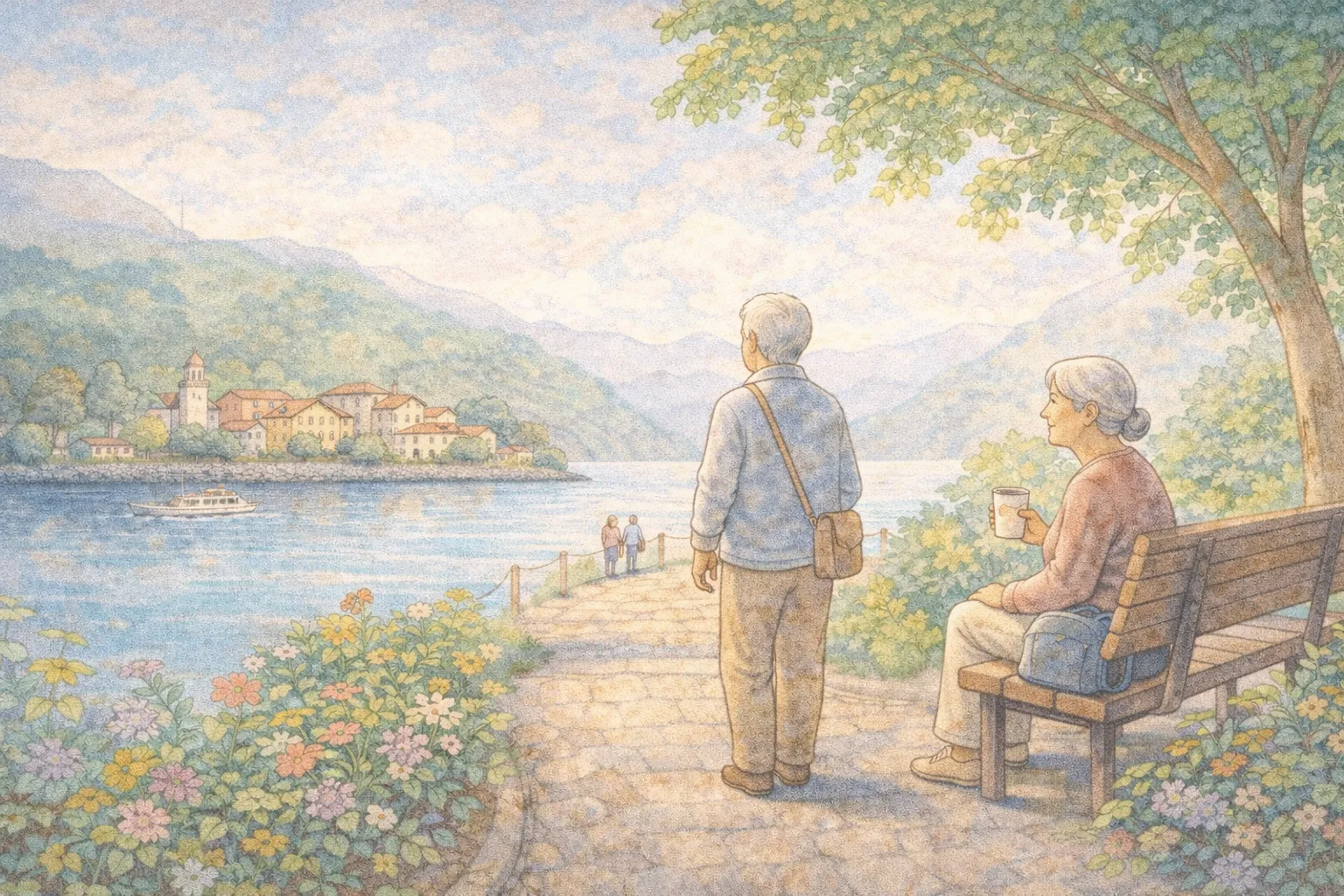
a lakeside town
a botanical garden
a scenic train ride
a waterfront boardwalk
a historic district with benches and cafés
a museum plus lunch plan
a state park visitor center with accessible walking options
a farm market or garden center outing
a slow scenic drive with two planned stops
a beach town in the off-season
AARP’s travel coverage on microvacations, slower-paced trips, and off-season travel all point in the same direction: less crowding, fewer transitions, and a gentler pace usually create a better travel experience.
The ideal destination has one main “yes.”
Not ten partial maybes.
For example:
“Yes, this place has a beautiful waterfront and several benches.”
“Yes, this museum has an elevator, a café, and manageable size.”
“Yes, this scenic town has parking near the main street and easy lunch options.”
That is enough.
A day trip should feel clear before it begins.
Part 2: Build the day around energy, not ambition
A common mistake is planning from the destination outward.
A better method is to plan from your energy inward.
Ask:
What time of day do I feel best?
How long can I sit in the car comfortably?
How much walking feels pleasant, not dutiful?
Do I need a meal break before I get tired?
Will heat, stairs, noise, or long lines reduce my enjoyment?
These are not “older adult limitations.”
They are smart planning questions.
The CDC advises older travelers to think ahead about their own health status, medicines, and destination demands before they go. That same logic works beautifully for day trips: build the plan around your real needs, not your fantasy self.
A practical rhythm for many retirees looks like this:
leave after morning rush
arrive before lunch crowds
enjoy one main activity
sit down for a calm meal
do one small second stop only if energy still feels good
head home before late-afternoon fatigue builds
This kind of pacing often feels better than an early start followed by over-scheduling.
Table 1. Senior-friendly day trip structure
| Trip Element | Best Target | Why It Works |
|---|---|---|
| Drive time each way | 45 to 90 minutes | Far enough to feel like an outing, short enough to stay comfortable |
| Main destination | 1 clear highlight | Reduces decision fatigue |
| Walking | Light to moderate | Preserves energy for enjoyment |
| Meal plan | One seated lunch or café stop | Builds in rest and hydration |
| Backup plan | 1 simple alternative | Keeps the day from feeling fragile |
| Return time | Before heavy evening fatigue | Makes recovery easier |
This table is a practical planning framework based on slower-paced travel guidance and health-first travel preparation advice for older adults.
Part 3: Pack like the day might get longer than planned
A day trip feels different when you know you are prepared.
You do not need a giant bag.
But you do need a few things that protect comfort.
The CDC advises travelers to prepare before leaving, and NIA and CDC materials stress medication safety, hydration, and planning around ongoing health needs.
A smart senior day-trip bag often includes:
water
medications you may need during the day
a written medication list
snack with protein or steady energy
hat or light layer
phone charger or power bank
sunglasses
hand sanitizer
tissues
simple first-aid basics
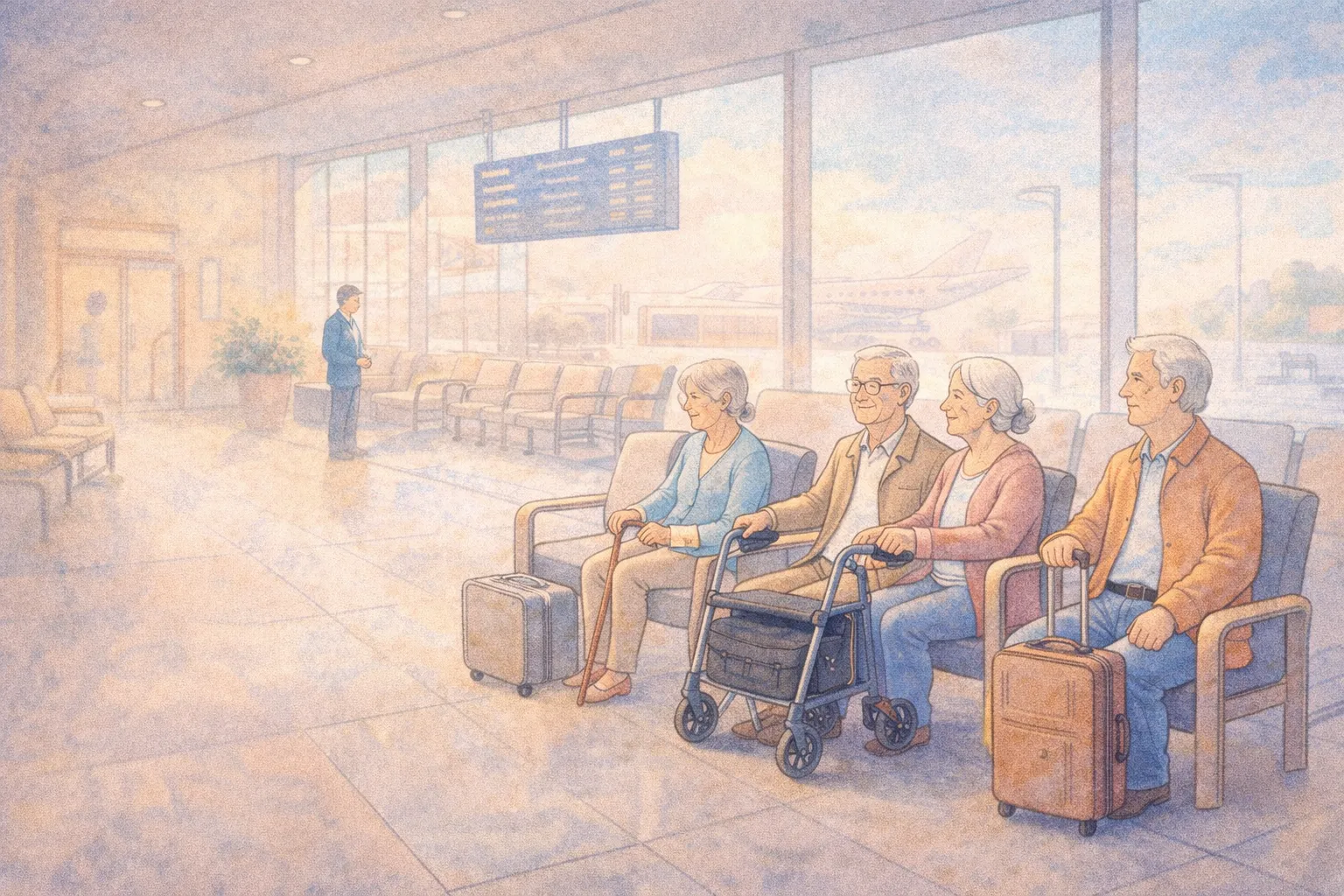
mobility aid if normally useful
small paper with emergency contact numbers
That is not being overly cautious.
It is what lets the day stay easy.
You are much more relaxed when you do not have to improvise around something basic.
Part 4: Heat, weather, and timing matter more than people think
A beautiful plan can still become a hard day if the weather turns against you.
That is especially true for older adults in heat, humidity, or long stretches outdoors.
NIA advises older adults to drink plenty of fluids in hot weather, avoid alcohol and caffeine when heat is a concern, and pay attention to heat-related symptoms. NIA’s outdoor safety guidance also emphasizes water, breathable clothing, and sun protection.
That means a good day trip plan should answer these questions before you leave:
Where will we sit in shade or indoors?
Where are the bathrooms?
Do we need extra water?
Is the main walking portion best done earlier in the day?
Do we need hats, sunscreen, or a cooler car return plan?
Sometimes the best upgrade is not a fancier destination.
It is simply choosing the right season, the right weekday, or the right time of day.
Off-season and off-peak travel can mean fewer crowds and a slower pace, which AARP specifically highlights as one of the benefits of smarter trip timing.
Part 5: Pick one “anchor moment”
Many people accidentally plan day trips as a list.
A better way is to plan one anchor moment.
That is the thing the day is really built around.
Examples:
the lakefront lunch
the rose garden in bloom
the slow scenic ferry ride
the historic main street and bakery
the waterfall overlook
the museum exhibit you genuinely want to see
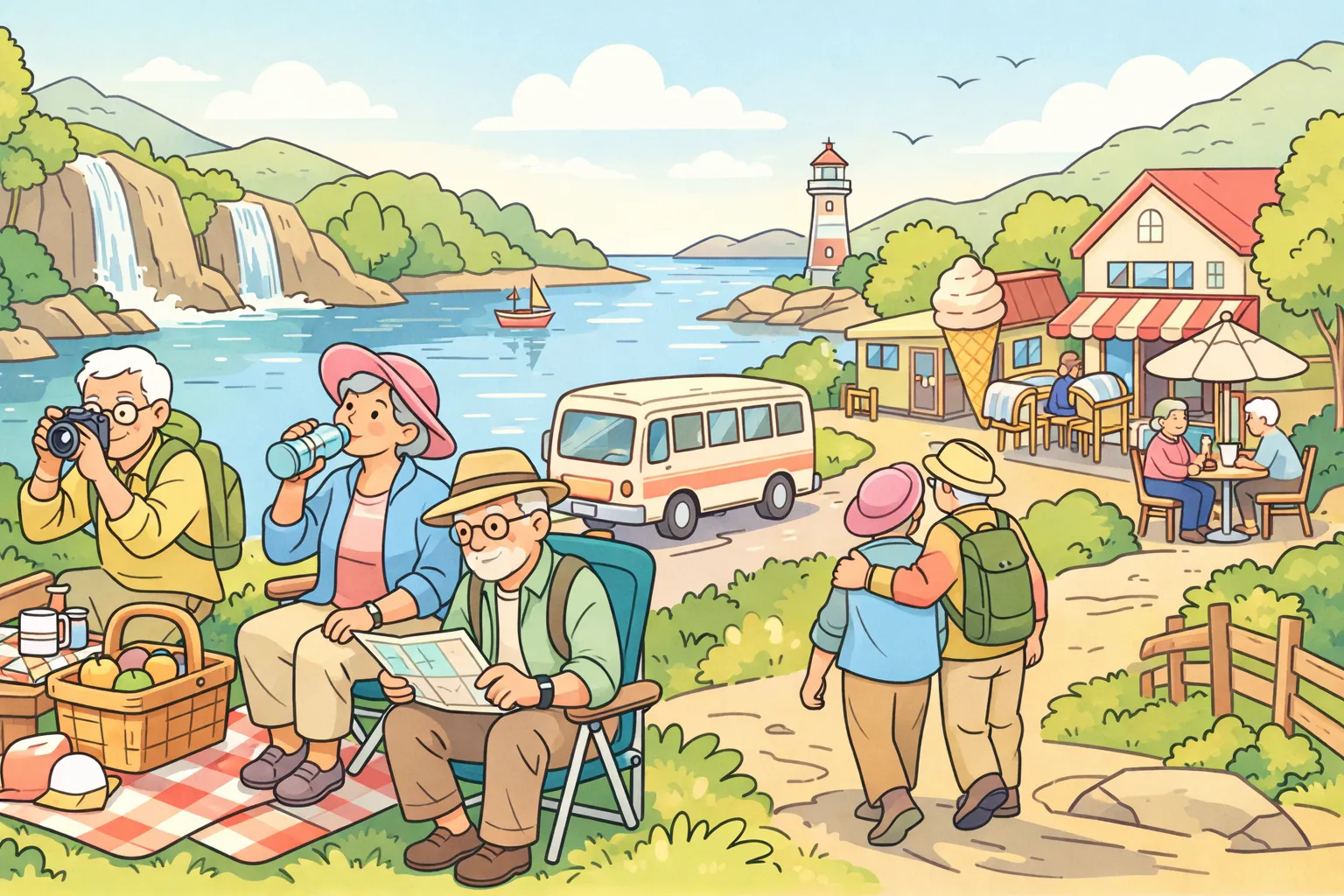
the picnic with one beautiful view
Everything else should support that anchor, not compete with it.
This matters because memory works differently than checklists.
You are far more likely to remember one lovely, unhurried highlight than six rushed stops.
A slower, sensory, nature-connected pace is also consistent with recent AARP reporting about travel that supports well-being and longevity.
Part 6: Use the “sit-down test”
This is one of the simplest travel filters for older adults.
Before saying yes to a day trip, ask:
Can I sit comfortably every 60 to 90 minutes if I want to?
Is there a real lunch or coffee option nearby?
If my legs get tired, can the day still continue pleasantly?
If the answer is no, the plan may be too demanding.
A senior-friendly outing should not depend on being “tough.”
It should support enjoyment without requiring you to prove anything.
That is especially important for travelers managing arthritis, heart or lung issues, diabetes, balance concerns, or general fatigue. The CDC’s older-adult and chronic-illness travel guidance is clear that planning around underlying conditions is part of smart travel, not a sign to avoid travel altogether.
Part 7: Food, meds, and motion comfort can make or break the day
A surprising number of day trips go wrong for very ordinary reasons:
someone got hungry too late
someone missed a medication time
the car ride became uncomfortable
the boat or winding road caused motion sickness
everyone waited too long for a bathroom break
The CDC advises travelers to think ahead about medicine schedules and to prepare for common health issues such as motion sickness and food or drink safety.
That is why the best day-trip routine is simple:
eat before you are ravenous
drink before you feel behind
rest before you are worn out
stop before you are desperate for a bathroom
turn back before the drive home feels like a chore
This is not less adventurous.
It is what keeps the day pleasant.
Table 2. Easy day trip formats that usually work well for seniors
| Day Trip Type | Best For | Built-In Advantage |
|---|---|---|
| Garden + lunch | Calm walkers, spring and fall outings | Beauty with natural rest points |
| Scenic drive + overlook + café | Lower walking tolerance | High reward with low strain |
| Small museum + early lunch | Culture lovers | Indoor comfort and seating |
| Lakefront town + boardwalk | Couples or friends | Easy pace and pleasant scenery |
| Farmers market + picnic | Budget-friendly outings | Flexible timing |
| Scenic train or ferry | People who enjoy movement without walking much | Travel itself becomes the attraction |
These formats are practical extensions of slower-paced travel advice and health-conscious preparation guidance for older adults.
Part 8: Real examples
Linda, 69
Linda loved the idea of day trips but kept coming home overly tired. She realized the problem was not travel itself. It was that she planned each outing like a younger version of herself. She switched to a simple formula: one garden, one lunch, one scenic drive home. Her favorite trip ended up being only 70 minutes away, with a botanical garden, a quiet café, and a farm stand on the return route. She said it was the first trip in months that felt restorative instead of “successful.”
James, 74
James has mild arthritis and was beginning to assume day trips were more trouble than they were worth. His daughter suggested choosing destinations by parking convenience and seating access rather than by hype. He and a friend started taking monthly waterfront outings with one museum or visitor center and an early lunch. His words were simple: “I stopped trying to prove I could still do a hard day.”
Patricia, 66
Patricia enjoys travel but gets motion sick on winding roads and crowded boats. She now builds every trip around what she calls the calm-body rule: stable ride, water packed, one proper meal, and a return time before late-afternoon drain. She still takes frequent outings. They just feel better because she plans for her body instead of against it.
Part 9: The best day trip may be closer than you think
Many retirees assume a good outing must feel big.
It usually does not.
Some of the best day trips are surprisingly local:
the next county
the nearby lake
the quieter museum
the town you usually drive through
the state park with a visitor center you have never actually visited
the waterfront café on a weekday
the scenic drive in shoulder season
That is one reason microvacations and shorter trips have become more appealing in recent travel writing: they are easier to fit into real schedules, easier to recover from, and often easier to enjoy fully.
You do not need a grand plan to feel refreshed.
You need a day with shape, comfort, and one good reason to go.
Checklist: Senior-Friendly Day Trip Plan
✔ Pick one main destination, not several
✔ Keep drive time realistic for your body
✔ Check parking and bathroom access ahead of time
✔ Plan one seated meal or café stop
✔ Pack water, medications, and a simple snack
✔ Bring a hat, layer, or sun protection if needed
✔ Build in one rest window before you feel tired
✔ Choose the cooler or quieter part of the day when possible
✔ Keep a backup option in case weather changes
✔ Avoid stacking too many walking stops
✔ Think about motion sickness or winding roads in advance
✔ Make sure your phone is charged
✔ Carry emergency contacts and medication information
✔ Head home while energy still feels steady
✔ Judge the trip by comfort and enjoyment, not by mileage
EEAT note
This guide is practical travel-planning content for older adults and is not a substitute for individualized medical advice. It is based on current travel-health guidance for older adults, medication planning, chronic-condition planning, hot-weather safety, and slower-paced travel recommendations from authoritative health and senior travel sources.
Final thought
A great day trip after 60 should not leave you feeling like you survived something.
It should feel gentle enough to enjoy while it is happening.
One good view.
One good meal.
One comfortable pace.
One day that still feels kind by evening.
That is not “less travel.”
That is smarter travel.
Disclaimer
This article is for general educational purposes only and does not provide medical, mobility, transportation, or travel-safety advice for any specific person. Day-trip decisions should reflect your health status, medications, mobility, weather conditions, destination safety, and transportation needs. Adults with chronic health conditions, heat sensitivity, balance concerns, or recent illness should consider personalized guidance from a qualified healthcare professional before more demanding travel plans.
“`html id=”d4m8qa” “`