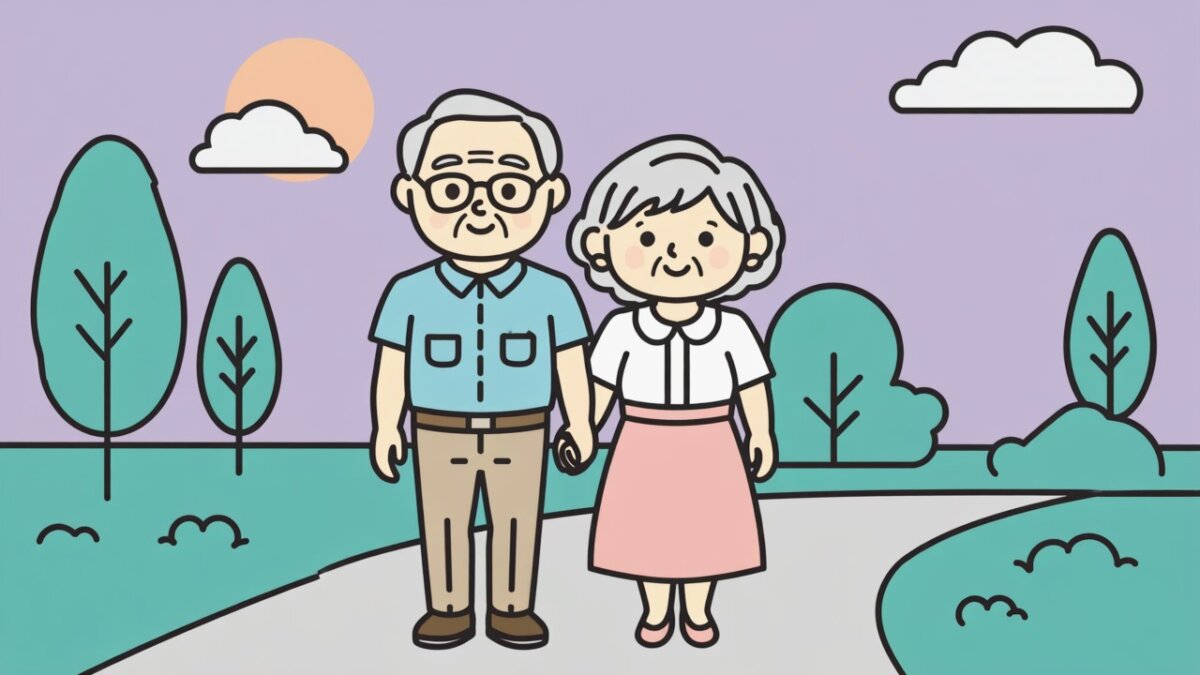
Small weekly social routines help retirees maintain meaningful connection and emotional wellbeing.
Cindy’s Column × Senior AI Money
Retirement often brings something unexpected.
Time becomes more flexible. Schedules become quieter. Workplace conversations disappear.
For many adults over 60, this creates a new challenge:
loneliness that slowly appears without warning.
It is rarely dramatic.
Instead it shows up quietly:
fewer daily conversations
long afternoons at home
fewer spontaneous social moments
children living far away
friends becoming busier or moving
The goal is not to fill every hour with activity.
The goal is creating a simple weekly connection rhythm.
Small, regular interactions protect emotional wellbeing far better than occasional large social events.
Why loneliness increases after retirement
Research across many countries shows that loneliness often increases during major life transitions.
Retirement removes:
daily workplace interaction
structured schedules
casual conversations
shared goals with coworkers
This change can make social life feel less predictable.
Without a plan, many weeks become unexpectedly quiet.
The Weekly Connection Rule
Plan three types of connection each week:
one social conversation
one shared activity
one community interaction
This structure creates steady contact without overwhelming your schedule.
Table: Three Types of Weekly Connection
Connection Type
Example
Social conversation
Phone call with friend
Shared activity
Walk, coffee, hobby group
Community interaction
Volunteering, class, library
These three forms of connection support emotional balance.
Part 1: The 10-minute conversation habit
Short conversations matter more than long ones.
Ideas include:
calling a friend
speaking with a neighbor
video chat with family
short message exchange
Consistency matters more than length.
Even 10 minutes can lift mood.
Part 2: Shared activities
Activities create natural conversation.
Examples:
walking groups
hobby clubs
volunteer projects
exercise classes
community events
Shared experiences make social interaction easier.
Part 3: Community contact
Community spaces provide low-pressure connection.
Examples:
libraries
community centers
local classes
places of worship
volunteer organizations
These environments allow conversation to happen naturally.
Table: Example Weekly Connection Routine
Day
Activity
Monday
Phone call with friend
Wednesday
Walking group
Friday
Volunteer activity
Sunday
Family video call
This structure creates predictable social contact.
Part 4: The “light connection” mindset
Not every social moment must be deep.
Small interactions matter:
greeting neighbors
chatting with store staff
brief conversations in public spaces
These micro-connections build a sense of belonging.
Part 5: Removing pressure from friendships
Many retirees worry about “bothering people.”
But most friendships strengthen through simple, low-pressure contact.
Examples:
“I was thinking of you today.” “Would you like to take a short walk this week?” “Coffee sometime this week?”
Short invitations are easier to accept.
Real-life examples
James, 72
“I started calling one friend every Monday morning. It became part of my routine.”
Susan, 68
“Joining a walking group helped me meet people without feeling awkward.”
Robert, 74
“Volunteering once a week gave me a sense of purpose again.”
Printable Weekly Connection Checklist
✔ schedule one phone call ✔ plan one shared activity ✔ attend one community event ✔ greet neighbors or local staff ✔ stay open to small conversations
Connection grows through small repeated actions.
The goal of a connection routine
Loneliness is not solved by one event.
It improves through steady, predictable contact.
Even small social rhythms can transform how retirement feels.
Disclaimer
This article is for general educational purposes only and does not provide medical or psychological advice. Emotional wellbeing varies among individuals, and persistent loneliness or mental health concerns should be discussed with a qualified healthcare or mental health professional.
“Small, gentle scenes surrounding one quiet December moment.”
“Sometimes peace doesn’t come from adding more joy… but from letting go of what no longer feels like us.”
Every December, I used to enter the season with a quiet pressure. The holiday wasn’t even here yet, but the expectations were already waiting—like boxes I hadn’t opened but somehow still carried around.
This year, something shifted. I didn’t gain more energy. I didn’t suddenly become more organized. I simply became honest about what exhausts me—and what no longer fits the life I’m living now.
So instead of making a Christmas to-do list, I made something else: a “Not-Doing List.”
It became the blueprint for the most peaceful holiday I’ve had in years.
Here’s what I’m not doing this Christmas in 2025—and the quiet peace I found along the way.
1. I’m Not Decorating the Entire House This Year
I used to cover every surface with garlands, candles, ribbons, and tiny pieces of Christmas cheer.
But decorating everything meant cleaning everything, too. And by December 15th, I’d find myself wondering:
“Who exactly am I doing this for?”
This year, I decorated just one corner—the same one you saw in last week’s column. One chair. One lamp. One small ornament.
And you know what? My house still feels festive. But I feel peaceful.
Sometimes beauty isn’t in quantity—it’s in permission.
2. I’m Not Sending Holiday Cards Out of Obligation
Holiday cards became an annual emotional negotiation. If someone sent one, I felt pressured to return one. If someone didn’t send one, I felt guilty sending mine.
This year, I did something kinder: I sent three cards, and only to people I genuinely wanted to write to.
One friend. One cousin. One neighbor.
I wrote short, warm notes—not updates, not summaries—just small sentences that meant something.
And it felt… human. Not performative. Not pressured. Just warm.
3. I’m Not Cooking a Big Christmas Meal
For years, I cooked “holiday-sized food” for gatherings that didn’t exist anymore. The meals were beautiful… but they were too much.
This year, I’m making one simple plate: A little roasted chicken. Some vegetables. A small dessert.
A meal meant for my own appetite, not a memory of older times.
And I’m using one real plate, a cloth napkin, and my favorite fork—because small care still matters.
4. I’m Not Shopping Like I Need to Prove Something
There was a time when I tried to buy thoughtful gifts for everyone. But thoughtful quickly became stressful—too many choices, too much pressure.
So this year, I asked a question I had never asked myself before:
“Do I actually want to shop this much?”
The truth was no.
So I chose simplicity: Few gifts. Small gifts. Mostly useful, warm, or cozy.
A blanket for someone who’s always cold. A candle for someone who likes quiet evenings. A favorite snack for someone who forgets to treat themselves.
The gifts became softer, and so did I.
5. I’m Not Forcing Myself to Attend Every Invitation
Saying “yes” used to feel polite. Saying “no” used to feel guilty. But now, saying “no” feels healthy.
I chose one gathering to attend. Just one. With people who make me feel calm, not drained.
Every other invitation received a gentle, honest answer:
“Thank you so much for thinking of me. I’m keeping this season quiet this year.”
No explanations. No excuses. Just ease.
6. I’m Not Pretending I Have Endless Energy
Some years, my energy is higher. Some years, it isn’t.
This is one of the gentler years—slow, warm, and quieter than I expected. So I’m not pretending I have the stamina of my 40s. Instead, I’m honoring the pace of my 60s.
My evenings begin earlier. My mornings take longer. And every part of the day asks me to be softer with myself.
Peace isn’t found in speed. It’s found in honesty.
7. I’m Not Doing Holiday Perfection
This year, I’m not chasing:
• the perfect Christmas picture • the perfect holiday mood • the perfect dinner • the perfect schedule • the perfect version of me
Perfection is a thief. It takes the warmth out of everything. So this Christmas, I’m choosing “good enough” and “soft enough.”
Imperfection feels a lot like freedom.
8. I’m Not Keeping Traditions That Don’t Fit Me Anymore
Traditions carry memories, but they also carry expectations.
This year, I let a few go. The movies I no longer enjoy. The recipes that take too much work. The rituals that belong to a different season of life.
And in letting them go, I made space for new ones.
One gentle walk at sunset. One candle lit at night. One quiet moment before bed.
Traditions don’t need to be inherited. They can be homemade.
9. I’m Not Comparing My Holiday to Anyone Else’s
This might be the biggest change of all.
This year, I’m not measuring my Christmas against:
• my friends’ plans • my neighbors’ decorations • my family’s traditions • my past versions of myself
Comparison makes us forget our own path. And I want to stay on mine.
So I’m not doing “better” or “bigger.” I’m doing quieter, slower, and kinder.
A Simple Checklist — The “Not-Doing” List
Here’s the list that’s making my December feel peaceful in 2025:
• Not decorating every room • Not sending cards out of habit • Not cooking a big meal • Not over-shopping • Not attending everything • Not pretending to have endless energy • Not chasing perfection • Not forcing old traditions • Not comparing my holiday to anyone else’s
Just reading this list feels like a deep breath.
What I’m Doing Instead
Letting go created space for what I actually needed:
• One cozy corner • One simple meal • One warm lamp • One meaningful conversation • One slow afternoon • One small treat • One gentle December promise
And even though my holiday looks simpler than ever… it feels richer than it has in years.
A Soft Closing Thought
We spend so much of life adding—tasks, responsibilities, expectations. But sometimes peace arrives when we finally subtract.
This Christmas, I’m giving myself the gift of less. Less pressure. Less noise. Less everything that asks me to be more than who I am right now.
And in the space that remains, something beautiful has appeared:
Peace. Real peace. The kind that feels like it belongs to me.
Editorial Disclaimer
This column is for reflective and informational purposes only. It does not provide medical, mental health, financial, or legal advice. Please consult qualified professionals for guidance related to your personal situation.
“One chair, one lamp, and one quiet ritual can be enough for a gentle Christmas.”
“It didn’t take a bigger tree or more decorations to soften my December. It took one corner that finally felt like a place to exhale.”
There are some Christmases that arrive with a crash of noise and expectation. And then there are Christmases like this one—where we quietly decide that our real gift will be a gentler month.
In December 2025, I didn’t reinvent my whole home. I didn’t redo my tree, repaint my walls, or buy a cartload of decorations. Instead, I created one small Christmas corner, almost by accident, and it changed how the whole season felt.
It was just a chair, a lamp, a small table, and a few soft details. But it became the place where my December finally slowed down enough for me to actually feel it.
This is the story of that corner—and how you can build your own.
How the Corner Started (by Doing Less, Not More)
My Christmas plans used to begin with a list: cards to send, recipes to try, gifts to find, outfits to wear. The list was always too long, and somehow, I was always too tired.
This year, I began with a different question:
“What would make December feel kind, not impressive?”
My answer surprised me. I didn’t want more events. I wanted more comfort. I didn’t need a bigger celebration. I needed a softer place to sit.
So instead of making another to-do list, I walked slowly around my living room and simply asked, “Where do I naturally sit when I need to breathe?”
There was one corner that already had a chair and a small table. It was fine, but not special. The lighting was a bit harsh, the chair was bare, and the table usually held mail I didn’t want to open yet.
That’s where I decided my Christmas corner would live.
Choosing One Chair (The Seat of December)
I didn’t buy a new chair. After 60, we learn that comfort comes more from how we use what we have than from chasing something new.
I chose the chair I already reached for when I felt tired. It wasn’t perfect, but it held my shape, my weight, and my history. The fabric was familiar. That matters more than we think.
To make it feel like a Christmas chair, I added:
• One soft throw blanket I actually use • A small cushion that supported my lower back • A place beside it to put a mug without worrying I would spill it
That was all.
No huge transformation. Just a silent agreement with myself: “This is where December will be softer.”
The Lamp That Changed the Mood
The real magic began with the lamp.
In the past, my evenings were lit by one bright ceiling light that made everything look the same—too flat, too sharp, too awake. It didn’t feel like December; it felt like a waiting room.
For my Christmas corner, I moved a simple lamp to the side of the chair and changed the bulb to a warmer tone. Suddenly, the corner looked less like part of a room and more like its own small world.
The light didn’t shout. It glowed. It didn’t try to brighten the whole space. It simply said, “Here, this is enough.”
In that soft circle of light, my hands looked gentler. The pages of my book looked calmer. Even the wrinkles in my blanket looked beautiful.
Light doesn’t have to be fancy to change the way we feel about a room. It just has to be kind.
The Small Table: A Stage for Quiet Moments
Next came the table. It was nothing special—just a small, round surface that used to be covered with unopened mail and receipts I didn’t want to deal with.
For December 2025, I gave it a new job.
I cleared everything off and chose only a few things to live there:
• A coaster for a warm drink • A small plate for a cookie or a piece of chocolate • One simple decoration (for me, it was a small ornament in a dish) • A folded cloth napkin, because small touches make everyday moments feel cared for
The table turned into a tiny stage where quiet could happen on purpose. It was always ready for me, even when I wasn’t quite ready for myself.
My Daily “Corner Ritual” in December 2025
I didn’t call it a ritual at first. It began as “I’ll sit down for five minutes.” And then five minutes turned into a practice that gently shaped my whole month.
Most evenings, sometime between 7:30 and 9:00, I did three things:
I turned off the harsh overhead lights and turned on only the lamp by the chair.
I brought something warm to the small table—a mug, a candle, or both.
I let myself sit down with no expectation to be productive.
Sometimes I read two pages of a book. Sometimes I listened to one quiet song. Sometimes I just watched the light fall on the wall and thought about nothing in particular.
The power of the corner wasn’t in how long I stayed. It was in how I entered: on purpose, as if I were visiting a friend.
How the Corner Changed My December (Inside and Out)
Here’s what I noticed, week by week.
• In the first week, I felt awkward. I kept wanting to grab my phone or “use the time better.” • By the second week, my body started to remember: “When we sit here, we soften.” My shoulders dropped sooner. • In the third week, I found myself looking forward to the corner all day—like a private appointment with my own calm. • By Christmas week, the rest of my house could be messy, but that one corner still felt like proof that I was allowed to rest.
The Christmas corner didn’t fix my life. It didn’t solve every worry or fill every empty space.
But it gave my December a shape. It gave me one place where I didn’t have to be “on.” And when you’re over 60, and the world is still asking you to keep up with a younger pace, one small place to slow down is not a luxury. It’s a form of respect.
A Simple Guide to Creating Your Own Christmas Corner
You don’t need a big house. You don’t need a matching set. You don’t even need a “perfect” taste in décor.
Here’s a simple way to create your own corner this season:
Step 1: Choose the spot you already like. Not the “best” spot. The real one. Where do you naturally sit when you’re tired?
Step 2: Select one chair. It can be old, simple, or even slightly worn. Add a blanket and a cushion that supports your body.
Step 3: Give a small table a new purpose. Clear it completely. Add only what belongs to your quiet time: a coaster, a mug, maybe a small decoration.
Step 4: Adjust the light. Use one lamp, not the main overhead light. If you can, choose a warm-toned bulb. Let the light touch the wall, not just your face.
Step 5: Decide on a simple ritual. It could be: “I sit here for ten minutes after dinner.” Or “I sit here with tea before bed.” Keep it small and kind.
Step 6: Let it be imperfect. Some nights you will skip it. Some nights you’ll stay longer. The corner is not a demand. It’s an invitation.
A Small Checklist for a Gentle Christmas Corner
You can use this as a quick check for your space:
• A chair that your body likes • A soft blanket or throw • A cushion where you need support • A small table that is mostly empty • One warm light source (lamp, candle, or both) • A place for a mug or glass • One object that quietly says “Christmas” to you • A time of day when the corner belongs to you
You don’t need all of these at once. Even three or four are enough to begin.
Why This Matters More After 60
In our younger years, holidays often revolve around what we do for others: cooking, hosting, shopping, organizing. All of that can be deeply meaningful.
But there comes a season—often somewhere after 60—when we begin to understand that we also need spaces that do something for us.
The world rarely tells us to design for our own comfort. It tells us to decorate for guests, pose for photos, and keep everything presentable.
A Christmas corner is the opposite. It doesn’t exist to impress anyone. It exists so that when you sit down, you can feel your own life gently again.
We can’t control everything about December. But we can choose the light that greets us at the end of the day. And sometimes, that is enough to change the whole season.
A Quiet Wish for Your December 2025
If you decide to build a Christmas corner this year, my wish for you is simple:
May it be a place where you do not feel behind. May it be a place where you don’t have to perform. May it be a place where you remember that your comfort is not an extra—it is allowed.
One chair. One lamp. One quiet ritual.
Sometimes, that’s all it takes for December to finally feel like it belongs to you again.
Editorial Disclaimer
This column is for reflective and informational purposes only. It does not provide medical, mental health, financial, or legal advice. Please consult qualified professionals for guidance related to your personal situation.
“Thanksgiving without hosting — comfort, company, and calm.”
There’s a special kind of peace that comes when you realize—you don’t have to host to belong.
For decades, many of us defined Thanksgiving by how many people sat at the table, how many dishes came out of the oven, or how exhausted we felt by 7 p.m.
But as the years pass, something gentle shifts: we begin to crave connection over chaos, meaning over menu planning, and gratitude over grandeur.
So if you’re skipping the big family gathering this year, you’re not missing out. You might actually be finding what Thanksgiving was meant to be all along— a pause, a breath, a moment of peace shared in your own way.
1. Release the Pressure to Perform
There’s an unspoken myth that a “real” Thanksgiving requires hosting, a turkey big enough for an army, and a dining room full of chatter.
But the truth? Hosting isn’t the requirement. Gratitude is.
Let go of the performative part and lean into the personal.
Try this mindset reset:
You are not required to cook everything from scratch.
You are not the emotional glue for everyone else.
You are not “less festive” for keeping it simple.
You have earned the right to celebrate your way.
This year, trade “hosting pressure” for “peaceful participation.”
2. Say Yes to Invitations That Feel Easy
When you’re not hosting, you gain something precious: choice. You get to say yes only to what feels light.
Ask yourself: “Whose company feels easy?” Then choose that.
If a friend invites you over but you’re worried about feeling like a guest, remember— people who invite you do so because your presence brings warmth.
Cindy’s trick: Bring something small but sincere. A candle, a pie, a handwritten card. It says, “I’m happy to be here, and I didn’t bring chaos with me.”
3. Try a “Half-Host” Gathering
Maybe you still want a touch of tradition but without the full production.
Host lightly. Think “mini, not marathon.”
Half-Host ideas:
Order the main dish (turkey, ham, or chicken) and make just one homemade side.
Host 2–3 friends who live nearby—potluck style.
Skip formal seating; use the living room and finger foods.
Play background jazz instead of turning on football.
End with dessert and gratitude, not dishwashing.
Hosting can be heartfelt without being heavy.
4. Celebrate as a Guest (Without the Guilt)
Being a guest can be surprisingly refreshing—if you allow it.
Arrive with kindness, offer help once, then relax. If the host insists, do something light: pour drinks, light candles, plate desserts.
Then, give yourself permission to just enjoy.
You don’t owe anyone your exhaustion. Your presence—calm, kind, and engaged—is contribution enough.
5. Start a New “Non-Host” Tradition
Not hosting opens up time and energy you may not have had in years. Use it intentionally.
Try one of these:
Volunteer for a few hours at a food drive or shelter.
Go on a Thanksgiving morning nature walk.
Have a “Gratitude Breakfast” with one friend.
Watch a favorite film marathon in pajamas.
Call or video-chat someone who’d love to hear your voice.
Traditions aren’t inherited; they’re created. And small ones can hold just as much meaning.
6. The Freedom of Saying No (Gracefully)
Sometimes, peace looks like a polite “no.”
If the idea of travel, noise, or tension drains you before the day arrives, listen to that feeling—it’s wisdom, not weakness.
How to say no kindly:
“I’m keeping things simple this year, but I’m wishing everyone a beautiful day.” “Thank you for inviting me. I’ll be celebrating quietly this year, but I’ll be thinking of you.”
Boundaries protect both your energy and your gratitude.
7. A Gentle Gratitude Practice for Non-Hosts
If you’re not cooking or cleaning, you have something rare—time to feel thankful.
Before the day ends, try this:
Write down 3 things that made this year softer. Mine are:
The quiet mornings that finally feel unhurried.
Friends who check in just because.
Learning that “enough” is a beautiful word.
Gratitude is not about how much you have; it’s about how gently you notice what’s already here.
8. How to Stay Connected Without a Big Gathering
Connection doesn’t always require a full table. It can happen through smaller, deeper exchanges.
Ideas for quiet connection:
Send one “I’m thankful for you” text.
Have a 15-minute phone call instead of a group chat.
Share an old photo and memory with someone you miss.
Join a short online community service or Zoom gratitude event.
Tiny moments still count—they often count more.
9. Cindy’s Expert Take
To enjoy Thanksgiving without hosting:
Drop the pressure to perform.
Say yes only to ease.
Try half-hosting or volunteering.
Dress soft but special.
Connect in smaller, sweeter ways.
Rest without guilt.
Because Thanksgiving isn’t about the size of the table— it’s about how peaceful your heart feels while sitting at it.
The conversations we need most are sometimes with ourselves / Visual Art by Artani Paris | Pioneer in Luxury Brand Art since 2002
You can’t change what happened, but you can transform how you carry it. After 60 years of living, most people accumulate not just memories but unresolved conversations with their younger selves—the child who needed protection, the teenager who made mistakes, the young adult who didn’t know what you know now. These silent dialogues create internal friction: regret over choices, anger at yourself for “not knowing better,” shame about past versions of who you were. The letters-to-yourself method, developed from narrative therapy and self-compassion research, offers a powerful tool for emotional healing that thousands have used to transform their relationship with their past. This comprehensive guide explains the psychological foundation of writing to your past selves, provides step-by-step instructions for the practice, and shares real stories of people who’ve found unexpected peace through this deceptively simple technique. You’ll learn how to access younger versions of yourself, what to write, and why this method succeeds where rumination fails.
Why We Need to Talk to Our Younger Selves
Human memory isn’t a filing system storing facts—it’s a narrative we constantly revise based on current understanding and emotional needs. When you remember difficult events from your past, you’re not accessing objective recordings; you’re interpreting those events through the lens of who you are now, with knowledge your younger self didn’t possess. This creates a peculiar psychological trap: you judge past decisions using information you didn’t have at the time, generating harsh self-criticism that younger you couldn’t have prevented.
Research from the University of California Berkeley’s Greater Good Science Center shows that self-compassion—treating yourself with the same kindness you’d offer a friend—significantly reduces anxiety, depression, and rumination while increasing emotional resilience and life satisfaction. Yet most people find self-compassion extraordinarily difficult, particularly regarding past mistakes. Why? Because accessing compassion for yourself requires psychological distance that’s hard to achieve when you’re thinking about “me.” The letters-to-yourself method creates that distance by separating current-you from past-you, allowing you to offer younger versions the compassion you can’t quite give yourself directly.
The technique draws from narrative therapy, which recognizes that the stories we tell about our lives shape our identity and emotional wellbeing more than the actual events themselves. When you’re stuck in patterns of self-blame, shame, or regret, you’re trapped in a particular narrative where past-you was foolish, weak, or broken. Writing letters to younger selves allows you to revise that narrative—not by changing what happened, but by changing the meaning you make of it. You become author rather than victim of your own story.
This isn’t about excusing genuinely harmful behavior or avoiding accountability. If you hurt others, that requires different work—apologies, amends, behavioral change. The letters-to-yourself method addresses the internal dimension: the relationship between who you are now and who you were then. Many people carry disproportionate shame about past selves who were doing their best with limited resources, information, and support. The child you were, the teenager navigating impossible situations, the young adult making choices with partial understanding—these versions of you deserve compassion, not condemnation, even when outcomes were painful.
Neuroscience research on memory reconsolidation reveals that memories become malleable when recalled—they can be updated with new emotional information before being stored again. Each time you remember a painful event with harsh self-judgment, you’re reinforcing that neural pathway. But when you deliberately recall those events while accessing compassion (through the letter-writing process), you create opportunity to reconsolidate the memory with different emotional associations. You’re not changing what happened; you’re changing your brain’s emotional response to remembering it. Over time, this transforms how past events impact your present emotional state.
Why We Stay Stuck
What Actually Helps
How Letters Create Change
Judging past self with current knowledge
Acknowledging limited information then
Letter explicitly names what you didn’t know
Ruminating in endless loops
Structured processing with endpoint
Writing provides containment and completion
Identifying with past shame
Creating distance from past self
Addressing younger self as separate person
Believing you should have known better
Contextualizing decisions in their moment
Letter describes circumstances shaping choices
Harsh self-criticism blocking healing
Compassionate witness to past pain
Writing from wise elder perspective
Avoiding painful memories entirely
Controlled exposure with support
Letter allows approaching pain safely
Understanding why traditional self-reflection keeps us stuck and how letters create different pathways to healing
The Core Method: How to Write Letters to Your Past Selves
The letters-to-yourself method involves writing letters from your current self to specific past versions of yourself—usually at ages or moments when you needed support, guidance, or compassion you didn’t receive. The structure is deceptively simple, but its effectiveness depends on following specific principles that distinguish this from ordinary journaling. These aren’t venting exercises or analytical investigations—they’re compassionate communications across time.
Step 1: Identify the Younger Self Who Needs a Letter Begin by identifying which past version of yourself needs to hear from present-you. This might be: the child who experienced trauma or neglect, the teenager making choices you regret, the young adult in an abusive relationship, the new parent overwhelmed and isolated, or the person at any age facing a crisis without adequate support. Choose specific age and circumstances rather than vague time periods. “Me at 8 years old when my parents divorced” works better than “me as a child.” Specificity creates emotional connection that general statements don’t access. If you have multiple younger selves needing letters, that’s normal—start with whichever one feels most present or pressing.
Step 2: Establish Your Perspective—Write as Wise Elder You’re not writing as your current struggling self—you’re writing from the perspective of your wisest, most compassionate self, the elder version who has perspective on your whole life arc. Imagine yourself at 85, looking back with understanding and gentleness. Or imagine writing as the loving grandparent or mentor you wish you’d had. This perspective shift is crucial—it accesses wisdom and compassion that current-you might not feel capable of. Some people find it helpful to physically shift positions: if you usually sit at a desk, try writing in a comfortable chair, symbolizing the shift to elder wisdom perspective. The goal is embodying compassionate witness rather than harsh judge.
Step 3: Begin with Acknowledgment and Validation Start your letter by acknowledging what that younger version of you was experiencing. Name the difficulty, the pain, the confusion, or the fear they were navigating. “I see you sitting in that apartment, terrified and not knowing what to do” or “I know how lost you felt when he said those words.” Specific acknowledgment matters more than general statements. Validate the emotions that younger self experienced, even if the way they handled them led to problems. “Your anger made sense given how you’d been treated” doesn’t excuse harmful actions but validates the emotion’s origins. Many people weep when writing this opening acknowledgment—they’re finally being seen by someone (themselves) in ways they needed but didn’t receive.
Step 4: Provide Context and Perspective This is where you tell younger-you what they couldn’t possibly have known then. Explain how the circumstances they were in shaped their choices. Name the resources they lacked—emotional support, information, power, safety, role models. “You didn’t know that what was happening wasn’t normal because it was all you’d ever experienced.” Context isn’t excuse—it’s understanding. Many people carry shame about past selves who were actually doing remarkably well given impossible situations. Providing context helps younger-you (and present-you) see this. Include what you know now that changes how you understand those events: “I now understand that her behavior reflected her own trauma, not your inadequacy.”
Step 5: Offer What They Needed Then Write what that younger self needed to hear but didn’t. This might be: permission they were denied (“You’re allowed to say no”), protection (“I won’t let anyone treat you that way again”), information (“What’s happening isn’t your fault”), guidance (“Here’s what I wish you’d known”), encouragement (“You’re going to survive this”), or simply presence (“I’m here with you; you’re not alone”). Be specific to their situation. Generic encouragement helps less than targeted support addressing their actual needs. Many people write what they wish parents, teachers, friends, or mentors had told them but didn’t. You’re becoming, retroactively, the support system younger-you deserved.
Step 6: Thank Them for Getting You Here This step surprises people but proves powerful. Thank that younger self for their survival, their choices (even imperfect ones), their resilience, or their particular strengths that made your current life possible. “Thank you for leaving that relationship even though you were terrified—I wouldn’t be here without your courage.” Gratitude to past selves transforms the narrative from “look what you did wrong” to “look what you survived and how you got us here.” Even when past choices created problems, you can find something to appreciate: “Thank you for finding ways to protect yourself, even when those ways later caused different problems. You kept us alive.”
Step 7: Close with Continued Connection End your letter by assuring younger-you that they’re not alone, that you’re carrying them forward with compassion, and that their story isn’t over. Some people like to explicitly state they’re editing the narrative: “I’m changing the story we’ve been telling about this time. You weren’t weak or stupid—you were trapped and doing your best.” Others focus on ongoing relationship: “I’m keeping you close now, making sure you finally get the care you deserved.” The closing should feel like a bridge between past and present self rather than an ending. You may need to write multiple letters to the same younger self over time as healing deepens—this is normal and beneficial.
Practical Notes: Handwriting letters (rather than typing) enhances emotional processing for many people—the physical act engages different neural pathways
Length: Letters can be brief (one page) or lengthy (multiple pages)—whatever the conversation needs. There’s no “right” length
Privacy: These letters are private unless you choose to share. Some people keep them; others perform small rituals of release (burning safely, burying, etc.)
Frequency: Write letters as needed. Some people write intensively over weeks; others write occasionally when specific memories surface
Professional Support: If writing letters brings up overwhelming emotions or traumatic material you’re not equipped to process alone, pause and consult a therapist who can support the work safely
The seven-step process for writing healing letters to your younger selves/ Visual Art by Artani Paris
Common Scenarios: What to Write About
People use the letters-to-yourself method for various painful memories and self-judgments. While each person’s history is unique, certain themes appear repeatedly. Understanding these common scenarios helps you identify where your own letter-writing might begin. You don’t need to address everything at once—start where the emotional charge feels strongest or where you notice persistent self-criticism.
Childhood Trauma or Neglect: Many people carry profound shame about how they responded to childhood trauma—feeling they should have protected themselves better, spoken up, or escaped situations that were actually inescapable for children. Letters to childhood selves can acknowledge the reality of powerlessness, validate the coping mechanisms that kept them alive (even if those mechanisms later caused problems), and provide the protection adult-you can now offer. Common themes include: “You weren’t responsible for what happened to you,” “The adults failed you, not the reverse,” “Your coping strategies were brilliant survival tools,” and “I’m creating safety for us now.”
Relationship Choices and Breakups: Regret about staying too long in harmful relationships, choosing partners who hurt you, or ending relationships you wish you’d fought harder for creates persistent self-blame. Letters can contextualize those choices: acknowledging why someone seemed like good choice at the time, recognizing patterns you didn’t yet understand, validating the fear that kept you stuck, or honoring the courage it took to leave. For relationship endings you regret, letters might offer forgiveness for not knowing what you know now about relationships, attachment, or communication. The goal isn’t declaring past choices “right”—it’s understanding them compassionately.
Career Decisions and Missed Opportunities: Many seniors harbor regret about career paths not taken, education foregone, or professional risks avoided. Letters to younger professional selves can acknowledge the constraints that shaped choices (financial necessity, family pressure, limited information about options, societal barriers based on gender or race), validate the courage required for choices you did make, and reframe “missed opportunities” by recognizing that every choice forecloses other possibilities—this is human limitation, not personal failure. Some people write about professional humiliations or failures that still sting decades later, offering younger-self the perspective that these moments, while painful, didn’t define their worth or ultimate trajectory.
Parenting Regrets: Few sources of shame run deeper than perceived parenting failures. Parents write letters to themselves during difficult parenting years—acknowledging how overwhelmed they were, how little support they had, how much they were learning in real-time, and forgiving choices made from exhaustion, ignorance, or their own unhealed wounds. These letters don’t absolve serious harm but provide context: “I was 23 with a screaming infant, no sleep, and no one to help—of course I sometimes lost it.” They also allow writing what you wish you’d known: “Those parenting books were wrong; you weren’t creating a ‘spoiled’ baby by responding to their needs.”
Health and Body Shame: Decades of cultural messages about bodies, particularly for women, create profound shame about past selves’ bodies, eating patterns, or health choices. Letters might address younger selves obsessing over weight, engaging in disordered eating, or neglecting health due to self-hatred. From current perspective, you can tell younger-you: “Your body was never the problem—the culture that taught you to hate it was,” or “I’m sorry I spent so many years warring with you instead of caring for you.” Some people write to selves during health crises they feel they “caused” through lifestyle choices, offering understanding about why those patterns existed rather than harsh judgment.
Financial Mistakes and Failures: Money mistakes feel particularly shameful because American culture conflates financial success with personal worth. Letters to selves during financial crises, bankruptcy, or poor money decisions can acknowledge the systemic factors (economic recessions, wage stagnation, predatory lending, lack of financial education) that made “good” choices difficult, validate the fear and stress money problems create, and contextualize choices that seemed disastrous. Some people write: “I understand why you buried your head in the sand—the problem felt too big to face. I’m facing it now for both of us.”
Common Scenario
Typical Self-Judgment
What Letter Provides
Sample Opening Line
Childhood Trauma
“I should have stopped it”
Acknowledging child’s powerlessness
“You were a child; this was never your responsibility”
Toxic Relationship
“I was so stupid to stay”
Contextualizing why leaving was difficult
“I understand why you stayed—you were terrified and had nowhere to go”
Career Regret
“I wasted my potential”
Honoring constraints and actual choices made
“Your choices made sense given what you knew and needed then”
Parenting Mistakes
“I damaged my children”
Acknowledging overwhelm and limited support
“You were drowning and doing the best you could”
Body Shame
“I destroyed my body”
Challenging cultural narratives about bodies
“Your body was never the problem; hating it was the wound”
Financial Crisis
“I ruined everything”
Naming systemic factors and fear
“The system failed you as much as choices you made”
Common scenarios for letter-writing with typical self-judgments and compassionate alternatives
The Response Letter: Writing Back as Your Younger Self
After writing to a younger self, some people find powerful healing in writing a response letter from that younger self back to present-you. This optional but profound extension of the practice allows you to access what that part of you needs to say, express emotions that were suppressed at the time, and complete conversations that were never possible in actual life. The response letter reveals what your younger self wants current-you to know, creating dialogue across time rather than monologue.
How to Write the Response: After completing your letter to younger-you, put it aside for at least a day. Then, when you’re ready for emotional work, read your letter to younger-you slowly. Sit with it, letting yourself feel their experience. Then write back from that younger self’s perspective. Don’t think too much—let whatever wants to be said emerge. Your younger self might express anger you’ve suppressed, fear you’ve minimized, needs that weren’t met, questions they had, or appreciation for finally being heard. They might resist your compassion initially (“You don’t understand how bad I was”) or might collapse in relief (“I’ve been waiting so long for someone to see this”).
What Response Letters Reveal: Response letters often surface emotions and perspectives you didn’t consciously realize you were carrying. Your 8-year-old self might express terror you’ve intellectualized away. Your 20-year-old self might voice anger about circumstances you’ve rationalized. Your 35-year-old self might reveal grief about paths not taken that you thought you’d accepted. These revelations aren’t problems—they’re information about unprocessed emotions needing attention. Sometimes younger selves write responses that surprise present-you: “I did the best I could; now it’s your turn to live well” or “I don’t want you drowning in guilt about me—I want you to enjoy the life I helped create.”
The Dialogue Continues: You don’t need to stop at one exchange. Some people write back and forth multiple times, creating extended conversations that gradually shift tone from pain and anger toward understanding and peace. The dialogue might span weeks or months as different aspects of the past situation emerge. One woman wrote 15 letters to her 17-year-old self over six months, each one addressing different layers of trauma and recovery. By the end, her younger self’s letters expressed gratitude and released her from guilt. Not everyone needs or wants extended dialogues—some find completion in single exchange. Trust your own process.
When Response Letters Feel Dangerous: Occasionally, accessing younger self’s voice releases overwhelming emotions—rage, grief, or trauma that feels too big to handle alone. If writing a response letter triggers reactions that frighten you or seem unmanageable, this isn’t failure—it’s information that you need professional support processing this material. Trauma therapists, particularly those trained in EMDR or Internal Family Systems, can help you engage with these younger parts safely. The goal isn’t to tough through overwhelming experiences alone; it’s to heal, which sometimes requires skilled support.
Timing: Don’t write response immediately after your letter—give it 24-48 hours for emotional processing
Setting: Choose private, safe space where you won’t be interrupted and can express emotions freely
Preparation: Some people find it helpful to look at photos of themselves at the age they’re writing from, accessing visual connection to that younger self
Permission: You’re allowed to stop if it becomes overwhelming. This isn’t a test of endurance
Advanced Practice: Letters to Future Selves
While the primary healing work involves writing to past selves, writing letters to future selves creates powerful complementary practice. If letters to past selves provide compassion for what was, letters to future selves offer intention for what will be. Combined, they help you consciously author your life’s narrative rather than remaining trapped in stories written unconsciously by pain, fear, or shame. Many people find that after doing substantial work with past selves, writing to future selves feels natural and needed.
Letters to Near-Future Self (3-12 Months): Write to yourself at a specific future point—your next birthday, one year from now, at a particular life milestone. From current perspective, share your intentions, hopes, and the person you’re working to become. Acknowledge challenges you expect to face and remind future-you of your values and commitments. Many people include: “When you read this, I hope you’ll have…” or “I’m doing this work now so that you can…” These letters create accountability and continuity—when you read them at the designated time, you see what mattered to past-you and whether you’ve honored those intentions.
Letters to Elder Self (20-30 Years): Writing to yourself at 85 or 90 creates opportunity to imagine your whole life arc with wisdom and perspective. What do you want to be able to say about how you lived your remaining years? What matters from that vantage point? What feels trivial? Elder-self letters often shift priorities dramatically—the things you stress about now shrink in importance when viewed from end of life. Some people write: “Looking back from 90, what I’m most grateful I did was…” letting imagined elder wisdom guide current choices. This isn’t morbid; it’s clarifying.
The Legacy Letter: A particular type of future letter is the legacy letter—written to be opened after your death by specific people (children, grandchildren, close friends). While technically not “to yourself,” legacy letters complete the narrative work by articulating what you want those who survive you to know and remember. They let you explicitly shape the story that outlives you rather than leaving it to others’ interpretations. Many people find that writing legacy letters (even if never delivered) clarifies what actually matters in their remaining time. This isn’t about morbidity; it’s about intentionality.
Integration: Past, Present, and Future: The complete practice weaves together all three temporal directions. You write to past selves healing old wounds, live in the present from that healed place, and write to future selves with intention shaped by that healing. The letters create coherent narrative arc where past-you receives compassion, present-you practices it, and future-you inherits the results. Many practitioners describe this three-directional work as finally feeling like the author of their own life rather than a character in someone else’s story about them.
Letter Type
Primary Purpose
When to Write
What to Include
To Past Self
Healing and compassion
When regret or shame feels active
Acknowledgment, context, what they needed
From Past Self (Response)
Accessing suppressed emotions
After writing to past self
Whatever younger self needs to express
To Near-Future Self
Intention and accountability
New Year’s, birthdays, milestones
Hopes, commitments, challenges expected
To Elder Self
Perspective and priority-setting
When feeling lost or unclear about priorities
What matters from end-of-life perspective
Legacy Letter
Completing narrative, leaving wisdom
After substantial healing work complete
What you want loved ones to know and remember
Different types of letters serve different healing and growth purposes
Real Stories: How Letters Changed Lives
Case Study 1: Seattle, Washington
Patricia Kim (68 years old) – Healing Childhood Trauma
Patricia carried 60 years of shame about “not fighting back” when her uncle abused her between ages 7-10. Despite decades of therapy addressing the abuse itself, she couldn’t shake the feeling that she’d been “weak” and “complicit” for not resisting or telling anyone. This self-blame poisoned her self-concept and relationships—she perpetually felt she should have protected herself better.
Her therapist suggested the letters-to-yourself method specifically for the self-blame component. Patricia resisted initially: “What good is a letter? It doesn’t change what happened.” But she agreed to try. She wrote to her 7-year-old self the night before the first incident, knowing what was coming.
The process broke her. Writing from 68-year-old perspective to that small child, she finally saw what she’d never allowed herself to see: how terrified that little girl was, how completely she was betrayed by adults who should have protected her, how the only power she had was dissociation and compliance to survive. Patricia wrote: “You were seven years old. He was a grown man you’d been taught to trust. You had no way to fight, no one to tell who would believe you, and no understanding that what was happening was wrong. Your silence kept you alive. Your compliance was survival. You were brilliant and brave, not weak.”
She sobbed for hours after writing it—the first time she’d cried about the abuse in decades. She’d cried about the acts themselves before, but never about her self-judgment. Over the following months, Patricia wrote 12 more letters to younger selves at different ages during and after the abuse, each one offering what that version needed. Her 10-year-old self (when abuse ended) got a letter celebrating her survival. Her 16-year-old self (struggling with self-harm) got a letter explaining that her behaviors made sense as responses to trauma. Her 25-year-old self (afraid of intimacy) got a letter validating those fears and explaining they’d heal.
Results After 18 Months:
Self-blame that had persisted through years of traditional therapy significantly diminished—she reports 80% reduction in shame-based thoughts
Relationship with her body improved—decades of disconnection began healing as she stopped blaming her younger self for what her body “allowed”
Wrote response letters from younger selves that revealed suppressed rage and grief she’d never accessed—processing these with therapist support
Started support group for adult survivors, helping others distinguish between what happened to them and their worth as people
Her adult children report she’s “softer” now—less harsh with them because less harsh with herself
Wrote legacy letters to grandchildren explicitly addressing the abuse and her healing journey, breaking family silence about trauma
“Writing to my 7-year-old self, I finally understood that child wasn’t weak—she was trapped. That realization didn’t change what happened, but it changed everything about how I carry it. I’m not fighting myself anymore. For the first time, I feel like I’m on my own side.” – Patricia Kim
Case Study 2: Austin, Texas
Robert Martinez (72 years old) – Relationship Regrets and Divorce Shame
Robert divorced his first wife after 18 years of marriage when he was 45. The marriage had been troubled for years—they’d married young, grown apart, and made each other miserable—but Robert initiated the divorce, devastating his wife and alienating his teenage children who blamed him for “destroying the family.” Twenty-seven years later, he still carried crushing guilt about that decision despite remarrying happily and eventually rebuilding relationships with his now-adult children.
Robert’s guilt manifested as harsh self-judgment: “I was selfish. I should have tried harder. I destroyed my kids’ lives for my own happiness.” His second wife suggested the letters method after watching him spiral during his son’s own divorce, which triggered Robert’s unresolved guilt. She said, “You’ve been punishing that 45-year-old man for almost three decades. Maybe it’s time to talk to him.”
Robert wrote to his 45-year-old self at the moment of deciding to divorce. From 72-year-old perspective, he could see what 45-year-old Robert couldn’t: that staying in that marriage would have required destroying himself, that his children’s anger came from pain not from his malice, that divorce wasn’t his failure alone but the outcome of two people who’d grown incompatible, and that staying “for the kids” often creates different damage than leaving. He wrote: “You agonized over this decision for two years. You tried counseling, you read every book, you exhausted every option. You weren’t leaving on impulse—you were leaving after everything else failed. Your children’s pain was real, but so was your suffocation. You had the right to choose life.”
The letter unlocked something. Robert wept reading his own words back to himself. Then he did something unexpected: he wrote to his ex-wife (not sent, just for himself) apologizing not for the divorce but for judging himself so harshly that he couldn’t extend grace to either of them. He wrote letters to his children at the ages they were during the divorce, explaining what he wished they’d understood about his decision and acknowledging their pain without accepting full responsibility for it.
Results After 1 Year:
Guilt that had shadowed him for 27 years substantially resolved—he can think about that period without shame spirals
Relationship with adult children deepened—his reduced guilt allowed more authentic connection because he wasn’t constantly apologizing
His son, going through divorce, benefited from Robert’s newfound ability to discuss divorce without overwhelming guilt—provided support without projection
Second marriage improved—his wife reports he’s more present and less haunted by the past
Wrote letters to his current (72-year-old) self from his 45-year-old self—the response letters expressed gratitude for choosing life and urged him to stop punishing both of them
Serves as divorce mediator volunteer helping others navigate relationship endings with less shame and more compassion
“I’d been prosecuting my 45-year-old self for 27 years, never letting him present his defense. Writing to him, I finally heard his side. He wasn’t a villain; he was a desperate man trying to survive. I wish I’d forgiven him decades ago. We both lost too much time to guilt.” – Robert Martinez
Case Study 3: Burlington, Vermont
Linda Thompson (65 years old) – Career Regrets and Educational “Failures”
Linda dropped out of college at 19 when she became pregnant. She married, raised three children, and worked various administrative jobs but never finished her degree. Her children all graduated from college; two earned graduate degrees. Linda was proud of them but harbored deep shame about her own “failure.” She felt she’d wasted her potential and disappointed her parents (both deceased) who’d saved for her education. When her youngest child earned their PhD, Linda’s shame intensified rather than diminished—she felt like the family failure.
A friend who’d done letter-writing work suggested Linda write to her 19-year-old self. Linda’s first attempt was harsh: “You threw away everything. You could have finished school. You could have been somebody.” Reading it back, she recognized this was her parents’ voice, not hers. She tried again.
Second attempt, Linda wrote to her 19-year-old self from compassionate perspective. She acknowledged how terrified that young woman was—pregnant, abandoned by boyfriend, facing parents’ disappointment, with limited options in 1979. She wrote about the courage it took to keep the baby (against advice to give her up), to marry (a man she barely knew who stepped up), to work (while raising three children), and to create stable life (despite never having the career she’d dreamed of). She wrote: “You didn’t fail. You made an impossible situation work. Those children you raised with limited resources became amazing humans. You gave them everything you didn’t have—stability, support, encouragement to pursue education. Your path wasn’t failure; it was sacrifice that created their success.”
Linda wrote additional letters to herself at 25 (struggling with babies and wanting to return to school but unable to afford it), at 35 (watching friends advance careers while she remained stuck), and at 50 (facing empty nest and wondering if it was too late). Each letter offered perspective and grace her younger selves desperately needed.
Results After 2 Years:
Enrolled in community college at 65 to finish degree “not because I have to prove anything, but because I want to”—studying history, her original major
Shame about “wasted potential” transformed into pride about actual accomplishments—she now describes herself as “woman who raised three incredible humans while working full-time”
Relationship with adult children deepened as she stopped apologizing for not being who she “should have been” and started sharing who she actually was
Started college completion support group for older women who’d postponed education—helping others reframe their timelines
Wrote legacy letter to grandchildren explaining her path and why success looks different for everyone
Reconciled with memory of deceased parents—wrote letters to them from current perspective, releasing the belief she’d disappointed them
At her PhD child’s graduation, felt pride without shame for first time—”their success doesn’t require my failure”
“I spent 45 years believing I’d failed because my life didn’t match the plan. Writing to my younger selves, I finally saw that I didn’t fail—I adapted to circumstances I didn’t choose and did remarkably well. My children’s success isn’t despite me; it’s partly because of me. That shift changed everything.” – Linda Thompson
Frequently Asked Questions
Isn’t this just talking to myself? How is that healing?
While it might seem like “just talking to yourself,” the structure creates psychological processes distinct from ordinary self-talk. First, addressing younger self as separate person creates distance allowing compassion you can’t access when thinking about “me.” Second, writing (versus thinking) engages different neural pathways—physical act of writing slows racing thoughts and creates emotional processing that rumination doesn’t provide. Third, the perspective shift to “wise elder” activates wisdom and understanding that current struggling-self can’t access. Fourth, creating narrative closure through letters provides containment that endless rumination lacks. Research on therapeutic writing shows that structured writing about painful experiences significantly reduces anxiety and depression while improving physical health markers—the structure and perspective matter enormously. This isn’t magical thinking; it’s applied psychology using narrative tools to reshape relationship with your past.
What if writing letters makes me feel worse instead of better?
Some emotional discomfort during letter-writing is normal and even necessary—healing requires feeling what you’ve avoided. However, if writing letters triggers overwhelming reactions, intrusive memories you can’t manage, or emotional states that persist and worsen, pause the practice. This might indicate trauma requiring professional support before continuing self-directed work. Trauma therapists can help you approach painful material in graduated doses with proper stabilization techniques. The goal isn’t pushing through overwhelming experience alone; it’s healing at a pace you can manage. Some people need professional support establishing emotional regulation skills before letter-writing becomes productive rather than destabilizing. This isn’t weakness—it’s wisdom about when solo work requires professional augmentation. Consider consulting therapists trained in EMDR, Somatic Experiencing, or Internal Family Systems if letter-writing brings up traumatic material beyond your current capacity to process.
Should I share my letters with family members or the people involved in the events?
Generally, no. These letters serve your healing, not communication with others. They’re often too raw, too personal, and too much your perspective to share without causing confusion or harm. If you’ve written about abuse, family dysfunction, or painful relationships, sharing letters might trigger defensive reactions that derail your healing or damage relationships. The exception: some people write letters to younger selves then share with adult children or close friends specifically to explain their journey, but only after substantial healing work and careful consideration of recipients’ likely responses. A better approach: if letter-writing reveals conversations you need to have with living people, prepare for those conversations separately with clear intentions and ideally professional support. The letters themselves remain private unless you thoughtfully choose otherwise after careful consideration.
How do I write letters to younger selves about events I barely remember?
You don’t need detailed factual memory to write healing letters. Memory gaps are themselves often protective mechanisms—your psyche shielding you from overwhelming material. Write to the younger self at the age and general circumstances even if specific details are fuzzy: “I don’t remember everything about that year, but I know you were struggling with…” Often, writing itself surfaces memories through associative processes—though be prepared that these memories may or may not be factually accurate. Memory is reconstructive, not photographic. What matters more than perfect accuracy is acknowledging what that younger self was experiencing and providing compassion for their situation. If your lack of memory itself troubles you, consider writing about that: “I know that I don’t remember you clearly, and I suspect that’s because what you experienced was too painful to fully hold. Even without complete memory, I honor what you endured.”
Can this method help with shame about things I did to others, not just things done to me?
Yes, with important caveats. The letters-to-yourself method can help you develop compassion for younger versions who harmed others—understanding the circumstances, limited awareness, or unhealed wounds that contributed to harmful behavior. Compassion doesn’t mean excuse; it means understanding. However, this work complements but doesn’t replace actual accountability: apologizing to people you hurt (when appropriate and they’re receptive), making amends where possible, and changing behavior patterns. If your shame relates to serious harms (abuse, violence, significant betrayals), professional support helps navigate the complex territory between self-compassion and accountability. The goal isn’t choosing between harsh self-condemnation and complete self-forgiveness—it’s holding both accountability and understanding. You can acknowledge that younger-you caused harm while also understanding why, and committing that current-you won’t repeat those patterns. This balanced approach serves both your healing and prevents future harm better than either extreme self-punishment or self-excuse.
What’s the difference between this and regular journaling?
While both involve writing, the structure and purpose differ significantly. Regular journaling typically processes current experiences from current perspective—”what happened today and how I feel about it.” Letters-to-yourself deliberately create temporal and psychological distance: you’re not writing as current-you to current-you, but as wise-elder-you to specific-younger-you, or as younger-you responding to current-you. This distance allows accessing compassion and perspective impossible in regular journaling’s collapsed time frame. Additionally, letters have recipients—you’re in relationship with past selves rather than simply recording thoughts. The epistolary format creates dialogue where journaling creates monologue. Finally, letters have closure—they end, providing psychological completion that journaling’s ongoing process doesn’t offer. Both practices have value; they serve different purposes. Journaling helps process current life; letter-writing heals relationship with past.
How long does this process take before I feel better?
Timeline varies dramatically based on: depth of wounds being addressed, how much unprocessed material you’re carrying, whether you’re working with professional support, and your individual psychological resilience. Some people experience significant shifts after single letter; others work with the practice for months or years addressing multiple younger selves and life periods. Generally, people report noticeable changes in self-compassion after 4-8 weeks of regular practice (writing several letters, possibly doing response letters). However, deeper healing of longstanding patterns typically requires longer engagement—6-12 months of active practice. This isn’t failure of the method; it’s recognition that wounds accumulated over decades need time to heal. Be patient with the process. Some people practice intensively for a period then return occasionally when specific memories surface. Others integrate letter-writing as ongoing practice alongside therapy or spiritual work. There’s no “right” timeline—healing happens at the pace it happens.
What if I can’t access compassion for my younger self no matter how hard I try?
If compassion feels completely inaccessible, try these approaches: First, imagine writing to a friend or client’s child who experienced what you did—often you can access compassion for hypothetical others that you can’t for yourself. Write that letter, then recognize it applies to you too. Second, ask what makes compassion so difficult—often harsh internal voices (internalized parental criticism, cultural shame, religious judgment) actively block self-compassion. Writing letters to those voices confronting their messages can create space for compassion to emerge. Third, start with smaller, easier memories before tackling the most painful ones—build compassion muscle gradually. Fourth, consider whether perfectionism demands immediate complete compassion rather than allowing gradual development. Finally, if none of these help, work with a therapist exploring what makes self-compassion feel dangerous or impossible—sometimes early messages taught you that self-compassion equals weakness, excuse-making, or self-indulgence, requiring direct therapeutic work to dismantle those beliefs.
Can I use this method for positive memories too, or only painful ones?
Absolutely use it for positive memories. Writing to younger selves during moments of triumph, courage, or joy allows you to honor and celebrate those versions explicitly. Many people write to younger selves at breakthrough moments: “I see you the day you stood up to him. I’m so proud of your courage” or “The night you graduated despite everything—you did it. I wish you could have fully celebrated without worry about what came next.” These celebratory letters often reveal that positive moments got overshadowed by subsequent struggles, and current-you can finally give those moments their due recognition. Additionally, thanking younger selves for specific strengths, choices, or moments when they protected you creates powerful positive reframing. Some practitioners deliberately alternate between painful and positive letters, creating balanced narrative that honors both struggle and strength. This prevents the practice from becoming exclusively focused on wounds while ignoring resilience and victories that also shaped you.
What do I do with the letters after writing them?
Several options, each serving different purposes. Keep them: Many people create dedicated journal or folder keeping all letters together, creating archive of their healing journey they can revisit. This allows seeing progress over time and re-reading when similar issues surface. Destroy them: Some prefer ritual destruction—burning (safely), burial, shredding—as symbolic release. The act of destroying can represent letting go and moving forward, with the healing already accomplished through writing. Share selectively: Rare cases warrant sharing with trusted therapist, close friend, or family member who can honor their significance, but generally letters remain private. Revisit periodically: Some people schedule annual re-reading of letters, assessing how their relationship with past has evolved and whether new letters feel needed. There’s no right answer—choose based on what serves your healing. The writing itself provides primary benefit; what you do afterward supports but doesn’t determine effectiveness.
Getting Started: Your First Letter Template
Prepare Your Space – Choose private, comfortable location where you won’t be interrupted for 30-60 minutes. Gather paper and pen (or computer if you prefer typing). Some people light candle, play gentle music, or create ritual space marking this as important work. Have tissues available—emotional release is normal and healthy. If looking at photos of yourself at the age you’re writing to helps, keep those nearby. Take several deep breaths settling into readiness for emotional work.
Choose Your Younger Self – Identify specific age and circumstance: “Me at 14 when parents divorced,” “Me at 28 in that abusive relationship,” “Me at 6 before things went wrong.” Write that at top of page. If helpful, close your eyes and visualize that younger self—what were they wearing? Where were they? What did their face look like? Creating visual connection helps access emotional connection letter requires.
Begin with Greeting and Acknowledgment – Start: “Dear [your name] at [age],” or “Dear younger me,” or whatever feels natural. First paragraph acknowledges what they were experiencing: “I know you’re sitting in that apartment terrified…” Be specific about circumstances and emotions. Validate without judgment: “You were so scared” not “You shouldn’t have been scared.” Write 3-5 sentences of pure acknowledgment before moving forward.
Provide Context They Couldn’t Have – Next paragraph(s) explain what they didn’t know that shaped their choices: “You couldn’t have known that his behavior was abuse—you’d never seen healthy relationships modeled.” Name resources they lacked: information, support, power, options. Explain how circumstances limited their choices. This isn’t excuse-making; it’s reality-checking. Write until you’ve thoroughly contextualized their situation from current understanding.
Offer What They Needed – Write what you wish someone had told them: permission, protection, information, guidance, encouragement. Be specific to their situation. “You’re allowed to leave. You don’t owe him staying because he threatens self-harm—his choices aren’t your responsibility.” Or “I’m protecting you now. No one will hurt you like that again.” Give them what they deserved but didn’t receive. Write generously—this is fantasy fulfillment in service of healing.
Express Gratitude – Thank them for their survival, specific strengths, or choices (even imperfect ones) that got you here. “Thank you for having the courage to leave even though you were terrified—I wouldn’t be here without that.” Find something to appreciate even in difficult circumstances. This transforms narrative from “look what you did wrong” to “look what you survived and how you got us here.”
Close with Ongoing Connection – End by assuring them they’re not alone, that you’re carrying them with compassion now, that their story isn’t over. “I’m keeping you close. We’re going to be okay.” Or “I’m rewriting the story we’ve been telling about this time. You weren’t weak—you were surviving.” The closing should feel like bridge, not ending. Sign the letter: “With love, [your current name and age]” or similar closing that feels authentic to you.
Read and Sit With It – After writing, read your letter slowly. Notice what emotions arise. Cry if you need to. Sit with the experience before immediately moving to next activity. Some people find it helpful to imagine their younger self receiving and reading the letter, picturing their response. This isn’t silly—it’s engaging imagination in service of healing. Take at least 10-15 minutes to simply be present with what you’ve written and felt.
Important Disclaimer This article provides general information about the letters-to-yourself method as a self-reflection and emotional processing tool. It does not constitute professional psychological therapy, trauma treatment, or mental health counseling. While many people find letter-writing helpful for self-understanding and emotional healing, this practice is not a substitute for professional mental health care when needed.
The letters-to-yourself method can surface difficult emotions and traumatic memories. If you experience overwhelming distress, intrusive memories, or emotional reactions that feel unmanageable during or after letter-writing, please pause the practice and consult a licensed mental health professional. Therapists trained in trauma-focused approaches (such as EMDR, Somatic Experiencing, or Internal Family Systems) can help you process difficult material safely and effectively.
This method is intended for personal emotional work and self-compassion development. It should not replace professional treatment for mental health conditions, trauma, or circumstances requiring clinical intervention. If you’re currently experiencing significant mental health challenges, please work with qualified professionals who can provide appropriate support and guidance.
Published: October 17, 2025. Content reflects general information about narrative and expressive writing practices for personal growth.
Weekly Practices for Emotional Healing
Join 14,000+ readers exploring compassionate self-reflection. Every Thursday: writing prompts, healing practices, and real stories of transformation. No toxic positivity—just honest support for inner work.
Many adults aged 65 and older experience feelings of loneliness, according to the National Institute on Aging. But here’s an encouraging insight: you don’t need dramatic life changes or packed social calendars to feel more connected. Small, intentional actions—what behavioral scientists call “micro-rituals”—may help create positive shifts in emotional well-being. These brief, repeatable practices take just 5-15 minutes each and may help rebuild the sense of connection over time. This guide explores seven micro-rituals that some seniors have found helpful, offering practical approaches to staying engaged. Whether you live alone, have limited mobility, or feel disconnected despite being around others, these strategies offer possible pathways to meaningful connection. No special equipment required. No exhausting commitments. Just simple, daily practices you can try.
⚠️ Important Notice
This article provides general information only and is not a substitute for professional medical, mental health, or psychological advice. Loneliness can sometimes signal underlying health conditions. If you’re experiencing persistent loneliness, feeling down, or any concerning emotional changes, please consult a qualified healthcare provider. Individual circumstances vary significantly, and what helps one person may not help another.
Understanding Senior Loneliness: Why Traditional Advice Often Feels Overwhelming
Senior loneliness differs from the isolation younger adults experience. After age 60, social networks naturally contract due to retirement, relocation, health limitations, and the loss of friends and partners. A 2024 AARP survey found that many seniors report feeling lonely at least some of the time, with rates higher among those living alone.
The conventional advice—”join a club” or “volunteer more”—assumes energy, transportation access, and social confidence that many lonely seniors simply don’t have. When you’re already isolated, the thought of walking into a room full of strangers can feel overwhelming, not inviting. That’s where micro-rituals may help. They require no travel, no performance, and no immediate social risk. They work from exactly where you are.
Dr. Julianne Holt-Lunstad, a leading loneliness researcher at Brigham Young University, emphasizes that consistency matters more than intensity. Her studies suggest that brief daily social touchpoints may help reduce feelings of loneliness more effectively than occasional lengthy interactions. Micro-rituals use this principle, creating sustainable habits rather than unsustainable bursts of activity.
Research also suggests connections between chronic loneliness and various health concerns, though individual experiences vary widely. These aren’t just emotional concerns—they’re important reasons to address persistent loneliness with professional support when needed. The micro-rituals detailed below offer practical starting points, though they’re not substitutes for medical advice.
Micro-Ritual #1: The Morning Window Check-In (5 Minutes)
Begin each day by spending five minutes at a window observing the world outside. Not passively glancing, but actively noticing: the weather, moving vehicles, neighbors walking dogs, birds at feeders, changing seasons. Keep a small notebook nearby and jot down one observation—”Mrs. Chen’s roses are blooming” or “Three blue jays this morning.”
This practice serves multiple functions. First, it establishes a predictable routine, which many find helpful for emotional stability. Second, it reconnects you to a world beyond your immediate walls. Even without direct interaction, you’re participating in a shared reality. Third, the act of observation and notation creates a sense of purpose—a small but meaningful task completed before breakfast.
Why some people find it helpful: Environmental psychologists have noted that regular exposure to natural light and outdoor views may support mood in some isolated older adults. The notation component adds cognitive engagement, giving your mind a gentle morning activity.
How to start: Choose the same window and the same time each morning. Set a kitchen timer for five minutes. If mobility is limited, position a comfortable chair with good sight lines. If you don’t have an appealing window view, consider watching a live webcam of a nature scene or busy city square—the key is consistent, scheduled observation of life in motion.
Visual Art by Artani Paris
Micro-Ritual #2: The One-Line Letter (10 Minutes)
Once daily, write a single sentence to someone specific. Not an email blast or generic greeting card, but one personalized line acknowledging something about that individual. “Thinking of you as tulip season starts—remember when we planted those bulbs in ’98?” Send it via text, email, postcard, or even a brief phone message.
The power lies in its manageability. You’re not committing to lengthy correspondence or difficult conversations. Just one sentence. One connection point. One reminder that you remember and care. Research from Stanford’s Center on Longevity suggests that initiating contact, even minimally, may help some people feel less isolated compared to waiting for others to reach out.
Keep a rotating list of 10-15 people: children, grandchildren, old colleagues, former neighbors, distant cousins, friends from earlier life chapters. Cycle through the list so everyone receives a note every two weeks. Don’t worry about immediate responses—that’s not the goal. You’re building a practice of reaching outward rather than folding inward.
Practical tip: Keep pre-stamped postcards on hand if you prefer physical mail. Many seniors report that the tactile act of handwriting feels more intentional than typing. If arthritis makes writing difficult, use voice-to-text features on smartphones or ask family members to help send messages on your behalf.
Contact Method
Best For
Typical Engagement
Handwritten postcard
Distant relatives, old friends
Often appreciated
Text message
Children, grandchildren
Usually quick response
Brief email
Former colleagues
Variable response
Voice message
Peers who live alone
Personal touch valued
Common contact methods seniors find manageable (based on AARP surveys)
Micro-Ritual #3: The Gratitude Rotation (7 Minutes)
Each evening before bed, identify three specific things you appreciate—but here’s the crucial twist: rotate categories daily. Monday: three things about your body that still work well. Tuesday: three small comforts in your living space. Wednesday: three people who’ve influenced your life. Thursday: three capabilities you still possess. Friday: three memories that make you smile. Weekend: free choice.
The rotation prevents the practice from becoming rote. When prompted to find appreciation in different areas, your attention actively scans your experience rather than recycling the same thoughts. Some neuroscience research suggests this type of varied attention may support cognitive activity and help counter negative thought patterns that sometimes accompany chronic loneliness.
Write these in a dedicated journal or speak them aloud to yourself. The verbalization matters—it converts abstract appreciation into concrete acknowledgment. Dr. Robert Emmons, a leading gratitude researcher, has documented that seniors who maintain structured gratitude practices sometimes report feeling less lonely over time, though results vary by individual.
Common challenge: “I don’t feel grateful for anything.” Start small if needed—”I’m grateful my hot water still works” or “I’m grateful I can still taste coffee.” The practice may work even when you don’t initially feel strong emotion. Sometimes the feeling follows the action, not the reverse.
Micro-Ritual #4: The Purposeful Phone Call (12 Minutes)
Once weekly, make a phone call with a specific purpose beyond “just checking in.” Call your granddaughter to ask about her science project specifically. Call your former neighbor to get his chili recipe. Call your sister to ask what book she’s reading. The defined purpose eliminates the awkward “I don’t know what to say” feeling that often prevents lonely seniors from initiating contact.
Purpose-driven calls may feel less burdensome to recipients because they require concrete, easy-to-provide responses. They also position you as engaged and interested rather than needy—a crucial psychological distinction. You’re not calling because you’re desperate for company; you’re calling because you genuinely want to know something the other person can uniquely provide.
Script template: “Hi [name], I was thinking about [specific topic] and remembered you know about this. Could you tell me about [specific question]? I’ve got about 10 minutes right now if you do.” This structure respects their time while clearly communicating your interest. Most calls naturally extend beyond the stated timeframe once conversation begins.
Keep a “curiosity list” of things you genuinely wonder about in others’ lives. How does your nephew’s new job work? What’s your daughter’s opinion on current events? What recipe does your friend use for that dish? Real curiosity generates authentic conversation, which may help address loneliness more effectively than obligatory small talk.
Micro-Ritual #5: The Contribution Gesture (8 Minutes)
Daily, do something small that contributes beyond yourself. Water the neighbor’s flowers when visible from your window. Leave bird seed out. Post an encouraging comment on a grandchild’s social media photo. Share a helpful article with someone who’d benefit. Mail a birthday card three days early so it arrives on time. The specific action matters less than the consistency of outward focus.
Many gerontologists emphasize that loneliness sometimes stems not just from lack of connection but from loss of feeling that you matter—the sense that you still contribute. These micro-contributions may counter the “invisible” feeling many isolated seniors describe. You’re creating small ripples of positive impact, evidence that your presence still means something.
Some research from the Stanford Center on Longevity suggests that seniors who engage in daily activities focused on contributing to others—even small ones—sometimes report feeling less lonely than similar peers who don’t engage in such practices, though individual experiences vary widely. The key appears to be consistency, not magnitude. A small daily contribution may help more than an occasional grand gesture.
Important note: This isn’t about exhausting yourself or becoming everyone’s helper. It’s about maintaining the identity of someone who gives, not just receives. Even those with limited mobility can practice this—sending encouraging texts, offering phone advice, or sharing wisdom via recorded voice messages to family members.
Visual Art by Artani Paris
Micro-Ritual #6: The Parallel Activity (15 Minutes)
Three times weekly, do an activity “in parallel” with someone else, even remotely. Watch the same TV show and text brief reactions during commercial breaks. Read the same newspaper and call to discuss one article. Work the same crossword puzzle and compare answers. Cook the same recipe simultaneously while on speakerphone. You’re creating shared experience without requiring shared physical space.
This ritual attempts to replicate the “companionable silence” that married couples and longtime friends naturally share—doing separate but related things in each other’s presence. For isolated seniors, structured parallel activities may create similar feelings of comfortable companionship without the pressure of constant conversation.
Technology makes this easier than ever. Video calls allow you to craft together, play cards, or simply share coffee while chatting intermittently. Apps like Marco Polo enable asynchronous video messages—you record yourself baking cookies; your daughter responds hours later showing her attempt at the same recipe. The shared activity remains the connection point.
Setup suggestion: Establish a standing “parallel appointment” with one person—your son every Tuesday at 7pm, your old friend every Thursday afternoon. The predictability creates something to anticipate, and the routine requires less negotiation and planning energy than constantly scheduling new interactions.
Micro-Ritual #7: The Evening Reflection Question (6 Minutes)
End each day by answering one specific reflection question, rotating through a set list. “What made me smile today?” “Who would benefit from hearing from me tomorrow?” “What did I notice today that I usually overlook?” “What small thing went better than expected?” “What am I looking forward to this week?” Write or speak your answer—even if it’s “nothing” some days.
This practice may serve as a mental bookend, creating closure on the day and gentle preparation for the next. Some psychologists note that isolated seniors often experience days as undifferentiated—time passes in an unmarked blur, which can intensify feelings of meaninglessness. Daily reflection may help create distinction, marking each day as a discrete unit with unique content worth noting.
The questions are deliberately designed to shift attention toward positive scanning and forward thinking rather than dwelling on loss and limitation. You’re not denying difficult realities, but you’re practicing directing your attention toward possibilities still available. Over time, this attentional shift may become more automatic for some people, potentially altering daily emotional experience.
Research note: A study published in Psychology and Aging followed seniors who practiced structured evening reflection. Some participants reported feeling less lonely and sleeping better after consistent practice, though results varied significantly between individuals and outcomes were not guaranteed.
Real Stories: Micro-Rituals in Practice
Story 1: Margaret, 72, Phoenix, Arizona
Margaret (72)
After her husband died in 2022, Margaret withdrew almost completely. Her daughter lived across the country, and her arthritic knees made attending senior center activities painful. She spent most days watching television in silence, barely speaking to anyone.
In March 2024, her daughter suggested starting with just the morning window check-in. Margaret initially resisted—”what’s the point of staring out a window?”—but agreed to try for one week. She chose her kitchen window overlooking the courtyard. By week two, she’d added a notebook, recording which neighbors she saw and what they were doing.
Three months later, Margaret had naturally expanded to four micro-rituals: the window check-in, one-line letters to her grandchildren, a weekly recipe-sharing phone call with her sister, and evening gratitude rotation. She described the shift: “I don’t feel invisible anymore. I have things I do, people I connect with, even if it’s small. My days have shape now.”
Changes Margaret noticed:
Reported feeling considerably less lonely over time
Mentioned sleeping better most nights
Started initiating contact with family members more regularly
Expressed renewed sense of “looking forward to tomorrow”
“The rituals are so small that I can’t fail at them. That’s what kept me going when I didn’t believe they’d work.” – Margaret
Story 2: Robert, 68, Portland, Oregon
Robert (68)
Robert’s loneliness stemmed from unexpected early retirement after a workplace injury. He’d built his entire social life around his job. Without it, he found himself alone in a new city where he’d recently moved, with no established community and no idea how to build one at his age.
He started with the contribution gesture ritual, choosing to comment meaningfully on his nieces’ and nephews’ social media posts daily. This led naturally to private messages, then occasional video calls. He added the purposeful phone call ritual, calling former colleagues with specific questions about their projects rather than vague “how are you” calls that felt awkward.
Within five months, Robert had established a sustainable connection routine requiring about 45 minutes daily across multiple micro-rituals. He emphasized that none felt burdensome: “They’re so brief that I actually do them. That’s the whole difference.”
Changes Robert noticed:
Went from very few meaningful interactions per week to many more
Reported feeling better emotionally overall
Expressed feeling “connected to people’s lives again” despite geographic distance
Mentioned feeling physically better as well over time
“I stopped waiting for my life to look like it used to. These rituals let me build something new from where I actually am.” – Robert
Frequently Asked Questions
How long before I might notice a difference?
Experiences vary widely, but some people report subtle shifts within a few weeks—days may feel slightly more structured, you might think about specific people more often. Others need more time. Give any new practice at least 4-6 weeks of consistent effort before evaluating whether it’s helpful for you. Remember, you’re changing patterns that likely developed over months or years.
What if I try these rituals and still feel lonely?
These micro-rituals may help with mild to moderate feelings of loneliness, but they’re not substitutes for professional help when needed. If loneliness persists, or if you’re feeling persistently down, losing interest in activities, or experiencing other concerning changes, please speak with your healthcare provider. They can assess your individual situation and recommend appropriate support, which might include counseling, support groups, or other interventions.
Do I need to do all seven rituals every day?
Absolutely not. Start with one or two that feel most manageable. Some research suggests that consistency with fewer practices may work better than sporadic attempts at many. Most people who find these helpful eventually maintain 3-4 rituals regularly, with others practiced weekly. The goal is sustainable habit formation, not overwhelming yourself.
What if people don’t respond to my outreach attempts?
Response rates will vary, and that’s normal. These practices may be helpful even without immediate reciprocity because you’re changing your own behavioral patterns and focus. That said, if someone consistently doesn’t respond after several attempts, it’s okay to shift attention to others who do engage. Try not to interpret non-response as personal rejection—people have many reasons for not responding that have nothing to do with you.
Can these work if I have mobility limitations or health issues?
Yes—that’s precisely why they’re designed as brief, flexible micro-rituals. All can be adapted for various limitations. Can’t stand at a window? Position a chair there. Can’t write? Use voice-to-text or ask for help. Can’t cook in parallel? Watch cooking shows together instead. The specific activity matters less than the consistent practice of staying engaged and connected in whatever ways work for you.
How do I maintain consistency when I don’t feel like it?
Make rituals non-negotiable but adjust them on difficult days. Can’t manage 10 minutes? Do 3. Can’t write a full sentence? Send a single word or emoji. The key is maintaining the pattern, even minimally, rather than waiting until you “feel like it.” For many people, motivation follows action more often than action follows motivation, especially when addressing loneliness.
Should I tell people I’m doing these rituals?
That’s entirely your choice. Some find it helpful to be transparent—”I’m working on staying more connected”—which may prompt others to reciprocate more intentionally. Others prefer to keep the structure private and simply enjoy the natural results. There’s no wrong approach. Do whatever feels comfortable and sustainable for you.
Getting Started: Your First Week Implementation Plan
Choose one ritual that feels least intimidating. Many people start with either the morning window check-in or the one-line letter because they’re brief and low-risk.
Set a specific time and place. “After breakfast at the kitchen window” or “Before bed with my phone on the nightstand.” Vague intentions rarely become habits.
Gather any needed supplies in advance. Notebook and pen by the window. Postcards and stamps in the desk drawer. Phone charger near your evening chair.
Practice for seven consecutive days without evaluating whether it’s “working.” You’re establishing the pattern first. Mark each completed day on a calendar.
After one week, assess honestly: Did you actually do it most days? If yes, continue for three more weeks. If no, troubleshoot the barrier—wrong time of day? Too complicated? Choose a different ritual or simplify.
At week four, consider adding a second ritual if the first feels automatic. Don’t add more until each previous ritual requires minimal effort to complete.
Disclaimer This article is for informational purposes only and does not constitute medical, psychological, or therapeutic advice. Loneliness can sometimes indicate underlying health conditions that require professional assessment. If you experience persistent loneliness, feelings of sadness, or any concerning emotional or physical changes, please contact your healthcare provider. The National Suicide Prevention Lifeline is available 24/7 at 988 for anyone in crisis. Individual circumstances vary significantly, and what works for one person may not work for another. The stories shared are individual experiences and do not guarantee similar results for others. Always consult qualified professionals for personalized guidance. Information current as of October 2025. Research and guidelines may be updated.
Get Weekly Connection Tips
Join thousands of seniors receiving practical strategies for staying connected, building community, and maintaining meaningful relationships. Every Wednesday in your inbox. Unsubscribe anytime.
You wake with a knot in your stomach, your heart races before social events, or waves of worry wash over you without clear cause. If you’re over 60 and experiencing increased anxiety, you’re not alone—and you’re not “too old” to suddenly develop anxiety or have it intensify. Understanding what specifically triggers your anxiety is the crucial first step toward managing it effectively. This comprehensive guide helps you identify the specific situations, thoughts, physical states, and life circumstances that may activate your anxiety response. Unlike generic anxiety advice, this guide focuses on triggers particularly relevant to adults over 60, from retirement transitions to health concerns to shifting family dynamics. By the end, you’ll have a personalized understanding of your unique anxiety triggers and a framework for addressing them, including when self-management is appropriate and when professional help becomes essential.
⚠️ Important Mental Health Notice
This article provides educational information about identifying anxiety triggers and does not constitute medical or mental health advice. Anxiety can range from mild, situational nervousness to severe disorders requiring professional treatment. If you experience persistent anxiety that significantly impairs your daily functioning, panic attacks, thoughts of self-harm, or anxiety that doesn’t improve with self-management strategies, please consult a healthcare provider or mental health professional immediately. Anxiety disorders are medical conditions that often respond well to treatment including therapy and medication. The identification process described here is for educational purposes and mild anxiety management—it is not a substitute for professional diagnosis or treatment. Some anxiety symptoms can also indicate other medical conditions (cardiac issues, thyroid problems, medication side effects). Always consult your physician if you’re experiencing new or worsening anxiety symptoms, especially if accompanied by physical symptoms like chest pain, severe shortness of breath, or dizziness. Individual experiences with anxiety vary dramatically. This guide provides general information but cannot account for your specific medical history, medications, or personal circumstances.
Why Anxiety Trigger Identification Matters More Than Generic “Relaxation”
When you tell someone you’re anxious, the advice comes quickly: “Just relax.” “Don’t worry so much.” “Calm down.” These well-meaning suggestions miss a critical reality—anxiety isn’t a switch you flip off. It’s a response triggered by specific stimuli, and those triggers are highly individual.
Why identification is powerful:
When you know your specific triggers, you can:
Predict anxiety episodes: “I know Sunday evenings trigger anxiety about the week ahead” gives you advance warning to prepare coping strategies
Distinguish anxiety types: Social anxiety requires different management than health anxiety or financial anxiety
Reduce self-blame: Understanding that specific triggers activate your response helps you see anxiety as a reaction, not a character flaw
Choose appropriate interventions: Breathing techniques might help with sudden-onset triggers; cognitive restructuring might work better for thought-based triggers
Communicate with professionals: When seeking help, saying “I’ve noticed I become anxious in these specific situations” is far more useful than “I’m just anxious all the time”
Make informed life decisions: Understanding triggers helps you structure your life to minimize unnecessary exposure while building resilience for unavoidable situations
What trigger identification is not:
This process isn’t about blaming external circumstances for your anxiety or creating a list of things to avoid forever. It’s about developing self-awareness that empowers you to respond effectively. Some triggers can be reasonably avoided; others require developing management strategies because they’re unavoidable parts of life.
The Five Categories of Senior Anxiety Triggers
Anxiety triggers typically fall into five overlapping categories. Most people experience triggers from multiple categories, and triggers often interact—for example, a health trigger might activate financial anxiety, which then triggers relationship stress.
Category 1: Life Transition Triggers
Major life changes, even positive ones, can trigger significant anxiety. For seniors, these transitions often cluster together, compounding their impact.
Common transition triggers:
Retirement: Loss of professional identity, daily structure, social connections, and sense of purpose. The anxiety often peaks 3-6 months after retirement when the “honeymoon phase” ends
Relocation: Moving to a smaller home, retirement community, or different city disrupts familiar routines and support networks
Role changes: Becoming a caregiver for a spouse or parent, or transitioning from independent living to needing assistance yourself
Loss of driving privileges: The identity shift from “independent” to “dependent on others for transportation” triggers profound anxiety about autonomy
Grandparenting responsibilities: The joy mixed with anxiety about being responsible for young children when you’re older and have less energy
Adult children’s life crises: Divorce, job loss, or health problems affecting your adult children can trigger intense worry about their wellbeing and whether you should intervene
Why these trigger anxiety: Transitions create uncertainty. Your brain craves predictability for safety, and major changes signal “unknown territory ahead,” which the anxiety response interprets as potential danger.
Recognition signs: Anxiety that started coinciding with a specific life change; ruminating about “what comes next”; difficulty sleeping before or during transitions; comparing your current situation unfavorably to “how things used to be.”
Category 2: Health-Related Triggers
Health concerns become increasingly prominent after 60, and they’re potent anxiety triggers even when the actual health risks are well-managed.
Common health triggers:
New diagnosis: Learning you have diabetes, high blood pressure, heart disease, or any chronic condition triggers anxiety about prognosis, lifestyle changes, and mortality
Medical appointments: Doctor visits, especially for test results, can trigger anticipatory anxiety days or weeks in advance
Physical symptoms: New aches, pains, or changes trigger health anxiety—”Is this normal aging or something serious?” Each unexplained symptom becomes a potential catastrophe
Medication changes: New prescriptions or dosage adjustments trigger anxiety about side effects and effectiveness
Cognitive changes: Forgetting names or where you put your keys triggers intense anxiety about dementia, even when these are normal age-related changes
Others’ health crises: When friends or peers become seriously ill or die, it triggers “Am I next?” anxiety and heightened health vigilance
Medical procedures: Upcoming surgeries, even minor ones, trigger anxiety about risks, recovery, and loss of independence during healing
Why these trigger anxiety: Health directly impacts survival, so your brain prioritizes health threats. Additionally, the healthcare system’s uncertainty (“We’ll monitor this,” “It could be nothing, but let’s test”) creates anxiety-inducing ambiguity.
Recognition signs: Excessive body scanning (constantly checking symptoms); avoiding medical appointments due to fear of bad news; catastrophizing every minor symptom; difficulty enjoying activities because you’re worried about your health; compulsive health information searching online (which often increases rather than reduces anxiety).
Category 3: Social and Relationship Triggers
Relationship dynamics shift significantly in later life, creating new anxiety triggers around connection, relevance, and belonging.
Common social triggers:
Social events: Gatherings where you feel “too old,” out of touch with current topics, or where most attendees are significantly younger trigger anxiety about relevance and belonging
Technology-mediated connection: Pressure to use video calls, social media, or other technology to stay connected with family triggers anxiety about your technical abilities
Shrinking social circles: Friends moving away, becoming ill, or dying triggers anxiety about loneliness and your own mortality
Family conflicts: Disagreements with adult children about your independence, care needs, or life choices trigger anxiety about being a burden or losing autonomy
Being excluded: Not being invited to family gatherings or feeling like an afterthought in planning triggers anxiety about being forgotten or unwanted
Meeting new people: Making friends as a senior feels more challenging, and attempts trigger anxiety about rejection or seeming “desperate”
Performance situations: Being asked to speak, perform, or present triggers intense anxiety about being judged, especially if you perceive age-related decline in abilities
Why these trigger anxiety: Humans are social creatures. Threats to belonging, connection, and social status activate anxiety as strongly as physical threats. Additionally, ageism in society creates real concerns about being devalued or dismissed.
Recognition signs: Declining invitations you’d previously enjoy; excessive worry before social events; ruminating for days after social interactions about what you said; avoiding situations where you might meet new people; interpreting neutral social interactions as rejection.
Visual Art by Artani Paris
Category 4: Financial and Security Triggers
Financial anxiety takes on unique dimensions after 60, particularly because earning potential typically decreases while needs may increase.
Common financial triggers:
Fixed income reality: The shift from “I can earn more if needed” to “this is what I have” triggers anxiety about sufficiency
Market volatility: Stock market drops trigger intense anxiety about retirement savings, even when you’re properly diversified
Unexpected expenses: Home repairs, medical bills, or helping adult children financially trigger anxiety about depleting resources
Inflation concerns: Watching prices rise while income stays fixed triggers anxiety about maintaining living standards
Long-term care costs: Awareness that nursing homes or assisted living cost $5,000-$10,000+ monthly triggers anxiety about potential impoverishment
Financial dependence: The possibility of needing to rely on adult children financially triggers anxiety about burden and loss of independence
Complex financial decisions: Decisions about when to take Social Security, whether to sell the house, or how to invest trigger anxiety about making irreversible mistakes
Scam vulnerability: Awareness that seniors are targeted by scammers triggers anxiety about being deceived and losing money
Why these trigger anxiety: Financial security relates directly to survival and quality of life. Unlike younger adults who can increase income through work, many seniors face limited options for addressing financial shortfalls, making financial threats feel existential.
Recognition signs: Obsessive account checking; inability to enjoy purchases even when you can afford them; staying up at night calculating and recalculating expenses; avoiding financial planning because it feels overwhelming; excessive frugality that reduces quality of life; or conversely, spending anxiety that leads to avoiding necessary expenses.
Category 5: Existential and Purpose Triggers
Questions about meaning, mortality, and legacy become more prominent with age and can trigger significant anxiety.
Common existential triggers:
Awareness of mortality: Peers dying, milestone birthdays (70, 75, 80), or health scares trigger anxiety about your own limited time remaining
Loss of purpose: Questioning “What’s the point?” after retirement or when physical limitations reduce activities you found meaningful triggers existential anxiety
Legacy concerns: Worrying about how you’ll be remembered, whether your life mattered, or what you’re leaving behind triggers anxiety about significance
Regret activation: Reflecting on roads not taken or mistakes made triggers anxiety about wasted time and lost opportunities
Feeling invisible: Sensing that society values youth and productivity while dismissing older adults triggers anxiety about your worth
Loss of relevance: Not understanding current technology, culture, or issues triggers anxiety about being left behind or obsolete
Spiritual or religious concerns: Questions about afterlife, unresolved spiritual matters, or faith challenges trigger anxiety about ultimate questions
Why these trigger anxiety: Existential questions challenge our fundamental sense of meaning and security. They’re often unanswerable in definitive ways, creating the ambiguity that feeds anxiety. Additionally, our culture provides little support for processing aging and mortality openly.
Recognition signs: Ruminating about death or meaning; feeling empty despite having activities; comparing yourself unfavorably to accomplishments of others; difficulty finding joy in present moments because you’re focused on time running out; avoiding settings that remind you of mortality (funerals, hospitals) more than before.
Physical State Triggers: The Body-Anxiety Connection
Beyond situational triggers, certain physical states can activate or amplify anxiety. These are particularly important for seniors to understand because physical changes with age can create a feedback loop with anxiety.
Common physical triggers:
Sleep deprivation: Poor sleep significantly lowers your anxiety threshold. Situations you’d normally handle calmly trigger anxiety when you’re sleep-deprived. Many seniors experience changing sleep patterns with age, making this a major factor.
Blood sugar fluctuations: Low blood sugar (hypoglycemia) creates physical sensations similar to anxiety—shakiness, rapid heartbeat, sweating. Your brain may interpret these as anxiety, creating actual anxiety. Skipping meals or erratic eating patterns can trigger anxiety episodes.
Caffeine sensitivity: Caffeine tolerance often decreases with age. That afternoon coffee that never bothered you before might now trigger anxiety or worsen existing anxiety symptoms.
Dehydration: Even mild dehydration can cause dizziness, rapid heartbeat, and confusion—symptoms that may trigger health anxiety and actual anxious feelings.
Medication effects: Certain medications or combinations can trigger anxiety as a side effect. Changes in medication timing, dosage, or interactions may also activate anxiety.
Hormonal changes: For women, menopause-related hormonal shifts can trigger anxiety. For anyone, thyroid issues (common in older adults) significantly affect anxiety levels.
Pain: Chronic pain and anxiety have a bidirectional relationship—pain triggers anxiety, and anxiety amplifies pain perception, creating a difficult cycle.
Physical inactivity: Extended periods without movement can increase anxiety. The anxious energy has nowhere to go, building up until situational triggers feel more intense.
Why this matters: Addressing physical triggers often provides the fastest anxiety relief. If you’re sleep-deprived, no amount of cognitive reframing will be as effective as getting better sleep. Understanding this prevents the frustration of “I tried managing my anxiety but nothing works” when the real issue is a physical foundation problem.
Thought Pattern Triggers: When Your Mind Creates Anxiety
Sometimes the trigger isn’t an external situation but an internal thought pattern. These cognitive triggers are common in seniors and often relate to aging itself.
Common thought pattern triggers:
Catastrophizing: Taking a situation from “possible problem” to “worst-case scenario” instantly. Example: “I forgot where I parked” becomes “I’m developing dementia and will lose all independence.” This thinking pattern activates intense anxiety rapidly.
“Should” thinking: Rigid beliefs about how you “should” be create anxiety when reality doesn’t match. “I should be able to do this myself” (when you need help), “I shouldn’t be afraid at my age” (when you feel anxious), “I should be healthier” (when you have chronic conditions).
Comparison thinking: Measuring yourself against others’ apparent successes, health, or situations. Social media amplifies this—seeing peers traveling extensively or engaging in activities you can’t manage triggers anxiety about your own limitations.
Fortune telling: Predicting negative futures with certainty. “This will definitely end badly,” “I know I’ll fail,” “My health will only get worse.” These predictions trigger anxiety about events that haven’t occurred and may never occur.
Mind reading: Assuming you know what others think about you, usually negative assumptions. “They think I’m too old for this,” “She’s just being polite, she doesn’t really want to spend time with me.” These assumptions trigger social anxiety.
All-or-nothing thinking: Seeing situations in extremes with no middle ground. “If I can’t do everything independently, I’m completely helpless.” This rigid thinking creates anxiety about any limitation.
Rumination loops: Replaying past events or imagined future scenarios repeatedly, analyzing every angle but reaching no resolution. The mental repetition itself becomes an anxiety trigger—you feel anxious when you catch yourself ruminating because you know it leads nowhere productive.
Why these trigger anxiety: Your brain doesn’t distinguish well between imagined threats and real ones. When you think catastrophic thoughts, your body responds with the same anxiety symptoms as if the catastrophe were actually happening. Over time, these thought patterns become automatic triggers—anxiety-producing thoughts happen so quickly you barely notice the thought, only the anxiety that follows.
The Trigger Identification Process: Your 7-Day Discovery Protocol
Understanding trigger categories is useful, but identifying your personal triggers requires active observation. Here’s a structured week-long process to map your anxiety patterns.
Day 1-7: The Anxiety Journal
Each time you notice anxiety (physical symptoms like rapid heartbeat, racing thoughts, tense muscles, or emotional symptoms like worry, dread, nervousness), immediately record:
Time and place: When and where did the anxiety start?
Physical state: How did you sleep last night? When did you last eat? Had you consumed caffeine? Were you in pain? Had you been sitting for hours or just exercised?
Situation: What was happening or about to happen? Were you alone or with others? What were you doing or about to do?
Thoughts: What were you thinking right before the anxiety started? What worries or images came to mind?
Duration: How long did it last? What ended it or reduced it?
Important: Don’t judge yourself for having anxiety or try to analyze it yet. Just observe and record. You’re a scientist studying your anxiety, not a judge condemning yourself for it.
Day 8: Pattern Analysis
Review your week of journal entries and look for patterns:
Time patterns: Does anxiety peak at certain times (mornings, evenings, Sundays)?
Situation patterns: Do certain situations appear repeatedly (before social events, during medical appointments, when alone)?
Physical patterns: Is anxiety more likely when you’re tired, hungry, or in pain?
Thought patterns: Do similar thoughts trigger anxiety (catastrophizing about health, comparing yourself to others)?
Intensity patterns: Which triggers produce the strongest anxiety?
Day 8: Create Your Trigger Profile
Based on patterns, list your personal triggers in order of frequency and intensity:
Primary triggers (happen often, cause intense anxiety)
Secondary triggers (happen occasionally or cause moderate anxiety)
Amplifiers (physical states or thoughts that make other triggers worse)
Example trigger profile:
Primary: Health-related (medical appointments, new symptoms) – Always triggers anxiety 7-9/10 Secondary: Social situations with younger people – Triggers anxiety 5-6/10 Amplifiers: Poor sleep makes all triggers worse; catastrophizing thoughts turn moderate anxiety into severe anxiety
Trigger categories with typical presentation patterns (individual experiences vary significantly)
After Identification: What to Do With Your Trigger List
Identifying triggers is step one. Here’s how to use that information effectively:
For avoidable triggers:
Some triggers can be reasonably avoided without significantly diminishing your life. If certain social media platforms consistently trigger anxiety, limiting or eliminating them makes sense. If afternoon caffeine triggers evening anxiety, switching to decaf is straightforward. Give yourself permission to avoid triggers when avoidance doesn’t create bigger problems.
For unavoidable triggers:
Many triggers (medical appointments, financial responsibilities, aging itself) can’t be avoided. For these, you need management strategies:
Exposure with support: Gradually expose yourself to the trigger with coping strategies in place. If social situations trigger anxiety, start with small, short gatherings with supportive people before progressing to larger events
Preparation protocols: Create specific plans for known triggers. If medical appointments trigger anxiety, develop a pre-appointment routine (breathing exercises, bringing a support person, writing questions in advance) that helps you feel more in control
Cognitive reframing: Challenge thought patterns associated with the trigger. If you catastrophize about health symptoms, practice generating alternative, more realistic interpretations
Physical grounding: Address physical state triggers first. Prioritize sleep, regular meals, hydration, and movement. Anxiety management attempts will be more successful from a physically grounded baseline
When to seek professional help:
Self-management of identified triggers works for mild to moderate anxiety. Seek professional help if:
Your trigger list includes most life situations (generalized anxiety)
Triggers cause panic attacks (sudden, intense fear with physical symptoms)
You’re avoiding so many triggers your life is significantly restricted
You’re using alcohol, medication, or other substances to manage anxiety
Anxiety includes thoughts of self-harm
Physical symptoms are severe or concerning (chest pain, difficulty breathing)
A mental health professional can help determine if you have an anxiety disorder, provide evidence-based treatments (like cognitive-behavioral therapy), and if appropriate, discuss medication options. There’s no shame in professional help—it’s often the most effective path forward for moderate to severe anxiety.
Visual Art by Artani Paris
Connecting Triggers to Solutions: Your Next Steps
Once you’ve identified your primary triggers, you can pursue targeted solutions. Here’s how different trigger types connect to management strategies:
If your primary triggers are social/performance-based:
Consider exploring rehearsal protocols and gradual exposure techniques. Some people find structured preparation significantly reduces performance anxiety. For detailed guidance, see our article on managing stage anxiety through rehearsal protocols.
If your triggers relate to online sharing or digital presence:
The anxiety about publishing content or participating online often stems from fear of judgment or mistakes. A graduated approach to online participation might help. Explore our guide on publishing without fear through small-scale sharing.
If financial triggers dominate your list:
Financial anxiety often improves with concrete planning and education. Understanding specific financial risks (like sequence of returns risk in retirement) and having mitigation strategies reduces the anxiety that comes from feeling helpless. Consider consulting with a fee-only financial planner who specializes in retirement planning.
If health triggers are primary:
Health anxiety often benefits from a two-pronged approach: appropriate medical care (ensuring you’re getting proper screenings and treatment) combined with cognitive strategies to challenge catastrophic thinking. A therapist specializing in health anxiety can be particularly helpful.
If existential triggers predominate:
Questions about meaning and mortality often benefit from philosophical or spiritual exploration. Support groups for seniors, life review therapy, legacy projects, or conversations with clergy/spiritual advisors can help process these profound questions in ways that reduce anxiety.
Frequently Asked Questions
Is it normal to develop new anxiety triggers after 60?
Yes, very normal. Life circumstances change significantly after 60 (retirement, health changes, loss of peers), creating new situations that may trigger anxiety. Additionally, some research suggests that anxiety can increase or re-emerge in later life even if you didn’t experience significant anxiety when younger. Brain chemistry changes with age, medication effects, hormonal shifts, and accumulated life stress can all contribute to new anxiety triggers. However, “normal” doesn’t mean you must simply accept distressing anxiety—it’s treatable at any age.
How many triggers is “too many” before I need professional help?
It’s not necessarily about the number of triggers but about the impact on your life. If you’re avoiding many activities or situations that matter to you, if anxiety is present most days regardless of circumstances, or if your quality of life is significantly diminished, those are signs professional help would likely benefit you—whether you have three triggers or thirty. The key question is: “Is anxiety preventing me from living the life I want?” If yes, seek help.
Can identifying triggers make anxiety worse by making me hyperaware?
This can happen temporarily. The first week of journaling, you might notice anxiety more frequently because you’re paying attention to it. However, this usually settles after the initial observation period. If you find that tracking anxiety significantly increases your anxiety rather than providing useful information after 2-3 weeks, you might benefit from working with a therapist who can guide the process differently. For most people, though, identification leads to feeling more in control, which reduces anxiety over time.
What if my triggers seem random with no identifiable pattern?
A few possibilities: You might need to track longer than one week to see patterns. The patterns might be subtle—perhaps triggers relate to time of day, day of week, or hormonal cycles rather than obvious situations. Or you might have generalized anxiety where the anxiety is more constant than trigger-specific. If after thorough tracking you can’t identify clear triggers, that’s valuable information to share with a healthcare provider—it helps them understand what type of anxiety you’re experiencing and guide appropriate treatment.
Is it possible to have triggers I’m not consciously aware of?
Yes. Sometimes triggers are subtle or operate below conscious awareness—certain sounds, smells, or even times of year might trigger anxiety based on past associations you’re not actively remembering. This is particularly true for trauma-related triggers. If you experience anxiety that seems to appear “from nowhere” despite careful tracking, working with a therapist trained in trauma or anxiety disorders can help identify unconscious triggers and process them appropriately.
Should I share my trigger list with family members?
This depends on your relationships and what you’re hoping to accomplish. Sharing can be helpful if you want family to understand your anxiety better or if they can help you manage certain triggers (for example, knowing that Sunday evenings trigger anxiety about the week ahead, a spouse might suggest a calming Sunday evening routine). However, if family members tend to dismiss your concerns, minimize your feelings, or use the information against you, sharing might create more stress. Consider first whether the person you’re considering telling is generally supportive and trustworthy with sensitive information.
Can medications affect what triggers my anxiety?
Absolutely. Some medications can increase anxiety as a side effect. Common culprits include certain blood pressure medications, steroids, thyroid medications, and some antidepressants (especially when first starting them). Additionally, combinations of medications can sometimes create anxiety symptoms. If you notice new or worsening anxiety triggers after starting a medication or changing dosages, discuss this with your prescribing physician. Never stop medications without medical supervision, but do report anxiety symptoms—there may be alternative medications or dosage adjustments that help.
How long does it take to manage triggers effectively once identified?
This varies dramatically depending on trigger type, severity, and chosen management approach. Simple physical triggers (like caffeine sensitivity) might improve within days of addressing them. Cognitive triggers often improve within weeks to months with consistent practice of reframing techniques. Deep-rooted triggers related to trauma, major life transitions, or existential concerns might require months to years of work, potentially with professional support. Progress isn’t always linear—you might have good periods followed by setbacks. This is normal and doesn’t mean you’re failing. Measure progress over months, not days.
Moving Forward: From Awareness to Action
Identifying your anxiety triggers is genuinely empowering, but only if you use that information. Knowledge alone doesn’t reduce anxiety—application does. The trigger profile you create this week is not a static document; it’s a living understanding that will evolve as your life circumstances and coping skills change.
Your action plan:
Start the 7-day journal this week. Don’t wait for “the right time”—anxiety won’t pause while you prepare. Begin observing and recording today.
Focus on your primary trigger first. Don’t try to address all triggers simultaneously. Choose the one that appears most frequently or causes the most distress and develop a specific plan for that trigger.
Implement one change. Based on what you learn, make one concrete change. If poor sleep amplifies triggers, prioritize sleep improvement. If health triggers dominate, schedule that appointment you’ve been avoiding and develop a pre-appointment anxiety management routine.
Reassess in one month. After a month of working with your trigger awareness, journal for another week and compare. Are the same triggers as intense? Have new ones emerged? What’s working and what isn’t? Adjust your approach based on what you learn.
Know your limits. If after two months of genuine effort your anxiety remains significantly distressing or impairing, that’s not failure—it’s information that professional help would likely be beneficial. Make that appointment. Anxiety disorders are highly treatable, and getting help is a sign of wisdom, not weakness.
Remember: The goal isn’t eliminating all anxiety—that’s neither possible nor desirable. Some anxiety is protective and motivating. The goal is reducing anxiety to a level where it informs you without controlling you, where it alerts you to genuine concerns without creating suffering over imagined catastrophes. That level is achievable for most people, with self-management for some and professional support for others.
Your triggers are personal, your management strategies will be personal, and your timeline for progress will be personal. Resist comparing your anxiety journey to anyone else’s. Focus on your own patterns, your own progress, and your own wellbeing. You deserve a life where anxiety is manageable, where you feel in control more often than controlled by fear. Trigger identification is your first step on that path.
Comprehensive Mental Health Disclaimer This article provides educational information about identifying anxiety triggers and does not constitute medical, psychological, or therapeutic advice. Anxiety ranges from mild, situational nervousness to severe disorders requiring professional treatment. The identification process described here is for educational purposes and general understanding—it is not a diagnostic tool or substitute for professional mental health evaluation. If you experience persistent anxiety that significantly impairs daily functioning, panic attacks, suicidal thoughts, or anxiety accompanied by concerning physical symptoms (chest pain, severe shortness of breath, dizziness), please seek immediate professional help. Anxiety disorders are medical conditions that often respond well to evidence-based treatments including cognitive-behavioral therapy and medication when appropriate. Some anxiety symptoms can indicate other medical conditions including cardiac issues, thyroid disorders, or medication side effects—always consult your physician about new or worsening anxiety, especially if accompanied by physical symptoms. The trigger categories and management suggestions provided are general information and cannot account for your specific medical history, current medications, mental health history, or personal circumstances. Individual experiences with anxiety vary dramatically. What helps one person may not help another or may even worsen anxiety for some individuals. Never discontinue prescribed anxiety medication without medical supervision. If you’re currently in treatment for anxiety or other mental health conditions, discuss any self-management strategies with your treatment provider before implementing them. The author and publisher are not responsible for outcomes—positive or negative—from attempting to identify or manage anxiety triggers based on this article. Professional mental health treatment is recommended for moderate to severe anxiety and may be more effective than self-help approaches alone. In crisis, contact the National Suicide Prevention Lifeline (988), Crisis Text Line (text HOME to 741741), or go to your nearest emergency room. Information current as of October 2025. Understanding of anxiety and treatment approaches continues to evolve.
Get Weekly Anxiety Management Insights
Join seniors learning to identify and manage their anxiety triggers. Weekly practical strategies, self-awareness tools, and expert guidance. Unsubscribe anytime.
Clear care agreements transform family caregiving from source of conflict into collaborative support Visual Art by Artani Paris | Pioneer in Luxury Brand Art since 2002
Family caregiving without clear agreements breeds resentment, guilt, and conflict. When one sibling shoulders all responsibility while others remain uninvolved, when financial contributions are unclear, when expectations go unspoken—relationships fracture under the weight of unstated assumptions. A family care agreement changes everything. This document establishes who does what, who pays for what, and what everyone can realistically expect. The result? Reduced caregiver guilt, prevented sibling conflict, and protected family relationships during one of life’s most challenging transitions. This guide shows you how to create care agreements that bring clarity without coldness, structure without rigidity, and fairness without family warfare.
⚖️ Important Legal Notice
This article is educational only and does NOT provide legal, financial, or tax advice.
You should NOT rely on this information to:
Create legally binding contracts without attorney review
Make decisions about compensation or payments without professional guidance
Determine tax treatment of any caregiving arrangements
Assess Medicaid or benefit eligibility impacts
Understand your legal rights or obligations in any specific situation
Before creating any care agreement, especially those involving money, property, or legal authority, consult qualified professionals:
Elder Law Attorney: For legal requirements, enforceability, and state-specific compliance
CPA or Tax Professional: For tax implications and reporting requirements
Financial Advisor: For financial planning and benefit impacts
Laws vary dramatically by state and change frequently. Information here may not apply to your situation and may become outdated. Professional advice specific to your circumstances is essential.
Why Care Agreements Reduce Family Conflict and Caregiver Guilt
Family caregiving often happens without planning. One child gradually assumes increasing responsibility. Months later, that primary caregiver feels exhausted and resentful. Meanwhile, siblings who contribute less feel defensive, even when no accusations are spoken. Research from the Family Caregiver Alliance shows that 60% of family caregivers report significant conflict with other family members about caregiving responsibilities.
More striking: 75% of primary caregivers report feelings of guilt—guilt about not doing enough, about feeling angry, about wanting respite. These negative emotions don’t stem from bad intentions. They stem from unclear expectations and unspoken assumptions about who should do what. A family care agreement addresses this directly by making expectations explicit.
When everyone knows who handles medical appointments, who manages finances, who provides weekend respite, and how costs are shared, the guessing game ends. Resentment can’t build around unstated expectations because expectations are now stated and agreed upon. Guilt diminishes because the caregiver has permission—in writing—to take breaks, ask for help, and set boundaries.
Beyond emotional benefits, care agreements provide practical clarity. They document decisions about medical care, living arrangements, and financial matters. If disputes arise later or circumstances change dramatically, the agreement provides a reference point for what everyone originally agreed to. This acknowledges that memory fades, emotions run high during crises, and well-meaning people genuinely remember conversations differently.
What to Include in a Family Care Agreement
Effective care agreements typically cover six essential areas: caregiving responsibilities, financial arrangements, living situation details, medical decision-making, communication protocols, and dispute resolution. Each family’s agreement will emphasize different elements based on their unique situation.
Start with caregiving responsibilities. Be specific about who does what and when. Vague commitments like “we’ll all help out” create future problems. Instead, specify: “Sarah handles medical appointments and medication management. Tom manages bill paying. Lisa provides respite every other weekend.” Include frequency, duration, and backup plans for when the primary person is unavailable.
Agreement Section
Key Items to Address
Why It Matters
Caregiving Tasks
Daily care, appointments, medication, transportation, meals, housekeeping
Prevents “I thought you were doing that” conflicts
Financial Matters
Who contributes to care costs, how expenses are shared
Reduces money disputes and ensures fairness
Living Arrangements
Where parent lives, needed modifications, future housing plans
Clarifies housing expectations
Medical Decisions
Who holds power of attorney, treatment preferences, end-of-life wishes
Helps honor parent’s wishes during medical situations
Communication
How often updates shared, method of communication, family meetings
Keeps everyone informed
Updates
Process for changes, review schedule, renegotiation approach
Allows adaptation as circumstances change
Essential components that families typically include in care agreements
Financial arrangements require particular attention because money conflicts are especially toxic to family relationships. Consider how care costs will be divided. Common approaches include equal division regardless of involvement, proportional division based on income, or compensation for primary caregivers. Address out-of-pocket expenses, home modifications, medical equipment, and potential future costs.
⚠️ Professional Guidance Needed: Financial arrangements, especially those involving compensation to family caregivers, have complex tax and legal implications that vary by state. These arrangements may also affect eligibility for government benefits. Consult with an elder law attorney, CPA, and financial advisor before implementing any financial terms in your agreement.
How to Start the Care Agreement Conversation
The hardest part of creating a care agreement isn’t the writing—it’s getting everyone to the table for the initial conversation. Adult children often avoid bringing up aging parent care because they fear appearing controlling or pessimistic. Parents resist because discussing their decline feels like losing independence. These emotional obstacles are real but surmountable.
Timing matters enormously. The ideal time for care agreement conversations is before a crisis—when a parent is still relatively healthy but showing early signs of needing help. Crisis-driven conversations happen under duress with emotions running higher. If you’re reading this before a crisis, schedule the conversation proactively rather than waiting until circumstances force it.
Frame the conversation positively. Instead of “We need to talk about you getting old,” try “I want to make sure we honor your wishes and that everyone in the family is on the same page about supporting you.” Language that emphasizes respect, coordination, and honoring wishes rather than decline sets a collaborative tone.
Include your parent in the conversation from the beginning. Care agreements should reflect their wishes and preferences. Your parent should have input into most decisions, with family members negotiating among themselves about who does what to implement those wishes. The exception is when cognitive decline prevents informed participation—and even then, base decisions on their previously expressed values.
Consider using a neutral facilitator for the initial conversation, especially if family relationships are strained. Professional geriatric care managers, family mediators, or social workers experienced in elder care can guide conversations productively. They prevent dominant personalities from taking over, ensure quieter family members contribute, and keep discussion focused on practical solutions.
Emotional Boundaries: Setting Expectations That Reduce Guilt
The most overlooked section of care agreements addresses emotional boundaries and expectations. Caregiving is emotionally exhausting even with perfect sibling support. Primary caregivers need explicit permission to take breaks, say no, and prioritize their own health without guilt. Yet most caregivers feel they should be available constantly, should never complain, and should find caregiving rewarding rather than draining.
Build respite time into your care agreement from the beginning. Specify that the primary caregiver gets one weekend monthly off, or two weeks annually for vacation, or even just two evenings weekly where they’re completely off-duty. Making respite mandatory rather than optional gives caregivers permission to take breaks without guilt. It also requires other family members to step up regularly.
Define what “availability” means. If Sarah is the primary caregiver, is she expected to answer phone calls around the clock? Should she respond to non-emergency texts within an hour? Can she turn off her phone overnight? Unclear availability expectations mean caregivers never feel truly off-duty. Defining availability explicitly creates breathing room.
Address the emotional labor of caregiving directly. Caregiving isn’t just physical tasks—it’s worrying, planning, coordinating, remembering, and bearing emotional weight. Care agreements should acknowledge this invisible labor and distribute it. Perhaps Tom handles insurance paperwork—tedious but important tasks that relieve Sarah’s mental load. Maybe Lisa coordinates family update calls so Sarah doesn’t repeat information five times.
Include language about acceptable performance and realistic expectations. Caregivers aren’t perfect. Parents will fall despite precautions. Medications will occasionally be missed. The care agreement should explicitly state that occasional mistakes don’t constitute failure. This permission to be imperfect reduces the guilt that paralyzes many caregivers.
Open discussions about expectations and boundaries protect both caregivers and family relationships Visual Art by Artani Paris
Real Families: Care Agreements That Improved Relationships
Example 1: The Martinez Family
Mother Elena (78); Daughters Maria (52) and Rosa (48); Son Carlos (45)
Elena developed progressive mobility issues after a stroke. Maria, living closest, gradually became the default caregiver while Rosa and Carlos remained minimally involved. After 18 months, Maria felt exhausted and resentful. During a family dinner, she expressed feeling “abandoned and taken for granted.” The comment sparked a painful argument.
A family friend suggested creating a formal care agreement. Initially resistant, they agreed to try. With a geriatric care manager’s help, they drafted an agreement over three meetings. The process revealed that Rosa and Carlos genuinely hadn’t understood Maria’s daily workload.
Their agreement specified:
Maria handles weekday care but has weekends completely off
Rosa provides Friday-Sunday care twice monthly; Carlos provides alternate weekends
Carlos manages medical billing and insurance paperwork remotely
All three siblings contribute to a shared care expense fund
Monthly family calls keep everyone updated; Maria isn’t responsible for individual updates
Quarterly in-person meetings review and adjust arrangements
Results after 12 months:
Maria reports significant reduction in resentment and no longer feels alone
Rosa and Carlos appreciate clearly knowing what’s expected
Elena enjoys spending quality time with all three children
Family relationships have recovered
They’ve successfully adjusted the agreement twice as Elena’s needs changed
“The agreement felt weird at first. But it actually made everything feel more natural. Now I take my weekends off without guilt because it’s in writing. My siblings know exactly how to help. We’re closer now than before Mom needed help.” – Maria
Note: This example is a composite for educational purposes. Names and specific details have been modified. The arrangements described may not be appropriate for all families or compliant with laws in all jurisdictions. Consult professionals before implementing similar arrangements.
Example 2: The Chen Family
Mother Mei (76); Daughters Lisa (49) and Amy (47)
Mei’s cancer diagnosis required immediate intensive care. Lisa and Amy, both local but in different life situations, struggled to coordinate. Lisa, single with a flexible work-from-home schedule, had more availability. Amy, married with teenage twins, had demanding job and family obligations. Amy felt guilty she couldn’t help more; Lisa felt Amy wasn’t helping enough.
After a particularly tearful conversation where Mei apologized for “being a burden,” Lisa and Amy realized they needed structure. They created a care agreement themselves, customizing an online template extensively. The key innovation: they focused on what Amy could do well rather than expecting equal time contribution.
Their agreement included:
Lisa handles weekday care, maintaining work-from-home schedule around caregiving
Amy provides evening care three weeknights plus Sunday afternoons
Amy’s strengths utilized: meal prep and household tasks—she cooks in bulk weekly
Lisa’s strengths utilized: medical management—she attends appointments
Cost sharing reflects income differences
Mei maintains decision-making authority over her care and treatment
Monthly check-ins assess whether arrangement still works
Both daughters commit to honesty about capacity rather than overcommitting
Results after 18 months:
Mei’s cancer is in remission; she remains living independently with daughter support
Lisa reports no resentment because expectations match Amy’s realistic capacity
Amy has increased involvement as twins became more independent
Mei feels empowered rather than burdensome
Sisters’ relationship is stronger than before
“The agreement gave us permission to be honest about what we could handle. Once we stopped comparing and started collaborating around what each of us could realistically contribute, everything got easier.” – Lisa
Note: This example is a composite for educational purposes. Names and specific details have been modified. The arrangements described may not be appropriate for all families or compliant with laws in all jurisdictions. Consult professionals before implementing similar arrangements.
Common Mistakes to Avoid
The most common error is being too vague. Agreements that say “we’ll all help out” or “we’ll figure it out as we go” aren’t real agreements. Vague commitments leave room for vastly different interpretations. Specificity feels uncomfortable because it makes failure obvious, but that discomfort is the point. Specific commitments are accountable commitments.
Another frequent mistake is creating agreements during crises. When a parent has a stroke and needs immediate care, families rush into arrangements without thinking through long-term implications. Crisis agreements often overcommit because everyone feels emergency pressure. Three months later, when the emergency has passed but the care commitment remains, people regret what they agreed to. Create agreements proactively, before crises force hasty decisions.
Families also err by treating agreements as unchangeable. Life circumstances change—people get sick, lose jobs, move, or have new children. A care agreement that worked beautifully when created may become unworkable two years later. Build in review periods and make clear that requesting changes doesn’t constitute failure. Agreements should evolve as circumstances do.
Don’t ignore family dynamics. If your family has a history of one sibling being the “responsible one” or certain patterns of conflict, these dynamics will influence how agreements are negotiated and honored. Address these dynamics explicitly rather than pretending they don’t exist. Sometimes professional facilitation helps families navigate loaded dynamics.
Finally, avoid assuming verbal agreements are sufficient. Verbal discussions are important first steps, but memories fade and people genuinely remember conversations differently. Written agreements don’t indicate distrust—they indicate wisdom. Put it in writing, have everyone sign it, and give copies to all participants.
Frequently Asked Questions About Family Care Agreements
What if my siblings refuse to participate in creating a care agreement?
Start by understanding their resistance through individual conversations. Some people fear that formal agreements indicate distrust. Others worry agreements will reveal their inability to help as much as expected. Address concerns directly. If resistance continues, proceed with willing participants. Document what you’re doing even without full family participation—having some structure is better than none. Sometimes resistant siblings join later when they see agreements working well.
How do we handle siblings who agree but then don’t follow through?
First, determine why they’re not following through. Are they overwhelmed? Did circumstances change? Were they overcommitting from the start? Have a direct but compassionate conversation. Based on their response, either renegotiate commitments to something realistic or redistribute tasks to reliable participants. The key is addressing non-compliance quickly before resentment builds.
Should parents be involved in creating the care agreement?
Parents should be central participants unless cognitive decline prevents informed decision-making. This is care about them and for them—they deserve input. Parents can clarify their preferences, set boundaries, and feel respected. The care agreement should reflect the parent’s wishes with adult children negotiating among themselves about implementation. Base decisions on previously expressed values if cognitive issues prevent direct participation.
What happens if our parent’s needs change dramatically and the agreement no longer works?
Build flexibility into your agreement from the start by including review schedules. When needs change significantly, schedule a family meeting to revise the agreement. This isn’t failure; it’s adaptation. The original agreement provided structure while it applied, and now you’re creating new structure for changed circumstances. Many families update agreements multiple times as parents age through different care stages.
What if my parent needs care but has limited financial resources?
Your agreement should specify how costs will be divided among siblings. Common approaches include equal division, proportional division based on income, or other formulas. Be realistic about what’s affordable. Explore all available resources: veterans benefits if applicable, Medicaid programs, area agencies on aging, and nonprofit organizations serving seniors. A geriatric care manager can help identify resources you might not know exist.
How detailed should care agreements be?
More detailed is generally better. What feels like excessive detail now prevents arguments later. Instead of “Bob handles medical appointments,” specify “Bob accompanies Dad to specialist appointments, takes notes, manages medication lists, and updates siblings within 24 hours.” The exception: don’t over-specify tasks that benefit from flexibility. Balance clear accountability with practical flexibility based on what actually matters to your family.
What if creating a care agreement causes family conflict rather than preventing it?
Sometimes the process surfaces conflicts that were already present but unspoken. This is actually healthy—better to address conflicts openly now than let them explode during a crisis. If conversations become heated, take breaks, consider professional facilitation, or do preliminary work in writing. Remember that initial discomfort creating the agreement prevents much greater pain later. Most families find that initial conflict gives way to relief once the agreement is finalized.
Where can we find templates or examples to start from?
Several organizations offer educational templates including AARP, the Family Caregiver Alliance, and AgingCare.com. These templates come in various formats and complexity levels. However, templates are starting points only for basic coordination. They are not substitutes for professional legal drafting, especially for agreements involving financial matters, compensation, or property. Always have an elder law attorney review any agreement before finalizing it.
Taking Action: Your Care Agreement Creation Roadmap
Schedule the Initial Conversation – Choose a time when everyone can participate without rush. Send the meeting invitation 2-3 weeks in advance. Frame it positively as planning rather than crisis management. Consider a neutral location.
Gather Information – Before the meeting, talk with your parent’s doctor about current needs and expected changes. Review finances to understand what’s affordable. Research local care resources. Bring this information to ground discussion in reality.
Hold the First Meeting – Focus on understanding rather than decision-making. Share information about needs, discuss everyone’s capacity to help, and identify where conflict might arise. Don’t try to finalize everything in one session. Take notes and share them afterward.
Draft the Agreement – Using educational templates as starting points, create a document incorporating everyone’s commitments. One person should take primary responsibility for drafting, with others reviewing. Be detailed and specific.
Review and Revise – Circulate the draft for review and schedule a follow-up meeting to discuss concerns and make revisions. This is when people often realize they overcommitted or overlooked complications. Multiple revision rounds are normal and healthy.
Finalize and Sign – Once everyone agrees, finalize the document and hold a signing meeting. Give each participant a signed copy. If appropriate, share relevant sections with your parent’s healthcare providers.
Implement and Review – Begin following the agreement immediately. Schedule your first review meeting for 3 months out. Use reviews to assess what’s working and what needs adjustment. After the first review, continue regular check-ins quarterly or semi-annually.
Legal and Financial Disclaimer This article provides general educational information only and does NOT constitute legal, financial, tax, or medical advice. Family care agreements may have significant legal, financial, and tax implications that vary dramatically by state and individual circumstance. Laws regarding family agreements, caregiver compensation, power of attorney, Medicaid eligibility, tax treatment, and contract enforceability differ substantially by jurisdiction and change frequently.
You must consult qualified professionals before creating or implementing any care agreement: An elder law attorney for legal requirements and enforceability in your state; a CPA or tax professional for tax implications and reporting requirements; a financial advisor for financial planning and benefit impacts. The examples in this article are composites for educational purposes only and should not be replicated without professional guidance specific to your situation.
Do not use templates or examples from this article without attorney review. Do not make assumptions about legal enforceability, tax treatment, or benefit eligibility based on this information. Do not implement financial arrangements without professional tax and legal advice. Published: October 17, 2025. Information current as of publication date but laws and regulations change. Always verify current requirements in your jurisdiction with qualified professionals.
Get Our Free Care Agreement Planning Guide
Download our comprehensive planning guide with conversation starters, family meeting agendas, and checklists for creating care agreements. Plus receive monthly tips for navigating family caregiving. Join 15,000+ families reducing guilt and preventing conflict through clear communication.
Building meaningful social connections transforms retirement from isolation to celebration / Visual Art by Artani Paris | Pioneer in Luxury Brand Art since 2002
Retirement brings freedom, but for many, it also brings unexpected loneliness. When work routines disappear, so do the daily interactions that once filled your social calendar. You’re not alone in feeling this way. Studies show that 43% of adults over 60 experience regular loneliness, and the transition to retirement is one of the most vulnerable periods. The good news? Building vibrant social circles after retirement is not only possible—it’s one of the most rewarding aspects of this new chapter. This comprehensive guide shows you exactly how to create meaningful connections, combat isolation, and build the social life you deserve. Whether you’re naturally outgoing or more reserved, you’ll discover practical strategies that work for your personality and lifestyle.
Understanding Loneliness in Retirement: Why Social Circles Matter
Loneliness after retirement isn’t a personal failure. It’s a predictable response to major life changes. When you retire, you lose more than a paycheck. You lose structured social interactions, shared goals with colleagues, and a clear sense of purpose that work provided. Research from the University of Michigan shows that retirees who maintain strong social connections have a 50% lower risk of cognitive decline compared to those who are socially isolated.
The health impacts of loneliness are profound. Chronic social isolation increases your risk of heart disease by 29%, stroke by 32%, and is as harmful to your health as smoking 15 cigarettes per day, according to the American Heart Association. But here’s the encouraging part: building new social circles can reverse these risks. When you invest in friendships and community connections, you’re not just improving your social calendar—you’re protecting your physical and mental health.
Many retirees feel embarrassed about loneliness, as if admitting it means they’ve failed at retirement. Let’s be clear: feeling lonely during this transition is normal, expected, and completely reversible. The difference between thriving retirees and struggling ones isn’t personality or luck. It’s whether they take deliberate action to build new social networks. You have the power to create the connected retirement life you want.
Strategy 1: Join Interest-Based Groups and Hobby Clubs
Shared interests create instant connection points. When you join a group centered around an activity you enjoy, conversation flows naturally because you already have common ground. This removes the awkwardness many people feel when trying to make new friends. Book clubs, gardening groups, photography circles, and hiking clubs all provide regular, structured opportunities to see the same people repeatedly—a key ingredient for friendship formation.
Start by identifying activities you already enjoy or have always wanted to try. Use resources like Meetup.com, which hosts thousands of senior-focused groups nationwide. Local libraries often sponsor book clubs and lecture series specifically for older adults. Community colleges offer non-credit courses in everything from watercolor painting to woodworking, where you’ll meet classmates who share your curiosity.
The key is consistency. Friendships rarely form from a single interaction. Plan to attend the same group at least four to six times before deciding if it’s a good fit. Studies show that it takes approximately 50 hours of interaction to move from acquaintance to casual friend, and 200 hours to develop a close friendship. Regular attendance at weekly activities accelerates this timeline naturally.
Activity Type
Average Cost
Social Frequency
Best For
Book Clubs
Free-$20/month
2-4x per month
Introverts, readers
Walking Groups
Free
2-7x per week
Active seniors
Art Classes
$50-150/month
1-2x per week
Creative types
Golf Leagues
$100-300/month
1-2x per week
Competitive spirits
Volunteer Groups
Free
1-4x per week
Purpose-driven individuals
Common social activities for retirees with frequency and cost considerations
Shared interests create natural pathways to meaningful friendships in retirement / Visual Art by Artani Paris
Strategy 2: Embrace Senior Centers and Community Programs
Senior centers are not what you might imagine. Modern senior centers offer sophisticated programming that rivals upscale clubs, from fitness classes to technology workshops to cultural outings. Most importantly, they’re specifically designed to facilitate social connections among people in your age group who are navigating similar life transitions.
The National Council on Aging reports that senior centers serve over 1 million older adults daily across 11,000 locations in the United States. These centers typically offer lunch programs where you can share meals with others—a powerful bonding activity. Many also provide transportation services, removing a common barrier for those who no longer drive comfortably.
Don’t let the name “senior center” deter you if you’re young at heart. Many centers now rebrand themselves as “active adult centers” or “community wellness centers” to reflect their dynamic programming. Visit several in your area before deciding. Look for centers with robust calendars, friendly staff, and members who seem genuinely engaged rather than just passing time. The atmosphere should feel energizing, not depressing.
Take advantage of orientation programs. Most quality senior centers offer new member orientations where staff introduce you to other newcomers and explain all available activities. This structured onboarding makes it easier to integrate into the community. Ask about “buddy programs” that pair new members with established ones—a shortcut to feeling welcomed and connected.
Strategy 3: Volunteer for Causes You Care About
Volunteering addresses two retirement challenges simultaneously: finding purpose and building social connections. When you volunteer, you work alongside others toward shared goals, creating natural opportunities for meaningful conversation and collaboration. The bonus? You’re making a tangible difference in your community, which combats the “uselessness” many retirees struggle with.
Research published in the Journal of Gerontology found that volunteers over 60 report 24% higher life satisfaction than non-volunteers and develop friendships more quickly through volunteer work than through other social activities. The structured nature of volunteering—with regular schedules and defined roles—provides the framework many retirees miss after leaving the workplace.
Choose volunteer opportunities that match your skills and passions. If you love animals, work at a shelter. If you value education, tutor students or mentor young professionals. If you’re politically engaged, volunteer for campaigns or civic organizations. The key is genuine interest—you’ll meet like-minded people who share your values, creating a strong foundation for friendship.
Start with a manageable commitment. Two to four hours per week is ideal when you’re building new routines. Organizations like AARP Foundation, Meals on Wheels, Habitat for Humanity, and local libraries always need volunteers. VolunteerMatch.org helps you find opportunities by zip code and interest area. Many hospitals and museums offer volunteer programs with built-in training and social components.
Strategy 4: Leverage Technology and Online Communities
Online communities complement in-person socializing, especially for those with mobility challenges or living in rural areas. Facebook groups for seniors in your city or with shared interests provide daily interaction and often organize in-person meetups. Reddit communities like r/retirement offer support and advice from people navigating similar experiences worldwide.
Video calling platforms like Zoom, FaceTime, and Skype enable you to maintain relationships with distant friends and family. Virtual book clubs, game nights, and coffee chats create regular connection points even when geography separates you. The pandemic proved that online relationships can be genuinely meaningful—they’re not second-best substitutes but legitimate forms of social connection.
Don’t let technology intimidate you. Libraries and senior centers offer free classes on using social media, video calls, and other digital tools. Once you learn the basics, online communities open vast social possibilities. You can join international groups focused on your hobbies, reconnect with old friends from anywhere in your past, and participate in activities impossible locally.
Platform
Best For
Learning Curve
Social Opportunity
Facebook Groups
Local connections, interest groups
Easy
High – daily interaction
Zoom
Video calls, virtual events
Moderate
High – face-to-face quality
Nextdoor
Neighborhood connections
Easy
Medium – local focus
Meetup.com
Finding local groups/events
Easy
Very High – designed for meetups
Instagram
Visual sharing, hobby communities
Moderate
Medium – less direct interaction
Technology platforms for building retirement social circles
Strategy 5: Reconnect With Old Friends and Acquaintances
Your past is full of potential friendships waiting to be rekindled. Former colleagues, high school classmates, neighbors from previous homes, and distant relatives often welcome reconnection. People are generally more receptive to reaching out than you might fear. Most will be flattered you thought of them and curious about your life.
Social media makes finding old friends remarkably easy. Facebook’s search function, LinkedIn for professional contacts, and alumni websites connect you with people you may not have seen in decades. Class reunion websites like Classmates.com help locate former schoolmates. Start with a simple, warm message: “I was thinking about our time at XYZ and wondered how you’ve been. Would love to catch up if you’re open to it.”
Don’t let embarrassment about lost time stop you. Most people understand that life gets busy and relationships drift. What matters is making the effort now. Suggest a low-pressure reconnection like coffee or a phone call rather than immediately proposing a big commitment. Some old friendships will reignite beautifully; others will stay as pleasant memories. Both outcomes are fine.
Consider organizing reunions yourself. Hosting a gathering for former coworkers, old neighbors, or college friends gives everyone permission to reconnect. You don’t need to organize something elaborate—a casual backyard barbecue or meet-up at a local restaurant works perfectly. Taking initiative positions you as a social connector, a role that naturally expands your network.
Strategy 6: Create Your Own Social Group or Regular Gathering
Sometimes the best way to find your people is to create the gathering yourself. Starting a group sounds intimidating, but it’s simpler than you think. You don’t need special skills or credentials—just a clear idea of what you want to do and willingness to coordinate logistics. Being the organizer automatically gives you social capital and ensures the group reflects your interests and values.
Start small with regular gatherings. A weekly coffee group at the same café every Tuesday morning. A monthly dinner club where members take turns hosting. A Friday afternoon happy hour at a local brewery. Consistency is more important than complexity. When people know they can find you at the same place and time regularly, relationships deepen naturally through repeated exposure.
Recruit initial members from multiple sources. Post in neighborhood Facebook groups, community bulletin boards at libraries and coffee shops, and Nextdoor. Ask your existing acquaintances if they know others who might be interested. Aim for 6-10 committed members initially—enough for good conversation but small enough to feel intimate. Growth will happen organically as members invite their friends.
Keep administration minimal. Use free tools like GroupMe or WhatsApp for communication. If money is involved (like splitting restaurant bills), apps like Splitwise simplify finances. The goal is creating connection, not building a complicated organization. The less administrative burden, the more likely your group will thrive long-term.
Strategy 7: Be the Social Connector in Your Existing Network
You don’t always need to join new groups or create elaborate plans. Sometimes expanding your social circle means deepening and expanding the connections you already have. Being intentional about nurturing existing relationships and introducing people to each other multiplies your social capital exponentially.
Make regular connection a habit. Call one friend or family member weekly just to chat. Send birthday cards or thinking-of-you texts to people in your life. Invite neighbors for coffee or walks. Small, consistent gestures maintain relationships that might otherwise fade. Research shows that friendships require ongoing investment—even close friendships can deteriorate without regular contact.
Introduce people in your network to each other. When you know two people who share interests or would enjoy each other’s company, facilitate an introduction. Host casual gatherings where different friend groups mix. This connector role makes you central to multiple social circles rather than peripheral to one or two. It also creates group dynamics where friendships multiply beyond just your one-on-one relationships.
Say yes more often. When someone invites you to an event, your default should be acceptance unless you have a compelling reason to decline. Social opportunities create more social opportunities. That party where you only know the host might introduce you to your next best friend. That community meeting might lead to a volunteer opportunity that becomes central to your social life. Stay open to possibilities.
Real-Life Success Stories: Retirees Who Built Thriving Social Circles
Case Study 1: Phoenix, Arizona
Margaret (67 years old)
Margaret retired from teaching and immediately felt the loss of daily interactions with colleagues and students. She lived alone after her divorce and worried about becoming isolated. Within three months of retirement, she was experiencing depression and spending most days at home watching television.
Margaret’s turning point came when she joined a local hiking group specifically for women over 60. She forced herself to attend the first three hikes despite feeling anxious. By the fourth hike, she was having genuine conversations and looking forward to the weekly outings. She met Linda, who invited her to a book club, which introduced her to community theater auditions.
Results after 18 months:
Participates in three regular social groups: hiking club, book club, and theater troupe
Has 8 close friends she sees weekly, compared to 1 before retirement
Hosts monthly dinner parties attended by 6-10 people
Depression symptoms completely resolved without medication
Lost 15 pounds due to increased activity and improved mental health
“I went from dreading each empty day to having to check my calendar to see if I’m free. My retirement is fuller than my working years ever were, and the friendships I’ve made are deeper because we chose each other rather than being thrown together by circumstance.” – Margaret
Case Study 2: Portland, Maine
Robert (72 years old)
Robert retired from a career in engineering. His wife had passed away two years earlier, and his adult children lived out of state. He struggled with loneliness but felt uncomfortable joining groups, considering himself introverted and not a “joiner.” He spent increasing time alone, which worried his daughter during their weekly phone calls.
Robert’s daughter suggested he volunteer at the local library, knowing he loved books. Hesitantly, he signed up to help with technology training for other seniors. Teaching others gave him purpose and introduced him to both library staff and fellow volunteers. He discovered he enjoyed mentoring and started volunteering at a SCORE chapter helping small business owners.
Results after 12 months:
Volunteers 12 hours weekly between library and SCORE commitments
Developed close friendship with three fellow volunteers who meet for lunch weekly
Reconnected with two former colleagues who lived nearby after running into one at a volunteer event
Joined a men’s breakfast group at his church, attending twice monthly
Reports feeling “useful again” and sleeping better due to reduced anxiety
“I never thought of myself as someone who needed a lot of social interaction. But I’ve learned there’s a difference between being introverted and being isolated. I can be quietly social, which works for me. The key was finding activities where I contributed something rather than just showing up to socialize.” – Robert
Case Study 3: Austin, Texas
Linda and James (both 65 years old)
This married couple retired together and initially enjoyed having more time as a couple. However, after six months, they realized they’d become overly dependent on each other for social interaction. They rarely saw friends, having drifted from work colleagues, and felt their world had shrunk to just the two of them. They began feeling restless and occasionally irritable with each other.
Linda suggested they each pursue separate interests in addition to couple activities. She joined a pottery class and started attending a women’s investment club. James joined a golf league and volunteered as a youth soccer coach. They also joined a couples’ travel club together, organizing group trips quarterly.
Results after 24 months:
Each has developed independent friendship circles (Linda: 6 close friends; James: 4 close friends)
Couple friendships with 3 other couples from travel club, socializing monthly
Host quarterly dinner parties with 12-16 guests mixing their different friend groups
Report their marriage is “stronger than ever” due to having separate experiences to share
Traveled to 8 states with travel club, creating shared memories with new friends
“We love each other, but we’re better together when we have our own things going on. We have so much more to talk about at dinner now, and we don’t take each other for granted. Plus, our friends have become ‘couple friends,’ which is something we never had time to develop while working.” – Linda and James
Frequently Asked Questions About Building Social Circles After Retirement
How long does it take to build a new social circle after retirement?
Building a meaningful social circle typically takes 6-12 months of consistent effort. You’ll likely make initial acquaintances within the first month of joining groups or activities, but deeper friendships require repeated interactions over time. Research shows it takes approximately 50 hours of interaction to develop a casual friendship and 200 hours for a close friendship. If you participate in weekly activities, you can develop close friendships within 6-9 months. Be patient with the process—friendships can’t be rushed, but they will develop if you show up consistently.
What if I’m naturally introverted? Can I still build social circles?
Absolutely. Introverts often build deeper, more meaningful friendships than extroverts because they invest more intentionally in fewer relationships. Focus on smaller gatherings rather than large parties. Choose activities that involve side-by-side participation (like hiking or crafting) rather than face-to-face intensity. Quality matters more than quantity—having 2-3 close friends provides the same health and happiness benefits as having 10 casual friends. Schedule social time with recovery time between activities to prevent exhaustion. Many successful retired introverts maintain rich social lives by being selective and intentional.
What if my spouse died or I went through a divorce? How do I rebuild socially?
Losing a partner is one of life’s most difficult transitions, and rebuilding your social network is essential for healing. Start slowly—grief takes time. Support groups specifically for widows/widowers or divorcees provide understanding companions who share your experience. Focus on activities that bring you genuine enjoyment rather than forcing yourself into situations that feel wrong. Be honest with new friends about your situation; most people are compassionate and supportive. Consider volunteering, which provides purpose alongside social connection. Many people report that their post-loss friendships are deeper because they’ve gained perspective on what matters. Give yourself at least 6-12 months before expecting to feel socially confident again.
How do I handle social anxiety about meeting new people?
Social anxiety is common, especially after years in familiar work environments. Start with structured activities where the focus is on the activity rather than socializing—classes, volunteer shifts, or hobby groups. Arrive slightly early to events so you can settle in before crowds arrive. Prepare conversation starters in advance: “How long have you been coming to this group?” or “What brought you to this activity?” Remember that most people are also somewhat nervous about social situations—your anxiety isn’t unique or obvious. Consider bringing a supportive friend to first meetings for moral support. If anxiety is severe, cognitive behavioral therapy specifically for social anxiety is highly effective. Most importantly, keep trying—anxiety typically decreases with repeated positive experiences.
What if I live in a rural area with fewer social opportunities?
Rural retirement does present challenges, but creative solutions exist. Churches, if you’re religious, are often social hubs in rural communities. Library programs, farmers markets, and community fairs provide gathering opportunities. Consider starting your own group—a monthly potluck or coffee morning at your home. Online communities become especially valuable in rural settings, providing daily interaction that supplements less frequent in-person contact. Look into activities in the nearest larger town and plan monthly trips. Some rural retirees become “regulars” at local diners or coffee shops, building friendships with staff and other regulars. Rural communities often have closer-knit social bonds than urban areas once you break in—persistence pays off.
How much money do I need to build a social life in retirement?
Building a social circle can be completely free if budget is a concern. Walking groups, library programs, free community events, volunteering, and many senior center activities cost nothing. If you have a modest budget, $50-100 monthly covers most club memberships or class fees. More expensive options like golf memberships ($200-400 monthly) or extensive travel exist but aren’t necessary for a rich social life. Many thriving social circles revolve around potluck dinners, park walks, and free cultural events. Don’t let financial concerns prevent you from connecting—the best social activities are often free or low-cost.
What if I don’t drive anymore? How can I maintain social connections?
Loss of driving ability doesn’t have to mean social isolation. Many senior centers and community programs offer free or low-cost transportation. Ride-sharing services like Uber and Lyft provide affordable transportation for occasional outings. Some areas have volunteer driver programs specifically for seniors. Consider moving social activities to within walking distance—neighborhood groups, local coffee shops, nearby parks. Online communities maintain social connections without travel. Ask friends if they’re willing to provide rides occasionally; many people are happy to help. Some retirement communities offer scheduled transportation to shopping and activities. Investigate public transportation options in your area—many seniors discover buses and light rail work perfectly well once they try them.
Should I move to a retirement community to improve my social life?
Retirement communities can facilitate social connections but aren’t necessary for everyone. Active adult communities (55+ housing) provide built-in social opportunities through scheduled activities and common spaces. However, they’re expensive and not always the right fit. Many people build excellent social lives while aging in place through the strategies in this guide. Consider your personality, budget, and attachment to your current home. Visit several retirement communities to see if the lifestyle appeals to you. Some people thrive in these settings; others find them cliquish or artificial. You can always try it later if aging in place becomes difficult—it doesn’t have to be an immediate decision.
How do I deal with friends who are too busy or unavailable?
Not everyone retires at the same time or has the same availability. If your longtime friends are still working or have demanding family commitments, accept that your availability has diverged. Maintain those friendships with less frequent but quality interactions—quarterly dinners or monthly phone calls. Simultaneously build new friendships with people in similar life stages who have comparable availability. Many retirees maintain both “old friends” (less frequent contact) and “new friends” (frequent contact) successfully. Don’t take others’ busyness personally—it’s about their circumstances, not your worth as a friend.
What if I try joining groups but don’t click with anyone?
Not every group will be a good fit, and that’s completely normal. Give each group at least 4-6 sessions before deciding—initial awkwardness often fades. If you genuinely don’t connect after reasonable effort, try different groups. The key is persistence across multiple attempts, not forcing a bad fit. Consider whether you’re giving people a real chance or judging too quickly based on superficial differences. Sometimes friendships with unlikely people become the most rewarding. That said, trust your instincts—if a group feels wrong, move on without guilt. With enough exploration, you will find your people. The process is trial and error for everyone.
Taking Action: Your 30-Day Social Circle Building Plan
Week 1: Research and Explore – Spend this week identifying potential groups, activities, and opportunities in your area. Use Meetup.com, local senior center websites, library calendars, and community bulletin boards. Make a list of at least 10 possibilities that genuinely interest you. Visit your local senior center in person to see the atmosphere and pick up activity schedules.
Week 2: First Commitments – Choose three activities from your list and commit to trying each at least once. Sign up, register, or simply show up as required. Put these commitments in your calendar and treat them as seriously as doctor appointments. Prepare simple conversation starters so you feel more confident. Tell a friend or family member about your plans to create accountability.
Week 3: Follow Through and Evaluate – Attend your three chosen activities. After each, jot down notes: Did you enjoy it? Did you talk to anyone? Would you go back? Be honest but give each activity a fair chance—first times are always a bit awkward. By week’s end, identify which activity felt most promising and commit to returning at least three more times.
Week 4: Deepen Connections – Return to your chosen activity. This week, make it a point to have at least one extended conversation (10+ minutes) with someone. Ask if they’d like to exchange phone numbers or connect on Facebook. Suggest getting coffee before or after the next meeting. Also explore one new activity this week to keep expanding options. Start thinking about whether you want to add a second regular commitment.
Week 5-8: Build Consistency – Maintain regular attendance at your primary activity while experimenting with others. By week 8, aim to have at least one activity you attend weekly and ideally a second monthly commitment. Make at least one new friend contact per week—exchange information, have coffee, or simply chat during activities. Consider volunteering or taking on a small role in one of your groups to increase your visibility and connections.
Month 2-3: Expand and Invite – Continue your commitments while taking initiative to deepen friendships. Invite new acquaintances to activities outside your regular groups—coffee, walks, movies, or dinner. Start introducing people from different areas of your life to each other. Consider starting your own small regular gathering. By month three, you should have a recognizable routine with regular social touchpoints throughout your week and at least 2-3 developing friendships.
Disclaimer This article is for informational purposes only and does not constitute professional medical, psychological, or therapeutic advice. If you’re experiencing severe loneliness, depression, or social anxiety that interferes with daily life, please consult a mental health professional. Building social connections is important for wellbeing, but individual circumstances vary. What works for one person may not work for another. Published: October 17, 2025. Information is current as of this date but may change. Always verify local resources and program availability in your area.
Get Weekly Connection Tips Delivered to Your Inbox
Join thousands of retirees building meaningful social circles. Receive weekly strategies, local group recommendations, conversation starters, and inspiring success stories. Plus, download our free “Social Circle Starter Kit” with templates, checklists, and confidence-building exercises.
Love after 60 doesn’t need grand gestures. It grows from the small, repeatable routines you share daily—whether it’s gratitude, gentle movement, or a weekly check-in. This guide shows you how couples over 60 can strengthen their bond with practical, affordable rituals that work around Medicare schedules, Social Security deposits, and 401(k) withdrawals.
“Ten minutes of genuine attention each day is often worth more than a two-week vacation once a year.”
– Relationship researcher, United States
1. Financial Reality: Love Needs a Budget Too
After retirement, your income sources shift dramatically. Social Security, pension payouts, 401(k) withdrawals, and Medicare premiums suddenly take center stage in your daily life. Many couples underestimate how these changes affect their shared activities and relationship rituals.
The good news: rituals don’t need to be expensive to be effective. A coffee date at your local café ($10-15), a monthly excursion using senior discounts ($25-40), or a special dinner at home are perfect examples of affordable and repeatable relationship rituals.
Pro tip for Florida, Arizona, and California residents: Plan your “couple budget” around Social Security deposit dates (usually the 2nd, 3rd, or 4th Wednesday of the month) and Medicare premium deductions. This helps you avoid financial squeezes during your ritual weeks.
Sample Monthly Budget for Relationship Rituals
Activity
Frequency
Cost Each
Monthly Total
Notes
Coffee Date
4×
$12
$48
Local café
Walks
12×
$0
$0
Free, fresh air
Monthly Outing
1×
$35
$35
Museum, park, senior discount
Special Dinner at Home
2×
$18
$36
Ingredients + dessert
Movie/Entertainment
1×
$20
$20
Matinee senior rate
Total
—
—
$139
≈ $35/week
⚠️ Watch Out: Healthcare Cost Months Medicare premiums typically come out in the first week of the month. If you have Medicare Advantage or Part D, annual deductibles reset in January. Plan to reduce your ritual budget by 20-30% during these months and rely more on free activities like library visits, park walks, or home cooking experiments.
Time Investment vs. Impact: Is It Worth It?
Ritual
Time Per Week
Satisfaction Boost (after 3 months)
Difficulty Level
10-min daily gratitude talk
70 min
+20%
Low
3 walks per week
60 min
+15%
Low
Weekly reset day
120 min
+12%
Medium
Combined
250 min
≈ +40%
Manageable
As you can see, a moderate weekly investment of about 4 hours leads to a significant improvement in relationship quality—less time than most couples spend watching TV separately.
2. Emotional Preparation: Talk Before It Gets Heated
Even after decades together, it’s easy to fall into transactional communication—discussing grocery lists, doctor appointments, and bill due dates, but rarely emotions, desires, or fears.
The solution lies in a simple structure we call the “Fact-Feeling-Request” method:
Fact: “We spent $120 more than planned this month.”
Feeling: “That makes me anxious about our savings.”
Request: “Can we set a firm limit on restaurant visits?”
This structure prevents blame and promotes constructive conversations. It works equally well for financial issues, emotional concerns, or health-related topics.
The 10-Minute Gratitude Talk: Step-by-Step
This daily ritual is the cornerstone of a strong partnership after 60. It takes just 10 minutes but has tremendous long-term impact:
Minute 1: Each partner names one thing they’re grateful for today.
Minutes 2-3: The other partner mirrors: “You felt seen when I…”
Minutes 4-6: Each shares one stressor from the day—no blame, no solutions.
Minutes 7-8: Space for apology or acknowledgment if needed.
Minutes 9-10: One small, specific request for tomorrow.
Real example from Phoenix, Arizona: Tom (67) and Linda (65) started this ritual after weeks of arguing about spending. After just 3 weeks, they reported 60% fewer conflicts and a noticeably calmer household. Their satisfaction score jumped from 58 to 86 points (on a 0-100 scale).
Timeout Rule: When voices get raised during a conversation, agree on a simple hand signal (like a raised palm) for a 20-minute break. After cooling off, restart the conversation using the “Fact-Feeling-Request” structure.
3. Health & Accessibility: Stay Active Together
Relationship quality depends heavily on health and mobility. Many couples think about accessibility too late, but small adaptations extend both independence and shared quality of life significantly.
Use the following 25-point checklist to make your home and relationship safer and more comfortable simultaneously:
25-Point Relationship & Home Safety Checklist
No-step entry or install ramp
Lever door handles instead of knobs
Nightlights in hallways and stairs
Non-slip mats in bathroom
Shower chair or bench
Grab bars near toilet and shower
Remove or secure loose rugs
Anti-slip kitchen mat
Label all medications clearly
Keep blood pressure monitor handy
Clear walkways of furniture
Test smoke & CO detectors monthly
Emergency contacts on refrigerator
Adjust bed height to 20 inches
Schedule weekly chair exercises
Three 20-minute walks per week
Drink 6-8 glasses of water daily
Quarterly doctor check-ups
Shared calendar for medications
Two shared hobbies on schedule
Quarterly photo/memory session
Update family emergency plan
Install handrails on both sides of stairs
Ergonomic seating furniture
Annual Medicare Part D review
Health & Ritual Tracking Table
Area
Frequency
Method
Partner Role
Blood Pressure
3×/week
Keep a log
Measure each other
Sleep
Daily
7-hour goal
Evening sleep quality chat
Movement
3×/week
20-min walk
Hold hands while walking
Nutrition
Daily
Cook together
Plan shopping list as a team
Medicare Advantage Tip: Many Medicare Advantage plans cover fitness programs like SilverSneakers or Renew Active. Check if your plan includes gym memberships or fitness classes for couples—perfect for staying motivated together!
Real example from San Diego, California: Robert (72) had knee issues that made long walks impossible. Together with his wife Susan (69), they discovered mall walking (walking in air-conditioned shopping centers) and chair yoga. After 10 weeks, Robert’s sleep quality improved from 5.5 to 7.8 (on a 0-10 scale), and the couple argued only 1× per week instead of 4×.
4. Location & Community: Proximity Matters
Rituals only stick when they’re easily accessible. Pay attention to short distances to cafés, parks, pharmacies, and doctor’s offices. In Florida, Arizona, and California, there are numerous senior centers and community programs that give couples fresh inspiration.
Regional Tips for Your Rituals
Florida:
Early morning or evening beach walks to avoid heat (6-8 AM or after 6 PM)
Air-conditioned mall walking during summer afternoons
Farmers markets in Tampa, Orlando, or Miami for joint shopping dates
Free concerts at community centers (check local parks and recreation)
Arizona:
Shaded trail walks in Scottsdale or Tucson (early morning essential)
Senior swim classes at community pools (low-impact, cooling)
Desert botanical gardens for accessible, scenic strolls
Indoor activities during 110°F+ days: museums, libraries, cafés
California:
Coastal walks on accessible boardwalks (San Diego, Santa Monica)
Wine country day trips with senior discounts (Napa, Sonoma)
State park senior passes ($10/year) for unlimited hiking access
Community college courses for couples (often free for 60+)
Real example from Tampa, Florida: An elderly couple reserved every Wednesday evening for a community center cooking class. Result: less arguing about dinner, more fun cooking—and new friends in class. The shared activity outside their home brought fresh energy to their relationship.
5. Perfect Timing: The Weekly Reset Day
Rituals work best when they’re firmly scheduled. A shared “Reset Day” (e.g., Saturday morning 10 AM-12 PM) bundles gratitude, health, finances, and leisure into one structured block.
Research from U.S. healthcare organizations shows couples who maintain fixed routines report 25% higher life satisfaction and significantly fewer health complaints.
Priority Ranking of the 7 Rituals
Rank
Ritual
First Week Goal
Maintenance Tip
1
Gratitude talk
3× completion
Build into post-dinner routine
2
Walks
3× 20 min
Rain backup: mall or indoor track
3
Reset day
1× 2 hours
Block calendar, inform family
4
Monthly outing
Plan first trip
Pack picnic or use senior discount
5
Timeout signal
Agree on signal
Use when needed, restart fresh
6
Memory session
Collect photos
Quarterly review together
7
Family meeting
Schedule date
Quarterly with kids/grandkids
Sample Reset Day Routine: • 10:00 AM: Coffee & 10-minute gratitude talk • 10:15 AM: Health check (medications, blood pressure, appointments) • 10:35 AM: Budget review (bills, Medicare premiums, expenses) • 11:00 AM: 30-minute walk or indoor movement • 11:30 AM: Shared activity (park bench, library, game) • 12:00 PM: Light lunch together
6. Hidden Costs: Small Expenses, Big Impact
Even though rituals seem affordable at first glance, hidden costs can sneak up quickly:
Rideshare instead of bus during bad weather or doctor visits
Unexpected prescription copays or medical equipment
Gifts and allowances for grandchildren
Holidays, birthdays, and special occasions
Coffee and snack expenses that gradually increase
Always build 20-30% buffer into your “couple budget” for unexpected expenses. This cushion protects your rituals from sudden cutbacks.
Quarterly Cost Overview (in USD)
Category
Minimal
Average
Comfortable
Café & Snacks
$90
$180
$300
Transportation
$30
$75
$150
Outings & Culture
$60
$120
$240
Gifts & Extras
$30
$60
$120
Total
$210
$435
$810
⚠️ Watch Out: Medicare Premium Months Medicare Part B premiums are deducted from Social Security checks. In years when premiums increase (announced each October), your net deposit drops. Plan ahead and increase free activities during adjustment months!
7. Future Planning: Love in Your 70s, 80s, and 90s
Strong partnerships require phased planning that adapts to changing life circumstances. What works in your 60s may need modification in your 80s—but the core principles remain constant.
Three Life Phases, Three Strategies:
In Your 60s: Build and Establish Rituals
Firmly establish gratitude talks and walks
Make reset day a non-negotiable appointment
Maintain social connections outside family
Clarify financial foundations with Social Security and 401(k) planning
Begin preventive health measures
In Your 70s: Adapt to Health and Mobility Changes
Indoor alternatives for walks: therapy groups, chair yoga, mall walking
Expand home accessibility features
Use digital tools for medication reminders and family video calls
Maximize Medicare benefits (preventive care, durable medical equipment)
Shorten rituals if needed (10 minutes instead of 20—consistency matters most)
In Your 80s and Beyond: Integrate Care and Support
Incorporate home health aides, medical alert systems, and neighbor support
Use telehealth for doctor visits
Actively involve family and community
Focus rituals on essentials: daily gratitude, mutual caregiving
Memory work: photos, stories, shared life reviews
Your Next Steps—Start Today! • Tonight: First gratitude talk after dinner • This week: Schedule 3 walks of 20 minutes each • This weekend: Block Saturday morning as reset day in calendar • This week: Implement 5 items from the 25-point checklist • By month-end: Set couple budget at $160/month • By month-end: Update emergency contacts and post on refrigerator
Quick Summary: The 7 Essential Rituals at a Glance
Daily 10-minute gratitude talk – best after dinner
Three 20-minute walks per week – indoor alternatives for bad weather
Weekly reset day – 2 hours for gratitude, health, finances, and movement
Timeout signal for conflicts – 20-minute break, then restart with “Fact-Feeling-Request”
Monthly shared outing – with senior discount or as picnic
Quarterly family meeting – discuss plans and concerns with children and grandchildren
Changes After 3 Months (estimated, based on couple surveys)
Metric
Before
After 3 Months
Change
Relationship Satisfaction (0-100)
61
84
+23 points
Conversation Time (min/week)
40
120
+80 min
Shared Activities (per week)
1.1
3.8
+2.7
Conflicts (per week)
3.5
1.2
−2.3
Real Success Stories from Across the U.S.
Case 1: Phoenix, Arizona – Tom (67) & Linda (65)
After retirement, Tom and Linda frequently argued about money. Their 401(k) withdrawals were lower than expected, and Medicare premiums kept rising. Everything changed with the weekly reset day and daily gratitude talks:
Satisfaction increased from 58 to 86 points (0-100 scale)
Restaurant spending dropped from $240 to $150/month (−38%)
Conflicts reduced from 4× to 1× per week
Together time increased from 3 to 9 hours per week
“The reset day saved us. We now talk about money before it becomes a problem.” – Linda
Case 2: San Diego, California – Robert (72) & Susan (69)
Robert’s knee problems prevented long walks. The couple felt isolated and frustrated. Their solution: mall walking at the local shopping center plus chair yoga at home.
Sleep quality improved from 5.5 to 7.8 (0-10 scale)
Arguments reduced from 4× to 1× per week
Social connections increased (new acquaintances while mall walking)
Used Medicare Advantage fitness benefit for classes
“We thought movement was no longer possible. Now we go three times a week—just indoors.” – Robert
Case 3: Tampa, Florida – Gloria (69) & Frank (71)
Gloria and Frank spent much time with grandchildren and neglected couple time. After establishing a fixed Wednesday evening for a community center cooking class:
“We rediscovered each other. Wednesday belongs to us alone.” – Gloria
Frequently Asked Questions (FAQ)
1. My partner constantly forgets our rituals—what can I do?
Use external reminders instead of blame: phone alarms, sticky notes on the mirror, shared calendar with notifications. The weekly reset day helps review and adjust rituals. Be patient—new habits take 3-6 weeks to solidify.
2. We both have trouble walking—what are alternatives to outdoor walks?
Perfect alternatives include: chair exercises (YouTube videos or Medicare-covered classes), mall walking in shopping centers (weather-independent, accessible), gentle seated yoga, shared breathing exercises, or simply 20 minutes on the porch/balcony talking.
3. We live on a small Social Security check—are these rituals even affordable?
Absolutely! Many rituals are completely free: gratitude talks, walks, reset day at home. Even with just $50-70 per month, you can afford monthly café visits and one outing. The most valuable rituals cost nothing—just time and attention.
4. How do rituals fit with finances, Medicare, and Social Security?
Plan your couple budget around Social Security deposit dates (typically 2nd, 3rd, or 4th Wednesday) and Medicare premium deductions. During months with higher expenses, use more free activities. Review Medicare Part D and Social Security benefits annually.
5. Where can I find additional support and resources?
Resources: Senior centers and community centers, AARP chapters (free for members), SHIP (State Health Insurance Assistance Program) counselors (free Medicare help), online therapy platforms (BetterHelp, Talkspace), religious counseling centers, senior couple support groups.
Want More Tips for a Stronger Partnership?
Get weekly checklists, budget tips, health advice, and ideas for quality time together—specially designed for couples over 60 in the United States.