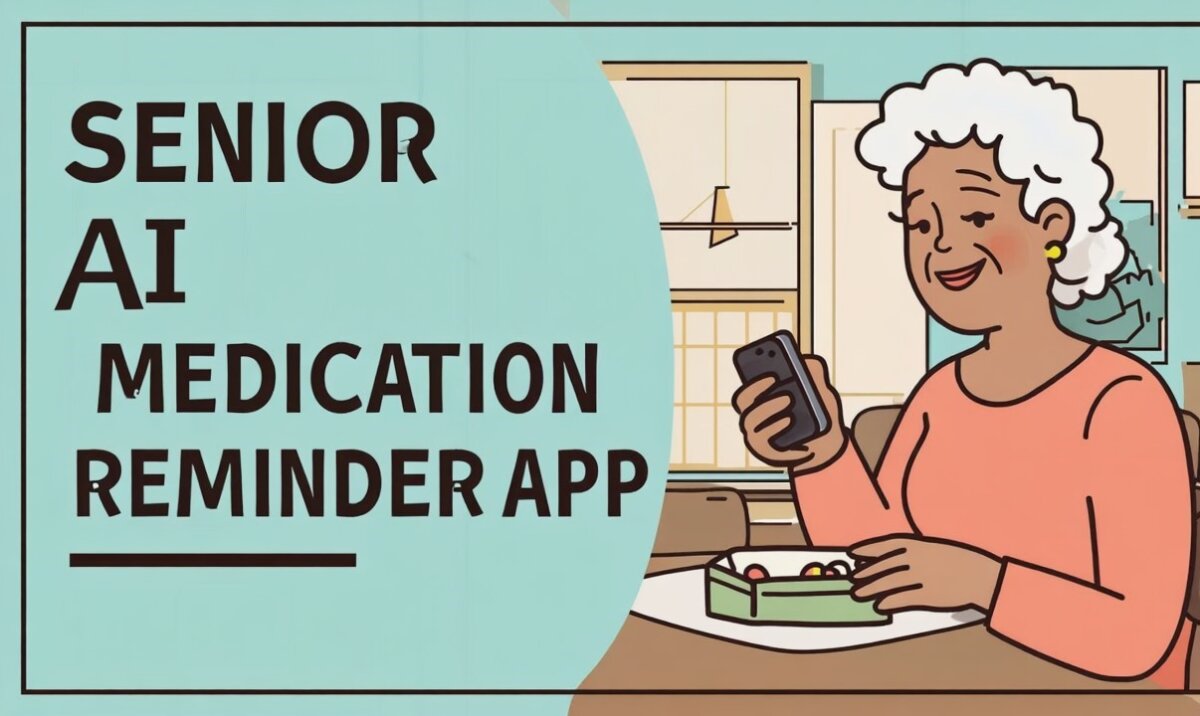
Meta Description
Discover the best AI medication management tools for older adults in 2025. Learn how seniors can stay safe, organized, and on schedule with smart apps.
Summary Audio Script
Remembering when and how to take medications can be stressful, especially for older adults managing multiple prescriptions. In 2025, AI-powered medication management tools are making this easier than ever. From smart pillboxes that send reminders to apps that alert caregivers, these tools give seniors peace of mind and families reassurance. In this article, we’ll explore the most senior-friendly AI medication solutions, helping older adults stay safe, independent, and confident in their daily routines.
Getting Started
Medication management is one of the biggest challenges for seniors. Studies show that nearly 50% of older adults struggle with adherence to prescription schedules, which can lead to serious health risks (source: Mayo Clinic). Whether it’s forgetting a dose, taking the wrong pill, or missing refills, mistakes are common but preventable.
That’s where AI steps in. In 2025, medication management tools use artificial intelligence to track schedules, send reminders, and even notify caregivers if something goes wrong. Unlike traditional pillboxes, these smart systems learn patterns, predict when refills are needed, and provide safety alerts.
This article will introduce the top AI medication management tools designed specifically for seniors—safe, simple, and widely available today.
How We Chose
When selecting AI medication management tools for seniors, we considered:
- Ease of Use – Tools with clear displays, large fonts, and simple reminders.
- Accessibility – Voice commands, caregiver access, and compatibility with mobile devices.
- Price – Affordable solutions without hidden subscription costs.
- Privacy & Security – Strong encryption and senior-friendly data sharing options.
- Availability – Products widely available online and in pharmacies in 2025.
1. MedMinder Smart Pillbox
Best for
Seniors who want a physical pillbox with built-in reminders and caregiver alerts.
Pros
- Lights and sounds remind users when it’s time to take a pill.
- Caregivers receive alerts if a dose is missed.
- Works without Wi-Fi for basic reminders.
Cons
- Bulkier than traditional pillboxes.
- Subscription required for caregiver notifications.
Quick Start
- Load medications into the MedMinder pill compartments.
- Program schedule using the app or online portal.
- Follow reminders—AI tracks adherence automatically.
Case Example
Helen, 75, often forgot her evening medication. MedMinder flashed and beeped until she opened the correct compartment, preventing missed doses.
2. Hero AI Medication Dispenser
Best for
Older adults managing multiple prescriptions with complex schedules.
Pros
- Holds up to 90 days of medication.
- AI dispenses pills at the right time automatically.
- Sends refill reminders and caregiver notifications.
Cons
- Higher upfront cost.
- Requires subscription for advanced features.
Quick Start
- Load pills into Hero’s large container.
- Connect to Wi-Fi and set up schedule in the app.
- Wait for Hero to dispense each dose automatically.
Case Example
Robert, 78, takes six different prescriptions daily. Hero simplified his routine by dispensing the exact pills at the right time with no confusion.
3. Pillo Health AI Assistant
Best for
Seniors who like voice interaction and real-time caregiver updates.
Pros
- Voice-activated: “Did I take my medication?”
- Dispenses and tracks medications.
- AI connects seniors with caregivers if doses are missed.
Cons
- Requires internet connection.
- More expensive than basic pillboxes.
Quick Start
- Place medications in Pillo’s compartments.
- Connect to the companion app.
- Ask Pillo for reminders or updates as needed.
Case Example
Margaret, 70, often questioned if she’d already taken her morning pill. Pillo confirmed her history, preventing double doses.
4. CareZone AI Medication App
Best for
Seniors who prefer a digital app without special hardware.
Pros
- Simple medication list with reminders.
- AI scans prescription labels using phone camera.
- Caregiver sharing features.
Cons
- Requires smartphone use.
- No automatic pill dispensing.
Quick Start
- Download CareZone.
- Scan medication bottles with the camera.
- Set reminder alerts and share schedules with caregivers.
Case Example
James, 68, found CareZone helpful for organizing refills. The app alerted him when his prescription was running low.
5. PillPack by Amazon (AI Pharmacy Service)
Best for
Seniors who want medications pre-sorted and delivered.
Pros
- AI organizes pills into packets by day and time.
- Home delivery with automatic refills.
- Easy-to-read labels and caregiver sharing.
Cons
- Requires switching pharmacies.
- Limited availability in some regions.
Quick Start
- Transfer prescriptions to PillPack online.
- Receive packets organized by dose.
- Follow daily packs with confidence.
Case Example
Evelyn, 74, loved PillPack’s convenience. Instead of sorting pills, she simply opened each day’s pre-packaged set.
Bonus Tips for Seniors Managing Medications with AI in 2025
- Pair AI with Doctor Visits – Share reports with healthcare providers for better monitoring.
- Enable Caregiver Alerts – Choose tools that notify family or caregivers of missed doses.
- Set Multiple Reminders – Visual and sound cues reduce forgetfulness.
- Use Voice Assistants – Connect Alexa or Google Assistant for extra reminders.
- Start with One Tool – Begin with a simple app, then expand to dispensers if needed.
FAQ
Q1: Are AI pillboxes difficult for seniors to use?
No, most devices are designed with seniors in mind—large buttons, clear alerts, and easy-to-follow instructions.
Q2: Can AI tools prevent double dosing?
Yes, tools like Pillo Health track when medications are taken and alert seniors if they attempt to take a dose twice.
Q3: Are these tools covered by insurance?
Some Medicare Advantage and supplemental plans may cover part of the cost. Seniors should check with providers.
Q4: Do I need internet for AI medication tools?
Basic reminders may work offline, but advanced features like caregiver alerts often require Wi-Fi.