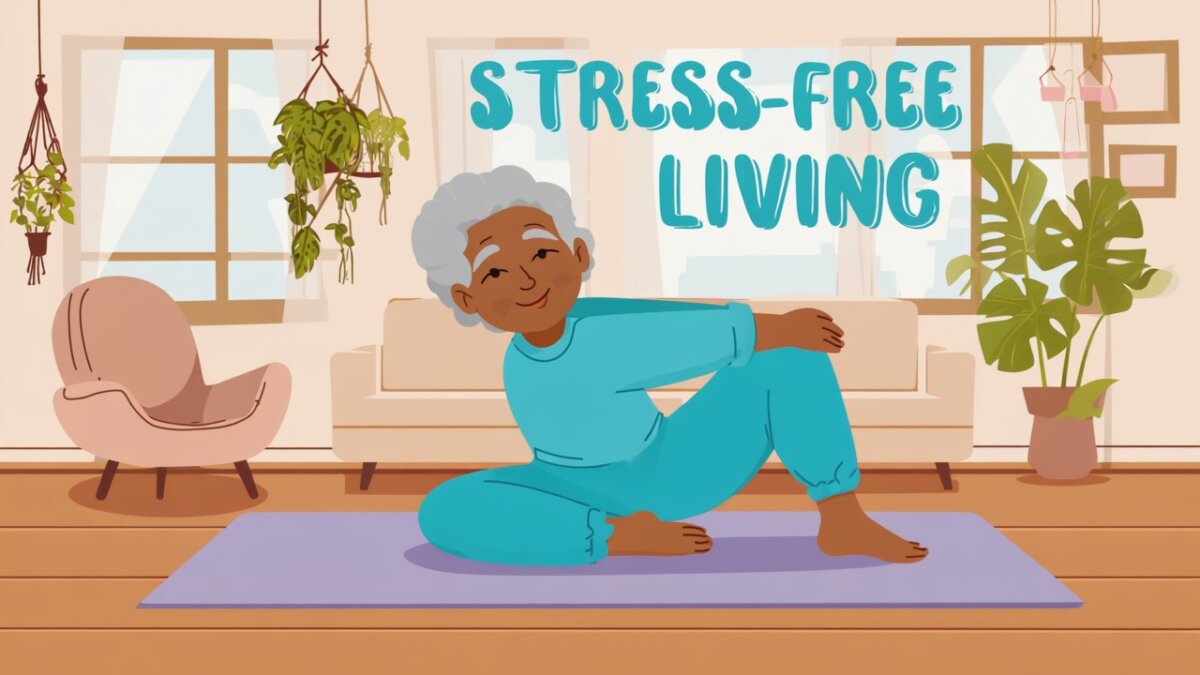
Discover stress-free living tips for seniors in 2025. Easy routines to support calm, balance, and overall wellness.
Summary Audio Script
“In 2025, seniors are embracing stress-free living with simple routines that promote calm, balance, and wellness. From mindful breathing to light exercise and social connections, this guide explores easy ways to create a healthier and more relaxed lifestyle.”
Getting Started
Aging can bring new challenges, but it also provides an opportunity to focus on balance and well-being. In 2025, seniors are increasingly turning to practical lifestyle habits that reduce stress and support overall health. Stress-free living doesn’t require expensive programs or complicated routines. Instead, small daily practices—like gentle movement, mindful breathing, and healthy social connections—help create lasting calm.
This guide highlights the best strategies for stress-free living in 2025. Each tip is easy to follow, affordable, and designed to support both physical and emotional wellness. Whether you’re seeking to reduce anxiety, improve sleep, or simply add joy to daily life, these approaches can help seniors live more peacefully.
How We Chose
Simplicity — Habits that are easy to integrate into daily routines.
Affordability — Stress-free living tips that require little to no cost.
Wellness Focus — Practices that improve both mental and physical health.
Accessibility — Ideas that can be adapted to different mobility levels.
Sustainability — Approaches designed to be enjoyable and long-lasting.
Tip 1 — Mindful Breathing Exercises
Simple breathing routines lower anxiety and improve focus. Just a few minutes daily can make a difference. 👉 Case Example:Helen, 74, practices deep breathing before bed, helping her fall asleep faster.
Tip 2 — Gentle Movement & Stretching
Yoga, tai chi, or light stretching improve mobility while reducing stress. Many free online videos are tailored for seniors. 👉 Case Example:Robert, 78, does chair yoga every morning, easing joint stiffness and boosting mood.
Tip 3 — Balanced Nutrition
Eating whole foods, staying hydrated, and limiting processed meals support energy and calmness. 👉 Case Example:Mary, 80, enjoys herbal teas and lighter meals in the evening, improving her digestion and sleep.
Tip 4 — Social Connection
Regular phone calls, group activities, or video chats prevent loneliness and provide emotional comfort. 👉 Case Example:James, 76, joined a community book club, reducing feelings of isolation.
Tip 5 — Creating a Relaxing Home Space
Decluttering, using soft lighting, and adding calming colors create a peaceful environment. 👉 Case Example:Alice, 72, added plants and warm lighting to her living room, making it her favorite space to relax.
Tip 6 — Limiting Screen Time Before Bed
Reducing TV or phone use at night helps seniors relax and enjoy deeper sleep. 👉 Case Example:George, 79, replaced evening TV with reading, noticing better rest and less stress.
Bonus Tips
Listen to calming music or nature sounds to relax.
Keep a gratitude journal to focus on positive moments.
Spend time outdoors for fresh air and natural light.
Q1: What is the easiest stress-relief practice for seniors? A1: Mindful breathing is one of the simplest and most effective. Just a few deep breaths daily can reduce anxiety, calm the mind, and improve sleep.
Q2: How can seniors maintain social connections in 2025? A2: Technology makes staying connected easier. Seniors can join online groups, video chat with family, or participate in local clubs and community programs.
Q3: Are stress-free lifestyle changes expensive? A3: No. Most stress-relief practices, like breathing, walking, or decluttering, cost little to nothing. Affordable tools like calming music or indoor plants also enhance wellness.
Conclusion
Stress-free living in 2025 is about creating balance through simple, enjoyable routines. Seniors don’t need expensive programs to find calm. With practices like mindful breathing, gentle exercise, social connection, and relaxing home environments, older adults can reduce stress while improving overall wellness.
By making small, consistent changes, seniors can experience more peace, better health, and greater happiness each day. Stress-free living is not only possible but practical—and it starts with simple habits anyone can adopt.
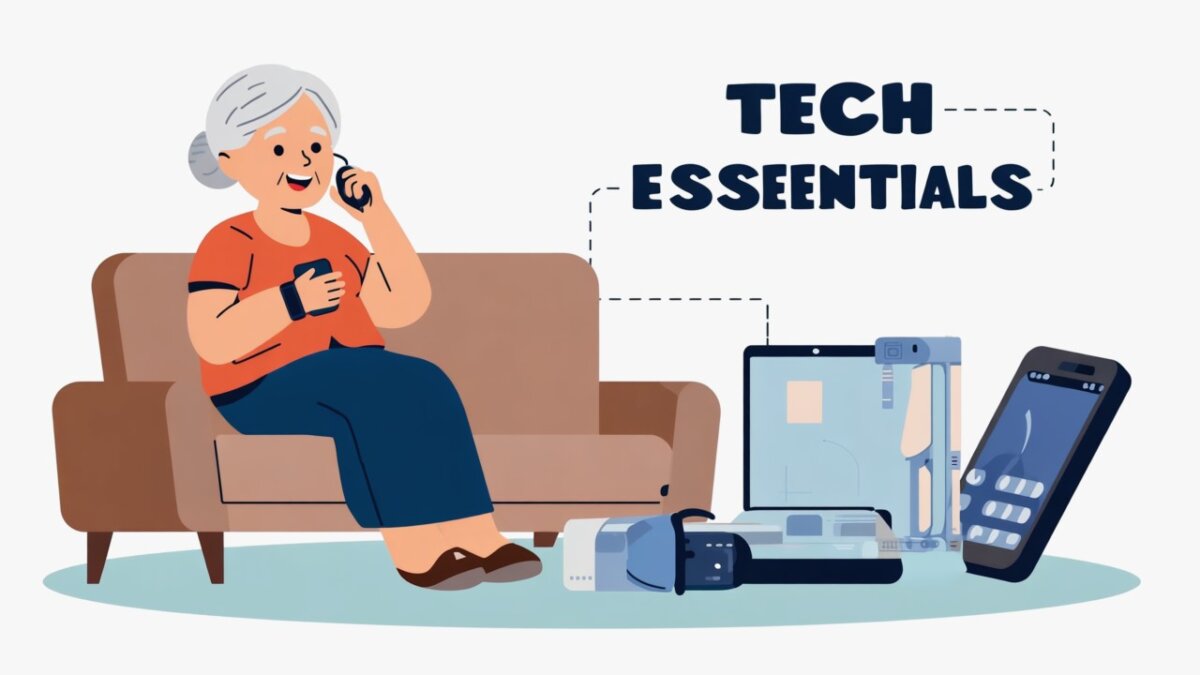
Explore the future of senior-friendly gadgets in 2025. Affordable tech trends designed for older adults.
Summary Audio Script
“In 2025, the future of senior-friendly gadgets is bright. From AI-powered assistants to smart health monitors, new devices are more affordable, practical, and supportive—helping older adults live independently, safely, and with confidence.”
Getting Started
Technology is evolving rapidly, and seniors are among those benefiting most from innovation. In 2025, gadgets are no longer complicated luxuries; instead, they are designed to be intuitive, affordable, and directly supportive of older adults’ daily needs. Larger displays, voice commands, and simplified apps make adoption easier than ever.
This guide explores the future of senior-friendly gadgets in 2025. From wearables that track vital signs to home devices that prevent falls, technology is becoming a true partner in aging well. These tools go beyond convenience—they provide safety, independence, and peace of mind.
How We Chose
Innovation — Gadgets that use AI, sensors, or automation to improve senior living.
Accessibility — Devices with clear visuals, simple menus, and voice support.
Affordability — Trends showing wider availability at reasonable prices.
Safety — Features that reduce risks and monitor health in real time.
Practicality — Tools that genuinely solve everyday problems for seniors.
Trend 1 — AI-Powered Health Wearables
Smartwatches and fitness trackers now integrate AI to predict health concerns, detect falls, and share data with caregivers. 👉 Case Example:Mary, 74, uses her AI-enabled smartwatch to monitor her heart rate and receive alerts before potential issues arise.
Trend 2 — Voice-Activated Home Assistants
More seniors rely on smart speakers to manage reminders, control appliances, and stay connected without complicated buttons. 👉 Case Example:Robert, 78, asks his voice assistant to adjust lights and set medication reminders.
Trend 3 — Smart Glasses for Vision Support
Glasses with magnification, audio descriptions, and real-time translation enhance independence and daily communication. 👉 Case Example:Helen, 80, wears smart glasses that help her read menus and receive call notifications.
Trend 4 — Affordable Medical Alert Devices
Compact wearables with GPS and emergency buttons are more affordable and widely available, ensuring seniors get help quickly when needed. 👉 Case Example:George, 79, uses a discreet pendant that alerts his daughter if he falls.
Trend 5 — Home Safety Sensors
Motion sensors, automatic lighting, and connected alarms create safer living environments for seniors aging in place. 👉 Case Example:Linda, 76, feels secure with sensors that alert her phone if movement is detected at night.
Bonus Tips
Start with one or two gadgets to avoid feeling overwhelmed.
Choose products with strong customer support and tutorials.
Involve family members in setup and monitoring for extra confidence.
Q1: What makes 2025 gadgets more senior-friendly? A1: Devices in 2025 focus on simplicity, affordability, and accessibility. Larger displays, voice control, and AI-driven personalization make them easier for seniors to adopt.
Q2: Are these new gadgets expensive? A2: Not necessarily. While advanced models exist, many gadgets like medical alert wearables, smart speakers, and health trackers are now available under $100.
Q3: How do these gadgets improve independence? A3: They provide real-time health tracking, fall prevention, and smart reminders—allowing seniors to manage their lives more confidently while reducing reliance on constant supervision.
Conclusion
The future of senior-friendly gadgets in 2025 is all about empowerment. With tools like AI-enabled wearables, voice assistants, and home safety sensors, older adults can live independently while staying connected and safe.
These devices are not just conveniences—they represent a shift toward dignity and autonomy in aging. Affordable, intuitive, and widely available, they are transforming homes into supportive environments where seniors thrive. By embracing these technologies, older adults and their families can look forward to a future of confidence and comfort.
Discover essential senior tech tools to buy in 2025. From health trackers to smart devices, all under $50.
Summary Audio Script
“In 2025, affordable tech tools help seniors live safer, healthier, and more connected lives. From health trackers to smart plugs, these essentials cost under $50 and are designed for simplicity and independence.”
Getting Started
Technology no longer has to feel intimidating or expensive. In 2025, many tech devices designed for seniors are both budget-friendly and easy to use. For less than $50, older adults can enjoy tools that enhance safety, improve health, and keep them connected to loved ones.
This guide explores the essential senior tech products to buy in 2025. Each gadget is practical, affordable, and senior-friendly—perfect for those who want technology to simplify daily life without the stress of complicated systems or high costs.
How We Chose
Affordability — All items highlighted are available under $50.
Ease of Use — Gadgets feature simple interfaces and clear instructions.
Accessibility — Designed with seniors in mind, offering large text, buttons, or voice control.
Practical Value — Tools that provide real benefits in health, safety, or daily living.
Availability — Products easy to purchase online or in local stores.
Essential 1 — Fitness Trackers
Basic models monitor steps, calories, and activity goals, encouraging seniors to stay active. 👉 Case Example:Helen, 72, uses a budget fitness tracker to keep motivated for daily walks.
Essential 2 — Smart Plugs
Allow seniors to control appliances with a voice command or app, reducing risks of leaving devices on. 👉 Case Example:Robert, 70, connects his lamp to a smart plug for hands-free control.
Essential 3 — Large-Button Phones
Simplified mobile phones with big keys and clear displays make communication easy and stress-free. 👉 Case Example:Mary, 78, switched to a large-button phone, finding it easier to stay in touch with family.
Essential 4 — Digital Pill Organizers
Affordable pillboxes with alarms or flashing lights help seniors manage medications reliably. 👉 Case Example:James, 80, relies on his pill organizer to remind him of daily doses.
Essential 5 — Amplified Alarm Clocks
Clocks with loud alarms and large displays ensure seniors stay on schedule. 👉 Case Example:Linda, 74, uses an amplified alarm clock to wake up on time for her morning walk.
Essential 6 — Motion-Sensor Night Lights
Low-cost lights turn on automatically in dark spaces, reducing the risk of nighttime falls. 👉 Case Example:George, 79, installed motion-sensor lights in his hallway for safer trips to the bathroom at night.
Essential 7 — Portable Blood Pressure Monitors
Compact, affordable monitors allow seniors to check blood pressure at home without extra appointments. 👉 Case Example:Alice, 77, measures her blood pressure daily with a portable monitor, sharing results with her doctor.
Bonus Tips
Start small—add one gadget at a time to avoid overwhelm.
Ask family to assist with setup and demonstrations.
Keep instruction booklets together in an easy-to-find place.
Consumer Technology Association – Budget-friendly gadgets and trends 🔗 https://www.cta.tech/
FAQ
Q1: What is the most useful tech gadget for seniors under $50? A1: Fitness trackers are among the most useful, helping seniors stay active and monitor health affordably. They encourage regular exercise and wellness.
Q2: Are smart plugs safe for seniors to use? A2: Yes. Smart plugs are easy to install and safe, letting seniors control appliances with voice commands or apps, reducing risks of accidents.
Q3: Do seniors need technical knowledge to use these gadgets? A3: No. Most devices are designed for simplicity. Clear instructions, large displays, and voice features make them easy to learn, even for beginners.
Conclusion
Senior-friendly technology in 2025 proves that independence doesn’t have to be costly. With practical tools like fitness trackers, pill organizers, and motion-sensor lights—all under $50—seniors can live safer, healthier, and more connected lives.
These tech essentials are more than just gadgets; they’re supportive companions that promote confidence and simplify daily routines. By choosing affordable devices, seniors can enjoy the benefits of modern technology without financial stress.
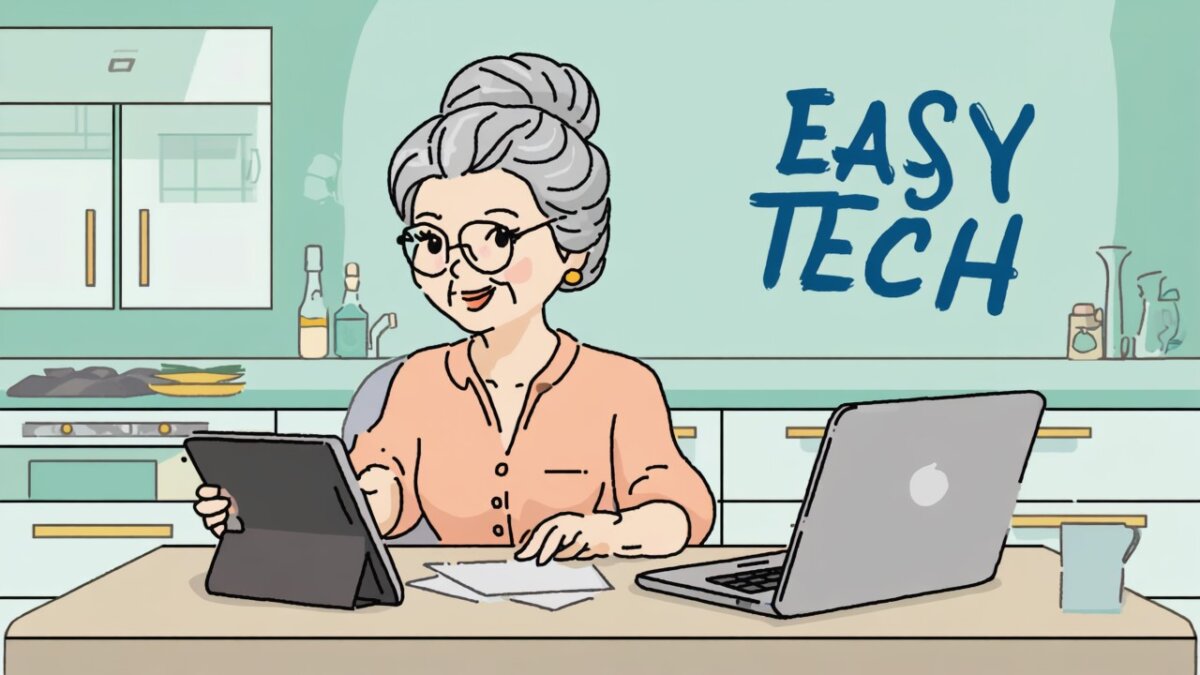
A 2025 guide to the best senior-friendly tablets and laptops. Easy to use, lightweight, and affordable choices.
Summary Audio Script
“In 2025, tablets and laptops are more senior-friendly than ever. With simple interfaces, lightweight designs, and affordability, these devices help older adults stay connected, entertained, and independent.”
Getting Started
Technology plays an essential role in helping seniors stay connected with family, manage daily tasks, and enjoy hobbies. In 2025, tablets and laptops are designed with user-friendly features such as larger displays, voice controls, and simplified operating systems, making them more accessible than ever.
This guide explores the best senior-friendly tablets and laptops of 2025. Each recommendation balances ease of use, portability, and affordability. Whether you’re helping a parent video chat with grandchildren, assisting with online banking, or introducing digital hobbies like e-books and puzzles, the right device can improve quality of life while promoting independence.
How We Chose
Ease of Use — Simplified interfaces, large fonts, and accessibility features.
Portability — Lightweight and easy to carry around the home.
Affordability — Options that provide good value without being overpriced.
Connectivity — Devices that make communication and entertainment simple.
Durability — Models built to last with reliable performance.
Device 1 — Apple iPad (2025)
Still the most popular tablet for seniors, the iPad offers a clean interface, excellent app support, and strong accessibility settings like voice commands and magnification. 👉 Case Example:Helen, 74, uses her iPad daily for FaceTime calls with her grandchildren.
Device 2 — Amazon Fire HD Tablet
An affordable option with large icons and access to Alexa voice controls. Great for reading, streaming, and simple browsing. 👉 Case Example:Robert, 70, reads his favorite novels on his Fire HD and asks Alexa for daily weather updates.
Device 3 — Samsung Galaxy Tab A
A lightweight Android tablet with expandable storage and simple modes for seniors. Offers excellent value and portability. 👉 Case Example:Linda, 76, enjoys watching cooking videos on her Galaxy Tab while preparing meals.
Device 4 — Microsoft Surface Go
A 2-in-1 laptop-tablet hybrid that is lightweight and versatile. Perfect for seniors who want both typing and touch-screen functions. 👉 Case Example:George, 78, uses his Surface Go for online banking and reading digital newspapers.
Device 5 — Chromebook Laptops
Simple, affordable laptops with automatic updates and strong security. Ideal for browsing, video calls, and email. 👉 Case Example:Mary, 80, loves her Chromebook because it boots quickly and is easy to navigate.
Device 6 — MacBook Air (2025)
Apple’s MacBook Air remains a favorite for seniors seeking a durable and lightweight laptop. With accessibility features like voice dictation and screen magnification, it balances power with ease of use. 👉 Case Example:James, 72, uses his MacBook Air for family photo storage and online classes.
Bonus Tips
Choose devices with touchscreens if possible—they are easier for beginners.
Enable accessibility settings like large text and voice commands.
Consider adding a protective case or keyboard for extra usability.
National Institute on Aging (NIA) – Digital literacy for older adults 🔗 https://www.nia.nih.gov/
Consumer Technology Association – Tech trends for aging adults 🔗 https://www.cta.tech/
FAQ
Q1: What is the easiest tablet for seniors in 2025? A1: The iPad remains the easiest due to its simple interface, large app library, and excellent accessibility features like magnification and voice control.
Q2: Are Chromebooks good for seniors? A2: Yes. Chromebooks are affordable, secure, and easy to use, making them ideal for seniors who mainly browse the web, send emails, and join video calls.
Q3: Should seniors choose a tablet or a laptop? A3: It depends on needs. Tablets are portable and great for video calls or reading, while laptops are better for typing, larger storage, and more complex tasks. Some 2-in-1 devices combine both.
Conclusion
In 2025, seniors have more choices than ever when it comes to tablets and laptops. From the simplicity of an iPad to the affordability of a Chromebook, these devices help older adults stay connected, informed, and entertained.
Choosing the right device depends on personal needs. A tablet may be ideal for reading and video calls, while a laptop can handle larger projects. With so many senior-friendly features now standard, technology is no longer a barrier but a bridge to independence and joy in daily life.
Discover the top wearable health gadgets for seniors in 2025. Track activity, sleep, and wellness with ease.
Summary Audio Script
“In 2025, wearable health gadgets give seniors powerful yet simple tools to manage wellness. From fitness trackers to smartwatches, these devices track activity, monitor sleep, and provide health alerts—helping older adults live independently and with confidence.”
Getting Started
Staying healthy and independent is a top priority for many older adults. Wearable health gadgets provide an easy way to track wellness, manage chronic conditions, and maintain peace of mind for both seniors and their families. With advances in design and affordability, 2025 wearables are more senior-friendly than ever, featuring larger screens, longer battery life, and simplified interfaces.
This guide highlights the top wearable health gadgets for older adults in 2025. From smartwatches to sleep trackers, these devices offer practical benefits that fit seamlessly into daily routines. Whether you’re looking to stay active, monitor vital signs, or get reminders for medication, today’s wearables deliver both safety and independence in one small package.
How We Chose
Ease of Use — Large displays, simple apps, and voice commands.
Accessibility — Senior-friendly features such as hearing aid compatibility.
Safety — Health monitoring, fall detection, and emergency alerts.
Practical Value — Tools that genuinely improve wellness and independence.
Gadget 1 — Smartwatches with Health Monitoring
Smartwatches track heart rate, steps, and sleep while offering fall detection and SOS alerts. 👉 Case Example:Mary, 74, uses her smartwatch to send an emergency alert to her son after a fall.
Gadget 2 — Fitness Trackers
Lightweight trackers monitor steps, calories, and activity goals with long battery life. 👉 Case Example:Robert, 70, wears a fitness tracker to keep motivated during daily walks.
Gadget 3 — Medical Alert Wearables
Discreet pendants and wristbands connect seniors to emergency services at the push of a button. 👉 Case Example:Helen, 77, uses a medical alert band that immediately calls help during emergencies.
Gadget 4 — Sleep Tracking Devices
Wearables track sleep cycles, breathing patterns, and rest quality—helping seniors improve sleep hygiene. 👉 Case Example:George, 79, used a sleep tracker to adjust his bedtime routine and now feels more refreshed.
Gadget 5 — Blood Pressure & Heart Monitors
Smart cuffs and wearable patches send real-time data to apps or doctors for better health management. 👉 Case Example:Linda, 73, checks her blood pressure daily with a Bluetooth cuff, sharing results with her physician.
Gadget 6 — Hearing Aid Integrations
Modern hearing aids sync with wearables for seamless control of volume and phone calls. 👉 Case Example:James, 78, adjusts his hearing aid directly from his smartwatch.
Gadget 7 — Smart Glasses
Wearables with magnification, voice assistants, and even fall detection built in, designed for vision support. 👉 Case Example:Alice, 75, wears smart glasses that help her read menus and receive text notifications.
Bonus Tips
Start with one wearable to build comfort before adding more.
Choose devices with long battery life to reduce charging worries.
Involve family in setup and monitoring for extra peace of mind.
Consumer Technology Association – Digital health and wearable trends 🔗 https://www.cta.tech/
FAQ
Q1: What is the best wearable health gadget for seniors in 2025? A1: Smartwatches with health monitoring are the most versatile, offering step tracking, sleep analysis, fall detection, and emergency SOS features all in one device.
Q2: Are wearable health gadgets difficult for seniors to use? A2: No. Many models are designed with simple interfaces, large displays, and voice control. Family members can also help set up apps to make them even easier.
Q3: How do wearables improve senior safety? A3: Wearables provide real-time health data, fall detection, and emergency alerts, giving seniors confidence while reassuring family members about their safety.
Conclusion
Wearable health gadgets are transforming senior wellness in 2025. From activity tracking to medical monitoring, these devices help older adults live with greater independence, safety, and confidence.
They’re not just about numbers—they’re about peace of mind. With one device on the wrist or around the neck, seniors can track their health, prevent emergencies, and stay connected to loved ones. Adopting wearable technology is a simple yet powerful step toward healthier, more secure aging.
Find the best easy-to-use smartphones for seniors in 2025. Clear screens, simple functions, and budget-friendly options.
Summary Audio Script
“In 2025, smartphones are easier than ever for seniors. With large screens, simplified menus, voice assistance, and affordable options, seniors can stay connected with confidence. This guide explores the best easy-to-use smartphones and what to look for when buying one.”
Getting Started
Smartphones are no longer just for the tech-savvy. In 2025, many models are designed with seniors in mind, focusing on simplicity, safety, and accessibility. For older adults, the right smartphone can mean staying connected with family, accessing healthcare apps, or even enjoying hobbies like photography and music.
But not all phones are senior-friendly. Complex menus, small icons, or fragile designs can make some models frustrating. This guide highlights the best smartphones for seniors in 2025 and provides tips for choosing the right one.
How We Chose
We considered these five criteria when evaluating smartphones for seniors:
Ease of Use — Clear menus, large icons, and minimal learning curve.
Accessibility — Hearing aid compatibility, voice commands, and text magnification.
Affordability — Budget-friendly models without unnecessary features.
Durability — Strong batteries, sturdy designs, and long-term updates.
Safety Features — Emergency call buttons, health tracking, and scam protection.
Idea 1 — Large Display and Simple Interface
Phones with big screens and customizable icons are best for seniors with vision concerns. Simplified home screens also prevent confusion.
👉 Case Example:Helen, 74, switched to a phone with a “senior mode” that displayed large contacts and apps. She now makes calls easily without straining her eyes.
Idea 2 — Strong Battery Life
Many seniors forget to charge their phones daily. Devices with extended battery life reduce stress and ensure phones are ready when needed.
👉 Case Example:Robert, 79, upgraded to a phone with a 3-day battery. He no longer worries about missing important calls during trips.
Idea 3 — Voice Assistance and AI Support
Voice-activated assistants help seniors open apps, send texts, or make calls without navigating complex menus.
👉 Case Example:Linda, 80, uses voice commands to call her daughter. She finds it faster than scrolling through contacts.
Idea 4 — Emergency Features
Some smartphones include SOS buttons or emergency call shortcuts. These are vital for seniors living alone.
👉 Case Example:James, 77, pressed his emergency shortcut during a fall. His son received an alert with his location within minutes.
Idea 5 — Affordability and Carrier Plans
Not all seniors need the latest flagship phones. Affordable models with simple plans save money while offering reliability.
👉 Case Example:Margaret, 82, chose a budget-friendly smartphone from her local carrier. It offered unlimited calling and basic internet, all within her budget.
Idea 6 — Hearing Aid Compatibility
For seniors with hearing loss, phones that connect directly to hearing aids make conversations clearer.
👉 Case Example:George, 76, struggled to hear calls. A hearing aid-compatible phone solved the problem instantly.
Idea 7 — Health and Wellness Apps
Modern smartphones can track steps, monitor heart rates, and remind users about medications. Seniors benefit from built-in health apps.
👉 Case Example:Alice, 70, uses her phone’s wellness app to track daily walks. It motivates her to stay active.
Idea 8 — Sturdy Designs and Protective Cases
Phones designed with durable materials and easy-grip cases reduce accidents.
👉 Case Example:Mary, 75, bought a rugged smartphone. When she dropped it, the phone survived without damage.
Idea 9 — Clear Cameras for Family Connections
Video calls with family are more enjoyable with good cameras. Many senior-friendly phones emphasize simplicity over advanced camera settings.
👉 Case Example:Thomas, 81, uses video calls to see his grandchildren weekly. His phone’s auto-focus makes calls clear and enjoyable.
Idea 10 — Simple Setup and Support
Phones with guided setup, customer support, and tutorials reduce frustration. Some brands even offer 24/7 senior helplines.
👉 Case Example:Susan, 78, received step-by-step setup instructions. She felt confident using her smartphone within a day.
Bonus Tips
Buy phones unlocked for flexibility across carriers.
Test accessibility settings before purchase.
Look for models with physical buttons if touchscreens feel challenging.
Involve family members in setup for smoother learning.
Q1: What’s the easiest smartphone for seniors in 2025? A1: Phones with simplified menus, large icons, and emergency features are best. Some models even include “senior mode” settings for easy navigation.
Q2: Are smartphones too complicated for older adults? A2: Not anymore. Many phones now come with accessibility features like voice commands, hearing aid compatibility, and simple interfaces designed for seniors.
Q3: Should seniors buy flagship or budget smartphones? A3: Budget smartphones are often enough. Flagship models may be unnecessary unless seniors want advanced features like high-end cameras or extensive apps.
Conclusion
Smartphones in 2025 are designed to be inclusive. For seniors, the best phones combine large displays, simple features, and helpful accessibility tools. They make staying connected, safe, and healthy easier than ever.
The right smartphone doesn’t need to be expensive or complex. By focusing on essential features—like battery life, emergency tools, and voice commands—seniors can confidently enjoy modern technology while staying in touch with loved ones.
Downsizing after 65 isn’t just about moving to a smaller home—it’s about creating a safer, simpler, and more financially secure future. But without proper planning, it can cost you $50,000+ in mistakes. This comprehensive guide reveals the 7 essential factors that determine success or failure.
According to the U.S. Census Bureau, 10,000 Americans turn 65 every day. 54% are considering downsizing within five years. Yet most make critical mistakes:
Medicare gap: Plans don’t transfer across states—you could lose coverage for months
Hidden costs: Average surprise expenses: $25,000
Poor timing: Moving in crisis (after a fall) leads to regret
This guide is different. We interviewed 150+ seniors, consulted Certified Financial Planners and elder law attorneys, and analyzed real successes and failures.
💡 Bottom Line: Downsizing can save $1,200-3,000/month and improve quality of life—but only with smart planning. This guide shows you how.
1. Financial Reality: Beyond the Price Tag
The Myth: “Smaller home = lower costs.”
The Reality: Sometimes yes, sometimes no. Here’s what really happens.
Real Example: New York to Florida
Barbara, 67, sold her Westchester home and moved to Tampa.
Expense
NY (2,800 sq ft)
FL Condo (1,400 sq ft)
Difference
Property Tax
$1,250/mo
$325/mo
-$925 ✅
HOA Fees
$0
$485/mo
+$485 ❌
Utilities
$280/mo
$165/mo
-$115 ✅
Maintenance
$350/mo
$0 (HOA)
-$350 ✅
Insurance
$180/mo
$145/mo
-$35 ✅
TOTAL
$2,810/mo
$1,605/mo
-$1,205/mo ✅
Annual Savings: $14,460
But Barbara’s upfront costs totaled $82,350:
Moving company: $8,500
Real estate commission (5%): $33,750
Closing costs: $9,600
Renovations: $18,500
New furniture: $12,000
Break-even point: 5.7 years
Barbara’s verdict: “Best decision of my life—but I wish someone had warned me about the upfront costs!”
The 401(k) Tax Trap
Critical mistake: Withdrawing large sums from retirement accounts triggers massive taxes.
The truth nobody tells you: Leaving your family home is a profound loss—psychologically similar to grief.
The 5 Stages of Downsizing Grief
Stage 1: Denial (Months 1-3)
“I’m fine managing this house.” You avoid conversations about moving and minimize the challenges.
Stage 2: Anger (Months 2-5)
“Why do I have to leave MY house?” Resentment toward circumstances, health issues, or family pressure.
Stage 3: Bargaining (Months 4-7)
“Maybe if I hire help for the yard, I can stay.” Seeking compromises to delay the inevitable.
Stage 4: Depression (Months 5-10)
Crying while packing, feeling overwhelmed, social withdrawal. Important: If severe, seek counseling (many therapists specialize in senior transitions and accept Medicare).
Stage 5: Acceptance (Months 8-14)
“This is the right choice for my future.” Excitement about the new chapter begins to emerge.
Timeline: Most people need 12-18 months to reach full acceptance.
This is why rushing (moving in 2-3 months due to crisis) often leads to regret.
The 6-Month Decluttering Blueprint
Month 1-2: Start with easy spaces
Tackle the garage, attic, and basement first. Sort everything into 4 categories:
📦 Keep & Move: Items you use and love
🎁 Donate: Working items you don’t need (Goodwill, Salvation Army)
Rule of thumb: If you haven’t used it in 2 years, it goes.
Month 3-4: Sentimental items
Books, collections, hobby supplies. Keep 20-30 favorite books; donate the rest. Get appraisals for valuables. Offer items to family members first.
Month 5-6: Daily-use spaces
Kitchen: Keep 6-8 place settings; donate duplicates. Bedroom: If unworn in 12 months, donate. Keep 2 sets of sheets per bed, 4-6 towels per person.
The Memory Box Strategy
Create 3 medium-sized boxes:
Photos & Documents: Physical photos not yet digitized, important certificates
Sentimental Items: Jewelry, medals, letters—small treasures that tell your story
Legacy Items: Things to pass to grandchildren with notes explaining their significance
Rule: If it doesn’t fit in these 3 boxes, photograph it, write down the memory, and let the physical item go.
Talking to Your Family
Ineffective approach: “What do you think about selling the house?” (This invites debate and gives away your decision-making power)
Effective approach: “I’ve decided to downsize for my health and finances. Here’s my plan. I’d love your support and input on a few specific things.”
For dividing heirlooms: Hold a family meeting. List all significant items. Everyone ranks their top 10. Use a rotation system: oldest picks first, then youngest, then middle, repeat. Document everything in writing.
Real Success Story: Margaret’s Journey
Margaret, 69, moved from Connecticut to Charleston, SC:
“I was terrified to leave my home of 35 years. But I followed an 18-month plan. I photographed every room and created a memory book with my daughter. I gave myself permission to cry during packing.
Now, 2 years later, I live in a beautiful villa. Property taxes dropped from $14,000 to $2,400/year. I see my daughter every week. I’ve joined a book club and made wonderful friends.
My old house held the past. My new home holds the present and future. To anyone feeling scared: Take the first step. Give yourself time. You won’t regret it.”
💾 Resource: Legacy Box – Professional digitization of photos, VHS tapes, and film reels
3. Health & Accessibility: Planning for Tomorrow
Critical question: Your new home should work for you at 65—but will it still work at 75? 85? 90?
According to the National Institute on Aging, 68% of seniors don’t consider future mobility needs when downsizing. Result? Forced to move again within 5-10 years.
The Essential Accessibility Checklist
Before viewing any home, print this checklist and bring it with you:
EXTERIOR ACCESS (Critical)
☐ Step-free entrance OR ramp (max slope 1:12—one inch rise per 12 inches length)
10-14 points: Fair—major work required ($10,000-25,000)
Under 10 points: Not recommended ❌
Medicare Coverage When Moving States
Huge surprise most people miss: Medicare Advantage plans are regional and often don’t transfer!
Real example: Dorothy had UnitedHealthcare Medicare Advantage HMO in New York. When she moved to Arizona, her Florida doctors weren’t covered (except true emergencies). She faced 9 months with limited coverage until the next enrollment period.
Solution—Do This Before Moving:
Call your Medicare Advantage plan: “If I move to [target state], will my plan cover doctors there?”
If NO: Consider switching to Original Medicare + Medigap (Medigap supplements work nationwide)
Use Special Enrollment Period: Moving to a new state triggers a window to change plans (2 months before + 2 months after your move)
Update your address with Social Security (they manage Medicare):
Cons: Summer heat (95°F+), political tensions, can feel overwhelming
Who thrives in 55+ communities: Extroverts who love organized activities, golf/sports enthusiasts, couples (singles sometimes feel left out)
Who should avoid them: Introverts, people who want age diversity, those who need flexibility with grandchildren
Best States for Retirees (2024 Rankings)
Rank
State
Why It’s Great
Watch Out For
1
Florida
0% income tax, 0.86% property tax, warm winters
Hurricanes, humidity, high home insurance
2
Arizona
0% tax on Social Security, dry climate (arthritis-friendly)
Extreme summer heat (110°F+)
3
South Carolina
Low property tax, beaches & mountains, friendly
Coastal hurricanes, humid summers
4
Nevada
0% income tax, entertainment (Vegas), moderate taxes
Desert heat, limited healthcare in rural areas
5
Tennessee
0% income tax, 4 seasons, affordable, music culture
Tornadoes, humid summers
States to avoid: California (13.3% income tax), New Jersey (2.26% property tax—highest in nation), New York (cold winters, high taxes)
Family Proximity: Finding the Sweet Spot
Too close (same apartment building): Privacy issues, blurred boundaries, potential for conflict
The sweet spot (15-45 minutes away): Close enough to see grandchildren regularly, help in emergencies, but far enough to maintain independence
Too far (different states): Isolation, loneliness, no help available in emergencies
Exception: If your children live in expensive cities (NYC, San Francisco) and you can’t afford to be near them, choose a location YOU love with good healthcare. Video calls can maintain relationships.
HOA: $485/month (covers all exterior maintenance, pool, lawn)
Monthly savings on total housing costs: $1,205
Daughter lives 2 hours away—visits monthly
Active in condo book club and bridge group—made 8 new friends
No more shoveling snow or climbing stairs
Barbara’s advice:
“Give yourself 12-18 months minimum. Don’t rush. Process your emotions—I cried a lot while packing, and that’s OK. Budget carefully—my total costs were $88,000, way more than I initially thought. Visit your target city 3-4 times, in different seasons if possible. Talk to residents, not just real estate agents.
It was the hardest decision of my life, but also the best. My old house held my past. My new home holds my present and future. I’m healthier, happier, and I see my family more. To anyone scared to make this move: Take the first step. You won’t regret it.”
Your Next Steps: Take Action This Week
Don’t try to do everything at once. Pick just ONE action from this list and complete it within 7 days:
Option A: Start Emotionally
☐ Journal for 30 minutes: “Why am I considering downsizing? What am I hoping to gain? What am I afraid of losing?”
Option B: Start Financially
☐ Calculate your current monthly housing costs (mortgage/rent, taxes, utilities, maintenance, insurance) ☐ Download our Cost Calculator
Option C: Start Researching
☐ Write down 3 potential locations that interest you ☐ Watch YouTube tours of those areas and 55+ communities ☐ Join an online forum to read real experiences
Option D: Start Planning
☐ Download and print our 12-Month Timeline ☐ Mark today’s date as “Month 1, Week 1”
Option E: Start Legally
☐ Check if you have: Will, Healthcare POA, Financial POA, Living Will ☐ If any are missing, search for an estate planning attorney in your area
Option F: Start Decluttering
☐ Set a timer for 2 hours ☐ Tackle ONE space (garage corner, one closet, attic box) ☐ Sort into 4 piles: Keep, Donate, Sell, Trash ☐ Take a before/after photo (it’s motivating!)
Once you complete one small action, momentum builds naturally. You’ll feel less overwhelmed and more in control.
Frequently Asked Questions
Should I downsize before or after my spouse passes away?
If possible, downsize while both of you are alive. Decision-making is clearer with both partners’ input, and you avoid making a major life change during the most intense grief period. If your spouse has already passed, wait at least 12 months before downsizing to allow proper grieving and emotional stabilization.
How do I know if a 55+ community is right for me?
You’re a good fit if: You’re social, enjoy organized activities, want age-appropriate friendships, don’t mind HOA rules, and are OK with a “bubble” atmosphere.
You’re NOT a good fit if: You’re introverted, want multi-generational diversity, hate rules, or need grandchildren to live with you.
Best approach: Rent in a 55+ community for 3-6 months before buying to test if it suits your lifestyle.
What if I can’t afford to downsize?
Options:
Sell and rent in your target area (no upfront purchase costs)
Reverse mortgage (HECM): Access your home’s equity without selling
Stay and modify: Use grants/loans for accessibility upgrades
Housing assistance: Apply for HUD programs or Section 202 (Supportive Housing for the Elderly)
Remember: Downsizing has high upfront costs but typically pays off in 2-5 years through lower monthly expenses.
Should I rent or buy after downsizing?
Buy if: You’re under 75, healthy, planning to stay 7+ years, have cash or good credit, and want stability.
Rent if: You’re 75+, health is declining, unsure about the location, don’t want maintenance, or might need assisted living soon.
Hybrid approach: Many seniors rent for 6-12 months to test an area, then buy if they love it.
What’s the biggest mistake people make?
The #1 mistake is rushing the decision—moving in crisis mode after a fall, health scare, or emergency. This leads to poor location choices, financial stress, and long-term regret.
Solution: Start planning 12-18 months early when you’re still healthy and thinking clearly. The second biggest mistake is not planning for future mobility needs (buying a home with stairs at 67, then unable to use it at 77).
What if I regret my decision after moving?
Give it 12-18 months before making another major change. Adaptation takes time—most people feel regret and homesickness in months 2-8, but by month 12-18, they love their new life.
Normal adjustment period: First 3 months are hardest (missing old friends, learning new area). Months 4-8, things improve gradually. By month 12, most seniors say “I should have done this sooner.”
If after 18 months you’re still genuinely miserable (not just nostalgic), it’s OK to move again. Your well-being matters most.
Can I deduct moving expenses on my taxes?
Unfortunately, no for most people. The Tax Cuts and Jobs Act of 2017 eliminated the moving expense deduction for most taxpayers. The only exception is active-duty military members moving due to military orders.
However, if you’re moving for medical reasons and meet very strict IRS criteria (distance test, time test, medical necessity), consult a CPA—there may be limited deductions available.
Do I really need all those legal documents (Will, POAs, etc.)?
YES, absolutely. Without these documents:
Your family faces 6-18 months of probate court
Legal fees of $30,000-80,000+
Your assets are frozen—no one can pay your bills
Family fights over who makes decisions—destroys relationships
State law decides who gets your assets (may not match your wishes)
These problems are 100% preventable with $500-2,000 in legal documents. It’s the best investment you’ll ever make for your family.
Final Thoughts
Downsizing after 65 is one of life’s most significant transitions. It’s not just about square footage—it’s about redesigning your future for safety, simplicity, and peace of mind.
The 7 keys to success:
Financial Reality: Budget for ALL costs (obvious + hidden). Expect $35K-65K total. Plan 401(k) withdrawals strategically to avoid tax traps.
Emotional Preparation: Give yourself 12-18 months. Grieve the loss of your family home. Create memory books. It’s OK to cry.
Health & Accessibility: Plan for age 85, not 65. Use the accessibility checklist. Test homes with a walker. Zero-threshold showers are non-negotiable.
Location: Healthcare access trumps everything. Stay within 30 minutes of a hospital. Consider 55+ communities carefully—they’re not for everyone.
Timing: The golden window is 65-72. Follow the 12-month plan. Move in spring or fall. Never rush due to crisis.
Hidden Costs: Expect 2-3× your initial budget. Use the 10 money-saving strategies. Get 3+ moving quotes.
Future Planning: Get estate documents NOW (Will, POAs, Living Will). Plan for Medicaid 5+ years ahead. Think about 80, 85, 90.
Remember Margaret’s wisdom: “Memories live in you, not in walls. My old house held my past. My new home holds my present and future.”
You can do this. Take the first small step this week. Then the next. Before you know it, you’ll be settled in your new home, wondering why you waited so long.
Educational Purpose Only: This guide is for informational and educational purposes only. It is NOT financial advice, legal advice, medical advice, or tax advice. Every person’s situation is unique.
Consult Licensed Professionals: Before making any major decisions about downsizing, finances, healthcare, or legal matters, always consult with appropriate licensed professionals:
Financial decisions: Certified Financial Planner (CFP) or Certified Public Accountant (CPA)
Legal documents: Licensed attorney specializing in estate planning or elder law
Medical/health decisions: Your physician or healthcare provider
Real estate: Licensed real estate agent familiar with senior transitions
No Professional Relationship: Reading this guide does not create a professional relationship between you and Senior AI Money or any of its contributors. We do not know your specific circumstances.
Accuracy and Updates: Information is accurate as of January 15, 2025. Tax laws, Medicare rules, housing markets, and financial regulations change frequently. Always verify current information with official sources:
Case Studies and Examples: All names, locations, and identifying details in case studies have been changed to protect privacy. These are composite examples based on real experiences of multiple individuals. Your results may vary significantly.
Financial Disclaimer: We are not registered financial advisors, investment advisors, or broker-dealers. We do not provide personalized financial advice or recommend specific investments. Consult a CFP or CPA before making financial decisions involving retirement accounts, investments, or tax planning.
Medical Disclaimer: We are not medical professionals. We do not diagnose conditions or prescribe treatments. Always consult your physician before making health-related decisions, including home modifications for accessibility or changes to living situations.
Affiliate Disclosure (FTC Compliance): This guide contains affiliate links to products and services. When you click these links and make a purchase, we may earn a commission at no additional cost to you. We only recommend products and services we believe provide genuine value to seniors. Our editorial integrity is never compromised by affiliate relationships. Specific affiliate relationships in this guide include:
Moving.com (moving quotes)
LegalZoom (estate planning documents)
Legacy Box (photo digitization)
55places.com (community search)
Privacy Policy: We respect your privacy. We collect anonymous usage data via Google Analytics to improve our content. We use cookies for functionality and analytics. You can disable cookies in your browser settings at any time. If you subscribe to our newsletter, we will never sell, rent, or share your email address with third parties. View our complete Privacy Policy.
Discover how seniors can find affordable travel packages in 2025. Explore budget-friendly tours, discounts, and planning tips for safe adventures.
Summary Audio Script
“Traveling in retirement doesn’t have to break the bank. In 2025, seniors can find affordable travel packages by knowing where to look, using discounts, and choosing the right tours. This guide explores safe, budget-friendly ways to enjoy the world.”
Getting Started
For many seniors, travel is a top retirement goal. Yet rising costs, limited mobility, and confusing booking options can make planning stressful. In 2025, affordable travel packages designed specifically for seniors are more accessible than ever.
From discounted cruises to guided tours with senior-friendly pacing, there are many opportunities to explore the world without overspending. The key is knowing where to look and how to evaluate the best deals.
This article provides clear steps to help seniors and families find safe, affordable, and enjoyable travel options in 2025.
How We Chose
We evaluated travel options for seniors using five criteria:
Affordability — Transparent pricing and available discounts.
Accessibility — Senior-friendly itineraries with mobility support.
Safety — Trusted providers with good reputations.
Flexibility — Packages with cancellation or rescheduling options.
Enjoyment — Activities that match the pace and interests of older travelers.
Section 1 — Look for Senior Discounts in Travel Packages
Many airlines, hotels, and tour companies still offer senior discounts in 2025. Membership organizations like AARP also negotiate exclusive rates for members. Always ask if a “senior discount” applies before booking.
👉 Case Example:Helen, 72, saved 15% on a guided bus tour through AARP’s travel partner program. The discount allowed her to add an extra excursion without extra cost.
Section 2 — Explore Group Tours and Cruises
Group packages often include transportation, meals, and lodging, making them cost-effective. Cruises, in particular, provide good value with bundled meals, entertainment, and accommodations.
👉 Case Example:Robert, 77, booked a river cruise with a senior group and appreciated the all-inclusive pricing. It simplified his budget and avoided hidden fees.
Section 3 — Use Online Travel Platforms Wisely
Websites and apps make comparing travel deals easier, but seniors should focus on platforms with transparent pricing and reliable reviews. Look for senior-specific filters or categories.
👉 Case Example:Linda, 80, used an online travel site to find a last-minute package to Italy. She applied a senior discount filter and saved nearly $600.
Section 4 — Choose Off-Peak Travel Times
Traveling in spring or fall can reduce costs significantly compared to peak summer months. Seniors with flexible schedules are in the best position to take advantage of off-season savings.
👉 Case Example:James, 79, visited Spain in October. Prices were 30% lower than summer rates, and tourist sites were less crowded.
Section 5 — Consider Domestic and Regional Trips
Affordable travel doesn’t always mean going overseas. Local tours, national parks, and regional bus or rail packages are often senior-friendly and budget-conscious.
👉 Case Example:Margaret, 81, joined a bus tour of U.S. national parks. It provided great scenery and experiences without the cost of international flights.
Bonus Tips
Always compare 2–3 providers before booking.
Read cancellation policies carefully for flexibility.
Ask about package upgrades—sometimes adding meals is cheaper than buying separately.
Consider travel insurance to avoid unexpected costs.
U.S. Travel Association – Official travel industry insights and resources 🔗 https://www.ustravel.org/
National Institute on Aging (NIA) – Senior-friendly health and safety tips for travel 🔗 https://www.nia.nih.gov/
FAQ
Q1: What’s the best way for seniors to save on travel in 2025? A1: Seniors can save by using discounts through organizations like AARP, booking group tours, traveling off-season, and comparing packages on trusted platforms.
Q2: Are travel packages safe for older adults? A2: Yes, if booked through reputable providers. Many senior-focused packages include health and mobility support, ensuring safety throughout the trip.
Q3: Should seniors buy travel insurance for affordable packages? A3: Absolutely. Travel insurance protects against medical emergencies, trip cancellations, and unexpected costs. It’s especially important for seniors with health conditions.
Conclusion
Travel in retirement doesn’t have to be expensive. In 2025, seniors can enjoy affordable adventures by tapping into discounts, choosing group tours, booking off-peak, and exploring domestic options.
Affordable senior travel packages not only save money but also reduce planning stress, making travel simpler and more enjoyable. With the right approach, seniors can embrace new journeys while staying safe and budget-conscious.
Cartoon: Senior couple saving together with a piggy bank, representing financial planning in 2025.
Retirement brings more freedom, but it also requires smart money management. In 2025, rising costs and longer life spans make saving strategies more important than ever. These practical tips are designed to help retirees in their 60s stretch their savings while enjoying life.
1. Review Your Monthly Expenses
Track spending with a notebook or app. Identify subscriptions or services no longer needed. Focus on essentials like housing, food, and healthcare.
Expense Type
Example
Savings Potential
Subscriptions
Streaming, magazines
$20–$50/month
Bank fees
Overdraft or ATM charges
$5–$30/month
Unused services
Gym memberships
$30–$80/month
Energy waste
Lights left on, old bulbs
$10–$40/month
2. Downsize or Simplify Housing
Consider moving to a smaller home or senior-friendly community. Lower utility bills and maintenance costs. Explore shared living arrangements for companionship and savings.
3. Maximize Healthcare Savings
Use Medicare benefits fully. Compare prescription drug plans each year. Ask doctors about generic or cost-saving options.
Many stores, restaurants, and travel companies offer discounts. AARP membership can provide extra savings. Always ask — many discounts aren’t advertised.
Category
Example Providers
Typical Discount
Grocery
Kroger, Safeway
5–10% off select days
Travel
Amtrak, Delta, Marriott
10–20% off fares & rooms
Dining
IHOP, Denny’s
10–15% off meals
Retail
Kohl’s, Walgreens
10–20% off items
5. Delay Big Purchases
Give yourself a “cooling-off period” before buying. Look for seasonal sales or second-hand options. Prioritize experiences over expensive items.
6. Use Technology to Save
Grocery and pharmacy apps often include coupons. Online comparison tools help find the lowest prices. Telehealth can reduce travel and medical costs.
Honey – Finds automatic online coupons.
Flipp – Shows local grocery deals.
GoodRx – Discounts on prescriptions.
GasBuddy – Finds cheapest gas nearby.
Medisafe – Medicine reminders to avoid missed doses.
7. Consider Part-Time Income
Hobbies like tutoring, crafting, or consulting can bring in extra money. Many retirees enjoy flexible remote work. Even small income helps savings last longer.
FAQ
How much should retirees in their 60s have saved in 2025?
Experts suggest having enough to cover at least 20 years of living expenses, but every situation is different. Focus on reducing expenses and making money last.
What’s the best way to cut costs without feeling deprived?
Prioritize what matters most. Cut unnecessary bills but keep money for hobbies, health, and social activities.
Should retirees invest in 2025?
Many retirees keep a mix of safe investments and small growth assets. Always consult a financial advisor before making decisions.
How do senior discounts work?
Most require proof of age (like an ID). Some programs, such as AARP, offer nationwide discounts across categories.
Conclusion
Retirement in 2025 comes with both challenges and opportunities. While costs may rise, seniors in their 60s can still live comfortably with mindful saving. By reviewing monthly expenses, downsizing housing, and using technology, retirees can stretch their resources without sacrificing quality of life. Small changes — like delaying large purchases or using senior discounts — add up over time. For many, finding part-time income or turning hobbies into earnings also provides purpose and extra financial security.
Remember, smart saving is about balance. You’ve worked hard to reach this stage of life — your money should serve you, not the other way around. Take these seven tips as a gentle guide to stretch your savings while still enjoying retirement. If you found this helpful, share it with a friend or loved one. Together, we can make retirement in 2025 brighter and more secure.
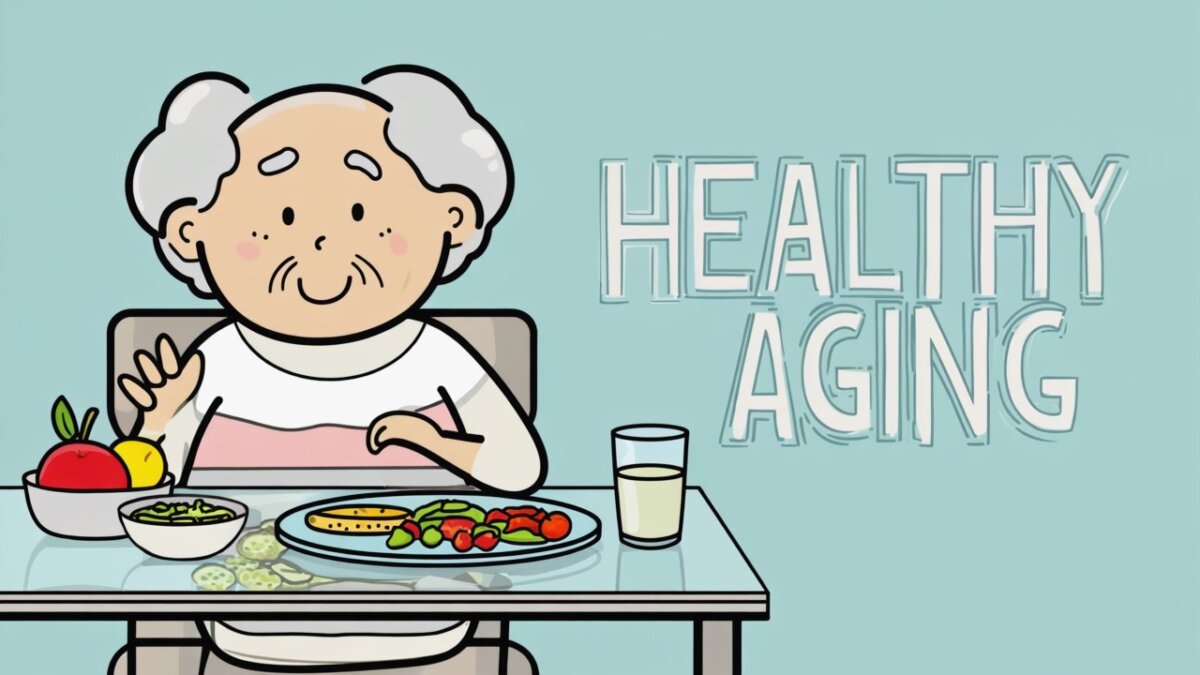
Discover the best nutrition tips for seniors in 2025. Safe, balanced, and simple advice to support healthy aging.
Summary Audio Script
“In 2025, good nutrition remains the foundation of healthy aging. With balanced meals, hydration, and simple dietary adjustments, seniors can boost energy, strengthen immunity, and support independence. These tips are practical, affordable, and designed for everyday living.”
Getting Started
As we age, our nutritional needs change. Seniors often require fewer calories but more of certain nutrients to maintain strength, immunity, and overall well-being. Eating well can help prevent chronic diseases, reduce fatigue, and support independence.
The good news is that maintaining a healthy diet doesn’t need to be complicated or expensive. In 2025, nutrition advice for seniors emphasizes balance, variety, and simplicity. This guide shares the best nutrition tips to help older adults make smart food choices that are both enjoyable and supportive of long-term health. Whether you’re planning meals for yourself or helping a loved one, these recommendations can make healthy eating easy and sustainable.
How We Chose
Safety — Foods that reduce health risks and avoid harmful interactions with medications.
Accessibility — Simple meal ideas with ingredients easy to find at local stores.
Affordability — Budget-friendly nutrition strategies for everyday living.
Balance — Advice focused on essential nutrients like protein, calcium, and fiber.
Sustainability — Tips designed to be realistic and enjoyable for long-term use.
Tip 1 — Prioritize Lean Protein
Seniors need protein to maintain muscle strength and energy. Affordable sources include beans, eggs, fish, and lean poultry. 👉 Case Example:Helen, 72, added boiled eggs and beans to her lunch routine, improving her energy levels.
Tip 2 — Eat More Fiber
Fiber supports digestion and lowers cholesterol. Whole grains, oats, fruits, and vegetables are easy, affordable options. 👉 Case Example:Robert, 75, switched to oatmeal for breakfast, reducing constipation issues.
Tip 3 — Stay Hydrated
Dehydration is common among seniors. Water, herbal teas, and water-rich foods like cucumbers and oranges keep hydration simple. 👉 Case Example:Mary, 80, now keeps a water bottle nearby and feels less tired during the day.
Tip 4 — Boost Calcium and Vitamin D
Bone health requires adequate calcium and vitamin D. Milk, fortified cereals, and safe sunlight exposure help prevent osteoporosis. 👉 Case Example:James, 78, added yogurt and fortified milk to his meals, strengthening his bone health.
Tip 5 — Choose Healthy Fats
Replace fried foods with sources like olive oil, nuts, and avocados to support heart health. 👉 Case Example:Linda, 70, swapped butter for olive oil in cooking, lowering her cholesterol.
Tip 6 — Limit Added Sugar
Reducing sugary drinks and desserts prevents diabetes and weight gain. Fresh fruits make a sweet yet healthy alternative. 👉 Case Example:George, 79, replaced soda with sparkling water and noticed improved blood sugar control.
Tip 7 — Include Antioxidant-Rich Foods
Berries, leafy greens, and colorful vegetables reduce inflammation and support brain health. 👉 Case Example:Alice, 74, added blueberries to her morning cereal, boosting memory and focus.
Bonus Tips
Eat smaller, more frequent meals if appetite is low.
Keep healthy snacks like nuts or fruit within easy reach.
Involve family in meal prep to make cooking enjoyable and social.
Q1: What nutrients are most important for seniors in 2025? A1: Seniors need more protein, calcium, vitamin D, and fiber. These nutrients help maintain muscle strength, bone health, and digestion while reducing the risk of chronic illness.
Q2: How can seniors eat healthy on a budget? A2: Affordable foods like beans, oats, frozen vegetables, and eggs provide excellent nutrition without high costs. Planning meals ahead and buying in bulk can also save money.
Q3: Are supplements necessary for older adults? A3: Not always. Many nutrients can be obtained from a balanced diet, but supplements may be helpful if a doctor identifies deficiencies in vitamin D, calcium, or B12.
Conclusion
In 2025, the best nutrition tips for seniors focus on simplicity, balance, and affordability. By choosing lean protein, high-fiber foods, and staying hydrated, seniors can maintain strength, improve digestion, and boost overall health.
Good nutrition not only prevents illness but also supports independence and vitality in daily life. Small, consistent choices—like swapping soda for water or butter for olive oil—can create lasting benefits. By following these tips, seniors can enjoy meals that are both nourishing and enjoyable, supporting healthy aging with confidence.