“Comfort meets chic — Cindy shows how stylish your 70s can truly be.” Illustration created by ARTANI Paris.
Turning seventy felt surprisingly liberating. Not because life suddenly became easier — it didn’t — but because something shifted inside me. I stopped dressing for other people’s expectations and started dressing for myself.
Comfort became a priority, of course, but I quickly learned something delightful: comfort and chic are not opposites. They are actually partners — and when you pair them well, you discover a new kind of style, one that belongs exactly to the woman you have become.
If your sixties were about refining your style, your seventies are about owning it. And trust me, this decade can be one of the most stylish chapters of your life. Let me show you how.
1. Comfort Is Not the Enemy of Style — It’s the Foundation
In my thirties, I believed beauty required discomfort — heels that pinched, skirts that restricted, fabrics that felt like they were negotiating with my skin. In my seventies, I’ve learned that true chic begins with ease.
Soft waistbands, breathable fabrics, gentle silhouettes — these aren’t concessions; they’re confidence enhancers. When your clothes allow you to move freely, you carry yourself with a kind of grace that no designer label can replicate.
Comfort becomes chic when it looks intentional, not accidental.
2. Choose Fabrics That Love Your Skin
Our skin changes with time. Mine is more delicate, more sensitive to rough textures, more appreciative of kindness.
So my wardrobe now revolves around fabrics that feel good:
Modal, bamboo, breathable cotton — my everyday essentials
Linen blends — polished but airy
Soft knits and cashmere — warm but light
Silk scarves — elegance without effort
When a fabric glides instead of grabs, I instantly feel more elegant.
3. Structure Where It Matters
Comfort does not mean shapeless. Some clothes need structure — not to hide us, but to honor our natural silhouette.
Every woman in her seventies should own:
A beautifully fitted blazer
A lightweight tailored coat
Straight or slightly wide-leg trousers
A well-structured handbag
These pieces provide clean lines that elevate an outfit without sacrificing movement. Think of structure as the “architecture” of your look — it gives form and balance.
4. The Miracle of Smart Tailoring
If I could give women one style gift for their seventies, it would be a great tailor. A small adjustment — a hemline, a softened shoulder, a slightly tapered waist — can transform how you look and how you feel.
Tailoring is ageless. It’s the quiet secret behind every beautifully dressed woman.
5. Shoes You Can Walk (and Dance) In
At seventy, your shoes should celebrate you, not punish you.
My favorite pairs are:
Cushioned loafers
Sleek white or cream sneakers
Soft leather ballet flats
Low block-heel pumps
I always choose neutral colors: camel, blush, navy, ivory. These match everything, elongate the leg line, and look refined without effort.
Good shoes change your posture. Good posture changes everything.
6. Embrace Color — It Loves You More Than Ever
Our seventies are the perfect time to explore colors that lift our energy.
The shades that flatter most mature women include:
Soft ivory
Blush pink
Cornflower blue
Lavender
Sage green
Warm taupe
Champagne gold
These tones soften the complexion and create a youthful glow without trying to look young. At seventy, your goal is radiance, not regression. And color is one of the fastest ways to achieve it.
7. Layers: Your Secret Styling Tool
Layering isn’t just practical — it’s sophisticated. A simple outfit becomes refined when you add:
A silk scarf
A light cardigan
A structured blazer
A long necklace
A shawl in a warm tone
Layers give dimension, texture, and personality. They also help you stay comfortable in shifting temperatures.
8. The Beauty of Simple, Clean Lines
Many women discover that minimalism becomes more flattering with age. Not “plain,” but intentional.
Simple silhouettes with beautiful fabrics and elegant colors create an effect that’s timeless, modern, and undeniably chic.
A well-cut blouse, a pair of cream trousers, and a scarf with gentle pattern — effortless yet elevated.
9. Choose Accessories That Tell Your Story
At seventy, you don’t need a pile of accessories. You just need meaningful ones.
My signature is a gold bangle from my mother. Your signature might be:
Pearl earrings
A silk scarf
A vintage brooch
A stone ring
A structured handbag
Accessories should whisper, not shout. They should say: “I know who I am.”
10. The Art of Dressing With Purpose
Every outfit should have one intention:
To make you feel like the best version of yourself today.
That might mean cozy. That might mean elegant. That might mean practical. That might mean bold.
Chic dressing in your seventies is not about perfection — it’s about presence.
11. Your Body Is Your History — Dress It Kindly
Your body has carried you through seven decades of life. It deserves softness, respect, and celebration.
When you dress with kindness — choosing clothes that support, flatter, and comfort — you shine with an inner elegance that no trend can compete with.
12. Confidence: The Ultimate Chic
In your seventies, you’ve earned the right to dress exactly as you want. You are not here to impress anyone — you’re here to express yourself.
Confidence fills the room before your clothes do. Wear what brings you joy, comfort, and peace.
“Cindy’s color secrets — proof that the right shades can make every woman over sixty glow.” Illustration created by ARTANI Paris.
When I was younger, I thought looking younger was about fighting time. Now that I’m in my late sixties, I know it’s about working with it. And one of the easiest, most joyful ways to do that is through color.
Color has this magical power: it doesn’t just change how you look — it changes how you feel. The right shade can lift your mood, brighten your eyes, and make your skin glow with energy you didn’t know you still had. After sixty, we don’t need loud colors to feel alive; we need the right ones.
So, pour yourself a cup of tea, stand by your closet, and let’s rediscover the shades that make us shine — not like we did at 30, but like the radiant women we are now.
1. Soft White — The Glow Maker
Forget harsh bright white; it can be too stark, too unforgiving. What flatters mature skin is soft white — think ivory, cream, or eggshell.
When I wear my ivory blouse, I feel light bouncing onto my face, softening lines and brightening my eyes. It acts like a natural reflector, giving my complexion that “inner glow” effect — no makeup magic needed.
A soft white cardigan or scarf can instantly make you look fresher, more awake. And if you want to modernize it, pair cream with tan or dusty rose for understated sophistication.
2. Warm Neutrals — Your Secret to Timeless Elegance
Beige, camel, oatmeal, and warm taupe are the quiet heroes of senior style. These colors complement the warmth that our skin naturally develops with age. They’re forgiving, adaptable, and endlessly elegant.
I once replaced my old black coat with a camel trench — and suddenly, everyone asked if I’d been on vacation. Warm neutrals make your skin look alive, not drained.
If you’re afraid neutrals might feel dull, play with texture — a linen blazer, a wool knit, or a silk scarf. Tone-on-tone layering gives dimension without overwhelming your frame.
3. Soft Pink and Blush — The “Kind Light” Effect
There’s something magical about blush tones. They reflect the color of natural warmth — the gentle flush of happiness. Whenever I wear soft pink, people say, “You look so rested.” And I always smile because I haven’t slept eight hours since 1985.
Pale rose, muted coral, and dusty blush add subtle youthfulness without appearing childish. They bring life back to cheeks and lips, blending beautifully with silver or gray hair.
I even switched my go-to lipstick to a rosy nude — and suddenly, my reflection looked softer, more me.
4. Sky Blue and Powder Blue — The Soothing Shades
Blue has always been my safe color — it’s calm, reliable, and universally flattering. But the trick is choosing the right tone. Deep navy can feel heavy on mature skin, so try lighter versions: sky blue, cornflower, or powder blue.
These hues bring clarity to your eyes and lightness to your expression. I love wearing a light blue cashmere sweater with pearl earrings — it feels timeless, almost cinematic.
Blue whispers confidence without trying too hard. It’s the color of trust — and at our age, we’ve certainly earned that.
5. Lavender and Lilac — The Quiet Radiance
Lavender is one of those colors that surprises you. It looks refined, romantic, and softly luminous against silver hair. I call it the “elegant rebel” — subtle yet distinctive.
My favorite lilac scarf never fails to earn compliments. It draws the eye upward, adds brightness, and pairs beautifully with whites and grays. If you want to play it safe but still show a spark of creativity, lavender is your best friend. It’s both calming and quietly daring — the perfect balance for our chapter of life.
6. Emerald Green — Confidence in Color
If your wardrobe is full of neutrals, let emerald green be your exclamation point. This color radiates vitality without screaming for attention. It flatters every skin tone and adds sophistication to even the simplest outfit.
I wear an emerald silk blouse when I give talks at my local book club. It makes me feel vibrant and alive, like I’m bringing energy into the room. Pair it with beige pants or a pearl necklace — perfection in motion.
7. Gentle Gold and Soft Metallics — The Light Enhancers
Gone are the days when metallics were only for parties. Today, soft gold, champagne, or pewter tones add just the right touch of radiance. They act like jewelry for your clothes — subtly catching light, giving your skin a youthful gleam.
If I could give one universal tip: skip harsh silver if it washes you out. Instead, try brushed gold accessories or a warm metallic top under a blazer. Think glow, not glare. The goal is to reflect light, not chase it.
8. The Shades to Approach Carefully
Black can still look stunning — but only when softened. Try pairing black with cream or blush to balance contrast. Pure gray can sometimes dull the complexion, so lean toward warm grays or greige.
And pure neon? Leave it to the grandkids. Our beauty doesn’t need volume; it needs harmony.
9. How to Find Your Signature Color
Stand by a mirror in natural light. Hold fabrics under your chin — ivory, blush, sage, navy, lavender — and notice how your skin reacts. If your face brightens and your eyes seem clearer, you’ve found your ally. If you look tired, that color is not your friend.
I call this process color therapy. It’s a small act of self-care that costs nothing and changes everything.
Your signature color doesn’t have to be dramatic. It just has to make you feel more alive. Because when you feel good, you look good — no matter your age.
10. Confidence — The Color You Can’t Buy
The most flattering color is confidence. Every woman I know who looks radiant after sixty shares one thing: she’s comfortable with herself. Her smile is her highlight, her laughter is her sparkle, and her authenticity is her best filter.
So yes — colors matter. But attitude completes the palette. The right shade can frame your beauty, but your presence paints the masterpiece.
Final Thoughts from My Colorful Closet
These days, my wardrobe is a garden — soft pinks, ivory, sage, and lavender, all blooming gently beside each other. I’ve retired the harsh blacks and replaced them with warmth. Every time I open my closet, it feels like sunshine instead of shadow.
Looking younger after sixty isn’t about pretending. It’s about illumination. It’s about choosing colors that echo your inner light and wearing them with joy.
So next time you’re tempted to say, “I can’t wear that color anymore,” pause — and try it again in a softer tone. You might just rediscover a part of yourself that never aged at all.
“Cindy’s seven timeless essentials — proof that true elegance never retires.” Illustration created by ARTANI Paris.
When I turned sixty-five, I realized my closet was a patchwork of decades — a record of who I had been at twenty-five, forty, and fifty-five. Sequined jackets from my party years, corporate blazers from my teaching days, and a few too many “just in case” dresses that never saw daylight. One afternoon, I looked at it all and thought: What if I started over?
That’s when I began redefining elegance — not by trends, but by what truly felt like me. After months of trial, tailoring, and honest mirror conversations, I discovered that aging gracefully isn’t about hiding the years; it’s about dressing them beautifully. So here are the seven fashion essentials that every senior woman — including myself — should own to stay effortlessly elegant, confident, and completely herself.
1. The Perfect White Shirt – The Foundation of Every Outfit
If my wardrobe were a story, the white shirt would be the opening chapter. It’s crisp, timeless, and endlessly adaptable. I own three: one structured cotton, one soft linen, and one silk for evenings. Each feels slightly different, yet equally empowering. When I button it up in the morning, it gives me that quiet sense of readiness — like I can handle anything.
The secret to a great white shirt isn’t the brand; it’s the fit. The shoulders should align, the sleeves should glide, and the collar should frame your face. Tuck it into trousers for lunch, leave it half-open with a scarf for brunch, or wear it under a blazer for an instant polish.
A white shirt doesn’t age; it evolves with you. And perhaps that’s why I love it — it’s honest, like a reflection that doesn’t need filters.
2. Tailored Pants That Actually Fit You
Once upon a time, I tolerated uncomfortable waistbands and ill-fitting pants. Those days are gone. At this age, freedom of movement is luxury. My go-to pair is a high-waist, straight-leg trouser in soft beige — elegant yet forgiving. I also keep navy and charcoal versions because neutral tones simplify everything.
Tailored pants should skim, not squeeze. Elastic panels are not a compromise; they’re a courtesy. Style them with loafers or sneakers, and you’ll look smart without feeling restricted. A perfect fit is confidence in fabric form.
3. The Lightweight Cashmere Sweater – Soft Power
Nothing feels as reassuring as pulling on cashmere on a cool morning. It’s warmth without weight, sophistication without effort. I own mine in pale rose and dove gray, both colors that soften my complexion. When paired with a pearl necklace or a silk scarf, the effect is quietly elegant — never overdone.
What I love about cashmere is its resilience. It adapts — much like us. It can be cozy at home with jeans, or graceful under a blazer at dinner. And when it ages, it does so beautifully, just like its owner.
4. A Structured Blazer – The Instant Confidence Jacket
When I slip into my cream blazer, I feel my posture change. Shoulders back, head high. It’s a gentle reminder that presentation isn’t vanity — it’s self-respect.
A well-fitted blazer defines your shape and adds intention to any outfit. Choose one with subtle tailoring at the waist, in versatile tones like navy, taupe, or blush. Avoid heavy padding; today’s elegance is fluid, not rigid.
On a lazy Sunday, I’ll even pair my blazer with jeans and ballet flats. The result? Effortlessly put together, even when I’m just running errands.
5. Comfortable but Chic Shoes – Walking in Style
The older I get, the less patience I have for shoes that argue with my feet. But comfort doesn’t mean giving up on chic. I’ve learned to love loafers in soft leather, block-heeled pumps, and sleek white sneakers. Each pair feels like a small promise: “You can move through life gracefully.”
Look for supportive soles and gentle arches. Stick with neutral colors — camel, ivory, navy — they match everything. A well-made shoe is not just footwear; it’s a travel companion for the rest of your journey.
6. The Statement Scarf – Art You Can Wear
Scarves are my secret weapon. They transform simplicity into sophistication. A white shirt and beige pants can look instantly Parisian with a silk scarf in muted rose or sky blue. Sometimes I drape it over my shoulders; sometimes I tie it at my wrist or handbag. It’s like carrying a whisper of color that says, I still play with fashion.
Choose scarves that feel good against your skin — silk for shine, cotton for ease, cashmere for warmth. And never underestimate how a scarf can draw attention upward, lighting your face like soft stage light.
7. The Signature Accessory – A Personal Story
Every elegant woman has a signature — not a scent, but a statement. Mine is a vintage gold bangle that once belonged to my mother. It’s simple, circular, unbroken — much like the women in my family.
For you, it might be pearl earrings, a bold ring, or a brooch that tells your story. A signature accessory reminds you of who you are, no matter what you’re wearing. It’s emotional armor — not for protection, but for pride.
Style Wisdom Beyond the Wardrobe
Fashion at this age isn’t about chasing trends or seeking approval. It’s about embracing freedom. When I was younger, I dressed to fit in. Now, I dress to feel alive. My clothes don’t define me — they accompany me.
The true secret to looking elegant over sixty-five? It’s comfort, confidence, and a touch of curiosity. Curiosity keeps us experimenting — a new scarf, a bold lip color, a pair of wide-leg pants we never thought we’d wear.
Aging stylishly isn’t about refusing to change; it’s about changing with joy.
A Final Thought From My Closet
If you walked into my closet today, you’d see more space, more light, and more serenity. Every piece earns its place — no more guilt, no more clutter.
Getting dressed has become a ritual of gratitude. Each morning I choose comfort, not compromise; elegance, not excess. I stand before the mirror and whisper to myself: “You’ve lived beautifully. Now dress like it.”
“Cindy at her favorite morning café — a gentle reminder that elegance at 65+ is all about calm confidence and comfort.” Illustration created by ARTANI Paris.
I used to think elegance was about clothes, posture, or a flawless face. But after turning sixty-five, I realized elegance is something quieter — it’s the calm presence that lingers after you’ve stopped trying to prove anything. It’s not in the mirror; it’s in the way you live your life.
When people ask me how I stay “so elegant,” I smile, because what they’re really seeing is not my outfit or my hair — it’s my peace. True elegance at 65+ begins with being at ease with yourself.
The Art of Accepting Your Reflection
There was a time when I would stand in front of the mirror, counting wrinkles like losses. I compared my reflection to the woman I used to be — smoother skin, brighter eyes, firmer jawline. But then one day, my granddaughter ran her tiny fingers over my cheek and said, “Grandma, your skin is soft like clouds.” That was the moment I stopped hiding from age. I started to see beauty in gentleness, not in perfection.
Now, when I apply my moisturizer, I’m not erasing the past. I’m honoring it. Each line tells a story: the years I laughed too hard, cried too long, or stayed awake waiting for someone to come home. My skin is my autobiography, and it deserves tenderness, not judgment.
Dressing With Quiet Confidence
At sixty-five, fashion isn’t about catching attention; it’s about expressing comfort and confidence. I don’t chase trends anymore — I curate a wardrobe that feels like me.
I’ve learned that neutral tones — soft ivory, taupe, navy, or gentle gray — bring light to my face. I choose fabrics that move when I move: linen in summer, cashmere in winter. I invest in structure where it matters — a well-tailored blazer, a clean pair of trousers, a simple silk scarf that says more than a dozen accessories ever could.
Elegance isn’t about showing off; it’s about showing up — neatly, intentionally, and with grace.
My daily rule is simple: if it pinches, pokes, or pulls, it doesn’t belong on my body. Comfort is the foundation of confidence. When I feel good in what I wear, I walk differently, speak differently, and even breathe differently. That’s the real secret.
Silver Hair, Golden Confidence
When my first gray strand appeared, I tried to fight it — boxes of dye, salon appointments, frustration. But one day, my hairdresser said, “Cindy, your silver streaks are stunning. They tell the truth.” And she was right.
So I stopped covering them. I started caring for them — using purple shampoo once a week to keep the tone bright, applying a little oil for shine, and trimming regularly to keep the shape sharp. Now, people stop me in the grocery store to compliment my hair. Not because it hides my age, but because it owns it beautifully.
If you’re reading this and debating whether to let your silver show — do it. The freedom is intoxicating. Every gray hair is a little badge of resilience. Wear it proudly.
The Power of Posture and Presence
Elegance doesn’t come from youth; it comes from posture — the way we carry the years we’ve lived. I used to slouch to appear smaller. Now, I stand tall, shoulders relaxed, chin lifted slightly toward the light. When I enter a room, I don’t apologize for taking space. I’ve earned it.
Every morning, before I even make coffee, I stretch for ten minutes. It’s my quiet ritual — neck, back, arms, breathing deep into my lungs. This little routine reminds me that I still inhabit my body fully. Movement, even slow movement, is the purest form of gratitude.
Elegance, to me, is presence — the ability to be completely in the moment, whether I’m sipping tea alone or laughing with friends at a Sunday brunch.
Skin Care Beyond Creams
At this stage of life, my skincare routine is less about fighting age and more about feeding the skin. I keep it simple: gentle cleanser, hydrating serum, and a generous layer of sunscreen every morning. At night, I apply a nourishing oil and let my skin rest.
But the real beauty secret? Water and sleep. Two things we underestimate in our youth. I drink warm lemon water every morning and keep a bottle beside my bed. Hydration smooths not just the skin but also the mind.
I also smile — often and intentionally. It lifts more than the corners of my mouth; it lifts my spirit. The most radiant women I know aren’t wrinkle-free; they’re worry-free.
Speaking With Grace
Elegance isn’t only about how we look — it’s also about how we speak. I used to think quick wit made me interesting. Now I know listening makes me magnetic. When I give someone my full attention, when I respond with warmth instead of competition, conversations bloom naturally.
I no longer rush to fill silences. There’s something beautifully powerful about a pause — it shows confidence. And I’ve learned to use words like “thank you,” “I understand,” and “take your time.” Those phrases carry more elegance than any designer label ever will.
Cultivating Inner Stillness
My mornings are sacred. I light a candle, brew green tea, and sit by the window as sunlight touches my face. For ten quiet minutes, I breathe and simply exist. No phone, no news, no noise. This ritual resets me. It’s where grace begins — in stillness.
Elegance flows from calm energy. You can’t fake serenity. It radiates only when you’re kind to yourself. I keep a gratitude journal where I jot down three things every night: something I saw, something I felt, and something I learned. It’s astonishing how much lighter life feels when you focus on what’s still beautiful.
Moving Through the World With Purpose
After sixty-five, I stopped walking fast. Not because I couldn’t, but because I didn’t need to. I stroll. I observe. I smile at strangers. There’s a certain authority in slowness — a statement that says, “I’m not in a hurry to impress anyone.”
Elegance lives in the pauses — the way you lift your cup, the way you listen, the way you step aside for someone else. It’s in the rhythm of kindness, not the rhythm of speed.
I’ve also learned the value of simplicity. I declutter my home the same way I declutter my thoughts: one small drawer at a time. I keep only what brings joy or function. When my space breathes, I breathe easier too.
Aging Gracefully, Living Boldly
People often say, “Age is just a number.” I disagree — age is an achievement. Every birthday after sixty-five is a victory lap. We’ve endured, learned, adapted. That deserves celebration.
Looking effortlessly elegant doesn’t mean pretending to be younger. It means embracing who you are right now — silver hair, soft skin, slower steps, deeper wisdom. It means walking through life like it’s your favorite outfit: comfortable, loved, and uniquely yours.
I don’t chase youth anymore; I cultivate presence. I don’t fear aging; I honor it. And that, my friend, is the secret to looking effortlessly elegant at 65 and beyond.
Key Takeaway
Elegance isn’t bought, painted, or worn. It’s practiced — in patience, gratitude, and kindness. It’s the way you treat your body, speak to your reflection, and greet the world each morning.
So, the next time you wonder how to stay elegant at 65+, remember this: Smile gently. Stand tall. Love who you’ve become.
Because real elegance never fades — it simply matures beautifully.
“Cindy’s Timeless Fashion Journey — a joyful comic look at elegance, comfort, and confidence for women over 60 in 2025.”
Turning 60 changed the way I look at fashion. I used to chase trends, fill my closet with “someday” outfits, and still feel like I had nothing to wear. Now, fashion feels more personal — it’s about comfort, confidence, and quiet elegance.
I’m Cindy, and over the past few years, I’ve learned that style after 60 isn’t about looking younger — it’s about dressing in a way that feels authentically me. Let me share what really works for me — not from magazines, but from my own wardrobe and mirror.
1. Fewer Clothes, Better Choices
A few years ago, I decluttered my closet and kept only the pieces I truly loved. It was scary at first, but freeing.
Now, my wardrobe looks like this:
One well-cut navy blazer
Two pairs of classic wide-leg trousers
A crisp white shirt and a silk blouse
A cozy cashmere sweater
A simple midi skirt
My favorite pair of loafers
Mixing and matching these few items has made dressing easier and more joyful. When I open my closet, I don’t ask “What should I wear?” anymore — I ask, “Who do I want to be today?”
2. Finding My Colors
As I’ve aged, my skin tone has softened and my hair has lightened, so I’ve learned that color can be my best friend — or my worst enemy.
I used to wear a lot of black, thinking it was classic. But now, lighter shades like soft blue, ivory, and warm beige make me look more vibrant and awake.
When I add a patterned scarf — something floral or gently geometric — I instantly feel alive. Fashion over 60 isn’t about blending in. It’s about choosing colors that let your personality shine through.
3. Stop Trying to Look Younger — Look Like Yourself
At some point, I realized I was buying clothes for the woman I used to be. Now, I buy for the woman I am.
I stopped chasing trends and started focusing on fit and structure. A blazer that defines my shoulders, trousers that glide instead of cling, a dress that moves with me — those are my heroes.
Looking younger is never my goal. Looking confident and current? Always.
4. Accessories: One Statement at a Time
I used to pile on jewelry thinking it made my outfits more interesting. Now, I know that one thoughtful piece says more than five trendy ones.
Some days it’s a string of pearls from my mother. Other days it’s a modern leather watch or a silk scarf in bold coral.
And shoes — oh, how they matter! I used to endure heels; now I wear elegant flats and low block heels that let me move comfortably. Because true style starts from the ground up.
5. Take Care of Your Clothes — and They’ll Take Care of You
Good clothes deserve care. I’ve learned to hand wash my favorite shirts, hang my coats properly, and give my sweaters space to breathe.
When I treat my clothes kindly, they last — and they reward me with years of beautiful wear. It’s not about owning more; it’s about cherishing what you already have.
6. Comfortable Shoes Can Still Be Beautiful
Let me say this clearly: comfort is not the enemy of style. In my 40s, I bought shoes that looked amazing but hurt after ten minutes. Now, I invest in shoes that love my feet back.
Soft leather loafers, classic ballet flats, low-heel slingbacks — they all go with almost anything. My favorite pair? Nude flats that make my legs look longer and keep me walking with confidence all day.
7. Hair, Makeup, and the Magic of Small Changes
Last year, I cut my hair shorter and added subtle highlights. It was one of the best style decisions I’ve ever made — suddenly, every outfit looked fresher.
These days, I wear less makeup but focus on glow: tinted moisturizer, mascara, and a touch of coral lipstick. Fashion is more than clothes; it’s the harmony between how you dress and how you carry yourself.
8. Forget “Too Old For That”
If I had a dollar for every time someone told me, “That’s too young for you,” I’d have another designer bag by now. But here’s the truth — there’s no age limit on self-expression.
I wear cropped jackets, bright scarves, even white sneakers when I feel like it. Not because I’m trying to be trendy, but because it feels like me.
Confidence, not conformity, is the real age-defying secret.
9. Dress for Your Season — and Your Life
My wardrobe flows with my life, not the other way around.
In spring, I live in linen shirts and soft cardigans. Summer calls for easy dresses and comfortable sandals. Fall means scarves and tailored trousers. And in winter? Give me wool, coffee, and my favorite camel coat.
When I travel, I pack light: one blazer, one pair of jeans, a silk blouse, and a smile. It’s all I need.
10. Fashion as a Love Letter to Myself
These days, I dress for one person — me. When I look in the mirror, I don’t see wrinkles or numbers. I see a woman who has lived, learned, and earned her confidence.
Fashion after 60 isn’t about hiding. It’s about celebrating the woman you’ve become.
So, when I pick up that soft blue blouse or slip on my favorite scarf, I whisper to myself, “Cindy, you’ve still got it.”
And I smile — because I really do.
Final Thoughts
Style doesn’t fade with age — it evolves. At 60, fashion has become less about impressing others and more about respecting myself.
My closet may be smaller now, but every piece has meaning. Every outfit tells a story. And every morning, as I get dressed, I remind myself that timeless fashion starts from within.
Transform your home into a comfortable, personal sanctuary for retirement years Visual Art by Artani Paris | Pioneer in Luxury Brand Art since 2002
Creating a cozy, comfortable home environment becomes increasingly important during retirement years when you spend more time at home than any previous life stage. A thoughtfully designed retirement home combines warmth, comfort, safety, and personal style—reflecting your tastes while accommodating age-related changes in vision, mobility, and daily living needs. Research from the Journal of Environmental Psychology shows seniors living in personalized, comfortable home environments report 47% higher life satisfaction and 38% better mental health outcomes compared to those in generic, institutional-feeling spaces. The good news is that creating a cozy retirement home doesn’t require expensive renovations or professional interior designers—simple, affordable changes in color, lighting, furniture arrangement, textiles, and personal touches can transform any space into a welcoming sanctuary. This comprehensive guide provides practical, budget-friendly interior design strategies specifically tailored for seniors, helping you create spaces that feel warm, inviting, and perfectly suited to your retirement lifestyle while maintaining the functionality and safety essential for aging in place comfortably.
Choosing Warm, Inviting Colors That Comfort
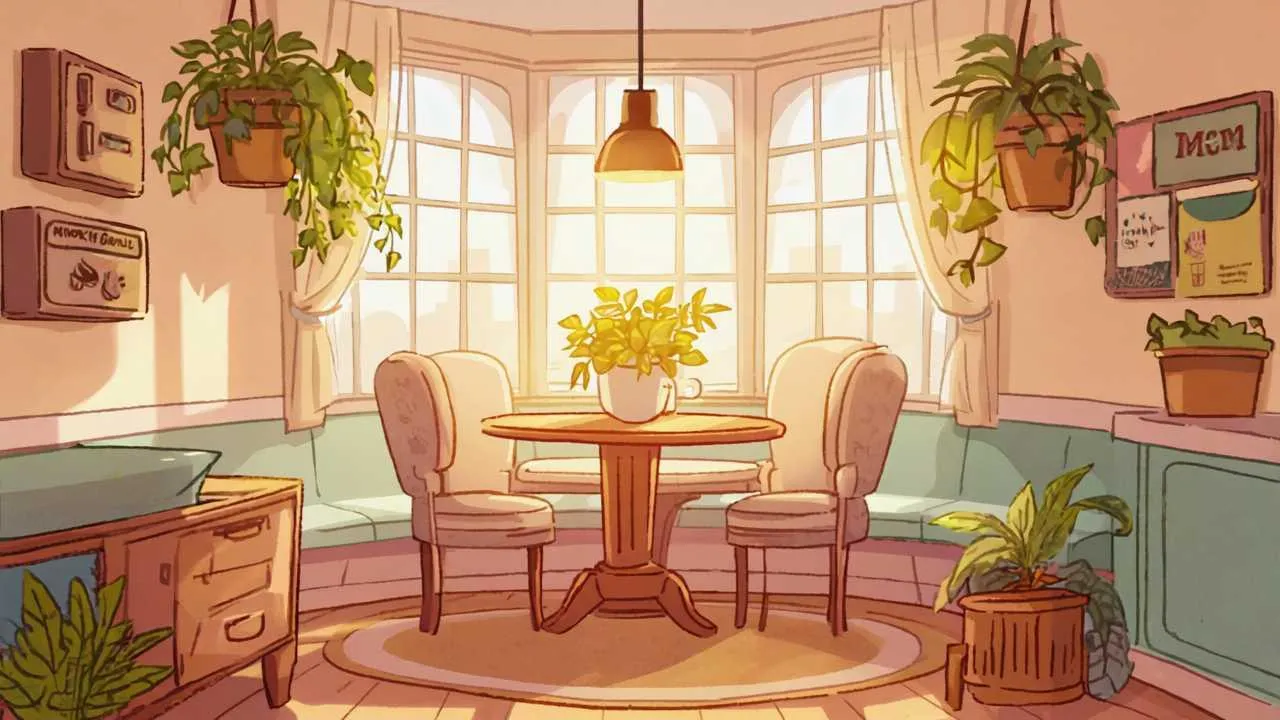
Color profoundly impacts how spaces feel—warm colors create inviting, cozy atmospheres while cool colors can feel stark and unwelcoming. For retirement homes, prioritize warm, soft color palettes that make rooms feel comfortable and nurturing rather than cold and institutional.
Understanding Warm Color Palettes Warm colors include reds, oranges, yellows, and their derivatives—terracotta, peach, cream, butter yellow, warm beige, and soft coral. These colors psychologically create feelings of warmth, comfort, and security. They also reflect light beautifully, making spaces feel brighter without harsh glare that can challenge aging eyes. Warm neutrals like beige, taupe, and warm gray provide versatile backgrounds allowing you to add color through accessories and textiles.
Avoid stark white walls which can feel institutional and cold, creating glare problems for aging eyes. If you prefer light walls, choose warm whites with beige or yellow undertones (names like “Cream,” “Vanilla,” “Linen White”) rather than pure white or cool whites with blue undertones. These warm whites maintain brightness while feeling softer and more welcoming. Test paint samples on your walls, observing how they look throughout the day as natural light changes before committing to full rooms.
Room-by-Room Color Recommendations Living rooms benefit from warm, medium-toned colors creating cozy gathering spaces. Consider soft terracotta, warm taupe, gentle sage green, or buttery yellow. These colors make large living spaces feel intimate and welcoming while providing beautiful backdrops for furniture and artwork. Accent walls in deeper versions of your main color add visual interest without overwhelming spaces.
Bedrooms should promote relaxation and sleep through calming warm colors. Soft peach, warm gray, gentle lavender (which reads warm when paired with cream trim), or pale terracotta create restful environments. Avoid energizing colors like bright red or orange in bedrooms—these stimulate rather than relax. Your bedroom should feel like a peaceful retreat encouraging quality sleep.
Kitchens thrive with warm, cheerful colors stimulating appetite and conversation. Cream, butter yellow, soft coral, or warm beige create inviting spaces where you enjoy cooking and eating. Consider painting just upper cabinets or a single accent wall if full-room color feels overwhelming. Even small color additions like a colorful backsplash or painted cabinet interiors create warmth.
Bathrooms need careful color consideration—clinical white bathrooms feel institutional. Add warmth through soft beige, warm gray, or gentle aqua (which can read warm when balanced with cream fixtures and warm lighting). Colorful towels, rugs, and accessories easily warm up otherwise neutral bathrooms without permanent commitment.
Budget-Friendly Color Changes You don’t need to repaint entire homes immediately. Start with the room where you spend most time—usually the living room or bedroom. Paint costs $30-50 per gallon covering approximately 400 square feet. A 12×14 bedroom requires only 1-2 gallons ($30-100) for dramatic transformation. Many paint stores offer senior discounts (typically 10-15%) on purchases.
If painting feels overwhelming, add color through removable options: colorful throw pillows ($15-40 each), blankets ($30-80), curtains ($40-100 per panel), and area rugs ($80-300). These textiles introduce warmth and color while remaining changeable if your tastes evolve. Thrift stores and discount retailers like HomeGoods, TJ Maxx, and Ross offer quality home textiles at 40-60% below department store prices.
Creating Layered, Comfortable Lighting
Lighting dramatically affects how cozy spaces feel, and aging eyes require more light than younger eyes for comfortable vision. However, the goal isn’t harsh overhead brightness but rather layered lighting providing adequate illumination without glare or shadows.
Understanding the Three Types of Lighting Ambient lighting provides overall room illumination—ceiling fixtures, recessed lights, or wall sconces. This general lighting should be bright enough for safe navigation but soft enough to avoid harshness. Use warm-white LED bulbs (2700-3000K color temperature) rather than cool white or daylight bulbs which cast harsh, blue-toned light that feels cold and institutional.
Task lighting illuminates specific activities—reading lamps beside chairs, under-cabinet lights in kitchens, vanity lights in bathrooms. Seniors need 2-3 times more task lighting than younger adults for comfortable reading and detailed work. Position task lights to eliminate shadows on work surfaces while avoiding direct glare in eyes. Adjustable task lamps with flexible necks allow perfect positioning for various activities.
Accent lighting adds warmth and ambiance—table lamps, floor lamps with soft shades, picture lights, and decorative string lights. This softer lighting creates cozy atmosphere during evenings when harsh overhead lights feel unwelcoming. Multiple accent lights around a room eliminate the single-source lighting that creates harsh shadows and feels institutional.
Practical Lighting Solutions for Each Room Living rooms need layered lighting supporting various activities. Install dimmer switches on overhead fixtures ($15-40 each, easy DIY installation) allowing brightness adjustment throughout the day. Add 2-3 table or floor lamps with 3-way bulbs (50/100/150 watts equivalent) providing flexible light levels. Position lamps near seating areas for reading, crafts, or other close work. Warm-toned lamp shades (cream, beige, light brown) diffuse light beautifully while adding warmth.
Bedrooms benefit from multiple lighting options accommodating different activities and times of day. Install bedside lamps on both sides of the bed (if couples have different sleep schedules, individual reading lights prevent disturbing partners). Consider swing-arm wall-mounted lamps ($40-80) saving nightstand space while providing adjustable reading light. Add a soft nightlight or motion-sensor light in hallways preventing dangerous nighttime navigation in darkness.
Kitchens require excellent task lighting for safe food preparation. Install under-cabinet LED strip lights ($25-60 per cabinet) illuminating countertops without casting shadows. These lights make chopping, reading recipes, and checking food doneness much easier. Add pendant lights over islands or dining areas creating inviting spaces for meals and conversation. Replace harsh fluorescent fixtures with warm LED alternatives if you have older lighting.
Bathrooms need bright, even lighting for grooming tasks while avoiding harsh shadows. Vertical fixtures on both sides of mirrors provide better facial illumination than single overhead lights which create unflattering shadows. Install nightlights or motion-sensor lights preventing stumbles during nighttime bathroom visits—falls frequently occur during these dark nighttime trips.
Affordable Lighting Upgrades LED bulbs cost more initially ($3-8 each) but last 15-25 years and use 75% less energy than incandescent bulbs, saving money long-term. Replace all bulbs throughout your home with warm-white LEDs (2700-3000K) creating consistent, cozy lighting. Many utility companies offer rebates or free LED bulbs to customers—check your provider’s website for energy-saving programs.
Purchase affordable lamps from discount retailers, thrift stores, or online marketplaces. Goodwill, Habitat for Humanity ReStores, and estate sales offer quality lamps for $10-30 versus $60-150 retail. Even dated-looking lamps become stylish with new shades ($15-40) and a coat of spray paint ($5-8 per can). This DIY approach creates custom lighting fitting your style at fraction of new lamp costs.
Select furniture prioritizing comfort, support, and ease of use Visual Art by Artani Paris
Selecting Comfortable, Supportive Furniture
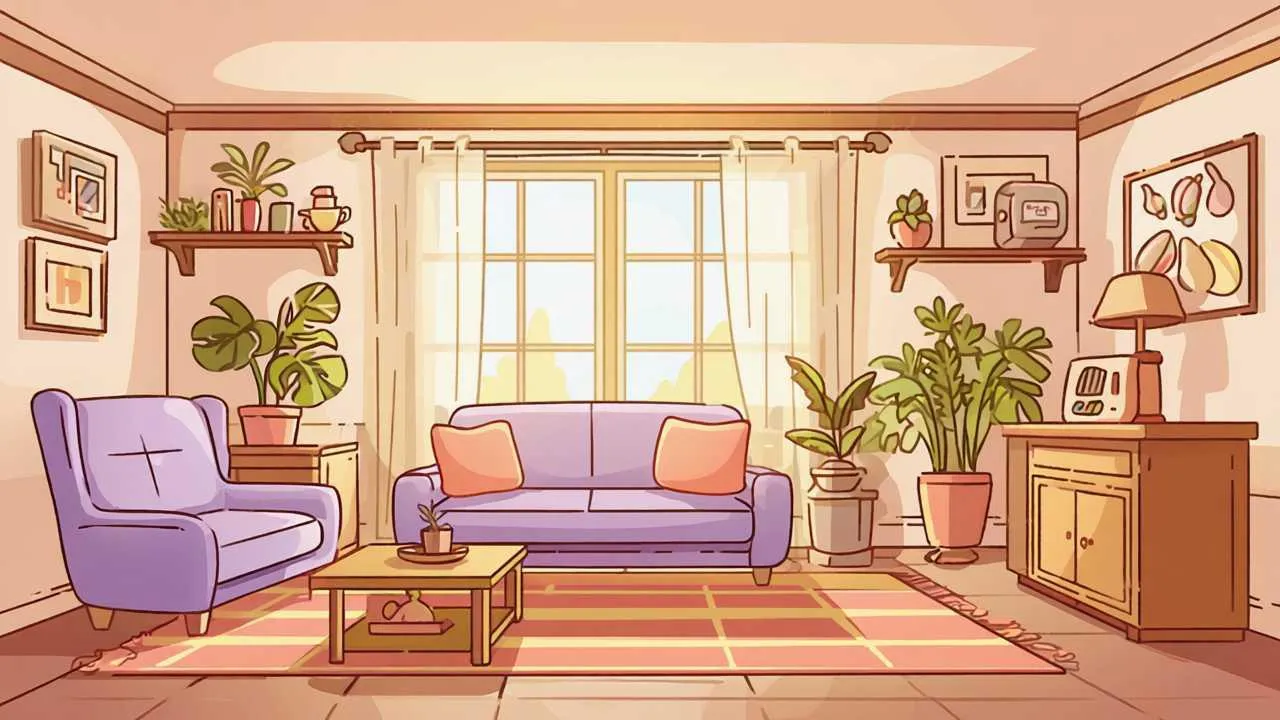
Furniture should support aging bodies while looking attractive and inviting. Cozy retirement homes feature comfortable seating, appropriate heights, and arrangements facilitating easy movement and social interaction.
Choosing the Right Seating Sofas and chairs should provide firm support rather than soft cushioning you sink into—while plush furniture feels luxurious initially, it becomes difficult to exit as you age. Look for seating with seat heights 18-20 inches from floor (standard chair height) making sitting and standing easier. Test furniture in stores by sitting and standing multiple times—if you struggle getting up, the piece is too low or soft regardless of how comfortable it feels while seated.
Armrests are essential for seniors, providing leverage when standing and arm support while seated. Armrests should extend to the front of seats and be sturdy enough to bear your weight when pushing up. Padded armrests increase comfort for extended sitting. Avoid armless chairs and ultra-low-arm modern designs which look sleek but provide poor support for aging bodies.
Recliners offer excellent comfort and support when chosen carefully. Look for recliners with power lift features ($400-800) gently tilting forward to assist standing—these mechanisms are invaluable for those with arthritis, back pain, or limited mobility. Ensure recliners fit your body properly—seats shouldn’t be so deep that your back doesn’t reach the backrest, and footrests should support your legs without cutting off circulation behind knees.
Arranging Furniture for Comfort and Conversation Arrange seating in U-shapes or L-shapes facilitating conversation without shouting across rooms. Position chairs and sofas 6-8 feet apart—close enough for easy conversation but far enough to maintain personal space. Avoid pushing all furniture against walls—floating furniture away from walls creates intimate conversation areas and improves room flow.
Ensure clear walkways 36 inches wide minimum between furniture pieces. These paths prevent bumping into furniture and allow safe passage with walkers or wheelchairs if needed. Remove unnecessary furniture if rooms feel crowded—fewer pieces arranged thoughtfully create cozier, safer spaces than rooms packed with furniture you navigate like obstacle courses.
Create multiple seating options throughout homes. Add a comfortable chair in bedrooms for reading or putting on shoes. Place a small bench or chair in entryways for sitting while putting on shoes. Include seating in kitchens (bar stools or small table) for resting during meal preparation. These additional seating spots make daily activities less tiring and more comfortable.
Budget-Friendly Furniture Solutions You don’t need expensive new furniture to create comfortable, cozy spaces. Secondhand stores, estate sales, Craigslist, and Facebook Marketplace offer quality furniture at 50-80% below retail prices. Focus on structural soundness rather than appearance—scratched wood refinishes easily, and upholstered furniture recovers affordably (typically $200-500 for sofas).
Enhance existing furniture rather than replacing it. Add firm cushions to too-soft sofas ($30-60 each). Install furniture risers ($15-25 per set) under low furniture increasing seat height 2-4 inches. Slipcovered furniture transforms worn pieces with washable, affordable covers ($80-200). These modifications extend furniture life while improving comfort and support for aging bodies.
Furniture Type
Ideal Height
Key Features
Budget Options
Sofa/Chair Seats
18-20 inches
Firm cushions, sturdy armrests, upright backs
Add cushions, use risers, secondhand with reupholstery
Coffee Tables
18-20 inches
Rounded edges, stable base, adequate surface
Thrift stores, repaint existing, ottoman with tray
Adjustable bed risers, quality used frames, firm toppers
Recommended furniture heights and features for senior comfort and safety
Adding Softness Through Textiles and Fabrics
Textiles—pillows, throws, curtains, rugs, and upholstery—transform hard, stark spaces into soft, cozy sanctuaries. Layering various textures creates visual warmth and physical comfort making homes feel inviting and personal.
Throw Pillows and Cushions Throw pillows instantly add color, pattern, and comfort to seating. Use 2-4 pillows per sofa and 1-2 per chair creating inviting, comfortable spots without overcrowding. Choose pillows in various sizes (18-22 inches square) and mix solid colors with patterns for visual interest. Pillow combinations should include your room’s main color plus 1-2 accent colors creating cohesive looks.
Consider pillow inserts and removable covers rather than sewn-shut pillows. This system allows washing covers ($15-30 each) while reusing inserts ($8-20), and you can change covers seasonally without buying complete new pillows. Down-alternative inserts ($10-15) provide comfortable, hypoallergenic support for most people. Covers with zippers or envelope closures are easier to remove and replace than those with buttons or ties.
Avoid purely decorative pillows that provide no functional support. Choose soft but supportive pillows you actually lean against and use, not rock-hard decorative pillows immediately removed when sitting. Your home is for living, not staging—comfort trumps appearance always.
Throw Blankets for Warmth and Texture Draped throw blankets add instant coziness to living rooms and bedrooms while serving practical warmth functions. Fold throws over sofa arms or backs, drape them across chair corners, or layer them at bed ends creating inviting, nest-like spaces. Choose throws in complementary colors and varied textures—chunky knits, soft fleece, smooth cotton—for visual and tactile interest.
Size matters—oversized throws (60×80 inches) provide better coverage than small decorative throws, functioning as actual blankets rather than mere decoration. Quality fleece or sherpa throws cost $20-40 and provide warmth and softness for years. Washable options are essential—throws collect dust and should be laundered monthly for cleanliness and allergen control.
Curtains and Window Treatments Curtains significantly impact room coziness—bare windows feel cold and exposed while properly dressed windows create warmth and completeness. Choose curtains in soft, flowing fabrics like cotton, linen blends, or velvet adding texture and sound absorption. Lined curtains provide better insulation, light control, and fullness than unlined options, though they cost slightly more ($40-80 per panel versus $25-50 for unlined).
Hang curtains properly for maximum impact. Mount rods 4-6 inches above window frames and extend rods 6-12 inches beyond frames on each side. This high-and-wide mounting makes windows appear larger, allows curtains to stack back completely (maximizing light), and creates elegant proportions. Let curtains touch or slightly puddle on floors for luxurious appearance—curtains hanging 2-3 inches above floors look skimpy and unfinished.
Area Rugs for Warmth and Definition Area rugs anchor furniture groupings, define spaces, add warmth underfoot, and introduce color and pattern. In living rooms, choose rugs large enough that front legs of all furniture pieces sit on the rug—this unified arrangement makes spaces feel cohesive. Rugs should extend 12-18 inches beyond furniture edges on all sides; small rugs that barely fit under coffee tables look disconnected and skimpy.
Prioritize safety when selecting rugs. Choose low-pile rugs (1/4-1/2 inch) rather than shag or high-pile options which create tripping hazards and make walking with walkers or wheelchairs difficult. Use rug pads ($20-60 depending on size) under all rugs preventing dangerous slipping—non-slip pads are absolutely essential for senior safety. Avoid rugs with curled edges, which create tripping hazards.
Incorporating Personal Touches and Memories
The coziest homes reflect inhabitants’ personalities, interests, and life stories. Personal touches transform generic spaces into meaningful sanctuaries filled with memories, achievements, and things you love.
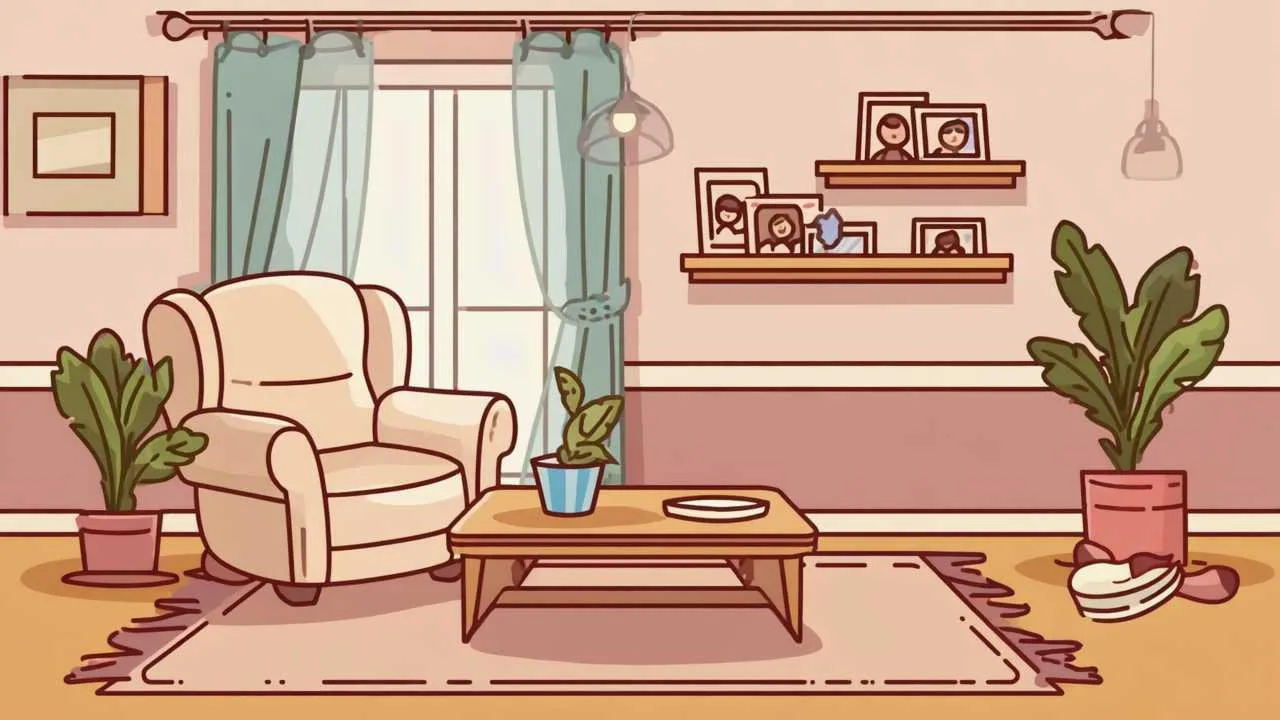
Displaying Photos and Artwork Family photos create instant warmth and personalization. Create gallery walls mixing frame sizes and styles for eclectic, collected-over-time appearance. Alternatively, use matching frames for cohesive, organized looks—both approaches work, so choose the style matching your aesthetic preferences. Include photos from various life stages—wedding photos, children at different ages, travel memories, milestone celebrations—telling your life story through images.
Hang photos at proper heights for comfortable viewing. Center most artwork 57-60 inches from floor (standard gallery height), placing visual centers at average eye level. In seating areas where people view art while sitting, lower placement (48-54 inches center height) works better. Avoid hanging photos so high you strain necks viewing them or so low they feel like afterthoughts.
Mix photos with other meaningful art—paintings you’ve created, prints from favorite places you’ve traveled, inherited pieces from family, or affordable art from local artists. Art doesn’t need to be expensive to be meaningful. Frame children’s artwork, vintage postcards, pressed flowers from your garden, or beautiful fabric swatches creating personal, unique displays costing little but meaning much.
Collections and Treasured Objects Display collections you’ve gathered throughout life—vintage books, pottery, seashells, model trains, or any items bringing joy. Dedicate specific shelves or display areas to collections, arranging items attractively rather than storing them in boxes where no one sees them. Your home should showcase things you love, not hide them away.
Edit ruthlessly—displaying everything you own creates cluttered, overwhelming spaces. Choose favorite items for display, rotating others seasonally if you have extensive collections. This editing creates more impactful displays where each piece shines rather than getting lost in overwhelming arrangements. Store non-displayed items properly, bringing them out when you want fresh displays.
Plants and Natural Elements Living plants add life, color, and improved air quality to homes. Even seniors without green thumbs can maintain easy-care plants like pothos, snake plants, or ZZ plants requiring water only every 1-2 weeks and tolerating low light. Plants soften hard edges, add organic shapes contrasting with furniture’s straight lines, and create peaceful, natural atmospheres.
If plant care feels overwhelming, high-quality artificial plants ($30-80) now look remarkably realistic, providing greenery without maintenance demands. Dust them monthly with feather dusters and refresh with occasional gentle cleaning. Mix real and artificial plants if desired—nobody will judge, and your home will benefit from the greenery either way.
Design Element
Budget Range
Impact Level
DIY Friendly
Paint (per room)
$30-100
Very High
Yes
Throw Pillows (set of 4)
$60-160
High
Yes (covers)
Throw Blankets (2-3)
$60-120
Medium-High
No
Area Rug (5×7)
$80-300
High
No
Curtains (per room)
$80-200
Very High
Yes (hemming)
Table/Floor Lamps (2-3)
$60-200
High
Partial
LED Bulbs (whole home)
$40-80
Medium-High
Yes
Artwork/Photos (framed)
$100-300
High
Yes
Budget-friendly interior improvements with high impact on coziness (2025 estimates)
Decluttering and Organizing for Cozy Simplicity
Paradoxically, cozy homes often contain less rather than more. Clutter creates visual chaos and stress, while thoughtfully curated, organized spaces feel calm, peaceful, and genuinely welcoming. The goal isn’t stark minimalism but rather intentional selection of items you love and use, displayed attractively rather than crammed everywhere.
The Psychology of Clutter Research consistently links cluttered environments to increased stress, anxiety, and depression. A Princeton University Neuroscience Institute study found clutter competes for your attention, reducing performance and increasing stress. Multiple objects in your visual field simultaneously demand attention, overwhelming your brain’s processing capacity. Simplified, organized spaces allow your brain to relax, improving mood and cognitive function.
For seniors, clutter poses safety risks beyond psychological effects. Piles of papers, magazines, or miscellaneous items create tripping hazards. Overstuffed shelves and surfaces make finding needed items difficult, creating frustration and wasted time. Excessive possessions requiring storage, maintenance, and organization drain energy better spent on enjoyable activities.
Practical Decluttering Strategies Start small to avoid overwhelming yourself. Choose one drawer, shelf, or small area rather than tackling entire rooms. Work in 15-30 minute sessions, stopping before exhaustion sets in. Consistent small efforts accumulate to significant results without the burnout of marathon decluttering sessions.
Use the “one-year rule” for most possessions—if you haven’t used, worn, or needed something in a year, you probably won’t. Exceptions include seasonal items (holiday decorations, winter coats in summer), sentimental keepsakes, and emergency supplies. But general household items, clothes, kitchen equipment, and books unused for a year are candidates for donation or disposal.
Create four sorting categories: Keep (use regularly and love), Donate (good condition but unused), Trash (broken, stained, or unusable), and Decide Later (can’t decide now). The “Decide Later” box gets a specific deadline (30 days)—items you haven’t missed or thought about in that time get donated. This system prevents agonizing over every item while making steady progress.
Organizing What Remains Once you’ve decluttered, organize remaining possessions logically. Store items near where you use them—coffee and mugs near the coffee maker, reading glasses beside your reading chair, medicines in bathrooms or bedrooms. This logical organization eliminates unnecessary trips around your home and makes daily living more efficient and less tiring.
Use clear storage containers ($8-25 depending on size) letting you see contents without opening each box. Label everything clearly with large, easy-to-read labels (use label makers or print labels in 14-16 point font minimum). Clear visibility and labeling prevent forgotten items languishing in containers forever and make finding things quick and frustration-free.
Fill your space with meaningful items that tell your life story Visual Art by Artani Paris
Engaging Multiple Senses for Complete Comfort
Truly cozy homes engage all five senses, not just vision. Consider how your home sounds, smells, feels, and creates overall atmosphere through multi-sensory experiences that genuinely comfort and delight.
Sound: Creating Peaceful Acoustics Homes shouldn’t be silent, but harsh or jarring sounds prevent coziness. Hard surfaces—tile, hardwood, bare walls—create echoes and amplify noise. Soft furnishings—rugs, curtains, upholstered furniture, fabric wall hangings—absorb sound, creating quieter, more peaceful environments. If your home feels echoey and loud, add soft textiles absorbing sound naturally.
Introduce pleasant ambient sounds—soft music, nature sounds, or even white noise—creating peaceful audio backgrounds. Wind chimes near windows, small tabletop fountains ($20-50), or digital speakers playing gentle music or nature sounds ($30-100) add pleasant audio dimension. The goal isn’t covering up noise but rather creating intentional, pleasant soundscapes replacing harsh silence or unwanted external noise.
Scent: Using Fragrance Thoughtfully Scent powerfully impacts mood and memory. Gentle, natural fragrances—lavender, vanilla, cinnamon, citrus—create welcoming atmospheres associated with relaxation, warmth, and cleanliness. Avoid overwhelming artificial air fresheners causing headaches or respiratory irritation, particularly problematic for seniors with sensitivities or breathing issues.
Natural scent options include essential oil diffusers ($15-40) using pure essential oils diluted in water, simmering potpourri on the stove (oranges, cinnamon sticks, cloves in water), scented candles using natural soy or beeswax rather than paraffin, fresh flowers or herbs, and baking cookies or bread filling homes with comforting food aromas. Even opening windows for fresh air can be the best “scent” of all.
Touch: Varying Textures Cozy spaces include varied textures inviting touch—soft velvet pillows, nubby linen curtains, smooth wood tables, plush rugs. This textural variety creates sensory interest making spaces feel rich and layered rather than flat and one-dimensional. When selecting textiles and materials, consider how they feel, not just how they look.
Temperature-regulating materials increase comfort. Natural fibers like cotton, linen, and wool breathe better than synthetics, staying cooler in summer and warmer in winter. Throw blankets in various weights—light cotton for summer, medium fleece for spring and fall, heavy wool or sherpa for winter—allow comfortable snuggling year-round.
Creating Comfortable Temperature Physical comfort requires appropriate temperature. Most seniors feel comfortable at 68-72°F (20-22°C), though individual preferences vary. Maintain consistent temperatures throughout your home rather than extreme differences between rooms—temperature variations strain your body’s adaptation mechanisms. Programmable thermostats ($40-150) automatically adjust temperatures throughout the day, maintaining comfort while reducing energy costs by 10-20%.
Sensory Element
Cozy Enhancements
Budget Solutions
Safety Notes
Sight
Warm colors, layered lighting, personal photos
Paint, thrift lamps, print photos at home
Adequate lighting prevents falls
Sound
Soft music, fountains, wind chimes
Smartphone speakers, simple chimes
Avoid masking safety sounds (alarms, doorbells)
Scent
Essential oils, candles, fresh flowers
Simmer pot, dried herbs, open windows
Never leave candles unattended
Touch
Varied textures, soft textiles, smooth surfaces
Thrift blankets, DIY pillows, refinish furniture
Avoid rough/sharp edges causing injury
Temperature
Consistent warmth, layered bedding
Programmable thermostat, draft stoppers
Maintain 68-72°F for safety and comfort
Multi-sensory elements creating cozy, comfortable home environments
Real Success Stories
Case Study 1: Tucson, Arizona
Margaret S. (69 years old)
After moving from her large family home into a smaller retirement condo, Margaret felt depressed and disconnected living in generic, builder-grade spaces with stark white walls, harsh overhead lighting, and minimal furniture. The condo felt like a waiting room rather than a home, and she spent most time either out of the house or in bed avoiding the unwelcoming environment.
Working with a modest $1,200 budget over three months, Margaret transformed her space using the strategies in this guide. She painted the living room and bedroom warm terracotta and soft peach respectively ($120 total), added four thrift-store lamps with new shades creating layered lighting ($140), purchased colorful throw pillows, blankets, and curtains introducing warmth and softness ($280), bought two area rugs anchoring living spaces ($260), and created a gallery wall of family photos in matching frames ($180).
The physical transformation was dramatic, but the emotional impact proved even more significant. Margaret began inviting friends over again, started daily routines she’d abandoned, and reported feeling “at home” for the first time since moving. Her adult children noticed remarkable improvements in her mood and engagement during visits.
Results:
Depression scores improved from 14 (moderate depression) to 5 (minimal symptoms) over 3 months
Social interactions increased from 2-3 monthly visits to 8-10 as she began hosting coffee dates and game nights in her newly cozy home
Sleep quality improved significantly—falling asleep in average 15 minutes versus previous 50+ minutes in the stark bedroom
Total investment of $1,180 over 3 months transformed her entire living environment
She reported feeling 8/10 satisfaction with her home versus previous 3/10 before changes
“I didn’t realize how much the cold, impersonal space was affecting my mental health until I made it warm and mine. Now when I come home, I actually feel happy to be here instead of depressed. The warm colors, soft lighting, and my family photos everywhere make it feel like ME—like home should feel.” – Margaret S.
Case Study 2: Burlington, Vermont
Robert and Linda T. (both 72 years old)
This retired couple lived in their home for 35 years but admitted it felt dated, cluttered, and increasingly difficult to maintain. Overwhelming collections of possessions accumulated over decades created crowded, stressful spaces. Dark wood paneling and heavy curtains from the 1980s blocked natural light, making rooms feel cave-like and depressing, particularly during Vermont’s long, dark winters.
Rather than expensive renovations, they implemented a systematic three-month transformation focusing on decluttering, lighting, and color. They spent six weeks decluttering room by room, donating 40% of their possessions to local charities and keeping only items they used or truly loved. They painted over dark paneling with warm cream ($180), replaced heavy drapes with light-filtering linen curtains ($320), added eight new lamps throughout the house ($240 from estate sales and thrift stores), and replaced all bulbs with warm LED lighting ($60).
The combination of decluttering and physical improvements created transformative results. Rooms felt twice as large despite no structural changes. Natural light flooded previously dark spaces. The couple reported feeling energized rather than depressed at home and found household maintenance much easier with fewer possessions to clean and organize.
Results:
Donated or disposed of approximately 2,500 pounds of excess possessions over 6 weeks
Natural light in main living spaces increased by estimated 65% through curtain replacement and decluttering windows
Weekly cleaning time decreased from 8-9 hours to 3-4 hours with fewer possessions requiring maintenance
Both reported significant mood improvements, with Linda’s seasonal affective disorder symptoms decreasing notably
Total investment of $800 plus 40 hours decluttering labor transformed their entire home environment
“We’d lived here 35 years and thought we’d need major renovations to make it feel better. Instead, getting rid of half our stuff and adding warm paint and better lighting changed everything. Our home feels peaceful now instead of overwhelming. We actually enjoy being here instead of dreading the clutter and darkness.” – Linda T.
Case Study 3: Charleston, South Carolina
Patricia W. (75 years old)
Living alone in a rental apartment after her husband’s death, Patricia felt disconnected from her space, viewing it as temporary and not worth personalizing despite living there for three years. The landlord’s neutral beige walls, basic fixtures, and minimal furniture made the apartment feel institutional rather than homelike. She spent most time watching television from bed, had stopped cooking regular meals, and rarely had visitors, citing embarrassment about her “depressing” living space.
A visiting daughter recognized the connection between Patricia’s living environment and her declining health and mood. Together, they created a personalization plan using only renter-friendly, reversible changes requiring no landlord permission. They added removable wallpaper as an accent wall in the living room ($120), hung family photos and artwork with command strips ($80 for frames and strips), purchased colorful textiles—rugs, curtains, pillows, and throws—transforming neutral spaces ($340), added plants (mix of real and high-quality artificial) providing life and color ($100), and improved lighting with five new lamps ($160 from discount retailers).
The transformation from generic rental to personalized home dramatically impacted Patricia’s quality of life. She began cooking regular meals in her now-cheerful kitchen, started inviting friends for coffee in her cozy living room, and reported feeling genuine attachment to her space for the first time since moving in. Most importantly, she stopped viewing her apartment as a temporary waystation and began treating it as her actual home.
Results:
Social visits increased from less than 1 per month to 6-8 monthly as she began regularly hosting friends
Cooking frequency increased from 2-3 times weekly (mostly frozen meals) to 10-12 times weekly (fresh, nutritious meals)
Overall life satisfaction scores improved from 4.2/10 to 7.8/10 over 4 months
Sleep improved as she stopped sleeping with television on, instead reading in her cozy, personalized bedroom
Total investment of $800 using only renter-friendly modifications requiring no landlord permission or permanent changes
“I’d been living here like I was in a hotel—not making it mine because it wasn’t ‘permanent.’ But my daughter helped me realize this IS my home, whether I own it or not, and I deserve to make it comfortable and beautiful. Adding color, my family photos, and soft textures changed everything. Now I love coming home and having people over. It finally feels like MY space.” – Patricia W.
Frequently Asked Questions
How much does it typically cost to make a home feel cozier?
Creating a cozy home is remarkably affordable when approached strategically. You can make significant improvements for $500-1,500 spread over 2-3 months by prioritizing high-impact, budget-friendly changes. Start with paint (single room $30-100), add textiles like pillows, throws, and curtains ($200-400), improve lighting with thrift-store lamps and LED bulbs ($100-200), and incorporate personal touches through photos and artwork ($100-300). The key is focusing on elements creating maximum coziness for minimum investment rather than expensive furniture or renovations. Many successful transformations cost under $1,000 total, as demonstrated in our case studies.
Can I make a rental feel cozy without violating lease terms?
Absolutely. Focus on temporary, reversible modifications requiring no landlord permission. Use removable wallpaper or peel-and-stick tiles for accent walls. Hang artwork and photos with command strips or picture hanging strips. Add area rugs, curtains (hung from tension rods if you can’t install curtain rods), throw pillows, and blankets transforming spaces without permanent changes. Improve lighting with portable lamps requiring no installation. Add plants and personal decorations. When moving, remove temporary additions, fill command strip holes with spackle, and return the space to original condition. These renter-friendly strategies create dramatic transformations without jeopardizing security deposits or violating leases.
What if my spouse or partner doesn’t like the same style I do?
Compromise and communication are essential when decorating shared spaces. Start by identifying common ground—elements you both appreciate like certain colors, comfort level, or specific furniture pieces. Designate certain spaces for individual expression (one person’s home office, personal reading nooks) while compromising on shared areas like living rooms and bedrooms. Mix both styles rather than choosing one person’s aesthetic entirely. Consider neutral backgrounds (walls, large furniture) allowing personal expression through changeable accessories (pillows, artwork, decorations). Remember that coziness matters more than strict adherence to any design style—if your home feels comfortable and welcoming to both of you, stylistic consistency becomes less important. Many successful homes blend multiple styles creating unique, personalized spaces reflecting both inhabitants.
How do I make a large, open space feel cozier rather than cavernous?
Large spaces often feel cold and unwelcoming without intentional coziness strategies. Create distinct zones within open areas using furniture arrangement—group seating to define a conversation area, position a desk and chair creating an office zone, place a small table and chairs establishing a dining nook. Use area rugs anchoring and defining each zone visually. Add multiple lighting sources throughout the space rather than relying on single overhead fixtures—scattered lamps create intimate pools of light making large spaces feel broken into comfortable sections. Paint accent walls or use different colors in different zones providing visual definition. Fill vertical space with tall bookcases, plants on stands, or floor-to-ceiling curtains preventing the “empty warehouse” feeling. Layer textiles generously—multiple throw pillows, draped blankets, curtains—softening hard surfaces and adding visual warmth.
What’s the single most impactful change for creating coziness on a tight budget?
If forced to choose only one improvement, prioritize lighting. Harsh overhead lighting creates institutional feelings while warm, layered lighting instantly transforms spaces into cozy havens. For $100-200, you can add 3-4 table or floor lamps from thrift stores ($10-30 each), new shades for dated lamps ($15-40 each), and warm LED bulbs throughout your home ($3-8 each). This single category of improvements affects how every element in your home appears and feels, making colors warmer, textures more visible, and spaces more inviting. Good lighting makes even modest furniture and simple decor feel welcoming, while poor lighting makes even expensive decor feel cold and unwelcoming. After improving lighting, the next highest-impact changes are warm paint colors ($30-100 per room) and soft textiles like throw pillows and blankets ($100-200 total).
How do I incorporate modern safety features without sacrificing coziness?
Safety and coziness aren’t mutually exclusive—many safety features enhance rather than detract from comfort. Motion-sensor nightlights provide safe nighttime navigation while creating gentle ambient lighting. Non-slip rug pads prevent dangerous slipping while allowing beautiful rugs. Furniture at appropriate heights with supportive armrests increases both safety and comfort. Adequate lighting prevents falls while creating warm ambiance when using warm-white bulbs in attractive fixtures. Clear walkways and decluttered spaces improve safety while creating peaceful, organized environments. Grab bars now come in attractive finishes and styles looking like towel bars or decorative elements rather than medical equipment. The key is choosing safety features with aesthetic appeal and incorporating them thoughtfully into your overall design rather than treating them as afterthoughts.
Should I get rid of furniture that’s uncomfortable but has sentimental value?
This decision balances practical comfort with emotional significance. If furniture serves daily functions (dining chairs, bed, primary seating), prioritize comfort—you’ll use these pieces constantly and discomfort will diminish your quality of life regardless of sentimental attachment. However, you can often modify uncomfortable furniture: add cushions to hard chairs, use furniture risers for low seating, reupholster worn pieces with firmer, more supportive materials. For sentimental pieces used occasionally or displayed rather than used daily (grandmother’s rocking chair, inherited bench), keeping them makes sense even if not optimally comfortable. Consider moving sentimental-but-uncomfortable pieces to guest rooms, bedrooms, or decorative corners where they’re seen and appreciated but not required for daily comfort. Photograph extremely uncomfortable pieces before donating them—photos preserve memories while freeing you from furniture causing daily discomfort.
How often should I update or refresh my home’s decor?
There’s no prescribed timeline—update when spaces no longer feel comfortable, functional, or reflective of your current self. Many seniors successfully maintain satisfying homes for years without changes, while others enjoy refreshing seasonally. Small seasonal changes (swapping throw pillow covers, rotating displayed photos or artwork, changing curtains) keep spaces feeling fresh without major investment or effort. Larger updates might occur every 3-5 years as needs change, mobility shifts, or tastes evolve. Listen to how you feel in your space—if it still brings joy and meets your needs, no changes are necessary regardless of design trends. If you feel restless, uncomfortable, or disconnected from your environment, consider updates. Remember: your home should serve you, not vice versa. Update for your comfort and satisfaction, not because magazines suggest it’s time to redecorate.
What if I can’t physically do the work required for home improvements?
Many cozy-home improvements require minimal physical effort and can be accomplished even with significant mobility limitations. Hire help for physically demanding tasks—local handyman services charge $50-100 per hour and can hang curtains, move furniture, install lamps, and hang artwork in a few hours. Many senior centers offer volunteer programs or connect seniors with community helpers for minor home tasks. Ask family members or friends for assistance—many people genuinely enjoy helping with concrete, time-limited projects. Consider professional services for painting ($200-500 per room including labor and materials). Focus on improvements requiring little physical effort: selecting textiles, choosing colors, curating displays, directing helpers on furniture placement, and making decorating decisions. The creative and planning aspects of home improvement are often more important than the physical execution, which others can handle affordably. Your vision and direction matter most; physical implementation can be delegated.
How do I maintain a cozy home without creating excessive cleaning and maintenance demands?
Cozy doesn’t mean cluttered or high-maintenance. Choose low-maintenance textiles—machine-washable curtains, durable performance fabrics for upholstery, easy-care throw blankets and pillow covers. Avoid delicate fabrics requiring dry cleaning or special care. Select furniture and decor that clean easily—smooth surfaces over ornate carved details, closed storage over open shelving collecting dust. Incorporate artificial plants alongside real ones if plant care feels overwhelming. Use LED bulbs lasting 15-25 years eliminating frequent bulb changes. Establish simple maintenance routines: vacuum rugs weekly, wash throw blankets monthly, dust surfaces weekly with microfiber cloths, rotate displayed items seasonally. The key is creating coziness through carefully selected, high-quality, easy-care items rather than excessive quantities of high-maintenance decorations. Less can genuinely be more when items are thoughtfully chosen for both beauty and practicality.
Action Steps to Create Your Cozy Retirement Home
Assess your current home room by room, noting what feels cold, uncomfortable, or unwelcoming—take photos to document current conditions and identify specific problems to address
Create a prioritized list of changes starting with highest-impact, most affordable improvements like lighting and paint rather than expensive furniture replacement or major renovations
Set a realistic budget for home improvements ($500-1,500 creates significant transformation) and timeline (2-3 months allows spreading costs without rushing)
Start with lighting improvements—purchase 3-5 warm-white LED bulbs ($15-40 total) replacing the harshest lights in rooms where you spend most time, immediately improving how spaces feel
Add softness through one or two throw blankets ($40-80) and 4-6 throw pillows ($60-160) in your primary living space, choosing warm colors and varied textures
Paint one accent wall or single room in a warm color ($30-50) to see how dramatically color affects room feeling before committing to multiple rooms
Visit thrift stores, estate sales, or online marketplaces for affordable lamps, decorative items, and textiles—budget $100-200 for these initial shopping trips
Declutter one room completely using the keep/donate/trash/decide-later system, removing items that contribute to visual chaos without adding function or joy
Create one personal display area featuring family photos, treasured collections, or meaningful artwork—this focused personalization makes spaces feel like yours rather than generic
Invite a trusted friend or family member to provide feedback on changes and help with physical tasks you cannot easily do yourself—fresh perspectives and practical assistance accelerate transformation
Disclaimer This article is provided for informational purposes only and does not constitute professional interior design, home safety, or accessibility advice. While design strategies discussed are generally appropriate for seniors, individual needs vary based on specific health conditions, mobility limitations, and personal circumstances. Consult qualified professionals including occupational therapists, certified aging-in-place specialists, or licensed contractors before making structural changes or modifications affecting home safety. Product recommendations and price estimates are approximate and may vary by location and time. Always verify product safety, check reviews, and ensure modifications comply with local building codes and rental agreements if applicable. Information current as of October 2, 2025. Product availability, prices, and design trends may change. Interior design recommendations represent general guidance and may not suit all individual preferences or circumstances.
Get Weekly Senior Living and Home Tips
Join thousands of seniors discovering practical strategies for comfortable, safe, and beautiful retirement homes. Receive budget-friendly decorating ideas, organization tips, seasonal updates, and inspiring transformation stories delivered to your inbox every Tuesday morning.