Tag: ARTANIPARIS

  • Daily Routines That Bring Balance After Retirement

    Daily Routines That Bring Balance After Retirement

    Structured daily routines provide purpose, health, and satisfaction throughout retirement years
    Visual Art by Artani Paris | Pioneer in Luxury Brand Art since 2002

    Retirement’s unlimited free time feels liberating initially—then surprisingly empty. Without work structure dictating your days, you drift: sleeping irregular hours, skipping meals, abandoning exercise, losing track of time. Days blur together indistinguishably. The freedom you anticipated becomes purposeless void. “What did I accomplish today?” yields uncomfortable silence. This isn’t uncommon—many retirees struggle replacing decades of work routine with meaningful daily structure. The solution isn’t recreating work’s rigid schedule but designing intentional routines providing purpose, health, and satisfaction without feeling restrictive. This guide helps you build balanced daily routines matching your needs, energy levels, and interests. You’ll learn why routines matter more in retirement than working years (structure prevents drift, maintains health, creates satisfaction), how to design morning rituals energizing your day, incorporate physical activity sustainably, balance productivity with leisure without guilt, maintain social connections preventing isolation, and adapt routines as needs change with age. Whether you’re newly retired feeling lost or years into retirement seeking better balance, these strategies create days you look forward to—productive yet relaxed, structured yet flexible, purposeful yet enjoyable. Retirement’s gift isn’t endless leisure—it’s freedom to design days reflecting your values and priorities rather than employer demands. Let’s build routines making retirement years your best years.

    Why Routines Matter More Than Ever in Retirement

    Work provided automatic structure—wake time, commute, meetings, deadlines, lunch breaks, end-of-day. Retirement removes this scaffolding. Many discover structure wasn’t constraint but foundation enabling everything else.

    The Science of Routine and Well-Being: Research consistently shows routines benefit mental and physical health—effects amplify with age. Circadian rhythm regulation—consistent sleep/wake times strengthen circadian rhythms governing sleep quality, hormone production, metabolism, immune function. Irregular schedules disrupt these systems causing: poor sleep (falling asleep difficult, waking frequently), daytime fatigue, weakened immunity, digestive issues, mood problems. Seniors especially sensitive—circadian disruption contributes to cognitive decline. Reduced decision fatigue—every decision depletes mental energy. Routines eliminate hundreds of daily micro-decisions: “What should I do now?” “When should I eat?” “Should I exercise today?” Conservation of mental energy for meaningful decisions. Habit formation and maintenance—routines make healthy behaviors automatic. Exercise at same time daily becomes habit requiring little willpower. Irregular exercise requires constant motivation (quickly abandoned). Sense of purpose and accomplishment—completing routine tasks creates satisfaction. Crossing items off daily checklist provides tangible progress feeling. Without routines, days end with vague dissatisfaction: “I was busy but accomplished nothing.” Anxiety reduction—predictability reduces anxiety. Knowing what comes next feels secure. Too much unstructured time paradoxically increases anxiety—freedom becomes overwhelming.

    Common Retirement Routine Pitfalls: Complete lack of structure—”I’ll do whatever I feel like each day!” sounds ideal but often results in: sleeping late inconsistently (10 AM some days, noon others), skipping breakfast or eating irregularly, aimless internet browsing for hours, forgetting to exercise, isolated days without leaving home, guilt about “wasting” retirement. Over-structuring—opposite extreme: rigid schedules mimicking work, back-to-back activities leaving no rest, guilt when deviating from schedule, exhaustion from constant obligations. Both extremes fail. Lack of purpose—routines must include meaningful activities. Watching TV 6 hours daily is routine but not fulfilling. Social isolation—routines focused entirely on solo activities lead to loneliness. Must include regular social interaction. Neglecting health basics—busy retired people skip exercise, eat poorly, defer medical appointments despite having time. Inability to adapt—health changes, seasons change, life circumstances shift. Routines must flex.

    Components of Balanced Retirement Routine: Ideal routine includes these elements—not necessarily daily, but regularly throughout week. Physical activity—movement daily, formal exercise 3-5 times weekly. Maintains health, energy, independence. Mental stimulation—learning, reading, puzzles, hobbies. Prevents cognitive decline, provides satisfaction. Social connection—meaningful interaction with others. In-person ideal, phone/video acceptable. Prevents isolation depression. Productive activity—accomplishing something tangible. Gardening, volunteering, projects. Creates purpose. Leisure and relaxation—guilt-free enjoyment. Reading, hobbies, entertainment. Retirement should include pleasure. Self-care—sleep, nutrition, hygiene, medical appointments. Foundation enabling everything else. Spiritual/reflective time—meditation, prayer, journaling, nature walks. Whatever provides meaning and peace. Not everyone needs this but many benefit. Balance means all components present—not necessarily equal amounts daily but regularly throughout weeks.

    Morning Routines: Starting Your Day With Purpose

    How you start your day largely determines how the rest unfolds. Intentional morning routine sets positive tone, builds momentum, establishes control.

    Establishing Consistent Wake Time: Why consistency matters—same wake time daily (within 30 minutes) strengthens circadian rhythm dramatically improving sleep quality. Even weekends—sleeping late Saturday disrupts rhythm causing “social jet lag.” Choosing your wake time—consider natural tendencies. Morning person? 6-7 AM ideal. Night owl? 7-8 AM. Compromise between natural preference and practical needs (appointments, activities). Most retirees thrive with 6:30-7:30 AM wake time—early enough to accomplish morning routine before late morning activities, late enough to avoid 5 AM alarm. Transitioning to earlier wake time—if currently waking 9-10 AM, shift gradually: Week 1: wake 8:30 AM, Week 2: wake 8:00 AM, Week 3: wake 7:30 AM, Week 4: wake 7:00 AM. Gradual 30-minute weekly shifts easier than sudden change. Waking naturally without alarm—goal for many retirees. Consistent sleep/wake times plus adequate sleep (7-8 hours) allows waking naturally. Initially use alarm as backup until pattern establishes. What if you’re not sleeping well? Poor sleep common in retirement (schedule irregularity, less physical activity, medical issues). Consistent wake time paradoxically improves sleep—trains body. Pair with good sleep hygiene: bedroom cool/dark, no screens 1 hour before bed, limit caffeine after 2 PM, regular exercise (not before bed).

    Morning Movement and Exercise: Why morning exercise optimal—completed before other commitments interfere, boosts energy for entire day, improves focus and mood, establishes sense of accomplishment early, easier to maintain consistency (afternoon exercise often postponed). Types of morning movementGentle stretching (10-15 minutes)—upon waking, loosens stiff muscles and joints, improves flexibility gradually, can be done in bedroom before breakfast. Simple routine: neck rolls, shoulder shrugs, spinal twists, hamstring stretches, calf stretches. YouTube has numerous “morning stretching for seniors” videos. Walking (20-45 minutes)—most accessible exercise. Neighborhood walk, park, treadmill if weather poor. Brisk pace (can talk but slightly breathless). Alone for meditation or with spouse/friend for social connection. Observe neighborhood, listen to podcasts/audiobooks, or simply think. Yoga or tai chi (30-45 minutes)—improves flexibility, balance, strength, mindfulness. Many senior-specific classes (community centers, YouTube). Gentle pace appropriate for aging bodies. Swimming or water aerobics (30-45 minutes)—excellent low-impact exercise. Joint-friendly. Requires pool access. Home workout routine (20-30 minutes)—resistance bands, light dumbbells, bodyweight exercises. Focus on functional strength (ability to get off floor, carry groceries, climb stairs). Starting exercise habit—begin small: Week 1-2: 10-minute walk daily, Week 3-4: 15-minute walk daily, Week 5-6: 20-minute walk plus 10-minute stretching, Week 7+: 30-minute walk plus stretching, add strength training 2× weekly. Build gradually—overdoing causes injury and abandonment.

    Breakfast and Morning Nutrition: Why breakfast matters—breaks overnight fast, stabilizes blood sugar (prevents mid-morning energy crashes), improves concentration, supports healthy weight (breakfast eaters less likely to overeat later), part of healthy routine rhythm. Skipping breakfast correlates with worse health outcomes in seniors. Components of healthy breakfastProtein (20-30g)—eggs, Greek yogurt, cottage cheese, protein powder, nut butter, lean breakfast meat. Promotes satiety, preserves muscle mass (critical for seniors). Fiber (5-10g)—whole grain bread, oatmeal, berries, vegetables. Supports digestion, heart health, steady energy. Healthy fats—avocado, nuts, olive oil, fatty fish (smoked salmon). Supports brain health, satisfying. Limit sugar and refined carbs—sugary cereals, pastries, white bread cause blood sugar spikes and crashes. Quick healthy breakfast ideas—Greek yogurt with berries and granola (5 minutes), scrambled eggs with whole wheat toast and avocado (10 minutes), oatmeal with banana and walnuts (10 minutes), smoothie with protein powder, spinach, frozen fruit (5 minutes), whole grain toast with almond butter and sliced apple (5 minutes). Making breakfast routine sustainable—prep ingredients night before (cut fruit, measure oats), rotate 3-4 favorite meals (variety without decision fatigue), eat at consistent time (7:30-8:30 AM for most), sit down and eat mindfully (don’t eat standing or watching TV—creates eating routine).

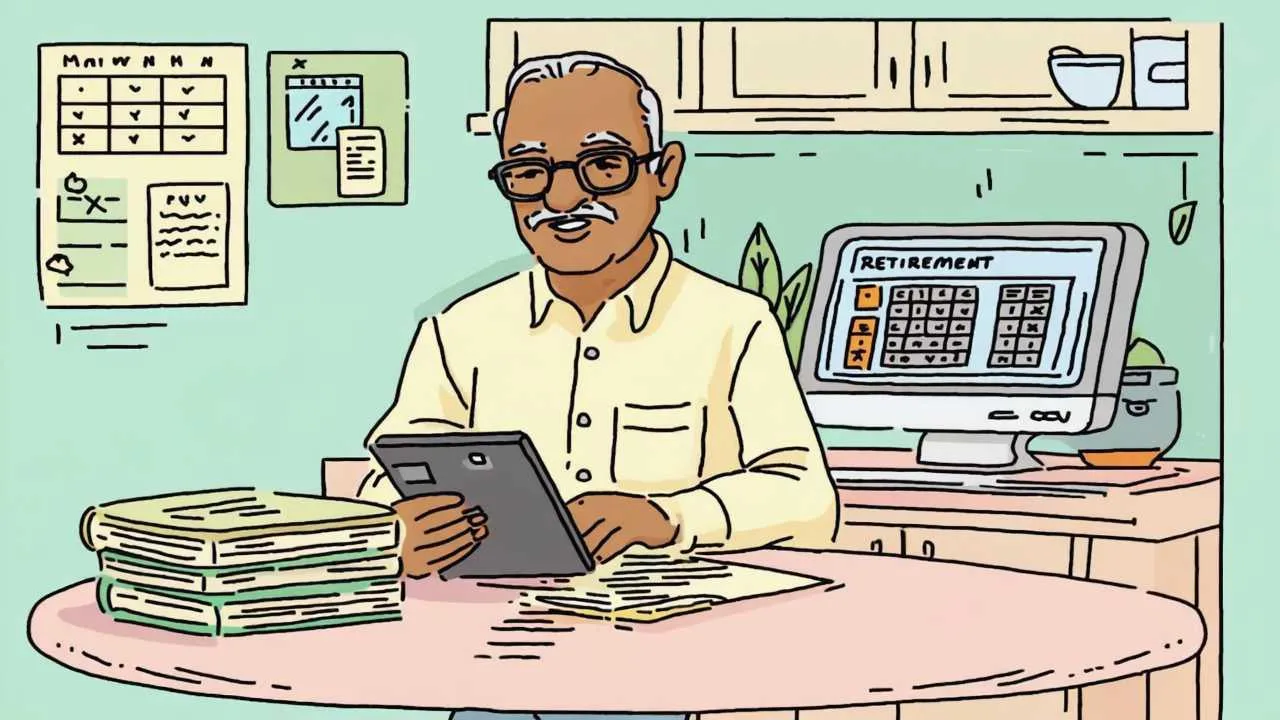
    Morning Planning and Intention Setting: Daily planning ritual (10-15 minutes)—after breakfast, before launching into day, review schedule and set intentions. What to do: Check calendar for appointments/commitments, identify 1-3 priorities for day (“Today I will: call doctor, work in garden 1 hour, read 2 chapters”), consider any obstacles or needs (errands, phone calls), visualize successful day. Benefits: Transforms vague day into purposeful day, prevents drift (“what should I do now?”), creates sense of control and direction, enables evening review (did I do what I intended?). Tools: Paper planner (many retirees prefer physical), digital calendar (Google Calendar, Apple Calendar), simple notebook (daily to-do list), habit tracking app (shows streaks, motivating). Avoiding over-planning: 1-3 priorities sufficient. Don’t create rigid hourly schedule (defeats retirement flexibility). Plan enough to provide direction, not so much to create stress. Some days priority is “rest and relax”—that’s valid.

    Time Activity Duration Benefit
    6:30-7:00 AM Wake, stretching, hygiene 30 min Consistent wake time, physical preparation
    7:00-7:30 AM Exercise (walk, yoga, etc.) 30 min Physical health, energy boost, accomplishment
    7:30-8:00 AM Shower, dress 30 min Self-care, readiness for day
    8:00-8:30 AM Breakfast 30 min Nutrition, energy, routine
    8:30-8:45 AM Daily planning, intention setting 15 min Purpose, direction, control
    8:45 AM Day begins Ready for productive, balanced day
    Sample morning routine for balanced retirement day (adjust times to personal preference)

    Structuring Your Days: Productivity and Leisure Balance

    Mornings establish foundation—rest of day requires balance between accomplishment and enjoyment, structure and flexibility.

    The “Anchor Activities” Approach: Rather than hourly schedule, identify 3-4 “anchor activities” occurring at consistent times providing structure without rigidity. Morning anchor—already covered: wake time, exercise, breakfast, planning. Midday anchor—lunch at consistent time (12:00-1:00 PM). Marks transition from morning productivity to afternoon. Includes: nutritious meal, brief rest or walk, social interaction (eat with spouse, call friend). Afternoon anchor—productive activity or hobby (2:00-4:00 PM). Gardening, volunteering, project work, errands. Something accomplished. Prevents entire afternoon vanishing into TV. Evening anchor—dinner time (6:00-7:00 PM), evening routine (discussed later). Anchors provide predictability. Between anchors, flexibility. Example day: 6:30 AM wake/exercise/breakfast (anchor), 9:00-11:30 AM flexible (reading, errands, appointments, hobbies), 12:30 PM lunch (anchor), 1:00-5:00 PM flexible (projects, social activities, rest, entertainment), 6:30 PM dinner (anchor), 7:30 PM+ evening routine (anchor). Structure without minute-by-minute control.

    Productive Activities vs. Leisure: Both necessary—ratio depends on personality. Productive activities—provide accomplishment feeling, sense of purpose, tangible results. Examples: volunteering (food bank, library, hospital, mentoring), home projects (organizing, repairs, improvements, gardening), learning new skills (language, instrument, craft, technology), part-time work or consulting (income plus structure), creative pursuits (writing, painting, woodworking, photography), fitness goals (training for 5K, improving flexibility). How much productivity? 2-4 hours daily sufficient for most retirees. More exhausting, less enjoyable. Leisure activities—guilt-free enjoyment, relaxation, pleasure. Examples: reading (books, magazines, newspapers), entertainment (TV, movies, music, podcasts), hobbies (puzzles, games, crafts), social activities (coffee with friends, clubs, classes), nature (walks, birdwatching, gardening for pleasure), travel (day trips, exploration). How much leisure? 3-5 hours daily healthy. Entire days of leisure occasionally fine. Avoiding extremes—all productivity creates burnout (“retirement feels like second job”). All leisure creates emptiness (“I’m wasting my life”). Balance both based on energy and preferences. Some days productivity-heavy (major project), some days leisure-heavy (needed rest). Weekly balance matters more than daily.

    Managing Energy Throughout the Day: Seniors often experience energy fluctuations—learning your patterns optimizes days. Common senior energy patternsMorning larks—highest energy 7:00-11:00 AM, moderate 11:00 AM-3:00 PM, declining 3:00-6:00 PM, lowest evening. Strategy: productive activities morning, lighter activities afternoon, relax evening. Afternoon surge—moderate energy morning, dip late morning/early afternoon (post-lunch), surge 3:00-6:00 PM, decline evening. Strategy: light activities morning, nap or rest after lunch, productive activities mid-afternoon. Consistent energy—relatively steady throughout day (less common in seniors). Strategy: distribute activities evenly. Tracking your energy—for 1 week, note energy level each hour (1-10 scale). Patterns emerge. Schedule demanding activities during high-energy periods, rest/leisure during low-energy periods. Post-lunch dip—extremely common. 1:00-3:00 PM energy drops after lunch (natural circadian rhythm). Options: brief nap (20-30 minutes—longer causes grogginess), gentle walk (boosts energy), light reading or TV (accept lower energy period). Avoid scheduling demanding activities during this window. Respecting your energy—pushing through exhaustion counterproductive. Rest when needed. Consistent routine improves overall energy gradually.
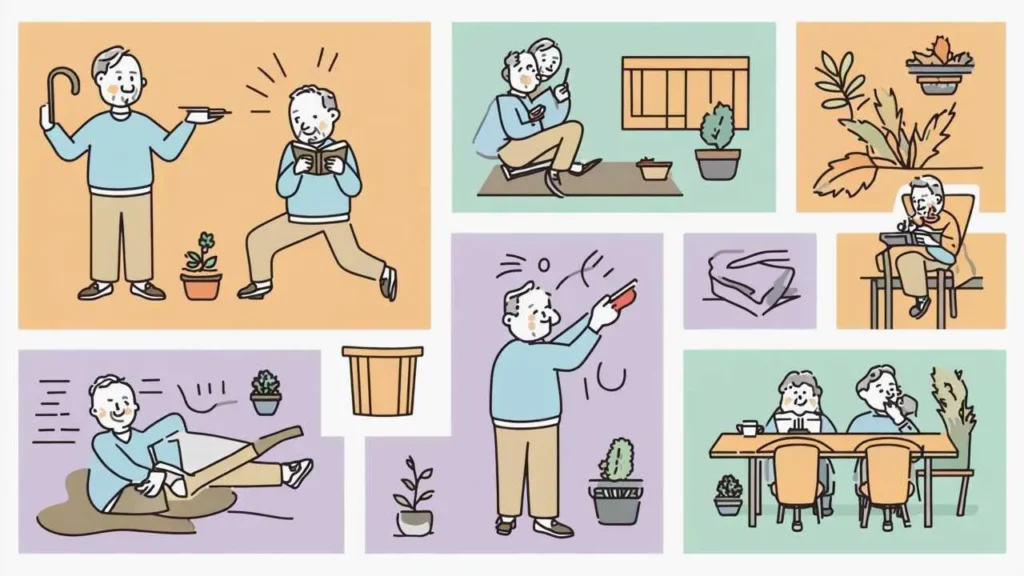
    Balanced daily structure combining productivity and leisure creates satisfying, purposeful retirement days
    Visual Art by Artani Paris

    Social Connection and Community Engagement

    Work provided automatic social interaction—coworkers, meetings, lunches. Retirement removes this, requiring intentional effort maintaining social connections critical for health and happiness.

    Why Social Connection Is Non-Negotiable: Research overwhelmingly shows social isolation as dangerous as smoking 15 cigarettes daily. Physical health impacts—loneliness increases risk of: heart disease (29%), stroke (32%), dementia (50%), weakened immune system, higher blood pressure, inflammation. Isolated seniors die younger than socially connected peers. Mental health impacts—isolation causes or worsens: depression, anxiety, cognitive decline, poor sleep, decreased quality of life. Downward spiral: isolation leads to depression leads to more isolation. Loneliness vs. alone time—being alone isn’t problem (many enjoy solitude). Loneliness is feeling isolated, disconnected, unsupported—can occur even around people if connections shallow. Quality over quantity—one close friend better than ten acquaintances. Meaningful connections require: regular interaction (weekly minimum), genuine conversation beyond small talk, mutual support and care, shared activities or interests.

    Building Social Connection Into Routine: Weekly commitments—join clubs/groups meeting regularly: book club (monthly discussions), exercise class (yoga, water aerobics, walking group 2-3× weekly), volunteer organization (weekly shifts at food bank, hospital, library), hobby groups (woodworking, quilting, photography, gardening), faith community (services, study groups, volunteering), senior center programs (classes, activities, meals). Benefit of scheduled activities: Automatic social interaction without planning each time, sense of belonging to community, shared purpose or interest, regular routine (Tuesdays 10 AM yoga becomes anchor). Maintaining existing friendships—schedule regular coffee/lunch with friends (weekly or biweekly standing date), phone calls with distant friends (same time weekly—Wednesdays call childhood friend), attend friend gatherings/celebrations (don’t decline due to inertia). Family connections—regular family dinners or video calls, involvement with grandchildren (babysitting, attending events), support to adult children (without overstepping). New friendships—retirement provides opportunity for new connections. Friends made through: classes, volunteering, neighbors (host block party, regular walks together), shared interests (meet at dog park, gym, library). Initiate: “Would you like to grab coffee sometime?” Most seniors receptive—also seeking connection.

    Overcoming Social Barriers: Introversion—introverts need social connection too, just less frequently and in smaller groups. Strategy: one-on-one interactions rather than large groups, limited social activities (1-2 weekly instead of daily), balance with alone time for recharging. Mobility limitations—transportation challenges, physical difficulty attending events. Strategy: local activities within walking/easy driving, senior center programs often provide transportation, online groups/classes (Zoom book club, online courses), invite people to your home. Hearing loss—makes social situations frustrating, leads to withdrawal. Strategy: treat hearing loss (hearing aids dramatically improve socialization), smaller quiet venues rather than loud restaurants, inform friends about hearing challenges. Social anxiety—many seniors anxious about new social situations, especially after years in familiar work environment. Strategy: start with low-pressure situations (walking group—just walk together, class—shared focus, volunteer—task-oriented), bring spouse or friend initially, remember most seniors feel similarly, anxiety decreases with exposure. Geographic isolation—rural areas, moved away from friends/family. Strategy: prioritize building local connections even if takes time, use technology (video calls, online communities), consider relocation if isolation severe and alternatives exhausted.

    Evening Routines: Winding Down and Reflection

    Consistent Evening Routine Benefits: Evening routine as important as morning routine—signals day ending, prepares body for sleep, provides transition from activity to rest. Sleep preparation—consistent evening routine trains body to sleep. Same activities same time nightly tell brain “sleep coming soon.” Stress reduction—winding down process reduces cortisol (stress hormone) promoting relaxation. Reflection and gratitude—reviewing day increases satisfaction, recognizing accomplishments combats “I did nothing” feeling, gratitude practice improves mood and sleep quality. Connection with spouse/family—evening time for meaningful conversation, shared activities, reconnection after independent days.

    Components of Healthy Evening Routine: Dinner at consistent time (6:00-7:00 PM)—earlier dinner allows digestion before bed (improves sleep), family meal (connection time), balanced nutrition (protein, vegetables, complex carbs, moderate portions). Light activity (6:30-7:30 PM)—evening walk (aids digestion, pleasant ritual), light gardening or hobby, household tasks (dishes, tidying). Avoid vigorous exercise (interferes with sleep). Leisure time (7:30-9:00 PM)—TV/movies, reading, conversation, games/puzzles, music, crafts. Enjoyable relaxation. Digital sunset (8:30-9:00 PM)—screens (TV, computer, phone) emit blue light suppressing melatonin (sleep hormone). Stop screens 1 hour before bed improves sleep. Alternatives: reading physical books, listening to music/audiobooks, conversation, journaling. Sleep preparation (9:00-9:30 PM)—light snack if hungry (warm milk, banana, small serving nuts—avoid heavy food), hygiene routine (brush teeth, wash face, medications), prepare bedroom (cool temperature 65-68°F, dark—blackout curtains or eye mask, quiet—white noise if needed), lay out tomorrow’s clothes (one less morning decision). Bedtime reflection (9:30-10:00 PM)—brief journaling (5 minutes): three things grateful for today, one thing accomplished, one thing learned. Ends day positively. Or meditation, prayer, reading inspirational/spiritual material. Consistent bedtime (10:00-10:30 PM)—same time nightly (within 30 minutes). With consistent wake time, creates 7-8 hour sleep window.

    What If You Can’t Sleep? Sleep issues plague many retirees. Common causes—irregular sleep schedule (biggest factor), insufficient physical activity, daytime napping (over 30 minutes), worrying/rumination, medication side effects, sleep disorders (apnea, restless legs), underlying health conditions. Sleep hygiene basics—consistent sleep/wake times (most important), bedroom cool/dark/quiet, no screens 1 hour before bed, limit caffeine after 2 PM (6-hour half-life), limit alcohol (disrupts sleep quality), daily exercise (not near bedtime), expose to bright light daytime (strengthens circadian rhythm). If you can’t fall asleep—don’t lie awake frustrated. After 20 minutes, get up, do quiet activity (read, gentle stretching, meditation) until sleepy, return to bed. Repeat if necessary. Lying awake associates bed with wakefulness rather than sleep. If chronic insomnia—consult doctor. May need sleep study (diagnose apnea, restless legs), medication adjustment (some interfere with sleep), cognitive behavioral therapy for insomnia (CBT-I—highly effective, teaches techniques improving sleep). Don’t accept poor sleep as inevitable aging consequence—often treatable.

    Adapting Routines as You Age

    Flexibility Within Structure: Routines provide stability but must adapt. Seasonal adjustments—winter routines differ from summer. Winter: indoor exercise (gym, mall walking, YouTube workouts), earlier dinners (longer dark evenings), more indoor hobbies. Summer: outdoor activities (gardening, walks, patios), later dinners (enjoy daylight), travel. Adjust routines seasonally rather than fighting seasons. Health changes—surgery, illness, new limitations require temporary or permanent routine modifications. Post-surgery: gentler exercise, more rest periods, adapted activities. Chronic condition develops: accommodate limitations (seated exercises, delivery services for groceries, simpler cooking). Adjust routine to support health, not pretend limitations don’t exist. Energy changes with age—70-year-old routine may not work at 80. Generally: less intense exercise (switch running to walking, add rest days), shorter activity periods (2-hour projects become 1-hour), more frequent breaks, earlier bedtimes (many seniors shift earlier with age). Honor changing needs.

    The “Good Enough” Principle: Perfectionism sabotages routines. Bad day? Simplified version still valuable. Full routine: 45-minute walk + strength training + yoga. Simplified: 15-minute walk. Simplified version infinitely better than nothing—and maintains routine momentum. Missing a day isn’t failure. Occasional missed workouts, skipped breakfast, irregular sleep inevitable. Resume next day without guilt. Routines are patterns, not perfect streaks. Progress over perfection. Inconsistent routine beats no routine. Flawed routine beats waiting for perfect routine. Start where you are, improve gradually. Self-compassion essential. Talk to yourself like supportive friend, not harsh critic. “I didn’t exercise today” not “I’m lazy and useless.” One day doesn’t define you.

    Real Success Stories

    Case Study 1: Ann Arbor, Michigan

    David Martinez (67 years old, retired teacher)

    David retired after 40 years teaching high school English. First 6 months felt wonderful—sleeping late, reading all day, no obligations. By month 7, depression crept in. Days blurred together indistinguishably. He’d wake 9:30 AM some days, noon others. Skip breakfast. Read or watch TV aimlessly. Realize at dinner he’d accomplished nothing. Feel guilty but repeat next day. Weight increased 15 pounds. Doctor visits skipped. Friends drifted (he’d decline invitations, too depressed). Wife concerned but unsure how to help. David described it: “I felt purposeless. Teaching gave my days structure and meaning. Retirement felt like falling into void.”

    Turning point: Former colleague invited him to volunteer tutoring program at library—helping struggling readers. David agreed reluctantly. Required being there Tuesdays and Thursdays 10 AM-12 PM. To arrive on time, he needed wake 7:30 AM, exercise, shower, breakfast. Tutoring gave him purpose. He saw improvement in students. Felt valuable again.

    This anchor prompted broader routine: Wake 7:30 AM daily (not just tutoring days—consistency better), 20-minute walk around neighborhood (gradual increase to 40 minutes), shower and dress properly (not staying in pajamas), 8:45 AM breakfast with wife (reconnection time), 9:30 AM-12:00 PM productive activity (tutoring, house projects, reading with purpose—book club meeting monthly), 12:30 PM lunch, 1:00-2:00 PM rest (read, light TV, nap if needed), 2:00-5:00 PM flexible (errands, hobbies, social activities, more projects), 6:00 PM dinner with wife, 7:00-9:00 PM leisure (TV, reading, games), 9:30 PM bedtime routine, 10:00 PM lights out.

    Results after 6 months routine:

    • Depression lifted completely—doctor reduced antidepressant dosage
    • Lost 12 pounds—regular exercise plus eating at consistent times
    • Sleep quality excellent—fell asleep quickly, woke refreshed
    • Tutoring became highlight of week—purpose restored through helping students
    • Joined book club (monthly meetings) and golf league (weekly games)—social connections strengthened
    • Relationship with wife improved—more engaged, better mood, shared routines (morning walks together, evening conversation)
    • Days feel satisfying—balance of productivity and leisure, accomplishment and rest
    • Looks forward to retirement now—”I understand what people mean by ‘best years of your life’ now”

    “The first six months of retirement nearly killed me emotionally. I went from highly structured teaching schedule to complete chaos. I thought freedom meant doing whatever whenever. Turns out freedom without structure is just emptiness. Creating daily routine saved my retirement. I wake up knowing what my day looks like—not minute-by-minute control, but enough structure to feel purposeful. Tuesday and Thursday tutoring sessions are anchors. Other days follow similar pattern even without tutoring. The routine isn’t restrictive—it’s liberating. I’m not wasting my retirement anymore. I’m living it fully.” – David Martinez

    Case Study 2: Charleston, South Carolina

    Barbara “Barb” and Kenneth “Ken” Anderson (71 and 73 years old)

    The Andersons both retired same year—looked forward to unstructured days together. Reality disappointed. Ken became couch potato—TV morning to night. Barb felt lonely despite Ken’s constant presence (he wasn’t really “there”). They bickered frequently about nothing. Both gained weight. House chores neglected. Social life evaporated—used to socialize with work colleagues. Marriage strained—”We realized we didn’t know how to be together without work providing our individual identities and schedules,” Barb explained.

    Crisis moment: Ken’s annual physical revealed pre-diabetes and high blood pressure. Doctor warned: “Your current lifestyle is killing you.” Simultaneously, Barb admitted marriage counselor she felt more lonely retired than when working—despite being with Ken constantly. Counselor suggested: individual routines within shared structure. Stop trying to do everything together. Maintain independence while sharing key moments.

    They created new routine emphasizing: Independent mornings—both wake 7 AM but pursue individual activities. Ken walks alone 30 minutes (meditation time), Barb does yoga YouTube video 30 minutes. Gives space and individual health focus. Shared breakfast—8:15 AM together, catch up on morning activities, plan day. Connection point. Independent productive time—9:00 AM-12:00 PM each pursue own interests. Ken volunteers at Habitat for Humanity (woodworking background) 3× weekly, works in garage workshop other days. Barb volunteers at hospital 2× weekly, tends extensive garden, takes watercolor classes. Separate activities, separate fulfillment. Shared lunch—12:30 PM, brief reconnection. Flexible afternoon—sometimes together (errands, appointments, outings), sometimes apart (Ken golf league, Barb ladies’ book club). Varies daily. Shared dinner prep and meal—6:00 PM, cook together (teamwork, conversation), eat together (day review). Major connection point. Independent evening leisure—7:00-9:00 PM Ken watches sports, Barb reads or crafts. Same room but independent activities. Comfortable presence without forced interaction. Shared bedtime routine—9:30 PM prep, 10:00 PM bed.

    Results after 1 year:

    • Ken’s health transformed—lost 25 pounds, blood sugar normal range, blood pressure controlled, physically active through volunteering and golf, engaged and happy
    • Barb’s loneliness resolved—individual social activities (hospital, book club, garden club), fulfillment from own interests, less resentful of Ken
    • Marriage strengthened dramatically—time apart makes time together meaningful, conversation material from separate activities, reduced bickering (less constant togetherness), appreciate each other more, counselor discharged them (“You’ve figured it out”)
    • House well-maintained—divided responsibilities, both more energetic
    • Individual identities maintained—not just “the Andersons,” but individuals with own interests who happen to be married
    • Friends increased—each has own social circle plus shared couple friends
    • Both describe retirement as “finally what we hoped for”

    “We almost ruined our marriage trying to do retirement ‘together.’ We thought being together all day would be romantic. It was suffocating. The routine saved us—specifically, building independence INTO our shared routine. Ken does his thing mornings, I do mine. We reconnect at breakfast. Then separate again. We’re together for meals and evenings, but we’re not joined at the hip. Sounds unromantic, but it’s actually brought us closer. We have things to talk about because we’re not experiencing every moment together. I’m happier individually, which makes me better company. Ken’s thriving with his woodworking and volunteering. We’re both living our best lives—separately and together.” – Barbara Anderson

    Frequently Asked Questions

    How do I create a routine without feeling like I’m back at work?

    Key distinction: work routines were externally imposed and inflexible. Retirement routines should be self-designed and adaptable. Create routines providing structure without rigidity: use “anchor activities” at consistent times (wake, meals, exercise) rather than hourly schedules, leave flexibility between anchors—some days productive, some leisure-focused, include activities YOU want (not obligations), design around your energy patterns and preferences, allow deviations without guilt—routine is guide not prison. Think of routine as scaffolding supporting your chosen activities rather than cage restricting freedom. You’re in control—adjust anytime something isn’t working.

    What if I’m a night owl and don’t want to wake up early?

    Early wake time isn’t mandatory—consistency matters more than specific time. Night owls can create healthy routines waking 8-9 AM if that matches natural rhythm. However, consider: many activities (appointments, social events, volunteering) occur mornings, sleeping past 9 AM limits participation. Extreme night owl pattern (sleeping until noon, staying up past 2 AM) often indicates disrupted circadian rhythm benefiting from gradual adjustment. Compromise: wake 7:30-8:00 AM as middle ground. If naturally night owl with late bedtime (midnight), ensure 7-8 hour sleep (wake 7:30-8:30 AM). Consistent schedule still applies: same bedtime/wake time daily within 30 minutes strengthens circadian rhythm even for later times.

    I feel guilty doing “nothing” even though I’m retired—how do I enjoy leisure without guilt?

    Productivity guilt plagues many retirees—decades of work conditioning make leisure feel lazy. Reframe: Retirement isn’t endless vacation—it’s new life phase where YOU define productivity. Leisure IS productive if it: improves health (rest, hobbies reducing stress), maintains relationships (socializing, family time), provides joy and satisfaction (reading, gardening, entertainment). You earned this through decades of work. Combat guilt: schedule leisure like appointments (“2:00-4:00 PM reading time”—it’s planned activity, not laziness), balance productivity and leisure (2-3 hours productive activity daily satisfies achievement need, freeing remaining time for guilt-free leisure), recognize rest is necessary (bodies need recovery, especially aging bodies), remember nobody on deathbed regrets reading books, enjoying hobbies, relaxing. Guilt serves no purpose. Permission to enjoy leisure improves mental health.

    What’s the ideal wake time for retirees?

    No universal ideal—depends on individual circadian rhythm and lifestyle. General recommendations: 6:30-8:00 AM suits most retirees—early enough to participate in morning activities, late enough to allow adequate sleep (10:30 PM bedtime = 8 hours sleep), aligns with natural circadian rhythms (humans evolved as diurnal—daylight active). Waking before 6 AM unnecessary unless specific reason (early golf tee time, loved activity). Waking after 9 AM limits day structure, misses morning light exposure (critical for circadian health), may indicate too-late bedtime or poor sleep quality. Find YOUR ideal: experiment with different wake times for 1 week each, note energy levels, mood, productivity, sleep quality, choose time feeling best. Consistency matters more than exact time—7 AM daily better than varying 6-10 AM.

    How do I maintain social connections if I’m naturally introverted?

    Introverts need social connection too—just differently than extroverts. Strategies: choose quality over quantity—one close friend better than large friend group, one-on-one interactions instead of parties/large gatherings, select activities matching interests (book club, class, hobby group) providing natural conversation topics rather than forced small talk, limit frequency—1-2 social activities weekly sufficient for many introverts (extroverts need 4-5+), schedule alone time after socializing to recharge, recognize difference between introversion (energy from alone time) and social anxiety (fear of social situations)—latter may need therapy, social connection through shared activities (volunteering, classes) less draining than pure socializing, online communities provide connection without in-person energy drain (video calls, forums, email friends). Balance social needs with recharge needs—both legitimate.

    What if my spouse and I have different routine preferences?

    Common challenge—one morning person, one night owl. One active, one sedentary. One social, one introverted. Solutions: create individual routines within shared structure—separate mornings (each do own activities), shared meals (connection points), separate daytime activities (pursue individual interests), shared evening time, compromise on key routines (if one wakes 6 AM, other 8 AM, breakfast together 8:30 AM works for both), respect differences without judgment (neither wrong—just different), communicate needs clearly (“I need morning alone time” vs. silently resenting), divide household tasks by preference and energy (morning person makes breakfast, night owl handles evening tasks), maintain separate social circles plus shared friends (reduces resentment), schedule regular check-ins (“Is our routine working for you?”), adjust as needed. Anderson case study illustrates this well—independence within togetherness.

    How much TV is too much in retirement?

    No absolute number but guidelines exist. Research shows: 3+ hours daily associated with cognitive decline, sitting 6+ hours (TV common culprit) increases health risks significantly, passive entertainment (TV) less satisfying than active leisure (hobbies, socializing, reading). Healthy TV habits: limit to 2-3 hours daily maximum (some days less, occasional movie night more), break up viewing (not 4-hour marathon), combine with activity (stretch during show, stand/walk during commercials, use stationary bike/treadmill), choose quality programming (educational, meaningful) over mindless channel-surfing, social TV better than solo (watch with spouse, discuss shows, creates connection), balance with other leisure (reading, hobbies, socializing). Warning signs of excessive TV: using TV to avoid boredom without other interests, watching TV you don’t enjoy just to fill time, feeling guilty or depressed after watching, declining social invitations to watch TV, physical effects (weight gain, stiffness from sitting). TV isn’t evil but shouldn’t dominate retirement.

    What if chronic pain or illness makes routine difficult?

    Chronic conditions require routine adaptation not abandonment. Strategies: consult doctor about pain management improving function, adjust exercise (seated exercises, pool therapy, gentle yoga instead of impact activities), shorter activity periods with frequent breaks (30-minute tasks instead of 2-hour, rest between), flex routine—some days accommodate pain (high pain day = gentler routine), prioritize essential activities (medications, meals, basic hygiene) when pain severe, use “good days” productively (batch activities requiring more energy), build rest into routine (scheduled rest periods legitimize need), ask for help (grocery delivery, cleaning service, meal prep assistance), focus on what you CAN do rather than limitations, recognize routine maintaining health even if modified—consistency helps pain management. Example: arthritis prevents long walks—switch to pool walking 20 minutes 3× weekly. Routine exists, adapted to capabilities.

    How long does it take to establish a new retirement routine?

    Research on habit formation: simple habits (drinking water upon waking) take 18-21 days, complex behaviors (exercise routine) take 66 days average to become automatic, highly variable individual to individual (range: 18-254 days). Retirement routine recommendations: 3 months realistic expectation—first month awkward, lots of conscious effort, second month easier, habits forming, third month+ routine feels natural, requires less willpower. Tips for faster establishment: start with 2-3 core habits (wake time, exercise, meals) not entire routine simultaneously, use “implementation intentions” (specific plan: “I will walk at 7:30 AM in neighborhood for 30 minutes”), track habits (calendar X’s, app streaks—visual progress motivating), link new habits to existing ones (“after morning coffee, I will stretch for 10 minutes”), expect setbacks without abandoning—missing a few days doesn’t erase progress, be patient—worth the investment for decades of better retirement. Quick establishment: 1 month. Solid routine: 3 months. Automatic routine: 6 months.

    Take Action: Building Your Retirement Routine

    1. Track your current patterns for 1 week before changing anything – Write down: daily wake time, meals (times and content), physical activity, productive activities, leisure activities, social interactions, bedtime. Note energy levels throughout day (1-10 scale). Identify patterns: when do you feel best? Worst? What activities energize vs. drain you? Current routine (even chaotic) provides starting point. Don’t judge—just observe and record honestly.
    2. Design your ideal morning routine on paper this week – Components to include: consistent wake time (choose based on natural tendency plus practical needs—7:00-8:00 AM for most), physical activity (start small—10-15 minutes, build gradually), breakfast (nutritious, consistent time), daily planning (10-15 minutes setting intentions). Write specific schedule: “7:00 AM wake, 7:15-7:30 AM stretch and walk, 7:45 AM shower/dress, 8:15 AM breakfast, 8:45 AM plan day.” Adjust times to your preferences. Morning routine is foundation—get this right, rest of day flows better.
    3. Implement morning routine for 3 weeks starting Monday – Begin with morning only—don’t overhaul entire life simultaneously. Commit to 3 weeks (habits start forming). Set phone alarms for each component initially. Expect resistance first week—normal. Week 2 gets easier. Week 3 feels more natural. Track daily (calendar X’s, journal, app). If you miss a day, resume next day without guilt. After 3 weeks, evaluate: what’s working? What needs adjustment? Modify as needed. Once morning routine feels automatic (6-8 weeks), add afternoon/evening components.
    4. Identify 2-3 weekly anchor activities providing social connection – Social connection non-negotiable for health—must be in routine. Options: volunteer commitment (weekly shifts—library, food bank, hospital, Habitat for Humanity), fitness class (yoga, water aerobics, walking group—schedule provides accountability), club or group (book club, hobby group, senior center programs), faith community (services, groups, volunteering). Choose activities you’ll enjoy (sustainability) and add to calendar as recurring appointments. Treat like doctor appointments—non-cancellable except for illness. Two weekly commitments minimum provides regular human interaction and routine structure.
    5. Schedule evening routine starting this week – Evening routine as important as morning for sleep quality and daily closure. Components: consistent dinner time (6:00-7:00 PM), light activity (walk, hobby, conversation), leisure time (reading, TV, games), digital sunset (screens off 1 hour before bed), sleep preparation (hygiene, medications, bedroom prep, brief reflection/journaling), consistent bedtime (within 30 minutes nightly). Write your schedule, follow for 2 weeks, assess sleep quality improvement. Adjust as needed. Pair with morning routine creates bookend structure for days.
    6. Review and adjust routine monthly for first 6 months – Last day of each month, evaluate: What’s working well? What feels forced or unenjoyable? Am I sleeping better? Do days feel purposeful? Am I maintaining social connections? Is health improving (exercise consistency, eating habits, weight, energy)? Do I feel satisfied end of day? Adjust based on honest assessment. Routine should serve you—not vice versa. Flexibility within structure. After 6 months, routine should feel natural requiring only seasonal adjustments or changes for major life events. Annual review sufficient thereafter.

    Disclaimer
    This article is provided for informational purposes only and does not constitute professional medical, psychological, or lifestyle advice. Health conditions, physical capabilities, and optimal routines vary by individual. Before starting any new exercise routine or making significant lifestyle changes, consult your physician, especially if you have chronic health conditions, mobility limitations, or are taking medications that might be affected by routine changes. Mental health concerns including depression or severe anxiety require professional evaluation and treatment beyond routine adjustments. The routines and schedules suggested are general guidelines requiring personalization to individual circumstances, preferences, and capabilities.
    Information current as of October 2, 2025. Recommendations based on general health research and may not suit all individuals.

    Get Weekly Retirement Living Tips

    Join thousands of retirees building balanced, purposeful daily routines. Free weekly newsletter with habit-building strategies, schedule templates, activity ideas, and motivation for retirement wellness. Live your best retirement.

    Related Articles


  • Senior Travel Tips: How to Enjoy Stress-Free Journeys

    Senior Travel Tips: How to Enjoy Stress-Free Journeys

    With proper planning and smart strategies, senior travel becomes joyful adventure rather than stressful ordeal
    Visual Art by Artani Paris | Pioneer in Luxury Brand Art since 2002

    Retirement finally offers the time for travel you’ve postponed for decades—yet the prospect of airports, unfamiliar destinations, and physical demands creates anxiety rather than excitement. “What if my medications get lost?” “Can I handle airport security with mobility limitations?” “How do I avoid exhausting myself before even reaching my destination?” “What if health issues arise far from home?” These concerns keep many seniors home-bound despite yearning to explore. This comprehensive guide transforms travel from overwhelming to manageable, providing battle-tested strategies for stress-free senior journeys. You’ll learn how to plan trips matching your physical capabilities and interests rather than forcing yourself into exhausting itineraries, pack smart with medical necessities and comfort essentials without overpacking, navigate airports efficiently despite crowds and confusion, choose senior-friendly accommodations and transportation, manage medications and health needs reliably while traveling, handle unexpected situations calmly, and return home energized rather than depleted. Whether you’re planning first post-retirement trip or seasoned traveler seeking to travel better, these proven tips address real senior travel challenges. We’ll explore everything from booking strategies (best times to travel, senior discounts, travel insurance) to destination selection (avoiding overly ambitious plans), from managing jet lag to staying connected with family back home. Travel in your 60s, 70s, and 80s requires different approach than travel at 40—but with right preparation, it’s often more rewarding because you finally have time to truly experience destinations rather than rushing through. Let’s ensure your travel years are filled with joy, discovery, and wonderful memories rather than stress, exhaustion, and regret.

    Planning Your Trip: Setting Yourself Up for Success

    Successful senior travel begins long before departure—thoughtful planning prevents problems and maximizes enjoyment. The planning phase is where most stress-free travel is won or lost.

    Choosing Appropriate Destinations: Not all destinations suit all travelers—honest self-assessment prevents disappointing trips. Physical capability matching—consider walking requirements. European cities with cobblestone streets, hills, and limited elevator access challenge those with mobility issues. River cruises, all-inclusive resorts, or cities with excellent public transportation better suit limited mobility. Climate considerations—extreme heat (summer Middle East, Arizona) or cold (winter Alaska, Scandinavia) stress aging bodies more than younger travelers. Temperate climates or traveling during mild seasons reduces physical stress. Time zone changes—jet lag affects seniors more severely. Crossing 6+ time zones exhausting; consider destinations within 3-4 time zones or allow several days adjustment before activities. Healthcare access—destinations with modern medical facilities provide peace of mind. Remote areas beautiful but concerning if health issues arise. Language barriers—traveling where you don’t speak language manageable with preparation but adds stress. English widely spoken in Western Europe, parts of Asia; less so in rural areas or non-tourist regions. Political stability and safety—avoid destinations with civil unrest, high crime, or health warnings. CDC and State Department websites provide current information. Your interests—most important factor. Don’t visit European museums because “everyone does”—if you prefer nature, beaches, or small towns, choose accordingly. Travel for your enjoyment, not others’ expectations.

    Timing Your Travel Strategically: Shoulder season advantages—travel just before or after peak season (April-May and September-October for Europe, November for Caribbean). Benefits: 30-50% lower costs, fewer crowds, milder weather, easier reservations, more interaction with locals. Disadvantages: some attractions may have reduced hours, weather less predictable. Avoiding peak travel times—summer school vacations (June-August), holidays (Thanksgiving, Christmas, spring break) mean crowded airports, packed attractions, higher prices, more stress. Senior-friendly travel days—fly Tuesday, Wednesday, or Saturday (less crowded than Monday, Thursday, Friday, Sunday). Early morning flights (6-8 AM) less likely to be delayed but require early wake-up. Mid-morning flights (9-11 AM) good balance—on time, less rushed. Trip length—one week ideal for first trips. Two weeks manageable if paced well. Longer trips risk exhaustion; better to take multiple shorter trips than one marathon journey. Building in rest days—schedule “down days” between activity-intensive days. Common mistake: planning activity every single day leads to exhaustion. For every 2-3 activity days, plan 1 rest day.

    Booking Strategies and Senior Discounts: Senior discounts widely available—many businesses offer 10-20% discounts to seniors 55, 60, or 65+. Always ask: “Do you offer senior discounts?” Airlines—some airlines offer senior fares (less common now but ask), better cancellation policies, priority boarding. Hotels—AARP members get discounts at many chains (Marriott, Hilton, Choice Hotels), AAA members also receive discounts, direct booking sometimes better than third-party sites (Expedia, Booking.com) for flexibility. Rental cars—AARP, AAA, USAA memberships provide discounts, book early for better rates, consider renting at airport despite higher cost (convenience worth it). Tours and attractions—most museums, national parks, tours offer senior rates, National Park Service Senior Pass ($80 lifetime for U.S. citizens 62+) grants free entry to all national parks plus discounts on camping and tours—extraordinary value. Travel insurance—ESSENTIAL for seniors. Costs 4-10% of trip cost. Covers: trip cancellation (if you get sick before travel), trip interruption (if emergency requires returning home early), medical evacuation (crucial—can cost $50,000+ without insurance), medical expenses abroad (Medicare doesn’t cover international travel), lost luggage. Pre-existing condition coverage—buy insurance within 14-21 days of initial trip deposit to cover pre-existing medical conditions. Read policy carefully—some exclude certain conditions or require specific circumstances for coverage.

    Traveling with a Companion vs. Solo: Companion advantages—shared experiences more enjoyable, assistance if you struggle (carrying luggage, navigating), someone to help in emergencies, reduced loneliness, shared costs (hotel room). Companion challenges—must compromise on activities and pace, personality conflicts can ruin trips, what if companion gets sick or injured (now you’re caretaker), coordinating schedules difficult. Finding travel companions—existing friends or family obvious choice, but consider: senior travel groups (Road Scholar, Grand Circle Travel, organized group tours—built-in companions), online communities matching solo travelers (TravelBuddies, Tourlina), alumni associations often organize trips. Solo travel advantages—complete freedom and flexibility, go at your own pace, choose all activities, surprisingly many solo travelers (especially widows/widowers)—you’re not alone. Solo travel challenges—higher costs (single supplements add 25-100% to tour prices, hotel rooms same cost for one as two), safety concerns (especially women), loneliness, no backup if something goes wrong. Solo travel tips—join group tours (social interaction without full-time companion), stay in social accommodations (small inns, B&Bs), use apps connecting travelers (Meetup), inform family of itinerary and check in regularly, trust instincts—if situation feels unsafe, leave.

    Trip Aspect Common Senior Challenge Solution Strategy Estimated Cost Impact
    Mobility Long walking distances, stairs Choose accessible destinations, book ground-floor rooms, use mobility aids $50-$200 (aids, room upgrades)
    Jet Lag Severe fatigue, sleep disruption Limit time zone changes, arrive 2 days early, adjust sleep schedule before trip $200-$400 (extra hotel nights)
    Medications Lost luggage, confusion Carry-on medications, pill organizers, doctor’s note, extra supply $20-$100 (organizers, copies)
    Health Emergency Medical needs far from home Travel insurance with medical evacuation, research hospitals, carry medical records $150-$500 (insurance)
    Pacing Exhaustion, overscheduling Schedule rest days, limit activities to 1-2 per day, afternoon naps $0 (planning only)
    Luggage Heavy bags, overpacking Lightweight luggage, pack minimal, use packing cubes, porter services $100-$300 (good luggage), $5-$20 per porter
    Communication Language barriers, confusion Translation apps, hotel concierge, guided tours, international phone plan $10-$50/day (phone plan)
    Common senior travel challenges with practical solutions and cost implications

    Packing Smart: Medical Necessities and Comfort Essentials

    Packing for senior travel requires balancing preparedness with avoiding excess weight—critical skill preventing stress and physical strain.

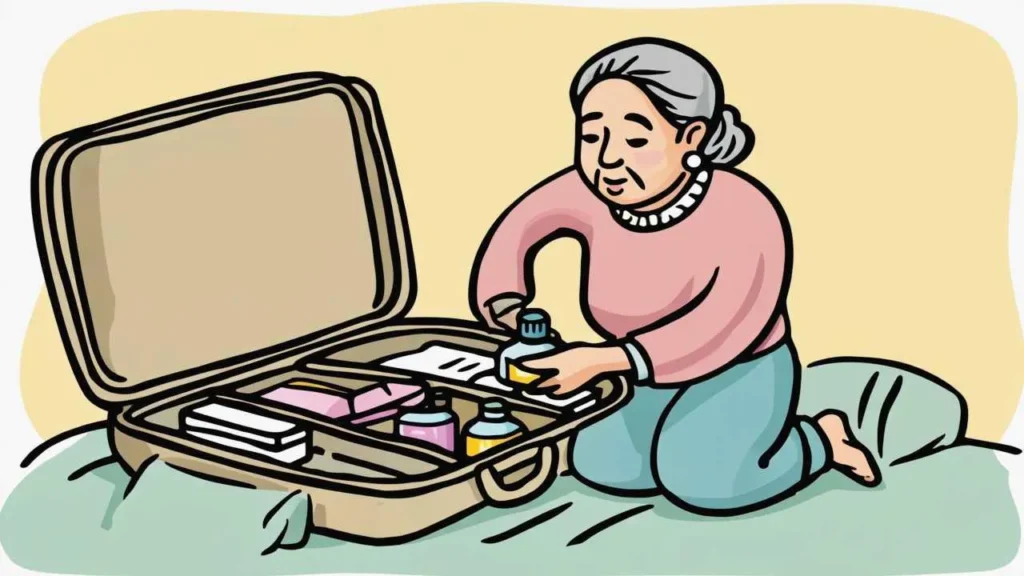
    Medications and Medical Supplies: Carry-on, never checked luggage—lost checked bags common; medications in checked luggage means days without critical medicines. ALWAYS carry all medications in carry-on. Original prescription bottles—keep medications in original labeled bottles (not pill organizers for travel day). Prevents questions at security, clearly identifies what you’re carrying, includes prescribing doctor and pharmacy information if refills needed. Doctor’s note for medications—especially for controlled substances (pain medications, anxiety medications), injectable medications (insulin, EpiPens), liquid medications over 3.4 oz. Letter on doctor’s letterhead stating: your name, medication names, dosages, medical necessity. Not always required but prevents problems. Extra supply—bring at least 50% more than trip length. Five-day trip? Bring seven-eight days’ worth. Accounts for delays, lost pills, extended trip. Pill organizer for daily use—once at destination, use weekly pill organizer. Much easier than juggling multiple bottles. Medical information card—carry card listing: all medications and dosages, allergies (especially drug allergies), medical conditions, emergency contacts (family and doctor), insurance information, blood type if known. Keep in wallet or phone case. Basic medical supplies—bring small kit with: bandages, antibiotic ointment, pain relievers (ibuprofen, acetaminophen), anti-diarrheal medication (Imodium), antacids, any over-the-counter medications you use regularly. Medical devices—CPAP machine, hearing aids, blood pressure monitor, glucose meter—carry on, bring power adapters for international travel, pack extra batteries. Medical records—photograph or scan: recent EKG, list of medications, summary of medical history, insurance cards. Store in phone or email to yourself. Accessible anywhere if needed.

    Luggage Selection and Packing Strategy: Lightweight luggage essential—even empty luggage can weigh 10-15 lbs. Choose lightweight materials (polycarbonate, nylon) instead of heavy hard-shell. Spinner wheels (four wheels) easier to maneuver than two-wheel rollers. Size considerations—many airlines restrict carry-on to 22″ × 14″ × 9″. Measure your bag. If checking luggage, choose medium size (24-26″) rather than large—forces you to pack less, easier to handle. Packing light principles—most people overpack by 50%. You’ll wear same clothes multiple times—that’s okay. Formula: 1 week trip needs 4-5 shirts, 2-3 pants/skirts, 1 jacket, 7 underwear/socks. Wash clothes mid-trip if needed (hotel sink or laundry service). Packing cubes—game-changer for organization. Separate clothes by category (shirts in one cube, pants in another). Compresses clothing, easy to find items, keeps luggage organized. Comfort clothing—prioritize comfort over fashion. Elastic waistbands, slip-on shoes, layers (airplane and destination temperatures vary). One carry-on strategy—if you can fit everything in carry-on (plus personal item like purse/backpack), you avoid checked bag fees, lost luggage risk, waiting at baggage claim. Feasible for trips up to 10 days with laundry.

    Mobility Aids and Assistive Devices: Canes and walking sticks—foldable canes pack in luggage when not needed. Hiking poles with rubber tips work as walking sticks (appear less “medical”). Walkers and wheelchairs—most airlines allow gate-checking walkers (bring to plane door, stored in cargo, returned at destination gate). Wheelchairs handled similarly. Request wheelchair assistance when booking flight if needed—free service, reduces airport walking stress. Portable oxygen concentrators—if you use oxygen, POCs allowed on planes (not oxygen tanks). Notify airline 48 hours before flight, bring FAA-approved device, carry extra batteries. Compression socks—reduce leg swelling and DVT risk on flights. Wear during entire flight. Unattractive but effective. Portable shower chair—if you struggle with shower balance, lightweight foldable shower chairs exist. Not necessary for most, but helps those at fall risk. Magnifying glass—helps read small print (menus, medicine labels, maps). Phone cameras can magnify too but dedicated glass sometimes easier.

    Smart packing with medical necessities and comfort essentials ensures safe, comfortable travel
    Visual Art by Artani Paris

    Navigating Airports and Flying Comfortably

    Air travel is often most stressful part of senior trips—crowds, confusion, physical demands. Strategic approach dramatically reduces stress.

    Airport Arrival and Check-In: Arrive early—domestic flights: 2 hours before departure. International flights: 3 hours before. Seniors often need more time navigating security, finding gates. Better to wait at gate than rush stressed. Curbside check-in—many airports offer curbside luggage check for $2-$5 tip. Eliminates carrying bags through airport to ticket counter. Worth it. Online check-in 24 hours before—select seats, get boarding pass on phone, skip ticket counter lines. Most airlines allow check-in exactly 24 hours before flight—set phone reminder. TSA PreCheck—$78 for 5 years. Expedited security: keep shoes on, keep laptop in bag, shorter lines. Application requires fingerprints and background check. Takes 2-4 weeks approval. If you fly 2+ times per year, worth it. Clear—$189/year. Biometric identity verification bypassing ID check. Paired with TSA PreCheck very fast. More expensive; consider if you fly frequently. Wheelchair assistance—free service available at all airports. Request when booking flight or at ticket counter. Attendant pushes you in wheelchair through entire airport (security, to gate). Not embarrassing—smart. Conserves energy for trip itself rather than exhausting airport walk.

    Security Screening: What to expect—remove shoes (unless TSA PreCheck), remove belt with metal buckle, remove jacket, place liquids in separate bin (3.4 oz or less in quart-size bag), place laptop and tablets in separate bin, walk through metal detector or body scanner. Medical considerations—inform TSA officer if: you have medical implants (pacemaker, knee/hip replacement), you cannot raise arms above head (alternate screening available), you need to keep medications with you (allowed), you need to keep shoes on (diabetic shoes, orthopedic). Medication in carry-on—no restrictions on pills. Liquid medications over 3.4 oz allowed (inform officer, may require additional screening). Insulin and diabetes supplies allowed. Medical devices—pacemakers shouldn’t go through metal detector (inform officer for alternate screening), CPAP machines can stay in bag, oxygen concentrators may require inspection. If you need help—TSA officers assist if you struggle. Request private screening if you’re uncomfortable in public. Don’t rush—take your time. Security lines move fast but TSA accommodates those needing extra time.

    In-Flight Comfort: Seat selection—aisle seats easier for bathroom access (seniors often need bathroom more frequently). Extra legroom seats (exit rows, bulkhead rows, premium economy) worth $20-$100 for comfort—worthwhile on flights over 3 hours. Window seats if you want to sleep undisturbed. Boarding—most airlines offer early boarding for seniors/mobility issues—ask at gate. Allows time stowing luggage without crowds. Hydration—airplane air extremely dry. Drink water every hour (8-12 oz). Avoid alcohol and excessive caffeine (both dehydrating). Bring empty water bottle through security, fill at fountain after security. Movement—stand and walk aisle every 1-2 hours on long flights. Reduces DVT risk, leg swelling, stiffness. Ankle circles and leg extensions while seated also help. Compression socks—wear during entire flight. Significantly reduces leg swelling. Ear pressure—chew gum or suck candy during takeoff and landing. Helps equalize ear pressure. If you have severe ear pain, consider decongestant before flight (consult doctor). Sleep aids—melatonin (3-5mg) helps sleep on overnight flights. Consult doctor before using sleeping pills—grogginess can be dangerous. Neck pillow and eye mask improve sleep quality. Meals—airplane food not great, but eat something. Low blood sugar on arrival makes jet lag worse. Bring protein bars or nuts if you dislike airplane food.

    Managing Delays and Connections: Book direct flights when possible—eliminates connection stress, reduces travel time, fewer opportunities for delays. Worth paying $50-$100 more for direct flight. Connection buffer—if you must connect, allow 90+ minutes domestic, 2+ hours international. Tight connections (under 60 minutes) cause enormous stress—miss connection and you’re stuck at airport for hours. Track flights—download airline app, enable notifications. Receive real-time updates on delays, gate changes. Reduces stress of uncertainty. If your flight is delayed—ask airline agent immediately about rebooking options. If delay is airline’s fault (mechanical, crew issues), they may provide hotel and meal vouchers. If delay is weather, usually no compensation but they’ll rebook you. Travel insurance—covers hotels and meals for significant delays (over 6-12 hours depending on policy). Keep all receipts for reimbursement. Stay calm—delays happen. Stress doesn’t speed up planes. Find comfortable place to sit, stay hydrated, have book or tablet for entertainment, call family so they know you’re delayed.

    Choosing Senior-Friendly Accommodations

    Hotel Selection Criteria: Accessibility features—elevator in multi-story hotels (surprisingly not universal in older European hotels), ground floor rooms (request when booking—easier access, less walking), grab bars in bathroom, walk-in shower or shower chair availability, wheelchair accessible rooms if needed. Location considerations—central location reduces transportation needs, walking distance to attractions but beware hills/stairs, proximity to public transportation, quiet area (request room away from elevator, ice machines, busy streets). Amenities important for seniors—on-site restaurant (eating in hotel some nights reduces fatigue), complimentary breakfast (saves money and decision-making), refrigerator in room (store medications, snacks, leftovers), comfortable beds with good mattresses, adjustable air conditioning/heating. Hotel chains vs. independent hotels—chains (Marriott, Hilton, Hyatt) offer: consistent quality standards, reliable accessibility features, loyalty programs for discounts, familiar booking processes. Independent hotels offer: local character and charm, often better personal service, unique experiences, but quality variable—read reviews carefully. Reading reviews strategically—filter for recent reviews (last 6 months), read 3-star reviews (most honest—positive reviews too glowing, 1-star reviews often unreasonable), look for mentions of: cleanliness, noise levels, staff helpfulness, accessibility, accuracy of photos. Questions to ask when booking—”Do you have ground floor rooms available?” “Is there an elevator?” “How far is room from elevator?” “Can you accommodate early check-in?” (if arriving on red-eye flight). “Is parking on-site and how much?”

    Alternatives to Hotels: Vacation rentals (Airbnb, VRBO)—Advantages: more space (entire apartment/house), full kitchen (cook meals, save money, control diet), often cheaper than hotels for week+ stays, washer/dryer (do laundry mid-trip), more homelike and comfortable. Disadvantages: no daily housekeeping, no front desk staff for questions/assistance, quality highly variable, sometimes accessibility challenges (stairs, no elevator), cancellation policies often stricter. Best for: Extended stays (1+ weeks), families traveling together, those wanting kitchen facilities, budget-conscious travelers. Bed and breakfasts—Advantages: personal service (owners often provide local tips), included breakfast (often homemade, better than hotel continental), charming/historic properties, quieter than hotels. Disadvantages: shared bathrooms sometimes (verify you get private bath), stairs common (many B&Bs in old houses), fewer rooms (can sell out), less anonymity (some find personal interaction tiring). Best for: Those valuing personal service, historic properties, small-scale accommodations. Senior living travel programs—Some cruise lines and resorts cater specifically to seniors: longer itineraries with fewer port stops, slower-paced activities, onboard medical facilities, age-appropriate entertainment. Examples: Grand Circle Travel, Road Scholar, certain river cruises. More expensive but stress-free—everything arranged, pace appropriate, companions similar age.

    Safety and Security: Room safety—ground floor rooms easier access but some consider less secure. If safety concerns, request floor 2-6 (not ground, not so high emergency evacuation difficult). Use all locks (deadbolt, chain). Valuables—use hotel safe for: passports, extra cash, jewelry, backup credit cards. Never leave valuables visible in room. Scams targeting seniors—common scam: person claiming to be hotel staff knocking on door asking to “check something” or saying “you have a package.” Verify with front desk before opening door. Never let strangers into room. Emergency procedures—locate nearest exit stairwell when you arrive (elevators may not work in emergencies), note hotel phone for emergencies, keep phone charged and nearby at night. Medical emergencies—hotels can call ambulance, some have nurses on staff (especially resorts), keep medical information card readily accessible. Know your hotel name and address—write it down, take hotel business card. If you need taxi back or have emergency, you can show address.

    Managing Health and Wellness While Traveling

    Maintaining Medication Schedules: Time zone adjustments—if medications taken at specific times, adjust gradually. Example: 8 AM medication at home, traveling to Europe (6 hours ahead). Options: take at 8 AM home time initially (2 PM local time), gradually adjust by 1 hour daily until on local schedule, consult doctor for medications requiring strict timing (thyroid medication, diabetes medication). Medication reminders—use phone alarms set for medication times (adjust for time zones), travel pill organizer labeled by day/time prevents confusion, keep written list of medications and when to take—easy to forget in unfamiliar routine. What if you miss a dose? Know the plan for each medication before traveling—some: take as soon as remembered, others: skip missed dose and resume next scheduled dose, others: never double dose. Ask doctor or pharmacist before trip. Running out of medications—if you miscalculated or trip extends, options: call home pharmacy and have medication sent via express mail (expensive but works), visit local pharmacy with prescription (many countries require local doctor prescription), call your doctor from abroad for authorization to refill at local pharmacy (depends on medication and country), use travel insurance’s telemedicine service—doctors can sometimes authorize emergency refills.

    Preventing Common Travel Health Issues: Traveler’s diarrhea—extremely common, affects 30-50% of travelers. Prevention: drink bottled water only (including for brushing teeth), avoid ice in drinks (made from tap water), eat cooked food (avoid raw vegetables, unpeeled fruit, street food in questionable conditions). Bring Imodium (loperazole)—reduces symptoms. Hydrate extensively if you get diarrhea (Pedialyte or electrolyte solution). See doctor if: fever, bloody stool, severe pain, lasts over 3 days. Deep vein thrombosis (DVT)—blood clots in legs from prolonged sitting (flights, long car rides). Senior risk higher. Prevention: walk every 1-2 hours on flights, ankle and leg exercises while seated, compression socks during flight, stay hydrated, consider aspirin (ask doctor). Symptoms: leg pain/swelling/redness, shortness of breath. Seek immediate medical care—DVT can be life-threatening if clot travels to lungs. Dehydration—seniors less sensitive to thirst, easy to become dehydrated especially in warm climates or during flights. Drink water regularly even if not thirsty (8-10 glasses daily), avoid excessive alcohol/caffeine, eat water-rich foods (fruits, soups). Signs of dehydration: dark urine, dizziness, fatigue, confusion. Exhaustion—most common senior travel issue. Prevention: schedule rest days, limit activities to 1-2 per day, nap in afternoons, don’t feel pressured to “see everything”—better to enjoy few things than rush through many exhausted.

    Dietary Management While Traveling: Special diets—diabetic, low-sodium, heart-healthy, gluten-free—managing on road challenging but possible. Restaurant strategies: research restaurants in advance (Google reviews often mention dietary accommodations), many restaurants post menus online—check before going, ask about modifications (“can you prepare without salt?”), explain dietary restrictions to server (“I’m diabetic, I need to avoid sugar”), order simple foods (grilled chicken, vegetables, plain rice) easier to control, avoid buffets if you struggle with portion control. Airline meals—special meals available: diabetic, low-sodium, gluten-free, vegetarian. Order when booking flight or 24 hours before. Snacks—pack: protein bars, nuts, dried fruit (without added sugar for diabetics), crackers. Prevents low blood sugar when meals delayed. Hydration—carry water bottle, refill frequently, hot climates require more water. Alcohol moderation—dehydrating, interacts with medications, impairs judgment (especially important in unfamiliar places). Limit to 1 drink daily or less. Food safety—international travel: avoid tap water, ice, raw vegetables, unpeeled fruit, undercooked meat in countries with questionable sanitation. Stomach illnesses ruin trips.

    Accessing Medical Care Abroad: Before you travel—research hospitals in destination (hotel concierge can recommend, State Department website lists hospitals accepting American patients), photograph insurance cards front and back, purchase travel insurance with medical coverage and evacuation ($150-$500 for typical trip—essential), check if your health insurance covers international travel (Medicare doesn’t, many private plans have limited coverage), bring copies of medical records (recent EKG if heart issues, medical summary, medication list). If you need medical care—call hotel front desk (they know local doctors/hospitals), call travel insurance company (they can direct you to approved facilities, arrange payment), contact U.S. Embassy/Consulate (can provide list of English-speaking doctors), use telemedicine through travel insurance if minor issue. Costs—expect to pay upfront (credit card essential), save all receipts and documentation for insurance reimbursement, medical care abroad often cheaper than U.S. (but emergency evacuation extremely expensive $50,000-$100,000—why travel insurance critical). Language barriers—translation apps help (Google Translate), many doctors in tourist areas speak English, bringing medical information in English and local language reduces confusion (download translation apps before travel).

    Managing health and wellness while traveling ensures enjoyable, safe journeys without medical complications
    Visual Art by Artani Paris

    Staying Connected and Managing Technology

    International Phone and Data: Options for phone service abroad: International roaming plan—add to existing phone plan before travel. Verizon, AT&T, T-Mobile offer: $10/day for international service (only charged days you use phone), or monthly international packages ($60-$100/month for data, calls, texts). Pros: easy, your regular phone number works. Cons: expensive for extended trips. International SIM card—replace your phone’s SIM card with local SIM card purchased at destination. Pros: cheapest option for extended stays, local phone number, full data at local rates. Cons: phone must be “unlocked” (call your carrier to unlock before travel), setup can be confusing, lose access to your U.S. number while using local SIM. Travel eSIM—newer phones (iPhone XS+, newer Androids) support eSIMs—digital SIM cards downloaded via app. Companies like Airalo, Holafly provide international eSIMs ($5-$50 depending on data needs and duration). Pros: keep your regular SIM, add eSIM for data only, relatively cheap. Cons: learning curve for setup. WiFi only—skip phone service, use WiFi at hotels, restaurants, airports. Pros: free. Cons: no connectivity between WiFi spots, no phone calls unless WiFi calling, can’t use maps while walking. Recommendation: For seniors on 1-2 week trips, international roaming plan easiest despite higher cost. For tech-comfortable seniors or extended trips, eSIM good balance of cost and convenience.

    Essential Travel Apps: Google Maps—download offline maps before travel (WiFi-free navigation). Walking, driving, public transit directions. Real-time location sharing lets family track you. Google Translate—translates text via camera (point at menu, instant translation), translates conversations in real-time, download languages for offline use. WhatsApp—messaging app using WiFi/data (free international messaging), video calling, used worldwide (easier to connect with hotels, tour guides internationally). Airline apps—mobile boarding passes, real-time flight updates, gate changes. TripIt—organizes all travel confirmation emails into single itinerary, shows flights, hotels, car rentals in chronological order, shares itinerary with family. XE Currency—currency converter, works offline, prevents overpaying due to confusion. Weather apps—local weather forecasts for packing decisions. Health apps—Medisafe (medication reminders across time zones), MyChart or similar (access to medical records if needed). Learning curve—practice using these apps before travel. Don’t try learning while stressed at airport.

    Staying in Touch with Family: Before you leave—share complete itinerary (flights, hotels, contact information), establish check-in schedule (“I’ll text every evening”), share location via phone settings (iPhone: Find My, Android: Google Maps location sharing—real-time location visible to selected family). Regular check-ins—even simple text “arrived safely, hotel is great” reduces family worry, video calls (WhatsApp, FaceTime) more personal than texts, share photos from trip (family enjoys seeing you happy and safe). Emergency contact plan—family should know: how to reach you (phone number, hotel phone), how to reach your travel companions if not solo, travel insurance company phone number, U.S. Embassy/Consulate phone number if international, what to do if they don’t hear from you (give 24-48 hour window before worrying). Medical power of attorney—if traveling far/long, ensure someone back home has medical power of attorney to make decisions if you’re incapacitated. Balance—check in enough for safety/reassurance but not so much it dominates your trip. You’re on vacation—don’t spend it on phone constantly reporting back.

    Real Success Stories

    Case Study 2: Seattle, Washington

    James “Jim” Patterson (74 years old, widower)

    Jim’s wife passed away 18 months prior. They’d planned to travel extensively in retirement but her illness consumed final years. After her death, Jim felt paralyzed—traveling alone seemed lonely and overwhelming, but staying home meant drowning in memories and grief.

    His adult son suggested Road Scholar—educational travel program for seniors featuring learning-focused trips with built-in social component. “You’ll meet people, learn new things, and everything’s organized—perfect for first solo trip.” Jim resistant initially: “I’m not a ‘group tour’ person. I’ll feel old. It’ll be awkward.”

    But with son’s encouragement, he booked 8-day Road Scholar program: “Photography in the Southwest” (Arizona, New Mexico). Despite decades as amateur photographer, he’d plateaued and wanted to improve. Trip combined photography instruction with exploring desert landscapes.

    Results:

    • Solo travel less lonely than feared—group of 22 people (ages 62-78), mostly couples but 5 other solo travelers including 3 widows who’d lost spouses
    • Shared grief experiences—evening conversations with other widows/widowers, understanding from people who’d “been there,” didn’t have to pretend to be okay
    • Photography skills dramatically improved—professional instruction, daily critique sessions, learned composition and lighting techniques, came home with 300+ photos proud of
    • Physical activity appropriate—some hiking but always optional, accommodations made for Jim’s knee issues, could skip strenuous activities without judgment
    • Intellectual engagement—lectures on desert ecology, Native American history, geology—Jim loves learning, this satisfied that need
    • Made 4 close friends—exchanged contact information, now plan annual photography trip together, text regularly
    • Regained sense of purpose—photography became focus replacing grief, plans to take photography class locally, considering volunteer teaching photography to teens
    • Traveled again—booked second Road Scholar trip (6 months later): “Civil War History in Virginia,” then third: “Jazz and Blues in New Orleans”
    • Relationship with deceased wife honored—created photo book from Southwest trip dedicated to her: “The trip we planned to take together”—cathartic

    “Traveling alone after losing your spouse is terrifying. You don’t want to be the pathetic widower eating alone in restaurants. But Road Scholar wasn’t like that. Everyone was kind, many had lost spouses, and we bonded over shared experiences. The photography focus gave me something to concentrate on besides loneliness. I’d wake up excited about the day’s shooting locations instead of dreading another empty day. Three trips in two years—I’m traveling more now than when my wife was alive. She’d be happy I’m not sitting home depressed. The trips don’t replace her, but they’ve given me a life again. I’m not just waiting to die—I’m actively living.” – Jim Patterson

    Frequently Asked Questions

    Is travel insurance really necessary, and what should it cover?

    Yes, travel insurance is essential for seniors—far more valuable than for younger travelers. Seniors face higher risks of: health emergencies requiring medical care or evacuation, trip cancellation due to illness, mobility challenges causing delays or missed connections. Critical coverages: Trip cancellation/interruption ($5,000-$15,000 typical coverage)—reimburses if you must cancel or cut trip short due to illness, family emergency, or other covered reasons. Medical expenses abroad ($50,000-$250,000)—covers doctor visits, hospitalization, medications. Medicare doesn’t cover international travel; this fills gap. Emergency medical evacuation ($100,000-$500,000)—most critical coverage. If serious illness/injury abroad, evacuation to U.S. hospital costs $50,000-$150,000. Insurance covers this. Baggage loss/delay ($1,000-$3,000)—reimburses lost luggage or purchases needed due to delayed bags. Pre-existing condition coverage—MUST buy insurance within 14-21 days of initial trip deposit to cover pre-existing conditions. Otherwise excluded. Cost: 4-10% of trip cost. $5,000 trip costs $200-$500 for insurance. Worth every penny for peace of mind. Companies: Allianz, Travel Guard, WorldNomads reputable. Read policies carefully—coverage varies significantly.

    How do I manage jet lag effectively at my age?

    Jet lag affects seniors more severely and lasts longer than younger travelers. Strategies: Before travel—adjust sleep schedule 3-4 days before departure (going east: sleep 1 hour earlier nightly; going west: sleep 1 hour later). Get morning sunlight exposure (helps reset circadian rhythm). Avoid alcohol and caffeine 24 hours before flight. During flight—set watch to destination time immediately (psychological adjustment), sleep when it’s nighttime at destination (eye mask, neck pillow, earplugs), stay awake when it’s daytime at destination (even if tired), stay hydrated (8 oz water every hour), avoid alcohol (worsens jet lag). Upon arrival—get sunlight exposure immediately (powerful circadian reset), resist nap urge first day (if you must nap, limit to 20-30 minutes before 2 PM), stay active but not strenuous, eat meals at local times, consider melatonin (3-5 mg) at destination bedtime first 2-3 nights (consult doctor first). Allow 2-3 days adjustment—don’t plan strenuous activities immediately upon arrival. First day: light sightseeing, orienting yourself. Day 2: slightly more activity. Day 3+: full activities. Destinations within 3-4 time zones much easier than 6+ hour differences. Consider this when choosing destinations—Hawaii from West Coast (3 hours) far easier than Europe from East Coast (6 hours).

    What if I need to use a wheelchair or walker while traveling?

    Mobility aids don’t prevent travel—just require planning. Airlines: Wheelchairs and walkers gate-checked free (bring to plane door, stored in cargo, returned at arrival gate). Request wheelchair assistance when booking or at ticket counter—attendant pushes you through entire airport (ticketing, security, gate, onto plane). Free service, reduces stress enormously. Collapsible wheelchairs and walkers fit in overhead bins on some planes. Airport security: TSA screeners assist passengers using mobility aids. Can use walker through metal detector or request pat-down if walker has too much metal. Hotels: Request ground floor room or room near elevator, verify hotel has elevator before booking (some older properties don’t), ask about accessible rooms with wider doorways, bathroom grab bars. Many hotels provide shower chairs upon request. Tours and attractions: Research accessibility before booking (many tourist sites have limited wheelchair access—cobblestone streets, historic buildings with stairs), guided tours often accommodate mobility needs but inform them when booking, consider accessible tour companies specializing in limited-mobility travel. Destinations: Choose cities with good accessibility (modern U.S. cities generally excellent, Europe variable—northern Europe better than southern, Asia improving but still challenging in many areas). Flat cities easier than hilly (avoid San Francisco, avoid old European hilltowns). Reality: Mobility limitations reduce destination options but don’t eliminate travel. Many beautiful, accessible destinations exist.

    How do I handle my medications when traveling through multiple time zones?

    Time zone changes complicate medication schedules. Strategies depend on medication type: Medications taken once daily (morning)—relatively simple. Take at your normal morning time (even if that’s afternoon locally) for first 1-2 days, then gradually shift to morning local time by 1-2 hours daily. Example: 8 AM medication at home, traveling to Europe (6 hours ahead). Day 1: take at 8 AM home time (2 PM local). Day 2: take at 10 AM home time (4 PM local). Day 3: take at 12 PM home time (6 PM local). Day 4: take at 8 AM local time. Medications taken multiple times daily—more complex. Maintain home schedule initially, then adjust gradually. If medication timing critical (thyroid medication, diabetes medication), consult doctor for specific plan. Medications with strict timing (every 8 hours, every 12 hours)—these are trickiest. Some doctors recommend: maintain home schedule entire trip (take at home times regardless of local time), or calculate equivalent local times and stick to them. Blood thinners, diabetes medications, heart medications—MUST have doctor-approved plan before travel. Don’t guess. General principle: slight variations in medication timing (1-2 hours) usually safe for most medications, but verify with doctor or pharmacist. Use phone alarms set for medication times, adjusted for time zones. Pill organizer labeled clearly prevents confusion. Written schedule listing medications and times (both home and destination) reduces errors.

    What are the best types of trips for seniors with limited mobility?

    Limited mobility doesn’t mean limited travel—just different trip types. Best options: River cruises—flat, stable ships (unlike ocean cruises), small (100-200 passengers), short distances from cabin to dining/activities, daily stops at cities (but returning to ship each night—no constant packing), organized tours with motor coaches (minimal walking), elevators to all decks. Excellent for limited mobility. Ocean cruises—larger ships have elevators, wheelchair accessibility, medical facilities, multiple dining options (less walking), ports of call offer wheelchair-accessible excursions. Stability issues for some (motion sickness). All-inclusive resorts—everything in one location (beach, dining, activities), golf cart transportation within resort, lounging by pool requires minimal walking, staff assist as needed. Can be boring after a few days but very low-stress. Guided motor coach tours—tour company handles all logistics, see multiple locations without packing/unpacking daily, motor coach boarding sometimes challenging (high steps) but companies accommodate, most tours rated by activity level—choose low-activity options. National Parks lodges—many national parks have accessible lodges with stunning views, short accessible trails or scenic drives, less strenuous than city touring, nature viewing from vehicle or lodge. Train travel—Amtrak and European trains offer accessible accommodations, see scenery without driving stress, roomettes on overnight trains (sleep while traveling), dining car accessible. What to avoid with limited mobility: Backpacking trips, adventure travel (hiking, safaris), cities with extensive walking/hills (San Francisco, Rome, Lisbon), destinations requiring multiple flights and connections, itineraries packed with activities. Key: choose pace matching your capabilities, don’t feel pressured to keep up with more mobile travelers.

    How can I stay within my budget while traveling?

    Senior travel can be expensive but strategies reduce costs without sacrificing quality. Transportation savings: Fly Tuesday, Wednesday, Saturday (cheapest days), book 2-3 months in advance for best prices, use senior discounts (some airlines, AARP members), consider budget airlines for short flights (Spirit, Frontier, Southwest), drive if destination under 300 miles (gas cheaper than flights for couples), take trains (Amtrak often cheaper than flying, more comfortable). Accommodation savings: Travel shoulder season (April-May, September-October—30-50% cheaper than peak summer), stay slightly outside tourist centers (10-15 minutes away often half the price), book chains using loyalty points (Marriott, Hilton, Hyatt—earn points for free nights), consider vacation rentals for extended stays (Airbnb often cheaper than hotels for week+), ask for senior discounts (many hotels offer 10-20% off for 55+, AAA, AARP). Activity savings: Free activities (beaches, parks, walking tours, window shopping), museum free days (many offer specific days/times), city passes (buy pass covering multiple attractions—saves 30-50% if you visit 3+), picnic lunches (buy groceries, eat in parks—save $20-$40 daily), skip tourist traps (research authentic local experiences costing less). Dining savings: Breakfast at hotel (if included), large lunch instead of dinner (many restaurants offer lunch specials half dinner price), cook some meals if accommodation has kitchen, avoid restaurants in tourist areas (walk 2-3 blocks away for half price), drink water instead of alcohol or soda (alcohol dramatically increases dining costs). Overall strategies: Set daily budget and track spending, prioritize spending on what matters most to you (splurge on few experiences, save on everything else), travel with friends or family (split costs for accommodations, rental cars), avoid impulse purchases (souvenirs add up quickly).

    What if I have a medical emergency while traveling abroad?

    Medical emergencies abroad are scary but manageable with preparation. Immediate actions: Call hotel front desk—they know local medical resources, speak language, can arrange transportation. Many hotels have nurses or doctors on call. Call travel insurance 24/7 emergency hotline (on insurance card)—they direct you to approved facilities, arrange payment, coordinate evacuation if necessary. Don’t hesitate to call—this is exactly what insurance is for. Call local emergency number (112 in Europe, 911 in U.S./Canada, varies elsewhere—Google before traveling). Contact U.S. Embassy/Consulate if situation serious—they provide lists of English-speaking doctors, can contact family in U.S., assist with emergency evacuation. Medical care abroad: Expect to pay upfront (credit card essential—why travel with card with high limit), save all receipts, medical reports, prescriptions for insurance reimbursement, many countries have excellent medical care (Europe, Australia, Japan, Singapore), some developing countries limited—travel insurance evacuates you to better facility, language barriers challenging—translation apps help, bring medical information in English and ideally translated to local language. After emergency: File insurance claim immediately (while details fresh), insurance may pay providers directly if pre-approved facility, if you paid upfront, submit claim with receipts and documentation, follow up with your U.S. doctors upon return. Prevention: Bring comprehensive medical information, research hospitals before traveling, maintain travel insurance with evacuation coverage, inform family of itinerary and check in regularly, carry phone and charger always, trust instincts—if something feels wrong, seek medical attention early rather than waiting until crisis.

    Should I join a tour group or travel independently?

    Both have merits—best choice depends on personality, capabilities, and trip goals. Tour group advantages: All logistics handled (hotels, transportation, activities, meals), stress-free—just show up, social component (meet similar-aged travelers), safety in numbers (especially for solo travelers), often better value (group rates), educational (knowledgeable guides), pacing appropriate for seniors (age-appropriate itineraries), medical support (some tours have nurses), less planning required. Tour group disadvantages: Fixed schedule (limited flexibility), group dining (may not suit dietary needs or preferences), potential personality conflicts with group members, less authentic experiences (touristy), may feel rushed, single supplements expensive (25-100% more for solo travelers). Independent travel advantages: Complete flexibility (change plans anytime), personalized experiences (choose activities you love), travel at your own pace (rest when tired), authentic interactions with locals, potentially cheaper (if you’re budget-conscious), no group dynamics to manage. Independent travel disadvantages: All planning falls on you (researching, booking, navigating), language barriers more challenging, safety concerns (especially solo), no built-in social interaction, higher costs (no group discounts), more stressful (you handle all problems), requires more research and preparation. Hybrid approach: Book hotels and flights independently but join local day tours at destination—combines flexibility with organized activities. Or book independent travel through travel agent who handles logistics while maintaining flexibility. Recommendation for first trips or limited mobility: Tour groups reduce stress and provide support. For experienced travelers who value independence: independent travel with some organized components. Many seniors enjoy combination—independent travel in familiar/easy destinations, group tours for more challenging destinations.

    How do I deal with language barriers in non-English speaking countries?

    Language barriers are intimidating but less problematic than feared with preparation. Before travel: Learn basic phrases (hello, thank you, excuse me, where is bathroom?, how much?, I don’t speak [language])—even attempt shows respect, locals appreciate effort. Download Google Translate app (translate text via camera, translate conversations in real-time, download language for offline use), learn numbers (helps with prices, addresses, times), print hotel address in local language (show to taxi drivers). While traveling: Gestures and body language universal (pointing, nodding, smiling), use translation apps liberally (don’t be embarrassed—everyone understands), carry hotel business card (shows address in local language for taxi return), write things down (numbers, addresses less prone to misunderstanding when written), stay in tourist areas where English more common, ask hotel concierge for help (they speak English, can make reservations, give directions, write destinations in local language). Restaurants: Point at menu items if you can’t read, look at nearby tables and point at dishes that look good, use photos on menus (common in tourist areas), learn dietary restrictions in local language (“no meat,” “no dairy,” “allergic to nuts”), smile and be gracious (mistakes happen—it’s part of travel). Getting around: Use maps (visual, transcend language), public transportation often has English signage in major cities, taxis understand hotel names or use map apps, organized tours eliminate navigation stress. Emergencies: “Help” and “doctor” remarkably similar across languages, embassy/consulate phone numbers (they speak English), hotel staff almost always speak some English. Reality: English spoken widely in tourist areas of most countries (hospitality workers learn English for job). Rural areas and less-touristy countries more challenging but manageable with patience and translation tools. Many seniors report language barriers far less problematic than anticipated—kindness and humor overcome most confusion.

    Take Action: Your Travel Planning Checklist

    1. Choose your destination and travel style within 1 week – Honest self-assessment: physical capabilities (how far can you walk? stairs okay? mobility aids needed?), interests (culture, nature, relaxation, adventure?), budget ($2,000? $5,000? $10,000+?). Match destination to capabilities and interests—don’t force European museum tour if you prefer beaches, don’t choose adventure travel if mobility limited. Decide: tour group (less stress, social, organized) or independent (flexibility, personalized). First trips: consider organized tours reducing stress. Research 3-5 potential destinations reading reviews, watching videos, checking accessibility. Narrow to top choice.
    2. Book flights, accommodations, and travel insurance 2-3 months before travel – Book flights early (best prices 2-3 months out, aisle seats for bathroom access, early morning flights more reliable). Book hotels directly (better cancellation policies than third parties, request ground floor room or near elevator, verify elevator exists in older properties). Purchase travel insurance immediately after booking (must buy within 14-21 days for pre-existing condition coverage, $150-$500 typical for $5,000 trip, compare policies carefully). Consider trip protection at airlines/hotels (allows cancellation/changes for small fee).
    3. Prepare medications and medical documentation 2 weeks before departure – Visit doctor for: pre-travel check-up, letters for medications (especially controlled substances), extra prescriptions (in case you need refills abroad), copies of medical records (recent EKG if heart issues, medical summary). Organize medications: request 50% extra supply from pharmacy (5-day trip = 7-8 days medication), keep in original prescription bottles for travel day, create pill organizer for use at destination, pack in carry-on NEVER checked luggage. Create medical information card listing: all medications and dosages, allergies (especially drugs), medical conditions, emergency contacts (family and doctor), insurance information, blood type. Photograph/scan all documents: insurance cards, prescriptions, medical records. Email to yourself (accessible anywhere).
    4. Pack smart 1 week before departure – Invest in quality lightweight luggage (spinner wheels, durable), use packing cubes (organizes, compresses), pack minimal clothing (mix-and-match outfits, plan to wear items multiple times, hotel laundry or sink washing mid-trip), comfortable shoes broken in (blisters ruin trips), layers (temperatures vary), medications and medical supplies in carry-on (never check), personal items (glasses, hearing aids, CPAP), chargers and adapters, copies of important documents. Weigh luggage before airport (airlines charge for overweight bags). Aim for luggage you can lift comfortably—if you can’t lift it, you’ve overpacked.
    5. Download apps and test technology 3-4 days before – Essential apps: Google Maps (download offline maps for destination), Google Translate (download language for offline), airline app (mobile boarding pass, flight updates), WhatsApp (free international messaging via WiFi), TripIt (organizes itinerary). Set up international phone service (add roaming plan or purchase eSIM/SIM card), test apps before travel (practice using translation, maps), charge all devices fully night before, pack chargers and adapters for destination outlets. Share itinerary with family: use TripIt sharing feature or email complete itinerary (flights, hotels, contact information), establish check-in schedule (“I’ll text every evening”), set up location sharing (iPhone Find My, Google Maps location sharing).
    6. Final preparations day before and day of travel – Day before: Check flight status online, online check-in 24 hours before flight (select seats if not already assigned), set multiple alarms for wake-up, charge all electronics overnight, prepare carry-on (medications, documents, valuables, change of clothes, snacks), wear comfortable clothes with layers, slip-on shoes (easier at security), set aside wallet, phone, ID, boarding pass. Day of travel: Arrive airport 2+ hours domestic, 3+ hours international, request wheelchair assistance if helpful (conserve energy for trip itself), stay hydrated throughout flight, move/stretch regularly on flight, adjust watch to destination time immediately, be patient and kind to yourself—travel is tiring, that’s normal.

    Disclaimer
    This article is provided for informational purposes only and does not constitute professional medical or travel advice. Travel decisions involve personal health considerations, destination-specific risks, and individual circumstances requiring consultation with healthcare providers before traveling. Medical information, travel restrictions, and destination safety conditions change frequently—verify current information before booking. Travel insurance policies vary widely—read all terms and conditions carefully. The author and publisher assume no liability for health issues, travel disruptions, financial losses, or other problems arising from travel undertaken using information in this article. Always consult your physician before traveling, especially if you have chronic health conditions.
    Information current as of October 2, 2025. Travel conditions, airline policies, insurance coverage, and health recommendations subject to change.

    Get Weekly Senior Travel Tips

    Join thousands of senior travelers discovering stress-free journeys. Free weekly newsletter with destination guides, packing tips, health strategies, and special senior travel deals. Travel confidently at any age.

    Related Articles


    “`


  • Building a Sustainable Retirement Budget That Works

    Building a Sustainable Retirement Budget That Works

    A well-planned retirement budget provides financial security and peace of mind throughout your golden years
    Visual Art by Artani Paris | Pioneer in Luxury Brand Art since 2002

    Retirement brings the freedom you’ve worked decades to achieve, yet that freedom quickly becomes anxiety when you’re uncertain whether your money will last. Many retirees face sleepless nights wondering: “Will I run out of money?” “Can I afford this purchase?” “What if healthcare costs explode?” These fears often stem not from insufficient savings but from lacking a clear, realistic budget providing financial visibility and control. The encouraging reality? A well-constructed retirement budget isn’t about deprivation or complex spreadsheets—it’s about intentionally allocating your resources to fund the life you want while ensuring sustainability for 20-30+ years. This comprehensive guide helps you build a retirement budget that works: understanding your true income sources and their reliability, categorizing expenses into essential, discretionary, and occasional spending, applying proven budgeting frameworks specifically designed for retirees, planning for inevitable cost increases including healthcare inflation, building emergency reserves preventing financial shocks, and adjusting your budget as circumstances change. You’ll learn the 4% withdrawal rule and why it may not apply to you, how to balance enjoying retirement now versus preserving assets, strategies for reducing expenses without sacrificing quality of life, and when to seek professional financial guidance. Whether you’re retiring next month or years into retirement struggling with overspending, this guide provides practical tools creating financial confidence. A sustainable budget doesn’t restrict your retirement—it enables it by ensuring your resources match your lifestyle for decades to come.

    Understanding Your Retirement Income Sources

    Before creating a budget, you must understand exactly what money you have coming in each month. Retirement income differs fundamentally from employment income—it’s typically more complex, coming from multiple sources with varying reliability and tax treatment.

    Social Security Benefits: For most Americans, Social Security forms the foundation of retirement income. Calculating your benefit—your monthly amount depends on your earnings history and claiming age. Full retirement age (FRA) is 66-67 depending on birth year. Claiming at 62 (earliest possible) reduces benefits by 25-30% permanently. Delaying until 70 increases benefits by 8% annually beyond FRA. Average 2025 benefit: $1,907/month ($22,884 annually). Maximum 2025 benefit at FRA: $3,822/month ($45,864 annually). Tax considerations—Social Security is federally taxable if combined income (adjusted gross income + nontaxable interest + half of Social Security) exceeds $25,000 (single) or $32,000 (married). Up to 85% of benefits may be taxable. Some states also tax benefits. Cost of living adjustments (COLA)—benefits increase annually for inflation. 2025 COLA: 2.5%. While helpful, COLA often lags actual retiree inflation. Spousal and survivor benefits—spouses can claim on partner’s record (up to 50% of partner’s FRA benefit). Survivors receive 100% of deceased spouse’s benefit if higher than their own.

    Pension Income: Traditional defined-benefit pensions are increasingly rare but remain primary income for many current retirees. Understanding your pension—most pensions pay fixed monthly amounts based on salary history and years of service. Some offer cost of living adjustments (rare in private pensions, common in government pensions). Payment options—single life (highest payment, stops at death), joint and survivor (reduced payment, continues for surviving spouse at 50-100% of original), period certain (guaranteed payments for specific years). Tax treatment—pension income is fully taxable as ordinary income unless you made after-tax contributions (rare). No early withdrawal penalties like retirement accounts. Stability—pensions provide reliable, predictable income. However, private company pensions carry slight risk if company fails (PBGC insurance covers most but may reduce benefits). Government pensions extremely secure.

    Retirement Account Withdrawals: 401(k)s, Traditional IRAs, and similar accounts accumulated during working years now fund retirement through systematic withdrawals. Required Minimum Distributions (RMDs)—at age 73 (born 1951-1959) or 75 (born 1960+), you must withdraw and pay taxes on minimum percentages calculated by dividing account balance by IRS life expectancy factor. Age 73 factor: 26.5 (3.77% withdrawal). Age 80 factor: 20.2 (4.95% withdrawal). Percentages increase with age. Failure to take RMDs incurs 25% penalty. Strategic withdrawal planning—most retirees withdraw more than RMDs in early retirement, less in late retirement. Consider tax brackets—staying in 12% or 22% bracket optimal for most. Coordinate withdrawals with Social Security to minimize taxes on benefits. Roth conversions—converting Traditional IRA funds to Roth before RMDs begin can reduce future tax burden (you pay taxes on conversion but future Roth withdrawals tax-free). Most beneficial in low-income years. Sustainable withdrawal rates—the “4% rule” suggests withdrawing 4% of initial retirement savings annually, adjusted for inflation. Research shows 3-3.5% safer for 30+ year retirements. We’ll explore this deeply later.

    Part-Time Work and Side Income: Many retirees supplement income through work—by choice for engagement or by necessity for finances. Earned income impacts—if you work before full retirement age while claiming Social Security, benefits are reduced $1 for every $2 earned above $22,320 (2025). After FRA, no reduction regardless of earnings. Tax implications—earned income is taxed as ordinary income and subject to FICA taxes (Social Security and Medicare taxes). However, working increases Social Security credits potentially raising future benefits if you delay claiming. Common retirement work—consulting in previous field ($20-$50/hour typical), part-time retail or service ($15-$20/hour), tutoring or teaching ($25-$60/hour), freelancing or gig work (varies widely). Strategic considerations—part-time work early in retirement can dramatically reduce portfolio withdrawals, allowing investments more growth years. $15,000 annual part-time income means $15,000 less withdrawn from savings—with market returns, that compounds significantly over decades.

    Investment Income: Dividends, interest, and capital gains from taxable investment accounts supplement retirement income for many. Dividends—qualified dividends taxed at preferential rates (0%, 15%, or 20% depending on income) making them tax-efficient income. Average stock dividend yield: 1.5-2.5%. Dividend-focused portfolios: 3-4%. Some high-dividend stocks: 5-7% but higher risk. Interest income—bonds, CDs, savings accounts generate interest. Currently (2025) high-yield savings: 4-4.5%, investment-grade bonds: 4-5%, Treasury bonds: 3.5-4.5%. Interest taxed as ordinary income (less favorable than dividends). Capital gains—selling appreciated investments generates taxable gains. Long-term capital gains (held 1+ years) taxed at 0%, 15%, or 20% rates. Short-term gains taxed as ordinary income. Tax-loss harvesting—strategically selling losing investments to offset gains reduces taxes. Municipal bonds—interest from muni bonds federal tax-free (and state tax-free if in-state bonds). Lower yields but after-tax returns competitive for high-income retirees.

    Income Source Average Monthly Amount Tax Treatment Reliability Inflation Protection
    Social Security $1,907 (avg)
    $3,822 (max at FRA)
    Up to 85% federally taxable Very high Annual COLA adjustments
    Traditional Pension $1,500-$3,000 (typical) Fully taxable ordinary income High (PBGC insured) Rare (mostly government)
    401(k)/IRA Withdrawals Varies by balance
    (4% rule: $400/month per $100k)
    Fully taxable ordinary income Depends on portfolio You control withdrawals
    Roth IRA Withdrawals Varies by balance Tax-free Depends on portfolio You control withdrawals
    Part-Time Work $500-$2,000 (typical) Ordinary income + FICA Moderate (health-dependent) Wages often increase
    Investment Dividends/Interest Varies by portfolio
    (3% yield: $250/month per $100k)
    Preferential rates (dividends)
    Ordinary rates (interest)
    Moderate (market-dependent) Dividends tend to grow
    Rental Property Income $500-$2,000 (net, typical) Ordinary income (after deductions) Moderate (tenant-dependent) Rents increase over time
    Common retirement income sources with typical amounts, tax treatment, reliability, and inflation protection

    Categorizing Your Retirement Expenses

    Understanding where money goes is equally critical as knowing where it comes from. Retirement expenses differ from working years—some costs disappear (commuting, work clothes), others explode (healthcare, travel), and many shift as you age.

    Essential Fixed Expenses: These are non-negotiable costs due monthly or annually regardless of choices. Housing costs—mortgage or rent (ideally eliminated by retirement but 44% of 65+ Americans still have mortgages), property taxes ($2,000-$8,000+ annually depending on location and home value), homeowners/renters insurance ($1,000-$3,000 annually), HOA fees if applicable ($200-$500+ monthly). Utilities—electric, gas, water, trash typically $200-$400 monthly. Internet and phone $80-$150 monthly (increasingly essential, not discretionary). Insurance premiums—Medicare Part B ($174.70/month standard 2025, higher-income surcharges apply), Medicare Part D prescription coverage ($30-$80/month typical), Medigap supplemental insurance ($150-$300/month) or Medicare Advantage ($0-$200/month), dental and vision insurance ($30-$80/month combined), long-term care insurance if purchased ($200-$400/month typical, increases with age), life insurance if maintaining ($50-$300+ monthly depending on coverage). Healthcare out-of-pocket—copays, deductibles, prescriptions not covered. Average 65-year-old couple: $315,000 lifetime healthcare costs. Annual average: $6,500-$8,000 per person. Transportation—car insurance ($1,000-$2,000 annually), registration and taxes ($100-$500 annually). Food essentials—grocery bill for nutritious basic meals ($400-$600 monthly for couple). Debt payments—any remaining credit cards, loans, car payments (ideally eliminated in retirement but increasingly common).

    Essential Variable Expenses: Necessary but amounts fluctuate. Healthcare variables—specialist visits, prescriptions with varying costs, medical equipment, physical therapy. Some months $100, others $1,000+. Home maintenance and repairs—rule of thumb: 1-3% of home value annually ($2,000-$6,000 for $200,000 home). Expenses lumpy—one year new roof ($8,000), next year minimal. Auto maintenance and fuel—oil changes, tires, repairs, gas. Typically $200-$400 monthly. Major repairs (transmission, engine) $1,500-$4,000. Personal care—haircuts, hygiene products, over-the-counter medications. $100-$200 monthly. Clothing replacement—while reduced in retirement, still necessary. $50-$150 monthly averaged.

    Discretionary Spending: These enhance life quality but aren’t strictly necessary for survival. This category is where budgets are made or broken. Dining out and entertainment—restaurants, movies, concerts, theater. Can range from $100/month (minimal) to $1,000+ (frequent). Average: $300-$500 monthly. Travel and vacations—highly variable. Some retirees: $5,000-$10,000 annually. Others: $0-$2,000. Early retirement typically higher travel spending, declining in late 70s-80s. Hobbies and recreation—golf memberships ($100-$300 monthly), gym memberships ($30-$80 monthly), craft supplies, classes, equipment. $100-$400 monthly typical. Gifts and charitable giving—grandchildren birthdays and holidays, donations to causes. $100-$500 monthly depending on values. Subscriptions and memberships—streaming services (Netflix, Hulu, Amazon), newspapers, magazines, clubs. Easily $50-$150 monthly accumulated. Personal services—housekeeping ($100-$400 monthly if used), lawn care ($80-$200 monthly), handyman services as needed. Increasingly necessary as aging makes tasks difficult.

    Occasional Large Expenses: Infrequent but predictable major costs that destroy budgets if not planned. Home and auto replacement—new HVAC system ($5,000-$10,000 every 15-20 years), roof replacement ($8,000-$15,000 every 20-30 years), water heater ($1,000-$2,000 every 10-15 years), vehicle replacement ($25,000-$40,000 every 8-12 years). Major medical expenses—dental work not covered by insurance (implants $2,000-$4,000 each, dentures $1,500-$8,000), hearing aids ($2,500-$6,000 pair, every 5-7 years), eye surgery, medical equipment. Family assistance—helping adult children (down payment assistance, emergency loans), paying for grandchildren’s education, supporting aging parents. Home modifications—as mobility declines: bathroom grab bars ($200-$600), stair lifts ($3,000-$5,000), ramps ($1,000-$3,000), walk-in tub conversion ($5,000-$10,000). These enable aging in place but require capital.

    Proven Retirement Budgeting Frameworks

    Various budgeting methods work for retirees—the best depends on your personality, income complexity, and retirement goals. Here are proven frameworks to consider.

    The Essential vs. Discretionary Budget (Most Recommended for Retirees): This simple but powerful approach divides expenses into two categories. Essential spending—housing, utilities, insurance, healthcare, basic food, transportation. Calculate total monthly essentials. Goal—cover 100% of essentials with guaranteed income (Social Security + pension). This ensures you can always pay bills regardless of market performance. Discretionary spending—dining out, travel, hobbies, gifts, entertainment. Fund from portfolio withdrawals, part-time work, or excess guaranteed income. Advantage—creates floor of financial security. Market crashes don’t threaten your ability to eat or keep your home. Psychologically comforting. Example—Couple has $3,200 monthly essentials (housing $1,200, utilities $250, insurance $800, healthcare $600, food $350). Social Security provides $3,500 monthly. Essentials covered with $300 cushion. Discretionary spending ($1,500 monthly for travel, dining, hobbies) comes from portfolio withdrawals ($18,000 annually = 3.6% of $500,000 portfolio). Very sustainable.

    The 4% Rule (With Important Caveats): Perhaps most famous retirement guideline—withdraw 4% of portfolio in year one, adjust for inflation annually. Origin—1994 William Bengen study found 4% withdrawal rate survived all historical 30-year periods without running out. How it works—$1 million portfolio = $40,000 first year withdrawal. Year two: $40,000 × 1.03 (3% inflation) = $41,200. Year three: $41,200 × 1.03 = $42,436. Continue regardless of portfolio performance. Why it may not apply to you—4% rule assumes: 30-year retirement (retiring at 65, dying at 95), 50/50 stock/bond allocation, no pension or Social Security (withdrawals are ONLY income), no legacy goals (spend portfolio to zero acceptable), no major healthcare events. Modern research—many experts recommend 3-3.5% for longer retirements (retiring younger), conservative portfolios, or greater certainty. Some suggest 4.5-5% for shorter retirements or aggressive portfolios. Better approach—use 4% rule as starting point, adjust based on specific situation: Lower to 3% if: retiring before 60, conservative investor, want to leave inheritance, concerned about longevity. Raise to 4.5-5% if: substantial pension/Social Security (portfolio supplements, not replaces), retired after 65, flexible spending (can cut if needed), comfortable with risk. Dynamic strategies—instead of fixed percentage, adjust withdrawals based on portfolio performance. Good years: withdraw more. Poor years: tighten belt. Improves sustainability significantly but requires discipline.

    The Bucket Strategy: Divides portfolio into time-based “buckets” with different investment strategies. Bucket 1 (Years 1-3)—Cash and cash equivalents covering 2-3 years expenses. $90,000-$135,000 for couple needing $45,000 annually. Held in high-yield savings or money market ($0 market risk). Bucket 2 (Years 4-10)—Conservative bonds and bond funds. Lower volatility, modest growth. Replenishes Bucket 1 as it depletes. Bucket 3 (Years 11+)—Stocks and equity funds for growth. Longest time horizon allows weathering volatility. Advantage—psychological comfort from cash cushion. Prevents selling stocks in crashes (portfolio losses on paper only, not realized). Systematic rebalancing. Disadvantage—cash drag (uninvested cash earns less). More complex to manage. Best for—retirees anxious about market volatility, those wanting structure, DIY investors comfortable managing multiple accounts.

    The Percentage-of-Portfolio Method: Each year, recalculate affordable spending as percentage of current portfolio value. How it works—decide comfortable withdrawal rate (3-5%). Each January 1, calculate portfolio value, multiply by rate. That’s annual budget. Example—4% rate, January 1 portfolio $800,000 = $32,000 annual budget ($2,667 monthly). Next January portfolio dropped to $750,000 = $30,000 annual budget ($2,500 monthly). Following January portfolio grew to $820,000 = $32,800 budget ($2,733 monthly). Advantage—mathematically impossible to run out of money (always withdrawing percentage of remaining). Automatically adjusts to market. Disadvantage—income volatility. Market crashes require spending cuts. Psychologically challenging. Best for—highly flexible retirees able to adjust spending, those prioritizing never running out over stable income, retirees with supplemental income (Social Security, pension) providing floor.

    Multiple proven budgeting frameworks help retirees match spending with income for decades of financial security
    Visual Art by Artani Paris

    Planning for Healthcare and Inflation

    Two factors destroy retirement budgets more than any others: healthcare costs and general inflation. Planning for both is non-negotiable for sustainable budgets.

    Understanding Medicare and Out-of-Pocket Costs: Medicare provides foundation but far from complete coverage. Medicare Part A (Hospital)—covers inpatient hospital, skilled nursing facility, hospice, some home health. Premium-free if you/spouse worked 10+ years. 2025 deductible: $1,632 per benefit period. Medicare Part B (Medical)—covers doctor visits, outpatient care, medical equipment, preventive services. 2025 premium: $174.70/month standard ($2,096 annually). High earners pay surcharges ($244 to $594 monthly based on income). Deductible: $240 annually, then 20% coinsurance (no maximum). Medicare Part D (Prescription)—drug coverage through private insurers. Average premium: $40-$60/month ($480-$720 annually). Costs vary by plan and drugs needed. Medigap (Supplemental)—fills Medicare gaps (deductibles, coinsurance, foreign travel emergencies). Plans F, G most comprehensive. Costs: $150-$300/month ($1,800-$3,600 annually). Medicare Advantage (Part C)—alternative to Original Medicare combining A, B, often D. Usually lower premiums ($0-$100/month) but higher out-of-pocket maximums ($3,000-$8,000) and network restrictions. Total annual costs—Part B + Part D + Medigap: $4,500-$7,500. Or Medicare Advantage + out-of-pocket: $2,000-$6,000. Plus dental ($500-$1,500), vision ($200-$800), hearing ($2,500-$6,000 every 5-7 years). Average 65-year-old couple needs $315,000 for lifetime healthcare (Fidelity 2024 estimate). That’s $10,500 annually over 30 years—and rising.

    Healthcare Inflation: Medical costs historically increase 5-7% annually—double general inflation. Impact on budgets—$6,000 annual healthcare at 65 becomes $12,000 at 75 (6% inflation), $24,000 at 85. This compounds brutally. Planning strategies—budget healthcare separately with higher inflation assumption (6% instead of 3% general). HSA funds if available—tax-free growth and withdrawals for medical (best retirement healthcare account). Long-term care insurance consideration—nursing home averages $108,000 annually (2025). One spouse needing 3 years care: $324,000. Insurance offsets this risk. Typical policies: $200-$400/month premiums for $4,000-$6,000/month benefits. Evaluate at age 55-60—buy too young, pay unnecessary premiums for decades. Buy too old, prohibitively expensive or uninsurable due to health. Sweet spot: late 50s-early 60s. Alternative strategies—self-insure by saving dedicated long-term care fund, relocate to lower healthcare cost areas, Medicare Advantage with out-of-pocket maximum (limits catastrophic expenses).

    General Inflation Protection: Overall costs rise 2-4% annually—compounding dramatically over decades. Impact examples—$50,000 annual budget at 3% inflation: Year 10: $67,196. Year 20: $90,306. Year 30: $121,363. Without adjusting, purchasing power halves every 23 years at 3% inflation. Income sources with inflation protection—Social Security provides annual COLA adjustments (though sometimes insufficient), investment portfolio growth should outpace inflation long-term (stocks average 10% historically, bonds 4-5%), inflation-linked bonds (TIPS) guarantee inflation protection but lower returns, real estate and rental income typically increase with inflation. Fixed income vulnerability—traditional pensions usually no COLA (private sector), annuities often fixed payments (declining purchasing power), bond interest fixed (requires principal growth to combat inflation). Retirees with fixed pensions must plan for declining purchasing power—$3,000/month pension feels comfortable initially but equals ~$2,000 purchasing power after 15 years at 3% inflation. Compensate through: supplemental income from investments, reducing discretionary spending gradually, part-time work early retirement to build reserves.

    Building Emergency Reserves and Flexibility

    The Retirement Emergency Fund: Working years, experts recommend 3-6 months expenses emergency fund. Retirement requires larger cushion—12-24 months expenses. Why larger? Market volatility—selling stocks in 2022 (down 18%) to cover emergency locks in losses. Cash prevents this. Healthcare unpredictability—sudden medical needs ($5,000-$20,000) common in retirement. Home repairs—aging homes need major work (roof, HVAC, plumbing). No employment income backup—working years, you could pick up overtime or second job. Retirement, income relatively fixed. Calculating amount—determine monthly expenses ($4,500 example). Multiply by 12-24 months. 12 months: $54,000. 18 months: $81,000 (recommended). 24 months: $108,000 (very conservative). Where to keep—high-yield savings account (currently 4-4.5%, liquid, FDIC insured to $250,000 per bank), money market funds (similar rates, check-writing ability), short-term CDs laddered (slightly higher rates, less liquid). NOT invested in stocks—defeats purpose. Replenishing—if you tap emergency fund for true emergency, make replenishment budget priority. Direct $200-$500 monthly until restored.

    Flexible vs. Fixed Expenses: Sustainable retirement budgets build in flexibility—ability to reduce spending temporarily without catastrophe. Identify truly fixed expenses—cannot eliminate without major life changes: mortgage/rent, property taxes, insurance premiums, utilities (basic), prescription medications, debt payments. Identify flex expenses—can reduce or eliminate temporarily: dining out (eat at home), travel (postpone or choose cheaper), entertainment subscriptions (cancel non-essentials), hobbies (pause expensive activities), gifts (reduce or simplify), home/lawn services (DIY temporarily). Creating spending tiers—Essential tier (cannot cut): $3,200/month. Comfortable tier (prefer not to cut): $1,500/month. Total: $4,700/month. Discretionary tier (nice to have): $800/month. Total: $5,500/month. Strategy—in normal times, spend at comfortable or discretionary tier. Market crashes or unexpected expenses: drop to essential tier temporarily. This prevents portfolio depletion during crises. Many retirees discovered this flexibility during 2008-2009 recession—those who could cut spending by 20-30% temporarily preserved portfolios. Those who couldn’t, often ran short.

    Sequencing Risk Protection: Most dangerous time in retirement is first decade—market crashes here can devastate portfolios before recovery possible. What is sequencing risk? Order of returns matters enormously. Two retirees, identical portfolios, identical average returns over 30 years—but different orders. Retiree experiencing crashes early runs out of money. Retiree with same returns in different order ends with surplus. Example—Both start $1 million, withdraw $50,000 annually (5%). Retiree A: -20%, -10%, +25%, +15%, +10%… average 6%. Retiree B: +10%, +15%, +25%, -10%, -20%… average 6%. After 5 years: Retiree A portfolio $680,000 (early losses + withdrawals devastating). Retiree B portfolio $1.28 million (early gains cushion later losses). Protection strategies—cash buffer (2-3 years expenses) prevents selling stocks in crashes, bond tent strategy (higher bond allocation early retirement, gradually shift to stocks), part-time work first 5-10 years dramatically reduces withdrawal pressure, flexible spending (cut discretionary during down markets), delay Social Security (reduces need for portfolio withdrawals early years).

    Common Budget-Busting Mistakes to Avoid

    Underestimating Longevity: Most dangerous assumption—planning for average lifespan instead of potential lifespan. Reality check—65-year-old man: 50% chance living to 84, 25% chance to 92. 65-year-old woman: 50% chance living to 87, 25% chance to 94. 65-year-old couple: 50% chance at least one lives to 92, 25% chance to 97. Budget implications—planning for 20-year retirement (65-85) when you live to 95 means 10 years unfunded. At $60,000 annual expenses, that’s $600,000 shortfall. Solution—plan for 30+ year retirement (to age 95-100), use conservative withdrawal rates (3-3.5% instead of 4%), consider longevity annuities (deferred annuities starting age 80-85 guaranteeing income if you survive).

    Lifestyle Creep in Early Retirement: First years of retirement often involve splurging—pent-up desires finally fulfilled. Common pattern—Year 1-3: extensive travel, major home renovations, new vehicles, generous gifts to children/grandchildren. Spending 30-40% above budget. “We deserve it after working so hard!” Year 4-10: maintain elevated spending as new normal. Portfolio depletes faster than planned. Year 11-20: forced dramatic cuts, anxiety about running out. Reality—”go-go years” (60s-early 70s, active travel), “slow-go years” (mid 70s-early 80s, less active), “no-go years” (mid 80s+, primarily home-based). Spending naturally declines after early retirement. Front-loading all spending in go-go years leaves insufficient funds for later. Better approach—budget allows reasonable travel and enjoyment early but within sustainable parameters. $50,000 annual budget shouldn’t become $70,000 because “we can always cut back later.” Delayed gratification didn’t end at retirement.

    Ignoring Taxes: Many retirees think retirement means low taxes. Reality: retirement income is largely taxable. Tax bombs—Traditional 401(k)/IRA withdrawals: fully taxable as ordinary income. Large withdrawals push into high brackets. Social Security taxation: up to 85% taxable for many middle-income retirees. Pension income: fully taxable. Capital gains: selling winners incurs taxes. RMDs: forced withdrawals at 73+ often exceed spending needs, creating unnecessary taxes. Tax planning strategies—Roth conversions in low-income years (before RMDs begin) move money to tax-free bucket. Tax-loss harvesting offsets capital gains. Qualified Charitable Distributions (QCDs) from IRAs satisfy RMDs without creating taxable income (if donating to charity anyway). Managing income to stay in 12% or 22% bracket dramatically lowers taxes versus 24% or 32%. Working with tax professional in retirement saves thousands—$500 advisor fee often returns $3,000-$10,000 in tax savings.

    Helping Adult Children Beyond Your Means: Generous retirees often jeopardize own security helping kids. Common scenarios—”temporary” loans becoming permanent, down payment assistance depleting emergency funds, paying grandchildren’s college ($20,000-$40,000+ per child), allowing adult children to move back home (adding expenses), co-signing loans (contingent liability). Hard truth—your children can borrow for education, homes, cars. You cannot borrow for retirement. You worked decades to secure your future. Depleting that helping capable adults (not disabled or facing true emergencies) is financially and emotionally unhealthy. Better approach—only help from surplus, not core retirement funds. “We can contribute $X toward college, but that’s maximum.” Teach financial responsibility rather than creating dependence. Exception—true emergencies (medical, job loss) deserve family support within your capacity. But ongoing subsidization of adult children’s lifestyle is gift you likely cannot afford.

    Avoiding common budgeting mistakes helps ensure financial security throughout retirement
    Visual Art by Artani Paris

    Adjusting Your Budget Over Time

    Retirement budgets are living documents—what works at 65 won’t work at 75 or 85. Successful retirees regularly review and adjust.

    Annual Budget Reviews: Schedule yearly review—same time annually (January after tax documents arrive, or birthday month). Questions to answer—Did we overspend or underspend budget? (Tracking required.) What unexpected expenses occurred? Can we plan better? Did our income change? (Social Security COLA, investment performance, pension reductions.) Are our expense categories still accurate? What major purchases are coming in next 1-3 years? How did portfolio perform? Are we still on track? Should we adjust withdrawal rate? What health changes affect costs? Making adjustments—increase budget 2-3% annually for inflation (minimum), adjust withdrawal rate if portfolio significantly up or down, reallocate spending between categories based on actual patterns (spending less on travel, more on healthcare? Adjust projections), rebuild emergency fund if depleted, celebrate staying on track or course-correct if overspending. Documentation—keep simple records: annual budget vs. actual spending, portfolio values year-end, major expenses and lessons learned. This historical data guides future planning.

    Life Changes Requiring Budget Revision: Death of spouse—income typically drops (lose one Social Security check, pension often reduces 50%, expenses don’t drop proportionally), may need to downsize home or hire services spouse provided, survivor needs smaller budget but not 50% cut. Major health diagnosis—chronic conditions increase prescription/treatment costs, may need home modifications or care assistance, potential long-term care need, may reduce discretionary spending (can’t travel if ill). Relocation—moving to lower cost area can dramatically reduce expenses, moving near family may increase or decrease costs, downsizing reduces home expenses but may not proportionally reduce overall budget. Market crashes—2008, 2020, 2022-style events require response, temporary spending cuts protect portfolio, consider dynamic withdrawal rate instead of fixed. Inheritance or windfall—increases resources but don’t inflate lifestyle permanently, one-time boost allows major purchase (new car) or replenishing reserves, ongoing lifestyle increase requires sustainable income increase.

    When to Seek Professional Help: Consider financial advisor when—portfolio exceeds $500,000 (complexity and stakes increase professional value), confused by investment allocation or withdrawal strategy, facing major decisions (sell home, buy annuity, help children), experiencing anxiety about money despite adequate resources (advisor provides reassurance), spouse passes away and you’re overwhelmed, tax situation complex (multiple income sources, RMDs, capital gains). Types of advisors—Fee-only fiduciary (paid by you, works for you, typical fee 0.5-1.5% of assets annually or flat hourly/project), commission-based (paid by product sales, potential conflicts), robo-advisors (algorithm-based, lowest cost $0-$300 annually but no personal guidance). Red flags—advisor pushes specific products (annuities, insurance) heavily (likely getting commission), promises above-market returns, reluctant to explain fees clearly, pressure to decide quickly. Finding advisors—NAPFA (National Association of Personal Financial Advisors) lists fee-only advisors, CFP Board verifies Certified Financial Planners, local CPA firms often offer planning, get multiple consultations before committing.

    Real Success Stories

    Case Study 1: Phoenix, Arizona

    Robert and Linda Thompson (68 and 66 years old)

    Robert retired at 65 from engineering with $720,000 in 401(k), small pension ($1,200/month), and Social Security ($2,400/month). Linda retired at 64 from teaching with $380,000 in 403(b) and Social Security ($1,800/month). Combined retirement savings: $1.1 million. Combined guaranteed income: $5,400/month ($64,800 annually).

    They initially retired without formal budget, spending freely on travel, dining out, and helping their three adult children. First year spending: $110,000 (withdrew $45,000 from portfolios—4.1% rate). Second year: $105,000 (portfolio now $1.02 million after market gains, withdrew $40,000—3.9%). Seemed sustainable.

    Year three brought reality check: $18,000 new roof, $6,000 dental work (two implants), $12,000 “loan” to son for business. Total spending: $141,000. Portfolio withdrawal: $76,000 (7.5% rate!). Portfolio dropped to $960,000 due to both withdrawals and modest market decline. Financial advisor (consulted after sleepless nights) delivered hard truth: “At this rate, you’ll run out of money by 78.”

    They implemented structured budget: Essential expenses ($4,200/month): mortgage $1,100 (paying off in 4 years), property taxes $400, insurance $900, healthcare $1,200, utilities $300, food $600, transportation $300, miscellaneous $400. Discretionary ($2,000/month): dining out $400, travel fund $800, hobbies $400, gifts $200, entertainment $200. Total budget: $74,400 annually. Guaranteed income ($64,800) covers 87% of budget. Portfolio withdrawals: only $9,600 annually (1% rate!) plus irregular for travel (another $10,000 = 2% total). Extraordinarily safe.

    Results after 3 years on budget:

    • Portfolio recovered to $1.18 million despite conservative withdrawals—market gains compound when not depleted
    • Paid off mortgage (using part of pension to accelerate)—eliminated $1,100 monthly essential expense
    • Built $90,000 emergency fund (18 months expenses)—sleep better knowing roof replacement won’t devastate finances
    • Still travel twice annually but strategically—off-season deals, use points, house-swap instead of hotels
    • Stopped financial assistance to adult children except for calculated gifts at holidays—hard boundary but necessary
    • Linda took part-time tutoring job ($8,000 annually)—not for necessity but engagement; money funds “extras” without touching portfolio
    • Financial anxiety eliminated—monthly budget reviews take 30 minutes, confirm they’re on track
    • Advisor projects portfolio lasting beyond age 100 at current rate—likely substantial inheritance for children (ironic given earlier over-helping)

    “We thought retirement meant ‘do whatever we want.’ We were wrong. Retirement means ‘do what matters within our means.’ The budget felt restrictive initially—calculating every purchase. But three months in, it became liberating. We know exactly what we can afford. We travel guilt-free because it’s budgeted. We say no to children without agonizing because we have financial plan. Ironically, the budget gives us more freedom than our previous unstructured spending. We’re not worrying constantly whether we can afford things. The numbers tell us we’re fine, and we believe them.” – Robert Thompson

    Case Study 2: Asheville, North Carolina

    Patricia “Pat” Henderson (72 years old, widow)

    Pat’s husband died suddenly at 69, three years into retirement. His death brought financial upheaval: Social Security dropped from $4,200 combined to $2,400 (her amount, higher than his so she claimed survivor benefit), his small pension eliminated entirely ($800/month lost), life insurance provided $100,000 but no ongoing income, portfolio inherited: $580,000 combined retirement accounts.

    Pat had never managed finances—husband handled everything. She was terrified. At advisor’s recommendation, she created ultra-simple budget based on guaranteed income only. Monthly income: Social Security $2,400. Monthly budget: $2,400 exact. Essential expenses ($2,100/month): housing $800 (paid-off home but taxes/insurance/maintenance), utilities $250, healthcare $650 (Medigap + Part D + dental), food $250, transportation $150. Minimal discretionary ($300/month): phone/internet $80, personal care $70, small entertainment $50, buffer $100.

    Life insurance funded three priorities: $40,000 to emergency fund (20 months expenses), $30,000 to immediate home repairs (new HVAC, plumbing), $30,000 left in checking as “psychological security blanket.” Portfolio remains untouched—$580,000 fully invested (60% stocks, 40% bonds), generates $16,000 annually dividends/interest (automatically reinvested). Portfolio purpose: future healthcare costs, long-term care if needed, inheritance to daughter, funding occasional “extras” (she allows herself $5,000 annually from portfolio for travel or gifts—less than 1% withdrawal rate).

    Results after 5 years:

    • Lives comfortably on Social Security alone—never feels deprived despite modest budget
    • Portfolio grew to $780,000 despite market fluctuations—reinvested dividends and zero withdrawals compound powerfully
    • Took three modest trips (visiting daughter, short cruises) using annual $5,000 “fun money”—feels luxurious because budgeted and guilt-free
    • Emergency fund used twice (car repair $2,200, medical $3,800) then replenished from Social Security surplus months
    • Mastered financial management—uses simple spreadsheet tracking income vs. expenses monthly, reviews quarterly
    • Volunteers 15 hours weekly at library—provides purpose, social connection, costs nothing
    • Annual budget review with advisor confirms sustainability—even with zero portfolio growth, current Social Security covers expenses indefinitely
    • Peace of mind extraordinary—knows portfolio provides massive cushion for any scenario: long-term care, major medical, helping daughter if needed

    “When Tom died, I thought financial ruin was inevitable. I’d never paid a bill in 45 years of marriage. The advisor said: ‘Don’t touch your investments. Live on Social Security. Your portfolio is insurance, not income.’ I thought she was crazy—how could I live on $2,400 monthly? But she helped me budget, and somehow, it works. I’m not wealthy, but I’m comfortable. My home is paid off, my health is good, and I have simple needs. The massive portfolio sitting there untouched is my security blanket—I know I could have in-home care for decades if needed, or move to assisted living tomorrow. That knowledge lets me enjoy my simple life without fear. I thought I needed to spend that money to survive. Turns out, NOT spending it gives me even greater security.” – Pat Henderson

    Frequently Asked Questions

    How much money do I really need to retire comfortably?

    No universal answer—depends on lifestyle and guaranteed income. General guidelines: Replacement ratio approach—aim to replace 70-80% of pre-retirement income. $80,000 working income needs $56,000-$64,000 retirement income. Multiply by 25 approach—annual expenses × 25 = needed portfolio (4% rule inverse). $60,000 annual expenses needs $1.5 million portfolio. But this assumes NO other income. With Social Security ($30,000) and small pension ($15,000) = $45,000 guaranteed, you only need portfolio covering $15,000 = $375,000 portfolio. Essential vs. discretionary approach—calculate non-negotiable expenses. If guaranteed income covers essentials, much smaller portfolio works. Average American retiree household income: $50,290 (2023). Median: $29,740. Most retirees live on far less than working income—kids independent, no mortgage, reduced spending. Bottom line: retirees with $500,000-$1 million portfolios plus Social Security typically comfortable. Those with $1.5+ million very comfortable. Under $250,000 requires careful budgeting but possible with low expenses.

    Should I pay off my mortgage before or during retirement?

    Depends on interest rate, tax situation, and psychological preference. Arguments for paying off: eliminates major fixed expense reducing essential spending dramatically, provides peace of mind—home security, reduces needed retirement income, if mortgage rate exceeds conservative investment returns (currently rare—mortgages 6-7%, safe investments 4-5%), psychological benefit often outweighs mathematical disadvantage. Arguments against: if mortgage rate low (under 4% from pre-2022), keeping and investing difference likely better returns, mortgage interest tax-deductible (though less valuable after standard deduction increase), maintains liquidity—money not locked in home, allows portfolio to compound. Best approach: if mortgage under 4%, probably keep. If 5-7%, depends on comfort level—mathematically neutral but psychologically powerful to be mortgage-free. Many retirees compromise: make extra principal payments accelerating payoff to 5-10 years instead of 15-30, giving both benefits. Never: drain entire emergency fund or retirement accounts incurring penalties to pay mortgage.

    What if my retirement portfolio is losing money? Should I stop withdrawals?

    Market downturns test retirement plans severely. Best response depends on magnitude and duration. Short-term volatility (10-20% decline, lasting months): maintain planned withdrawals, don’t panic-sell, this is normal volatility your allocation should handle, if possible, take withdrawals from bonds/cash not stocks (preserves stock recovery potential). Significant decline (20-40%, lasting 1-2 years like 2008-2009 or 2022): consider temporarily reducing discretionary spending 20-30%, delay major purchases if possible, if you have emergency fund, use it instead of portfolio withdrawals, part-time work or side gig to reduce withdrawal pressure. Severe prolonged decline (40%+ lasting multiple years): reassess entire retirement plan with advisor, may need significant lifestyle adjustments, consider claiming Social Security if delayed, liquidate excess assets (second home, vehicles), move to lower-cost area if necessary. Key principle: some flexibility in down markets dramatically improves portfolio longevity. Completely inflexible spending in all markets significantly increases failure rate.

    Is the 4% withdrawal rule still valid in 2025?

    4% rule remains reasonable starting point but requires nuance. Original research (1994) based on historical returns—past may not predict future. Current concerns: lower expected returns going forward (bonds yielding 4-5% vs. historical 6-7%, stock valuations high suggesting moderate future returns), longer retirements (people living longer, retiring earlier), low interest rates for decade reduced bond cushion (improving recently but damage done). Current expert recommendations: 3.5% if retiring early (before 60) or wanting high confidence, 4% still reasonable for standard 30-year retirement (65-95), 4.5-5% acceptable for shorter retirement (retiring 70+) or substantial guaranteed income (Social Security + pension covering most expenses). Dynamic strategies better: percentage of portfolio method (recalculate annually), guardrails approach (if portfolio drops 20%, cut spending 10%; if grows 20%, increase spending 10%), required minimum distribution method (take RMD percentage even before required age). Bottom line: 4% rule is guideline, not law. Use as starting point, adjust based on personal situation, flexibility, and risk tolerance.

    How do I choose between traditional budgeting and just “winging it” in retirement?

    Formal budgets aren’t mandatory but dramatically increase success rates. Consider your situation: Formal budget makes sense if: portfolio under $1 million and Social Security doesn’t cover essentials, history of overspending or impulse purchases, anxiety about money requiring concrete reassurance, complex financial situation (multiple accounts, RMDs, part-time income), married partners with different spending philosophies. Informal approach works if: substantial guaranteed income exceeding expenses (generous pension + Social Security), portfolio so large withdrawals are tiny percentage, naturally frugal personality and conservative spender, willing to course-correct if overspending detected, single person making all decisions. Hybrid approach (best for many): know monthly essential expenses and confirm guaranteed income covers them, track spending quarterly to ensure not wildly over budget, detailed budget for first 2-3 retirement years until pattern established, annual financial review adjusting as needed. Even informal approaches benefit from awareness of spending. Retirees who “wing it” successfully are usually unconsciously following budget they understand intuitively. Those who overspend typically lack this awareness.

    What percentage of my portfolio should be in stocks vs. bonds in retirement?

    Asset allocation is personal but general guidelines exist. Traditional rule of thumb: 100 minus age = stock percentage. 70 years old = 30% stocks, 70% bonds/cash. Modern thinking: 110 or 120 minus age (accounts for longer life expectancy). 70 years old = 40-50% stocks. Reality: depends on risk tolerance, income sources, spending flexibility. Aggressive retiree (higher risk tolerance, flexible spending): 60-70% stocks even in 70s maintains growth potential, accepts volatility. Moderate retiree (balanced approach): 40-60% stocks gradually declining, provides growth with stability. Conservative retiree (prioritizes stability): 20-40% stocks, comfortable with lower returns for less volatility. Consider: if generous pension + Social Security cover all expenses, portfolio is gravy—can be aggressive (70%+ stocks) since not depending on it. If portfolio is primary income with minimal Social Security, need stability—more bonds (60%+ bonds). Many retirees use bucket strategy allocating differently by time horizon. Rebalance annually maintaining target—sell winners, buy losers.

    How do I handle adult children asking for financial help?

    Extremely common dilemma requiring boundaries. Framework for decisions: Can you afford it without jeopardizing own security? Run numbers—will this gift/loan cause you to run out of money or reduce your lifestyle? If yes, answer is no regardless of emotions. Is this enabling or empowering? Helping with legitimate emergency (medical, job loss) empowers. Subsidizing poor financial choices (overspending, refusing work) enables. Is there plan for self-sufficiency? One-time help for education or down payment launches independence. Ongoing support creates dependence. Are you treating all children fairly? Repeatedly helping one child while others don’t need help creates resentment. Set clear boundaries: “We can contribute $X toward college/house. Beyond that, you’ll need loans or savings.” “We’ll help with emergency but need repayment plan.” “We love you but helping you would jeopardize our retirement. We can’t.” Gift from surplus only—never from emergency fund or core retirement assets. Let children borrow for expenses (mortgages, education, cars) but you cannot borrow for retirement. Remember: best gift to children is not becoming their financial burden in your 80s. Protecting your own security is protecting them long-term.

    When should I start taking Social Security to maximize my retirement budget?

    Optimal claiming age depends on health, finances, and break-even analysis. Claiming at 62 (earliest): benefits reduced 25-30% permanently, makes sense if: serious health issues suggesting shorter life expectancy, desperately need income (no other sources), portfolio small and needs preservation. Claiming at Full Retirement Age (66-67): 100% of calculated benefit, makes sense if: average health and life expectancy, need income now, not comfortable with claiming delay uncertainty. Claiming at 70 (maximum): benefits increased 24-32% over FRA, 76% over age 62, makes sense if: excellent health and longevity in family, don’t need income (can live on portfolio/pension), want to maximize survivor benefit for spouse, portfolio large enough to support until 70. Break-even analysis: delaying from 62 to 70 breaks even around age 80-82. Live past that, delaying wins financially. Die before, claiming early wins. But longevity risk (running out in 90s) often more dangerous than dying young. Most experts recommend: delay if possible, especially higher earner in married couples (maximizes survivor benefit), claim early only if health seriously compromised or financial desperation, consult financial advisor for personal analysis considering all factors.

    How often should I review and adjust my retirement budget?

    Minimum annual review; quarterly better; monthly tracking ideal. Annual comprehensive review: choose consistent time (January post-tax season, birthday month, anniversary), review full year spending vs. budget, analyze variances—where did you overspend or underspend?, adjust budget categories based on reality (spending more healthcare, less travel? Update), calculate portfolio performance and withdrawal rate sustainability, project major expenses coming year, adjust for inflation (2-3% minimum), revise if major life changes (health, widowhood, relocation). Quarterly check-ins (30 minutes): confirm spending tracking roughly with budget, identify problems early before catastrophic, adjust if necessary (cut discretionary if overages detected), review portfolio allocation if rebalancing needed. Monthly tracking (best practice): record actual income and expenses in simple spreadsheet or software, compare to budget monthly, provides real-time awareness preventing overspending, takes 15-30 minutes monthly, many find it becomes habit like balancing checkbook. Without tracking, budgets fail—you don’t know if you’re following it. Even simple tracking (reviewing credit card statements monthly, noting cash expenses) prevents most budget failures. Technology helps: Mint, YNAB, Personal Capital, or simple Excel spreadsheet all work.

    What should I do if I realize my retirement budget isn’t sustainable?

    First, confirm the problem is real, not anxiety-driven. Consult fee-only financial advisor for objective analysis. If truly unsustainable, address immediately—problems compound. Options in order of preference: Reduce discretionary spending—first response. Cut dining out, travel, subscriptions, services. Often frees 20-30% of budget painlessly. Find part-time income—even $10,000-$15,000 annually makes massive difference over decade. Delay Social Security if under 70—each year increases benefit 8%. Meanwhile, live on portfolio knowing higher future income coming. Downsize home—moving from $300,000 to $200,000 home frees $100,000 immediately, plus reduces property taxes, insurance, maintenance. Relocate to lower-cost area—moving from high-cost California/New York to affordable Florida/Arizona can reduce expenses 30-40%. Monetize assets—rent room on Airbnb, sell second vehicle, liquidate unused valuables. Delay RMDs if possible—Roth conversions before 73 can reduce future required withdrawals and taxes. Consider annuity for income floor—immediate annuity converts lump sum to guaranteed monthly income for life. Last resorts: borrow against home equity (risky), move in with family, apply for assistance programs. Key: act early when small adjustments suffice. Waiting until crisis requires dramatic measures. Most budget shortfalls are fixable with 5-10 years of modest adjustments.

    Take Action: Your Budget Implementation Plan

    1. Calculate your total monthly guaranteed income this week – List every income source: Social Security (yours and spouse’s), pensions, annuities, rental income, any other predictable monthly amounts. Add them up. This is your foundation. If this number exceeds your essential expenses, you’re in excellent shape. If not, you’ll need to rely more heavily on portfolio withdrawals requiring careful management.
    2. Track every expense for next 30 days starting today – Use notebook, app (Mint, YNAB, Personal Capital), or spreadsheet—doesn’t matter which, just track. Record everything: mortgage, utilities, groceries, gas, dining out, subscriptions, healthcare, everything. This reveals actual spending patterns versus assumptions. Most people discover they spend 20-40% more than they think in certain categories. Real data beats guessing every time.
    3. Create initial budget within 48 hours using Essential vs. Discretionary method – List absolutely essential expenses (housing, utilities, insurance, healthcare, basic food, transportation). Calculate total. These must be paid regardless. List discretionary expenses (dining out, travel, hobbies, gifts, entertainment). Calculate total. Goal: guaranteed income should cover 80-100% of essentials. Discretionary comes from portfolio withdrawals. This simple framework provides immediate clarity about sustainability.
    4. Build or restore emergency fund to 12-18 months expenses – Calculate monthly expenses (essential + comfortable discretionary). Multiply by 12-18. That’s your target emergency fund. If you lack this cushion, make building it Priority #1. Direct $500-$1,000 monthly to high-yield savings until reached. This prevents portfolio liquidations during emergencies and provides psychological security allowing you to weather market volatility without panic.
    5. Schedule quarterly budget reviews for next 12 months right now – Put four dates on calendar now: end of March, June, September, December. Each review (30 minutes): compare actual spending to budget, identify variances and reasons, check portfolio performance, confirm withdrawal rate still sustainable, adjust budget if needed. Regular reviews catch problems early before they become crises. Treat these appointments as non-negotiable as doctor visits.
    6. Consult fee-only financial advisor if portfolio exceeds $500,000 or you feel overwhelmed – If your retirement assets are substantial, complex, or you’re experiencing anxiety despite adequate resources, professional guidance is worth investment. Fee-only fiduciary advisors (paid by you, not commissions) typically charge 0.5-1.5% of assets annually or $150-$300/hour for planning. One session creating comprehensive sustainable plan often saves thousands in prevented mistakes. Interview 2-3 advisors before selecting. Ensure they’re fiduciary (legally required to act in your interest) and fee-only (no product sales commissions).

    Disclaimer
    This article is provided for informational purposes only and does not constitute professional financial, investment, tax, or legal advice. Retirement planning is highly individual—strategies appropriate for one person may be unsuitable for another. Tax laws, Social Security rules, Medicare regulations, and investment conditions change frequently. The examples, numbers, and case studies presented are illustrative and may not reflect your specific circumstances. Before making significant financial decisions, consult qualified professionals: fee-only financial advisors for retirement planning, CPAs or tax attorneys for tax strategies, estate planning attorneys for legacy planning. Past investment performance does not guarantee future results. All investments carry risk including potential loss of principal.
    Information current as of October 2, 2025. Financial regulations, tax laws, and Social Security rules subject to change.

    Get Weekly Retirement Budgeting Tips

    Join thousands of retirees receiving our free weekly newsletter with budget templates, expense-tracking tools, tax-saving strategies, and answers to common retirement planning questions. Build financial confidence for your retirement years.

    Related Articles


    “`


  • Beginner-Friendly Tech Tools Every Senior Can Try

    Beginner-Friendly Tech Tools Every Senior Can Try

    User-friendly technology keeps seniors connected, informed, and independent without overwhelming complexity
    Visual Art by Artani Paris | Pioneer in Luxury Brand Art since 2002

    Technology intimidates many seniors—complex interfaces, confusing terminology, fear of “breaking something,” and embarrassment about needing help create barriers preventing you from experiencing technology’s genuine benefits. Yet today’s senior-focused technology is dramatically simpler than ever, often requiring nothing more than tapping large buttons or speaking naturally. The encouraging reality? You don’t need to become a tech expert to enjoy meaningful technology benefits—staying connected with distant family through video calls, accessing entertainment and information instantly, managing health and medications reliably, maintaining independence through helpful apps and devices, and participating in the modern world without feeling left behind. This comprehensive guide introduces truly beginner-friendly technology requiring no prior experience: tablets and smartphones designed specifically for seniors with simplified interfaces and large buttons, video calling platforms connecting you face-to-face with family, voice assistants responding to spoken commands, health and medication management apps preventing missed doses, entertainment streaming services accessing movies and music, online shopping and banking simplifying errands, and safety devices providing emergency assistance. Each section explains not just what technology does, but how to actually use it with step-by-step guidance addressing common frustrations. Technology should enhance your life, not complicate it. Let’s discover accessible tools making that possible, regardless of your current comfort level with technology.

    Overcoming Technology Anxiety: You Can Learn This

    Before exploring specific tools, addressing common fears and misconceptions helps you approach technology with confidence rather than anxiety. Understanding why technology seems difficult—and why you’re more capable than you think—creates foundation for successful learning.

    Common Technology Fears (And Why They’re Unfounded): “I’ll break something or delete important things”—modern devices are remarkably resilient. You can’t break devices through normal use. Most actions are reversible with “undo” functions. Deleted items usually go to “trash” folders where they’re recoverable for 30 days. Tech companies know people make mistakes and build in protections. “Technology is too complicated for someone my age”—age doesn’t prevent learning technology. Billions of seniors worldwide use technology successfully. The challenge isn’t age but unfamiliarity—you simply weren’t raised with these tools. With proper instruction focused on your needs (not teenage gaming or workplace applications), technology is quite logical. “I can’t keep up with constant changes”—once you learn basics, changes are usually minor refinements rather than complete overhauls. You don’t need to know every feature—just the ones useful to you. Most people use 10-20% of device capabilities regardless of age. “I’m embarrassed to ask for help or seem stupid”—everyone struggles learning new technology. Tech support representatives, family members, and senior center instructors help beginners daily and expect questions. There are no “stupid questions” about unfamiliar technology. “Scammers will steal my money”—while scams exist, simple precautions protect you effectively: never share passwords, don’t click links in unexpected emails, use reputable websites, enable security features. Your bank protects against unauthorized charges.

    Why Seniors Actually Have Learning Advantages: Contrary to stereotypes, seniors possess advantages learning technology. Life experience—decades of problem-solving help you troubleshoot issues. Patience—seniors often show more patience than younger people rushing through learning. Focus—retirement provides time to learn properly without work distractions. Motivation—desire to connect with grandchildren or maintain independence creates powerful motivation. Clear goals—knowing exactly why you want to learn (video calls with family, online banking convenience, entertainment) focuses efforts effectively. Teaching resources—abundant senior-specific classes, videos, and guides didn’t exist years ago. Many communities offer free or low-cost senior technology classes recognizing this need.

    Principles for Successful Technology Learning: Start with one device, one purpose—don’t try learning smartphone, tablet, computer, and smart TV simultaneously. Choose one device for one specific goal (example: tablet for video calling grandchildren). Master this before adding complexity. Practice daily, even briefly—10-15 minutes daily beats occasional marathon sessions. Repetition builds muscle memory making actions automatic. Write notes in your own words—keep handwritten notebook with step-by-step instructions for tasks you perform. Include screenshots if helpful. Referring to your notes builds independence. Find patient teachers—family members, friends, or senior center instructors who explain slowly without judgment. Tell them explicitly you need slow, clear explanation and permission to ask repeated questions. Accept that confusion is normal—everyone feels confused initially. Confusion means you’re learning, not that you’re incapable. Celebrate small victories—successfully completing first video call, sending first text message, or online purchase represents real accomplishment. Acknowledge progress rather than focusing on what you haven’t learned yet.

    Technology Category Difficulty Level Primary Benefit Learning Time
    Tablets for Seniors Very Easy Email, photos, video calls 1-2 hours basics
    Video Calling Easy Face-to-face family connection 30 minutes
    Voice Assistants Very Easy Hands-free info and control 15 minutes
    Medication Apps Easy Prevent missed medications 30-45 minutes
    Streaming Services Easy On-demand entertainment 45 minutes
    Online Shopping Easy to Moderate Convenient purchasing 1 hour
    Online Banking Moderate Financial management 1-2 hours
    Medical Alert Devices Very Easy Emergency assistance 15 minutes
    Beginner-friendly technology options with difficulty ratings and learning time estimates

    Tablets and Smartphones: Your Gateway to Digital Connection

    Tablets and smartphones represent your portal to most technology benefits—communication, entertainment, information, and services. Senior-focused options dramatically simplify these devices making them genuinely accessible even for complete beginners.

    Senior-Specific Tablets: GrandPad ($80/month with unlimited service)—tablet designed exclusively for seniors 75+. Features: one-button video calling to pre-loaded family contacts, large icons and text throughout interface, no ability to accidentally delete apps or change settings, pre-loaded family photos appearing automatically, email simplified to essential functions, games designed for cognitive engagement, enclosed in protective case preventing damage, unlimited 4G data included (no WiFi setup needed), family members manage contacts and settings remotely through online portal. Perfect for technology-averse seniors wanting only video calls and photos. Expensive monthly cost but includes all service, support, and updates. No contracts—cancel anytime. Consumer Cellular GrandPad Alternative ($60/month)—similar features, lower cost. Limitations—because GrandPad locks down features preventing confusion, you can’t browse internet, shop online, or use general apps. It’s video calling and photos primarily, with email and games secondary. For those comfortable with more features, standard tablets with accessibility features offer more capability.

    Standard Tablets with Senior-Friendly Setup: iPad (10th generation, $349)—Apple’s tablet with built-in accessibility features. Setup for seniors: enable larger text (Settings → Accessibility → Display → Larger Text), increase button sizes and icon spacing, remove unused apps from home screen leaving only essentials (video calling, photos, email, Safari browser, one or two others), enable VoiceOver or Speak Screen for audio assistance, use Apple’s Guided Access mode limiting device to single app if needed, create simple wallpaper without visual clutter. iPad advantages: extremely intuitive interface, excellent video calling (FaceTime), huge selection of apps, long-term software support (6-8 years), high resale value. Best for: seniors wanting full capabilities with simplified setup. Samsung Galaxy Tab A8 ($230)—Android tablet, less expensive than iPad. Offers similar features but Android interface sometimes less intuitive. Enable Easy Mode for simplified home screen. Amazon Fire HD 10 ($150)—budget-friendly tablet good for reading, streaming video, basic browsing. Limited app selection compared to iPad. Enable Show Mode turning tablet into Alexa display for voice control.

    Senior-Friendly Smartphones: Jitterbug Smart3 ($150, $15-$35/month service)—smartphone designed for seniors by Lively. Features: 6.2-inch large screen with big icons, urgent response button calling 24/7 agents, brain games and health apps included, simple list-based menu, 5Star Urgent Response ($20/month) with trained agents accessing location and medical info during emergencies, medication reminders and health tracking. Runs simplified Android. Good for: seniors wanting smartphone capabilities without complexity. iPhone SE ($430) with accessibility—Apple’s budget iPhone with full capabilities. Setup: enable larger text, reduce transparency, increase contrast, enable Reachability for one-handed use, set up Emergency SOS, use simplified home screen. Advantage: full iPhone capabilities if you decide to learn more later. Samsung Galaxy A14 ($200)—budget Android phone. Enable Easy Mode and One-Handed Operation. Key smartphone considerations—large screen (6+ inches) crucial for readability, simple plans (T-Mobile 55+, Consumer Cellular) save money, family plan savings if children add you to their plans, insurance ($7-$15/month) covers loss, theft, damage.

    Tablet vs. Smartphone: Which First? Start with tablet if—you mainly want video calls with family, you’ll use at home primarily, you want larger screen for easier viewing, you have limited dexterity (tablets easier to hold and tap). Start with smartphone if—you need mobile communication and safety, you want one device doing everything, you’re frequently away from home, you want medical alert integration. Both eventually—many seniors ultimately use both, tablet for home use (video calls, reading, entertainment) and smartphone for mobile safety and communication. But start with one, master it, then add the other if desired. Cost comparison—tablets ($150-$400 device) plus WiFi you likely already have ($0 additional). Smartphones ($150-$500 device) plus service ($15-$50/month = $180-$600 annually). Over two years, smartphone total ownership costs significantly more.

    Senior-friendly tablets and smartphones provide connection and independence through accessible design
    Visual Art by Artani Paris

    Video Calling: Staying Face-to-Face with Loved Ones

    Video calling transforms relationships with distant family—seeing grandchildren’s faces, sharing experiences visually, and maintaining meaningful connection despite physical distance. Modern video calling is remarkably simple once initially set up.

    FaceTime (Apple devices only): iPhone, iPad, and Mac computers include FaceTime for free video calling to other Apple users. How to use—open FaceTime app (green icon with video camera), tap “+” button to start new call, select contact from list or type name, tap video camera icon to start video call (or phone icon for audio-only). That’s it. Receiving calls—when someone calls you, screen shows their name/photo, swipe green button right to answer, swipe red button left to decline. During calls—hold device at arm’s length showing your face, speak normally, tap screen if buttons disappear to make them reappear, tap red phone button to end call. Advantages—extremely simple, excellent call quality, works automatically between Apple devices, no account setup needed. Limitations—only works calling other Apple users. Can’t call Android users via FaceTime. Tips—position yourself with light source in front of you (window, lamp) not behind (creates silhouette), test audio by saying “Can you hear me clearly?” at call start, use earbuds if you have difficulty hearing, prop tablet on stand rather than holding for long calls ($15-$30 for tablet stand).

    Google Duo / Google Meet (works on all devices): Google’s video calling works on iPhone, iPad, Android, computers—anything with internet. Setup—download Google Duo app (free), sign in with Gmail account (create one if needed), app automatically finds contacts who have Duo. Making calls—open Duo app, tap contact’s name, tap video camera button. Advantages—works across Apple and Android devices, simple interface similar to FaceTime, knock-knock feature showing video before you answer (you see caller, they can’t see you until you answer). Google Meet—Google’s more advanced video calling for group calls. Family members send you meeting link, you click link, meeting opens. No account strictly necessary for joining meetings.

    Zoom (for group calls): Zoom became famous during COVID-19 for group video calls. Setup—download Zoom app (free for calls up to 40 minutes), create account with email, wait for family to send meeting links. Joining meetings—click link family sent (email or text message), Zoom opens automatically, click “Join Audio” to connect sound, you’re in meeting. During meetings—bottom of screen has buttons: microphone icon (tap to mute/unmute yourself), video camera icon (turn camera on/off), red phone button (leave meeting). Gallery view vs. speaker view—gallery shows everyone’s faces in grid, speaker shows current talking person large. Toggle between views using button at top. Advantages—excellent for family gatherings with many people, free for most uses, works on all devices. Disadvantages—more complex than FaceTime or Duo, requires someone to host meetings and send links. Best use—family reunions, holiday gatherings, support groups, classes. For one-on-one calls with grandchildren, FaceTime or Duo simpler.

    Facebook Messenger Video (if you use Facebook): If you have Facebook account, Facebook Messenger includes free video calling. How to use—open Messenger app, select person from chat list, tap video camera icon at top. Advantages—works within Facebook you may already use, calls Facebook friends easily, works across all devices. Portal devices—Facebook sells Portal ($130-$180) dedicated video calling devices with large screens and automatic camera framing keeping you centered as you move. Essentially tablet purpose-built for video calling via Messenger. Good option for seniors using Facebook regularly.

    Making Video Calls Easier: Device positioning—use tablet stand or prop against books, positioning camera at eye level. Holding device gets tiring and creates shaky video. Lighting—sit facing window or lamp so light illuminates your face. Avoid sitting with bright window behind you creating silhouette. Background—simple, uncluttered background looks better than messy room behind you. Audio—if you have difficulty hearing, use wired earbuds or headphones ($15-$40) improving audio dramatically. Pre-scheduled calls—agree with family on specific days/times (Sunday 3 PM every week) preventing confusion about when to call. Test calls—ask family member to help you practice few times before first “real” call with distant relatives. Favorites/shortcuts—create home screen shortcuts or favorites for family members you call most, enabling one-tap calling.

    Voice Assistants and Smart Home Basics

    Amazon Echo and Alexa: Echo Dot ($50)—small smart speaker with Alexa voice assistant. Echo Show 8 ($130)—Echo with 8-inch touchscreen for video calls and visual information. Recommended for seniors. Setup—family member downloads Alexa app, plugs in Echo, app guides through WiFi connection and settings. Basic use—say wake word “Alexa” followed by command: “Alexa, what time is it?” “Alexa, play Frank Sinatra music,” “Alexa, set timer for 20 minutes,” “Alexa, what’s the weather today?” Video calls—Echo Show enables video calling: “Alexa, call [person’s name].” Family must set up contacts in Alexa app first. Reminders—”Alexa, remind me to take medication at 2 PM every day.” Smart home control—if you add smart lights or plugs: “Alexa, turn on living room light.” Routines—family can create routines like “Alexa, good morning” triggering multiple actions: lights on, weather report, news briefing, calendar reminders. Skills—Alexa has thousands of “skills” (apps), including games, meditation, news from specific sources, recipes. Family can enable relevant skills for you.

    Google Nest and Google Assistant: Similar to Alexa but Google-focused. Nest Mini ($50)—small speaker. Nest Hub ($100)—7-inch screen. Wake word—”Hey Google” or “OK Google.” Commands—same types as Alexa. Google Assistant particularly good at answering questions using Google search. Best for—people already using Google services (Gmail, Google Calendar, Google Photos, Android phones). Integrates seamlessly with these services.

    Simple Smart Home Additions: Smart plugs ($15-$25 each)—plug into regular outlet, plug lamp or fan into smart plug, control via voice or app. “Alexa, turn on bedroom lamp.” No electrical work needed. Smart light bulbs ($10-$15 each)—replace regular bulbs with smart bulbs, control brightness and color via voice. “Alexa, dim living room lights to 30%.” Smart thermostat ($130-$250)—Nest or Ecobee thermostats learn your preferences and adjust automatically. Control temperature by voice. Saves energy. Professional installation recommended ($100-$150). Video doorbells ($100-$250)—see and speak with door visitors via phone or Echo Show without going to door. Ring or Nest doorbells most popular. When to skip smart home—if you’re overwhelmed by basics (tablet, video calling), delay smart home additions. These are luxuries, not necessities. Focus on communication first.

    Health and Medication Management Technology

    Medication Reminder Apps: Medisafe (free, premium $5/month)—excellent medication app with photo identification. Setup—add each medication (take photo of pill bottle, app reads label), set reminder times, choose reminder sounds. Daily use—app alerts at medication times with sound and popup, tap “Taken” button confirming dose, app tracks adherence, generates reports for doctor appointments. Caregiver features—with premium version, family members receive alerts if you miss medications, providing safety net. Alternatives—MyTherapy (free), CareZone (free, good for sharing info with family), Pill Reminder by Medisafe (simpler version). Why apps help—visual and audio reminders prevent forgotten doses, tracking shows patterns revealing problems, medication lists at appointments ensure accurate communication, drug interaction warnings prevent dangerous combinations.

    Health Tracking and Medical Information: Apple Health (iPhone) or Google Fit (Android)—built-in health tracking on smartphones. Store medical info, track steps, record weight and blood pressure, manage medications, store emergency medical ID accessible from locked phone (first responders can access without password). Blood pressure monitors—Omron or Withings monitors sync automatically to phone apps, tracking trends over time, generating reports for doctors. MyChart or patient portals—most healthcare systems offer apps for viewing test results, messaging doctors, scheduling appointments, requesting prescription refills. Download your healthcare system’s specific app. Telehealth video visits—most doctors now offer video appointments. Usually conducted through healthcare system’s app or Zoom. Reduces travel while maintaining care access.

    Medical Alert and Safety Devices: Medical Guardian ($30-$50/month)—wearable pendant or watch with emergency button calling 24/7 monitoring center. Optional fall detection automatically calling for help if you fall and don’t respond. Apple Watch Series 9 ($400+)—smartwatch with fall detection, heart monitoring, irregular rhythm notifications, ECG capability, emergency SOS. Requires iPhone. More expensive but comprehensive health monitoring beyond just emergency calls. Lively Mobile Plus ($50/month)—medical alert as smartphone-style device, eliminating need for separate pendant. Built-in GPS, two-way voice communication, activity tracking. Why medical alerts help—falls cause 3 million ER visits annually among seniors. Medical alerts ensure help arrives quickly even if you can’t reach phone, reducing injury severity and hospitalization rates. Many seniors resist medical alerts feeling they signal weakness, but they’re insurance policy enabling continued independent living safely.

    Health and medication technology helps seniors maintain independence through reliable tracking and emergency support
    Visual Art by Artani Paris

    Entertainment and Information Access

    Streaming Services for Movies and TV: Netflix ($7-$15/month)—huge library of movies, TV shows, documentaries. Setup—create account on website, download Netflix app to TV, tablet, or phone, sign in, browse and watch. Using Netflix—browse categories or search specific titles, tap what you want to watch, video plays, press pause button anytime. Other services—Amazon Prime Video ($15/month, included with Amazon Prime), Hulu ($8-$18/month), Disney+ ($8-$14/month), Apple TV+ ($7/month). Which to choose—start with one service (Netflix most user-friendly for beginners), see if you use it regularly before adding others. Free options—Pluto TV (free with ads), Tubi (free with ads), YouTube (free). Cost management—subscribe to one service for few months watching content that interests you, cancel, subscribe to different service rotating rather than paying for multiple services simultaneously.

    YouTube for Free Entertainment and Learning: YouTube offers unlimited free videos on every conceivable topic. Entertainment—classic TV shows, music performances, comedy, documentaries. Learning—how-to videos, cooking demonstrations, exercise classes, technology tutorials. Using YouTube—open YouTube app or website, type what you’re interested in search bar, tap video to watch. Subscribing to channels—find creators you enjoy, tap Subscribe button, their new videos appear in your feed. Senior-focused channels—Tech for Seniors, Cyber Seniors, Silver Surfers, 50+ World provide technology guidance specifically for older adults. Caution—YouTube has no quality control. Anyone can post videos. Verify medical or financial advice from videos with professionals. Don’t believe everything you watch.

    Digital Books, Audiobooks, and News: Kindle app (free)—read ebooks on tablet or phone. Access to millions of books. Many classics available free. Purchase and download books instantly. Adjust text size for comfortable reading. Libby (free with library card)—borrow ebooks and audiobooks from library free. Download Libby app, enter library card number, borrow books for 2-3 weeks, return automatically. Huge cost savings if you read regularly. Audible ($15/month)—audiobook service by Amazon. One audiobook monthly. Good for those with vision difficulties or who prefer listening. Apple News ($10/month) or Google News (free)—access to hundreds of newspapers and magazines. Apple News+ includes premium publications like Wall Street Journal, LA Times. Podcasts (free)—audio shows on every topic. Apple Podcasts or Google Podcasts apps. Popular senior-focused podcasts: The Golden Years Podcast, Second Wind, Prime Time.

    Online Shopping and Banking Basics

    Amazon for Online Shopping: Benefits—shop from home avoiding store trips, often cheaper than physical stores, products delivered to doorstep (1-2 days with Prime membership, $15/month or $139/year). Setup—create Amazon account on website, add credit card and shipping address (one-time setup). Shopping process—search for product, read reviews and ratings (look for 4+ stars with many reviews), click “Add to Cart,” review cart, click “Proceed to Checkout,” confirm address and payment, place order. Returns—most items returnable within 30 days if unsatisfied. Print return label (Amazon provides), drop at UPS or USPS, refund appears in few days. Safety tips—only buy from Amazon directly or sellers with excellent ratings, read return policy before purchasing, save order confirmations, never share account password. Alternatives—Walmart.com, Target.com work similarly. Many prefer Amazon for easiest interface and fastest shipping.

    Online Banking: Benefits—check balances anytime, pay bills electronically (no checks or stamps), transfer money between accounts, deposit checks by photographing them, track spending automatically. Setup—visit bank website, click “Enroll” or “Register,” enter account number and personal info, create username and password (write these down securely), set up security questions. Logging in—go to bank website, enter username and password, view accounts. Paying bills online—click “Pay Bills” or “Bill Pay,” add payee (company name and address), enter amount and date, submit payment, bank sends check or electronic payment. Mobile check deposit—open banking app, click “Deposit,” photograph check front and back, submit, funds available next business day. Security—never access banking on public WiFi (coffee shops, libraries), use bank’s official app or website only (watch for spelling tricks), enable two-factor authentication requiring phone code plus password, monitor accounts regularly for unauthorized charges, banks have zero-liability policies protecting you from fraud if reported promptly.

    Getting Help and Continuing Learning

    Free and Low-Cost Learning Resources: Senior center classes—most senior centers offer free or low-cost technology classes for members. Small group settings with patient instructors. Library programs—public libraries frequently host technology help sessions, one-on-one assistance, and classes. Free with library card. Apple Today at Apple—Apple Stores offer free classes including “iPhone Basics,” “iPad Basics,” “Photos,” and more. Schedule online. AARP TEK (Technology Education & Knowledge)—free online tutorials and resources for seniors on AARP website. No membership required. YouTube tutorials—search “how to use [device] for seniors” finding step-by-step video guides. Cyber-Seniors—nonprofit connecting seniors with young mentors for one-on-one tech help. Senior Planet—offers technology training specifically for seniors, online and in-person classes. Best Buy Tech Support—in-home setup and training ($150-$300) if family unavailable to help.

    Getting Family Help Effectively: Be specific about what you need help with—”Can you show me how to video call?” rather than vague “help me with my tablet.” Ask them to show you slowly—explicitly say “Please go slowly and let me try it myself” rather than watching them do it. Write notes as they explain—taking notes reinforces learning and creates reference for later. Practice while they’re present—ask to try task yourself while they watch, correcting any mistakes. Schedule regular practice sessions—weekly 30-minute sessions better than marathon sessions or waiting until you’re frustrated. Be patient with yourself and them—they may not be natural teachers; you may need multiple explanations. Both are normal. Consider paying for professional help—if family members are impatient or make you feel stupid, invest in patient professional instructors who explain well.

    Real Success Stories

    Case Study 1: Boise, Idaho

    Dorothy Martinez (81 years old)

    Dorothy had never used computer, smartphone, or tablet. Her grandchildren lived across the country in Boston. She saw them once annually. When COVID-19 prevented 2020 visit, Dorothy felt devastated missing her three grandchildren (ages 6, 9, and 12) growing up.

    Dorothy’s daughter bought her iPad and spent two weekend afternoons teaching her FaceTime. Dorothy found it confusing initially, needing written step-by-step instructions. But within two weeks, she confidently answered FaceTime calls and even initiated calls herself. Dorothy and grandchildren began weekly video calls every Sunday at 3 PM. Grandchildren showed her school projects, art, and toys. Dorothy read them stories. Relationship deepened despite physical distance.

    Gaining confidence, Dorothy added Netflix to iPad with daughter’s help. She discovered British baking shows and period dramas becoming favorites. At 82, she learned to use Libby borrowing audiobooks from library. Now at 83, she uses iPad daily.

    Results over 2 years:

    • Weekly video calls with grandchildren—relationship closer than when relying on annual visits
    • Watched hundreds of Netflix shows and movies—”I’ll never be bored again”
    • Listened to 40+ audiobooks through library app—zero cost entertainment
    • Learned to email—now corresponds regularly with old friends
    • Joined iPad users group at senior center—made three new friends who share technology tips
    • Grandchildren proud of grandma learning technology—frequently ask “Did you see my text?”
    • Dorothy’s depression from isolation improved significantly
    • Feels more connected to modern world and family than ever before

    “At 81, I thought I was too old to learn. My grandson said ‘Grandma, if I can learn this at age 6, you can learn it at 81.’ That motivated me. The first few weeks were frustrating—I needed my daughter to repeat instructions many times. But suddenly it clicked. Now I can’t imagine life without my iPad. I see my grandchildren’s faces every week instead of once yearly. I watch whatever shows I want whenever I want. I get books from the library without leaving home. Technology gave me back connection and entertainment I thought I’d lost. I tell other seniors: just try it. You’re smarter than you think.” – Dorothy Martinez

    Case Study 2: Charleston, South Carolina

    William “Bill” Johnson (77 years old)

    Bill prided himself on being self-sufficient. He refused smartphone for years. When he fell in his garage and lay on concrete floor for two hours until neighbor found him, his children insisted on medical alert device. Bill initially refused, viewing it as admission of weakness.

    His daughter convinced him to try Lively Mobile Plus combining medical alert with basic phone functions. Bill appreciated not wearing “emergency pendant” stigma. First week, Bill accidentally triggered emergency button while showering. Monitoring center called immediately, Bill explained accident, appreciating quick response verification. Three months later, Bill experienced chest pains. He pressed button calmly. Operator dispatched ambulance while staying on line with Bill until paramedics arrived. Doctors said quick treatment prevented major heart damage. Bill now enthusiastic medical alert advocate.

    After heart incident, Bill accepted need for more technology staying connected and safe. Family helped him set up Echo Show 8. Bill initially skeptical but within days was asking Alexa for weather, news, timers while cooking, and medication reminders. He started video calling daughter weekly. Technology transition from complete resistance to comfortable use occurred over six months.

    Results after 6 months:

    • Medical alert device potentially saved his life during heart event
    • No longer fears falling alone—wears device confidently
    • Regular video calls with daughter 200 miles away
    • Uses Alexa daily for information, reminders, and entertainment
    • Medication adherence improved with audio reminders
    • Family anxiety about Bill living alone dramatically reduced
    • Bill’s attitude toward technology transformed from resistance to appreciation
    • Maintains independence in own home with technological safety net

    “I was stubborn fool resisting technology. I thought medical alerts were for ‘old people’ and I wasn’t one of them. My heart scare changed my perspective instantly. When I needed help, I pressed one button and had trained medical professional on line in seconds coordinating my rescue. Technology saved my life. Now I use Echo Show asking Alexa things dozens of times daily. I video call my daughter weekly. Technology doesn’t make me dependent—it enables my independence by providing safety net. I wish I’d embraced it sooner instead of wasting years in stubborn resistance.” – Bill Johnson

    Frequently Asked Questions

    What’s the easiest device for seniors to start with?

    For complete beginners, tablet is generally easier than smartphone. Tablets offer larger screens for easier viewing and tapping, simpler interface focusing on essential tasks, less overwhelming than smartphones trying to be everything, and usable at home without needing cellular service. iPad specifically is most intuitive for seniors due to consistent, logical interface and excellent accessibility features. GrandPad is even simpler but very limited. Start with tablet for video calling and basic internet. Once comfortable, add smartphone for mobile communication and safety if needed. Don’t try learning both simultaneously.

    How can I avoid scams and stay safe online?

    Follow these safety rules religiously: Never share passwords with anyone (real companies never ask). Don’t click links in unexpected emails or text messages—go directly to company websites instead. Legitimate companies never ask for sensitive info via email. Be suspicious of urgency (“act now!” “limited time!”)—scammers use pressure tactics. If too good to be true (prizes, inheritance, romance), it’s a scam. Only shop on secure websites (look for lock icon and “https” in address). Use strong, unique passwords for each account (consider password manager app). Enable two-factor authentication whenever offered. Keep software updated installing security updates. If something feels wrong, it probably is—trust your instincts and seek advice before acting.

    What if I can’t afford devices and monthly service costs?

    Multiple options for low-income seniors: Affordable Connectivity Program provides $30/month toward internet service (apply at GetInternet.gov). Lifeline Program offers discounted phone service for low-income individuals. Libraries loan tablets and hotspots free with library card in many systems. Consumer Cellular, T-Mobile 55+, and Mint Mobile offer affordable senior plans ($15-$30/month). Used or refurbished devices cost 30-50% less than new (buy from reputable sellers). Family members may give you their old devices when upgrading. Senior centers offer free device use and classes. Some nonprofits provide free or subsidized devices for qualifying seniors. Start with free options (library devices) to learn before investing your own money.

    Do I really need technology at my age?

    Technology isn’t mandatory, but benefits are substantial. Consider what you value: Staying connected with distant family? Technology enables regular video contact. Entertainment and learning? Unlimited content available. Convenience? Online shopping and banking from home. Safety? Medical alerts and health monitoring. Independence? Technology often delays assisted living needs by years. That said, some seniors live happily without technology. Evaluate your priorities. If you’re isolated, bored, or struggling with daily tasks, technology likely helps. If you’re content with your current situation, technology is optional enhancement, not requirement. Many seniors initially resist but become enthusiastic users once experiencing benefits firsthand.

    What if my adult children don’t have time to teach me?

    Many seniors face this challenge. Options include: Senior center classes—free instruction with patient teachers. Library technology help—one-on-one assistance at many libraries. Paid tutors—Cyber-Seniors matches seniors with young mentors; private tutors charge $20-$40/hour. Best Buy or Apple Store—paid setup and training services ($150-$300). YouTube tutorials—pause and rewatch as needed. Online courses—AARP TEK and Senior Planet offer free classes. Technology-savvy friends—fellow seniors who learned successfully often make excellent teachers. Consider investing in professional help—$200-$300 for comprehensive setup and training is reasonable investment in skill you’ll use daily for years. Don’t let family unavailability prevent you from learning—many resources exist.

    Can I break my device by pressing wrong buttons?

    No. Devices are remarkably resilient. You cannot break them through normal use and button pressing. Worst case scenario: you open wrong app (press home button or back button), change a setting accidentally (go to Settings and change back), or send message unintentionally (person will understand—everyone does this). Most actions are reversible. Deleted items go to trash and are recoverable for 30 days. Modern devices protect against truly harmful actions by requiring confirmation (“Are you sure you want to delete?”). Physical damage requires dropping, water exposure, or extreme temperatures—not button pressing. Tech companies know people make mistakes and design accordingly. This fear stops many seniors from trying—push through it. Experimentation is how you learn.

    How long does it take to learn basic technology?

    Depends on goals and practice frequency. Realistic timelines: Basic video calling—1-2 hours instruction plus one week practice. Email basics—2-3 hours plus two weeks regular use. Tablet general use—4-6 hours spread across two weeks. Online shopping—1-2 hours guided practice. Voice assistants—30 minutes instruction, improves with daily use. Complete comfort with device—2-3 months daily use. Key factor is daily practice—10 minutes daily beats occasional longer sessions. Many seniors report feeling comfortable after 1-2 months regular use. Initial learning curve is steepest; once basics click, additional features come easier. Don’t compare yourself to teenagers or young adults who grew up with technology. They have 10,000+ hours experience—you’re starting fresh. Be patient with yourself.

    Should I get iPhone/iPad or Android device?

    Both work well; here’s how to choose: Choose Apple (iPhone/iPad) if: you want simplest, most intuitive interface, you have family using Apple products (easier support), you prioritize ease of use over customization, you can afford higher prices ($350-$1,200). Choose Android if: you want more affordable options ($150-$500), you already use Google services (Gmail, Google Photos), you want more device choices from many manufacturers, you prefer more customization. Bottom line: For most seniors prioritizing simplicity, Apple products are easiest to learn and use. For budget-conscious seniors, Android offers excellent options at lower prices. Both accomplish same basic tasks—video calling, email, internet, apps. Choose based on budget and whether family uses same platform (makes getting help easier).

    What’s the difference between WiFi and cellular data?

    Understanding this clarifies device costs and capabilities. WiFi: Wireless internet in your home (what you likely already pay for). Devices connect to your WiFi using password. Data usage unlimited at home. No additional cost beyond your home internet. Cellular data: Mobile internet from phone companies (Verizon, AT&T, T-Mobile). Required for smartphone use outside your home. Costs $15-$50+ monthly depending on data amount. Limited data per month on most plans. For tablets: Using WiFi only at home costs nothing additional. Using cellular data requires monthly payment like smartphone ($15-$40/month). Most seniors use tablets on WiFi only (at home) and smartphones with cellular data (for mobile use). You don’t need cellular on tablet unless you want internet access away from home.

    What if technology updates and I have to relearn everything?

    This common fear is largely unfounded. Updates typically add features, not change basics. Core functions (making calls, sending messages, taking photos) remain the same for years. Apple and Android maintain consistency deliberately so people don’t need relearning. When updates occur, they’re usually subtle refinements—button moved slightly, new feature added you can ignore. Major overhauls are rare (every 5-7 years). Even then, basics remain familiar. Compare to learning to drive: once you know basics, slight differences between cars don’t require completely relearning. Same with technology—once you understand fundamentals, updates are minor adjustments, not starting over. Many seniors use same devices for 4-6 years without significant relearning. Technology companies know dramatic changes frustrate users, so they maintain consistency.

    Take Action: Your Technology Learning Plan

    1. Identify your primary motivation this week – Why do you want to learn technology? Seeing grandchildren’s faces regularly? Entertainment during long evenings? Online shopping convenience? Emergency safety? Write down your main reason. This motivation sustains you through initial learning frustration.
    2. Choose ONE device or technology to learn first – Don’t try learning tablet, smartphone, computer, and smart TV simultaneously. Pick one: tablet for video calling if you want family connection, smartphone with medical alert if safety is priority, Echo Show if you want voice control simplicity. Master this one device or technology before adding others.
    3. Set up first learning session within one week – Schedule specific time with family member, friend, or senior center instructor for initial setup and first lesson. Having appointment prevents indefinite procrastination. One-hour session is sufficient for first introduction—don’t try learning everything in one day.
    4. Create handwritten notes during learning – Keep notebook specifically for technology instructions. Write steps in your own words, include diagrams if helpful, tape printed screenshots if provided. Referring to your notes builds independence from constantly asking for help. Make notes detailed enough to follow without assistance.
    5. Practice 10-15 minutes daily for first month – Daily practice, even briefly, is more effective than occasional long sessions. Practice same tasks repeatedly until automatic: turning device on/off, opening apps, making video calls, whatever your priority tasks are. Muscle memory develops through repetition making actions feel natural rather than scary.
    6. Join senior technology community for ongoing support – Enroll in senior center technology class, join library’s tech help program, or participate in Cyber-Seniors mentoring. Learning alongside other seniors normalizes struggles and provides encouragement. You’ll discover you’re not alone in finding technology challenging, and you’ll learn tips from others’ experiences. Peer support often more effective than family teaching.

    Disclaimer
    This article is provided for informational purposes only and does not constitute professional technology consultation or cybersecurity advice. Product availability, features, and pricing subject to change. Always practice safe internet habits and protect personal information. For medical advice, consult healthcare providers rather than relying solely on health apps. Technology recommendations represent general guidance—individual needs and preferences vary. Consider consulting with technology professionals for personalized device and service recommendations.
    Information current as of October 2, 2025. Technology products and services subject to frequent updates and changes.

    Get Weekly Technology Tips for Seniors

    Join thousands of seniors learning technology together. Free weekly newsletter with step-by-step tutorials, product reviews, safety tips, and answers to common questions. No jargon, just clear guidance helping you use technology confidently.

    Related Articles


  • Simple Home Adjustments That Improve Comfort for Seniors

    Simple Home Adjustments That Improve Comfort for Seniors

    Cartoon illustration of senior-friendly home with grab bars, bright lighting, accessible bathroom, non-slip floors, and comfortable furnishings in warm pastel colors
    Strategic home modifications enhance safety, accessibility, and comfort for aging in place
    Visual Art by Artani Paris | Pioneer in Luxury Brand Art since 2002

    Your home should support comfortable, independent living throughout your retirement years, yet most houses are designed for younger, more mobile residents. As you age, small inconveniences become significant obstacles: stairs you once bounded up now exhaust you, dim lighting that never bothered you makes navigation treacherous, and bathtubs that posed no problem become fall hazards. The encouraging news? Simple, affordable home adjustments dramatically improve comfort, safety, and accessibility without expensive renovations or moving to assisted living. This comprehensive guide presents practical modifications supporting aging in place—the ability to live safely and comfortably in your own home as you age. You’ll discover room-by-room improvements addressing common challenges: bathroom modifications preventing falls and improving accessibility, lighting upgrades reducing accident risk and eye strain, stairway and entrance adaptations enhancing mobility, kitchen adjustments simplifying meal preparation, bedroom modifications promoting restful sleep and morning safety, and whole-home improvements creating comfortable, accessible living spaces. Most modifications cost under $500 and require no special skills, making them accessible DIY projects or simple handyman jobs. Whether you’re planning ahead while fully capable or responding to declining mobility, these adjustments help you maintain independence, comfort, and safety in the home you love for years to come.

    Understanding Aging-in-Place Needs and Benefits

    Before diving into specific modifications, understanding why home adjustments matter and what challenges they address helps you prioritize changes most benefiting your situation.

    Common Age-Related Home Challenges: Physical changes create predictable home challenges. Vision changes make dim lighting dangerous, reduce depth perception affecting stair navigation, decrease ability to see obstacles. Mobility limitations from arthritis, balance issues, or reduced strength make stairs difficult, tubs risky, reaching high shelves impossible. Reduced flexibility makes bending to floor storage challenging, reaching overhead cabinets difficult. Decreased grip strength complicates opening jars, turning doorknobs, operating faucets. Balance problems increase fall risk, particularly in bathrooms, on stairs, when transitioning between standing and sitting. Cognitive changes can lead to forgotten tasks like turning off stoves. Temperature regulation difficulties make seniors vulnerable to extreme heat or cold.

    Benefits of Aging-in-Place Modifications: Injury prevention—falls cause 3 million ER visits annually among seniors; modifications reduce fall risk by 30%. Maintained independence—accessibility improvements allow daily activities without assistance. Cost savings—$3,000-$10,000 modifications prevent $50,000+ annual assisted living costs. Comfort and familiarity—remaining in long-time home near neighbors and friends supports emotional wellbeing. Property value—accessibility features increasingly attractive to aging Baby Boomers enhance resale value. Peace of mind for family—safe homes reduce family worry. Delayed institutionalization—proper modifications allow 5-10 years longer home residence.

    Prioritizing Modifications: Start with safety concerns—bathroom grab bars, improved lighting, stair railings. Address current difficulties causing daily struggles. Plan for anticipated needs even if not immediately necessary. Consider budget constraints—start with low-cost, high-impact changes. Create three-tier plan: immediate needs (safety hazards), short-term improvements (within 6-12 months), long-term planning (future needs addressed gradually).

    Modification Priority Timeline Typical Cost Range Impact Level
    Bathroom grab bars and non-slip surfaces Immediate $100-$500 High (fall prevention)
    Improved lighting throughout home Immediate $200-$800 High (safety, visibility)
    Stair railings and handrails Immediate if stairs present $150-$600 High (fall prevention)
    Lever door handles and faucets Short-term (6-12 months) $200-$800 Medium (accessibility)
    Walk-in shower or tub modifications Short-term to Long-term $1,500-$8,000 High (safety, independence)
    Ramps or lift systems for stairs When mobility declines $150-$15,000 High (accessibility)
    First-floor bedroom/bathroom Long-term planning $5,000-$25,000 High (eliminates stairs)
    Home modification priorities with timeline, cost, and impact assessment for aging in place

    Bathroom Safety and Accessibility Modifications

    Bathrooms present highest fall risk—slippery surfaces, awkward positions, and water create dangerous conditions. Strategic modifications dramatically reduce injury risk while improving comfort and independence.

    Essential Grab Bars and Support Rails: Grab bars provide crucial stability preventing falls. Shower/tub grab bars—install horizontal bars inside shower or tub for stability entering, exiting, and bathing. Mount securely into wall studs. Professional installation recommended ($150-$300 installed, $30-$80 DIY materials). Toilet grab bars—install bars both sides of toilet assisting with sitting and standing. Consider L-shaped bars providing vertical and horizontal support ($50-$150 each). Ensure all grab bars support 250+ pounds per ADA guidelines. Choose textured surfaces preventing slipping when wet. Grab bars seem institutional initially but literally save lives—bathroom falls cause serious injuries including hip fractures and head trauma often ending independent living.

    Non-Slip Surfaces and Bath Safety: Wet surfaces become treacherously slippery. Non-slip bath mats—use suction-cup mats inside tubs and showers, replacing annually ($15-$30). Non-slip floor mats—place absorbent mats outside tubs catching water. Ensure rubber backing prevents sliding ($20-$50). Anti-slip floor treatments—apply slip-resistant coatings to bathroom floors ($30-$100 DIY, $200-$500 professional). Textured tub/shower floor—retrofit smooth bottoms with adhesive anti-slip strips ($10-$30). For renovations, specify slip-resistant tile. Bath bench or shower chair—eliminate standing during bathing with stable seats ($40-$150). These dramatically reduce fall risk and fatigue.

    Walk-In Showers and Tubs: Traditional bathtubs require dangerous stepping over high edges. Walk-in showers—barrier-free showers with zero threshold allow easy wheelchair/walker access. Include built-in seating and handheld showerhead. Professional installation required ($3,000-$8,000). Curbless shower conversion—remove tub, level floor, install tile shower with no step. Most comprehensive but expensive ($5,000-$12,000). Shower threshold ramps—temporary solution creating gentle slope over existing threshold ($30-$80). Walk-in tubs—tubs with watertight doors eliminating stepping over high sides. Include seating and safety features. Note: sit while tub fills and empties ($2,500-$10,000 installed). Tub cut—cutting section out of existing tub side creates walk-in access ($500-$1,500). For those unable to afford major renovations, prioritize grab bars, non-slip surfaces, and shower seats.

    Toilet Modifications: Standard toilet heights (15 inches) require excessive bending. Raised toilet seats—add 2-6 inches height using removable seat riser ($25-$80). Simple, cheap but can shift. Comfort-height toilets—taller toilets (17-19 inches) reduce bending. Replacement costs $150-$400 plus $150-$300 installation. Permanent solution, better aesthetics. Bidet attachments—aid hygiene for limited flexibility. Electronic bidet seats ($200-$600) or simple attachments ($30-$100). Toilet safety frames—freestanding frames surrounding toilet providing armrests and support ($40-$100). Good for renters or temporary needs.

    Lighting and Accessibility Features: Bright, even lighting—upgrade to 100-watt equivalent LED bulbs eliminating shadows. Bathrooms need bright overhead plus focused task lighting at mirrors ($50-$200). Motion-sensor night lights—automatic lights in bathrooms and hallways prevent dangerous nighttime navigation ($15-$40). Lever faucets—replace twist knobs with lever handles operated with whole hand ($50-$150 installed). Handheld showerheads—flexible showerheads on sliding bars allow seated showering ($30-$100, easy DIY). Mirror height—ensure mirrors usable from standing or seated positions (36-42 inches from floor to bottom). Storage accessibility—move frequently used items to 30-60 inch height range.

    Cartoon accessible bathroom with grab bars, walk-in shower, raised toilet, non-slip mats, bright lighting, and handheld showerhead
    Bathroom modifications provide safety, accessibility, and independence for daily routines
    Visual Art by Artani Paris

    Lighting Improvements Throughout the Home

    Vision naturally declines with age—by 60, you need three times more light than at 20. Inadequate lighting contributes to falls, eye strain, and difficulty performing tasks. Comprehensive lighting improvements create safer, more comfortable homes.

    Increasing Overall Light Levels: Higher wattage bulbs—upgrade to maximum safe wattage for fixtures (typically 60-100 watt equivalent LED). LEDs produce bright light using minimal electricity, lasting years ($2-$8 per bulb). Additional light fixtures—add supplemental lamps in dark corners, reading areas, activity zones. Floor lamps, table lamps, under-cabinet lights eliminate shadows ($20-$100 each). Dimmer switches—install dimmers allowing brightness adjustment ($15-$40 per switch, simple DIY). Three-way bulbs—bulbs with multiple brightness levels in lamps allowing quick adjustment ($5-$10 per bulb). Brighter overhead fixtures—replace old fixtures with modern LED fixtures providing better distribution and higher output ($40-$200 per fixture plus installation). Calculate lighting needs: general room lighting 20-30 lumens per square foot; task lighting 50-75 lumens; reading areas 100+ lumens.

    Strategic Task Lighting: Kitchen task lighting—under-cabinet LED strips illuminate countertops for food preparation ($30-$80 per cabinet, easy peel-and-stick). Reading lamps—position adjustable lamps providing bright, focused light over chairs and beds. Look for 60-100 watt equivalent with adjustable arms ($30-$100). Workbench/hobby lighting—bright, focused light for detailed work like sewing, woodworking, crafts. Consider full-spectrum bulbs mimicking natural daylight ($40-$150). Closet lighting—install motion-sensor LED strips or battery-operated stick-on lights for easy clothing selection ($15-$50). Stairway lighting—illuminate every step with overhead lights at top and bottom plus step lights or LED strips on treads ($80-$300 professionally installed, $30-$100 DIY). Entryway lighting—bright lighting at front and back doors for safe key insertion, package handling, visitor identification ($50-$150 per fixture).

    Automatic and Motion-Sensor Lighting: Automatic lighting eliminates fumbling for switches in darkness—common cause of falls. Motion-sensor night lights—install in bathrooms, hallways, bedrooms providing gentle illumination for nighttime navigation without fully waking you ($12-$30 each, plug into existing outlets). Motion-sensor outdoor lights—illuminate pathways, driveways, entrances when you approach ($30-$80 each). Motion-sensor closet lights—lights activate when you open closet doors ($20-$50). Timer switches—automatically turn lights on/off at specific times ($15-$40 per switch). Smart lighting systems—control lights via voice commands (Alexa, Google Home), apps, or schedules ($15-$50 per smart bulb, plus hub $50-$100). Photocell outdoor lights—automatically turn on at dusk, off at dawn ($25-$60 per fixture).

    Reducing Glare and Improving Quality: While you need more light, you’re also more sensitive to glare. Matte light bulbs—use frosted or matte LED bulbs rather than clear bulbs reducing harsh glare. Lampshades and diffusers—use shades diffusing light rather than exposing bare bulbs. Position lamps thoughtfully—avoid placing lights creating glare on TV screens, computer monitors, or windows. Window treatments—use blinds, shades, or curtains controlling natural light to reduce daytime glare. Anti-glare screen filters—add filters to computer monitors and tablets ($10-$30). Warm vs. cool bulbs—experiment with color temperature. Warm white (2700-3000K) creates cozy ambient light; bright white (4000-5000K) provides energizing task light; daylight (5500-6500K) offers truest color rendering. Many seniors find warm white most comfortable for living areas and cool white better for tasks.

    Stairway and Entrance Safety Improvements

    Stairs represent significant fall hazards—over one million stair-related injuries occur annually among those 65+. Strategic modifications and alternatives dramatically improve safety.

    Stair Railings and Handrails: Continuous railings—install railings running full length of stairs on both sides. Railings should extend 12 inches beyond top and bottom steps ($150-$600 professional installation). Proper height and grip—railings 34-38 inches high with 1.25-2 inch diameter graspable by whole hand. Replace ornamental railings that can’t be gripped securely. Sturdy mounting—railings must support 250 pounds, securely fastened to wall studs or reinforced mounting. Test regularly ensuring they haven’t loosened. Textured surface—railings should provide secure grip even with sweaty palms. Railing extensions—add railings to any steps including single steps between rooms or at entrances. Contrasting color—paint or wrap railings in contrasting color from walls improving visibility.

    Stair Visibility and Tread Improvements: Step edge marking—apply bright, contrasting tape to leading edge of each step making depth perception easier. Yellow or white tape on dark stairs ($15-$30 for roll). Non-slip stair treads—add adhesive non-slip treads to each step increasing traction ($30-$80 for full staircase). Carpet runners—secured carpet provides cushioning and traction. Ensure firmly attached with no loose edges creating trip hazards ($200-$600 professionally installed). Remove clutter—never leave items on stairs. Keep completely clear. Adequate lighting—install lighting at top and bottom plus intermediary lighting for long staircases. Every step should be clearly visible. Consider LED strip lighting along stair edges ($50-$150). Reflective tape—add reflective tape to step edges providing visibility even with minimal light ($10-$20 per roll).

    Stair Alternatives for Significant Mobility Limitations: Stair lifts—motorized chairs traveling on rails installed along staircases. User sits, presses button, rides up or down. Expensive but allows continued stair use when climbing unsafe ($3,000-$5,000 straight stairs, $7,000-$15,000 curved stairs). Consider used/refurbished lifts for savings. Residential elevators—home elevators provide wheelchair accessibility. Extremely expensive and require significant space ($20,000-$50,000+ installed). First-floor conversion—convert existing first-floor room to bedroom and add first-floor bathroom if absent. Eliminates stair navigation entirely. Most cost-effective for those unable to climb stairs ($5,000-$25,000 depending on extent). Move to single-level home—ranch-style homes or condos eliminate stairs entirely. For some, moving proves cheaper than extensive modifications.

    Entrance Accessibility: Exterior ramps—portable threshold ramps ($50-$200) provide temporary solutions. Permanent ramps require proper slope (1 foot ramp per 1 inch rise) and railings ($1,000-$3,000 professionally installed). Step railings—add railings at exterior steps leading to entrances. Crucial for icy winter conditions ($150-$400 per entrance). Keyless entry—smart locks or keypad entry eliminate fumbling with keys in cold weather or darkness ($100-$300 per lock). Lever door handles—replace round knobs with lever handles operated without grip strength ($15-$40 per handle, easy DIY). Door width—standard 32-inch doors barely accommodate walkers, can’t accommodate wheelchairs. Widening doorways to 36 inches costs $700-$2,500 per doorway but provides wheelchair accessibility. Exterior lighting—bright lights at all entrances with motion sensors ($40-$120 per entrance). Clear pathways—maintain clear, level walkways free of hoses, cords, or debris. Repair cracked concrete preventing trips.

    Cartoon home entrance with well-lit stairs, secure railings on both sides, non-slip treads, contrasting edge marking, and accessible ramp alternative
    Proper stairway modifications and entrance accessibility prevent falls and support independence
    Visual Art by Artani Paris

    Kitchen and Living Area Comfort Modifications

    Kitchens and living areas where you spend most time deserve modifications enhancing comfort, safety, and accessibility for daily activities.

    Kitchen Storage and Accessibility: Lower frequently used items—move dishes, glasses, food, cooking tools from high shelves to easy-reach zones (30-60 inch height). Use high shelves only for rarely used items ($0, just reorganization). Lazy Susans—install rotating shelves in corner and deep cabinets bringing items to you ($15-$40 each). Pull-out shelves—retrofit cabinets with sliding shelves eliminating reaching into deep cabinets ($30-$80 per shelf, professional installation $150-$400 for multiple). Lower work surfaces—some counter space at 30-34 inch height allows seated food preparation. Rolling carts provide portable lower surfaces ($50-$150). Accessible storage containers—replace heavy canisters with lightweight, easy-open containers. Use easy-grip handles and large labels. Step stool with handrail—stable step stool with grab bar provides safe access to higher shelves ($40-$100). Never use chairs or unstable stools.

    Kitchen Safety and Usability: Lever faucets—single-lever faucets operate with whole hand, allow one-handed operation ($80-$200 installed). Touch or motion faucets—turn on/off with simple touch or hand wave. Especially useful for arthritis or limited grip ($150-$400 installed). Anti-scald protection—set water heater to 120°F maximum. Install anti-scald valves at faucets ($50-$150 per faucet). Induction cooktop or electric range—replace gas ranges (carbon monoxide risk if burners left on) with safer induction or electric. Induction cooktops remain relatively cool and automatic shut-offs improve safety ($700-$2,000 installed). Timer with loud alert—use kitchen timers with very loud alarms preventing forgotten food ($10-$30). Fire extinguisher—mount accessible fire extinguisher near (not above) stove. Check annually, replace after use ($15-$40). Non-slip floor mats—place anti-fatigue, non-slip mats in front of sink and stove reducing leg strain and slip risk ($30-$80).

    Living Area Comfort and Safety: Furniture arrangement—create clear pathways 36 inches wide between furniture allowing walker or wheelchair navigation. Remove unnecessary furniture cluttering spaces (free, just rearrangement). Furniture height—chairs and sofas should be 19-21 inches high with firm cushions for easier standing. Add firm cushions to low, soft seating ($30-$60 per cushion). Lift chairs—recliners with powered lifting assist help you stand with minimal effort. Medicare sometimes covers with prescription ($400-$2,000). Coffee table alternatives—remove or replace low coffee tables with C-tables sliding under sofas providing accessible surfaces ($40-$100). Low coffee tables create trip hazards. Remote control organization—use holders keeping all remotes accessible in one place ($15-$30). Cordless phones—keep cordless phones in multiple rooms ($30-$60 per handset). Emergency alert systems—wearable pendant or watch-style systems connecting to emergency services ($25-$50 monthly).

    Flooring and Fall Prevention: Remove throw rugs—small rugs create trip hazards. Remove entirely or secure firmly with rug grips ($0-$20 for grips). Low-pile carpet—if replacing flooring, choose low-pile carpet or smooth, slip-resistant flooring. Thick, plush carpet impedes walkers and wheelchairs. Cord management—secure electrical and cable cords along walls using cord covers or clips ($10-$30). Clutter elimination—clear floor surfaces of boxes, magazines, shoes. Everything should have designated storage. Furniture sliders—place felt sliders under furniture legs preventing movement if you lean on furniture for support ($8-$15 per set).

    Bedroom and Climate Comfort

    Bedroom Safety and Accessibility: Bed height adjustment—ideal bed height has feet flat on floor while sitting on bed edge (typically 20-23 inches from floor to mattress top). Add bed risers ($15-$40 per set) or remove legs to achieve proper height. Bed rails—portable bed rails assist with rolling over and getting in/out of bed ($40-$100 per rail). Bedside lighting—place lamps on both sides of bed with easy-reach switches. Consider touch lamps or clap-on devices ($25-$60 per lamp). Motion night lights—illuminate paths from bed to bathroom preventing stumbling ($15-$40). Bedside essentials—keep phone, water, medications, flashlight, eyeglasses within easy reach using bedside organizer ($20-$40). Easy-reach storage—store frequently used clothing in drawers at waist height. Use closet organizers bringing clothing within easy reach ($50-$200).

    Temperature Control and Comfort: Seniors are more vulnerable to temperature extremes. Programmable thermostats—maintain consistent comfortable temperatures automatically. Smart thermostats adjust based on your patterns ($130-$250 installed). Zone heating/cooling—space heaters (oil-filled radiator style) and fans allow comfort in occupied rooms without heating/cooling entire house ($40-$150 per unit). Ceiling fans—improve air circulation and comfort for minimal energy cost. Use year-round (counterclockwise summer, clockwise winter) ($80-$300 per fan installed). Window treatments—thermal curtains or cellular shades reduce heat loss in winter, heat gain in summer ($30-$150 per window). Humidity control—humidifiers in winter and dehumidifiers in summer maintain comfortable 30-50% humidity ($30-$80 per unit). Carbon monoxide and smoke detectors—install on every level with fresh batteries tested monthly. Consider interconnected alarms ($25-$60 per detector).

    Smart Home Integration: Voice control systems—Alexa, Google Home, or Siri allow voice-controlled lights, thermostats, locks. Particularly valuable for mobility limitations ($30-$100 for hub plus smart devices). Video doorbells—see and speak with visitors without opening door. Provides security and prevents falls from rushing ($100-$250 installed). Smart plugs—control lamps, fans, appliances via app or voice commands. Includes scheduling and remote control ($15-$40 each). Leak detectors—alert to water leaks before significant damage. Place near water heaters, under sinks, near toilets ($20-$60 each). Smart locks—unlock doors with codes, smartphone, or voice commands eliminating key fumbling and allowing access for trusted helpers ($150-$300 per lock installed).

    Funding Home Modifications and Professional Help

    Medicare and Insurance: Original Medicare does not cover home modifications, with very limited exceptions for durable medical equipment. Medicare Advantage plans sometimes include benefits for safety modifications—check your plan. Some long-term care insurance policies cover modifications up to specific limits ($500-$5,000 typically). Consult your policy.

    Government Programs: Area Agencies on Aging—some AAAs offer home modification programs through Title III-E providing minor modifications. USDA Rural Development programs—rural residents may qualify for grants or low-interest loans for necessary repairs and modifications. State and local programs—many states offer home modification programs for low-income seniors. Contact your State Unit on Aging. Veterans Affairs—VA offers grants up to $6,800 for veterans with service-connected disabilities for home modifications through Specially Adapted Housing program. Rebuilding Together—nonprofit providing free home repairs and modifications for low-income seniors in many communities.

    Tax Deductions and Other Funding: Medical expense deductions—medically necessary modifications may be tax-deductible if you itemize and expenses exceed 7.5% of AGI. Requires doctor’s letter stating medical necessity. Home equity loans or HELOCs—borrow against home equity for significant modifications. Interest may be tax-deductible. Reverse mortgages—homeowners 62+ can use reverse mortgage proceeds for modifications though consider implications carefully. Personal savings—prioritize high-impact safety modifications using savings. Family assistance—family members invested in your safety may contribute to modification costs.

    Finding Qualified Contractors: Look for Certified Aging-in-Place Specialists (CAPS) through National Association of Home Builders. Ask Area Agency on Aging for contractor recommendations. Get multiple quotes (3-5) and check references thoroughly. Verify licensing, insurance, and bonding. Ask about experience with accessibility modifications specifically. Occupational therapist evaluation helps identify truly necessary modifications versus contractor upselling. Never pay full cost upfront; typical payment: 30% deposit, 40% midway, 30% completion. For minor work, handyman services often suffice and cost less.

    Real Success Stories

    Case Study 1: Sacramento, California

    Margaret Wilson (74 years old)

    Margaret lived alone in a two-story home for 35 years. At 72, she developed osteoarthritis making stairs increasingly painful and dangerous. She fell twice on stairs within six months. Her children pressured her to move to assisted living, but Margaret adamantly wanted to stay in her home.

    Margaret worked with an occupational therapist to assess modification needs. She converted first-floor den to master bedroom ($3,500), added first-floor bathroom with walk-in shower ($8,200), installed stair lift for necessary second-floor trips ($4,500), added grab bars in all bathrooms ($600), upgraded lighting throughout home ($800), and replaced door knobs with lever handles ($300). Total investment: $17,900. She financed through home equity line of credit.

    Results after modifications (18 months later):

    • Zero falls since modifications completed
    • Maintained complete independence—no in-home care needed
    • Avoided assisted living costing $5,000/month ($90,000 saved in 18 months)
    • Remained in beloved home near lifelong neighbors and friends
    • Modifications increased home value by estimated $15,000
    • Children relieved by safety improvements, visits more relaxed
    • Margaret reports feeling confident and secure in her home

    “My children thought I was being stubborn refusing to move, but this is my home. The modifications cost money but less than three months in assisted living. More importantly, I’m still independent in the place where I raised my family and built my life. The changes actually make my home more comfortable than before—the walk-in shower is luxurious, and I love having a bedroom and bathroom on one floor. I wish I’d done some of these modifications years earlier.” – Margaret Wilson

    Case Study 2: Portland, Oregon

    Robert Chen (78 years old)

    Robert lived with his wife in a ranch-style home but struggled with dim lighting causing frequent near-falls and difficulty reading. His vision had declined, making navigation at night particularly dangerous. He considered expensive whole-home renovation.

    Instead, Robert implemented lighting upgrades systematically. He installed LED bulbs throughout home (100-watt equivalent, $150), added under-cabinet lighting in kitchen ($120), installed motion-sensor night lights in hallways and bathrooms ($80), added task lighting at reading chair and workbench ($200), installed motion-sensor outdoor lights at entrances ($180), and added dimmer switches in living areas ($120). Total cost: $850.

    Results after lighting improvements:

    • No more near-falls or stumbling in darkness
    • Reading became comfortable again without eye strain
    • Wife noticed Robert’s mood improved with better lighting
    • Nighttime bathroom trips no longer frightening
    • Cooking safer with well-lit countertops
    • Energy bills actually decreased despite more lights (LED efficiency)
    • Home feels more welcoming and comfortable

    “I thought I needed to spend $20,000 renovating my entire home. The occupational therapist said better lighting would solve 80% of my problems. She was right. For under $1,000, my home went from feeling dark and dangerous to bright and safe. The motion-sensor night lights were game-changers—no more fumbling for light switches at 3 AM. This simple change gave me back my confidence at home.” – Robert Chen

    Frequently Asked Questions

    How much do home modifications for aging in place typically cost?

    Costs vary dramatically based on scope. Basic safety modifications (grab bars, lighting, non-slip surfaces, lever handles) cost $1,000-$3,000 and significantly improve safety. Mid-range modifications (bathroom accessibility, stair lift, smart home features) cost $5,000-$15,000. Extensive modifications (first-floor bedroom/bathroom conversion, walk-in shower, multiple renovations) cost $15,000-$30,000+. Most experts recommend starting with highest-impact, lowest-cost changes first. Even $500-$1,000 in strategic modifications dramatically reduces fall risk and improves comfort. Compare these costs to assisted living ($50,000+ annually) or nursing homes ($80,000+ annually)—home modifications are cost-effective for maintaining independence.

    Will home modifications hurt my home’s resale value?

    Most accessibility modifications either increase value or have neutral impact. Modifications that add value: bathroom renovations with walk-in showers, improved lighting, lever door handles (now preferred by many buyers), smart home features, first-floor bedroom/bathroom. Modifications with neutral impact: grab bars (easily removed), raised toilets (preferred by many), motion-sensor lights. Only highly specialized medical equipment (ceiling lifts, hospital beds built-in) might narrow buyer pool. The aging Baby Boomer population increasingly values accessibility features. Many real estate agents report age-friendly homes sell faster and for higher prices in retirement-popular areas. If concerned, choose modifications easily reversed or universally appealing.

    Should I hire a professional or DIY home modifications?

    Depends on modification complexity and your skills. Safe DIY projects: replacing light bulbs, adding night lights, installing non-slip mats, replacing door knobs with levers, adding non-slip stair treads, reorganizing storage. Hire professionals for: grab bar installation (must support 250 pounds, requires proper mounting), walk-in showers or bathroom renovations, stair lifts or ramps, electrical work, structural modifications, anything requiring permits. Consider hiring Certified Aging-in-Place Specialist (CAPS) for assessment and planning ($100-$300). Occupational therapists provide home safety evaluations identifying priorities (sometimes covered by insurance). Poor installation of safety features like grab bars is dangerous—invest in professional installation for critical safety items.

    When is the right time to make home modifications?

    Ideal time is before you need them—proactive modifications prevent falls and injuries rather than reacting after accidents. Consider modifications when: you experience first fall or near-fall, you notice stairs becoming difficult, you have new diagnosis affecting mobility, you retire and plan to age in place, you have minor balance or vision issues. Don’t wait for crisis. Common mistake: delaying modifications until after serious fall when injury may prevent returning home. “Universal design” features benefit all ages, so adding them early means years of use. That said, it’s never too late—even 85-year-olds benefit from safety modifications allowing continued independent living.

    Does Medicare or insurance cover home modifications?

    Medicare generally doesn’t cover home modifications. Exceptions: durable medical equipment (DME) like toilet risers, bath chairs, walkers sometimes covered. Medicare Advantage plans sometimes include $500-$2,000 annually for home safety modifications—check your specific plan. Medicaid covers some modifications in some states for eligible low-income seniors. Long-term care insurance policies sometimes cover modifications ($500-$5,000 lifetime limits typically). Veterans with service-connected disabilities may receive VA grants up to $6,800. Home modifications prescribed by doctors may be tax-deductible as medical expenses. Check with Area Agency on Aging for local programs offering free or low-cost modifications for low-income seniors.

    What are the most important modifications for fall prevention?

    Top priority fall prevention modifications: Grab bars in bathrooms (especially shower/tub and by toilet), improved lighting throughout home (especially stairs, hallways, bathrooms), non-slip surfaces in bathrooms and on stairs, handrails on both sides of stairs, removal of tripping hazards (throw rugs, clutter, cords), motion-sensor night lights for nighttime navigation, raised toilet seats reducing strain and fall risk during sitting/standing. These address the most common fall scenarios. Research shows comprehensive approach reducing multiple risk factors is most effective—single modification helps, but combination of grab bars + lighting + non-slip surfaces + handrails reduces fall risk 30-50%. Start with bathrooms and stairs where most serious falls occur.

    How do I find qualified contractors for aging-in-place modifications?

    Look for Certified Aging-in-Place Specialists (CAPS) through National Association of Home Builders. CAPS-certified contractors receive special training in senior needs. Ask Area Agency on Aging for contractor recommendations—they often maintain lists of reputable, senior-friendly contractors. Get multiple quotes (3-5) and check references thoroughly. Verify licensing, insurance, and bonding. Ask about experience with accessibility modifications specifically. Beware contractors pushing unnecessary expensive modifications—get second opinions for major work. Occupational therapist evaluation helps identify truly necessary modifications versus contractor upselling. Never pay full cost upfront; typical payment schedules are 30% deposit, 40% midway, 30% completion. For minor work, handyman services often suffice and cost less than general contractors.

    Can I make modifications if I rent my home?

    Yes, but requires landlord permission for permanent modifications. Temporary/removable modifications needing no permission: furniture risers for bed, non-slip bath mats, removable grab bars (suction or tension), motion-sensor plug-in lights, non-slip stair treads, toilet risers, portable ramps. Modifications requiring permission: installed grab bars, replacing door knobs, painting stairs for visibility, installing different lighting fixtures, bathroom renovations. Fair Housing Act requires landlords provide “reasonable accommodations” for disabilities, which may include allowing modifications at tenant’s expense. Get permission in writing specifying who pays for modifications and whether you must restore to original condition when moving. Some landlords agree to modifications if you pay costs. Negotiate—many landlords appreciate improvements increasing property value.

    How do smart home devices help seniors age in place?

    Smart home technology dramatically improves safety and convenience. Voice assistants (Alexa, Google Home) control lights, thermostats, locks hands-free—valuable for mobility limitations. Smart lights eliminate dangerous dark navigation and can be scheduled or voice-controlled. Video doorbells prevent falls from rushing to door and improve security. Smart locks eliminate fumbling with keys and allow trusted helpers keypad access. Smart thermostats maintain comfortable temperatures automatically. Leak detectors prevent water damage. Medical alert integration calls for help automatically. Smart plugs control any device remotely. Key benefits: reduced fall risk from better lighting, hands-free control when mobility limited, remote family monitoring and assistance, automated safety features (lights on at sunset, doors locked at night). Initial investment ($200-$500 for basic system) pays dividends in safety and independence. Many seniors initially skeptical become enthusiastic users once experiencing benefits.

    What if I can’t afford necessary home modifications?

    Multiple options for low-income seniors: Area Agency on Aging often has programs providing free or low-cost minor modifications (grab bars, lighting) for eligible seniors. Rebuilding Together provides free home repairs and modifications for low-income seniors in many communities. Habitat for Humanity has programs helping seniors with home repairs. State and local governments often have home modification programs—search “[your state] home modification assistance seniors.” Veterans Administration provides grants for eligible veterans. Churches and community organizations sometimes help seniors with home projects. Medicaid may cover modifications in some states for eligible individuals. Prioritize highest-impact, lowest-cost changes first—grab bars, lighting, and removing tripping hazards cost under $500 and prevent most falls. Consider family assistance—children invested in your safety may contribute. Home equity loans or lines of credit may be options if you own your home, though carefully consider ability to repay.

    Take Action: Your Home Safety Plan

    1. Conduct home safety assessment this week – Walk through your home identifying hazards and difficulties. Note areas where you’ve tripped, stumbled, or struggled. List: lighting problems, tripping hazards, areas requiring excessive bending or reaching, bathroom safety concerns, stairway issues. Involve family member or occupational therapist if possible. This assessment prioritizes modifications.
    2. Prioritize top 3 safety concerns – From your assessment, identify three most dangerous or difficult areas. These become your immediate priorities. Typically includes: bathroom (highest fall risk), stairways (serious injury risk), and lighting (affects everything). Focus budget and effort here first before addressing lower-priority improvements.
    3. Get professional evaluation for bathroom and stairs – Schedule consultation with occupational therapist ($100-$200, sometimes insurance-covered) or CAPS contractor (often free estimates) for professional assessment of highest-risk areas. They identify modifications you might miss and ensure solutions meet your specific needs. Their expertise prevents wasted money on ineffective modifications.
    4. Start with quick, low-cost improvements immediately – While planning larger modifications, implement immediate improvements requiring no installation: remove throw rugs, clear clutter and cords, add non-slip bath mats, reorganize storage bringing frequently-used items to easy-reach heights, increase light bulb wattage where possible, add plug-in night lights. These $50-$200 improvements provide immediate safety benefits.
    5. Create 6-month modification plan and budget – List all desired modifications with estimated costs: immediate (this month), short-term (within 3 months), and medium-term (within 6 months). Research contractors, get quotes, explore funding options. Having clear plan with timeline and budget prevents feeling overwhelmed and ensures steady progress toward safer, more comfortable home.
    6. Schedule first major modification within 30 days – Choose one high-impact modification (typically bathroom grab bars or comprehensive lighting upgrade) and schedule it within one month. Taking action overcomes inertia. Once you experience benefits of first modification, continuing with others becomes easier. Many seniors report wishing they’d started sooner once they see how much modifications improve daily life.

    Disclaimer
    This article is provided for informational purposes only and does not constitute professional home safety, construction, or medical advice. Home modifications should be performed by licensed professionals when necessary, particularly those involving electrical, plumbing, or structural work. Building codes and safety standards vary by location—consult local authorities before major modifications. For personalized guidance on appropriate modifications for your specific mobility and health needs, consult occupational therapists or certified aging-in-place specialists. Always obtain necessary permits for construction work.
    Information current as of October 2, 2025. Building codes, product availability, and costs subject to change.

    Get Weekly Home Safety Tips

    Join thousands of homeowners receiving our free weekly newsletter with home modification checklists, product recommendations, DIY guides, and contractor selection tips. Stay safe and comfortable in your home for years to come.

    Related Articles


  • Gentle Ways Seniors Over 70 Build Daily Joy in Retirement

    Gentle Ways Seniors Over 70 Build Daily Joy in Retirement

    Discover how small, intentional practices create profound happiness and meaning in your 70s and beyond
    Visual Art by Artani Paris | Pioneer in Luxury Brand Art since 2002

    Joy in your 70s and beyond comes not from dramatic adventures or constant excitement, but from cultivating appreciation for small, daily pleasures often overlooked in earlier decades. Research from Harvard’s 85-year Study of Adult Development reveals that the happiest seniors over 70 share common practices: they notice beauty in ordinary moments, maintain meaningful connections without requiring quantity, engage in activities matching current abilities rather than mourning past capacities, contribute to others in manageable ways, and deliberately savor positive experiences rather than rushing past them. These aren’t complex wellness programs or expensive interventions—they’re gentle, accessible practices requiring only intention and consistency. This guide explores seven research-backed approaches successful seniors use to build daily joy: mindful appreciation, social connection quality over quantity, physical movement adapted to current abilities, creative expression without perfectionism, purposeful contribution, nature engagement, and gratitude practices. Each approach acknowledges the realities of aging while rejecting the deficit mindset that equates aging with loss. Instead, these practices help you discover that your 70s, 80s, and beyond can be profoundly joyful decades when you know where to look for joy and how to amplify it.

    Why Joy Becomes More Accessible (Not Less) After 70

    Cultural narratives portray aging past 70 as inevitable decline into sadness, limitation, and loss. Research reveals the opposite: emotional wellbeing and life satisfaction often increase in the 70s and 80s despite physical challenges. This phenomenon, called the “paradox of aging” or “well-being curve,” shows that while physical health may decline, psychological wellbeing improves. A 2024 Stanford study found that people in their 70s report higher daily happiness than people in their 40s and 50s despite having more health problems and reduced income.

    This improvement occurs because older adults develop emotional regulation skills younger people lack. You’ve experienced enough life to know what matters and what doesn’t. You’ve survived difficulties proving resilience. You’ve released impossible standards and unnecessary competitions. Psychologists call this “socioemotional selectivity theory”—as time horizons shorten, people focus on emotionally meaningful goals and relationships rather than achievement, acquisition, or future-oriented striving. This shift from doing to being creates space for joy.

    Brain changes support this wellbeing shift. The amygdala (fear and negativity center) becomes less reactive with age, while areas processing positive emotions remain strong. Older adults literally attend more to positive information and remember positive experiences better than negative ones—a “positivity bias” reversing the negativity bias dominating younger years. This isn’t denial or cognitive decline; it’s adaptive wisdom. Your brain prioritizes joy because negativity no longer serves survival purposes it did when you were raising children or building careers.

    Time perception changes enhance joy accessibility. When you’re 30, a day feels insignificant in an endless expanse of future days. At 75, each day holds more weight—not in anxiety-producing ways, but in appreciation. This awareness of time’s preciousness makes ordinary moments shimmer with significance. A cup of morning coffee, sunshine through windows, a grandchild’s laugh—these aren’t background noise anymore; they’re the point. This shift from accumulation to appreciation fundamentally reorients daily experience toward joy.

    Freedom from external expectations liberates joy. At 70+, you’re no longer performing for bosses, proving yourself to parents, or modeling for children. Others’ opinions lose their grip. You can pursue interests considered “silly” or “useless” without justification. Want to learn ukulele at 76? Collect seashells at 82? Write fan fiction at 79? No one’s judging, and if they are, you care less. This permission to be authentically yourself rather than who you “should” be opens enormous joy possibilities.

    Paradoxically, accepting limitations enhances joy. Younger people exhaust themselves pursuing everything possible. Older adults who accept “I can’t do that anymore” and redirect energy to “but I can do this” report higher satisfaction. You can’t run marathons but can walk in nature. Can’t travel constantly but can deeply enjoy your home. Can’t maintain dozens of friendships but can nurture three profound ones. This isn’t resignation; it’s wisdom—focusing finite energy on what truly matters rather than dispersing it across infinite possibilities.

    The paradox of aging: life satisfaction often increases in later decades despite physical challenges
    Visual Art by Artani Paris

    Joy Dimension Earlier Adulthood (40s-50s) Later Adulthood (70s-80s) Why Change Occurs
    Emotional Regulation Reactive, intense emotions Stable, moderate emotions Decades of experience, brain changes
    Focus Achievement, acquisition Meaning, appreciation Shifting time horizons, wisdom
    Social Strategy Many connections, networking Few deep relationships Quality prioritization, energy limits
    Self-Judgment Constant comparison, proving Self-acceptance, authenticity Freedom from external validation
    Time Perception Abundant, disposable Precious, weighted Awareness of finitude
    Activity Approach Do everything possible Focus on what truly matters Acceptance of limits, energy wisdom
    Psychological shifts supporting increased wellbeing in later life (2024 research)

    Practice Mindful Appreciation of Ordinary Moments

    Joy hides in plain sight within mundane daily activities when you bring mindful attention to them. The warmth of morning sunlight, the taste of fresh coffee, the softness of a favorite blanket, birds singing outside your window—these sensory experiences provide genuine pleasure when noticed rather than experienced on autopilot. Mindful appreciation doesn’t require meditation expertise or spiritual beliefs; it simply means paying attention to pleasant sensations and experiences already present in your life.

    Start with morning coffee or tea as a daily mindfulness anchor. Instead of drinking while reading news or planning the day, dedicate 5-10 minutes to experiencing just the beverage. Notice the warmth of the cup in your hands. Smell the aroma before sipping. Taste the first sip slowly, noticing flavors and sensations. Feel the warmth traveling down your throat. This deliberate savoring transforms an automatic act into a pleasurable ritual. Research shows that savoring practices increase both immediate pleasure and overall life satisfaction.

    Notice beauty in your immediate environment daily. This could be morning light patterns on walls, a plant’s new growth, the way your cat sleeps, interesting cloud formations, or the specific blue of your favorite mug. Verbalize or photograph what you notice: “The light through the kitchen window is golden today,” “My orchid has three new blooms,” “That cardinal has been visiting the feeder all week.” This narration trains your brain to attend to positive environmental features rather than defaulting to problems and irritations.

    Engage your senses deliberately during routine activities. While showering, notice water temperature and pressure on your skin. While eating, attend to textures, temperatures, and flavors of each bite. While walking, observe air temperature, breeze, ground texture under your feet, and ambient sounds. Most people spend these activities mentally rehearsing conversations or planning future tasks, missing the sensory richness of present experience. Bringing attention back to immediate sensation interrupts worry and provides pleasant focus.

    Practice the “three good things” exercise nightly. Before sleep, identify three specific positive experiences from the day. These should be concrete, not generic: “My neighbor waved and smiled when I checked the mailbox” rather than “people are nice.” “The tomato from my garden was perfectly ripe” rather than “gardening is nice.” “I read two chapters without my eyes getting tired” rather than “reading is enjoyable.” This practice rewires your brain to notice positive experiences during the day, knowing you’ll recall them tonight.

    Create “savoring breaks” interrupting automatic routines. When you notice something pleasant, pause for 30-60 seconds fully experiencing it. Saw a beautiful flower during your walk? Stop, really look at it, appreciate its colors and form. Heard a song you love? Stop what you’re doing, listen completely. These micro-pauses don’t require time you don’t have—they’re using time you’re already spending, just with full attention rather than distraction. Over time, this practice trains your brain to linger in positive moments rather than rushing past them.

    Contrast mindful appreciation with mindless consumption. Modern culture encourages constant stimulation—more TV, more scrolling, more activities—seeking engagement. This creates hedonic adaptation where nothing satisfies because you’re never fully present. Mindful appreciation means fewer activities done with full attention rather than many activities done while distracted. One hour fully present reading a loved book provides more satisfaction than three hours half-reading while scrolling phone. Quality of attention matters more than quantity of experiences.

    Use photography mindfully as an appreciation practice, not just documentation. When you photograph something—a sunset, your garden, family gathering—pause after taking the picture to look without the camera, consciously appreciating what drew you to photograph it. This combines visual attention with reflection, deepening the experience. Over time, you’ll notice beauty more readily because you’ve trained your eye. Monthly review of your photos reminds you of appreciated moments, extending their joy beyond the initial experience.

    Resist the comparison trap that undermines appreciation. Noticing sunshine is pleasant; thinking “but I could be on a beach in Hawaii” destroys the pleasure. Your morning coffee tastes good; thinking “but restaurant coffee is better” negates enjoyment. This isn’t about settling for less—it’s about receiving what is rather than rejecting it for not being something else. Comparison is joy’s enemy. Presence is joy’s friend. Your life, as it actually is right now, contains more joy than you’ve been noticing.

    Recognize that mindful appreciation becomes easier with age. You have less to prove, fewer obligations competing for attention, and more acceptance of reality as it is. The same circumstances that younger people experience as limiting—reduced obligations, simplified routines, quieter days—become optimal for appreciation when you stop wishing they were different. Your 70s provide perfect conditions for noticing beauty and pleasure always present but previously obscured by busyness and striving.

    Prioritize Connection Quality Over Quantity

    Meaningful social connection protects against depression, cognitive decline, and physical deterioration while increasing daily happiness—but connection quality matters infinitely more than quantity. One friend you speak with deeply once weekly provides more wellbeing benefit than ten acquaintances you see superficially. Research consistently shows that loneliness stems from lack of intimacy, not lack of social contact. Many socially isolated seniors report feeling less lonely than socially busy seniors who lack authentic connection.

    Identify your 2-5 “core people”—the relationships that truly feed your soul. These might be adult children, siblings, old friends, neighbors, or community members. They’re people you can be fully yourself with, who accept you without performance, and who you genuinely enjoy. Invest most of your social energy here rather than dispersing it across dozens of casual relationships. This isn’t selfishness; it’s wisdom. Limited energy demands strategic allocation. Quality relationships multiply joy; obligatory socializing drains energy without providing corresponding benefit.

    Schedule regular, predictable contact with core people preventing the “I should call” that never happens. Tuesday evening video calls with your daughter. Thursday morning coffee with your best friend. Monthly lunch with your brother. These standing appointments remove activation energy of initiating contact and ensure consistency. Both parties can rely on the schedule rather than wondering “do they want to hear from me?” The predictability creates security: you’re not alone; you have expected connection.

    Practice vulnerable honesty in conversations going beyond surface pleasantries. Share actual feelings—”I’ve been feeling lonely lately,” “I’m worried about this health issue,” “I’m proud of how I handled that difficult situation.” Ask meaningful questions: “What’s challenging for you right now?” “What’s bringing you joy lately?” “What are you looking forward to?” These conversations create intimacy that superficial weather-and-health exchanges don’t. Vulnerability begets vulnerability; when you share authentically, others often reciprocate, deepening mutual connection.

    Release relationships that drain more than they nourish. Some friendships maintained from obligation, guilt, or habit no longer serve either party. If interactions consistently leave you depleted, resentful, or sad, it’s acceptable to let those relationships fade. This isn’t cruel—it’s honest. Your energy is finite. Spending it on relationships that deplete you prevents investing in relationships that energize you. Many seniors report that releasing exhausting relationships paradoxically reduced loneliness while creating space for meaningful connections.

    Seek friendships with other seniors understanding your life stage rather than only maintaining decades-old relationships or seeking solely younger people’s company. Fellow 70+ year-olds share reference points, pacing, and concerns younger friends don’t grasp. They’re available during daytime hours when younger people work. They understand health limitations without explaining. They don’t make you feel old by contrast. This doesn’t mean abandoning cross-generational relationships—it means ensuring some peer relationships providing mutual understanding.

    Join groups organized around genuine interests creating natural connection rather than groups existing solely for socialization. Book clubs for readers, hiking groups for walkers, craft circles for makers, volunteer organizations for contributors—these provide both the activity itself and social connection emerging from shared engagement. Connection arising from shared activity feels less forced than socializing-for-socializing’s-sake groups where conversation can feel effortful. Doing something together while chatting creates comfortable rhythm.

    Embrace technology enabling connection with distant loved ones while recognizing it supplements rather than replaces in-person interaction. Video calls with grandchildren, texting with siblings, photo sharing with old friends—these maintain relationships impossible otherwise. However, balance screen connection with embodied connection: walks with neighbors, coffee with local friends, community involvement. Screens enable distant connection; bodies enable deep connection. You need both, not one replacing the other.

    Practice being a good friend by listening more than advising, validating feelings without immediately problem-solving, and remembering details about others’ lives. When your friend mentions their upcoming medical procedure, follow up afterward asking how it went. When they share excitement about a grandchild’s achievement, share their joy rather than one-upping with your own grandchild’s accomplishments. Generous attention to others strengthens relationships, and strong relationships provide mutual support—what you give, you ultimately receive, though not transactionally.

    Accept that some beloved people are no longer available—through death, dementia, or distance—and that finding new connection is possible even in your 70s and beyond. Many seniors assume friendship-making ends at 70. Research disproves this: older adults who pursue new friendships successfully form them. It requires initiative and vulnerability (“Would you like to have coffee sometime?”), but so did every friendship you’ve ever had. Your capacity for connection didn’t expire at an arbitrary age. Stay open to new people while honoring irreplaceable past relationships.

    Remember that quality connection requires your presence, not perfection. You don’t need to be entertaining, inspiring, or impressive. You need to be real. Authentic presence—showing up as you actually are, listening genuinely, responding honestly—creates connection. The mask-wearing and performance of earlier life exhausts and isolates. Your 70s offer permission to drop performances. People want real you, not impressive you. This revelation liberates both energy and joy.

    Move Your Body in Ways That Feel Good

    Physical movement generates joy both directly (endorphin release, improved mood, better sleep) and indirectly (preserved independence, outdoor access, social opportunities). The key for seniors over 70 is releasing younger-years definitions of “real exercise” and embracing movement matching current abilities while feeling pleasant rather than punishing. You’re not training for marathons or building beach bodies—you’re maintaining mobility, independence, and the neurochemical benefits of movement. This reframing transforms exercise from should to pleasure.

    Walking remains the most accessible, beneficial, and joyful movement for most seniors over 70. It requires no special equipment beyond comfortable shoes, adapts to any fitness level, provides outdoor access and social opportunities, and generates proven physical and mental health benefits. Aim for 20-30 minutes daily, but 10 minutes counts. Walking isn’t failure because you can’t jog—it’s success at moving your body in sustainable ways. Make walks pleasant: choose beautiful routes, bring music or audiobooks if desired, invite friends, or simply enjoy observation.

    Incorporate stretching and flexibility work preventing the stiffness that reduces mobility and joy. Gentle morning stretches (10 minutes), chair yoga, or tai chi maintain range of motion, reduce pain, and feel pleasurable in the moment. Unlike high-intensity exercise which can feel difficult during, stretching often feels immediately good—pleasant pulling sensations, releasing tension, increased ease. This immediate reward makes sustainability easier. Many seniors report that daily stretching became their favorite movement because it reliably feels good both during and after.

    Try water-based activities if available—swimming, water aerobics, or simply walking in pools. Water supports your body weight, eliminating joint stress while providing resistance strengthening muscles. Many seniors who can barely walk on land can move freely in water. The sensory pleasure of being in water—temperature, pressure, weightlessness—adds joy missing from land-based exercise. Community pools often offer senior-specific classes during daytime hours creating both movement and social opportunities.

    Dance for the pure joy of movement and music. This doesn’t mean formal dance classes (though those are wonderful if you enjoy them)—it means moving to music you love in your living room. Put on favorite songs and move however feels good: swaying, stepping, arm movements, head bobbing. Dance combines physical movement, music pleasure, and often nostalgia (songs from your youth) creating multi-layered joy. Self-consciousness stops many seniors from dancing. Solution: close curtains, remember nobody’s watching, and move anyway. Joy outweighs embarrassment.

    Garden, if able, for movement combined with nature connection, creative expression, and tangible results. Gardening involves bending, reaching, walking, lifting (gentle versions)—functional movements serving purpose beyond “exercise.” The sensory richness—soil texture, plant smells, visual beauty, accomplishment of harvest—provides pleasure throughout the activity. Container gardens work for limited mobility. Raised beds prevent excessive bending. Even caring for houseplants provides modified gardening joy.

    Integrate movement into daily activities rather than viewing exercise as separate obligation. Park farther from store entrances. Take stairs when available and safe. Stand while talking on phone. Do calf raises while brushing teeth. Walk around your house during TV commercials. These scattered movement moments accumulate into significant daily activity without requiring dedicated exercise time. They also maintain functional movement patterns—the movements actual daily living requires—rather than gym exercises divorced from real life.

    Listen to your body’s wisdom distinguishing “good” sensations (mild burning, gentle stretching, pleasant fatigue) from “bad” pain (sharp, stabbing, joint-specific, lasting). Good sensations indicate appropriate challenge; bad pain signals potential injury. Honor pain rather than pushing through it. This isn’t weakness—it’s intelligence. Your body communicates through sensation. Listening prevents injuries that could eliminate movement entirely. Modify or stop movements that hurt, replacing them with alternatives that don’t.

    Set process goals rather than outcome goals. Instead of “lose 20 pounds” or “walk 5 miles”—outcomes you may not control—commit to “walk 20 minutes five days weekly” or “do morning stretches daily.” These process goals are entirely within your control and provide immediate success. Each time you walk or stretch, you’ve succeeded regardless of weight loss or distance covered. This success feels good, reinforcing the behavior. Outcome goals often discourage; process goals consistently reward.

    Find movement partners providing accountability and social connection. Walking buddies, exercise class friends, or simply neighbors you wave to during morning walks create gentle pressure to show up. You’re less likely to skip when someone notices your absence. The social element transforms solitary exercise into friendship time, doubling the joy—movement benefits plus connection benefits. Many lifelong friendships between seniors began with casual “want to walk together?” invitations.

    Celebrate what your body can do rather than mourning what it can’t. You’re 75 and walking a mile? That’s success, not failure at running marathons you once could. You’re 82 and doing chair yoga? That’s success, not failure at floor yoga your younger self practiced. Comparison—to your past self, to fitter peers, to cultural ideals—steals joy from present capabilities. Gratitude for current abilities generates joy. Your body, as it is right now, is carrying you through your life. That deserves appreciation, not criticism.

    Senior over 70 enjoying gentle movement activities like walking and stretching
    Movement that feels good creates sustainable joy—no gym required, no pressure, just pleasure
    Visual Art by Artani Paris

    Engage in Creative Expression Without Perfectionism

    Creative activities—art, music, writing, crafts, cooking—generate flow states (complete absorption), provide accomplishment, produce tangible results, and offer self-expression increasingly rare in aging lives where others make many decisions. Creativity doesn’t require talent, training, or plans to monetize or display your work. It requires only willingness to make things for the pleasure of making. This distinction—creating for process joy rather than product quality—liberates seniors from perfectionism that prevented creative engagement during achievement-focused earlier decades.

    Try adult coloring books for accessible creativity requiring no artistic skill. These pre-drawn designs you color provide meditative focus, beautiful results regardless of skill level, and satisfying completion. Coloring engages your hands and eyes while quieting the verbal mind’s chatter—creating restorative mental break. It costs $10-15 for a book and colored pencils. Many seniors initially dismiss coloring as “childish” until they experience the absorbing pleasure and visual satisfaction it provides. Give it three sessions before judging.

    Write for self-expression and memory preservation rather than publication. Keep a daily journal recording thoughts, feelings, and events. Write letters to grandchildren they’ll receive after you’re gone. Draft your life story in fragments—don’t start at birth; write whatever memories arise, collecting them over time. Write poetry capturing moments or feelings. This writing serves you—clarifying thoughts, processing emotions, preserving memories—whether anyone else reads it or not. The act of writing generates insight and satisfaction independent of audience.

    Take photographs capturing beauty you notice rather than trying to create “good” photographs. Your phone camera suffices—you’re not pursuing photography as art; you’re using it as a noticing tool. Photograph morning light, interesting architectural details during walks, your garden’s progress, grandchildren’s expressions. The act of seeking photograph-worthy subjects trains you to notice beauty, and reviewing photos later extends the initial moment’s joy. Share favorites with family or friends, or simply keep them for yourself. Either way, they’re evidence of noticed beauty.

    Learn a musical instrument, even at 70 or 80, for the learning process itself rather than performance goals. Ukulele, harmonica, piano, or drums—choosing depends on your interests and physical abilities. You won’t become virtuoso, but you’ll experience the satisfaction of gradual skill development and the joy of making music, however simple. YouTube offers free lessons for any instrument. Many seniors report that learning music provided weeks of engaging challenge, accomplishment as skills developed, and ongoing pleasure playing favorite simple songs.

    Engage in handicrafts—knitting, crocheting, woodworking, jewelry making, quilting—producing useful or beautiful objects. The repetitive hand movements calm the nervous system while the visible progress provides satisfaction. Making gifts for family combines creativity with contribution. Craft groups offer social connection alongside creative activity. Don’t let perfectionism prevent trying—your first attempts will be imperfect, and that’s fine. You’re making, not competing. Imperfect handmade gifts often mean more to recipients than perfect store-bought items because they contain your time and care.

    Cook or bake for creative expression through flavor combinations, presentation, and sharing. You’re not training as a chef—you’re playing with food. Try new recipes, modify old ones, experiment with spices. The immediate feedback (taste), tangible results (meals), and opportunity to share (feeding others) provide multiple joy points. Cooking engages multiple senses, requires presence (you can’t multitask while cooking safely), and generates accomplishment. Even simple cooking—experimenting with salad combinations or smoothie flavors—counts as creativity.

    Arrange flowers, style your home, or maintain a garden for aesthetic creation. These “everyday creativity” forms require no special training but provide genuine creative expression and visible results. Moving furniture to improve room flow, choosing paint colors, combining throw pillows, planting containers—these activities let you shape your environment reflecting your aesthetic preferences. The results surround you daily, providing ongoing pleasure from your creative choices. Your living space becomes an evolving creative project.

    Embrace “bad art” and “terrible poetry” as liberation, not failure. The goal is expression and engagement, not quality. Your stick-figure drawings express something your words can’t. Your off-key humming brings you joy. Your crooked pottery vase holds flowers just fine. Release the internalized critic judging everything you create. That critic protected you from embarrassment during achievement-focused years; in retirement, it only prevents joy. Make bad art joyfully. It’s better than making no art because you’re afraid it won’t be good.

    Join creative communities rather than working always alone. Senior centers, libraries, and community centers offer art classes, writing groups, crafting circles, and music groups specifically for seniors. These provide instruction reducing frustration, camaraderie making activities more fun, and accountability ensuring you actually do the activity rather than perpetually intending to start. Group creative activities combine creativity’s flow state benefits with social connection’s wellbeing benefits—compounding joy through activity combination.

    Remember that creativity is birthright, not talent. Culture teaches that some people are “creative” and others aren’t. Neuroscience reveals everyone has creative capacity; it’s just more developed in some through use. Like muscles, creativity strengthens with exercise. Your unused creative capacity waits to be engaged. Starting at 75 means 10-20 years of creative engagement ahead. That’s not “too late”—it’s ample time for deep satisfaction from creative expression you’ve been postponing for decades.

    Contribute to Others in Manageable Ways

    Contributing to others’ wellbeing generates profound satisfaction often called the “helper’s high”—neurochemical reward similar to exercise endorphins. Humans are social creatures evolved to find meaning in helping others. Retirement removes many career-based contribution opportunities, potentially creating purposelessness. Intentionally creating new contribution channels preserves this essential meaning source. The key is matching contributions to your current abilities rather than attempting unsustainable commitments generating stress rather than satisfaction.

    Volunteer for causes aligning with your values and interests, starting with low-commitment options preventing overwhelm. Libraries need book shelvers (2-hour weekly shifts). Museums need docents. Schools need reading tutors. Animal shelters need dog walkers or cat socializers. Hospitals need greeters. These roles provide clear tasks, time boundaries, and immediate evidence of usefulness. Start with once-weekly commitments; you can always increase later. Many seniors discover unexpected joy in volunteer work they initially approached as obligation—the activity itself and the people they meet become highlights of their weeks.

    Help neighbors in small, sustainable ways creating community connection alongside contribution. Bring in their trash cans, water plants during vacations, accept deliveries, share garden vegetables, or simply check in regularly with isolated neighbors. These micro-contributions cost little energy but provide disproportionate meaning. They also build the reciprocal community that may help you during future need. Contributing to neighbors creates the neighborhood you want to live in—one where people notice and care about each other.

    Mentor younger people sharing your professional expertise, life wisdom, or specific skills. Many organizations connect retired professionals with students or early-career people seeking guidance. You might mentor through formal programs or informally—helping a young neighbor with résumés, teaching a grandchild your craft, or advising someone starting in your former field. Mentoring reminds you that your experience has value, provides satisfying relationship development, and serves others tangibly. The intergenerational connection enriches both parties.

    Share your knowledge through teaching—formally in community education classes or informally teaching friends and family. You’ve accumulated decades of knowledge about something—cooking, gardening, history, technology, language, music, crafts. Teaching this knowledge to interested others provides contribution and validates your expertise. Community centers and senior centers often seek class instructors. Even informal teaching—showing a friend how to knit, teaching a grandchild to bake your signature pie—creates joy through knowledge transmission.

    Contribute financially to causes you care about if you have means, experiencing the joy of strategic giving. This doesn’t require wealth—small recurring donations to valued organizations provide ongoing sense of contribution. Choose causes genuinely mattering to you rather than responding to every appeal. The emotional benefit comes from aligning giving with values, not from amount. Monthly $25 donations to an organization you deeply care about may provide more satisfaction than annual $500 to organizations you feel obligated toward.

    Provide childcare for grandchildren or neighbors’ children if you enjoy and can safely manage it. Grandparenting often becomes seniors’ most meaningful contribution—helping busy adult children while building relationships with grandchildren. Even occasional childcare (weekly afternoon, once-monthly overnight) provides substantial support to parents while giving you precious grandchild time. If you lack grandchildren or they live far away, consider occasional babysitting for neighbors—modern parents often lack family support and appreciate trustworthy neighbors offering help.

    Create things for others—knit hats for homeless shelters, sew quilts for foster children, make cards for hospital patients, bake for homebound neighbors. These “craftivist” activities combine creative expression with contribution, doubling joy sources. Many crafting groups explicitly make items for donation, providing social connection alongside creative contribution. The tangible evidence of your contribution—actual objects helping actual people—provides concrete satisfaction abstract volunteering sometimes lacks.

    Advocate for causes you believe in through letters, calls, or attendance at public meetings. If you care about local parks, environmental issues, senior services, or library funding, your voice matters. Advocacy provides contribution without requiring physical abilities other volunteer work demands. Writing representatives, signing petitions, attending city council meetings—these activities allow homebound or mobility-limited seniors to contribute meaningfully. Many social changes result from persistent advocacy by older citizens with time to sustain pressure elected officials often ignore.

    Balance contribution with self-care, recognizing that depleting yourself helps no one. Contribution should energize more than it exhausts. If volunteering leaves you drained and resentful, you’re over-committed. Scale back. Quality contribution comes from surplus energy, not scraped-up reserves. You needn’t prove yourself through excessive giving. Sustainable contribution means saying no to some requests, honoring your limits, and prioritizing activities genuinely satisfying you. Martyrdom creates burnout, not joy.

    Remember that your contribution matters even if it feels small. Cultural narratives celebrate grand gestures—building schools, endowing scholarships, saving hundreds. But reading to one child weekly impacts that child. Walking one shelter dog improves that dog’s life. Checking on one isolated neighbor reduces that person’s loneliness. Your “small” contribution is someone’s entire positive experience today. Dismissing your contribution as insignificant because it’s not large-scale denies the real impact you’re having on the specific individuals you’re serving.

    Connect With Nature Regularly

    Nature exposure provides documented physical and psychological benefits: reduced stress hormones, lowered blood pressure, improved immune function, better mood, increased creativity, and enhanced sense of wonder. These benefits require no strenuous activity—simply being in nature generates them. A 2024 Environmental Psychology study found that seniors spending 20+ minutes daily in nature reported 31% lower depression symptoms and 27% higher life satisfaction than indoor-dwelling peers. Nature connection provides accessible, free joy particularly valuable for seniors with limited budgets or mobility.

    Walk in natural settings when possible rather than urban environments. Parks, nature preserves, waterfront paths, or even tree-lined neighborhood streets provide more restorative benefits than concrete cityscapes. The specific elements—trees, water, birdsong, green growing things—activate neurological responses reducing stress and increasing calm. If you’re walking anyway for movement, choose routes maximizing nature exposure. This optimizes time by achieving multiple goals: physical activity, nature connection, potentially social interaction if walking with others.

    Sit outside daily weather permitting, even if just on your porch, balcony, or in your yard. Bring morning coffee outside. Read outdoors. Eat lunch outside. These activities you’d do indoors anyway transport outside, adding nature exposure without additional time commitment. The combination of natural light, fresh air, ambient nature sounds, and visual nature elements provides therapeutic benefits absent indoors. Many seniors report that moving morning routines outside transformed them from mere habits to cherished rituals.

    Bird watch from windows or feeders if outdoor access is limited. Installing a bird feeder outside a window you frequent brings nature to you. Watching birds provides entertainment, connects you to seasons and migration patterns, and creates the mindful observation generating calm. Bird identification guides or apps add learning elements engaging your mind. Many homebound seniors report that their feeders became daily joy sources—birds’ personalities, seasonal changes, unexpected species—providing ongoing interest and connection to the natural world.

    Tend plants whether houseplants, container gardens, or full yards. Caring for growing things connects you to life cycles, provides purposeful activity, and generates visible results. The sensory engagement—soil texture, plant smells, visual changes—enriches experience. Harvesting homegrown vegetables or herbs provides tangible contribution to meals. For limited-mobility seniors, even maintaining a few houseplants provides modified nature connection and the satisfaction of keeping something alive and flourishing through your care.

    Experience weather rather than hiding from it. Rain? Sit on a covered porch watching and listening. Snow? Stand by the window observing. Extreme heat? Enjoy morning’s coolness before it arrives. Weather connects you to natural cycles larger than human concerns. Its presence reminds you that you’re part of natural world, not separated from it by indoor life. This reconnection provides perspective—daily worries matter less against backdrop of eternal weather patterns and seasonal cycles.

    Collect natural objects creating indoor nature presence. Seashells, interesting rocks, pine cones, autumn leaves, driftwood—arranging these in bowls or on shelves brings nature inside. Each object carries memories of where you found it, extending the initial experience. Rotating seasonal displays (spring flowers, summer shells, autumn leaves, winter evergreen branches) marks time’s passage and maintains novelty. These cost nothing and provide ongoing visual pleasure and memory triggers.

    Watch nature documentaries or virtual nature experiences if physical nature access is extremely limited. While not equivalent to direct nature exposure, high-quality nature films provide visual beauty, learning, and some stress-reduction benefits of nature connection. YouTube offers free nature videos—African savannas, ocean reefs, forest walks—that you can watch while exercising indoors or as deliberate viewing. Virtual Reality nature experiences (if you have access to VR equipment) provide surprisingly immersive nature connection for homebound seniors.

    Practice nature mindfulness noticing small details during outdoor time. Instead of walking lost in thought, actively observe: leaf colors, cloud shapes, insect activity, temperature changes, light quality. This attentive observation amplifies nature’s benefits while preventing mind-wandering into worry. The deliberate focus on external natural stimuli interrupts rumination, creating mental reset. After 20 minutes of focused nature observation, you’ll return to your concerns with fresh perspective—if they still seem important at all.

    Join nature-focused groups providing structured nature connection and social element simultaneously. Bird watching clubs, garden clubs, hiking groups for seniors, or nature photography meetups combine nature benefits with community building. The shared interest provides conversation foundation, and the activity prevents the awkwardness of purely social gatherings. Many deep friendships form in contexts where people engage together in meaningful activity rather than forcing conversation for conversation’s sake.

    Cultivate Active Gratitude Practices

    Gratitude practice—deliberate attention to appreciated aspects of life—rewires neural pathways strengthening positive emotion and life satisfaction. This isn’t toxic positivity denying difficulties; it’s balanced attention training. Humans evolved with negativity bias (noticing threats aids survival), but modern life doesn’t require constant threat-scanning. Gratitude practice counterbalances this evolutionary tendency, creating more accurate perception: life contains both difficulties and blessings. Focusing exclusively on either distorts reality. Gratitude restores balance by deliberately attending to the positive elements natural negativity bias causes us to overlook.

    Keep a daily gratitude journal writing 3-5 specific appreciated things each evening. The key is specificity: “My neighbor brought me extra zucchini from her garden” rather than generic “nice people.” “The cardinal’s color against snow was striking” rather than “nature is beautiful.” Specific gratitude creates stronger neural pathways and generates more satisfaction than vague generalities. Date entries allowing future review—rereading old gratitude entries reminds you of forgotten blessings, multiplying joy across time.

    Express gratitude directly to people rather than only noting it privately. Call your daughter saying “I’ve been thinking about how you always call me on Wednesdays. That matters to me—thank you.” Text your friend: “I’m grateful for our friendship. You make me laugh.” Tell your helpful neighbor: “Your willingness to help with my packages makes such a difference. I appreciate you.” Expressed gratitude strengthens relationships while increasing your own positive emotion. Recipients feel valued, deepening their connection to you, creating virtuous cycles of mutual appreciation.

    Create a gratitude jar collecting appreciated moments physically. Keep a jar and paper slips in your living space. When something positive happens or you notice something appreciated, write it on a slip and add it to the jar. Over months, the jar fills with documented goodness. On difficult days, read random slips reminding yourself that your life contains more positive experiences than the current difficult moment represents. Many seniors report their gratitude jars became treasured possessions—physical evidence of life’s blessings during times when blessings feel absent.

    Practice “gratitude walks” specifically noticing appreciated elements during walks. Rather than walking for exercise or lost in thought, deliberately seek things generating gratitude: well-maintained gardens neighbors create, children’s laughter from playgrounds, architectural beauty, helpful infrastructure (sidewalks, benches, streetlights), or natural elements. This practice combines gratitude’s benefits with movement’s benefits and trains your observational skills. Over time, you’ll notice more because you’ve practiced noticing.

    Write gratitude letters to people who influenced your life—teachers, mentors, friends, family—whether you send them or not. These letters detail specific ways the person impacted you, expressing appreciation for their presence in your life. The writing process itself generates powerful emotional benefits as you reflect on received kindness. Sending letters magnifies benefits as recipients respond with their own gratitude and memories. Even unsent, these letters serve as gratitude practices deepening your appreciation for people who’ve shaped you.

    Practice “appreciative reminiscence” reviewing your life from gratitude perspective rather than regret. Instead of “I should have…” think “I’m grateful I…” Grateful for experiences, relationships, lessons learned even from difficulties, places you’ve been, things you’ve accomplished. This doesn’t deny mistakes—it contextualizes them within a larger story containing much goodness. Many seniors torture themselves with regret-focused reminiscence. Gratitude-focused reminiscence provides the same backward glance with radically different emotional result.

    Balance gratitude with honest acknowledgment of difficulties. Gratitude practice shouldn’t suppress legitimate grief, anger, or frustration about real problems. It’s “I’m dealing with arthritis pain, AND I’m grateful my mind is sharp” not “I can’t complain because others have it worse.” Both difficulties and blessings exist simultaneously. Gratitude doesn’t eliminate problems; it prevents problems from eclipsing all awareness of simultaneous goodness. This balanced perspective generates resilience: you’re acknowledging reality fully, not selectively attending to only its negative aspects.

    Share gratitude at meals whether alone or with others. Before eating, pause noting 1-3 things you’re grateful for today. If eating with others, each person shares. If alone, speak or think your gratitude. This ritual creates reflective pause interrupting automatic eating, grounds you in present moment, and trains daily gratitude habit. Over time, this becomes automatic—you’ll begin noticing things during the day knowing you’ll share them at dinner, training continuous gratitude awareness rather than once-daily recording.

    End each day with gratitude rather than worry. The mind’s final pre-sleep thoughts influence sleep quality and next-day mood. Rather than mentally rehearsing worries or regrets, deliberately recall the day’s appreciated moments. This doesn’t prevent tomorrow’s problems from requiring attention; it prevents robbing tonight’s rest and tomorrow’s energy through unproductive rumination. You’ll sleep better and wake calmer when today’s final thoughts focus on received good rather than perceived bad. Gratitude is gift to your future self.

    Real Joy: Seniors Share Their Practices

    Case Study 1: The Widow’s Gratitude Practice – Asheville, North Carolina

    Dorothy Williams (77 years old) finding joy after devastating loss

    Dorothy’s husband of 54 years died in 2023. The first year felt unbearable—constant grief, loneliness, and despair. By late 2024, still grieving but ready to reengage with life, she attended a grief support group where another widow mentioned gratitude journaling. Dorothy was initially resistant: “What am I supposed to be grateful for? He’s gone.” But desperate enough to try anything, she committed to nightly gratitude journal for 30 days.

    The first week felt forced—”I’m grateful my coffee was hot,” “I’m grateful the weather was nice.” But by week two, she began noticing things during the day knowing she’d record them: a stranger’s kindness at the grocery store, her grandson’s surprise phone call, a cardinal’s song. By week four, the practice had shifted her daily awareness. She still grieved deeply, but grief no longer eclipsed all positive experience. Small joys coexisted with sadness.

    Results:

    • After 6 months of daily gratitude journaling, Dorothy’s depression scores decreased from severe to moderate
    • She began volunteering at a local hospice, finding meaning in supporting other families
    • One year later: “Gratitude didn’t eliminate grief, but it gave me something to hold onto—evidence that my life still contains goodness worth living for”
    • She now leads a gratitude practice group at her senior center, helping others discover this tool

    “I thought gratitude would be betraying John—how dare I feel grateful when he’s dead? But I realized he’d want me to live, not just exist. Gratitude helped me find small reasons to keep going until living started feeling natural again. It saved my life by helping me see life was still worth saving.” – Dorothy Williams

    Case Study 2: The Recluse’s Creative Awakening – Burlington, Vermont

    Arthur Bennett (73 years old) discovering unexpected joy in art

    Arthur retired from accounting in 2020 and by 2024 had become increasingly isolated. His wife had passed years earlier, his children lived across the country, and he’d let friendships fade. He spent days watching TV, growing depressed. His daughter, visiting in fall 2024, was alarmed by his condition and convinced him to attend a senior center watercolor class. Arthur protested: “I’m not artistic,” but she persisted.

    The first class, Arthur painted a terrible apple. But something happened—the 90 minutes had passed without him noticing. He’d been completely absorbed, not thinking about his loneliness or losses. He returned the next week. His paintings remained objectively bad, but he didn’t care. The process—mixing colors, making marks, problem-solving compositions—engaged him utterly. He started painting at home between classes. Six months later, he’d produced 40 paintings.

    Results:

    • Arthur’s depression essentially resolved through creative engagement and social connection at art class
    • He made three close friends in the class—they now paint together weekly plus attend exhibits
    • His paintings aren’t gallery-quality, but they’re his: “I don’t care if they’re good. Making them makes me happy”
    • One year later: “I wasted three years being miserable when I could have been painting. I’m not wasting another day”

    “I’d internalized the message that creativity requires talent, and I had none. At 73, I discovered that’s nonsense—creativity requires only willingness to try. My paintings are objectively bad, but I love them because they’re evidence I’m still capable of learning, growing, and creating. That’s what matters, not whether they’d sell at galleries.” – Arthur Bennett

    Case Study 3: The Caregiver’s Balance – Tampa, Florida

    Maria Santos (71 years old) caring for husband with Alzheimer’s while maintaining joy

    Maria’s husband Miguel was diagnosed with early-onset Alzheimer’s at 68. By 2024, when Maria was 70 and Miguel 73, the disease had progressed significantly. Maria was his primary caregiver—exhausting, heartbreaking work. She was losing herself in caregiving, her entire identity becoming “Miguel’s wife and caregiver.” Her adult children worried about her declining health and spirits.

    A caregiver support group helped Maria understand she needed to maintain her own joy, not just for herself but to sustain her caregiving capacity. She identified three non-negotiable joys: morning walks (neighbor stayed with Miguel 30 minutes), daily music (she and Miguel listened together—he still enjoyed music), and weekly respite care allowing her to garden. She felt guilty initially—”How can I enjoy things when he can’t?”—but realized martyrdom helped no one.

    Results:

    • Maria’s physical and mental health stabilized rather than continuing to decline
    • She reported feeling more patient and present with Miguel when she maintained her own joy practices
    • Morning walks with her neighbor became cherished friendship; they supported each other through respective challenges
    • Two years later, still caregiving: “My joy doesn’t dishonor Miguel—it honors both of us. I can’t care well for him if I’m depleted and miserable”

    “I thought sacrificing everything including my own wellbeing proved my love for Miguel. But burning myself out would have led to placement in memory care sooner. Maintaining my own joy let me keep him home longer—ironically, my ‘selfishness’ served him. Plus, on days he’s still present, my happiness makes him happy. I owe us both that.” – Maria Santos

    Frequently Asked Questions

    Is it normal to feel guilty about being happy when friends or family are struggling?

    Yes, many seniors experience this “survivor’s guilt” regarding joy. However, your happiness doesn’t diminish others’ suffering, and your misery doesn’t reduce theirs either. You can hold both compassion for others’ difficulties AND appreciation for your own blessings. Balanced perspective acknowledges multiple realities simultaneously. Furthermore, your joy might provide hope or inspiration to struggling others—showing that happiness remains possible despite difficulties. Give yourself permission to feel grateful for your circumstances while maintaining empathy for those in harder situations. Both/and thinking, not either/or.

    What if I try these practices and still don’t feel joyful?

    Several possibilities: 1) You may have clinical depression requiring professional treatment—practices won’t resolve chemical imbalances or serious mental illness. Consult your doctor. 2) You might need more time—some practices take weeks or months showing benefits. 3) These specific practices might not suit you; try others. 4) External circumstances may be genuinely difficult requiring practical solutions alongside joy practices. Joy practices aren’t magic eliminating all problems; they’re tools for noticing positive aspects coexisting with difficulties. If you’ve genuinely tried multiple practices for several months without any improvement, seek professional mental health support.

    How can I find joy when dealing with chronic pain or serious health issues?

    Joy and suffering coexist—they’re not mutually exclusive. Chronic illness makes joy harder to access but not impossible. Adapt practices to your abilities: mindful appreciation from bed, gratitude for small reliefs (pain-free moments, effective medications, caring helpers), creative expression in accessible forms (audiobooks, one-handed crafts, voice recordings). Many seniors with serious illness report that joy practices became more important, not less—anchors preventing illness from consuming entire identity. Your life contains more than illness, even if illness is large part. Practices help you notice the “more.”

    Is it selfish to focus on my own joy when the world has so many problems?

    No. You’re not obligated to be miserable in solidarity with global suffering. Moreover, joyful people contribute more effectively to solving problems than depleted, despairing people. Self-care, including joy cultivation, isn’t selfishness—it’s sustainability. You can’t pour from an empty cup. Many seniors who maintain personal joy report increased capacity for helping others, whereas those consumed by existential despair or personal misery have nothing left to offer. Taking care of yourself including pursuing joy makes you more capable of caring for others and contributing to causes you value. This isn’t selfish; it’s strategic.

    What if my spouse or family members don’t support my joy-building efforts?

    Sometimes family members feel threatened by your changes or uncomfortable with your happiness if they’re struggling. Communicate your needs clearly: “I’m working on building more joy in my life. This doesn’t change my love for you, but I need your support or at least your acceptance.” Pursue practices independently if needed—you don’t need permission for joy. However, evaluate whether relationships actively undermining your wellbeing serve you. If your joy threatens people who claim to love you, that signals relationship problems worth addressing. You deserve support for positive changes, not sabotage.

    Can I build joy if I’m homebound or have very limited mobility?

    Yes. Many practices adapt to limited mobility: mindful appreciation (noticing beauty visible from your location), gratitude journaling, creative expression (writing, art, music), phone/video connections, watching nature documentaries, caring for houseplants, or online learning. Homebound doesn’t mean joyless—it means adapting practices to your circumstances. Some of the most joyful seniors are homebound individuals who’ve mastered finding pleasure within their smaller worlds rather than remaining miserable about restricted scope. What’s accessible to you now can still provide genuine joy when approached with intention.

    How do I maintain joy practices when I lose motivation?

    Track benefits in a journal noting how you feel on practice days versus non-practice days. This personal data motivates when enthusiasm wanes. Recruit accountability partners—friends also practicing who check in weekly. Start extremely small making practices so easy you have no excuse—one grateful thought nightly, five-minute walks, coloring one picture weekly. Stack practices with existing habits: gratitude while brushing teeth, stretching while coffee brews, music during meals. When motivation fails, discipline carries you until motivation returns. Eventually practices become automatic requiring neither motivation nor discipline—they’re simply what you do.

    Is it ever too late to start building joy—what if I’m already 80 or 85?

    It’s never too late. Research shows benefits accrue at any age—90-year-olds experience same percentage improvements from joy practices as 60-year-olds. Every day you have left deserves quality, whether that’s 3 years, 10 years, or 25 years. Starting today means experiencing benefits tomorrow. The question isn’t “will this matter given my age?” The question is “do I want tomorrow to be marginally better than today?” If yes, start now. Age isn’t a valid reason to resign yourself to joylessness. You’re breathing; you can pursue joy. It’s that simple.

    What if pursuing joy feels forced or fake initially?

    This is normal—new practices always feel awkward before becoming natural. Continue despite feeling forced for 2-3 weeks before judging. What feels fake initially often becomes genuine with repetition. However, distinguish between “this feels new and uncomfortable” versus “this fundamentally doesn’t resonate with me.” The former requires persistence; the latter requires trying different practices. Not every practice suits everyone—some people love journaling, others hate it. Experiment until finding practices feeling authentic to you, then persist until they become natural. Authentic joy building requires initial discipline before generating authentic results.

    How do I handle people who dismiss joy-building as naive or Pollyannaish?

    You don’t need to convince skeptics or justify your practices. Simply say: “This works for me,” and change subjects. Many people are invested in cynicism as identity or protective mechanism. Your joy threatens their worldview that life must be miserable. That’s their problem, not yours. Some people won’t support your wellbeing—that’s unfortunate but not your responsibility to fix. Focus energy on relationships supporting your growth and on practices serving you. Let skeptics maintain their skepticism while you maintain your practices. Your results speak louder than arguments anyway.

    What’s the difference between joy and happiness, and which should I pursue?

    Happiness often depends on circumstances—external events making you happy. Joy is deeper, more stable—internal state independent of circumstances. You can experience joy amid difficulty because joy comes from meaning, connection, gratitude, and engagement rather than from everything going well. Pursue joy rather than happiness. Happiness comes and goes with circumstances; joy sustains through varied circumstances. The practices in this guide build joy (stable wellbeing) not happiness (temporary pleasant feelings). This makes them valuable precisely during difficult times when happiness feels inaccessible but joy remains possible through intentional practices.

    Building Your Joy Practice: 6 Starting Steps

    1. Choose one practice resonating most strongly and commit to 30 days – Review the seven approaches (mindful appreciation, quality connection, joyful movement, creativity, contribution, nature, gratitude) and select the one immediately appealing or addressing your greatest need. Commit to practicing daily or near-daily for one month. This focused approach generates results demonstrating the practice’s value, building confidence to expand. Trying all seven simultaneously usually leads to practicing none consistently. Master one, then add others. The first practice becomes your foundation supporting subsequent additions.
    2. Set up your environment supporting the practice – If gratitude journaling, place journal and pen beside your bed. If creative expression, set up dedicated space with accessible supplies. If nature connection, position comfortable chair near window with bird feeder view. If mindful appreciation, place reminder notes where you’ll see them. Environmental design eliminates friction preventing practice. When practice requires no setup—materials are ready, location is prepared—you’re exponentially more likely to follow through. Spend 30 minutes creating supportive environment; this investment returns daily dividends in reduced resistance.
    3. Track your practice and its effects for accountability and motivation – Use a simple calendar marking days you practice. Note how you feel before and after practice sessions. After two weeks, review: what patterns emerge? Do you feel better on practice days? This personal data motivates continuation. Share your tracking with an accountability partner—friend, family member, or online community—checking weekly. Knowing someone will ask about your practice increases follow-through. Many seniors report that tracking revealed benefits they hadn’t consciously noticed, motivating continued commitment when enthusiasm alone might have waned.
    4. Connect with others pursuing similar practices for support and inspiration – Join groups aligned with your chosen practice: walking groups for movement, creative circles for art, volunteer organizations for contribution, gratitude practice groups at community centers. These connections provide accountability (you’ll show up because others expect you), encouragement (seeing others’ benefits motivates you), troubleshooting (learning how others overcome obstacles), and friendship (relationships forming around shared meaningful activity). Solo practices work but community practices sustain longer and provide compounding benefits of both the practice itself and social connection.
    5. Expect resistance and plan responses rather than letting it derail you – You’ll encounter days feeling unmotivated, convinced practice won’t help, or simply wanting to skip. This is normal—expect it rather than being surprised. Plan specific responses: “When I don’t want to practice, I’ll do the minimum version (5 minutes instead of 20, one gratitude instead of three).” Minimum practice maintains habit even when full practice feels impossible. Also plan responses to common obstacles: weather preventing outdoor walks (indoor alternatives), visiting family disrupting routines (abbreviated versions), illness requiring rest (self-compassion and resumption when able). Anticipated obstacles have solutions; unanticipated obstacles derail.
    6. Review and expand after 30 days based on experienced benefits – After one month, assess honestly: Is this practice helping? How? If yes, continue and consider adding a second practice. If no, troubleshoot: did you practice consistently enough? Does this specific practice not suit you? Would a different approach to the same goal work better? Don’t abandon joy-building if one practice doesn’t help—try another. Once you’ve found 1-2 sustainable practices providing clear benefits, gradually add others over 3-6 months until you’ve built a comprehensive joy practice combining multiple approaches. This creates resilient wellbeing supported by multiple sources rather than dependent on any single practice.


    Disclaimer
    This article provides general wellness information about building joy in later life and does not constitute medical advice, mental health treatment, or professional counseling. Individual circumstances vary significantly including physical health, mental health conditions, life situations, and personal preferences. Some suggestions may not be appropriate for all readers. Consult healthcare providers before beginning new physical activities or if experiencing symptoms of depression or other mental health concerns. Joy practices complement but do not replace professional medical or mental health treatment when needed. Information represents research-informed suggestions, not guaranteed outcomes.
    Information current as of October 2, 2025. Wellbeing research continues evolving.

    Get Weekly Joy-Building Tips for Seniors

    Receive practical strategies for cultivating daily happiness, meaningful connection, and purposeful living in your 70s, 80s, and beyond—delivered free every week.

    Related Articles


    “`

  • Morning Routines Seniors in Their 60s Swear By for a Calm Day

    Morning Routines Seniors in Their 60s Swear By for a Calm Day

    Senior enjoying peaceful morning routine with coffee and sunrise in comfortable home setting

    Start your day with intention and calm through simple morning rituals that set the tone for peaceful, productive retirement living
    Visual Art by Artani Paris | Pioneer in Luxury Brand Art since 2002

    How you start your morning determines the entire day’s emotional trajectory—particularly in retirement when daily structure shifts from external work schedules to self-directed routines. Seniors in their 60s who establish consistent morning rituals report 47% higher life satisfaction and 38% lower anxiety levels compared to those with chaotic or reactive mornings, according to 2024 research from Stanford Center on Longevity. These morning routines aren’t complicated wellness regimens requiring expensive equipment or intense discipline—they’re simple, repeatable patterns creating psychological security, physical wellbeing, and the calm mindset essential for enjoying retirement. This guide reveals the specific morning practices successful retirees swear by: gentle movement upon waking, mindful hydration, natural light exposure, purposeful breakfast, spiritual or reflective time, connection activities, and intentional planning. Each element serves multiple purposes—physical health, mental clarity, emotional stability—while fitting naturally into 60-90 minute morning windows that feel peaceful rather than rushed.
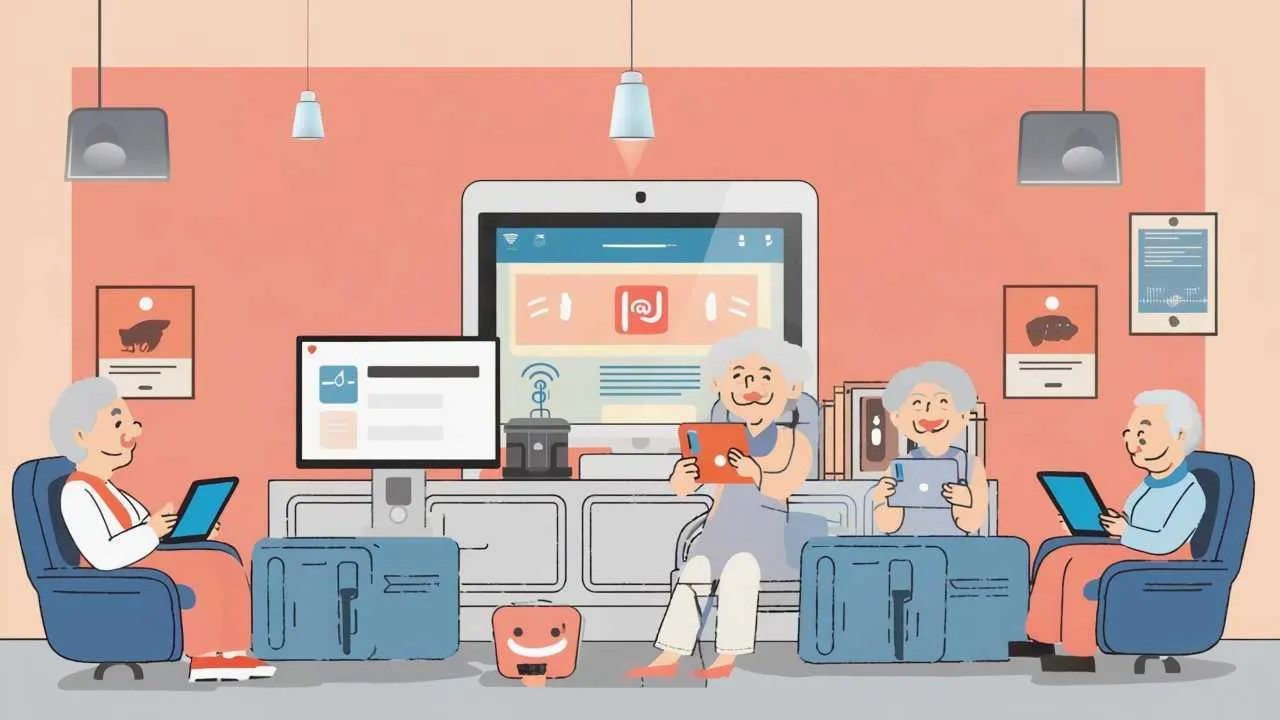
    Why Morning Routines Matter More in Your 60s


    Retirement eliminates the external structure work provided for 40+ years. Without alarm clocks dictating wake times, commutes forcing movement, and workplace schedules creating routine, many retirees drift into irregular patterns that undermine wellbeing. Sleeping until random times, skipping breakfast, staying in pajamas all day, and reactive scrolling through phones create chaos that triggers anxiety and depression. A 2024 Mayo Clinic study found that retirees without morning routines experience 52% higher rates of depression within the first two years of retirement compared to those maintaining structured mornings.


    Circadian rhythms—your body’s internal clock—weaken with age, making consistent wake times and morning light exposure increasingly important for sleep quality, energy levels, and mood regulation. Adults over 60 who wake within a 30-minute window daily and expose themselves to morning light report better nighttime sleep, fewer afternoon energy crashes, and more stable moods. Morning routines reinforce these biological rhythms, creating physiological benefits extending throughout the day and improving sleep the following night.


    Morning routines create psychological benefits beyond physical health. Completing a series of predictable, manageable tasks provides accomplishment and control—essential feelings when retirement disrupts identity and purpose. Even simple routines like making the bed, drinking water, and eating breakfast create momentum that carries into the rest of the day. This “small wins” effect documented by behavioral psychologists shows that initial morning successes predict continued productivity and positive mood across subsequent hours.


    The transition from work to retirement requires replacing lost structure with intentional self-structure. Morning routines provide this foundation without feeling restrictive. Unlike rigid schedules, morning rituals offer flexible frameworks—the sequence matters more than exact timing. You might wake at 6:30 one day and 7:00 another, but following the same pattern (stretch, water, dress, breakfast, read) creates stability within flexibility. This balance prevents both chaos and rigidity.


    Social connection opportunities concentrate in mornings for many retirement communities and activities—walking groups, exercise classes, volunteer shifts, religious services. Establishing morning routines positions you to participate in these social activities rather than waking too late or feeling too disorganized to engage. Social isolation accelerates cognitive decline and increases mortality risk; morning routines that facilitate connection protect against these risks while enriching daily life.


    Morning routines prevent “time affluence” from becoming “time poverty.” Retirement provides abundant unstructured time that paradoxically feels wasted without intention. Days blend together, weeks pass unremarked, and retirees report simultaneously having “nothing to do” and feeling time slipped away. Morning routines create daily fresh starts—each morning renews opportunity for meaningful engagement. This temporal structure prevents the drift that makes retirement feel empty rather than full of possibility.

    Health and wellbeing benefits of consistent morning routines for seniors over 60
    Scientific evidence supporting morning routine benefits for physical, mental, and emotional health
    Visual Art by Artani Paris

    Benefit Category Without Morning Routine With Consistent Morning Routine Research Source
    Sleep Quality Irregular, fragmented 7-8 hours, more restorative Sleep Foundation 2024
    Daily Energy Levels Afternoon crashes common Sustained, stable energy Mayo Clinic Study 2024
    Mood Stability Variable, reactive 38% lower anxiety Stanford Longevity 2024
    Life Satisfaction Baseline 47% higher reported Stanford Longevity 2024
    Depression Risk 52% higher in first 2 years Baseline risk Mayo Clinic 2024
    Daily Productivity Scattered, unfocused Goal completion 3x higher Behavioral Psychology 2024
    Comparative outcomes for seniors with versus without morning routines (2024 research)

    Wake at a Consistent Time (Even Without an Alarm)

    The foundation of effective morning routines is consistent wake times within a 30-minute window. This doesn’t mean forcing yourself awake at 6:00 AM if you’re naturally a night person—it means choosing a wake time matching your natural rhythm and maintaining it daily, including weekends. Your body’s circadian system thrives on predictability, and consistent wake times anchor all other biological rhythms affecting sleep, digestion, energy, and mood.

    Determine your natural wake time by allowing yourself to wake without alarms for 7-10 days while going to bed at a consistent time. Most people naturally settle into a pattern—perhaps 6:30-7:00 AM, or 7:30-8:00 AM. This natural wake time reflects your chronotype (internal biological preference) and should guide your routine schedule. Fighting your chronotype creates unnecessary stress; working with it creates effortless consistency.

    Use gradual light and sound rather than jarring alarms if you need wake assistance initially. Sunrise alarm clocks ($40-80) gradually brighten 30 minutes before your target wake time, mimicking natural dawn. These gentle awakenings prevent the stress response triggered by sudden loud alarms. As you establish consistent sleep schedules, you’ll likely wake naturally within 15 minutes of your target time without any alarm—a sign of healthy circadian regulation.

    Resist the temptation to “sleep in” dramatically on weekends. Shifting wake times by 2+ hours creates “social jet lag”—essentially giving yourself jet lag every week. This disrupts circadian rhythms, reduces sleep quality, and triggers the Monday morning grogginess many retirees experience even without work obligations. If you want extra weekend rest, go to bed 30-60 minutes earlier rather than sleeping in late. Or allow 30-minute flex—if you normally wake at 7:00, weekend wake times of 7:00-7:30 maintain rhythm without rigid deprivation.

    Get out of bed within 15 minutes of waking rather than lingering. While staying in bed feels restful, it actually confuses your brain about bed’s purpose. Beds should signal sleep, not wakefulness. Immediate rising reinforces the sleep-wake boundary, strengthening future sleep quality. If you enjoy morning contemplation, do it in a chair near a window, not in bed. This distinction prevents the “can’t fall asleep” or “wake throughout the night” problems common when beds become multipurpose areas.

    Establish a “soft start” preventing the jarring transition from sleep to frantic activity. The first 5-10 minutes should be gentle: sit on the bed’s edge, take three deep breaths, stretch your arms overhead, rotate ankles and wrists, stand slowly. This gradual physical activation prevents dizziness or falls from sudden position changes (orthostatic hypotension) increasingly common after age 60. It also creates psychological transition from sleep consciousness to waking awareness.

    Open curtains or blinds immediately upon waking, exposing yourself to natural light even if cloudy. Light is the primary signal regulating circadian rhythms. Morning light exposure (ideally within 30 minutes of waking) suppresses melatonin, increases cortisol and serotonin, and sets your biological clock for optimal energy now and sleep tonight. Aim for 10-30 minutes of natural light exposure—near windows, on a porch, or brief outdoor walk. On very dark mornings, use a light therapy box (10,000 lux, $40-100) for 20-30 minutes while having breakfast or reading.

    Avoid checking phones, email, or news immediately upon waking. These activities flood your brain with information, demands, and often stress before you’ve established internal equilibrium. The first 30-60 minutes should focus inward—your body, your thoughts, your home—before engaging external world. This protective buffer prevents reactive, anxious days driven by others’ agendas. Phone checking can wait until after breakfast and morning routine completion.

    If you wake earlier than desired occasionally, don’t panic or force yourself back to sleep. Use the extra time for gentle activity—reading, light stretching, journaling. Fighting wakefulness creates stress defeating the purpose. If you wake significantly earlier regularly (4:00-5:00 AM when preferring 7:00 AM), consult your doctor—early morning waking can indicate depression or sleep disorders treatable with medical intervention.

    Track your wake times for two weeks using a simple notebook or phone note. Write down actual wake time daily. Patterns reveal whether you’re maintaining consistency or drifting. Most successful routine-maintainers wake within 20-30 minutes of target time 6-7 days weekly. If you’re varying by 2+ hours regularly, identify obstacles—too-late bedtimes, alcohol before bed, bedroom environment issues, or perhaps unrealistic wake time choices fighting your natural chronotype.

    Hydrate Immediately: Water Before Coffee

    Your body loses 1-2 pounds of water overnight through breathing and minimal perspiration, creating mild dehydration by morning. This dehydration contributes to grogginess, headaches, constipation, and sluggish cognition—symptoms many seniors attribute to aging when they’re actually preventable through proper hydration. Drinking 16-24 ounces of water within 30 minutes of waking rehydrates your body, jumpstarts metabolism, aids digestion, and improves mental clarity.

    Keep water on your nightstand or nearby so the first thing you do after sitting up is drink. Room temperature or slightly warm water absorbs faster than cold water and doesn’t shock your system. Some seniors add lemon juice (fresh or bottled) for flavor and vitamin C, or a pinch of sea salt replacing electrolytes lost overnight. The key is making this automatic—the glass or bottle sitting ready eliminates the barrier of walking to the kitchen before hydrating.

    Drink water before coffee or tea, not instead of them. Caffeine is mildly dehydrating, so consuming it on an already-dehydrated system amplifies negative effects—jitters, anxiety, digestive upset. Water first provides the hydration foundation allowing you to enjoy coffee’s benefits (alertness, pleasure, ritual) without exacerbating dehydration. Aim for 8-16 ounces of water, wait 15-20 minutes, then enjoy your coffee or tea. This sequence optimizes both hydration and caffeine effects.

    Consider warm lemon water as an alternative providing multiple benefits. Squeeze half a fresh lemon into 8-12 ounces of warm (not boiling) water. This combination supports digestion, provides vitamin C, creates alkaline environment in the body, and tastes pleasant without added sugar. Many seniors report that warm lemon water gently stimulates bowel movements—helpful for the constipation issues common with aging. The warmth also feels soothing to throats often dry from overnight mouth breathing.

    Avoid sugary drinks, fruit juices, or sweetened coffee as your first beverage. These spike blood sugar on an empty stomach, creating energy surges followed by crashes, increased hunger, and mood volatility. Plain water, herbal tea, or coffee with minimal additions (splash of milk, no sugar) provide hydration and alertness without metabolic disruption. Save sweeter drinks for mid-morning or afternoon if desired, not as the day’s first intake.

    Set a daily hydration goal of 6-8 eight-ounce glasses (48-64 ounces total), starting with morning’s 16-24 ounces. As we age, thirst signals weaken—many seniors don’t feel thirsty despite being dehydrated. Scheduled hydration throughout the day prevents this. After morning water, drink 8 ounces with breakfast, 8 ounces mid-morning, 8 ounces with lunch, 8 ounces mid-afternoon, and 8 ounces with dinner (stopping 2 hours before bed to prevent nighttime bathroom trips). This schedule totals 56-64 ounces meeting most seniors’ needs.

    Recognize dehydration symptoms often mistaken for aging or illness: fatigue, confusion, dizziness, constipation, dry mouth, dark yellow urine, and headaches. Before attributing these to medication side effects or health conditions, evaluate your hydration. Many seniors improve these symptoms dramatically simply by drinking adequate water. Urine color provides easy monitoring—pale yellow indicates good hydration, dark yellow or amber indicates need for more fluids.

    Address concerns about frequent urination that prevent some seniors from drinking adequate water. Yes, proper hydration increases bathroom trips, but the health risks of chronic dehydration (kidney problems, constipation, falls from dizziness, cognitive issues) far outweigh bathroom inconvenience. Your body adjusts within 2-3 weeks of consistent hydration, regulating bladder capacity and frequency. Avoiding fluids to reduce bathroom trips actually irritates the bladder, potentially increasing urgency and frequency.

    Modify hydration strategies if you have specific medical conditions. Heart failure or kidney disease may require fluid restrictions—follow your doctor’s specific recommendations. If taking diuretics (water pills), ask your doctor about timing and whether additional electrolyte intake is advisable. For most healthy seniors, morning hydration provides clear benefits without medical risks, but always discuss changes with healthcare providers if you have chronic conditions.

    Make hydration visually obvious using a marked water bottle. Fill a 32-ounce bottle each morning and finish it by lunch, refill and finish by dinner. The visual cue prevents forgetting, and the measurement eliminates guessing about intake. Some seniors set phone reminders for hourly sips. Others use apps like WaterMinder or Plant Nanny tracking intake gamified to maintain motivation. Find a system matching your style—the best hydration strategy is the one you’ll actually follow.

    Move Your Body Gently for 10-15 Minutes

    Senior doing gentle stretching and morning exercises with proper form
    Simple morning movements that improve flexibility, balance, and daily comfort for seniors
    Visual Art by Artani Paris

    Eat a Protein-Rich Breakfast Within Two Hours of Waking

    Breakfast provides fuel and nutrients after the overnight fast, stabilizes blood sugar preventing mid-morning crashes, and signals to your metabolism that it’s time to function actively. Protein at breakfast particularly benefits seniors—it maintains muscle mass (critical for preventing frailty), creates sustained energy (unlike carbohydrate-only breakfasts), increases satiety reducing unhealthy snacking, and supports neurotransmitter production affecting mood and cognition throughout the day.

    Aim for 20-30 grams of protein at breakfast—roughly one serving size. This could be: two eggs plus Greek yogurt, protein smoothie with protein powder and milk, oatmeal made with milk plus nuts, cottage cheese with fruit, or smoked salmon with whole grain toast. Protein doesn’t need to be animal-based—plant proteins like beans, tofu, nuts, and seeds work equally well for those preferring vegetarian options. The key is including substantial protein, not just carbohydrates or fats alone.

    Avoid sugar-heavy breakfasts creating energy and mood volatility. Sweetened cereals, pastries, juice, and sugary coffee drinks spike blood sugar rapidly, triggering insulin surges that then crash blood sugar below baseline within 2-3 hours. This crash causes fatigue, irritability, hunger, and cravings for more sugar—a cycle many seniors ride all day without realizing breakfast started it. Choose whole foods with fiber, protein, and healthy fats maintaining stable blood sugar: eggs, plain yogurt, nuts, whole grains, fruit (whole, not juice).

    Prepare breakfast the night before if morning energy or motivation feels low. Overnight oats (rolled oats, milk, yogurt, fruit, nuts mixed and refrigerated) require no morning preparation. Hard-boiled eggs made Sunday last all week. Pre-measured smoothie ingredients in freezer bags blend quickly with liquid. Preparing breakfast components the night before removes decision-making and effort from groggy mornings when resistance is highest. You’re making breakfast for tomorrow’s self—a gift ensuring you’ll actually eat well.

    Eat breakfast sitting down at a table, not standing at the counter or in front of TV. This mindful eating practice—focusing on your food, chewing thoroughly, noticing flavors and textures—improves digestion, increases satisfaction from smaller portions, and creates a calming ritual. Breakfast eaten while multitasking (watching news, scrolling phone) disappears from awareness. You finish without remembering eating, feeling less satisfied and more likely to overeat later. The 15-20 minutes of focused breakfast eating becomes valuable quiet time starting your day centered.

    Include foods supporting specific health needs relevant to seniors. Prunes or high-fiber cereal for constipation prevention. Leafy greens or berries for brain health. Fatty fish or walnuts for omega-3s supporting heart and cognitive function. Dairy or fortified alternatives for calcium and vitamin D supporting bone health. While you can’t solve all nutritional needs at breakfast, thoughtfully chosen morning foods contribute meaningfully to daily nutrient intake affecting quality of life.

    Stay hydrated during breakfast continuing the hydration started immediately upon waking. Have water or herbal tea with breakfast, not just coffee. Coffee counts partially toward fluid intake but has mild diuretic effects. The combination of morning water, breakfast fluids, and coffee provides approximately 24-32 ounces of hydration in the first 1-2 hours of your day—a strong start toward the 48-64 ounce daily goal.

    Address appetite issues making breakfast difficult for some seniors. Medications, decreased sense of taste/smell, dental problems, or natural age-related appetite reduction make eating breakfast challenging. Start small—a piece of toast with peanut butter and banana. A protein shake if chewing is difficult. Half a breakfast portion if full portions overwhelm. Something is better than nothing. Appetite often increases once you’ve eaten, so starting the digestive process triggers hunger later in the morning when you might finish breakfast or have a substantial snack.

    Make breakfast social when possible. Eating with a spouse, roommate, or neighbor transforms the utilitarian act of fueling into social connection. If living alone, call a family member during breakfast, or join friends at a diner or community center for weekly breakfast gatherings. The social aspect increases accountability (you’ll eat because others are), enjoyment, and likelihood of maintaining the routine. Many successful retirees report that regular breakfast dates with friends provide structure and joy in otherwise unstructured weeks.

    Allow flexibility in breakfast timing based on natural hunger and daily plans. “Within two hours of waking” provides guideline, not rigid rule. If you wake at 7:00 but aren’t hungry until 8:30, that’s fine—your breakfast window extends to 9:00. Some days you might eat earlier or later based on morning activities. The principle is avoiding prolonged fasting (more than 12-14 hours overnight) or going half the morning without food, both of which create metabolic and energy problems. Flexible adherence to breakfast timing serves you better than rigid rules triggering stress.

    Breakfast Type Protein Content Prep Time Benefits for Seniors
    2 Eggs + Whole Grain Toast 18g 10 minutes Complete protein, fiber, B vitamins
    Greek Yogurt (1 cup) + Berries + Nuts 20-25g 2 minutes Probiotics, antioxidants, heart-healthy fats
    Protein Smoothie (powder + milk + banana) 25-30g 5 minutes Easy to digest, customizable, hydrating
    Oatmeal made with Milk + Almonds 15g 8 minutes Heart health, sustained energy, fiber
    Cottage Cheese (1 cup) + Fruit 24g 2 minutes High protein, calcium, versatile
    Smoked Salmon + Cream Cheese + Bagel 20g 3 minutes Omega-3s, brain health, satisfying
    Protein-rich breakfast options for seniors with preparation time and benefits (2025 nutrition data)

    Spend 15-20 Minutes on Spiritual or Reflective Practice

    Morning spiritual or reflective time centers your mind, establishes intentions, and connects you to values larger than immediate concerns. This practice takes many forms depending on personal beliefs and preferences—prayer, meditation, journaling, reading inspirational texts, gratitude practice, or quiet contemplation. The common element is stepping back from daily logistics to engage with meaning, purpose, and inner life. Research consistently shows that seniors with regular spiritual or reflective practices report higher wellbeing, better stress management, and stronger sense of life purpose.

    Start with just 5-10 minutes if longer periods feel intimidating or uncomfortable. Sit in a comfortable chair near a window with good morning light. Close your eyes or keep them softly focused on a nearby object. Take 10 slow, deep breaths counting them. Notice thoughts arising without judging or engaging them. When you notice your mind wandering (it will), gently return to counting breaths. This simple meditation practice calms the nervous system, increases present-moment awareness, and creates mental clarity. Gradually extend to 15-20 minutes as comfort increases.

    Try gratitude journaling writing three specific things you’re grateful for each morning. These should be concrete and varied—not “my family” daily but “my granddaughter’s phone call yesterday,” “the cardinal at my bird feeder,” “my neighbor bringing me extra tomatoes.” Writing (not just thinking) about gratitude creates stronger neural pathways associated with positive emotion. Keep a dedicated gratitude journal beside your morning chair. Over time, this practice rewires your brain toward noticing positive aspects of life—a valuable counter to negativity bias intensifying with age and isolation.

    Read spiritual or inspirational texts aligning with your beliefs and values. This could be religious scriptures, poetry, philosophy, nature writing, or contemporary inspirational authors. Keep a selection of books in your morning space rotating based on mood and need. Read slowly, perhaps just one short passage (poem, psalm, chapter), sitting with it rather than rushing through pages. The goal isn’t quantity but contemplation—letting words settle into your consciousness setting the day’s emotional and spiritual tone.

    Practice loving-kindness meditation directing goodwill toward yourself and others. Sit comfortably, close your eyes, and repeat phrases silently: “May I be healthy, may I be happy, may I be at peace.” After several minutes, extend these wishes to loved ones: “May [name] be healthy, may [name] be happy, may [name] be at peace.” Then to neutral people, difficult people, and finally all beings. This practice reduces anger, increases compassion, and creates feelings of connection—powerful antidotes to the isolation and resentment that can embitter retirement.

    Set daily intentions identifying 1-3 focuses for the day ahead. What matters most today? How do you want to show up? What would make today meaningful? Intentions differ from to-do lists—they’re about being, not doing. Examples: “Today I will be patient with myself,” “Today I will connect with one person meaningfully,” “Today I will move my body with appreciation.” Writing or speaking intentions aloud increases likelihood of manifesting them. At day’s end, reflect whether you lived according to your intentions—not for judgment but for learning.

    Create a morning altar or sacred space personalizing your practice. A small table or shelf holding objects meaningful to you—photos, natural items (stones, shells), candles, religious symbols, inspirational quotes. This designated space signals your brain that reflective time has begun, creating psychological boundary between this practice and other activities. The ritual of lighting a candle or arranging items becomes part of the practice itself—embodied mindfulness preparing your mind for reflection.

    If traditional meditation feels frustrating or “not working,” try active reflection instead. Walk slowly while repeating a mantra or prayer. Do gentle stretching while focusing on body sensations and breath. Wash dishes mindfully as a form of moving meditation. Many seniors find that combining light physical activity with reflective practice suits them better than sitting still which can feel uncomfortable or boring. The key is sustained focus on something meaningful, not the specific posture or activity.

    Avoid using this time for planning, problem-solving, or thinking about the day’s logistics. Those activities have their place (addressed in the next routine element) but spiritual/reflective time serves a different purpose—connecting with your inner self, your values, your sense of meaning. Guard this time from the practical mind’s encroachment. If planning thoughts arise, acknowledge them: “I see you, planning mind. I’ll address you later” and return to breath, gratitude, or prayer.

    Join group practices if individual practice feels lonely or unmotivating. Many religious communities offer morning prayer or meditation groups. Community centers host secular mindfulness or yoga sessions. Online platforms provide guided meditations or virtual spiritual gatherings. The group energy and accountability support consistent practice, while the social connection provides additional wellbeing benefits. Many seniors report that group practices they initially attended reluctantly became cherished parts of their lives providing both spiritual depth and human connection.

    Connect With Someone Before Noon

    Human connection protects against the isolation and depression that threaten retirement wellbeing. Morning connection—even brief—sets a positive emotional tone and fulfills the fundamental human need for social engagement. This doesn’t require elaborate socializing; simple interactions suffice: calling a family member, texting a friend, chatting with a neighbor, greeting fellow walkers, or participating in group activities. The key is intentional connection rather than assuming it will happen passively.

    Call or video chat with family members establishing regular schedules. Many seniors and their adult children maintain morning or evening check-in rituals: Tuesday and Thursday morning calls with your daughter, Saturday morning video calls with grandchildren. These scheduled connections provide structure and assurance for both parties. Knowing you’ll talk tomorrow reduces anxiety about “bothering” family. Knowing you’re expected to call increases your accountability—you won’t isolate because someone notices your absence. Keep calls brief if desired (10-15 minutes)—frequency matters more than duration.

    Text message exchanges count as valid connection despite being less rich than voice or face-to-face. Many seniors initially dismiss texting as insufficient but discover that brief daily text exchanges with friends or family create sustained connection. Send morning greetings, share photos, forward interesting articles, ask simple questions. These micro-connections accumulate, maintaining relationships and preventing the isolation that occurs when every interaction requires major effort. Learn basic texting, emoji use, and photo sharing—the initial learning curve pays ongoing dividends.

    Join morning walking groups, exercise classes, or coffee gatherings creating routine social interaction. Many communities offer senior-specific morning activities: mall walking groups, tai chi in the park, breakfast clubs, or coffee hours at community centers or religious institutions. These provide dual benefits—the activity itself (exercise, learning, spiritual practice) plus guaranteed social interaction with peers. The schedule imposes gentle accountability; you’ll attend because others expect you, preventing the isolation spiral where staying home becomes increasingly default.

    Greet neighbors during morning walks or outdoor activities making brief but genuine contact. Recognize regulars you encounter—other walkers, people tending gardens, postal carriers—and exchange pleasantries beyond perfunctory “hellos.” These “weak ties” (sociological term for acquaintances distinct from close friends/family) contribute significantly to wellbeing and community feeling. They combat anonymity and create sense of belonging. Over time, some weak ties strengthen into friendships, but even maintained at acquaintance level, they matter.

    Volunteer for morning shifts at organizations aligning with your values and interests. Libraries, hospitals, schools, animal shelters, food banks, museums, and community gardens all need volunteers, often during morning hours. Volunteering provides multiple connection opportunities: with fellow volunteers, with people you serve, and with organizational staff. It also creates purpose and structure—two elements retirement often strips away. The social connection emerges naturally from shared activity rather than requiring you to “socialize” explicitly, making it easier for introverted seniors.

    Attend religious services or spiritual gatherings if these align with your beliefs. Morning services, prayer groups, meditation circles, or study sessions provide community among people sharing your values. These connections often prove deeper than casual friendships because shared meaning and belief create bonds transcending surface interaction. Many seniors report that their religious community becomes family-like, providing support during illness, celebrating milestones, and simply caring whether they’re okay week to week.

    Use technology purposefully for connection without letting it replace in-person interaction. Video calls with distant family, online forums for hobbies or interests, social media following friends’ lives—these supplement but shouldn’t substitute for local, embodied connection. Balance is key: technology enables connection impossible otherwise (with grandchildren across the country) while local connections provide physical presence and spontaneity technology can’t replicate. Aim for both daily: one technology-mediated connection and one in-person or phone connection.

    Recognize that connection benefits you as much as others. Many seniors hesitate reaching out feeling they’re “bothering” others or being “needy.” Reframe: your call, text, or presence brightens others’ days too. Your grandchildren love hearing from you. Your friends enjoy your company. Your volunteer efforts matter to organizations and people served. Mutual benefit characterizes healthy relationships—you receive and give. Believing you only receive creates false shame preventing the very connection you need.

    Be patient with yourself if social anxiety makes connection difficult after years of work-based socializing or following a spouse’s death. Social skills atrophy with disuse but return with practice. Start with low-stakes interactions: greeting cashiers, commenting on neighbors’ gardens, attending large group activities where you can observe before actively participating. Small successes build confidence for deeper engagement. Many seniors surprised themselves discovering social ease they thought lost permanently—it required only gradual re-entry rather than forcing themselves into immediately overwhelming situations.

    Plan Your Day With Intentional Structure

    The freedom of retirement becomes burden without structure. Days blur together, time feels simultaneously abundant and wasted, and lack of direction breeds aimlessness and depression. Spending 10-15 minutes each morning planning your day creates purpose, prevents drift, and ensures intentional living rather than passive time-filling. This planning isn’t rigid scheduling down to the minute—it’s thoughtful identification of the day’s priorities, activities, and flow.

    Review any fixed commitments first: appointments, scheduled activities, volunteer shifts, social plans. Write these in a planner, calendar, or simple notebook. Knowing your anchored commitments shows how much free time exists and prevents double-booking or forgetting obligations. Many seniors find that mixing digital calendars (synced with family, sending reminders) and paper planners (tactile, visual satisfaction of writing) works best. Use whatever system you’ll actually check daily.

    Identify 1-3 “most important” tasks or activities for the day—things that would make today feel satisfying or productive if accomplished. These vary enormously: calling your daughter, finishing a book chapter, organizing one closet shelf, planting tomatoes, walking 30 minutes, making that doctor appointment you’ve postponed. The scale matters less than the personal significance. Write these down creating external commitment. Completing even one of these tasks generates the “small win” momentum making the rest of the day feel successful.

    Build in “anchor activities” providing daily structure: morning routine, lunch time, afternoon walk or rest, dinner time, evening routine. These anchors create rhythm without rigidity. Between anchors, you have flexibility, but the anchors prevent days from dissolving into formless time where you look up at 3 PM wondering where the day went. For many retirees, the routine itself—not specific accomplishments—provides the psychological structure combating the disorientation of endless unstructured time.

    Include enjoyable activities, not just obligations and chores. Reading for pleasure, hobbies, TV shows you love, visiting places you enjoy, calling friends—these aren’t indulgences but essential elements of fulfilling days. Many seniors, particularly those transitioning from busy careers, struggle giving themselves permission for enjoyment, believing they should be constantly “productive.” Retirement is permission to enjoy life—plan pleasures as deliberately as you plan duties, ensuring both get attention.

    Balance activity with rest periods preventing overcommitment and exhaustion. Energy levels fluctuate more with age. Plan demanding activities for whenever you typically feel energetic (often morning and early afternoon for most seniors), and lighter activities or rest for naturally lower-energy times. Include an afternoon rest period if you tire then—lying down for 20-30 minutes or simply sitting quietly with a book prevents the push-through mentality that leads to exhaustion and next-day fatigue.

    Use time blocking for deep work or focused projects. If working on memoir writing, crafts, learning languages, or other concentration-requiring activities, block 60-90 minute windows when you’ll focus solely on that project. Protect these blocks from interruptions—phone off, door closed if others are home, single-task focus. Time blocking creates meaningful progress on projects that matter but never seem to get done when approached haphazardly during “free time” constantly fragmented by distractions.

    Review yesterday evening or this morning what you accomplished yesterday, celebrating completions and noting what rolled over. This isn’t self-criticism for “failures”—it’s honest assessment. Did you achieve what felt important? If not, why? Too ambitious? Unexpected interruptions? Lack of energy? This reflection informs today’s planning, creating realistic expectations based on your actual capacity and circumstances rather than idealized hopes. Over time, you calibrate well—knowing what’s achievable in a day given your energy, interests, and life circumstances.

    Keep planning simple—resist elaborate systems requiring more time managing than doing. A simple notebook with today’s date, 3-5 priorities, and any scheduled items suffices. Or a wall calendar with daily notes. Or a phone app with reminders. The best planning system is the one you’ll use consistently. Elaborate planners and systems work for some people but overwhelm others. If you’ve tried complex systems and abandoned them, try something simpler. The goal is thoughtful direction, not productivity optimization.

    Build flexibility into plans accommodating the reality that days rarely unfold exactly as envisioned. Unexpected calls, weather changes, feeling unwell, or spontaneous opportunities arise. Hold plans lightly—they’re guidelines and intentions, not contracts you’ve failed by deviating from. If a friend unexpectedly invites you to lunch, saying yes isn’t “ruining your plan”—it’s living responsively to opportunities. Planning prevents drift; flexibility prevents rigidity. Both matter for satisfying retirement living.

    Real Routines: Seniors Share Their Morning Practices

    Case Study 1: The Widow’s Structured Morning – Portland, Maine

    Margaret Sullivan (68 years old) finding routine after spousal loss

    Margaret’s husband died suddenly in 2023, leaving her unmoored. For 42 years, her mornings centered on him—making his coffee, seeing him off to work, then later in retirement, morning walks together. After his death, mornings felt unbearable—reminders of loss and empty time stretching ahead. She stayed in bed until 10 or 11 AM, skipped breakfast, and spent days in pajamas scrolling her phone. By January 2025, she recognized this pattern was creating depression, not processing grief.

    A grief counselor suggested establishing new morning routines honoring her husband while creating independent structure. Margaret crafted a routine: wake 7:30 AM, drink water immediately, 10-minute stretch routine he’d once done with her, shower and dress in real clothes, simple breakfast with coffee at the kitchen table, 20 minutes of journaling, then her daily “connection call”—alternating children, friends, or her sister. After the call, she’d plan 1-2 meaningful activities for the day. This routine took 90 minutes completing by 9:30 AM.

    Results:

    • Depression symptoms decreased from severe to moderate within two months of routine establishment
    • Margaret joined a morning walking group, making three new widow friends who understood her experience
    • The predictable structure provided comfort while allowing grief processing in appropriate times (journaling, counseling)
    • One year later: “My mornings saved me. Having something to do, people expecting me, and time to honor Tom while building a new life—that balance brought me back”

    “I thought structure would feel like a prison after losing Tom. The opposite happened—the routine gave me something to hold onto when everything else felt like chaos. Each morning I complete my routine, I prove to myself I can build a new life while honoring the past. That’s not betrayal; it’s survival and eventually, thriving.” – Margaret Sullivan

    Case Study 2: The Insomniac’s Discovery – Phoenix, Arizona

    Robert Martinez (64 years old) solving sleep problems through morning routine

    Robert retired in early 2024 and within months developed severe insomnia—falling asleep at 2-3 AM, waking at 11 AM-noon, feeling exhausted all day despite sleeping 8-9 hours. He tried medication, which left him groggy. His doctor suggested sleep hygiene including consistent wake times and morning light exposure. Robert was skeptical—how would waking early help when he’d fallen asleep at 3 AM?—but committed to trying.

    He set an alarm for 7:00 AM regardless of sleep time and forced himself up. His routine: immediate 20-minute walk outside (even when exhausted), large glass of water, protein breakfast, then sitting in morning sunlight for 30 minutes while reading newspaper. The first week was miserable—he was exhausted. But by week two, he started falling asleep by midnight. By week four, he was asleep by 10:30 PM and waking naturally at 6:45-7:00 AM. His sleep quality improved dramatically.

    Results:

    • Resolved chronic insomnia within 6 weeks without continued medication
    • Energy levels stabilized—no more afternoon crashes or evening exhaustion paired with nighttime alertness
    • Lost 12 pounds over 4 months from morning walks and better sleep regulation affecting appetite hormones
    • Robert now advocates morning routines to other retirees: “It rewired my entire system—sleep, energy, mood, everything”

    “I thought my insomnia was medical, requiring pills. It was behavioral—my retirement destroyed my circadian rhythm by removing all structure. The consistent wake time, morning light, and routine rebuilt what I’d accidentally dismantled. Now I sleep better at 64 than I did at 54. I just had to stop fighting my body’s need for structure.” – Robert Martinez

    Case Study 3: The Couple’s Coordinated Routine – Seattle, Washington

    Linda and Tom Chen (66 and 67 years old) navigating different chronotypes

    Linda and Tom retired within months of each other in mid-2024. Problem: Linda is a morning person naturally waking at 6:00 AM; Tom is a night owl preferring to sleep until 9:00 AM. Their different rhythms created tension—Linda felt lonely in her early mornings, Tom felt pressured to wake before ready. They were snapping at each other over something that should have been trivial. Their solution: coordinated but independent morning routines meeting at breakfast.

    Linda wakes at 6:00 AM: stretches, dresses, takes a 45-minute walk, returns for journaling and coffee. Tom wakes at 8:00 AM: showers, does tai chi routine, has tea. They meet at 9:00 AM for shared breakfast they prepare together, followed by planning their day. This honors both chronotypes while creating shared ritual. They each have 90-120 minutes of solo morning time, then connect. Afternoons and evenings together balance the independent mornings.

    Results:

    • Eliminated morning tension that had been eroding their relationship
    • Both report enjoying independent morning time—Linda for solitude, Tom for slower waking
    • Their 9:00 AM breakfast became cherished ritual—protected time for connection and planning
    • Friends considering retirement now ask them advice: “Honor your different rhythms while creating shared structure”

    “Retirement revealed differences in our natural rhythms that work schedules had masked. Fighting those differences made us both miserable. Honoring them while creating touchpoints transformed our retirement relationship. Independence in the morning, connection at breakfast, then the whole day together. Perfect balance.” – Linda Chen

    Frequently Asked Questions

    What if I’m not a morning person and prefer staying up late?

    Honor your chronotype rather than fighting it. If you naturally prefer 10 PM-8 AM sleep schedule versus 9 PM-6 AM, adapt the principles to your timing. The key is consistency—same wake time daily, morning light exposure (even if your morning is 8:00 AM not 6:00 AM), hydration, movement, breakfast within 2 hours of waking. Extreme night owls (3 AM-noon) might consult doctors, as this can indicate sleep disorders, but moderate variations are normal. Work with your biology, not against it.

    How long does it take to establish a morning routine that feels automatic?

    Research suggests 21-66 days for habit formation, with 66 days being the average. For morning routines specifically, most seniors report feeling natural at 4-6 weeks with full automaticity at 8-12 weeks. The first 2 weeks feel effortful requiring deliberate action. Weeks 3-4 become easier but still require conscious intention. By weeks 6-8, the routine feels expected and its absence feels wrong. Don’t abandon efforts if week one feels hard—persistence creates the automaticity making routines effortless. Start simple, then elaborate once basics feel automatic.

    What if health conditions or medications make early waking or morning exercise difficult?

    Adapt routines to your capabilities and constraints. Medications causing morning grogginess might require gentler, slower routines with extra time for waking. Chronic pain conditions might need pain medication before movement. Bathroom urgency might require wake times allowing immediate toilet access. Health challenges don’t eliminate routine benefits—they require personalized adaptation. Consult doctors or physical therapists designing appropriate modifications. Even modified routines provide structure, predictability, and the psychological benefits of consistent practices.

    Should I force myself to follow the routine on days I feel terrible or didn’t sleep well?

    Distinguish between routine resistance (not wanting to do it) versus genuine need for rest. Resistance happens to everyone—do the routine anyway, as action often dispels resistance. Genuine illness, exhaustion from poor sleep, or physical pain signal modification needs—do lighter versions or prioritize rest. A good rule: try the first routine element (waking at consistent time, drinking water). If that feels impossible, rest. Usually, starting activates energy making continuation possible. Don’t abandon routines at first resistance, but don’t force through genuine need for modification or rest.

    How do I maintain morning routines when traveling or visiting family?

    Maintain core elements (consistent wake time, hydration, movement) while accepting modifications to details. Pack resistance bands for hotel room exercise if gym access uncertain. Bring instant oatmeal packets ensuring breakfast availability. Do abbreviated routines—15 minutes instead of 60 if time is limited. The consistency of wake time and basic elements maintains rhythm even when specific activities vary. Many seniors find that maintaining routines while traveling prevents the post-travel exhaustion and schedule disruption that otherwise requires days to overcome.

    What if my spouse or roommate has different morning preferences causing conflict?

    Communicate openly about needs and negotiate compromises. Different wake times are solvable—the early riser moves quietly and uses different spaces. Coordinate shared elements (breakfast) at times working for both. Use white noise machines or separate bedrooms if one partner’s routine disturbs the other’s sleep. The Chen case study demonstrates successful navigation of different chronotypes. Most conflicts arise from assumptions and lack of discussion. Explicit planning honoring both people’s needs usually resolves issues. Both should feel their preferences matter equally.

    Can I have different routines for weekdays versus weekends?

    Minor variations are fine; major shifts disrupt circadian rhythms. Varying wake time by 30-60 minutes weekend versus weekday maintains most benefits while allowing flexibility. Larger variations (waking 7 AM weekdays, 10 AM weekends) create “social jet lag” undermining sleep quality and daytime energy. Better approach: maintain consistent wake times but allow more leisurely weekend mornings—same wake time but breakfast out, longer walks, extra reading time. Structure the rhythm, vary the content. This honors both consistency needs and weekend special feeling.

    What if I start strong but lose motivation after a few weeks?

    This common pattern reflects routine becoming boring once novelty fades. Combat this by: tracking benefits in a journal (noting how you feel on routine days versus chaotic days), finding an accountability partner (friend also establishing routines), varying specific activities within routine structure (different walking routes, new breakfast recipes, different spiritual readings), or joining group activities providing external accountability. Review your “why”—the reasons you started the routine. When motivation wanes, discipline maintains practice until motivation returns. Most successful routine-maintainers persisted through multiple motivation valleys.

    Is it too late to start morning routines if I’m already 75 or 80?

    It’s never too late. Research shows routine benefits accrue regardless of age—80-year-olds experience similar wellbeing improvements as 60-year-olds when establishing consistent practices. Start gentler and simpler at older ages, and allow longer habit formation periods, but the principles remain effective. Many seniors in their 80s report that establishing morning routines after decades without them transformed their quality of life. The time you have left—whether 5 years or 25—deserves the enhanced wellbeing that routines provide. Start today, not “when I’m younger” (impossible) or “before I got old” (unhelpful regret).

    What’s the minimum morning routine that still provides benefits?

    Core essentials: consistent wake time (within 30 minutes daily), immediate hydration (16 ounces water), 10 minutes of gentle movement, and protein-containing breakfast. This 30-minute routine provides 70-80% of the benefits longer routines offer. Add elements as capacity allows—light exposure, spiritual practice, connection, planning—but don’t let “all or nothing” thinking prevent starting. Thirty minutes you’ll actually do beats 90-minute ideal routines you’ll abandon. Many seniors successfully maintain minimal routines for years, experiencing sustained benefits from consistency even with simplicity.

    Creating Your Personal Morning Routine: 6-Step Action Plan

    1. Determine your natural wake time by allowing natural waking for one week – Go to bed at a consistent time (10-11 PM for most people) and wake without alarms for 7 days. Note when you naturally wake. This reveals your chronotype—use this timing as your routine’s foundation rather than forcing an unnatural schedule. Most people settle into a pattern within 30-60 minutes (e.g., 6:45-7:15 AM). This becomes your consistent wake time—commit to waking within this window daily including weekends.
    2. Start with three non-negotiable elements and practice for two weeks – Choose three routine elements you’ll do every single morning regardless of circumstances: consistent wake time, immediate hydration, and one other (movement, breakfast, or spiritual practice). Focus exclusively on these three for 14 days before adding more. Success with basics builds confidence and momentum. Trying to implement a complete routine immediately usually leads to overwhelm and abandonment. Master the foundation first—two weeks of three elements—then add fourth element in week three, fifth in week four.
    3. Prepare the night before removing morning decision-making – Set out workout clothes if exercising. Prep breakfast components or plan what you’ll eat. Place water glass beside bed. Set up coffee maker. Choose tomorrow’s outfit. Queue spiritual reading on nightstand. This preparation eliminates the decision fatigue and activation energy that derail routines when you’re groggy. You’re making decisions for tomorrow’s self when you’re currently energized and motivated—gift wrapping morning success the night before.
    4. Track your routine for 30 days to identify patterns and build accountability – Use a simple calendar or app checking off each routine element daily. This visible tracking provides satisfaction (completing streaks) and reveals patterns (which elements you consistently skip, which days are hardest). Share your tracker with an accountability partner—friend, spouse, or online community—who checks weekly. Knowing someone will ask about your routine increases follow-through dramatically. After 30 days, the routine feels established enough that tracking becomes optional, though many continue finding it motivating.
    5. Join or create group activities providing built-in accountability – Sign up for morning walking groups, exercise classes, volunteer shifts, or breakfast clubs. These external commitments provide reasons to maintain routines when internal motivation wanes. You’ll wake on time because others expect you. You’ll follow through because skipping affects others. The social element transforms solitary routine into community practice. Many seniors report that group activities became favorite routine elements—initially joined for accountability, continued for genuine enjoyment and friendship.
    6. Evaluate and adjust monthly based on what’s working versus struggling – Each month, spend 15 minutes reviewing your routine. What feels good? What feels like a struggle? What’s providing benefits? What seems pointless? Adjust accordingly—maybe spiritual practice works better in the evening, or you need different movement activities for variety. Routines should serve you, not enslave you. Evolution based on experience creates sustainable practices rather than rigid rules destined for eventual abandonment. Successful routine-maintainers view their routines as living systems requiring periodic adjustment, not carved-in-stone commandments.


    Disclaimer
    This article provides general wellness information about morning routines and does not constitute medical advice, mental health treatment, or exercise prescription. Individual health conditions, medications, and physical capabilities vary significantly. Consult your healthcare provider before beginning any new exercise routine, significantly changing your diet, or if you experience sleep disorders or other health concerns. Information about timing, activities, and practices should be adapted to your personal circumstances. What works for one senior may not be appropriate for another given different health statuses and life situations.
    Information current as of October 2, 2025. Health and wellness research continues evolving.

    Get Weekly Wellness Tips for Seniors

    Receive practical routine-building strategies, healthy aging tips, and lifestyle guidance designed for retirees—delivered free every week.

    Related Articles


    Visual Art by Artani Paris
    Pioneer in Luxury Brand Art since 2002
    Paris 16th arrondissement, France

    Expertise: Brand Philosophy Expression through Abstract Art Animation
    Exhibition: W Hotel Seoul 10-Year Installation

    artaniparis.com


    “`

  • Cozy Home Ideas: How Seniors Create Warm Living Rooms in 2025

    Cozy Home Ideas: How Seniors Create Warm Living Rooms in 2025

    Warm inviting senior-friendly living room with comfortable seating and soft lighting
    Transform your living space into a comfortable sanctuary with practical design choices that combine warmth, safety, and style
    Visual Art by Artani Paris | Pioneer in Luxury Brand Art since 2002

    Creating a cozy living room becomes increasingly important as we age—this is where we spend most of our waking hours reading, watching television, entertaining family, and relaxing. In 2025, senior-friendly design has evolved beyond institutional accessibility features to embrace warmth, comfort, and personal style while incorporating practical elements that support aging in place. A well-designed living room balances emotional comfort through soft textures and warm lighting with physical comfort via supportive seating and safe navigation. This guide demonstrates how seniors across America are transforming their living spaces into inviting sanctuaries that accommodate mobility needs, reduce fall risks, and create the welcoming atmosphere essential for mental wellbeing—all while maintaining the aesthetic appeal that makes a house feel like home.

    Why Cozy Living Spaces Matter for Seniors’ Wellbeing

    The physical environment profoundly affects mental and physical health, particularly for seniors spending 70-90% of their time at home according to a 2024 study by the National Institute on Aging. Living rooms that feel cold, cluttered, or institutional trigger stress responses, while warm, personalized spaces promote relaxation, better sleep quality, and positive mood. The psychological concept of “environmental mastery”—feeling in control of your surroundings—correlates strongly with life satisfaction in retirement.

    Temperature perception changes with age, making warmth both literal and aesthetic priority. Adults over 65 feel cold at higher temperatures than younger people due to decreased circulation and metabolism. A 2024 AARP survey found that 68% of seniors keep homes warmer than they did in middle age, with many reporting discomfort in spaces that feel visually “cold” even when adequately heated. Design choices emphasizing warm colors, soft textures, and layered lighting create perceived warmth beyond thermostat settings.

    Social connection depends significantly on living room comfort. Seniors with inviting living spaces entertain family and friends 3.5 times more frequently than those with uncomfortable or cluttered rooms, according to Stanford Center on Longevity research. Grandchildren visit more often when homes feel welcoming rather than filled with fragile objects and uncomfortable seating. The living room becomes the family gathering hub where relationships maintain strength and isolation reduces.

    Safety considerations integrate seamlessly into cozy design when approached thoughtfully. Fall prevention doesn’t require sterile hospital aesthetics—strategic furniture placement, adequate lighting, and secure rugs actually enhance coziness by creating defined spaces and eliminating hazards that cause unconscious tension. Knowing your environment is safe allows genuine relaxation impossible when subconsciously worried about tripping or losing balance.

    The financial impact of home comfort cannot be ignored. Seniors who create satisfying home environments delay or avoid costly moves to assisted living facilities. The average assisted living costs $54,000 annually in 2025, while home modifications supporting aging in place typically cost $3,000-15,000 one-time. Beyond finances, remaining in familiar surroundings where you’ve built memories and feel competent maintains cognitive function and emotional stability during aging’s challenges.

    Personal identity and autonomy find expression through home design. Your living room reflects who you are—your travels, interests, accomplishments, and values. Maintaining control over your environment affirms independence and capability. A 2024 University of Michigan study demonstrated that seniors who personalized living spaces showed 42% higher self-efficacy scores and reported feeling “more like myself” compared to those in standardized or others-controlled environments.

    Benefits of cozy living room design for senior mental and physical health
    How thoughtful living room design supports independence, comfort, and wellbeing in retirement
    Visual Art by Artani Paris

    Design Element Physical Benefit Emotional Benefit Social Benefit
    Warm Color Palette Perceived temperature increase Reduces anxiety, promotes calm Creates inviting atmosphere
    Layered Lighting Reduces eye strain, prevents falls Adjustable for mood, tasks Flattering for gatherings
    Supportive Seating Reduces back/joint pain Encourages relaxation Comfortable for extended visits
    Clear Pathways Prevents falls, aids mobility Reduces unconscious stress Wheelchair/walker accessible
    Soft Textures Tactile comfort, warmth Sensory pleasure, coziness Approachable, touchable
    Personal Displays Conversation prompts, memory aids Identity affirmation, pride Storytelling opportunities
    Multi-dimensional benefits of cozy living room elements for seniors (2024 research)

    Choosing the Right Seating: Comfort, Support, and Style

    Seating represents the most critical furniture decision in senior living rooms since you spend 6-10 hours daily sitting. The ideal chair or sofa combines orthopedic support with easy entry/exit, durability, and aesthetic appeal. In 2025, manufacturers offer more senior-friendly options that don’t sacrifice style—no more choosing between comfort and appearance.

    Seat height determines ease of standing. The optimal height for seniors is 19-21 inches from floor to seat—approximately 2-3 inches higher than standard sofas (17-18 inches). This elevation reduces the strength and balance required to stand, particularly important for those with knee or hip arthritis. Test by sitting: if your knees rise higher than your hips, the seat is too low. Your thighs should be roughly parallel to the floor or slightly downward-sloping.

    Firm cushioning provides better support than soft, sink-in seating despite feeling less initially comfortable. Medium-firm density foam (1.8-2.0 pounds per cubic foot) offers the best balance—supportive enough to maintain posture but with sufficient cushioning for comfort during extended sitting. Avoid overly plush sofas that make standing difficult and provide inadequate back support. Run your hand under the seat cushion; if you feel the frame easily, the cushioning is too thin.

    Armrests at the correct height (7-9 inches above seat) function as essential push-off points when standing. The armrests should extend to the front edge of the seat, not stopping halfway, allowing you to push up from the strongest position. Width between armrests should accommodate your body comfortably—22-24 inches works for most seniors. Test armrest comfort by sitting, placing your hands on the armrests with elbows bent at 90 degrees; they should feel naturally positioned without hunching or stretching.

    Recliner chairs offer particular value for seniors with circulation issues, back pain, or those who nap frequently. Modern “lift chairs” combine reclining function with motorized assistance that gently tilts you forward to standing position. Prices range from $500-2,000 depending on features. Look for: two-position or infinite position recline, USB charging ports, easy-to-reach controls (not requiring bending to side), and upholstery that breathes (not vinyl that causes sweating).

    Upholstery fabric balances durability, comfort, and maintenance. Performance fabrics like Crypton or Sunbrella resist stains, clean easily with water, and feel soft rather than plastic-like. These fabrics cost 20-30% more than standard upholstery but last 3-4 times longer and eliminate anxiety about spills. Avoid delicate silks, velvet that shows wear patterns, or leather that requires conditioning—choose fabrics that don’t demand constant maintenance.

    Color and pattern selection affects both practicality and coziness. Solid colors in warm neutrals (taupe, warm gray, camel, soft navy) provide versatility and hide minor soiling better than stark white or black. Small-to-medium patterns disguise stains and wear more effectively than solids while adding visual interest. Consider your existing color scheme—new seating should complement rather than clash with wall colors, flooring, and existing furniture.

    Furniture arrangement creates conversation areas while maintaining clear pathways. Position main seating facing the television at comfortable viewing distance (8-10 feet for 50-55 inch screens, 10-12 feet for 65-70 inch). Create a secondary seating group with chairs angled toward each other for conversation, positioned near windows for natural light reading. Ensure 36-inch minimum clearance for walkways—48 inches if you use a walker or wheelchair.

    Budget considerations vary widely. Quality sofas suitable for seniors range $800-2,500, with recliners $500-2,000, and accent chairs $300-800. Invest more in pieces you use most—if you spend evenings in your recliner, that deserves the highest budget allocation. Used furniture from quality brands (Ethan Allen, Stickley, Flexsteel) often outlasts new budget pieces. Check estate sales and consignment shops for well-maintained, high-quality options at 50-70% off retail.

    Delivery and setup services matter increasingly with age. Many retailers offer “white glove” delivery including furniture placement, packaging removal, and assembly for $100-200. This service eliminates lifting heavy furniture and struggling with assembly. Ask about trial periods—some stores allow 30-90 day returns if furniture doesn’t work in your space. This reduces risk when making significant investments in comfort and safety.

    Comparison of senior-friendly seating options including height, support, and style features
    Key features to look for in senior-friendly seating that combines comfort with safety
    Visual Art by Artani Paris

    Lighting Strategies That Create Warmth and Prevent Falls

    Lighting serves dual purposes in senior living rooms—creating ambiance while providing safety-critical visibility. Adults over 60 require 2-3 times more light than younger people to see clearly due to natural lens yellowing and pupil size reduction. Poor lighting causes 30% of home falls among seniors, according to 2024 CDC data. Strategic lighting design eliminates shadows, reduces glare, and creates the warm glow essential to cozy spaces.

    Layer three types of lighting for optimal results: ambient (general illumination), task (focused for reading/activities), and accent (decorative/mood). Ambient lighting should provide even illumination without harsh shadows—aim for 50-75 foot-candles in living rooms (double the 25-30 foot-candles needed by younger adults). Ceiling fixtures with diffusers, recessed lighting, or floor lamps with torchieres pointing upward create this base layer.

    Task lighting focuses bright light where needed for reading, hobbies, or detailed work without over-illuminating the entire room. Adjustable reading lamps beside chairs should provide 100-150 foot-candles directly on reading material. LED bulbs rated 800-1100 lumens (60-75 watt incandescent equivalent) work well for task lighting. Position lamps to eliminate shadows—if right-handed, place lamps to your left to prevent your hand shadowing the page.

    Eliminate glare that causes eye strain and reduces visibility. Glare occurs when bright light sources hit shiny surfaces or reflect directly into eyes. Solutions include: positioning lamps away from television screens, using lamp shades that direct light up or down rather than sideways, choosing matte rather than glossy paint finishes, and adding sheer curtains to diffuse harsh sunlight. If you squint while reading or watching television, glare is the likely culprit.

    Smart bulbs and dimmer switches provide lighting flexibility matching activities and mood. Philips Hue, LIFX, or Wyze smart bulbs ($10-25 each) allow adjusting brightness and color temperature via smartphone or voice commands. Warmer color temperatures (2700-3000K) create coziness for evening relaxation, while cooler light (3500-4000K) aids concentration for reading or projects. Program “scenes” for different times—bright for morning activities, dimmer and warmer for evening.

    Motion-activated night lights prevent dangerous nighttime navigation. Place sensor lights along pathways from bedroom to bathroom and bathroom to living room. Modern LED motion lights ($15-30 each) last years without battery changes and provide soft illumination that doesn’t disrupt sleep if you wake during the night. Avoid lights requiring manual switching—you won’t use them if turning on requires fumbling in the dark.

    Maximize natural light during daytime for mood and circadian rhythm benefits. Natural light exposure, especially in morning, improves sleep quality, mood, and alertness. Position seating near windows to take advantage of daylight for reading and activities. Use sheer curtains providing privacy while allowing light penetration. Consider light-colored window treatments that reflect rather than absorb light—white, cream, or pale yellow sheers brighten rooms significantly.

    Floor and table lamps add both illumination and decorative warmth. Choose lamps with stable, weighted bases preventing easy tipping—particularly important if you use a walker that might bump furniture. Lampshades in warm fabrics (linen, silk, cotton) create softer light than plastic or metal. Place lamps within easy reach of seating so you can adjust lighting without standing. Three-way bulbs (50/100/150 watts) offer flexible brightness levels for different needs.

    Accent lighting highlights artwork, plants, or architectural features while contributing to overall ambiance. Picture lights, uplights on plants, or strip lighting under shelves add visual interest and fill corners that might otherwise feel dark. Warm white LED strips ($20-40 for 16 feet) installed under built-in bookshelves or behind media consoles create gentle background glow particularly pleasant for evening television viewing.

    Light switches at convenient heights and locations matter more than people realize. Standard switches at 48 inches require reaching that becomes difficult with limited mobility. Lower switches to 42 inches or add remote controls for overhead fixtures. Rocker-style switches require less finger dexterity than traditional toggles. Consider voice-controlled options—”Alexa, turn on the living room lights” eliminates switch navigation entirely.

    Lighting Type Purpose Recommended Brightness Best Placement
    Ambient (Ceiling) General illumination 2000-3000 lumens Center of room, even distribution
    Task (Reading) Focused activities 800-1100 lumens Beside chairs, adjustable arms
    Accent (Decorative) Ambiance, highlighting 200-400 lumens Under shelves, behind plants
    Night Lights Safety navigation 10-50 lumens Floor level, pathways
    Table Lamps Flexible task/ambient 600-900 lumens End tables, consoles
    Floor Lamps Upward ambient light 1500-2000 lumens Corners, behind seating
    Layered lighting specifications for senior-friendly living rooms (2025 standards)

    Warm Color Palettes That Comfort and Energize

    Color psychology demonstrates measurable effects on mood, energy, and wellbeing. Warm colors—reds, oranges, yellows, warm neutrals—stimulate feelings of comfort, security, and sociability, while cool colors like blues and grays can feel calming but potentially depressing when overused. For seniors spending substantial time at home, choosing the right color palette profoundly affects daily emotional experience. The 2024 Pantone Color Institute study found that seniors in warm-colored rooms reported 34% higher happiness scores than those in cool-colored spaces.

    Start with a warm neutral base that works across seasons and decorating changes. Warm beige, soft taupe, warm gray (greige), or cream provides versatile backgrounds that don’t overwhelm. These neutrals make rooms feel larger and brighter while providing canvas for colorful accents. Test paint samples in your space at different times of day—colors look dramatically different under morning natural light versus evening lamp light. Most paint stores provide sample pots ($3-5) worth the small investment.

    Accent walls in deeper warm tones add personality without overwhelming. Consider warm terracotta, soft coral, muted gold, sage green, or dusty blue on one wall while keeping others neutral. The accent wall should be the one you face when entering the room—typically the wall behind your sofa or the fireplace wall. This creates visual interest and draws the eye without making the space feel closed-in. Avoid dark, saturated colors on all walls which can feel oppressive in smaller spaces.

    Textiles introduce color flexibility through pillows, throws, and curtains changed seasonally or when you want refresh. Warm oranges and reds work beautifully for fall and winter, while soft corals and yellows feel appropriate for spring and summer. Layer 3-5 throw pillows per sofa in coordinating patterns—one large pattern, one medium, one small scale, plus solid colors tying them together. This creates visual richness without chaos. Blanket throws in soft materials (fleece, chenille, cotton) add literal and visual warmth.

    Artwork provides major color impact and personal meaning. Choose pieces you love rather than what’s trendy—you’ll live with them for years. Original art isn’t necessary; high-quality prints, family photographs in nice frames, or local artist work from galleries contribute warmth and personality. Warm-toned landscapes, family portraits, or abstract art in golds, oranges, and warm greens enhance coziness. Group smaller pieces in gallery walls rather than scattering individually around the room.

    Rugs ground seating areas while introducing pattern and warmth underfoot. Warm-toned rugs in rust, gold, terracotta, or warm brown create definition and comfort. Patterns hide stains and wear better than solids. Choose low-pile or flatweave rugs (under 0.5 inches) that don’t catch walker wheels or create tripping hazards. Secure all rugs with non-slip pads underneath—this prevents bunching and sliding that causes falls. A 5×7 or 8×10 rug under seating groups creates cohesive conversation areas.

    Wood tones affect warmth perception significantly. Warm woods like cherry, oak, or walnut create coziness, while cool-toned woods like maple or gray-washed finishes feel more contemporary but less warm. If you have existing cool-toned furniture, add warmth through other elements rather than replacing functional pieces. Warm-toned picture frames, wood decorative bowls, or wood-toned lamp bases introduce warmth without major investment.

    Plants add life, color, and proven psychological benefits. Research from Texas A&M University (2024) found that seniors with indoor plants reported 28% higher life satisfaction and 23% lower stress hormones than those without plants. Choose easy-care varieties like pothos, snake plants, or peace lilies requiring minimal attention. Terracotta or warm-glazed ceramic pots enhance the warm color palette. Position plants where you’ll see them regularly—near seating, on side tables, or on shelves at eye level.

    Avoid color overload that becomes visually exhausting. The 60-30-10 rule provides balance: 60% dominant color (walls, large furniture), 30% secondary color (area rug, curtains, accent chairs), 10% accent color (pillows, artwork, accessories). This proportion creates visual interest without overwhelming. If your room feels chaotic despite warm colors, you likely have too many competing elements—remove accessories until the space feels calm again.

    Seasonal refresh keeps spaces feeling current without major expense. Swap throw pillow covers ($15-30 each) for fall and spring. Change artwork or rotate pieces from storage. Add or remove blanket throws. These small changes prevent visual stagnation and give you something to look forward to seasonally. Many seniors develop a “seasonal box” of accessories rotated quarterly—this makes changing affordable and keeps stored items organized.

    Decluttering for Safety While Maintaining Personal Style

    Clutter creates both physical danger and psychological burden. The National Safety Council reports that clutter contributes to 25% of falls among seniors, while psychological research demonstrates that cluttered environments increase cortisol levels and reduce cognitive function. Paradoxically, completely bare spaces feel institutional and depressing. The solution lies in purposeful curation—displaying meaningful items while eliminating unnecessary stuff that serves neither function nor joy.

    Apply the “touch rule” to displayed items: if you haven’t touched, used, or enjoyed looking at something in six months, remove it from the living room. This doesn’t mean discarding—store seasonal items, rotate artwork, or give to family members. Books you finished years ago, decorative items you never notice, gifts you keep from obligation—these serve no purpose taking up space. Be ruthless about function and meaning; be gentle with yourself about letting go gradually.

    Create clear pathways of at least 36 inches throughout the living room. Measure actual clearances with a tape measure rather than estimating—paths that look sufficient often measure 24-30 inches, inadequate for safe navigation particularly if using assistive devices. Remove small tables blocking direct routes, angle furniture to create natural pathways, and eliminate decorative items placed on floors (floor vases, magazine racks, ottomans used as “decoration”).

    Contain categories rather than scattering items everywhere. All remote controls in one attractive box or tray. Magazines in a single basket, not piled on multiple surfaces. Books on shelves, not stacked on floor. Throws folded in a basket beside the sofa. This “home for everything” approach reduces visual clutter while making items easy to find. Choose containers matching your warm color palette—woven baskets, wood boxes, ceramic bowls—that function as decor while organizing.

    Limit surface displays using the “rule of three.” Group decorative items in clusters of three items varying in height—this creates visual interest without overwhelming. One tall candlestick, one medium decorative box, one small bowl creates more pleasing arrangement than seven small items scattered across a table. Apply this to bookshelves too—arrange books interspersed with three-item groupings of decorative objects rather than cramming shelves completely full.

    Eliminate “just in case” items that create clutter without adding value. The extra chairs kept “in case we have guests” taking up corners. The decorative pillows making actual sitting impossible. The collection of items you might want someday. If you haven’t used something in a year, you won’t use it next year either. Free yourself from these obligation objects. Donate, give to family, or store elsewhere if truly sentimental.

    Address cords and cables that create tripping hazards while looking messy. Cable management boxes ($15-25) hide power strips and excess cord length. Cord covers ($10-15 for 5 feet) secure cables running along baseboards. Behind furniture, use zip ties or velcro straps bundling cables together rather than letting them tangle. Consider furniture with built-in power outlets and USB ports eliminating the need for extension cords stretching across the room.

    Maintain decluttering through daily 10-minute tidying routine. Before bed, return everything to its designated home—remote to its tray, throws folded over sofa arm, magazines to their basket. This prevents gradual accumulation that leads to overwhelming clutter. The small daily effort (literally 10 minutes) eliminates need for periodic exhausting decluttering sessions. Think of it as environmental hygiene equivalent to brushing teeth—small habit preventing major problems.

    Display family photos purposefully rather than covering every surface. Choose 10-15 favorite photos in coordinating frames and group them meaningfully—one wall gallery, one shelf arrangement, or one table display. Rotate photos seasonally or when you want to refresh. Digital photo frames ($50-150) allow displaying hundreds of photos in one spot, updating automatically with new family pictures. This combines nostalgia with space efficiency.

    Resist the urge to keep everything grandchildren make or give you. Choose the most meaningful pieces to display, photograph the rest, and quietly recycle or donate. Your grandchildren won’t remember or miss every craft project, and displaying too many dilutes the impact of truly special items. Keep one special box of grandchildren’s artwork, rotating what’s displayed. This honors their creativity without overwhelming your space.

    Reassuring cartoon illustration of senior-friendly home with grab bars, non-slip surfaces, adequate lighting, clear pathways, and safety features throughout

    Organized senior living room showing clear pathways, purposeful displays, and safety features
    Strategic decluttering creates safety and serenity while preserving personal character
    Visual Art by Artani Paris

    Texture Layers That Add Warmth Without Overwhelming

    Texture creates physical and visual warmth more powerfully than color alone. Smooth, hard surfaces like leather, glass, and metal feel cold regardless of color, while soft, nubby textures like wool, chenille, and velvet feel warm to touch and eye. Layering multiple textures—rough with smooth, soft with structured—creates depth and sensory richness that makes spaces feel inviting. This tactile dimension proves especially important for seniors whose touch sensitivity often increases as other senses decline.

    Start with the sofa or main seating as your primary texture anchor. Performance fabrics now include options mimicking linen, wool, and even velvet while offering stain-resistance and durability. Textured upholstery in subtle patterns (herringbone, basket weave, small geometric) provides more visual interest than flat solids without busy patterns that tire the eyes. Run your hand across fabric samples—it should feel pleasant to touch since you’ll spend hours in contact with this material.

    Layer throw blankets of varying textures creating touchable warmth. Chunky knit cotton throws, plush fleece, waffle-weave, and chenille each provide different tactile experiences. Drape 2-3 throws casually over sofa arms or backs where they’re accessible for use. Avoid perfectly folded stacks that look staged—casual draping feels lived-in and welcoming. Choose machine-washable throws since accessibility means you’ll actually use them, and used throws need occasional cleaning.

    Add pillows with varied texture covers rather than matching sets. Mix velvet with linen, smooth cotton with nubby boucle, silk with wool. Different textures catch light differently, creating subtle variation throughout the day. The visual and tactile contrast adds richness without color chaos—four pillows in cream and warm gray but varying textures create more interest than four identical pillows in four colors. Remove scratchy, uncomfortable pillow covers—decorative pillows should be usable, not just visual.

    Incorporate natural textures through wood, woven materials, and plants. Wood side tables, woven baskets, rattan decorative trays, and plant-filled ceramic or terracotta pots all contribute organic warmth. These materials age beautifully rather than looking worn, and they introduce variation from upholstered and painted surfaces. A wood bowl filled with decorative balls (wool felt, rattan, or natural wood) provides textural interest visitors unconsciously want to touch.

    Area rugs add crucial texture underfoot. Wool rugs provide warmth and durability, natural fiber rugs (jute, sisal) bring organic texture, and synthetic rugs offer budget-friendly softness. Layer smaller rugs over larger ones for added texture dimension—a sheepskin or faux fur rug (2×3 feet) on top of a larger area rug creates luxurious layering. Ensure rug edges stay flat with non-slip pads preventing curling that creates tripping hazards.

    Curtains or window treatments in textured fabrics soften hard windows while managing light. Linen curtains provide casual texture, velvet adds luxury and blocks drafts, and woven cotton offers structure. Floor-length curtains feel more finished than those ending at the windowsill, but ensure hems don’t drag on floor creating trip hazards. Consider thermal-backed curtains combining texture with temperature control—they keep rooms warmer in winter, cooler in summer.

    Lampshades in fabric rather than paper or metal add softness when lit and unlit. Linen, burlap, or textured cotton shades create warm light diffusion while contributing to overall room texture. Choose neutral shade colors (cream, natural linen, soft white) allowing flexibility if you change other room colors. Textured shades hide dust better than smooth materials, reducing maintenance frequency.

    Introduce metallic accents sparingly for texture variety without coldness. Warm metals (brass, copper, gold, oil-rubbed bronze) complement warm color palettes and add subtle shine catching light. Picture frames, lamp bases, decorative bowls, or candlesticks in warm metals provide contrast to soft textiles. Avoid chrome, steel, or silver which read cold—stick to warm-toned metals maintaining overall coziness.

    Balance texture overload by varying scale and intensity. One chunky knit throw, one smooth velvet pillow, one nubby linen pillow, one sleek wood table—each texture gets space to be appreciated. Too many competing textures create visual noise. If a space feels chaotic despite neutral colors, remove half the textured items. You can always add back, but starting with less reveals what the space actually needs versus what you think it should have.

    Real Homes: Seniors Who Transformed Their Living Rooms

    Case Study 1: From Institutional to Inviting – Scottsdale, Arizona

    Patricia and Robert Chen (74 and 76 years old) recovering from Patricia’s stroke

    After Patricia’s stroke in 2024, their adult children insisted on “safety modifications” that transformed their once-cozy living room into something resembling a rehabilitation facility. White walls, hospital-grade vinyl recliner, bright fluorescent lighting, and removed area rugs left Patricia depressed. “I felt like a patient in my own home,” she explained. The sterile environment affected her recovery motivation and made family visits feel clinical rather than comforting.

    Robert consulted an occupational therapist specializing in aging-in-place design who emphasized that safety and warmth aren’t mutually exclusive. Over three months in early 2025, they made strategic changes: painted one accent wall warm terracotta, replaced the vinyl recliner with a lift chair in soft chenille fabric ($1,200), installed layered lighting with warm LED bulbs and dimmers ($300), and added secured low-pile rugs in rust and gold ($400). They brought back family photos, added throw pillows and blankets, and positioned plants near Patricia’s chair.

    Results:

    • Patricia’s depression scores decreased from moderate to mild range within two months (measured by occupational therapist)
    • Family visits increased from once weekly to 3-4 times weekly—grandchildren stayed longer in the “normal-feeling” space
    • Total renovation cost: $2,400 including paint, seating, lighting, rugs, and accessories
    • Robert reported: “We proved you don’t have to choose between safety and feeling at home”

    “The white walls and hospital chair made me feel like an invalid. Once we brought warmth back—color, soft fabrics, our photos—I felt like myself again. My recovery improved because I wanted to be in that space, not escape it. Creating a home that’s both safe and beautiful was the best thing we did for my recovery.” – Patricia Chen

    Case Study 2: Downsizing Done Right – Portland, Maine

    Dorothy Sullivan (71 years old) moving from 4-bedroom house to 2-bedroom condo

    Dorothy moved to a condo in spring 2025 after 40 years in the family home. The 1,200-square-foot condo felt cramped compared to her 2,800-square-foot house. She initially tried cramming favorite furniture from the large living room into the smaller space, resulting in cluttered chaos. “I couldn’t walk without bumping into something, and I felt claustrophobic,” she recalled. The stress triggered anxiety about whether downsizing was a mistake.

    A friend recommended a senior-focused interior designer who helped Dorothy through the painful process of selecting what truly mattered. They kept: one small-scale sofa ($900 replacement for her massive sectional), two favorite armchairs, one side table, one coffee table, and carefully curated decorative items. They donated or gave family the rest. The designer helped arrange furniture creating 48-inch pathways, painted walls warm beige, added smart lighting ($200), and positioned Dorothy’s favorite artwork and family photos prominently.

    Results:

    • Condo felt spacious rather than cramped with proper furniture scaling
    • Dorothy reported feeling “lighter” emotionally after releasing items she’d kept from obligation
    • Navigation improved dramatically—no more bruised shins from furniture bumping
    • Unexpected benefit: easier cleaning and maintenance meant more time for hobbies and friends

    “I thought I’d lost my identity when I gave away so much furniture and decorations. The opposite happened—freed from stuff I’d accumulated but didn’t love, my space finally reflected who I am now, not who I was 30 years ago. The condo feels more like home than my old house did in recent years.” – Dorothy Sullivan

    Case Study 3: Budget Warmth Transformation – Mobile, Alabama

    James Washington (68 years old) on fixed Social Security income

    James lived in a rented duplex with a living room that felt cold and unwelcoming—beige walls, worn-out sofa from the 1990s, harsh overhead fluorescent light, and minimal decoration. With only $900 Social Security monthly income and $12,000 savings he was afraid to spend, James felt stuck. “I wanted my home to feel cozy, but I thought that required money I didn’t have,” he explained. The depressing environment contributed to isolation—he rarely invited his church friends over.

    In January 2025, James attended a senior center workshop on budget decorating. He learned that warmth comes from strategic small changes, not expensive renovations. James’s transformation: painted one wall warm rust color using Habitat for Humanity ReStore paint ($15), replaced fluorescent bulbs with warm LED bulbs ($30), found a clean, comfortable used sofa at estate sale ($200), made throw pillow covers from discount fabric ($25), bought clearance throw blankets ($40), framed family photos from dollar store frames ($30), and added three easy-care plants in thrift store pots ($25).

    Results:

    • Total spent: $365—less than one month’s Social Security check
    • James began hosting monthly game nights—eight church friends now meet at his home regularly
    • Neighbors commented on the “new” living room asking if he’d done major renovations
    • James’s loneliness decreased significantly with increased social hosting

    “I thought ‘cozy’ meant expensive. Wrong. Warmth comes from color, soft things, good light, and personal touches—none of which cost much if you’re patient and creative. My home went from somewhere I tolerated to somewhere I’m proud to have friends visit. That’s worth way more than the $365 I spent.” – James Washington

    Frequently Asked Questions

    How much should I budget for creating a cozy living room?

    Budgets vary dramatically based on starting point and needs. Minimal refresh (paint, lighting, accessories): $300-800. Moderate update (new seating, paint, lighting, accessories): $2,000-5,000. Complete transformation (furniture, paint, flooring, lighting): $5,000-15,000. Prioritize: invest most in what you use most (if you spend evenings in your chair, that deserves the highest budget). Shop estate sales, consignment stores, and clearance for quality pieces at 50-70% off retail. DIY what you can (painting, arranging, decorating) and hire professionals only for specialized tasks (electrical work, furniture assembly requiring two people).

    Can I create a cozy room if I rent and can’t paint walls?

    Absolutely. Bring warmth through removable elements: warm-colored curtains, area rugs, throws, pillows, artwork, plants, and lamps. Temporary wallpaper or large tapestries cover rental walls without damage. Furniture arrangement and lighting matter more than wall color—a well-lit, thoughtfully arranged room with warm textiles feels cozy regardless of wall color. Focus your budget on portable items you’ll take when you move. Many renters find they create cozier spaces than homeowners because they must work with color and texture rather than relying on permanent modifications.

    What if my spouse and I disagree on decorating style?

    Compromise on shared spaces while giving each person domains where they have final say. Living room often requires negotiation—identify non-negotiables for each person, then find middle ground. If one prefers modern and one traditional, transitional style splits the difference. If one wants bold colors and one wants neutrals, use neutral bases with colorful accents. Hire a designer for one consultation ($100-200)—neutral third party often helps couples see compromise options they couldn’t identify alone. Remember the goal is both people feeling at home, not one person winning.

    How do I make my living room cozy without it feeling cluttered?

    Coziness comes from warmth (color, texture, lighting), not quantity of stuff. You can have a cozy minimalist room with careful choices—warm wall color, one great textured sofa, soft lighting, a few meaningful items. Apply “curate don’t accumulate” philosophy: display only things you love or use regularly. Everything should have a designated home preventing visual chaos. Use the squint test—squint at your room; if it looks blurry and jumbled, remove items until distinct zones emerge. Coziness feels enveloping and soft; clutter feels overwhelming and stressful. Clear the difference by removing half your accessories and seeing if the room feels better.

    What’s the best first step for someone overwhelmed by the thought of redesigning?

    Start with lighting—it’s the fastest transformation with immediate impact. Replace all bulbs with warm white LEDs (2700-3000K), add one or two table lamps near seating, and install a dimmer switch on overhead fixture ($15-30 DIY or $75-100 professional install). This single change dramatically affects room warmth and comfort. Second easiest step: add throws and pillows in warm colors and soft textures ($100-200 total). These two changes alone create noticeable coziness without major investment or commitment. Living with these improvements for a month often clarifies what additional changes would enhance comfort.

    How do I incorporate family heirlooms or inherited furniture I don’t love?

    You’re not obligated to display or use items just because they’re family pieces. Options: 1) Offer items to other family members who might love them, 2) Photograph items then donate/sell—photos preserve the memory, 3) Repurpose in creative ways (old trunk becomes coffee table storage), 4) Display temporarily, rotate seasonally with other items, 5) Keep one or two most meaningful pieces, release the rest guilt-free. Your home should reflect your life now, not become a museum for previous generations. Honor family history by living comfortably in your own space. The guilt you feel about rejecting inherited furniture often exceeds any family member’s actual feelings about it.

    What if I lack the physical ability to rearrange furniture or make changes myself?

    Many options exist beyond doing everything yourself: 1) Ask family members to help during visits—make it a project together, 2) Hire TaskRabbit or handyman services ($ 40-80/hour) for furniture moving and assembly, 3) Many furniture stores offer setup services for $100-200, 4) Check if local senior centers offer volunteer handyman programs, 5) Occupational therapists sometimes include home modification in treatment plans covered by Medicare, 6) Contact Area Agency on Aging for low-cost/free home modification programs. Never attempt moving heavy furniture alone risking injury—the cost of help is far less than medical bills from falls or strained backs.

    How often should I update or refresh my living room to keep it from feeling stale?

    Major furniture purchases last 10-20 years with quality pieces. Refresh every 2-3 years with smaller changes: new throw pillow covers ($50-100), different artwork or rotating existing pieces, new plants, updated accessories, refreshed paint color on one accent wall ($50-100 materials). Seasonal changes every 3-4 months using interchangeable items (fall-colored throws, spring flowers, holiday decorations) keep spaces feeling current. If your room still feels comfortable and functional, resist pressure to update just because it’s been a certain number of years. Refresh when you’re bored or needs change, not on arbitrary schedules.

    What safety modifications don’t compromise coziness?

    Modern safety features often enhance rather than detract from coziness: grab bars now come in oil-rubbed bronze, brushed gold, and decorative styles looking like towel bars; night lights with motion sensors provide gentle ambient glow; lift chairs are available in any upholstery style; non-slip rug pads are invisible under rugs; smart lights with voice control eliminate switch reaching; smoke/CO detectors come in styles matching decor rather than industrial white circles. Safety and aesthetics stopped being opposites years ago—manufacturers recognize seniors want both. Request “residential style” rather than “medical style” when researching safety products.

    Should I use an interior designer, and if so, how do I find one experienced with seniors?

    Designers accelerate the process and prevent costly mistakes if you’re doing major changes. Look for designers with CAPS certification (Certified Aging in Place Specialist) understanding both aesthetics and age-related needs. Many offer single consultation sessions ($150-300) where they assess your space, provide actionable recommendations, and create shopping lists—you implement changes yourself. This hybrid approach costs less than full-service design while providing expert guidance. Ask for references from other senior clients. Interview 2-3 designers; choose based on personality fit (you’ll work closely together) and portfolio showing warm, livable spaces rather than magazine-perfect sterility.

    Action Plan: Creating Your Cozy Living Room in 6 Steps

    1. Assess your current space with critical honesty – Walk into your living room as if seeing it for the first time. What feels cold, cluttered, or uncomfortable? What do you love? Take photos from multiple angles—cameras reveal issues we stop noticing. Make three lists: 1) Safety hazards (trip risks, inadequate lighting, hard-to-navigate paths), 2) Comfort problems (bad seating, poor lighting, too cold/stark), 3) Things you love and want to keep. These lists guide all subsequent decisions.
    2. Set a realistic budget and prioritize spending – Decide total amount you can/want to spend. Break it into categories: seating (40-50%), lighting (20-25%), paint/color (10-15%), textiles/accessories (15-20%), safety modifications (10%). Allocate more to categories addressing your biggest problems from step 1. Remember you don’t have to do everything at once—phase changes over 6-12 months if budget is tight. Start with highest-impact, lowest-cost changes (lighting, decluttering) before major furniture purchases.
    3. Tackle lighting first for immediate transformation – Replace all bulbs with warm white LEDs (2700-3000K). Add or relocate table lamps near seating for reading. Install dimmer switches on overhead fixtures. Add motion-sensor night lights along pathways. This single step dramatically improves room warmth and safety, costs $100-300, and can be completed in one afternoon. Live with the improved lighting for two weeks before making other changes—you’ll see your space differently under good light.
    4. Declutter strategically preserving what matters – Remove items from your living room that don’t serve function or bring joy. Create three piles: keep/display, store/rotate, donate/discard. Measure and mark 36-48 inch pathways with painter’s tape to ensure furniture arrangement allows safe navigation. This costs nothing but time and emotional energy. Consider working with family member or friend providing objective opinion about what enhances versus clutters the space. The goal is breathing room, not bareness.
    5. Add warmth through color, texture, and personal touches – Paint one accent wall in a warm color ($50-100 for paint and supplies). Add 3-5 throw pillows in coordinating warm tones and varied textures ($75-150). Include 2-3 throw blankets in soft materials ($60-120). Bring in plants ($30-60 for 3-4 easy-care varieties). Display 10-15 favorite family photos in coordinating frames ($50-100). Hang meaningful artwork ($0-300 depending on source). These changes create coziness without major renovation.
    6. Evaluate and adjust after living with changes – Live in your “new” living room for 3-4 weeks before making additional purchases. Notice what works and what still bothers you. You may discover that better lighting eliminated the need for new furniture, or that decluttering makes your existing sofa feel fine. Resist impulse to buy everything at once—thoughtful, phased changes often produce better results than rushed complete makeovers. Take after photos comparing to your initial photos—visual proof of transformation motivates continued improvement.


    Disclaimer
    This article provides general interior design and home safety information for seniors and does not constitute professional interior design services, occupational therapy recommendations, or medical advice. While we discuss safety features, readers should consult occupational therapists, physical therapists, or medical professionals for personalized safety assessments and recommendations based on individual mobility limitations and health conditions. Home modifications should be evaluated by licensed contractors when structural changes are involved. Individual needs, preferences, and budgets vary significantly. Always verify furniture specifications, room measurements, and safety features before making purchases.
    Information current as of October 2, 2025. Product availability and interior design trends may change.

    Get Home Design Tips for Seniors Every Month

    Receive practical decorating ideas, safety modification guides, and budget-friendly home improvement tips designed specifically for aging in place—delivered free monthly.

    Related Articles


    • 5 Ways AI Helps Seniors Write Memoirs and Family Stories 2025

      5 Ways AI Helps Seniors Write Memoirs and Family Stories 2025

      Transform your life experiences into compelling family stories with AI writing tools designed for easy memoir creation
      Visual Art by Artani Paris | Pioneer in Luxury Brand Art since 2002

      Writing a memoir preserves your life story, values, and wisdom for future generations, but the blank page intimidates even experienced writers. In 2025, artificial intelligence transforms memoir writing from overwhelming project into manageable journey through intelligent prompts, organizational frameworks, and editing assistance that respect your voice while eliminating technical barriers. AI tools help seniors overcome common obstacles—remembering chronology, organizing scattered memories, expressing emotions clearly, and maintaining consistent narrative flow—without requiring writing expertise or technical knowledge. Whether you want to document your childhood in the 1950s, record your career journey, preserve immigration stories, or simply leave grandchildren a record of who you were, AI provides the scaffolding that turns memories into readable narratives. This guide demonstrates five practical ways AI assists memoir creation, from generating writing prompts to polishing final drafts.

      Why Writing Your Memoir Matters More Than Ever

      Personal histories disappear at an accelerating rate in modern society. A 2024 survey by StoryCorps found that 71% of Americans over 60 possess unique family stories—immigration journeys, wartime experiences, Depression-era childhoods, civil rights memories—that have never been recorded. When these seniors pass without documenting their experiences, irreplaceable historical and familial knowledge vanishes permanently. Your grandchildren will grow up lacking context about their roots, values, and family identity.

      The cognitive benefits of memoir writing extend beyond preservation. Research published in the Journal of Aging and Mental Health in 2024 demonstrated that seniors engaged in life review writing showed 34% improvement in memory recall, 28% reduction in depression symptoms, and increased sense of life meaning compared to control groups. The process of organizing memories, identifying patterns, and creating coherent narratives stimulates neural pathways and provides psychological closure on unresolved experiences.

      Memoir writing strengthens family connections across generations. When grandchildren read your stories about surviving childhood polio, working your first job for 35 cents an hour, or watching the moon landing, they develop deeper appreciation for your experiences and sacrifices. These narratives create empathy bridges between vastly different life circumstances—your 1960s small-town upbringing versus their 2025 urban digital childhood. Shared stories build family identity and continuity.

      The emotional healing aspect cannot be understated. Writing about difficult experiences—loss, discrimination, illness, failure—provides structured opportunity to process trauma and find meaning. Many seniors report that memoir writing helped them forgive old grievances, appreciate overlooked blessings, and achieve peace about life paths. The act of transforming pain into narrative creates distance that facilitates understanding and acceptance.

      Timing matters critically. Memory fades with age, and details lost now cannot be recovered later. The smells of your grandmother’s kitchen, the names of childhood neighbors, the exact words your father said before shipping to war—these sensory and specific memories evaporate first. Starting memoir writing in your 60s and 70s captures information that will be inaccessible in your 80s and beyond. AI tools make starting immediately feasible rather than postponing until “someday when I have time.”

      Legacy extends beyond immediate family. Local historical societies, genealogy researchers, and academic historians value ordinary people’s firsthand accounts. Your memories of segregated schools, factory work, rural electrification, or early computer adoption provide primary source material for understanding social history. Publishing or donating your memoir to libraries ensures your experiences contribute to collective historical knowledge.

      Friendly cartoon illustration of seniors confidently using various modern technology including smartphones, tablets, smart speakers, and assistive devices in comfortable home setting

      Why documenting your life story creates lasting value for you and future generations
      Visual Art by Artani Paris

      Memoir Benefit Personal Impact Family Impact Social Impact
      Memory Preservation Organize scattered recollections Prevent family history loss Document social change
      Cognitive Stimulation 34% improved recall (research) Model mental engagement Contribute to aging research
      Emotional Processing Find meaning, achieve closure Explain family patterns Normalize diverse experiences
      Identity Transmission Clarify personal values Build generational empathy Preserve cultural heritage
      Legacy Creation Leave tangible mark Gift to descendants Historical primary source
      Multi-level benefits of memoir writing for seniors and society (2024 research)

      Way 1: AI Generates Personalized Writing Prompts That Unlock Memories

      The hardest part of memoir writing is knowing what to write about. Staring at a blank page wondering “where do I start?” paralyzes many seniors before they write a single word. AI tools like ChatGPT excel at generating hundreds of personalized writing prompts tailored to your specific life experiences, time period, and interests—transforming the overwhelming task of “write your life story” into manageable, specific questions you can answer one at a time.

      Begin by asking ChatGPT for era-specific prompts. Input: “I was born in 1952 in rural Iowa. Give me 30 writing prompts about my childhood in the 1950s and 1960s.” ChatGPT generates targeted questions: “Describe your family’s first television and what you watched together,” “What chores did you do on the farm before school?” “Tell about your one-room schoolhouse teacher,” “What did Sunday dinners look like?” These specific prompts trigger detailed memories far better than generic “tell me about your childhood.”

      Refine prompts based on your unique experiences. If you mention military service, ask: “I served in Vietnam from 1969-1971. Give me 20 prompts about my military experience that focus on daily life rather than combat.” Results include: “Describe mail call and letters from home,” “What music did soldiers listen to in the barracks?” “Tell about friendships formed during training.” Specificity prevents prompts that don’t fit your experience.

      Use AI to explore different memoir angles. Request: “Give me prompts about my 40-year career as a teacher from different perspectives—relationships with students, education policy changes I witnessed, memorable parent conferences, how teaching methods evolved.” This multi-angle approach reveals story dimensions you might not consider independently. Each perspective becomes a chapter exploring the same career from different lenses.

      Generate prompts for difficult topics requiring sensitive exploration. Input: “I want to write about my divorce after 30 years of marriage. Give me prompts that help me explore this honestly without being bitter or one-sided.” ChatGPT provides balanced questions: “What signs of trouble did you miss or ignore?” “What did you learn about yourself through this experience?” “How did your relationship with your children change?” These prompts encourage reflection rather than blame.

      Create thematic prompt sets for focused writing sessions. Ask: “Give me 15 prompts specifically about food memories—family recipes, holiday meals, Depression-era scarcity, learning to cook, restaurant experiences, cultural food traditions.” Writing multiple related stories in one session maintains focus and often triggers additional memories through association. One food memory leads naturally to another.

      Request prompts targeting sensory details that bring stories alive. Input: “Give me prompts that help me remember and describe sensory details from my childhood—smells, sounds, textures, tastes, visual details.” Results include: “Describe the smell of your grandmother’s house,” “What sounds woke you on Saturday mornings?” “What did your mother’s hands look like?” Sensory specifics transform dry chronology into vivid scenes readers experience.

      Use prompts to explore emotional landscape alongside events. Ask: “Give me prompts about my immigration from Mexico to Texas in 1975 that explore both practical challenges and emotional experiences.” ChatGPT balances factual and feeling-based questions: “Describe crossing the border—what you carried, who was with you” alongside “What did ‘home’ mean after leaving Mexico?” “When did Texas start feeling like home?” This dual approach creates dimensional narratives.

      Generate follow-up prompts when initial responses feel incomplete. After writing about your first job, ask: “I wrote about my first job as a grocery clerk in 1968. Give me 10 follow-up prompts that help me add more detail and meaning to this story.” ChatGPT might suggest: “Who trained you and what did you learn from them?” “What mistakes did you make?” “How did this job shape your work ethic?” Follow-ups deepen shallow first drafts.

      Save all prompts in a document for future use. Many prompts won’t resonate immediately but trigger memories weeks later. Keep a “Prompts to Explore” list and revisit monthly. What seems irrelevant today might unlock crucial memories tomorrow as your writing brain makes new connections. The accumulated prompt library becomes an invaluable resource throughout your memoir project.

      Way 2: AI Creates Organizational Structure and Chapter Outlines

      Even with stories written, many seniors struggle organizing disparate memories into coherent memoir structure. Should you write chronologically? Thematically? How do you decide which stories form chapters versus brief anecdotes? AI excels at analyzing your written content and suggesting logical organizational frameworks that create readable flow without forcing you to become a professional editor.

      Start by sharing your written stories with AI and requesting organization suggestions. Copy 5-10 of your completed story drafts into ChatGPT and ask: “I’ve written these stories about my life. Suggest 3 different ways I could organize them into a memoir—chronological, thematic, or another structure. Explain pros and cons of each approach.” ChatGPT analyzes your content and provides specific recommendations with reasoning for each structure.

      Request detailed chapter outlines based on chosen structure. After selecting thematic organization, input: “Create a detailed chapter outline for my memoir organized by themes. I have stories about: childhood on the farm, military service, 40-year teaching career, raising six children, and retirement travels. Include what types of stories belong in each chapter.” ChatGPT generates comprehensive outlines showing how individual stories fit into larger themes.

      Use AI to identify gaps in your narrative. Share your chapter outline and ask: “Looking at this structure, what important life areas am I missing? What additional stories would make this memoir more complete?” ChatGPT might point out: “You don’t mention romantic relationships or marriage,” “Your young adult years (18-25) seem absent,” “I don’t see stories about friendships or community involvement.” These observations reveal blind spots.

      Generate transition suggestions between disparate chapters or time periods. Input your chapter outline and request: “Suggest transition paragraphs that connect Chapter 3 (military service in Germany 1965-1968) to Chapter 4 (returning home and starting college).” ChatGPT provides transition language that bridges gaps and maintains narrative flow: “The boy who left Iowa for Germany returned a different man, one who’d seen…”

      Ask AI to balance memoir tone and pacing. Share several consecutive chapters and inquire: “Do these chapters have good pacing and emotional balance? Are some too long, too heavy, or too similar in tone?” ChatGPT analyzes: “Chapter 2 and 3 both feel heavy emotionally—consider placing the lighter Chapter 5 between them for relief,” or “Chapter 4 runs 4,000 words while others average 2,000—consider splitting into two chapters.”

      Request chronology help for memories with unclear dates. Input: “I remember these events but don’t recall exact years: my father buying our first color TV, JFK’s assassination, moving to the new house, my sister’s wedding. Help me place these chronologically and suggest historical context.” ChatGPT provides timeline placement and adds historical anchors that jog memory about sequence.

      Use AI to create “side story” or “memory box” sections for anecdotes that don’t fit main narrative. Ask: “I have these 8 short stories that don’t fit my chapter structure but add important context or humor. How should I include them?” ChatGPT might suggest: “Create ‘Memory Snapshots’ sidebars scattered throughout the memoir,” or “Add an ‘Interlude: Random Memories’ chapter between Parts 2 and 3.”

      Generate multiple ending options for your memoir. Share your final chapters and request: “Suggest three different ways I could conclude this memoir—reflective summary, forward-looking message to grandchildren, or circular ending connecting back to the opening.” ChatGPT drafts different conclusion styles, and you select the approach that feels most authentic to your voice and purpose.

      Ask AI to evaluate if your structure serves your memoir’s goal. Input: “My goal is creating a memoir my grandchildren will actually read and enjoy. Does this structure work for that audience, or should I reorganize?” ChatGPT might respond: “For younger readers, chronological order works better than thematic jumps in time,” or “Consider adding more explanatory context about historical events unfamiliar to readers born after 2000.”

      Organization Method Best For Advantages Challenges
      Chronological Complete life story, clear progression Easy to follow, natural flow Can feel predictable
      Thematic Exploring specific topics deeply Reveals patterns, meaningful connections Requires more transitions
      Circular Connecting past to present Literary, emotionally satisfying Complex for beginners
      Vignette Collection Standalone memorable stories Easy to write, highly readable Less cohesive narrative
      Decade-by-Decade Long lives, historical context Natural breaks, clear periods Arbitrary divisions
      Relationship-Focused Family history emphasis Character-driven, emotional depth May neglect personal journey
      Common memoir organization structures with AI-suggested applications (2025 writing guide)

      Way 3: AI Improves Your Writing Without Changing Your Voice

      Many seniors worry that using AI for editing will strip away their authentic voice, replacing personal expression with generic corporate language. Modern AI tools, when used correctly, improve clarity, grammar, and readability while preserving your unique voice, dialect, and personality. The key is instructing AI to function as a respectful editor who cleans up technical issues without rewriting your stories.

      Start with basic grammar and spelling corrections. Copy a story into ChatGPT with this instruction: “Fix only grammar, spelling, and punctuation errors in this text. Do not change my word choices, sentence structure, or voice. Keep my informal conversational tone.” ChatGPT corrects technical mistakes (there/their/they’re, comma placement, verb agreement) while leaving your distinctive phrasing intact. This level of editing helps readers focus on content rather than errors.

      Request clarity improvements for confusing passages. When re-reading, you might notice a paragraph doesn’t make sense. Share it with AI and ask: “This paragraph is unclear. Suggest how to rephrase for better clarity while keeping my casual, storytelling voice.” ChatGPT identifies the confusing element—maybe an unclear pronoun reference or missing transition—and suggests clearer phrasing in your style.

      Use AI to vary sentence structure without losing authenticity. Copy a section and request: “This passage has too many sentences starting with ‘I.’ Suggest variations that maintain my personal voice but create better rhythm.” ChatGPT rearranges some sentences to begin with time markers, locations, or actions while keeping your first-person perspective and tone intact.

      Ask AI to strengthen weak verbs and eliminate redundancies. Input a story and instruct: “Replace weak verbs like ‘was,’ ‘went,’ and ‘got’ with stronger, more specific verbs. Also remove redundant phrases. Keep my voice and don’t make it sound formal.” ChatGPT might change “I was really scared” to “I trembled with fear” or “went to the store” to “hurried to the market”—more vivid while still conversational.

      Request dialogue improvements that sound natural. Share conversations from your memoir and ask: “Does this dialogue sound like how people actually talked in the 1960s? Suggest changes that make it more authentic without losing meaning.” ChatGPT helps eliminate modern phrases that didn’t exist then (“no problem” instead of period-appropriate “you’re welcome”) and flags unrealistic formality or informality.

      Use AI to expand underdeveloped sections. Identify sparse paragraphs and request: “This paragraph about my first day of teaching feels thin. Ask me questions that would help me add more detail and emotion without you rewriting it.” ChatGPT responds with questions: “What did the classroom smell like?” “What were you wearing?” “What did the students’ faces look like?” Your answers to these questions become the additions, keeping your voice.

      Get feedback on showing versus telling. Copy emotional passages and ask: “Am I telling readers how I felt rather than showing through details and action? Point out specific places where I should add sensory details or behavior instead of just stating emotions.” ChatGPT identifies “I was sad” and suggests: “Show sadness through physical details—what did your body feel like? What did you do?”

      Request cultural or generational context additions. Share a story and ask: “Would readers born after 1990 understand this reference to party-line telephones? Suggest one-sentence explanations I could add without disrupting story flow.” ChatGPT provides brief, natural context: “Our party line meant six families shared one telephone line, and you could hear neighbors’ conversations if you picked up during their calls.”

      Use AI for title and chapter name suggestions. Share chapter summaries and request: “Suggest 5 title options for each chapter that capture the content and feel authentic to a memoir by a 72-year-old Midwestern teacher.” ChatGPT generates options ranging from descriptive (“Chapter 3: Vietnam and What Came After”) to evocative (“Chapter 3: The War That Followed Me Home”), letting you choose what feels right.

      Always maintain final authority over changes. AI suggests; you decide. If a suggestion doesn’t sound like you, reject it. If “trembled with fear” feels too dramatic for your style, keep “was really scared.” The goal is improvement, not transformation. Your memoir should sound like you telling stories to grandchildren, just with fewer typos and clearer explanations.

      Way 4: AI Helps Transform Voice Recordings into Written Text

      Many seniors find speaking stories easier than writing them. You can talk for hours about your childhood, but typing those same stories feels laborious and frustrating. AI-powered transcription tools like Otter.ai, Google’s Recorder app, or ChatGPT’s voice input convert your spoken memories into written text that you can then edit into memoir chapters—combining the ease of storytelling with the permanence of written record.

      Start with simple voice recording of your stories. Use Otter.ai (free for 300 minutes monthly) or your smartphone’s voice recorder. Find a quiet space, sit comfortably, and speak naturally as if telling stories to a friend. Begin with: “I’m going to talk about growing up on the farm in the 1950s.” Then speak freely for 15-30 minutes about whatever memories emerge. The recording captures your authentic voice and natural storytelling rhythm.

      Let AI transcribe recordings into editable text. Upload your audio to Otter.ai or use ChatGPT’s voice input feature. Within minutes, your spoken words appear as written text, capturing not just content but speech patterns and emphasis. The transcription preserves your authentic voice—including verbal tics, regional expressions, and the conversational flow that makes oral history compelling.

      Use AI to clean up transcriptions while maintaining your oral storytelling style. Copy the transcribed text into ChatGPT with this instruction: “This is a transcription of me telling stories about my childhood. Remove filler words (um, uh, like, you know), fix grammar, and add punctuation. But keep my informal, conversational storytelling voice—don’t make it sound written or formal.” ChatGPT produces readable text that still sounds spoken.

      Request AI help organizing rambling oral narratives into focused paragraphs. Spoken stories often jump around chronologically or mix multiple topics. Share your cleaned transcription and ask: “Organize this into coherent paragraphs by topic or chronology, but keep all my words and stories. Don’t add content—just rearrange what I said into better order.” AI identifies distinct story threads and separates them logically.

      Use follow-up voice recordings to expand thin sections. After reviewing transcribed stories, you’ll notice gaps—insufficient detail, missing context, or overlooked angles. Record additional sessions specifically addressing these gaps: “Yesterday I talked about my first teaching job but didn’t mention the principal or other teachers. Let me add those details now.” Transcribe these additions and AI helps integrate them into the original text.

      Combine multiple recording sessions on the same topic into unified chapters. You might record three different sessions about your military service at different times. Share all three transcriptions with AI and request: “Combine these three transcriptions about my military service into one coherent chapter. Remove redundant stories, keep the best versions of repeated anecdotes, and organize chronologically. Don’t change my wording—just arrange and combine.”

      Ask AI to identify questions you should answer in follow-up recordings. After transcribing initial stories, input them into ChatGPT and ask: “Based on these stories about my immigration experience, what questions should I answer in additional recordings to make this section complete?” AI might suggest: “You mention crossing the border but not how you prepared or who helped you,” “What happened immediately after arriving?” “When did you first feel American?”

      Use AI to maintain consistent verb tense across recordings. Spoken stories often shift between past and present tense naturally but awkwardly in written form. Request: “Make the verb tense consistent throughout this transcription—keep everything in past tense since I’m describing historical events.” ChatGPT handles this technical fix while leaving your actual story content unchanged.

      Create a hybrid spoken-written memoir by keeping some stories in transcript form. Some oral histories gain power from preserving authentic speech patterns. Consider including select chapters as lightly edited transcripts with headers: “In Her Own Words: Oral History Recorded March 2025.” This hybrid approach honors oral tradition while providing the structure of written memoir.

      Record conversations with family members and transcribe for inclusion. Interview adult children about their childhood memories, or record conversations with siblings about shared experiences. These multiple perspectives enrich memoirs. AI can help format these as Q&A sections or integrate others’ memories into your narrative with attribution: “My daughter remembers this differently…” This collaborative approach creates family history, not just personal memoir.

      Freundliche Cartoon-Illustration von Senioren, die selbstbewusst KI-Tools nutzen, darunter Sprachassistenten, Übersetzungs-Apps und Gesundheitsanwendungen in gemütlicher häuslicher Umgebung

      AI transcription converts spoken stories into written text, preserving authentic voice and storytelling flow
      Visual Art by Artani Paris

      Way 5: AI Generates Publishing-Ready Formats and Distribution Options

      After completing your memoir, you face practical questions: How do I format this for printing? Should I publish traditionally, self-publish, or just create family copies? What about e-books? AI assists with these final steps, helping transform your finished manuscript into professionally formatted books in multiple formats without hiring expensive publishing services or learning complex design software.

      Request AI help formatting your manuscript for print. Copy your completed memoir into ChatGPT and ask: “How should I format this 150-page memoir for print publication? What margins, font, line spacing, and chapter formatting should I use?” ChatGPT provides standard publishing specifications: 1-inch margins, 12-point Times New Roman or Garamond, 1.5 or double spacing, chapter headings in larger font. It explains how to apply these in Microsoft Word or Google Docs.

      Use AI to create front and back matter. A complete memoir includes more than your stories—it needs a title page, copyright page, dedication, table of contents, acknowledgments, and author biography. Ask ChatGPT: “Generate templates for all front and back matter pages I need in my family memoir. Include placeholders for personal information I’ll fill in.” AI creates professional templates you customize with your details.

      Get AI assistance choosing between publishing options. Share your goals and ask for recommendations: “I wrote a 200-page memoir primarily for my 8 grandchildren and extended family (about 30 people total). I don’t care about wide distribution or profit. What’s my best publishing option?” ChatGPT explains self-publishing versus print-on-demand services like Lulu or Blurb, cost comparisons, and pros/cons of each approach for your specific situation.

      Request help creating an e-book version. Ask: “How do I convert my Word document memoir into an e-book my family can read on Kindles or tablets? What format and steps are involved?” ChatGPT provides detailed instructions for creating ePub or MOBI files, free conversion tools, and distribution options through Amazon Kindle Direct Publishing (for wide availability) or simple email distribution for private family sharing.

      Use AI to write compelling book descriptions for self-publishing platforms. Even family memoirs benefit from clear descriptions. Request: “Write a 150-word description of my memoir for the back cover or Amazon listing. It’s about growing up in 1950s Iowa, serving in Vietnam, 40 years teaching high school, and raising six children. Make it appeal to family members and readers interested in American social history.” ChatGPT creates engaging copy.

      Ask AI for cover design guidance or simple layout suggestions. Input: “I want to create a simple, classic cover for my memoir using Canva or similar free tools. Suggest layout ideas, color schemes, and what elements to include (title, author name, photo?).” ChatGPT describes several cover concepts—vintage photograph with title overlay, minimalist text design, or illustrated scene—explaining how each approach conveys different memoir tones.

      Get cost estimates and comparison for different publishing routes. Request: “Compare costs for these options: 1) ordering 30 printed copies through Lulu, 2) publishing on Amazon KDP and ordering author copies, 3) using a local print shop for spiral-bound copies. Include approximate per-book costs and total investment.” ChatGPT researches current pricing and provides detailed breakdowns helping you make informed financial decisions.

      Use AI to create a distribution and sharing plan. Ask: “I want to give my memoir to family members strategically—some at Christmas, some at milestone birthdays, one copy to our local historical society. Help me create a distribution plan and personalized inscription ideas for each recipient.” ChatGPT suggests thoughtful approaches: “For grandchildren turning 18, inscribe ‘Now that you’re an adult, I want to share the story of where you come from…’”

      Request guidance on copyright and ISBN issues. Input: “Do I need to copyright my family memoir? What about ISBN numbers for self-publishing?” ChatGPT explains that your work is automatically copyrighted upon creation, when formal copyright registration makes sense ($45 fee), and that ISBNs are required for bookstore distribution but optional for direct family sharing. This clarifies unnecessary expenses versus worthwhile investments.

      Ask AI to help create complementary materials. Beyond the memoir itself, consider: “Suggest supplementary materials I could create to accompany my memoir—timeline of major events, family tree diagram, map showing places I lived, glossary of terms unfamiliar to younger readers.” ChatGPT recommends enhancements and explains how to create them using free tools. These additions make memoirs more accessible and engaging for diverse readers.

      AI Assistance Type Specific Applications Time Saved Cost Saved
      Writing Prompts 500+ personalized questions 20-30 hours brainstorming $200-500 (writing coach)
      Organization/Structure Chapter outlines, flow analysis 15-20 hours planning $300-600 (editor consult)
      Editing/Voice Preservation Grammar, clarity, consistency 30-40 hours self-editing $800-1500 (professional edit)
      Transcription Voice-to-text conversion 50-60 hours typing $500-1000 (transcription service)
      Publishing Prep Formatting, cover design guidance 10-15 hours learning software $300-800 (design/formatting services)
      Time and cost savings from AI assistance in memoir writing (2025 estimates)

      Real Success Stories: Seniors Who Wrote Memoirs with AI

      Case Study 1: Holocaust Survivor’s Story – New York

      Ruth Goldstein (87 years old) documenting her family’s escape from Nazi Germany

      Ruth survived the Holocaust as a child refugee fleeing Germany in 1938. For decades, she shared stories orally with family but never wrote them down. In 2024, her health declining and memory fading, her grandchildren urged her to record her experiences permanently. Ruth could barely type due to arthritis and felt overwhelmed by the emotional weight of writing about trauma.

      Her grandson introduced her to Otter.ai for voice recording and ChatGPT for organization. Over six months, Ruth recorded 40 hours of memories—her family’s life in Berlin, Kristallnacht, the train journey to England, foster families, reunion with parents after the war, and immigration to America. Her grandson transcribed the recordings and used ChatGPT to organize stories chronologically while preserving Ruth’s distinctive voice and Yiddish expressions.

      Results:

      • Completed 180-page memoir “From Berlin to Brooklyn: A Child’s Journey Through Darkness to Light”
      • Published 50 copies through Lulu for $12 each ($600 total) distributed to extended family
      • Donated copies to United States Holocaust Memorial Museum and local historical society
      • Ruth reported profound sense of completion and purpose: “I fulfilled my promise to those who didn’t survive—their stories live on”

      “I thought I’d take my stories to the grave because writing felt impossible. The voice recording let me talk like I always had, and AI turned my spoken words into a real book. My great-grandchildren who never met me will know what our family endured and overcame.” – Ruth Goldstein

      Case Study 2: Rural Farming Life Documentation – Nebraska

      Tom Anderson (73 years old) preserving disappearing agricultural heritage

      Tom grew up on a Nebraska wheat farm in the 1950s and witnessed American agriculture’s transformation from family farms to industrial operations. He worried this way of life—barn raisings, threshing crews, hand-milking cows, one-room schools—would vanish from historical record. Tom had only a high school education and felt intimidated by “real” writing, despite possessing encyclopedic knowledge about farming practices.

      In early 2025, Tom’s daughter helped him set up ChatGPT. He started requesting writing prompts about 1950s-1960s farm life. ChatGPT generated 400+ specific questions that unlocked detailed memories. Tom wrote 2-3 stories weekly for nine months, and ChatGPT helped him organize stories into chapters by agricultural seasons and farming tasks rather than chronology. The AI also suggested adding technical explanations for readers unfamiliar with farming terminology.

      Results:

      • Produced 240-page memoir “Wheat, Sweat, and Seasons: Life on a Great Plains Family Farm”
      • Local university’s agricultural history department requested permission to include excerpts in research
      • Self-published through Amazon KDP—sold 300+ copies to ag history enthusiasts and farming communities
      • Tom discovered unexpected enjoyment in writing: “I found my voice at 73 years old”

      “ChatGPT asked me questions nobody else thought to ask—what did different wheat varieties look like, how did we predict weather without technology, what happened when equipment broke during harvest. It treated my knowledge as valuable, and that made me realize my ordinary life was actually extraordinary history worth preserving.” – Tom Anderson

      Case Study 3: Breaking Family Silence – San Francisco

      Maria Santos (69 years old) addressing painful family secrets

      Maria’s family immigrated from the Philippines in 1975 amid political turmoil. Family history included topics no one discussed openly—poverty, abuse, mental illness, one uncle’s imprisonment. Maria wanted to write honestly about her family’s struggles alongside triumphs, believing her grandchildren deserved truth rather than sanitized stories. But she struggled with how to address painful topics without dishonoring elders or being unnecessarily explicit.

      Maria used ChatGPT to explore difficult memoir topics sensitively. She asked: “How do I write about my father’s alcoholism and my mother’s depression honestly but respectfully? Give me language that acknowledges harm while maintaining compassion.” ChatGPT provided frameworks for balanced narration—acknowledging suffering while contextualizing behaviors, separating people from their illnesses. Maria wrote and rewrote sensitive sections, requesting AI feedback on tone: “Does this sound bitter or balanced?”

      Results:

      • Completed 160-page memoir “Fragile: An Immigrant Family’s Unvarnished Story”
      • Shared manuscript with adult siblings before finalizing—led to family conversations about shared trauma that had never occurred before
      • Printed 20 copies for immediate family—several cousins expressed relief that “someone finally told the truth”
      • Maria’s daughter, who’d struggled with anxiety, thanked her: “Understanding the family pattern helps me not feel alone or broken”

      “AI helped me find language that was truthful without being cruel. I could write about my father’s violence while acknowledging his own childhood trauma. The memoir opened conversations my family needed—we’re closer now because secrets stopped poisoning us. My grandchildren understand that all families struggle, and hiding problems doesn’t make them disappear.” – Maria Santos

      Frequently Asked Questions

      Will using AI make my memoir sound robotic or impersonal?

      No, when used properly, AI preserves your authentic voice while improving technical aspects. The key is giving clear instructions: “Fix grammar but keep my conversational tone” or “Organize these stories but don’t rewrite them.” AI functions as a helper, not a replacement writer. Your stories, memories, and language remain yours—AI just handles the mechanics (spelling, structure, formatting) that might otherwise slow you down or discourage you from completing the project.

      Do I need to be tech-savvy to use AI for memoir writing?

      No technical expertise is required. If you can type into a search engine or dictate text messages, you can use AI writing tools. ChatGPT requires no downloads—just visit the website, create an account with an email and password, and start typing questions or pasting your writing. Otter.ai works by pressing one button to record. Most seniors learn basic AI tool usage in 15-30 minutes with simple instruction guides or help from family members. The learning curve is gentler than mastering most smartphone features.

      How do I prevent AI from fabricating details or adding false memories?

      AI should never create content—only assist with what you’ve already written or recorded. Always provide your own memories, stories, and details. Use AI for: generating prompts (questions to answer), organizing your content, fixing grammar, and formatting. Never ask AI to “write my childhood stories” or “describe my military service”—it cannot know your experiences and would invent fiction. Think of AI as an editorial assistant who can’t add facts but can help arrange, clarify, and polish what you provide.

      Should I hire a professional memoir writer or ghostwriter instead of using AI?

      Professional memoir services cost $5,000-50,000 depending on scope and writer credentials. AI tools cost $0-20 monthly. Professionals make sense if: you absolutely cannot or will not do any writing yourself, you want a polished literary product for traditional publishing, or money is not a concern. AI makes sense if: you want to write your own story but need help with mechanics, your memoir is primarily for family rather than publication, or you’re on a fixed budget. Many seniors successfully combine approaches—using AI for first drafts and hiring editors for final polish.

      How long does it take to write a memoir with AI assistance?

      Timeline varies based on memoir length and writing frequency. Writing 2-3 stories weekly for 20-30 minutes each produces a 150-200 page memoir in 6-12 months—manageable for most retirees. The AI assistance typically reduces total time by 40-60% compared to writing completely independently, mainly by eliminating organizational struggles and reducing editing time. Some seniors complete memoirs in 3-4 months with intensive focus, others work on them gradually over 2-3 years. There’s no rush—the process itself provides cognitive and emotional benefits regardless of completion timeline.

      What if my memories conflict with family members’ versions of events?

      Memory is subjective—five people experience the same event differently. Your memoir reflects your perspective, not objective truth. Address this in your introduction: “This memoir represents my memories and understanding of events. Family members may remember things differently, and their perspectives are equally valid.” When describing contentious events, consider acknowledging uncertainty: “I remember it this way, though my sister recalls…” This humility prevents family conflicts while maintaining your right to tell your own story as you experienced it.

      Should I include difficult topics like divorce, addiction, abuse, or family estrangement?

      This personal decision depends on your memoir’s purpose and audience. For family memoirs meant for younger generations, consider: will this information help or harm? Will my grandchildren benefit from knowing about family struggles, or is it unnecessarily burdensome? You can write honestly without every detail—”My first marriage ended painfully” communicates difficulty without explicit descriptions. AI can help you find balanced language that acknowledges hard realities without sensationalism. Consider writing two versions—a complete one for your records and an edited one for family distribution.

      How do I handle gaps where I don’t remember details?

      Acknowledge memory gaps honestly rather than inventing details. Write: “I don’t recall the exact year we moved, though I know I was in third grade” or “The house’s layout has faded from memory, but I vividly remember the kitchen where…” Research can fill some factual gaps—consult yearbooks, historical records, talk with siblings or old friends. AI can help place memories in historical context: “I remember watching the moon landing” allows ChatGPT to note “That was July 1969—you would have been 12 years old.” Focus on what you do remember clearly rather than stressing over forgotten details.

      Can I include photographs in my memoir, and can AI help with this?

      Yes, photographs greatly enhance memoirs by providing visual context. Scan or photograph old pictures using your smartphone. AI tools like Google Photos can help organize images by date and people. When formatting your memoir, insert photos near relevant text. ChatGPT can suggest captions: share the story and ask “Suggest a caption for this family photo that adds context.” For print memoirs, services like Lulu and Blurb easily accommodate photo insertion. For digital memoirs, embedding images in Word or Google Docs is straightforward. Photos make memoirs especially engaging for younger family members.

      What do I do with my completed memoir—beyond giving copies to family?

      Beyond family distribution, consider: 1) Donating copies to local historical societies or libraries (preserving community history), 2) Submitting to Storycorps.org (national oral history archive), 3) Sharing with genealogy websites (helping distant relatives research family history), 4) Offering to senior centers or writing groups (inspiring others), 5) Creating digital versions for long-term preservation (PDFs stored in multiple locations), 6) Recording audio versions (especially meaningful for grandchildren to hear your voice reading your stories). Some seniors self-publish broadly, discovering unexpected audiences interested in their era or experiences.

      Starting Your Memoir Journey Today: 6 Practical First Steps

      1. Create a ChatGPT account and request your first 10 writing prompts – Visit chat.openai.com, sign up with your email, and type: “I’m 70 years old and want to write my memoir. I grew up in [your location] in the [decade], worked as [your career], and am interested in preserving stories about [specific topics]. Give me 10 detailed writing prompts to get started.” Answer one prompt this week in a simple document.
      2. Set a sustainable writing schedule—15-30 minutes, 2-3 times weekly – Don’t overwhelm yourself with daily expectations. Tuesday morning coffee, Thursday afternoon, and Saturday before dinner creates routine without burden. Consistency matters more than duration. Even 15 minutes produces 200-300 words—a complete story in 3-4 sessions. Small regular progress beats sporadic marathon sessions that lead to burnout.
      3. Record one voice memo about a vivid memory using your smartphone – Pick your clearest memory and speak for 10-15 minutes describing it in detail as if telling a grandchild. Save the recording. This week, transcribe it using Otter.ai (free account). You’ve just created your memoir’s first story without typing a word. Continue this pattern for stories you find easier to speak than write.
      4. Start a “Memoir Ideas” document listing potential chapters or themes – Spend 20 minutes brainstorming: What periods of your life have the most stories? What themes matter (family, work, hobbies, historical events you witnessed)? Don’t organize yet—just list everything that comes to mind. This becomes your roadmap. Add to it whenever ideas occur over coming weeks and months.
      5. Ask one family member about their favorite story you’ve told – Call an adult child, sibling, or longtime friend and ask: “What story of mine do you most enjoy hearing? What should I definitely include in my memoir?” Their answers reveal which stories resonate and deserve written preservation. Often others remember stories we forget or undervalue. These conversations also generate enthusiasm and accountability—telling someone you’re writing a memoir makes you more likely to complete it.
      6. Join an online senior memoir writing community for support and accountability – Search Facebook for “senior memoir writing” or “life story writers” groups. StoryWorth.com forums, AARP’s community site, and Reddit’s r/Memoir subreddits connect you with others on similar journeys. Reading others’ progress inspires you, and sharing excerpts provides feedback. Knowing others are writing their stories too reduces isolation and increases motivation to continue.


      Disclaimer
      This article provides general guidance on using AI tools for memoir writing and does not constitute professional writing, publishing, or legal advice. AI-generated content should always be reviewed and edited by the author to ensure accuracy and authenticity. While AI tools assist with organization and editing, the author remains solely responsible for memoir content, factual accuracy, and any legal implications of published material. Consult publishing professionals, attorneys, or family advisors regarding sensitive content, privacy concerns, or potential libel issues before distributing memoirs beyond immediate family.
      Information current as of October 2, 2025. AI capabilities and available tools continue evolving.

      Get Free Memoir Writing Prompts Every Week

      Receive writing prompts, AI tool tips, and memoir success stories from other seniors delivered to your inbox each Friday—completely free.

      Related Articles